
Robert Singer
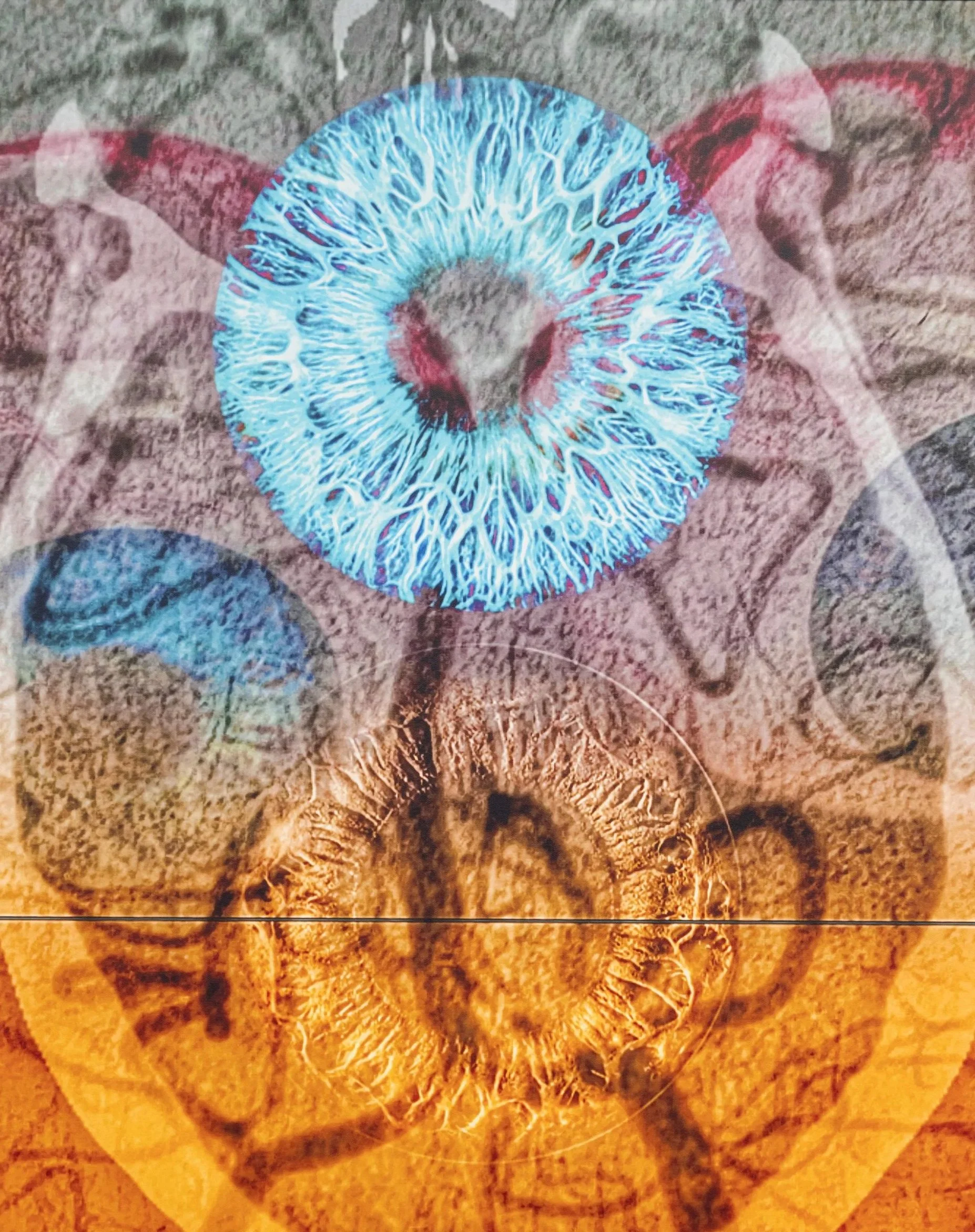
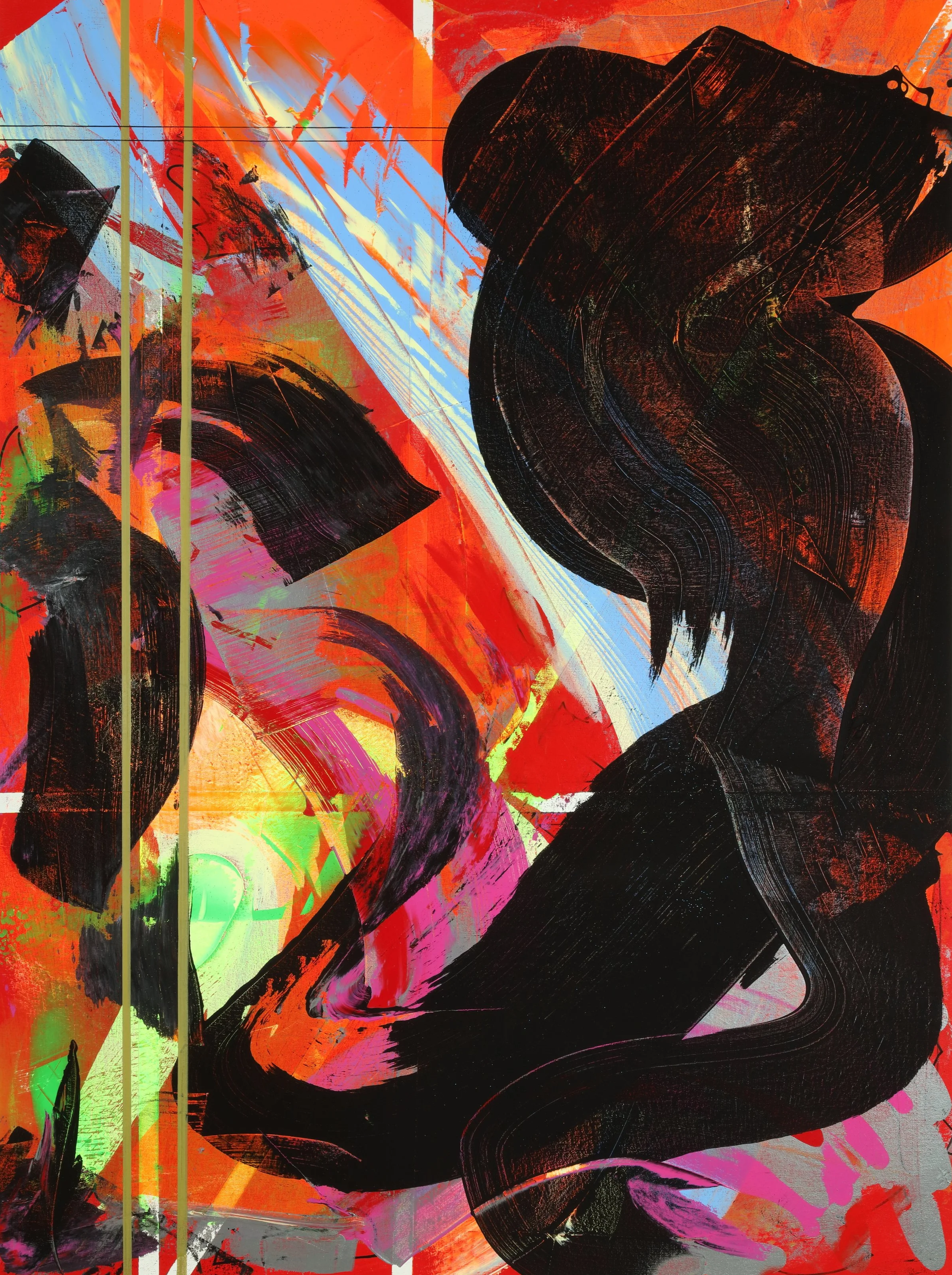
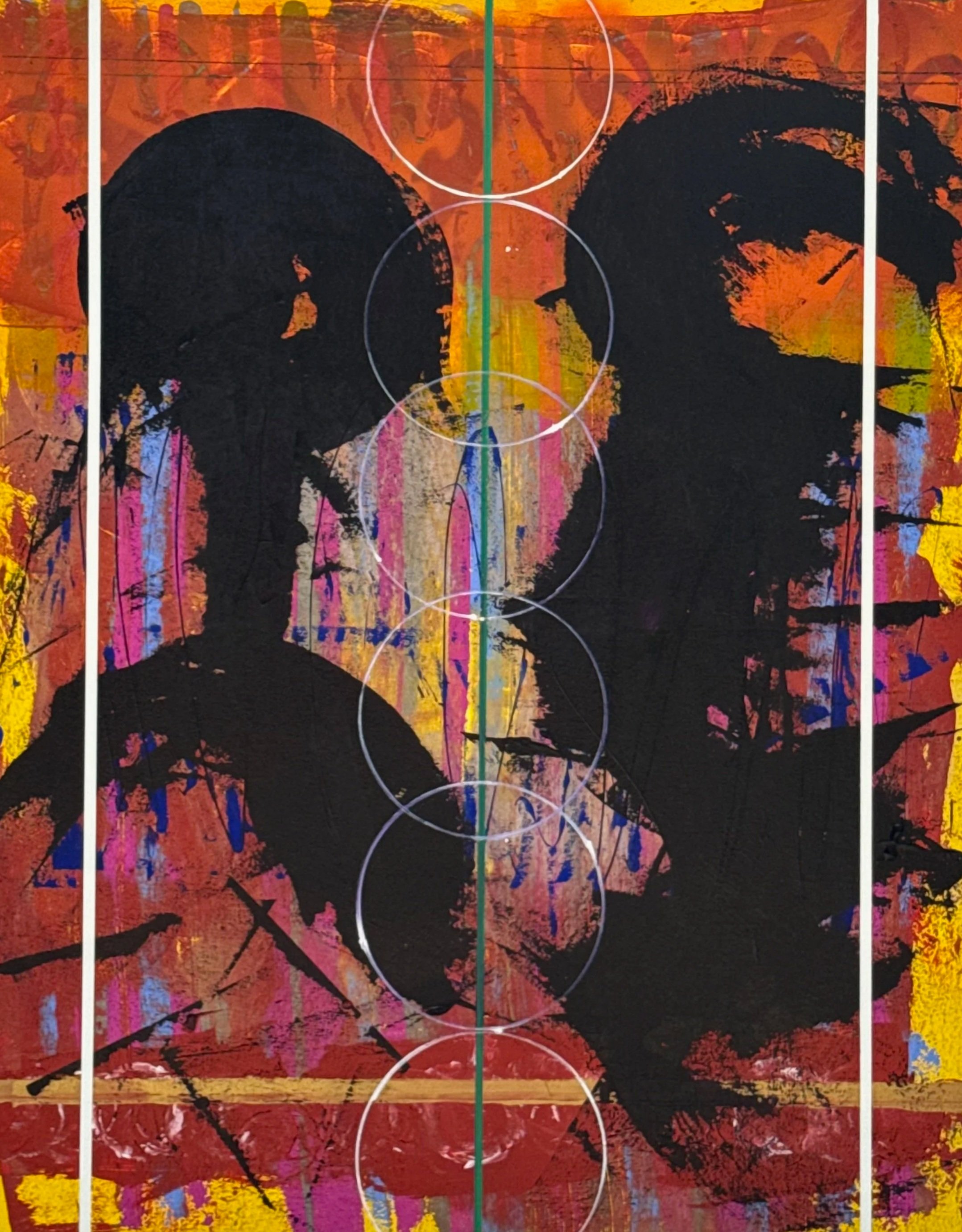
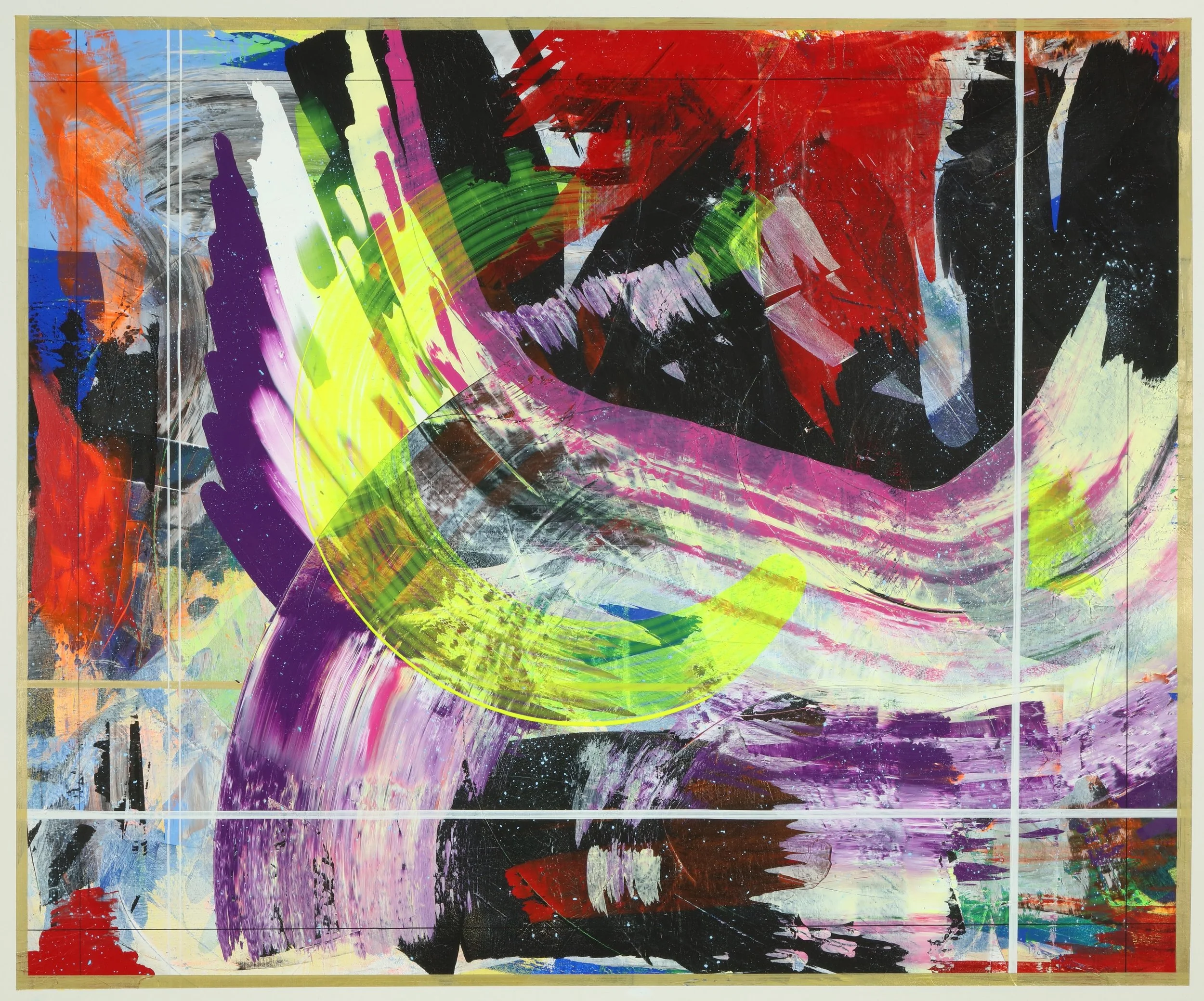
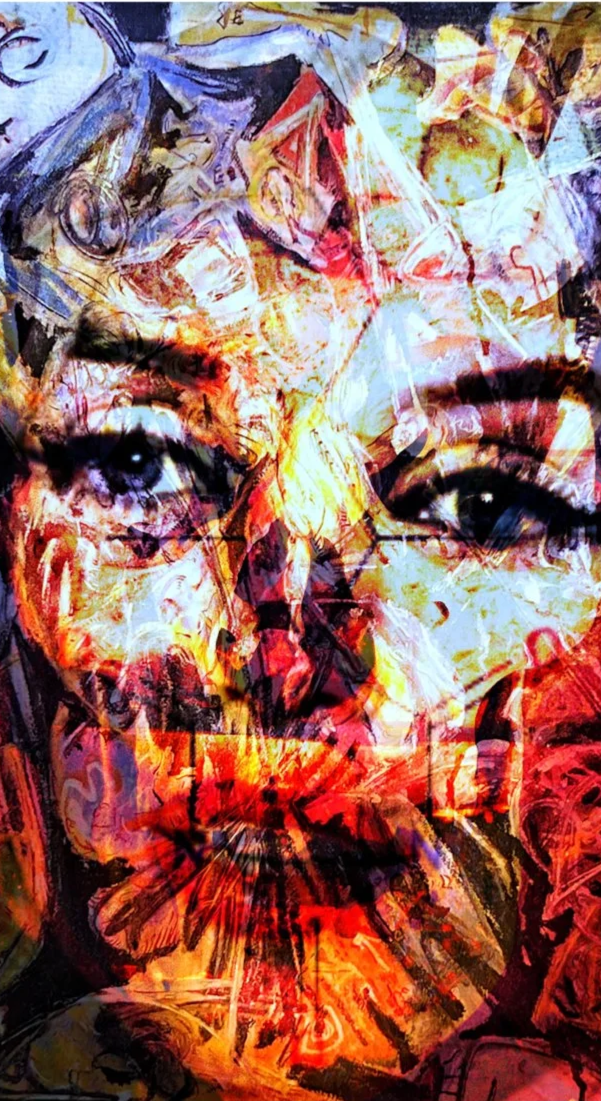
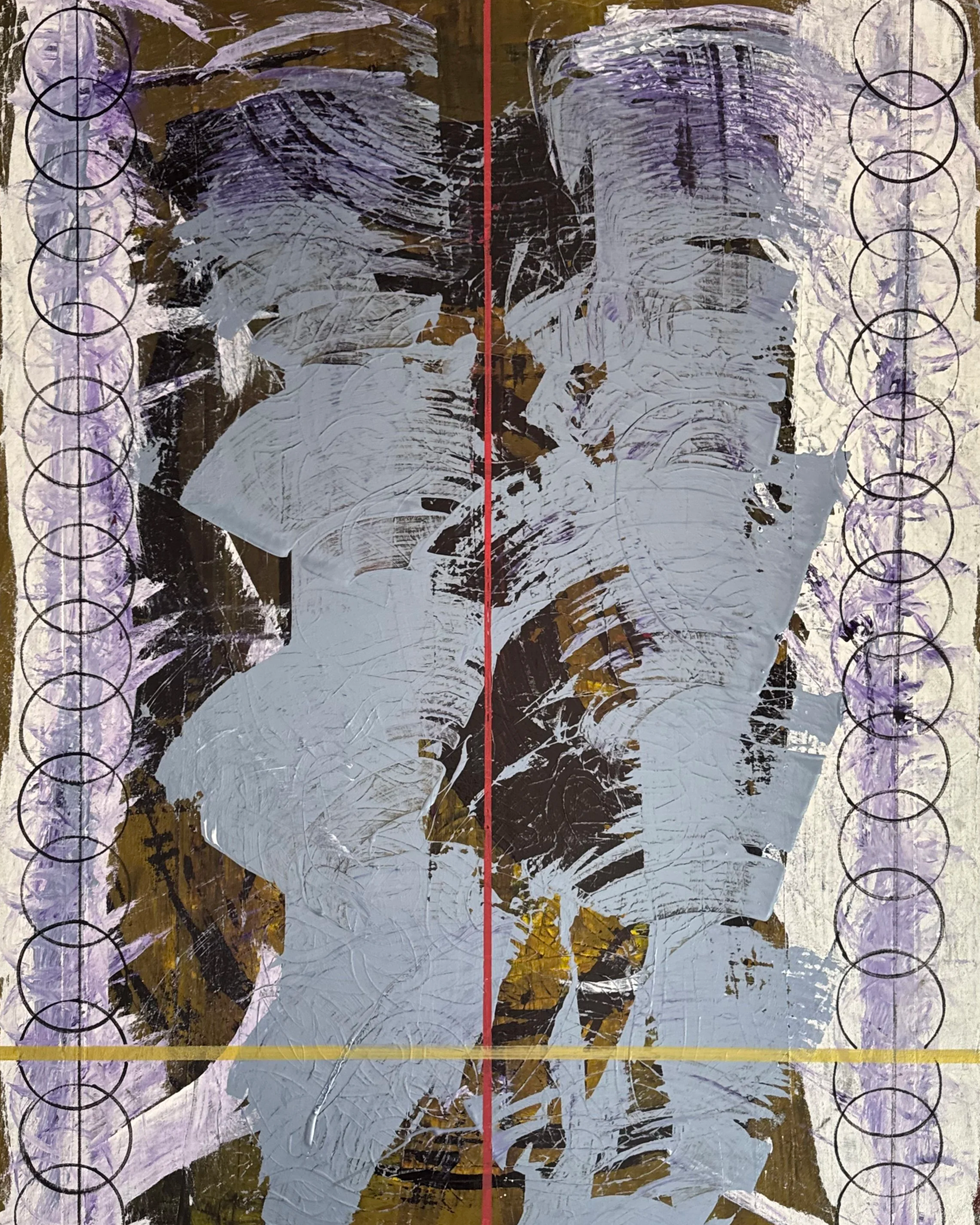
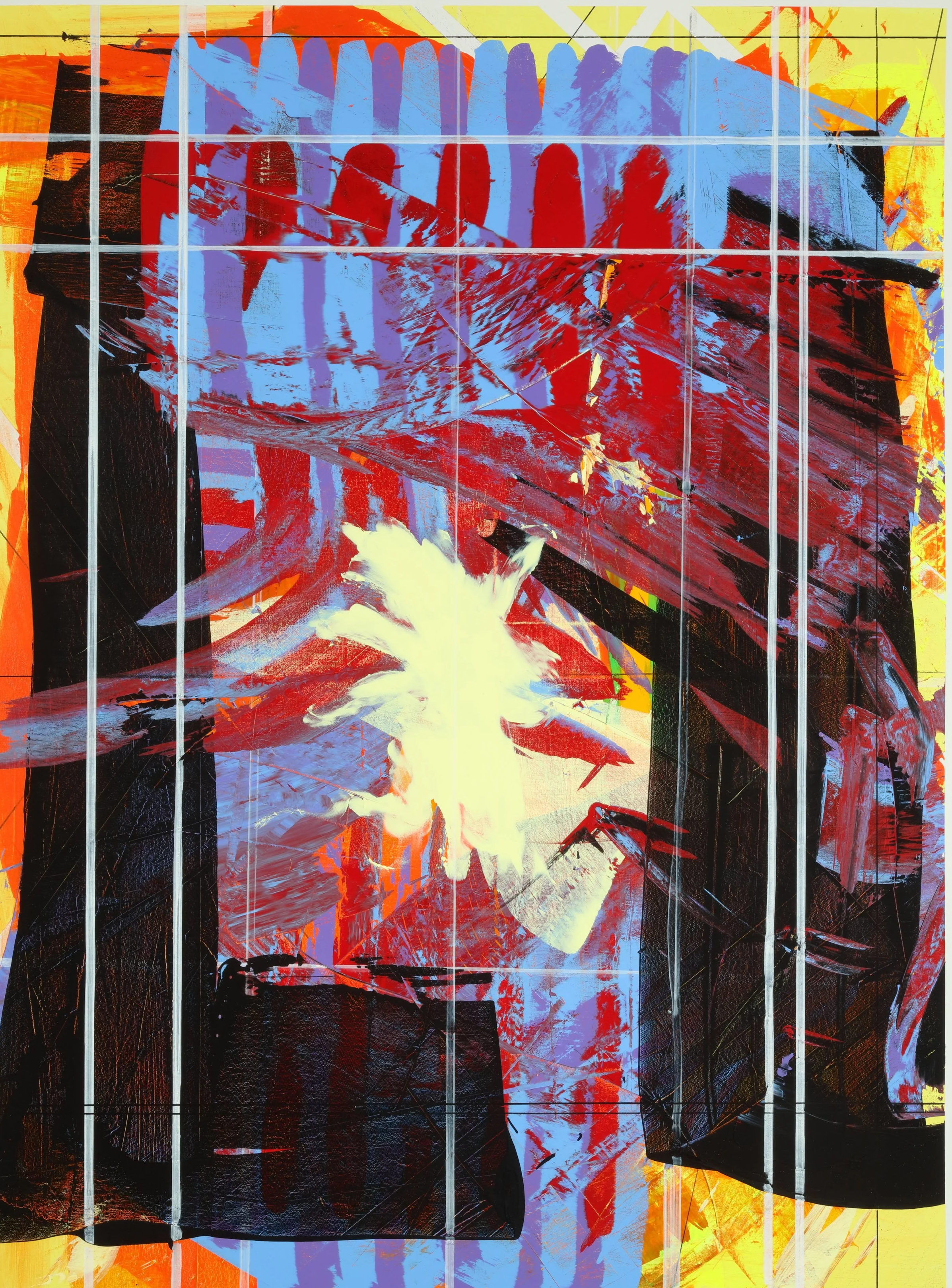
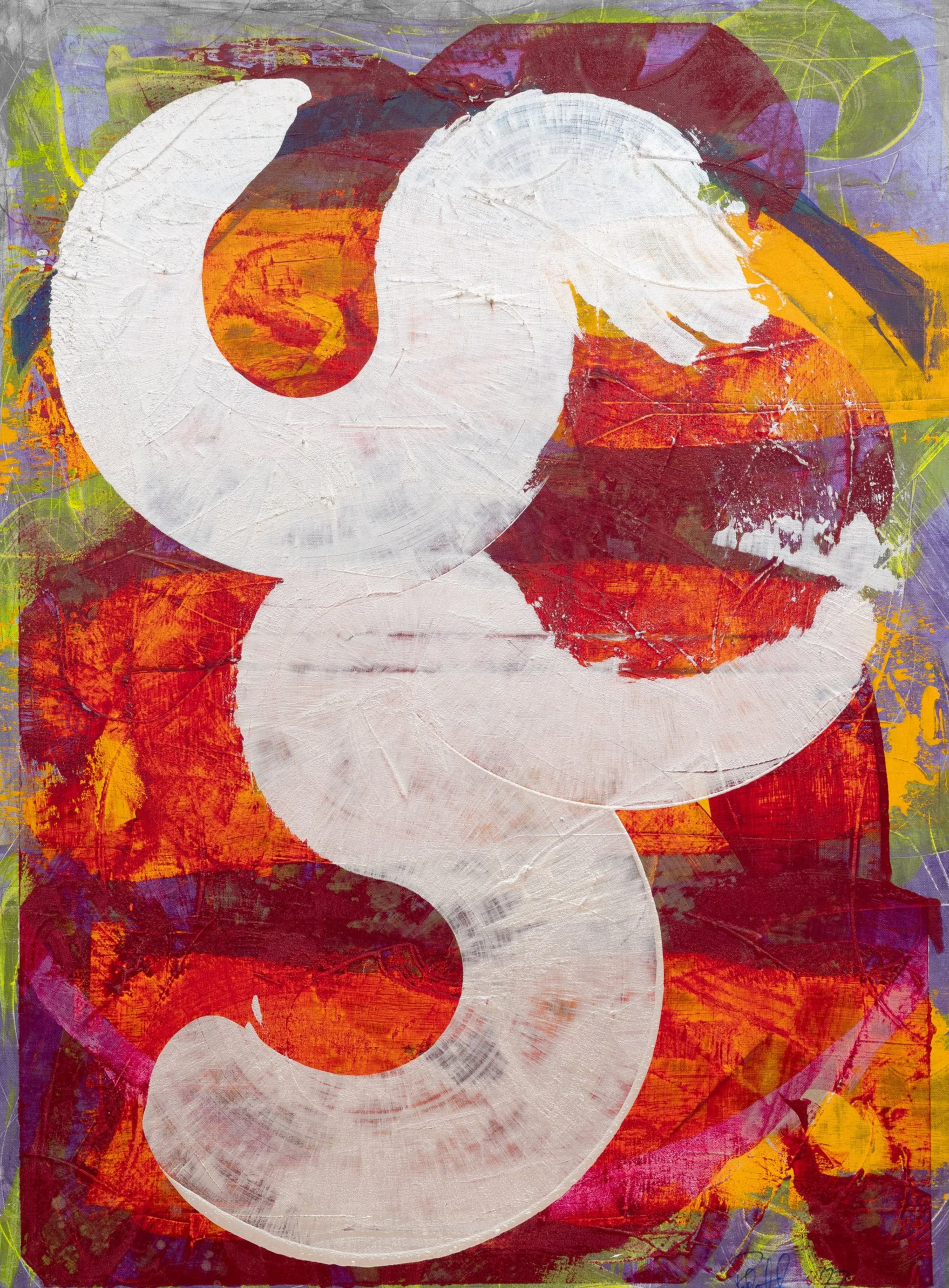
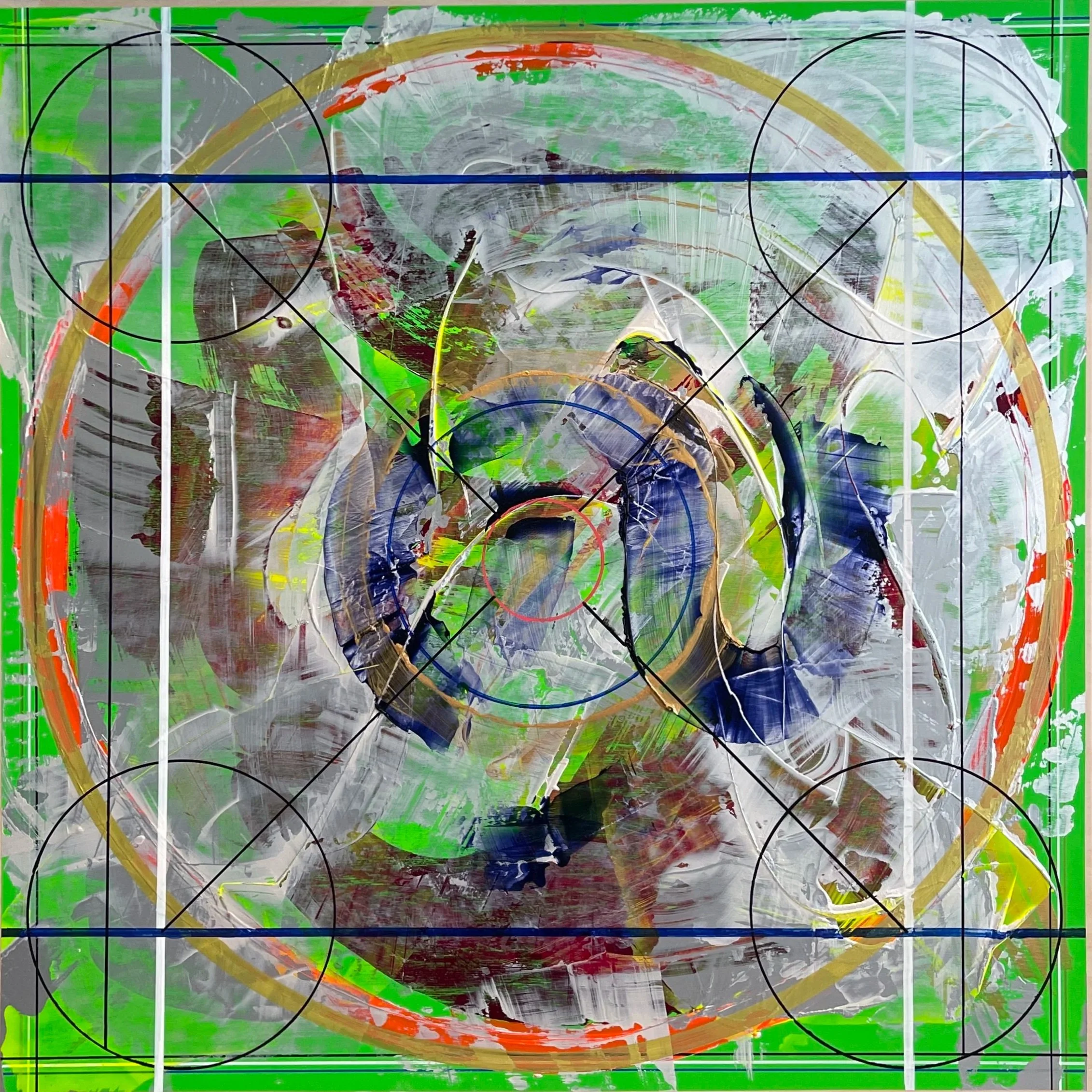
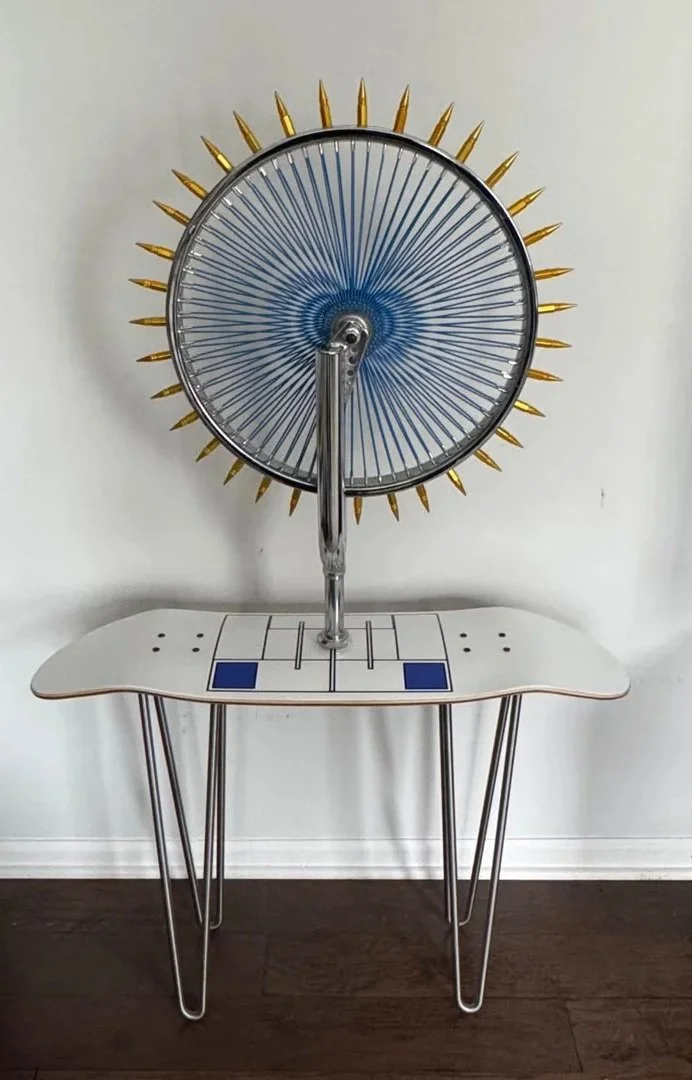
Robert Singer (b. 1964) is from Omaha, Nebraska and attended the University of Iowa where he studied history and studio art. He has a Master’s Degree in Modern Art History; Theory and Criticism from Azusa Pacific University. His work is on permanent display at Arya in Atlanta, Georgia, Norton Neuroscience Center in Louisville, Kentucky and Neurosurgery of South Kansas City in Overland Park, Kansas. Additionally, he has shown work at The Hopkins Center at Dartmouth College and La La Land Gallery in Los Angeles. He is active in the Hamptons art community having worked at The Dan Flavin Art Institute (Bridgehampton), Guild Hall (East Hampton) The Pollock Krasner House and Study Center in Springs, NY where he has contributed to many development and site preservation projects.
Since 2002, he has served as President and Director of Design for Waterstone Guitar Company (modguitars.com) which specializes in unique and custom built effects, pickups and instruments. He is a neurosurgeon specializing in neurovascular and neuro-oncological surgery. He received his medical degree at the University of Nebraska and neurosurgical training at Vanderbilt University. He completed fellowships in Interventional Neuroradiology (Stanford University) and Cerebrovascular Surgery (Massachusetts General Hospital/ Harvard Medical School). He also completed the Master of Healthcare Delivery Science (MHCDS) program at Dartmouth College in 2016. Currently, he lives in Southampton, NY.
Robert, your career bridges two seemingly disparate realms: contemporary art and neurosurgery. In what ways do you perceive the act of creating visual art and performing high-stakes neurosurgical procedures as parallel disciplines, particularly in terms of intuition, precision, and vulnerability?
For me, there has emerged a balance through my neurosurgical practice and exploration of abstraction and conception through art. While being complimentary in offering a platform for personal growth, the differences are what is particularly interesting. Both demand intuition, precision and vulnerability but the hierarchy of these factors is shifted considerably offering a tension that leads to introspection and evolution of both.
Much of your artistic output seems to engage with layered structures, visually, conceptually, and emotionally. As someone with a deep understanding of cerebral anatomy and human cognition, how does your knowledge of the brain’s architecture influence the way you construct visual space, rhythm, and narrative within your paintings?
The inherent beauty of the nervous system is it’s complexity. The understanding of thought and behavior remains an abstraction that I’m not convinced will ever be understood completely. The underlying architecture, however, is not chaotic from an anatomical standpoint and offers guideposts that assist in surgical navigation. I think my paintings are a reflection of this in that I try to create order through linear reference while pursuing abstract representation with color and depth.
Given your academic background in history and modern art criticism, how do you see your work participating in, resisting, or reconfiguring art historical lineages? Are there particular artists or movements, perhaps even obscure ones, you feel a spiritual or intellectual affinity with, and how does that manifest in your approach?
The late 19th Century produced a flashpoint in human thought that subsequently laid a foundation for significant evolution in artistic expression. My opportunity to study it in depth was monumental in moving forward. The courage of the artists created a cultural transcendence where subconscious thought merged with the scientific. This resonates with me. The interpretation of contemporary tools and means manifested a rejuvenation of what was possible even when inaccurate. My approach is similar in that I want to create beauty and emotion from what is ordinary and, to some degree, simple and common.
In viewing your paintings, especially those on your website, there is a palpable tension between control and chaos, geometry and organicism. Do you see this tension as a reflection of neurological states, sociopolitical dynamics, or perhaps a metaphysical inquiry into the nature of perception itself?
That you see these things is an accomplishment for me. Riegl described Kunstwollen or “will to art” which implies a relativism of creation to its time. My formalistic tendencies are introspective and likely a manifestation of my work as a neurosurgeon and the perceptual frailties I’m trying to understand and overcome.
As someone actively engaged in site preservation and institutional development in the Hamptons art community, how do you reconcile the responsibilities of cultural stewardship with the imperative to challenge institutional conventions and aesthetic expectations in your own creative work?
I think the engagement of the community is essential and, in many respects, complimentary to the challenge of implementing changes in not only the art world but everywhere. The opportunity to engage with the local community is, first and foremost, a way to understand need from many perspectives. My experience has been that there is an open minded willingness to consider and advance change as it represents a dialogue that is necessary to progress.
Your collaborations span from gallery exhibitions to experimental projects across disciplines. Could you discuss the philosophical or methodological criteria you use when selecting collaborators, and how collaboration reshapes your understanding of authorship, originality, and creative identity?
The collaborative projects have come about as self evident and mutually celebrated from shared experiences or interests. They have been rewarding in creating a malleability that ultimately contributes to my autonomous work.
In your dual identity as a neurosurgeon and artist, you inhabit both the empirical rigor of scientific inquiry and the ambiguity of aesthetic exploration. How do you personally navigate the epistemological conflict or harmony between knowing something through dissection and diagnosis, versus intuiting something through abstraction and metaphor?
They both explore a need to understand and gain perspective. From an epistemological standpoint, while the journey is different the goals are the same; benevolence and inner peace. They are complimentary and challenging to me in equal degree. Neurosurgery is direct and tangible with a well defined purpose. Abstraction is a vehicle for pursuing questions of spirit that I find necessary.
Having served as President and Director of Design for Waterstone Guitar Company, where design intersects with sound and tactility, how has working with musical instruments impacted your approach to visual composition, texture, and the emotional resonance of your paintings?
The guitar work is sculptural but requires functionality where a painting doesn’t. I feed off of that tension and have used it to explore extremes in musical instrument making. I’ve also tried to destroy the functionality of objects to ask different questions about form and representation. This, of course, has been done many times before and I enjoy the exercise.
You’ve practiced and trained at some of the world’s leading institutions in both art and medicine. Looking back, do you view your trajectory as a series of deliberate decisions, or as an emergent, almost neurological, unfolding, synaptic, nonlinear, and shaped by unexpected stimuli?
My life’s trajectory is a byproduct of decisions, both good and bad, as a consequence of circumstance. If there’s one thing, in particular, that I’m cognoscente of is my shortcomings and I work to focus on faults rather than successes. In my experience, perseverance through adversity is the only way to continue. It was emphasized to me, for many years, that it’s okay to falter, just don’t get an advanced degree in it.
In a moment when the boundaries between disciplines are dissolving and cross-pollination is increasingly celebrated, what responsibilities, ethical, cultural, or existential, do you feel fall upon polymaths like yourself? How do you see your work contributing not only to aesthetic discourse but to a deeper understanding of what it means to be conscious, embodied, and human?
I feel an inherent need to contribute in a positive way. The blending of disciplines between art and science is a natural tendency as a byproduct of cognitive advancement. We are at yet another time in history when the acceleration of such is palpable and need to be vigilant to perpetuate advancement with an eye on compassion.