
Erna Klaus
Biography
From a Later Discovery to International Recognition
A Later Beginning
Erna Klaus’s path to professional painting did not begin as a career mapped out from an early age. She discovered art later in life and initially approached it out of personal curiosity. Television programmes featuring the American painter Bob Ross awakened her fascination with the immediacy with which a world of one’s own can emerge on canvas. Klaus began painting herself and attended her first courses in oil painting. What began as experimentation soon developed into a serious interest: she wanted not merely to follow a method, but to understand the craft of painting and explore its possibilities more fully.
Training and a Foundation in Craft
Klaus continued her artistic training steadily. She worked with Werner Schneider, among others, attended courses at an adult education centre and studied at the Kunstakademie Kolbermoor. These stages gave her a foundation and expanded her technical repertoire. Representational painting initially played an important role. Through it, she trained her powers of observation, her sense of composition and her handling of materials. As her experience grew, so did the question of how technical command might develop into an independent artistic position.
Her development was therefore not an abrupt break with what she had already learned. Craft remained the foundation, yet Klaus gradually freed herself from the idea that a painting should reliably execute a motive determined in advance. She sought a way of working that would reveal not only skill, but also openness, risk and personal choice.
Markus Lüpertz: Summer Academy and Continuing Study
Her encounter with Markus Lüpertz became a decisive stage. Klaus first attended his Summer Academy. This led to further artistic work that continues today: she began studying with Lüpertz at the Academy of Fine Arts in Kolbermoor and will progress to his master class next year. Her studies with Lüpertz are explicitly not a completed phase of training. They are an ongoing context of particular importance to Klaus’s career, in which she examines and develops her painting while confronting fundamental questions of artistic independence.
The significance of this work does not lie in adopting another artist’s style. Its central challenge is instead to avoid confusing technical assurance with an artistic solution. For Klaus, this brought a different question to the fore: what enables a painting to stand as an independent work—which decision is necessary, what may remain unresolved and when does a work acquire a presence of its own? Her engagement during these studies encouraged her to relinquish certainties and give the development taking place on the canvas more room.
From Representation to a Visual Language of Her Own
Through this development, Klaus increasingly moved away from classical representation. The decisive change was not simply a turn towards abstract forms; the entire act of painting changed. A predetermined result gave way to an open process in which colours, movements and layers help determine each subsequent decision. Klaus responds to what has already emerged and allows a work to take an unexpected direction.
She now uses the term “Wild Art” for this approach. It describes a free, intuitive and spontaneous way of painting that permits chance without becoming arbitrary. In her artist statement, Klaus explains how forms and layers of colour acquire a dynamic of their own and how faces, figures or stories may emerge from them. Meditation supports the concentration and openness this process requires. Colour is not merely a means of representation, but an independent vehicle for movement, tension and atmosphere.
Professionalisation and Public Recognition
As her art developed, Klaus also professionalised her practice. Her later personal discovery became a continuous career sustained by training, studio work, critical engagement and public presentation. Her works have been shown in Germany and beyond its borders. Exhibition locations cited in the existing project material include Munich, Salzburg and Udine; works have also been presented in San Diego, Miami, New York, Shanghai and Tokyo. Her painting has thus reached audiences in Europe, the United States and Asia.
This international development should not be understood as a conclusion. It expands the sphere in which her art can resonate while the work itself remains in motion. Different places and viewers bring new perceptions to the paintings. Because Klaus’s works do not prescribe a single reading, this openness towards the audience is an essential part of her artistic position.
Travel, encounters and personal experiences are further sources for her work. They are not reproduced in documentary form. Instead, impressions may be transformed into colours, rhythms or moods and surface again only during the act of painting. Klaus’s intense use of colour is also connected to her desire to set energy, imagination and beauty against war, crises and the dominance of negative news—without denying reality.
A Career in Continuing Development
Viewed as a whole, her career reveals a consistent movement from acquiring the craft to developing an individual painterly language. It began with a fascination for how a picture comes into being. Courses, teachers and institutional stages of training followed. The Summer Academy with Markus Lüpertz, and especially her continuing studies with him, became central impulses on her path towards greater independence. From representational work emerged an abstract, intuitive form of painting that deliberately unites control and surprise.
Her later entry into art gives this biography its distinctive profile. Klaus did not follow a predetermined career plan; she developed her artistic practice step by step and with increasing ambition. For her, professionalisation did not mean fixing a style once it had been found. Rather, it is evident in her willingness to examine her own position continually, represent it publicly and continue learning at the same time.
This combination of continuity and willingness to change also shapes her present understanding of herself as an artist. Earlier phases of training are not discarded; they remain available as experience. At the same time, no learned solution is allowed to become a fixed formula. Her continuing work with Lüpertz keeps this commitment alive and connects studio practice with critical exchange. Public presentations, in turn, confront the works with perspectives that Klaus cannot control. Between these fields—concentrated work, artistic dialogue and an international public—emerges a career whose professionalism lies precisely in its mobility. Each new creative process can confirm, shift or reopen what is already known.
“Wild Art” is the current expression of this path. It brings together the technical foundations of her early years, her release from fixed motive, her trust in intuition and her experiences during her continuing studies with Markus Lüpertz. At the same time, it remains open to change. Erna Klaus’s artist biography is therefore not the story of a course of training that ended at some point. It is the story of an artistic development that continues with every new work.
Special thanks go to Petru Russo, whose writing for international art publications has accompanied Erna Klaus’s artistic journey over many years.
Autor: Fridtjof Atterdal
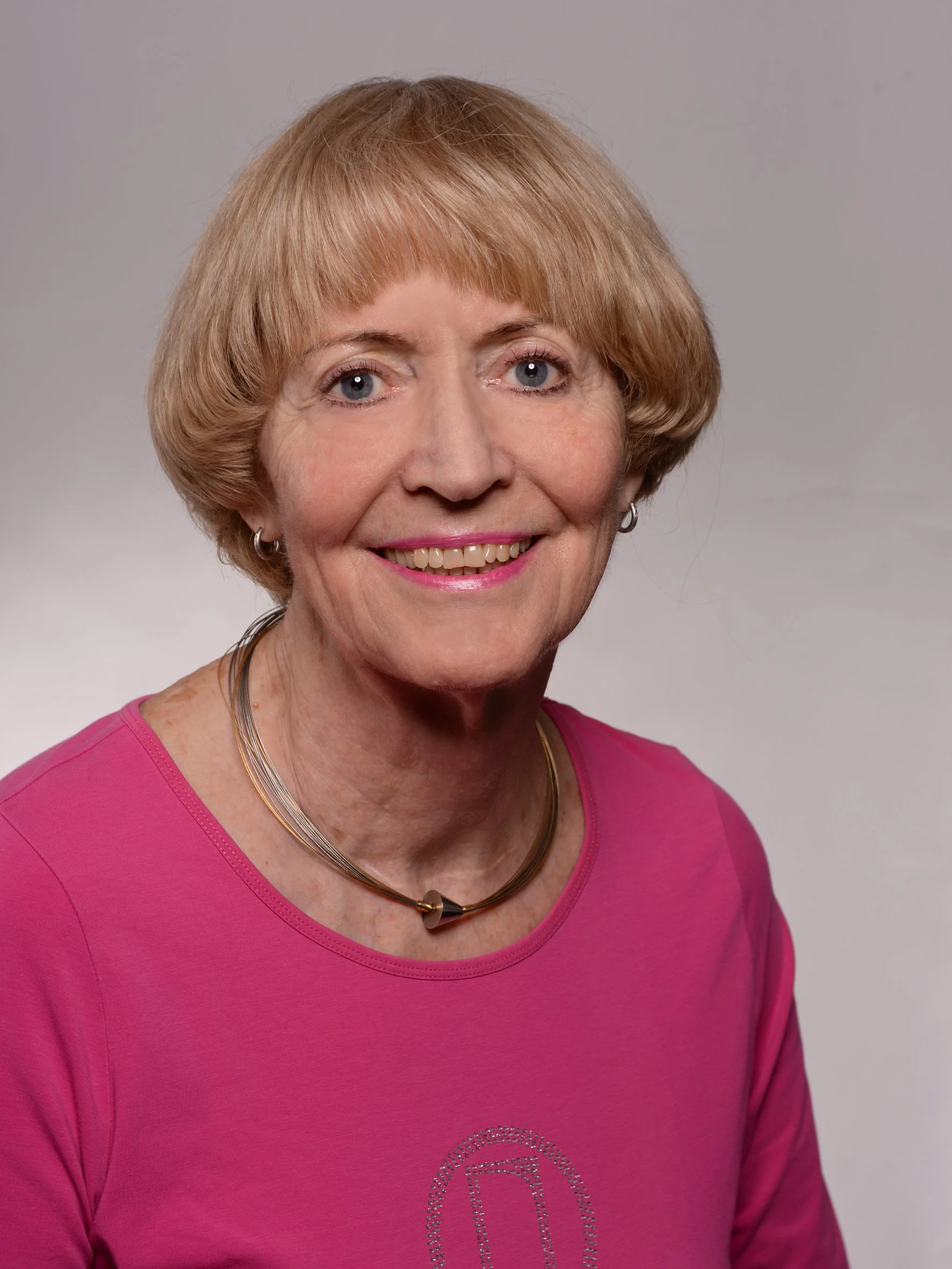
Erna Klaus
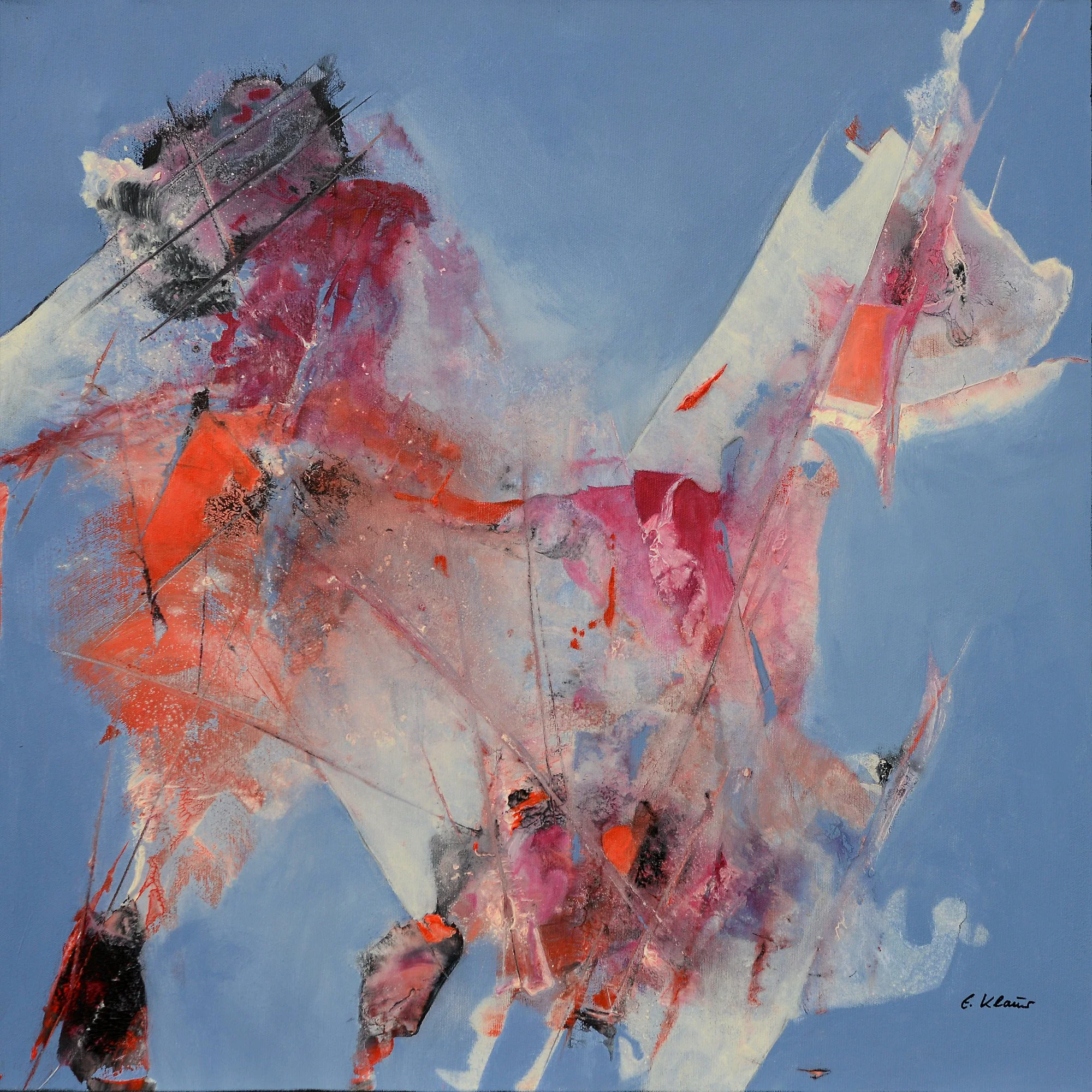
Fabulous Animal, 2022, Acrylic on Canvas, 80 x 80 cm
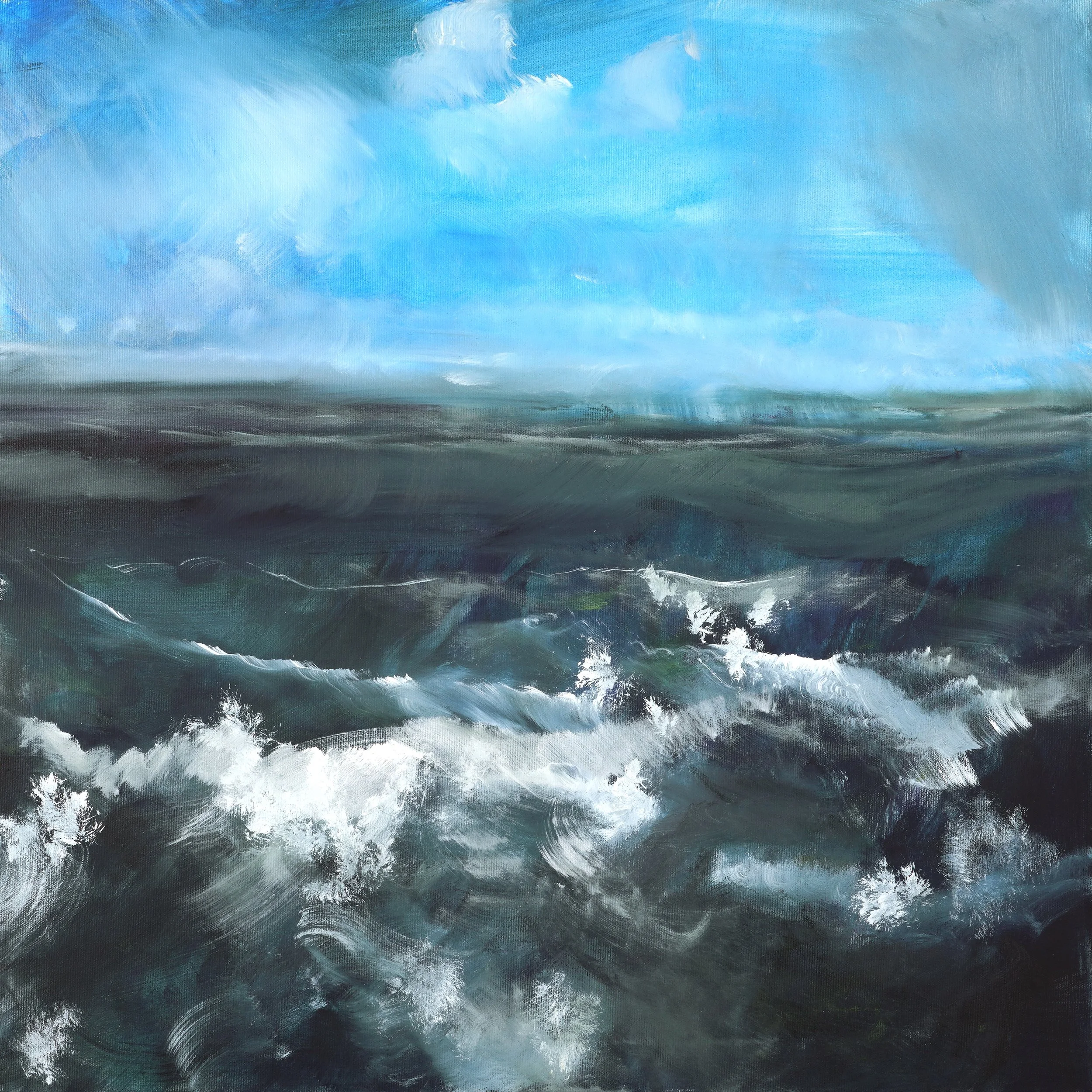
Surging Waves, 2023, Acrylic on Canvas, 80 x 80 cm
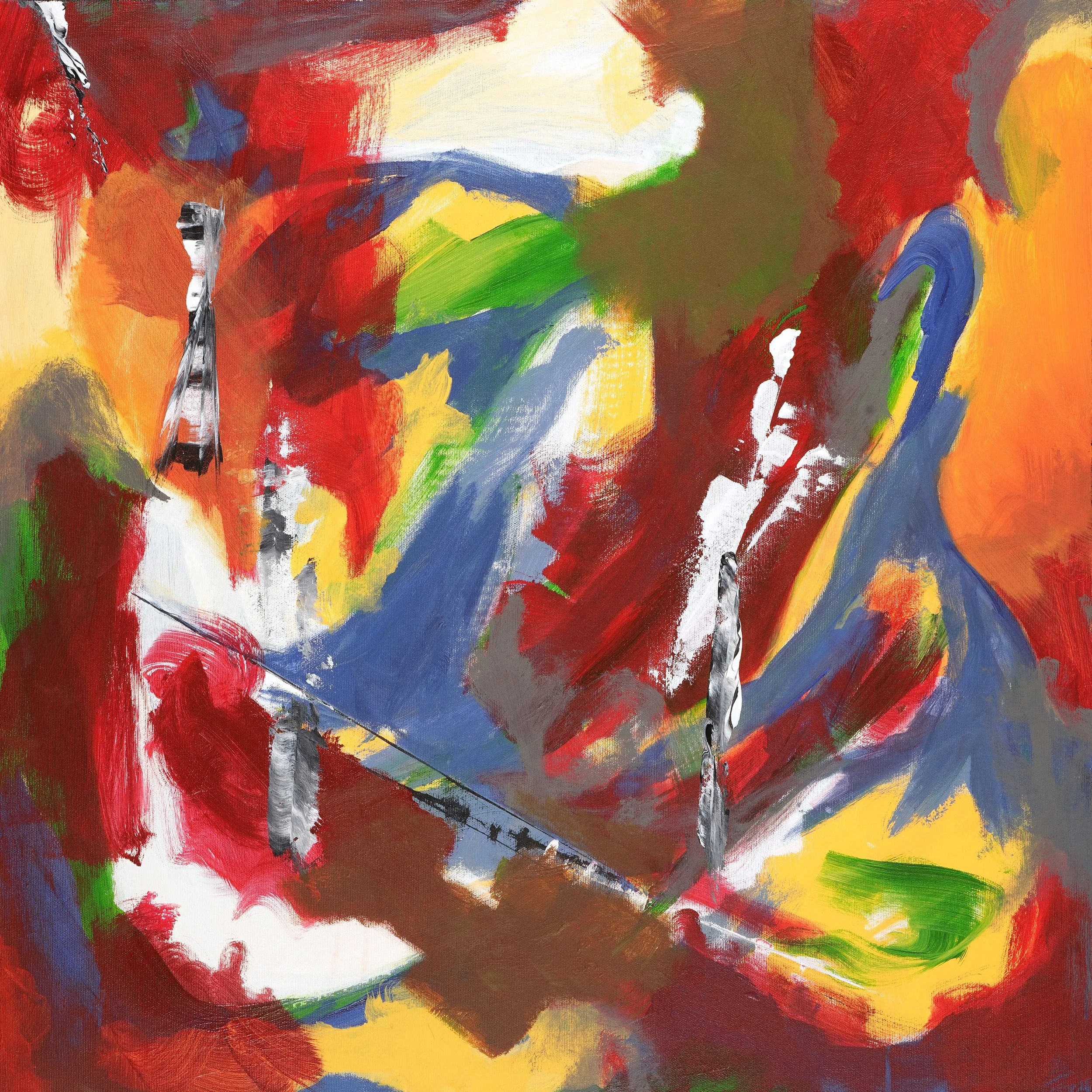
Uphill, Downhill, 2023, Acrylic on Canvas, 80 x 80 cm
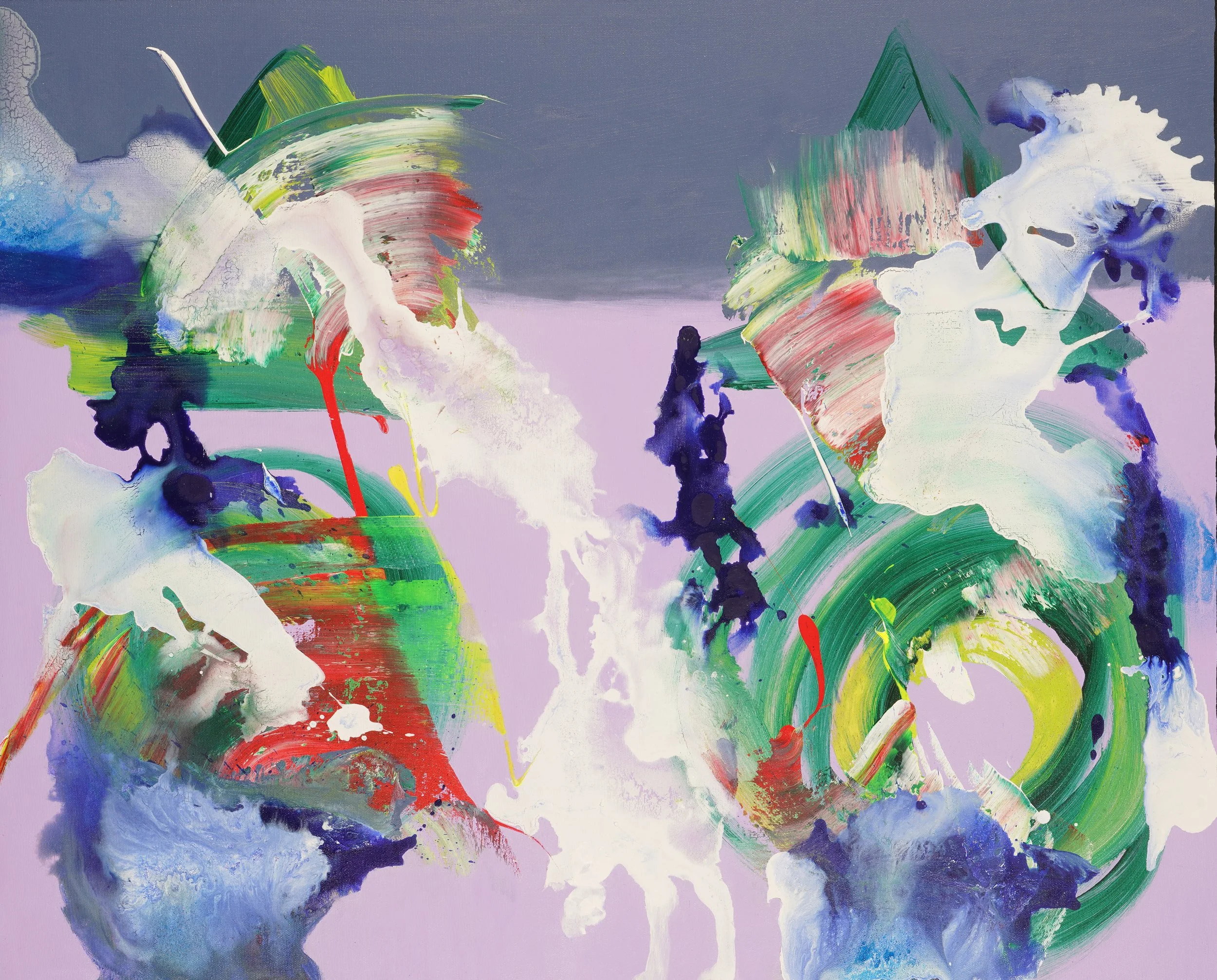
Moose, Elves, Trolls, 2023, Acrylic on Canvas, 80 x 100 cm
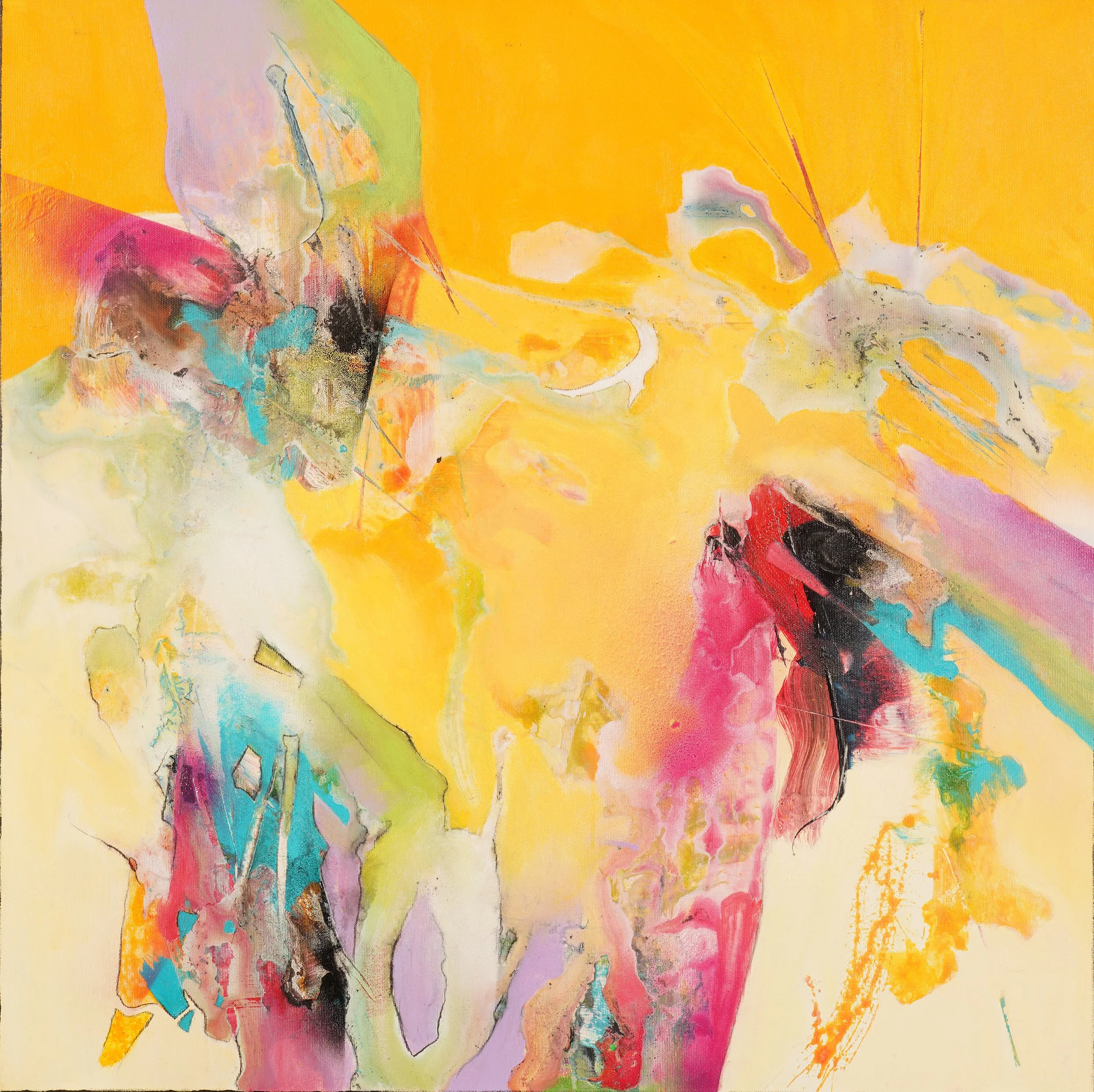
Primal Birds to This Day Birds, 2023, Acrylic on Canvas, 80 x 80 cm
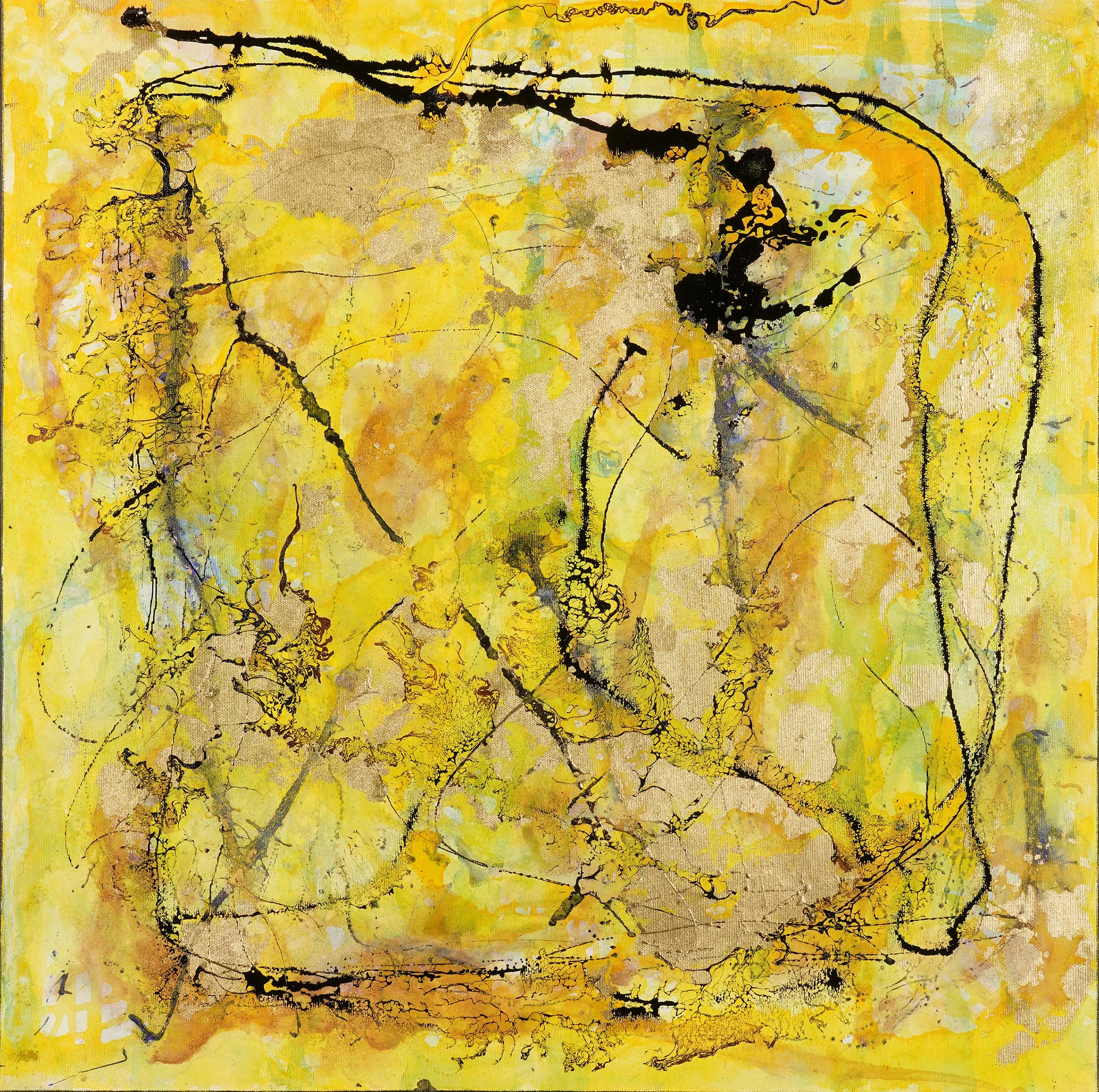
Dancing in the Light, 2023, Mixed Media, 80 x 80 cm
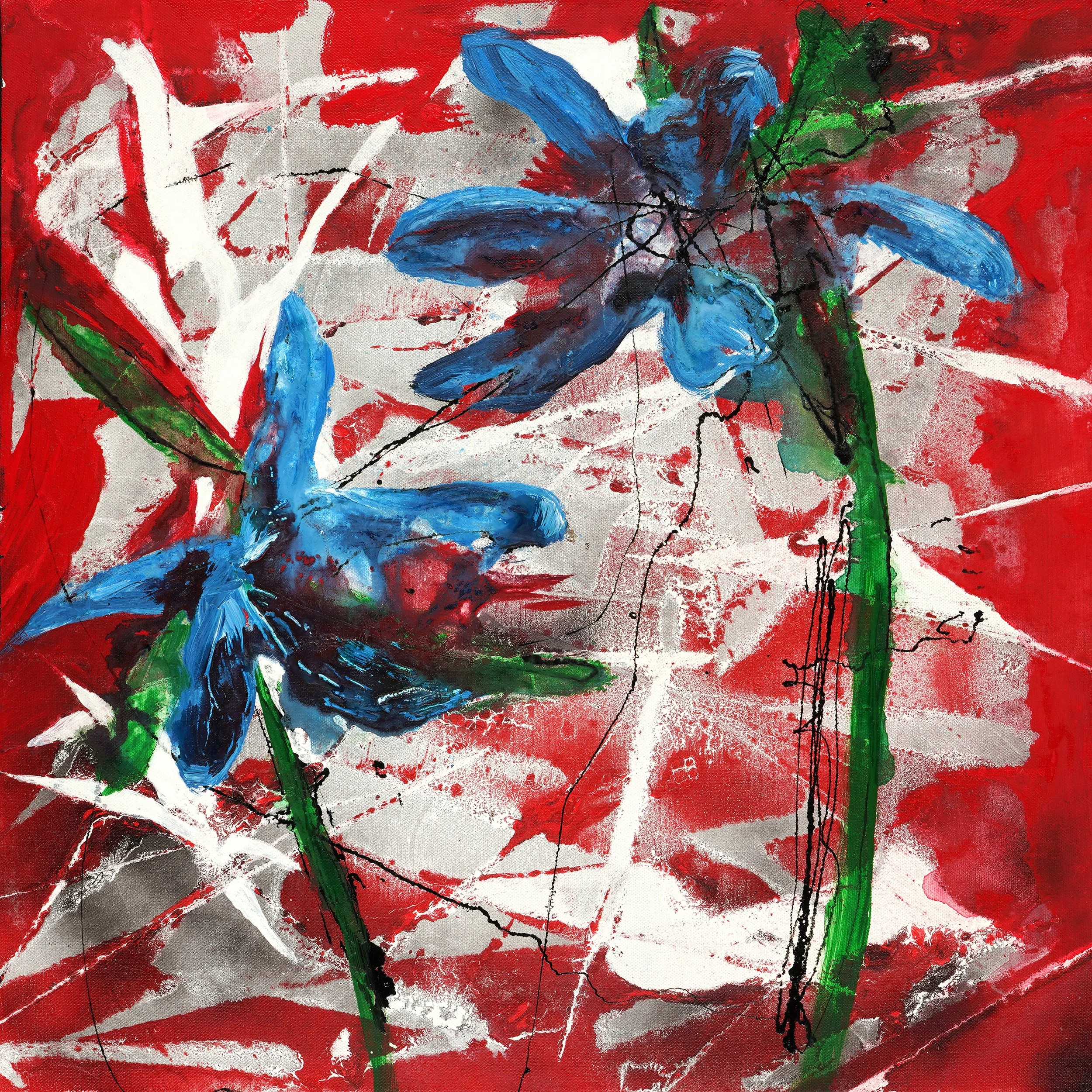
Hawai Inspiration, 2024, Acrylic on Canvas, 58 x 58 cm
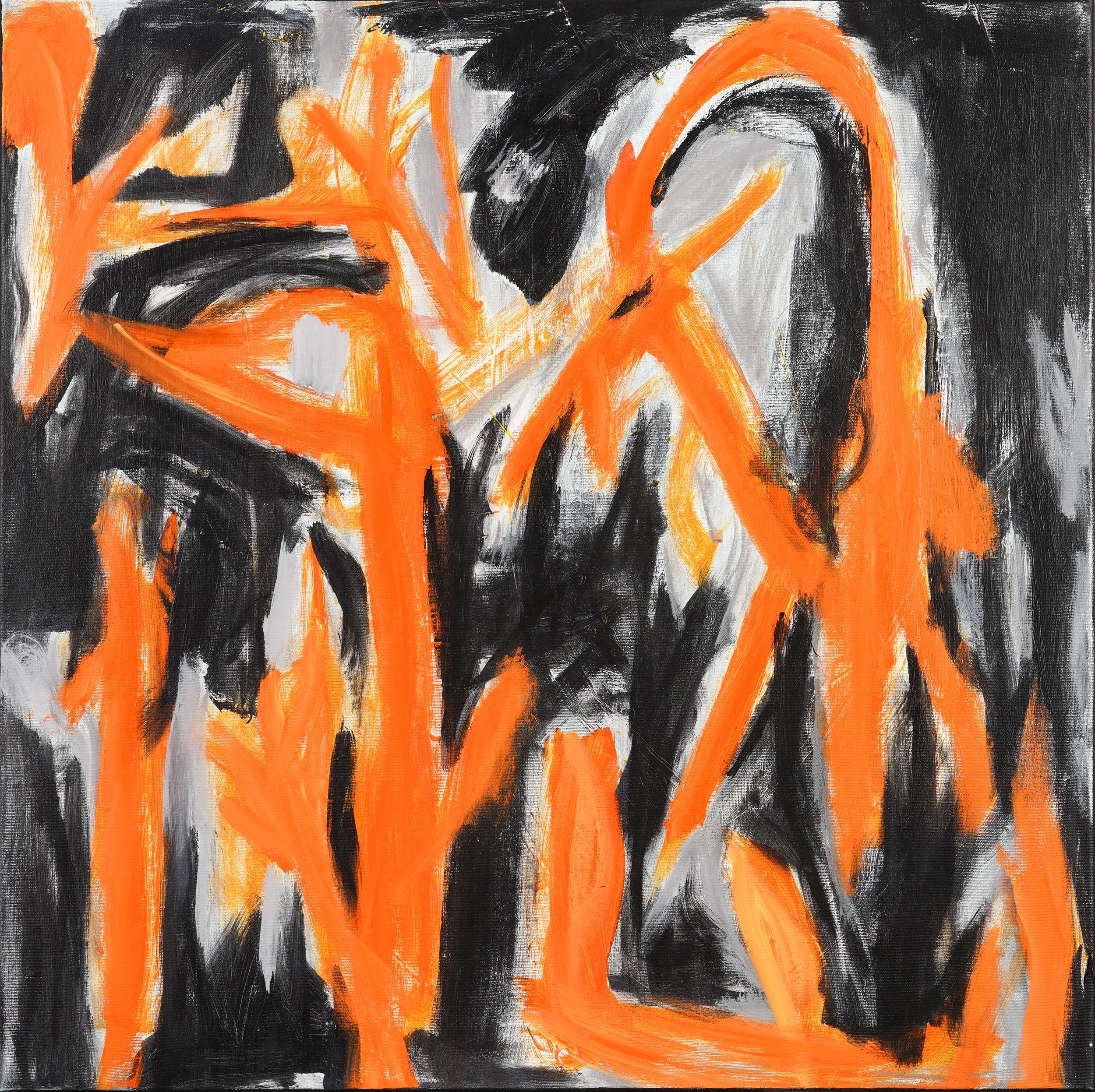
The Squeaker, 2025, Acrylic on Canvas, 80 x 80 cm
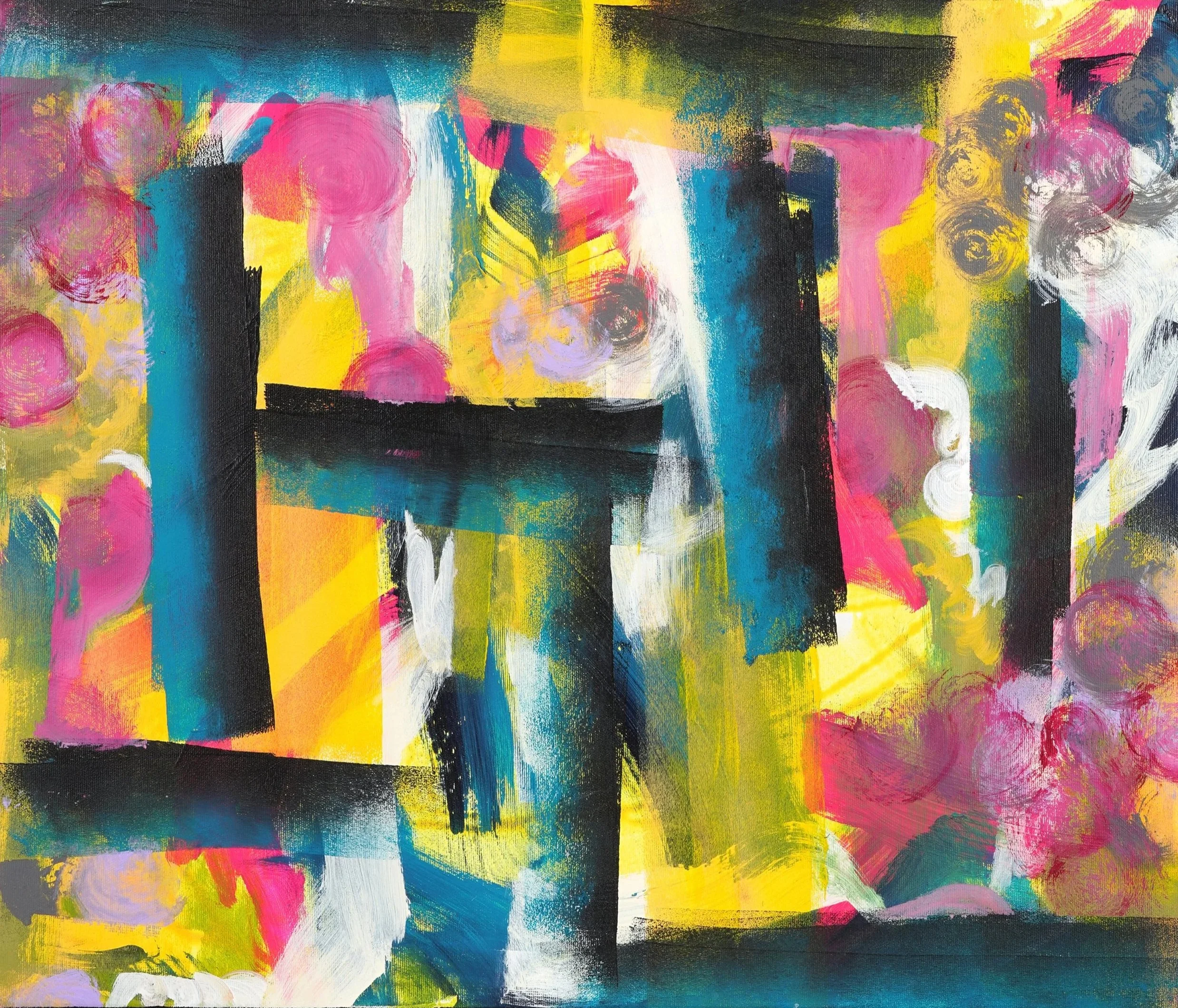
“TH”, 2025, Acrylic on Canvas, 60 x 70 cm
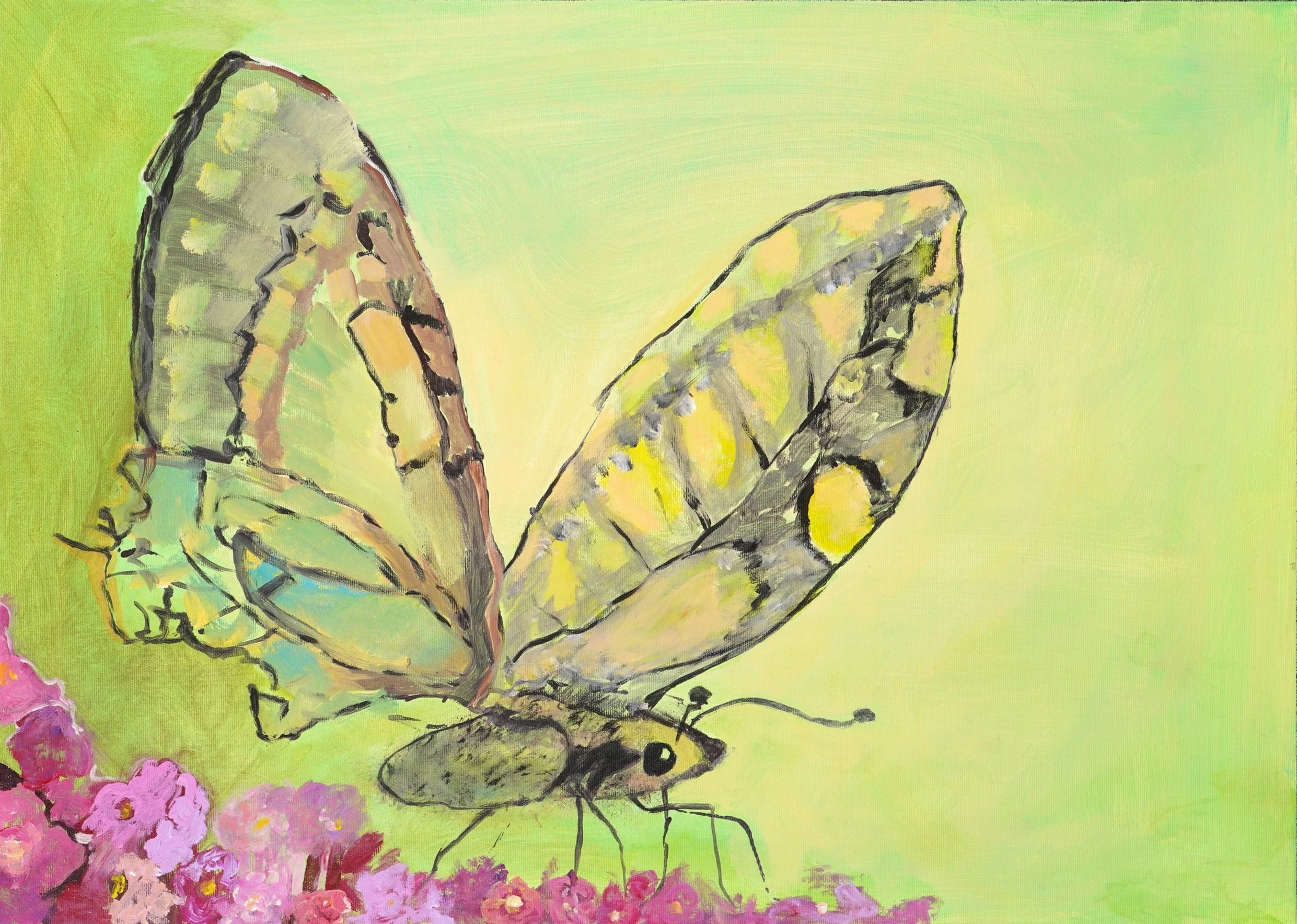
Butterfly 1-2-3, 2025, Acrylic on Canvas, 50 x 70 cm