
Paweł Pilch
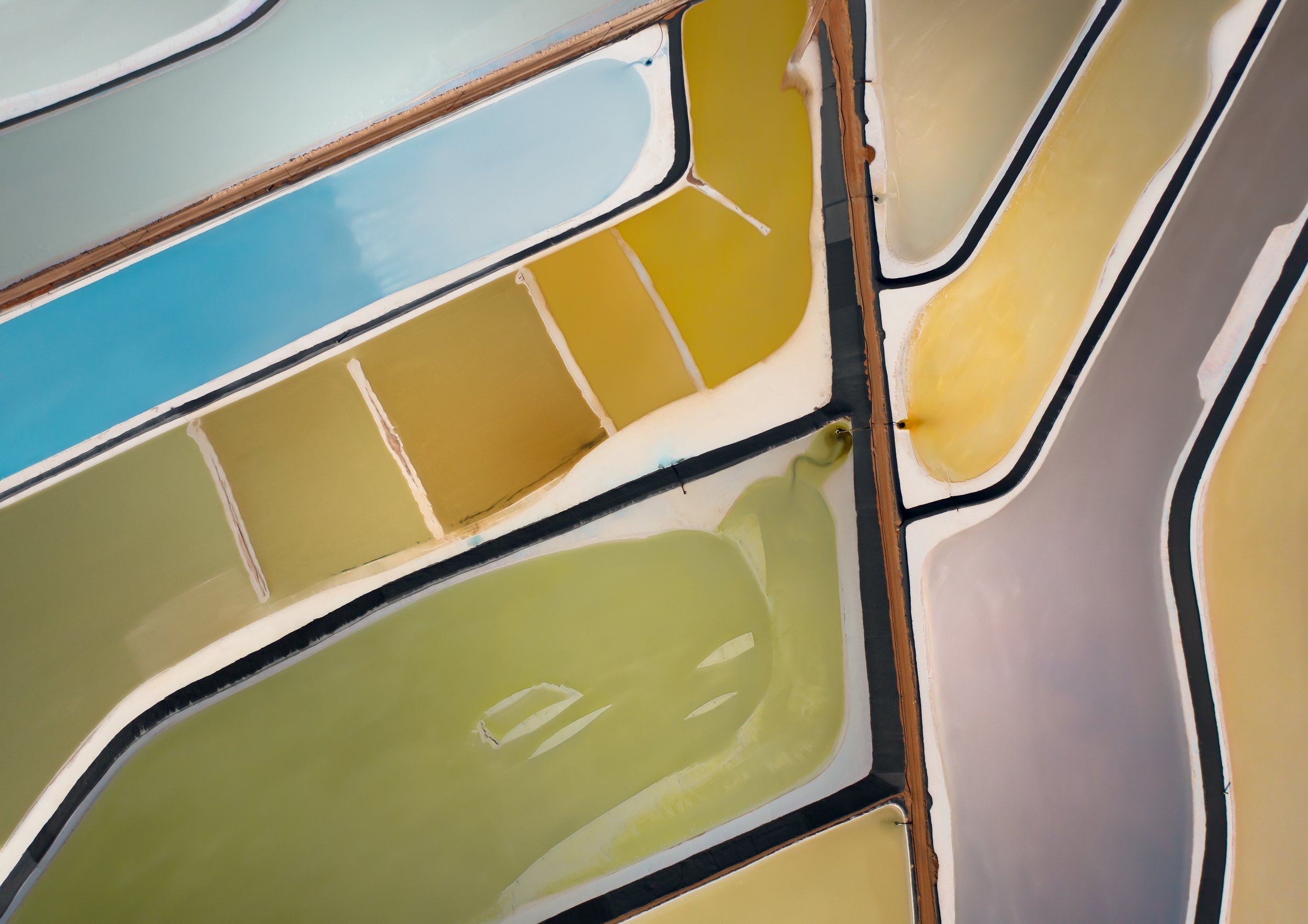
Biography
Paweł Pilch is a Polish-born American artist whose photography occupies a compelling space between landscape, abstraction, architecture, and contemporary visual art. Based in Brooklyn, New York, Pilch studied at Hunter College and trained at the International Center of Photography. Over the past two decades, his travels around the world have provided an expansive visual vocabulary from which he has developed a distinctive photographic language—one defined by bold color, geometry, texture, movement, and an extraordinary sensitivity to the relationship between natural and constructed forms.
Rather than simply documenting the places he encounters, Pilch transforms them. His photographs often ask the viewer to reconsider what they are looking at. A landscape can become an abstract composition; geological formations can resemble paintings; architecture can dissolve into lines, planes, and rhythm. Through unusual perspectives—particularly his aerial photography—familiar environments are stripped of their conventional identity and reduced to their essential visual elements.
This approach is especially evident in Uplifted, Pilch’s acclaimed aerial series photographed over Yellowstone. Seen from above, geothermal pools, mineral deposits, water, and earth become extraordinary compositions of color and organic form. The photographs hover between recognizable landscape and pure abstraction, inviting the viewer to look at nature not only as scenery, but as an evolving work of art. The series received international recognition and was featured by National Geographic, further establishing Pilch’s reputation for finding abstraction within the natural world.
Pilch’s aesthetic is rooted partly in his Polish background and his early exposure to the powerful graphic tradition of the Polish School of Poster Art. Its influence can be felt in his attraction to strong shapes, saturated color, visual economy, and compositions that communicate immediately while revealing greater complexity upon closer examination. His photographs possess a graphic quality, yet they remain deeply photographic—grounded in the physical world and in the unexpected beauty that can emerge when it is seen from a different perspective.
His work extends beyond landscape into environmental and architectural photography, where the same visual principles remain present. Buildings, infrastructure, industrial spaces, and natural environments become subjects through which Pilch explores structure, scale, repetition, and the tension between order and organic chaos. His work is less concerned with describing a particular place than with revealing something about how we perceive space itself.
This evolving artistic language has earned Pilch more than forty international honors and recognitions, including distinctions from the Spider Awards, Fine Art Photography Awards, Chromatic Awards, Vienna International Photo Awards, and other international competitions. In 2023, All About Photo Magazine named him one of its Best Rising Photographers, recognizing the growing significance of his work within contemporary photography.
A particularly important milestone came in 2025, when Pilch received the Lorenzo il Magnifico Special Commendation from the President Award at the XV Florence Biennale – Florence International Biennale of Contemporary Art & Design. The recognition places his photography within the broader context of contemporary international art, acknowledging an artistic practice that extends beyond photography as documentation and embraces the medium as a form of visual expression and abstraction.
The Florence Biennale recognition is significant within Pilch’s continuing artistic development. His work demonstrates how photography can move freely between disciplines—landscape and abstraction, nature and architecture, observation and interpretation. His images reward both immediate visual impact and sustained contemplation: the longer one looks, the more the apparent simplicity of a composition gives way to layers of texture, movement, scale, and meaning.
Pilch has exhibited internationally, with presentations and exhibitions including New York, Athens, Vienna, Glasgow, and Florence. His work has appeared in publications and international photography platforms, including AAP Magazine and AATONAU, while his photographs continue to receive attention from jurors, curators, and collectors.
At the heart of Pilch’s practice is curiosity. Whether looking down upon the extraordinary colors of Yellowstone, confronting the geometry of a building, or discovering an unexpected abstract composition in the landscape, he searches for the moment when the familiar becomes unfamiliar. His photography encourages us to slow down and reconsider what we think we know.
For collectors, this quality gives Pilch’s work a particular resonance. His photographs are visually immediate yet conceptually open, existing comfortably between fine-art photography and abstraction. They are images of real places, but they ultimately become something else: interpretations of color, form, space, and the constantly changing visual language of the world around us.
Artist Statement
I grew up in Poland during the final decade of the Cold War, in a visual environment defined by restraint. Much of everyday life was characterized by muted colors, repetitive architecture, and utilitarian design. Yet, paradoxically, the streets were filled with an extraordinary explosion of color and imagination.
Posters advertising films, concerts, theater performances, exhibitions, and social and cultural events covered the walls of cities and towns. They transformed ordinary streets into open-air galleries. The Polish School of Poster Art turned these advertisements into works of art, using bold color, symbolism, humor, unexpected associations, and striking graphic forms. As a young person, I was captivated by these images. They taught me that a photograph or an image did not have to simply describe something—it could suggest an idea, provoke a feeling, or create an entirely new way of seeing.
That experience continues to influence my work today.
I am drawn to images that exist somewhere between recognition and abstraction. I look for moments when a landscape, building, or fragment of the environment begins to lose its literal identity and becomes something more elemental: a line, a shape, a texture, a rhythm, or a field of color. Photography allows me to discover these moments rather than impose them. My role is to recognize them, isolate them, and give them a new context.
Aerial photography has become an especially important part of this exploration. Changing the point of view can fundamentally alter our relationship with the familiar. From above, landscapes become compositions; geological formations can resemble paintings; roads, buildings, water, and human interventions become graphic marks within a larger visual field. What initially appears to be documentation can gradually become abstraction.
This way of seeing is also connected to my fascination with Art Deco, Cubism, and abstract art, as well as the graphic language of the Polish School of Poster Art. I am attracted to strong forms, saturated colors, clear lines, repetition, geometry, and rich textures. At the same time, I am interested in the tension created when these elements encounter the unpredictability of nature—when geometry meets organic form, when order meets chaos, or when something familiar becomes visually mysterious.
Whether I am photographing the landscape, architecture, environmental details, or the earth from above, I try to reduce the subject to its most essential visual components. This is not an attempt to simplify reality, but to reveal another reality within it.
I am fascinated by the idea that the world can look entirely different depending on where we stand—or where we choose to look from. A familiar place can become strange; something monumental can become delicate; something ordinary can become extraordinary. By shifting perspective, I hope to create a moment in which the viewer is uncertain whether they are looking at a landscape, an architectural structure, a geological formation, or an abstract composition.
Ultimately, I am not interested in telling the viewer exactly what to see. I want to create an opening through which they can look again.
My photographs begin with the physical world, but I hope they lead somewhere beyond it—toward a space where landscape becomes abstraction, observation becomes interpretation, and photography becomes a way of seeing rather than simply recording.
My work is an ongoing exploration of that transformation: the moment when the familiar becomes unfamiliar, and when looking at the world from a different perspective allows us to see it anew.
Email pilchny@gmail.com
Website pilchphotography.com
Facebook facebook.com/pilchny
Instagram instagram.com/pilchnyc/
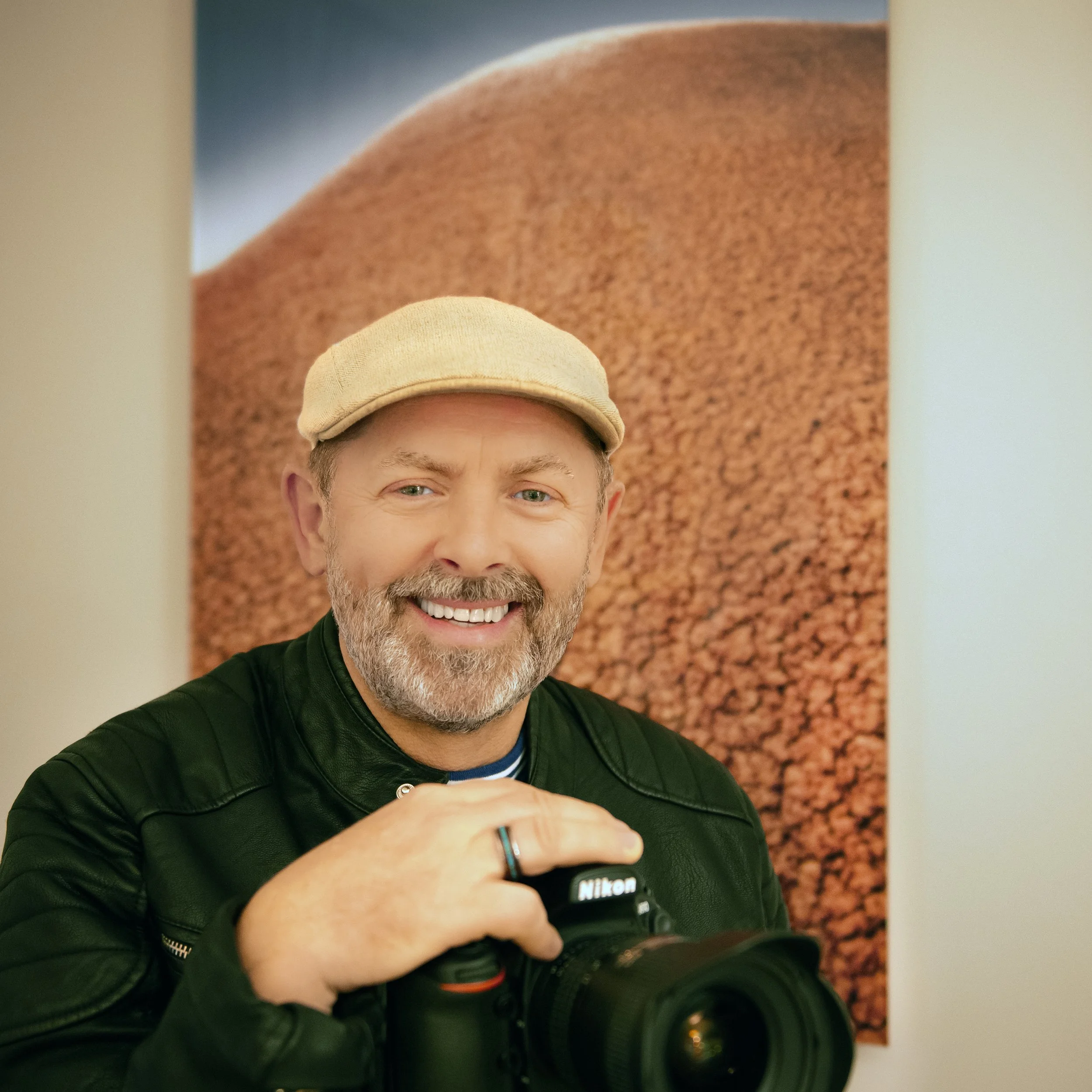
Paweł Pilch
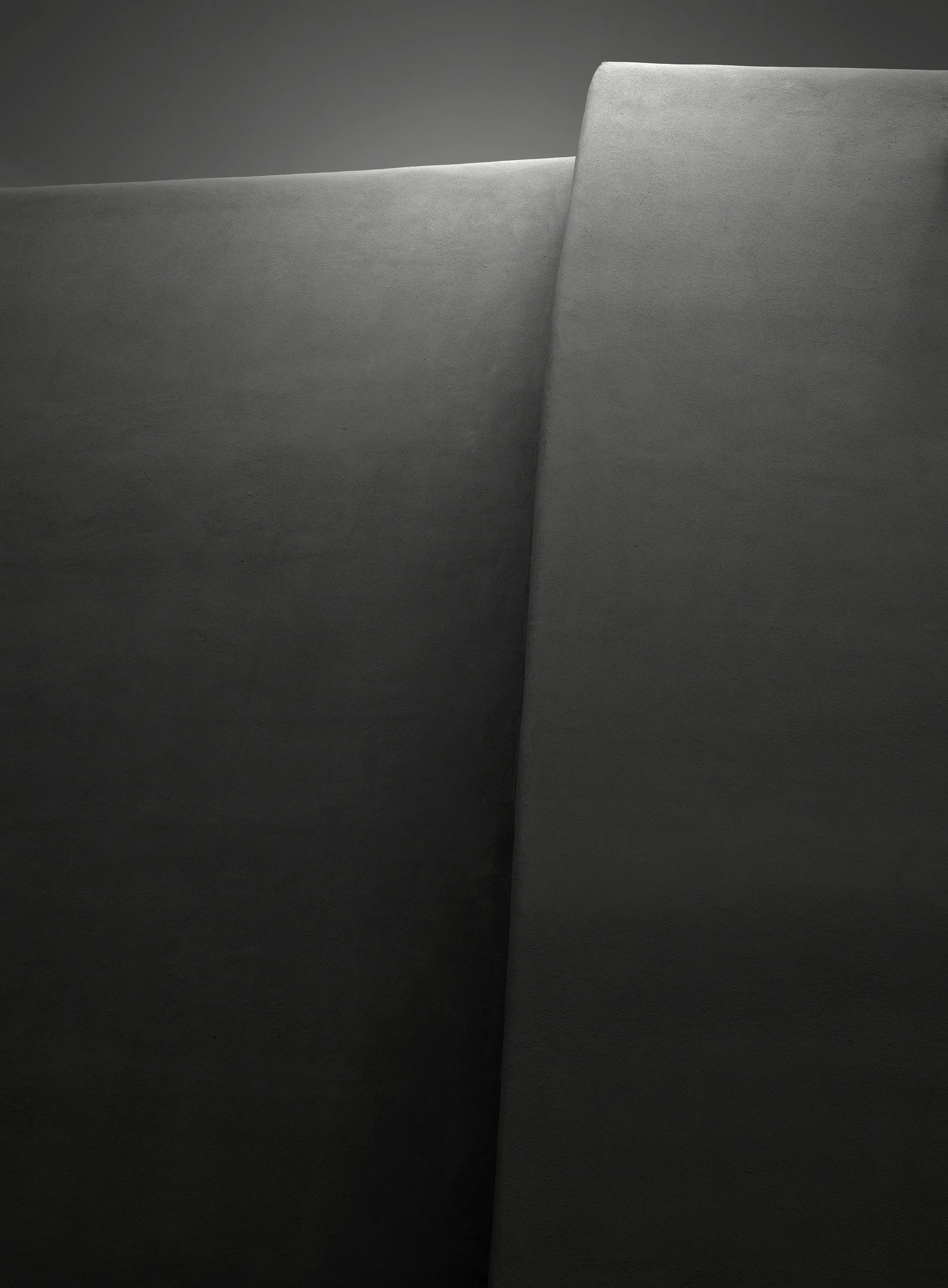
Shapeshifter Nr. 1, 2025. Chromogenic print on Fujicolor Crystal Archive Maxima, 69 x 50 cm
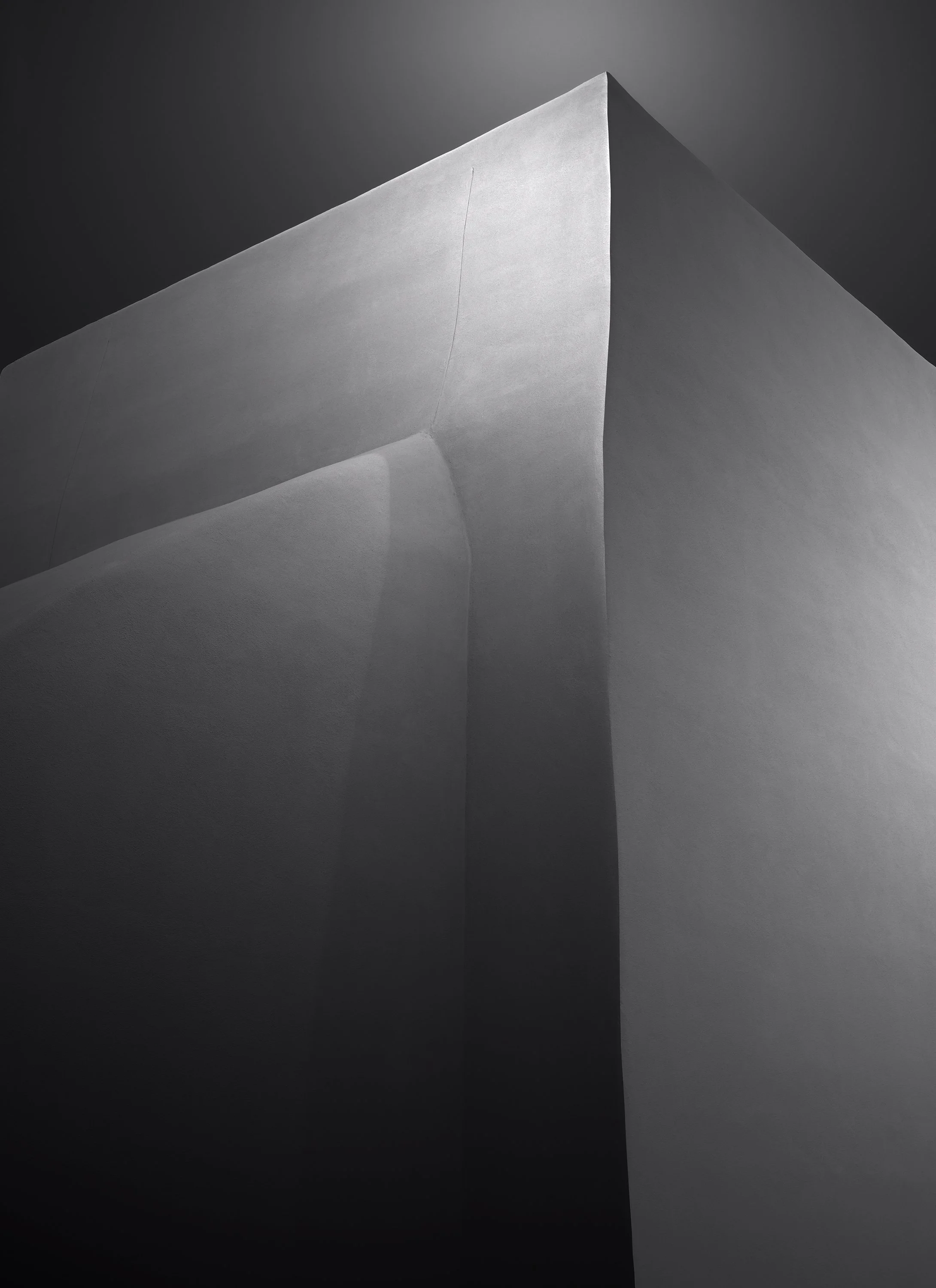
Shapeshifter Nr. 3, 2025. Chromogenic print on Fujicolor Crystal Archive Maxima, 69 x 50 cm
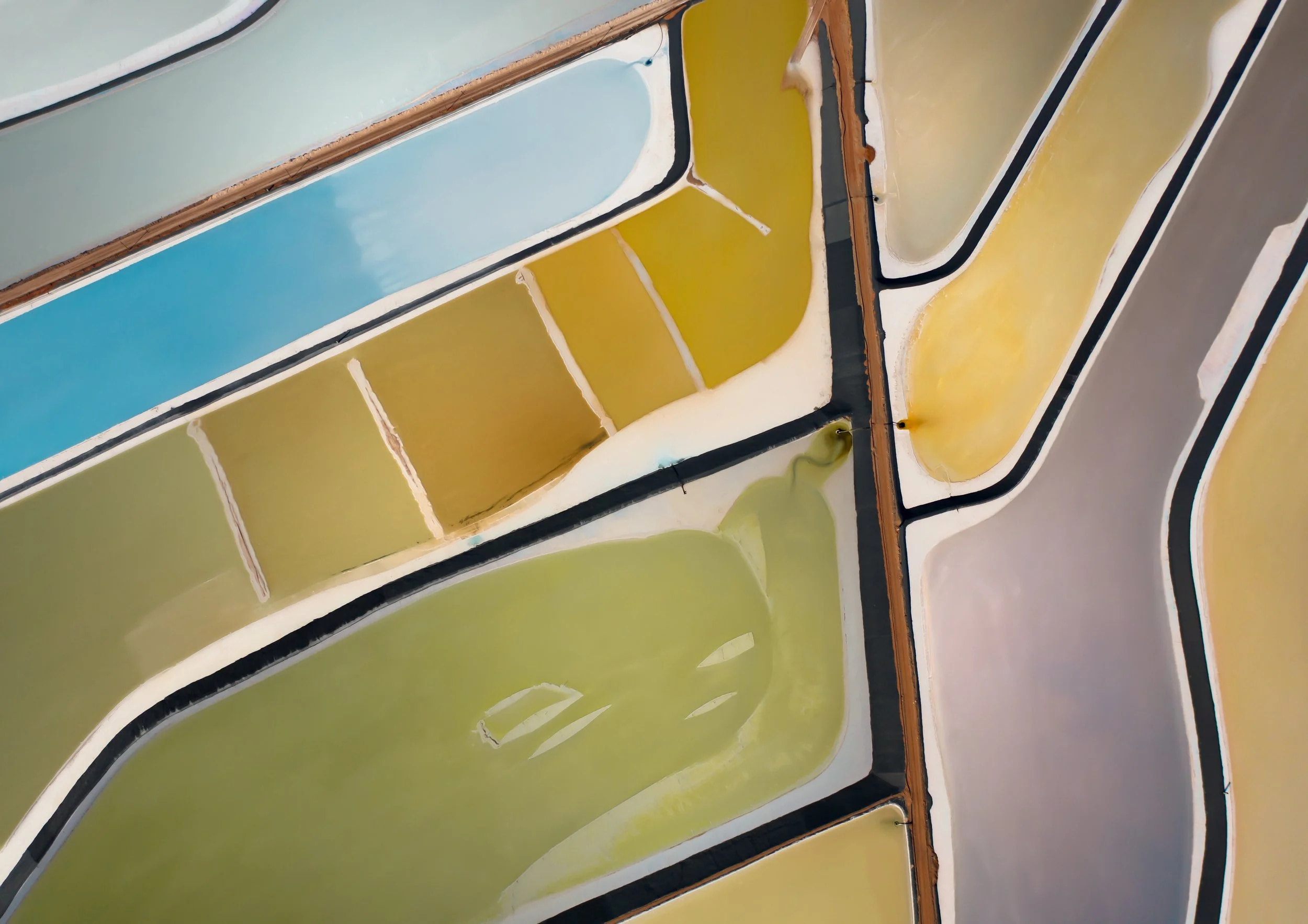
Aerial Survey: Solaris Nr. 2, 2025. Chromogenic print on Fujicolor Crystal Archive Maxima, 50 x 69 cm
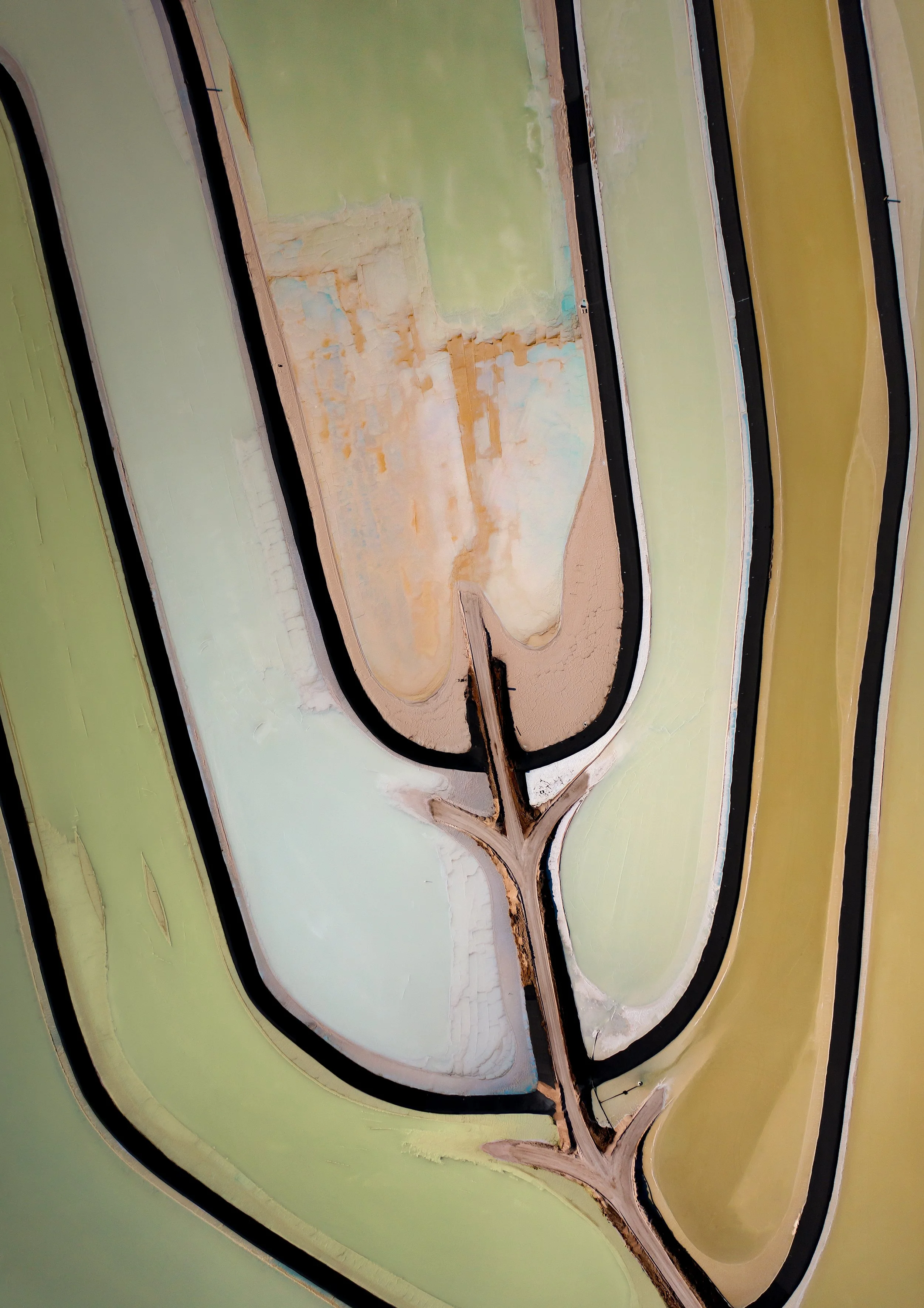
Aerial Survey: Solaris Nr. 4, 2025. Chromogenic print on Fujicolor Crystal Archive Maxima, 50 x 69 cm
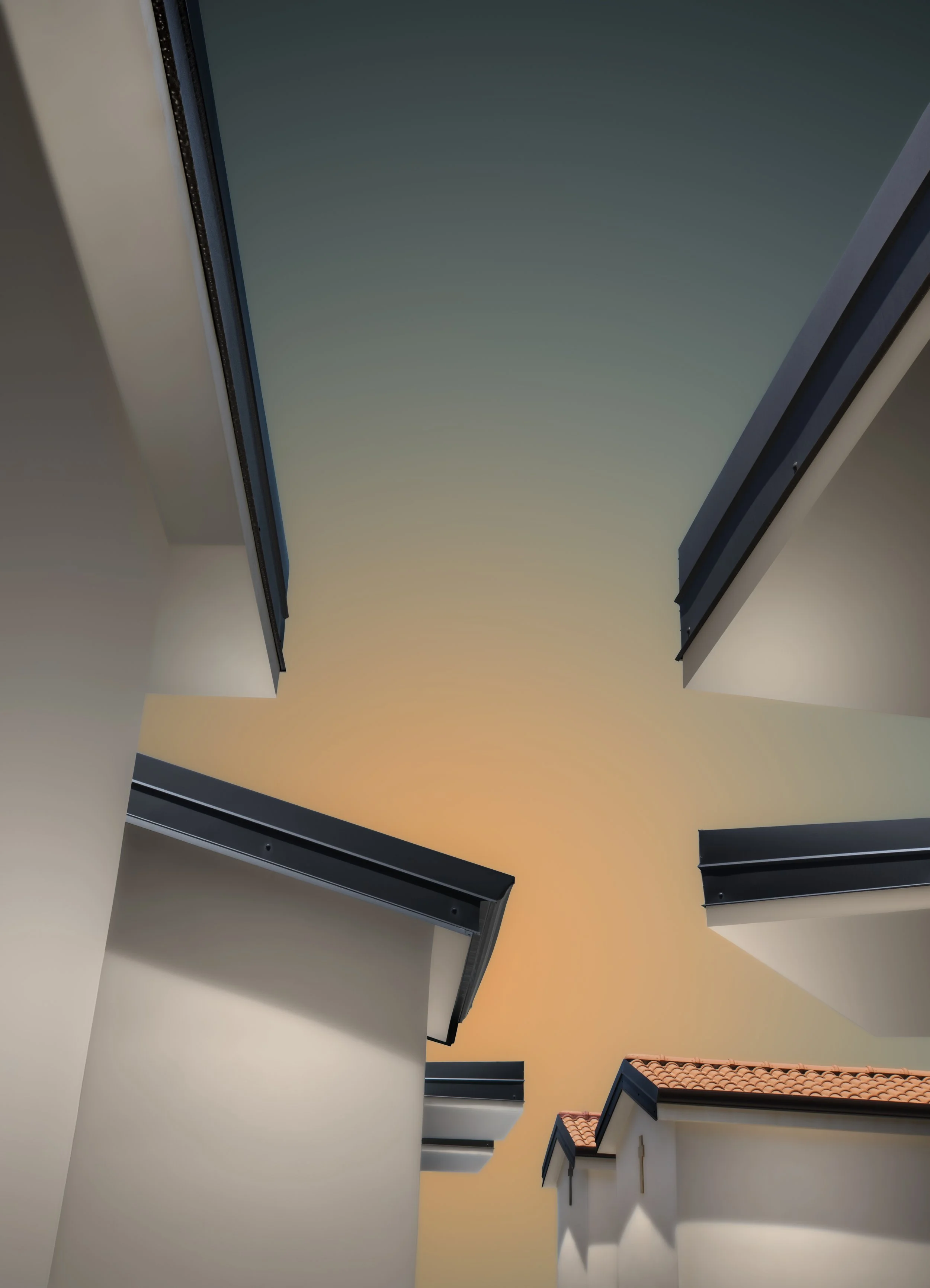
Stone Requiem Nr. 4, 2025. Chromogenic print on Fujicolor Crystal Archive Maxima, 69 x 50 cm
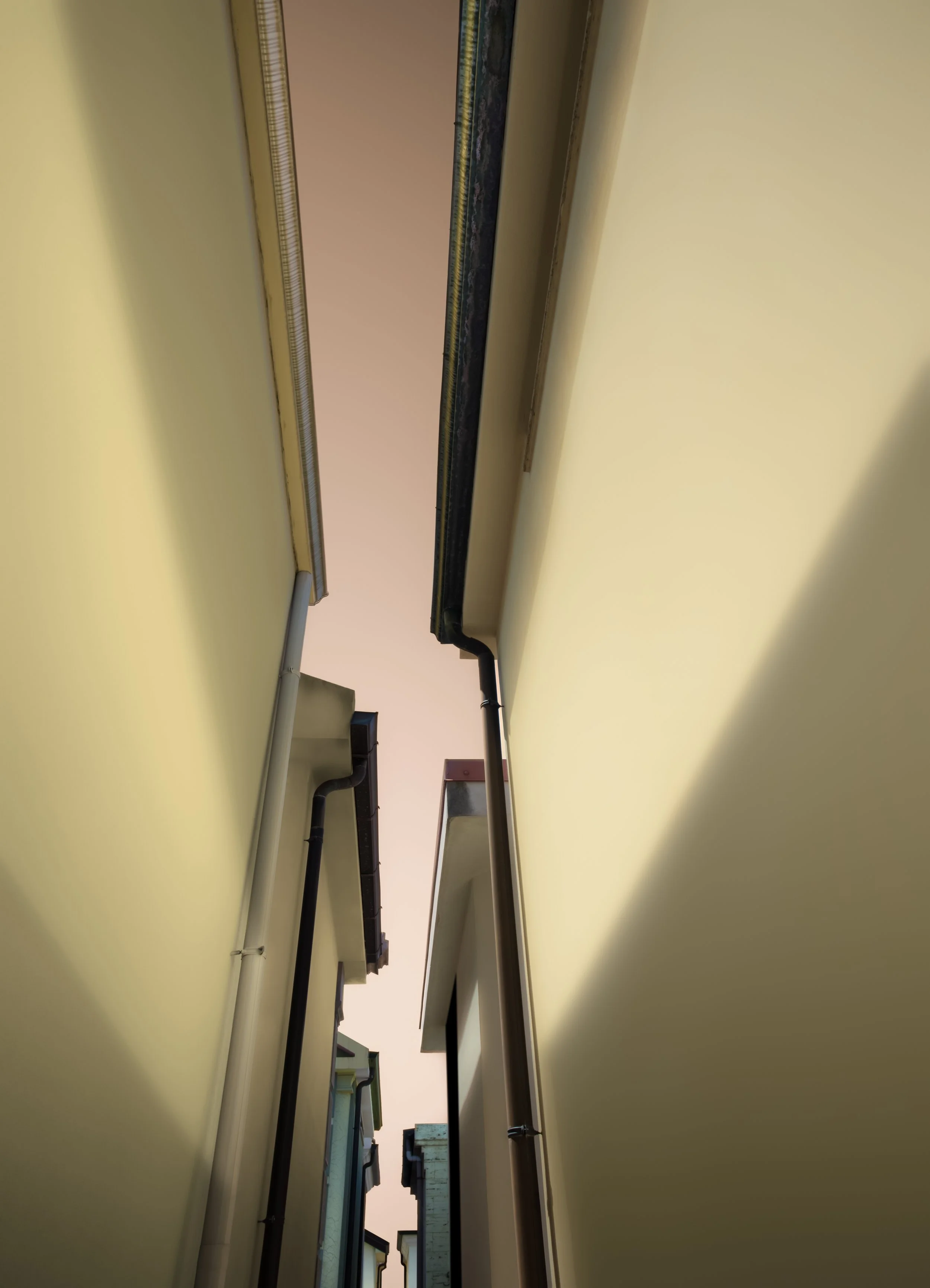
Stone Requiem Nr. 7, 2025. Chromogenic print on Fujicolor Crystal Archive Maxima, 69 x 50 cm
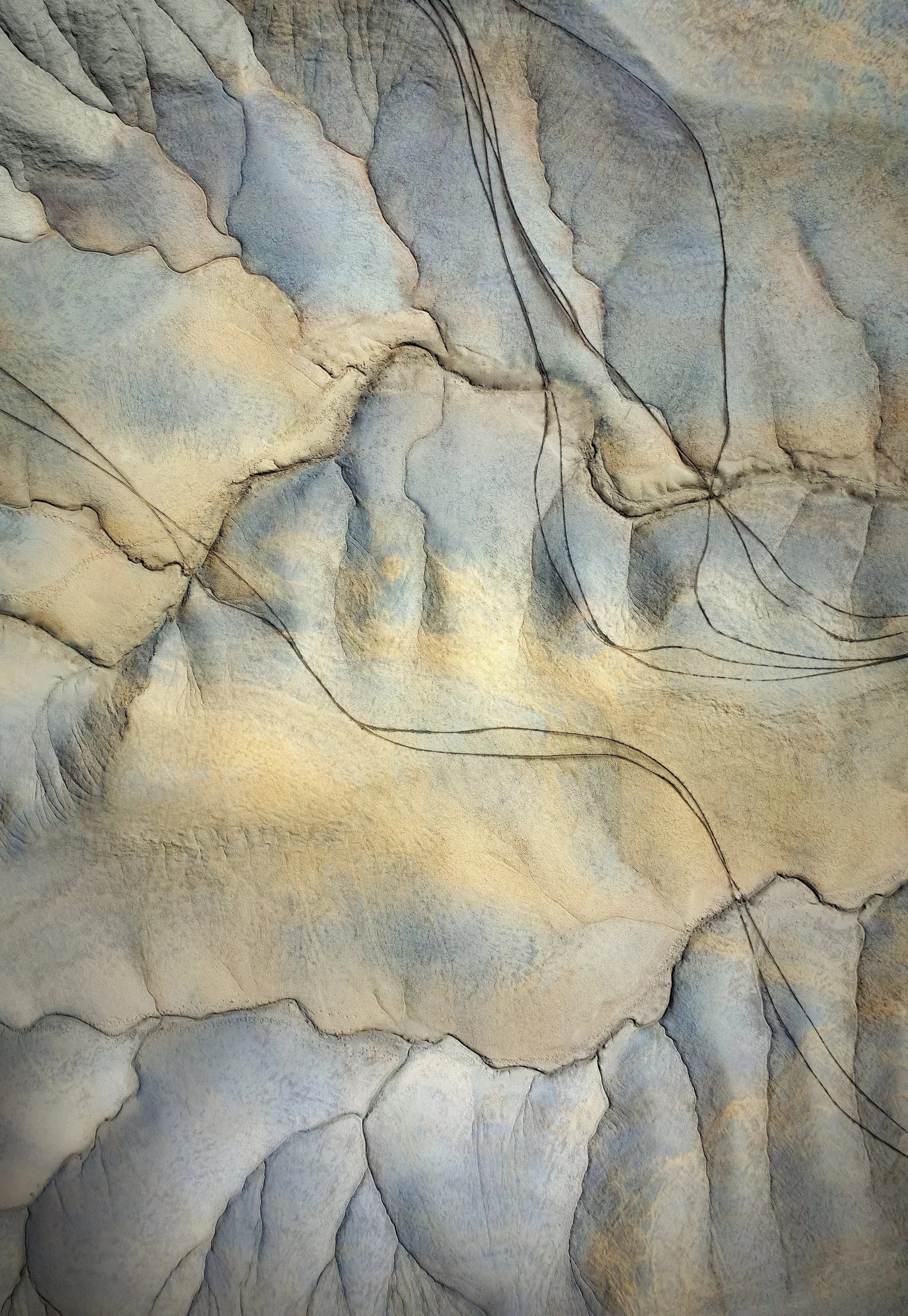
Aerial Survey: Blue Cartography Nr. 3, 2024 Chromogenic print on Fujicolor Crystal Archive Maxima, 69 x 50 cm
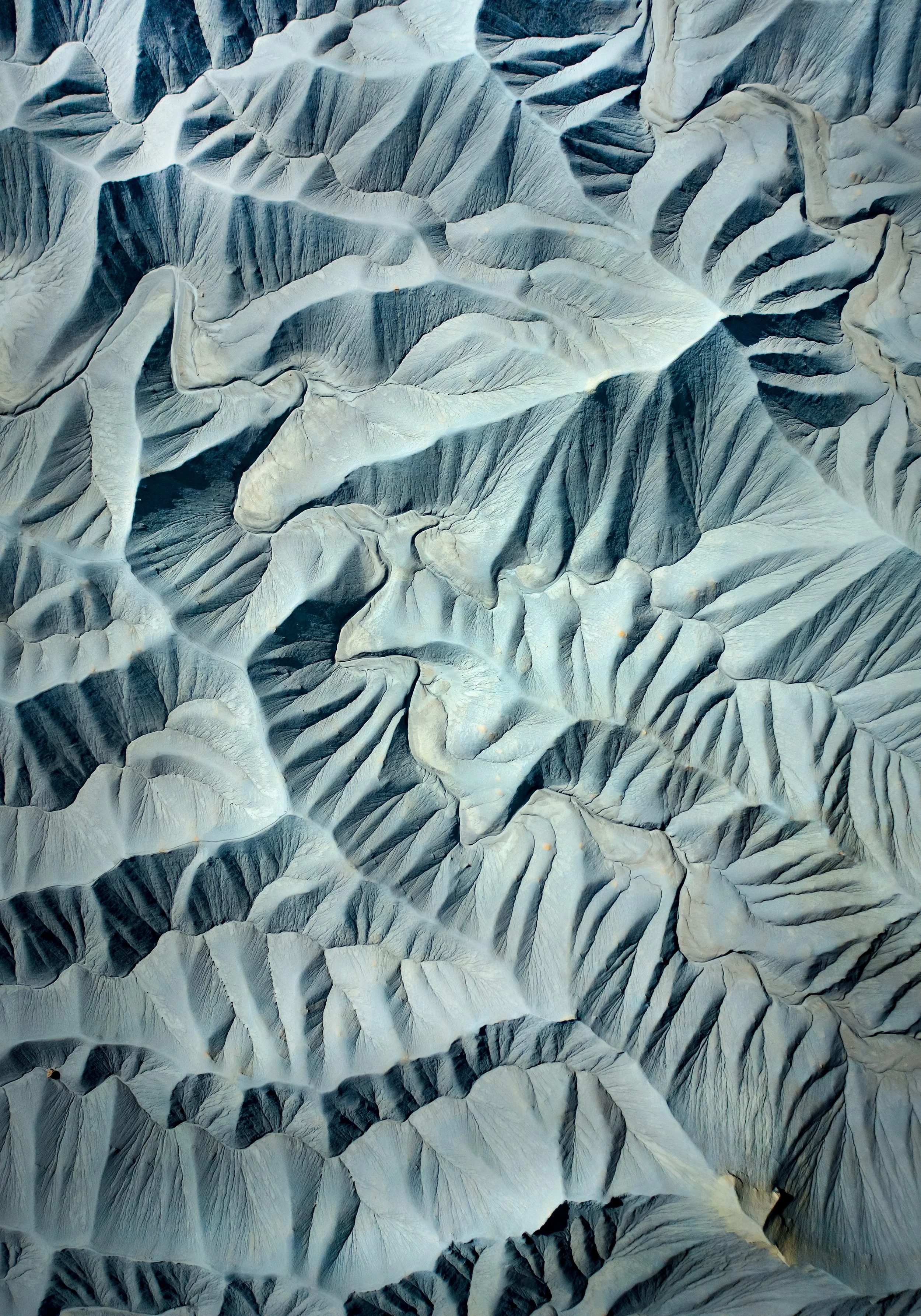
Aerial Survey: Blue Cartography Nr. 9, 2024. Chromogenic print on Fujicolor Crystal Archive Maxima, 69 x 50 cm
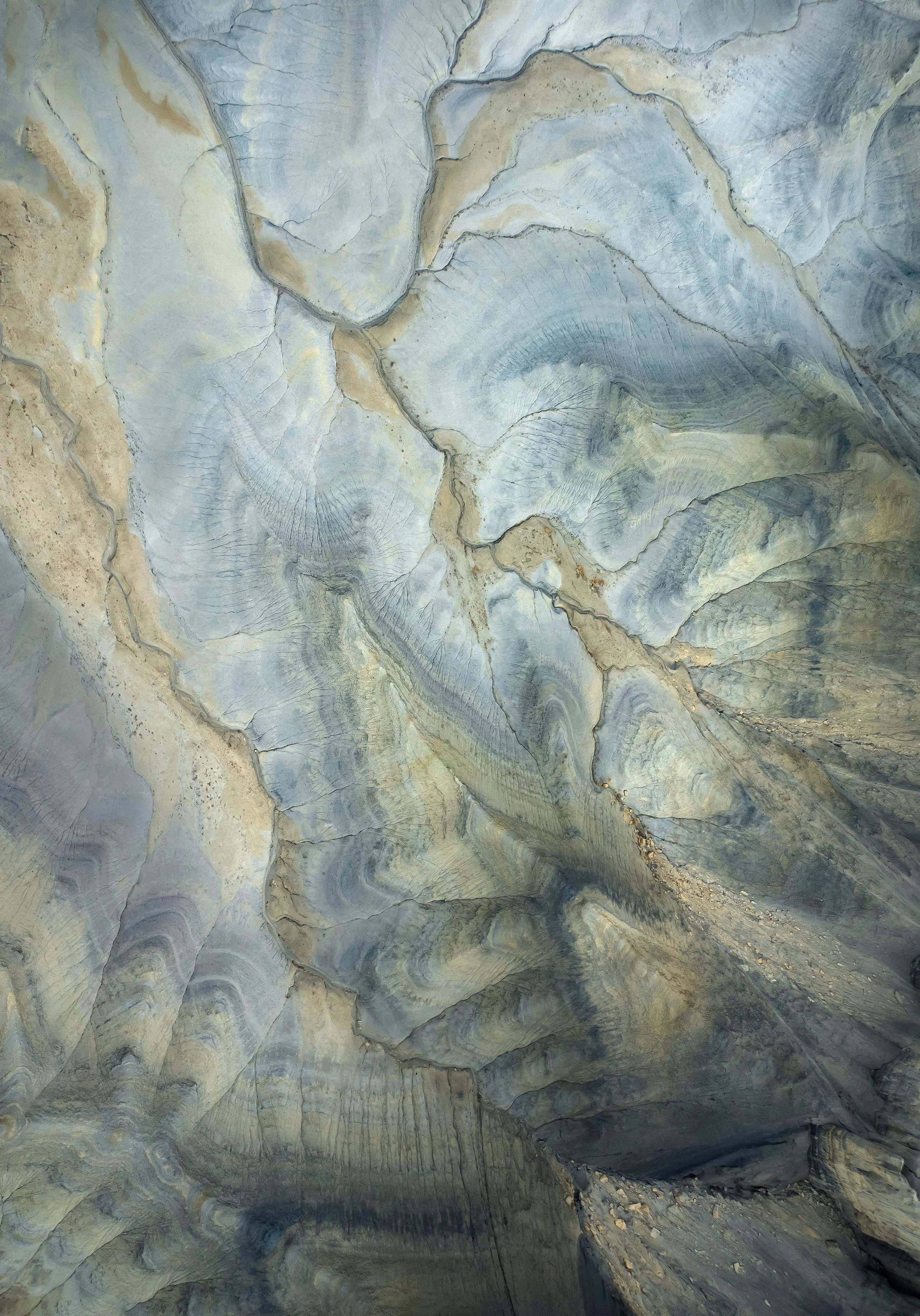
Aerial Survey: Blue Cartography Nr. 7, 2024. Chromogenic print on Fujicolor Crystal Archive Maxima, 69 x 50 cm
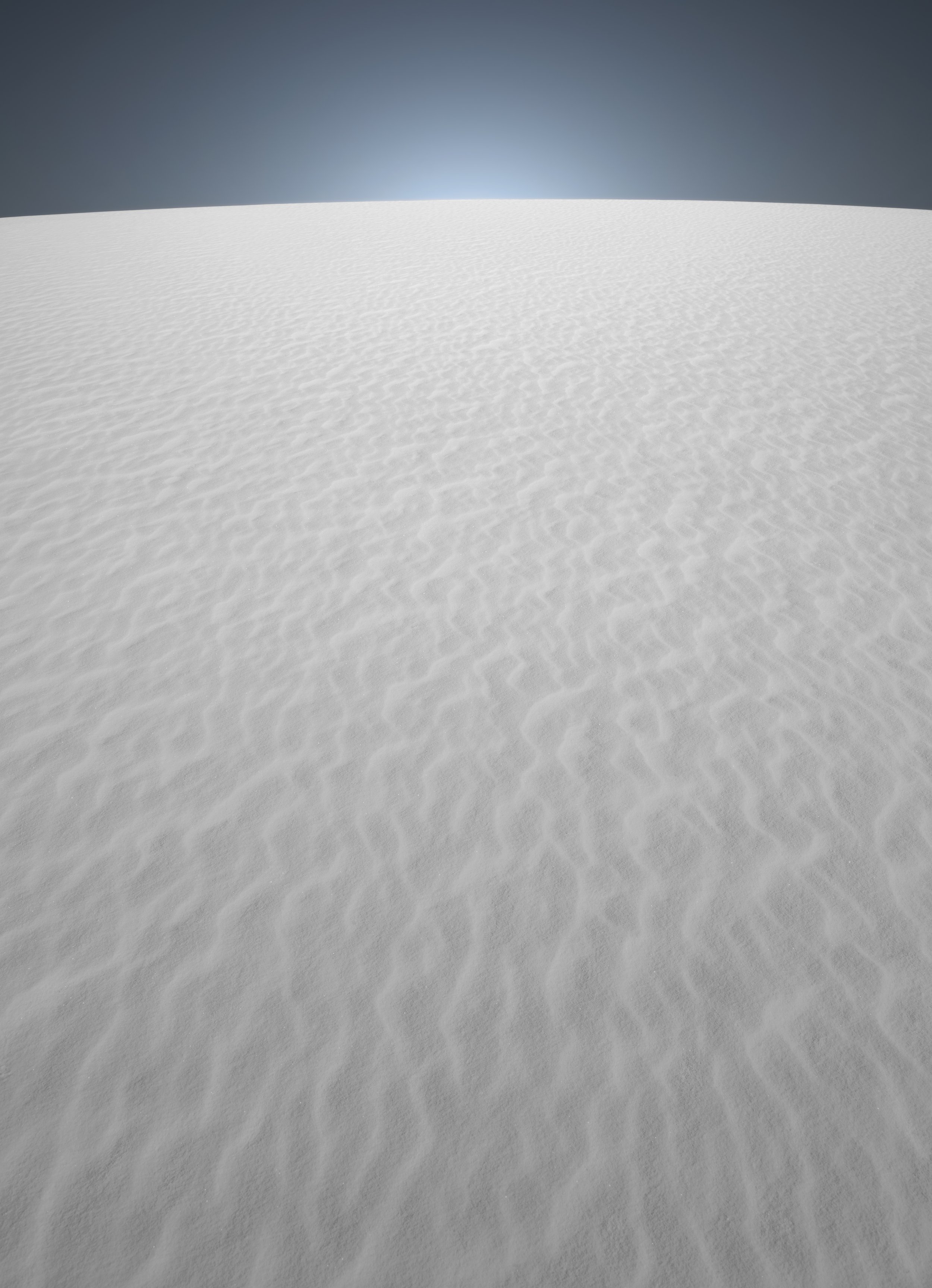
Gypsum Uncertainty Nr.2, 2024. Chromogenic print on Fujicolor Crystal Archive Maxima, 69 x 50 cm