
L. Anna Tominska
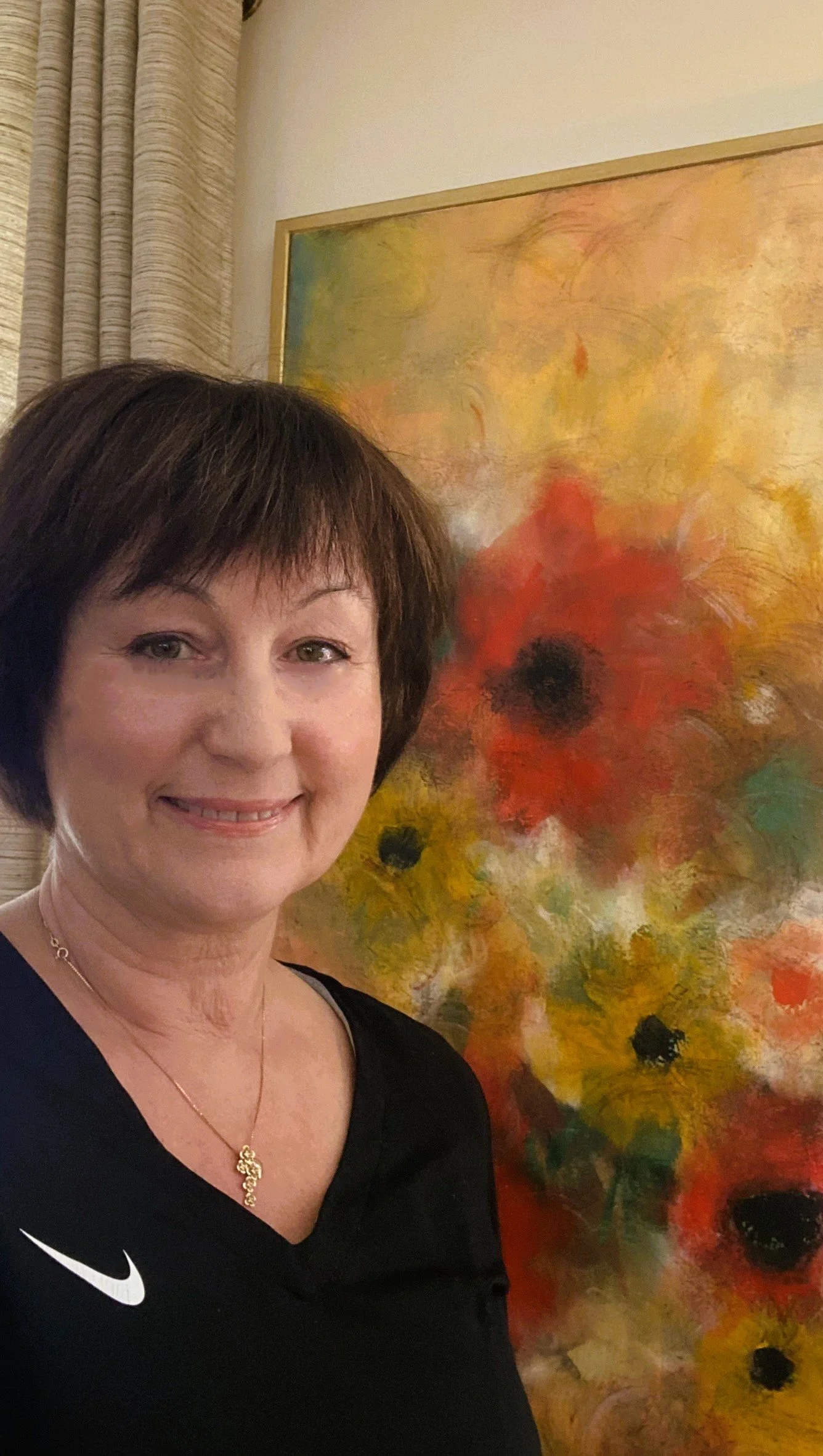
My name is L. Anna Tominska, an intuitive abstract artist based in Norway. My abstract paintings pulsate with energetic expression.
Colors and moods are the inspiration for my artworks. I like to capture the unspoken, using color conversations and textures to create intimacy and emotional resonance.
Each piece invites a personal connection and evokes feelings related to the abstract forms. I am always exploring, and the movements and emotions I experience are reflected in my abstract artworks. There are moments when I connect so deeply with my artwork that a small poem arises from it.
Since I live permanently on the stunning west coast of Norway, I have an endless source of inspiration in my surroundings, from peaceful lakes to majestic mountains. My work involves intuitive and emotional expression.
In addition, I always strive to capture the unspoken feelings that lie between the details on the surface and the considerations.
Anna, your first encounter with painting as a child, watching your portrait being created, seems to have left a lasting impression; how do you now reflect on that moment as the beginning of your understanding of image-making and the possibility of creating something from nothing?
My eyes were certainly drawn to this form of expression, even though as a child I didn't understand much of its meaning or the process itself. Nevertheless, I was fascinated by the execution, how the painter worked, the colors he used, and ultimately, the result: a beautiful, bright, and colorful painting.
You spent many years working in economics, IT, and banking, where structure, data, and ethical communication were central; how do these experiences continue to influence the way you think about composition, decision-making, or even responsibility toward your audience in painting?
Structure and responsibility towards the connoisseur audience play a significant role in my creative process, as well as in the finishing touches, such as vernisse and framing. I pay attention to the paints and other media I use to ensure the result is satisfactory in terms of color stability and finish.
Moving from Poland to Norway was a major life shift; do you feel that this change of environment and culture has shaped the emotional language or atmosphere of your abstract work in subtle or indirect ways?
Oh yes, first and foremost, it's the magnificent nature that surrounds me on the west coast of Norway; it's endless inspiration in itself. The colors, the shades of the changing seasons, the sunsets, the misty mornings in the mountains or forests, the meadows. And above all, the favorable atmosphere that aids creativity and the freedom and resources for learning.
You describe returning to painting during the pandemic as a necessary turning point; what was it about that period that made painting feel essential rather than optional, and how did it transform your commitment to becoming an artist?
The desire to create paintings has accompanied me throughout my life, but as is often the case, life can keep you busy with other responsibilities that fill all your days. So, at the beginning of the pandemic, while working remotely from home, I accidentally stumbled upon inspiring online painting courses and concluded that now was the time to pursue something I'd longed to do my entire life.
Your practice is rooted in intuitive abstraction, yet you also studied and developed your skills through courses; how do you balance intuition with learning, and where do you locate control versus spontaneity in your process?
I've always believed that learning is a lifelong process. Today I often say, "There is so much to learn and so little time." Even when painting intuitively, knowledge of composition, color perception, and painting techniques is essential and greatly facilitates the creative process. Intuition suggests what and how to combine based on this knowledge, while spontaneity and control are tools for successful work, allowing artists to create works that are both technically sound and emotionally expressive. One only reinforces the other.
Some of your paintings “insist” on being accompanied by a poem; what role does language play in your work, and do you see these texts as completing the painting or opening it up to new interpretations?
I'd rather say it's completing the painting . The little poems are like an addition, a verbal extension of the creative process. An example would be my abstract expressionist painting "Walk with Me":
"Walk with me through my tears,
suffering, and sorrows,
walk with me and tomorrow,
I will see a new beginning."
You often speak about your “intuitive universe” and the role of risk-taking; when you begin a painting, do you feel that you are guiding the work, or that the work begin to guide you as it develops?
I usually start by choosing the colors I'll use; this gives me the first clues about the image. So, at first, I'd say my intuition guides me. However, as the painting progresses, as it begins to develop interesting elements, I guide it in a more coordinated manner. I retain certain elements, but not others, and then I work more consciously toward my goal.
The passage of time is an important theme in your work, especially in pieces like The Autumn Symphony and Abandoned Old House and Garden; how do you approach expressing time in an abstract way without relying on direct representation?
I express this metaphorically, using phrases to convey this, for example, "Abandoned old house and garden" or through the state of matter and visible factual changes, as in "Autumn Symphony." Here, you see the wild colors of autumn, which evoke the passing of the seasons. There's also a hidden axis of movement in this painting, as you realize the entire piece is turning from left to the right, like something that inevitably changes.
You emphasize creating meaningful and visually powerful experiences for collectors; how do you balance this desire for connection and accessibility with the more open-ended, interpretive nature of abstract art?
This stems from my need to be able to search for subtexts or specific visual experiences in art. Such images interest me most. In reality, my perception is unimportant, as everyone will seek their own interpretations. I just strive to establish a theme and develop it in such a way that the image speaks for itself to those who view it.
In my opinion, a painting must have its voice, and if it does, it will be worth listening to for a long time. And that, for me, is the basis for ensuring that a collector enjoys their acquisition for a long, long time.
You’ve mentioned wanting to explore oil painting and continuing to learn because “there is so much to do and so little time”; how do you see this next phase of experimentation changing your work, both technically and conceptually?
It's hard to say. I suspect I won't abandon abstraction, but deepening my knowledge of painting techniques and media will definitely enrich me, diversifying my skills. Many things may change thematically, but one thing is certain: the opportunity to learn something new is very enriching and developing in my case.
Website https://www.anntomi.art/shop-now
Instagram https://www.instagram.com/anntomi.art
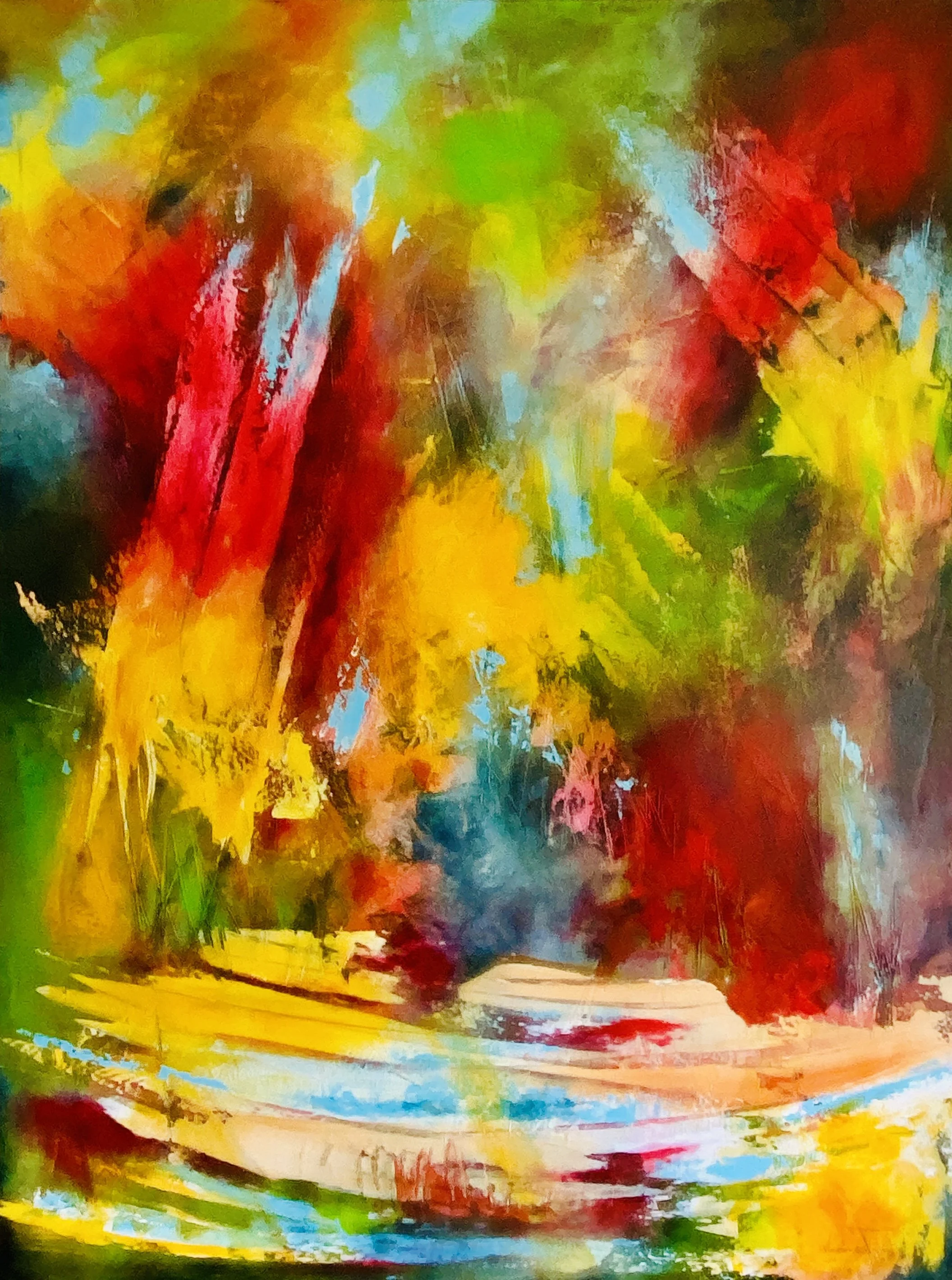
"The autumn symphony", acrylic on canvas, 2023, 120x90 cm
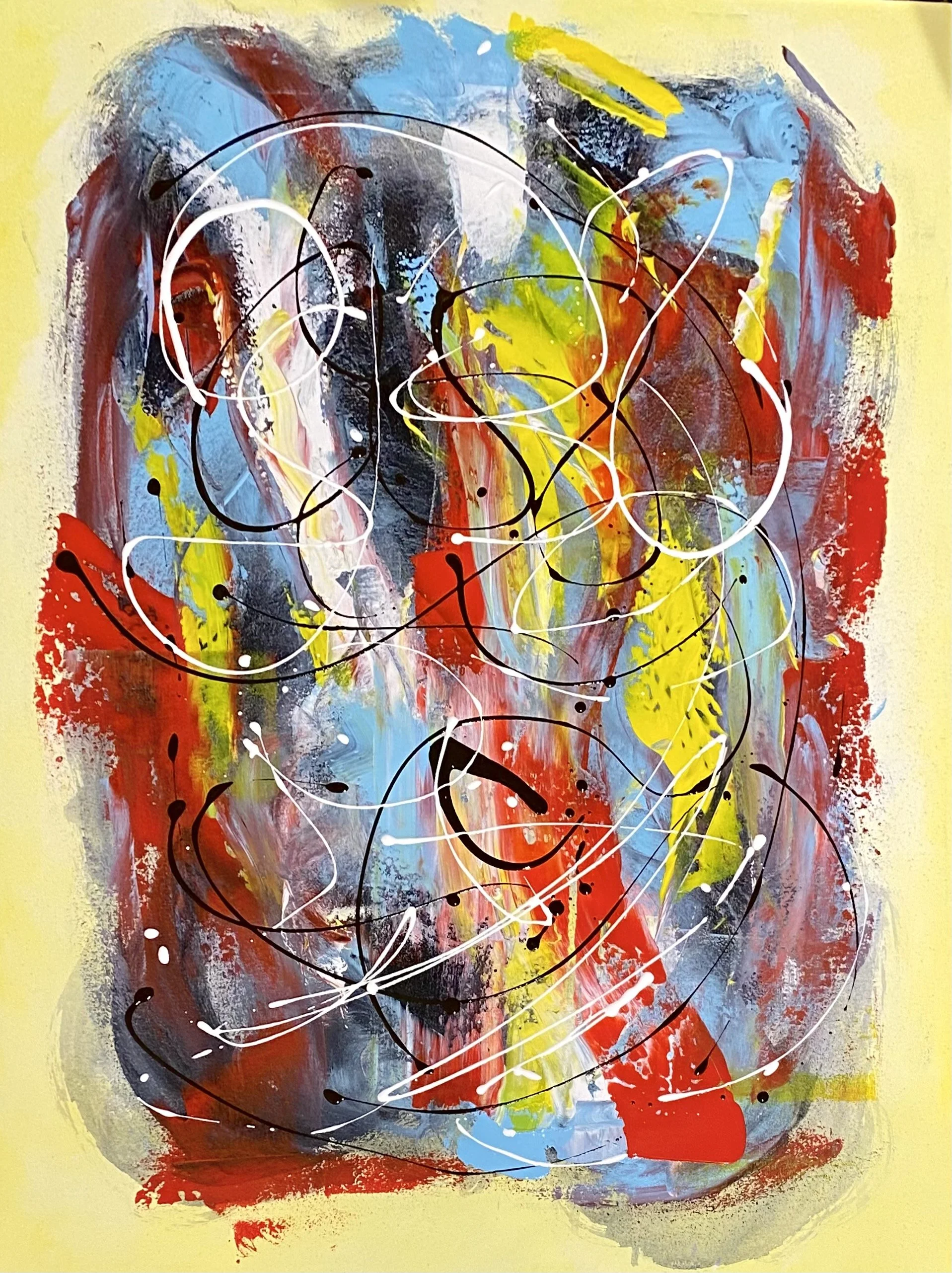
Fire within, acrylic on canvas, 2021, 80x60 cm
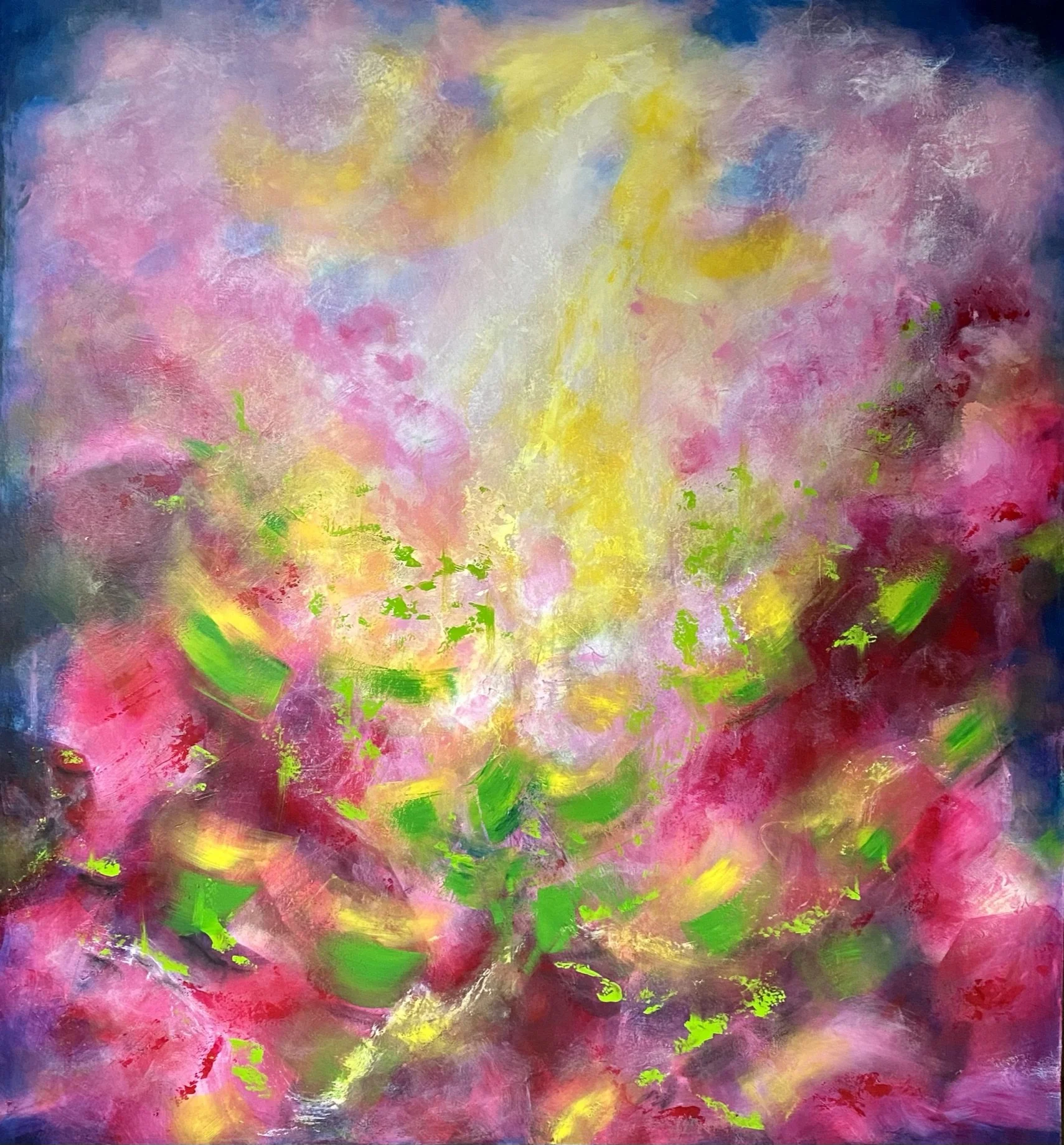
"Counting my blessings", acrylic on canvas, 2021, 130x140 cm
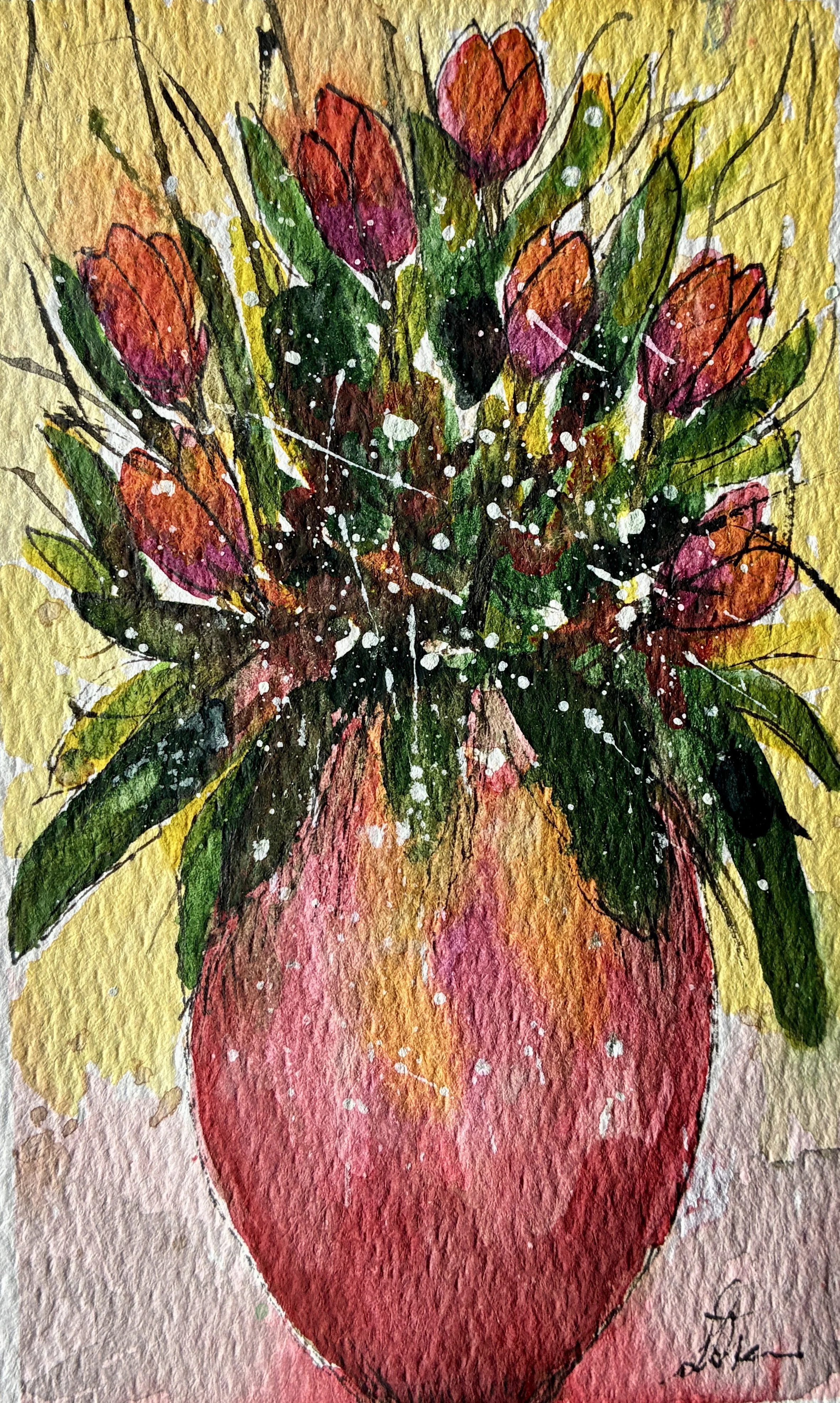
"Tulips to my vase", akvarell on paper, 2026, 15x10 cm
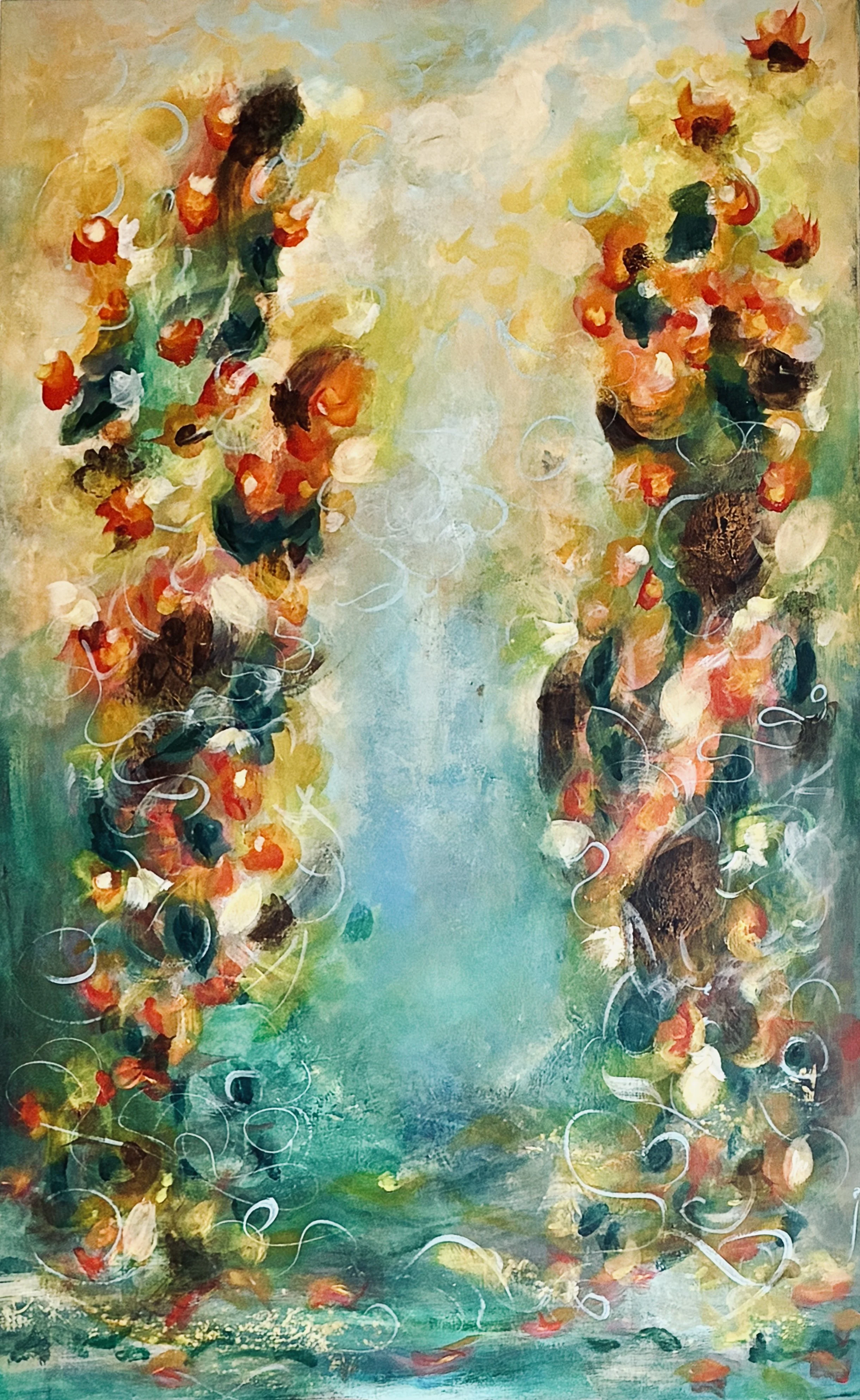
"All the life from the sea" acrylic on canvas, 2026, 110x80 cm
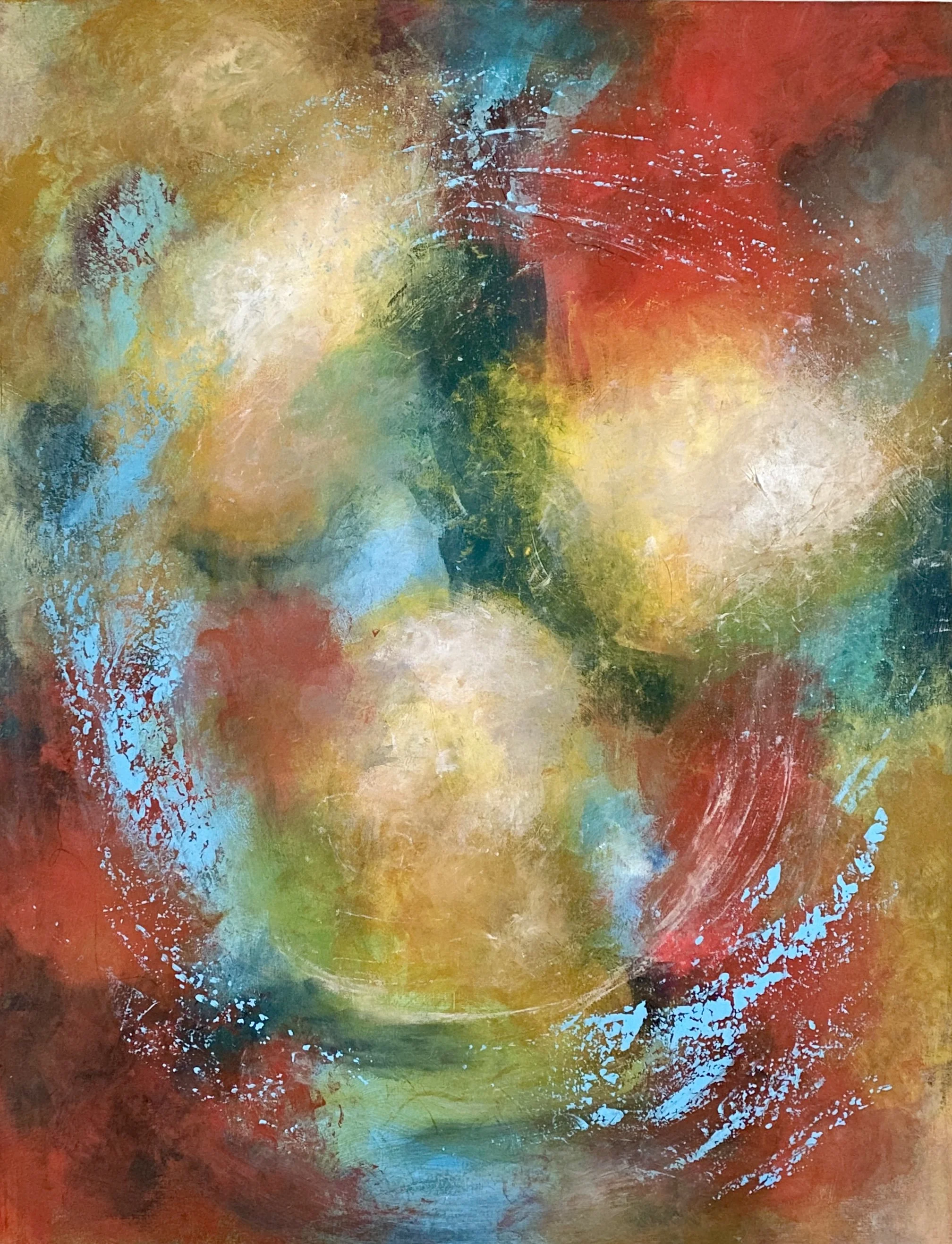
"Yea, tell me about it" acrylic on canvas, 2026, 90x70 cm
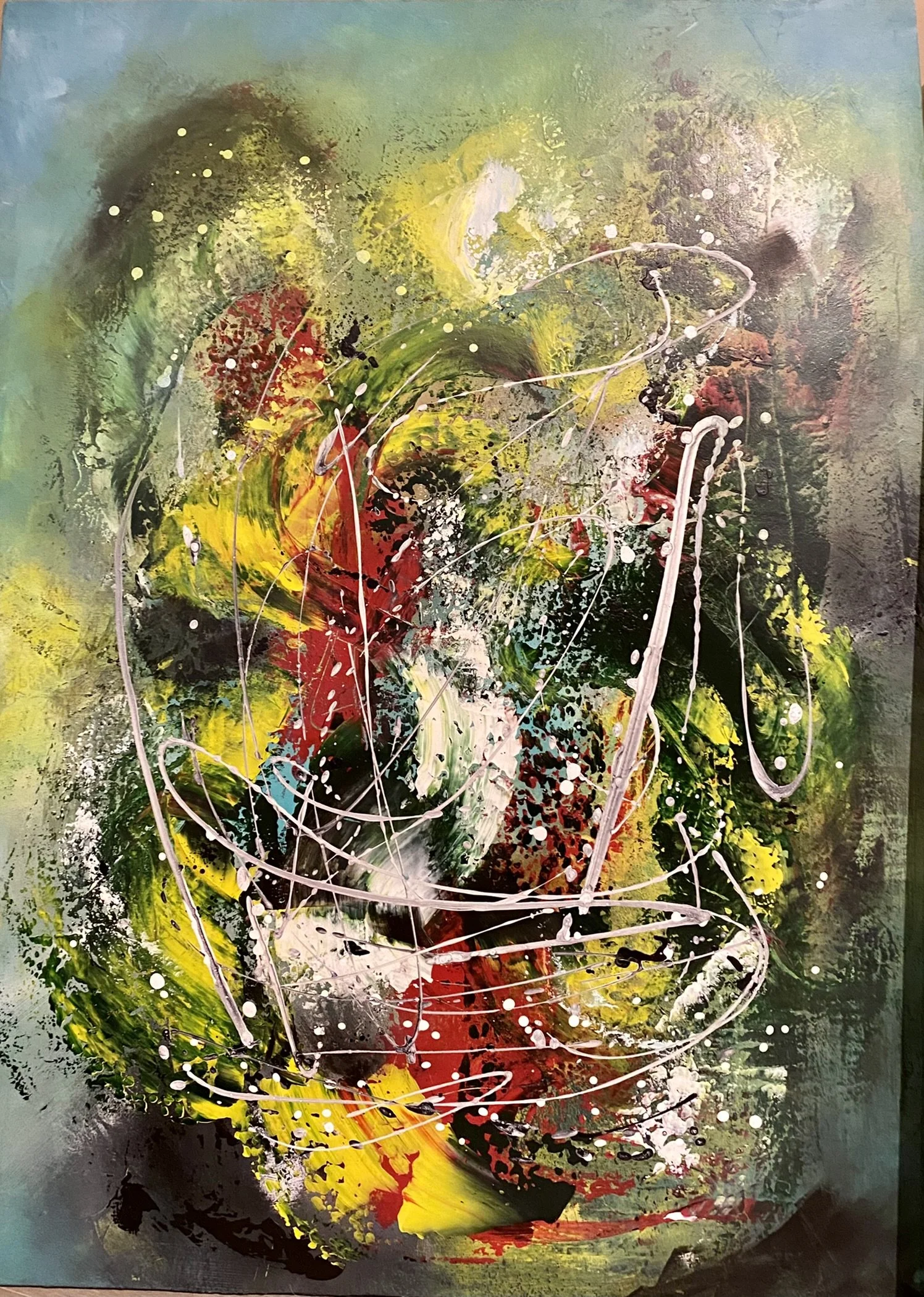
"Get your self together" acrylic on canvas, 2024, 90x70 cm
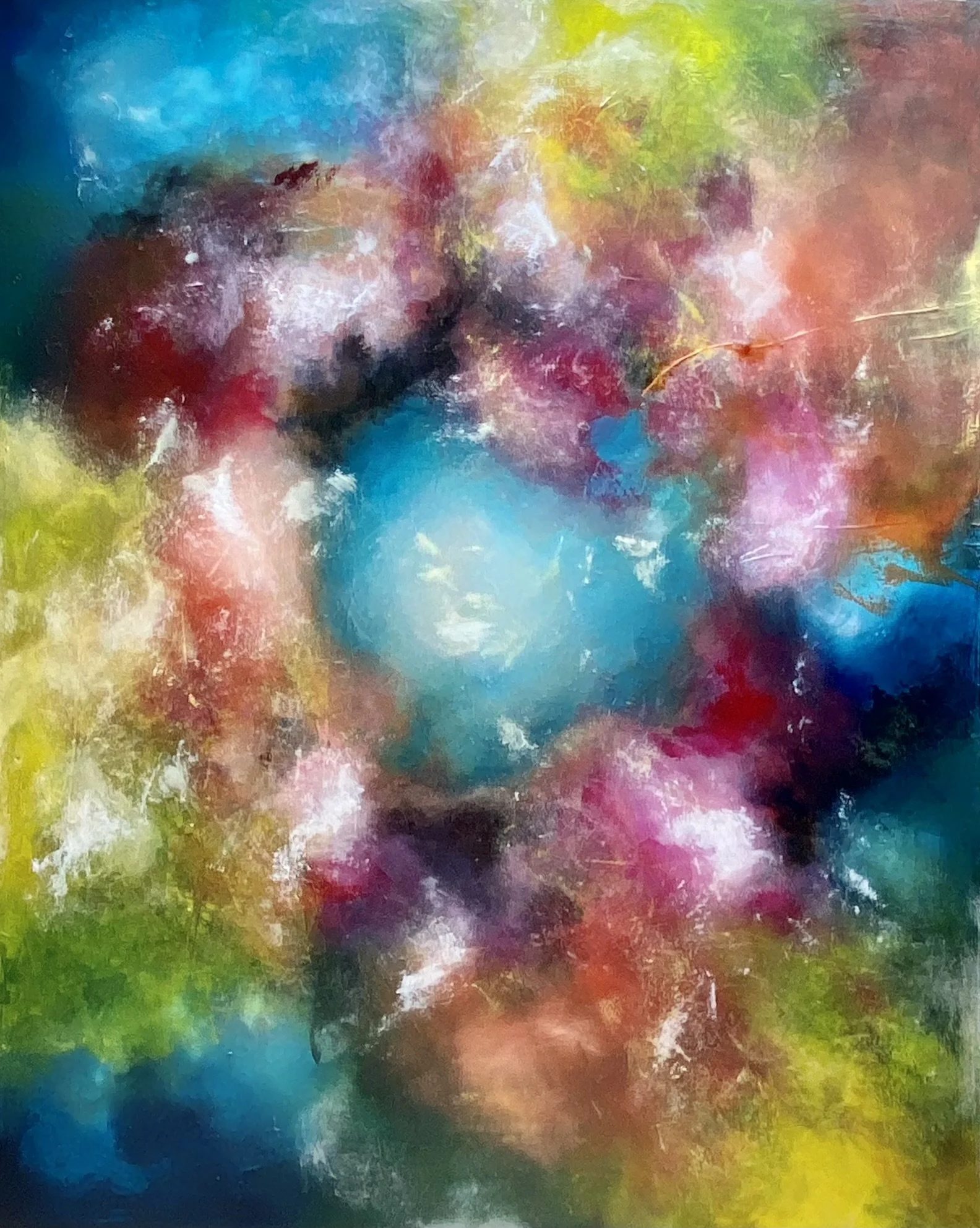
"Hope" acrylic on canvas, 2021, 110x90 cm
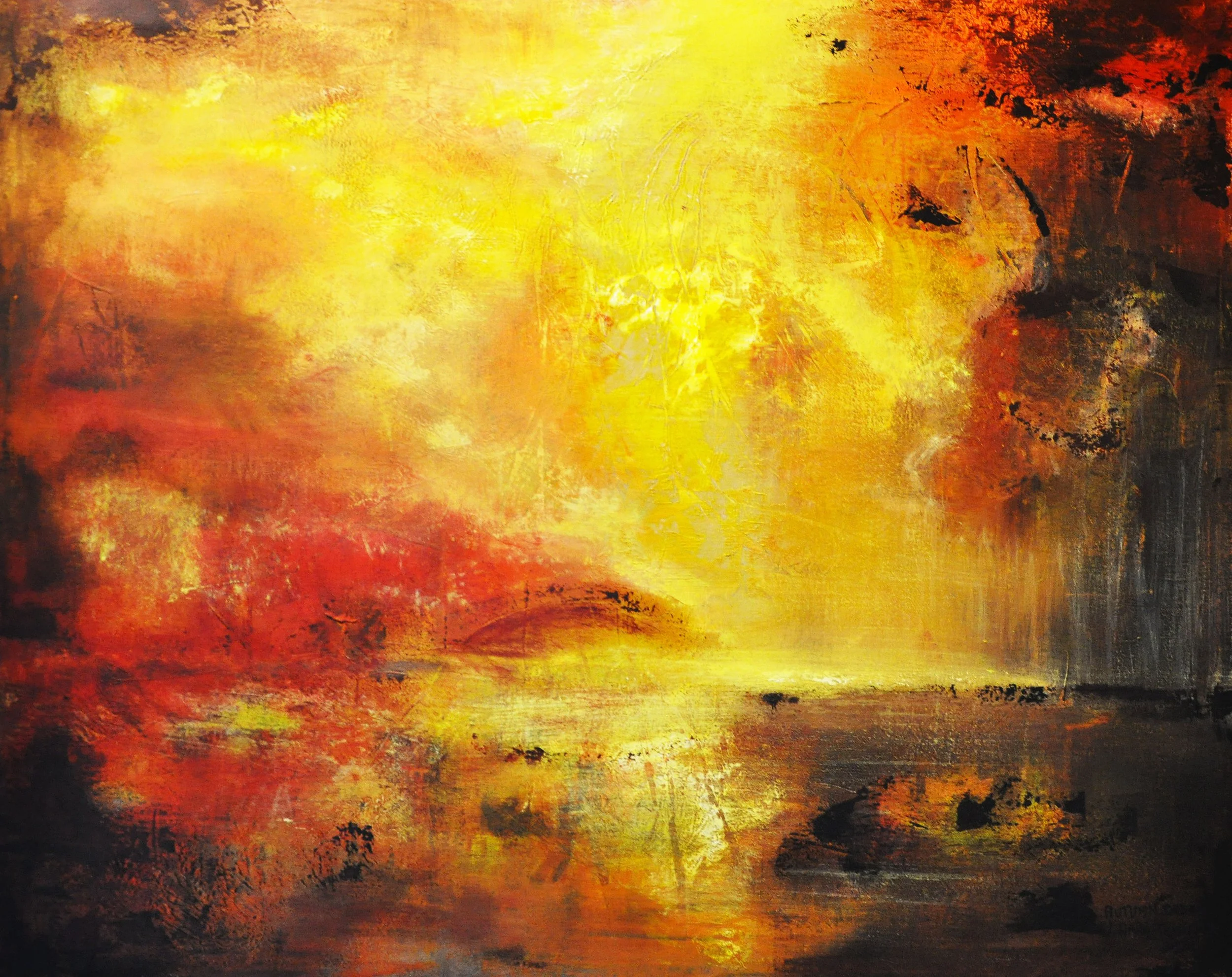
Autum Dream, acrylic on canvas, 2021, 90x70 cm
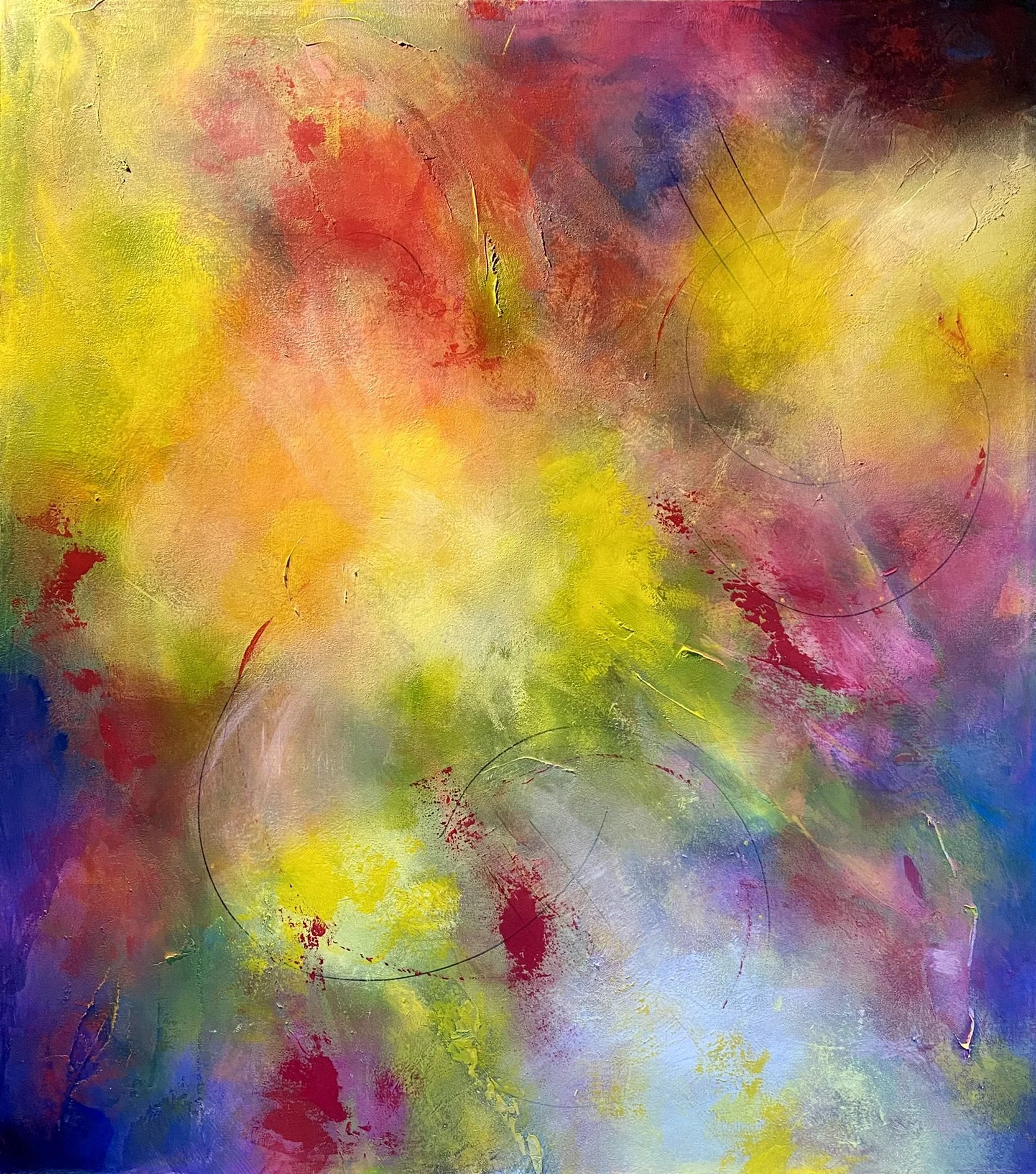
"Summer dream" acrylic on canvas, 2023, 80x70 cm
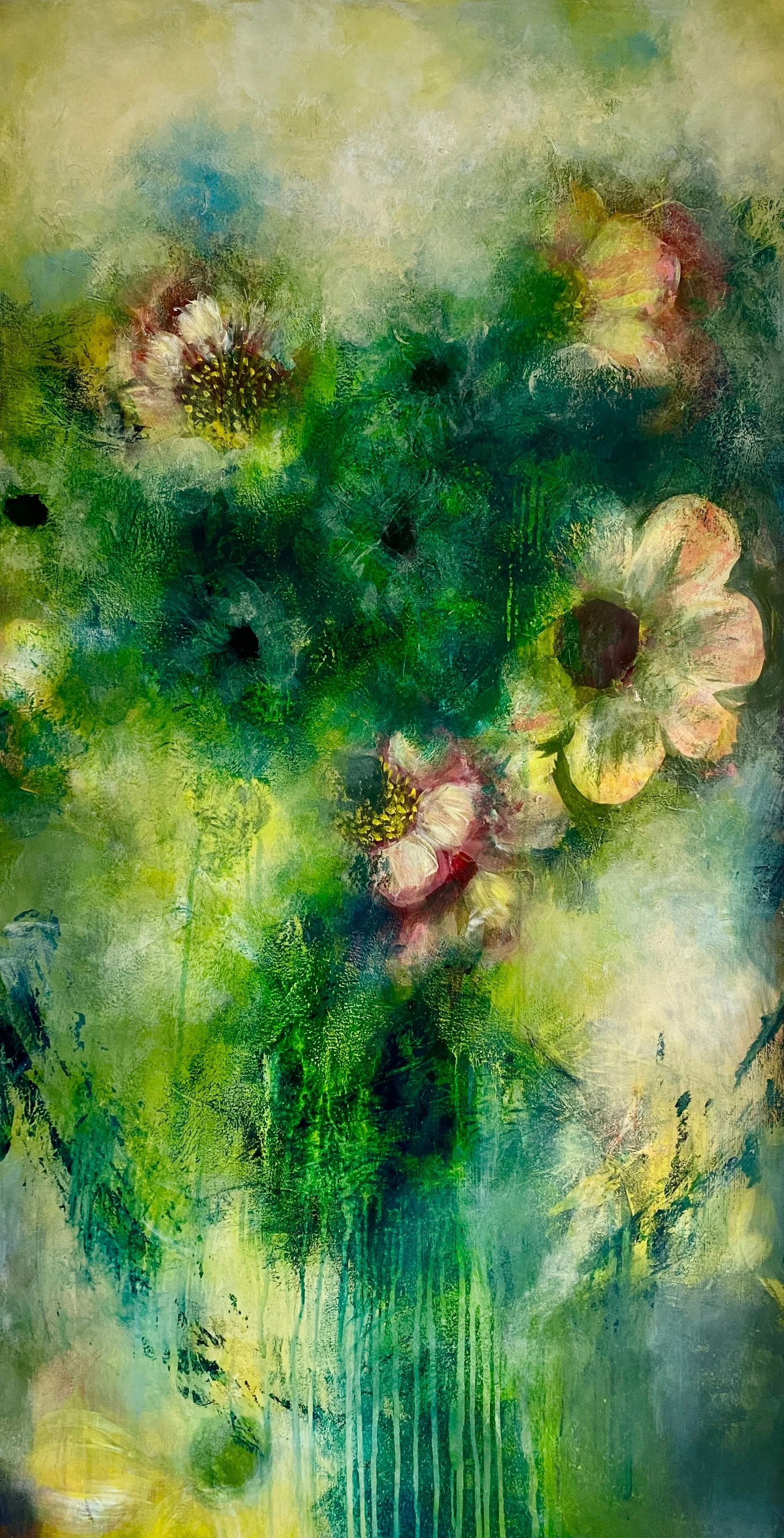
"Abandoned old house and garden" acrylic on canvas, 2025, 110x90 cm
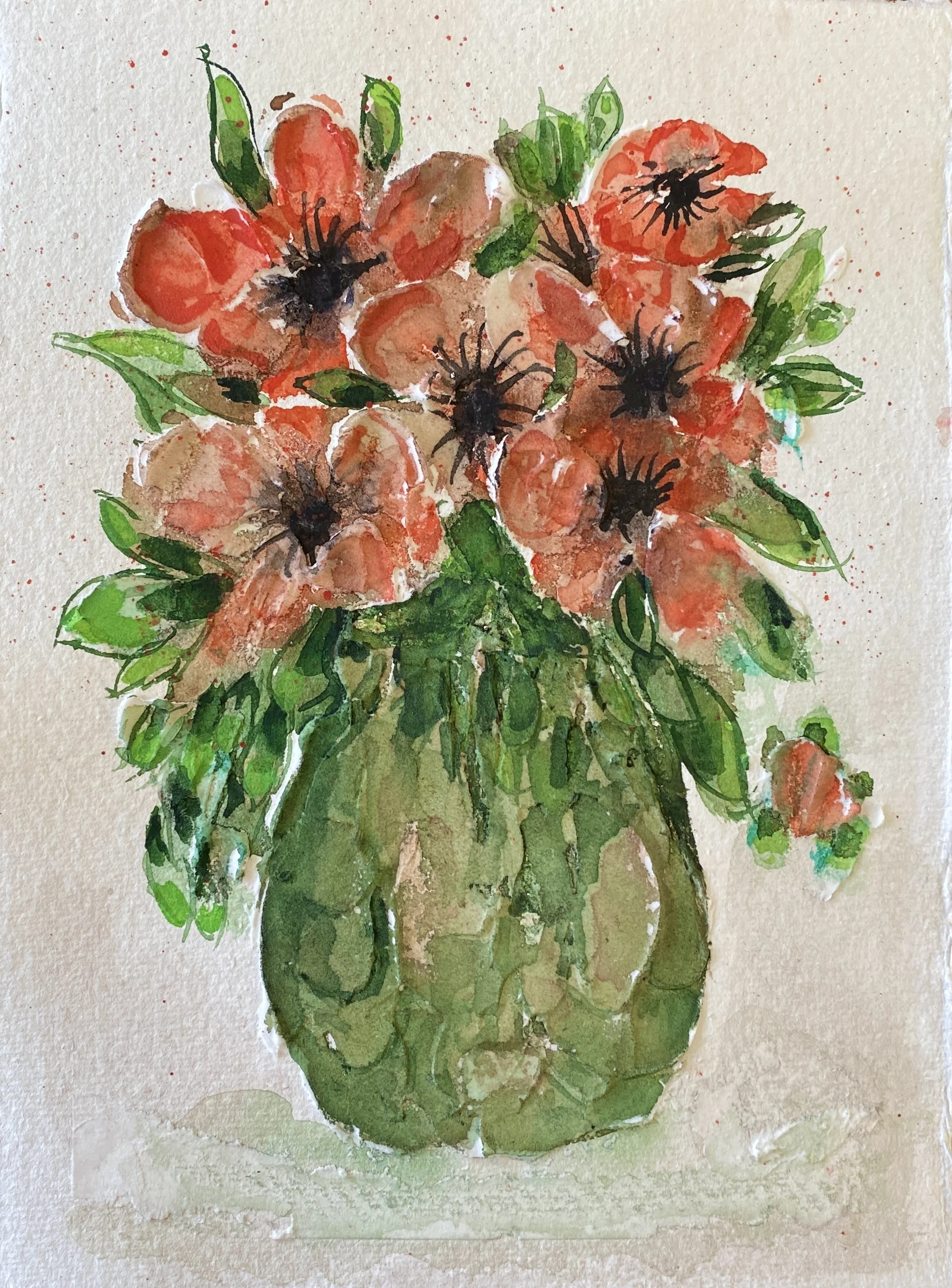
"My little red bouquet" Acrylic on paper, 2026, 21 x 15 cm
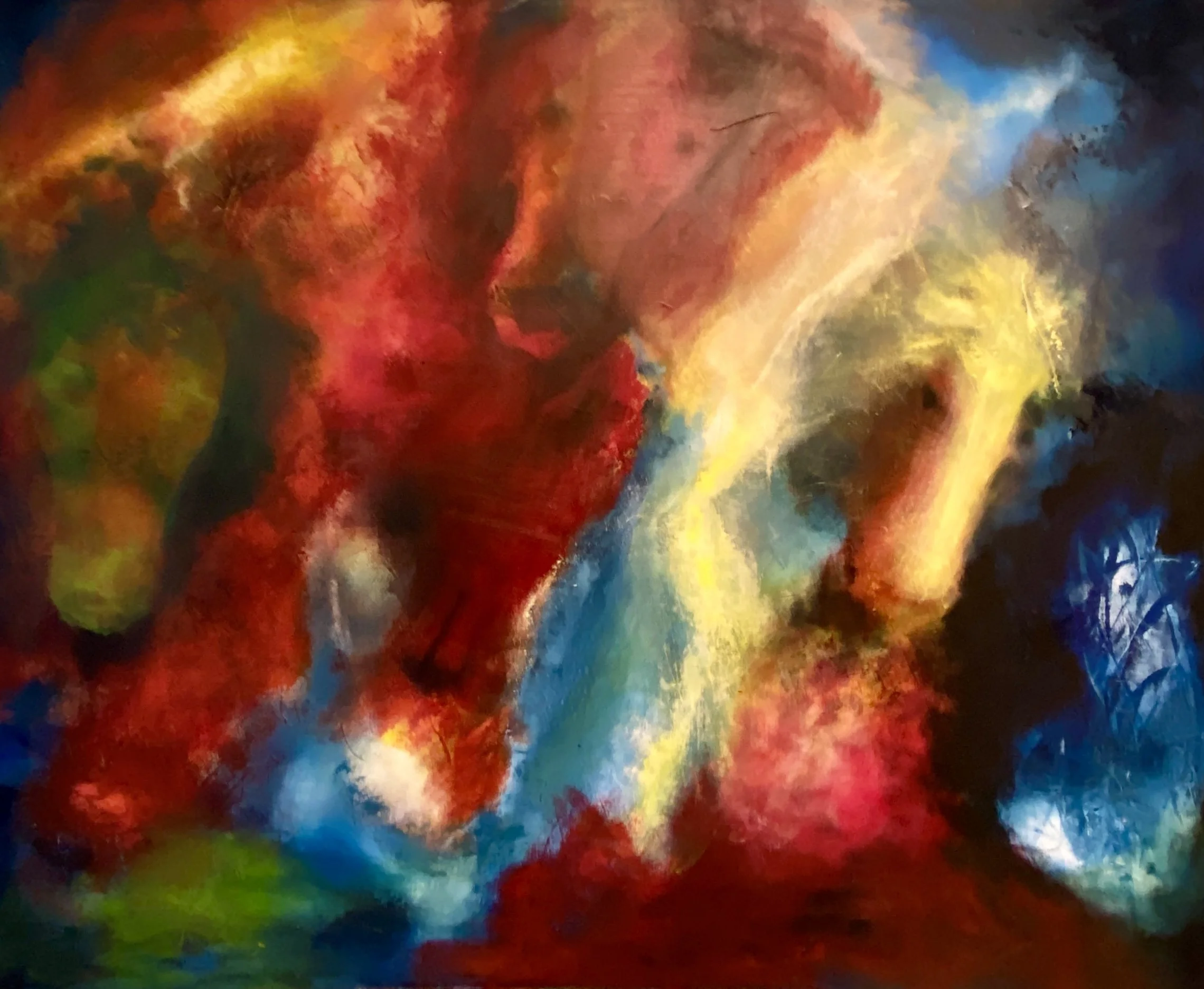
"The first four of the seven seals" Acrylic on paper, 2025, 110 x 90 cm
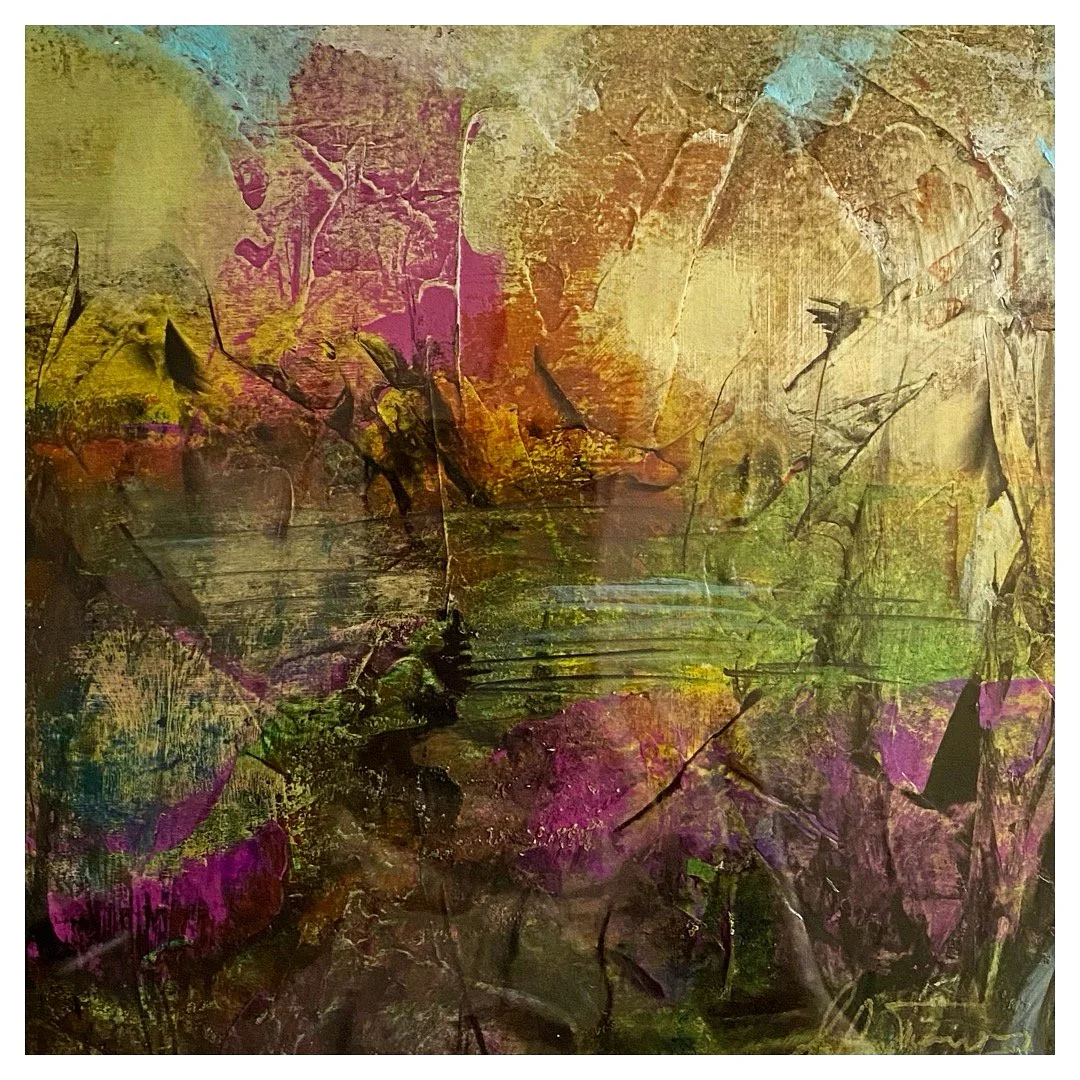
«Quite space» Acrylic on paper, 2023, 40x40 cm
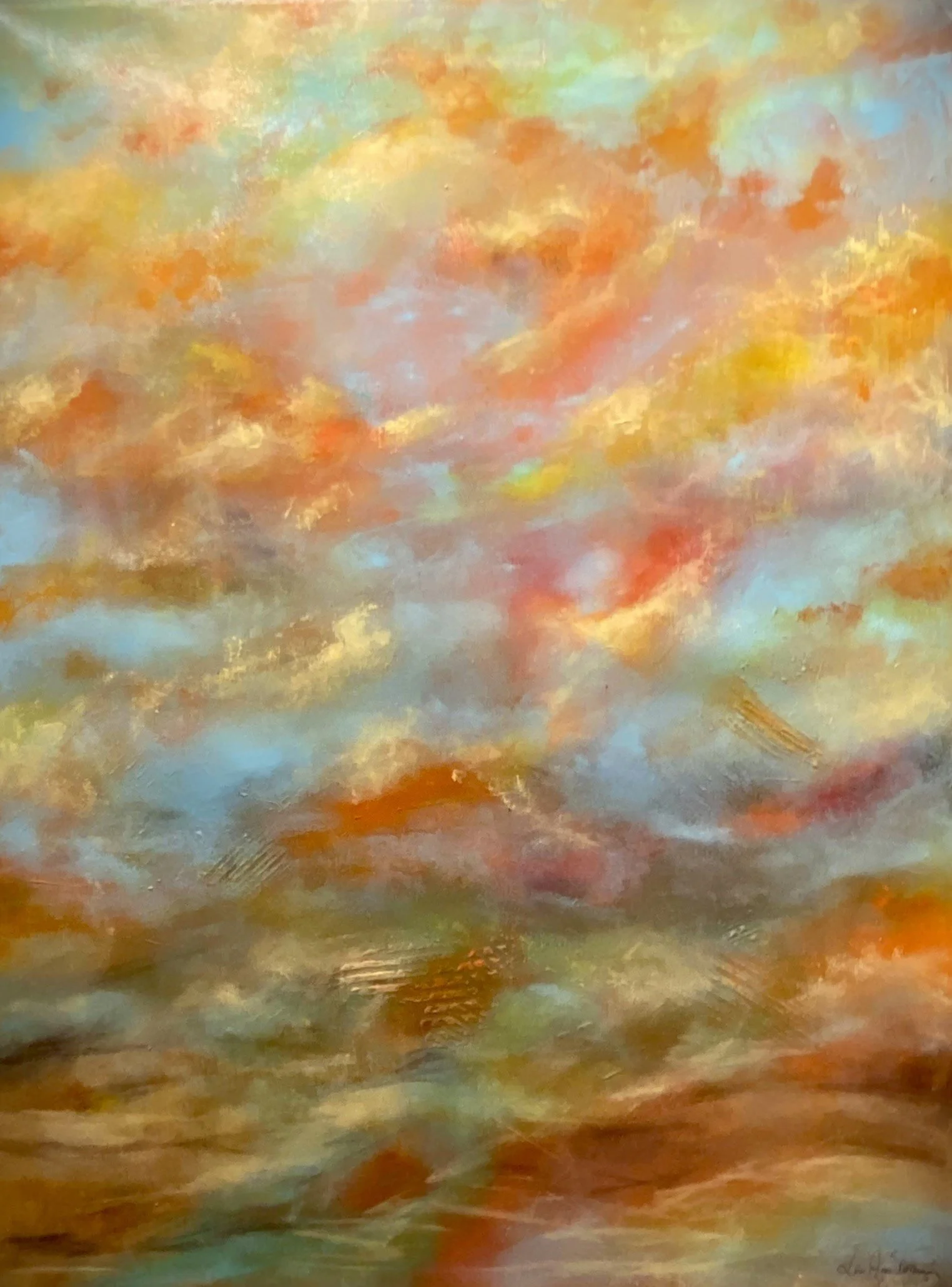
"Heavenly views" Acrylic on canvas, 2022, 110x75 cm
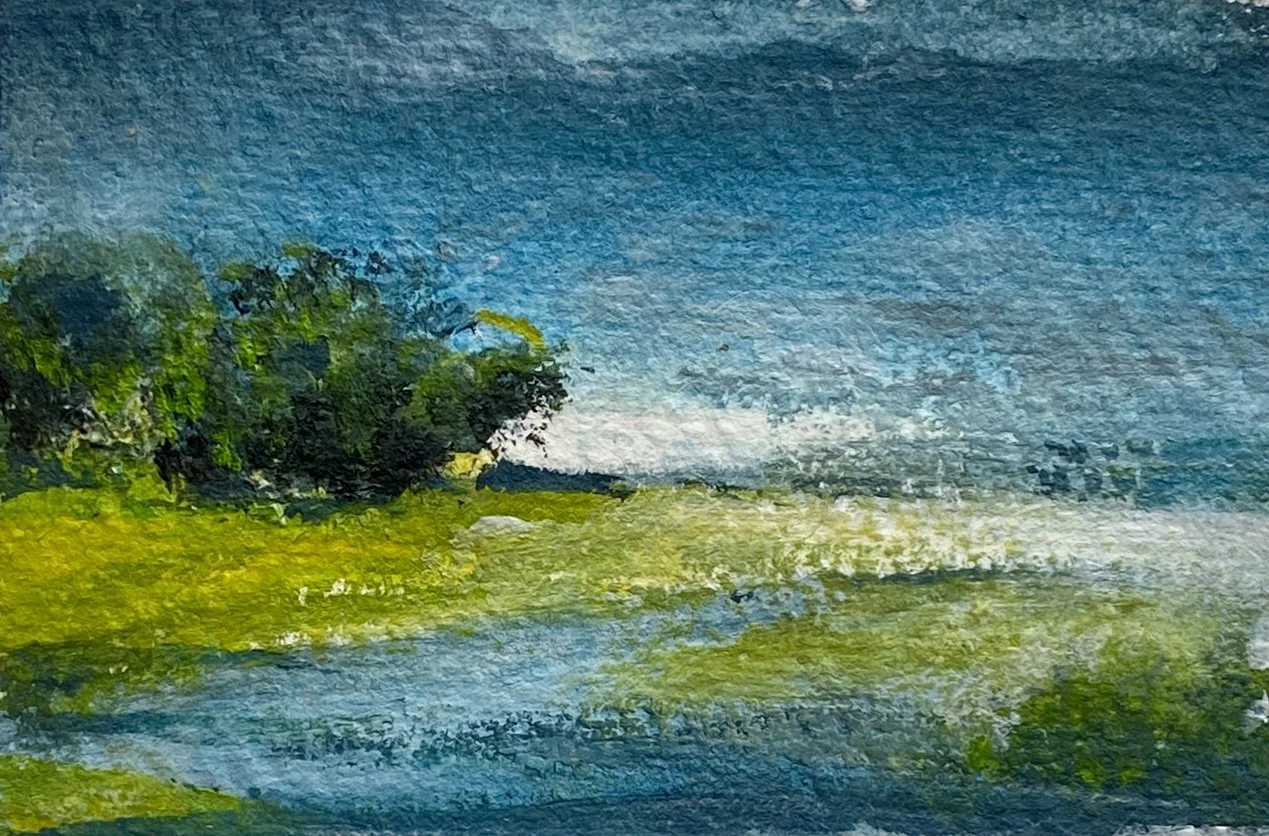
mini painting, Acrylic on paper, 2025, 15x10 cm
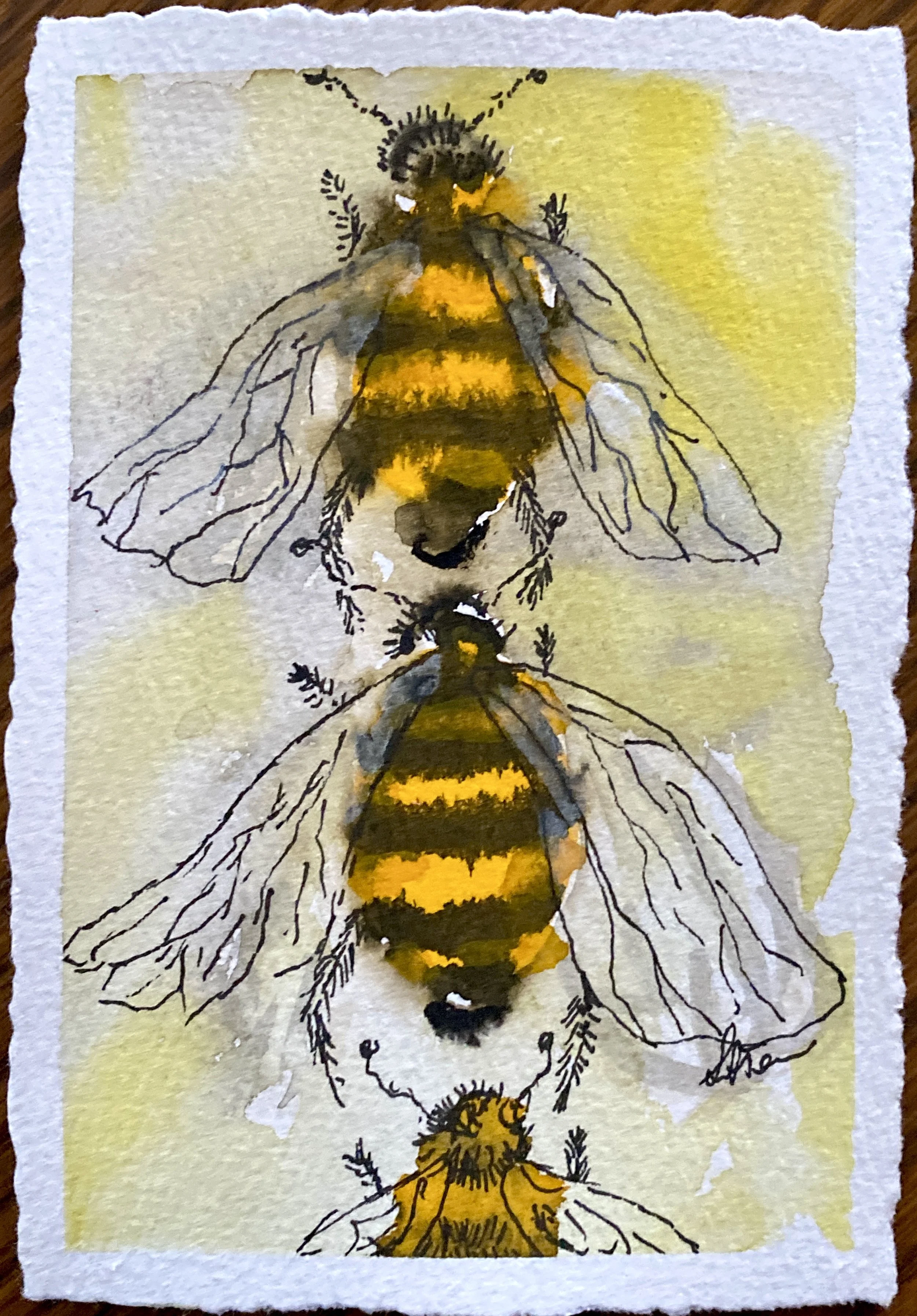
"To be a bee" Akvarell on paper, 2026, 15x10 cm
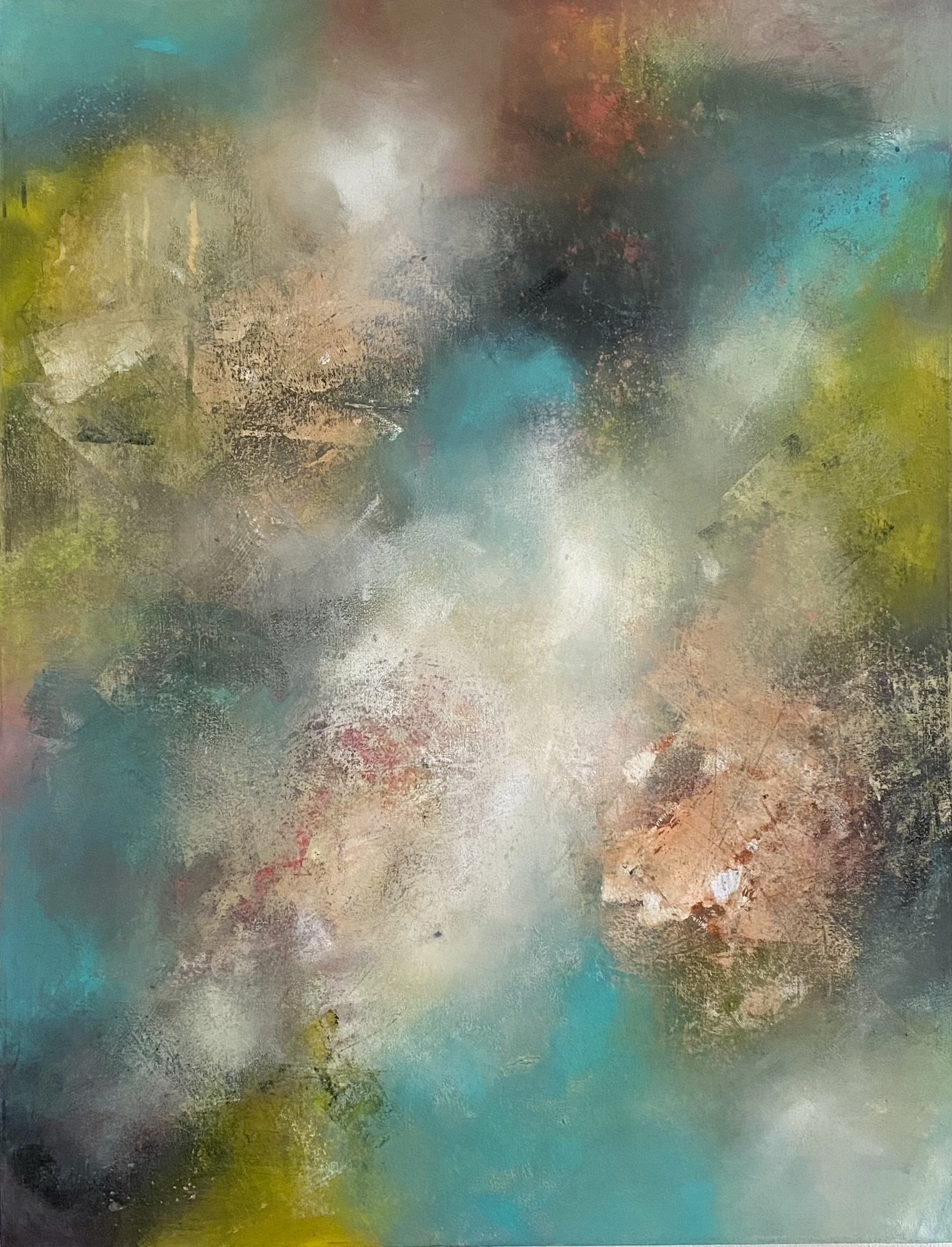
"Tomorrow" Acrylic on canvas, 2024, 90x70 cm
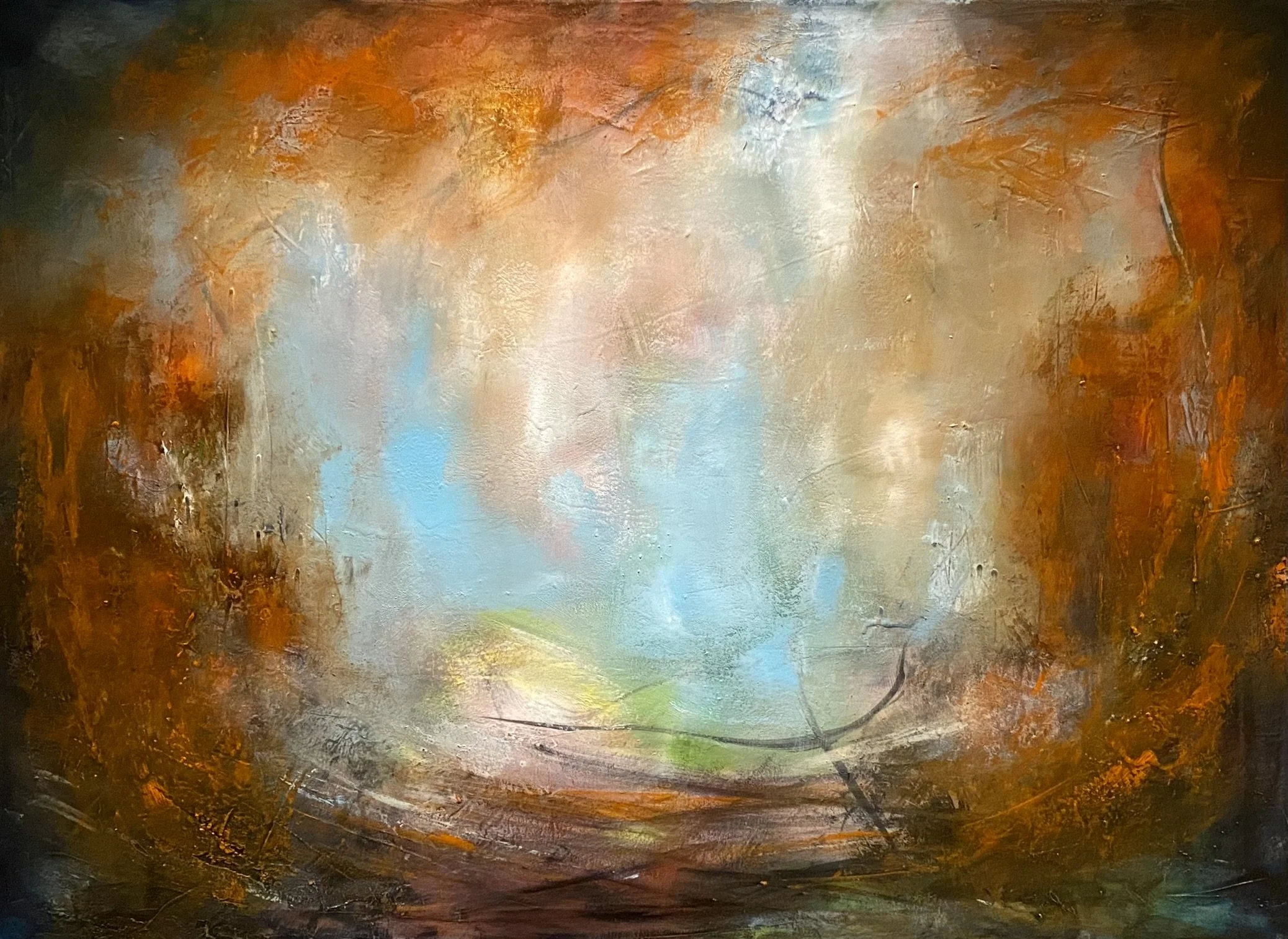
"Sorrow" Acrylic on canvas, 2023, 90x70 cm
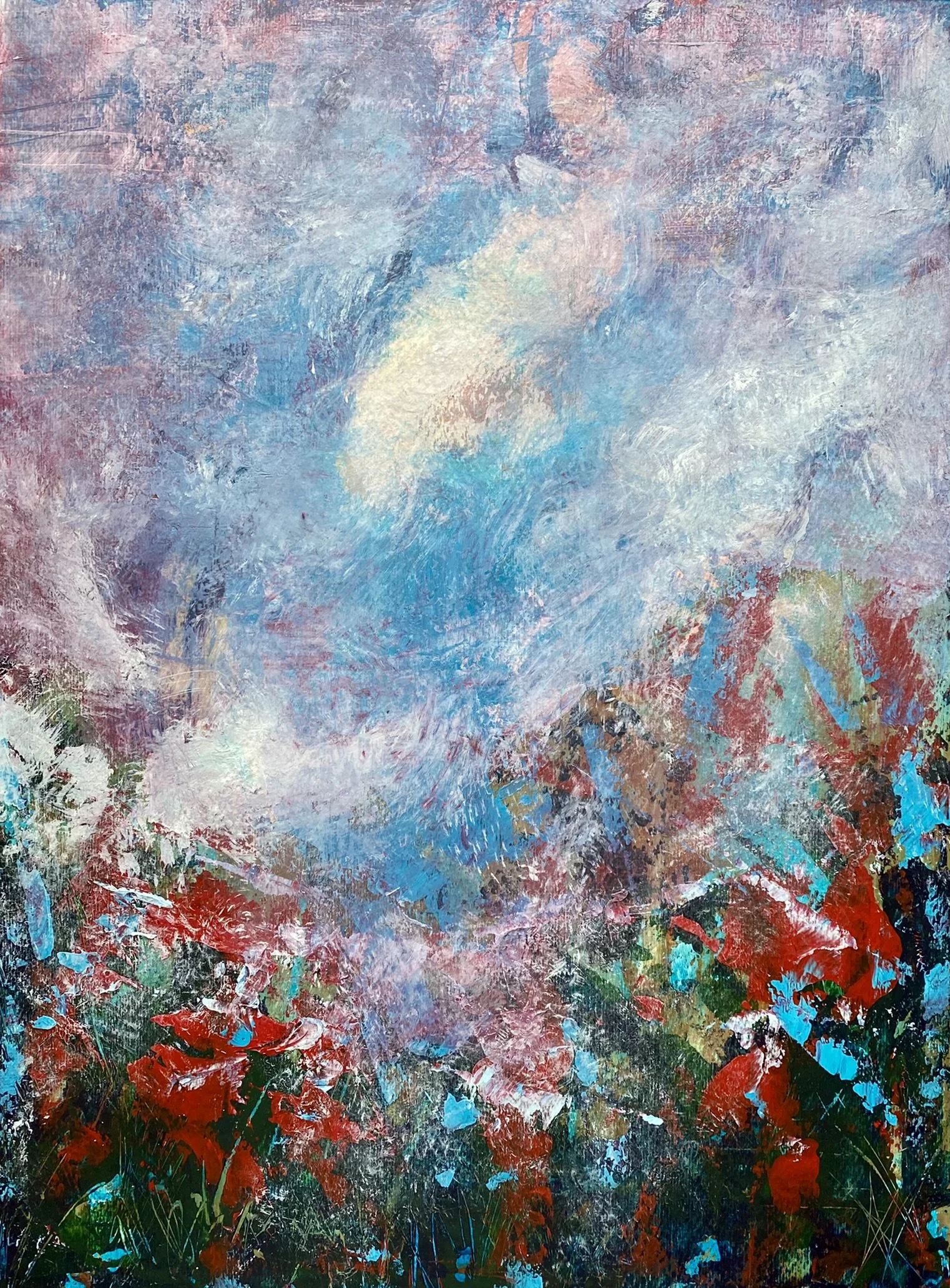
"Redness" Acrylic on paper, 2021, 40x30 cm