
Karel Vereycken
Biography
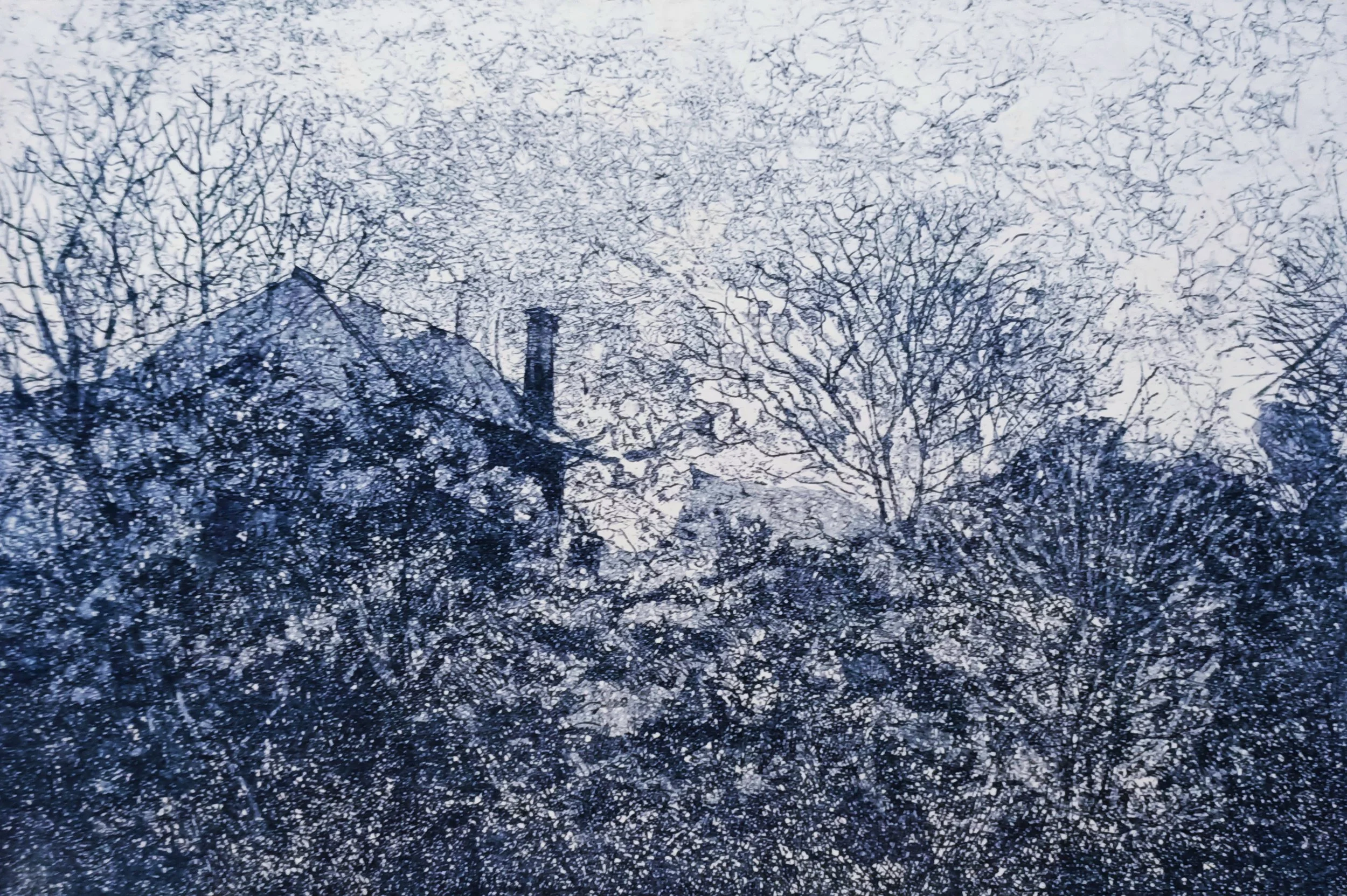
Born in 1957 in Antwerp, Belgium, Karel VEREYCKEN lives and works in France. There he concentrates on writing about art history, producing audio guides and of course watercolors and engravings.
Karel’s parents worked in the port and the ship repair industry of Antwerp, a noisy world port city. Their adolescence, studies and careers were reduced to zero by the war period and the need to bring an income and feed their brothers, parents and family. So for their children, they wanted them to have the occasion to fully enjoy and explore the cultural dimensions. His mother, who was prevented by the war to become an opera singer, got Karel into a music school. But at that time, the teaching methods, basically learning to read scores for two years before ever being allowed to sing, were so repugnant that he ran away from that. As an alternative, his mother sent Karel to the communal drawing school of Schoten close to Antwerp, directed by a talented sculptor named Herman Cornelis. The bearded cigar-smoking giant would rip pages out of old books and stick them in Karel’s hands saying “copy this!”
At age 12, Karel won his first art prize and his teacher convinced his mother “there was precious talent” in her son. With that advice, his mother sent him to Brussels to attend the Saint Luke Art School and study Plastic Arts as said before. Some teachers were quite annoying but others got us into deep study of anatomy, examining Leonardo da Vinci and Albrecht Dürer’s groundbreaking studies. Karel continued another two years at the Ecole Royale des Beaux Arts of Brussels to study copper engraving and got graduated “with distinction.”
Karel then moved to Paris and worked as a journalist and editor of a non-commercial militant paper. But after some years, he found out art was really lacking in my life so he returned to it. First by producing copies of old masters painting on wooden oak panels with hand-made egg tempera, Venetian turpentine and various other ancient oil techniques he rediscovered with a schoolmate. Since the people that ordered these painting took them home, at the end, the artist had nothing to put on show. Therefore, Karel returned to watercolors and etching. He also gave a three year course of drawing for some of his friends, mainly amateurs and beginners.
As a member of the Fédération nationale de l’estampe, he confirmed his technical mastery at Atelier63 and continues to perfect his skills in the Montreuil workshop of Danish engraver Bo Halbirk, where several of his works have integrated the “artothèque.”
As an independent scholar, Karel is currently preparing a book on the Antwerp painter Quinten Massys and the influence of the ideas of Erasmus in 16th century visual art.
Artist Statement
What always attracted Karel in painting and Plastic arts is the way art “makes visible” things and ideas that are “not visible” as such in the simple visible world but which “appear” by some sort of magic in the minds of the viewer. It took him over twenty years to sort out the difference between “symbols” (a “convention” accepted among a group or a code system designed to communicate a secret meaning), and “metaphor” which, by assembling things unusual, by irony and paradox, allows the individual mind to “discover” the meaning the painter intended to transmit. Such an approach, which he calls "sublimart", a term he crafted to qualify his art, offers the joy of discovery and surprise, a profound human quality.
"Modern" art started as a non-figurative form of symbolism till “contemporary” art brought many artists to put an axle into the very idea of poetical meaning and even meaning per se. In 1957, the CIA sponsored, under various covers and often without the artists even knowing about it, many “abstract” artists to promote a form of art that it considered coherent with its ideology of “free enterprise.”
Completely different is what inspires Karel: true human culture, be it Chinese painting of the Song dynasty, the Buddhist sculptures of Gandhara, the early Flemish masters or the magnificent bronze heads of Ifé in current Nigeria.
For Karel, real art exists in a “cosmic” aesthetical dimension above time and location. The object might be “ancient” or “modern,” “Eastern” or “Western,” in terms of its physical creation, but the art within it transcends those categories. Only contributions to universal art shine forever, everywhere. Charles de Gaulle's best friend was the erudite art historian André Malraux. In his 1947 book Le Musée imaginaire, he wrote that the birth of photography would completely change mankind’s relationship with art, enabling a fruitful dialogue between the most beautiful creations of art through a visual "data bank."
Karel tries to contribute modestly to the “immortal” dialogue among artworks of all times and cultures, as described in André Malraux’s Le Musée imaginaire. Bridging the distances in space and time, religion and philosophy, stands the celebration of unique human capacities, the beauty of compassion, empathy and love.
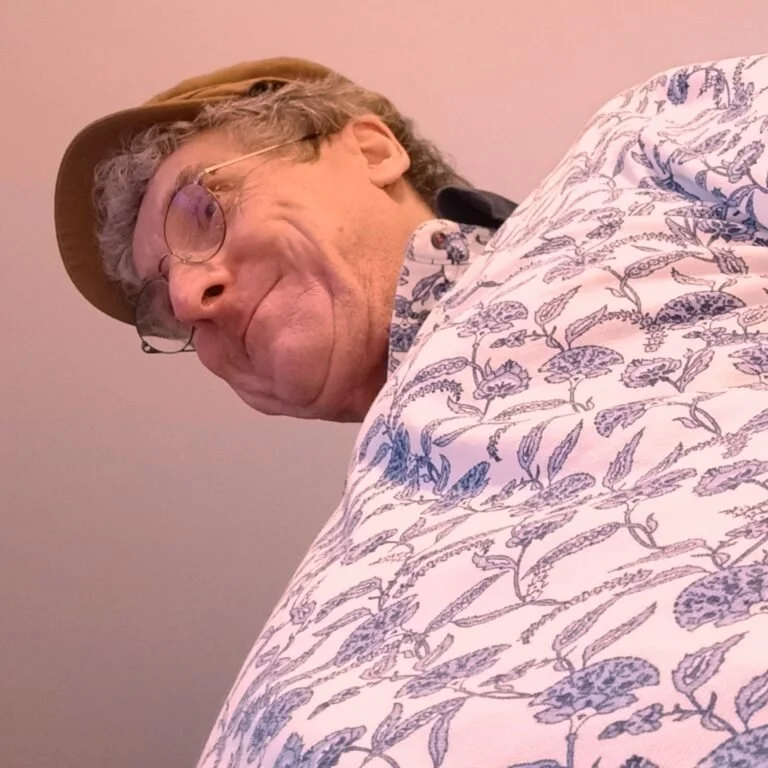
Karel Vereycken
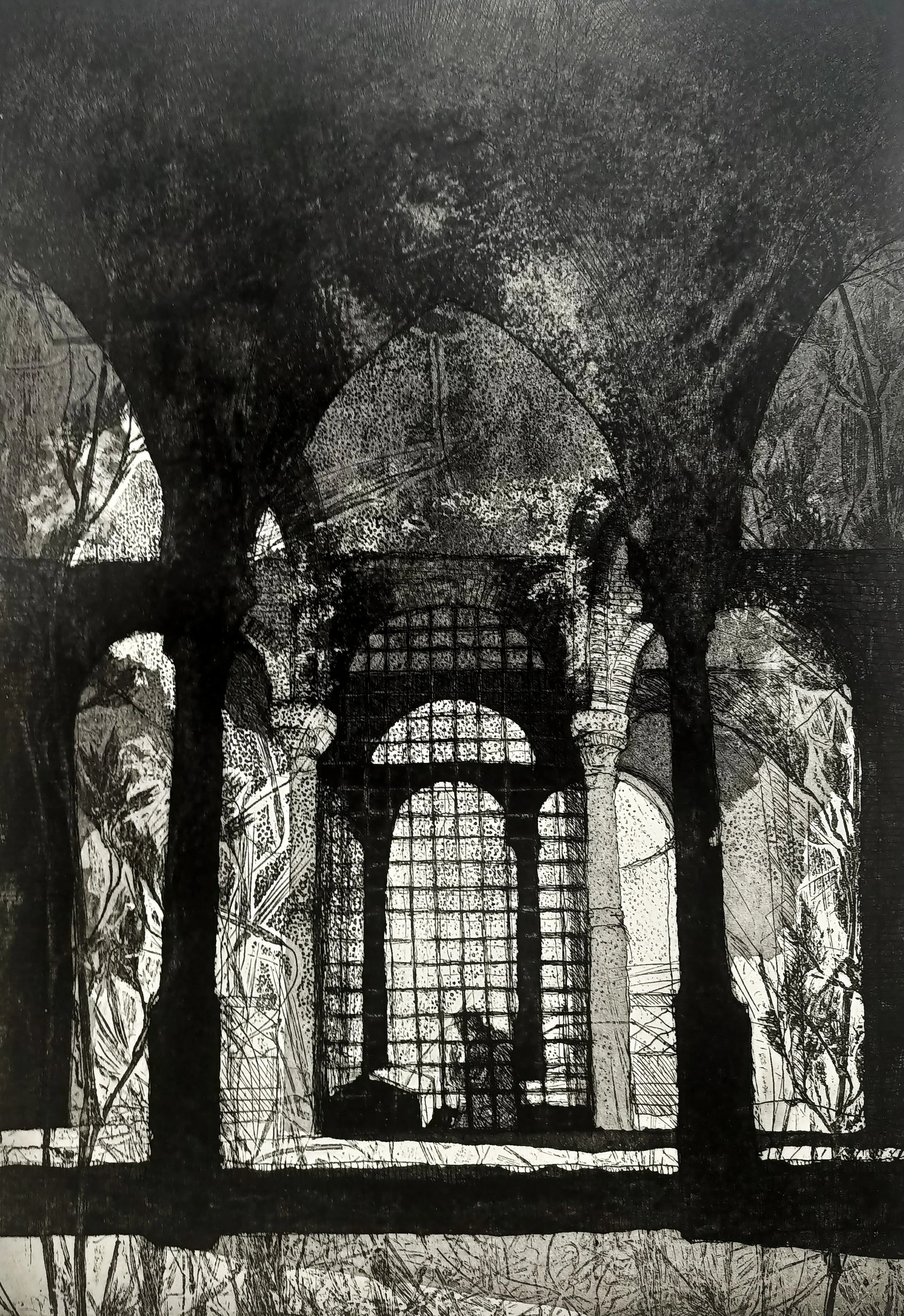
The Coincidence of Opposites, 2026. Intaglio etching on zinc, 35 x 50 cm.
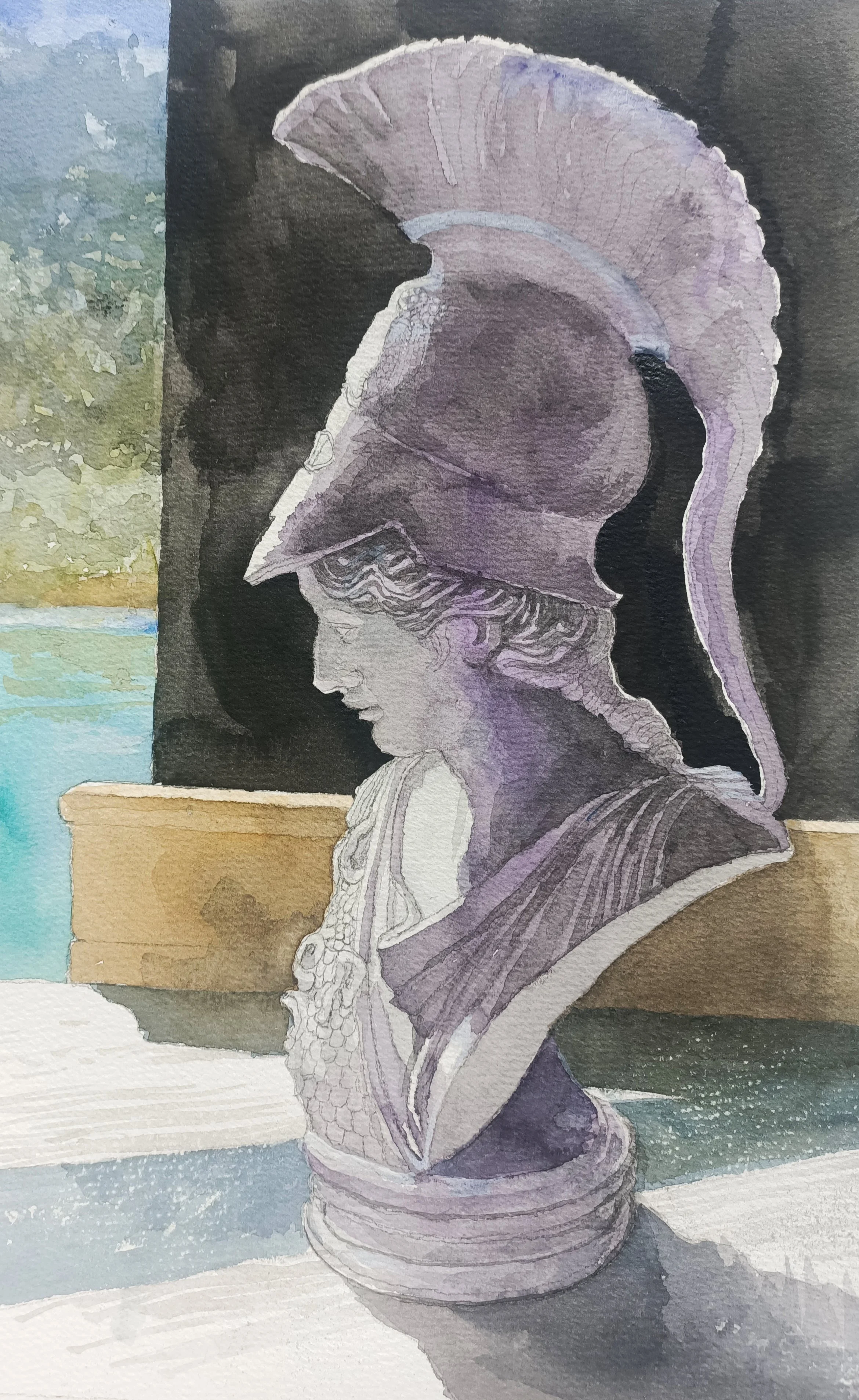
Minerva, Goddess of Peace, 2026. Watercolor on Arches paper, 26 x 41 cm.
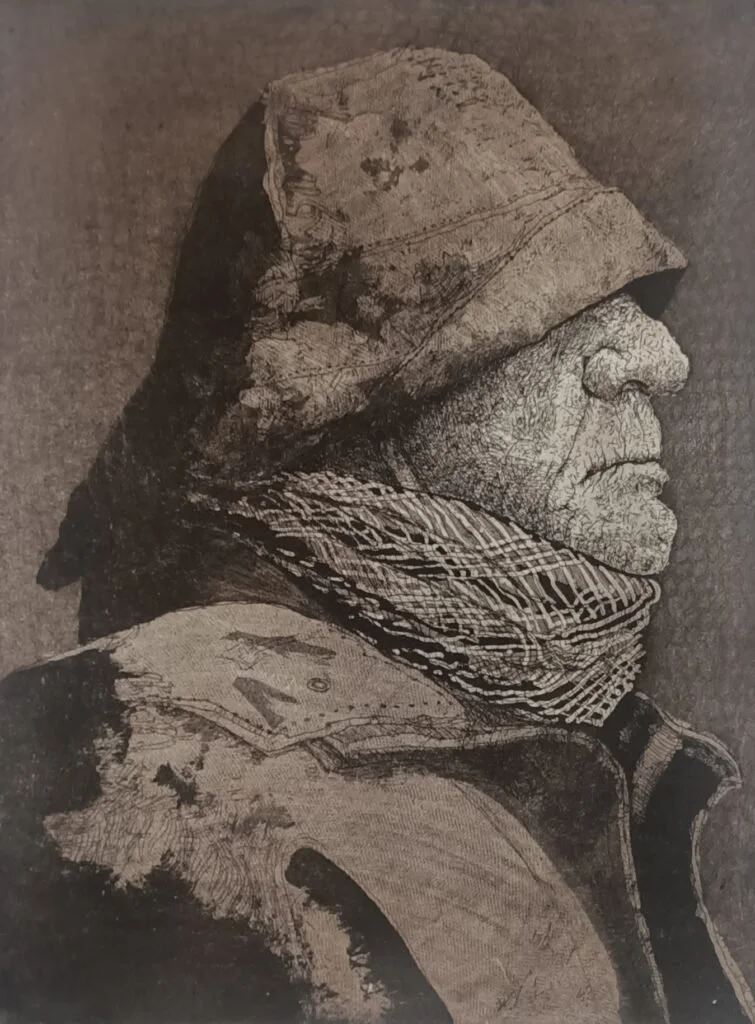
Flemish Fisherman 2, 2026. Intaglio etching on zinc, 30 x 40 cm
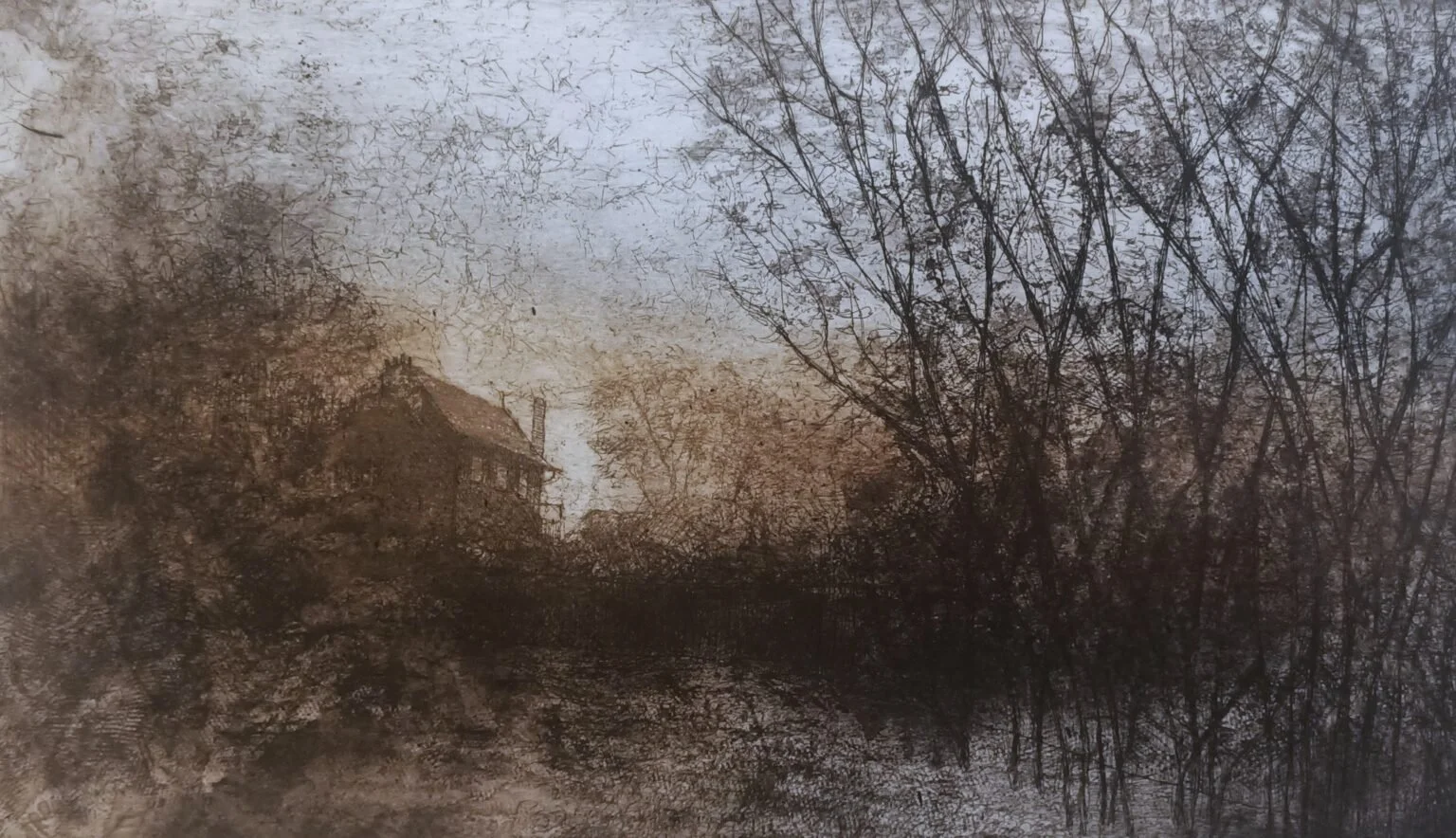
Garden of Argenteuil, 2025. Intaglio etching on zinc, 40 x 23 cm.
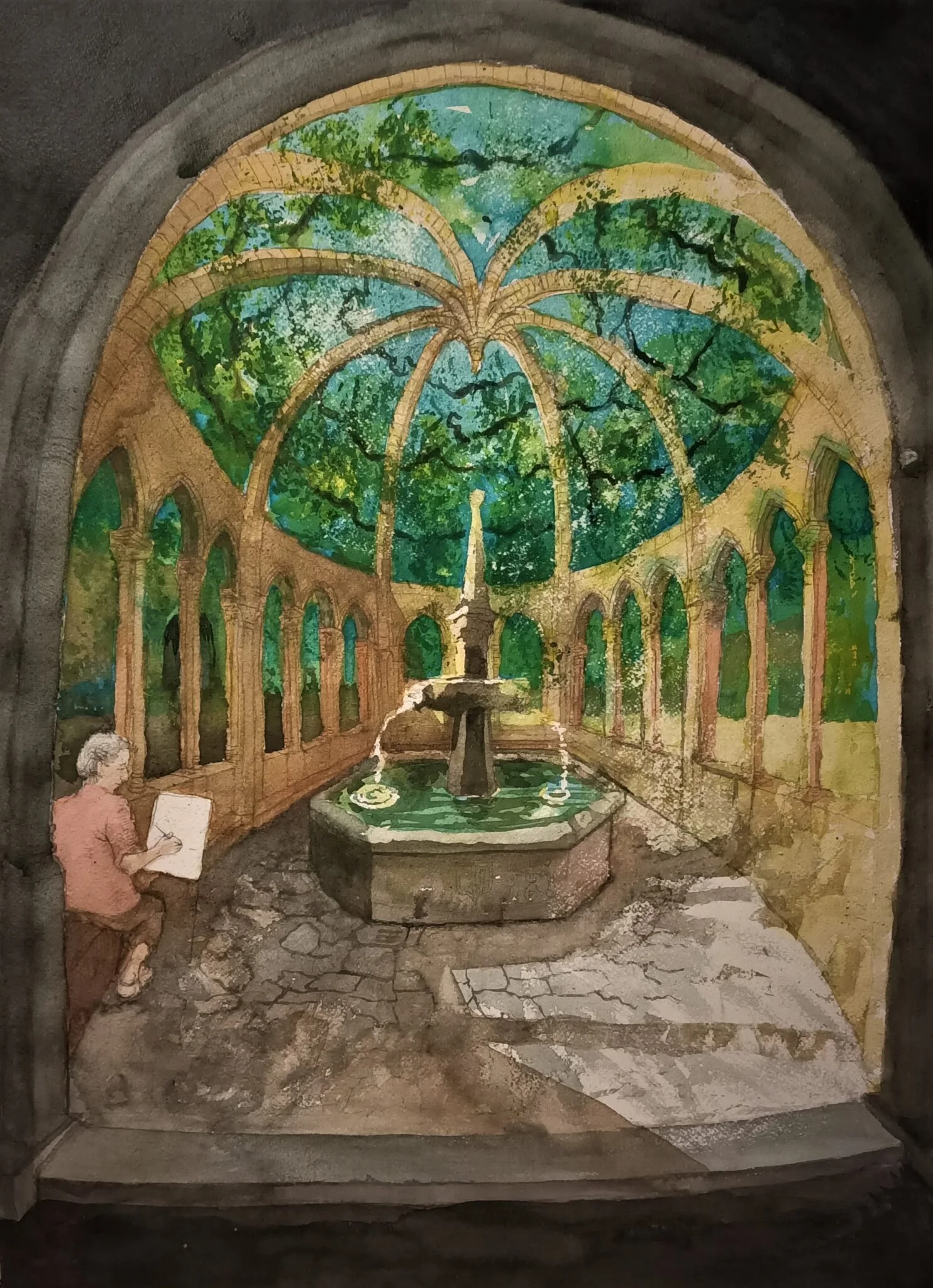
Abbabye of Vallemagne, 2024. Watercolor on Arches paper, 46 x 61 cm.
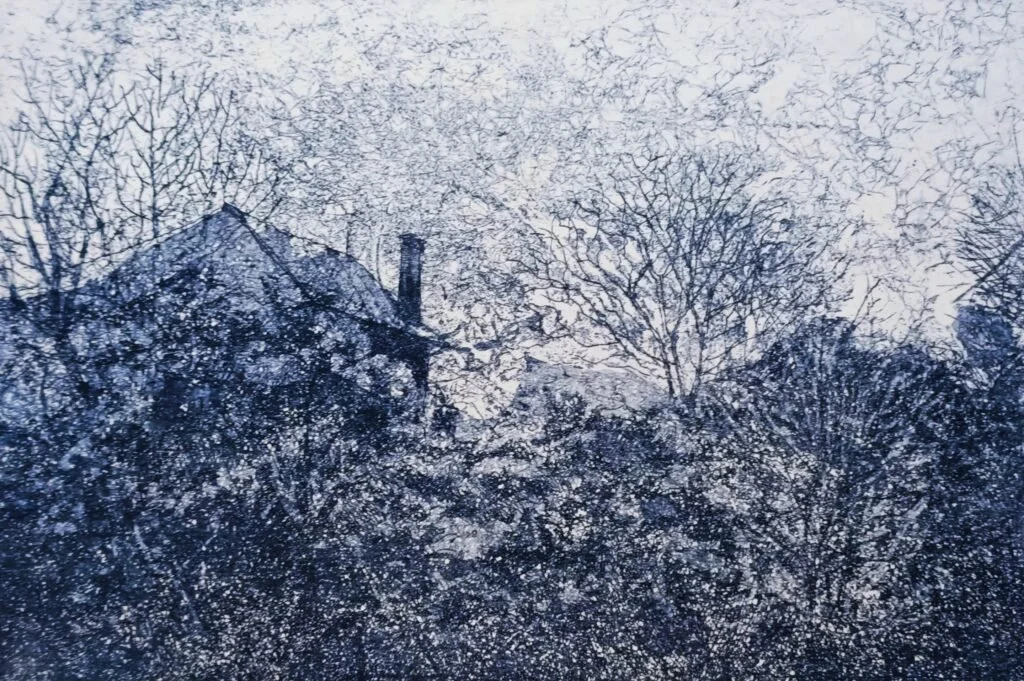
Snow in Argenteuil, 2026. Intaglio etching on zinc, 30 x 20 cm.
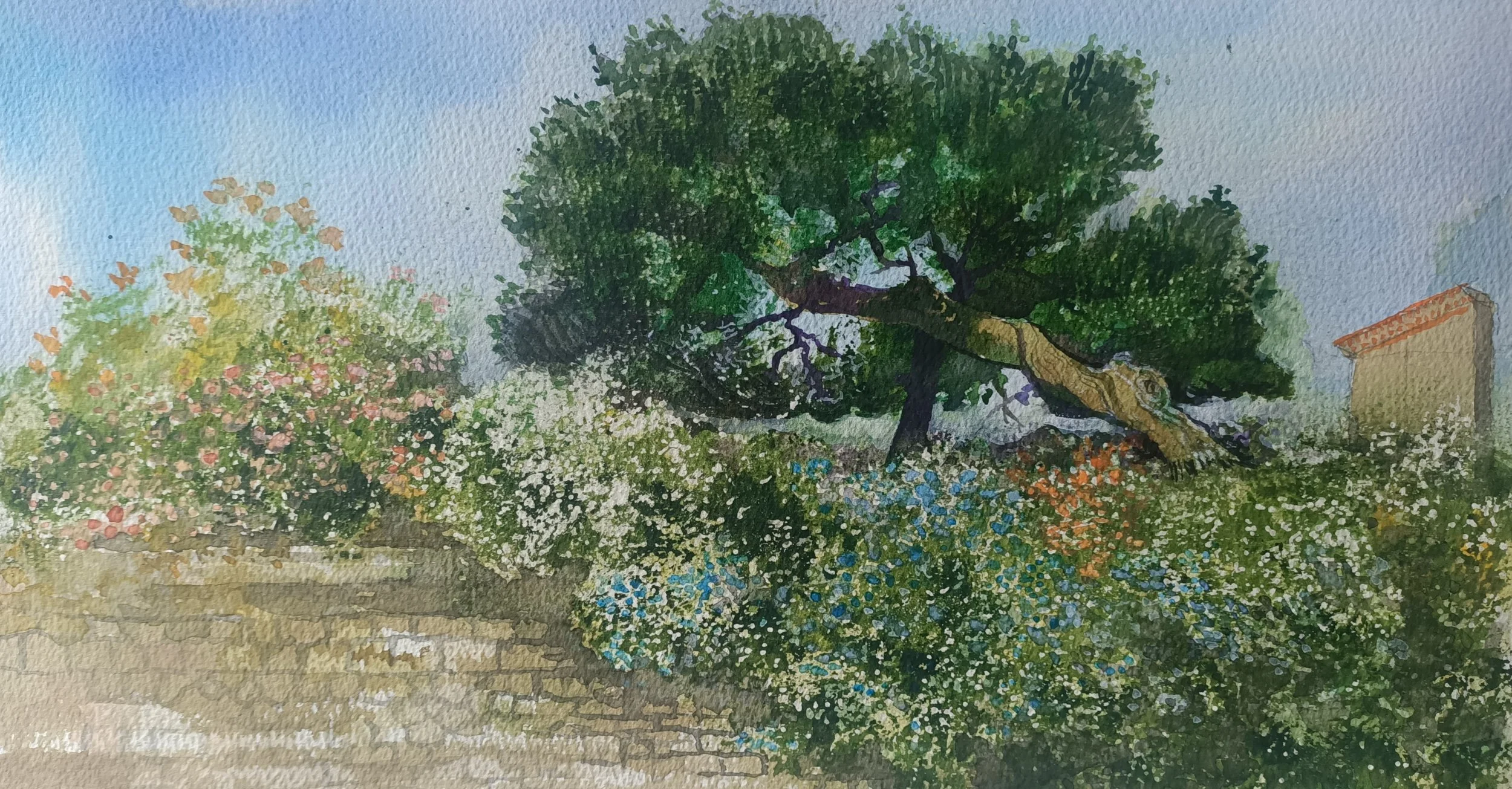
Flora of Sète, southern France, 2026. Watercolor on Arches paper, 41 x 22 cm.
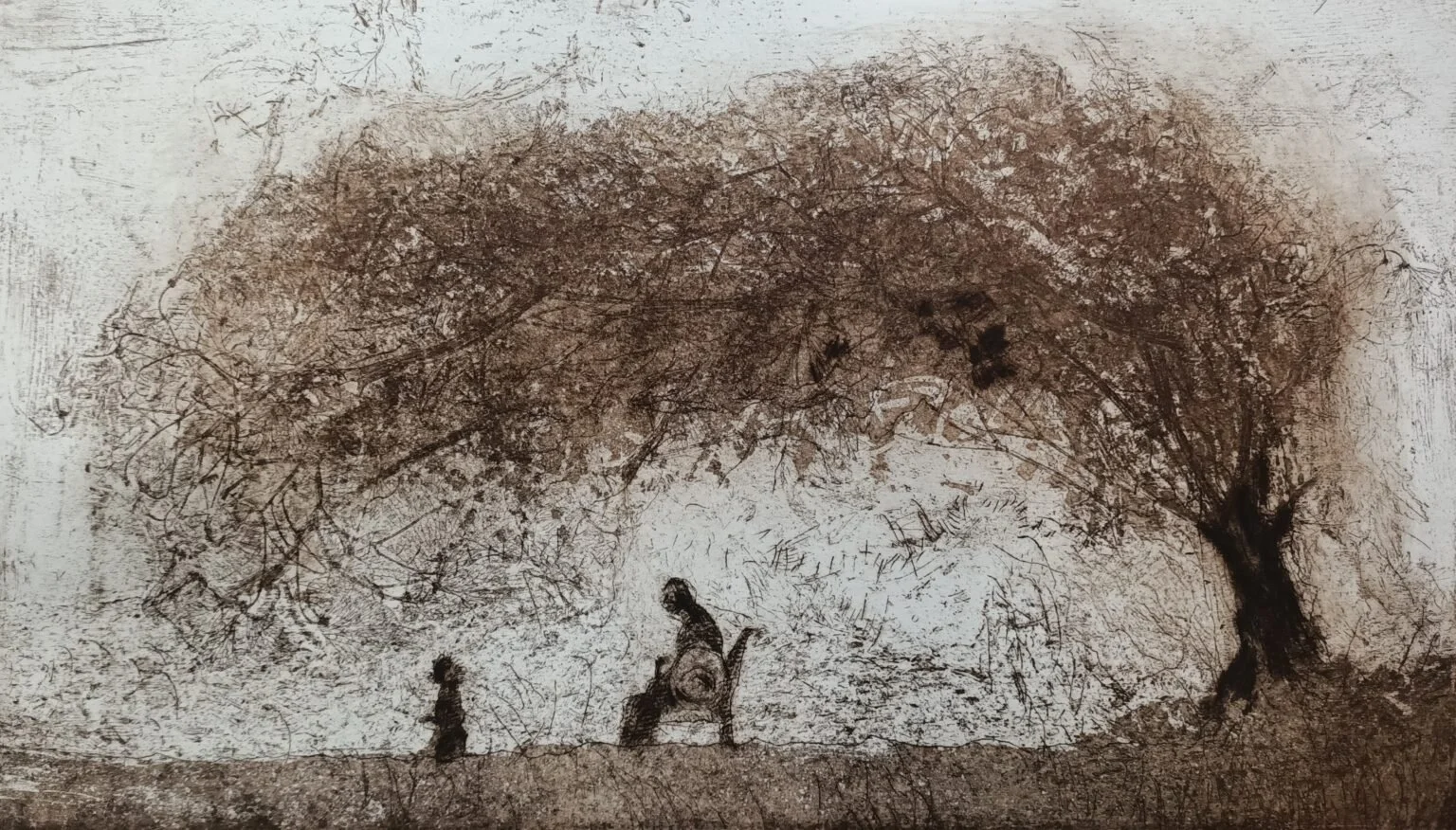
The Tree of Life, 2026. Intaglio etching on zinc, 40 x 23 cm.
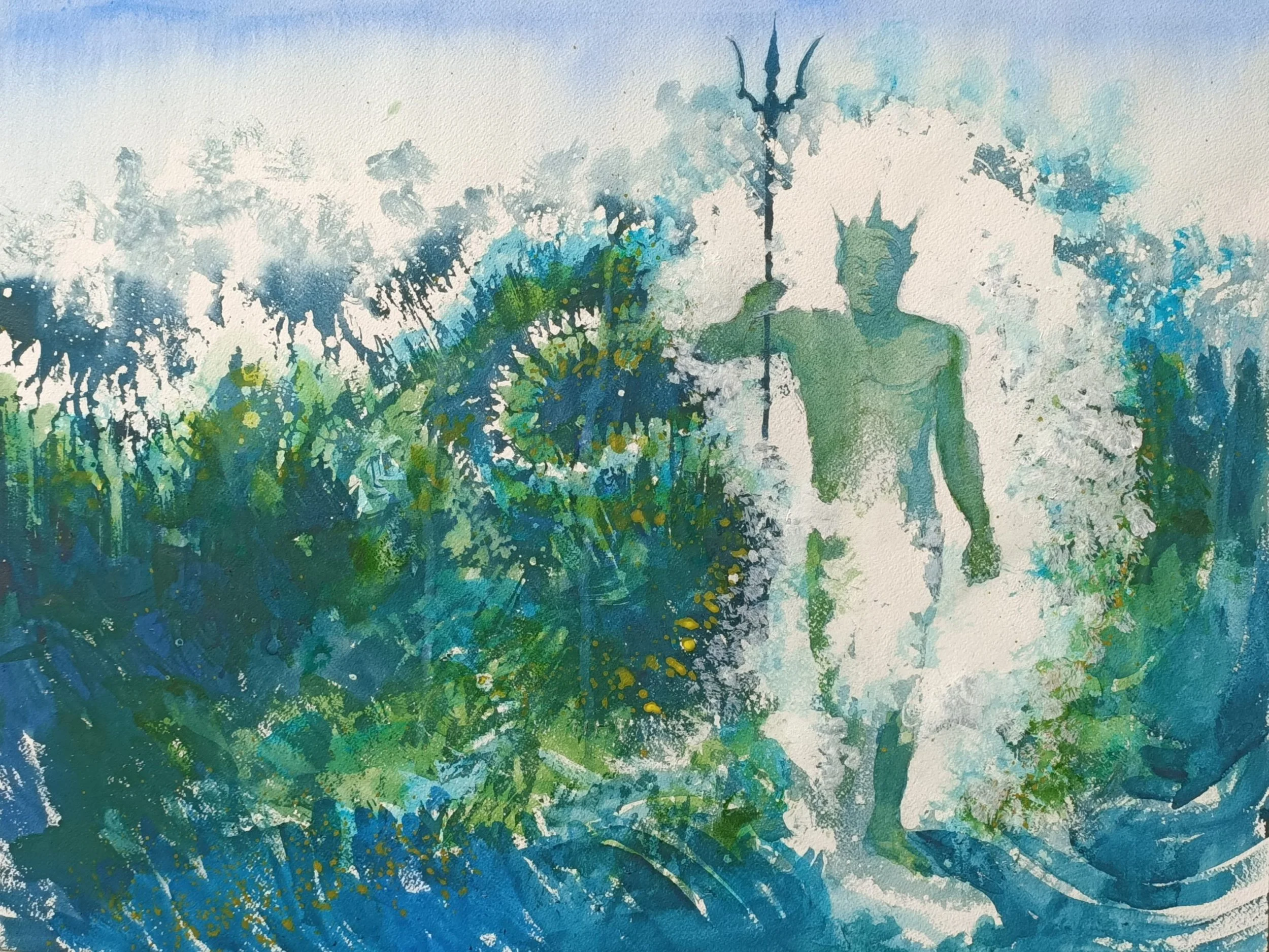
The Return of Poseidon, 2022. Watercolor on Arches paper, 63 x 41 cm.
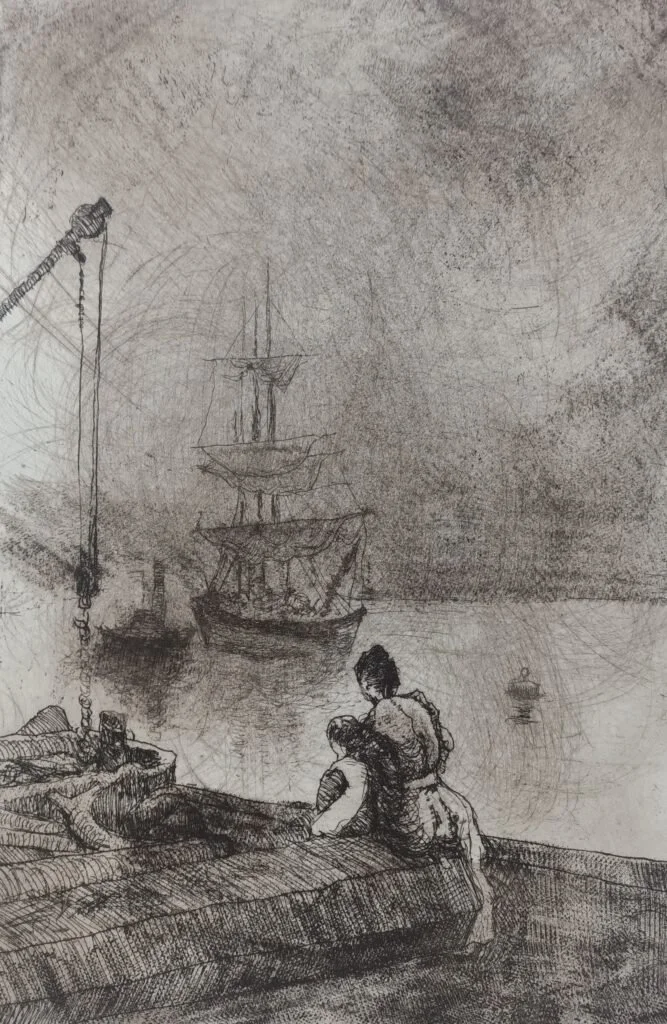
View on the Thames, London 1902, 2025. Intaglio etching on zinc, 20 x 30 cm.