
Magnus Borg
Biography
Magnus Borg is a Swedish photographer and visual artist whose work moves between observed reality and imagined form. His practice is driven by curiosity: a fascination with what happens when we look beyond the obvious, allow intuition to interfere with intention, and remain open to what an image might become rather than deciding too quickly what it should be.
Born and raised in Sweden, Borg developed an early fascination with images, technology, nature and creative experimentation. His relationship with observation took on a different significance after a spinal cord injury at the age of sixteen radically changed the physical conditions of his life. The accident imposed profound limitations on movement, but it also intensified qualities that would later become central to his artistic practice: patience, persistence and the habit of looking closely.
Rather than allowing physical limitations to define the boundaries of his life, Borg has spent much of it finding ways around them. Creativity became not only a means of expression but a form of freedom — and, during darker periods, a form of self-therapy.
Photography became one such freedom.
Through the camera, Borg isolates fragments of reality and explores how light, atmosphere, perspective and time can transform the familiar. His photographic work moves between Nordic wildlife, landscapes and the urban and industrial environments of Gothenburg. Water, darkness, mist, architecture and artificial light recur throughout his imagery. Industrial structures are not necessarily treated as intrusions into the landscape; bridges, cranes, ships and harbours can become the landscape itself.
His interest is rarely limited to documenting what a place or subject looks like. He searches instead for the moment when it begins to suggest something else.
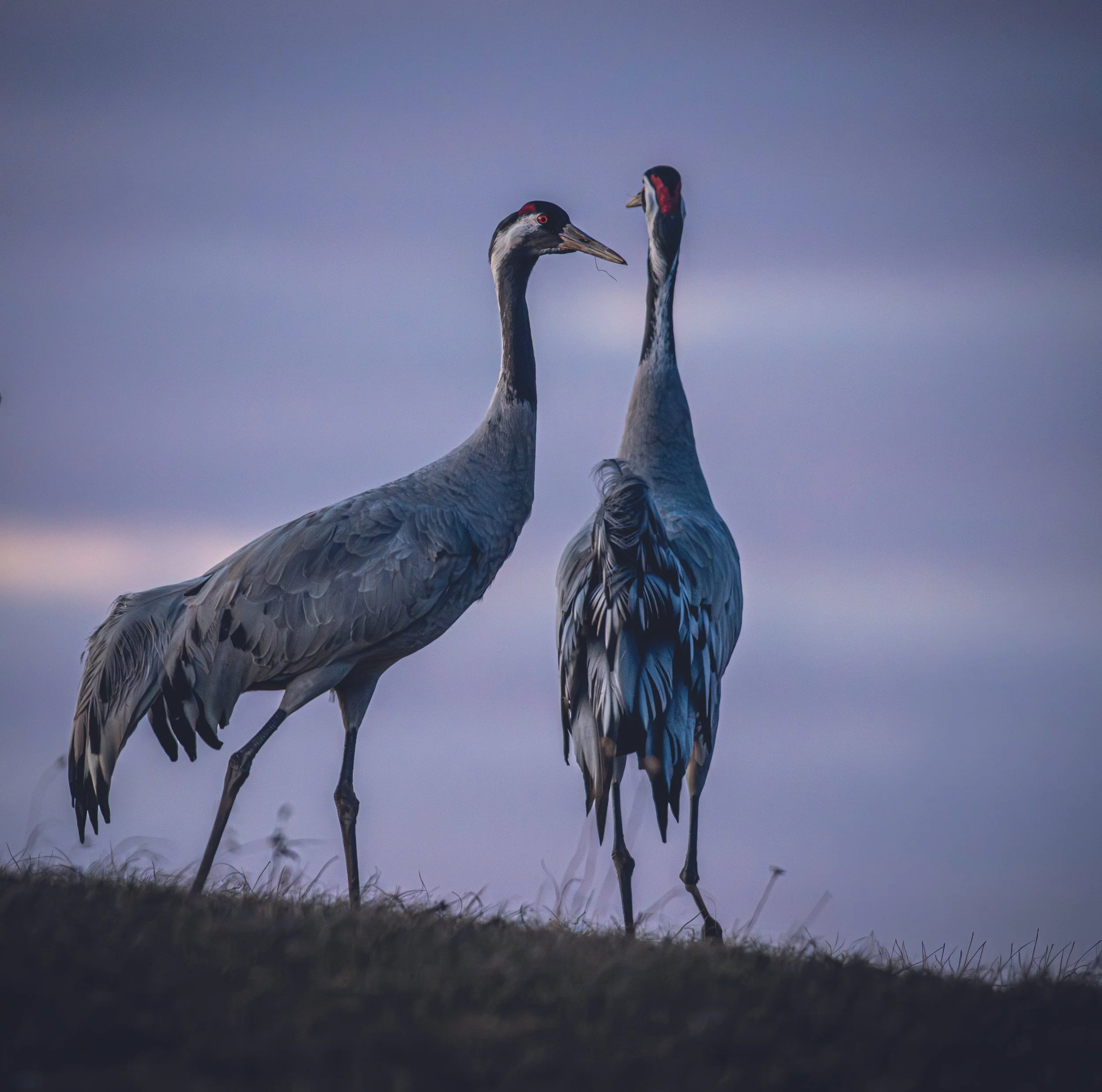
An encounter with a crow can become a portrait of intelligence and curiosity. Two cranes can become a study of intimacy and communication. An empty waterfront surrounded by illuminated homes can become an image of solitude and stillness after the city has exhaled.
Borg's abstract work begins at almost the opposite end of the creative process.
There may be no physical subject and often no predetermined destination. He deliberately tries to keep the process open, allowing intuition, experimentation and the subconscious to participate. Colour, movement, distortion and organic structures develop until something begins to emerge: a body, a face, an unfamiliar creature, a fragment of anatomy — or perhaps something that refuses identification altogether.
For Borg, that uncertainty is not something to resolve. It is often the point at which the work becomes interesting.
He is fascinated by the human instinct to search for meaning in visual information and by our almost irresistible tendency to discover recognisable forms within ambiguity and chaos. His abstract works consequently become conversations between intention and accident, conscious decisions and subconscious associations.
There is also an intensely personal dimension to this process. Some works originate in curiosity; others originate in necessity. During difficult periods of his life, art and music have provided ways of transforming emotions that could not easily be expressed in words. Rather than documenting those experiences literally, Borg allows them to enter the work indirectly — through colour, tension, movement and form.
What begins as something deeply personal can then become something entirely different in the perception of another person.
This creates an apparent contradiction at the centre of Borg's practice. Photography begins with something that exists. Abstraction may begin with almost nothing. Yet he approaches both with essentially the same curiosity.
In photography, he waits for reality to reveal an image. In abstraction, he allows the image to reveal itself.
Borg does not ask viewers to see precisely what he sees. He prefers to leave enough uncertainty for them to discover something of their own. To him, keeping an open mind means accepting that neither art nor life must always provide an immediate answer. Sometimes the most interesting discoveries occur when control is loosened just enough for intuition, accident and the subconscious to enter.
His photographs originate in the physical world and his abstractions in an imagined one, but ultimately both inhabit the same territory:
the space between what is seen and what is imagined.
Artist Statement
BETWEEN THE SEEN AND THE IMAGINED
I have always been more interested in questions than answers.
Whether I work with photography or abstract art, I am fascinated by the moment when something familiar begins to become uncertain — or when something initially unrecognisable suddenly begins to feel strangely familiar.
In photography, I begin with something that exists: a landscape, an animal, a harbour, a building, a particular quality of light. But simply documenting what is in front of me has never been enough. I wait for the moment when reality shifts slightly and the subject begins to suggest something beyond itself.
A bird can become a personality. Two cranes can become a conversation. Industrial structures can become a landscape. An empty waterfront can become a reflection of solitude, stillness or memory.
My abstract work begins from the opposite direction.
I often start without knowing what the finished image will become. I deliberately try to keep an open mind and resist deciding too early what I am looking for. Instead, I allow intuition, experimentation, accident and the subconscious to participate in the process.
Forms emerge, collide, disappear and return. Eventually I may recognise something — a face, a body, an emotion, an unfamiliar creature, perhaps simply a presence. At that point I can choose to make it more explicit.
Usually, I choose not to.
I am fascinated by our instinct to search for meaning in visual information and by the human mind's extraordinary ability to discover familiar forms within ambiguity and chaos. That moment of recognition interests me precisely because it is personal. What I see may not be what someone else sees.
And I don't want it to be.
I believe part of the power of art exists in the distance between what the artist creates and what the viewer discovers. Explain everything and that distance disappears.
Some of my works emerge from curiosity, experimentation and play. Others have come from considerably darker places. At different moments in my life, art and music have been more than forms of expression; they have provided ways of transforming emotions that could not easily be expressed in words.
I do not create to illustrate those emotions.
I create to transform them.
That is why I do not regard photography and abstraction as opposing disciplines. They are two different routes towards the same territory.
In photography, I wait for reality to reveal an image. In abstraction, I allow the image to reveal itself.
One begins with the visible and moves towards interpretation. The other begins with uncertainty and moves towards recognition.
Somewhere between those two processes is where I feel most at home.
I want my work to retain enough mystery for another person to enter it without instructions. The viewer does not need to discover what I discovered. They bring their own experiences, memories and imagination to the work, and in doing so may find something I never consciously placed there.
For me, that is not a misunderstanding of the artwork.
Art does not always need to provide an answer.
Sometimes it is enough to look long enough for another question to appear.
https://www.magnusborgphotography.com/
https://www.instagram.com/fotograf_magnusborg/
https://www.facebook.com/fotografmagnusborg/
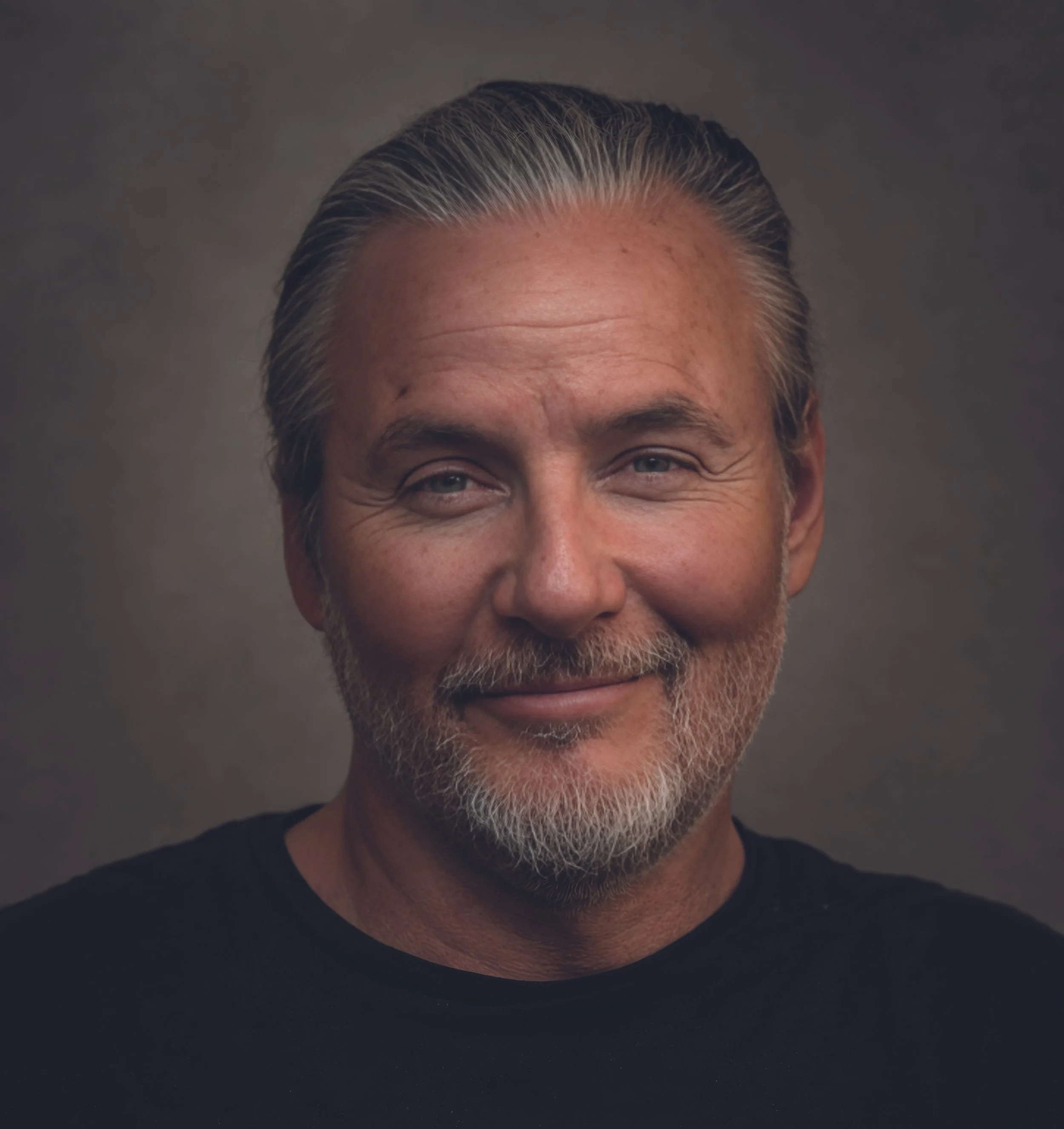
Magnus Borg — Self-Portrait, 2026
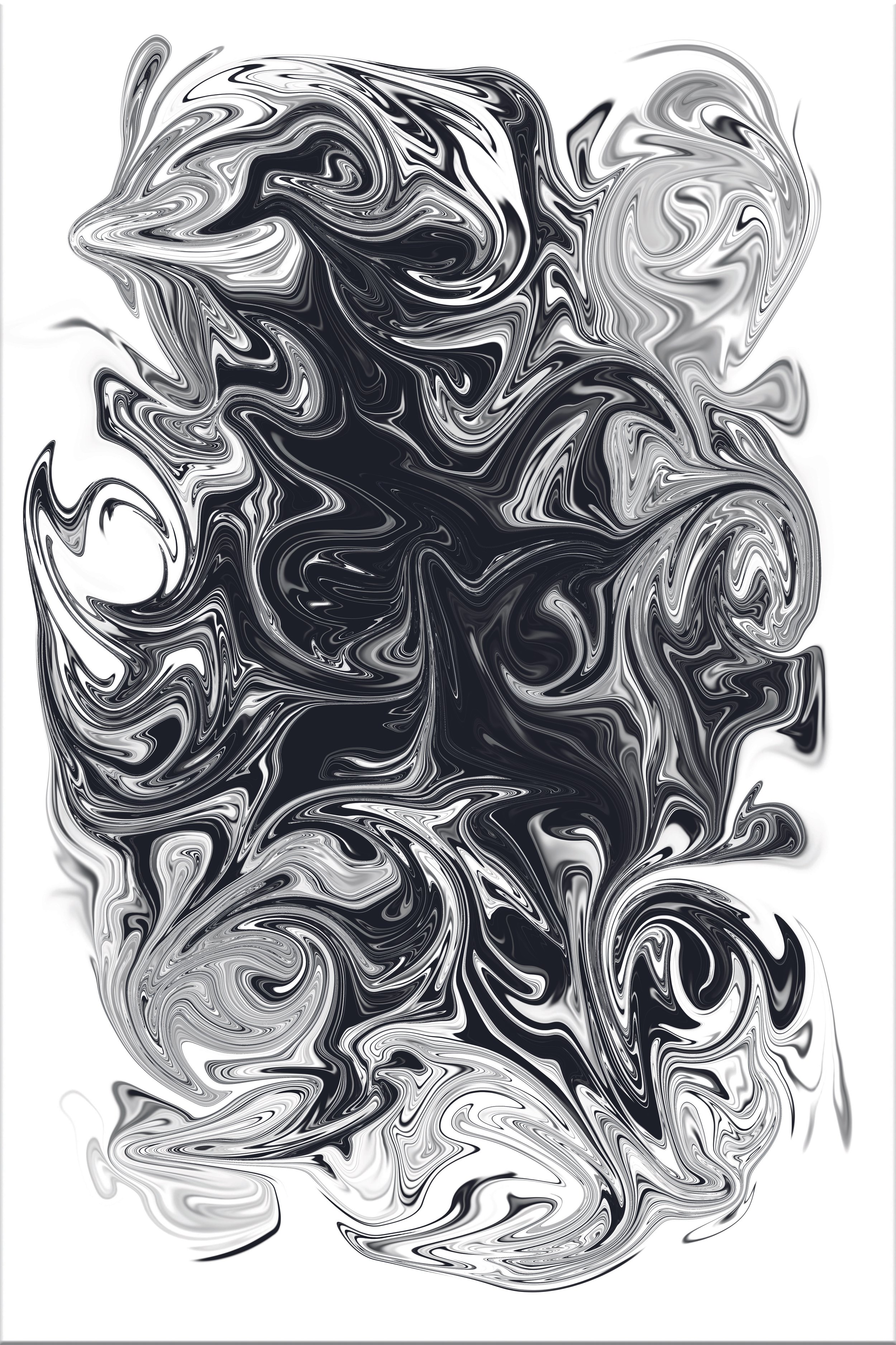
Entity, 2024 Digital Fine Art, archival pigment print on fine art paper, Limited Edition 80 × 120 cm
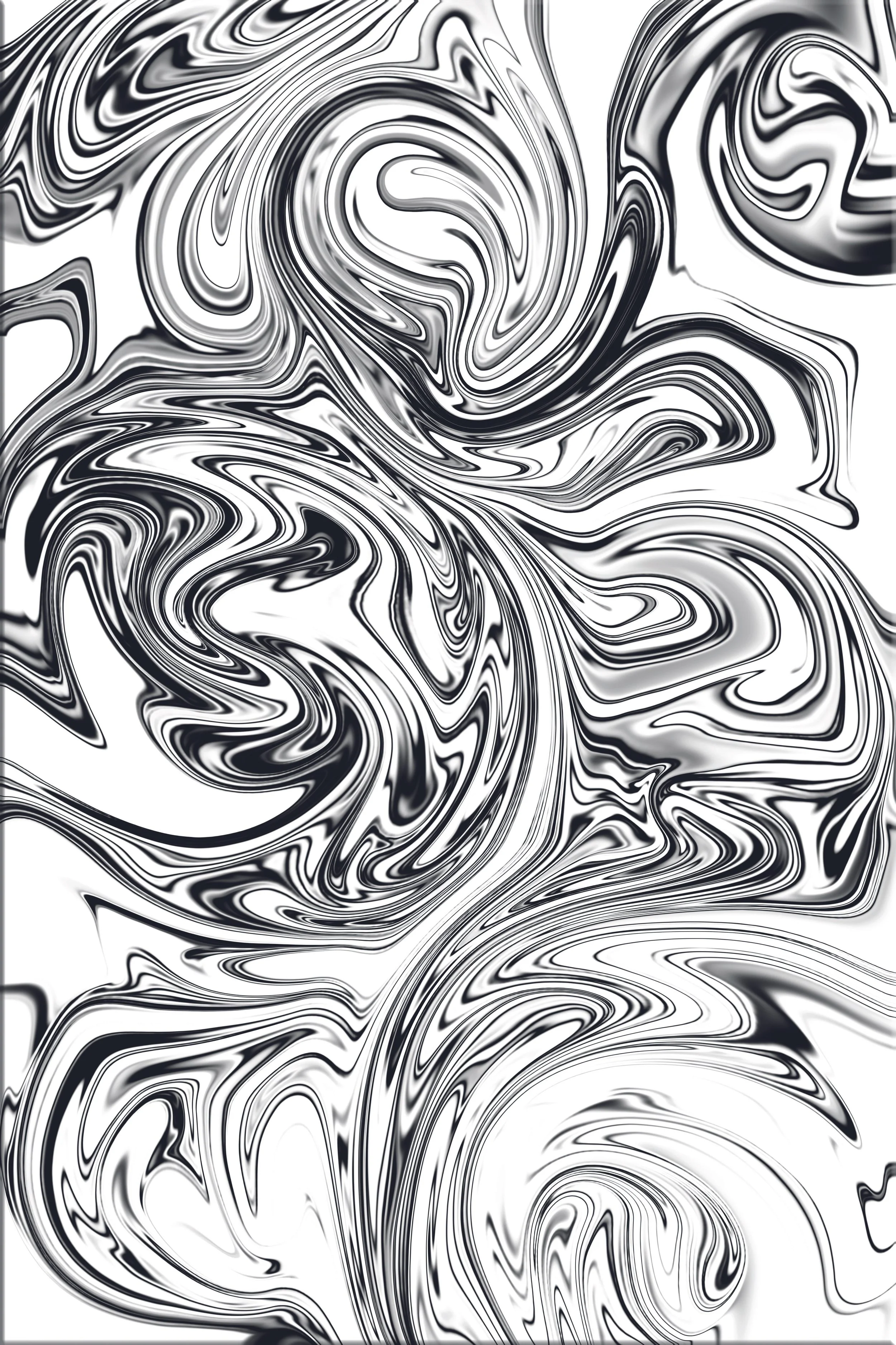
Where Thought Dissolves, 2024 Digital Fine Art, archival pigment print on fine art paper, Limited Edition 80 × 120 cm
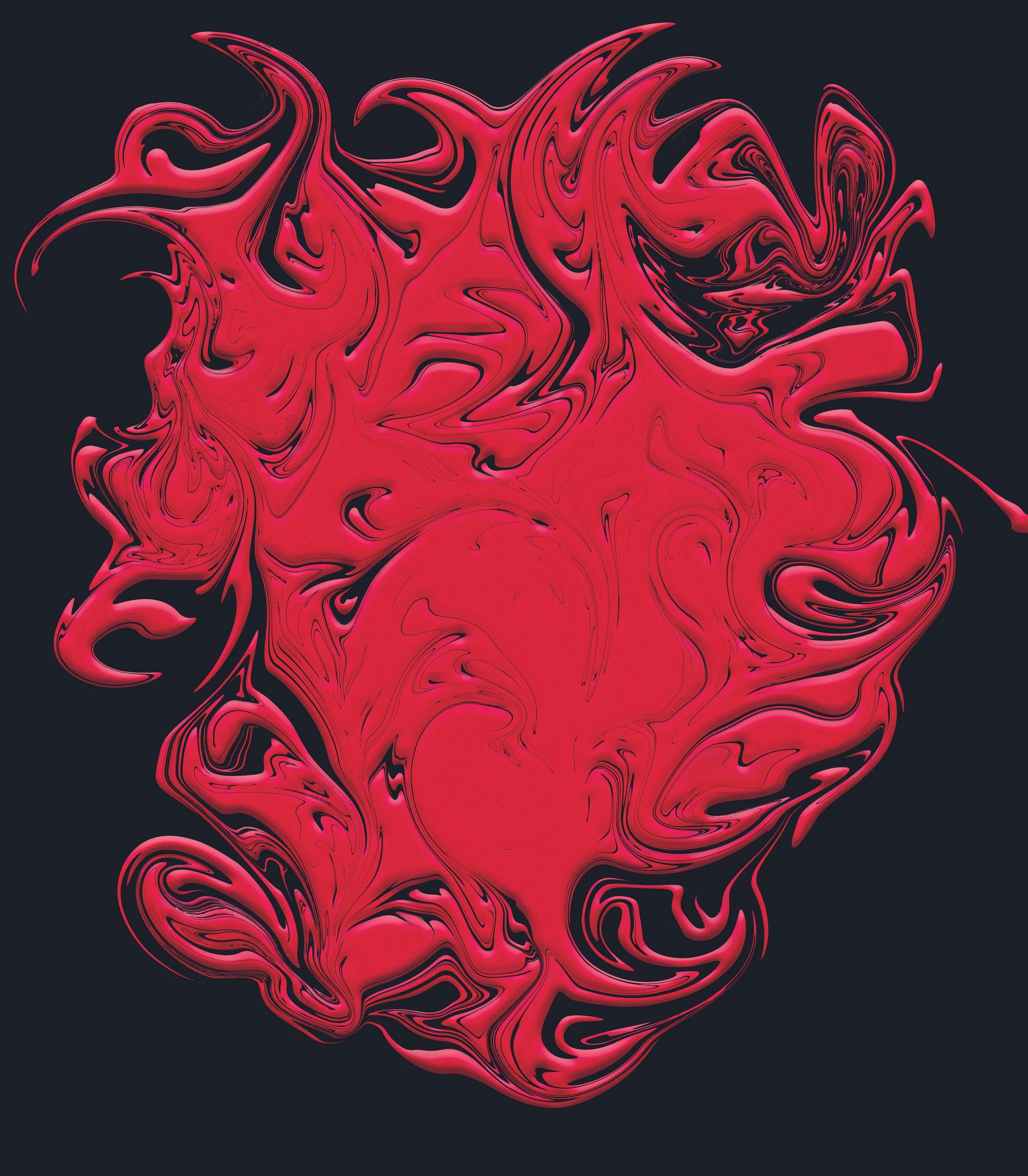
What Remains, 2024 Digital Fine Art, archival pigment print on fine art paper, Limited Edition 80 × 100 cm
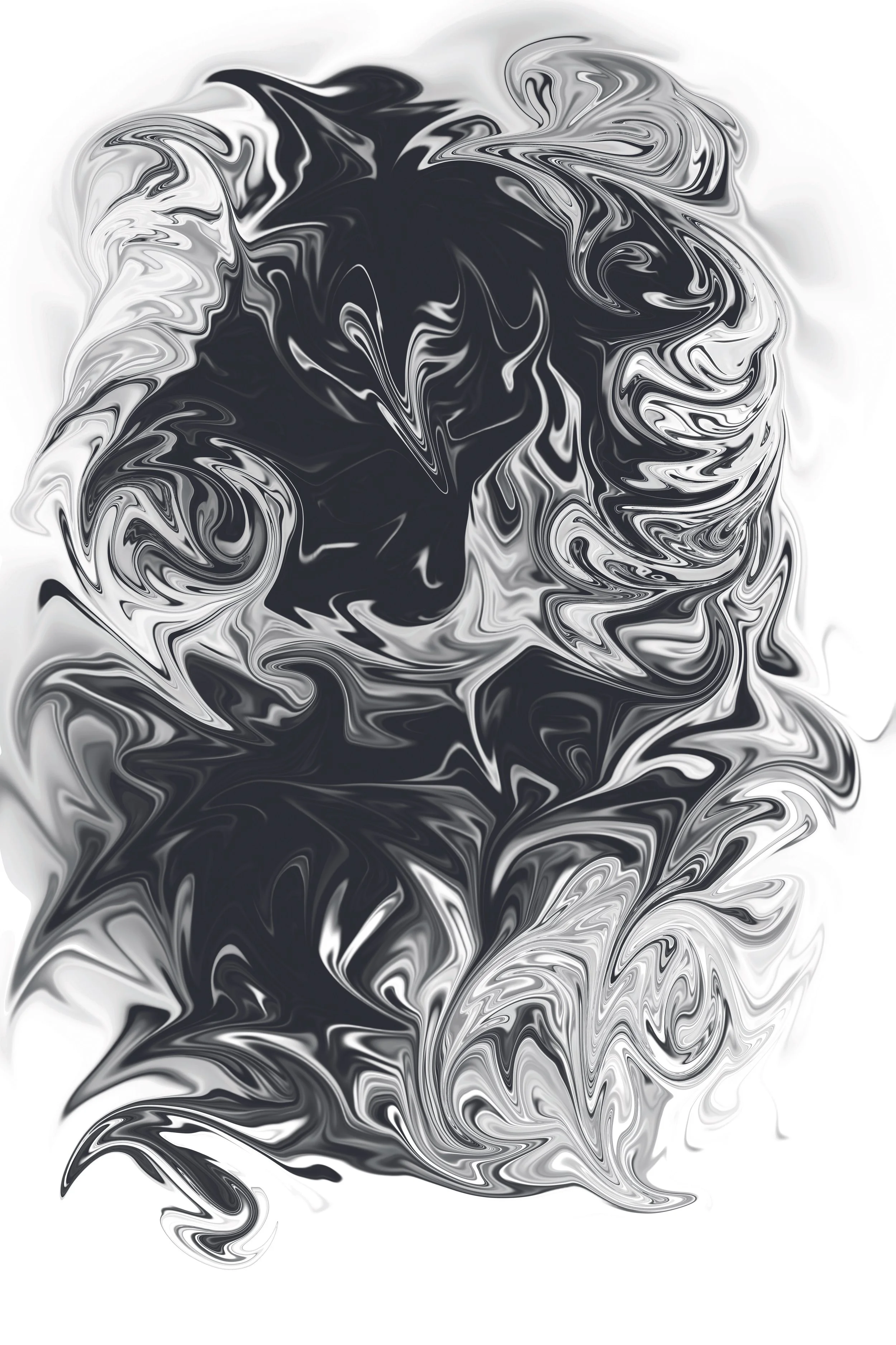
Living on the Edge, 2024 Digital Fine Art, archival pigment print on fine art paper, Limited Edition 80 × 120 cm
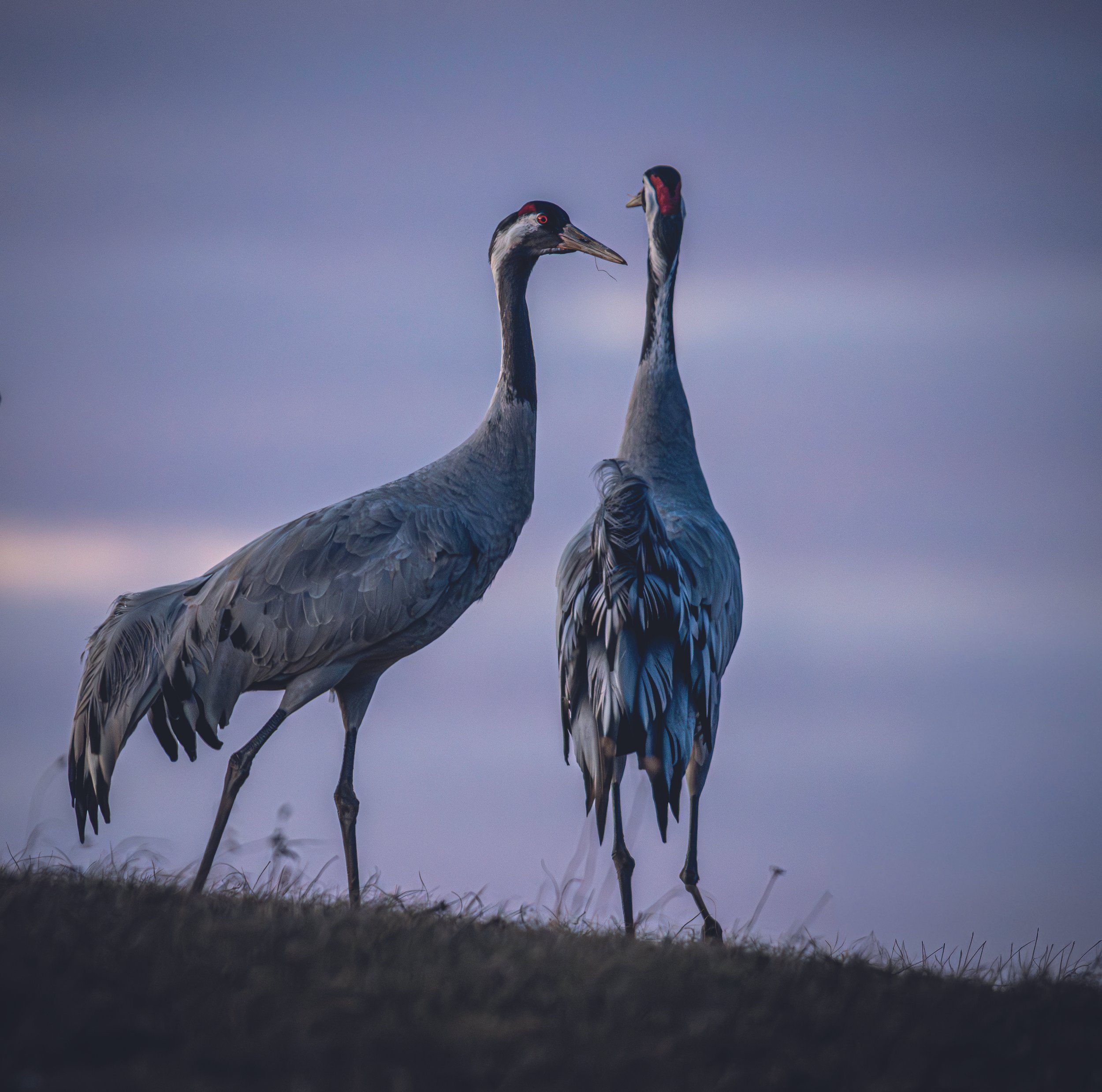
Between Us, 2026 Fine Art Photography, archival pigment print on fine art paper, Limited Edition 100 × 100 cm
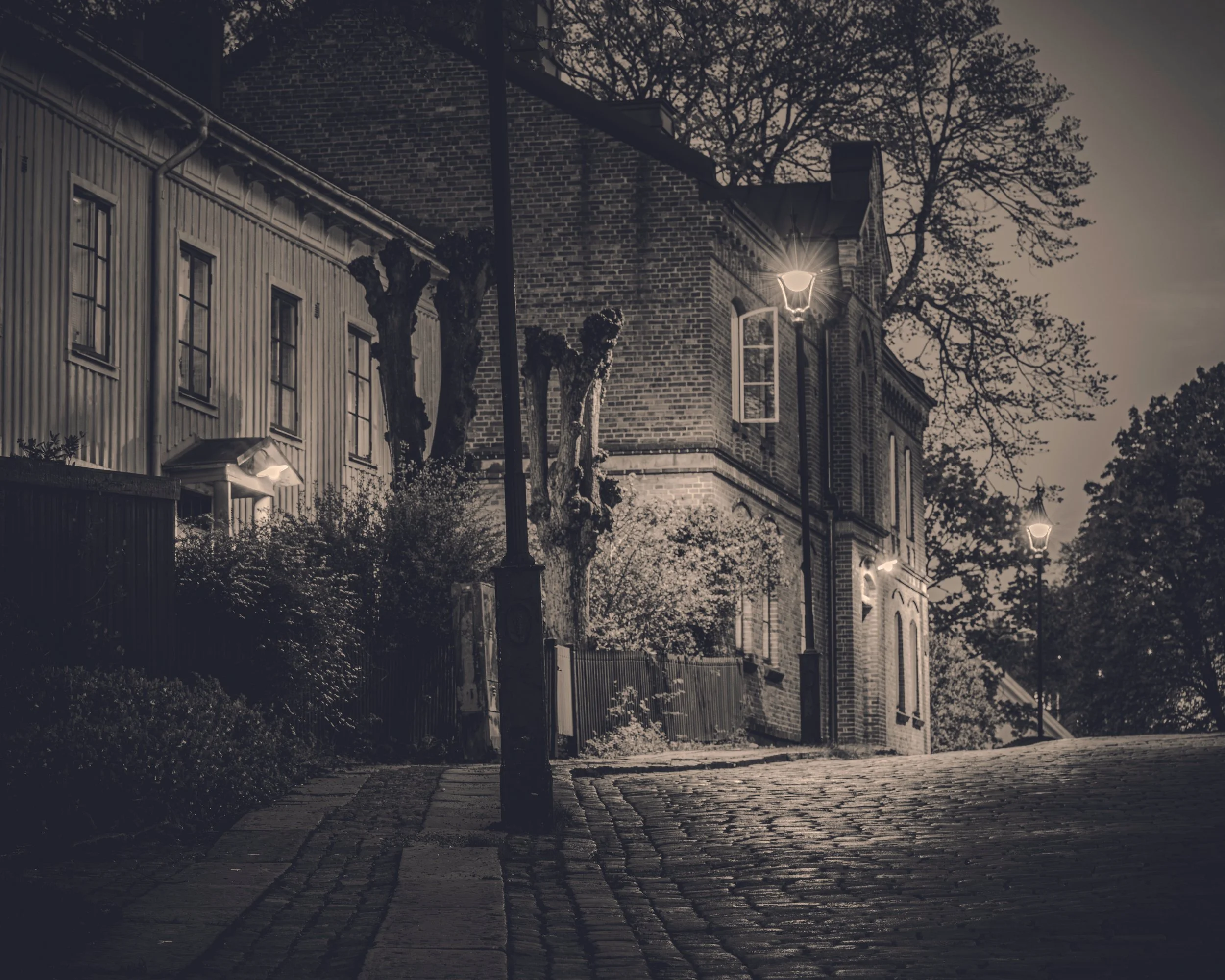
Echoes After Midnight, 2018 Fine Art Photography, archival pigment print on fine art paper, Limited Edition 100 × 80 cm
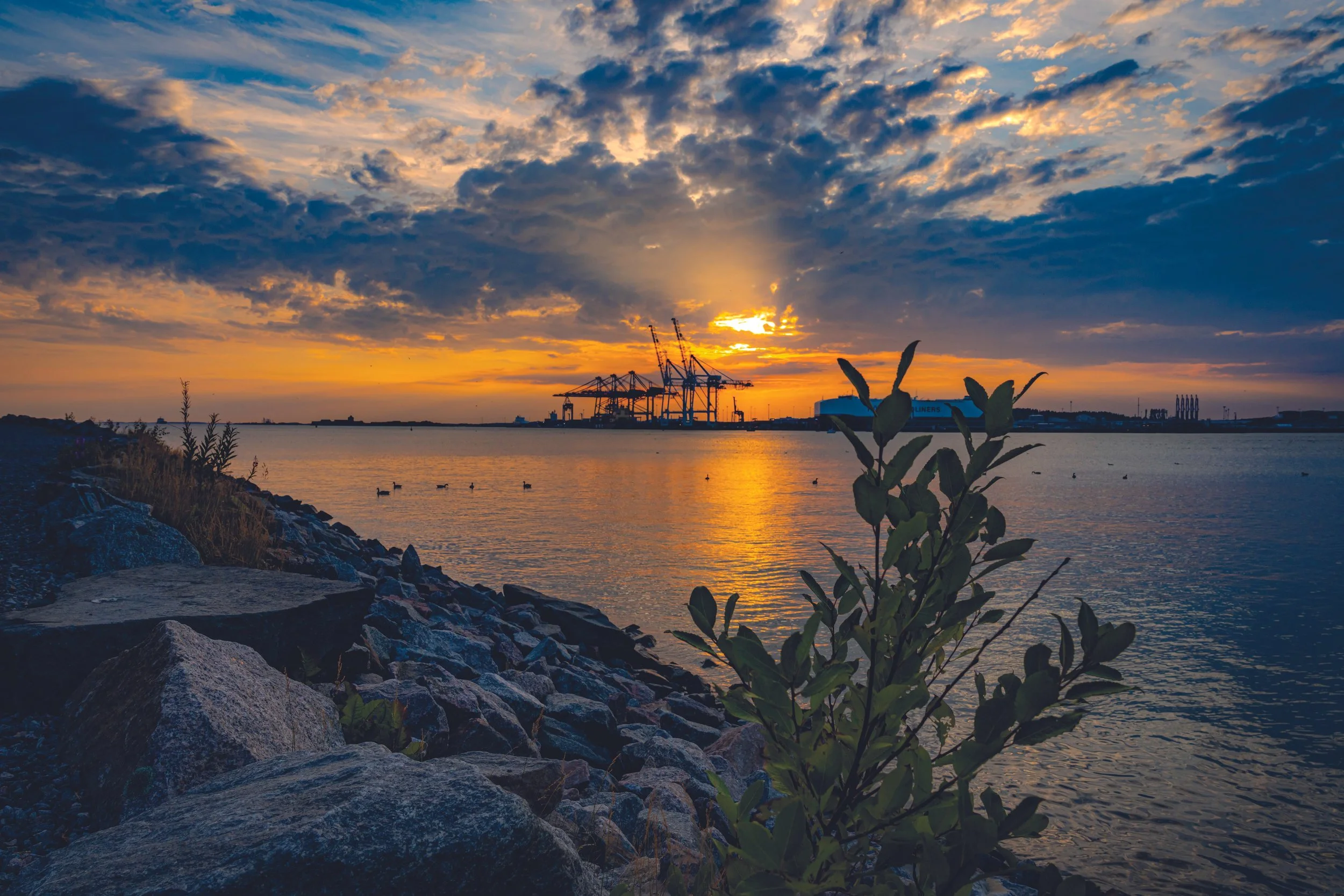
The Last Shift, 2026 Fine Art Photography, archival pigment print on fine art paper, Limited Edition 120 × 80 cm
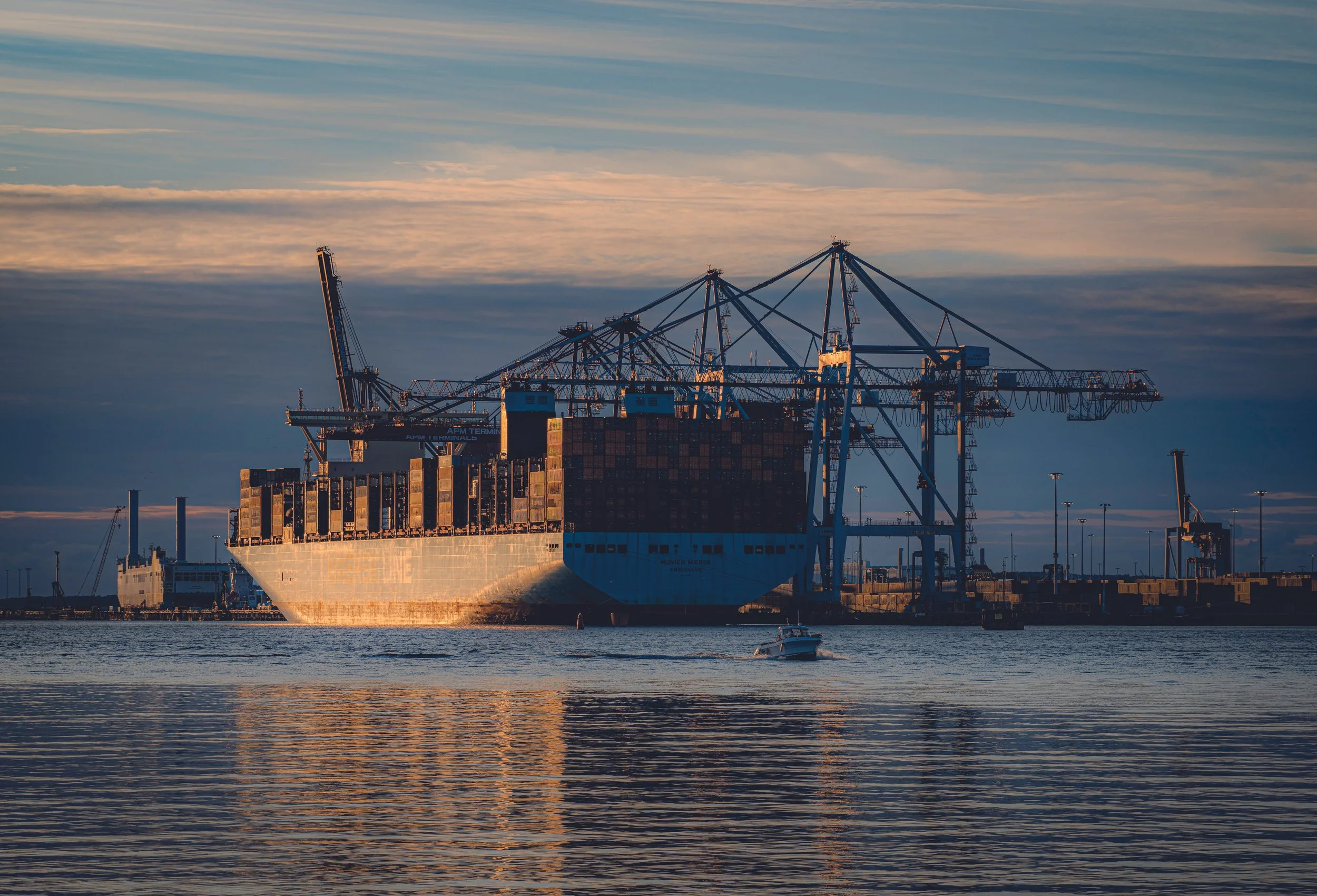
Where Giants Sleep, 2025 Fine Art Photography, archival pigment print on fine art paper, Limited Edition 150 × 100 cm
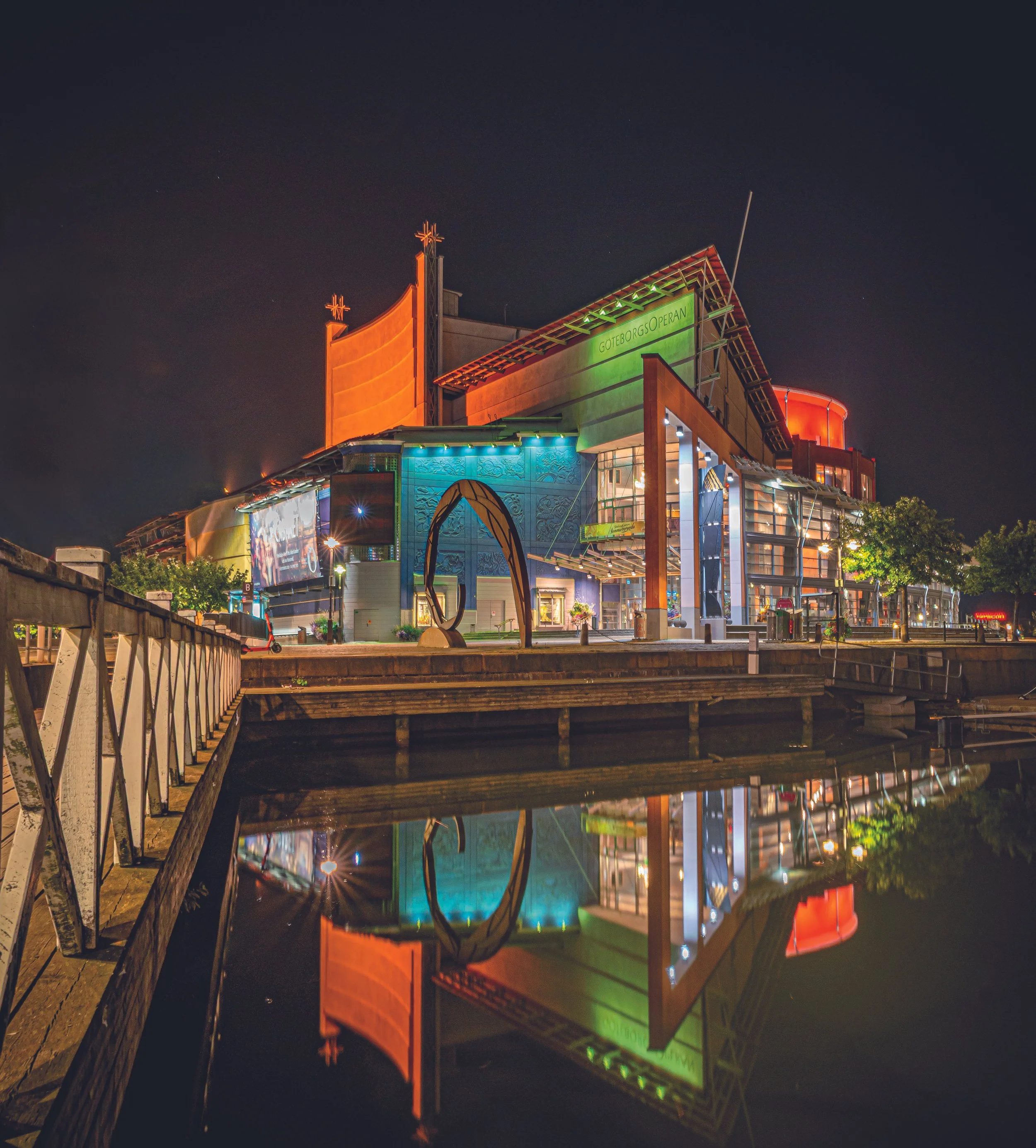
Nocturne in Red, 2020 Fine Art Photography, archival pigment print on fine art paper, Limited Edition 90 × 100 cm
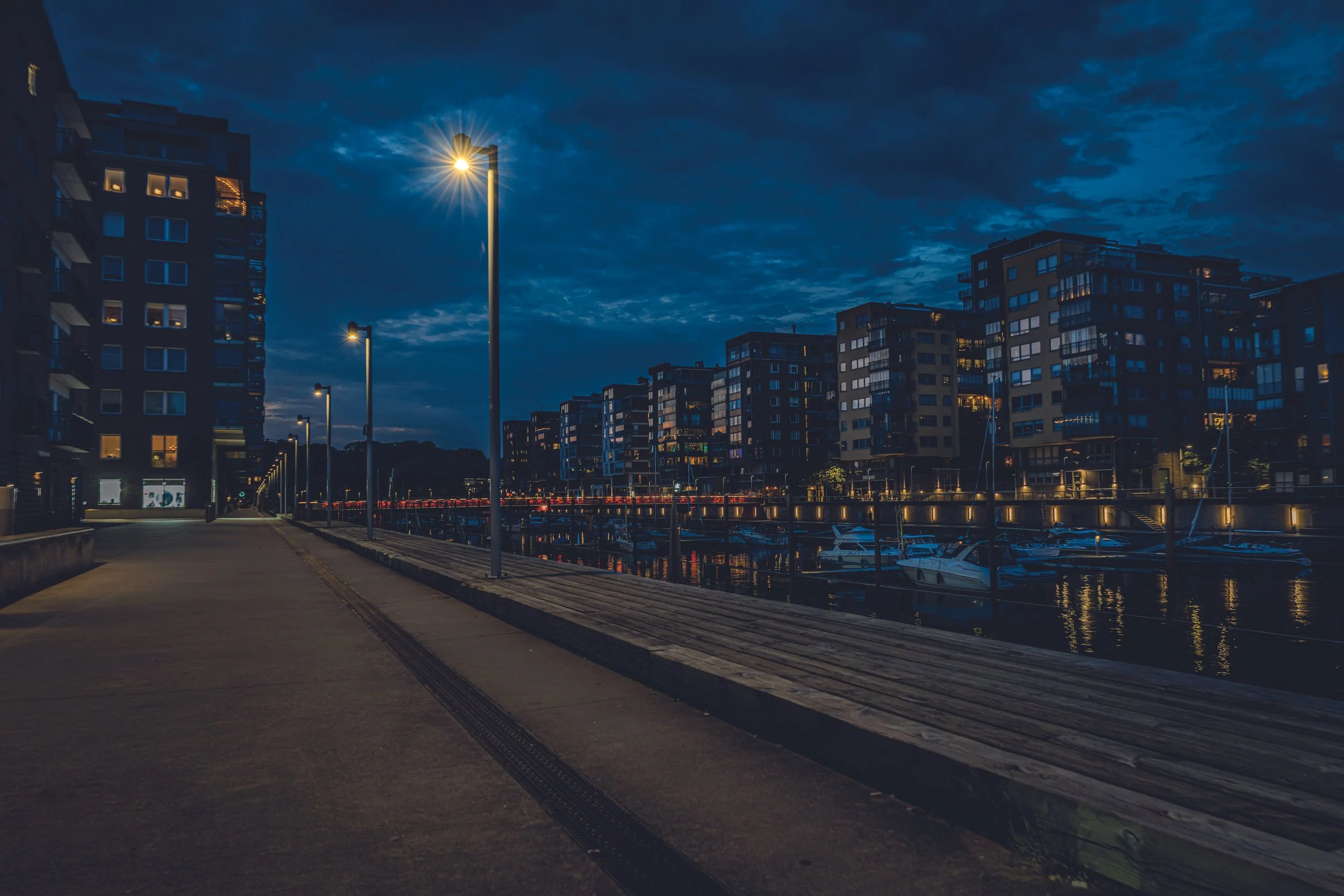
When the City Exhales, 2026 Fine Art Photography, archival pigment print on fine art paper, Limited Edition 120 × 80 cm