
Manfred Egger
Biography
1960 born in Hall in Tirol / Austria
1978 High School Diploma
1978 – 85 Studies in English and German Language and Literature, History of Art, Innsbruck University
1981/82 stay in Great Britain (at the same time intensive studies of Japanese woodblock printing)
since 1985 teaching at various schools / free lance artist
2010 Artist in residence – “Guanlan Printmaking Base”, Shenzhen, China
2011 short time guest teacher at Northeast Normal University of Changchun, China
Lecture at Beijing Institute of Technology
2012 short time guest teacher at Yichun University/ Jiangxi Province, China
2016 Lecture at Bucharest National University of Arts
2017 Austria-coordinator for 6th Ulsan Woodcut Festival
Presentation at “6th Ulsan Woodcut Festival”
Printing presentation at Chamalieres Print Triennial 2025
2018 - 23 Austrian Commissioner for Douro Print Biennial
2019 - 22 Austrian Commissioner for Global Print Biennial
2023 Speech at Yerevan Print Symposion
Member and executive member of board of XYLON, International Community of Woodblock Printers
Member of KIWA (Kyoto Int. Woodprint Association), Japan
Numerous international participations and exhibitions
Numerous international prizes
Artist Statement
Apart from the purely practical-technical challenge of producing a woodblock print on the one hand and the thematic problem of constantly new pictorial inventions on the other, a theoretical, reflective examination has always been very important to me when dealing with the technique of woodblock printing.
If one wants to be artistically active in this oldest form of printmaking, a critical reflection on the content of the use of this artistic form of expression seems to me inevitable. To simply apply an arbitrary, in this case also very old and traditional and therefore perhaps seemingly outmoded technique without questioning its usefulness for today seems to me to be too little as an "artistic" form.
In times of digital reproduction possibilities, can it still make sense to maintain and cultivate an ancient form of reproduction, the original purpose of which was largely the possibility of reproducing the single sheet, when today there are methods of making the same much more exact and practically unlimited in terms of circulation?
For some years now, I have therefore been trying to view woodblock printing primarily as a medium that possesses its very own and specific pictorial language, which is simply not feasible with other methods. The technique is therefore not used for the sake of reproducibility, but only because certain image inventions can only be achieved with this technique.
Consequently, I print fewer and fewer editions and, for some time now, almost only single sheets, unique pieces that are expanded into series by adding new printing plates or changing, revising or omitting printing plates already in use.
A sheet thus continues to transform itself, cycles, developments, progressions arise, whose beginnings or ends are not foreseeable. The woodcut thus becomes a method of creating or representing transitions, progressions, connections, networks, developments, and dynamic processes in the sense of a series of images.
Equally important to me is the question of originality itself. Shouldn't the omnipresent trend towards uniformity, towards standardization, towards "globalization" in the sense of uniform standardization always and everywhere, towards questionable models that appear to be worthy of imitation, "worthy of copying", be countered in printmaking as well, and thus, precisely where reproducibility is expected, the value of the original, the unique, the individual be brought to the fore?
In terms of content, my works revolve around fundamental questions of existence: what is true, what is false, and what illusions are we, as human beings, subject to? Is there even such a thing as a single truth? Doesn’t life constantly present us with new challenges—can we filter out what is true amidst the flood of perceptions? Isn’t everything in a constant state of flux? My series revolve around these and similar questions; they are, in principle, conceived as endless and reflect the constant change of phenomena.
Another distinguishing feature from other woodblock prints is the production process itself. For simple reasons of saving time and in the sense of a general joy of experimentation, I began at some point more by chance than purposefully to achieve similar effects by covering non-printing parts with stencils instead of cutting into the wood.
In the course of time, this opened up possibilities that gave the print its very own qualities in terms of colour gradients, colour shading, delicate lines, etc. Thus, in my works, at least visually, design possibilities of intaglio and relief printing are mixed. Therefore, I would prefer to speak of prints with wood or wood prints in my form of printmaking.
In this sense, the wood print emancipates itself again from the nimbus of the old and out-dated and wins topicality also in general questions of our modern society.
My works are included in numerous collections at international printmaking centers and have been well received at many international printmaking events.
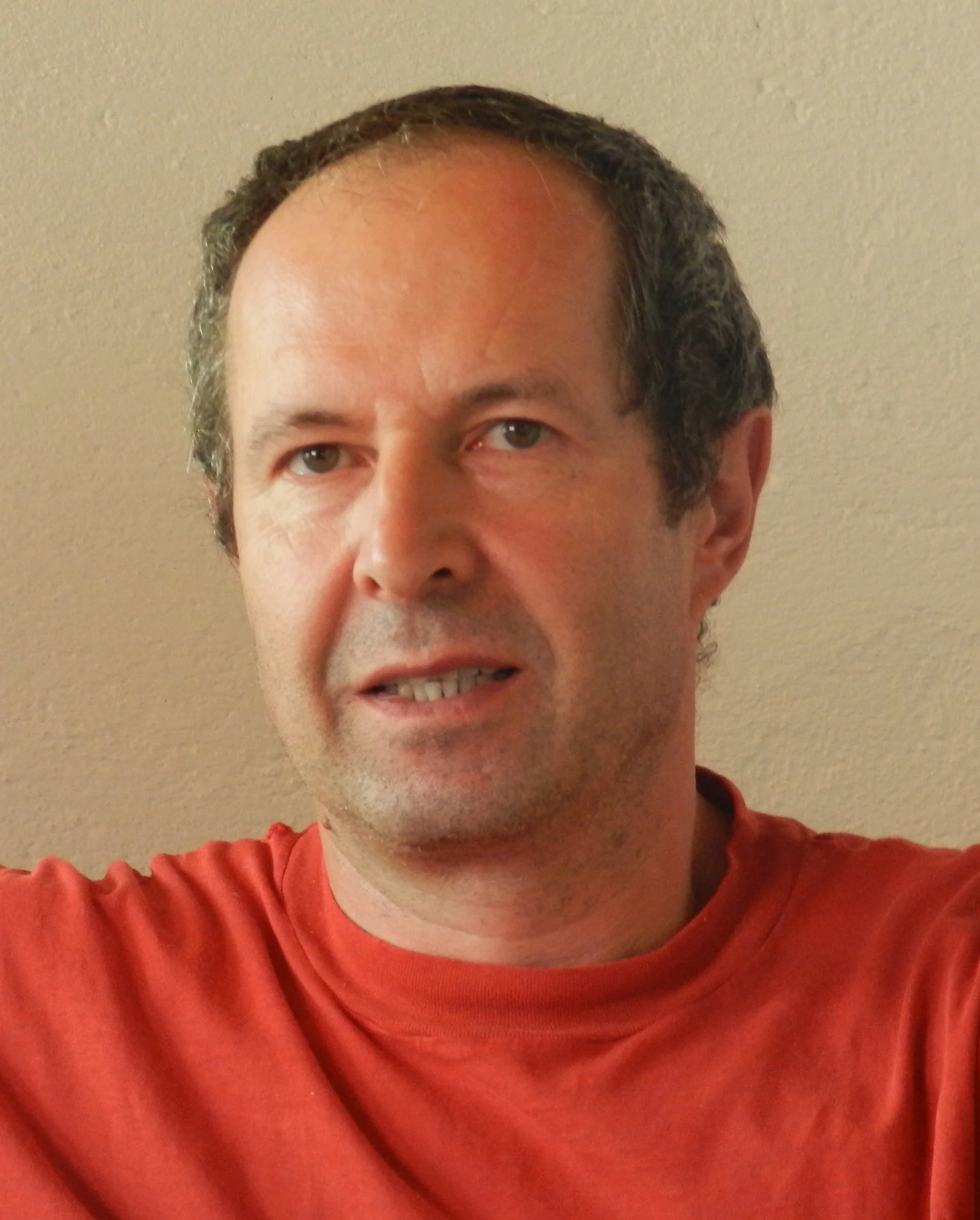
Manfred Ehgger, Portrait
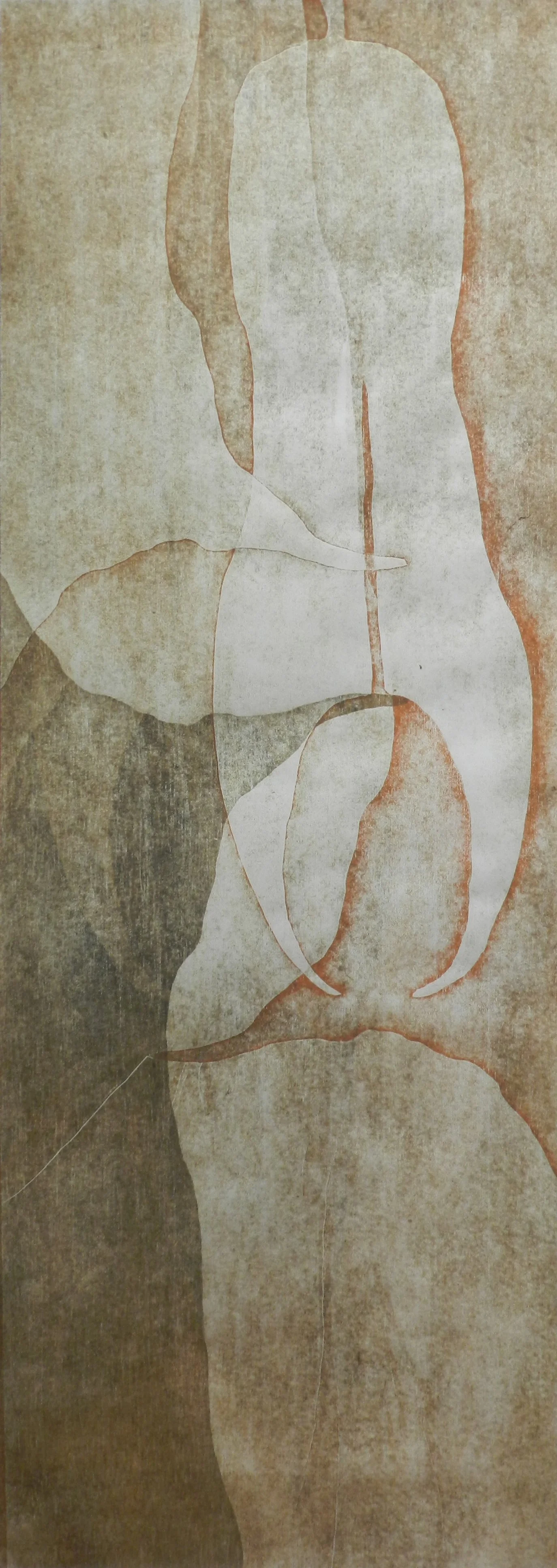
Crystalline Structures I, Woodblock Print, 90x 32cm, 2022
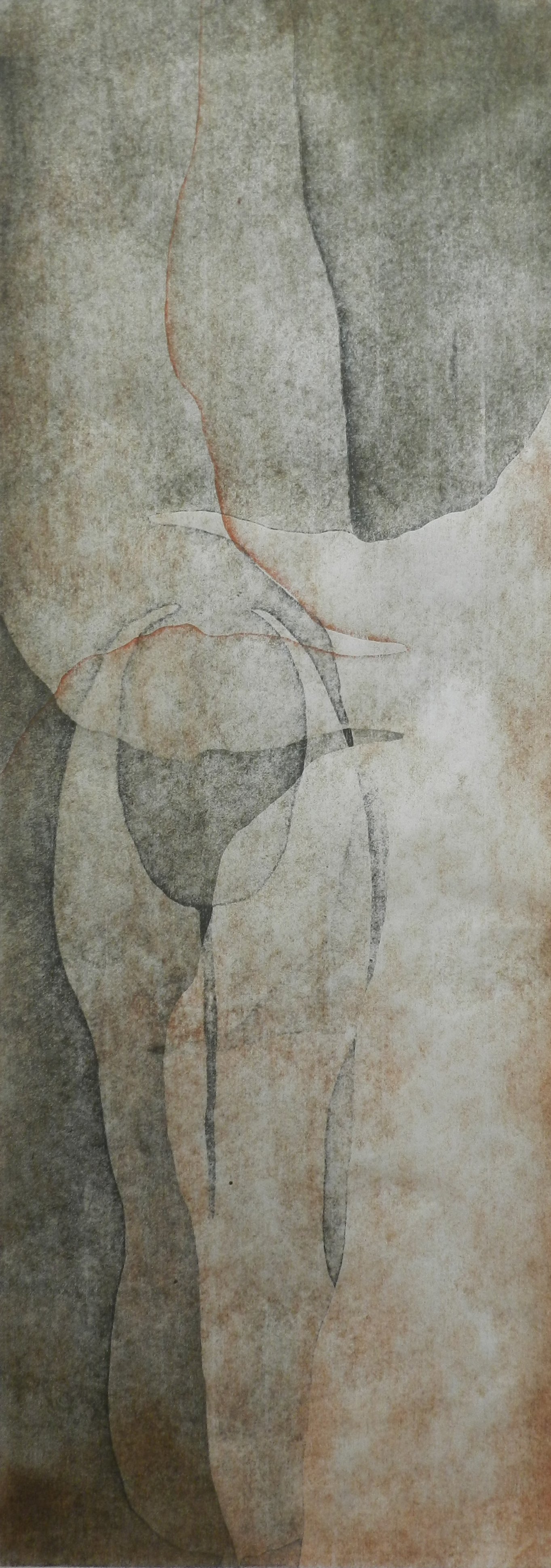
Crystalline Structures II, Woodblock Print, 90x 32cm, 2022
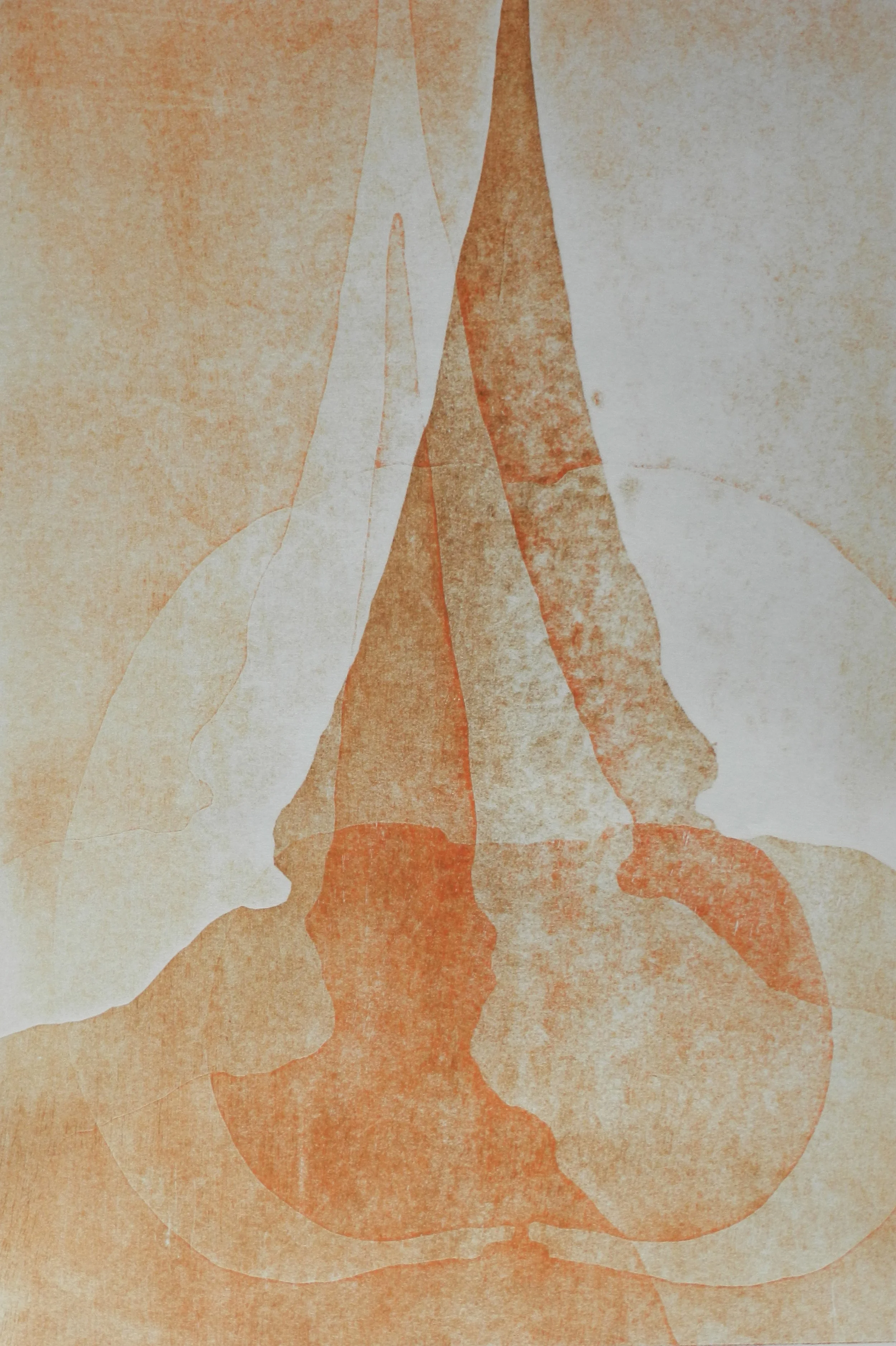
Lifelines, Woodblock Print, 40 x 60cm, 2023

State of the World I, Woodblock Print, 40 x 60cm, 2021
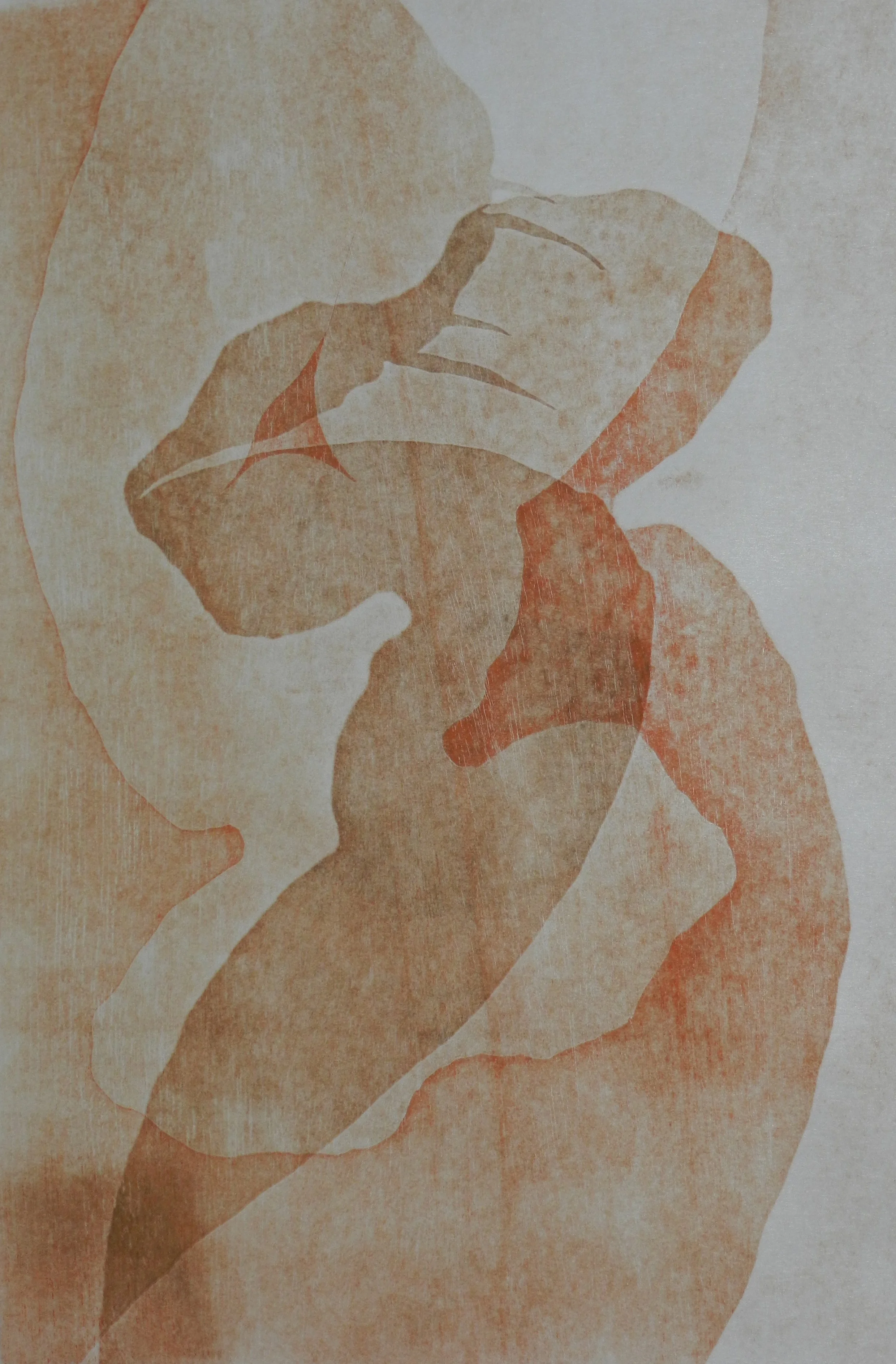
State of the World II, Woodblock Print, 40 x 60cm, 2021
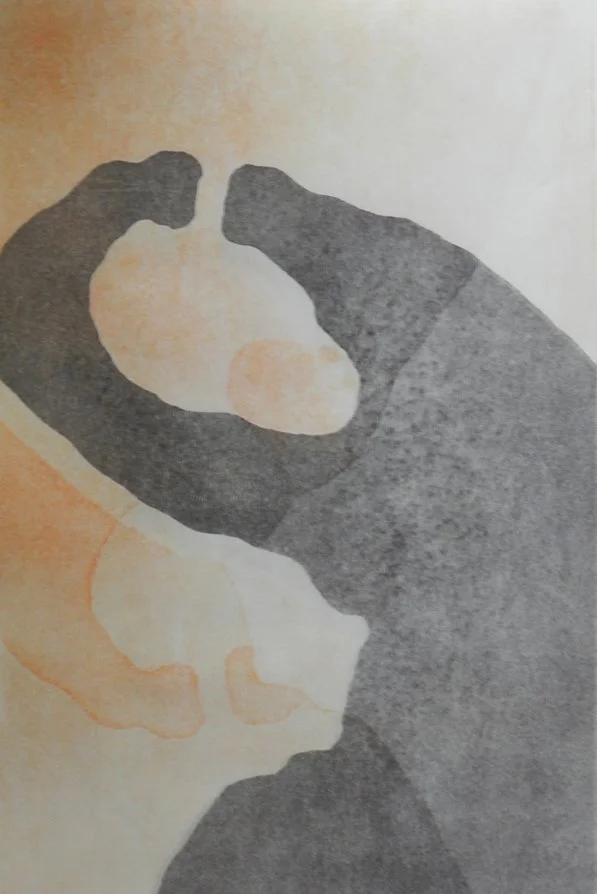
May Peace Come upon You, Woodblock Print, 40 x 60cm, 2025

Our Time is Gonna Come I, Woodblock Print, 40 x 60cm, 2025

Our Time is Gonna Come II, Woodblock Print, 40 x 60cm, 2025
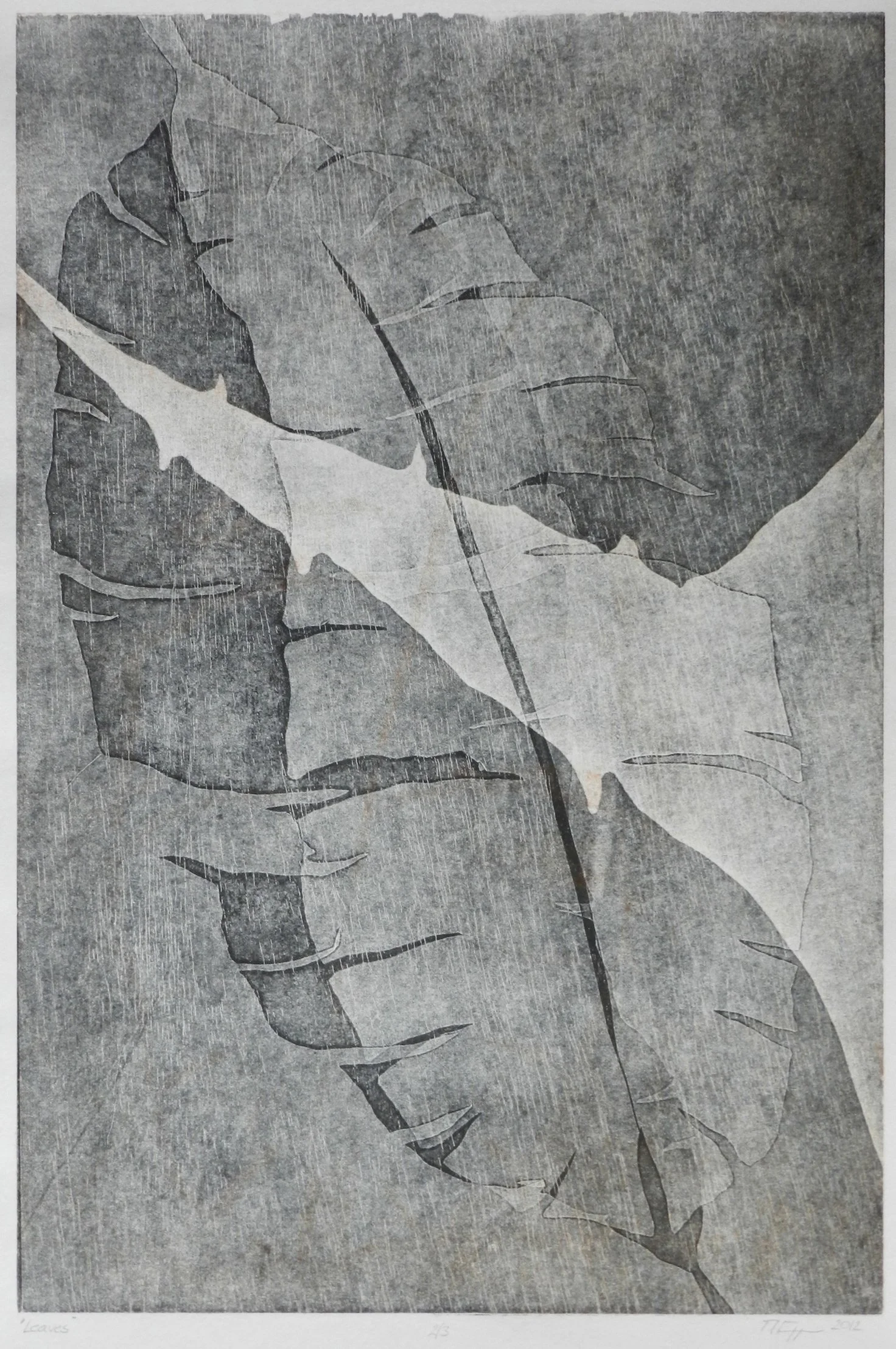
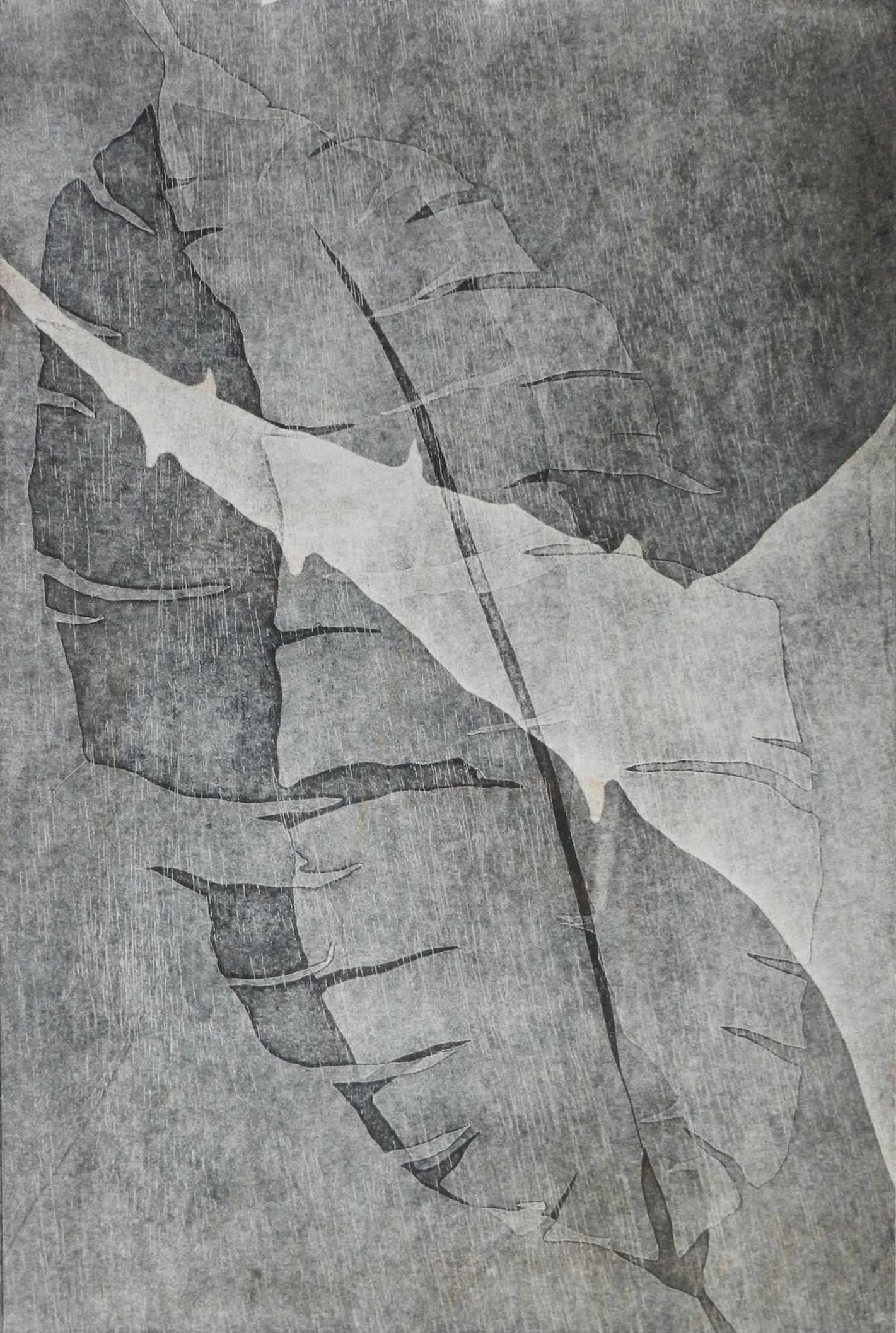
Leaves, Woodblock Print, 40 x 60cm, 2012

Good Times, Bad Times, Woodblock Print, 40 x 60cm, 2026