
Andrei Riabovitchev
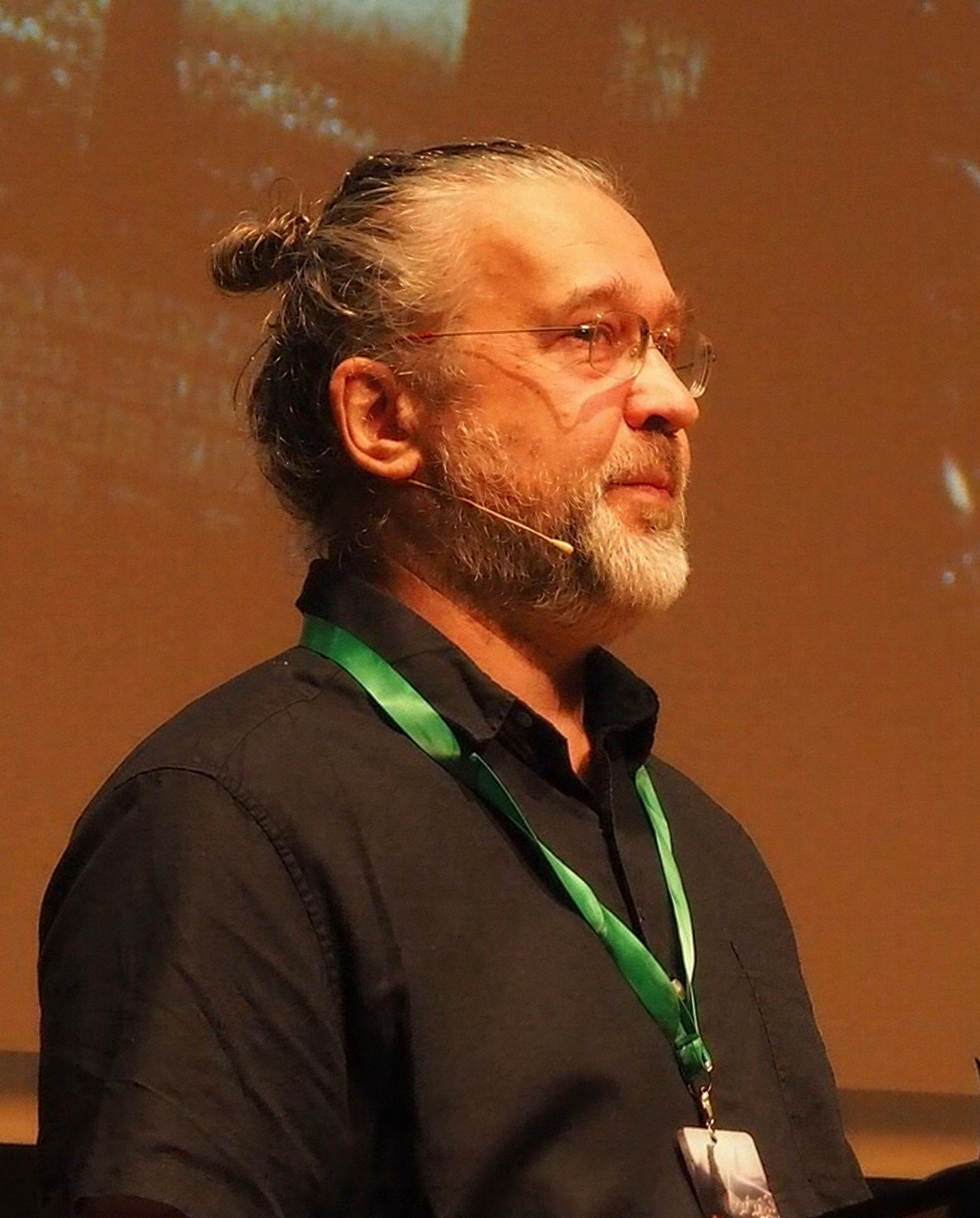
Andrei Riabovitchev is a self-taught contemporary artist, concept designer, curator, and visual storyteller whose work explores the intersection of cinema, mythology, science fiction, surrealism, and emerging technologies. Born in December 1968, Riabovitchev has spent decades developing a highly distinctive visual language that combines traditional artistic intuition with experimental digital techniques, creating immersive worlds suspended between dream and reality.
Throughout his career, Riabovitchev has worked across fine art, film development, concept design, creature and character creation, and large-scale worldbuilding projects. His artistic practice is deeply cinematic, often blending monumental architecture, futuristic ruins, spiritual symbolism, and emotionally charged human figures into compositions that feel like still frames from imaginary films. His works are recognized for their atmospheric depth, surreal narratives, and fusion of ancient mythology with speculative futures.
Alongside his independent artistic practice, Riabovitchev has collaborated on film-related visual development and concept work, contributing to projects connected to science fiction, fantasy, and cinematic storytelling. His approach combines practical artistic foundations with evolving AI-assisted workflows, using digital tools not as replacements for creativity, but as extensions of imagination and visual experimentation.
His work has been featured in online publications, digital art platforms, exhibitions, and international creative communities focused on the future of art and technology. Riabovitchev has curated and participated in exhibitions exploring the relationship between artificial intelligence and contemporary visual culture, including projects connected to the “AI Metaverse” initiative and collaborations within the NFT and digital art space. His artworks and digital installations have also appeared in large-scale public presentations, including displays in Times Square, New York.
Among his most recognized personal projects is Hunter — an expansive cinematic science-fiction universe set within a mysterious interdimensional space known as “The Hole,” where fragments of countless parallel worlds collide. The project combines dystopian landscapes, philosophical ideas about time and consciousness, gravity anomalies, and deeply human stories of survival and transformation. Developed through concept art, narrative writing, and experimental visual sequences, Hunter reflects Riabovitchev fascination with multiverse theory, dreams, mythology, and the emotional psychology of cinematic worlds.
His work is heavily influenced by cinema, music, architecture, philosophy, fashion, and speculative fiction. Drawing inspiration from both classical art and futuristic aesthetics, Riabovitchev creates imagery that feels simultaneously ancient and futuristic, intimate and monumental. His visual universe often explores themes of memory, identity, technological evolution, spiritual transformation, and humanity’s search for meaning within unstable realities.
Today, Andrei Ryabovichev continues to expand his multidisciplinary practice through concept development, cinematic worldbuilding, exhibitions, AI-assisted visual experimentation, and long-form narrative projects that blur the boundaries between art, film, dreams, and immersive storytelling.
Andrey, in your passage from engineering into the image economies of animation and VFX, how might one read your practice through a lens of medium specificity, wherein the diagrammatic logic of engineering persists as a kind of structural unconscious within your drawn forms, resisting full assimilation into the illusionistic demands of cinematic spectacle?
I think engineering never really disappeared from my work. Even when I moved into drawing and cinematic design, I still approached images structurally. Engineering teaches you to think in systems, tensions, construction, rhythm, balance. So even when I design something emotional or surreal, underneath there is still an internal architecture. Sometimes viewers only see atmosphere or spectacle, but for me there is always an invisible logic holding the image together. I am interested in worlds that feel believable even when they are impossible. In that sense, the “diagram” still exists inside the drawing, almost subconsciously. Cinema often pushes toward illusion, but I think strong concept art also needs structural truth beneath the illusion.
Given your traversal of the animation pipeline in its entirety, how do you conceptualize authorship under conditions that seem to evacuate it, where the image is no longer a discrete object but a node within a networked system of iterative revisions, and can one still locate an index of the hand within this dispersed field?
In film production, authorship becomes very fluid. A concept artist is part of a much larger organism where images constantly evolve through collaboration, revision, technical limitations, and direction changes. Film is always teamwork. The process involves designers, directors, producers, VFX supervisors, art departments, and many other creative voices. It is never the work of one person alone. People are constantly making decisions together, and my role is often to help visualize ideas, solve problems, and support the larger vision of the project. But I do not think the hand disappears completely. Even inside this networked process, there are still traces of individual sensibility — in composition, mood, texture, silhouette, rhythm, or emotional tone. Sometimes authorship is not about ownership of the final image, but about influencing the DNA of the visual world. I see concept art less as isolated authorship and more as a dialogue between many creative minds.
Your images often function as preconditions for narrative rather than its culmination; to what extent do you understand the concept drawing as an indexical trace of a film that does not yet exist, and does this anticipatory status destabilize traditional distinctions between sketch, study, and finished work?
Yes, very often concept art exists before the story fully exists. Sometimes a single image can create a feeling that later becomes part of the narrative itself. For me, that is one of the most exciting parts of concept art — you are not only illustrating a film, you are helping discover it. I have had moments where a loose sketch or atmosphere painting suddenly opened an emotional direction for an entire sequence or world.
I also think unfinished images can be very powerful. A rough drawing sometimes contains more mystery and emotion than something overly polished. When an image is still open, the imagination of the viewer — and even the filmmakers themselves — can enter into it. That is why I do not always separate “sketch,” “study,” and “finished work” in a strict way. Even very early drawings can carry emotional truth.
For me personally, concept art often feels like remembering something from a dream or from a film that does not exist yet. You are trying to capture fragments of a world before it disappears. There is something very human and fragile about that process.
In relation to projects such as Harry Potter and the Deathly Hallows – Part 1 and X-Men: First Class, how do you negotiate the burden of an already overdetermined visual archive, where the act of designing risks becoming an exercise in citation, and what strategies allow you to produce difference within such tightly controlled iconographic systems?
On projects with very established universes like Harry Potter or X-Men, the challenge is not only designing something new, but helping the filmmakers understand how a scene will actually feel on screen. A lot of VFX concept work is about visualization — showing transformations, atmosphere, destruction, creatures, environments, or effects before they exist. We, as concept artists, help translate ideas into something cinematic and emotional, almost like fragments from the future film.
Very often, directors or VFX teams already know what needs to happen technically in the scene, but they are searching for the right feeling, scale, or visual language. My job is usually to help them see it — not only as information, but as cinema. I try to approach concepts almost like photography or film stills, with mood, lighting, composition, and emotional weight.
At the same time, when you work inside iconic franchises, there is always respect for the existing visual world. Audiences already carry strong memories and expectations. So the process becomes very collaborative and human. You discuss ideas with directors, production designers, VFX supervisors, and other artists, constantly adjusting and exploring possibilities together. Sometimes even small changes in texture, atmosphere, silhouette, or camera language can make something feel fresh while still belonging to that universe.
For me personally, the most rewarding moments are when a concept image suddenly makes everybody in the room excited because they can finally “feel” the scene. That human reaction is very important. It reminds you that concept art is not only design — it is also storytelling and emotion.
With your increasing engagement in AI-assisted image production, how do you theorize the status of the image when its indexical relation to the artist’s hand is mediated, or even supplanted, by algorithmic processes, and does this shift mark a rupture in the ontology of drawing or merely an extension of its historical entanglement with tools?
I do not see AI as a complete rupture from the history of drawing. Artists have always worked through tools, whether charcoal, photography, digital painting, 3D software, or procedural systems. AI is another extension of that relationship, although obviously much more complex and disruptive. For me, the important question is not whether the machine generates images, but whether the artist can still inject intention, emotional direction, and conceptual meaning into the process.
I often combine AI with painting, editing, compositing, and traditional visual thinking. The image becomes more hybrid. In a strange way, AI also reveals that art was never only about the hand — it was about perception, selection, imagination, and vision.
I also believe different forms of art will always exist. Art is constantly transforming, and standards are always changing. Otherwise, every artist would still paint exactly like Rembrandt. But humanity has always moved through different visual languages, different tools, and different ways of seeing. Diversity in art is important because every generation reinterprets reality differently.
For me, the most important thing is vision. Every artist has their own inner world, their own emotional sensitivity, and their own way of looking at reality. In the end, it matters less how the image is created and more what is being created — what kind of feeling, thought, or experience the work leaves behind. Tools will continue to evolve, but human imagination and the need for expression will remain.
How has your movement from Aphseronsk to Moscow and subsequently into the transnational circuits of the UK film industry inflected your visual language, particularly in terms of negotiating between localized aesthetic traditions and the homogenizing tendencies of globalized visual culture?
I think most of my artistic vision was formed in Russia, and maybe that is one of the reasons my visual language feels distinctive. My imagination was shaped very early by fairy tales, old illustrated books, and Russian artistic traditions. I loved looking at the illustrations of Ivan Bilibin and Viktor Vasnetsov. Their worlds felt magical, mysterious, slightly dark, but also deeply human. Those images stayed with me for life.
I also remember finding my father’s notebook filled with notes and beautiful drawings made by one of his friends. Those drawings had a huge emotional impact on me as a child. They made me want to draw myself. Looking back, I think that moment was very important because it connected imagination with something personal and intimate.
Another important discovery for me was the surreal art of Salvador Dalí. I absolutely loved his work. It opened a completely different way of thinking about images — where dreams, symbolism, fear, beauty, and absurdity could exist together. I think that discovery had a deep influence on my imagination and probably shaped my attraction to surreal and dreamlike worlds later in my career.
Another major influence was science fiction literature, especially the books of Arkady Strugatsky and Boris Strugatsky. Their stories were not only about technology or the future; they were philosophical, emotional, strange, and deeply atmospheric. I think that combination of folklore, melancholy, dreamlike imagery, and philosophical science fiction still exists inside my work today.
I also grew up reading Russian poetry — Vladimir Mayakovsky, Sergei Yesenin, Alexander Blok, Alexander Pushkin. Even if I work mainly with images, poetry influenced the emotional rhythm of how I think visually. Russian poetry often carries beauty, sadness, scale, longing, and spirituality all at once. I think cinema and concept art can work in a similar way — not only telling a story, but creating atmosphere and emotional memory.
Later, when I moved into the international film industry, I learned how to communicate visually on a much larger cinematic scale. But emotionally, many of the foundations of my artistic vision still come from those early experiences in Russia.
In your independent drawings, which seem to suspend the instrumental function demanded by film production, do you see a return to what Rosalind Krauss might term the “post-medium condition,” where drawing operates less as a preparatory act and more as a self-reflexive inquiry into its own conditions of possibility?
Drawing is still an incredibly powerful communication tool for me. Sometimes it is much easier to make a quick doodle or thumbnail sketch to explain an idea than to spend time searching for the “right” image online. A simple drawing can communicate emotion, composition, movement, atmosphere, or even an entire world very quickly and directly. There is something immediate and human about that process.
Even when I create personal work for myself, I still begin with small thumbnails and loose sketches. I still do that today, and honestly, I still love it. Those early drawings often contain the purest energy of the idea before it becomes too controlled or overworked. Sometimes a rough sketch can already carry the soul of the final image.
In film production, drawing is also a way of thinking in real time. It allows you to react, experiment, and communicate with directors, designers, or VFX teams very organically. So even though we live in a highly digital and image-saturated world, drawing remains essential for me — not only as preparation, but as a direct extension of imagination itself.
The concept artist occupies a temporally unstable position, producing images that are always already obsolete once the film is realized; how do you reconcile this built-in ephemerality with the desire for permanence, and does your practice embrace or resist this condition of perpetual deferral?
I think concept art as a process is still incredibly strong. Even though many concept images are part of development and may later evolve or change, I never saw them as something disposable. I learned very early that every stage, if you decide to show it to other people, should already be watchable and emotionally interesting. If something does not feel visually strong or exciting, I usually would not present it.
Very often you can already feel the power of an idea from the earliest sketches. Sometimes a rough drawing contains the core energy of the final scene — the atmosphere, the emotion, the composition, the cinematic feeling. That is why I still value sketches and early exploration very highly.
For me, concept art is not only preparation for a finished film. It is part of the creative heartbeat of filmmaking itself. The process of discovering ideas visually is extremely important, and audiences today are also becoming more interested in seeing that evolution. So I do not really see concept art as something that “disappears.” Even unfinished stages can carry their own artistic value and emotional impact.
Across works tied to films such as Wrath of the Titans and The Wolfman, how do you approach the reactivation of mythic and gothic forms without lapsing into what could be described as a simulacral repetition, and is there a method by which these archetypes can be critically re-inscribed rather than merely reproduced?
Every time I start working on a new idea, I usually begin with research. I look at references, photography, existing art, architecture, nature, fashion, films — anything that can help me understand the world or emotional direction of the project. But at the same time, I am always trying not to simply copy existing ideas. I think the real challenge is to find something unexpected or emotionally fresh inside familiar territory.
I remember one production designer asking me to design a witch character. The first email he sent me was a large collection of reference images with the note: “This is what I do NOT want to see.” Right after that, he sent another collection with things he liked. I actually think that was a very smart approach because sometimes understanding what to avoid is just as important as understanding what direction to follow.
Some concepts are extremely challenging to design because they are abstract or transformative by nature. For example, a boy becoming a girl, or visualizing something like symmetrical observing energy — these are not straightforward designs. You are trying to create something emotional, believable, cinematic, and visually original at the same time.
Other times, the script itself starts giving you clues. You begin asking questions: how does this character move? What traces do they leave behind? What kind of space do they inhabit? What details surround them? Even small things — posture, rhythm, silhouette, texture, or the way light interacts with them — can slowly reveal the design. For me, character design is often less about decoration and more about discovering the psychology and presence of the character through visual language.
As you develop your own intellectual properties alongside your participation in large-scale cinematic production, how do you imagine constructing a visual language that resists subsumption into the dominant spectacle, and what formal or conceptual operations enable your work to assert autonomy within, or perhaps against, the totalizing logic of the film industry?
When I work on my own intellectual properties, the process becomes much more personal and immersive. On my own projects, I am often producer, director, production designer, costume designer, and concept artist all at once — and honestly, that is one of the reasons I love doing it. It allows me to build the world from the inside out and keep the emotional vision connected through every layer of the project.
For me, creating original worlds is not only professional work; it is also something very emotional and deeply personal. It is my meditation, my pain, my imagination, my memories, and my way of understanding reality. Sometimes ideas stay with me for years before they fully reveal themselves visually.
I think audiences can feel when something is created with genuine love and belief. Even if a project is strange, imperfect, or ahead of its time, that emotional honesty becomes visible somehow. And for me, it does not really matter when people connect with it — immediately or many years later. The important thing is that the work carries something real inside it.
Thank you for all your interesting questions!
https://www.instagram.com/riabovitchev/
https://andrei.artstation.com/
https://www.imdb.com/name/nm2914088/
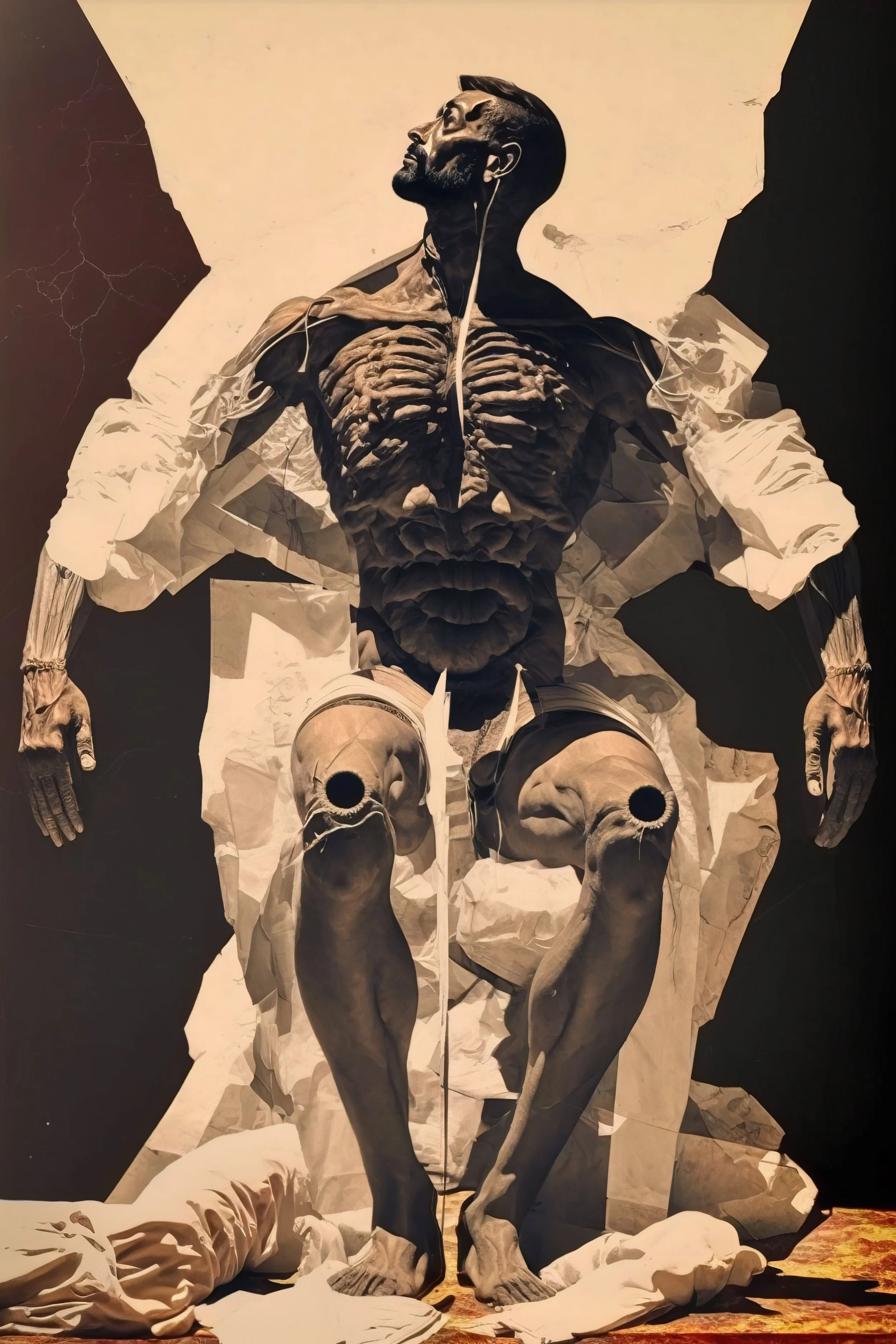
Personal God 2023
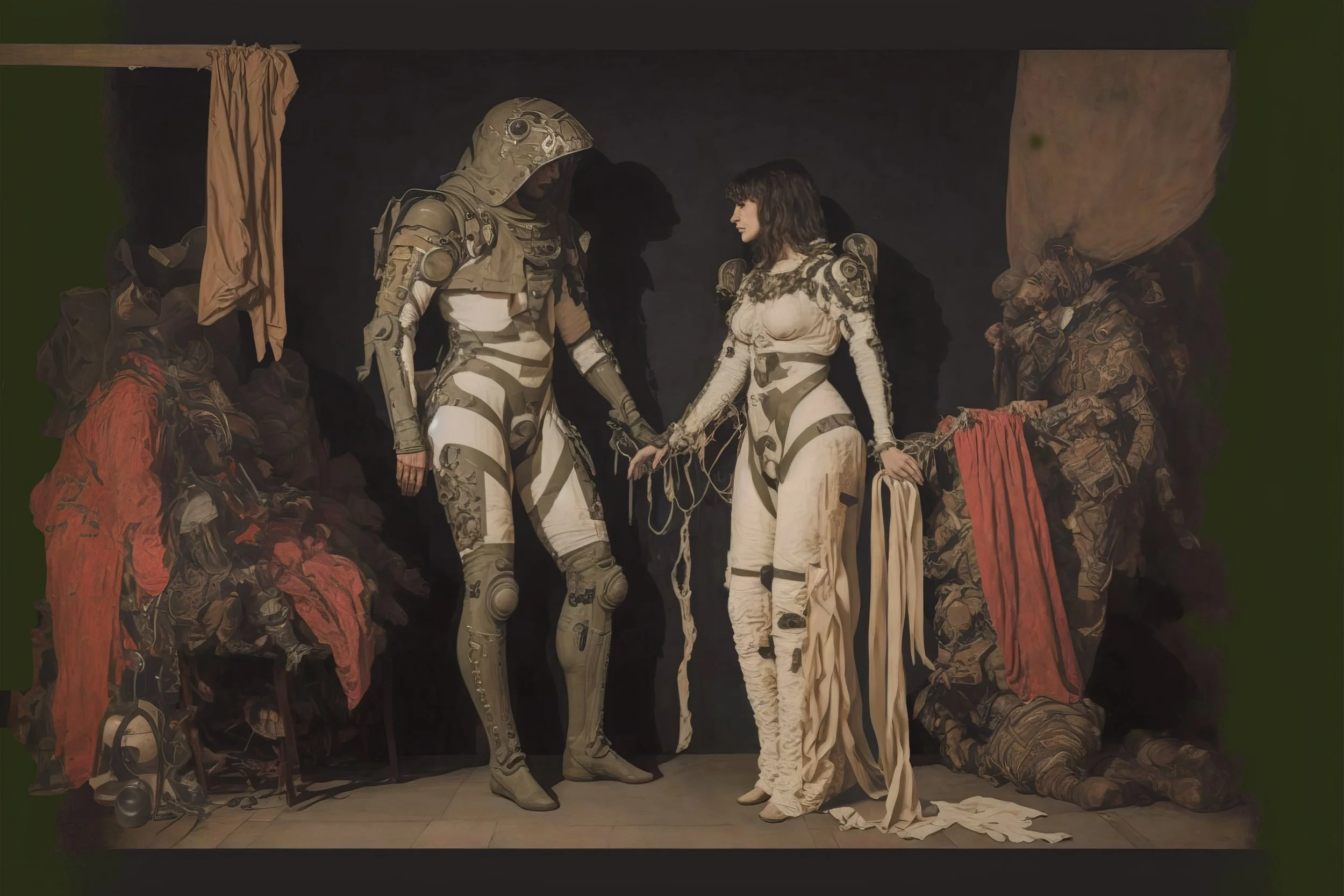
Astronauts From Earth 342 2023
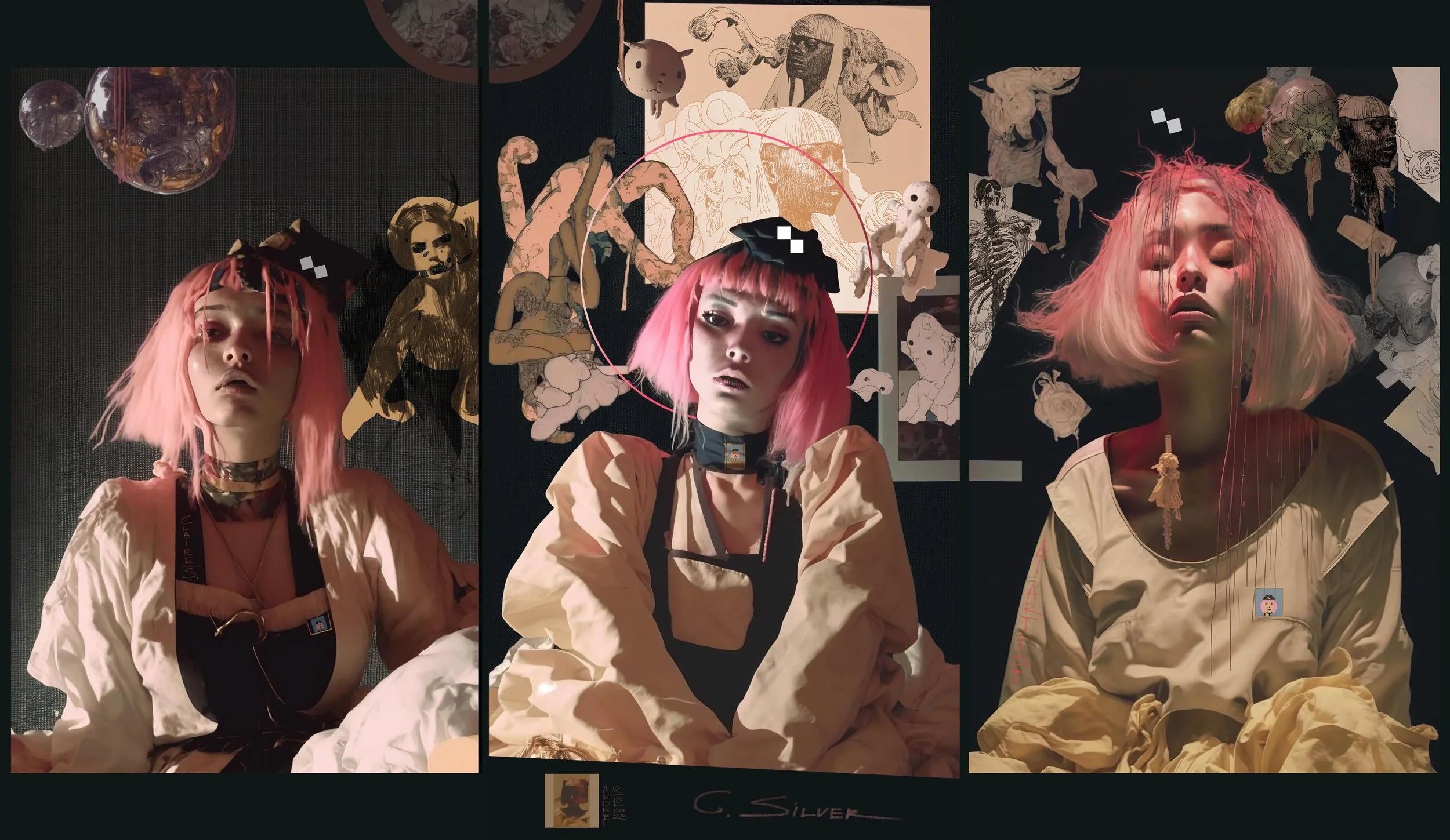
Portrait of Clair Silver 2024
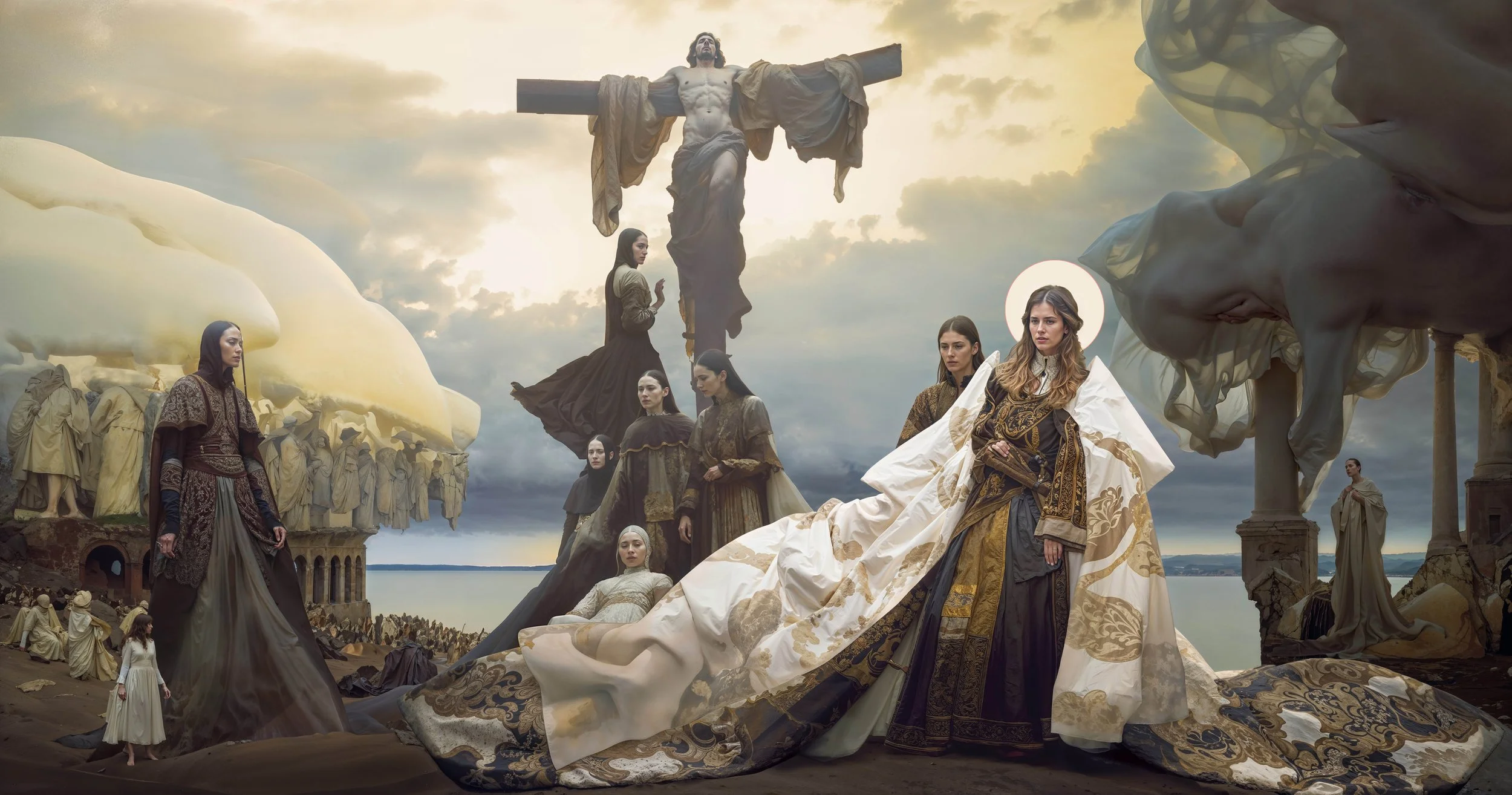
Dreamland 2024
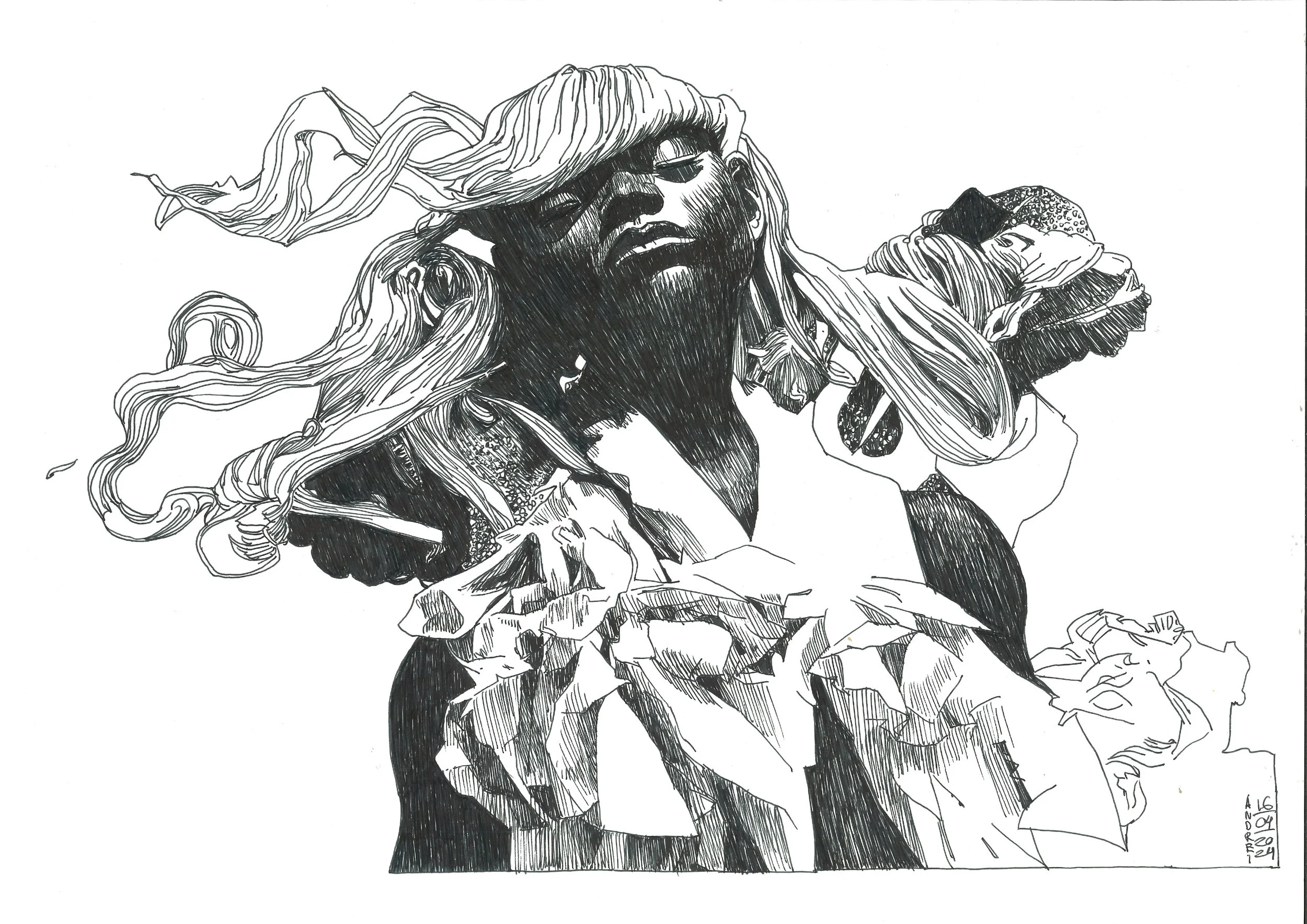
Dreams 2025
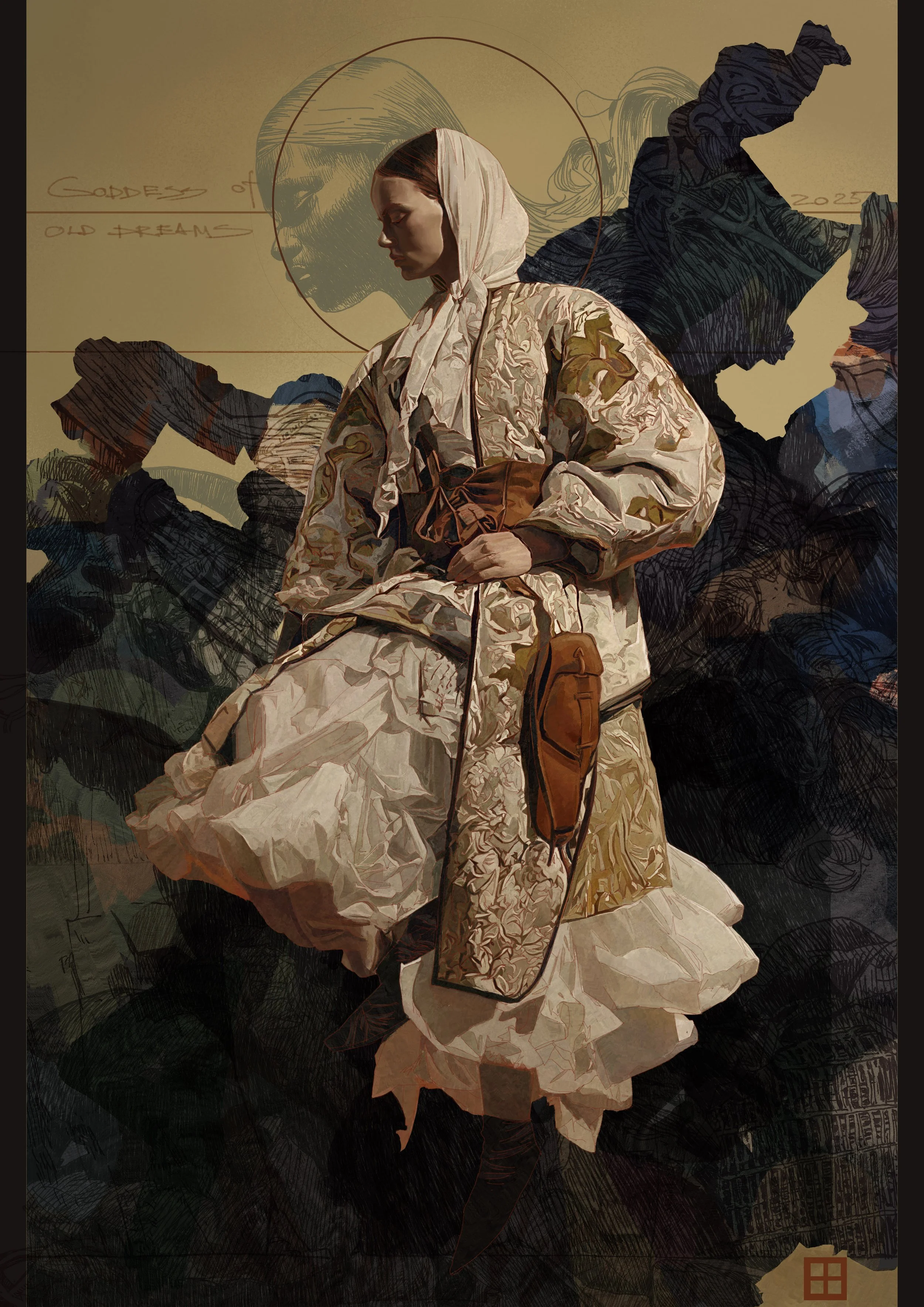
Goddess of Old Dreams 2025
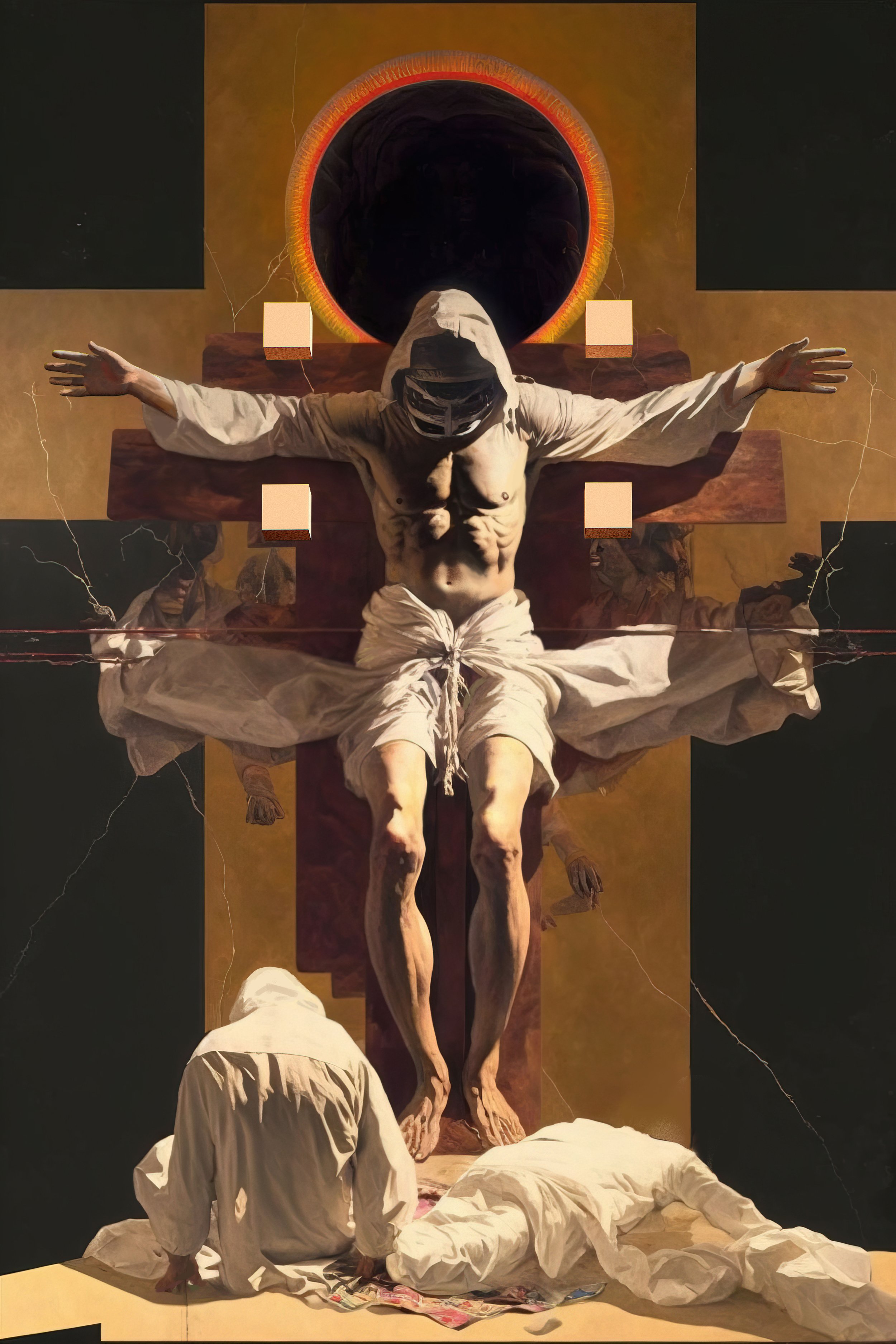
Tribute to Salvador Dali 2024
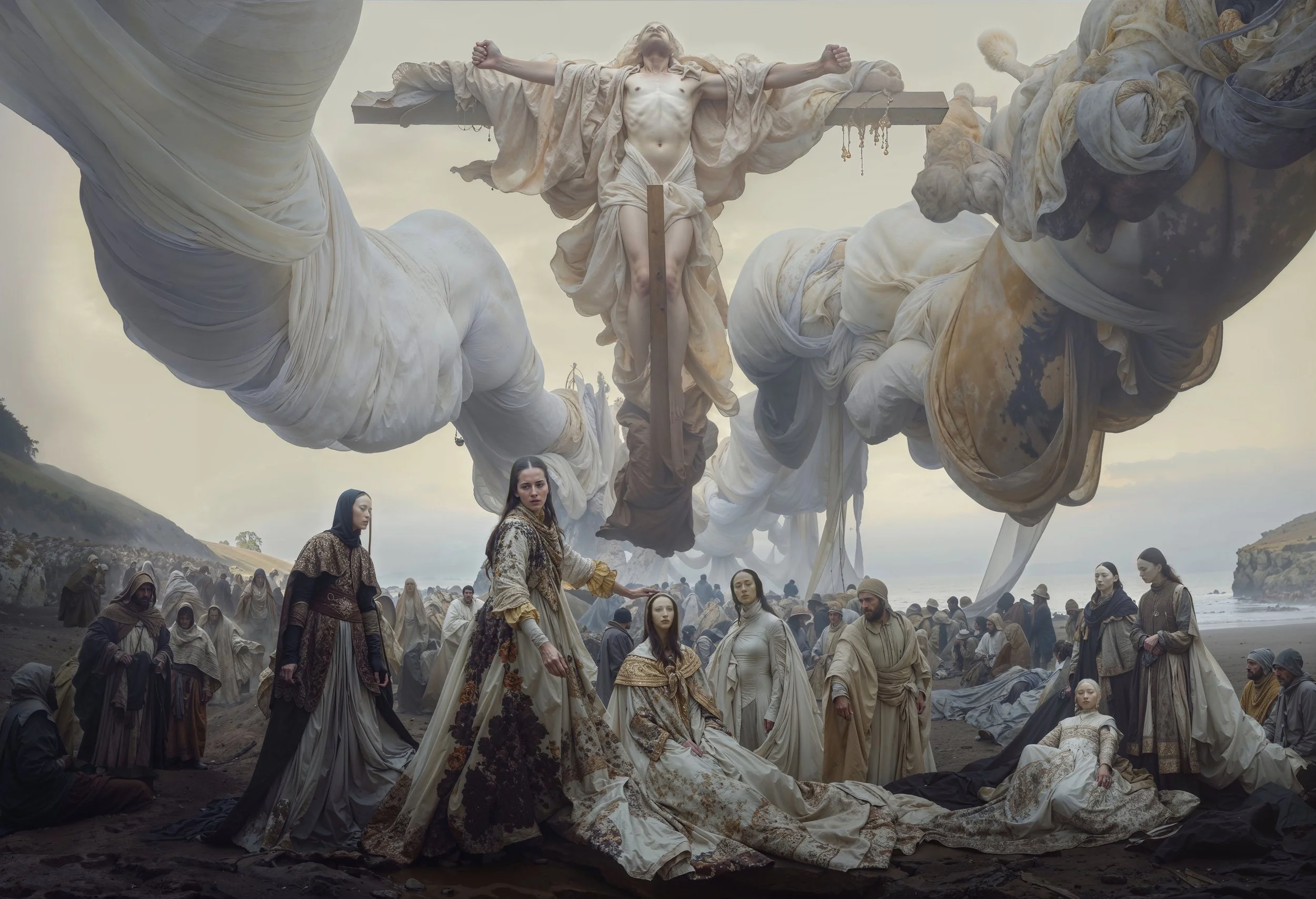
The last Dream of Alphonse Mucha about the Last Dream of Jesus Christ 2024
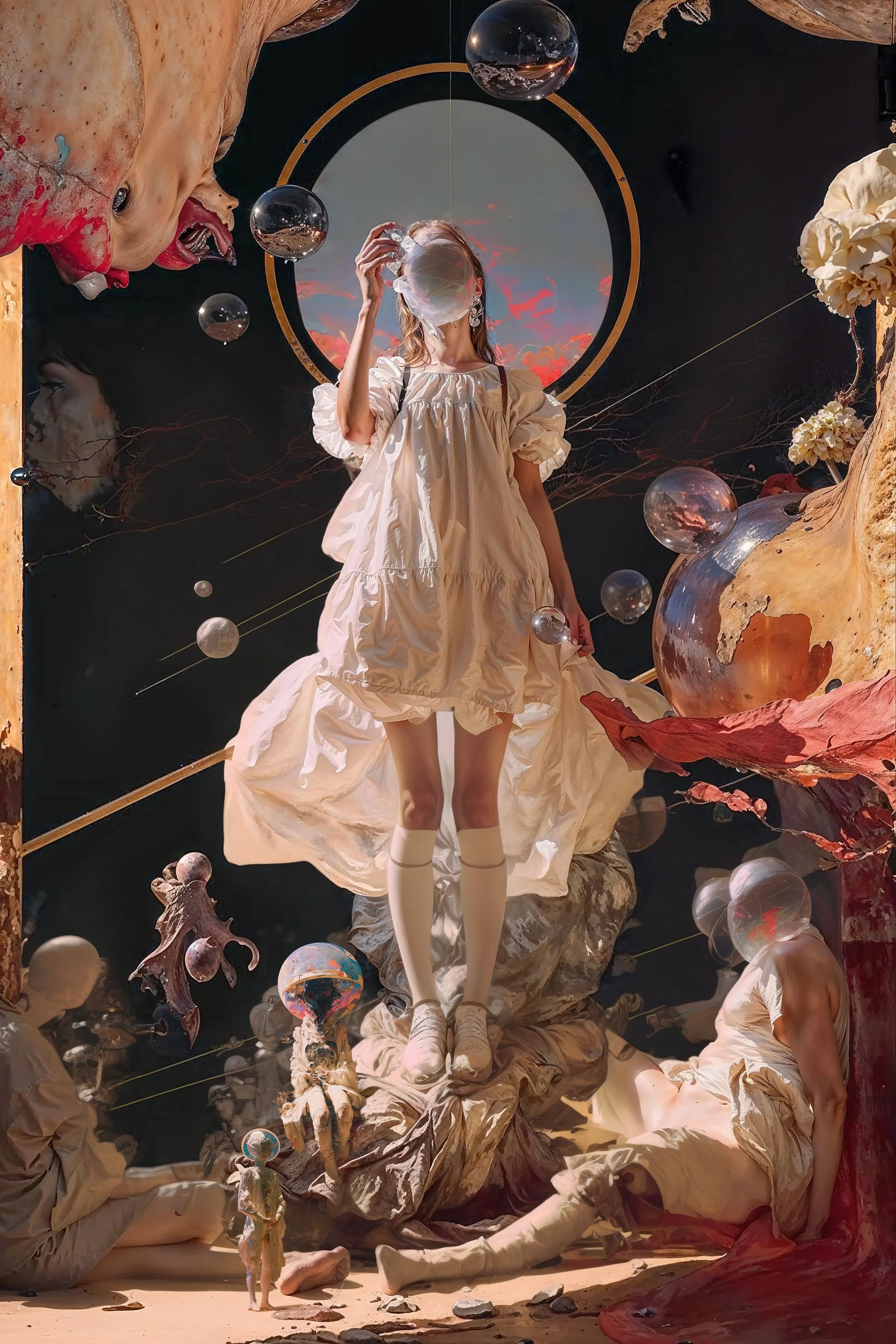
Love 2024
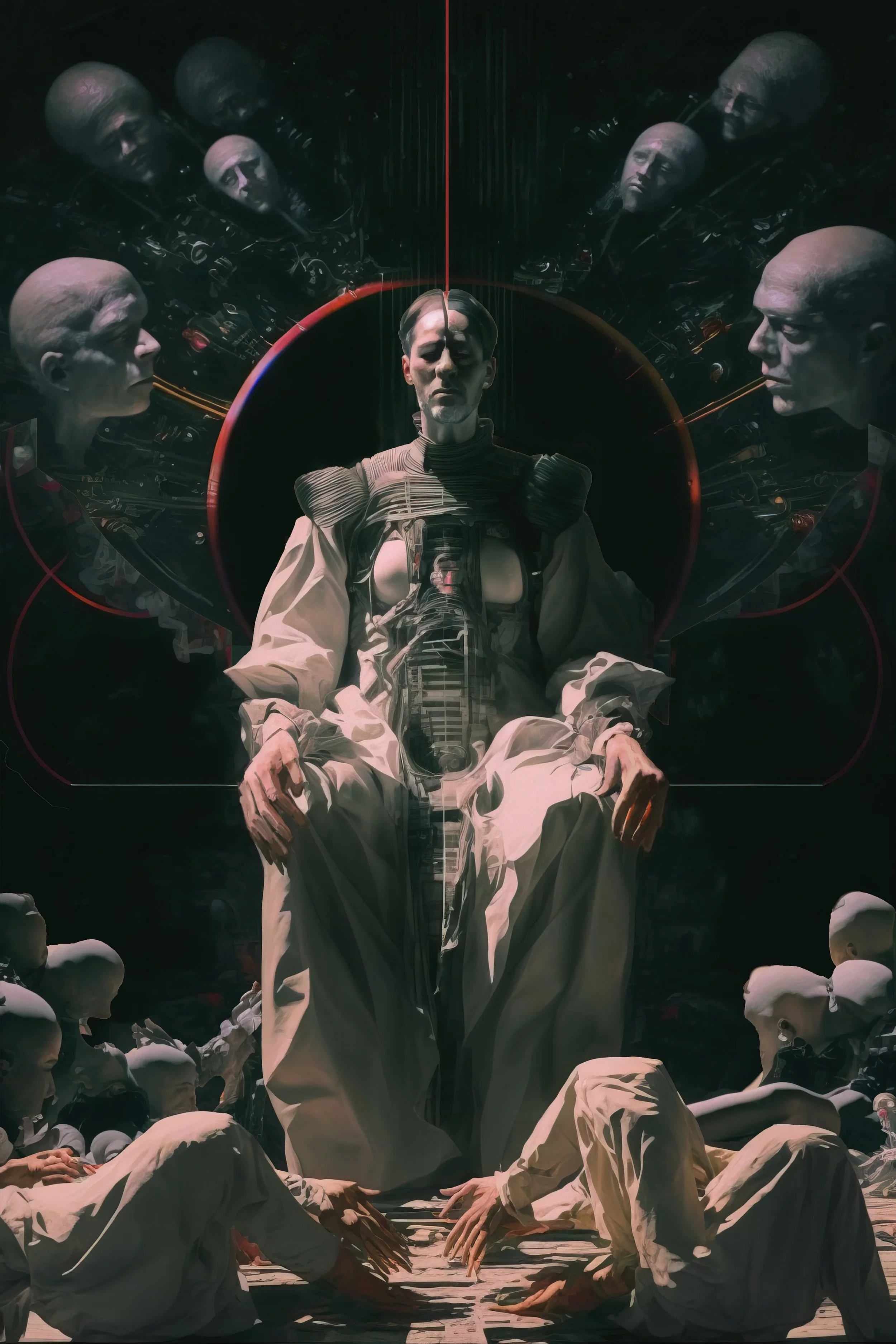
Memories 2024
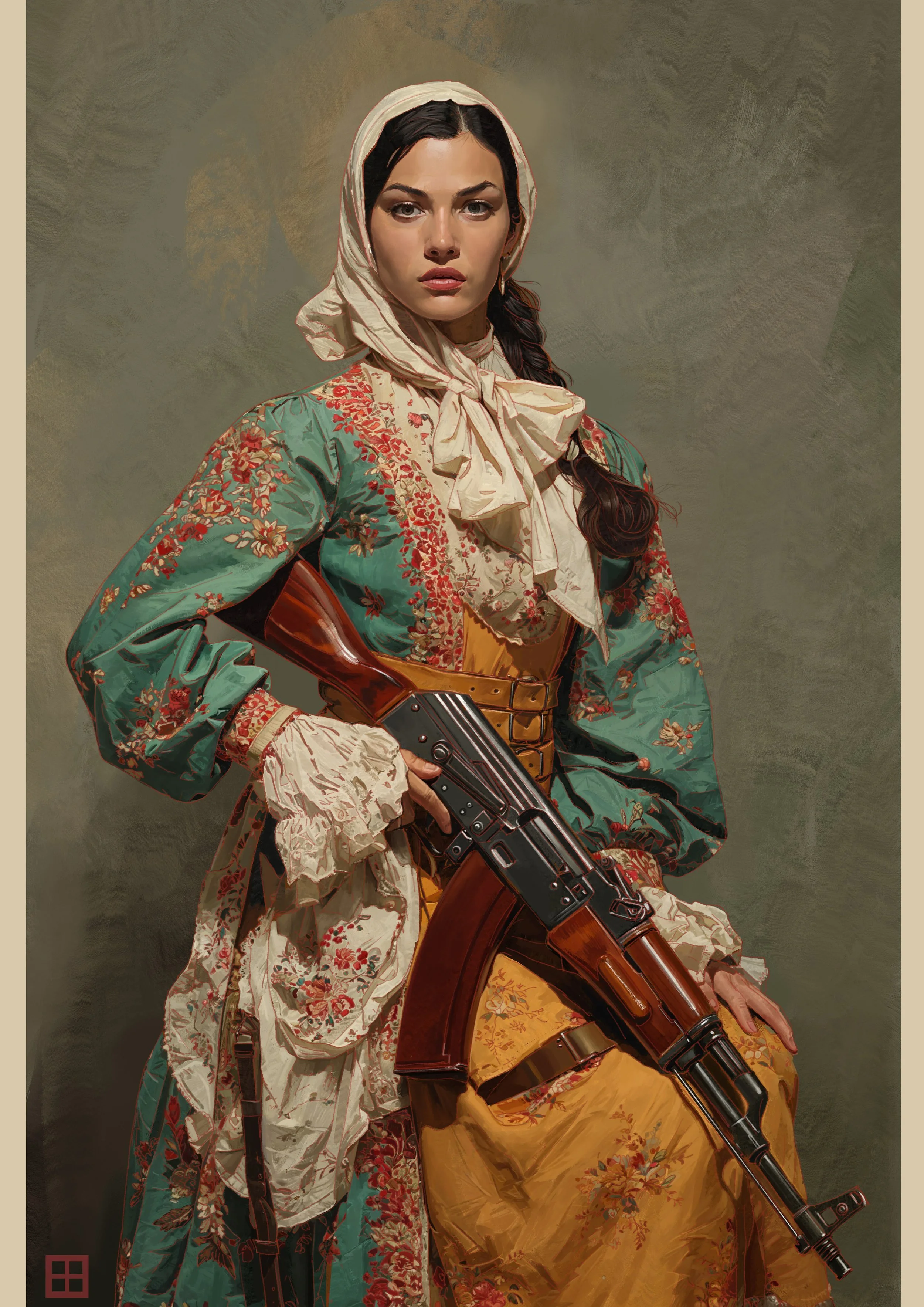
Portrait of a woman with AK. 2025
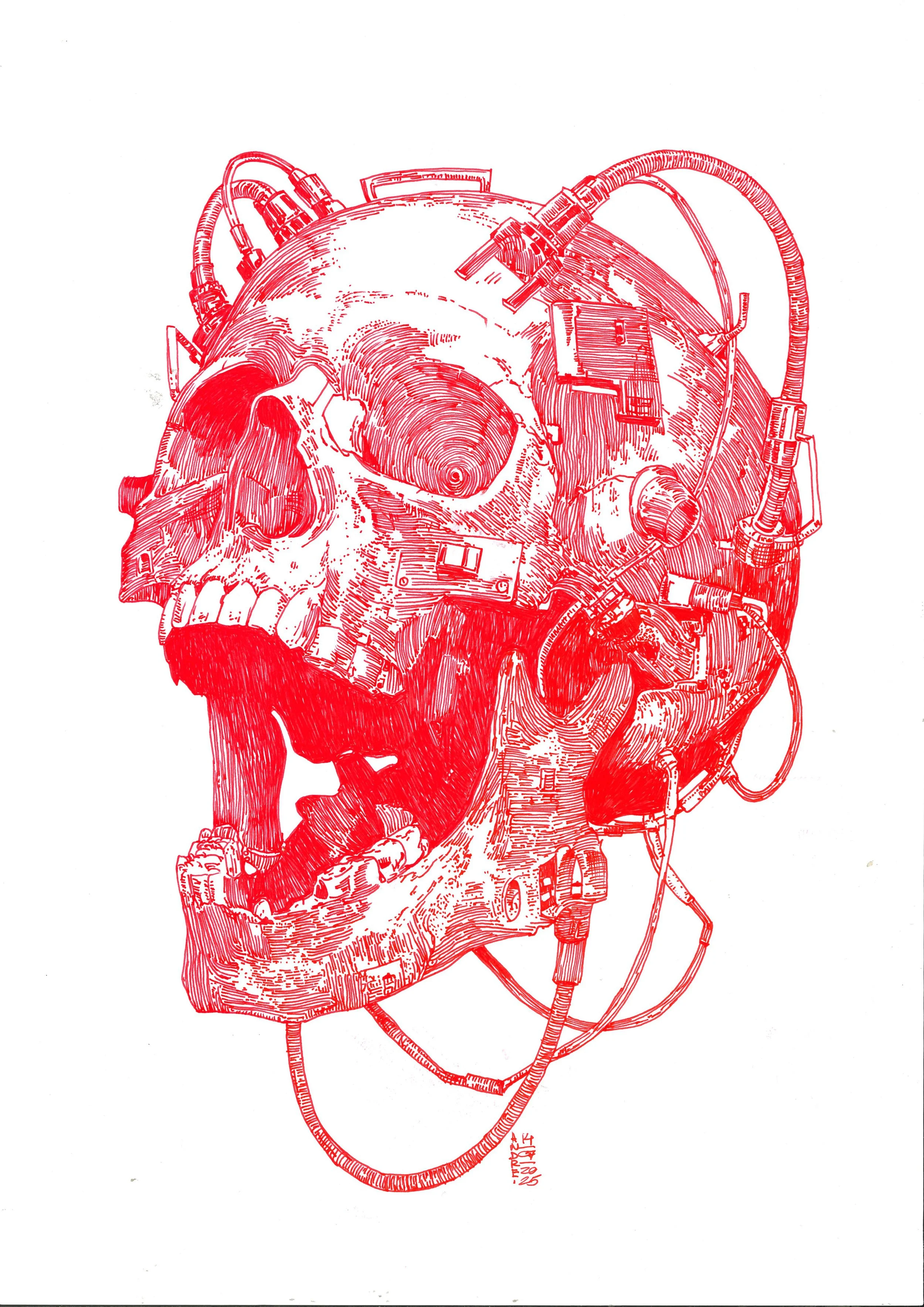
Red Scull 2025
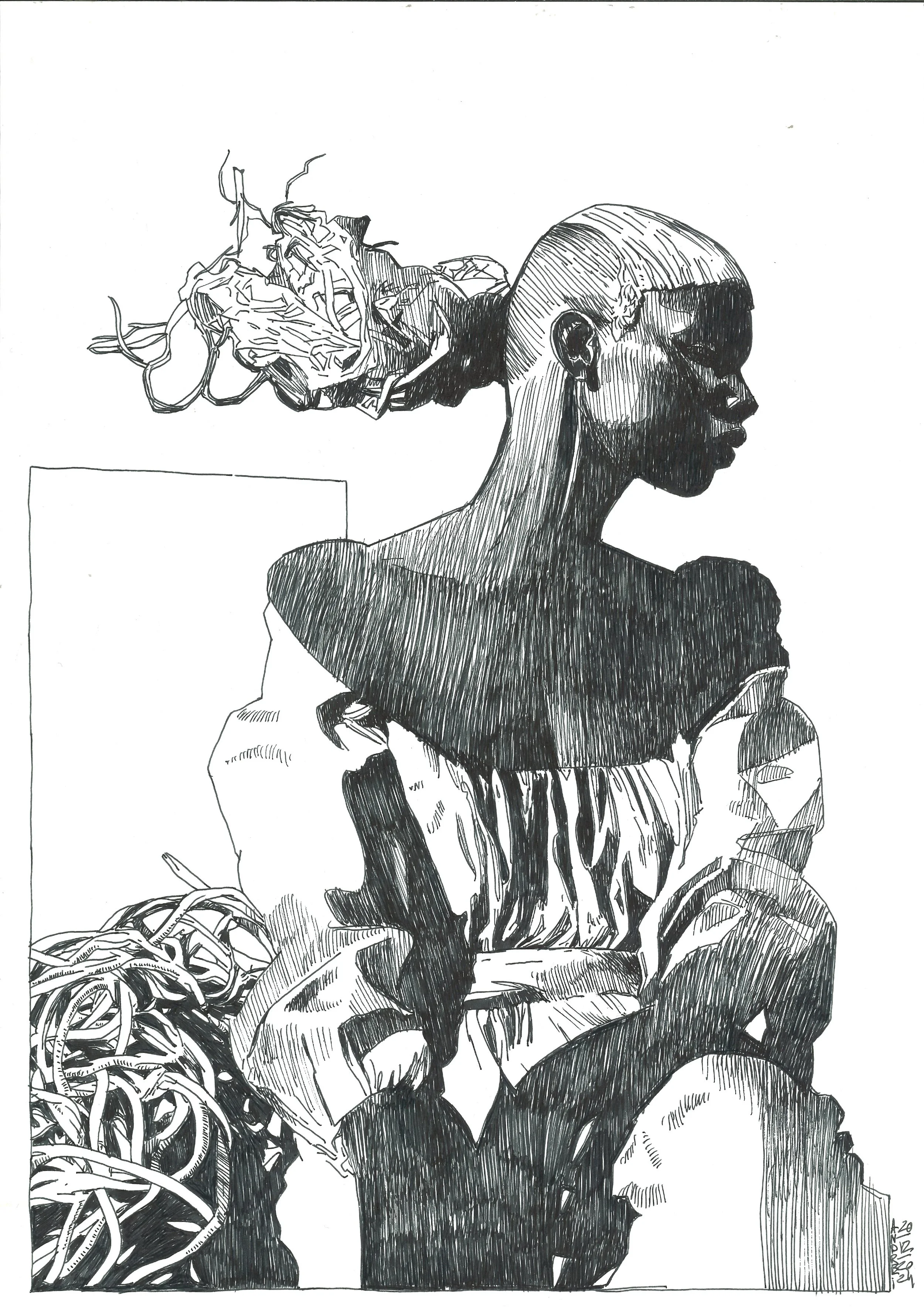
Tangled 2025
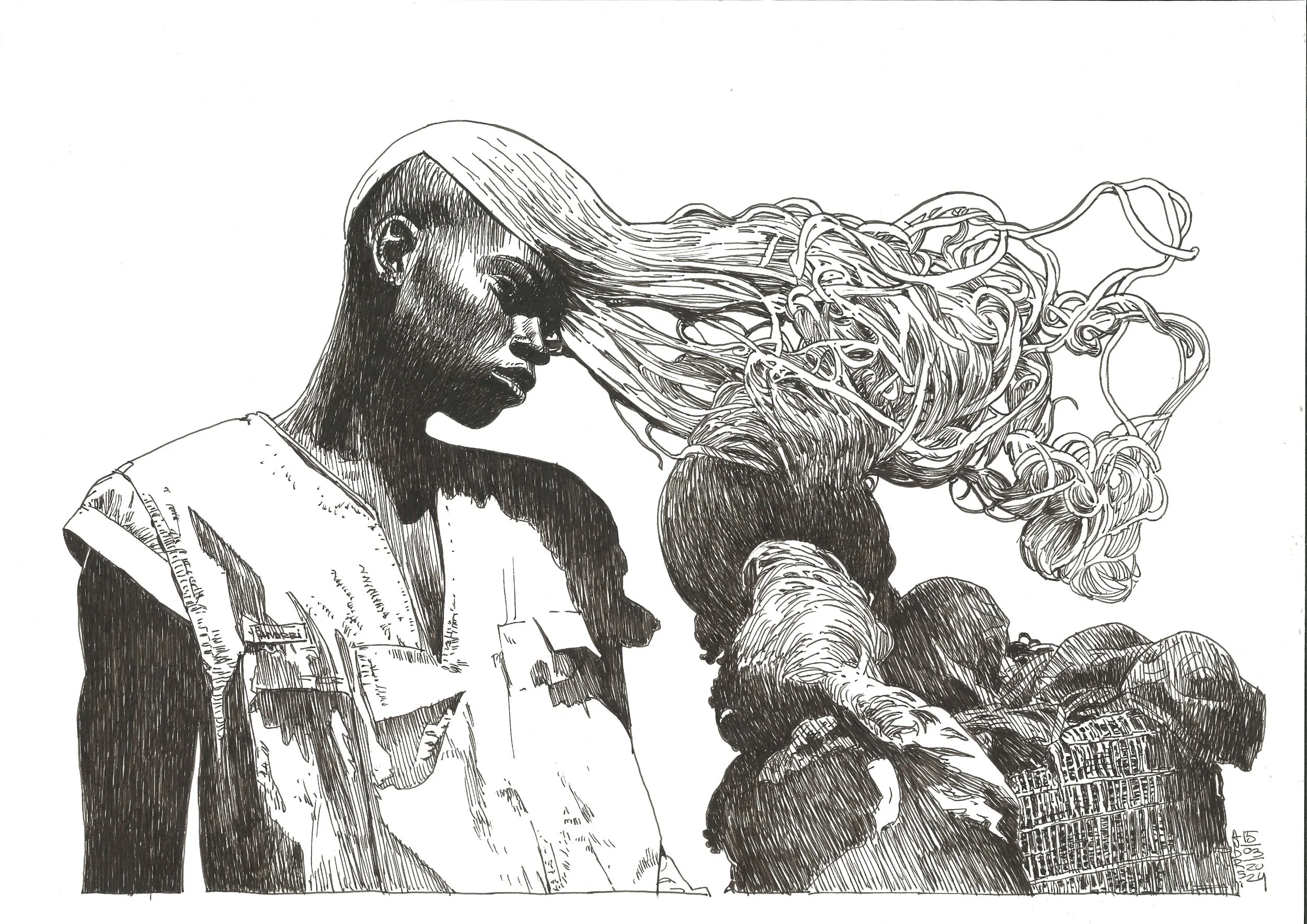
Tangled v003 2025
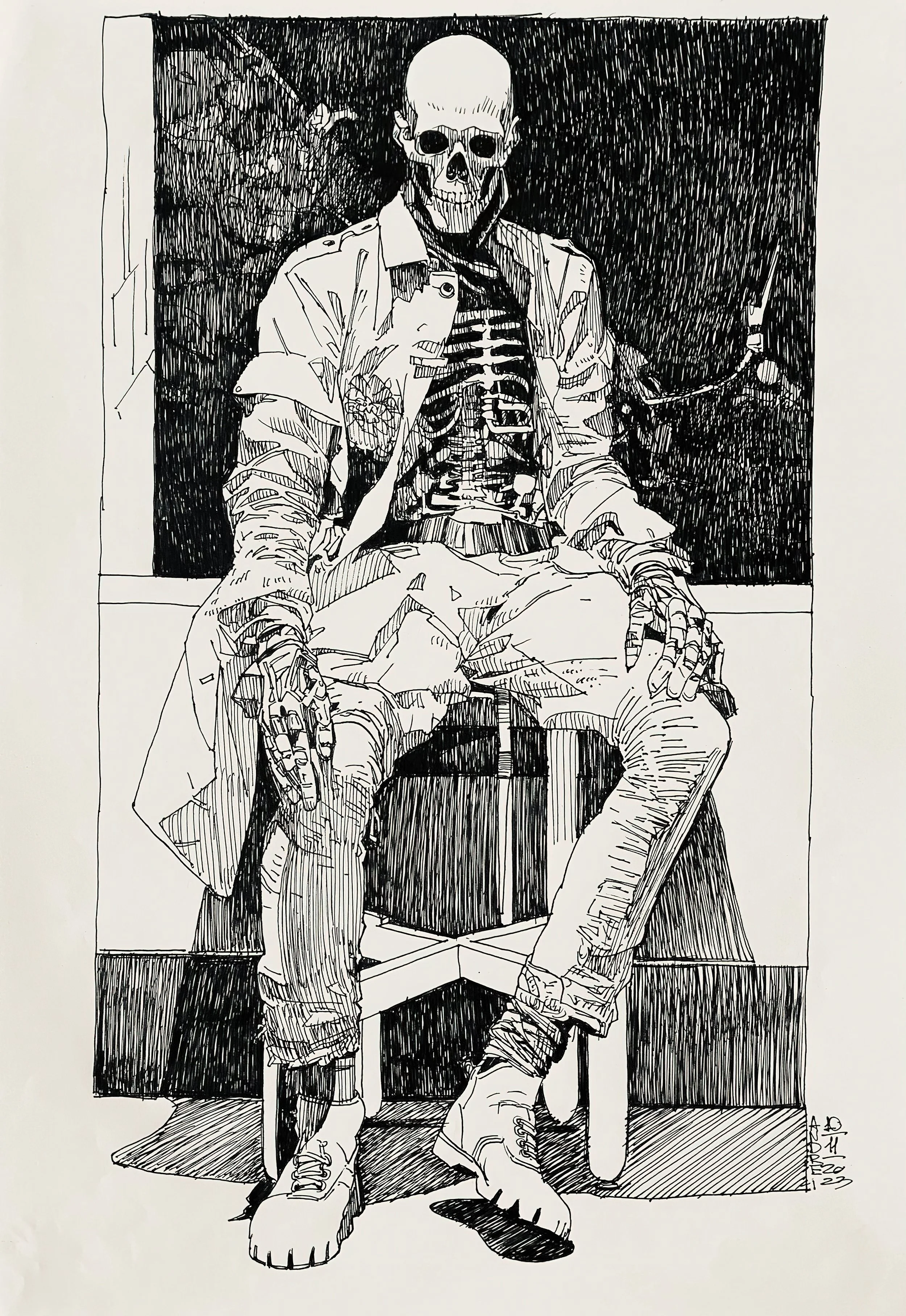
Tired Death 2024
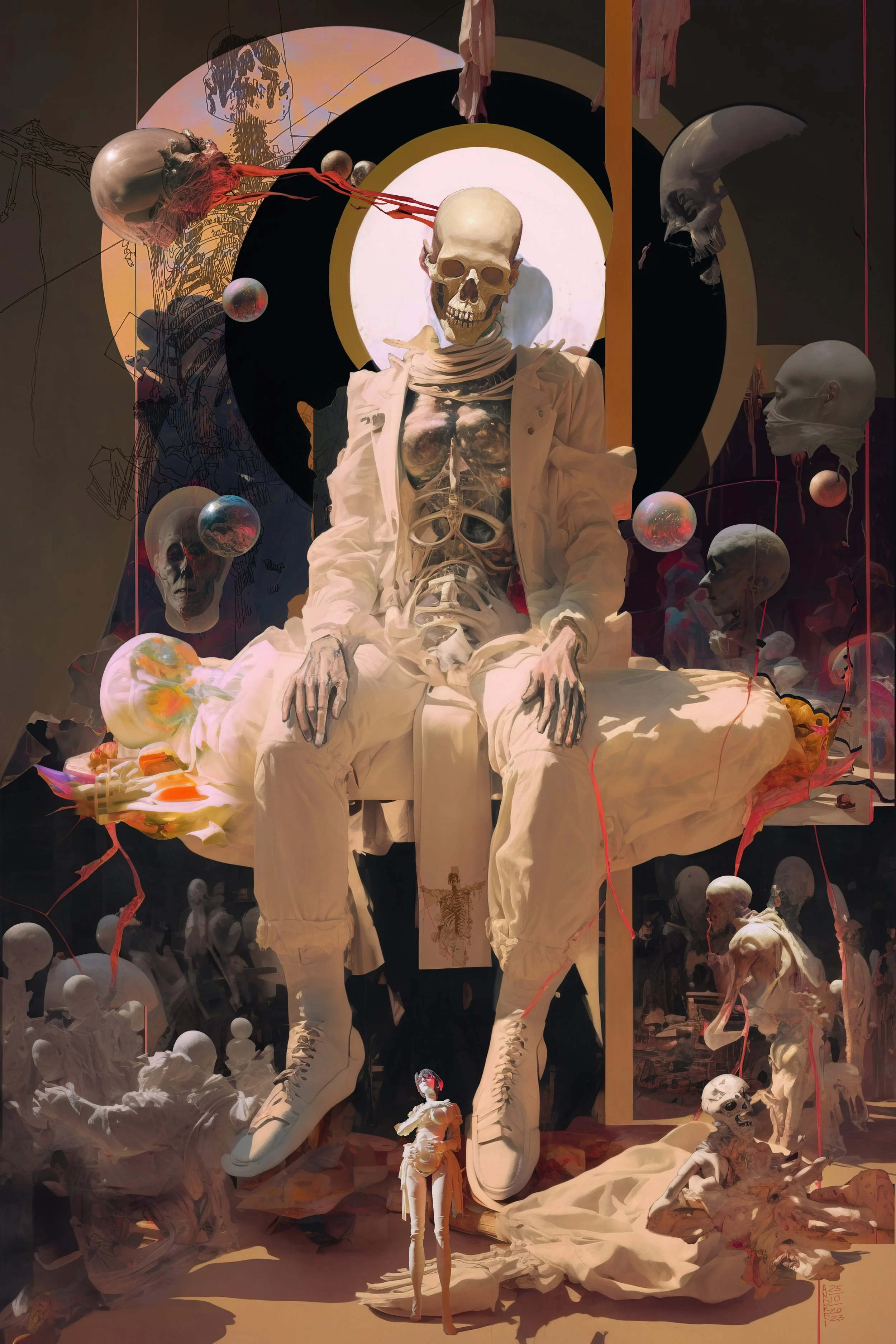
Tired Death 2024
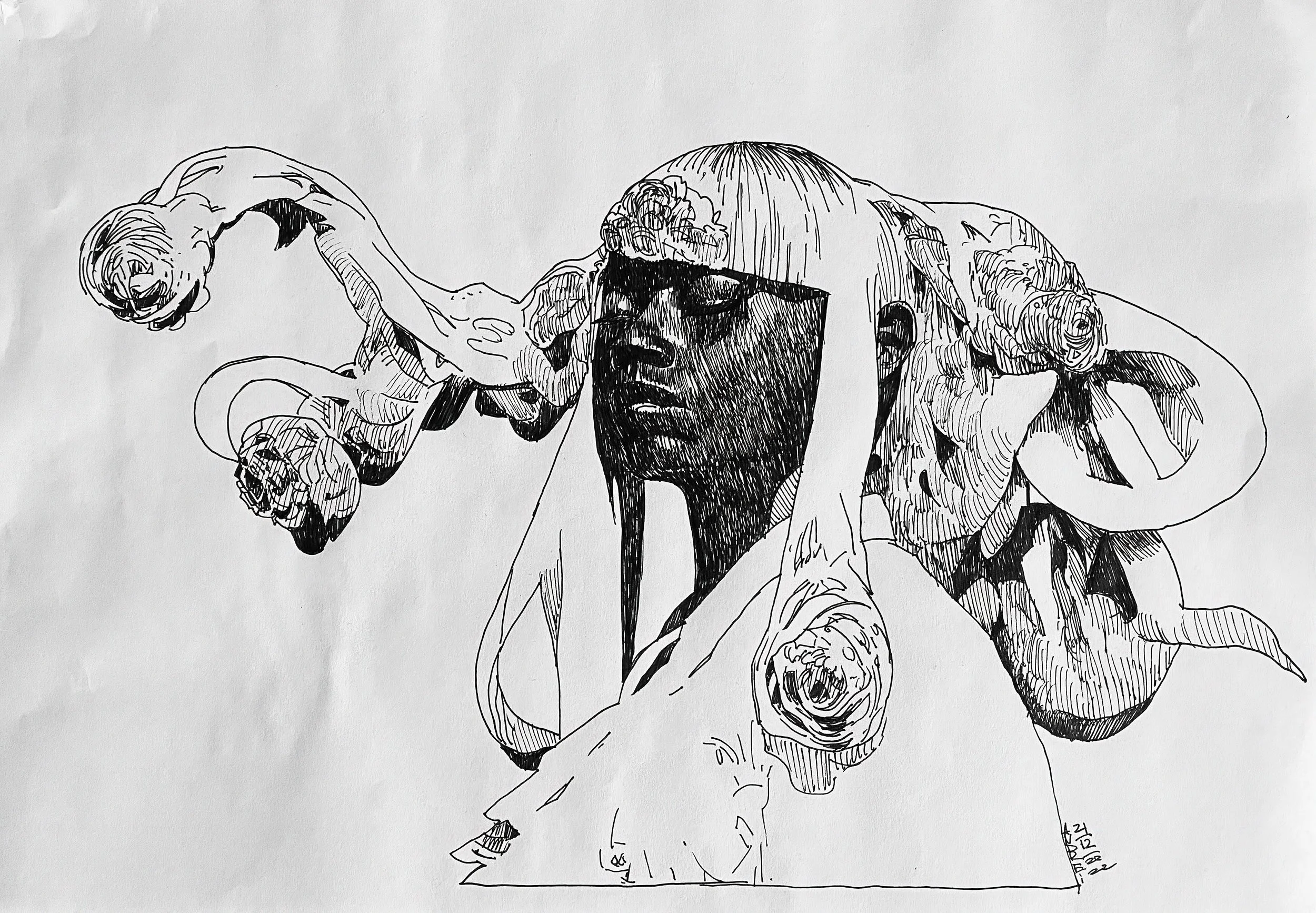
Tangled 000 2023
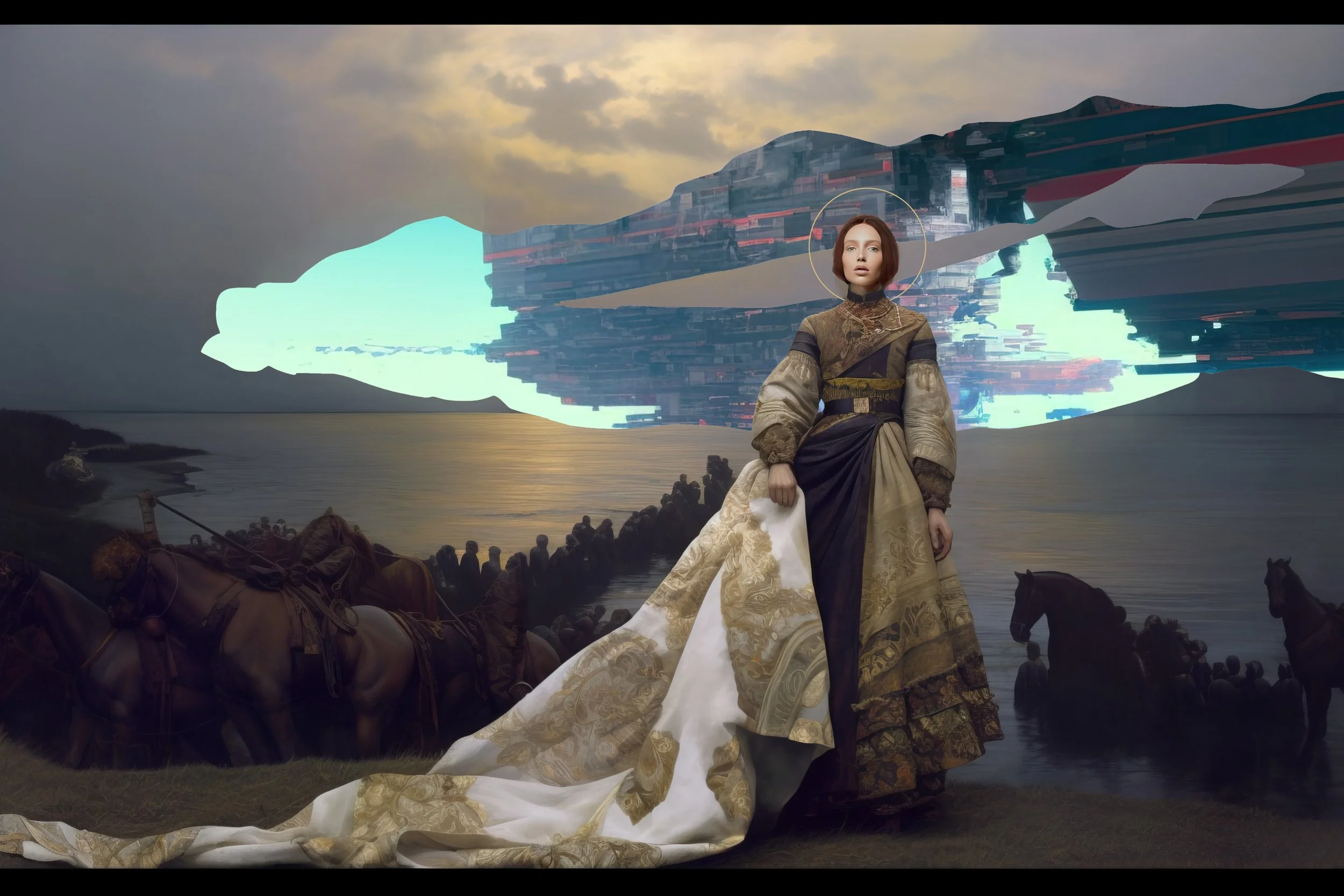
Dream Keeper 2024
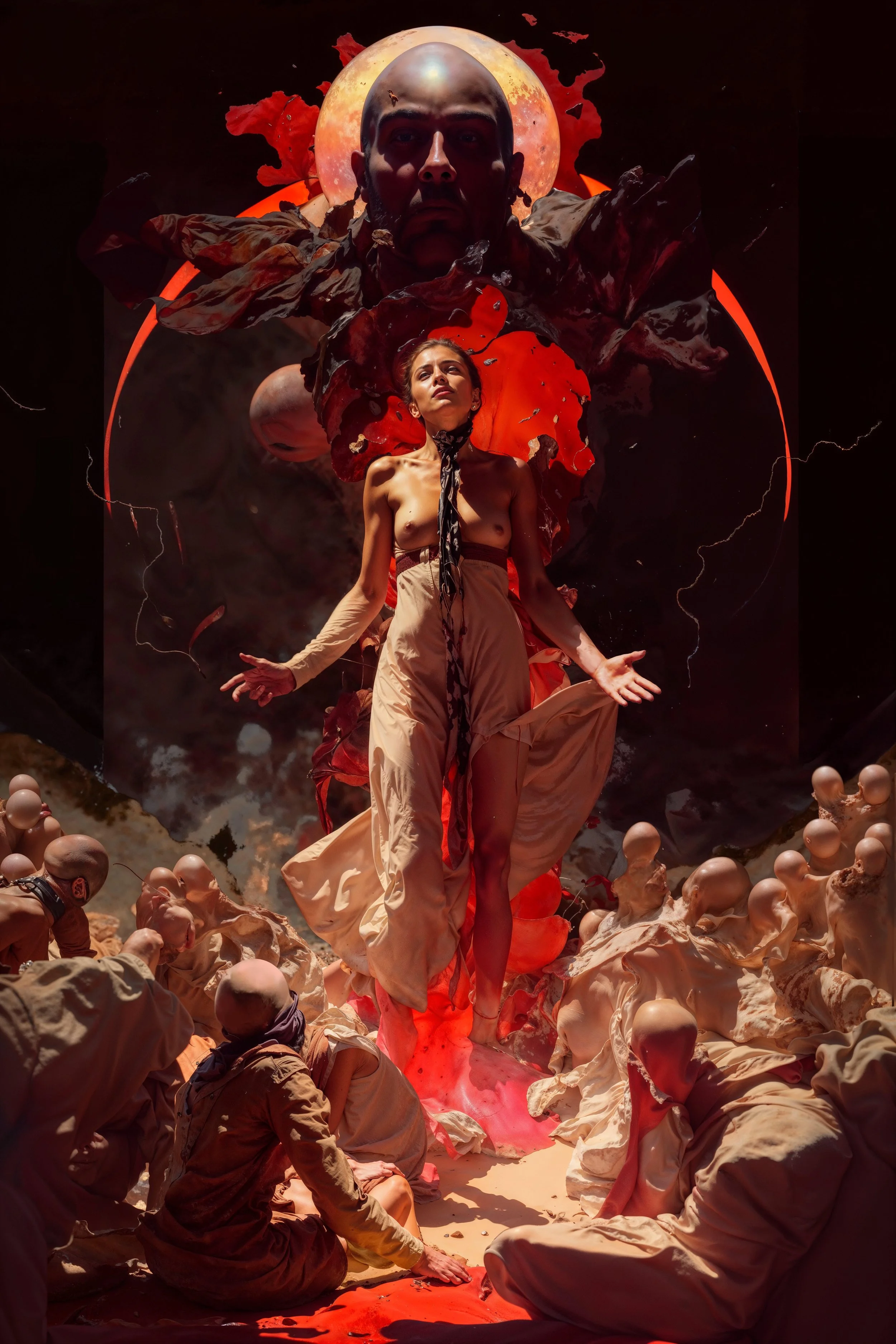
Goddess of planet Mars 2025

Nun With Guns 2025