
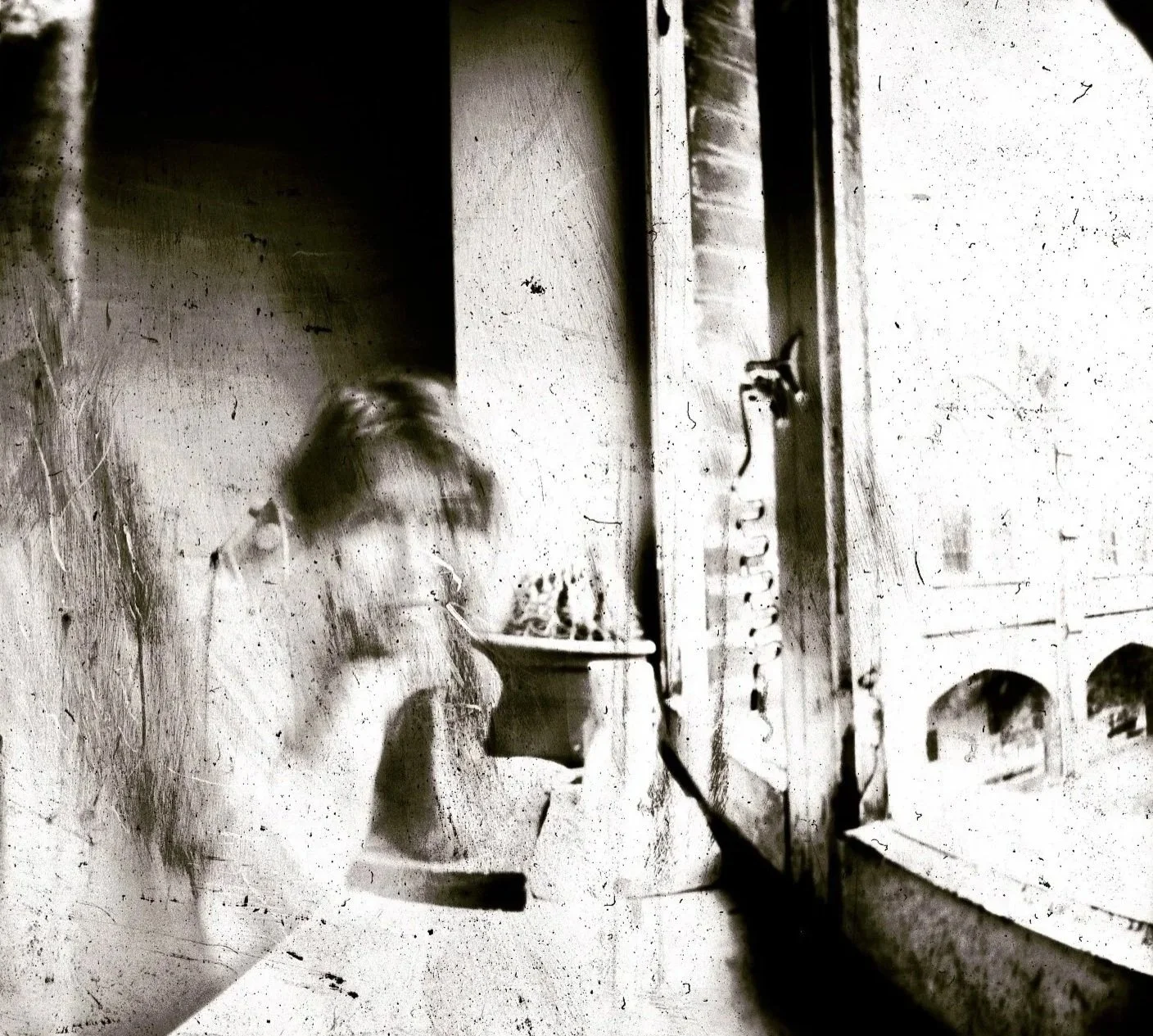
Sophie Huysentruyt
Your practice moves fluidly between painting and photography, two mediums that historically propose very different relationships to time, truth, and representation. How do you navigate this tension, and in what ways does each medium allow you to approach psychological presence from a distinct angle?
I don't experience them as separate practices. When I paint, I take snapshots as I go — and those images find their way into my photographs. Even at a Roger Ballen masterclass in Venice, where we were taught to construct scenes, I ended up digitally weaving in pieces of my own paintings to finish the work. I simply can't keep them apart.
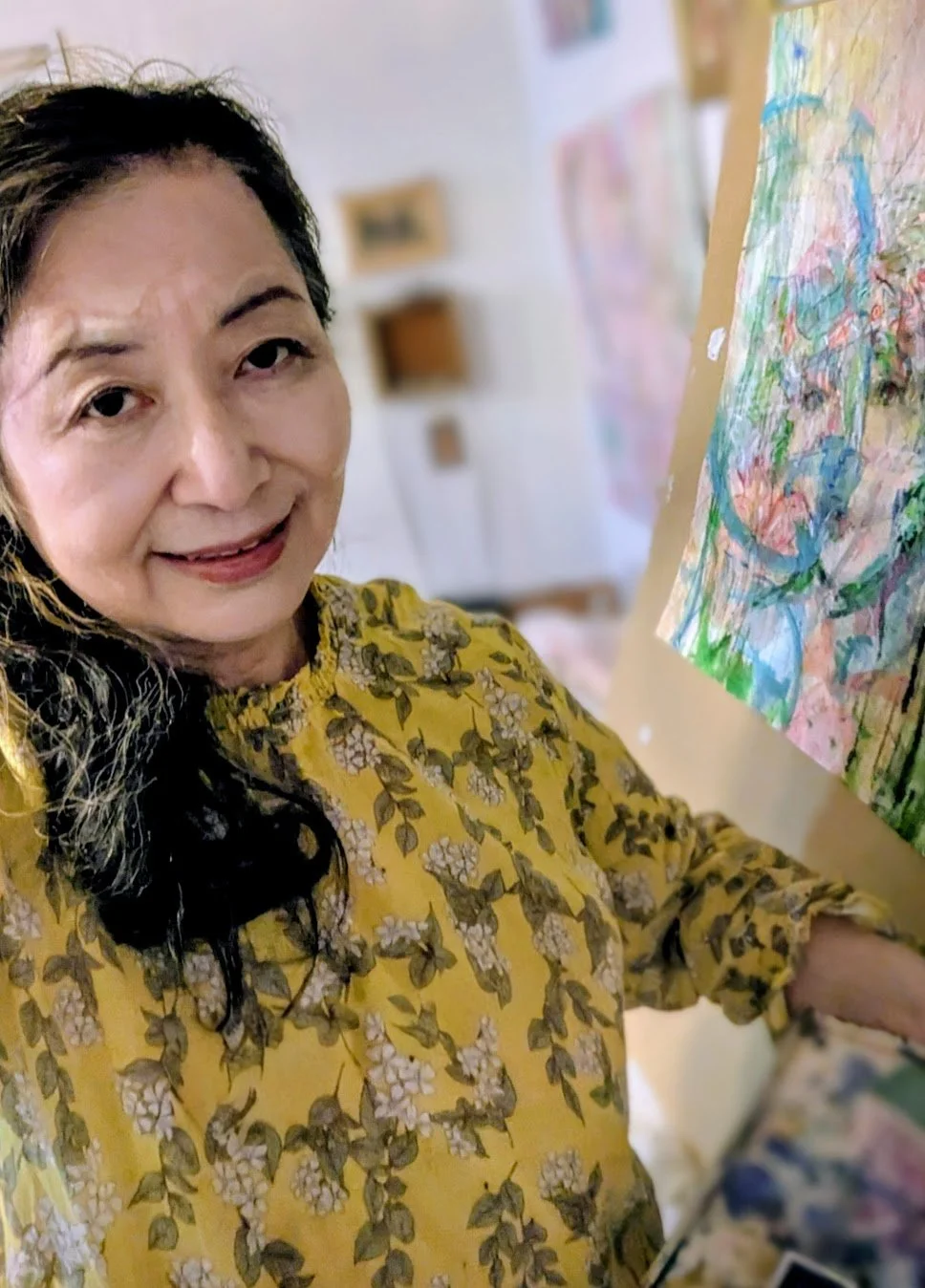
Mio Tahara
In your reflections on Taro Okamoto and Pablo Picasso, one senses not an anxiety of influence but rather a selective resistance, could you elaborate on how your disidentification with what you term “beauty” operates as a generative constraint within your practice, perhaps even as a kind of ethical refusal embedded in form?
That's a sharp question.
I feel like I need to change my personality.
That's because during a critique session in college, my paintings were described as "cute."
I actually prefer fantasy paintings like those of Chagall. I want to learn more about the works of Picasso and Taro Okamoto.
I want to try something new.
I used to like Renoir's bright depictions of everyday life, but now I feel a little unsatisfied with them.
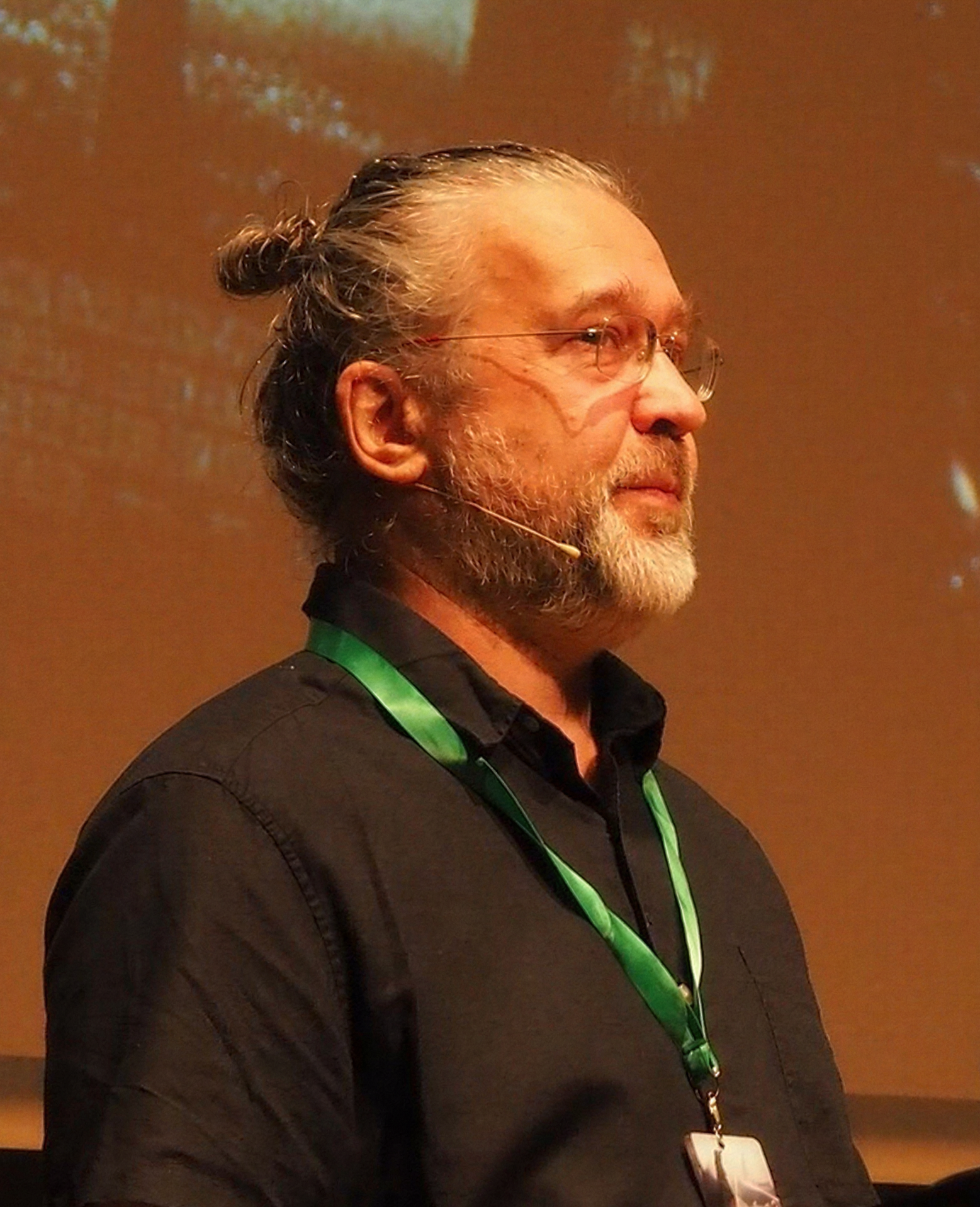
Andrei Riabovitchev
Your images often function as preconditions for narrative rather than its culmination; to what extent do you understand the concept drawing as an indexical trace of a film that does not yet exist, and does this anticipatory status destabilize traditional distinctions between sketch, study, and finished work?
Yes, very often concept art exists before the story fully exists. Sometimes a single image can create a feeling that later becomes part of the narrative itself. For me, that is one of the most exciting parts of concept art — you are not only illustrating a film, you are helping discover it. I have had moments where a loose sketch or atmosphere painting suddenly opened an emotional direction for an entire sequence or world.
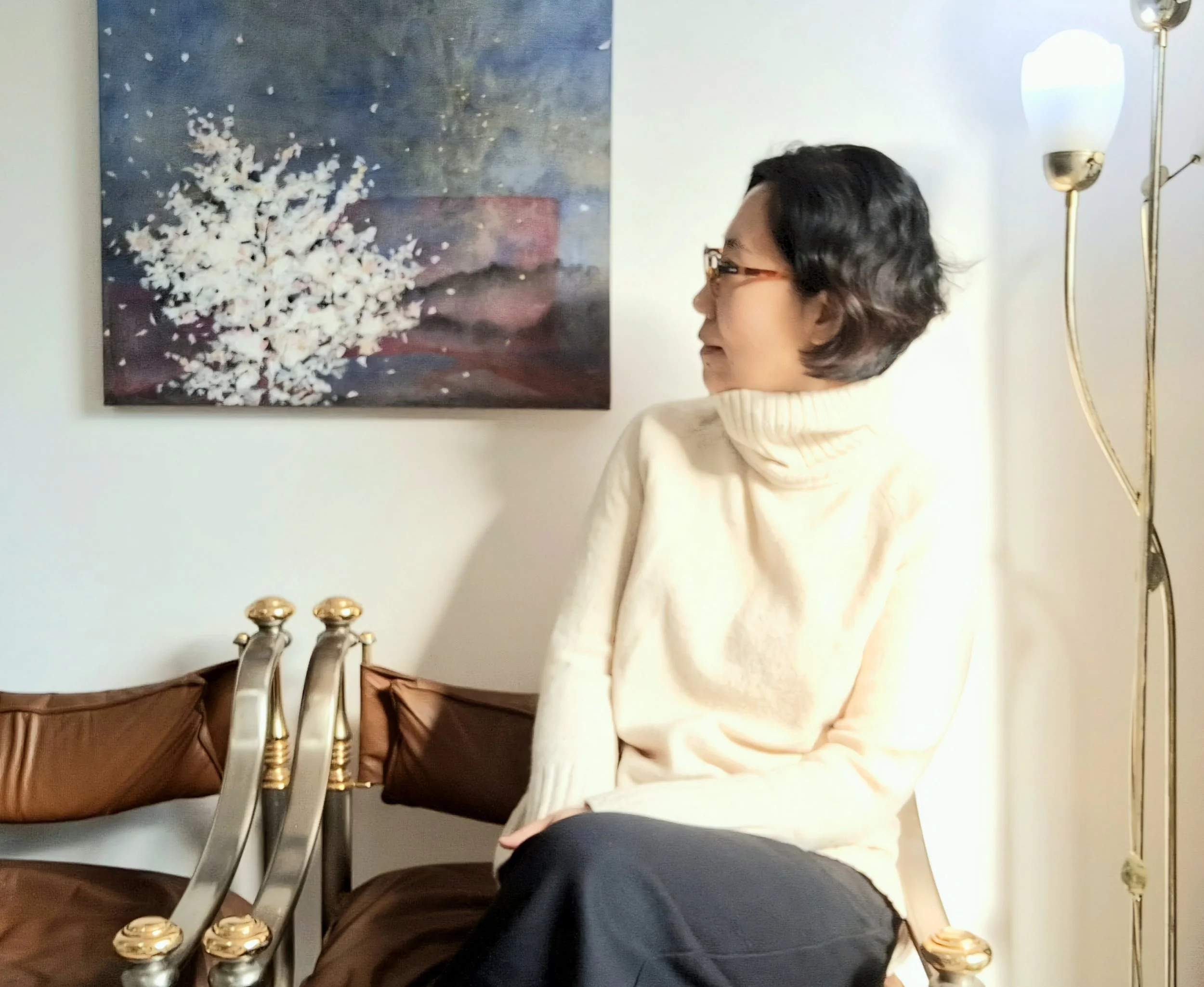
Jaehee Yoo
Your drawings seem to operate within a suspended temporality where memory, gesture, and perception converge without resolution; how might this condition of suspension be understood not merely as an aesthetic choice but as a structural resistance to narrative closure within contemporary image-making?
I approach the idea of “suspended temporality” through the material behavior of ink on silk. When ink touches silk, it does not remain on the surface but permeates the fibers, moving between front and back. A line just drawn may recede behind an earlier trace, while what once seemed erased can re-emerge depending on moisture and density. In this way, time in my work does not accumulate sequentially; it folds, overlaps, and circulates—much like memory itself.
Sotaro Takanami
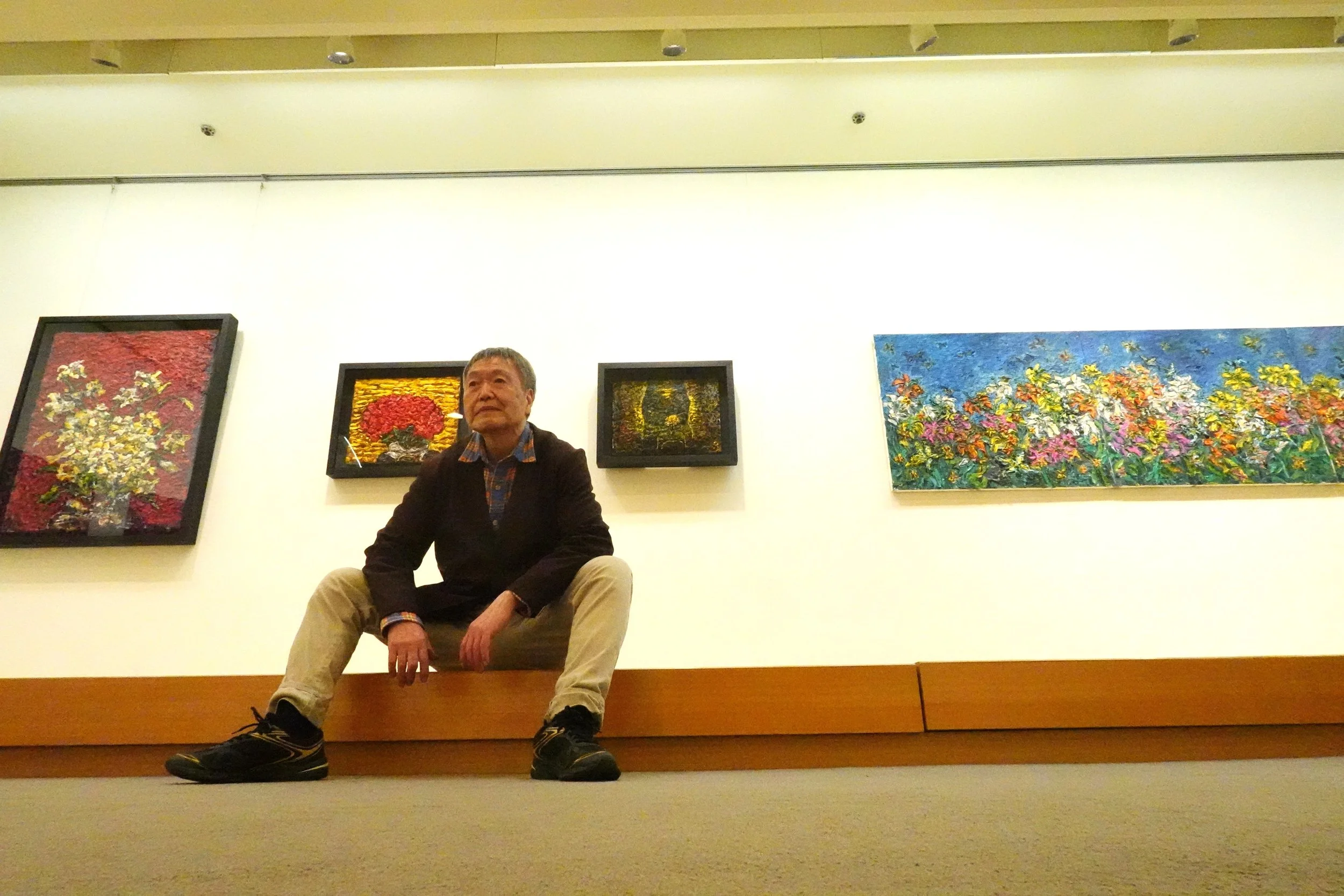
Your description of painting resists representation and instead foregrounds sensation, emotion, and internal necessity. Yet this position risks being read as an appeal to immediacy. How do you account for the role of discipline, repetition, and formal constraint in structuring what might otherwise appear as purely affective expression?
I get emotional, move the brush quickly, grab the tube, and hit it. There are many such acts. Especially when you enter another world, your hands move naturally, and time passes regardless of the color or the form. At times like this, the important thing is to have a solid foundation and have a third eye, the eye of the universe, that allows you to see yourself from a bird's eye view. The more emotional you are, the wider this third eye opens, and you move forward without feeling the passage of time.
María Aparici
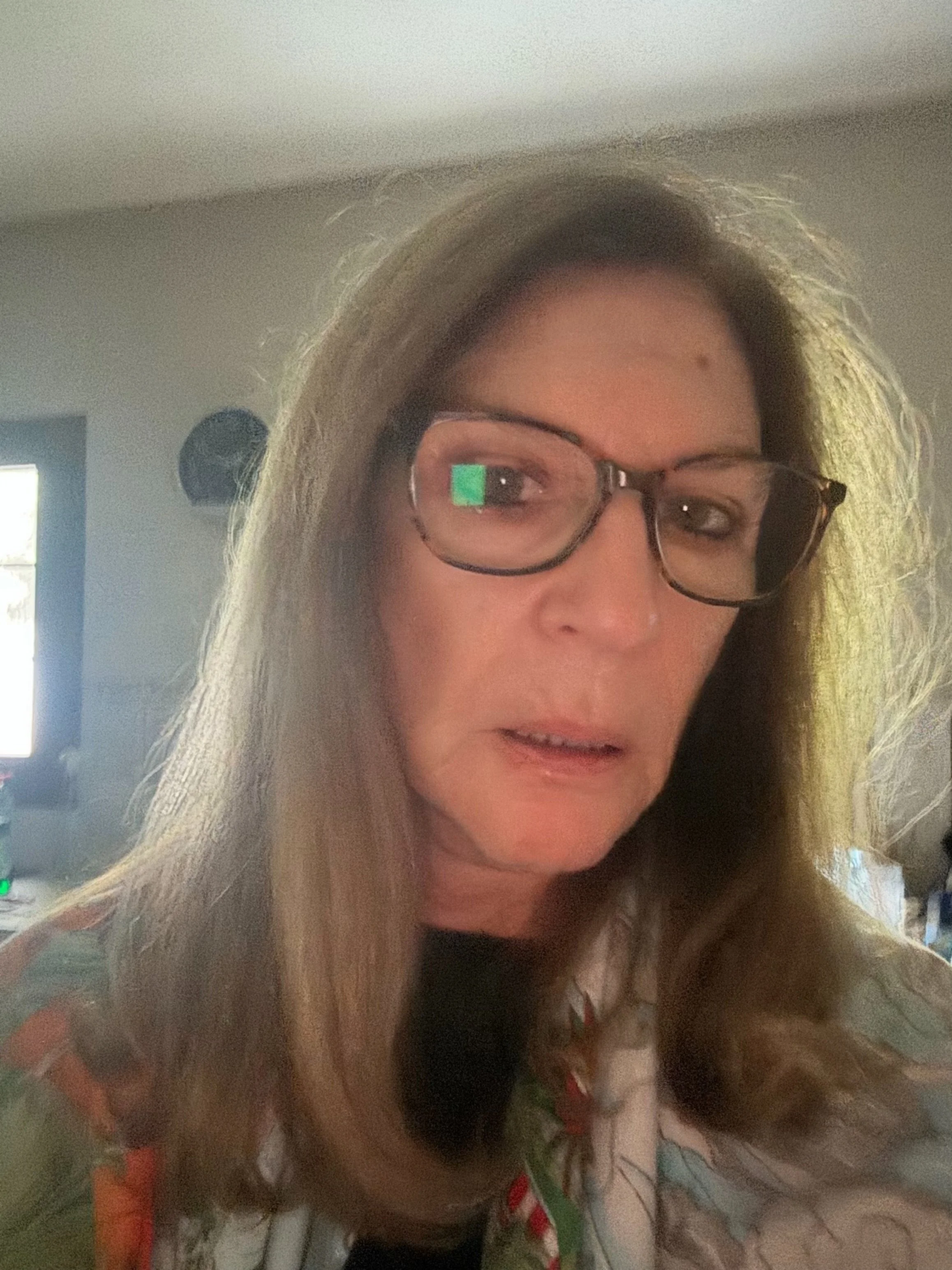
Maria, in your work, memory does not appear as mere recollection but as a structuring absence that insists upon form; how do you conceive of painting as a medium capable of both preserving and destabilizing memory’s authority?
Painting, for me, has always revolved around form—its presence and its absence—and how it shapes the way we remember. Since my first days studying art, my life has been my artistic narration; everything I live eventually filters into the work. I started by drawing Greek and Roman statues in the studio of my first tutor, Amadeo Roca, and that journey has led me to the tangled, abstract oils I make today.
Riitta Hellén-Vuoti
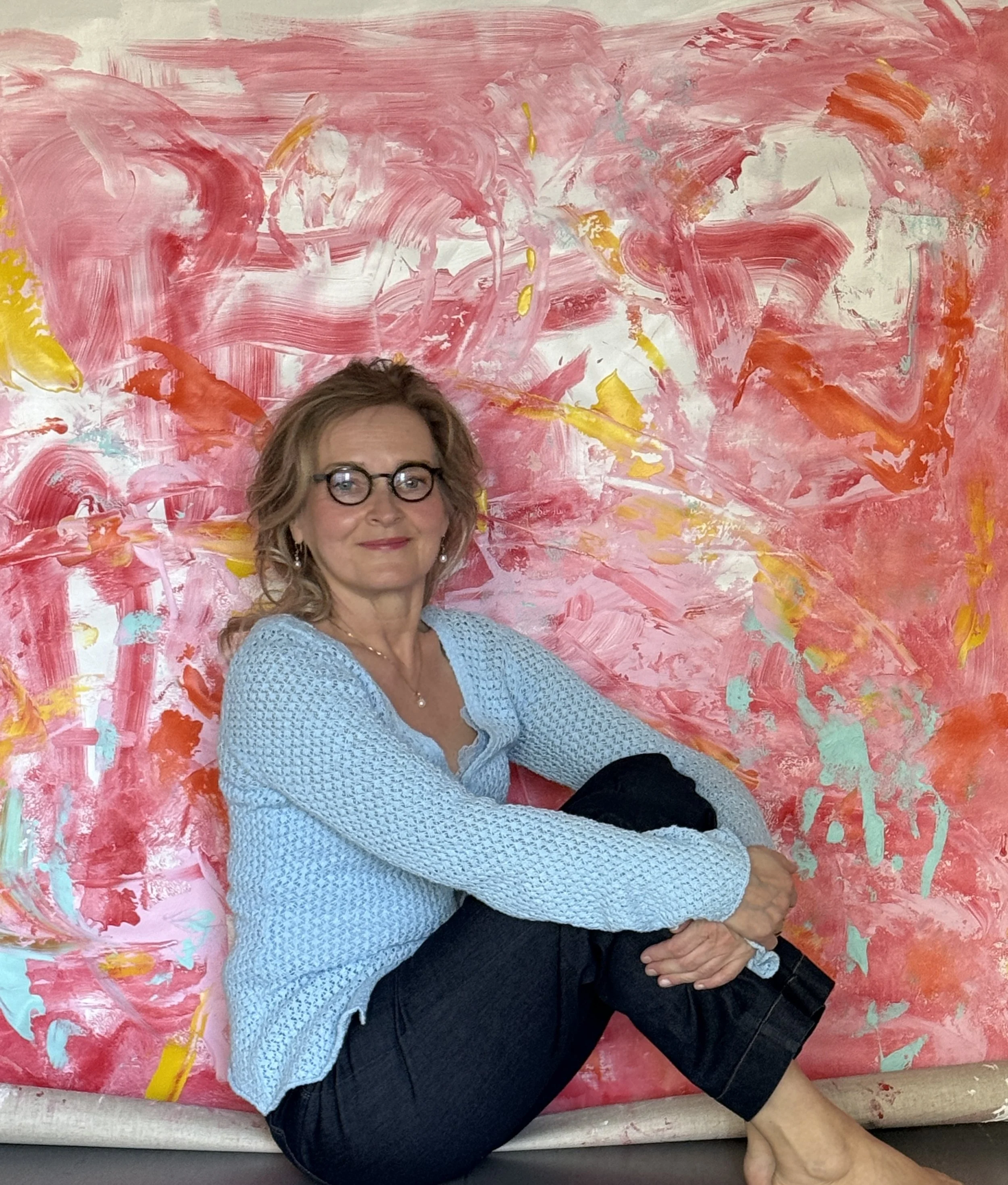
Your paintings and poems frequently suggest an interior landscape rather than an external scene, which raises questions about subjectivity and universality, so how do you navigate the tension between deeply personal inner imagery and the desire for your work to resonate across cultures, contexts, and audiences beyond Finland?
We are part of the universe, and each of us contains everything. A reflection I wrote in my youth comes to mind: What is objectivity when it is perceived subjectively? Art, in its various forms, is a universal language that enables deep personal experience and connection—on both conscious and unconscious levels, even beyond words. At its best, it supports insight and growth. I am grateful for the opportunity to experience resonance across different cultures, contexts, and audiences. These meaningful experiences have broadened me, brought me joy, and enriched my life.
Kristine Reiner
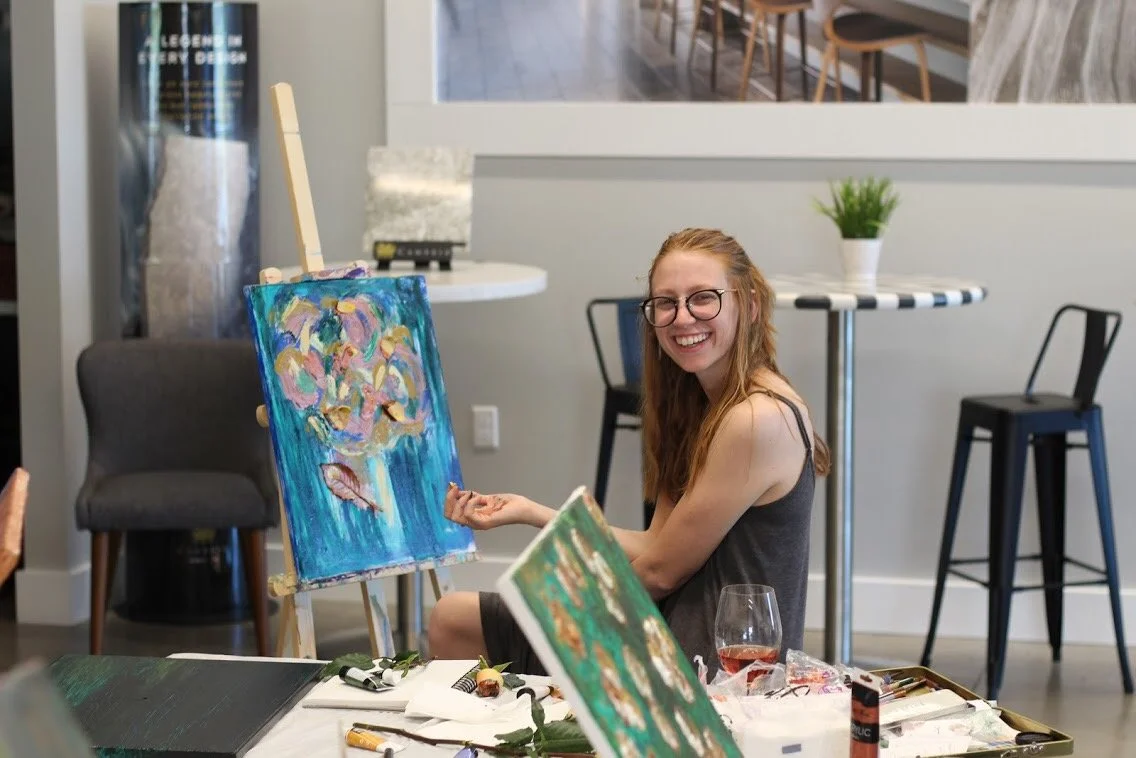
In deploying the rose as both implement and index, your work seems to collapse the distinction between mark making and referent, producing a surface in which representation folds back into process. Is this collapse to be understood as a critique of pictorial illusionism, or as an attempt to reinscribe materiality within the symbolic order of painting?
That collapse is very intentional. I’m not interested in painting of a rose—I want the rose to perform itself into the work. So the mark is the referent. There’s no illusion to decode because the object has already touched the surface. In that sense, yes, it resists illusionism—but more than critique, it’s about honesty. Materiality isn’t something I reinsert; it’s something I refuse to abandon. The painting holds the evidence of contact, not just representation.
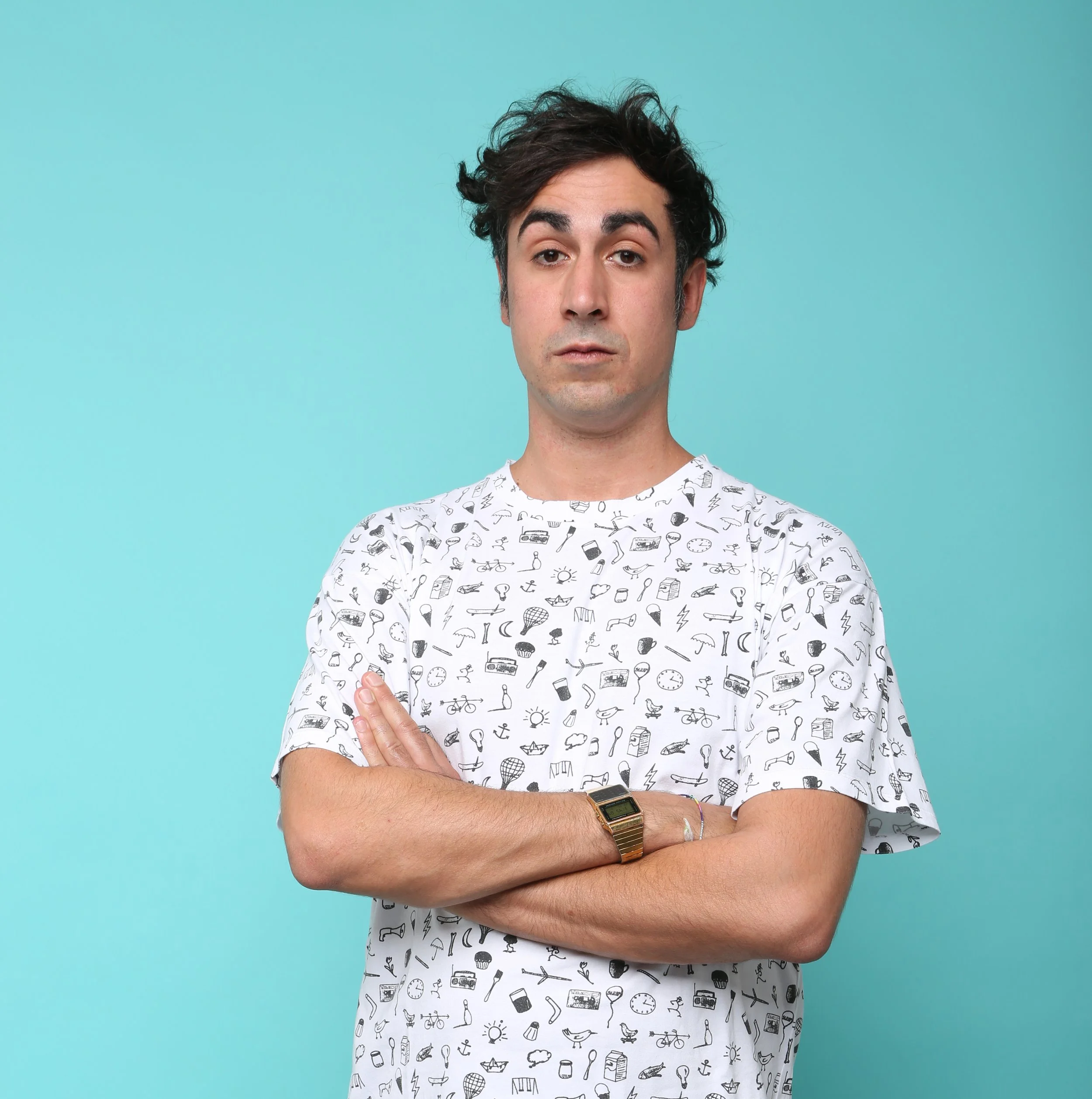
Francesco Casolari
Your cities, while fantastical, remain tethered to recognizable architectural typologies; how do you conceive of indexicality within these constructed environments, where the referent is neither wholly real nor entirely imaginary, and what does this ambiguity suggest about the status of representation in contemporary visual culture?
Indeed, for each city I draw real monuments and imaginary architecture. I want to convey the idea that each city is experienced in a personal way by each inhabitant. Each inhabitant responds to a highly stereotypical and essentially completely invented persona; they are theatrical characters who construct their own scene in a highly personal urban environment. Perhaps my artistic response responds in some way to the geographical topography we create in our dreams, that mapping of places we return to over the years when we dream.
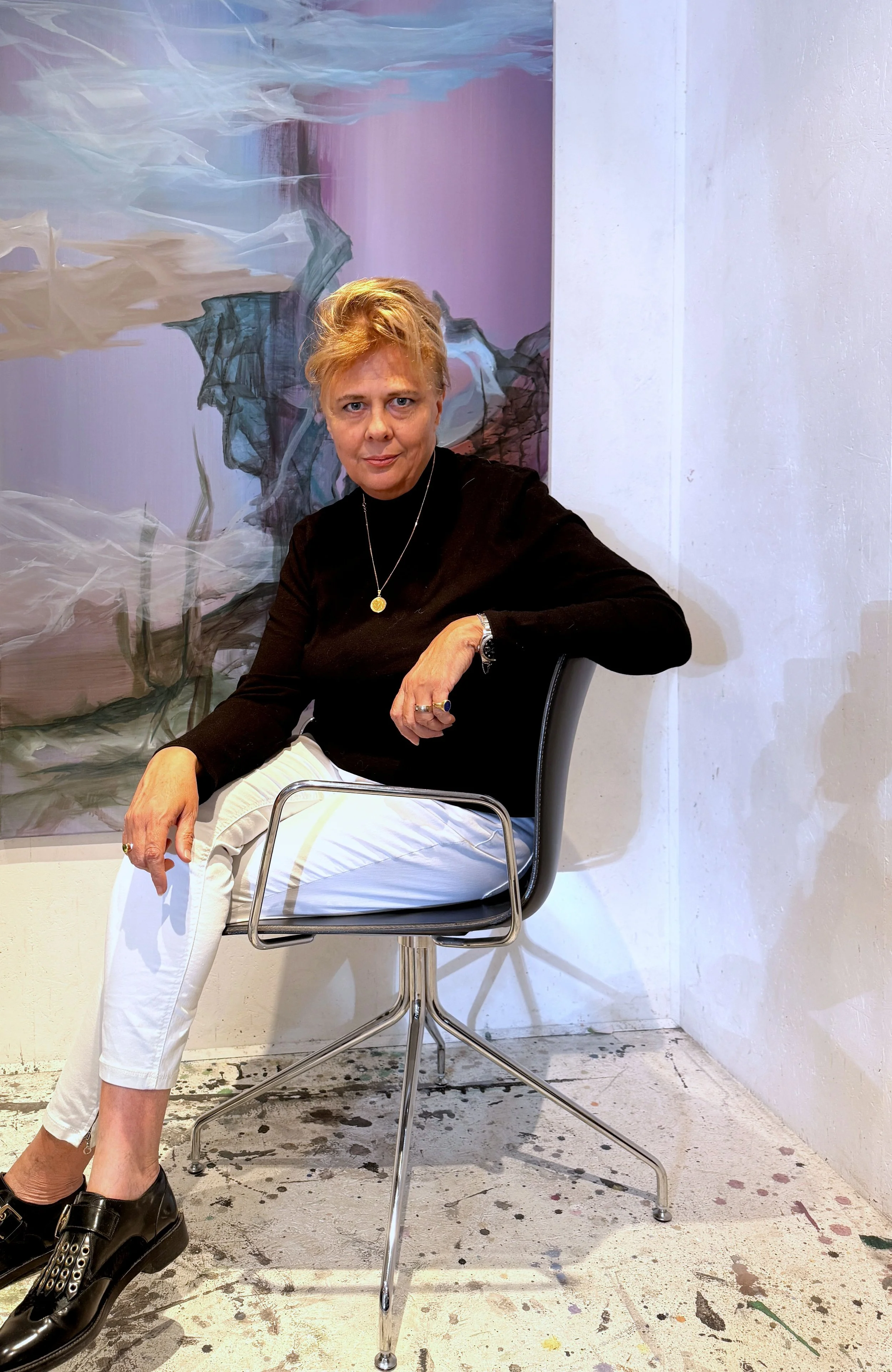
Brigitte Puschmann
Brigitte, your work repeatedly returns to the notion of transformation as both a perceptual and existential condition. In your multi-layered panels and interactive acrylic tiles, transformation seems not only depicted but structurally embedded, almost enacted. Could you speak about how material decisions such as layering, transparency, and modularity become agents of change themselves, rather than merely vehicles for representation?
Transformation in my work is not an image or a theme — it is embedded in the structure of the work itself. When I build up layers, shift translucent surfaces, or construct modular systems like in the Infinity series, I am creating conditions in which change can continuously occur. The acrylic tiles, for example, are not fixed compositions but open constellations; each reconfiguration produces a different visual reality.
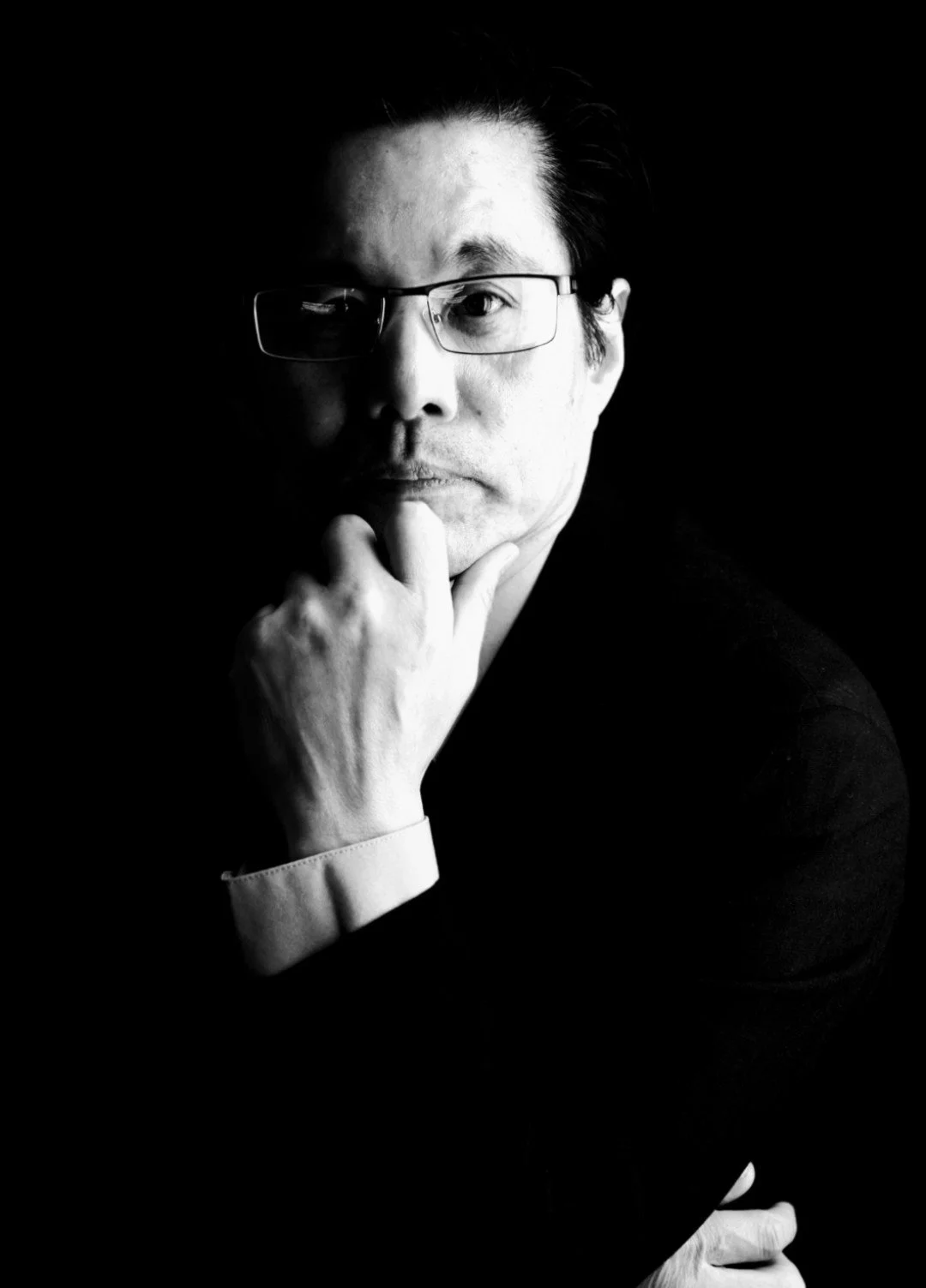
Kevin Hu
There exists in your work a compelling dialogue between control and contingency, particularly when comparing the precision of your still lifes with the fluidity of your abstract compositions; how do you articulate this duality within your practice, and does it reflect a broader philosophical inquiry into the limits of rational systems in capturing human experience?
There has always been a dialogue between control and contingency in my work, but I've come to understand it differently over time. Early on, I thought of them as opposing forces—something to be balanced or resolved. Now I think they're asking the same question from different directions.
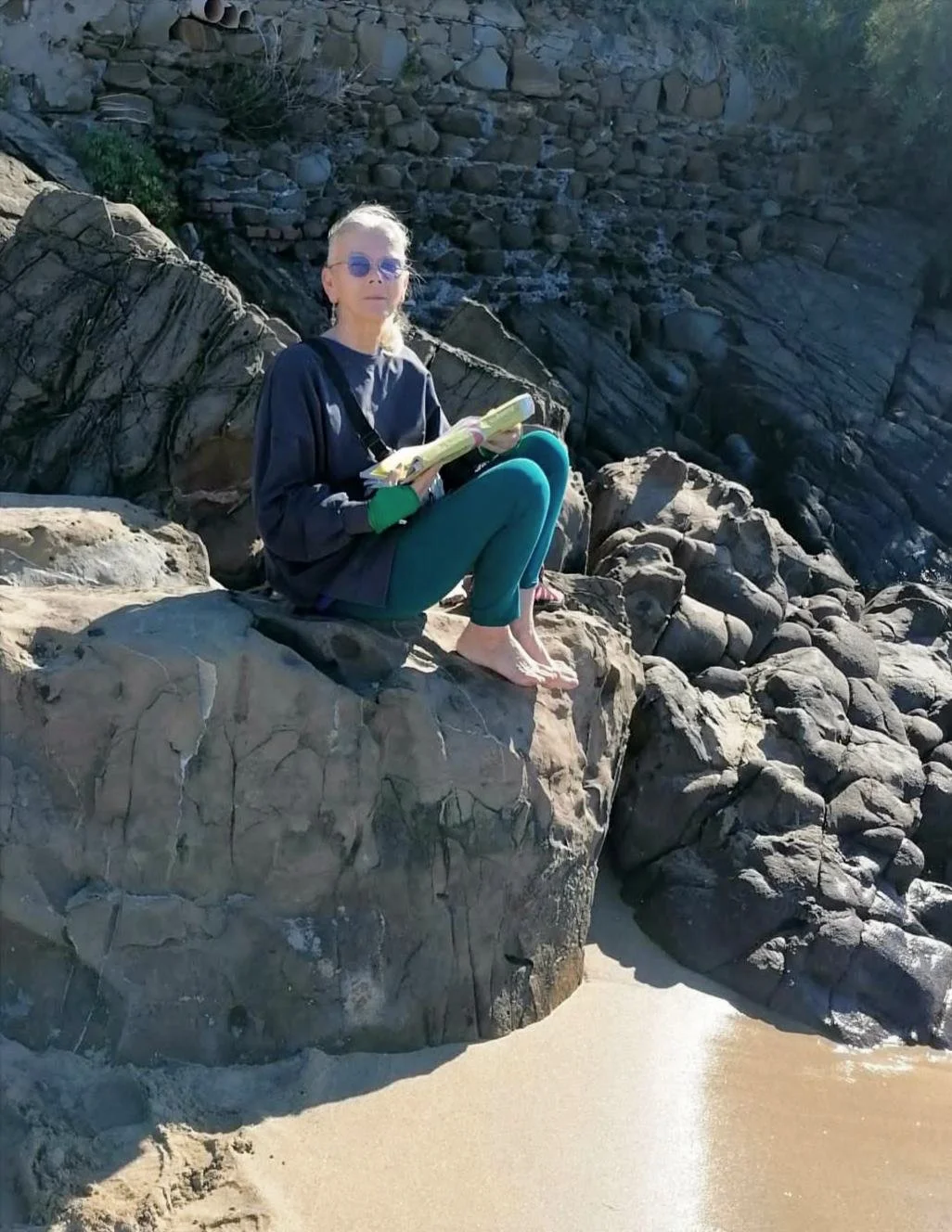
Symona Colina
Your assertion that “infinity apparently comes within reach” through spatial contemplation risks a metaphysical claim that sits uneasily within contemporary critical discourse; how do you reconcile this pursuit of the infinite with the material constraints of the medium, and does your work ultimately propose resolution or perpetuate an unresolved oscillation between the finite and the boundless?
When I speak of infinity “coming within reach,” I’m not making a metaphysical claim in the classical sense. I’m describing a perceptual condition - a moment when spatial contemplation loosens the boundaries of the finite without ever escaping material reality. Infinity, for me, is not a destination but a tension, a vibration that arises when the limits of the medium and the boundlessness of perception meet.
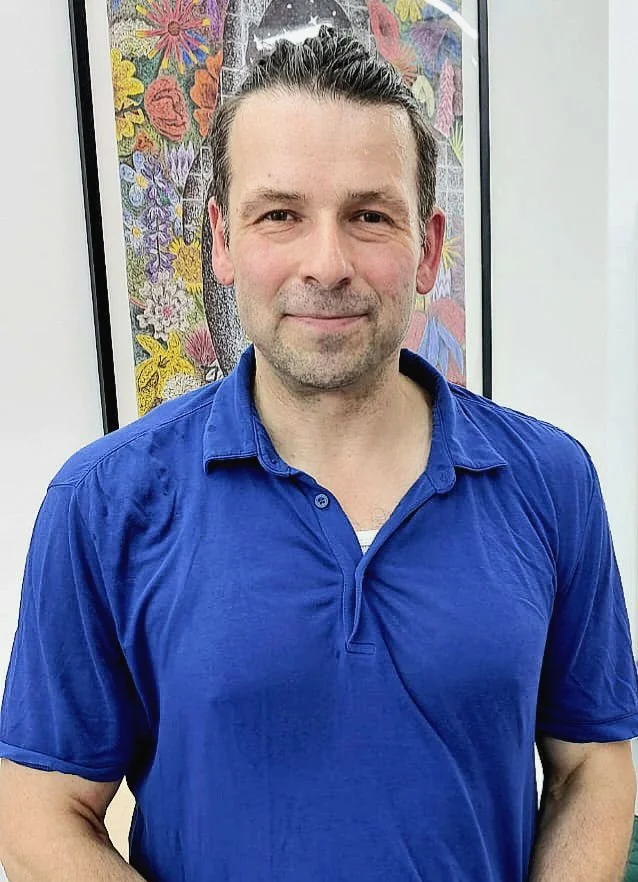
Michael Kaphengst
Authenticity is a term frequently invoked but rarely defined. Within your own practice, what constitutes authenticity, and how do you safeguard it against the pressures of repetition, recognition, and commercial expectation?
The authenticity I'm referring to relates to an artist's work. When you look at the art of renowned artists, it's immediately recognizable; they have their own distinctive style. This is increasingly disappearing; there's copying and imitation, and authenticity is lost. If I'm inspired by an artist and take up their ideas, then I have to develop them further and add something uniquely my own. I have to develop the ideas further, not simply adopt them—that's not an achievement.
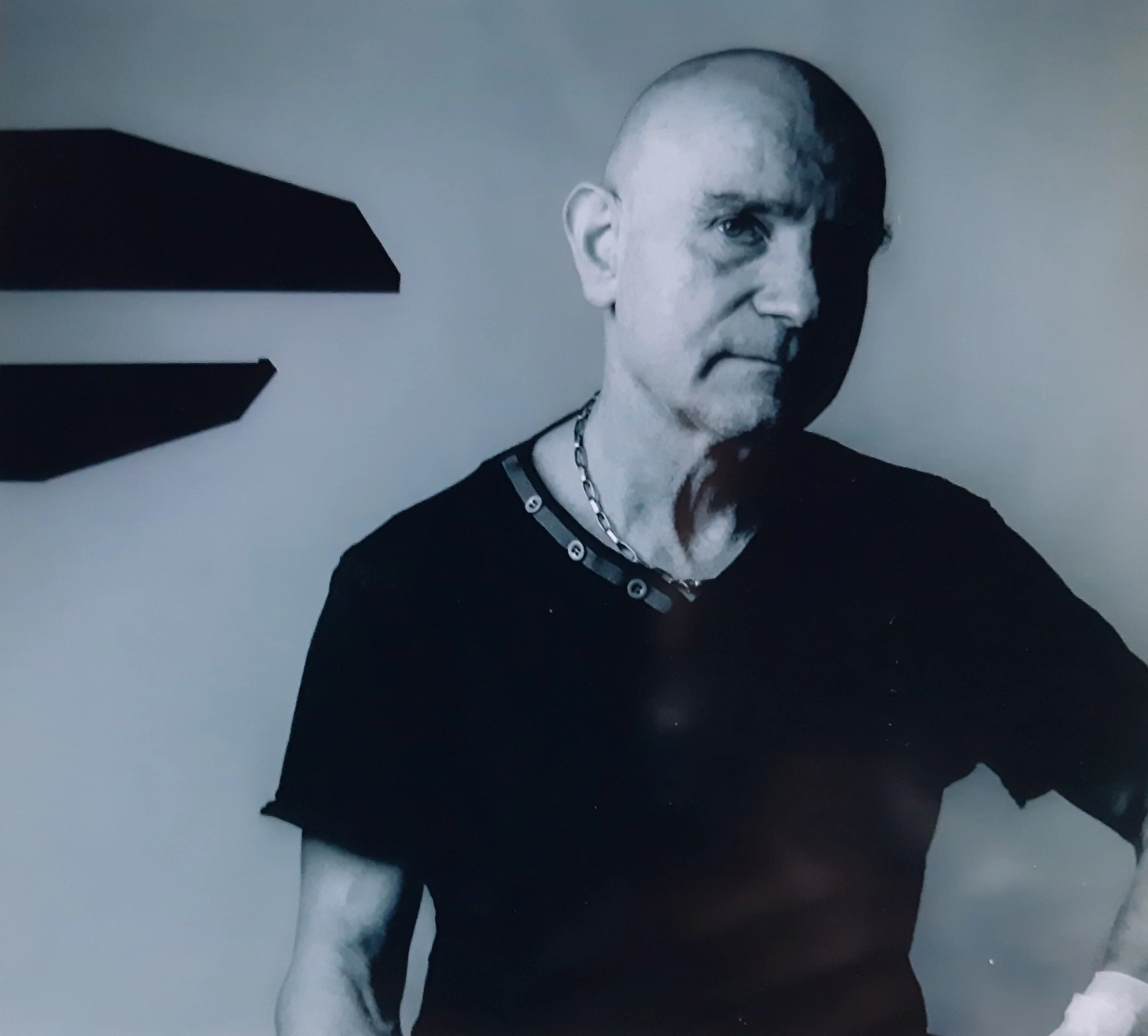
Giancarlo (Lachi Lea) De Luca
In your paintings the landscape often appears as a kind of psychological space rather than a purely geographic one, where natural forms seem imbued with memory and presence. To what extent do you see your landscapes as portraits of inner states, and how does your sensitivity to atmosphere and texture help articulate this more introspective dimension of place?
I don't limit myself or want to represent what I see with my eyes, but rather with my mind and play with the movement of the brushstroke and beyond. Memory is important not only for art but also for life. I am reflective, I meditate for a long time on what I have to paint, the observation and for my source.
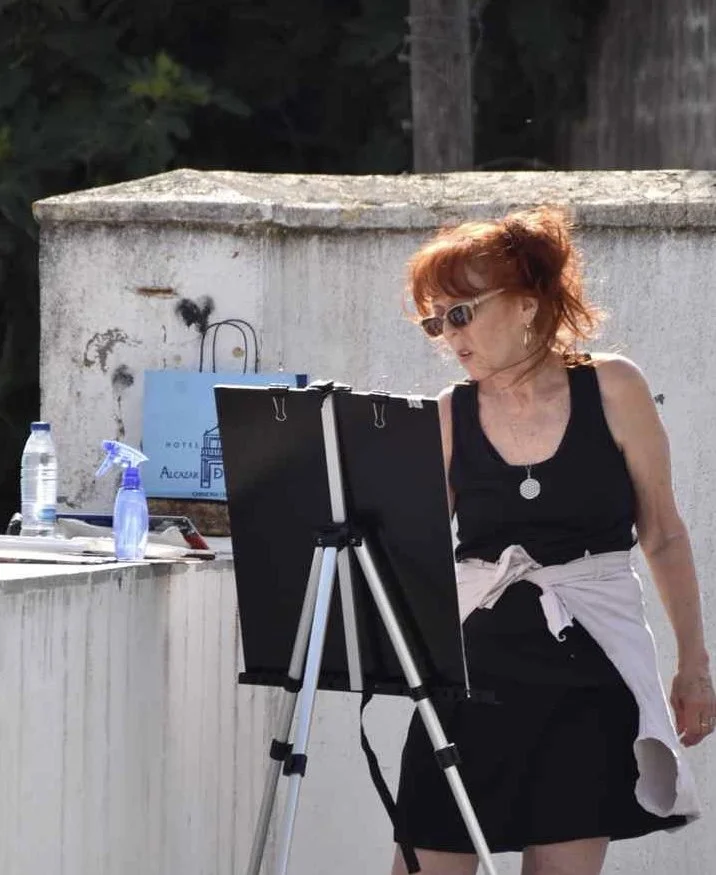
Patricia RAIN Gianneschi
Your practice persistently inhabits what might be described as a charged liminal zone between prophetic utterance and civic address. I am curious how you theorize this tension between social justice and spirituality not as a thematic pairing, but as a structural condition of the work itself. Does abstraction function for you as a mediating field in which the ethical and the transcendent are conjugated rather than reconciled?
The tension between social justice and spirituality is explicitly reconciled as one of the main threads running through my paintings, prints, and mixed media. I have described painting as a “spiritual practice” that uncovers hidden narratives paralleling silenced histories, and I use abstraction to invite the viewers into an imaginative space of transformation.
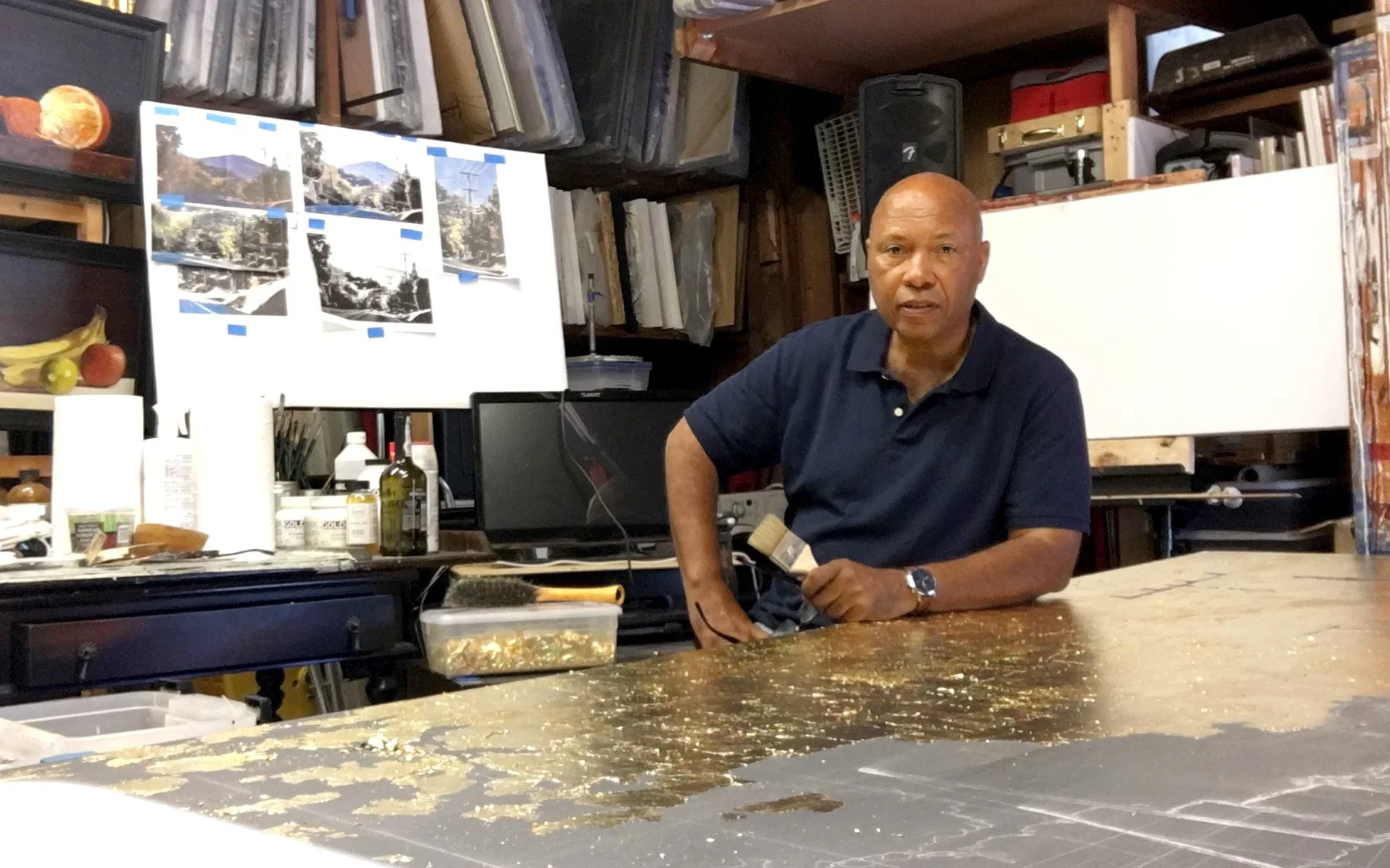
Duke Windsor
Duke, in your Golden Skies series, gold leaf operates less as ornament than as a destabilizing agent within the pictorial field; how do you reconcile its historical function as a transcendental ground, as seen in Byzantine iconography, with your insistence on embedding it within the contingencies of contemporary urban and vernacular space?
“Gold has always carried the weight of transcendence, and I don’t reject that history; I rely on it. In Byzantine iconography, gold functions as an eternal ground, a space outside of time where the divine is made visible. What interests me is what happens when that same material is pulled out of a purely sacred context and reinserted into lived, imperfect, contemporary space. In Golden Skies, I’m not trying to recreate transcendence as something distant or untouchable; I’m trying to test it against the everyday.
Andrés Lobato
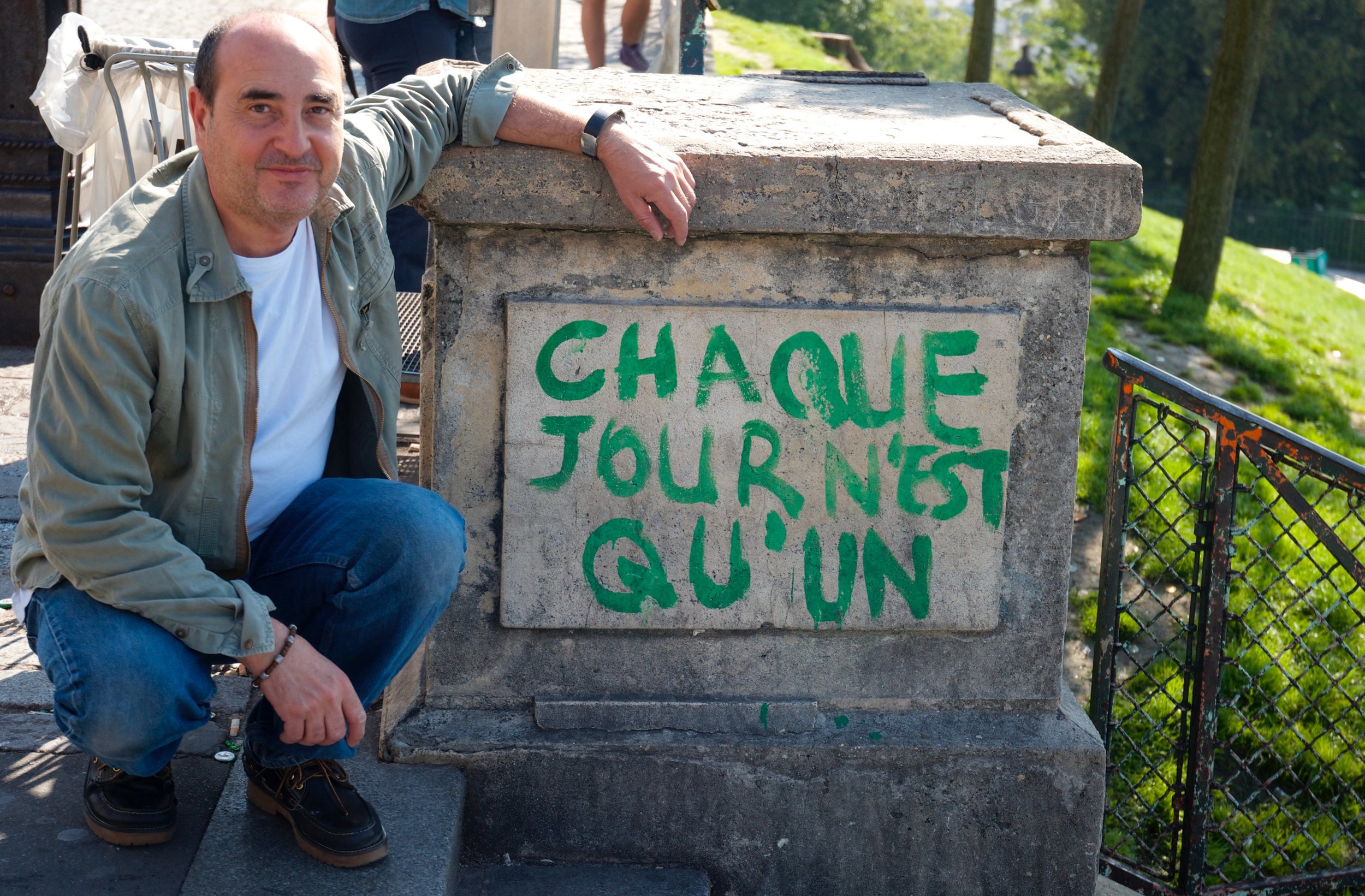
You often speak of intensity translated into passion, and of a search for beauty in its highest ethical and moral sense; in a contemporary art discourse that has frequently problematized beauty as suspect or retrograde, how do you theorize your insistence on beauty as both resistance and survival, and might we understand your chromatic balances as propositions for an ethics of form in a fractured global landscape?
When all the layers that surround art are stripped away, what remains for me is the search for beauty in its highest sense — ethical, aesthetic, even moral. Not as decoration, but as a form of balance. In a context where beauty is often questioned or dismissed, I understand it as a form of resistance. Precisely because of its fragility, it becomes something that must be sought, even defended.
Martine Jansen
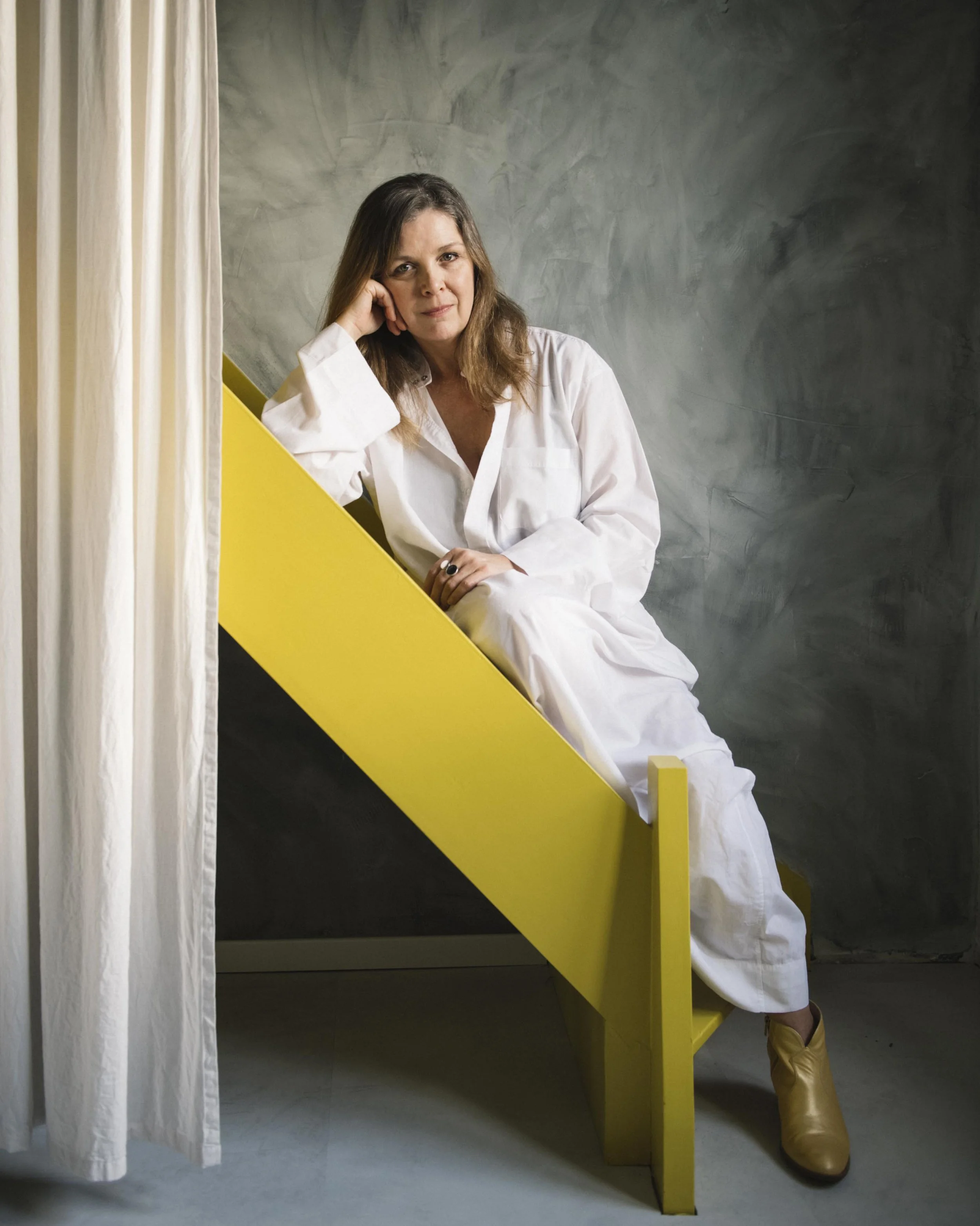
Your practice moves between two seemingly opposing registers: the atmospheric restraint of your abstract paintings and the tangible corporeality of your sculptures. Do you experience these media as different semiotic systems, or as part of one structural language in which absence and embodiment are interchangeable?
I experience both practices as equally essential and compelling. It doesn’t feel right for me to limit myself to one form. Working across different media happens in a very natural and organic way. I don’t want to choose between painting or sculpture — they reinforce each other and give me a sense of freedom.
Alida Velea
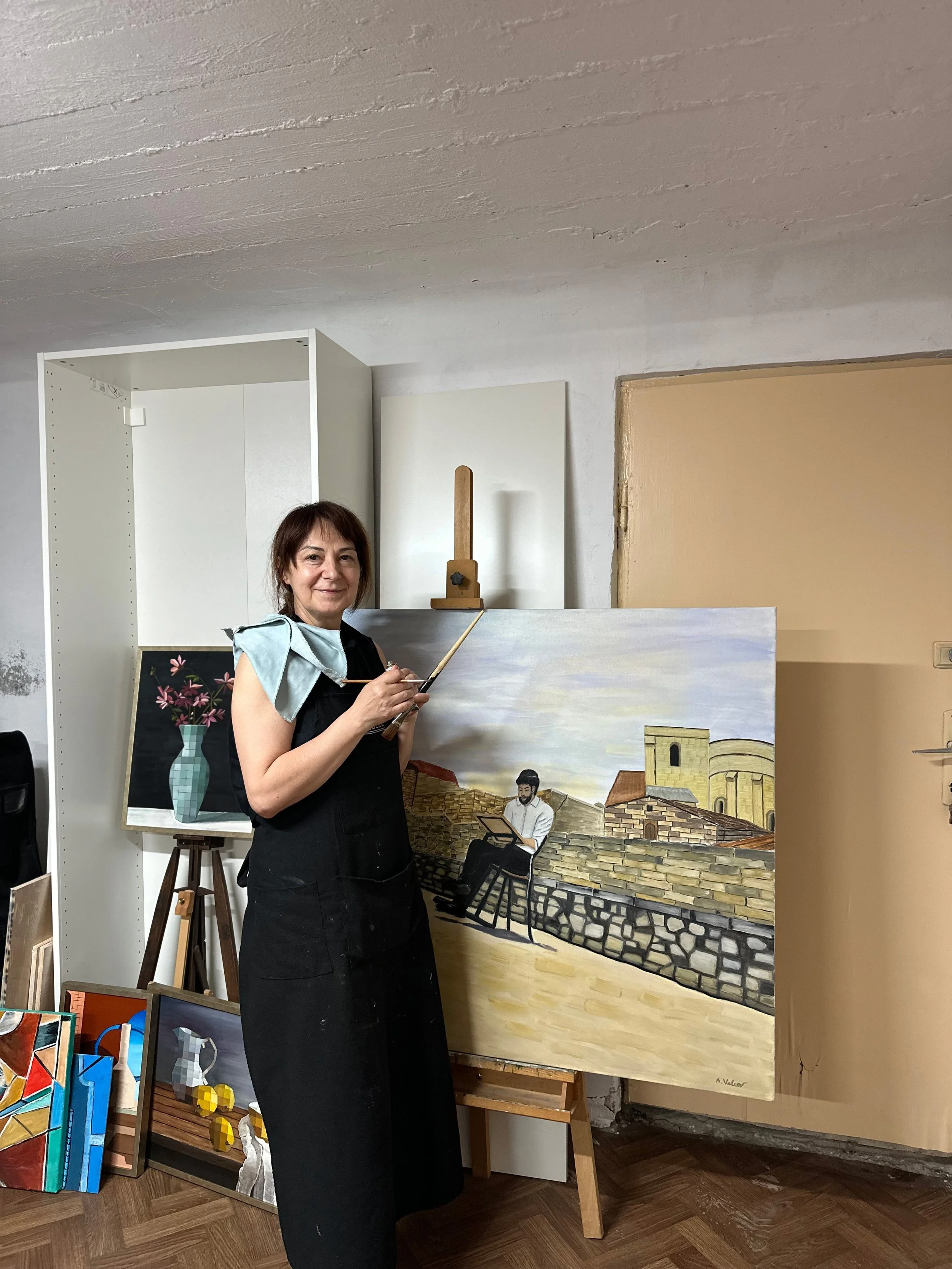
Your work seems to operate within a dialectic between memory and contemporaneity, where cultural identity is neither fixed nor nostalgically retrieved, but rather continuously rearticulated. Could you elaborate on how this negotiation unfolds within your studio process, and to what extent you conceive of painting as a site of temporal compression or even historical re-inscription?
My work in the studio is extremely demanding; especially everything related to the creation and composition.
I start from a theme that I choose, depending on the personal events but also on the social, economic, and political ones of the moment. I work a lot on sketches, I think about which elements are suitable for what I want to convey and how I can integrate them; I analyze which medium would be more suitable: painting, drawing, a physical collage or a digital one?
Veronique Avril
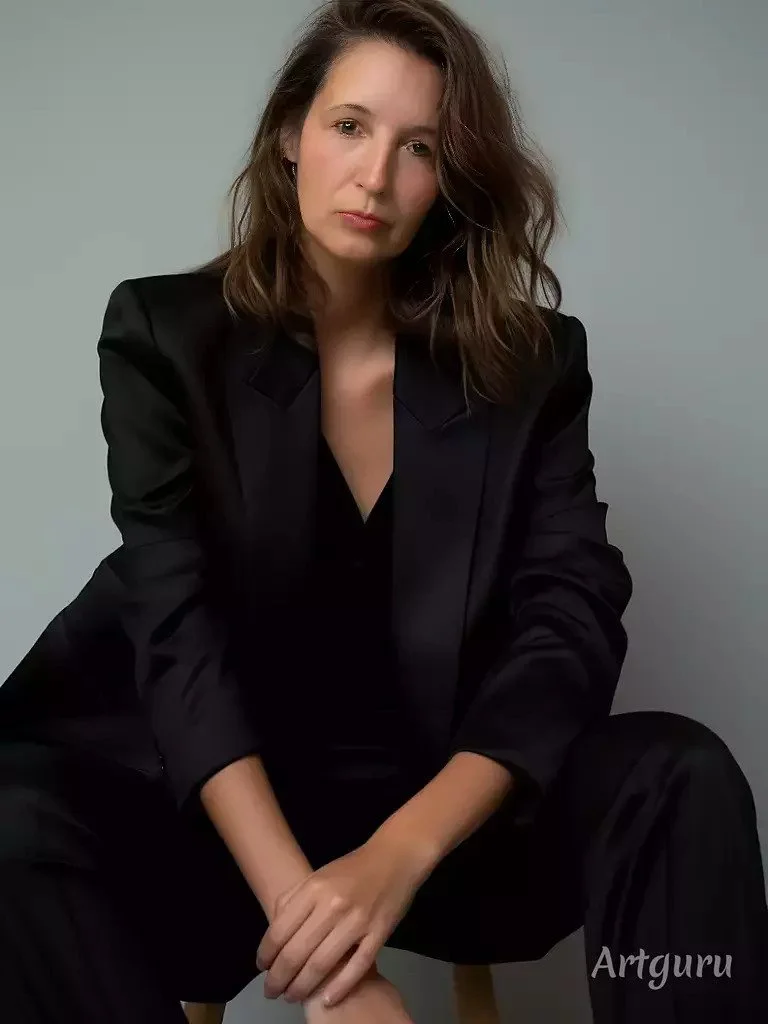
Veronique, in your recent works, one senses a persistent oscillation between the ornamental and the ontological, particularly in the way mechanical structures, organic motifs, and symbolic figuration cohabit a single pictorial field; could you elaborate on how this dialectic between artifice and nature functions not merely as aesthetic contrast but as a cognitive framework through which you negotiate subjectivity and perception?
My work is designed so that everyone can experience it in their own way, fully aware that the perception of a work of art differs from one person to another. I establish a cognitive framework through various motifs so that everyone can find their place within it. Everything in life is subjective beauty, art, aesthetics, and the perception of things and in this, I establish an aesthetic and cognitive framework.