
Sotaro Takanami
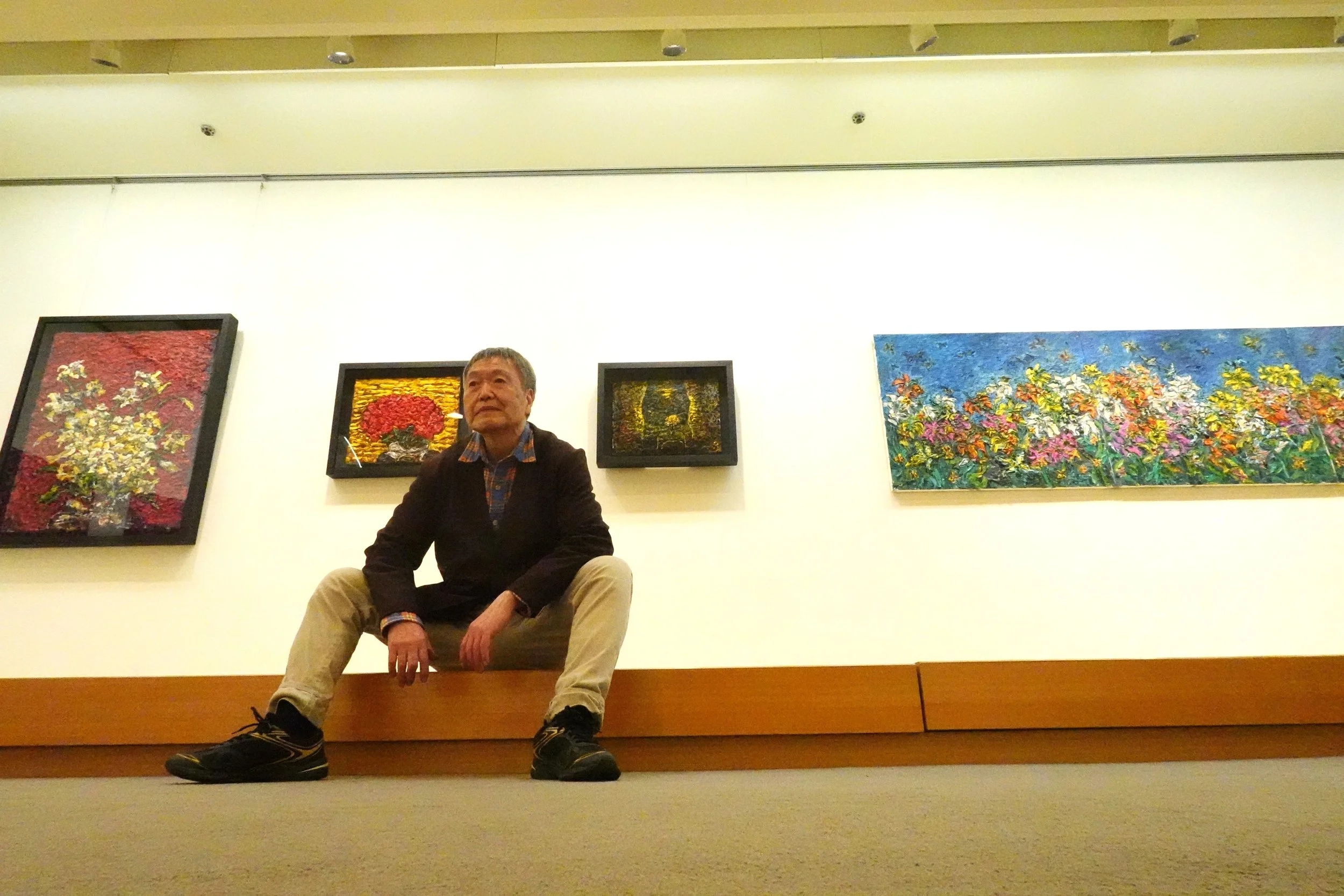
1949 Born in Tokyo, Japan. 1973 Graduated from Tama Art University, Department of Oil Painting. 1986 The Française Collection released a wood cut print book “Nature” in Tokyo and Paris at the same time. 1990~ I had held more than 100 solo exhibitions at Takashimaya department 2024 store art galleries nationwide. I had many time solo exhibitions at galleries throughout Japan. 2004 Exhibition of the original Twelve Monkey Haiku wood-cut prints at Gallery Yoshii (Paris). Twelve Monkey Haiku published by RMN (Reunion des Musees Nationaux, France). Twelve Monkey Haiku appeared in the Louvre and major bookstores in France. Invited by President Chirac to a supper at the Elysee Palace. 2010 The Sasakawa Peace Foundation publishes “THE BIGINNING OF SPACE” for the Middle East. Created design of sumo wrestler’s ornamental apron for Yokozuna Hakuho. 2024 Two-month Special solo exhibition at Takashimaya Archives: “Takanami Sotaro : A Devotion to Painting.” I had exhibited many exhibitions in various parts of the world. (USA Paris, Monaco, Austria, Cannes, Switzerland, Germany). 2025, Art Celebrity Magazine was published in Spain. It was published in Spain's ARTLO Magazine.
Sotaro, in recent Celebrity Magazine magazine, the interview format appears deceptively transparent, yet it constructs a carefully mediated self-portrait through language. How did you experience the translation of your painterly sensibility into this discursive form? Did it clarify your practice, or did it expose a gap between what painting can articulate and what language inevitably fails to contain?
I have three to five solo exhibitions in Japan every year, so I think I understand the evaluation in Japan. I'm very happy that people outside of Japan can see my work, and I'm very interested in what kind of evaluation they will make. Behind the painting, there is often a way of life and a dramatic story of the artist. It was very valuable to be introduced to my story so far and to comment on it.
I like Japanese literary writers such as Yukio Mishima, Kenzaburo Oe, Osamu Dazai, Hidemitsu Tanaka, etc. Of course, it also includes fiction, but you can clearly feel their living footprints. And I think I'm a private artist too. However, if you write "sad" in literature, the person who reads it will understand the sadness. However, I think many people understand that if the painting expresses darkness with bright colors, this artist is bright.
I think that if you want to draw a single picture, you need a theme. For example, when I draw flowers, they contain joy, sadness, moved, anguish, conflict, secrets, darkness, and everything. Therefore, the viewer who wants to understand the painting deeply needs the same energy as the artist.
Therefore, in conclusion, I don't feel any gap between the expression and criticism of my paintings, and there is no dilemma about it. The viewer just needs to feel it in their own way.
The reception of that publication, particularly the strength of its critical review, situates your work within an institutional frame of validation. Do you experience such reception as a form of closure around your practice, or does it provoke a renewed instability, an obligation to exceed the very terms through which your work is being affirmed?
I think this review was a very big break. I am very grateful to be able to see what I have created by people outside of Japan. And there is no anxiety at all. Rather, I am impressed that you are looking at the picture quite deeply.
You have remarked that certain works from your past have returned to your consciousness with unusual intensity. Do these resurfacing images function as unresolved problems within your oeuvre, or do they operate more like mnemonic structures, sites where time folds back onto itself and demands re-engagement?
The works up to my 30s are completely independent because I can't paint with the feeling I had at that time (I was very sad). However, since then, I have changed and have often modified the abstract series "Wildflowers, Sea, Bamboo, Collage, Sunset, Clouds", etc., thinking that it would be better if I added them now.
At that point, I have been pursuing and pursuing to the ultimate state where I can no longer draw, but as time passes, I realize that the degree of perfection is low. When there is a sudden flash of light and modifications, the painting comes to life and becomes more sparkling, and I feel happy and alive. The relationship with the work depends on the state of mind and the degree of perfection.
Your description of painting resists representation and instead foregrounds sensation, emotion, and internal necessity. Yet this position risks being read as an appeal to immediacy. How do you account for the role of discipline, repetition, and formal constraint in structuring what might otherwise appear as purely affective expression?
I get emotional, move the brush quickly, grab the tube, and hit it. There are many such acts. Especially when you enter another world, your hands move naturally, and time passes regardless of the color or the form. At times like this, the important thing is to have a solid foundation and have a third eye, the eye of the universe, that allows you to see yourself from a bird's eye view. The more emotional you are, the wider this third eye opens, and you move forward without feeling the passage of time.
I like bacon in the era after Picasso, but that form was created while encountering many unexpected accidents while painting. The important thing for me is that accidental forms are born in unexpected accidents. It will break the previous notions and become a new discovery. That's how I want to move forward.
In earlier conversations, your mother emerged as a central figure within the psychic architecture of your work. In turning now toward your father, does this shift introduce a different symbolic order, perhaps one less anchored in intimacy and more in distance, structure, or historical consciousness?
In the previous interview, I talked about my mother. This time, I would like to talk a little about my father. When I was in the first year of elementary school, I was very bright personality and popular in my class, and it was a fun period in my childhood. To introduce one episode, there was a part where I always colored the page to complete the picture in the writing practice. For example, in the case of landscapes, etc., I always imagined the sunset sky and used yellow, red, and purple, and I was always stamped that the pictures were done very well without being praised for the letters.
The female teacher always praised me with loving eyes, paying attention to the dirtiness of my nails. It is an unforgettable memory. I didn't realize until I was in the second year of elementary school, but my father was a hired car driver, stayed overnight for one day, and always drank alcohol on the second night. I was always worried in fact, father was an alcoholic, so the house was a big mess with my neighbors involved. Because of this, I have been suffering from digestive diseases since I was in the first year of junior high school.
When I was an art student, my best friend looked at my father's sketch and said, "your dad more talented than you." My father wanted to be a painter, and he took me to the riverbank and only drew clouds.
In later years, my father also got older, so drank less and I didn't care about it anymore. After the age of 60, I thought that I was already destined to become a painter when I was in my mother's womb because I inherited my father's talent for painting and my mother's passionate family blood.
Now that my parents have passed away, I am grateful to my parents and talk to the photo of the parents every morning. I think the influence of my father's paintings was latent in me. Now it's all about me.
To what extent does the figure of your father reconfigure your understanding of inheritance, not only biographical inheritance, but also artistic lineage? Does it alter how you situate yourself within the continuum of Japanese and international painting?
My father said that he couldn't make a living by painting and opposed me becoming a painter. When I was accepted into art school, and shortly before my father passed away, I was gradually being featured in the media, so I think my father was happy.
I inherited my father's blood and entered art school, but in Japan, I had to choose between Japanese painting and Western painting. It is said that Japanese painting values the margins in a unique Japanese way of expression, and that the Japanese heart resides there. First of all, and drawing, then drawing... If anything, there was a craftsmanship element and an apprenticeship system, and the mainstream was to ask for guidance from the teacher.
I chose a Western painting without hesitation. This is because you can directly hit your emotions and immerse yourself in the painting alone without interacting with others. Until now, I have not belonged to any organization and have gone my own way. No matter how far you go, there is no goal, but you just move forward.
As you approach your seventy-seventh year, you speak of the rest of your life not as a conclusion, but as an active horizon. How has your awareness of finitude altered your relation to time within the act of painting? Does it intensify urgency, or does it produce a more measured, even suspended temporality?
Even at the age of 77, I think that the desire to be strong in the midst of what I feel at that time, joy, moved, anxiety, darkness, lies, and conflict, will come out in the painting. I have felt the idea of death strongly since I was sick when I was young, and I have always felt urgent in my paintings to this day. As I get older, it becomes more serious when problems appear in various places, but now that my path is clear, I want to somehow overcome it, move forward as much as possible, and grasp something new.
You describe painting as something akin to sustenance, “water in a desert.” At this stage in your life, does this metaphor still imply necessity and survival, or has it shifted toward something more reflective, perhaps even metaphysical, a dialogue not with life, but with its limits?
The feeling of "desert water" has not changed in me at all. At one point, I felt like I saw the end of a certain series, and when I thought about what I was going to do from now on for just a moment, I felt that there was really no point in living.
There was no canvas, so when I started painting my lover on the board there, my heart calmed down and I felt alive. I sometimes thought about whether I would live to paint or paint to live, but at that time I was convinced that I paint to live. And what I always feel about painting starts when I think it's over.
When I'm done, I'm drawing with my previous ideas, so I have to break the picture from there and go on a journey to discover something new and something I've never seen before. And the answer is always metaphysical and cannot be explained in words.
The daily return to the canvas suggests a ritual structure, yet you have expressed resistance to repetition. How do you negotiate this paradox, that the very condition for newness in your work may in fact depend upon a disciplined repetition of gesture, time, and attention?
I think I've experienced both the worst and Eden. And these two extreme experiences have become traumatic and are still bound by curses. But I feel that this is the foundation of my creative activities. The festival of youth has passed, and daily life is a series of repetitions. My daily routine is almost always done as I have decided at intervals of about plus or minus 10 minutes. That's a repetition that makes you hate it.
But that means that in more than half a century of experience, I create works at a fixed time. This is because sensitivity, intuition, inspiration, and the voice of heaven are the most felt. And if you draw a picture, you will make new discoveries and get the same feeling as when you fell in love in Eden. I only make new discoveries when I am painting. Therefore, I believe that the repetitive life every day is for painting.
Looking forward, do you imagine your remaining work as moving toward a form of resolution, a distillation of the questions that have animated your practice, or do you instead embrace the idea that painting must remain fundamentally unresolved, a field in which meaning is continuously deferred rather than achieved?
I think that painting will never come to a conclusion that I am satisfied with. It will be the same even if you live for the next 100 years. A single canvas is a microcosm, and you can sort an infinite number of stars. Therefore, if there is even a little answer, I will try to get closer to it, and I would like to seek unprecedented experiences, surprises, excitement, and a sense of living through the repetition of painting.
That's why if there is an answer, I want to get closer and keep painting in search of new experiences, surprises, excitement and a feeling of being alive. If possible, with writers who live in the same era and whom I can respect, I would like to put a painting in a row somewhere and hear what the artist has to say.
https://youtu.be/gla4kbTbQ0Y
https://takanami-sotaro.myshopify.com/ja/collections/all
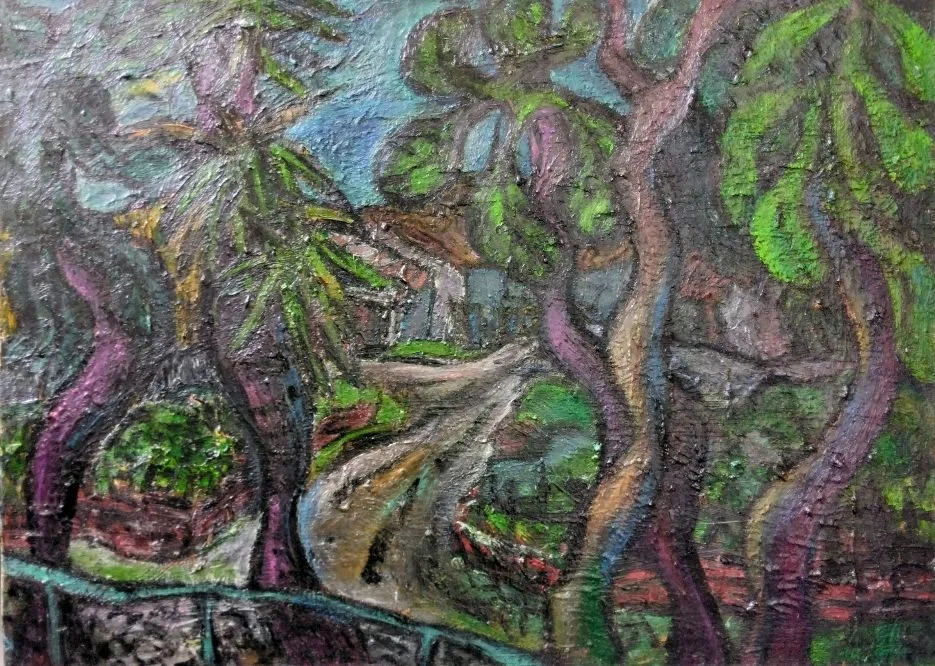
Botanical Garden, 1981. Oil on Canvas, 53×72.7cm,
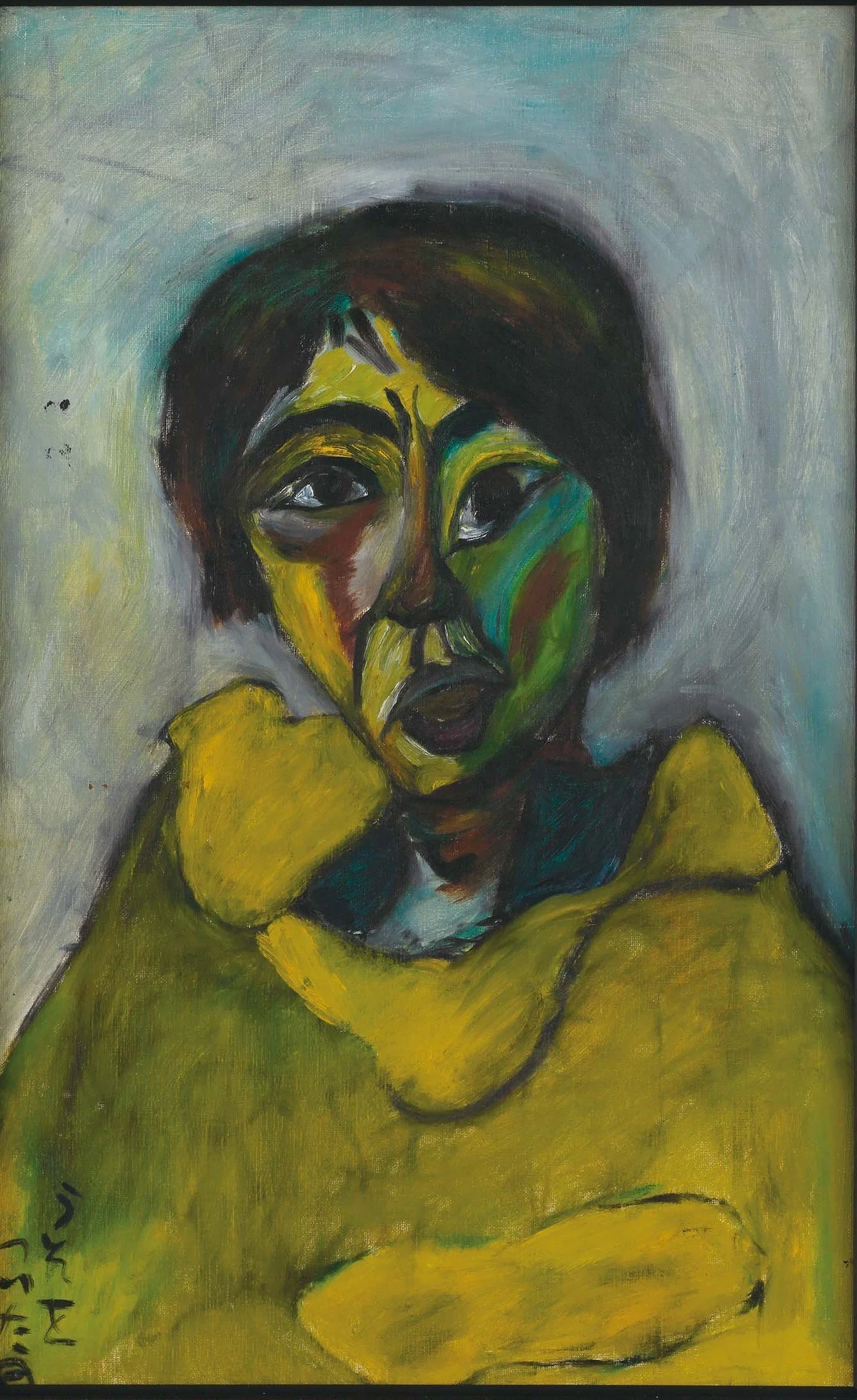
The Day I Lied, 1978. Oil on Canvas, 68.3×43cm
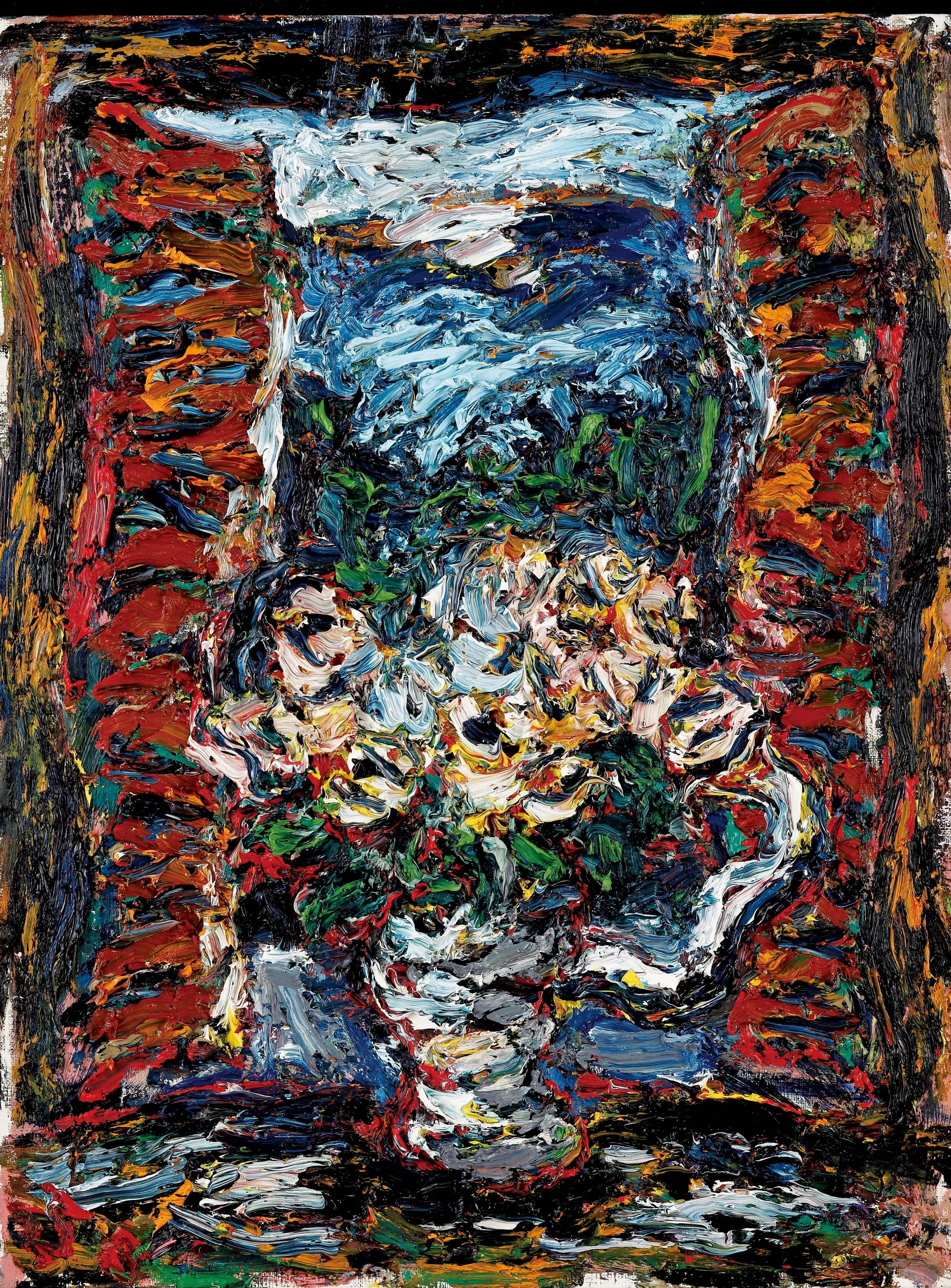
Le Jour Souhaite, 2021. Oil on Canvas, 60.6×45.5cm
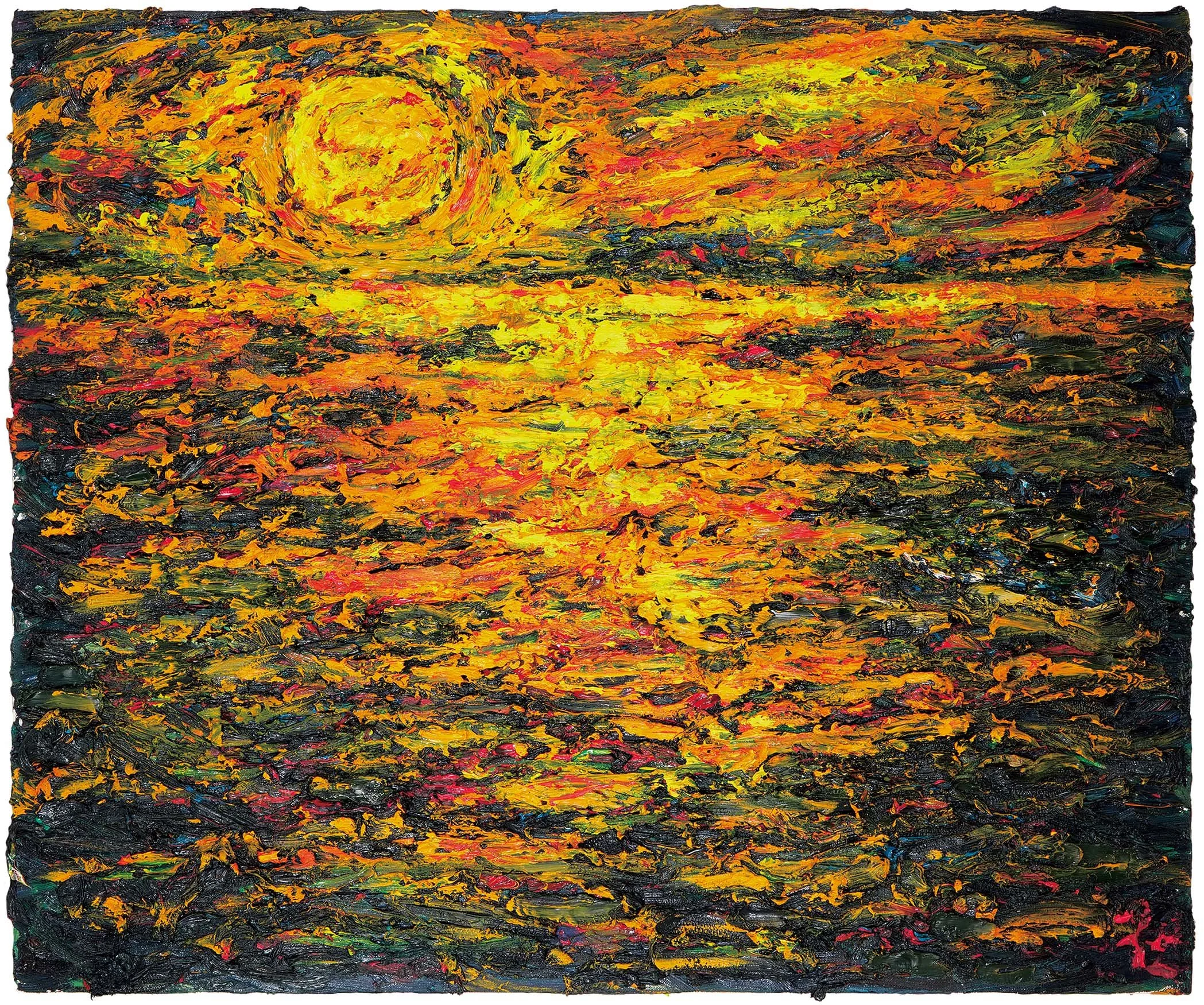
Sunset, 2021. Oil on Canvas, 60.6×72.7cm
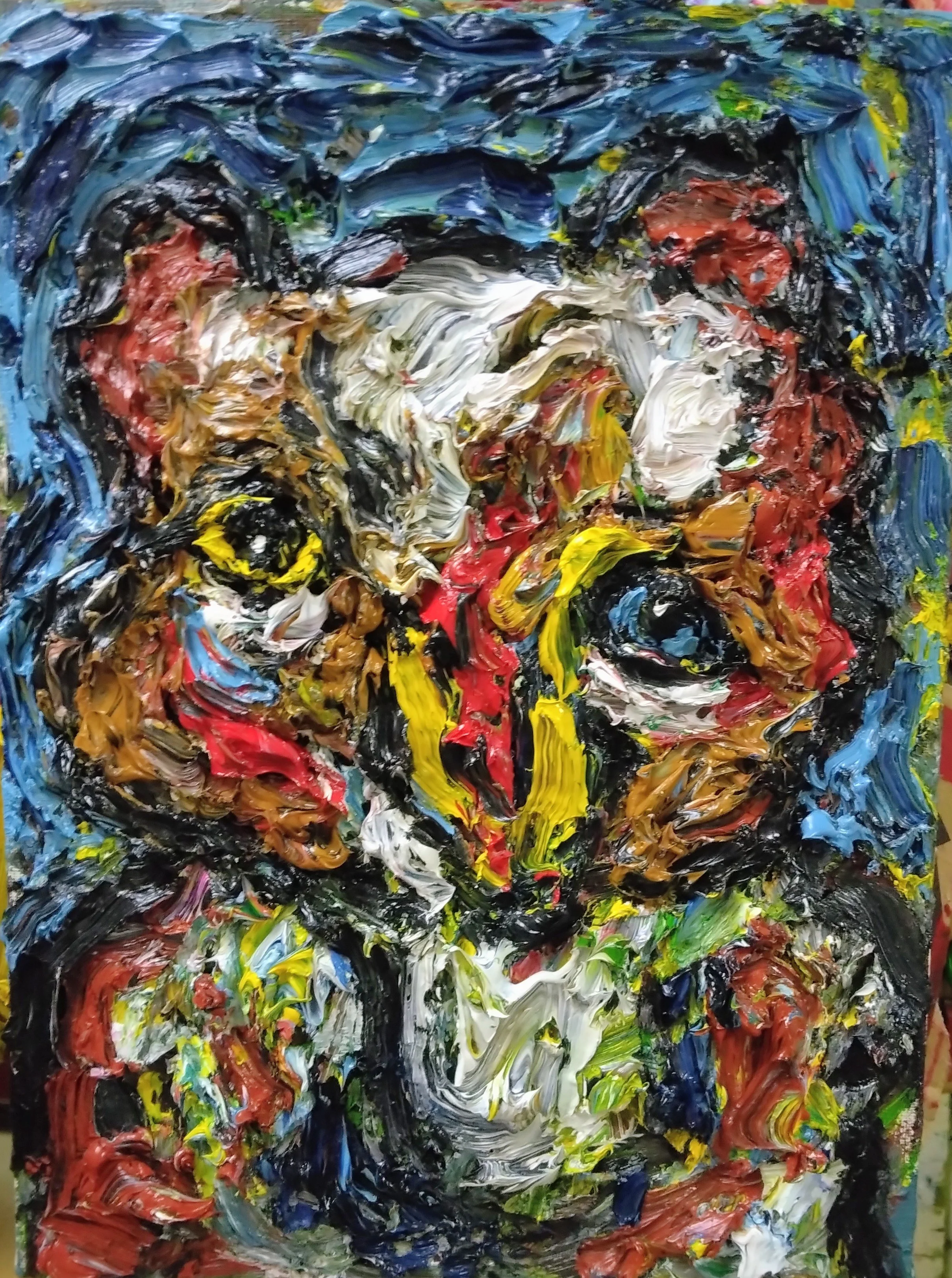
Proclamation, 2026. Oil on Canvas, 33.3×24.2cm
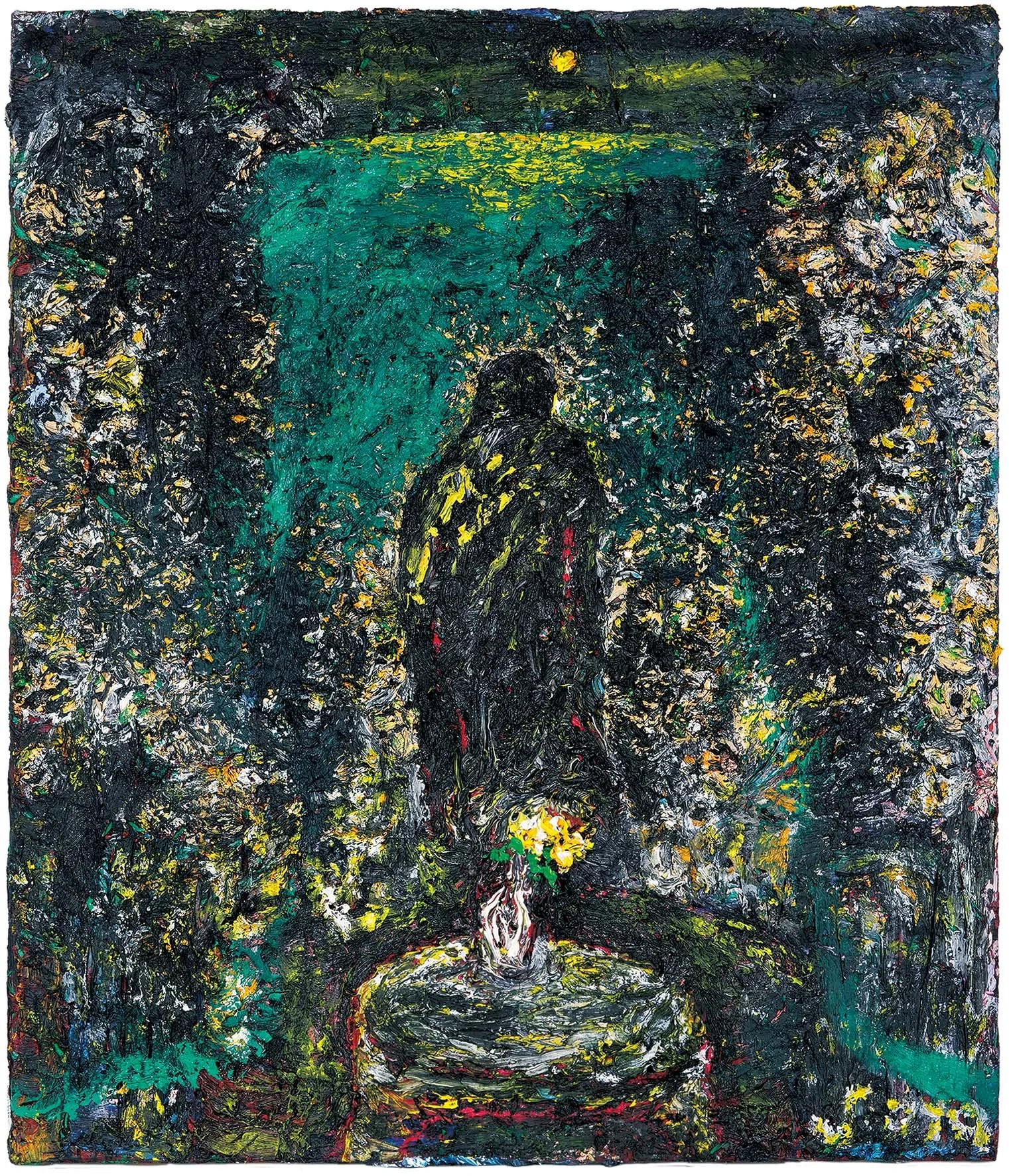
Good Bye, 2022. Oil on Canvas, 53×45.5cm
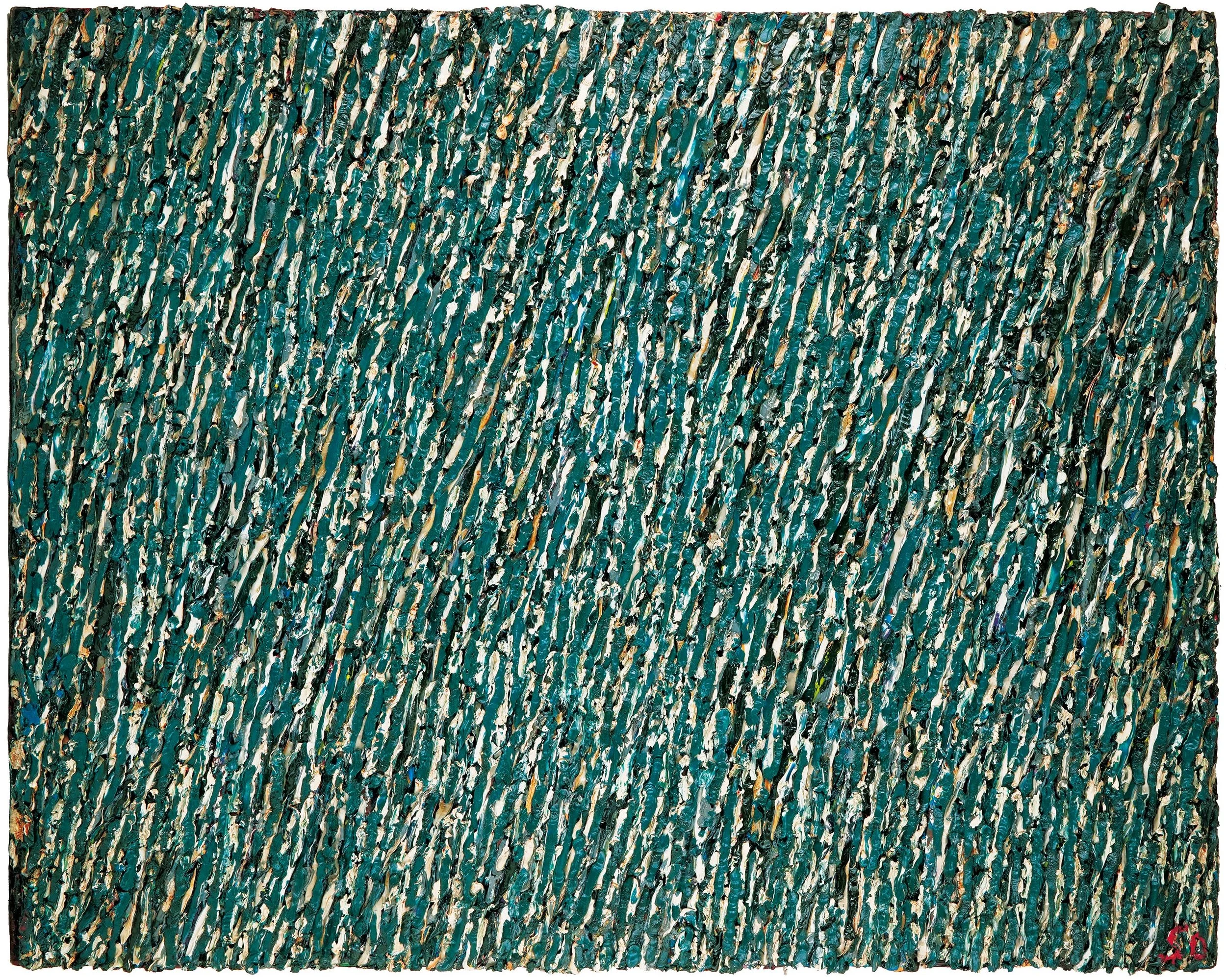
Rain, 2015. Oil on Canvas, 73×91cm
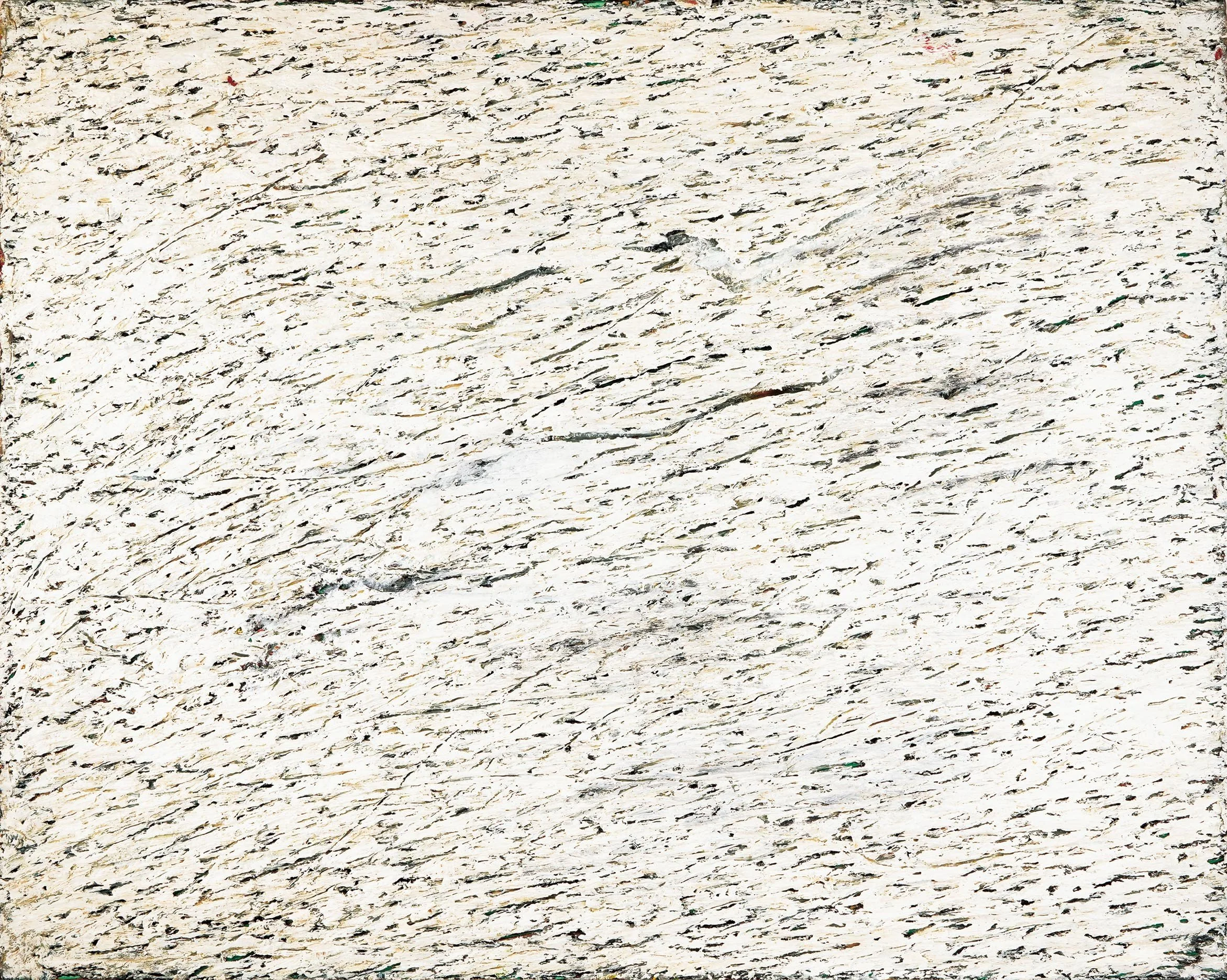
Wind, 2015. Oil on Canvas, 73×91cm
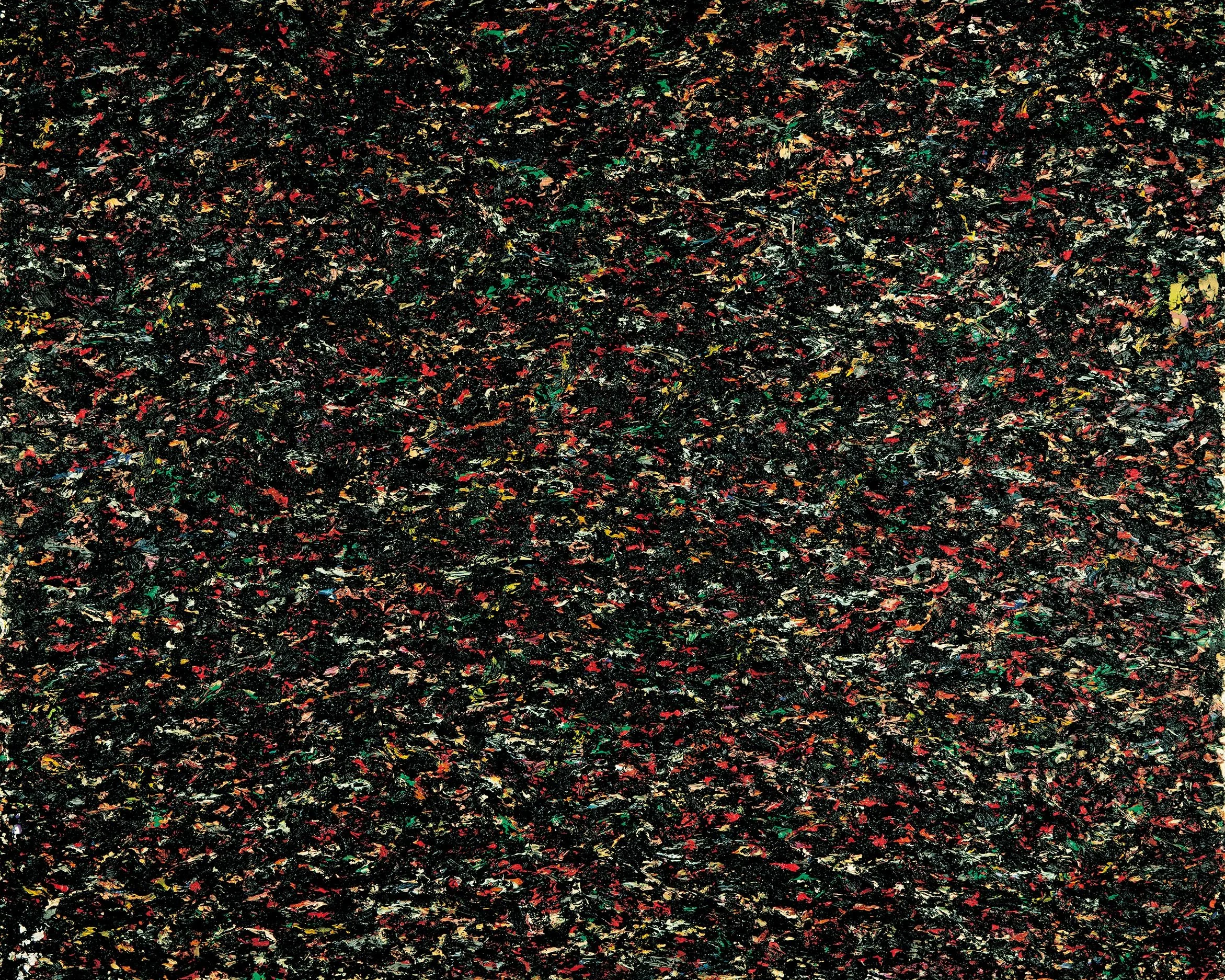
Memory, 2015. Oil on Canvas, 73×91cm
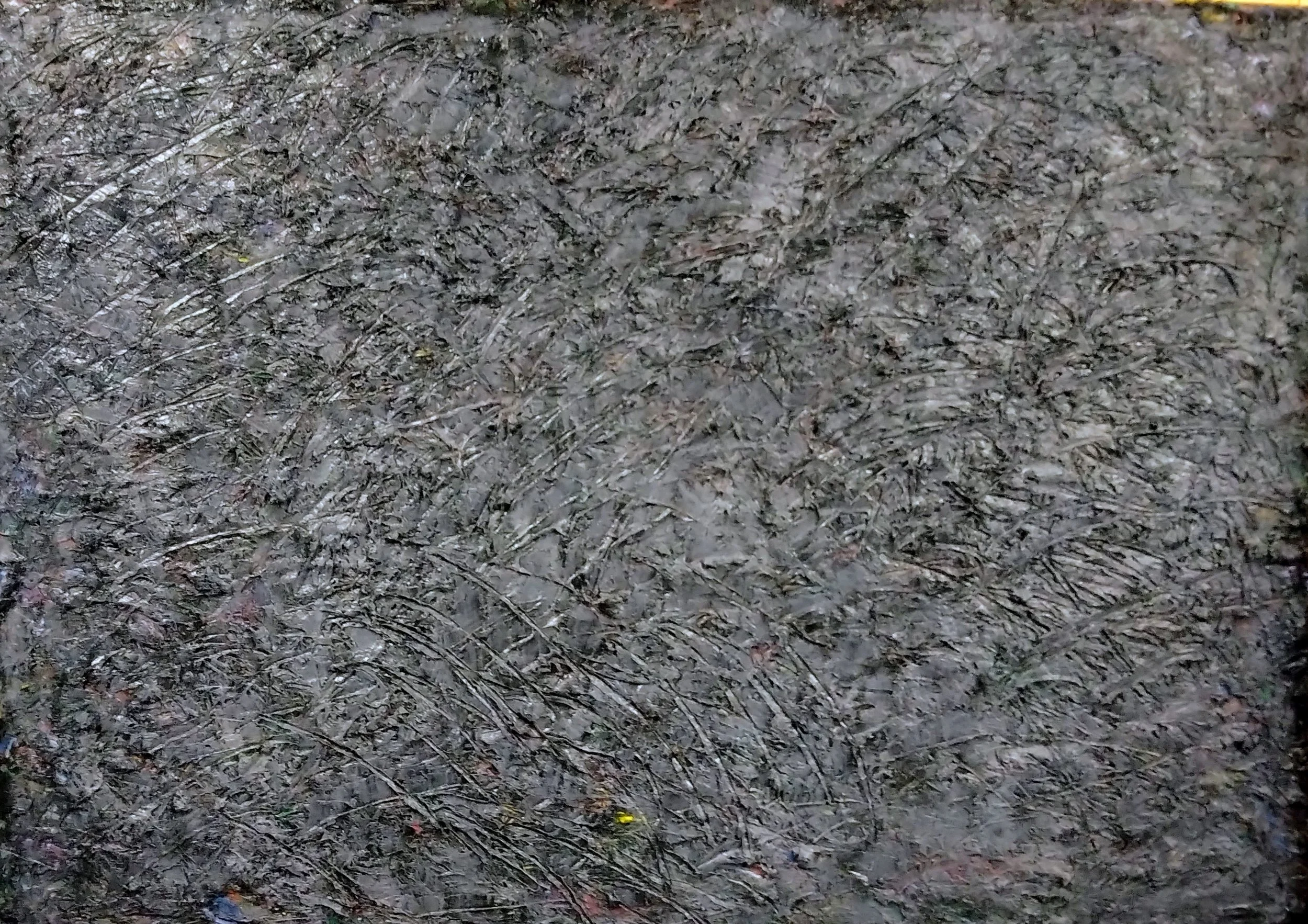
Temptation, 2026. Oil on Cardboard, 85.5×119cm
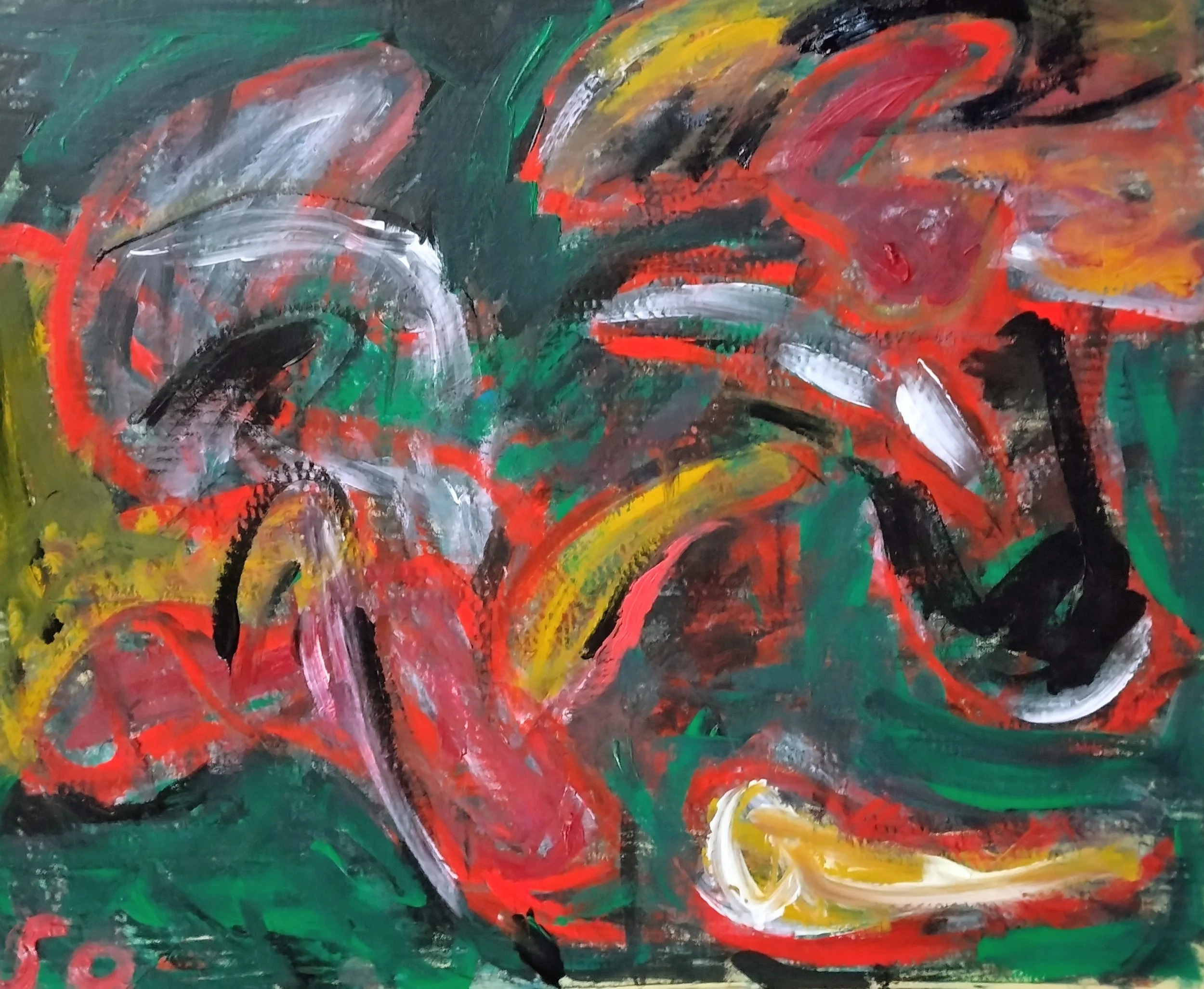
Cloud, 2026. Oil on Cardboard, 71×84cm
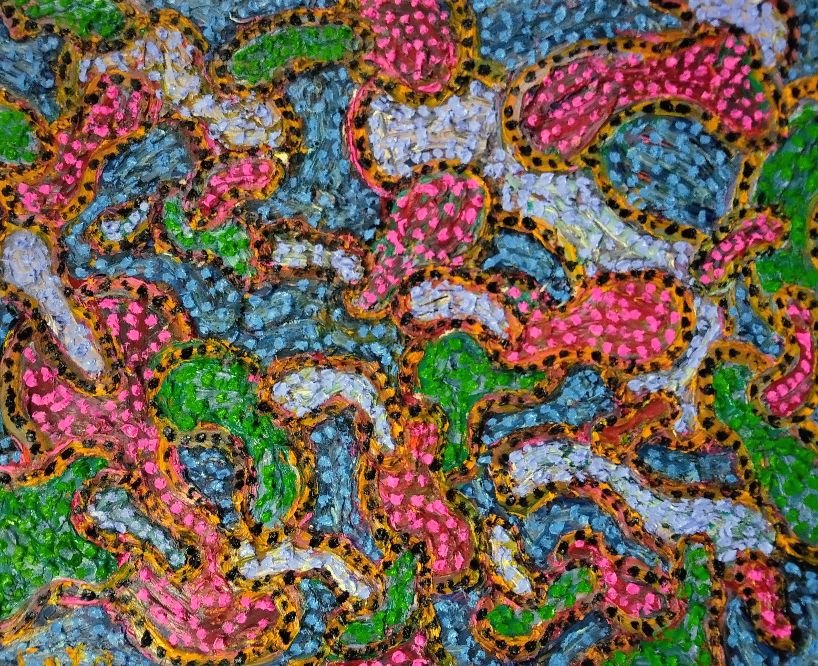
Cloud, 2026. Oil on Canvas, 76×94cm
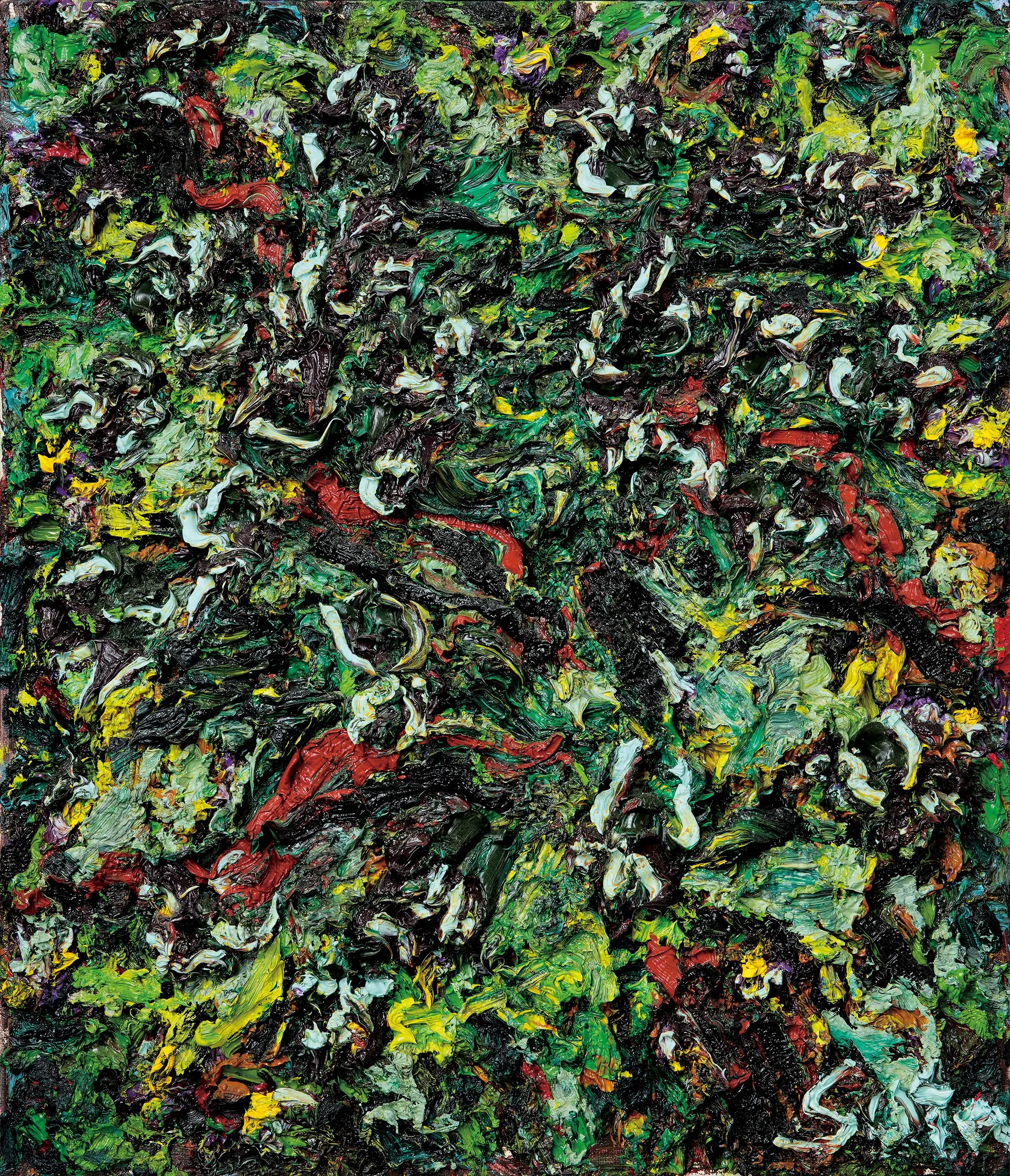
Wildflowers, 2025. Oil on Canvas, 53×45.5cm
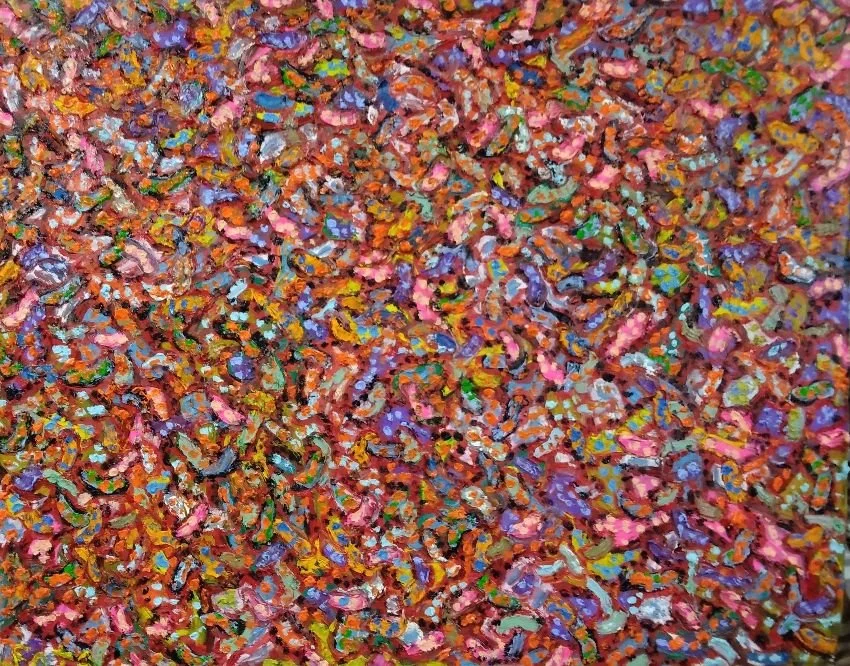
Cloud, 2026. Oil on Cardboard, 74×92cm

I want to be embrane the sea, 2020. Oil on Canbas, 72.7×455cm
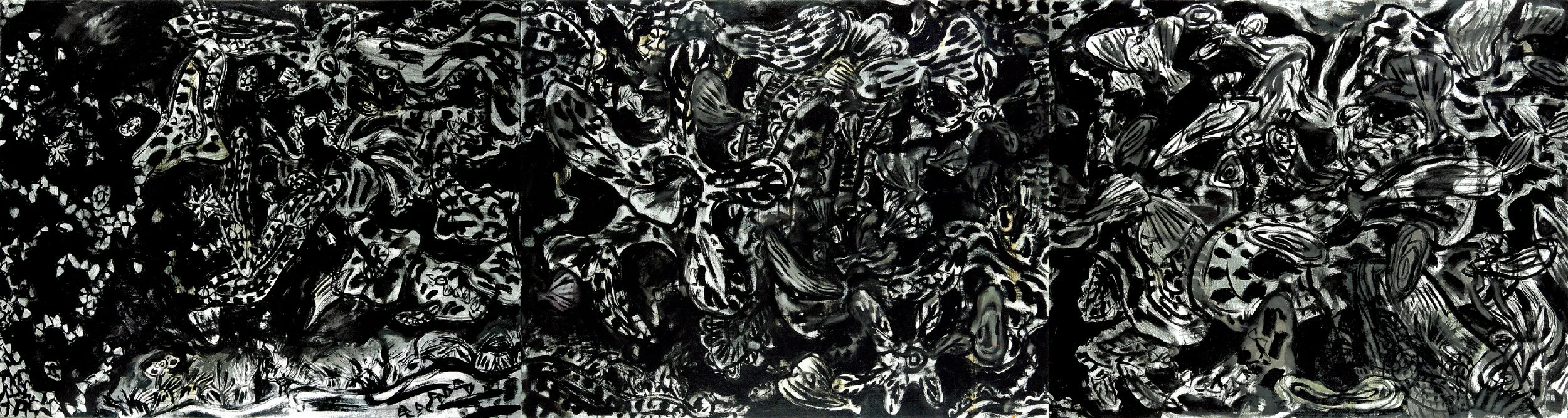
THE BIGINNING OF SPACE, 2013. Oil on Canvas
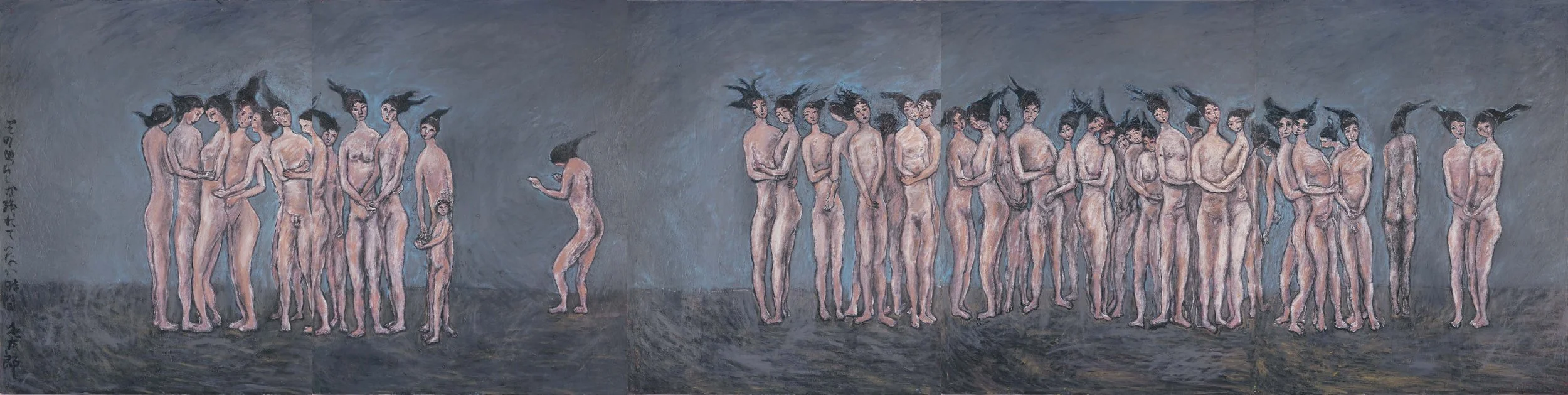
Time Flows Only Then, 2019. Oil on Canvas, 91.5×363cm

Record of youth, 2026. Collage. Oil on Cardboard, 72.7×455cm
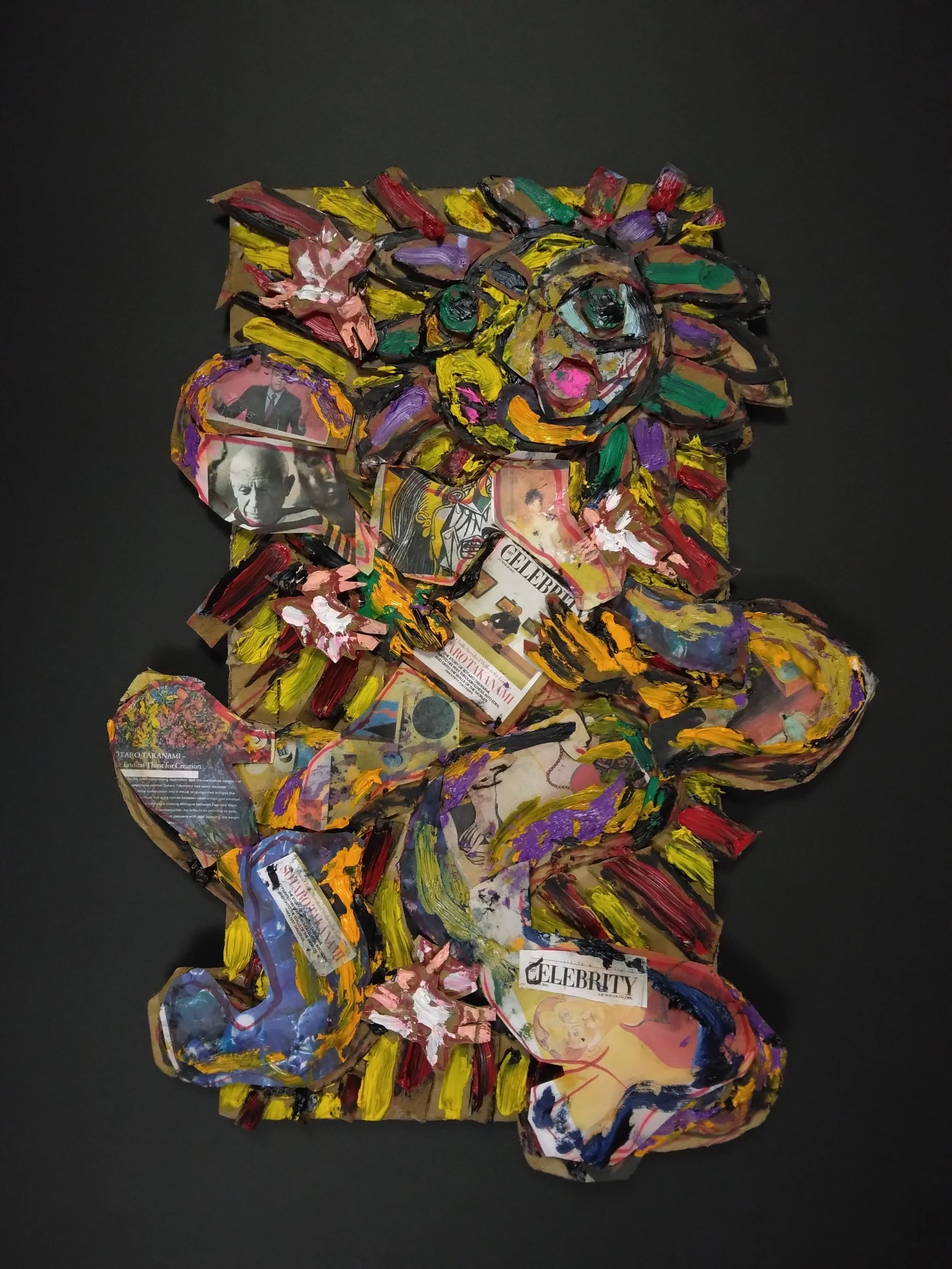
Viva Spain, 2026. Collage. Oil on Cardboard, 56×42cm
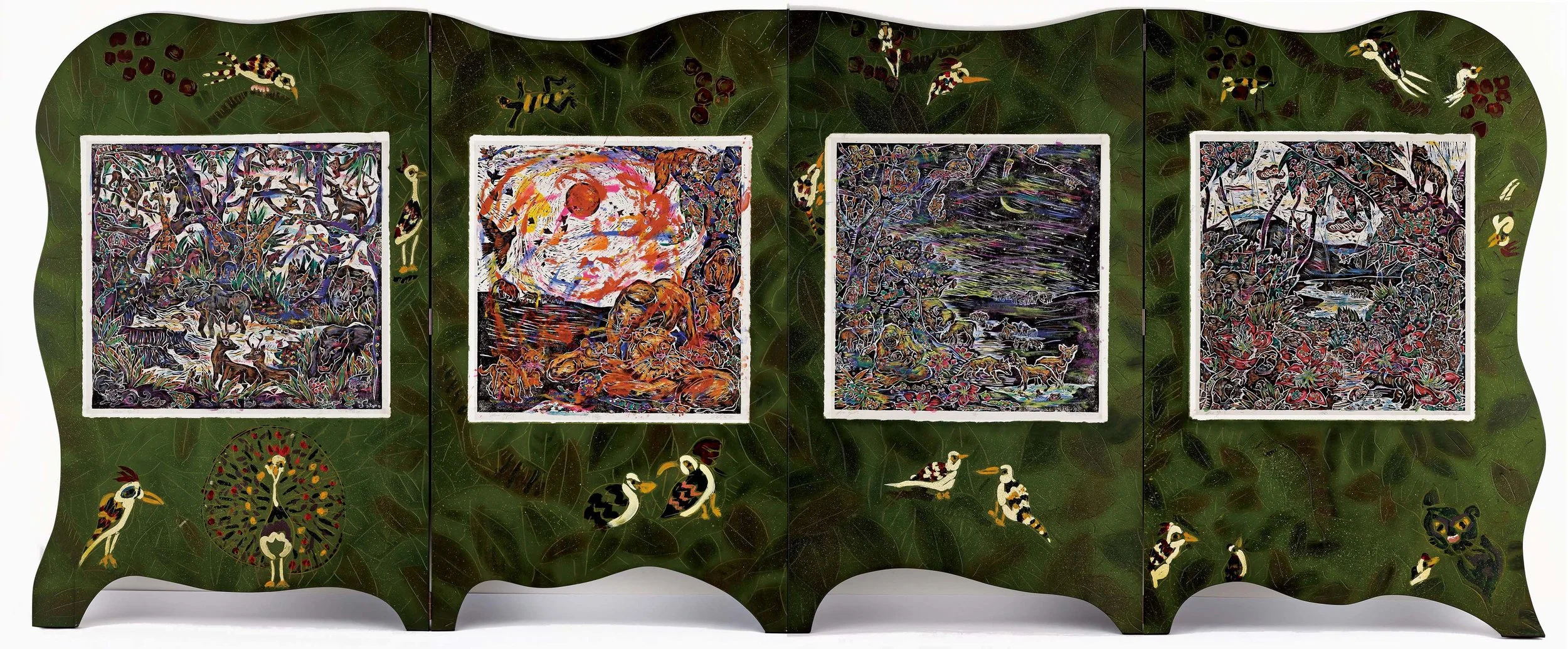
Low of the universe, 2003. Folding screen. Wood cut print. Pasted the Print onto the wood screen, 212.5×520cm