
María Aparici
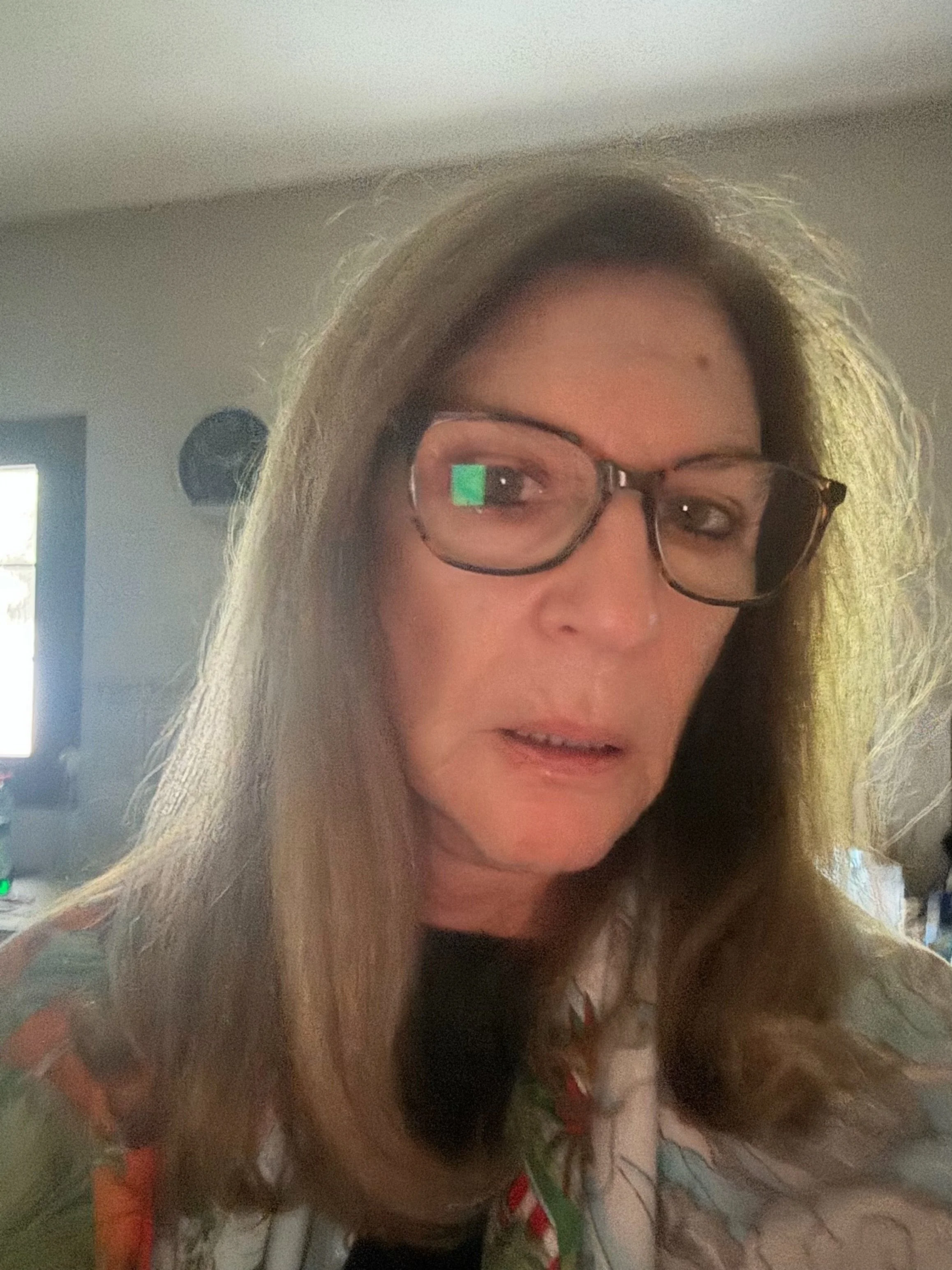
María Aparici, born in Valencia in 1952, represents a generation of Spanish artists whose careers have unfolded across both European and American contexts, resulting in a practice shaped by mobility, academic rigor, and sustained market engagement. With nearly three decades of continuous activity, Aparici’s trajectory reflects a gradual consolidation of visibility that is now translating into increased recognition within collector and institutional circles.
Her early formation at the School of Applied Arts in Burgos established a technical foundation that would later expand in the United States. In New York, she completed a degree in interior design at the New School for Social Research between 1988 and 1992, an experience that introduced a spatial and structural sensitivity that continues to inform her pictorial language. Upon returning to Madrid, she pursued further studies in painting under Amadeo Roca and ultimately obtained a Master’s degree in Fine Arts from the Complutense University in 1998. This layered education, combining applied arts, design, and fine art, situates her work within a cross-disciplinary framework that resonates with contemporary collecting trends.
Aparici’s exhibition history demonstrates early international ambition. Her late 1990s and early 2000s exhibitions in Davos and Cincinnati were complemented by a series of group shows in New York galleries, including Ward Nasse, Montserrat, and Chelsea spaces. Participation in Artexpo New York in 2001 further positioned her within a commercial art fair circuit at a time when such platforms were becoming increasingly central to market visibility.
In Spain, her relationship with Galería Orfila in Madrid has proven particularly significant, with multiple solo exhibitions spanning two decades, including recent presentations in 2020 and 2025. Additional exhibitions in Pamplona and Valencia, along with participation in fairs such as InterArte Valencia, Arte Santander, and FIABCN Barcelona, underscore a consistent presence within the national market. This dual positioning, both domestic and international, has contributed to a steady expansion of her collector base.
In recent years, Aparici has intensified her global outreach through a combination of physical and digital exhibitions. Appearances in cities such as London, Berlin, Milan, Lisbon, and New Delhi reflect a strategic alignment with an increasingly internationalized art ecosystem. Her participation in digital exhibitions linked to major events, including Art Basel, the Florence Biennale, and World Art Dubai, signals an adaptive approach to new modes of visibility that have gained prominence in the post-pandemic market landscape.
Recognition has followed this expanded presence. Aparici has received several international awards, including the Premio Scienza from the Museo d’Arte e Scienza in Milan and prizes named after Michelangelo, Botticelli, and Frida Kahlo. She was also named Artist of the Year by the Palm Art Award. These distinctions, while varied in scope, contribute to a growing profile that is reinforced by critical attention. Reviews and features in specialized publications, including Contemporary Art Curator Magazine and Contemporary Art Collectors, as well as inclusion in the 2025 Investible Artist Directory by Art Market Experts, position her within a discourse increasingly attentive to mid-career artists with established yet evolving markets.
Her inclusion in publications by Spanish critics such as Gregorio Vigil Escalera and Ángel Alonso Blanco further situates her work within a critical framework that engages with contemporary artistic debates. The selection of her painting “Wedding Planning” as cover imagery in one of these volumes suggests a degree of symbolic resonance within that discourse.
From a market perspective, Aparici’s work is already present in notable corporate and private collections, including the Daimler Collection in Germany, Investcorp in Bahrain, and Cushman & Wakefield in Madrid. Such placements indicate institutional confidence and provide a foundation for long-term value consolidation. While her market has not yet reached the speculative peaks associated with younger emerging artists, this relative stability may appeal to collectors seeking sustained artistic development over rapid turnover.
Aparici’s career reflects a slower, more deliberate ascent, one that aligns with a segment of the market increasingly interested in depth, consistency, and cross-cultural narratives. Her continued participation in international exhibitions, combined with growing critical recognition, suggests a trajectory that is still unfolding, with potential for further institutional validation and secondary market development in the coming years.
Maria, in your work, memory does not appear as mere recollection but as a structuring absence that insists upon form; how do you conceive of painting as a medium capable of both preserving and destabilizing memory’s authority?
Painting, for me, has always revolved around form—its presence and its absence—and how it shapes the way we remember. Since my first days studying art, my life has been my artistic narration; everything I live eventually filters into the work. I started by drawing Greek and Roman statues in the studio of my first tutor, Amadeo Roca, and that journey has led me to the tangled, abstract oils I make today.
I think painting both preserves and unsettles memory: the image fixes an experience, but every viewer’s interpretation shifts it slightly. What matters to me is simple: that someone who sees a painting today still remembers it tomorrow. If they do, they have understood my message—an ode to order, coherence, and a basic respect among individuals, regardless of sex.
You emphasize the necessity of dialogue between cultures, yet such dialogue is never neutral; how does your practice negotiate the friction, asymmetry, and potential misrecognition that inevitably accompany intercultural exchange?
Intercultural dialogue has always been part of art’s history, and my own path is no exception. From prehistoric rituals to Egyptian hierarchies, from Classical Greece to Rome, cultures have never blended in a neutral way; they have overlapped, clashed, and redefined one another over time. In the same way, my practice is built on layers of lived cultural encounters.
My degree in Fine Arts at the Complutense University in Madrid, Spain gave me my first artistic language: procedures, techniques, and classical drawing. My marriage to a German opened the door to the Expressionists, and my time in New York brought me face to face with Abstract artists and design training at Parsons that deeply marked me. My geometric studies coexist with classical rigor, and that tension—between countries, histories, and aesthetics—means my work can never be neutral. It lives precisely in the friction, asymmetry, and occasional misrecognition that come with crossing cultures.
Intergenerational respect in your framework seems less an ethical posture than a temporal methodology; how do your paintings materialize a conversation between inherited forms and emergent visual languages without collapsing one into the other?
Intergenerational respect, for me, is something lived over time rather than a theory. In my paintings, Rome and the Renaissance are a good metaphor: they intertwined, argued, and borrowed from each other without ever fully collapsing into one. In the same way, the languages I inherit and the ones I’m still discovering interact in my work—sometimes more defined, sometimes more diffuse—but always enriching one another.
My paintings were born in the last century and continue to consolidate in this one, so they naturally carry a long arc of influences. Artistic movements never change overnight; they shift gradually as new events disturb old certainties. My practice sits inside that slow movement, allowing inherited forms and emergent visual languages to coexist, rub against each other, and evolve without one erasing the other.
Your assertion that we must “preserve the past, reaffirm the present, and mix it with the future” proposes a non-linear temporality; how is this temporal layering enacted within the formal decisions of color, gesture, and composition?
Preserving form across time has always mattered to me, both as an artist and as a viewer of history. My own path moves through realism, figuration and expressionism toward abstraction, and all those stages stay present in how I choose color, gesture, and composition. I have a strong grounding in geometry, but I instinctively favor curves; I associate color with them more easily, and they let the line feel alive rather than rigid.
Studying color at Parsons gave me a precise, almost “magical” language to work with, so I can echo the symbolic weight color has carried from Egyptian wall painting to Byzantine icons while speaking in a contemporary voice. I think of history—from pyramids to Greek sculpture, from Roman order to Byzantine frontality—as a visible archive of how form, movement, and color have been charged with meaning. In my work, I draw from that archive with patience, taking what resonates, so that past, present, and future can sit together in the same canvas without one canceling the others. My hope is that, in time, my paintings will also become part of that legacy.
In a contemporary context increasingly oriented toward rupture and novelty, your commitment to preservation might be read as counter-discursive; how do you resist nostalgia while still insisting on the necessity of historical continuity?
I don’t see my commitment to preservation as nostalgic, but as rooted in how art has always moved through cycles of rupture and continuity. The history of art is full of moments where “novelty” was once seen as excessive or even wrong—think of how the Baroque was read either as a continuation of the Renaissance or as a pessimistic, overloaded style, or how Caravaggio’s tenebrism violently disrupted the balanced ideals of Leonardo’s sfumato.
I’m very aware that our present is saturated with information and technological change, and I don’t know which parts of it will last. What I can do is stay faithful to my message and to a sense of historical continuity: I look back, I learn from those “neos” and returns to order, and I trust that memory will eventually place what I do in the larger timeline. That insistence on continuity is less about longing for the past and more about feeding the curiosity of future viewers.
The notion of cultural dialogue in your work seems to exceed representation and enter the domain of structure; can painting itself function as a site where disparate cultural logics are not illustrated but materially entangled?
Yes, I do think painting can be that kind of structural meeting place between cultures, not just a space of illustration. In my case, I often connect it to Romanticism, the period that followed Neoclassicism and eventually opened the door to Expressionism: a spiritual art that embraced imperfection, passion, and a darker, Gothic imagination. In that sense, I feel close to Goya, whose antibullfighting, brutally expressive vision reflected a decaying society.
My own “entangled” paintings bring those histories into the present: dismembered, upside-down female figures in garish colors, which some viewers see as a necessary revelation of hidden realities and others find grotesque or unacceptable. That tension is important to me. For me, structure is simply a way of seeing reality, so the canvas becomes a place where different cultural logics—ethical, aesthetic, political—are materially knotted together rather than neatly explained.
Memory, when transmitted across generations, is often fragmented or mythologized; how does your practice engage with the instability of inherited narratives, particularly in relation to gendered histories?
For me, memory is already unstable—fragmented, repeated, criticized, and mythologized—especially when it comes to women’s histories. I can’t change that past, but I can decide how I respond to it. The only way I’ve found to express my subjectivity freely is to escape the eroticized, mistreated female myth and refuse the comfortable, sexist gaze.
In my paintings, I create vulnerable, dismembered, often upside-down women, built almost from scratch, as if inventing a new body and a new story. Neo-Expressionism, with its emotional intensity and distortion, has given me a language to do this: distorted figures, vibrant colors, and a deliberate imprecision that resists tidy narratives. Working with such a charged subject through a versatile medium like painting is how I define both my personal and artistic legacy.
Your work suggests that the present is not a stable ground but a site of negotiation between what persists and what is yet to emerge; how do you position the act of painting within this unstable present tense?
For me, painting has always existed in a kind of unstable present, caught between tradition and everything that is still emerging. The old Academies and today’s experts or curators have always tried to decide what “counts” as art; Manet was once rejected, and now we face a digital world full of images where it’s almost impossible to define what is truly meaningful.
In that context, I see painting as both a risk and a position. To stand out today, I believe it’s necessary to reopen the past, recover a sense of structure, and invent new forms that speak to ongoing issues rather than trends. For me, mastering oil painting—the most demanding and generous technique—is a way to ground myself in continuity while still negotiating with the chaos of the present.
In foregrounding intergenerational respect, do you see your practice as participating in a lineage, or as actively rewriting the terms of that lineage through rupture, distortion, and reconfiguration?
I do feel part of a long lineage, but my instinct is to challenge it rather than repeat it. I deeply respect the art of all eras, yet I believe each artist must introduce rupture and reconfiguration, stamped with their own identity.
History and memory are a rich inheritance for me, but on the canvas I don’t obey their rules. I’ve chosen to break, distort, and rework those inherited forms so that my practice doesn’t simply continue a tradition, it actively rewrites its terms.
Your articulation of responsibility toward past, present, and future introduces an ethical dimension to your work; how does this sense of responsibility shape not only what you paint, but how painting itself is mobilized as a critical act?
Responsibility, for me, is not a gentle word—it comes from surviving an unbearable misogynist society that preferred women silent, decorative, and grateful. My answer was to paint women who refuse that role: vulnerable, dismembered, upside down if necessary, but absolutely central to the image, not politely orbiting around it. These figures insist on showing a reality many would rather keep invisible, even if today violence and contempt arrive in more refined packaging.
I stand in dialogue with women artists who have also refused to behave—Cindy Sherman, Barbara Kruger, Sarah Lucas, Tracey Emin—each exposing how culture consumes, mocks, and disciplines women’s bodies and voices. In a present saturated with perfect selfies, marketable “empowerment,” and a fake democratic art system, my women stay stubbornly physical and imperfect, painted with humor, rage, and improvisation. For me, painting becomes a critical act when these figures don’t just ask for empathy; they confront, accuse, seduce, disturb—and force the viewer to decide where they stand.
Website www.mariaaparici.com
Instagram https://www.instagram.com/maparicivon/
Facebook https://www.facebook.com/maria.aparici/
Youtube https://www.youtube.com/@mariaaparici
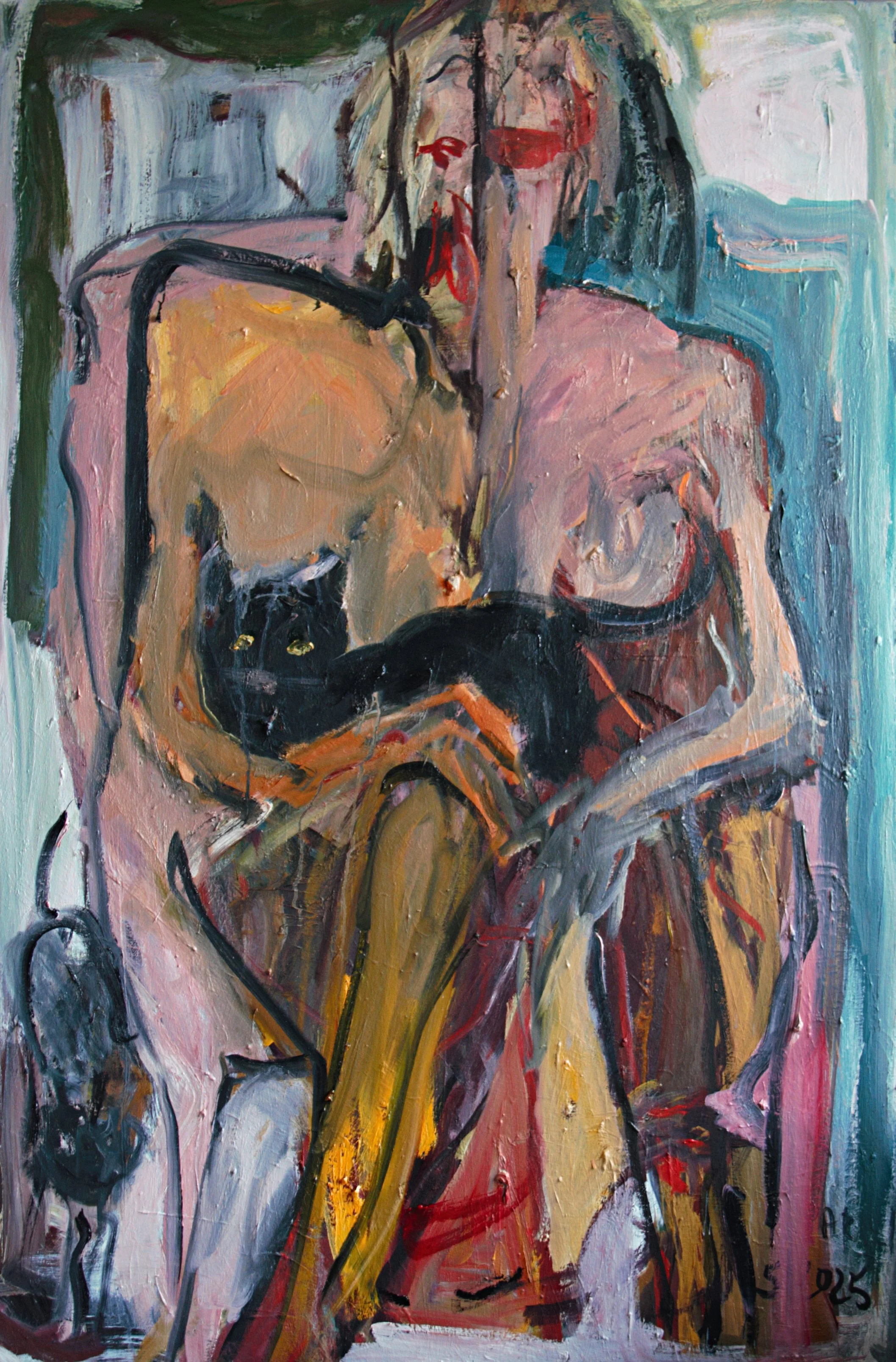
Black Mizifu, 2025, OC, 146x97cm
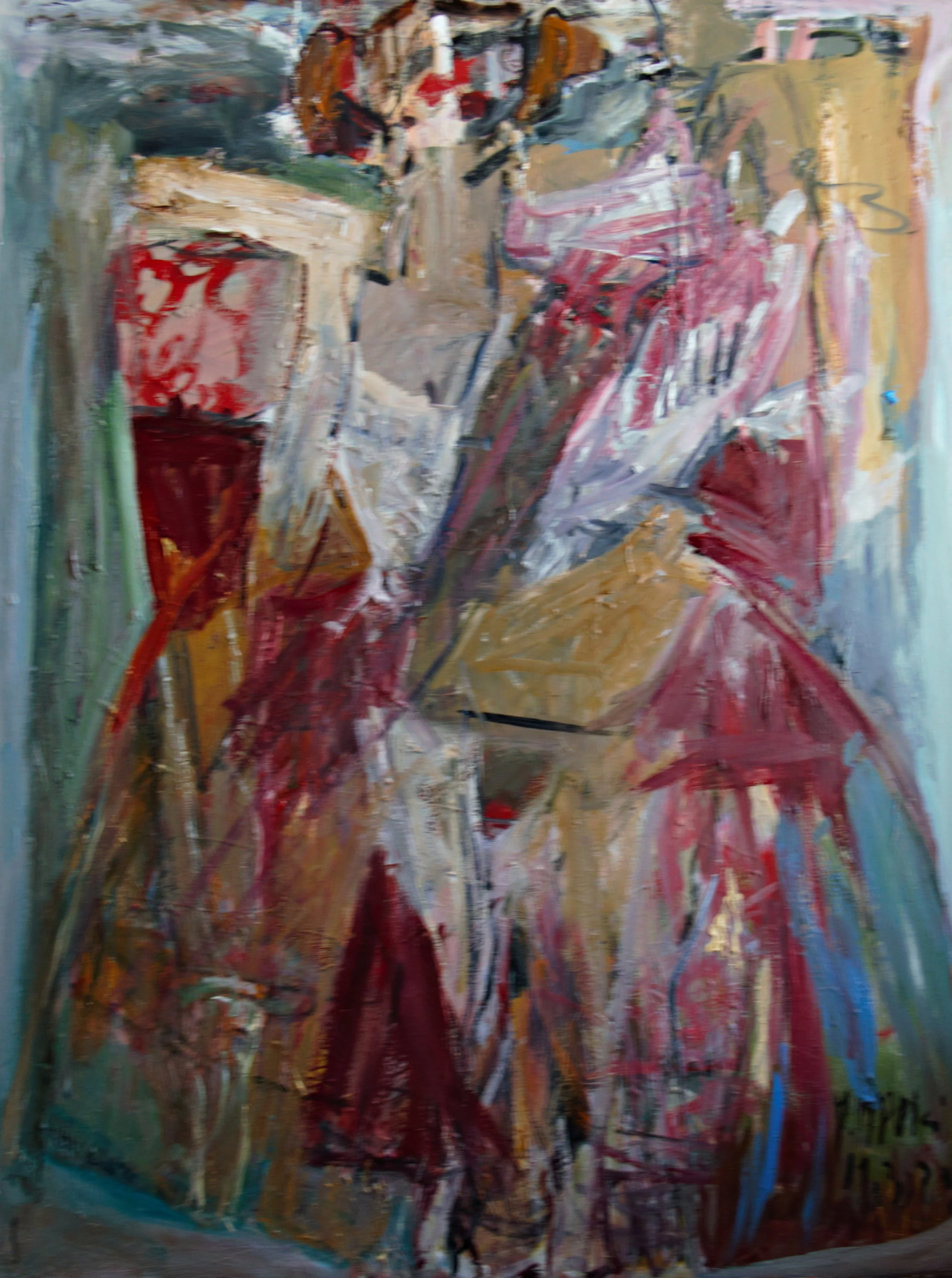
Fallera,2026.O/C 146 x 114 cm
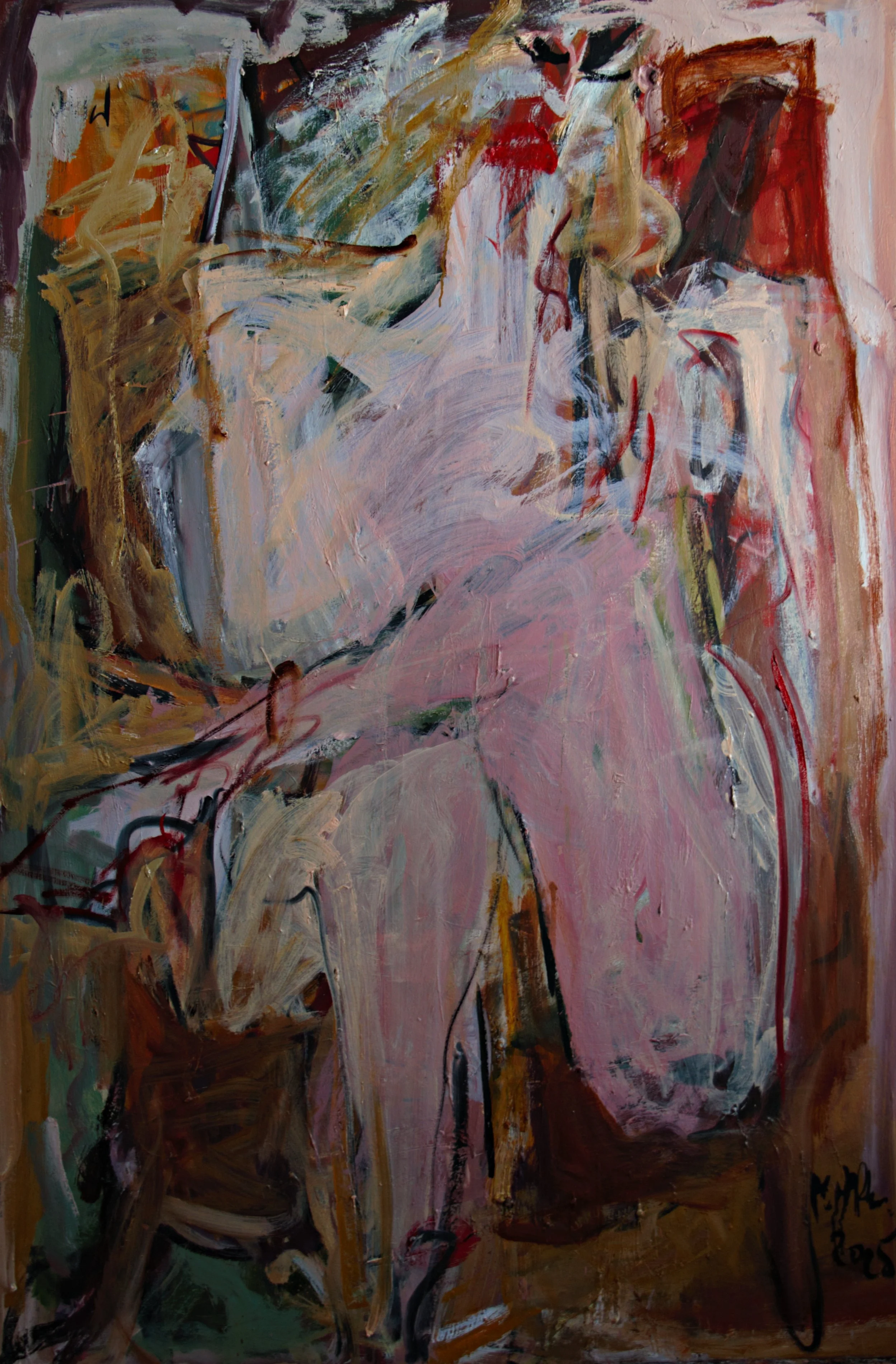
Iphone pro ,2026 146 x 97 cm
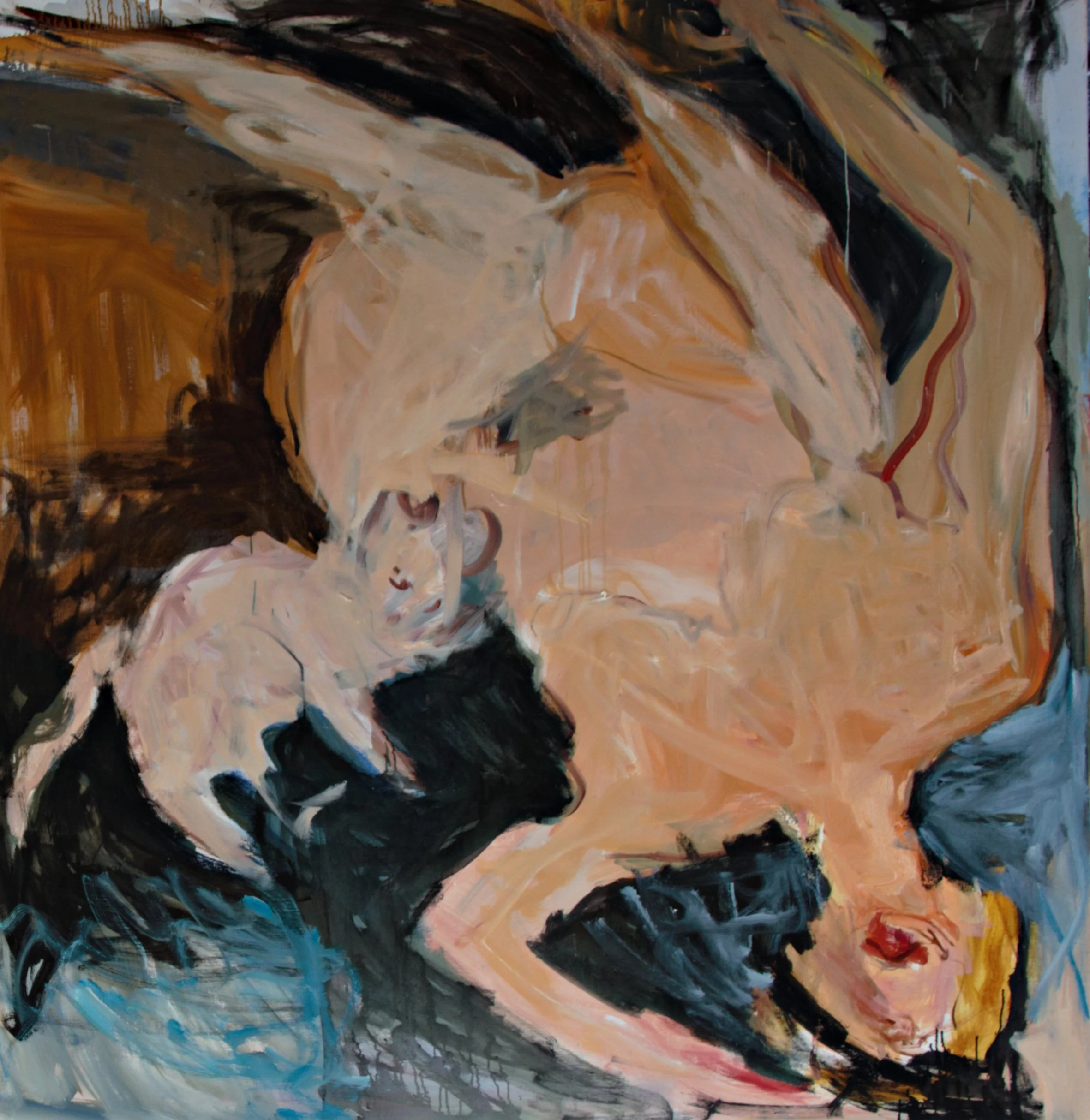
La Maja , 2026 . O/C, 170 x 160 cm
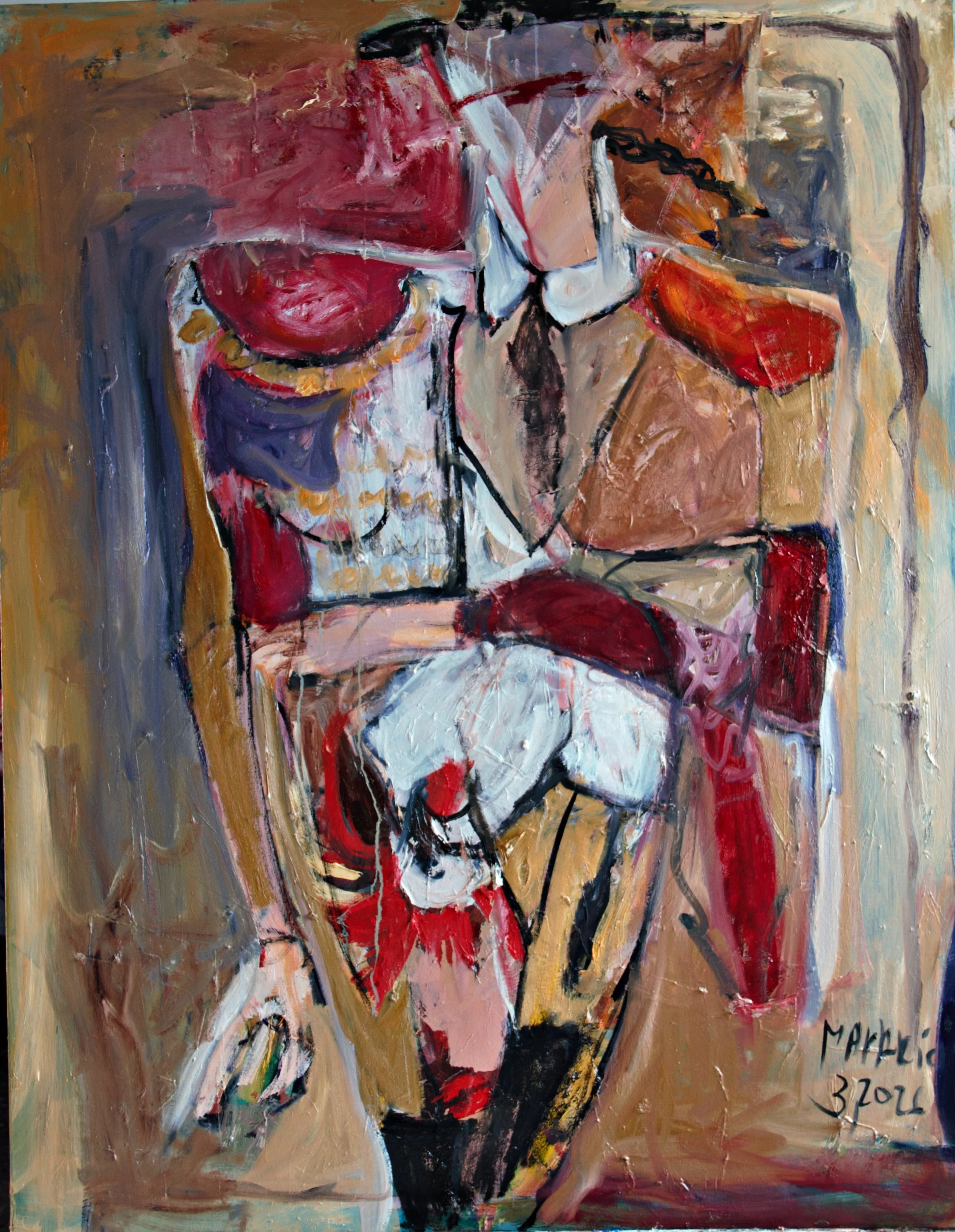
La Torera Payasa 2026 , O/C , 146 x 114 cm
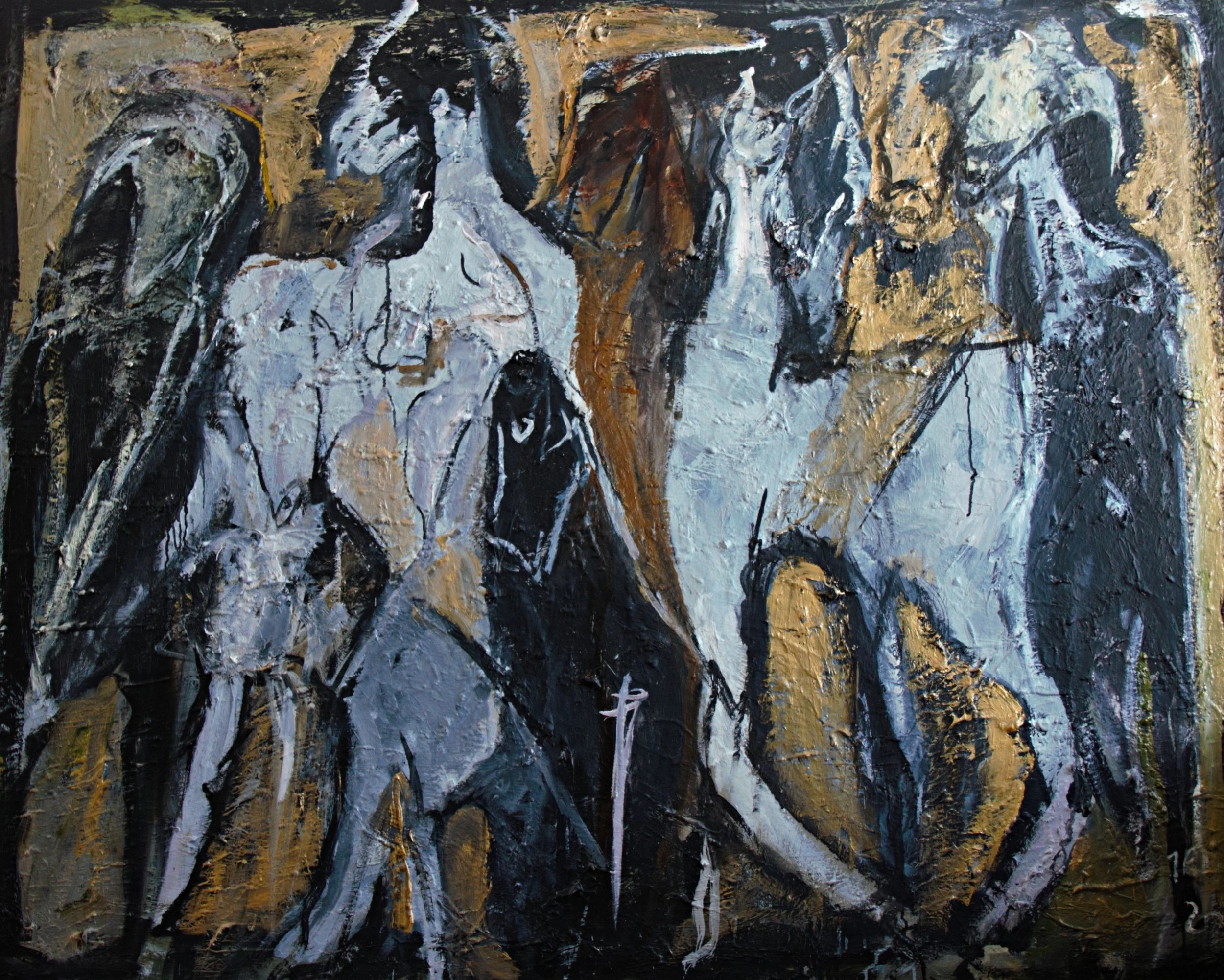
No More Hunting, 2026 ,O/C
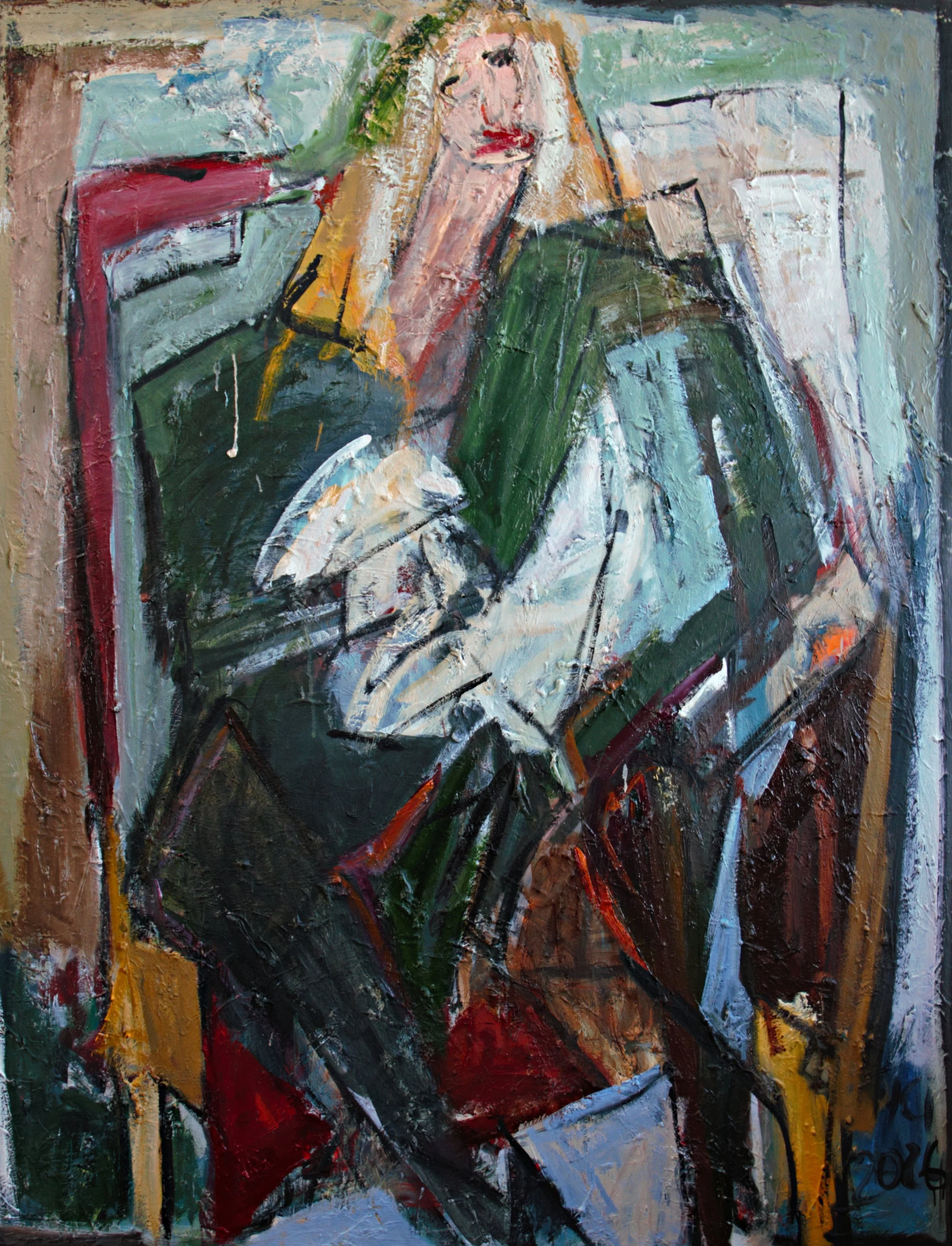
Perro Blanco,2025, O/C 146 x114 cm
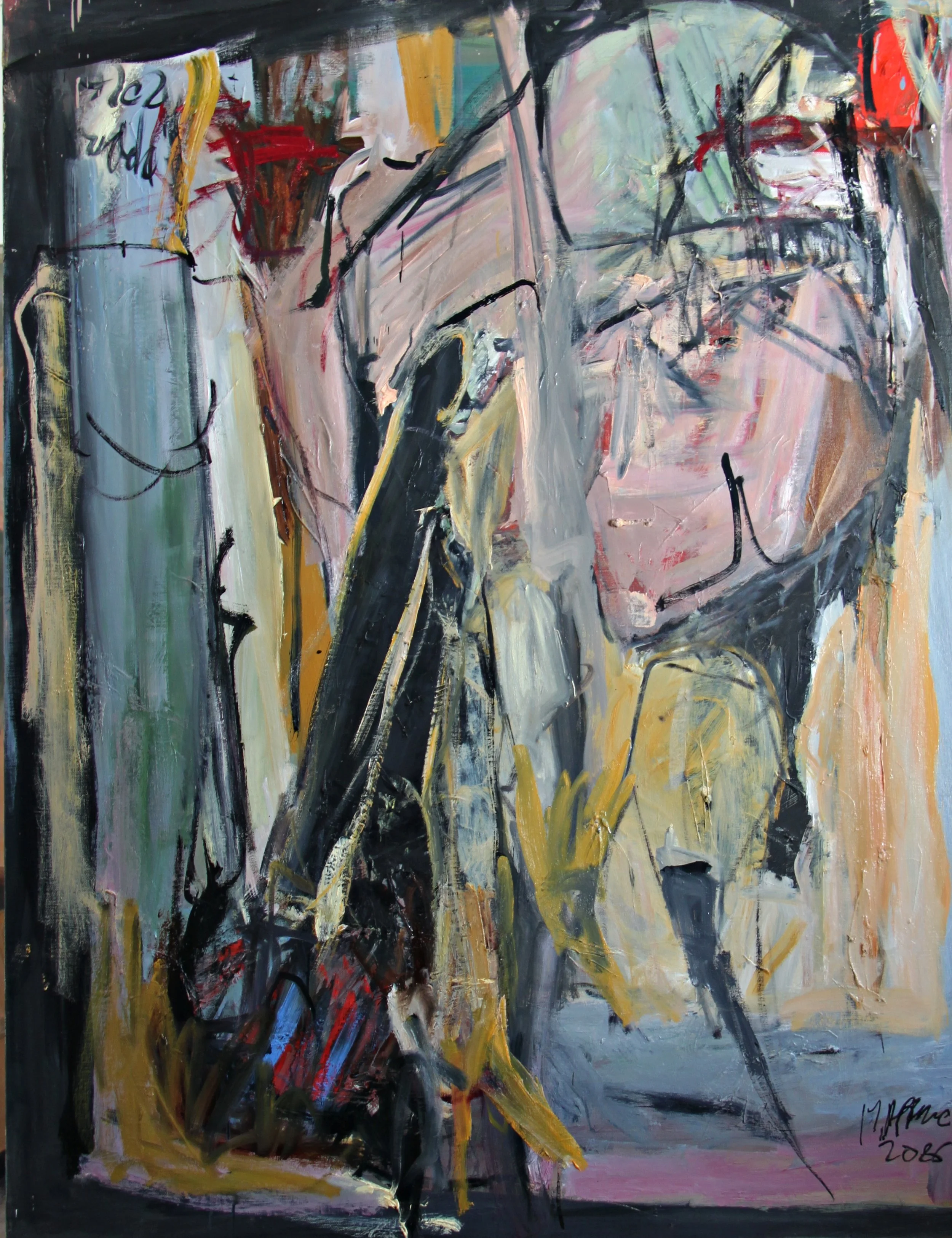
Picos 2026, 146 x 114 cm O/C
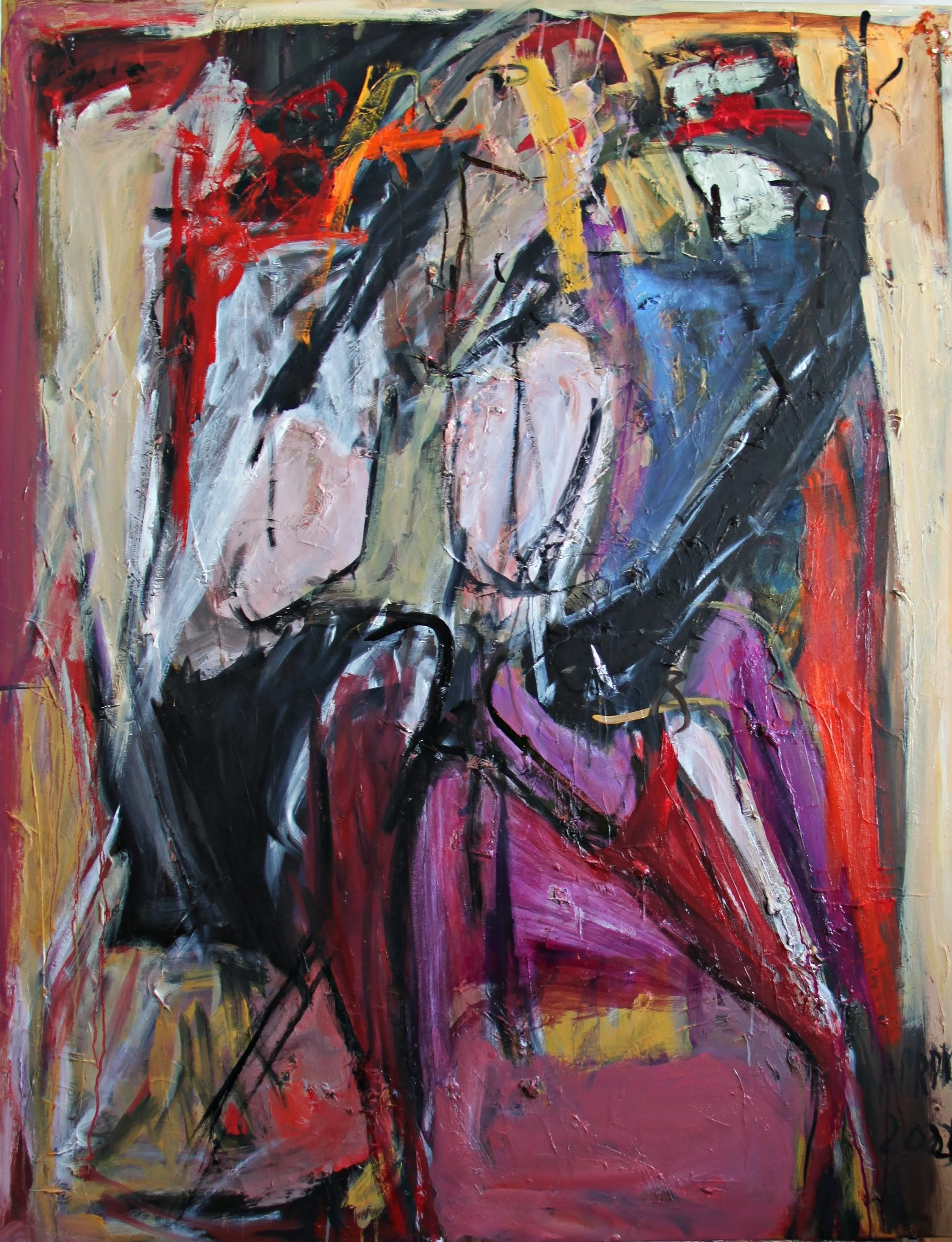
Selfie, 2025 146 x 114 cm O/C
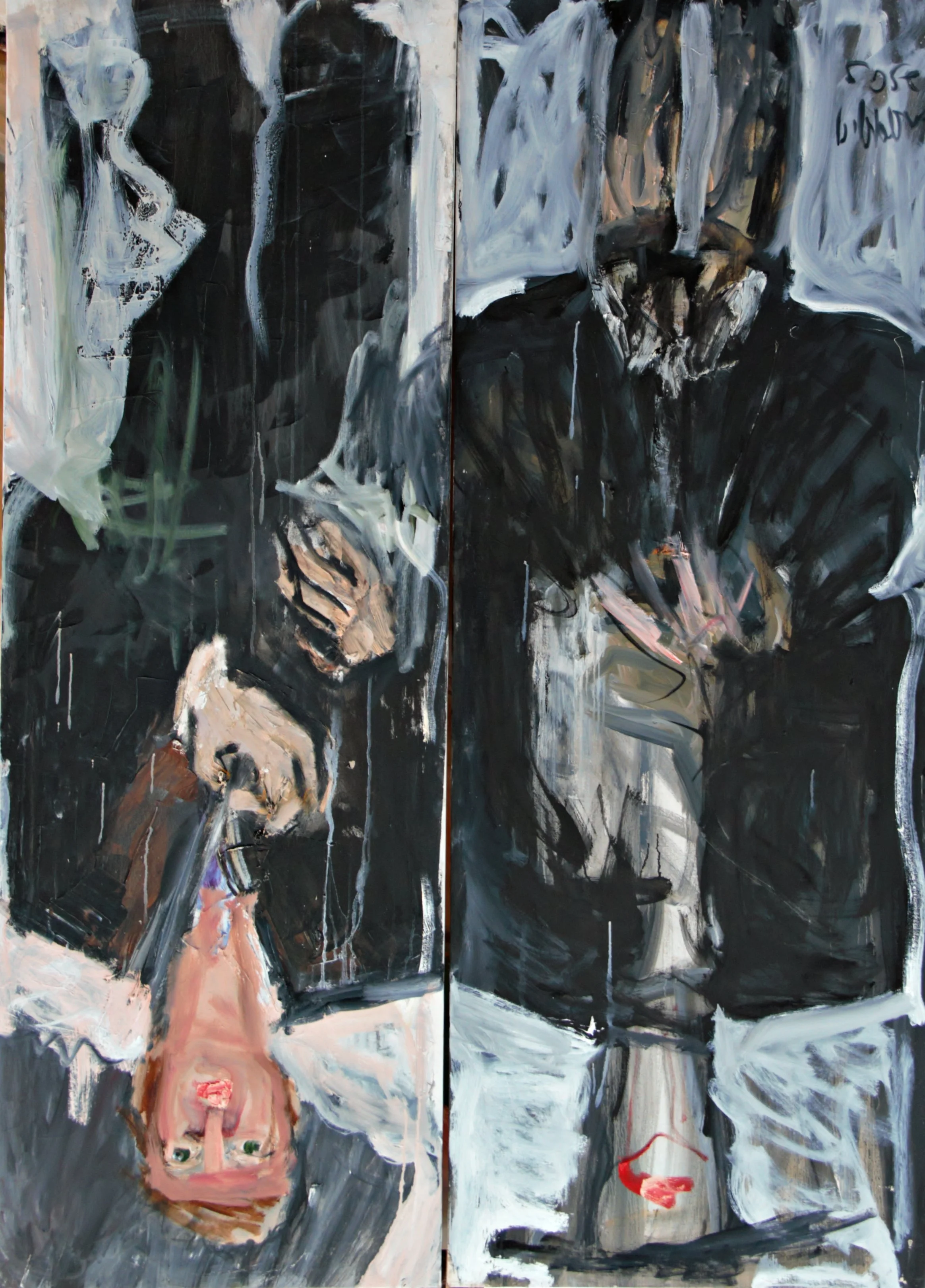
SHARING, 2026 170 x 130 , O/C
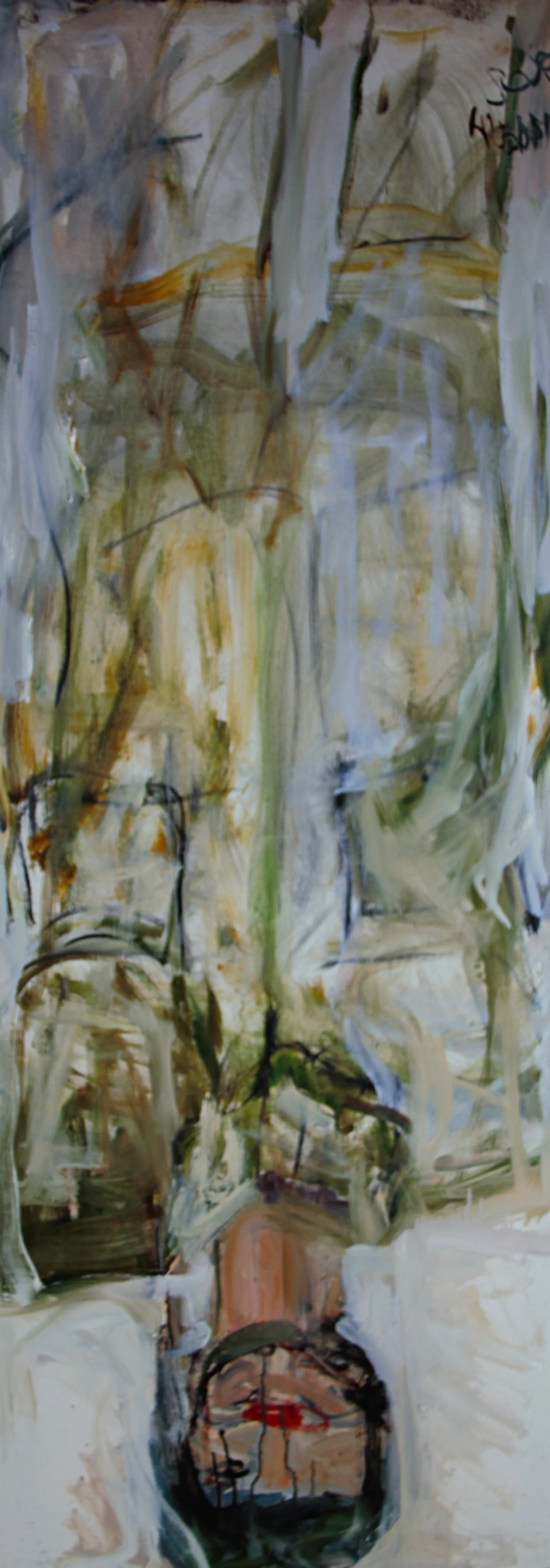
SOLDADA, 2026, 170 x 65 cm O/C
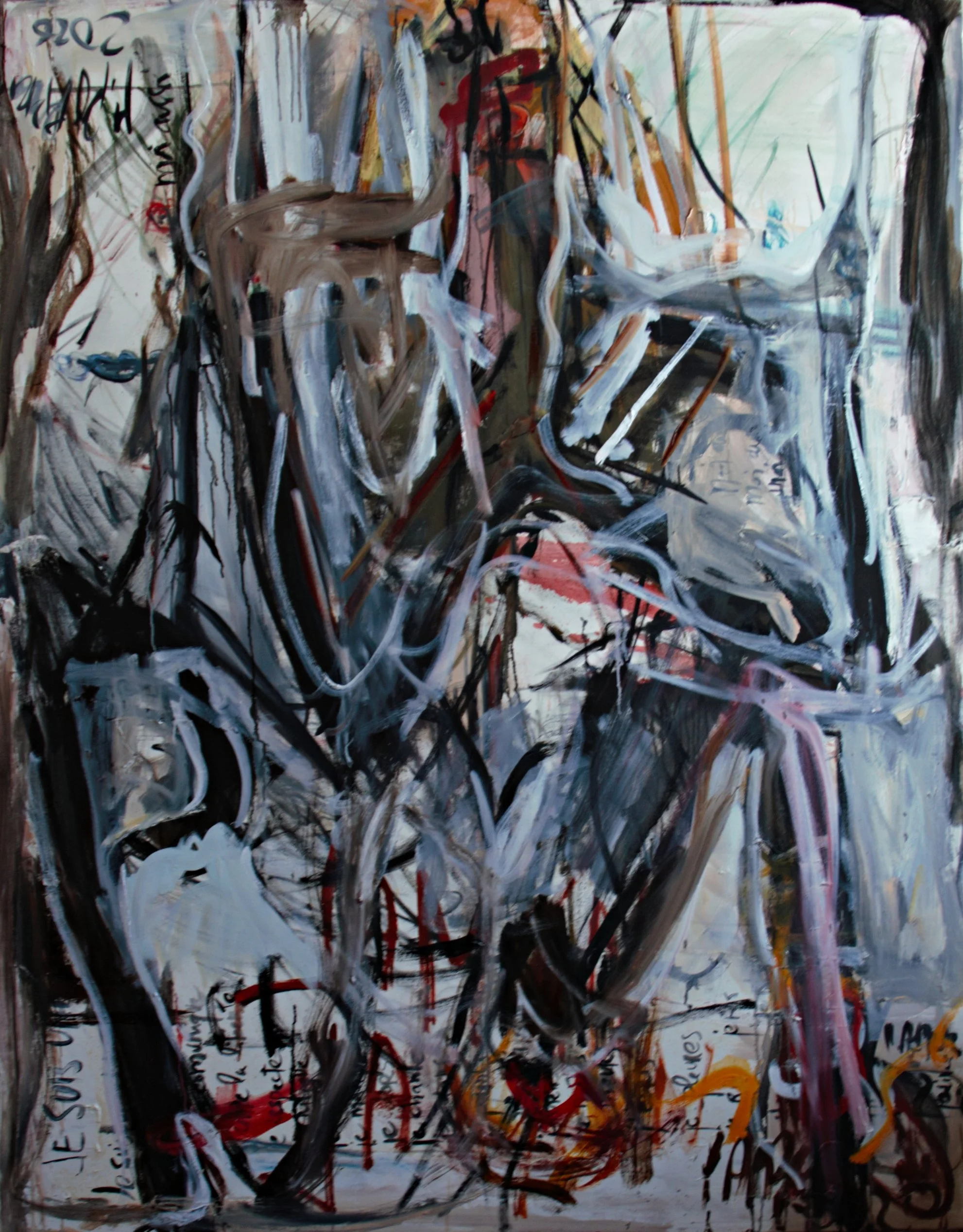
The Spoder, 2026, 146 x 114 cm O/C
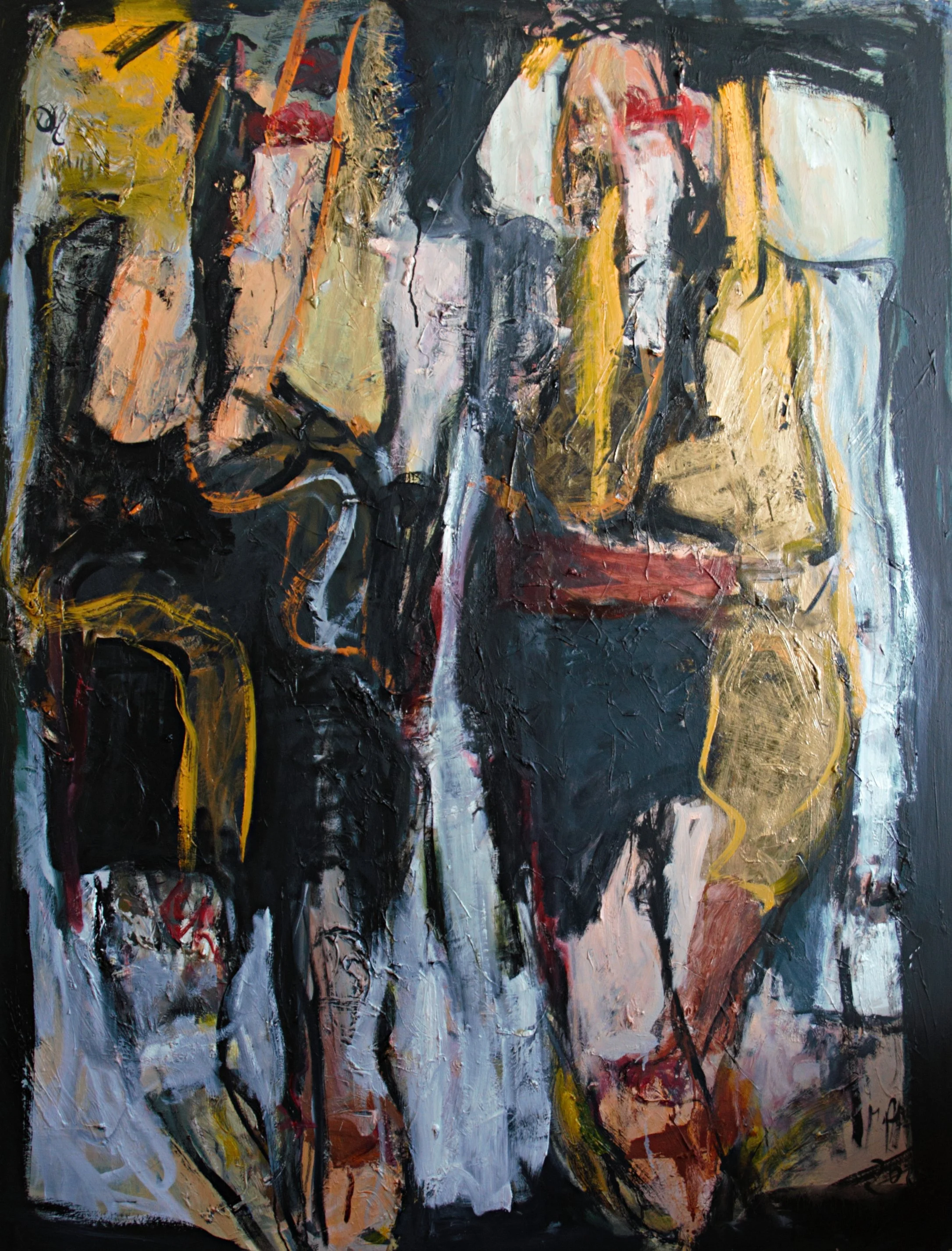
The Vons, 2026, 146 x114 cm O/C
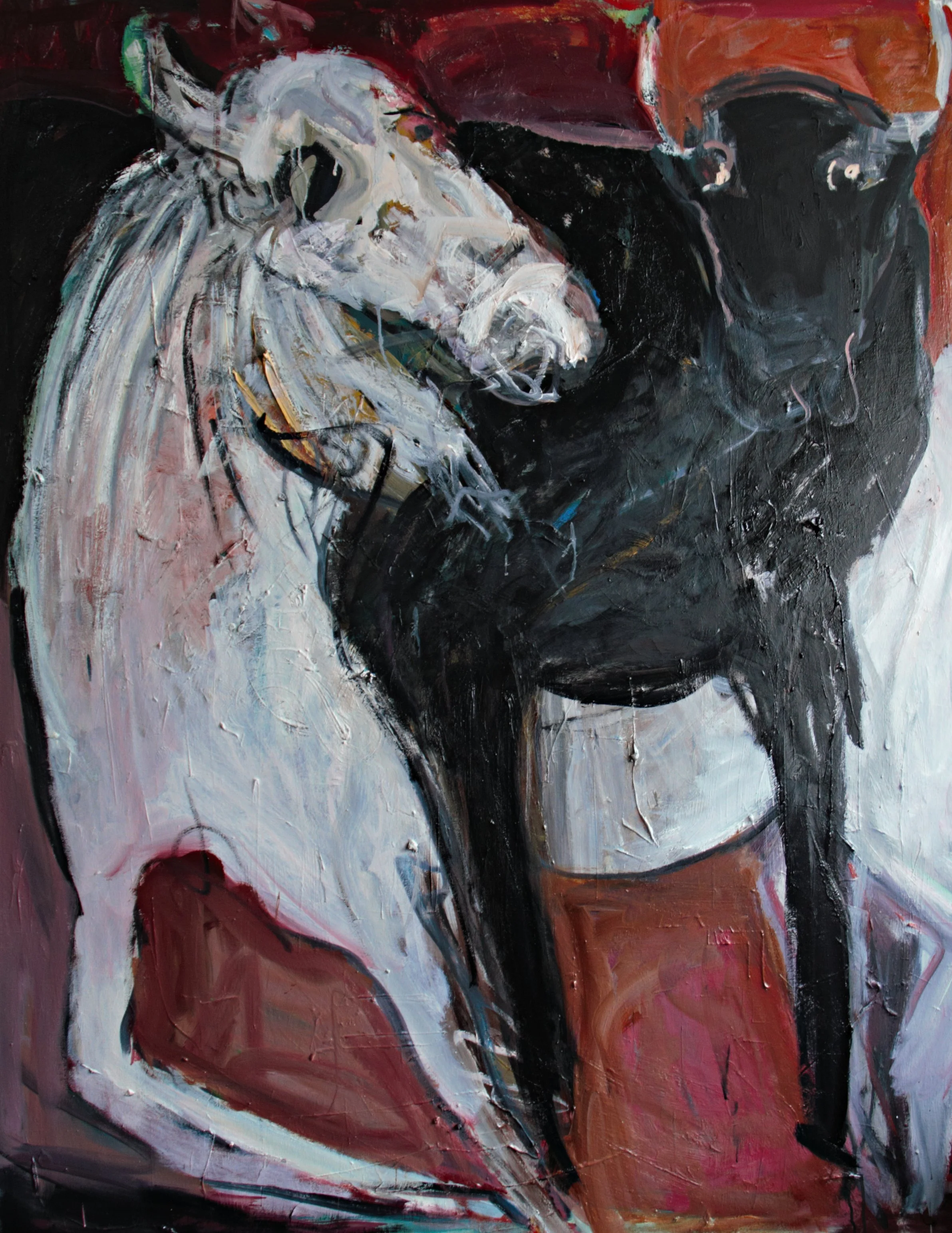
Friends 2026 , 146 x 114 cm O/C
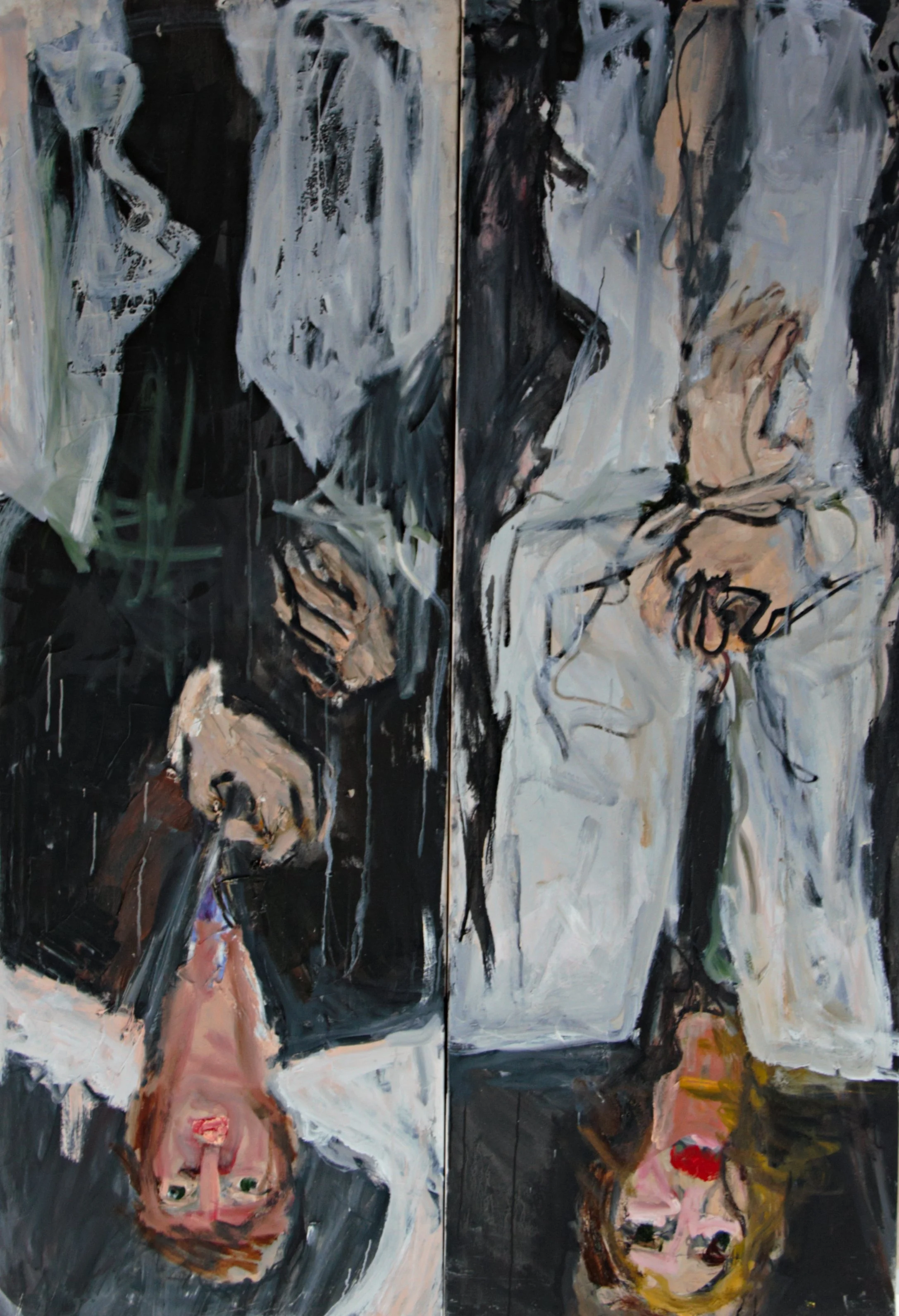
Upside down couple 2026 170 x 130 cm O/C
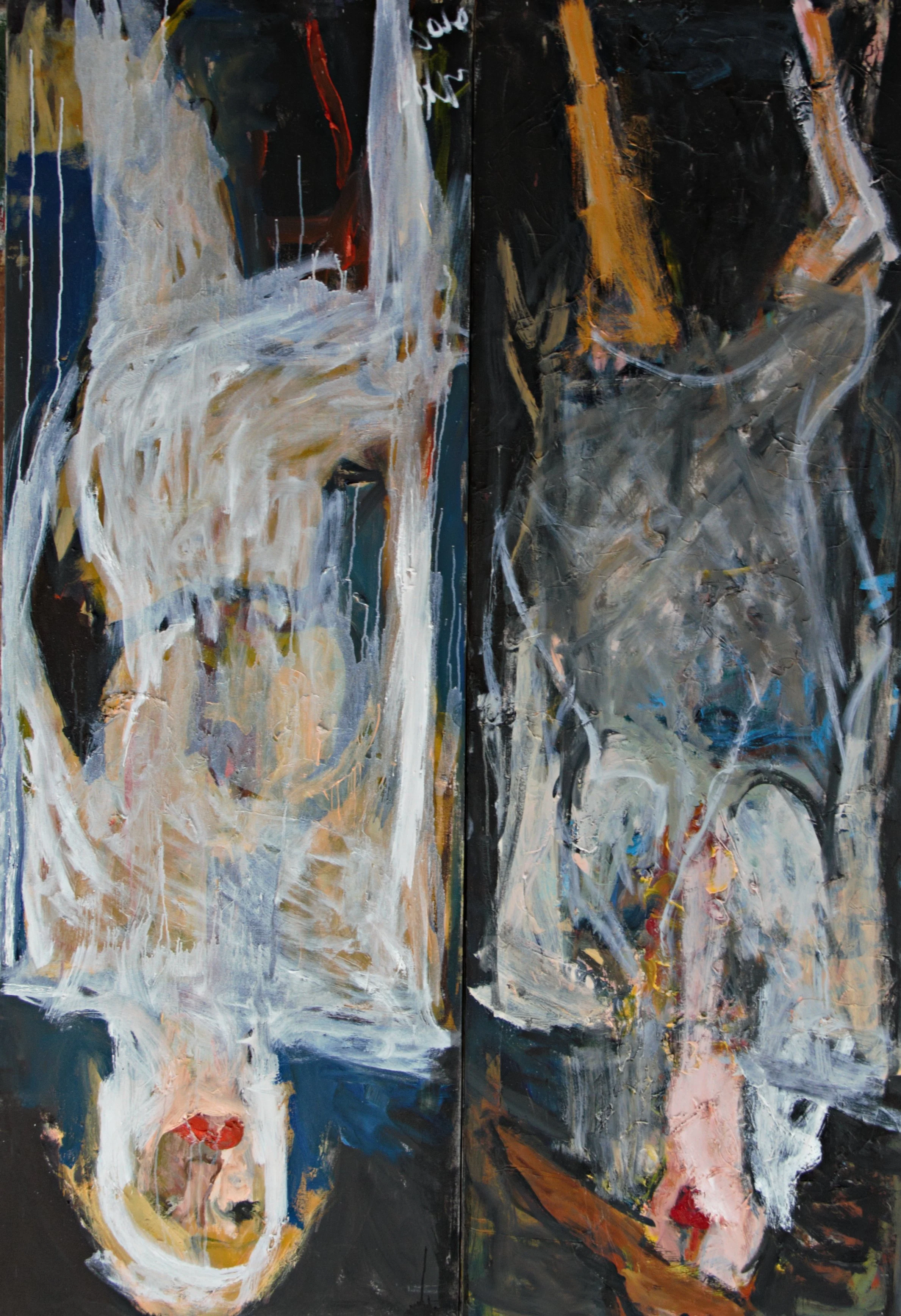
Homage 2026, 170 x 130 cm O/C
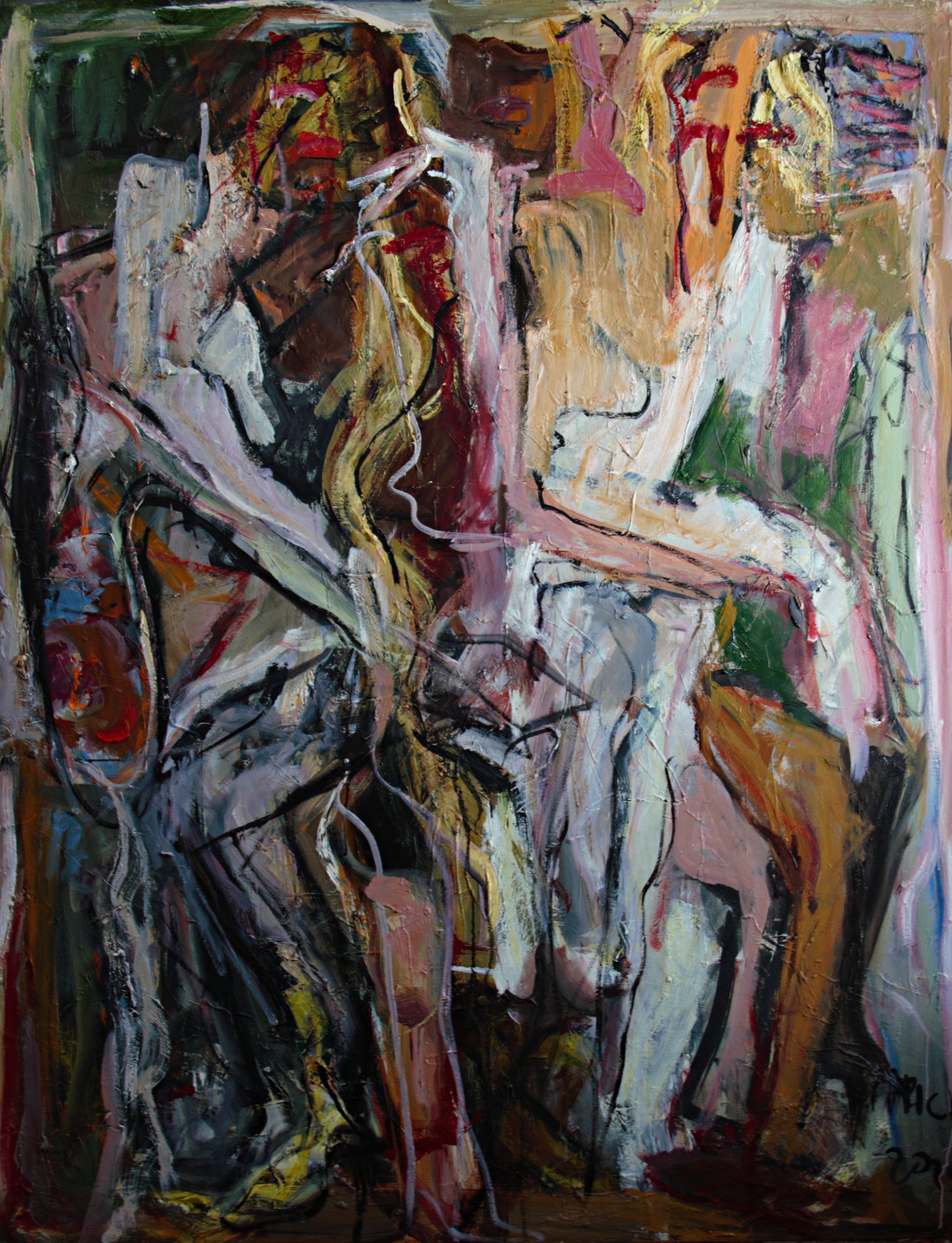
WAves, 2025, 146 x114 cm O/C
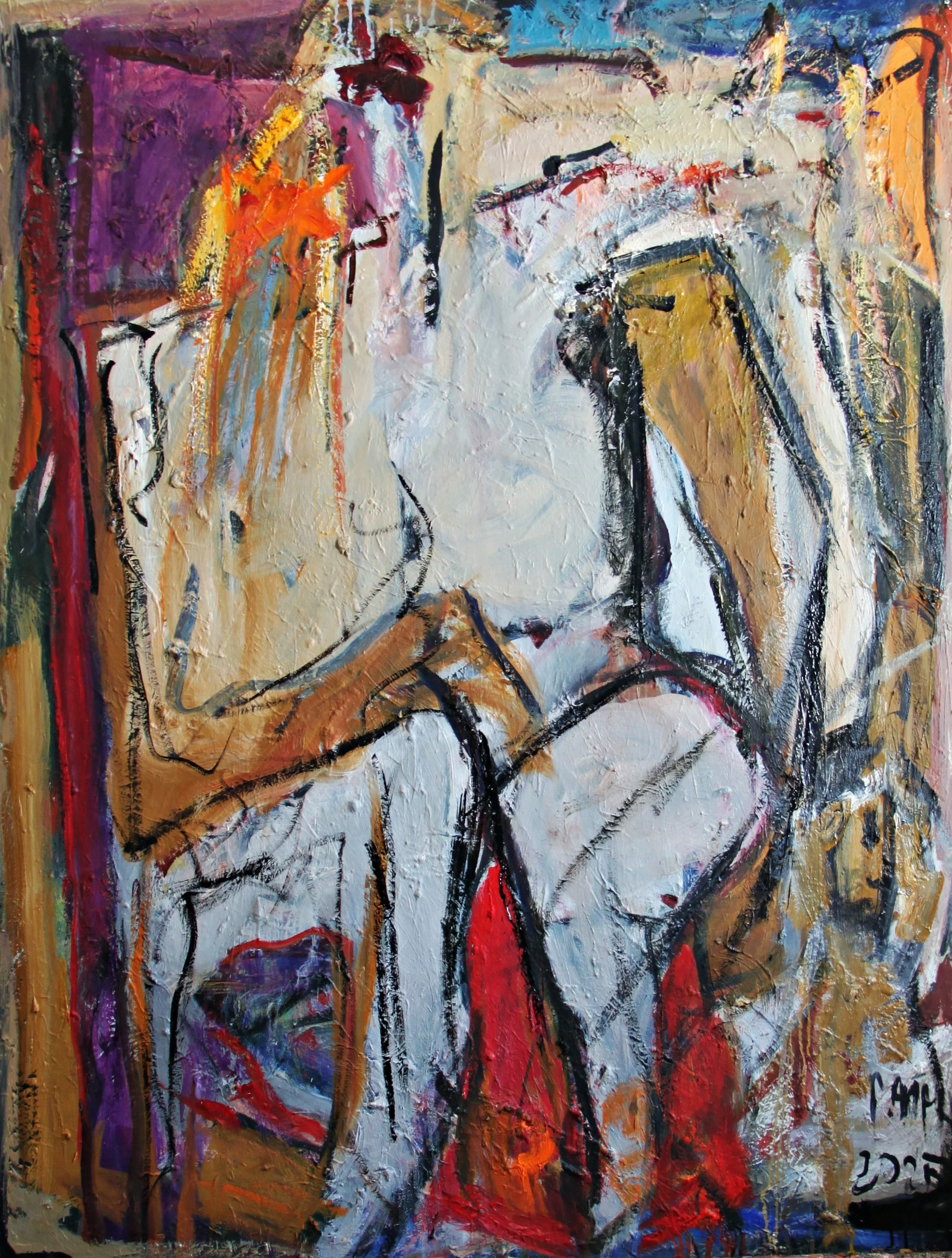
Woman with Dog146 x 114 cm O/C
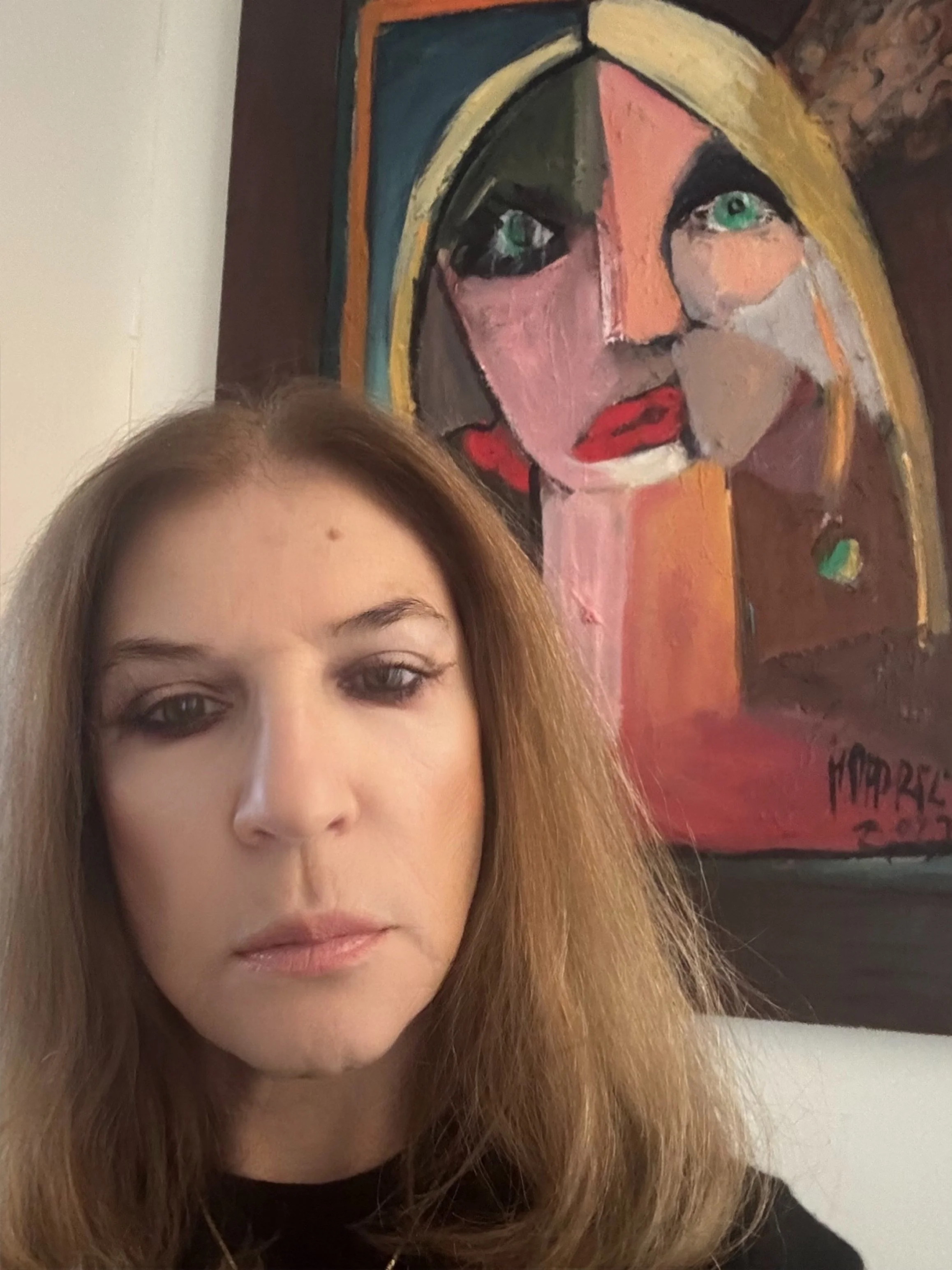
Mother and Daugther 2024,60 x 40cm O/C
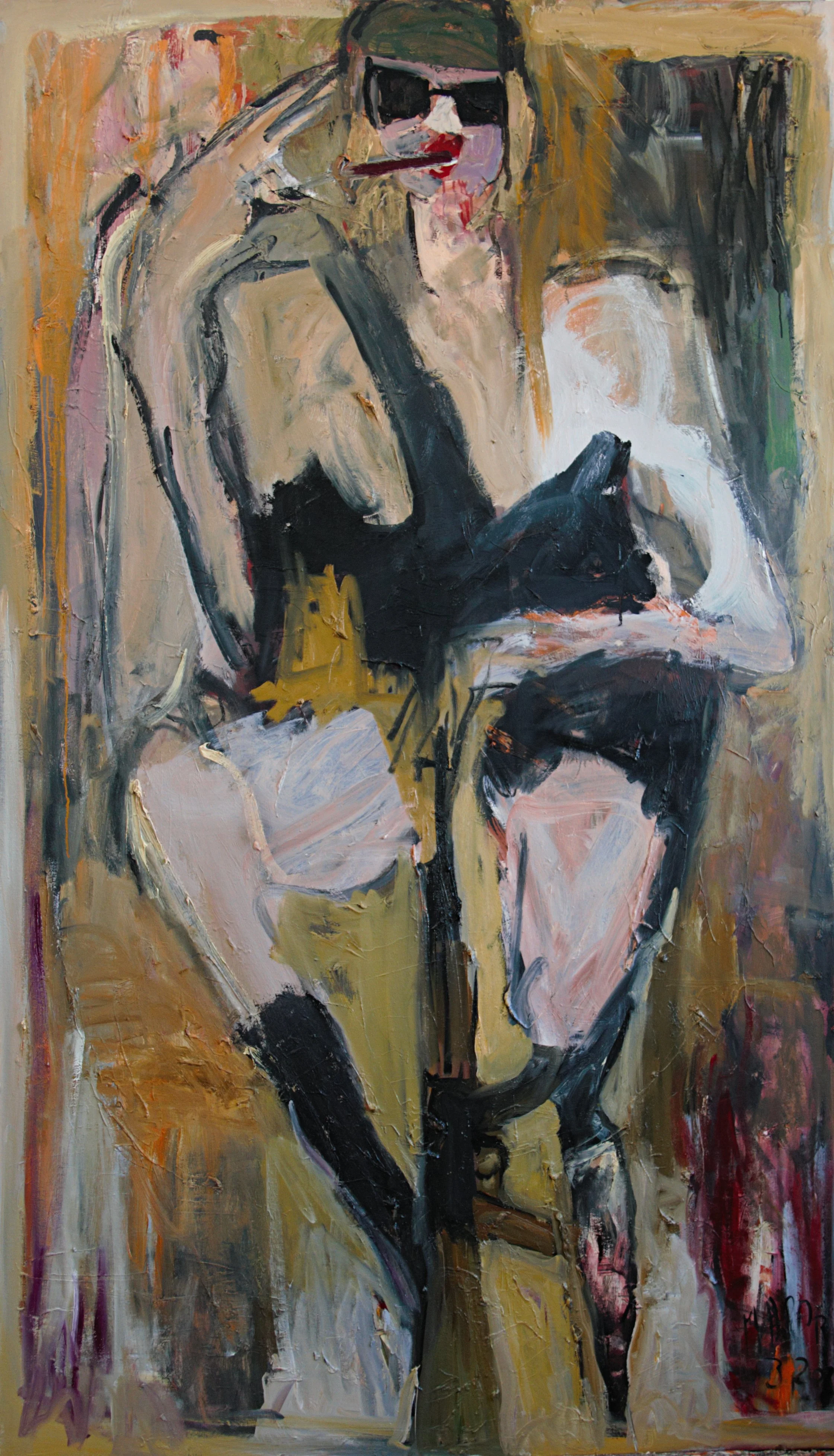
Warriors 2026,180x 114 cm O/C