
Riitta Hellén-Vuoti
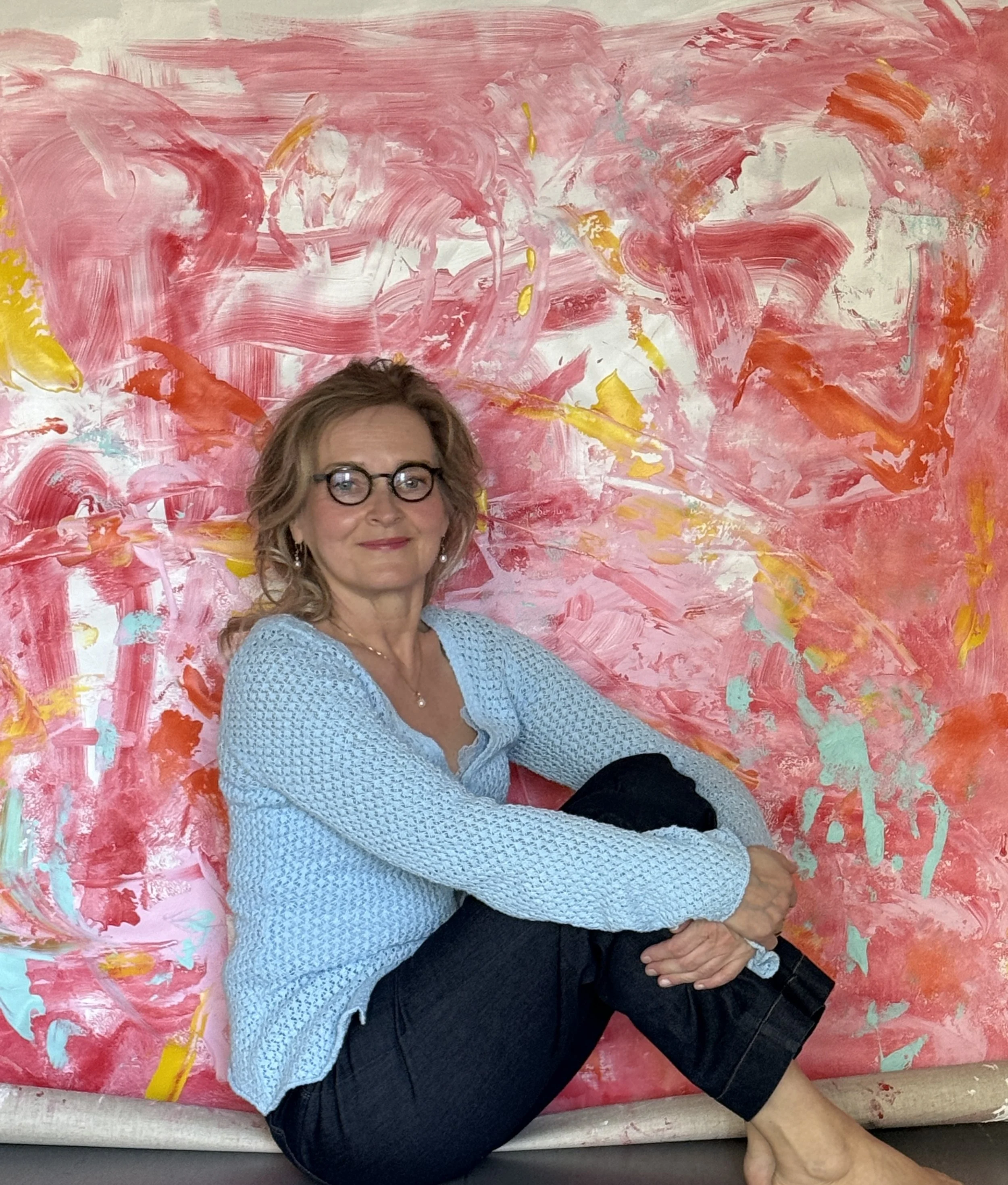
Riitta Hellén-Vuoti (b. 1959) is a Finnish artist, living and working in Kuopio, Finland. She is a full-time artist, by education she is a licensed medical specialist in psychiatry and psychotherapy. She has been artistic since her youth, and started dedicating more time to painting and poetry aroud the year 2000.
Her artistic focuces remain in painting and writing. Her artworks have been on display in galleries around Finland since year 2000 and internationally since 2020. She is also worked at an artist residency in Grassina, Florence.
She is interested in - and inspired by the human being and the never-ending complexeties of life. Her paintings are a profound exploration of human emotion, diversity of existence, and beauty of nuanced imperfection. Layers, textures and metaphors playing together, creating meaning in varying degrees of abstraction in her works. Her use of layers, texture, and color creates a visual language that is as poetic and powerful. Her work's invites viewers into a space where questions linger and every stroke and color choice becomes a metaphor for life's multifacented nature. Her art captures the essence of human experince through abstractions that resonate on a deeply humans emotional level.
Riitta, your trajectory from psychiatry and psychotherapy into a fully committed artistic practice invites a reading of your work not as a departure from clinical thinking but as its reconfiguration, so how do you understand painting and poetry as parallel systems of knowledge production that operate alongside, or even against, diagnostic language, and in what ways do they allow you to approach the human psyche without reducing it to explanation or cure?
The deepest knowledge resides within the human being, and it cannot be reduced to an explanation; nor does it need to be, nor can it be cured. On the contrary, it is the foundation of all good life, the source of life itself. Healing from illness is not in human hands, but fortunately recovery can be supported and aided in many ways.
Creativity cannot be scientifically understood in terms of how it happens, even though we know that in creative activity the functions of the ego step aside. Painting and writing are, for me, states of freedom, as is experiencing different art forms—a way of being with everything.
In your notion of the poem painting, where text and image are described as inner images that can sometimes be the same, how do you conceive the threshold between visual perception and linguistic meaning, and do you see this hybrid form as resisting the traditional hierarchies that separate reading from looking within the history of modern and contemporary art?
I do not feel a threshold between two sides of the same inner expression. I can experience the same through different art forms and cultures as well. We can examine and approach life in so many ways, and diverse forms of expression, experiences, and perspectives make growth possible. I think that humanity is still at an early stage when it comes to understanding the human being and life itself.
Your work often unfolds through layers, textures, and metaphorical density rather than narrative clarity, so how do you think about abstraction not as a withdrawal from the human figure but as a means of intensifying psychological presence, allowing emotional states, memory traces, and unconscious material to surface without being fixed into representation?
The question is a summary unique in its depth. It leaves me without words.
Having spent decades working within clinical structures that demand responsibility, precision, and ethical containment, how has the transition into full-time artistic life altered your relationship to intuition, risk, and uncertainty, and do you experience the studio as a space of freedom or as another kind of disciplined environment shaped by long internalized professional habits?
Intuition was a key factor also in my work as a physician. I found myself in a situation where my mental resources were no longer sufficient for two demanding professions, that of a psychiatrist and an artist. It was a great relief for me when the responsibility for patient care was lifted, and I was freed from the structures associated with that work. This decision has also involved many changes in my life. I used to have good working spaces at home, but at the studio there are still challenges, in both spatial and financial terms. Getting things organized on a practical level still requires a lot of time and effort. But my life has taken a new direction. I can live my dream—the work of being a free artist.
Your paintings and poems frequently suggest an interior landscape rather than an external scene, which raises questions about subjectivity and universality, so how do you navigate the tension between deeply personal inner imagery and the desire for your work to resonate across cultures, contexts, and audiences beyond Finland?
We are part of the universe, and each of us contains everything. A reflection I wrote in my youth comes to mind: What is objectivity when it is perceived subjectively? Art, in its various forms, is a universal language that enables deep personal experience and connection—on both conscious and unconscious levels, even beyond words. At its best, it supports insight and growth. I am grateful for the opportunity to experience resonance across different cultures, contexts, and audiences. These meaningful experiences have broadened me, brought me joy, and enriched my life.
In the context of your international exhibitions since 2020, how has the reception of your work shifted when encountered outside its original cultural and linguistic framework, and has this global circulation influenced the way you think about metaphor, silence, and emotional legibility within your visual language?
My work has gained broader visibility, a larger art audience, and more attention in an international context than in my home country. I am struck by how deeply and comprehensively my art has been understood, especially in the art criticism I have received, where it has been situated within the broader context of art. These critiques are themselves art—unique works of art—and they touch me profoundly. Through this global circulation, I am amazed at how the metaphor, silence, and emotional expression of my work have been encountered across different cultures.
The idea that art allows questions and concepts to be approached more intuitively than rational discourse suggests a critique of enlightenment models of knowledge, so do you see your practice as engaging with a broader epistemological challenge to Western rationalism, particularly given your background in a scientific medical discipline?
It would be remarkable if my work could serve as a broader epistemological challenge to Western rationalism. Even in medical practice, clinical expertise, the necessary structures, as well as good interaction and intuition all contribute to enabling the best possible care for the patient. We also know how many major scientific theories have first been conceived in the human mind—for example, Albert Einstein’s theory of relativity—and only gradually have they been empirically verified.
In the West, we can observe the dominant position of rationalism in the human mind, while at the same time the world is moving ever deeper into chaotic destruction. What is our relationship with ourselves, with others, and with nature? We can see how people avoid confronting their deeper selves, shaping their actions accordingly. But the consequences of rationalism are no longer something anyone can escape.
Your use of mixed materials alongside oil painting introduces a tactile complexity that feels inseparable from meaning, so how do material choices function for you not merely as technique but as carriers of psychological weight, memory, or resistance, and how consciously do you allow materials to guide the final form of a work?
The inner world guides my painting, which is a space of freedom. The painting creates itself, both in terms of colors and the choice of materials. Resistance may arise when I look at the painting.
Poetry in your practice seems to operate not as illustration or accompaniment but as an equal partner to painting, so how do you decide when an inner image demands a visual articulation, a verbal one, or both simultaneously, and what is gained or lost when an idea migrates between these two modes?
I do not decide when an image demands visual expression—it happens automatically. There can be years between these two forms of expression. I think that a person’s inner world is the core, the source of life, and that we can experience and express it in many ways. It enables connection with ourselves, with others, and with all things. For me, the transfer of the same idea across different art forms, and into everyday life, is a way to enrich my life rather than diminish it.
Looking across your long exhibition history and recent international recognition, how do you reflect on the concept of artistic time, particularly the idea that a vocation imagined in youth can unfold slowly across decades, and does this temporal dimension shape how you understand maturity, patience, and transformation within your work today?
I feel that art—born of creativity—has no time; it is timeless. Perhaps it is a dialogue of the soul, or between souls. My work as a doctor was a calling for me. Yet creative expression has been present in my life since early years, taking form in painting, writing, dance, figure skating, and music. My paintings and poems have been exhibited since the late 1990s.
Now I can say that my own inner truth has guided me. My trust has strengthened, and my awareness has grown, that “things” happen in my life when their time comes. The effort to bring enough of the subconscious into consciousness is a demanding lifelong task, allowing inner conflicts to resolve in a sufficient way, so that a person can be their authentic self. Art is a mirror for me. Year by year, the meaning of being has deepened in my life—just to be.
www.riittahellenvuoti.fi
www.instagram.com/hvriitta
www.facebook.com/hvriitta

Love is in The Air, Oil and spray on canvas, 120 x 90cm
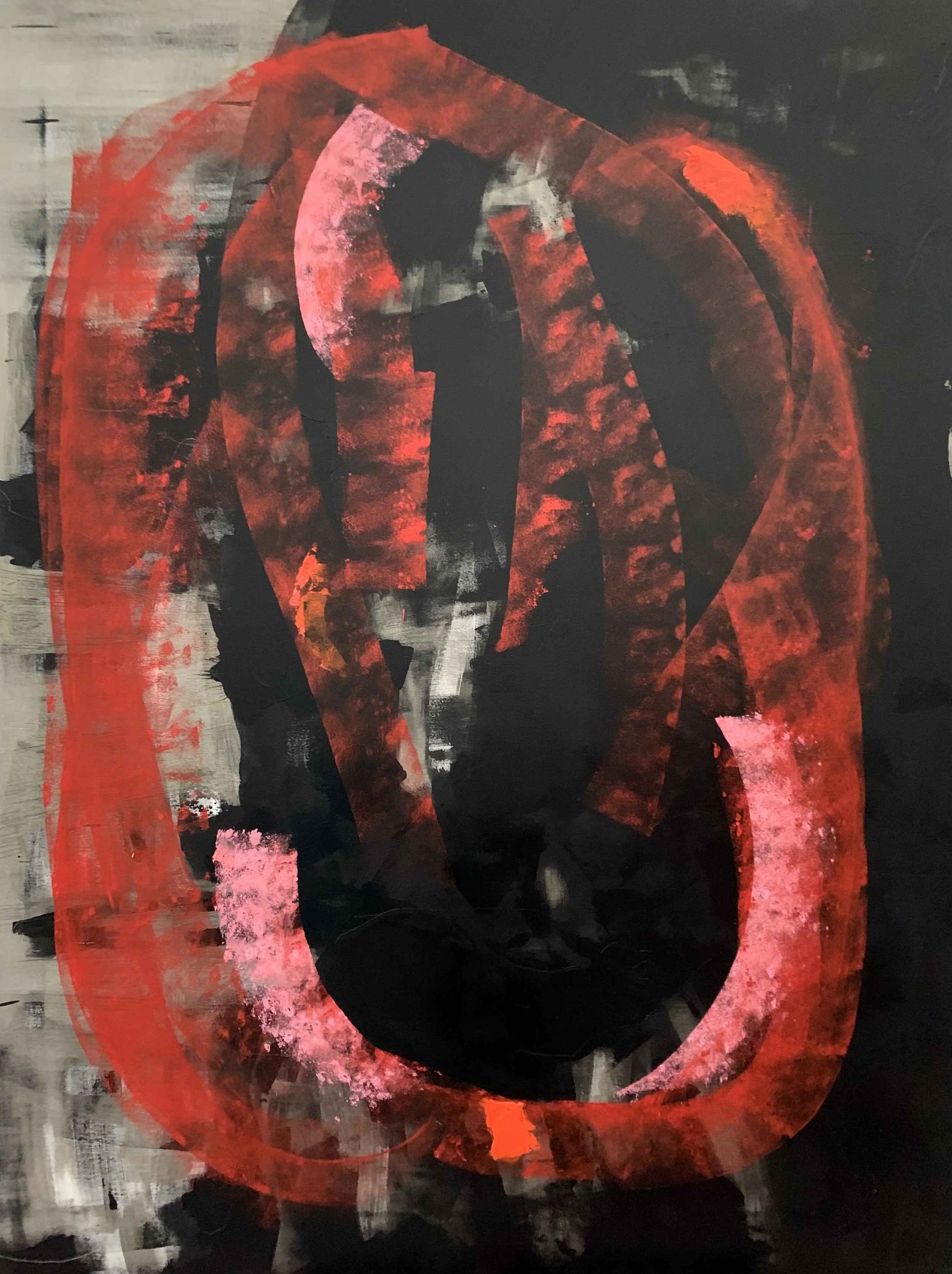
Black Rose, 2023, Acrylic and oil on canvas, 160 x 120cm
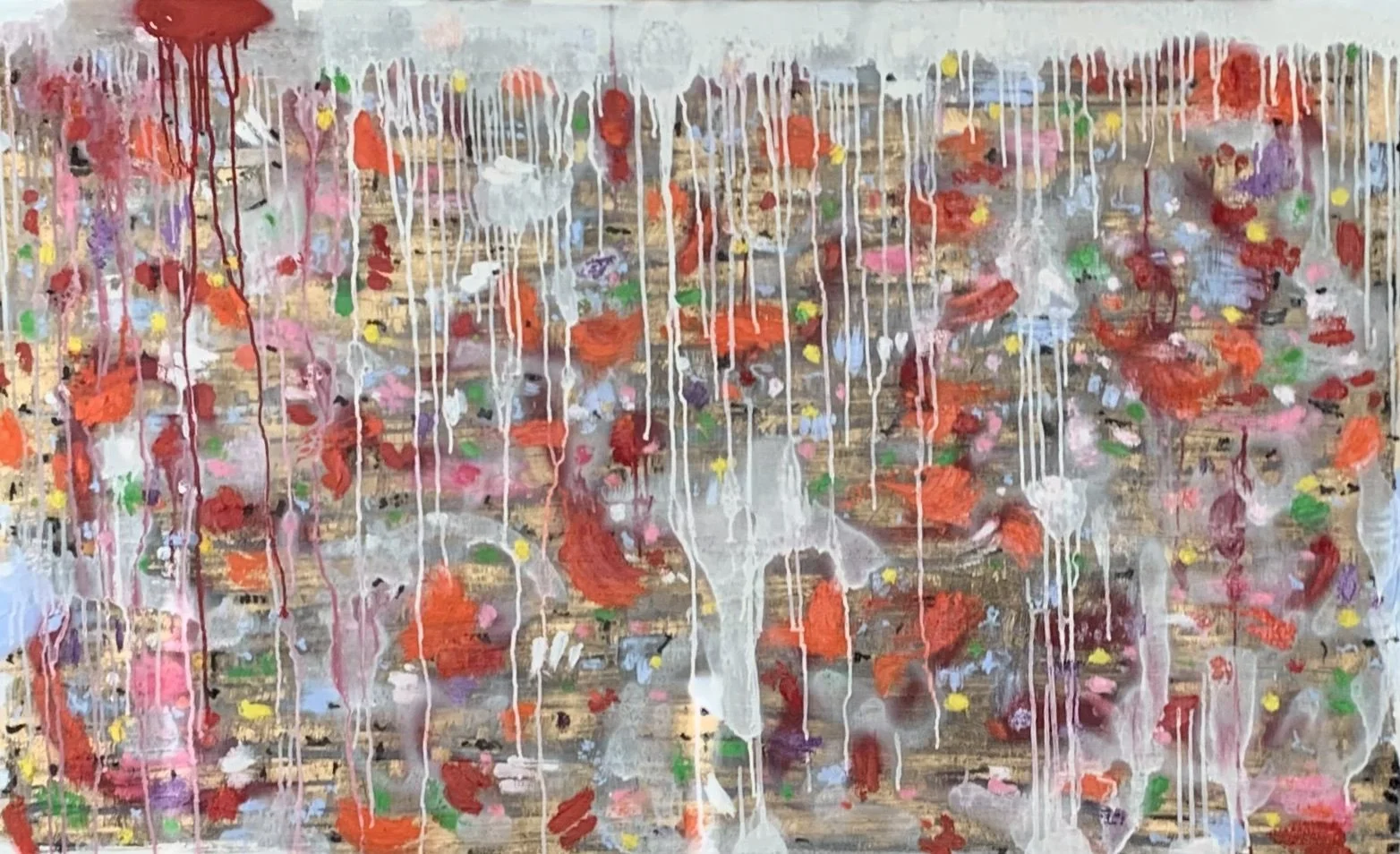
Love is Peace, 2023, Mixed media on canvas, 85 x 140cm
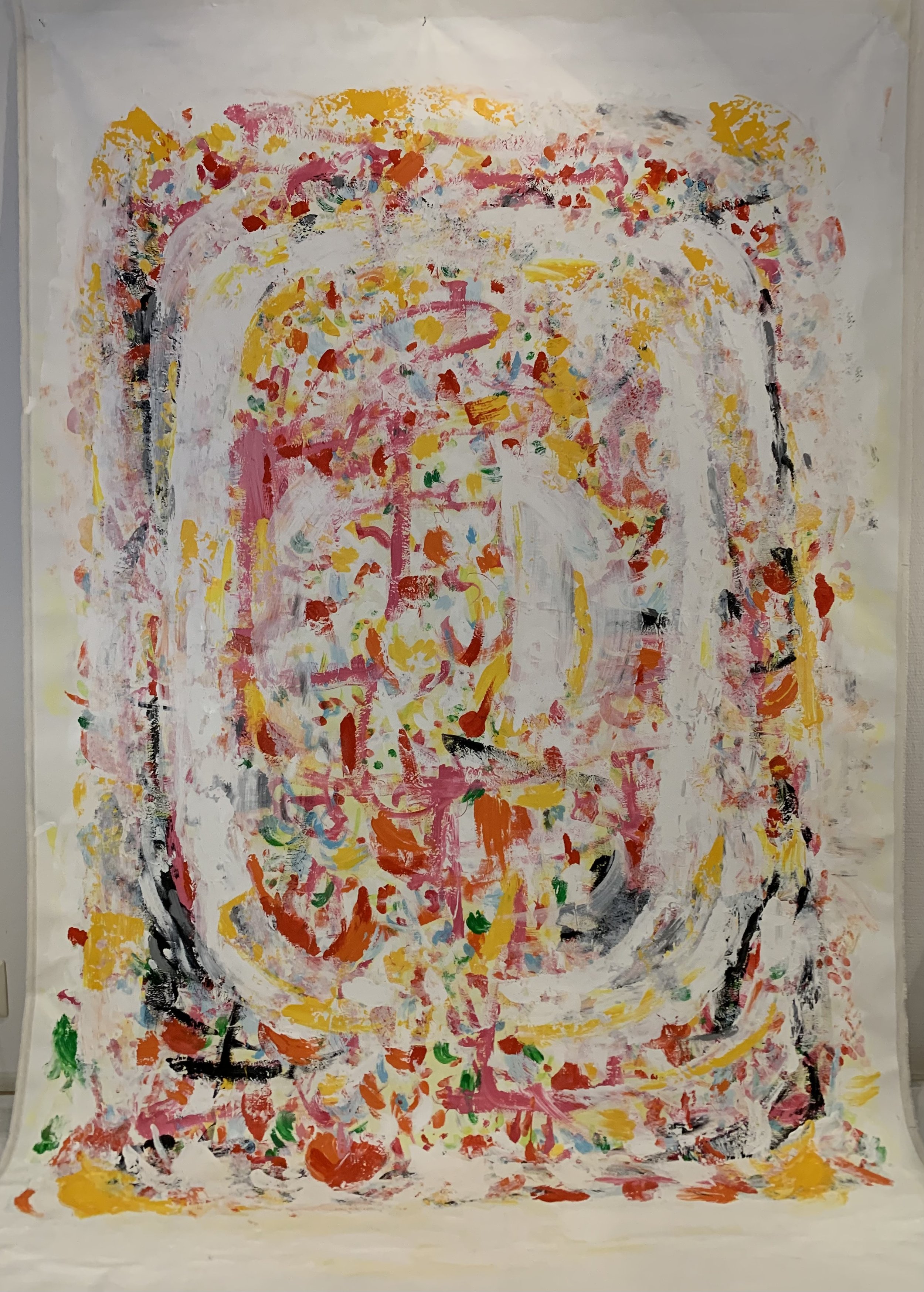
Colorful rose, 2024, Acrylic on canvas, 230 x 155cm
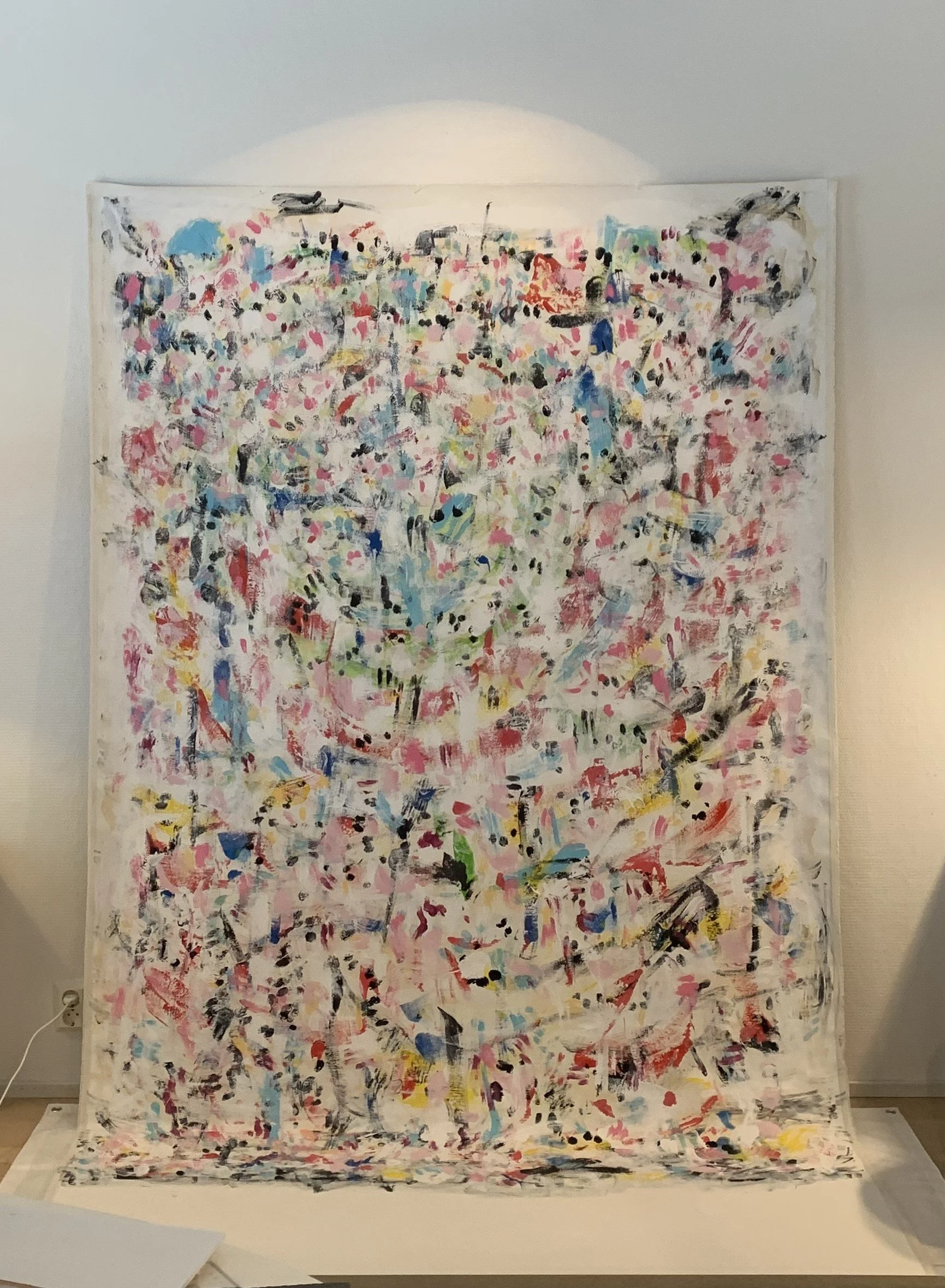
Love is Power and Light for consciousness and understanding, 2024, Acrylic on canvas, 220 x 150cm
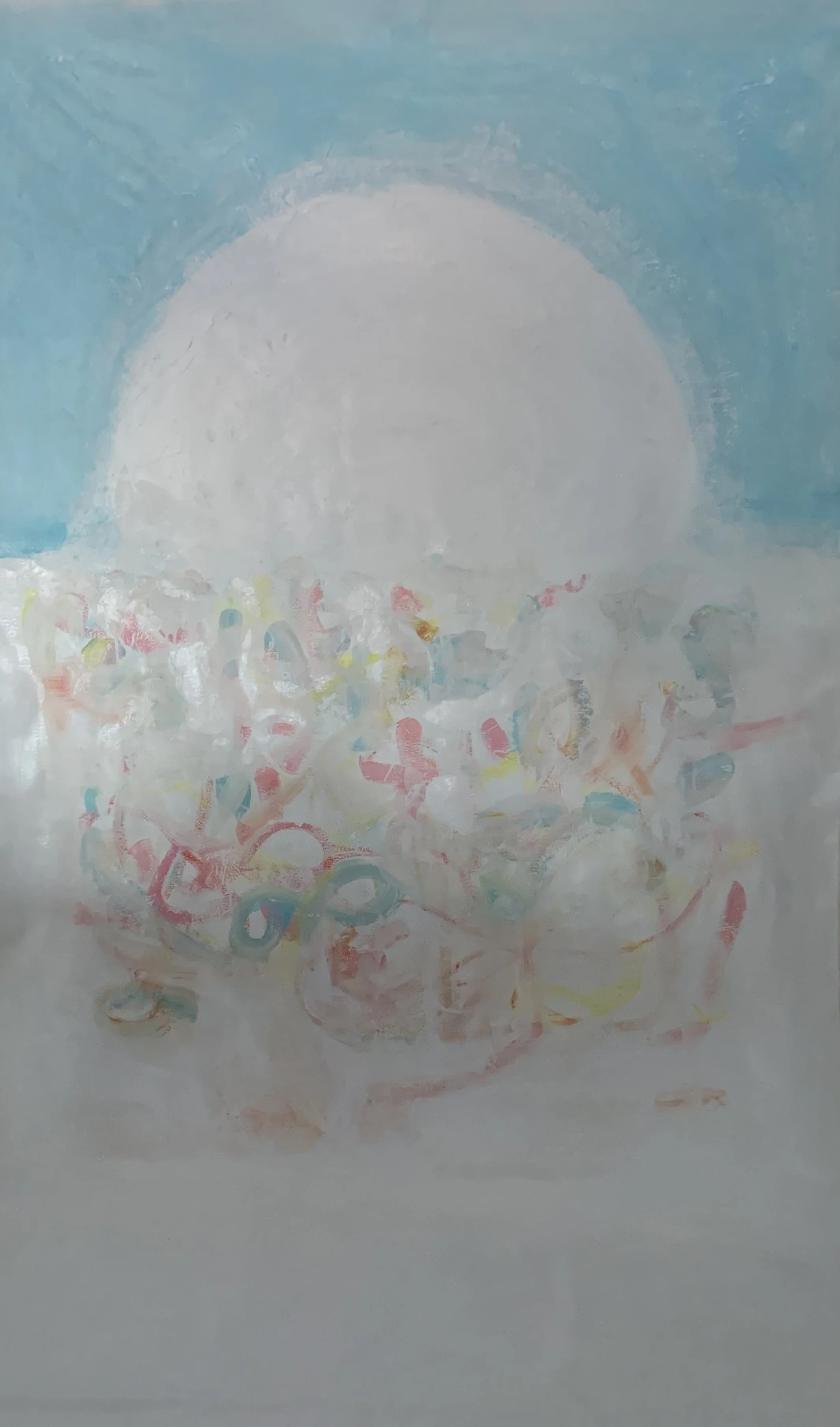
Poems without Words, 2024, Acrylic on canvas, 250 x 150cm
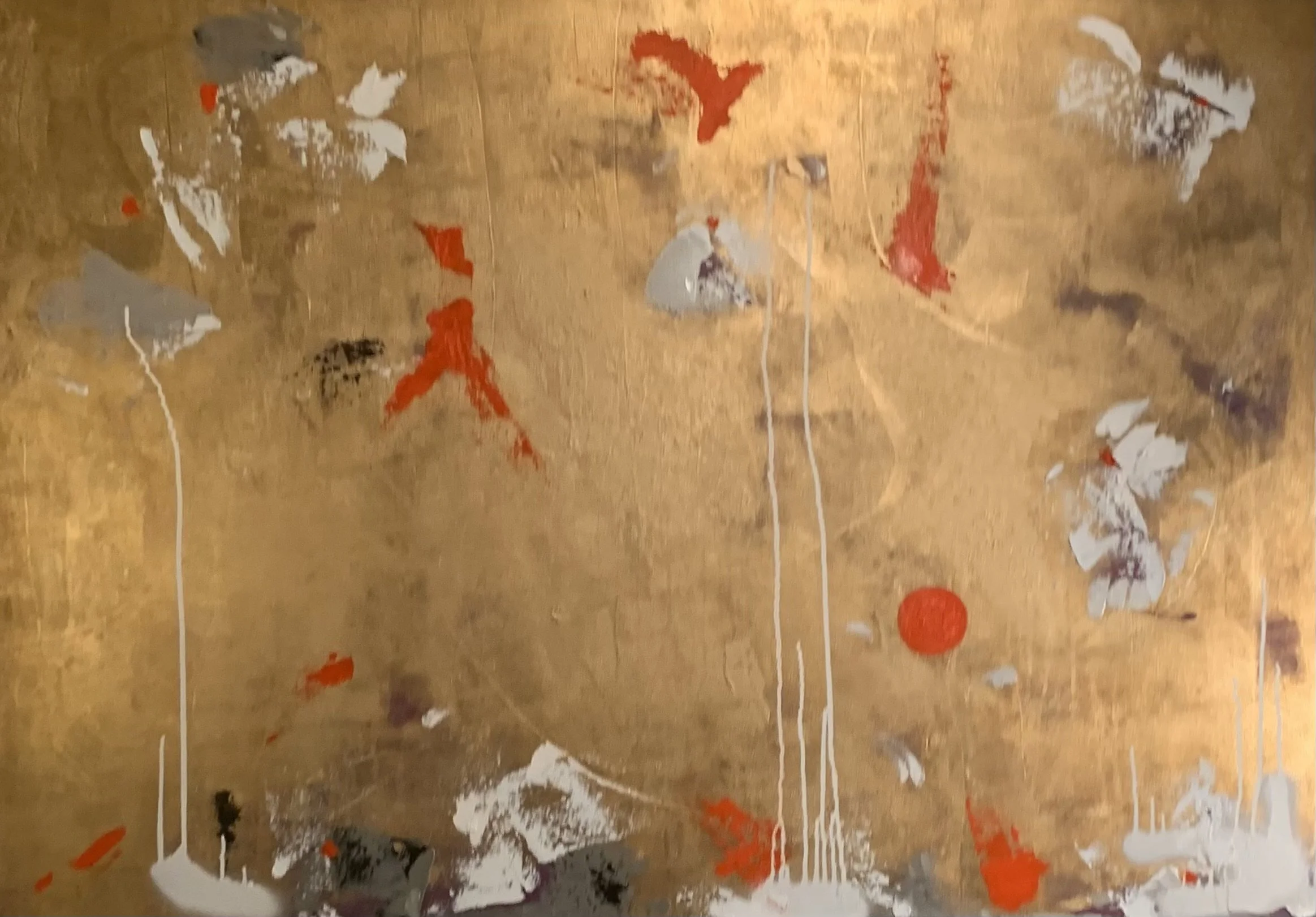
Japanese Landscape in my Mind, 2024, Mixed media on canvas, 130 x 95cm

Japanese Landscape in my Mind, 2024, Oil on canvas, 30 x 30cm
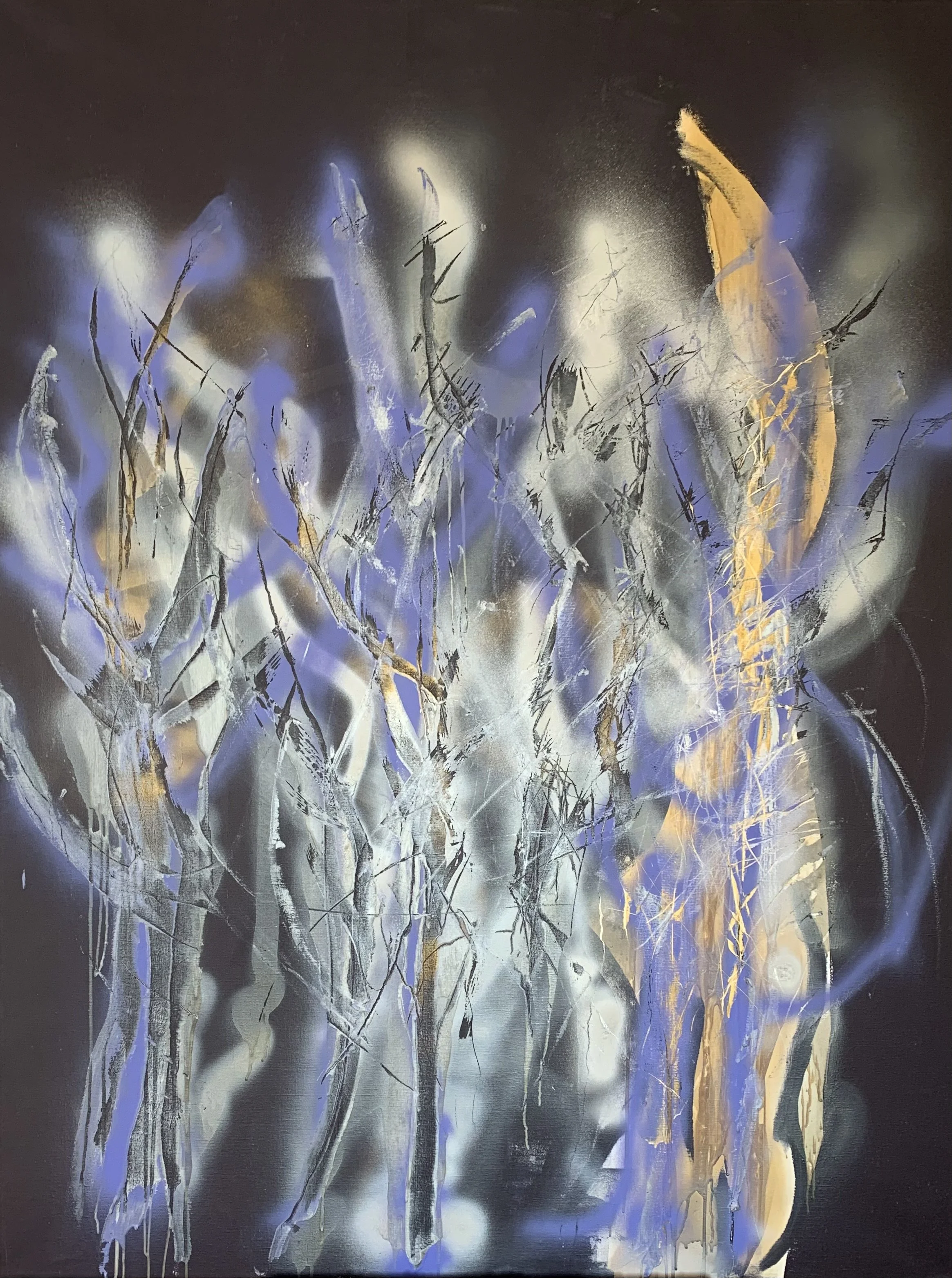
Nocturne, 2023, Acrylic and spray on canvas, 170 x 130cm
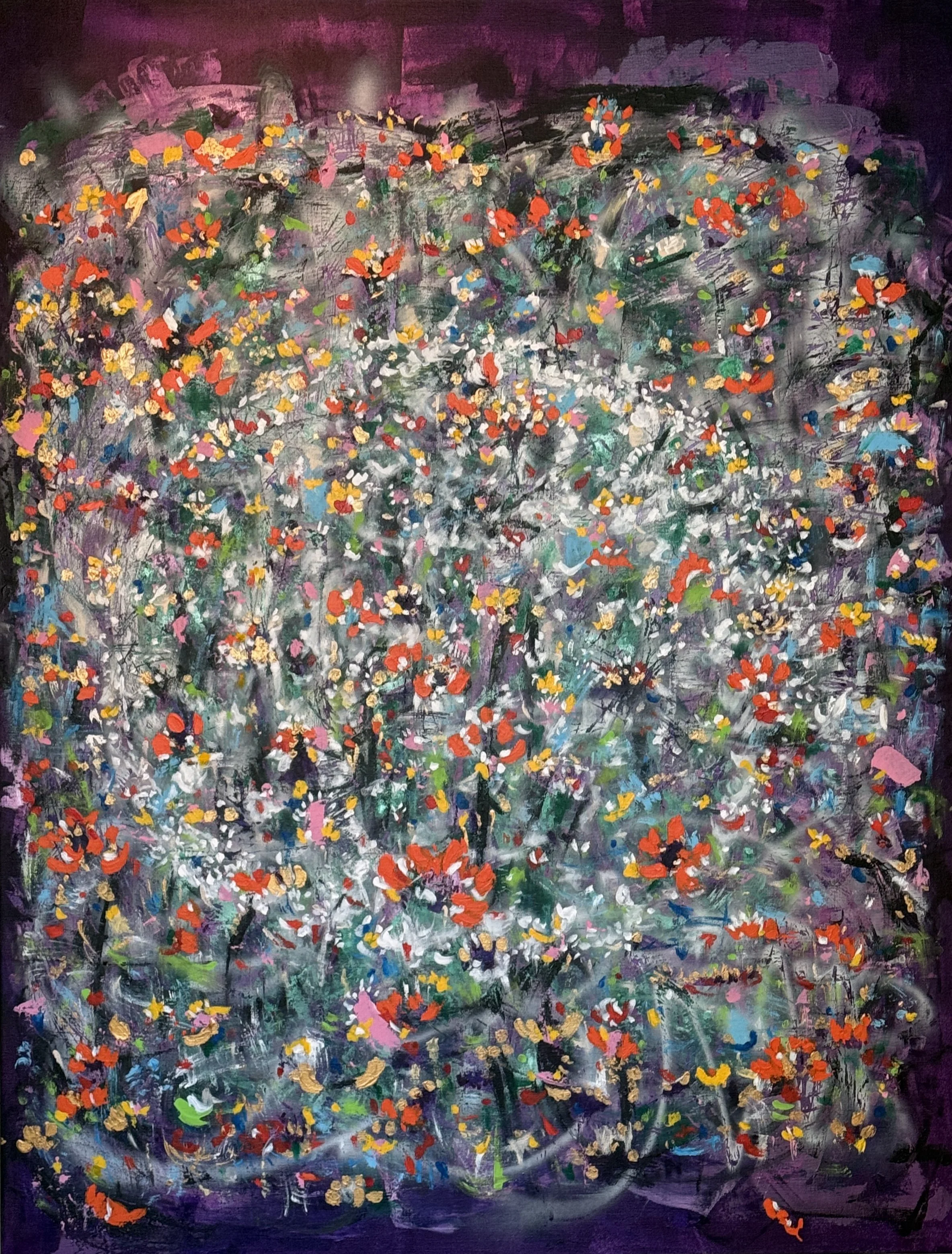
Peace is the Human Rights, 2025, Acrylic on canvas, 170 x 130cm
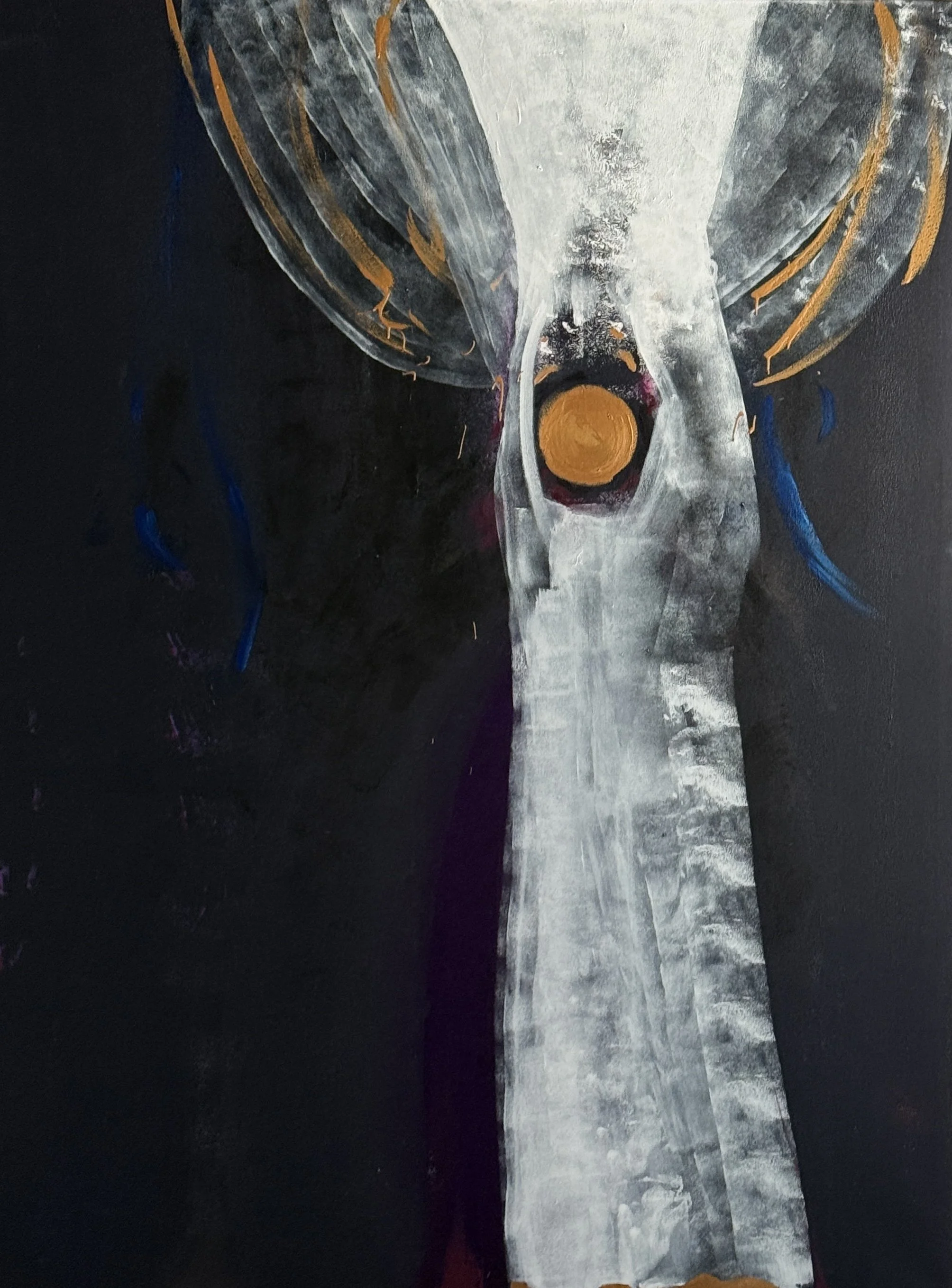
Love is Light, 2025, Acrylic on canvas, 170 x 130cm
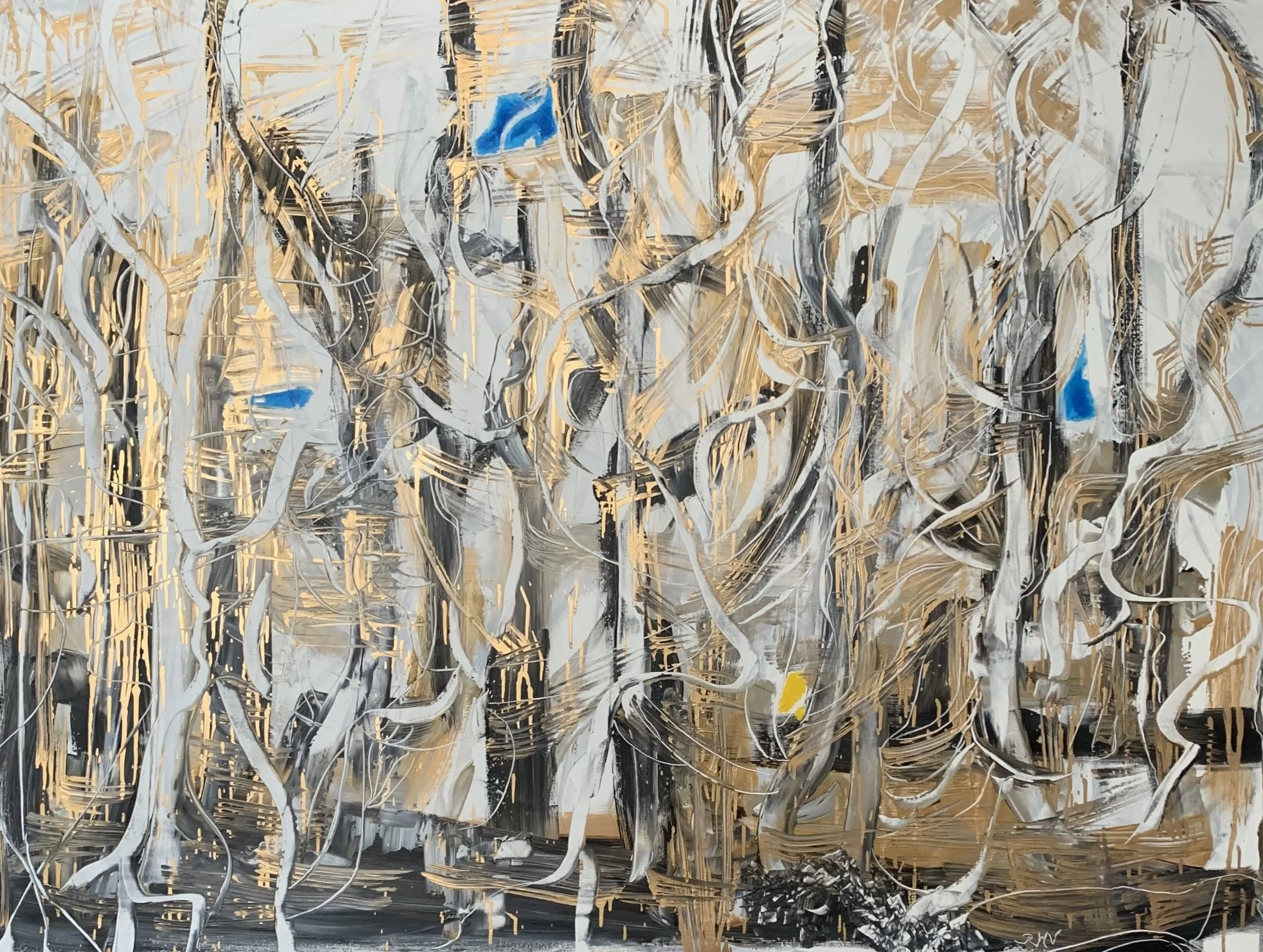
When the War Ends, Love is Everything, 2023, oil on canvas, 120 x160cm
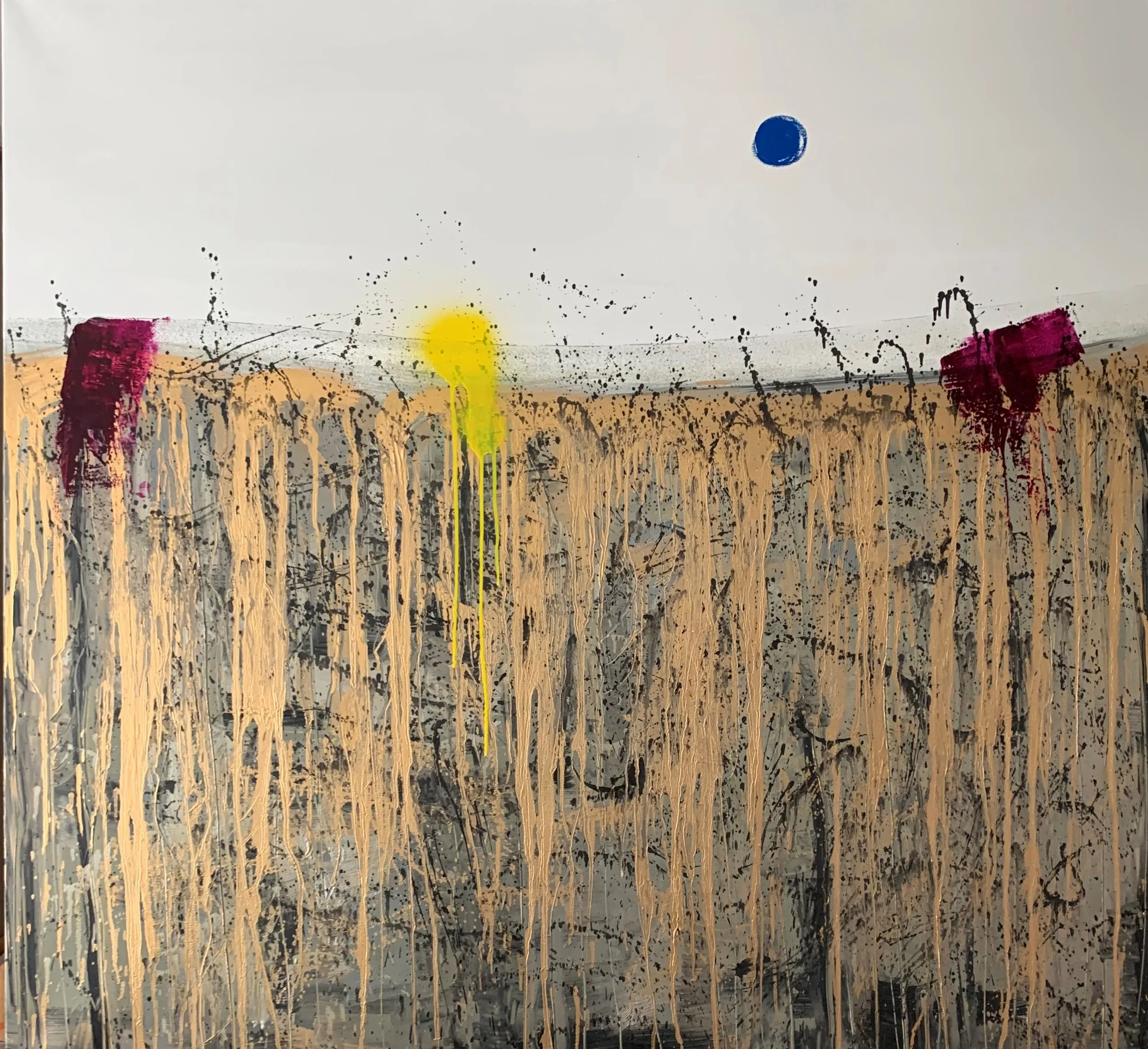
The End of the War, 2023, oil and spray on canvas, 150 x 140cm
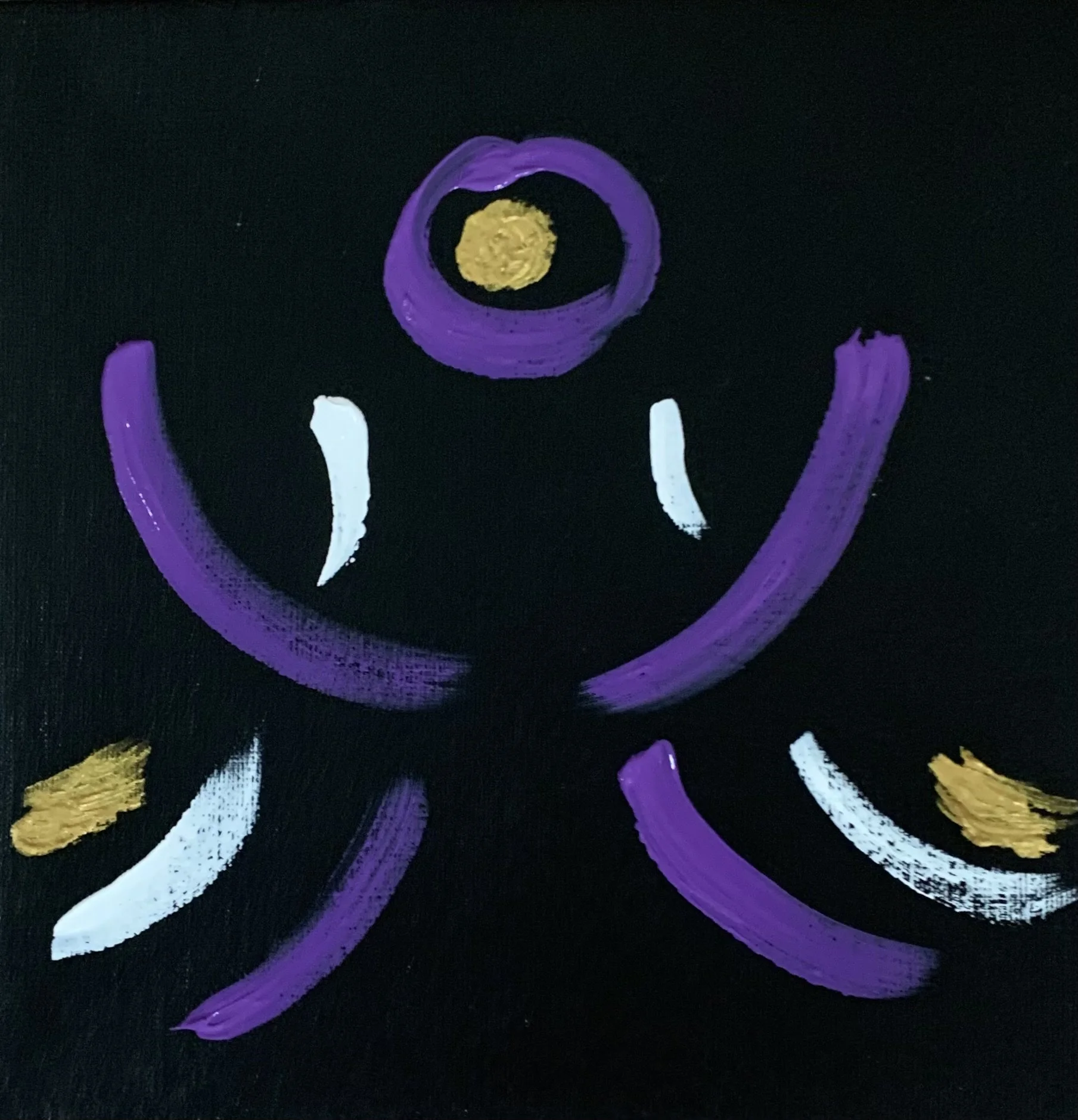
Easter, 2024, Acrylic on canvas, 30 x 30cm
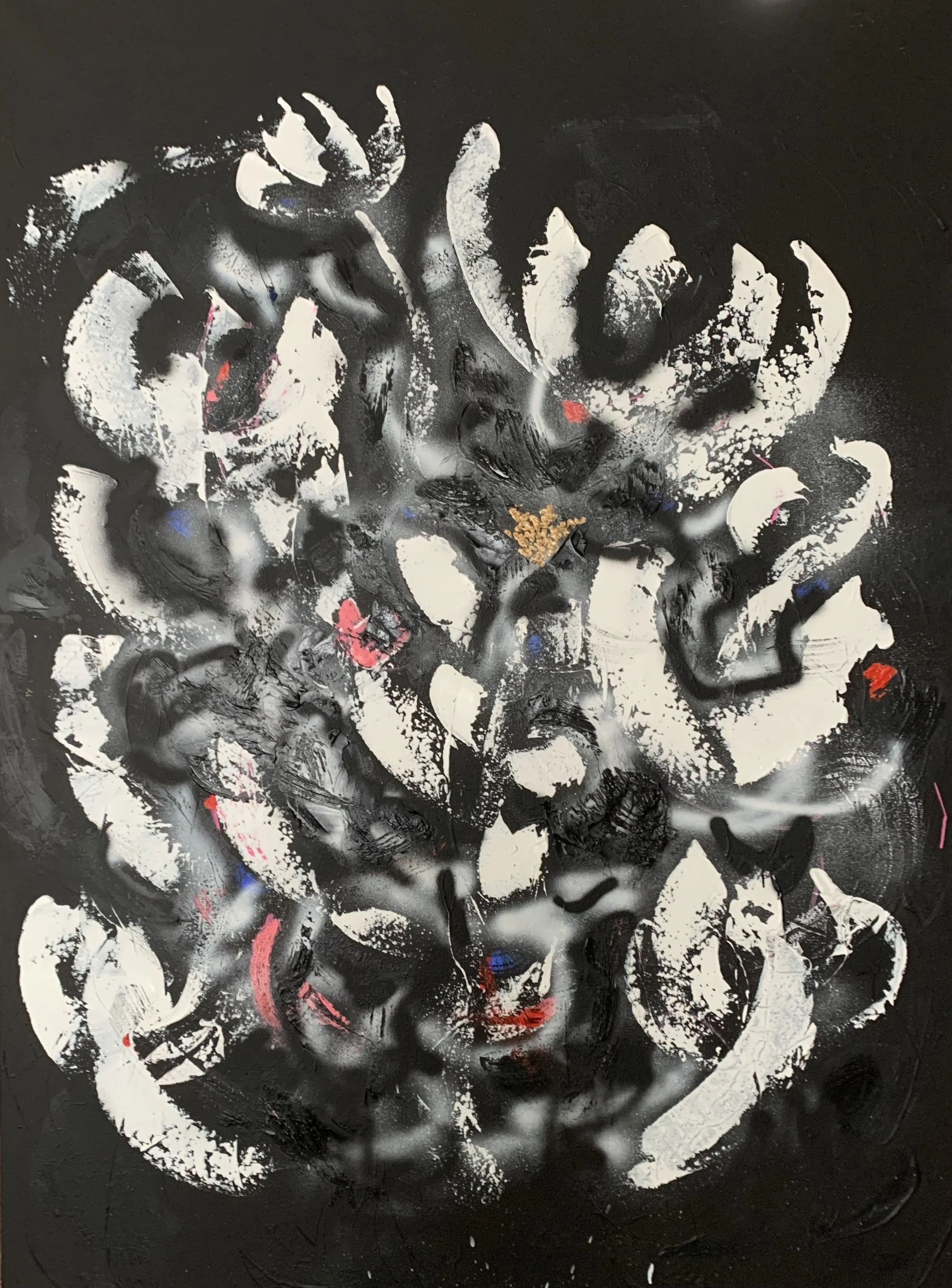
Flowers in the Moonlight, 2024, Acrylic on canvas, 160 x 120cm
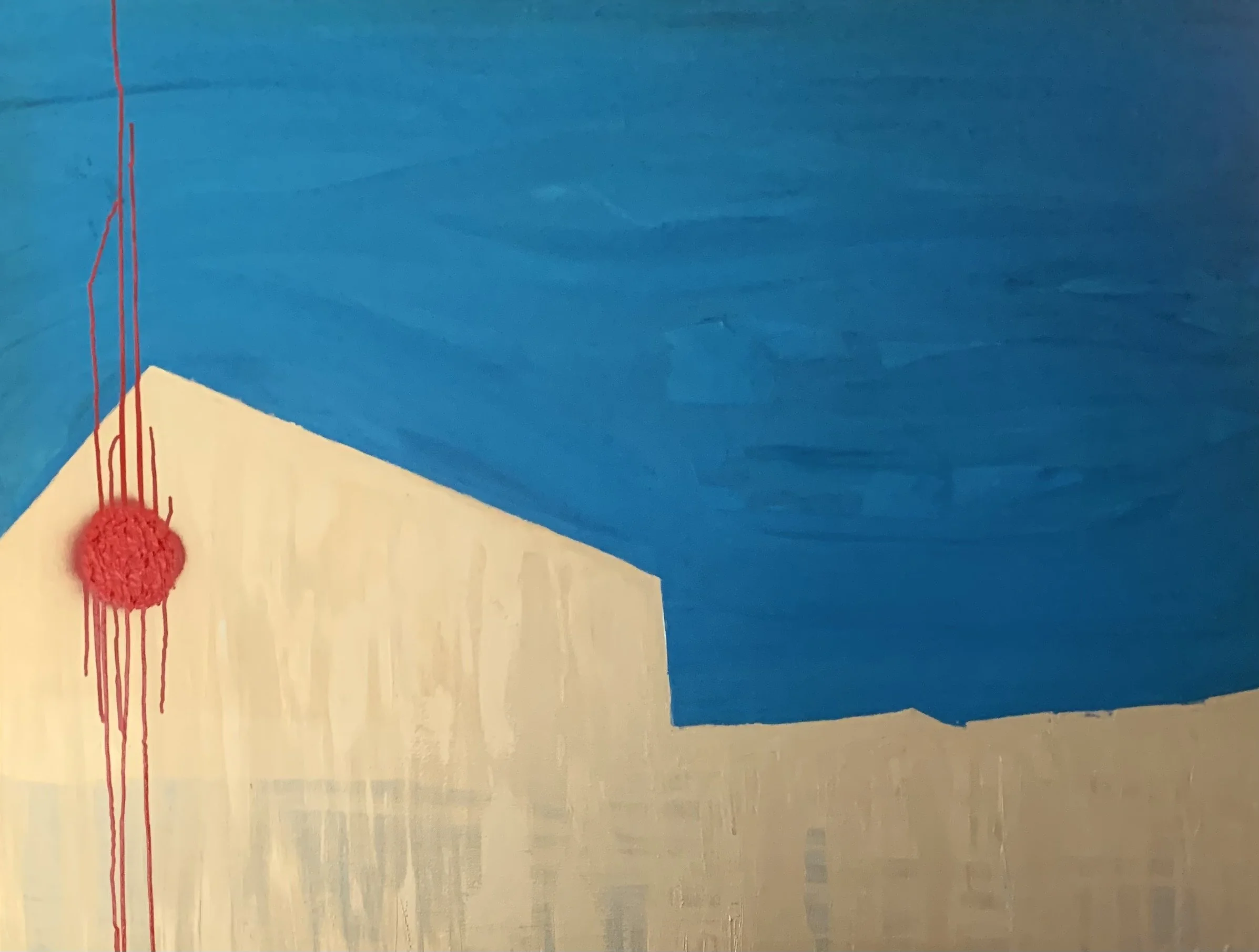
Home by the Sea, Oil and spray on canvas, 89 x 115cm
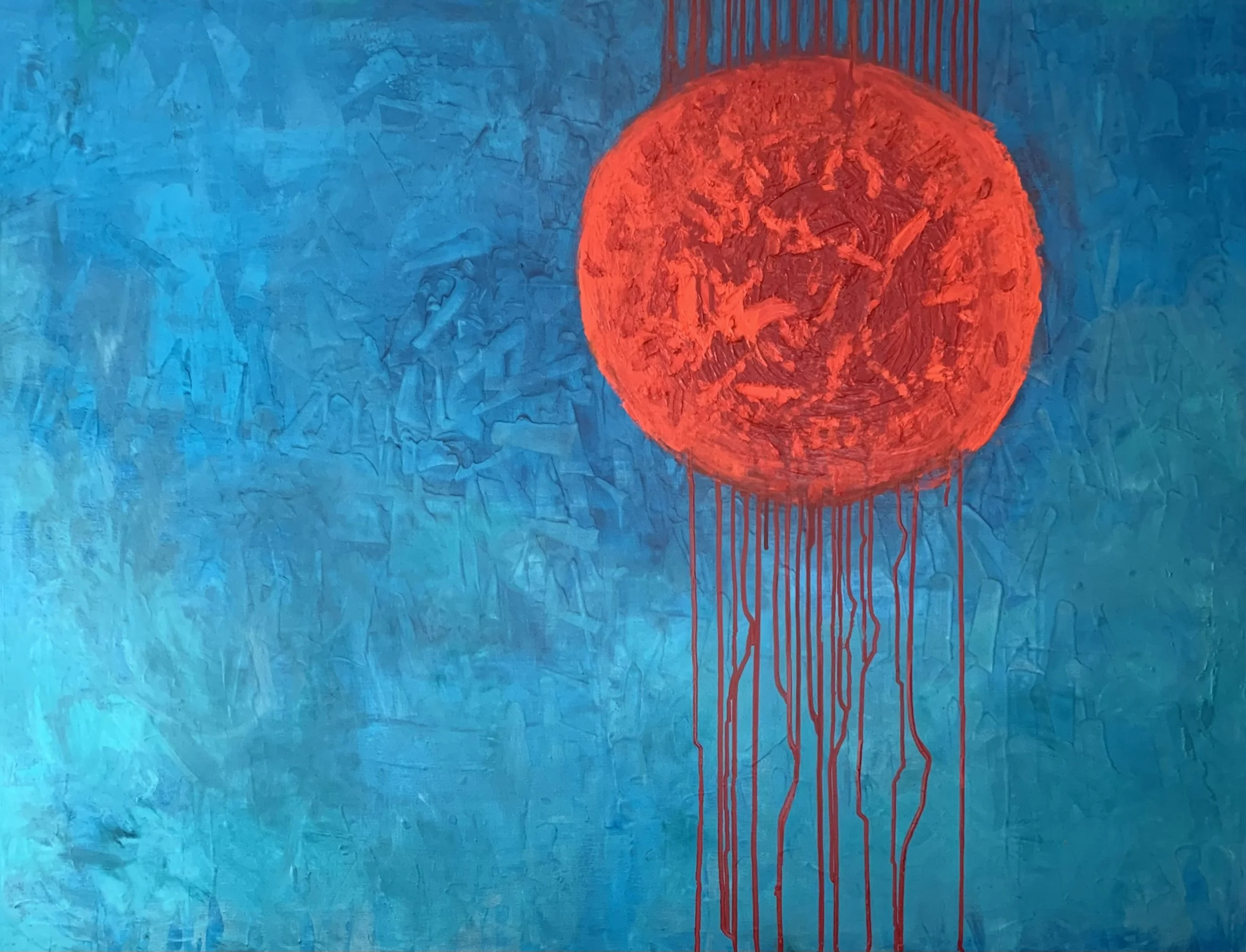
Love is Freedom, 2023, Oiol and spray on canvas, 89 x 118cm
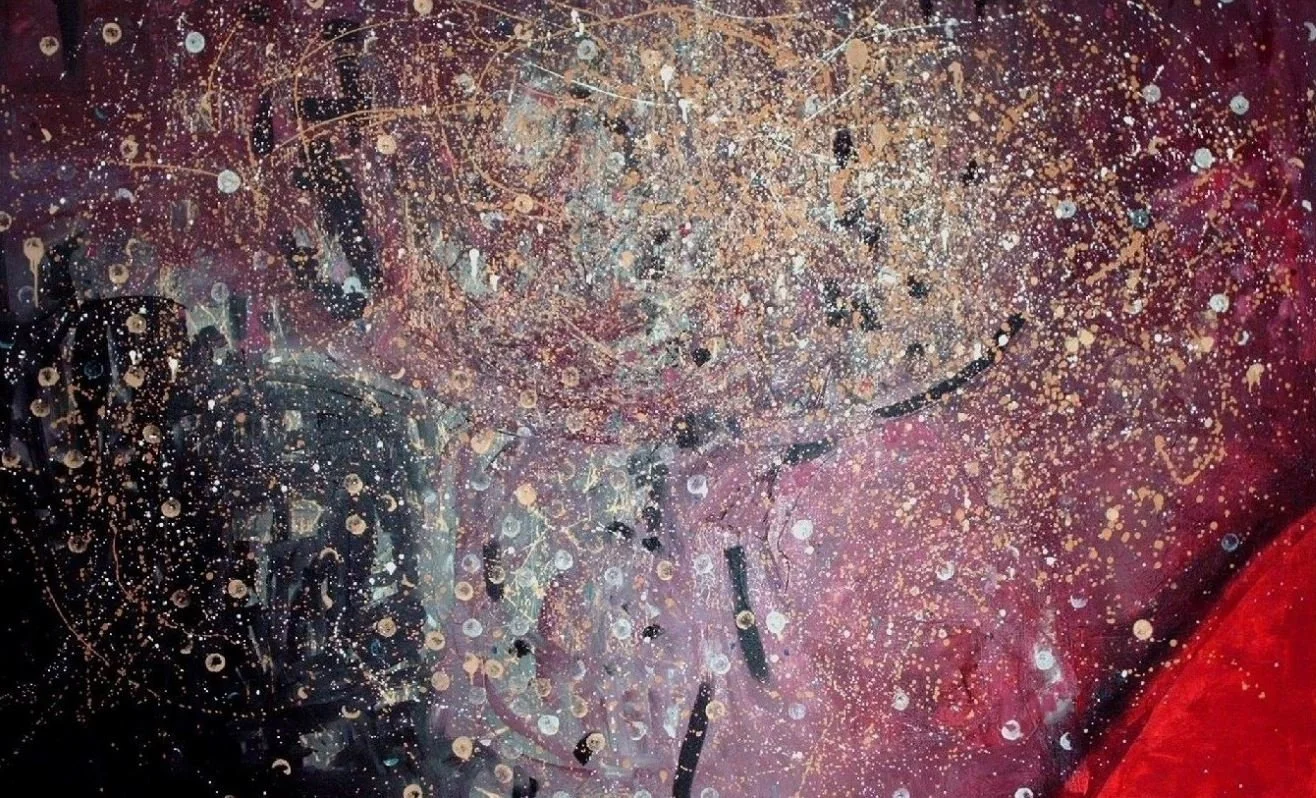
Dimension, 2004, Oil and pigments on canvas, 140 x 220cm
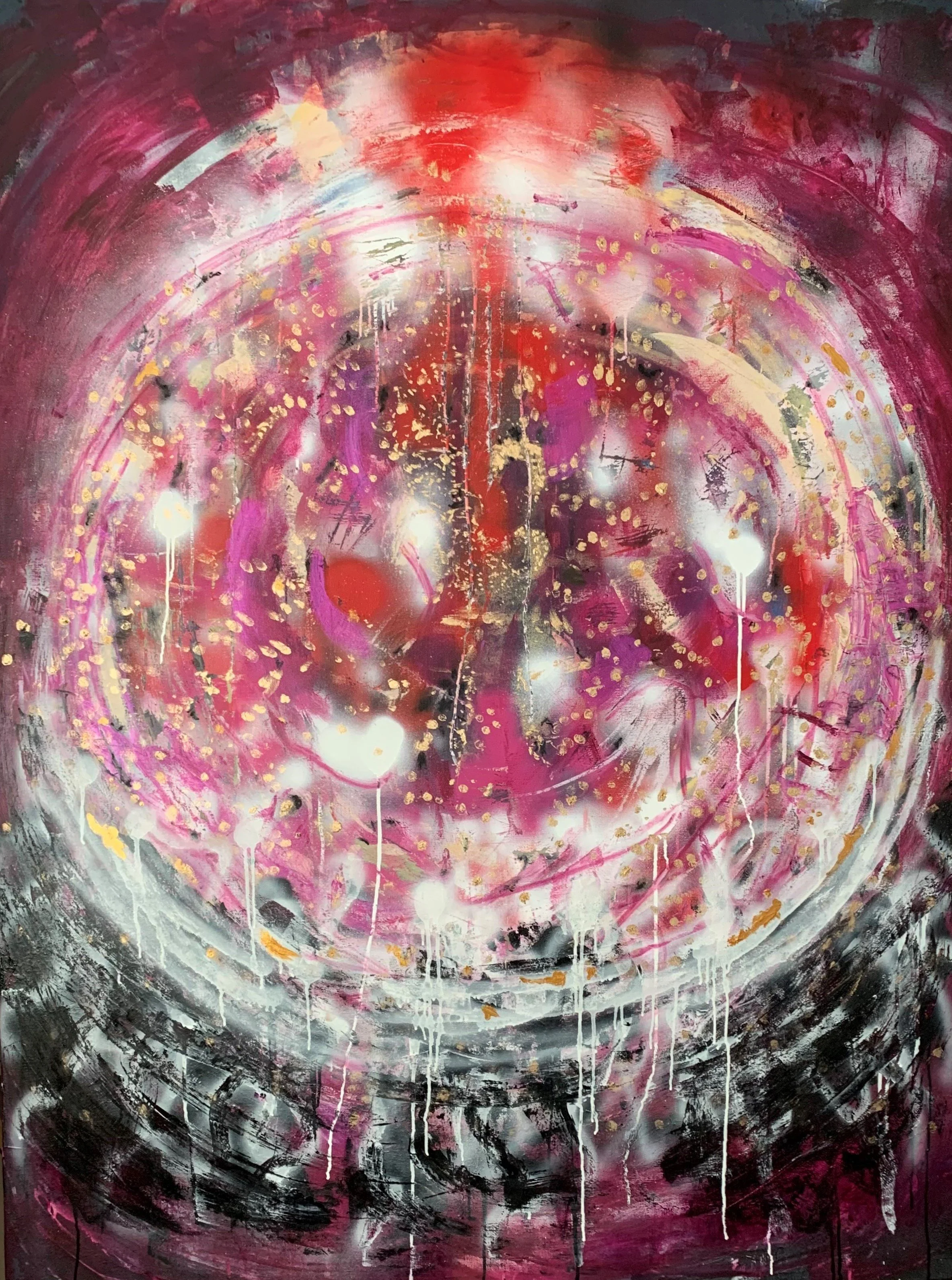
This Moment is Everything, Past, Present and Future, 2023, Acrylic, spray and oil on canvas, 170 x 130cm
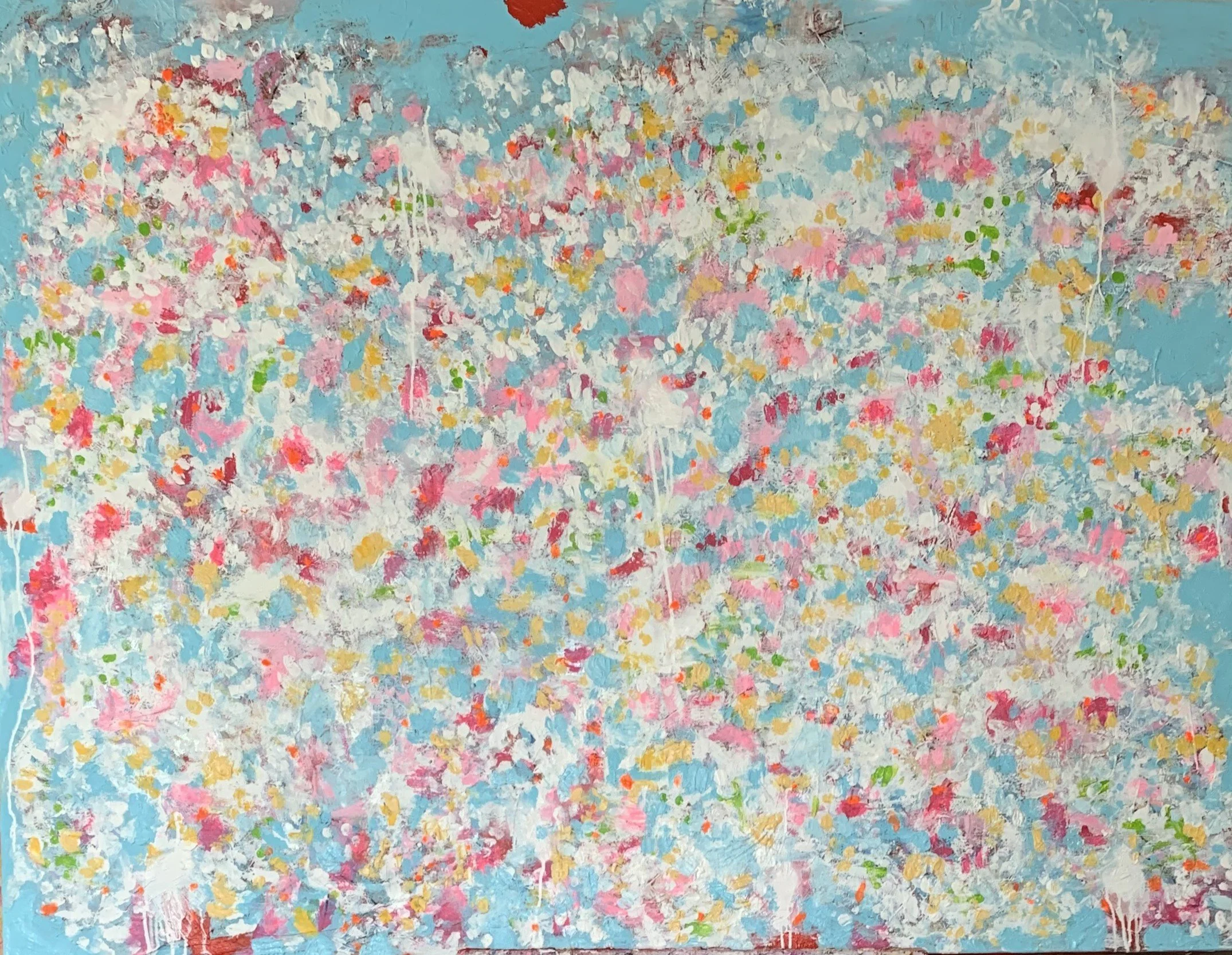
Today Sunday Morning whwn the Sky is Blue, 2023, Acrylic on canvas, 120 x 160cm