
Kristine Reiner
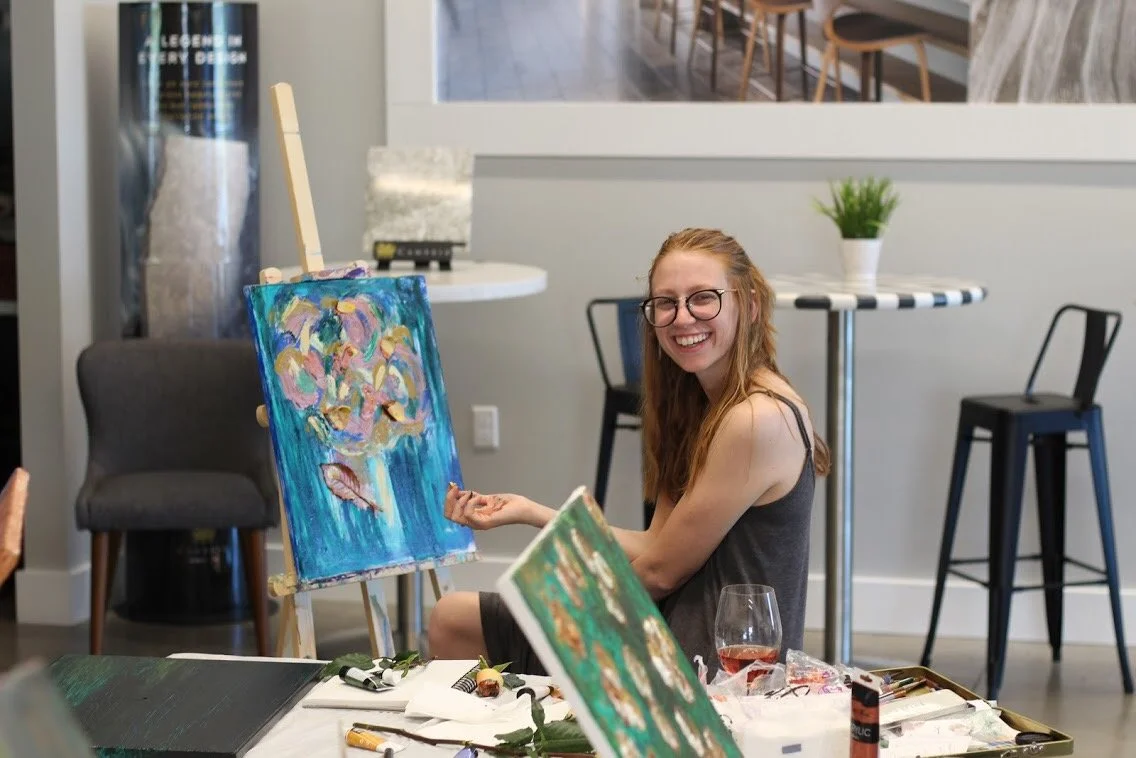
Meet Kristine
American Painter and Graphic Designer, Kristine Reiner, presents powerful and contemporary artworks featuring roses. She explores the intersection of gesture, material, and meaning through the recurring use of the rose. Rather than treating it as a fixed symbol, she employs the flower as an active tool—pressing, dragging, and imprinting it directly onto the surface—collapsing the boundary between representation and mark-making. Her process foregrounds tactility and physical encounter, producing layered, visceral compositions that resist purely visual consumption.
Engaging the rose’s dense cultural associations—beauty, femininity, loss—Reiner destabilizes these meanings through repetition and material intervention. Her paintings exist within an expanded field of practice, where organic matter replaces traditional tools and the act of creation becomes inseparable from bodily movement and presence. This emphasis on touch and process offers a counterpoint to the disembodied nature of digital image culture.
While informed by personal experience, her work resists direct narrative, maintaining a sense of abstraction and openness. Alongside her studio practice, Reiner extends her approach through accessible workshops, emphasizing shared material exploration over fixed authorship. With a background in graphic design, she navigates the tension between singular artwork and reproducible image, creating work that is both materially grounded and conceptually fluid.
Kristine has been featured in British Vogue, Vanity Fair and Harper’s Bazaar! Kristine’s style is unconventional and known internationally, painting with a rose is something you can’t fully understand until you do it.
The rose, as it recurs within your work, appears less as motif than as a kind of semiotic residue, overcoded, historically burdened, and yet insistently reactivated through your procedures. How do you situate your practice in relation to this accumulation of signification, and what operations are necessary to dislodge the rose from its own discursivity?
I don’t approach the rose as something I can “clean” of meaning—it’s already saturated, almost exhausted. Love, grief, femininity, cliché—it carries all of it. What interests me is not escaping that weight, but pressing into it until it breaks open. My process—crushing, dragging, staining with the rose itself—becomes a way of interrupting its polished symbolism. I’m not removing its history; I’m agitating it. The rose stops behaving as a symbol you look at and becomes something that acts—it bleeds, it resists, it fails. That failure is where it becomes alive again.
In deploying the rose as both implement and index, your work seems to collapse the distinction between mark making and referent, producing a surface in which representation folds back into process. Is this collapse to be understood as a critique of pictorial illusionism, or as an attempt to reinscribe materiality within the symbolic order of painting?
That collapse is very intentional. I’m not interested in painting of a rose—I want the rose to perform itself into the work. So the mark is the referent. There’s no illusion to decode because the object has already touched the surface. In that sense, yes, it resists illusionism—but more than critique, it’s about honesty. Materiality isn’t something I reinsert; it’s something I refuse to abandon. The painting holds the evidence of contact, not just representation.
One might argue that your paintings occupy a space of expanded painting, wherein the act of inscription exceeds the traditional limits of the brush and enters into a field of performative contingency. How do you understand your work in relation to this expansion, and does it risk dissolving the specificity of painting as a medium?
I think of my work as painting that has outgrown its tools but not its identity. The brush isn’t sacred to me—gesture is. If the rose can carry gesture, then it belongs. Expansion doesn’t dilute painting; it tests its edges. What matters is that the work still deals with surface, time, pressure, and presence. As long as those are intact, I don’t feel like I’ve left painting—I’ve just widened its vocabulary.
The insistence on tactility, on the press, drag, and rupture of the rose against the surface, introduces a haptic register that resists purely optical consumption. To what extent is this haptic dimension a strategy to counter the increasing dematerialization of the image within digital culture?
The haptic element is everything. You’re not just seeing the work—you’re almost feeling it. The drag, the rupture, the imprint—they hold a kind of physical truth that screens can’t fully translate. In a culture where images are flattened and endlessly scrolled, I want the body to come back into the experience. The rose pressed into canvas is slow, resistant, and specific. It insists on being encountered, not just consumed.
Your articulation of gratitude as an operative condition of practice introduces a curious counterpoint to the critical negativity that has historically underwritten much of contemporary art discourse. Can gratitude function as a structural principle without lapsing into an affirmative ideology that neutralizes contradiction?
Gratitude, for me, isn’t passive or decorative—it’s active. It doesn’t erase tension; it holds it. I can be grateful and critical, soft and unresolved. In fact, gratitude allows me to stay in the work longer, to face difficult material without shutting down. It’s not about making the work agreeable—it’s about staying open enough for contradiction to exist without collapsing it into cynicism.
The pedagogical framework you construct, particularly through workshops that emphasize accessibility, raises questions about the distribution of artistic agency. Does this dissemination of technique constitute a democratization of authorship, or does it paradoxically reinscribe the artist’s authority at the level of method?
Teaching this process is something I’ve thought about a lot. When I share it, I’m not giving away authorship—I’m opening a door. The method is accessible, but the outcome is always personal. No two people press a rose the same way because no two people carry the same weight into it. If anything, it decentralizes me. It proves that the power isn’t in me as an authority figure—it’s in the act itself.
In your account of trauma as both impetus and substrate, the work risks being read through a biographical determinism that collapses form into narrative. How do you resist this reduction, and what formal strategies do you employ to maintain a necessary opacity within the work?
Trauma is part of the soil, but it’s not the whole plant. I’m careful not to let the work become an illustration of my life. The materials do a lot of that work for me—the abstraction, the layering, the repetition. They create distance. You can feel something happened, but you don’t get the full story. That opacity is necessary. It protects the work from becoming too literal and allows others to enter it with their own experiences.
The surface of your paintings, often dense with accumulations of gesture, suggests a temporality of repetition and return rather than linear progression. Might this be understood as a refusal of teleology, and if so, how does such a refusal operate within the broader economies of production and reception?
Yes, repetition is central. I return to the same gestures, the same forms, over and over—but they’re never identical. It’s not about progress toward a final image; it’s about staying in motion. That refusal of a clear endpoint challenges the idea that a painting needs to “arrive” somewhere. Instead, it holds time—cycles, not conclusions. In a world that values output and resolution, that can feel disruptive, but it’s also more honest to how we actually process things.
Given your engagement with graphic design and reproducible media, your work seems to hover uneasily between singularity and circulation. How do you negotiate the tension between the painting as a unique object and its potential subsumption into systems of mass visibility and branding?
This tension is very real for me. I come from graphic design, so I understand visibility, branding, reproducibility. But painting resists that—it wants to be singular, physical, unrepeatable. I try to let both exist. The image can circulate, but the object holds something that can’t be replicated—the texture, the scale, the presence. I’m not trying to resolve that tension. I think it’s productive. It keeps the work moving between intimacy and exposure.
If one considers the rose as a kind of ready made, already inscribed within cultural memory, your practice might be seen as staging a repetition that is never identical to itself. In this sense, does your work align with a logic of différance, in which meaning is perpetually deferred, or does it seek, however provisionally, to stabilize affect within the field of the image?
The rose is never the same twice, even when it looks like it might be. Every impression shifts—pressure, moisture, timing—all of it changes the outcome. So yes, there’s a kind of constant deferral happening. Meaning isn’t fixed; it moves. But at the same time, I’m not trying to disappear into endless ambiguity. I want the work to hold a feeling—something grounded, even if it’s unstable. It’s that balance I’m after: something you can feel immediately, but never fully pin down.
www.kristinereiner.com
https://www.instagram.com/kristinesartwork
https://www.instagram.com/flameon36
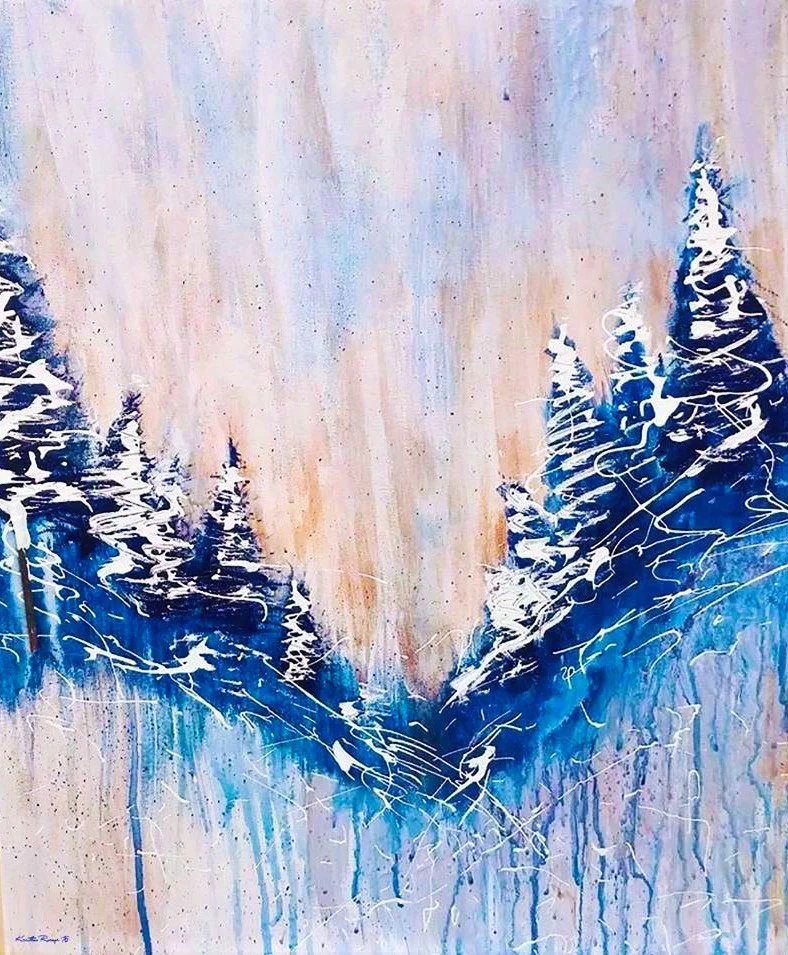
Winter's Charm, 2016. Latex on canvas. 40x50 cm
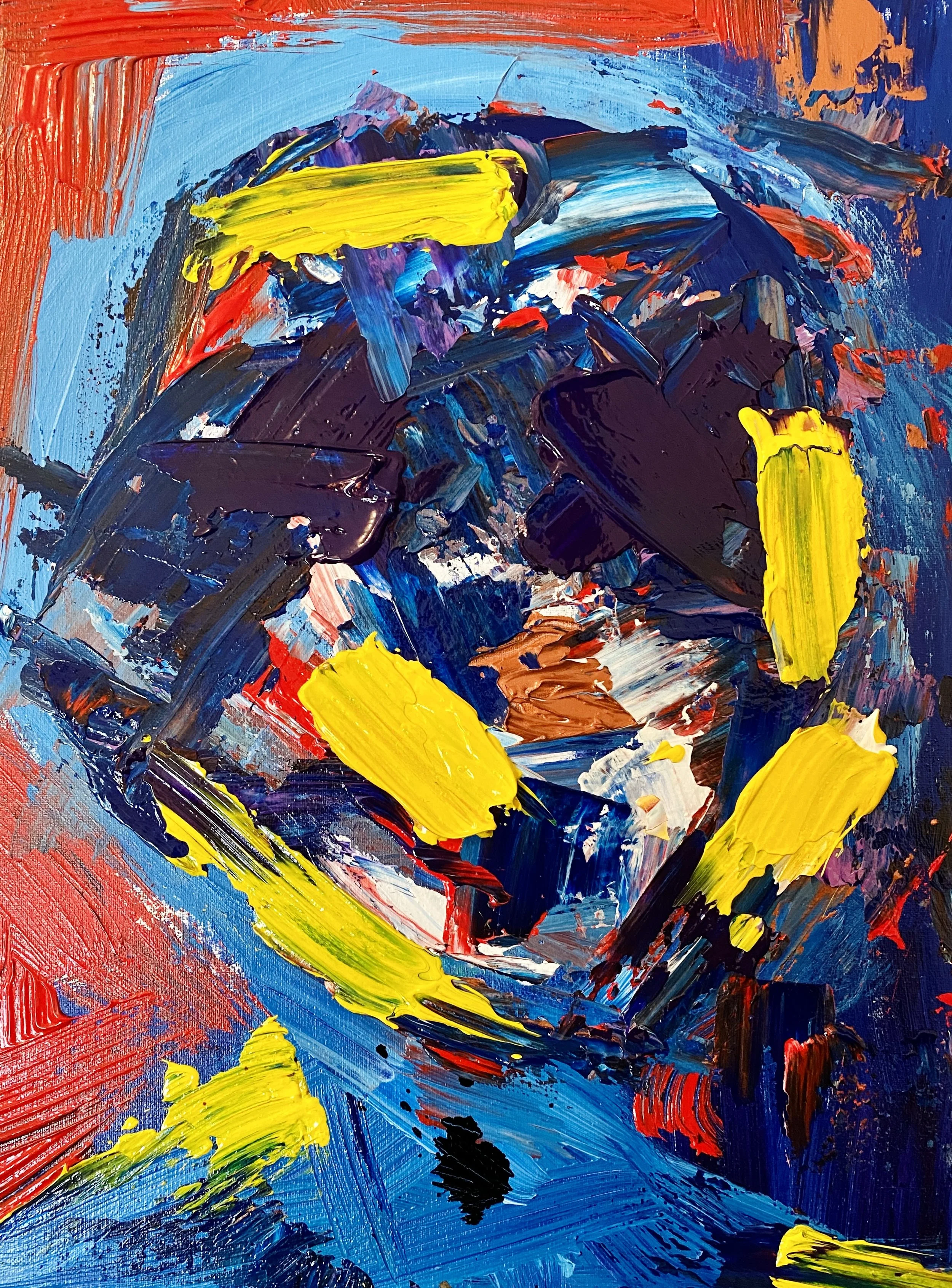
Self Portrait, 2025. Acrylic on canvas. 20x25cm
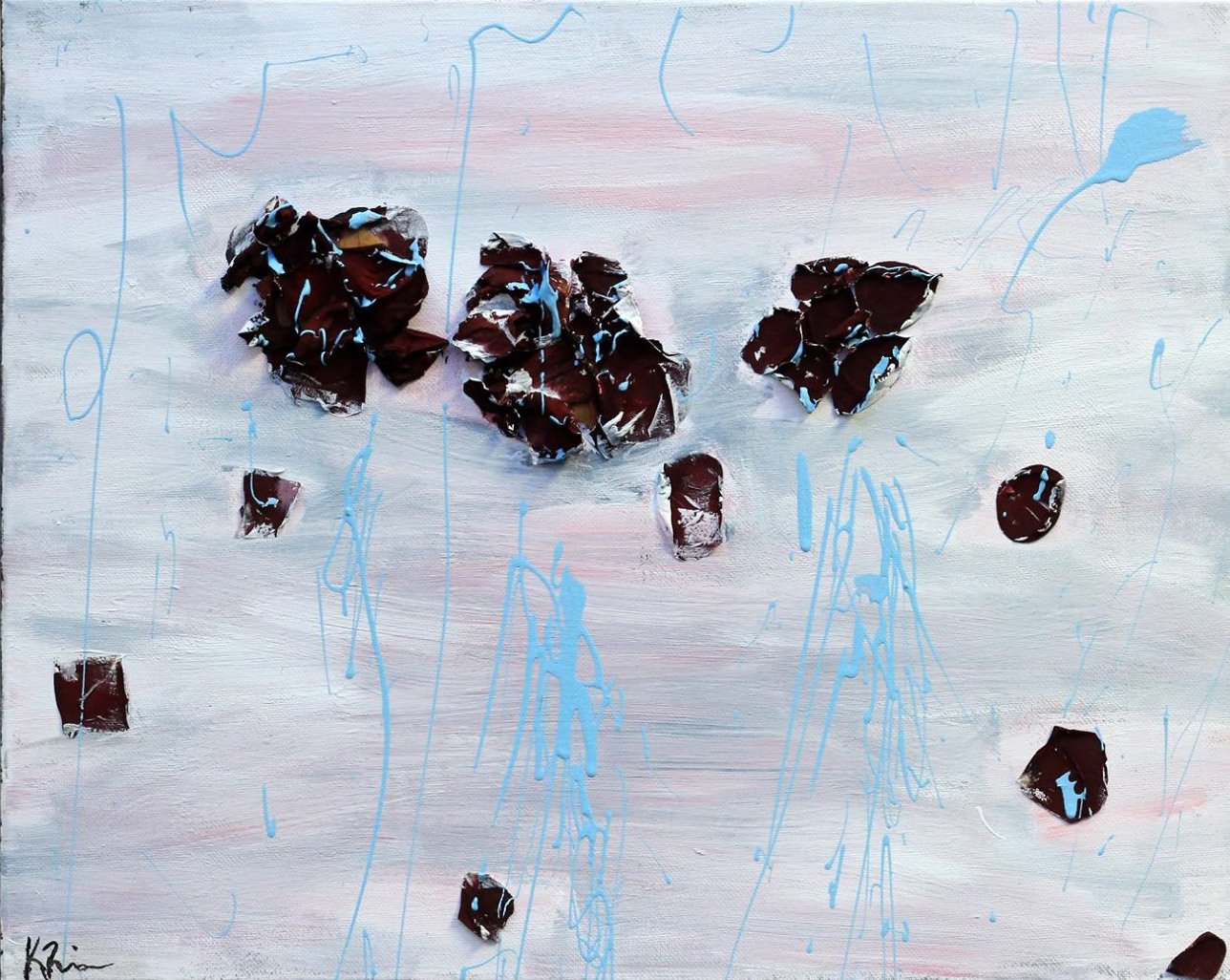
Sisters, 2016. Roses and acrylic on canvas. 50x40 cm.
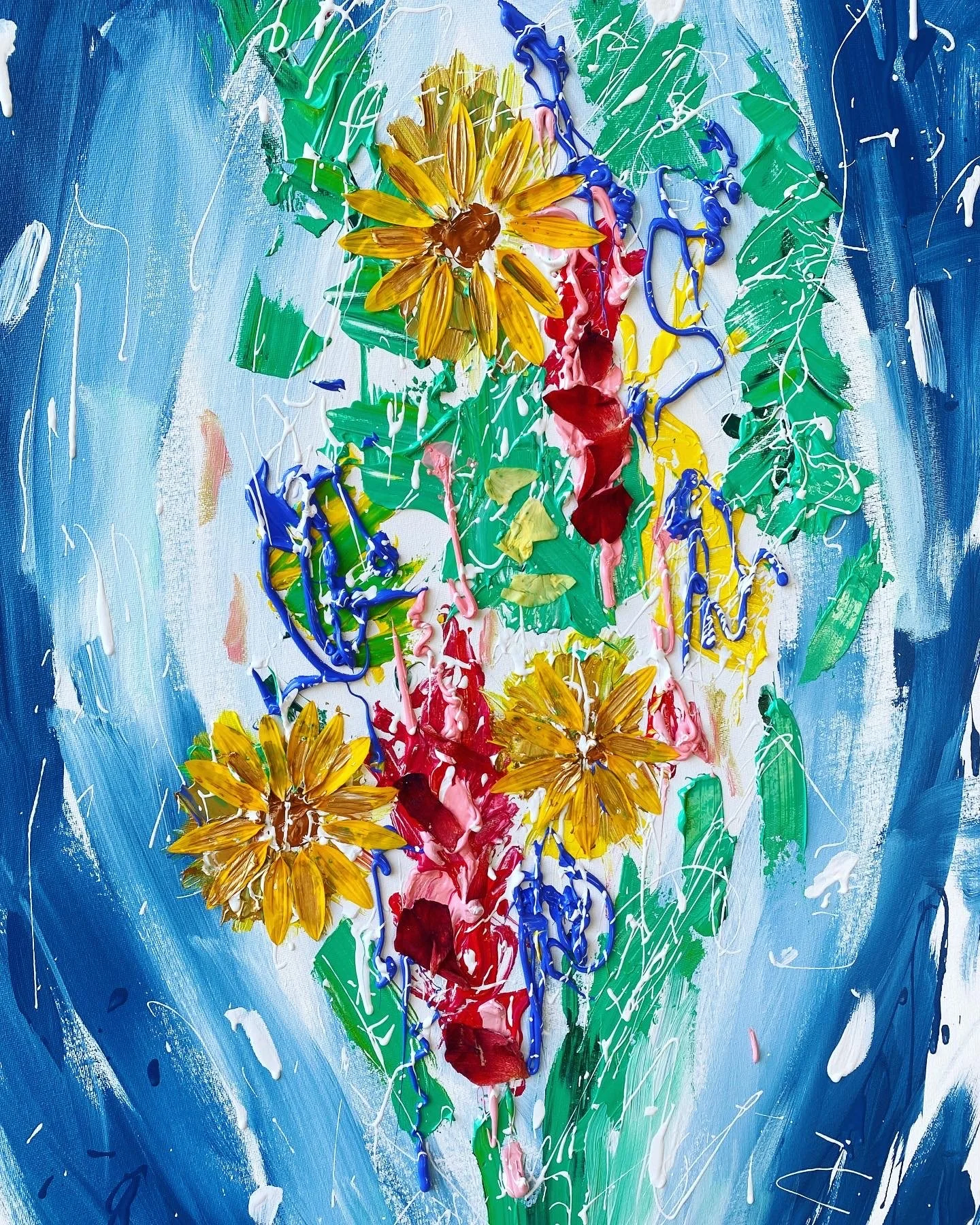
Sunflower #1, 2020. Sunflowers and acrylic on canvas. 91x121 cm
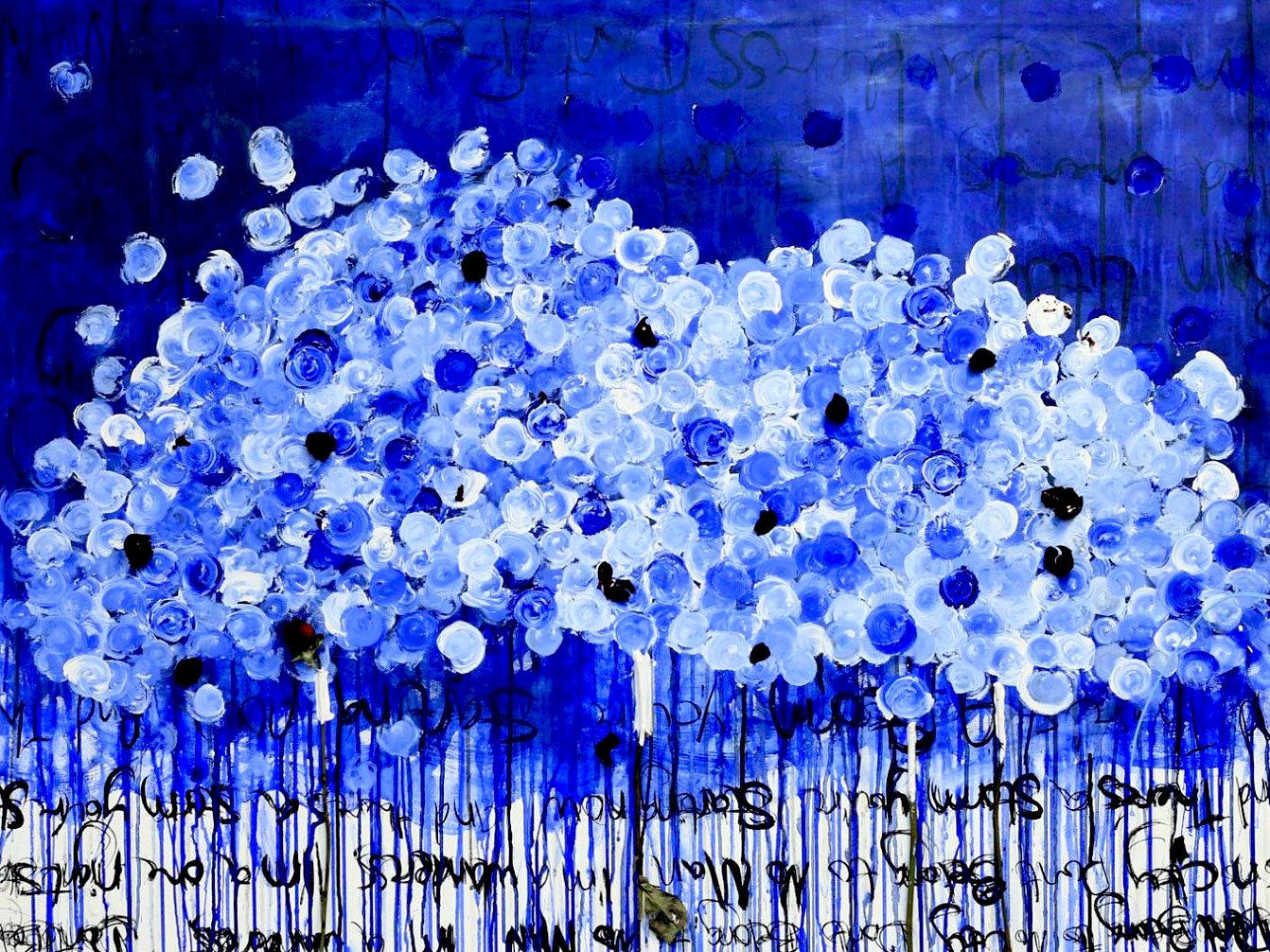
Halsey Inspired Hurricane, 2015. Roses, ink and acrylic on canvas. 121x106 cm
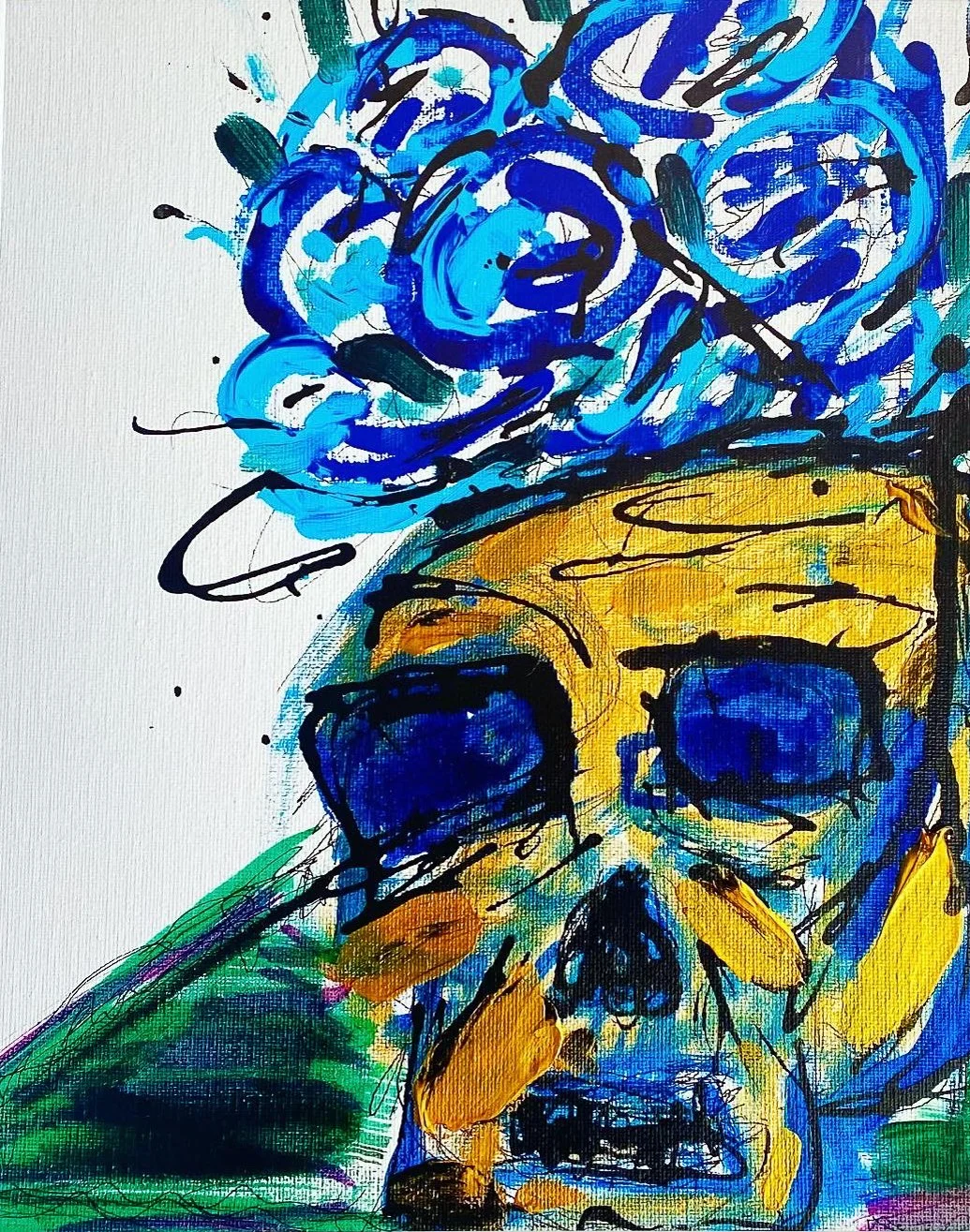
Skully, 2019. Inks on canvas. 20x25 cm.
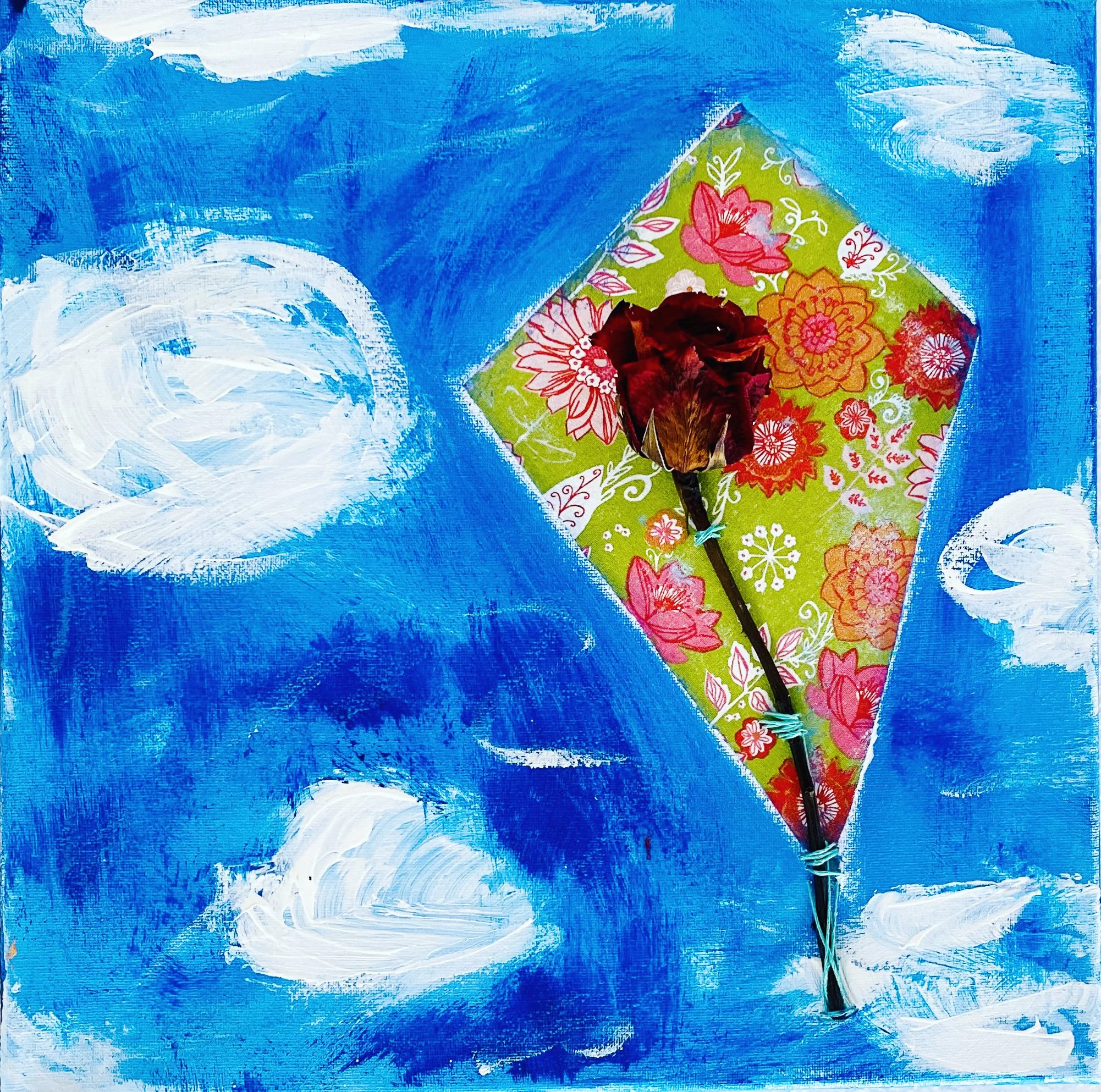
Beyond the Sky, 2022. Roses, textile and acrylic on canvas. 30x30 cm.
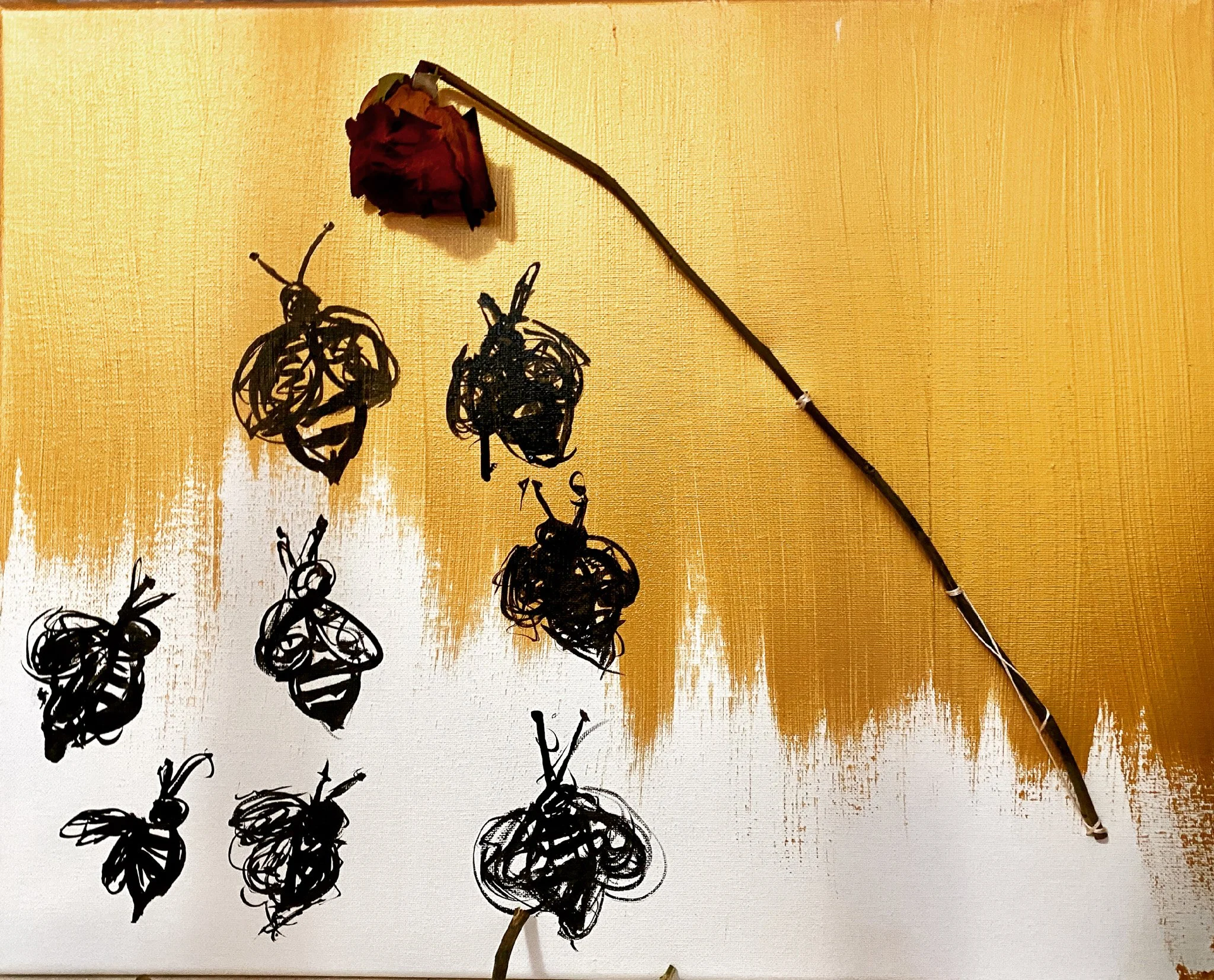
Kites, 2022. Roses, ink and acrylic on canvas. 50x40 cm
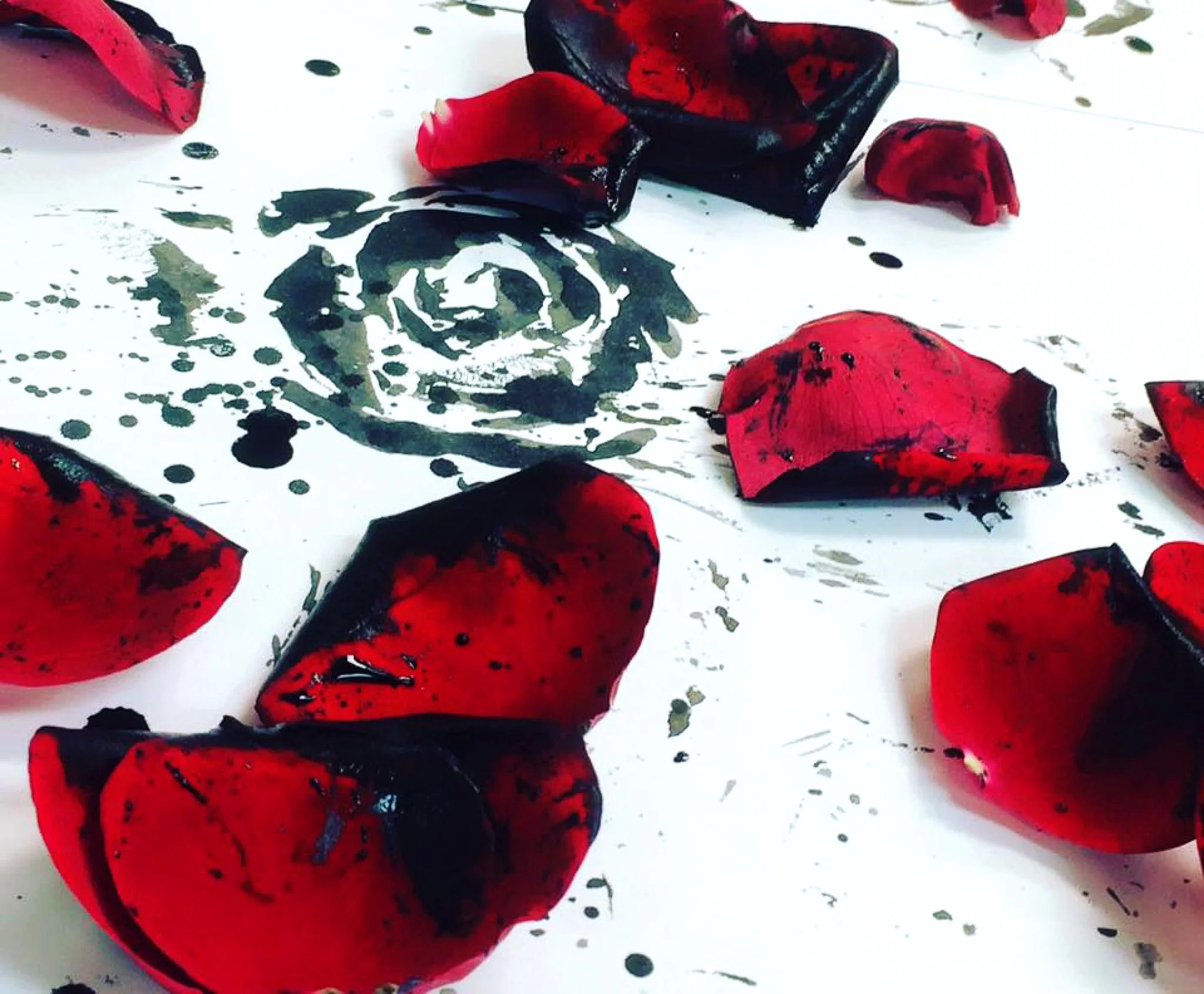
Defamation, 2016. Roses and ink on paper. 50x40 cm
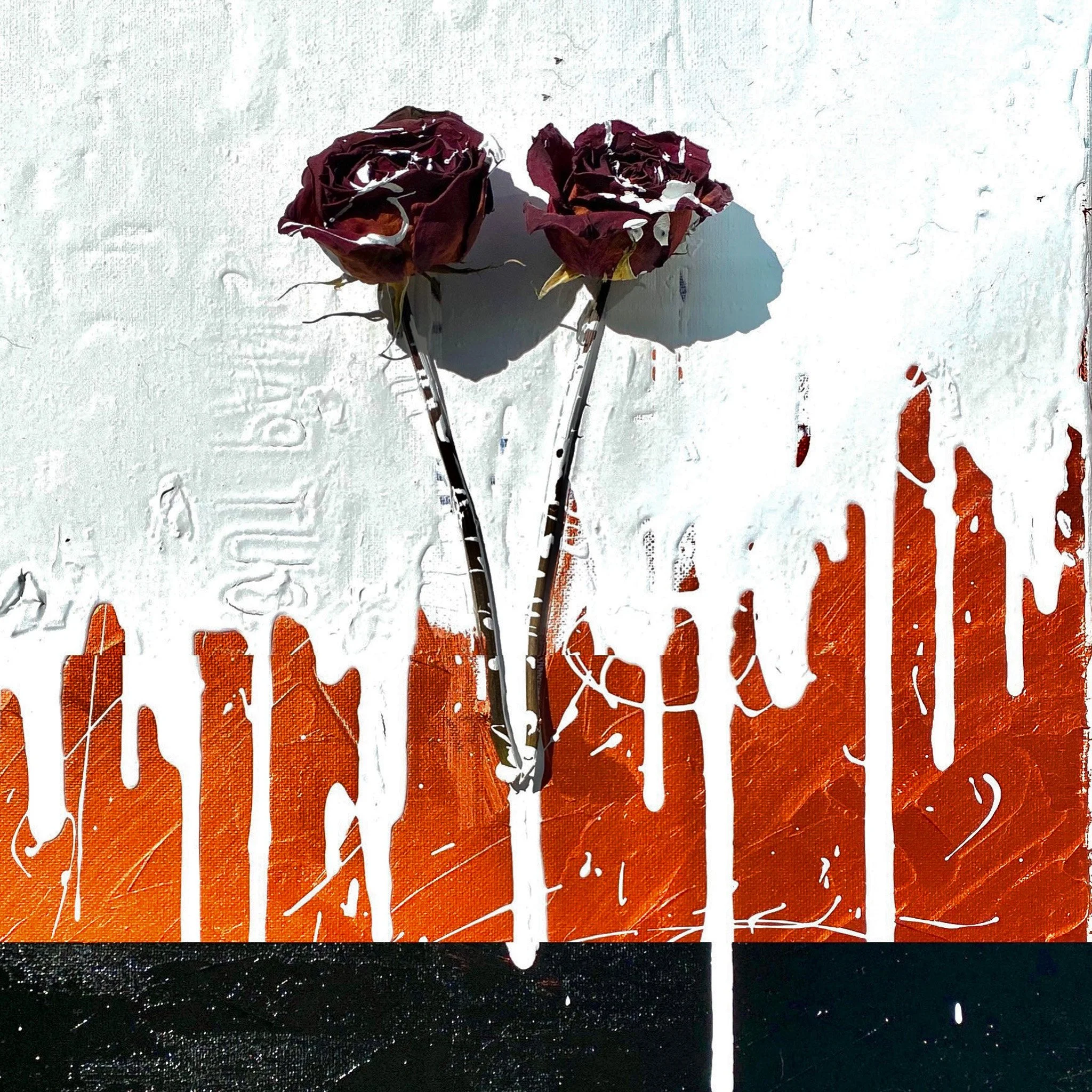
Love Birds, 2020. Roses and acrylic on canvas. 40x50cm
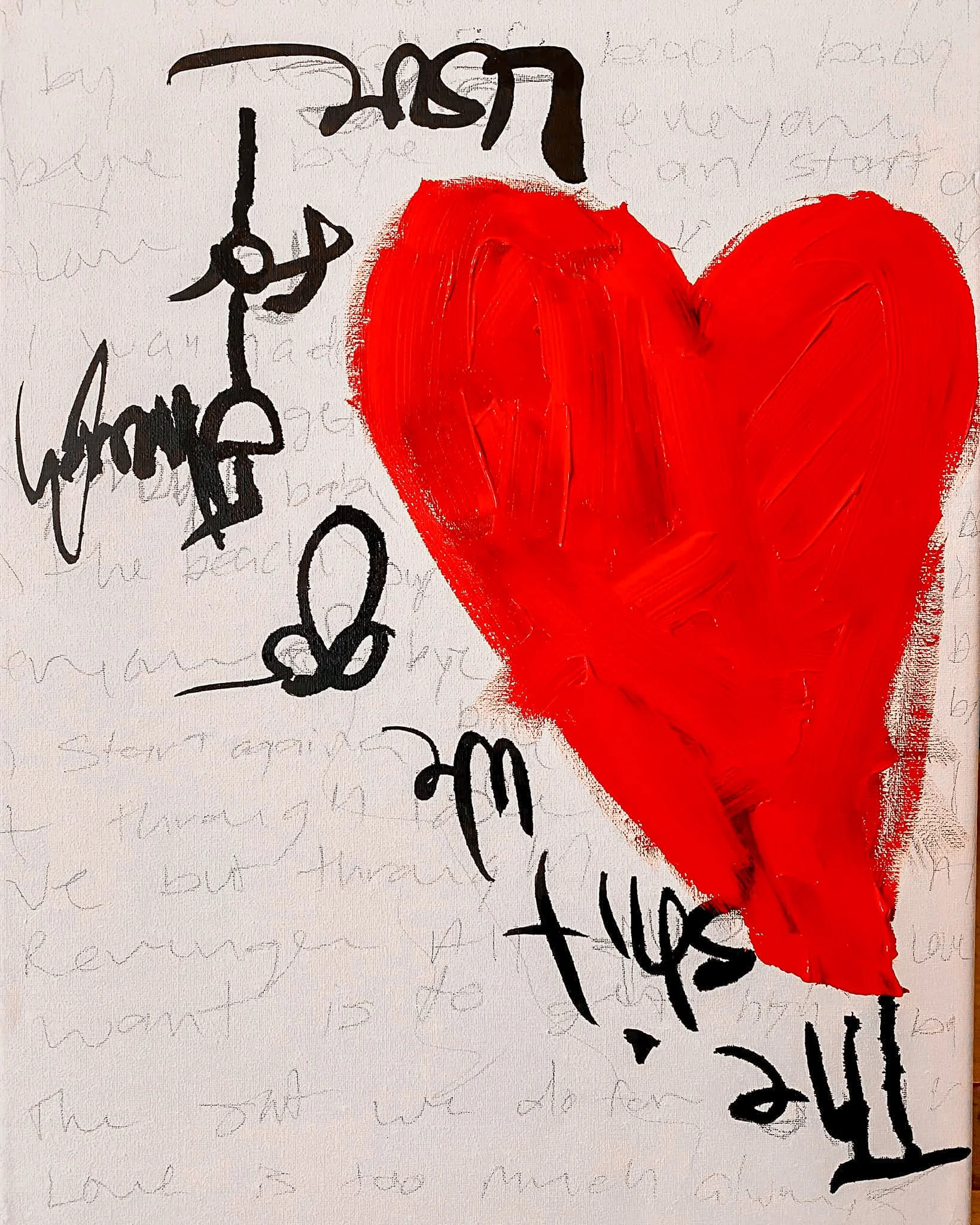
The Shit We Go Through For Love, 2025. Acrylic on canvas. 20x25 cm
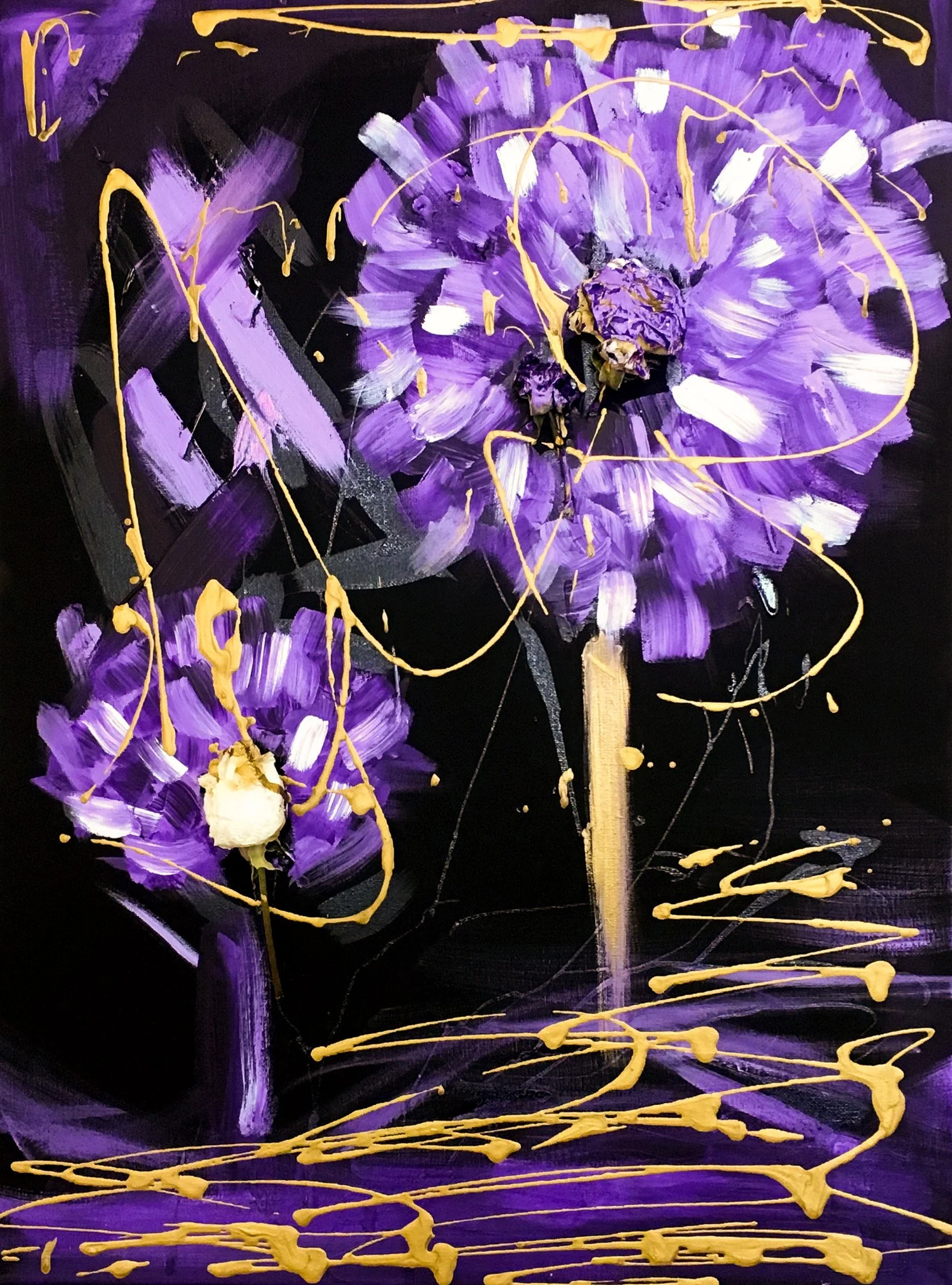
A, 2016. Roses and acrylic on canvas. 40x50c.
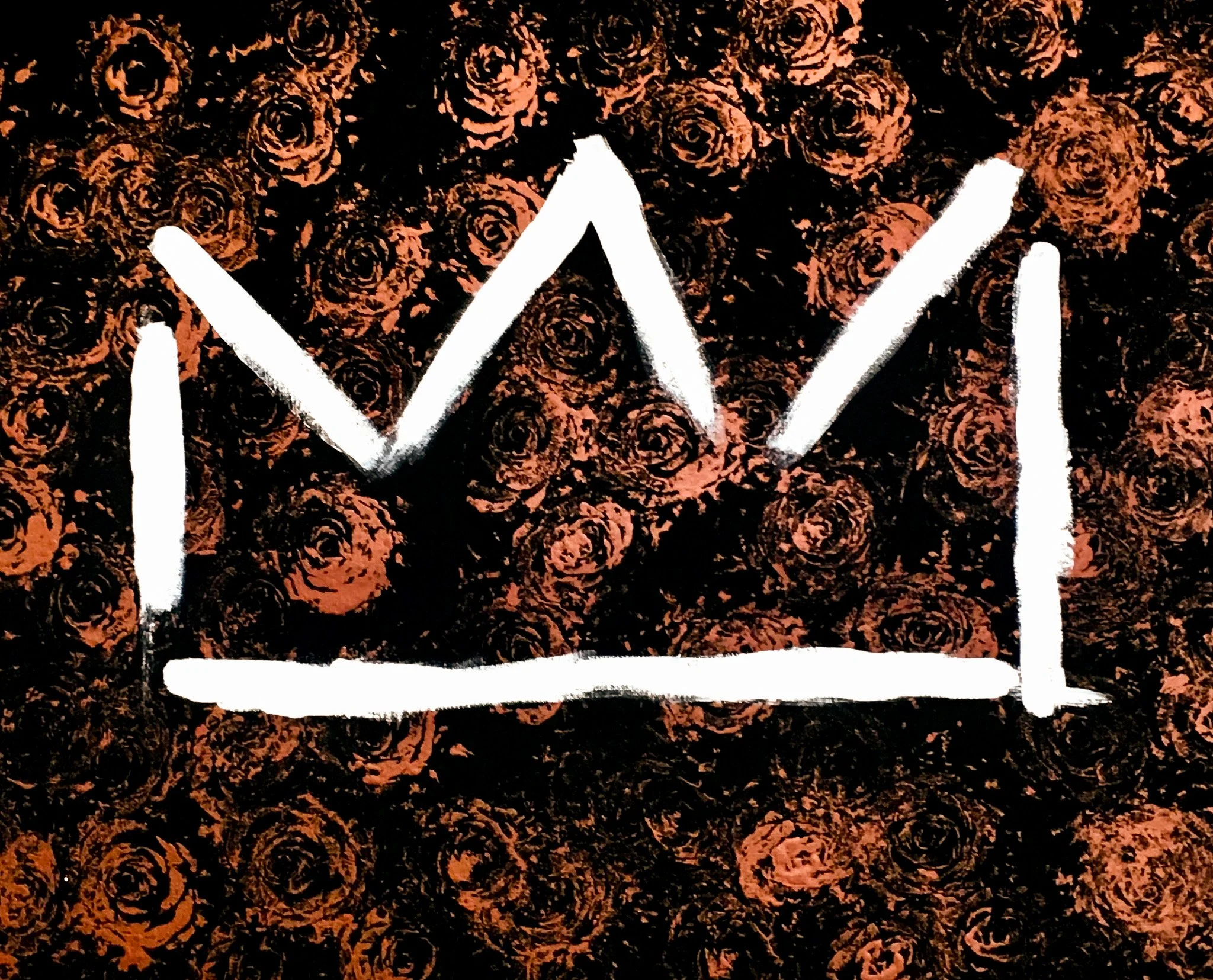
K, 2018. Roses and acrylic on canvas. 40x50cm
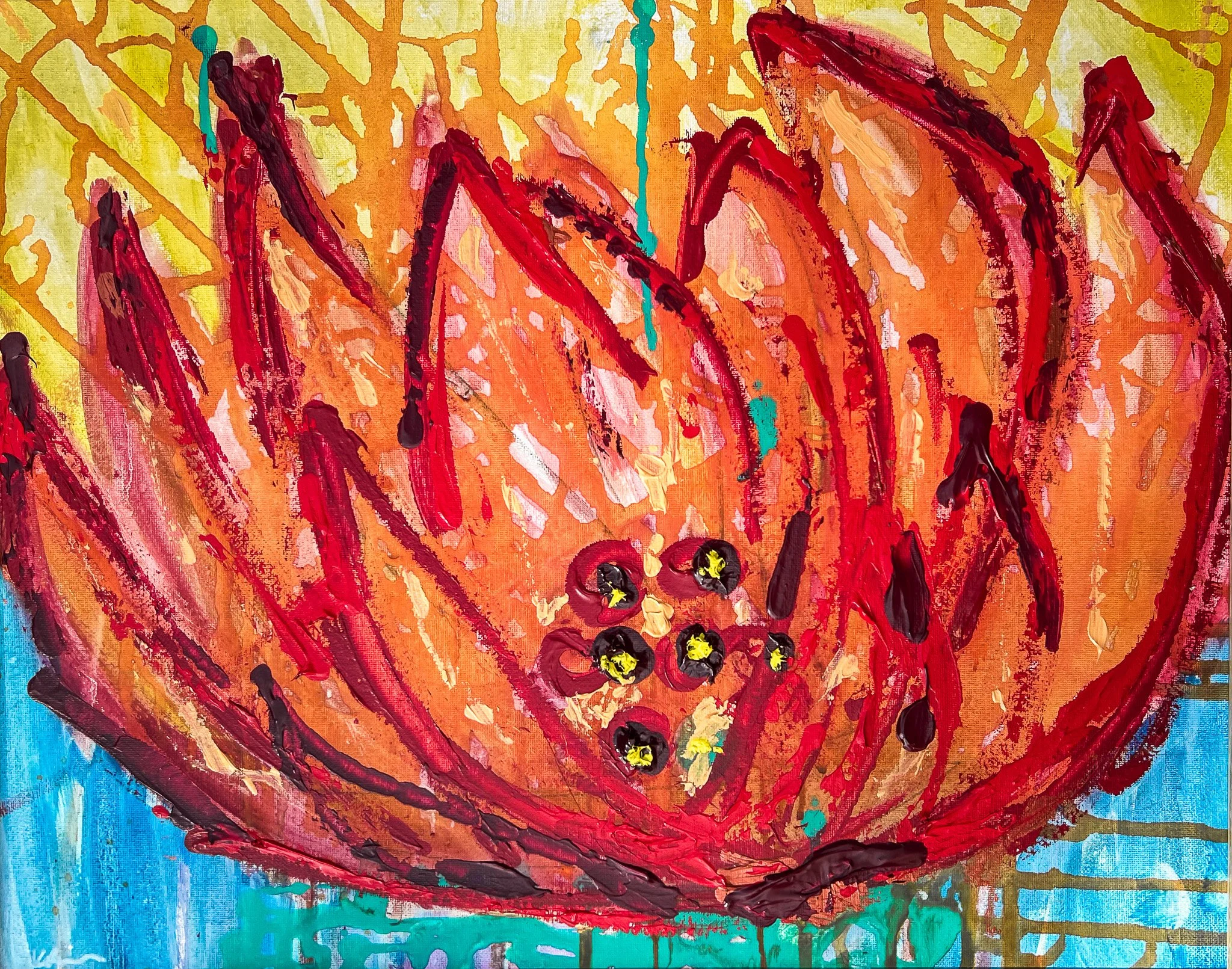
Fire Lilly, 2025. Acrylic on canvas. 40x50cm
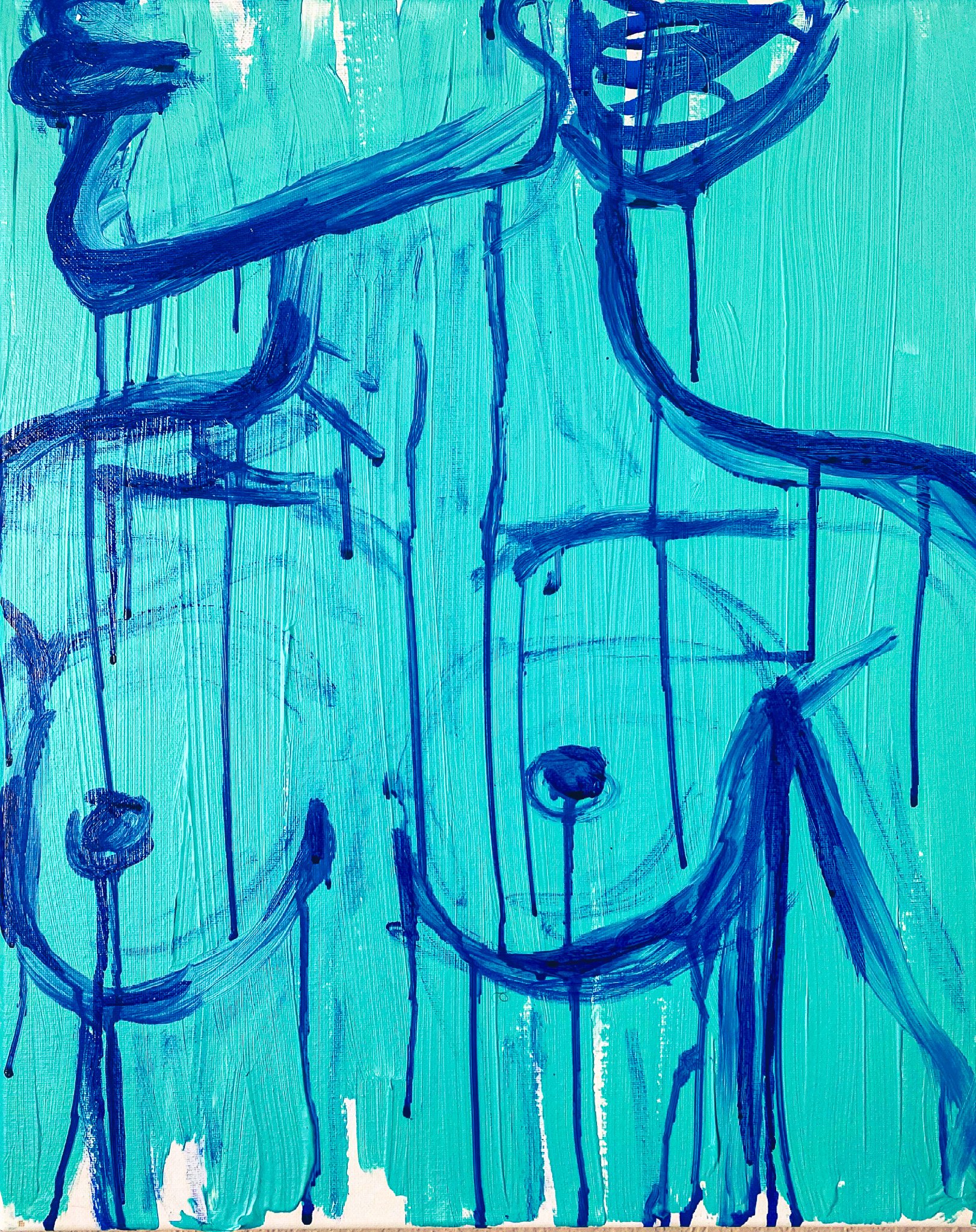
Self Portrait 4, 2020. Acrylic on canvas. 40x50cm
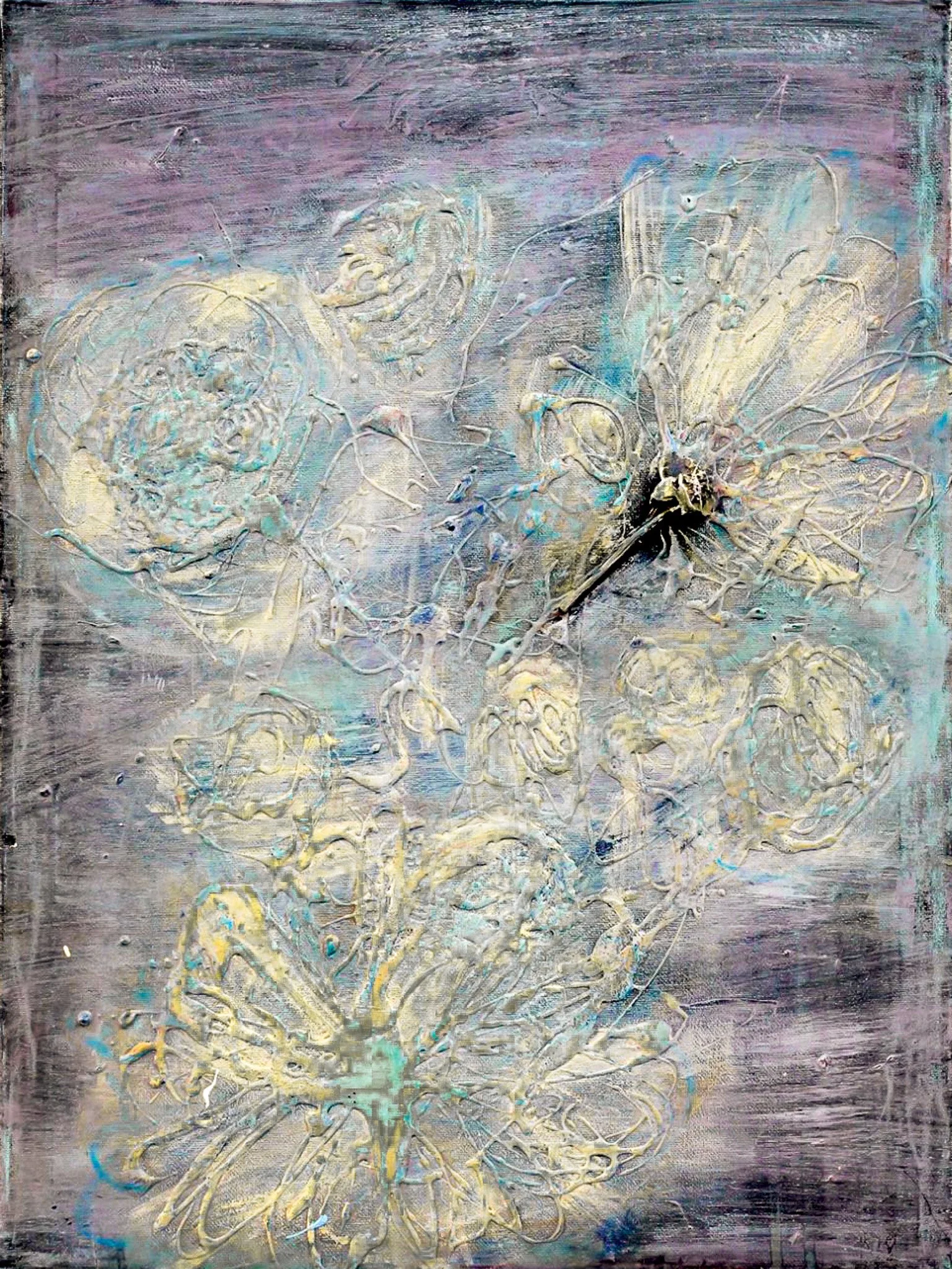
Indecent Exposure, 2016. Roses and oil pastel on canvas. 40x50 cm
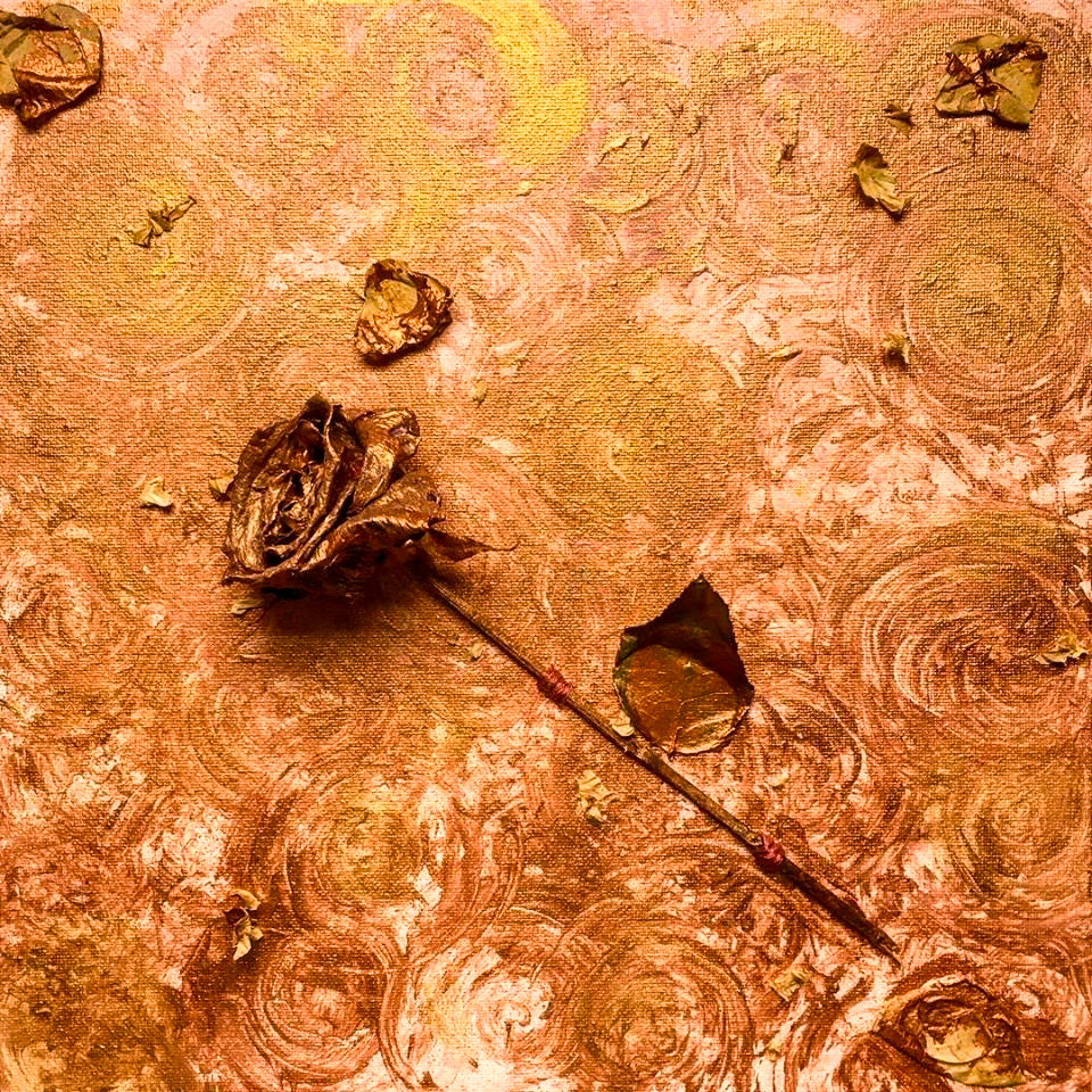
Lana, 2018. Roses and acrylic on canvas. 30x30 cm.
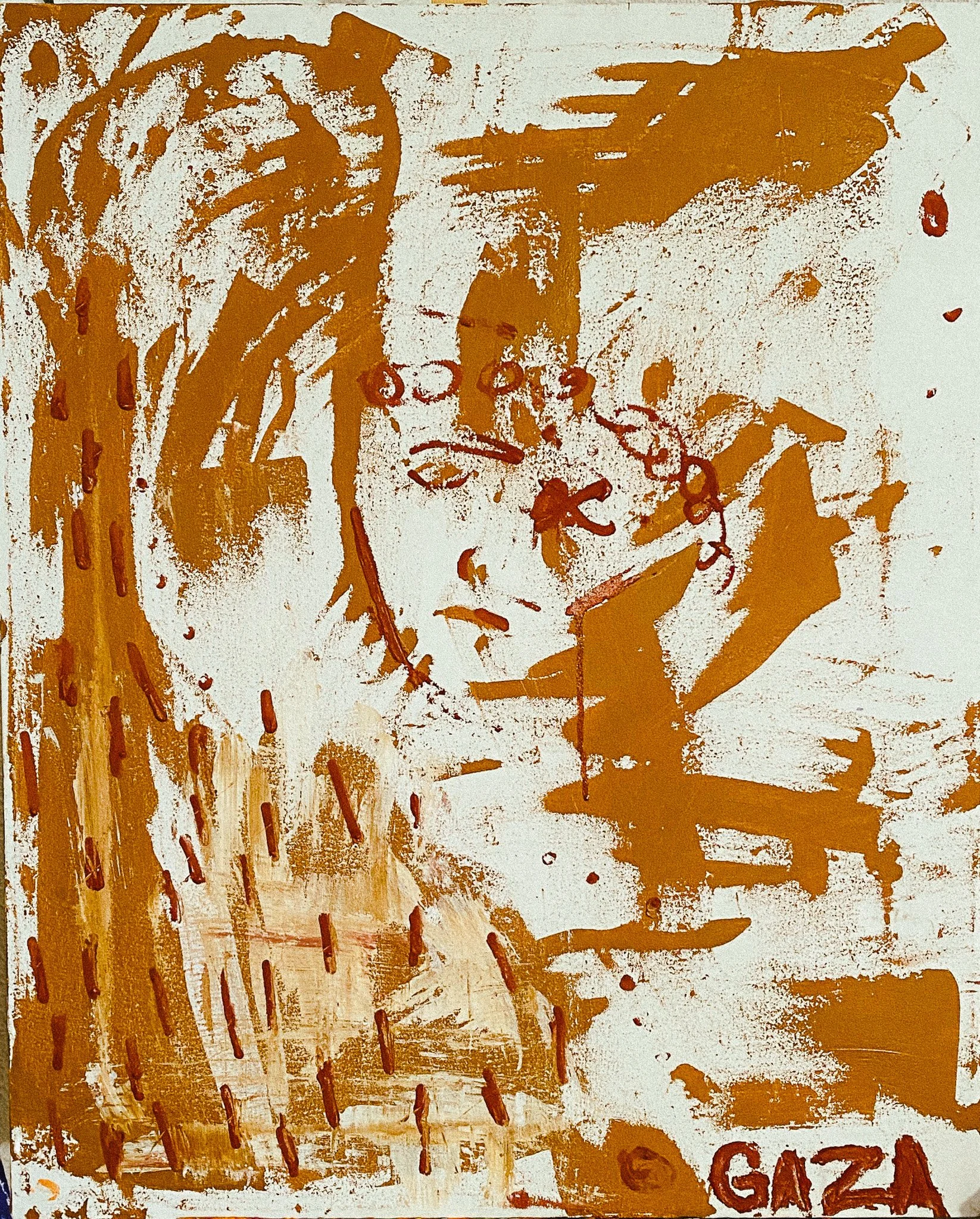
Gaza, 2025. Acrylic on canvas. 91x121 cm.
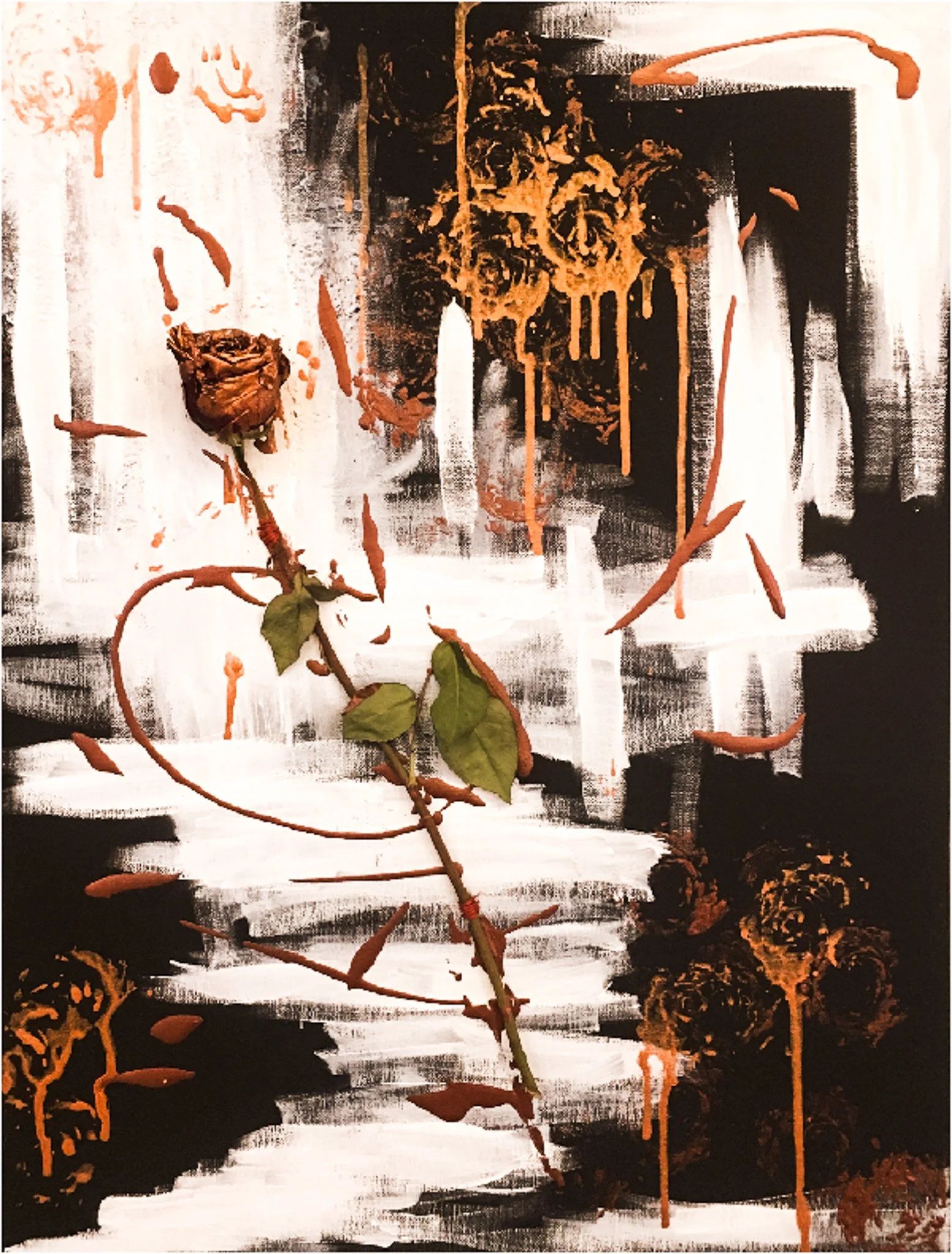
The Road Ahead, 2019. Roses and acrylic on canvas. 40x50cm.
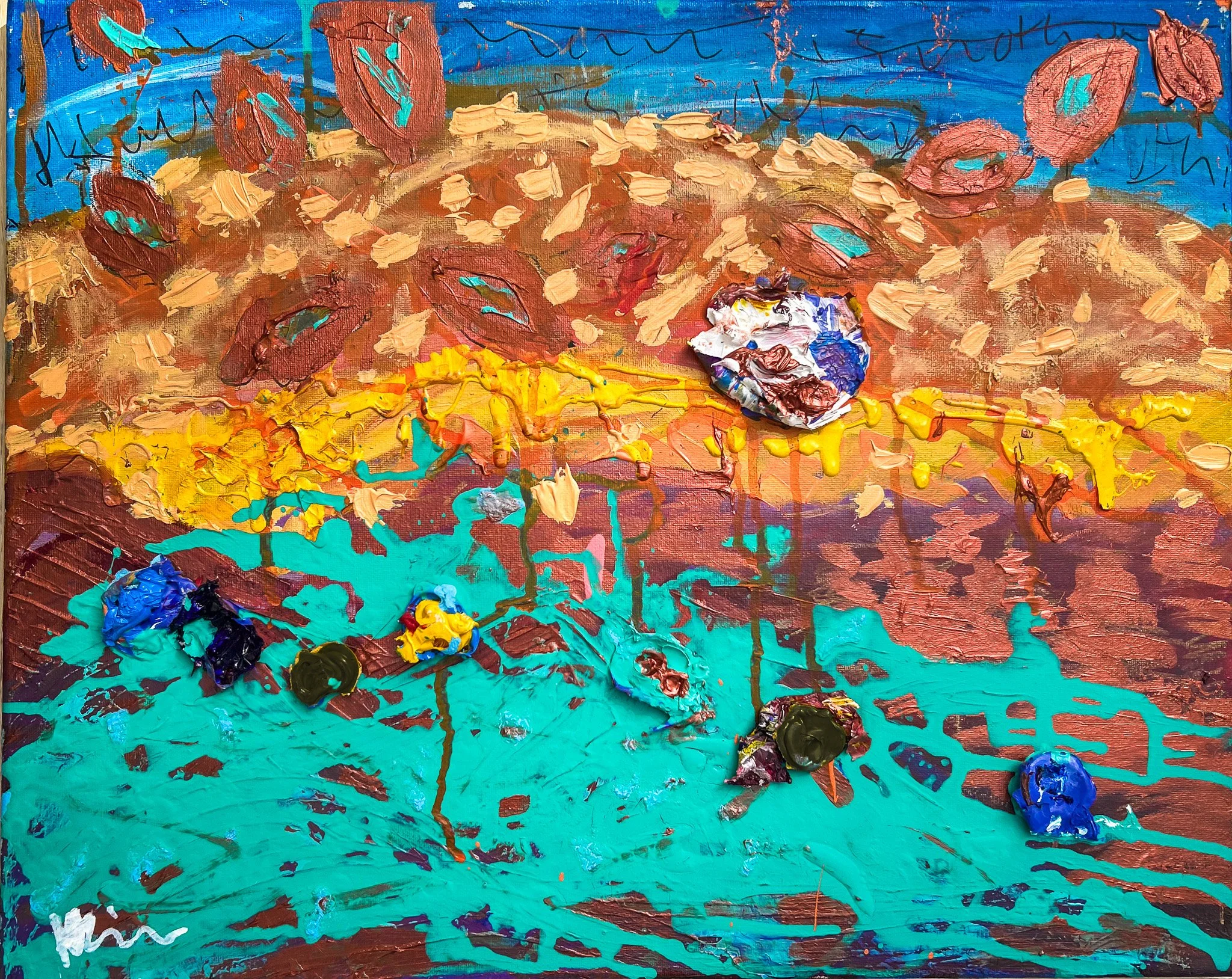
Colors of the Wind, 2019. Acrylic on canvas. 50x40cm