
Giancarlo (Lachi Lea) De Luca
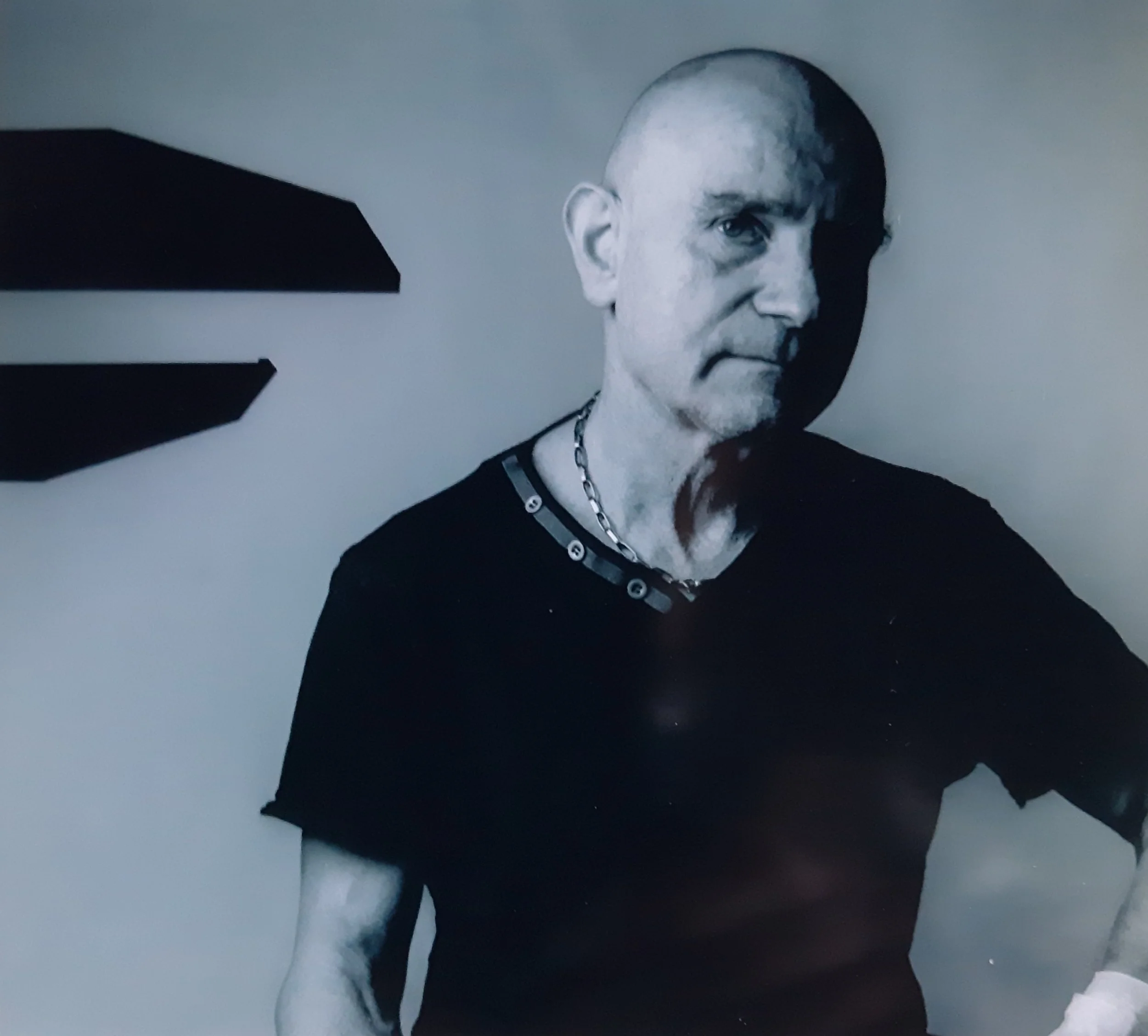
Giancarlo De Luca aka Lachi Lea, was born in Paola (Cs) Italy in 1961. A painter and sculptor, he approached art at a young age, thanks to the presence of his father, also a painter. Equipped with unprecedented sensitivity. Lachi Lea developed a reflective language over time.
Giancarlo, in several of your paintings, from the contemplative landscape of Sanctuary of San Francesco da Paola to the enigmatic theatricality of works such as Nude and Abstraction or Music, the image seems to oscillate between observation and metaphor, between the tangible world and an interior psychic terrain. How do you conceive the role of painting as a site where memory, place, and imagination intersect, and in what ways does your personal history in Paola shape the spatial and emotional architecture of these images?
These are various periods of my artistic career, yes because life is a mystery and I try to give an imagination to our existence in the visible. Sometimes with poetry, I sometimes extract useful aspects, including philosophical ones and psychology. My work is one of constant obsessive research; some works about Paola in the city where I live have been meditated on in the past, and I think they are steps taken.
Your works often stage a quiet but compelling dialogue between the natural environment and objects that carry strong cultural resonance such as pianos, architectural fragments, or sculptural forms emerging within landscapes. In this sense, the paintings appear to function almost like philosophical tableaux in which the boundaries between still life, landscape, and narrative dissolve. How do you approach this merging of genres, and what conceptual possibilities does it open for you as a painter and sculptor?
The works in which musical instruments such as the piano are represented in one aspect influenced classical music a little. As for sculpture I have no limits in expressing freedom over means; as I had said. There is continuous experimentation which is why my works embrace multiple means.
There is a striking tension in your work between meticulous observation of nature and a more dreamlike, symbolic atmosphere that seems to suspend the image somewhere between realism and poetic abstraction. Do you see your practice as negotiating this threshold between the visible world and the subconscious, and how does this tension influence the compositional decisions you make while constructing a painting?
There is tension in my paintings between being and not being, as identified, "the volatility" and the transience, the temporal dream of our lives. The tension of opposites, our opposites "positive and negative" being shatters under need.
In several pieces the piano appears as a recurring motif, sometimes integrated into dense vegetation or surrounded by fragments of classical statuary, suggesting a meditation on the relationship between music, memory, and visual form. Could you speak about the symbolic and formal significance of this instrument in your work, and how it functions as a kind of silent protagonist within your pictorial narratives?
As I said in the previous question it was a period in the past of my career. Because the piano has always hypnotized me viscerally and I wanted to dedicate myself to fragmentary visions. Giving delicacy, calm, background brushstrokes as musical notes in a romantic atmosphere.
The painting The Cloud presents a curious image in which a tree grows out of what appears to be a sculptural pedestal, suspended within a diffused atmosphere that almost dissolves the boundary between matter and air. This hybridization of sculpture, landscape, and illusion evokes questions about permanence and transformation. How do you understand the relationship between your sculptural thinking and your pictorial language?
We are like clouds, suspended in time. There was a time when I watched clouds so voluminous and almost fluffy and how they go away. In reality, what is represented in the work is a tree and an old fountain and both are suspended; "time that does exist." For me there is a minimum time like water and the tree resembles clouds.
Your work seems deeply attentive to the slow rhythms of observation and contemplation, qualities that resonate with the long tradition of Italian landscape painting yet are reconfigured through a distinctly contemporary sensibility. How do you situate your practice within this historical lineage, and what aspects of the Italian visual tradition continue to inform or challenge your artistic vocabulary today?
He takes his time with things but with supersonic speed ironically because doing doesn't wait. Living life in the best way so as not to ruin it "two eyes, one to the past and one to the present of our contemporary life." My artistic vocabulary and experimentation with the means that most attract me. However, art and observation and reflection.
The composition of The Line introduces an intriguing visual interruption, a stark horizontal boundary that divides the lush vitality of vegetation from a pale architectural surface. Such moments of rupture seem to suggest a conceptual reflection on limits, thresholds, and divisions within the natural and constructed world. How do you think about the notion of the "line" not only as a compositional device but also as a philosophical metaphor within your work?
It's a flash, a short shot, a limited view of any image, a bit reductive. A lightning bolt is the line, the separation between inside and outside. We often don't notice traits of life, angles that escape the speed of our time.
In your paintings the landscape often appears as a kind of psychological space rather than a purely geographic one, where natural forms seem imbued with memory and presence. To what extent do you see your landscapes as portraits of inner states, and how does your sensitivity to atmosphere and texture help articulate this more introspective dimension of place?
I don't limit myself or want to represent what I see with my eyes, but rather with my mind and play with the movement of the brushstroke and beyond. Memory is important not only for art but also for life. I am reflective, I meditate for a long time on what I have to paint, the observation and for my source.
As an artist who works across both painting and sculpture, your practice engages with the question of materiality in a particularly nuanced way. How does your understanding of form shift when moving from the two-dimensional surface of the canvas to the physical volume of sculptural work, and how do these two modes of thinking inform one another within your broader artistic process?
I think sculpture was a challenge for me because I knew the drawing I wanted to explore, even though it's not easy. It's simply removed and not added as in painting, fascinated by volumes and almost life. Constantly touching a material that takes shape and looks before your eyes, which you had thought was dreamy and incredible. But I will leave my changes to the future.
Your artistic journey, shaped by an early immersion in art through your father and later by participation in numerous exhibitions and cultural contexts, reflects a long and revolving dialogue with both tradition and contemporary experience. Looking back at the trajectory of your work, how would you describe the central philosophical question that has quietly guided your practice, and how do you see your artistic language continuing to evolve in the years ahead?
Yes, my trip was already quick to elementary school where the teacher called me to make drawings, who then did La Stampa, a matrix linocut, then growing up I couldn't help but continue to do exhibitions starting in the 1980s. The philosophical question, as in some things I have said and experienced, analyze. Starting with the vivacity of discovering, inventing, and creating more artifacts that I was physically building.
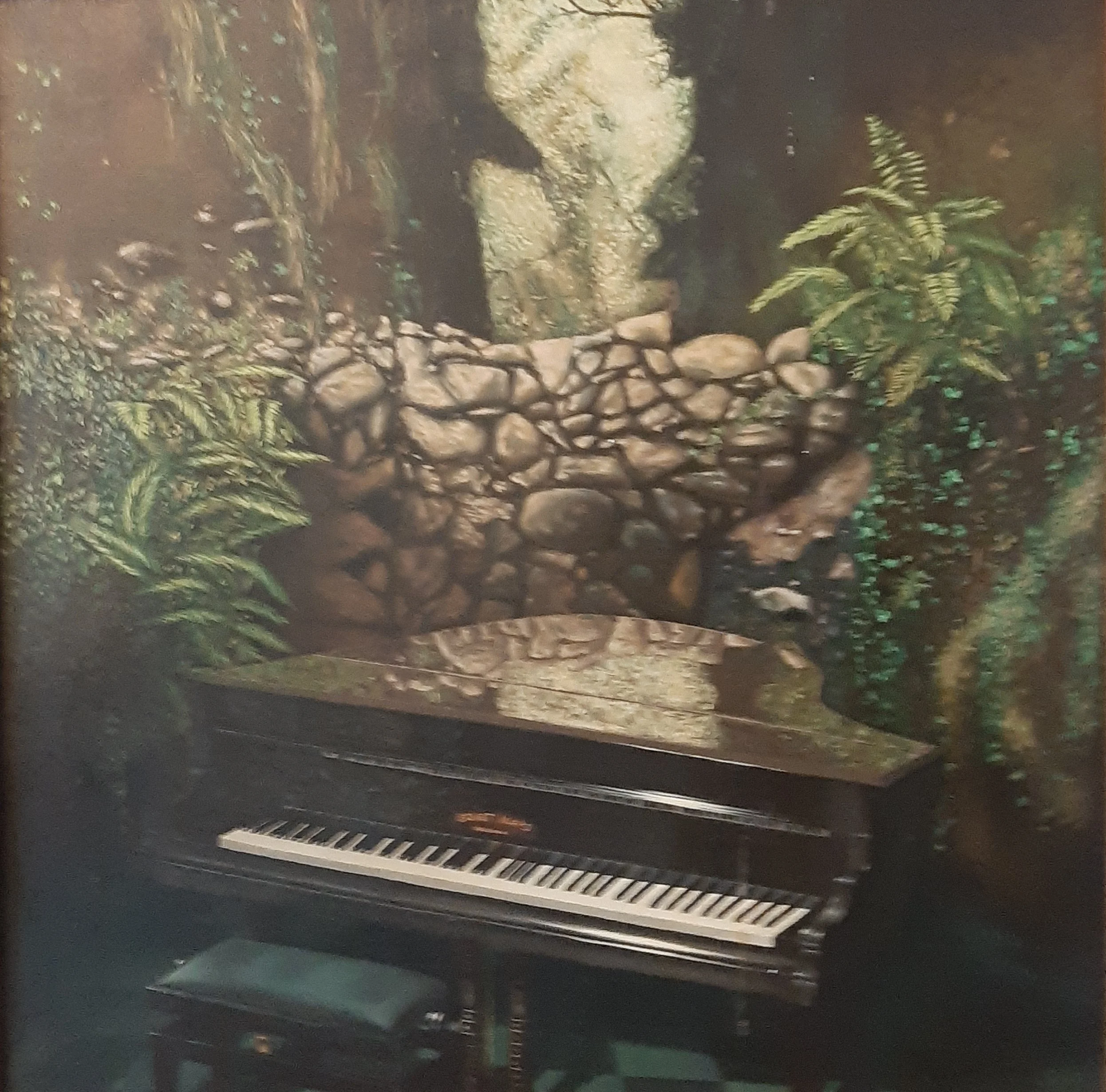
The piano 1985 oli on canvas - 57X57
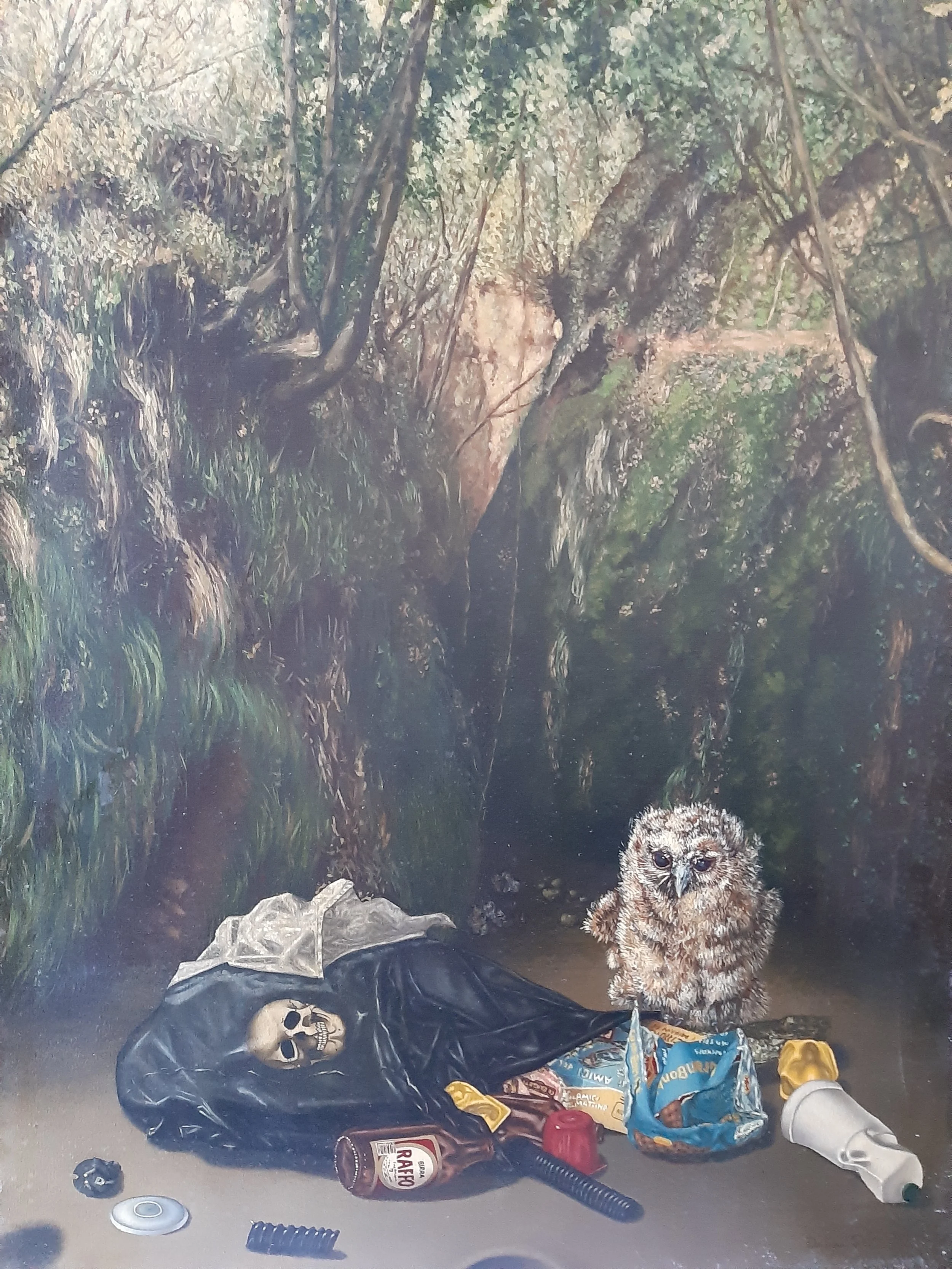
Garbage 1985 oil on canvas 62,5X84
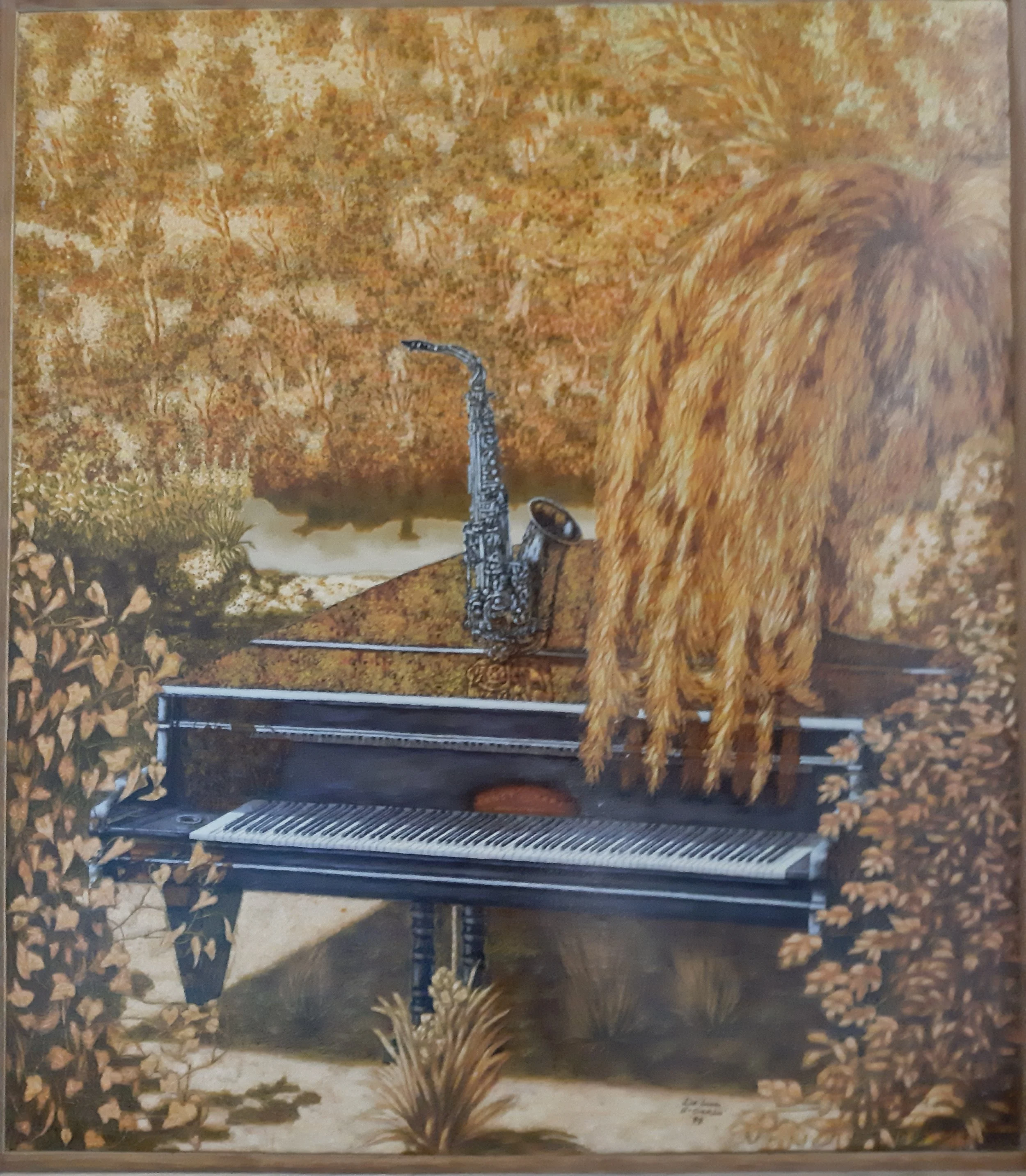
Music 1992 mixed media acrylic and oil on canvas 64X73
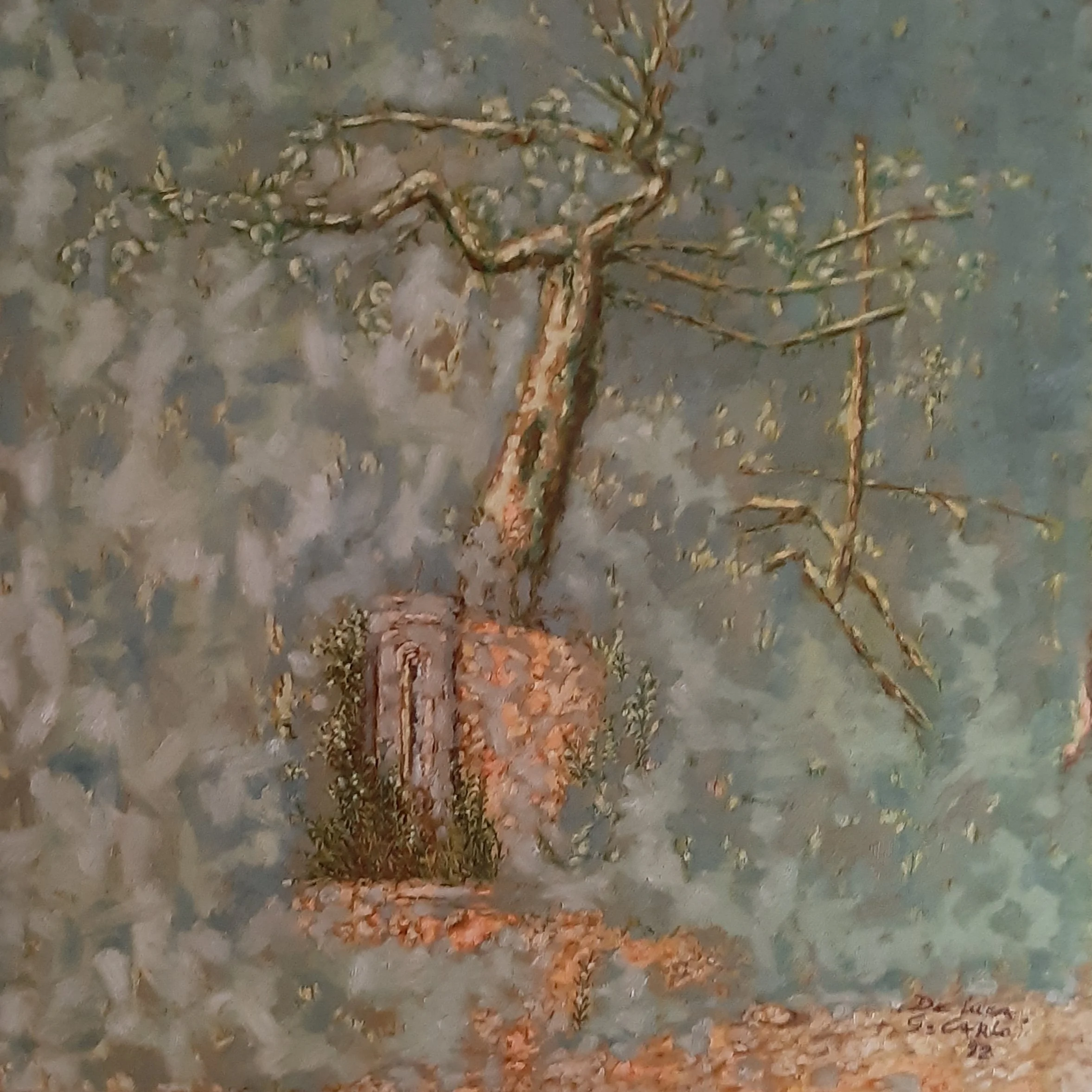
The cloud 1992 oil on masonite 40,5X40,5
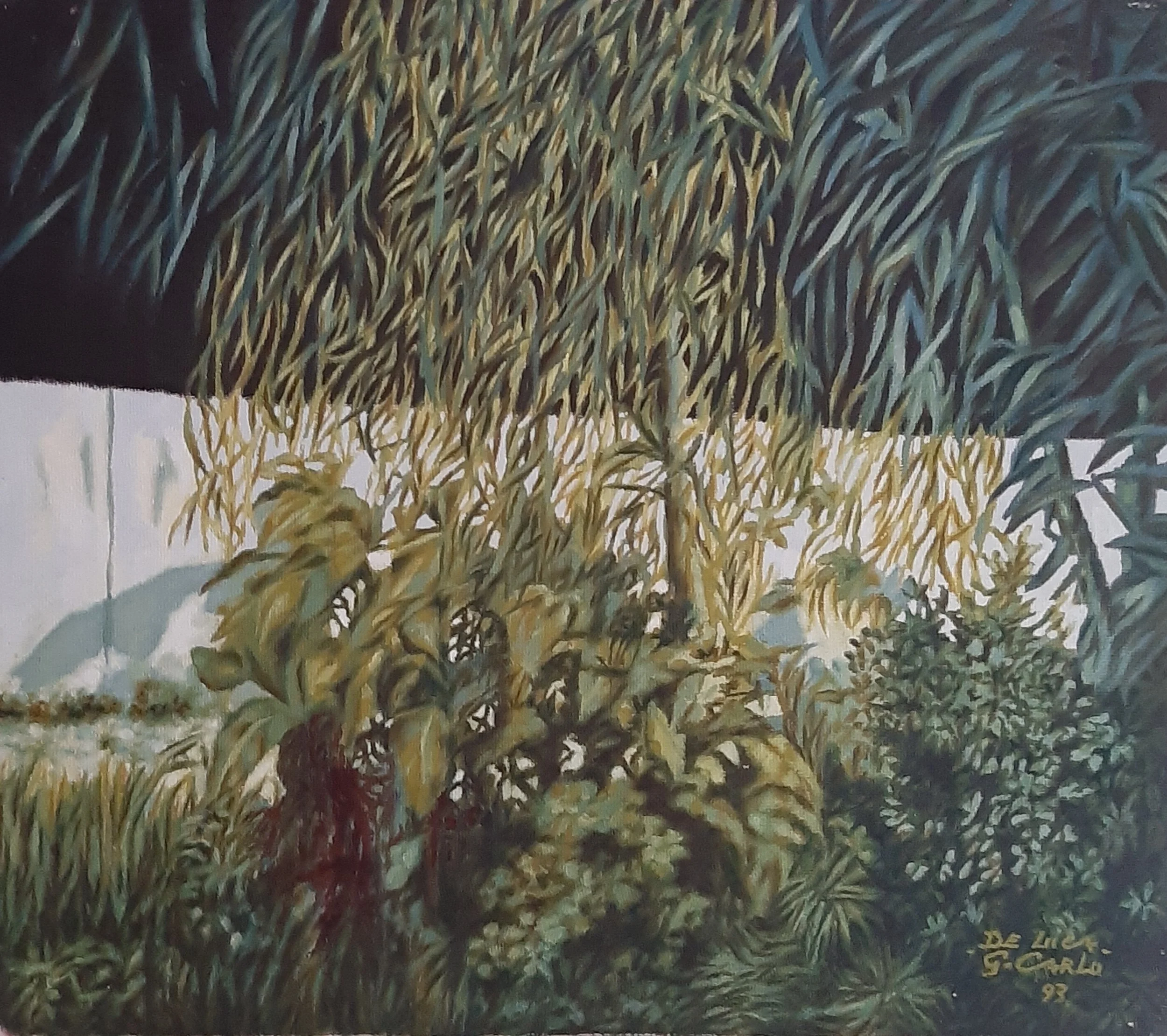
The line 1993 oil on masonite 40,5X40,5
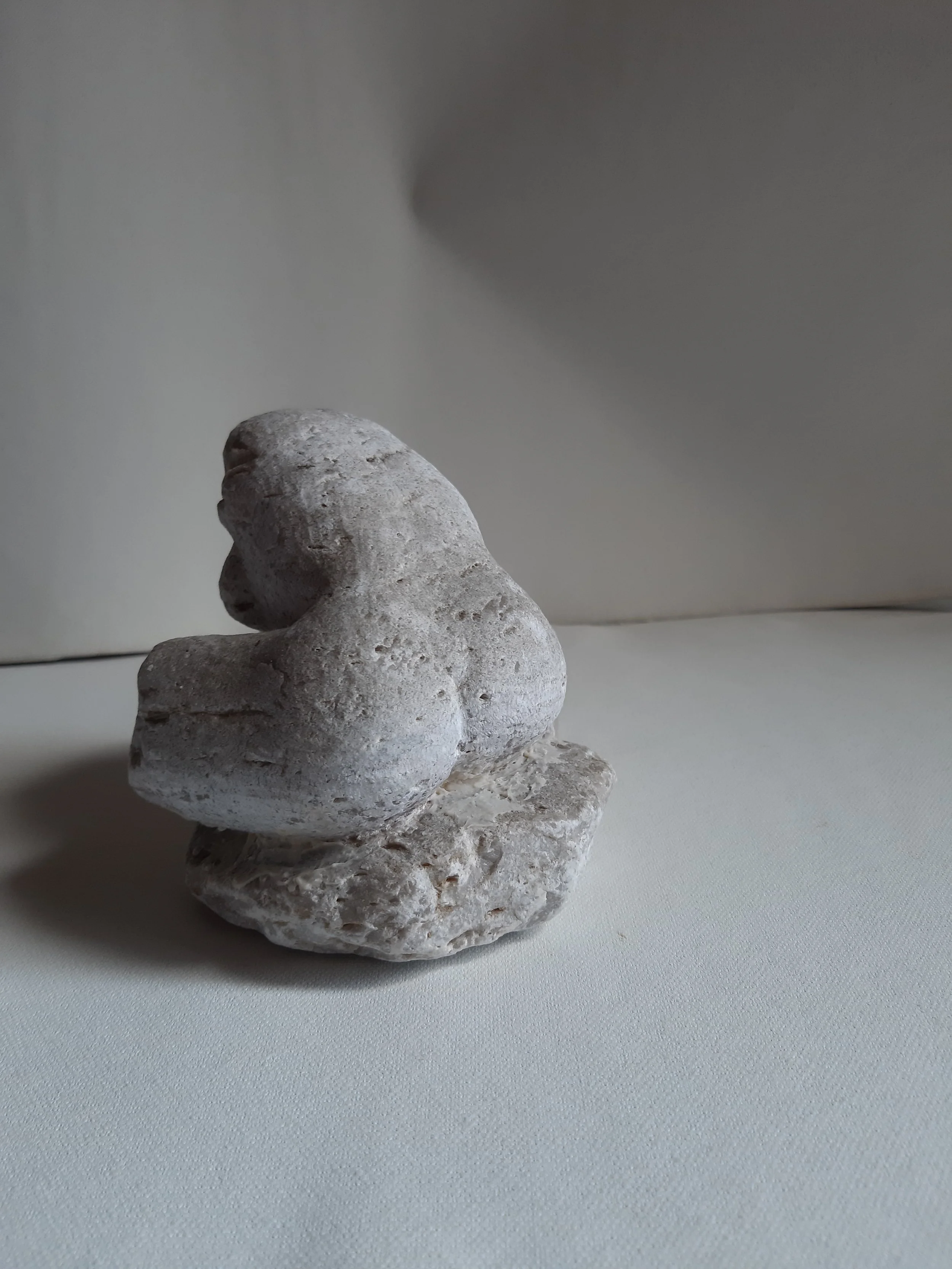
Nude in mid 1992 stone sculpture 12X13X13
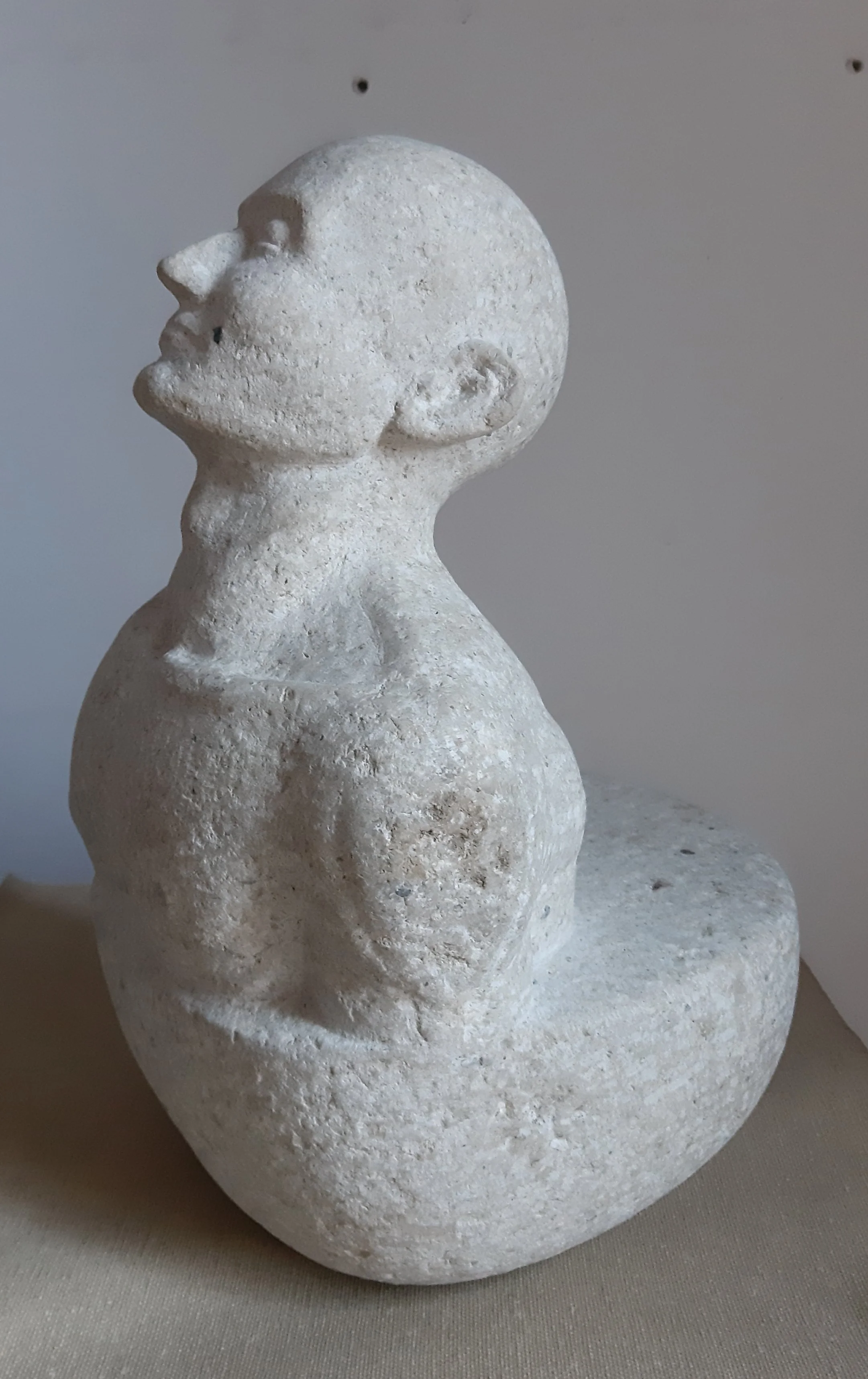
The man 1990 stone sculpture 18X25,5X30
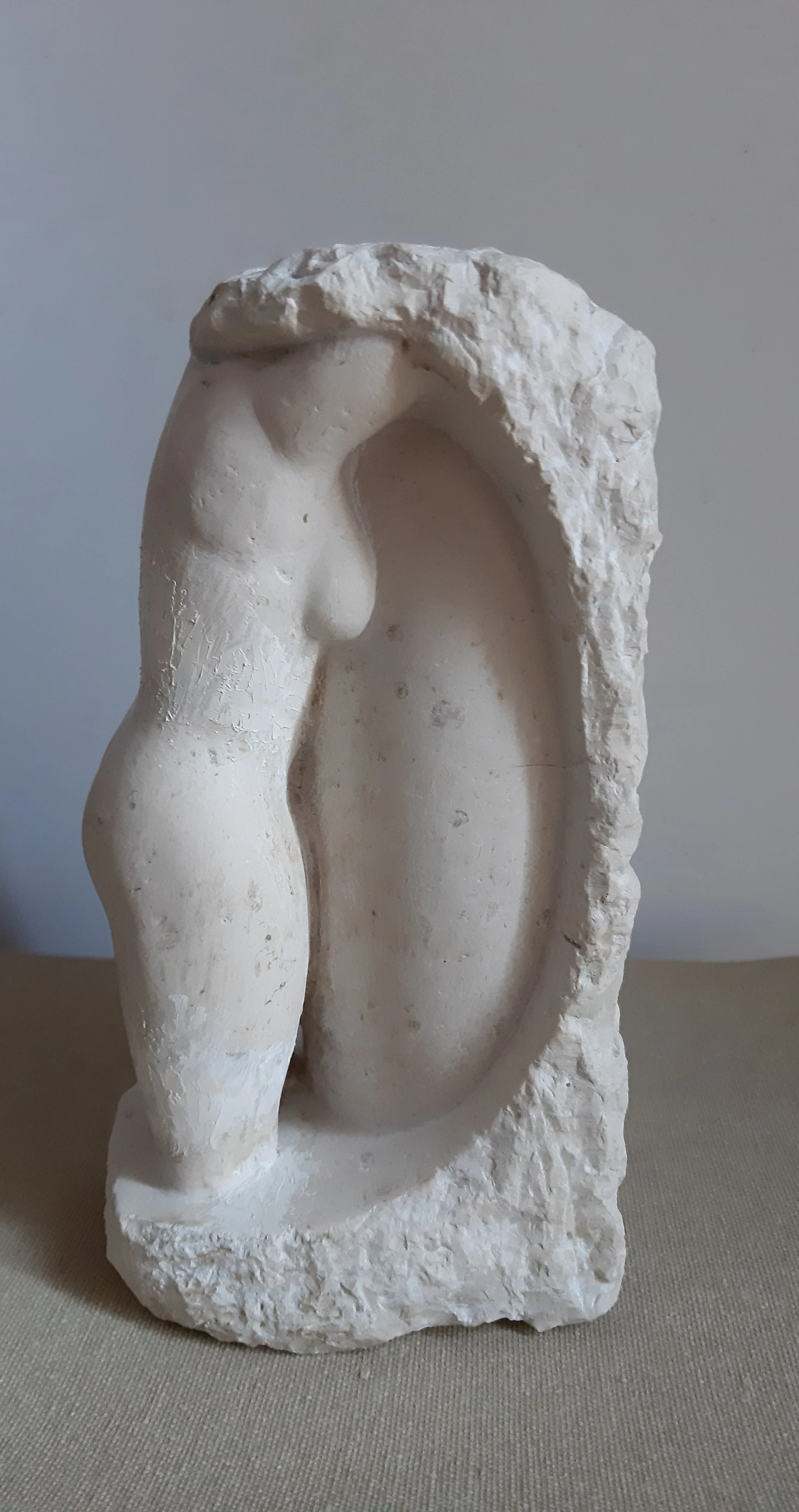
1+egg 2+nude3+material 1990 - 21X11X11
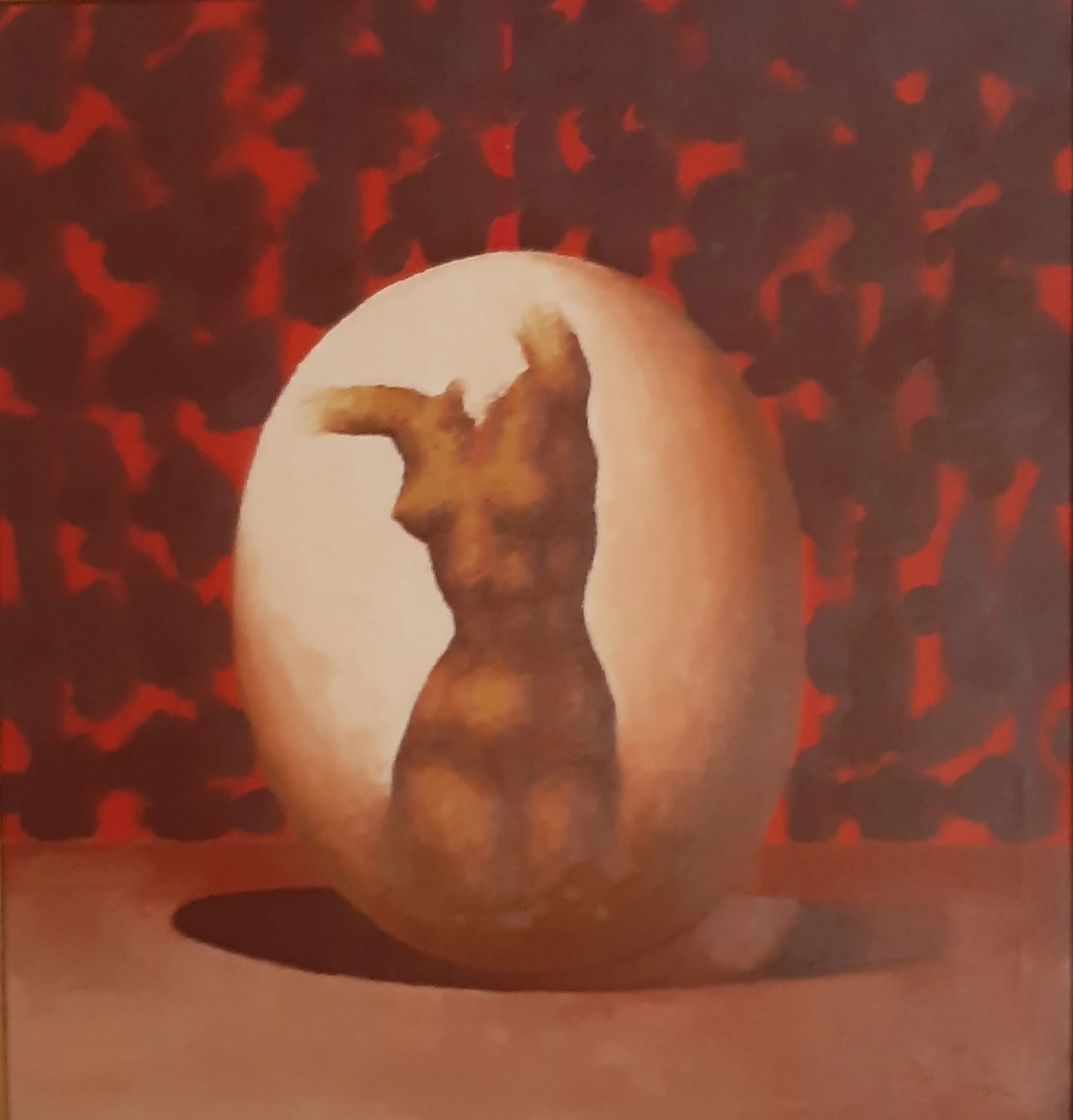
Nude and abstraction 1996 oil on canvas glued on board 38,5X36
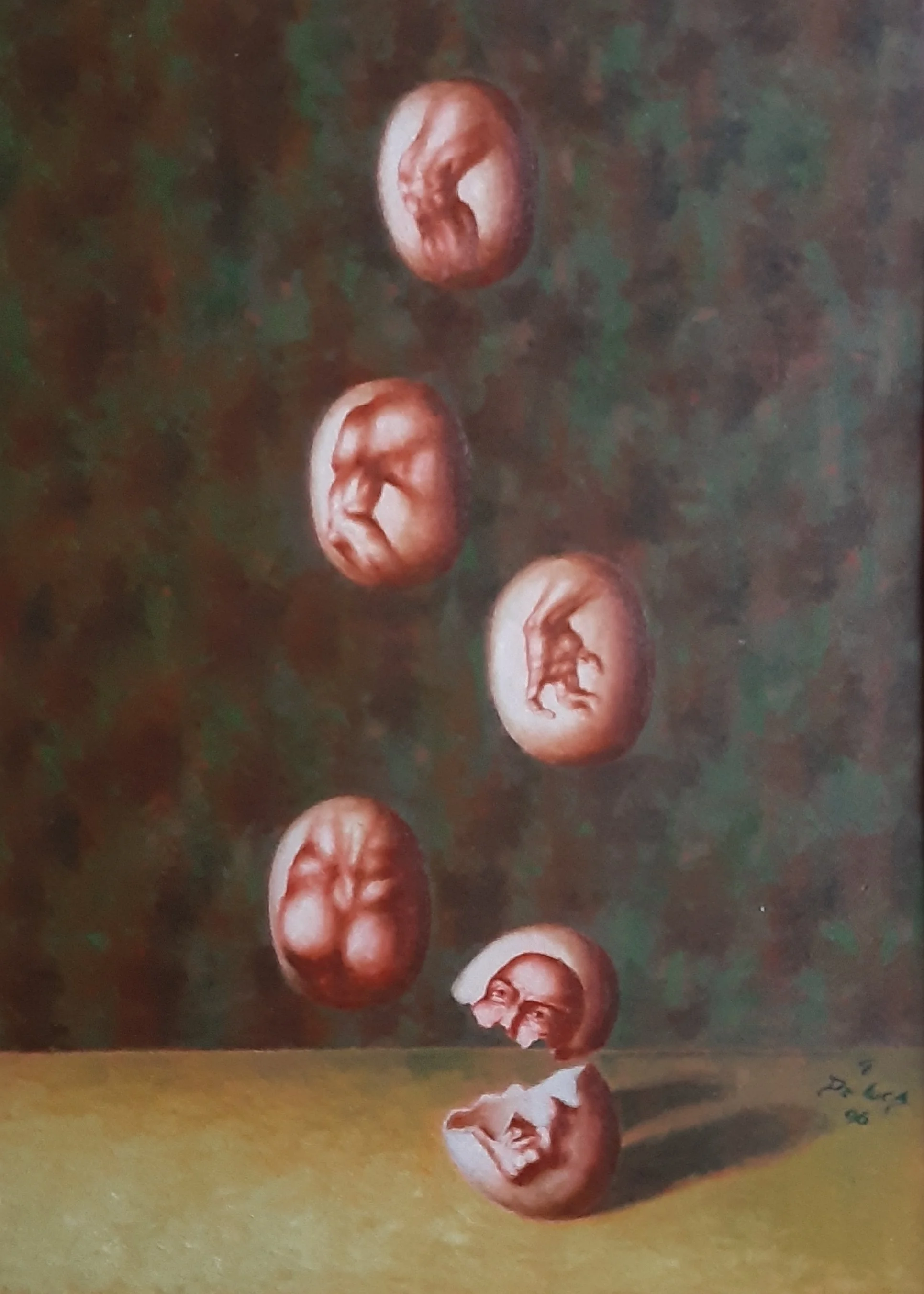
Untitled 1996 oil on canvas glued on board 37,5X52,5
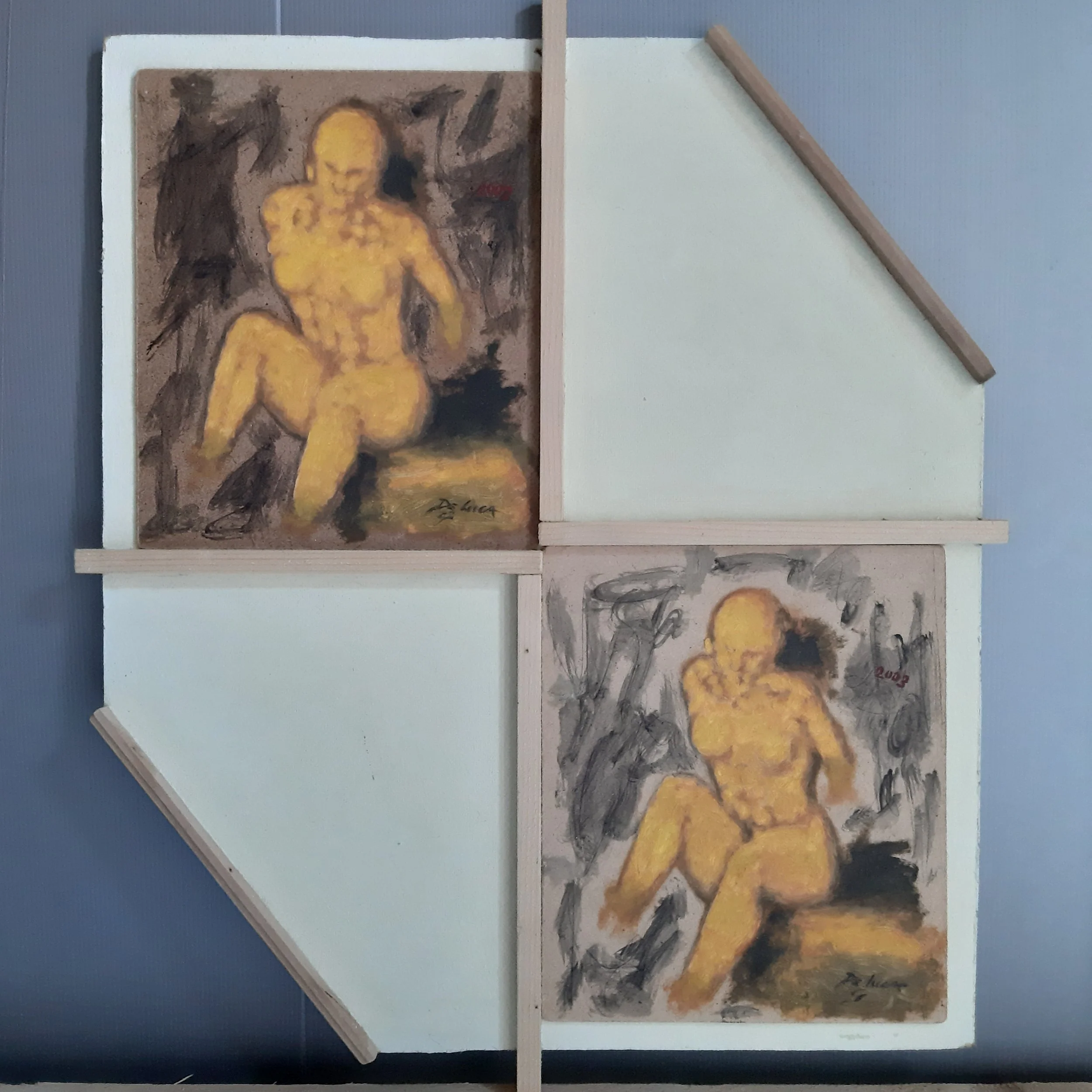
Untitled 2003 oil on masonite 57X68
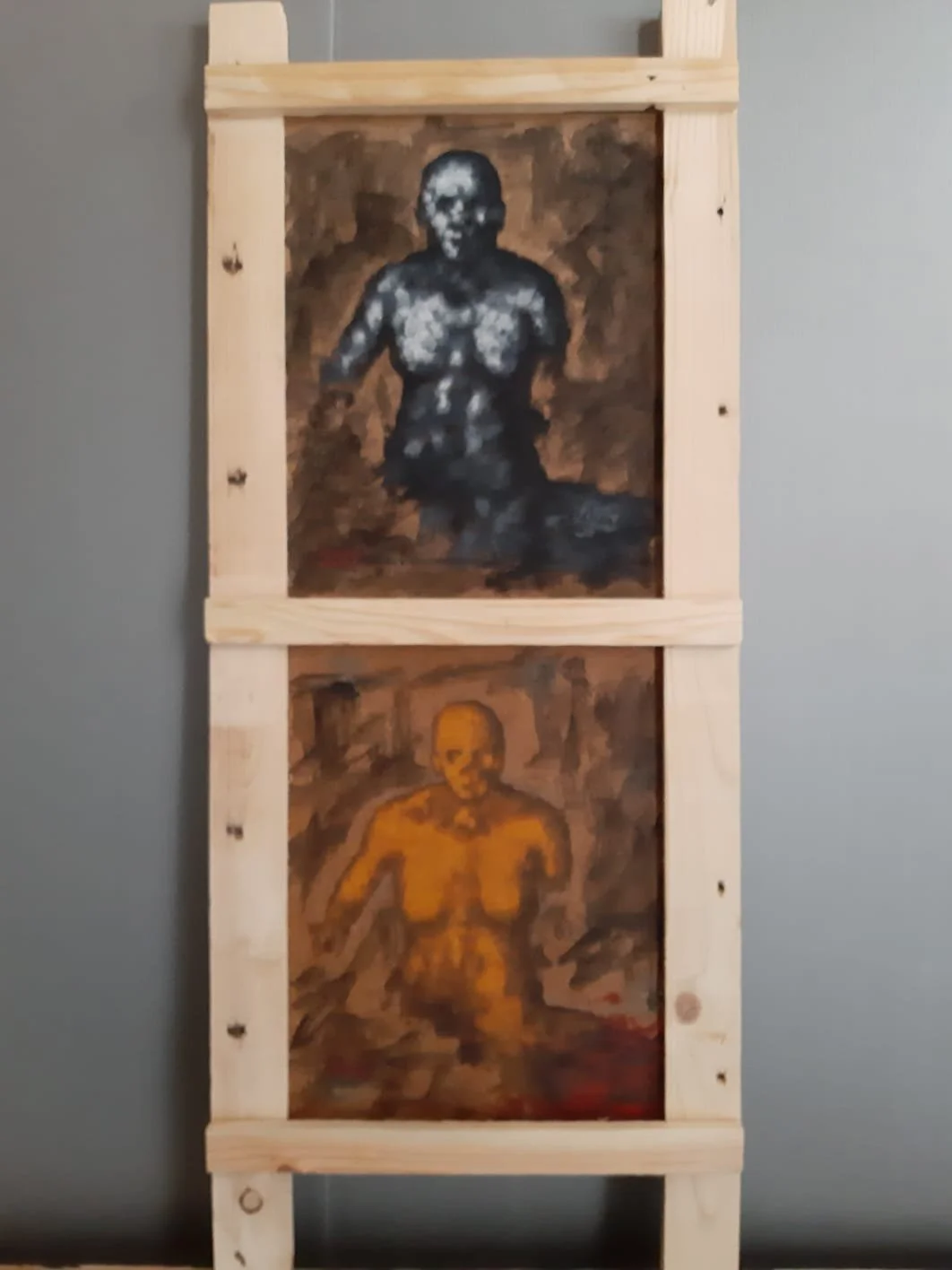
Nudes gray and yellow n 2 - 2003 oil on masonite and wood 32X78
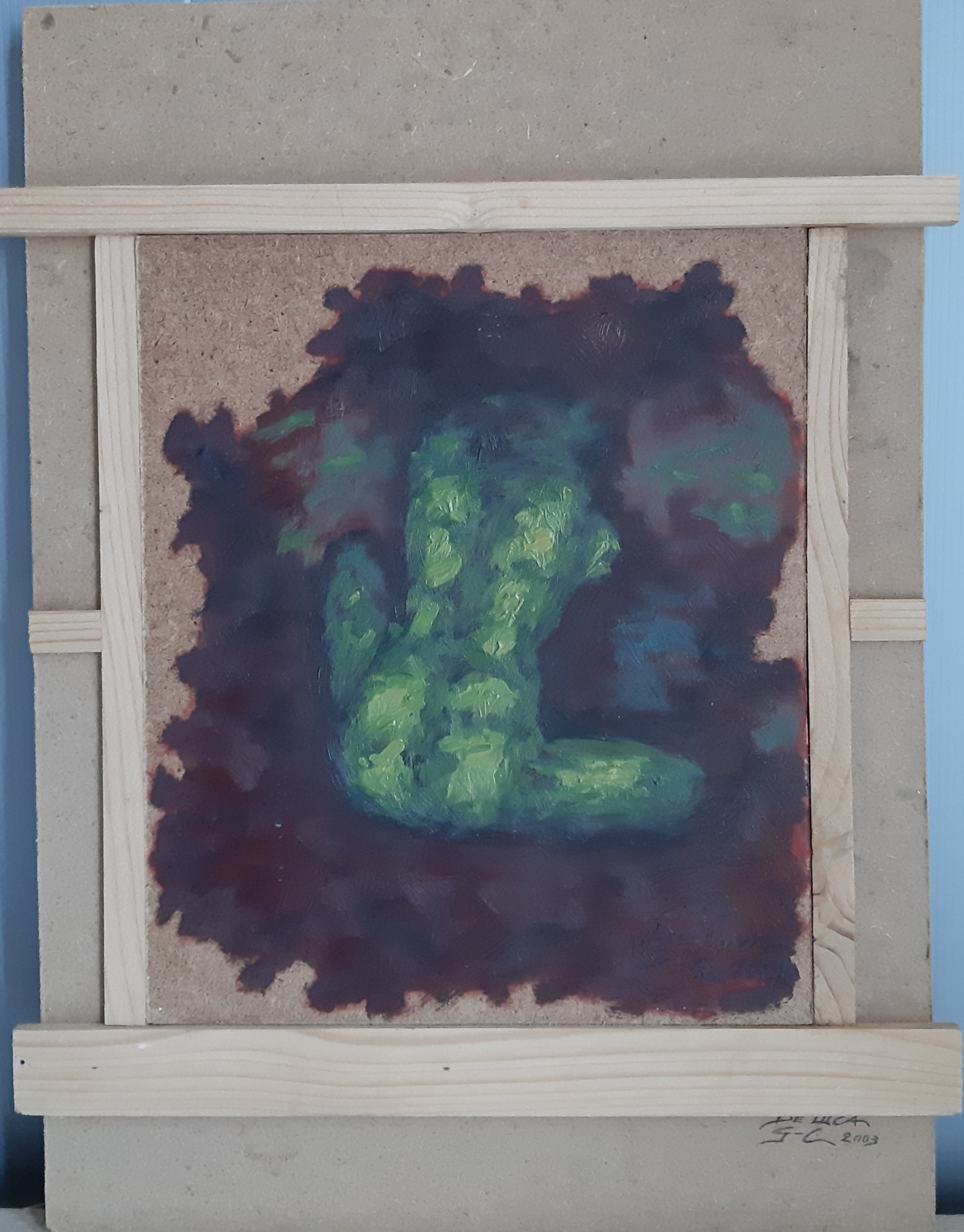
Green nude 2003 oli on masonite and wood 35,5X46,5
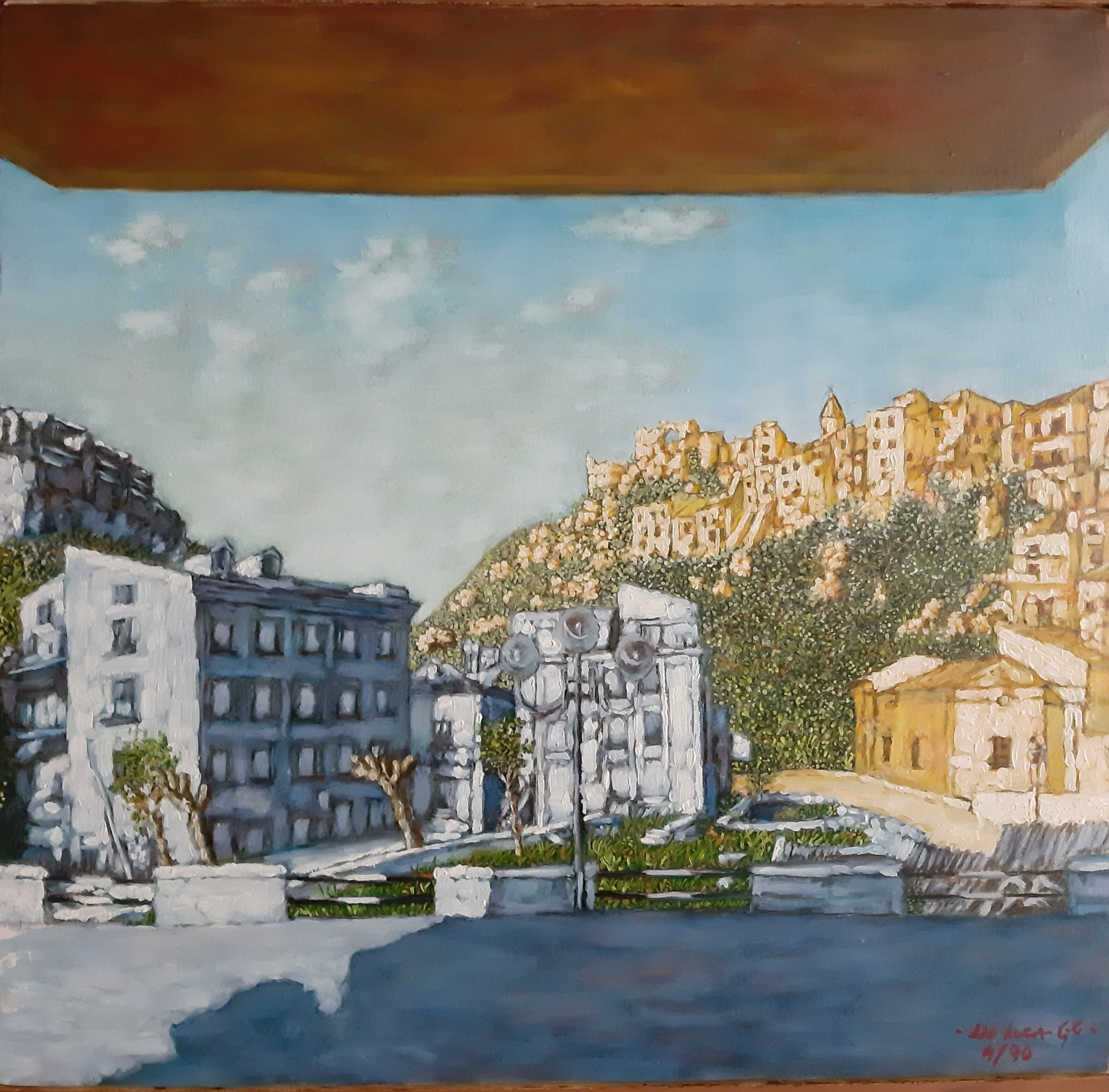
Two - Stroke 1990 mixed media on canvas acrylic and oil 41,5X43
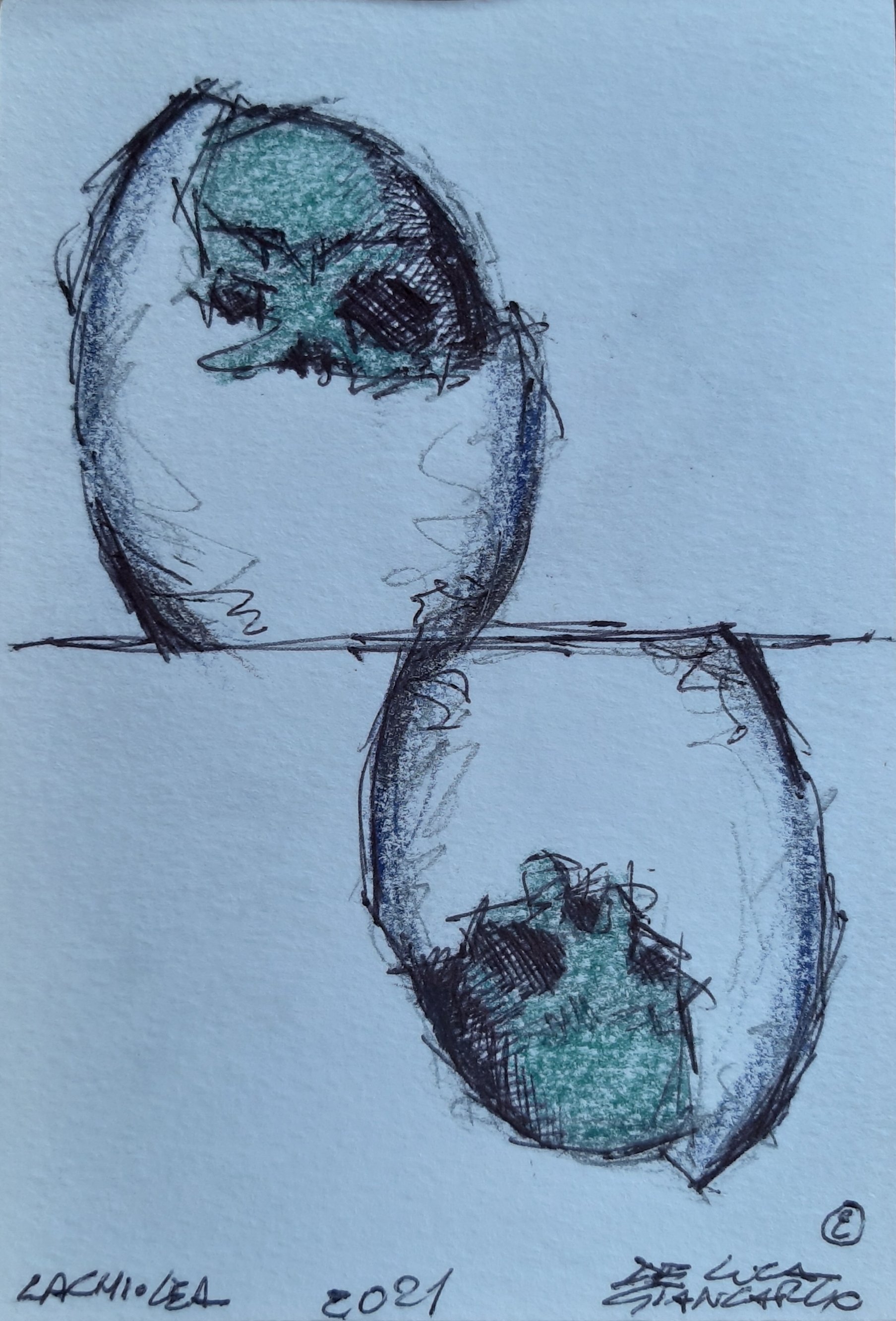
Number 1 - 2021 pencil, pen and tempera on paper pasted on masonite 35X79
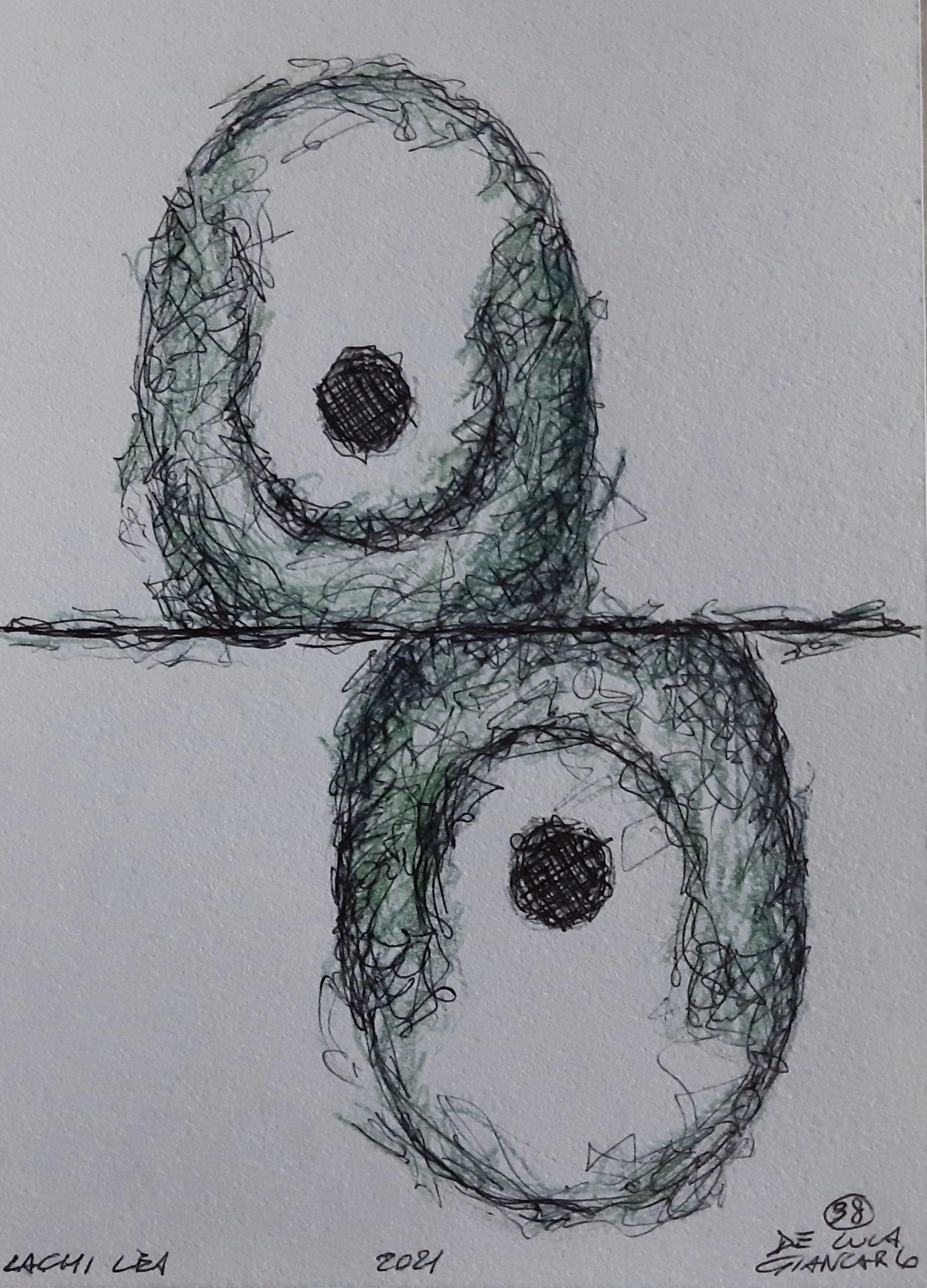
Breasts and holes n 38 - 2021 graphite and pen on cardboard 24X17,5
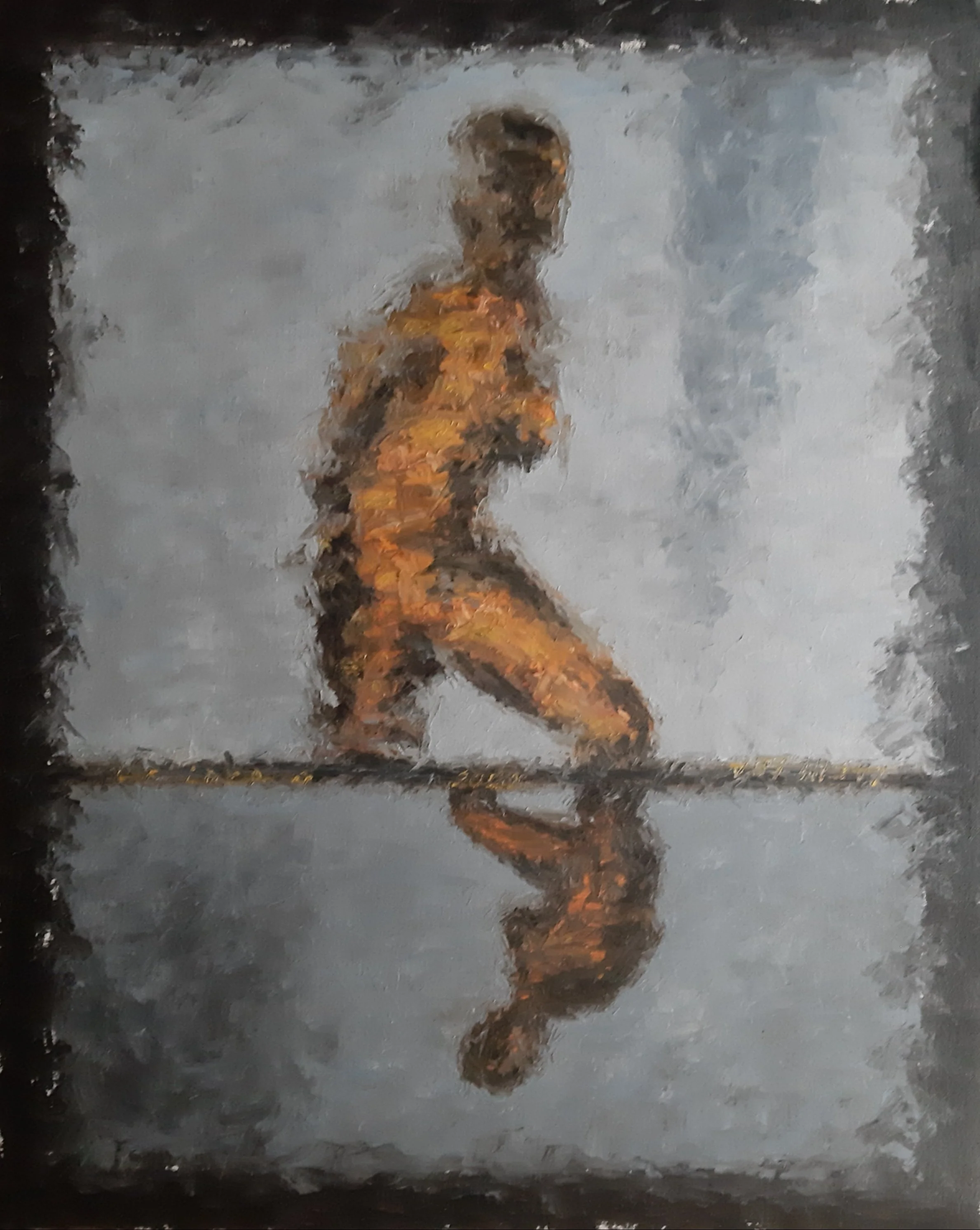
Nudes in reverse n 4 oil on linen canvas glued on masonite 2022 - 59,5X75
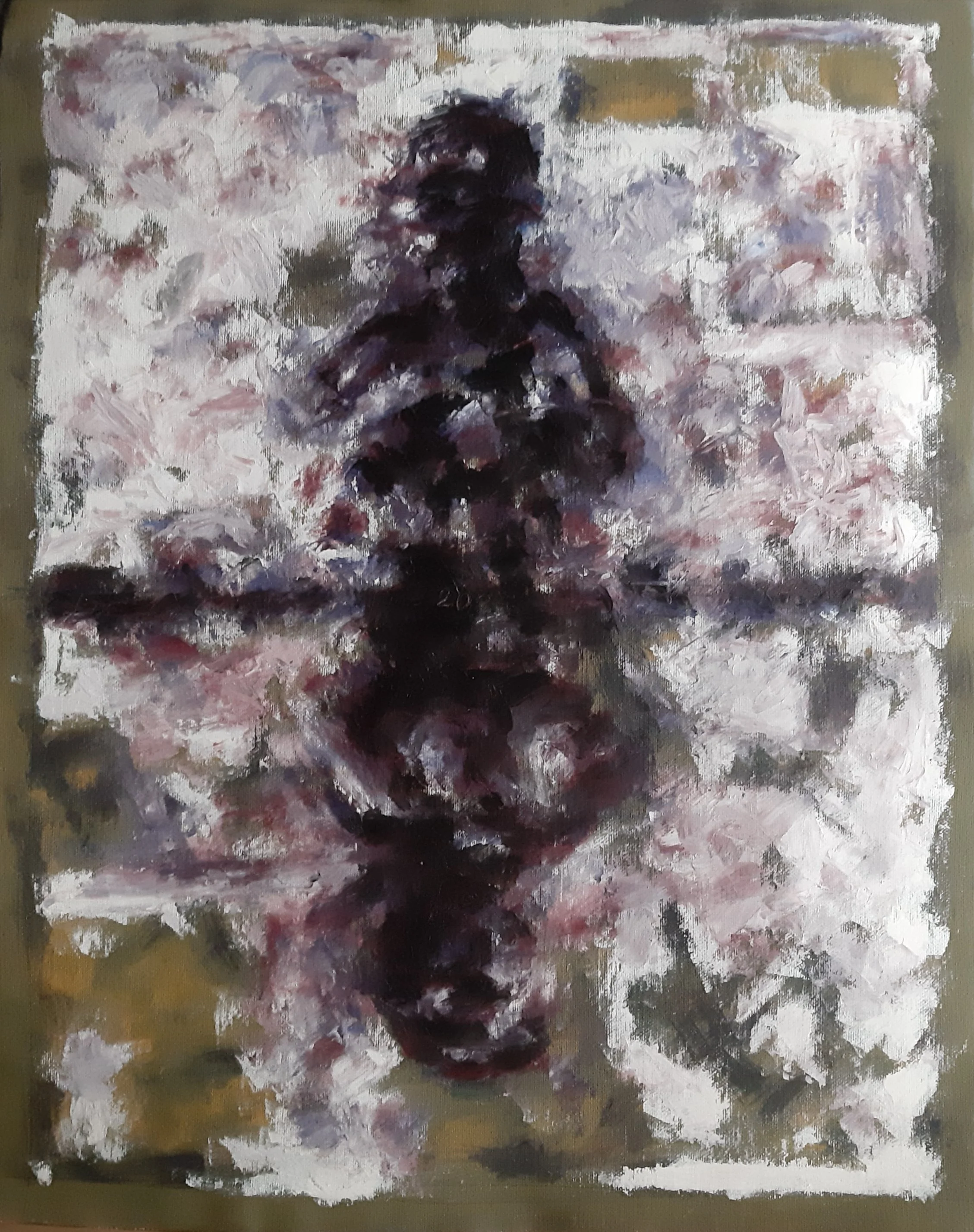
Nudes in reverse n 6 oil on canvas on masonite 2022 - 43,5X55,5
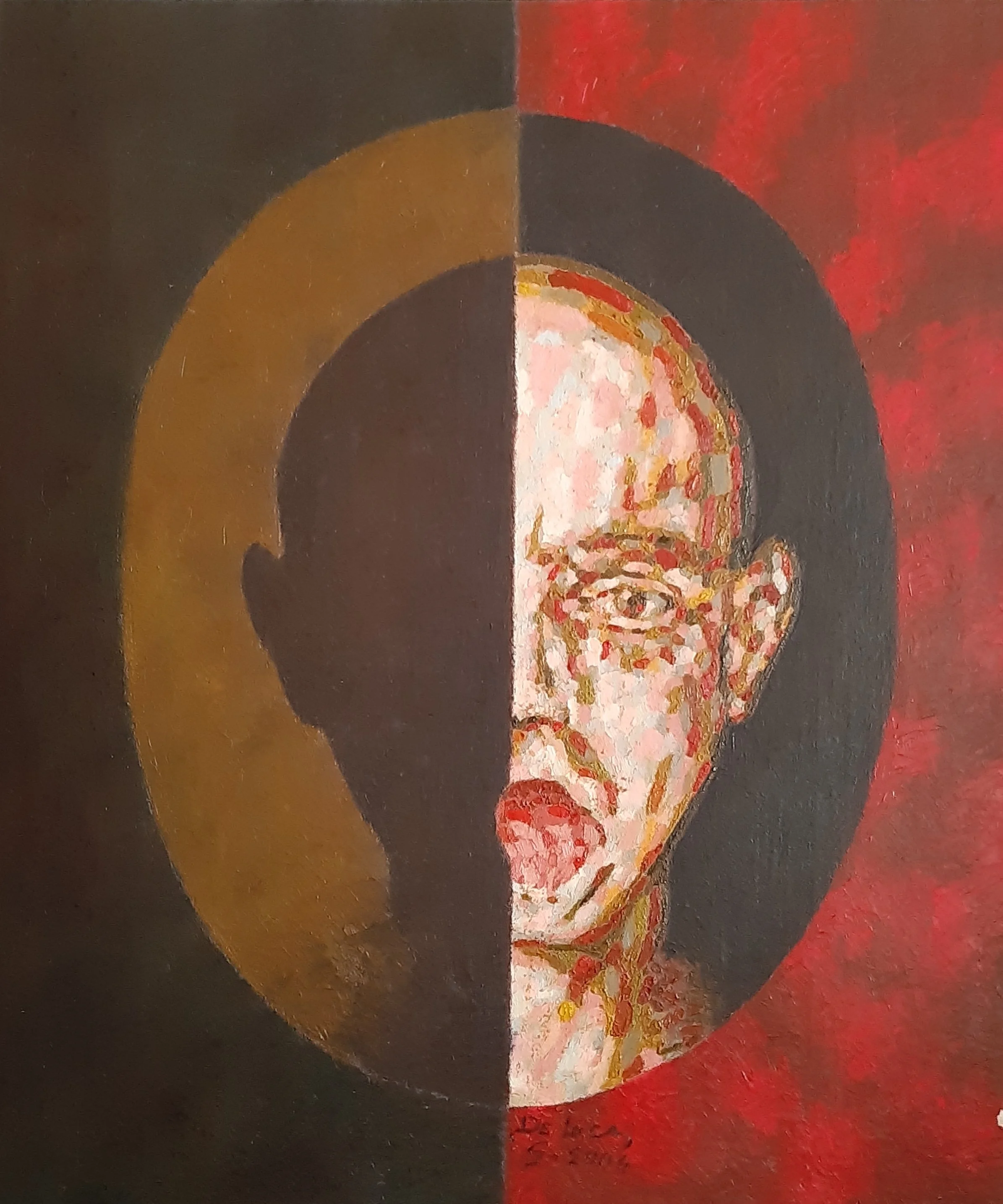
Self -portrait - evolution 2004 oil on canvas glued on masonite 43X51
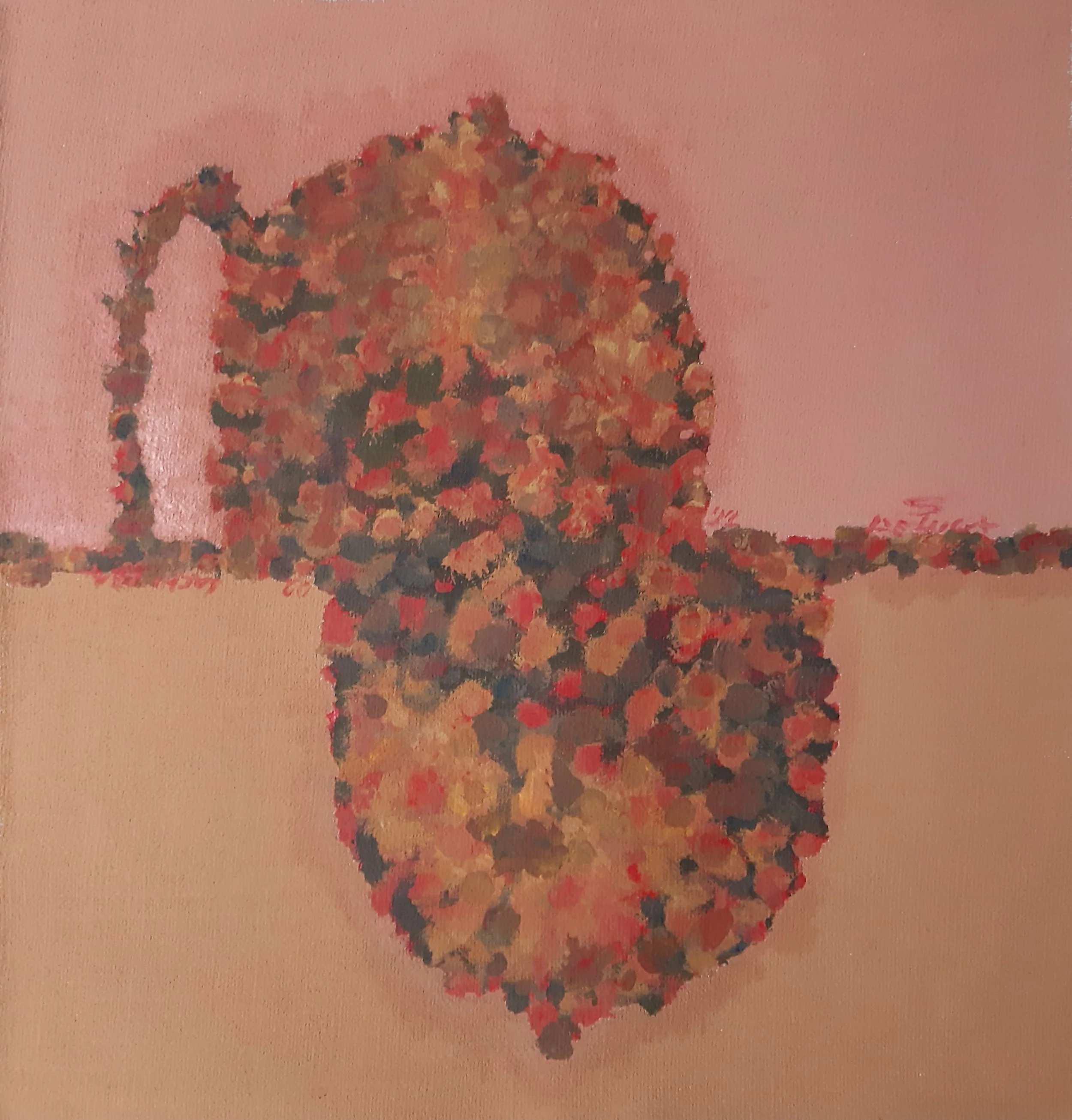
Breasts n 24 - 2022 acrylic on canvas 49X51