
Michael Kaphengst
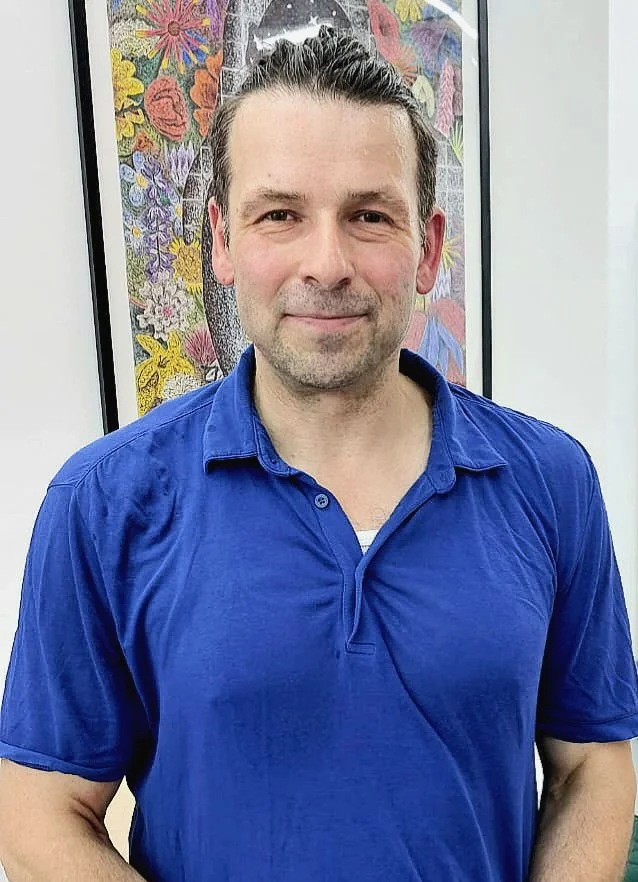
The concept of linearism in my painting processes has been a significant aspect of artistic expression for me. For me, the consumer world is not “POP” but a linear process. ”I believe that is not possible to escape a ”linear process”. The idea that daily tasks, whether at work or in leisure time, can be viewed as processes that are unique to each individual are intriguing to me. This perspective, in my view, highlights the progressive nature of these tasks and how they shape our experiences.
For me as a painter, understanding and embracing the linear nature of these creative processes can lead to new insights and innovations in my work. By recognising that we are all exposed to processes in our daily lives, I can explore different approaches to my art and find inspiration in the routines and activities that define their existence. I developed this linearity in my art in various modes of representation, which I call” consumptive surrealism”, “fencing pictures-absolute linearism”, and “extreme linearism”.
I set my “consumptive surrealism” against the linear overstimulation with consumer items. Surreal picture worlds are being created with my consumer item which assigns a new artistic task to them unlike, in my “Fencing pictures - absolute linearism” the lines are drawn with a technique I developed in 2009 by fixing a brush on top of a rapier I developed my “extreme linearism” sometime in 2012, where I experimented with circling lines over the drawing paper. It starts with revolving movements of the pen, whereby the motive condenses and forms into a motive. The picture that arises out of this method is a very dynamic one. This technique is the most extreme form of my ‘Linearism’.
"I see the line as the primary force, with the image emerging almost as a consequence. This gives my linearity a strong conceptual foundation. It clarifies the hierarchy in my work." copyright: Michael Kaphengst
Michael, the art market is often described as meritocratic, yet in practice access appears uneven and mediated. How have you encountered these barriers, and what do they reveal about the underlying structure of visibility and success in contemporary art?
The term "meritocratic" implies that people are selected based on their achievements. This approach initially seems positive and aligns with my own ideas, as it should allow for a fair evaluation of work. Over the many years I've been making art, various avenues have opened up for me, some of which I've been able to pursue, while others I haven't. However, my potential to realize larger projects is limited by financial constraints. Although I understand that galleries and publishers need to be compensated for their services, I'm left with only a small budget that I can use strategically. This forces me to carefully select which projects I accept and which I can't realize due to a lack of resources. I can't "draw from a wellspring of resources" as I would like.
This situation has led me to register my ideas as trademarks with the patent office. This prevents someone with greater financial means from adopting and exploiting my concepts. Overall, it's clear that access to the art market is heavily determined by financial factors, and many people are disadvantaged as a result.
When entering or attempting to enter the art market, did you experience it as a linear progression, as your philosophy might suggest, or as a fragmented terrain shaped by chance, timing, and networks beyond the work itself?
As I have previously stated, the daily tasks we all face—whether in our private lives, at work, or during leisure—are unique to each individual and thus inherently progressive. However, it is a fact that everyone is subjected to these processes, which in themselves follow a linear path.
My experience with the art market has shown me that it is profoundly progressive and thrives on coincidences. Within this environment, the only aspect I would truly consider linear is my ongoing personal initiative, which I have consistently maintained over many years. As I mentioned in response to the first question, this situation creates a dilemma: it is impossible to move forward without financial resources.
My biography, highlighted by the many professions I have pursued, clearly illustrates the considerable efforts required for me to advance as an artist.
You can imagine what I might be able to accomplish with my skills if I could devote all my energy exclusively to art.
Authenticity is a term frequently invoked but rarely defined. Within your own practice, what constitutes authenticity, and how do you safeguard it against the pressures of repetition, recognition, and commercial expectation?
The authenticity I'm referring to relates to an artist's work. When you look at the art of renowned artists, it's immediately recognizable; they have their own distinctive style. This is increasingly disappearing; there's copying and imitation, and authenticity is lost. If I'm inspired by an artist and take up their ideas, then I have to develop them further and add something uniquely my own. I have to develop the ideas further, not simply adopt them—that's not an achievement.
Do you think authenticity in art can truly exist independently of the market, or has it become inseparable from how an artist is positioned, narrated, and circulated within institutional and commercial frameworks?
Authenticity should always be the top priority in the creation and reception of art. However, reality paints a different picture: those with financial resources have significantly better chances of success and access to the art market. Capital provides a decisive advantage; people with more money can navigate and enter the art world more easily, often even faster than those who lack these resources.
As the saying goes, "The customer is king." This holds true even when plagiarism is involved. Unfortunately, the customer dominates the market regardless of originality; works that imitate others can still thrive because market demand often overrides concerns about authenticity.
To illustrate this, let's consider the current pop art scene. Many artists working in this genre today produce strikingly similar works, leading to a sense of monotony. This lack of innovation has resulted in a homogenized field where it is difficult for truly original voices to be heard.
To achieve authenticity, one must create something truly special and unique, this isn't about perfection. I believe I have succeeded in this, and that my work stands out from others through unique contributions and creative application.
Your biography contains experiences that are both deeply personal and structurally formative. How important do you consider an artist’s life story in shaping not only the work, but also its reception and interpretation?
For me, the biographies of artists are extremely important and fascinating. I believe the experiences and events that an artist encounters throughout life are significantly more important in shaping their personality than a purely intellectual education at an academy.
While a university or academy can teach an artist technical and practical skills, true experience is only acquired through living. Academic institutions provide methods and techniques, but the lessons learned from life itself are irreplaceable.
In my own life, the experiences I have had and those I was forced to go through have deeply shaped me. I attended many schools and often faced setbacks, something I have never shared before: I failed at vocational school in the City of Norden and at the technical high school in the City of Emden and was always rejected by academies. As a result, I was compelled to seek alternative paths for my education.
I needed and wanted to learn, driven by strong motivation. To afford these pursuits, I held various jobs that cannot be learned at an academy, but only through life. These experiences strengthened my resilience. I accumulated a wealth of experience and achieved many qualifications along the way. On top of all that, there were of course family problems, my mother's illness, and my own. To cope with all of this, I had to summon incredible energy.
I am deeply fascinated by the biography of Charlie Chaplin, which I find incredibly interesting.
At what point does biography risk becoming a filter through which the work is overly determined. Do you see this as a limitation, or as an inevitable condition of contemporary artistic discourse?
Biography is not a threat—it is an unavoidable part of an artist’s life that we cannot escape; it will always accompany us. In fact, biography is what makes an artist intriguing. My own life story has been chaotic and challenging. I cannot say whether my art would be better or more interesting if I had not experienced such difficulties, or if I had grown up in a stable, wealthy family and completed an academic education without obstacles.
Personally, I find broken biographies more fascinating. The achievements of individuals who must overcome greater hardships to move forward in life are, in my opinion, more significant and worthy of recognition.
With the rise of AI generated art, the question of authorship becomes increasingly unstable. How do you position your own work, grounded in process and gesture, in relation to systems that can replicate or simulate artistic production?
I believe I have already hinted at my position: for me, the most reliable solution has been to register my concepts and the corresponding descriptions of my art as a trademark. This approach allows me to protect the unique aspects of my work and assert my authorship, especially in a time when the boundaries of originality and ownership are increasingly blurred by technology.
Although computer-generated art has now gained recognition, I personally reject this development. I do not wish for my motifs to be created by artificial intelligence. I love the feeling of holding a brush or pencil in my hand and using these tools to create my artworks. The tactile experience and the direct connection between hand, tool, and canvas are irreplaceable for me.
For example, when I visit a museum and observe artworks, I find it deeply satisfying to see the brushstrokes on the canvas. This physicality feels much more organic to me than an AI- generated image ever could. Furthermore, the process of creating a work of art with a brush or pencil in hand—the haptic experience itself—is far more intense and meaningful to me than anything a machine could replicate.
Do you view AI as a tool that extends artistic possibility, or as a challenge that forces a redefinition of what it means to create something original or authentic?
While the technology behind artificial intelligence is certainly impressive, I believe that creating a work of art with one's own mind and hands remains the most remarkable achievement. No machine can replace this creative process; the act of shaping something with one's own ideas and physical effort is irreplaceable.
Artificial intelligence has already instigated innovations and changes in many areas of life, and will continue to do so in the future. However, I feel strongly that art should be spared from this influence—not just visual art, but also film.
I still want to see real actors on the big screen, with their talent and unique presence. For me, this is far preferable to performances generated by computers.
The idea of building a lobby suggests a deliberate construction of influence. How do you approach this in your career, and what strategies have you found necessary to establish a presence without becoming dependent on institutional validation?
Reflecting on my beginnings in the 1990s, it was immediately clear to me that it would be impossible to succeed without the involvement of publishers, galleries, or public institutions. I approached my early career with a very deliberate and straightforward strategy. From the outset, I understood that recognition could only be achieved by engaging the local press. This was essential to reach both visitors and readers, and it became a foundational element of my approach.
When I talk about strategy, mine was defined by consistently exhibiting my work and regularly informing the media about my activities. This required a great deal of work and dedication. I did not spend time questioning whether or not I would ultimately be successful; instead, I simply took action and pursued my goals with persistence.
This consistent effort has now become an important part of my biography. Without this approach, my concepts of "Linearity" and "Consumptive Surrealism" would never have become known and might have faded into obscurity. Looking back, I suspect that, even subconsciously, I realized the significance of what I had created, though I did not fully understand it at the time.
Over the years, my network of supporters has grown, and although I would still describe my lobby as very small, I have fought hard to build it. For this, I am deeply grateful to all of my supporters, both at home and abroad.
Networks in the art world often function as invisible infrastructures of power. How have relationships, collaborations, and affiliations shaped your trajectory, and do you believe it is possible for an artist today to succeed outside of these networks?
No, without these networks, an artist cannot advance. In my opinion, it is nearly impossible to succeed without press or galleries.
There is one small exception: Nowadays, social media does provide an opportunity for visibility, but it is not sufficient on its own. Artists who aim to build a presence cannot avoid exhibitions and press work. Exhibitions are also essential for an artist’s biography; it certainly makes an impression if an artist can demonstrate international exhibitions as well as international press coverage and publications. Having just a page on a social network is something anyone can do; it is not a particular achievement.
To believe that having my own gallery on a social network is enough falls far short—especially if the artist’s biography is weak or nonexistent, lacking exhibitions and publications.
Website: https://michaelkaphengst5.wixsite.com/Linearismus
Instagram: @michaelkaphengstlinearist
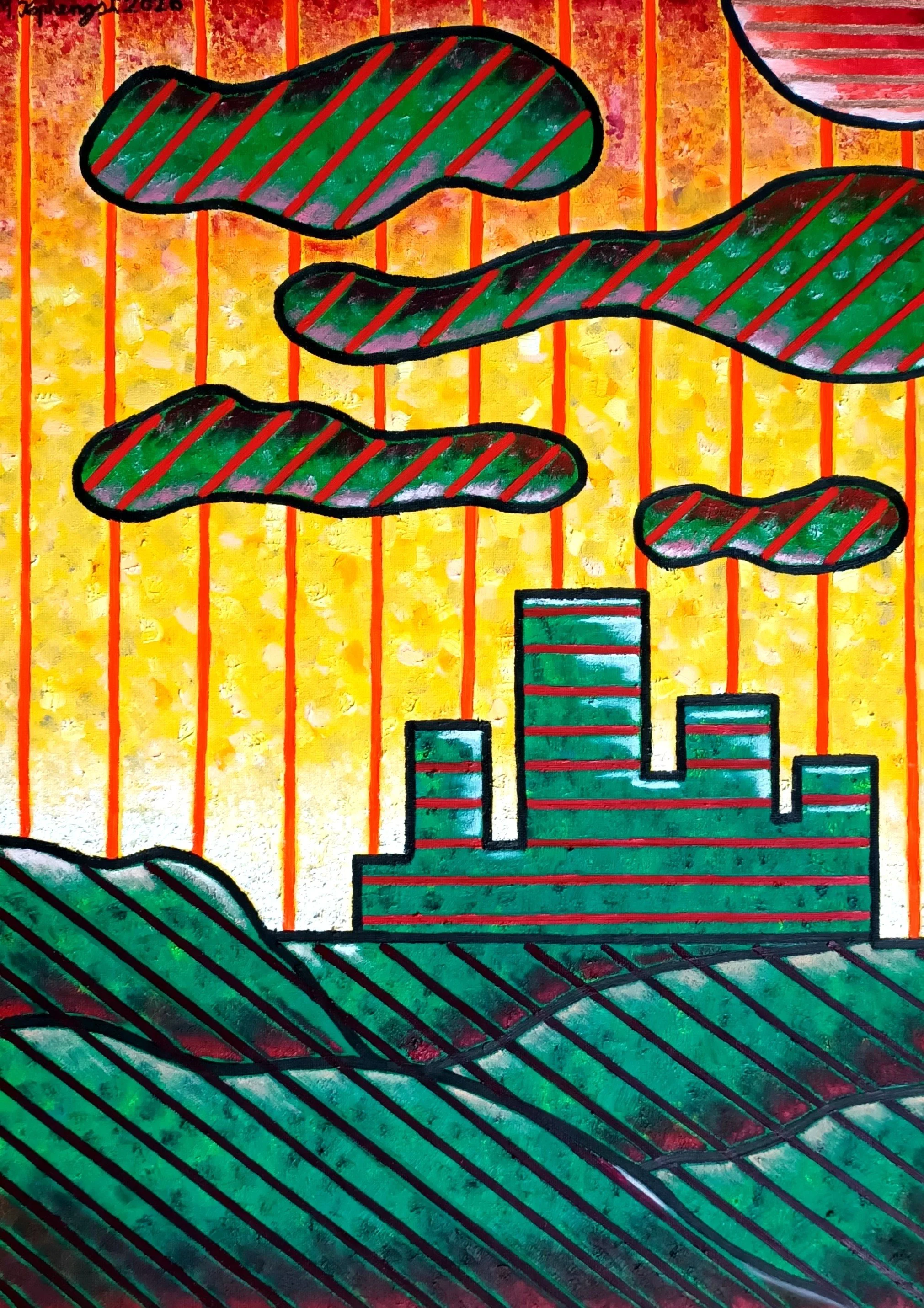
bloodmoon, 2026
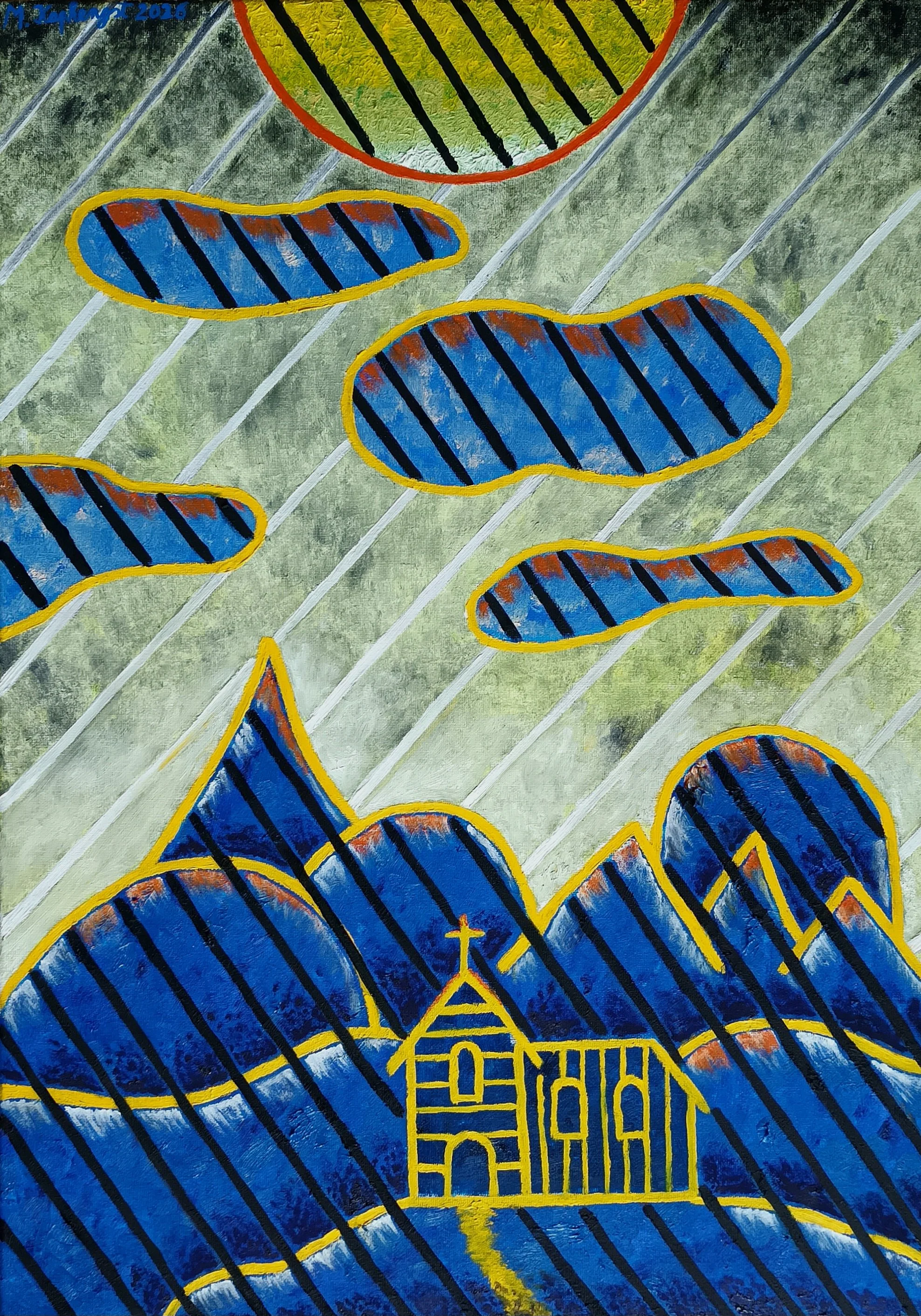
yellow church, 2026
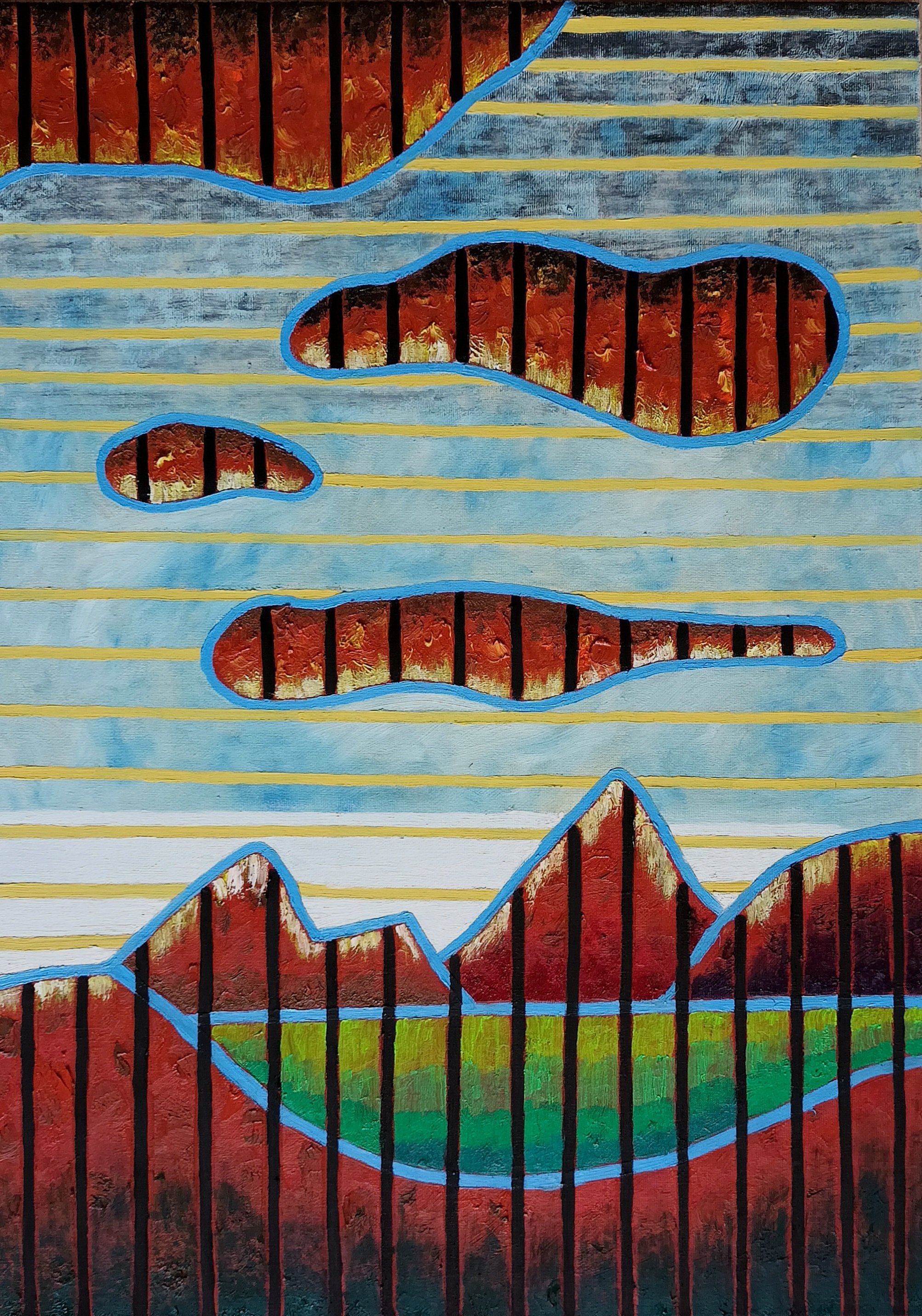
green valley, 2026
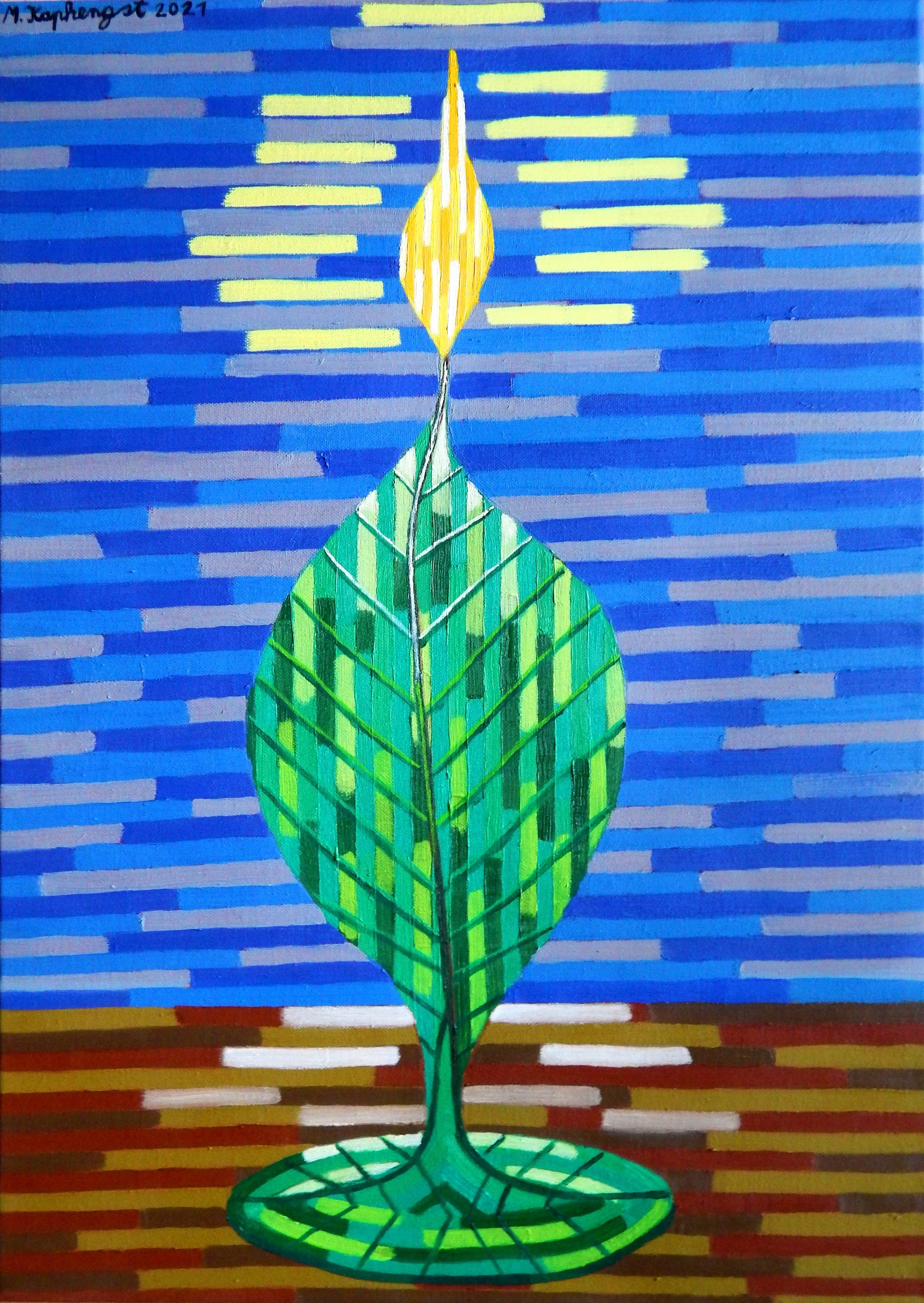
light, 2021
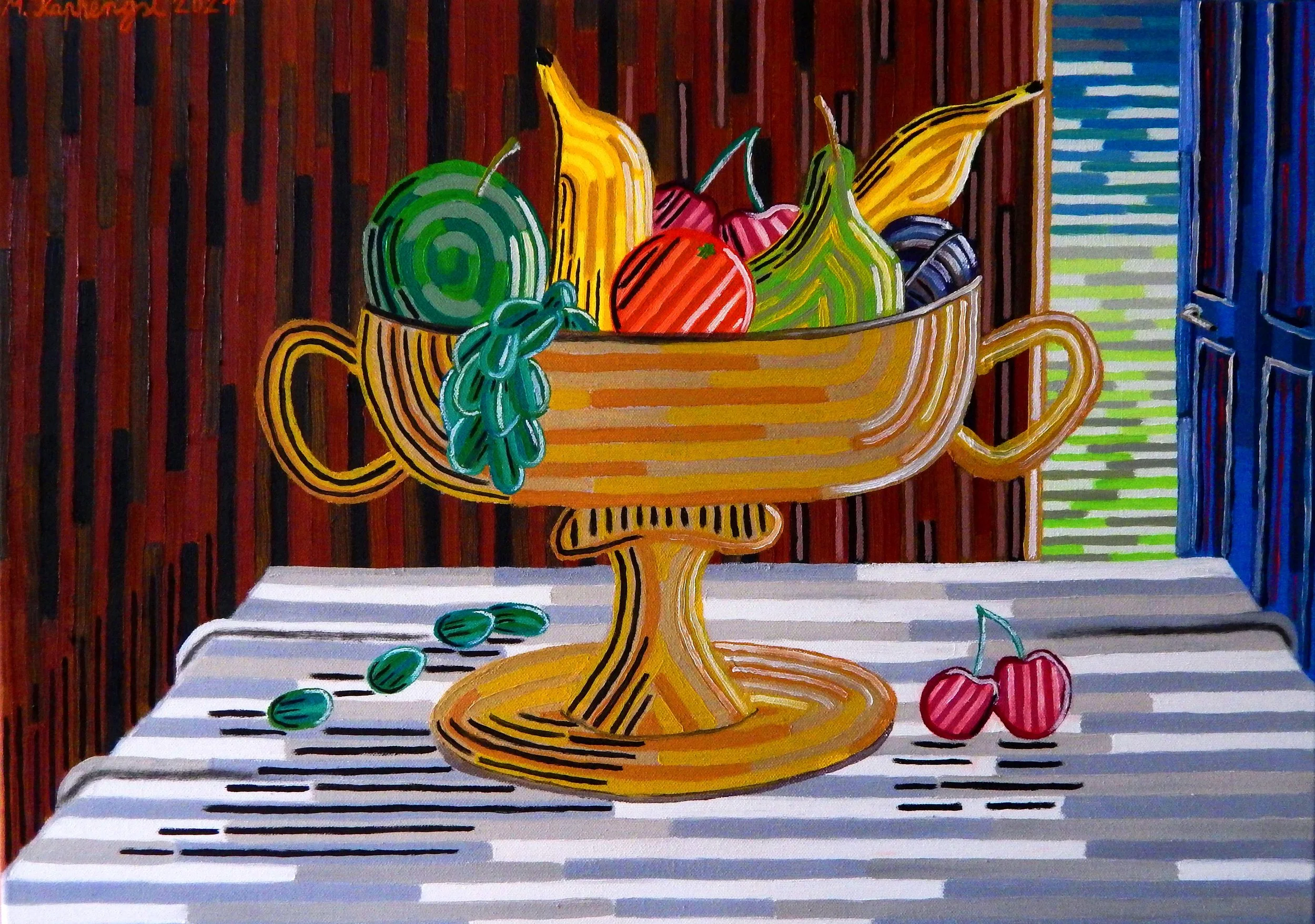
fruits, 2021

golden grass, 2025
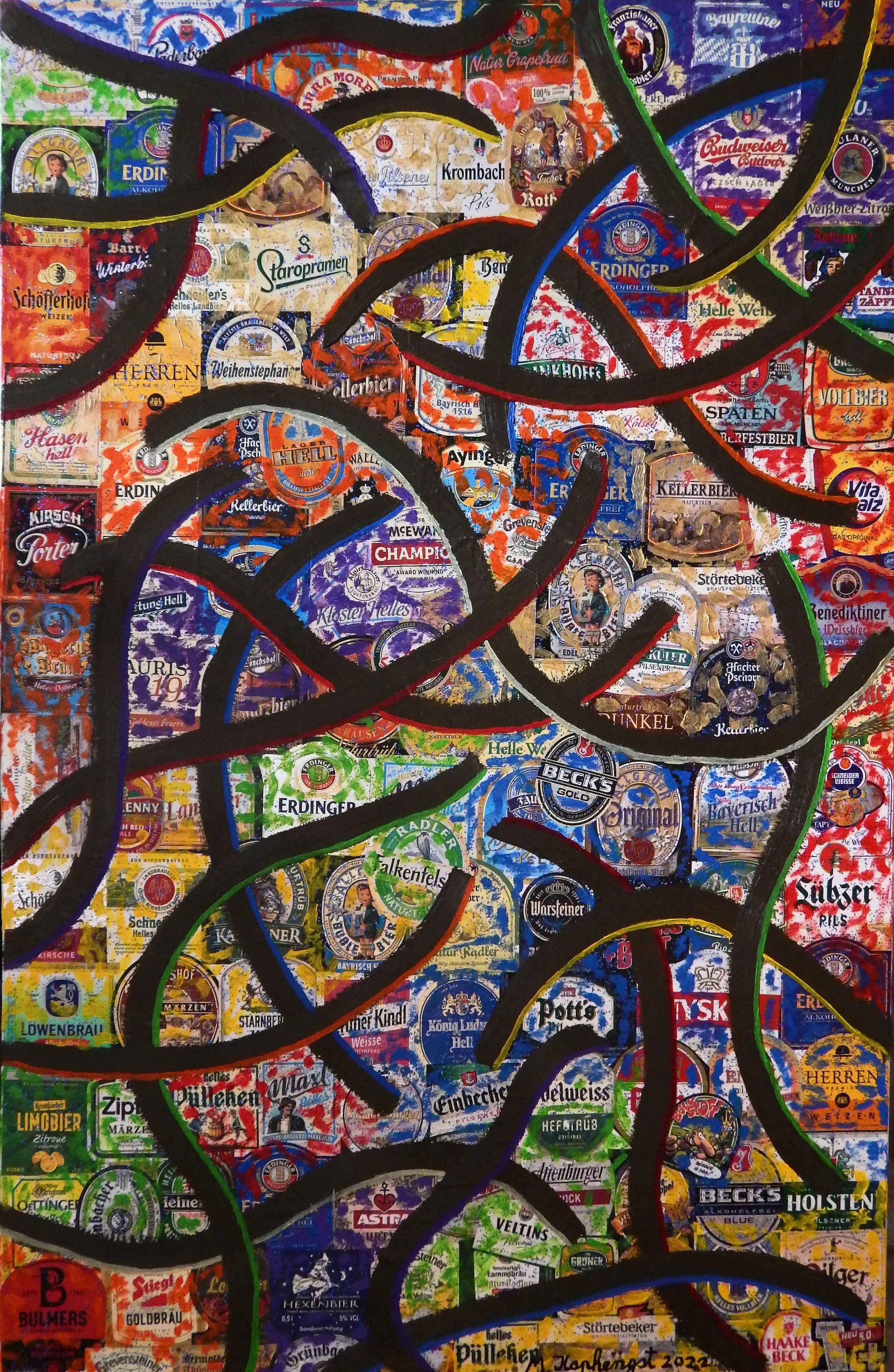
high proof, 2022
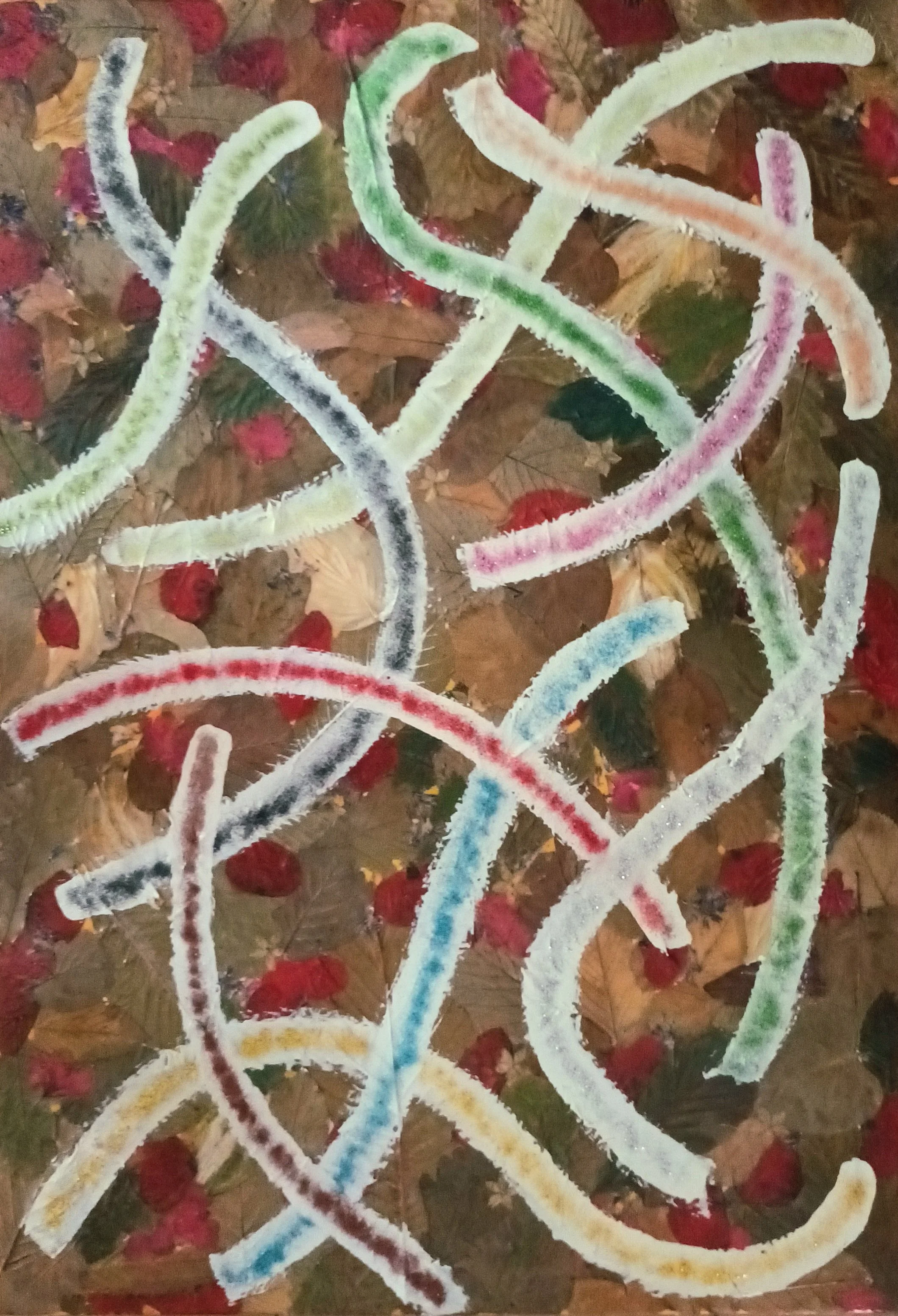
funny nature, 2025
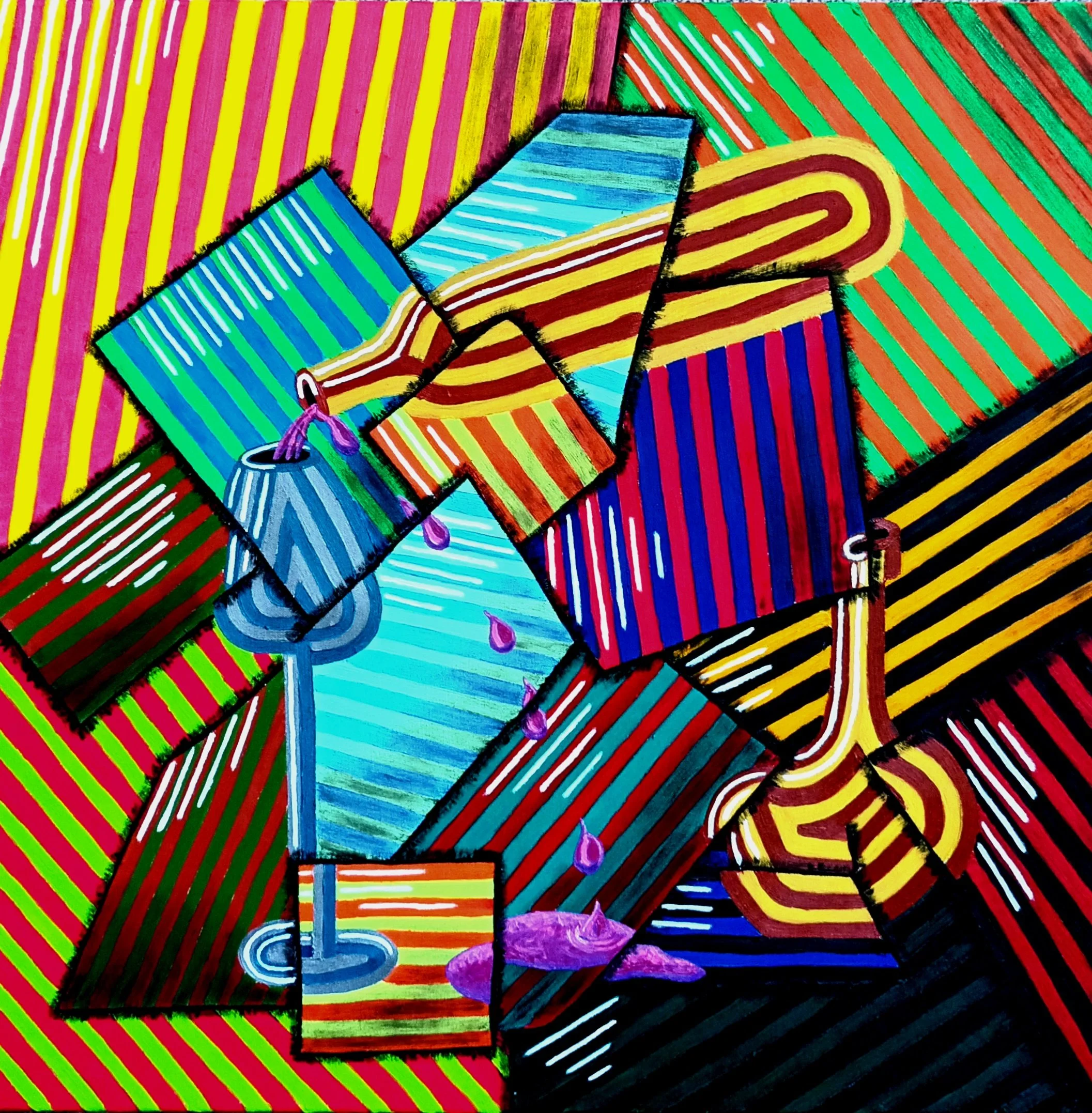
red vine, 2024
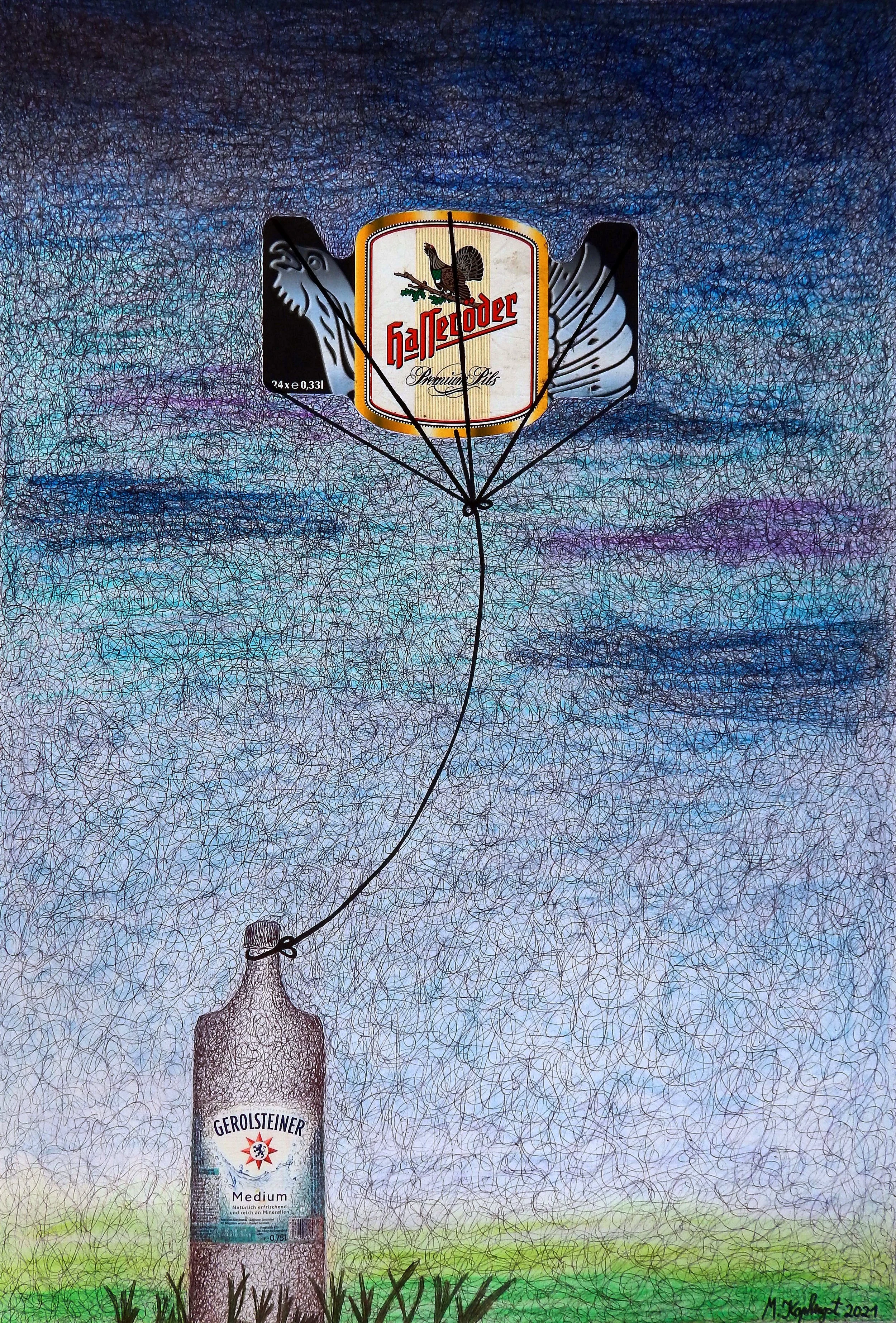
drake, 2021
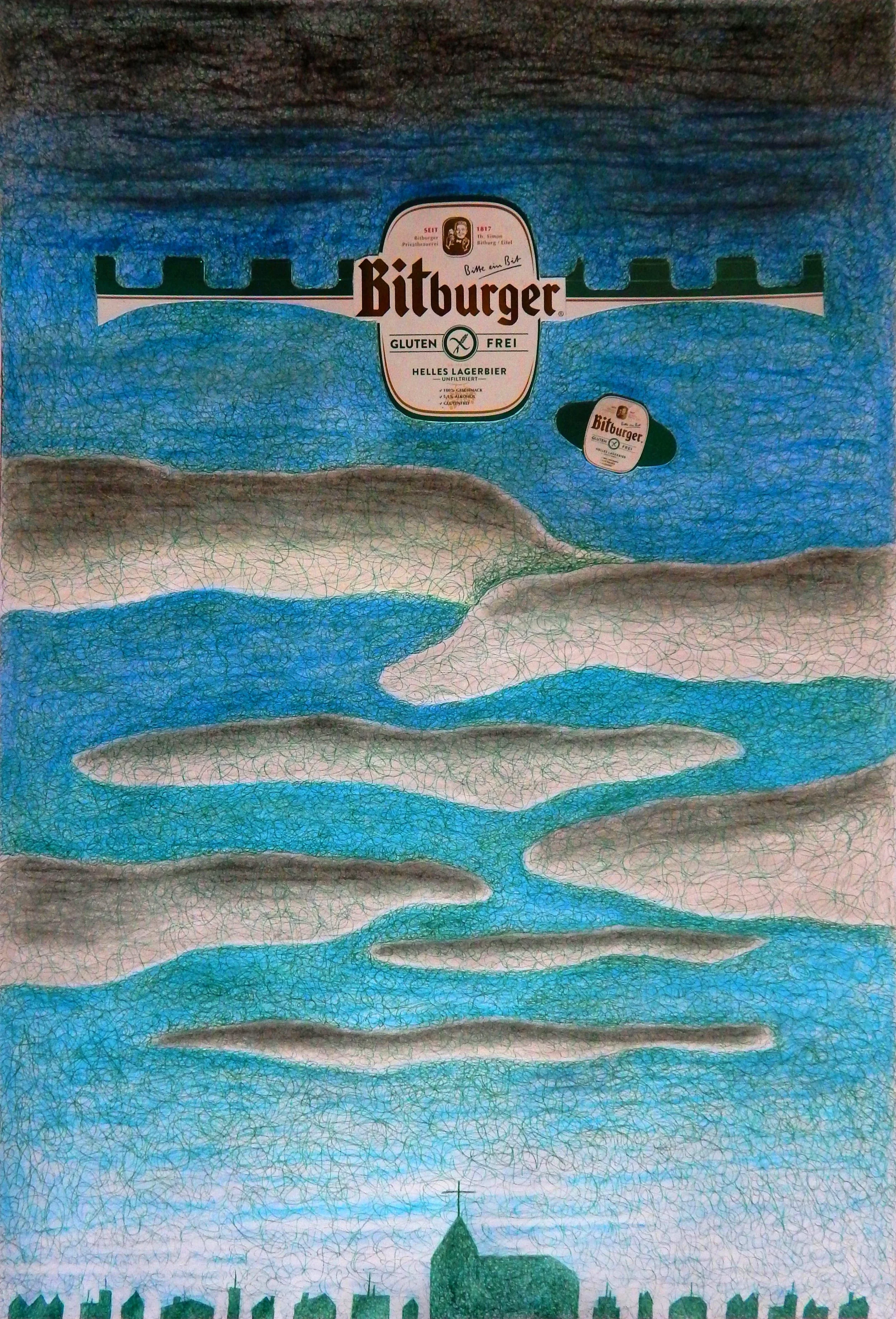
flyover, 2021
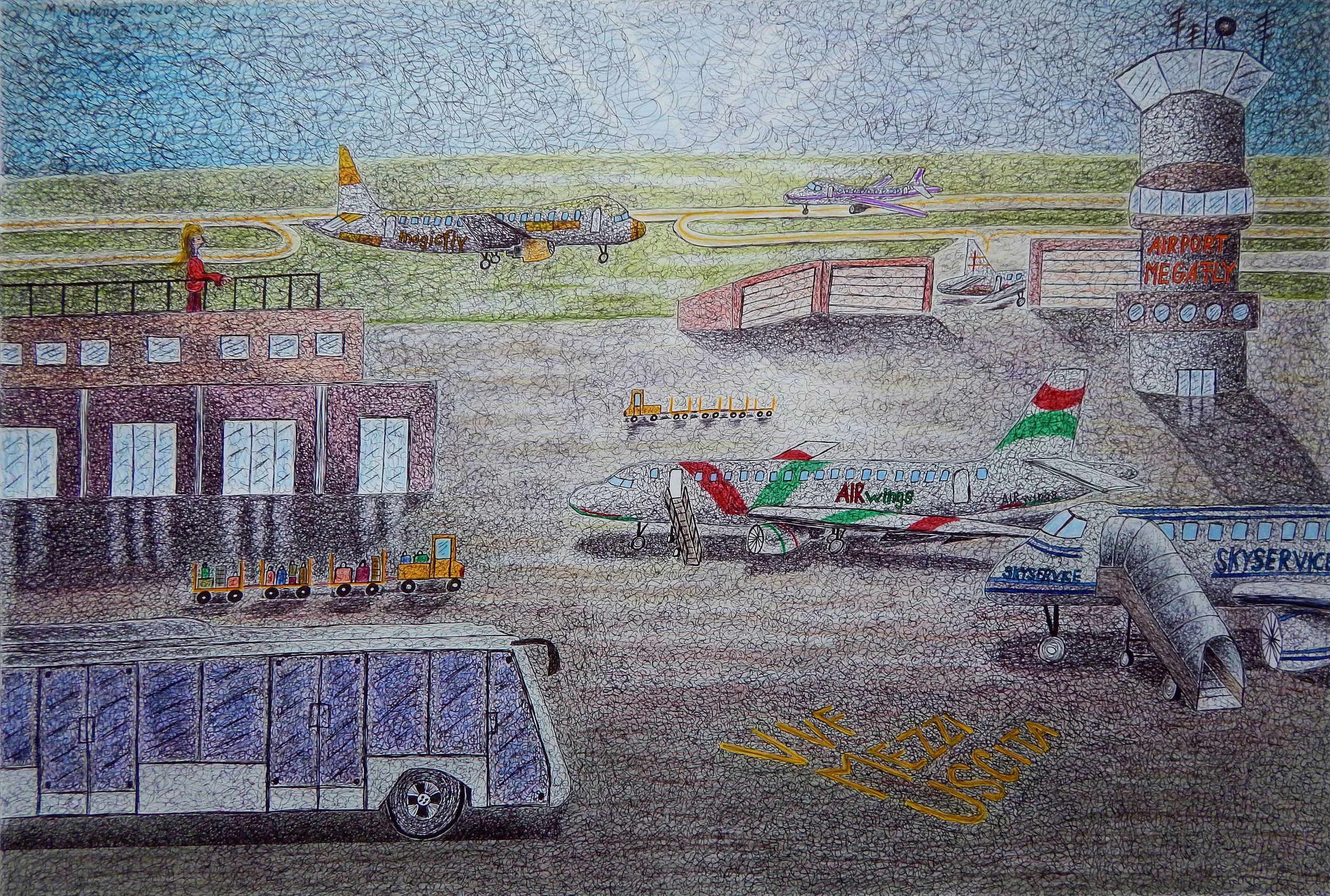
expectation, 2020
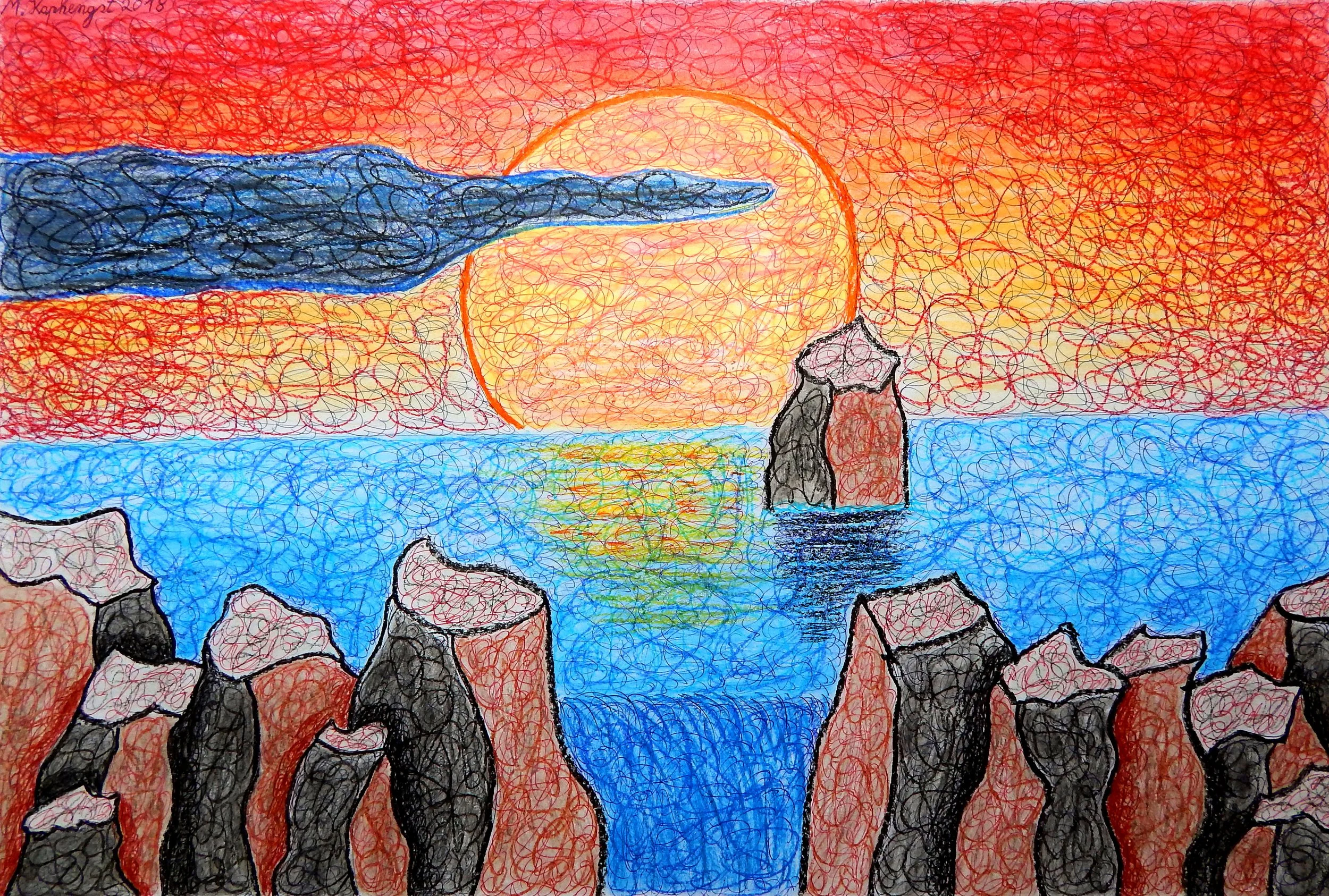
between, 2018
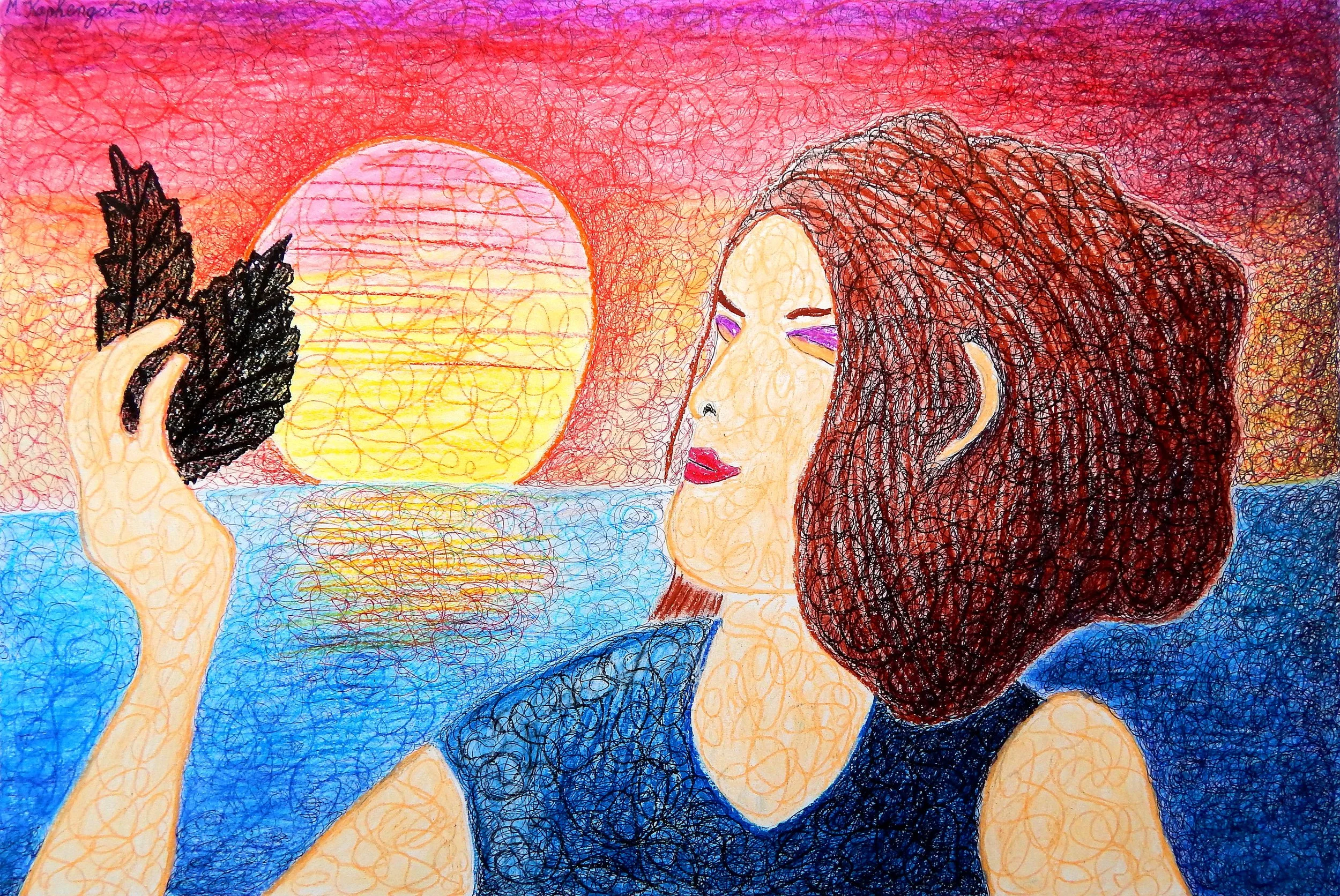
facing death, 2018
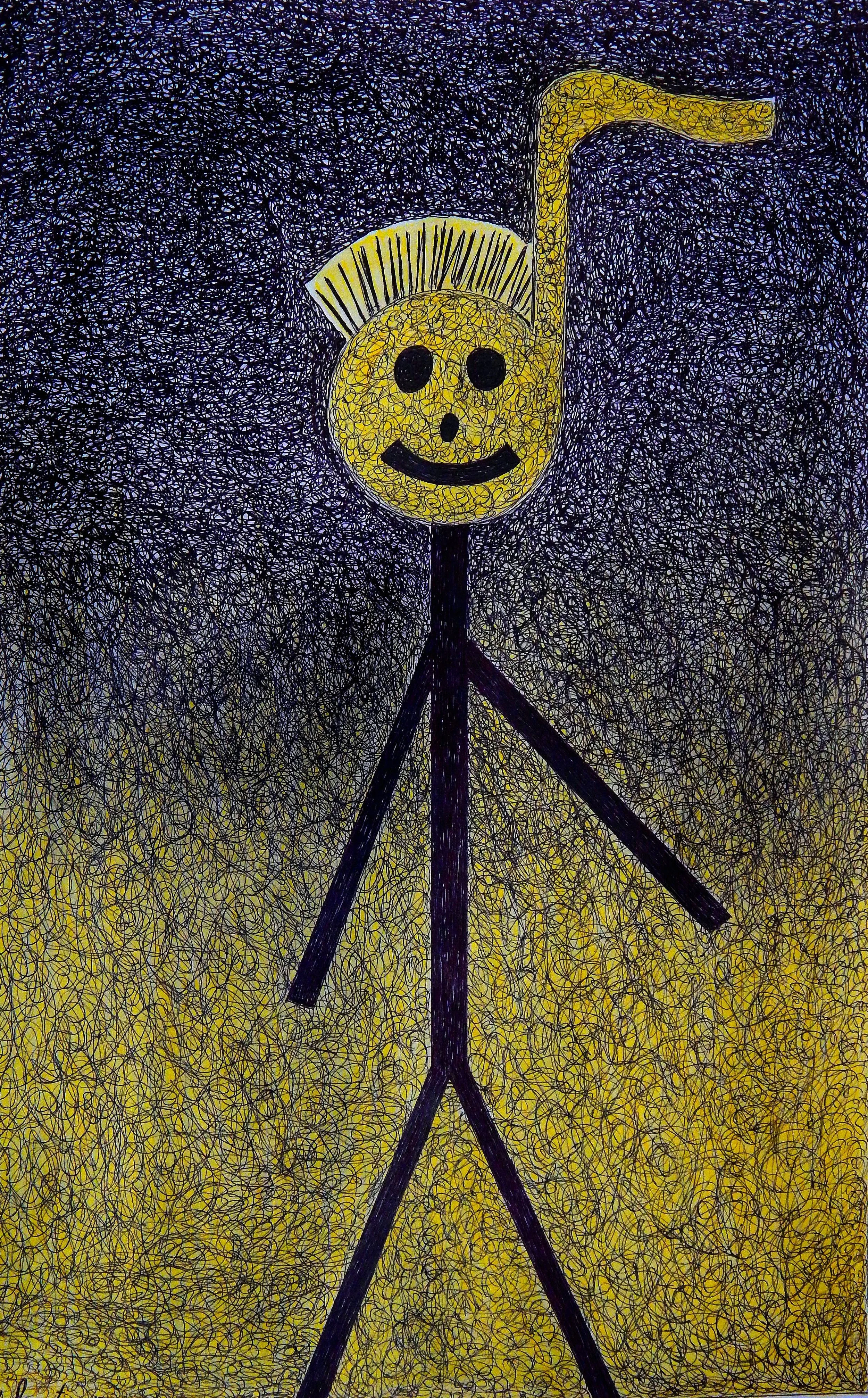
laughing sound, 2013
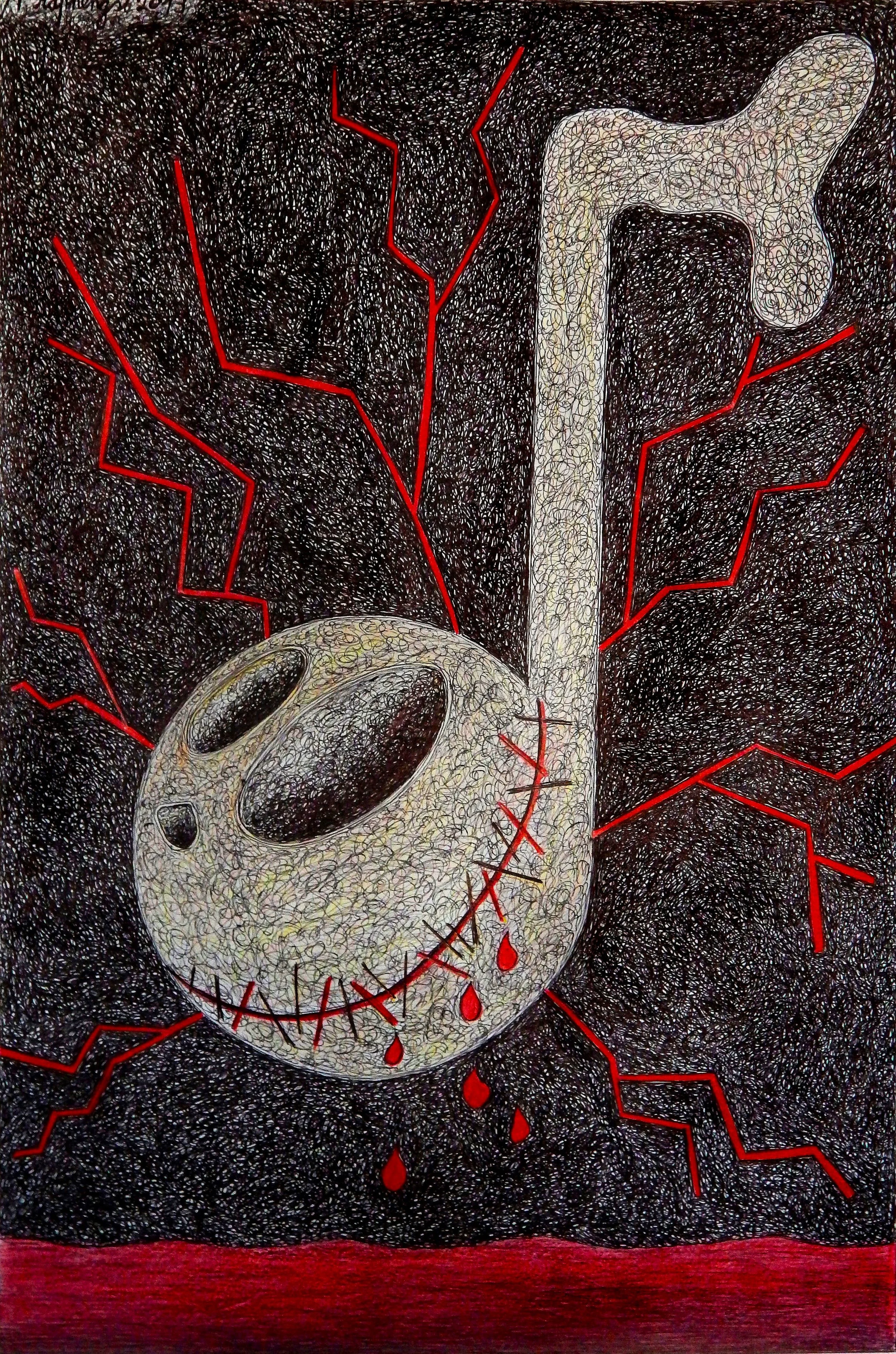
nightmare sound, 2013
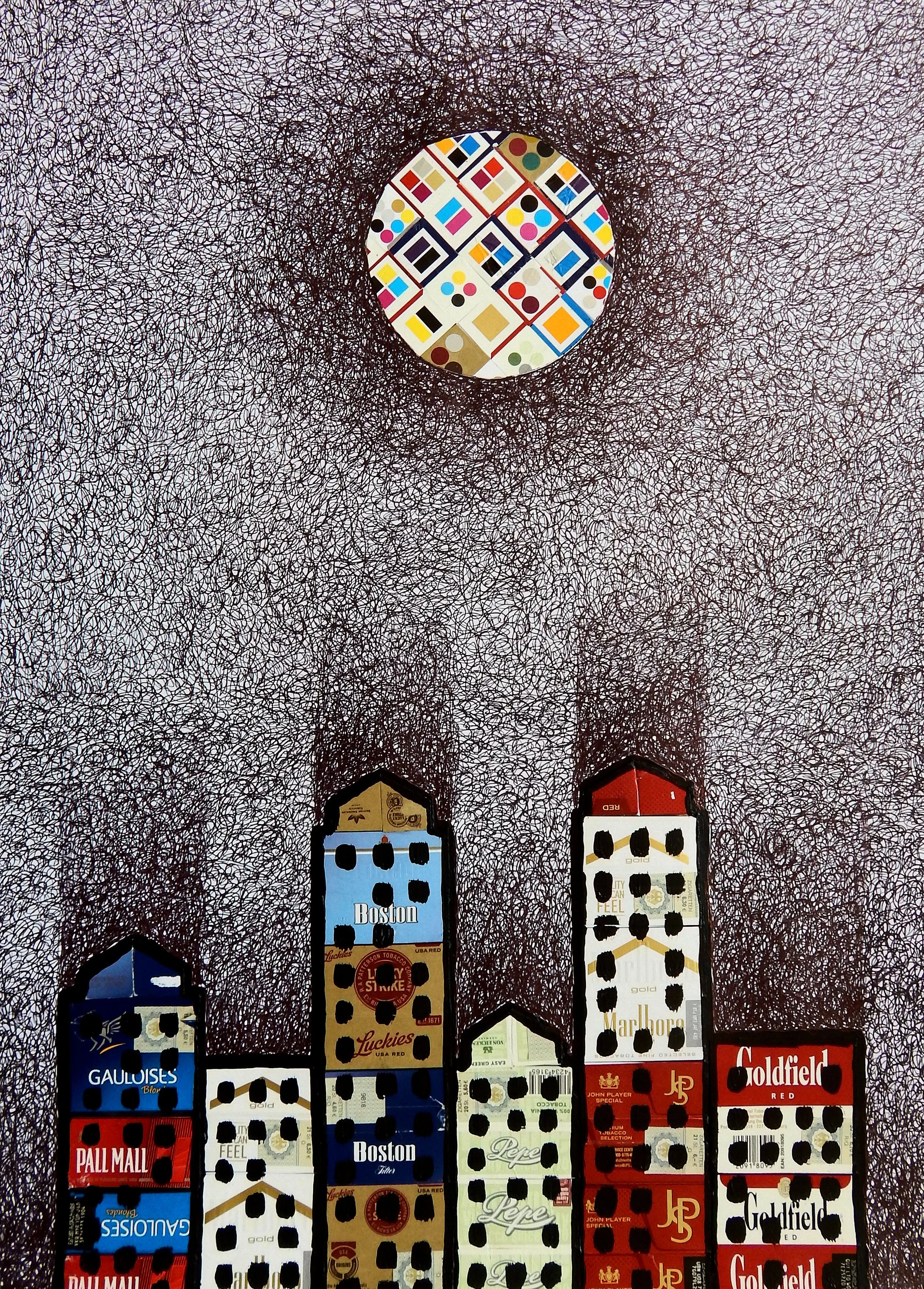
cold city, 2017
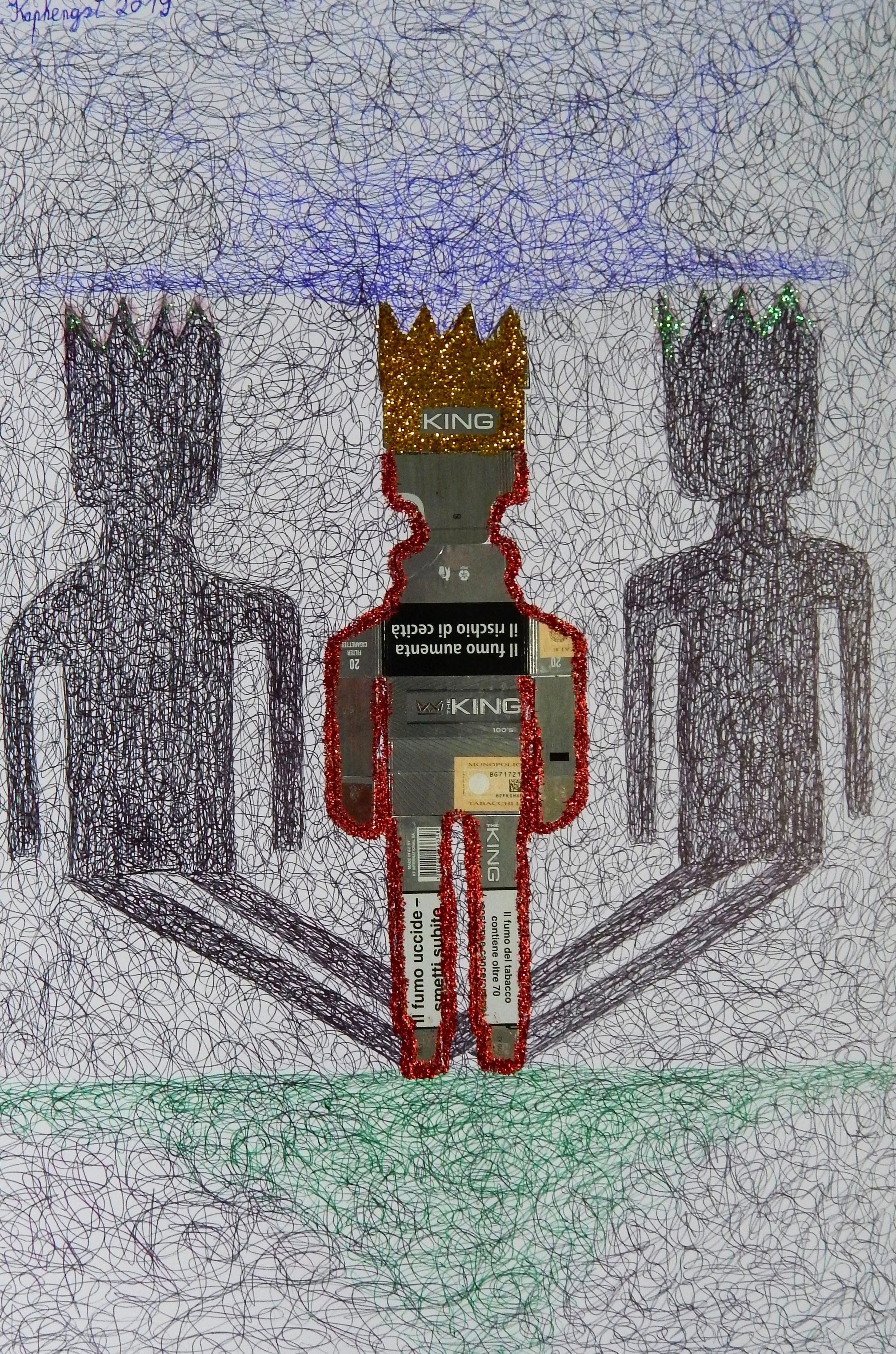
macbeth, 2019
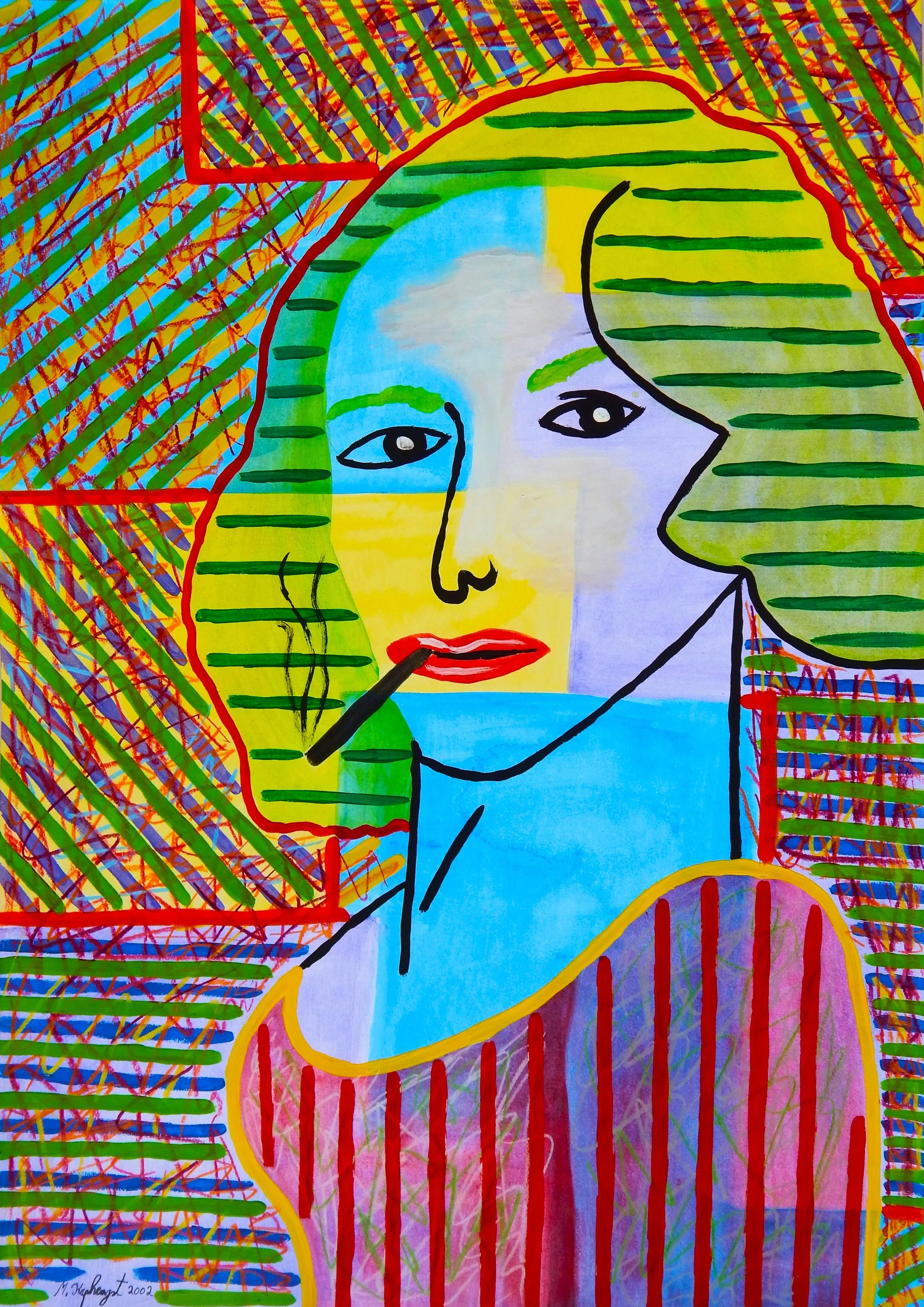
smoking girl, 2002
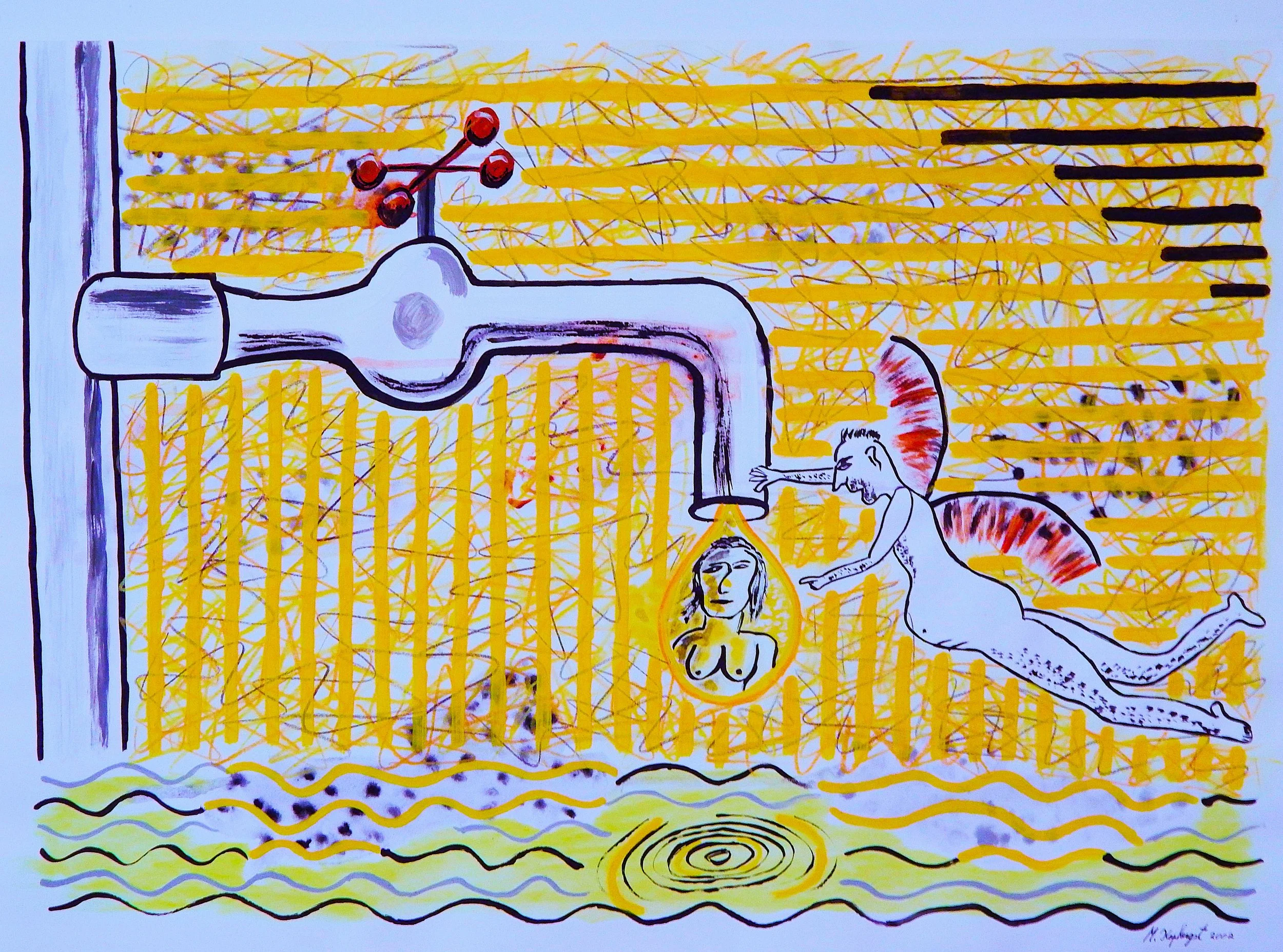
sexy drop, 2002