
Veronique Avril
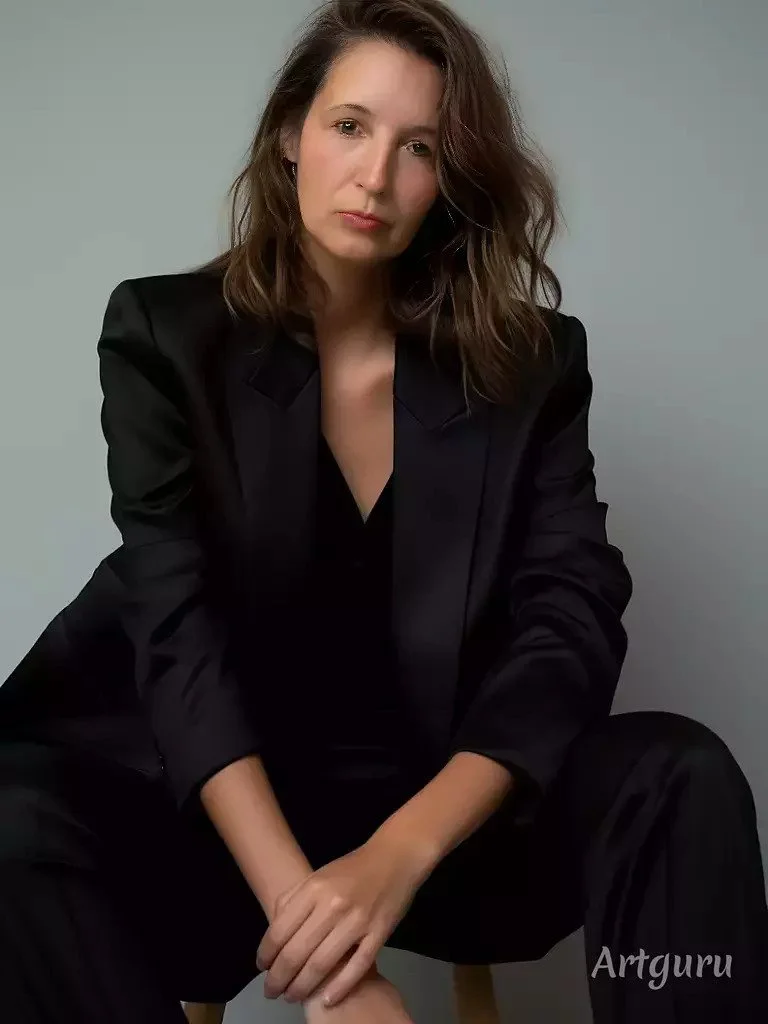
After a literature diploma I worked a long time ago in events before becoming self decorative sale objects but the art passion was stronger. I win a lot of prices and participate in many magazines. This year I made three exhibitions.
Veronique, in your recent works, one senses a persistent oscillation between the ornamental and the ontological, particularly in the way mechanical structures, organic motifs, and symbolic figuration cohabit a single pictorial field; could you elaborate on how this dialectic between artifice and nature functions not merely as aesthetic contrast but as a cognitive framework through which you negotiate subjectivity and perception?
My work is designed so that everyone can experience it in their own way, fully aware that the perception of a work of art differs from one person to another. I establish a cognitive framework through various motifs so that everyone can find their place within it. Everything in life is subjective beauty, art, aesthetics, and the perception of things and in this, I establish an aesthetic and cognitive framework. I love the ontological aspect because, as an artist, I believe that a work of art must be both beautiful and ontological that is what I believe.
Your assertion that “art is a way of thinking” seems to displace the artwork from objecthood into a kind of epistemological device; how do you conceive of your practice as a system of thought, and to what extent do your compositions operate as visual propositions rather than representations?
My works are, above all, visual compositions that I stage, just as I do with my photographs or digital montages; they are not representations in the strict sense, but it is true that, for me, a work of art is more than an object not a device, but a way of showing the public a different perspective. I believe, for me, that art is indeed a way of thinking differently and expressing oneself differently. I don't just create images or works; I try to infuse them with a way of seeing the world and understanding it through my eyes.
In works combining butterflies, books, and machinic anatomies, one might detect a latent narrative of transformation, even metamorphosis, yet this is never fully resolved into allegory; how do you resist narrative closure while still invoking a deeply affective symbolic register?
Well, I'm just one artist among many not a writer or screenwriter who needs a clear, concise plot. I love the idea of suggestion that stimulates the imagination. I want to touch people emotionally with my work, evoke ideas, suggest thoughts, and I would love for art lovers to walk away from viewing my work with a different way of thinking. I want the person viewing my work to have the freedom to interpret it as they wish; that is why there is no single, obvious meaning. I generally dislike the idea of the obvious; I like the idea that one can see through a work of art.
Given your trajectory from literature and event-based experience into visual production, how do you understand temporality within your work; does the image function as a frozen moment or rather as a condensation of multiple temporalities, perhaps even akin to a literary montage?
Good question. You're right to point out my relationship with time. Through litterature, I've learned to perceive time differently, thanks to authors who have spanned the century; I've also learned to see another idea behind the lines and to engage my mind. Through event photography, I've learned about the fleeting nature of life, the precision of the moment my worlds are tied to time, not just to the still image. My images are not static but possess a different temporality; my literary background has strongly influenced my way of composing. When I create a montage, I superimpose ideas and moments, but nothing is static. The work is closer to a distillation than a snapshot.
There is a palpable tension in your images between delicacy and structural complexity, where fragile elements such as petals or wings are embedded within intricate architectures; would you say this reflects a philosophical position regarding vulnerability within systems of control or is it primarily a formal investigation?
Yes. Fragile things exist within rigid structures that's also an everyday reality that resonates with me, not just in art. I don't create works solely for their visual impact, because I hope that through them people will realize that all fragile things lie at the heart of everything that isn't, beyond the visual, I'd like people to see something other than the image, I blend fragility and complexity because the two are linked and form a whole no matter what happens; they are an integral part of this world.
Your background in decorative arts inevitably raises questions about the boundary between the decorative and the critical; how do you situate your work in relation to this historically gendered distinction, and do you see ornament as a site of resistance, subversion, or re-inscription?
My work is both aesthetic and thought-provoking, as explained above. For me, a work of art conveys meaning and ideas. I do not consider ornamentation to be secondary, because in each of my works there is a reflection of myself. Ornamentation is a space where anything can unfold and where one can incorporate a great deal. As for subversion, it is true that my artistic background is far from standard or conventional; if being different through a unique approach and an unconventional practice makes me a subversive artist, then yes, I am a subversive artist.
In the imagery of the young figure enveloped by clouds and flora, the body appears suspended between visibility and dissolution; how do you conceptualize the body in your practice, as a stable identity or as something perpetually in flux within a field of external forces? The chromatic intensity and compositional symmetry in your works referencing ancient visual cultures evoke both historical iconography and contemporary abstraction; how do you navigate the risk of reference becoming pastiche, and what strategies do you employ to re-activate these visual languages within a contemporary discourse?
The young figure, enveloped in clouds and vegetation, is sheltered from the outside world and lives in her own universe. In my work and for me in general everything is in constant motion : the ups and downs of life, moments of passion, sudden inspiration, the body that only comes to a stop when it is at rest. We act in response to the external forces that guide our bodies and our lives, no matter what we do or say. The body is anything but a stable identity or a fixed structure; rather, it acts according to its needs.
The chromatic intensity and compositional symmetry in your works referencing ancient visual cultures evoke both historical iconography and contemporary abstraction; how do you navigate the risk of reference becoming pastiche, and what strategies do you employ to re-activate these visual languages within a contemporary discourse?
It's very difficult not to fall into pastiche, but we can't ignore what came before us what existed before us. I blend the old and the new because, for me, one cannot exist without the other; contemporary artists owe a great deal to the artists of the past who launched artistic movements. Being modern and abstract is difficult without falling into pastiche, but I try as much as possible to intregate them as best I can. As for struggling, art evolves and so do I, what I tell you today may change tomorrow. I am in no way seeking to reproduce, but rather to transform and recontextualize the old visual to blend it with the contemporary.
In your urban nocturnal scenes, where light, reflection, and repetition structure the composition, how do you approach the depiction of public space, and does this shift toward the collective alter your understanding of intimacy and interiority within the image?
Public spaces feature in many of my works; they are open, expansive spaces where I can incorporate contrasts, light, and reflections. While creating one of my works, '' Bathroom'', I imagined a new kind of intimacy in close-up to reveal a new dimension of space. Depicting public places like the city allow me to explore personnal emotions and thus reshape my relationship with intimacy. Through light, atmosphere, and reflections, public spaces contain a form of intimacy that can be reflected in my works.
Considering your relatively recent yet accelerated emergence within the contemporary art field, how do you negotiate the pressures of visibility, market circulation, and digital dissemination while maintaining what you describe as art’s therapeutic and introspective function, and can these dimensions coexist without diluting the critical agency of your practice?
I don't feel any pressure regarding visibility, market circulation, or digital distribution because I don't feel like I'm a highly sought-after artist. I'm happy to receive proposals and to have people take an interest in my art and my work. I've always viewed art as a form of therapy that allows me to recharge, to have a personal and profound space, but I felt that the pressure was becoming too intense and would hinder my creativity. I think I'll stop. I consider myself sincere with myself and others, and I'll make sure I never find myself in a position of retreat. I want to continue my transformation, however, and be an artist who goes from chrysalis to butterfly. To be continued in the next interview.
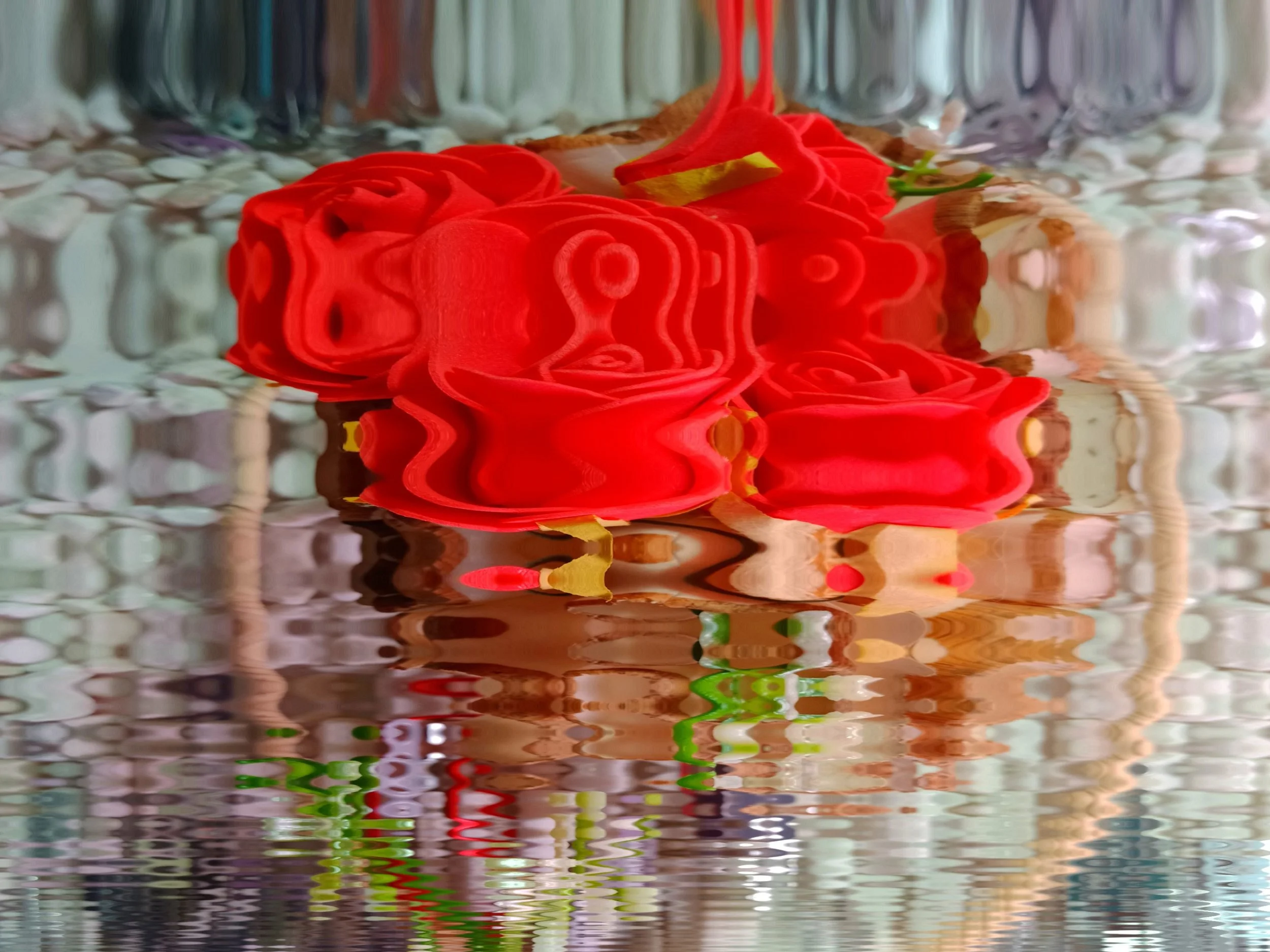
Passion d Paasion dechue 2023 photography 75 x 50 cms
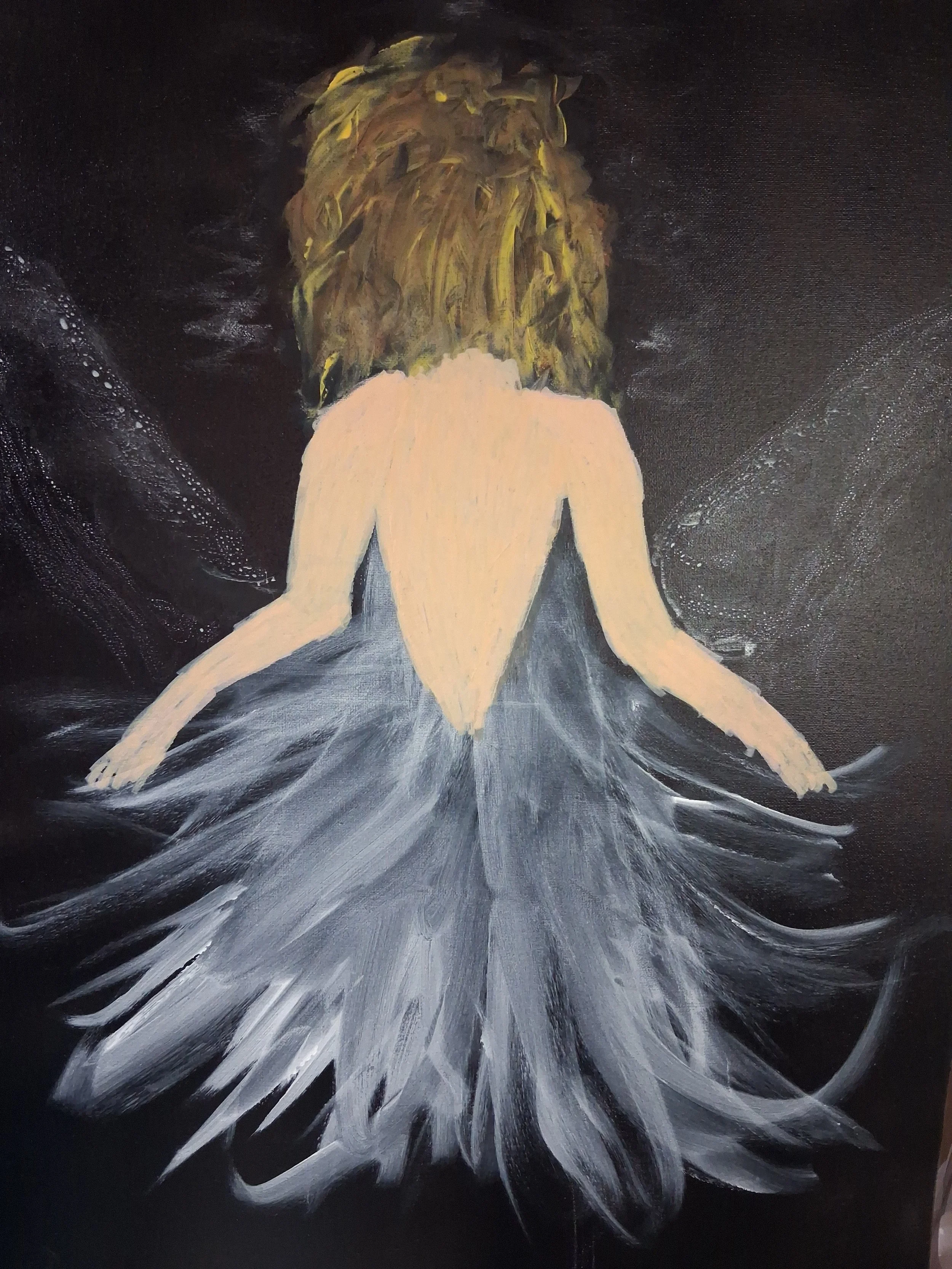
Enter the light 2025 acrylic on canvas 80 x 60 cms
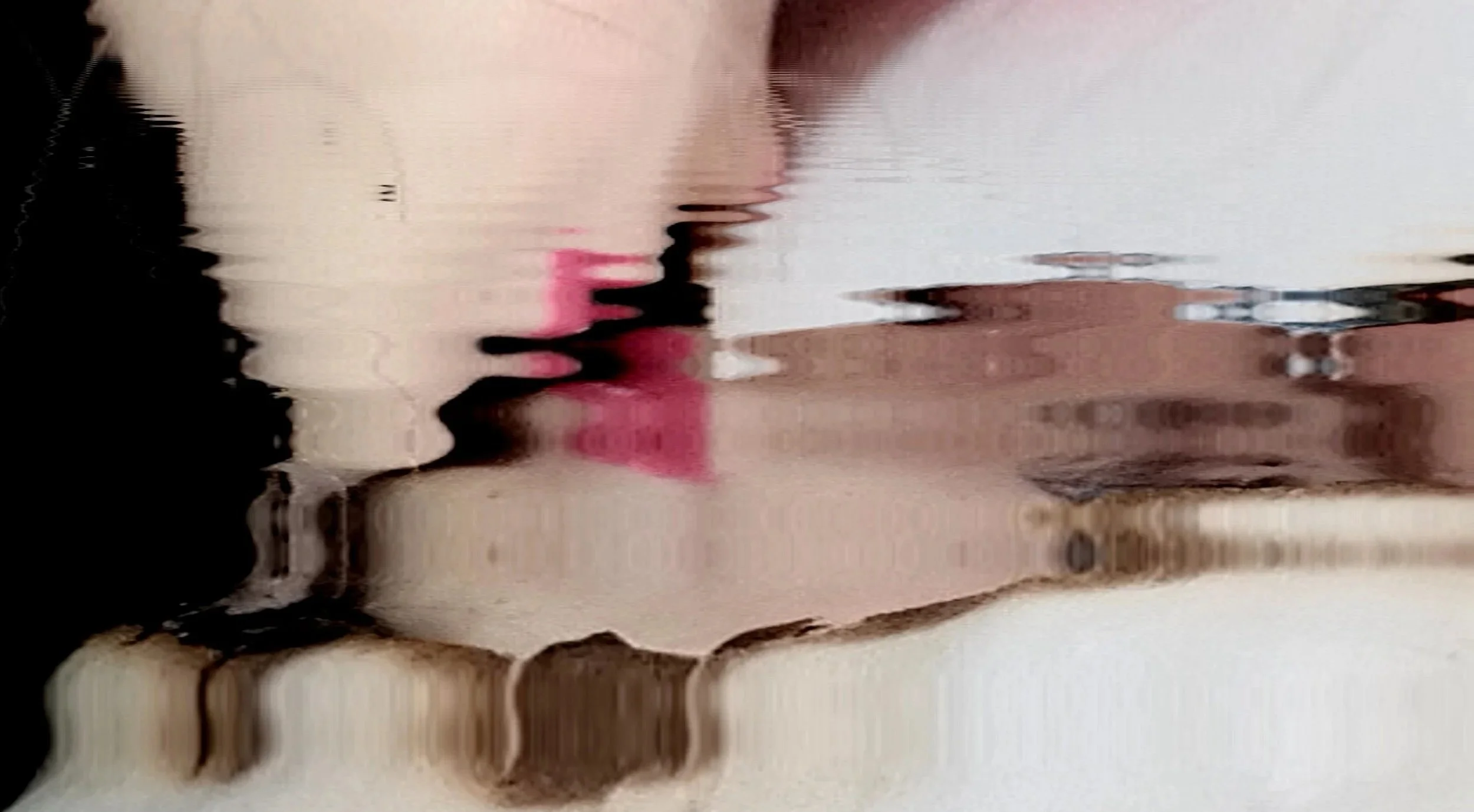
L'eclat 2023 Photography 75 x 50 cms
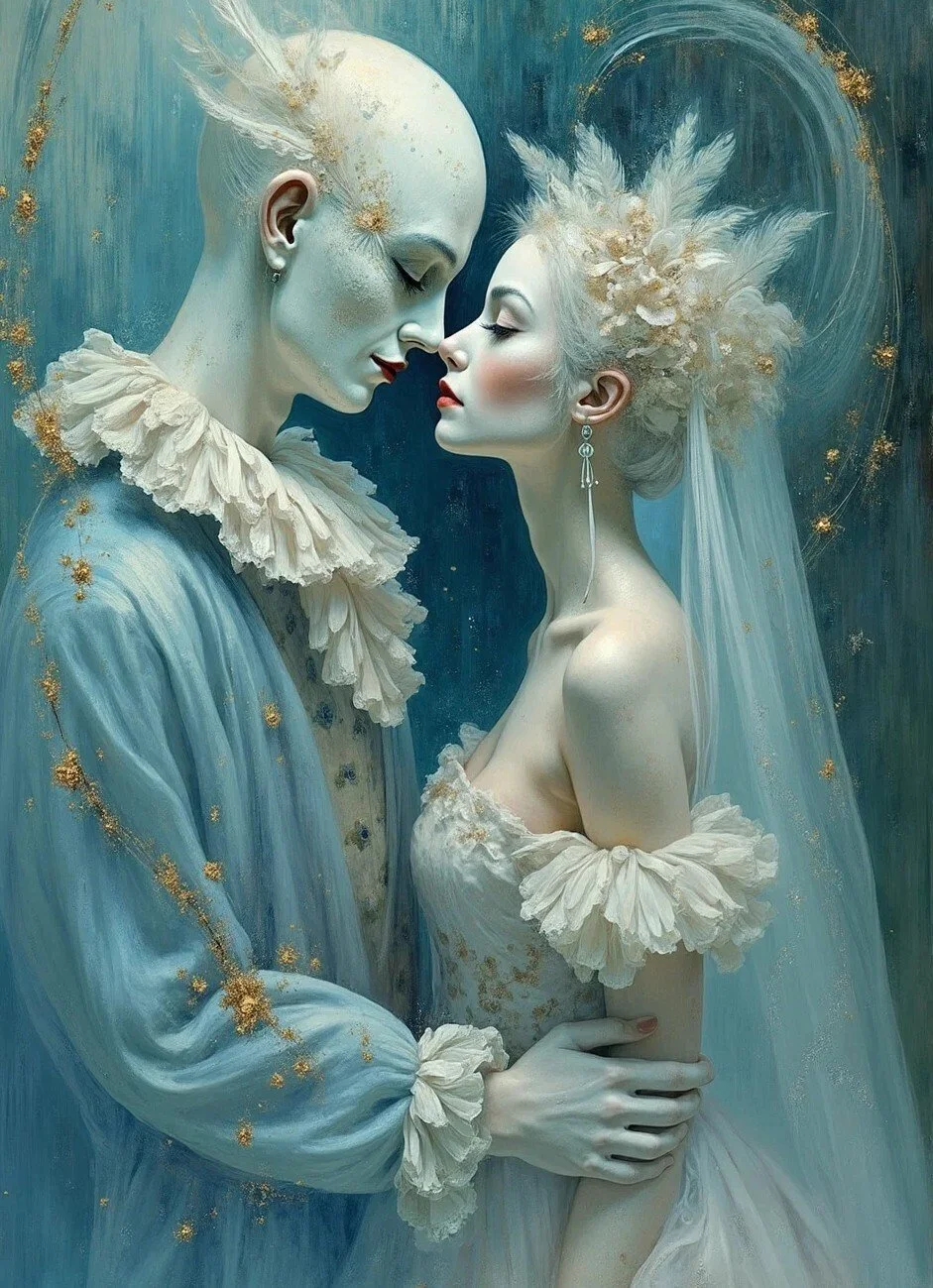
Pierrot and Colombine 2025 art digital 75 x 50 cms
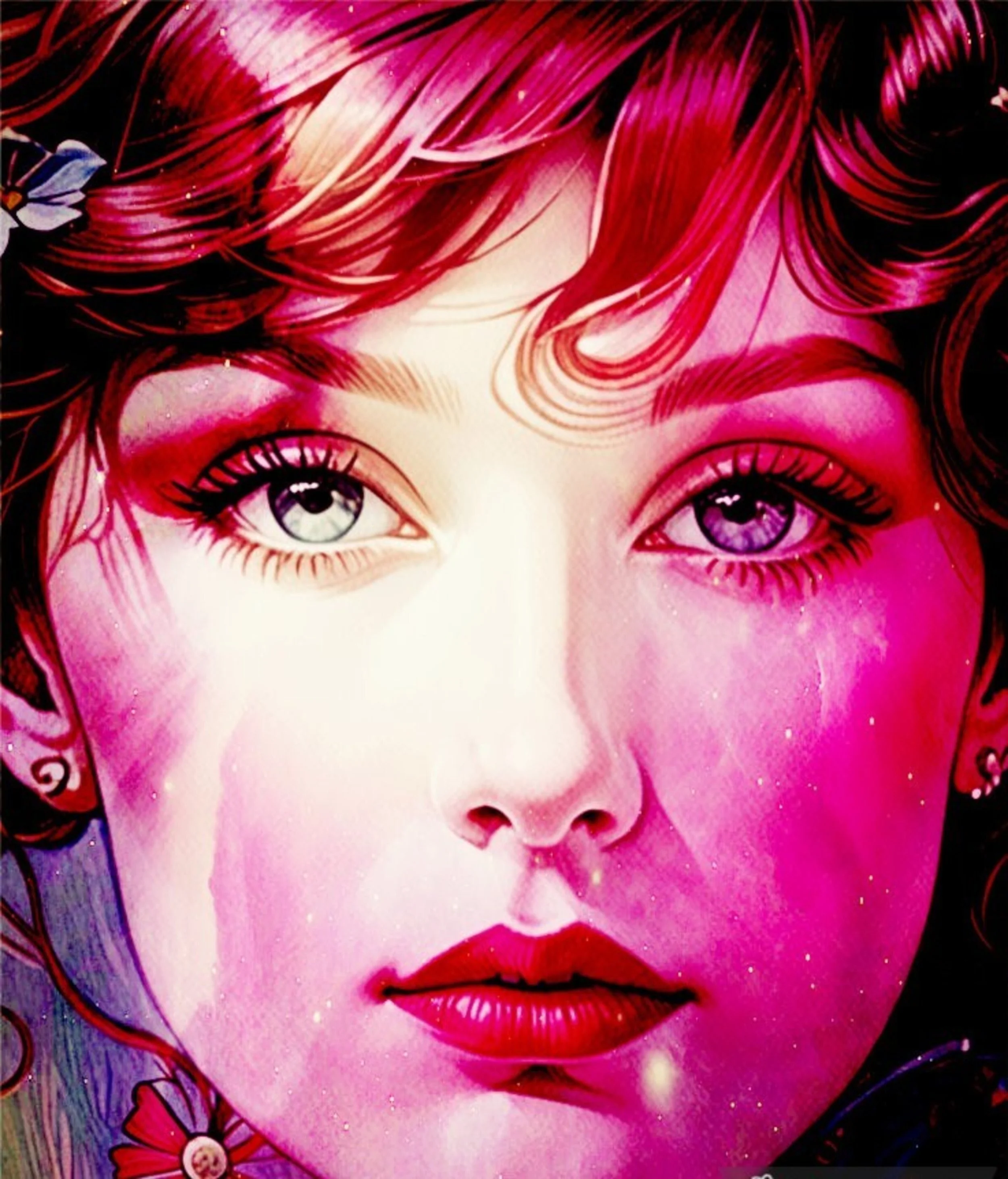
1930 2026 Art numerique 75 x 50 cms
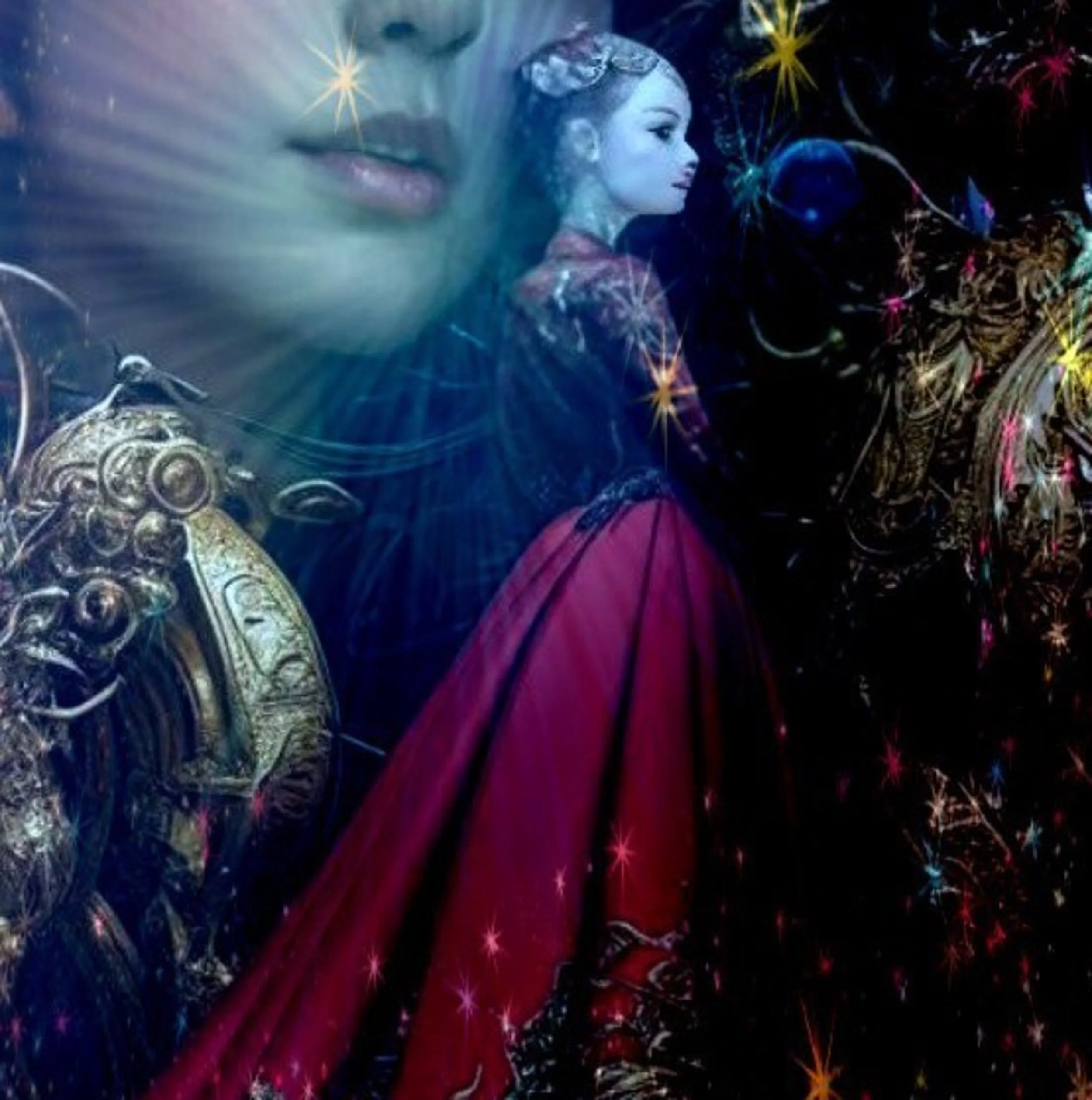
Mystic night 2025 art numerique 75 x 50 cms
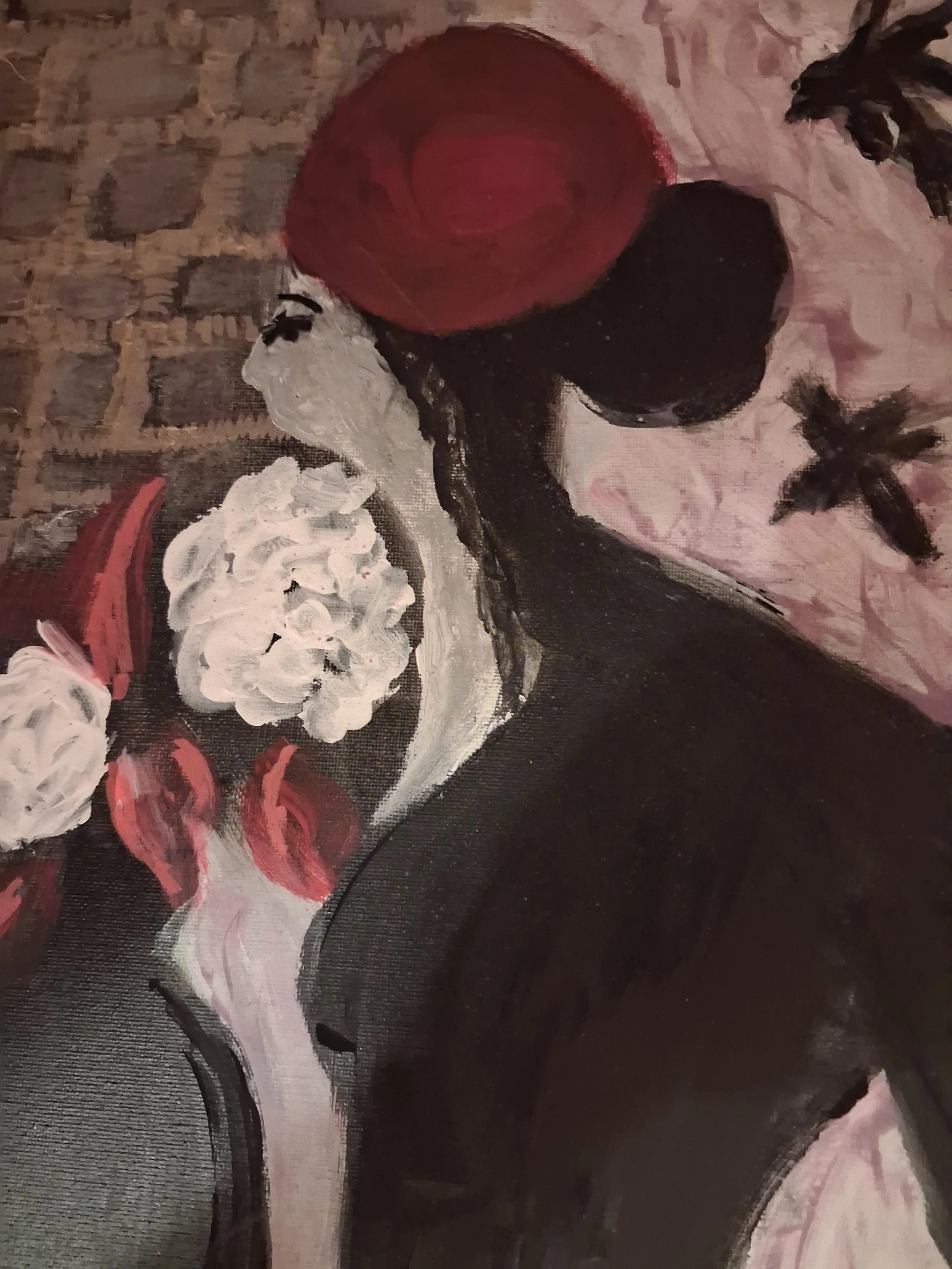
Retro memory 2025 acrylic paint 50 x 5o cms
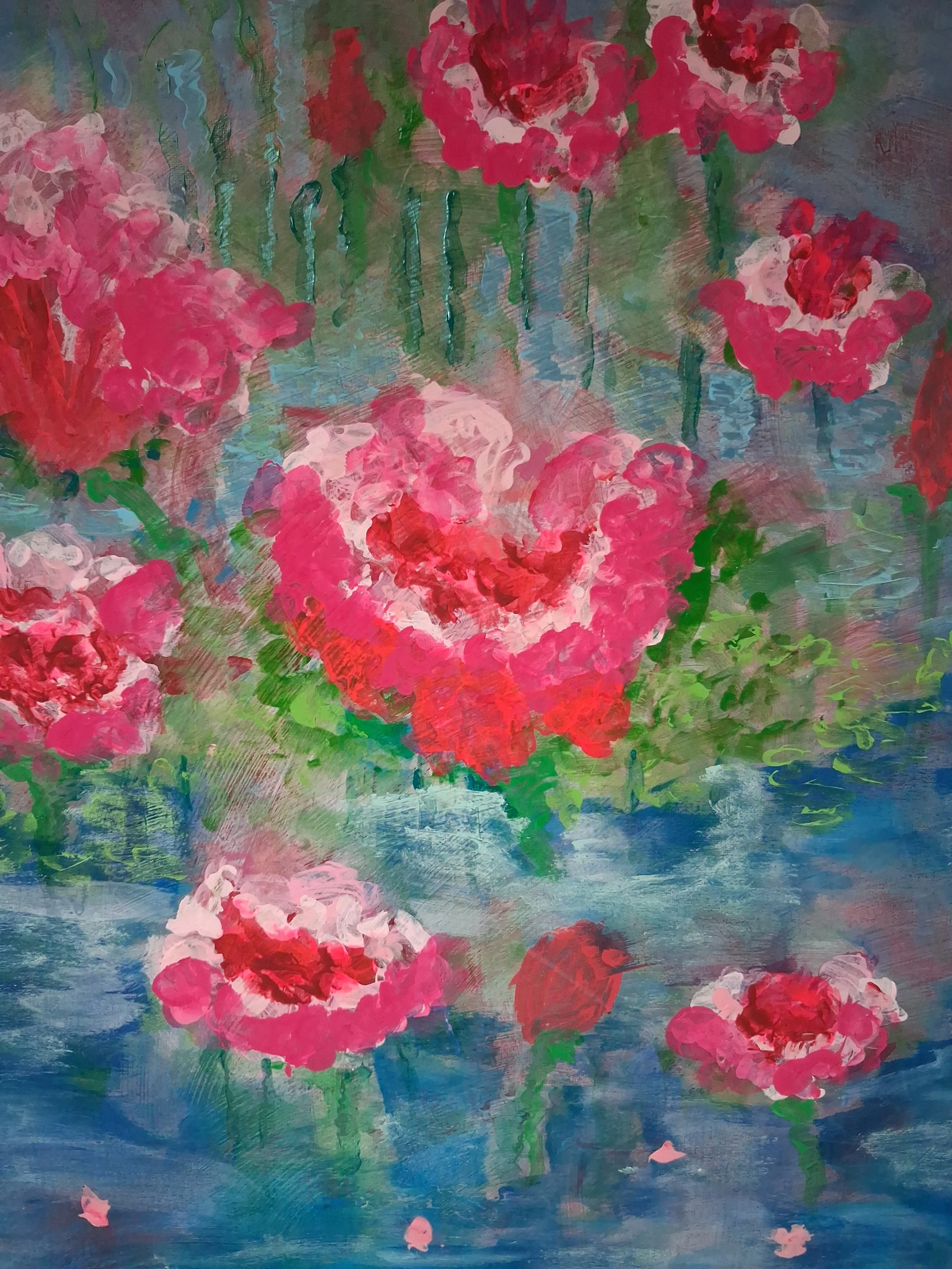
The lake 2025 acrylic painting 80 x 60 cms
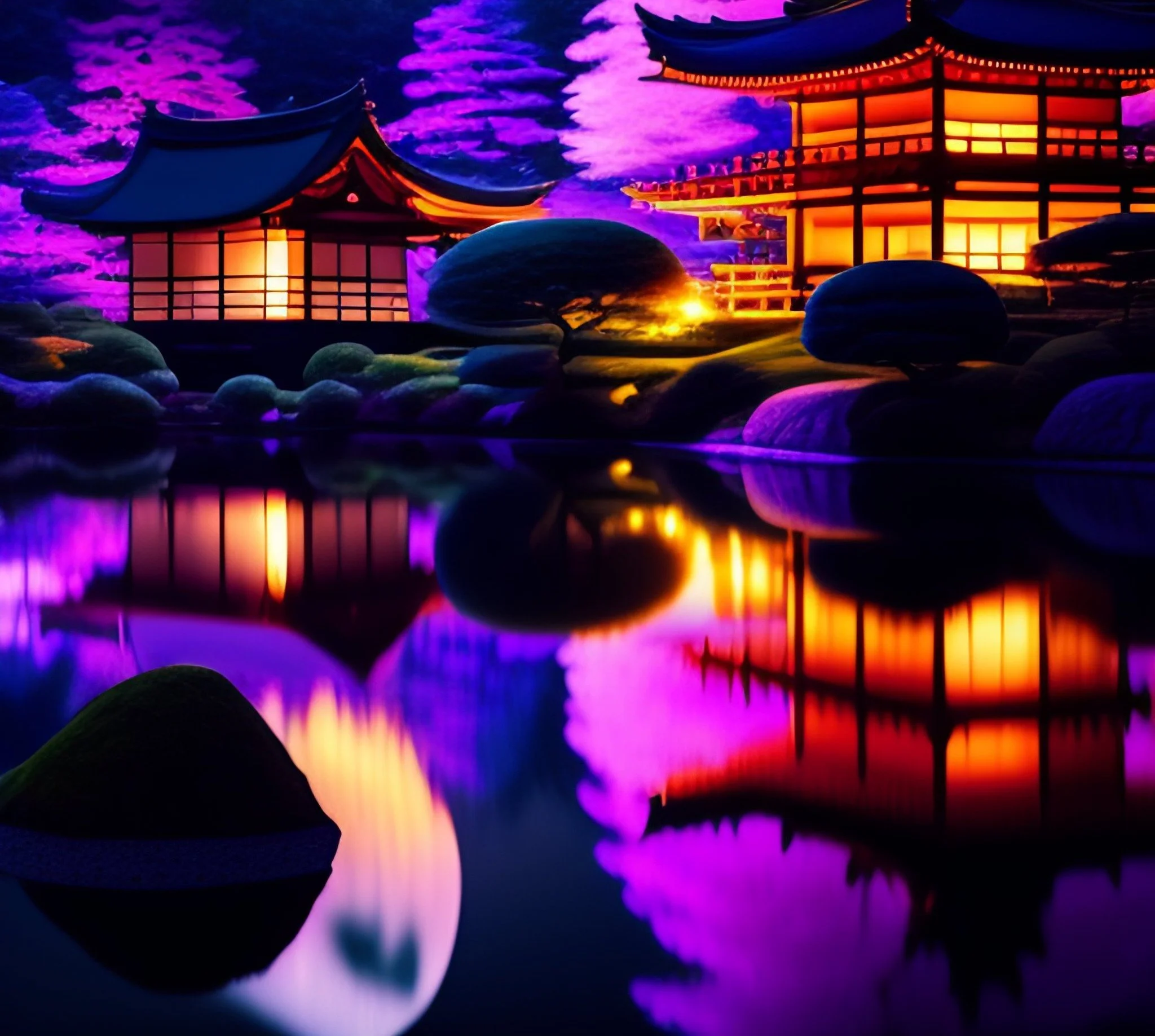
Asia art digital 2023 75 x 50 cms
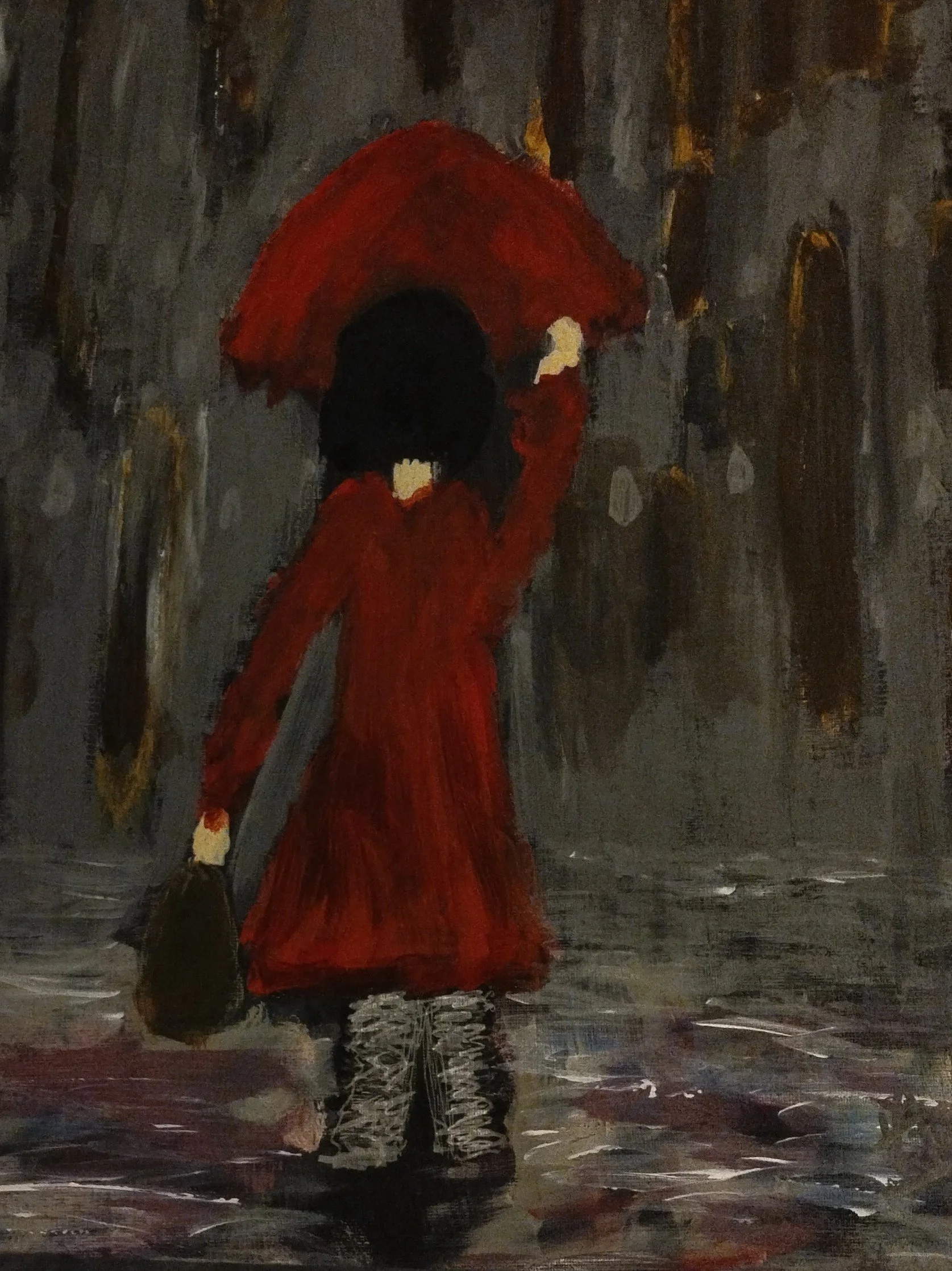
La pluie 2025 acrylic painting 50 x 40 cms
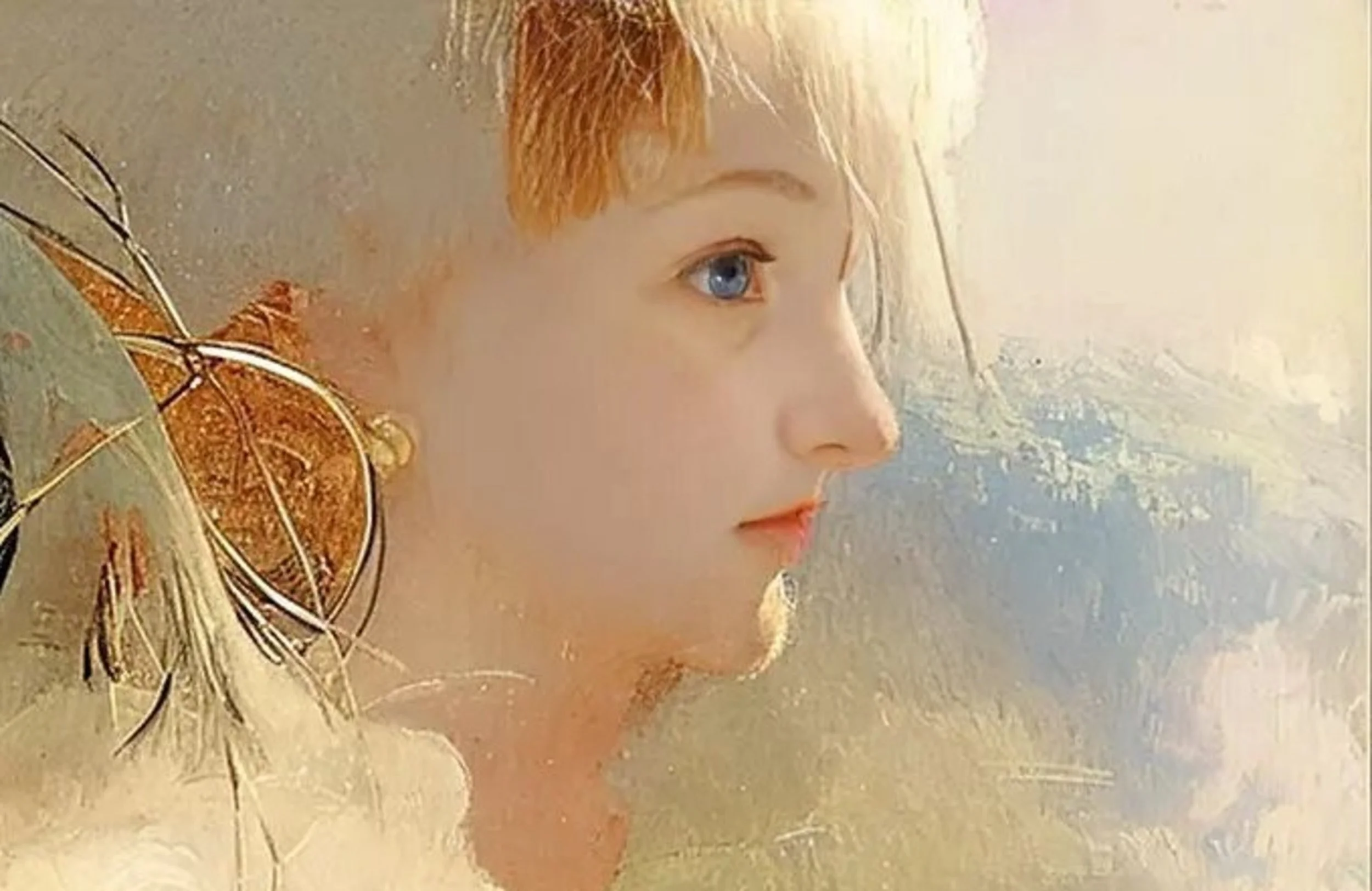
Paradise 2025 photography 75 x 50 cms
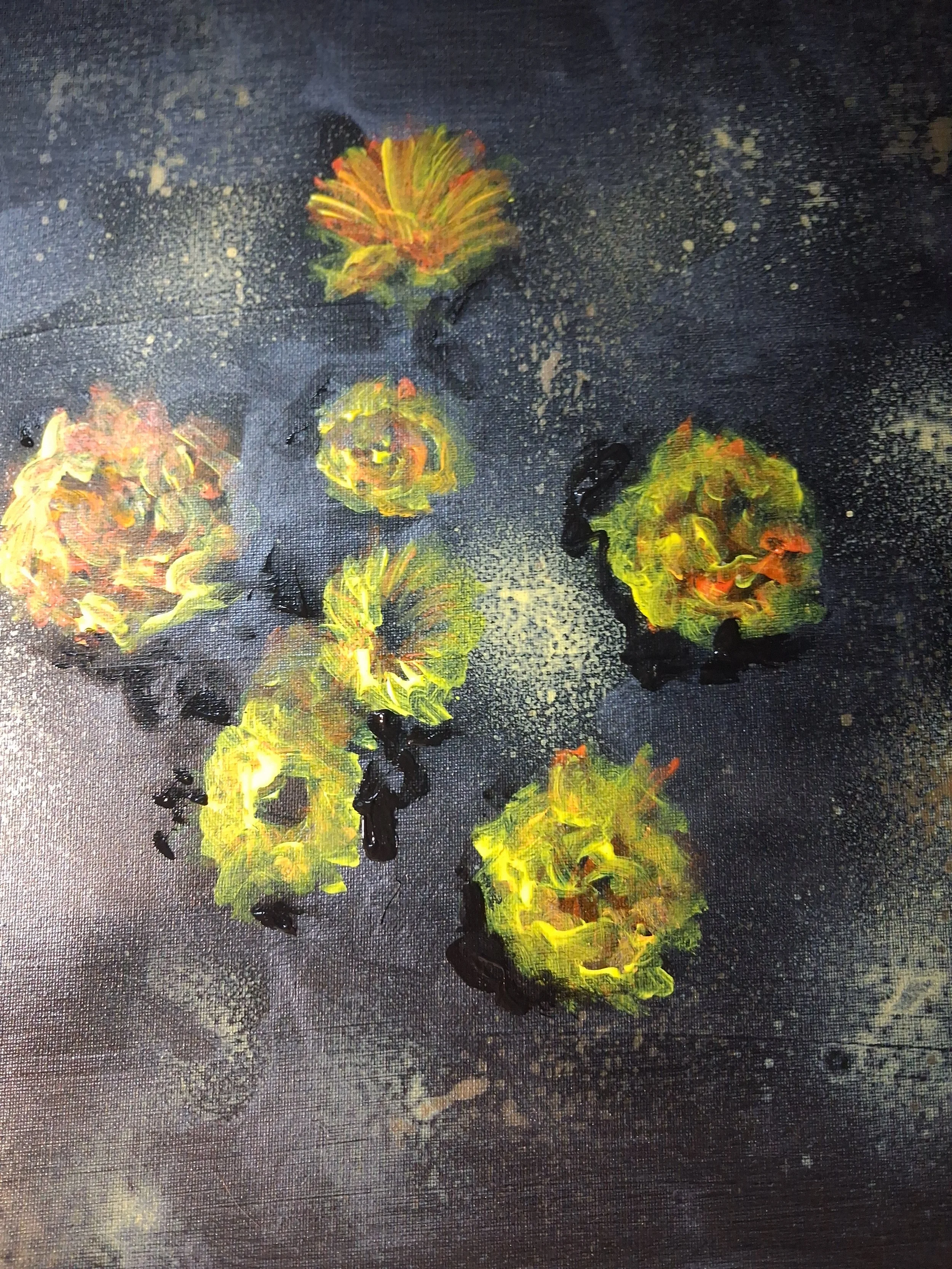
Cosmos 2025 acrylic painting 50 x 40
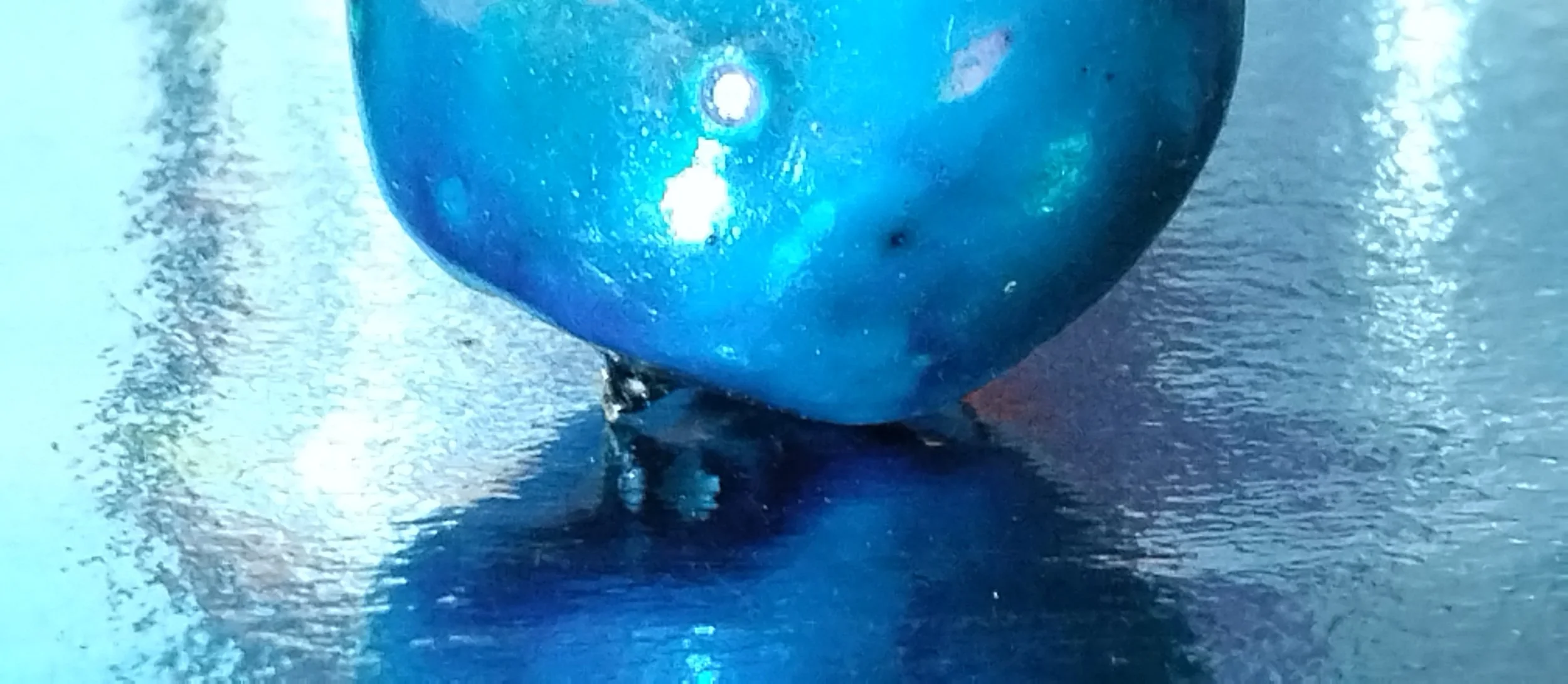
Blue 2026 photography 75 x 50 cms
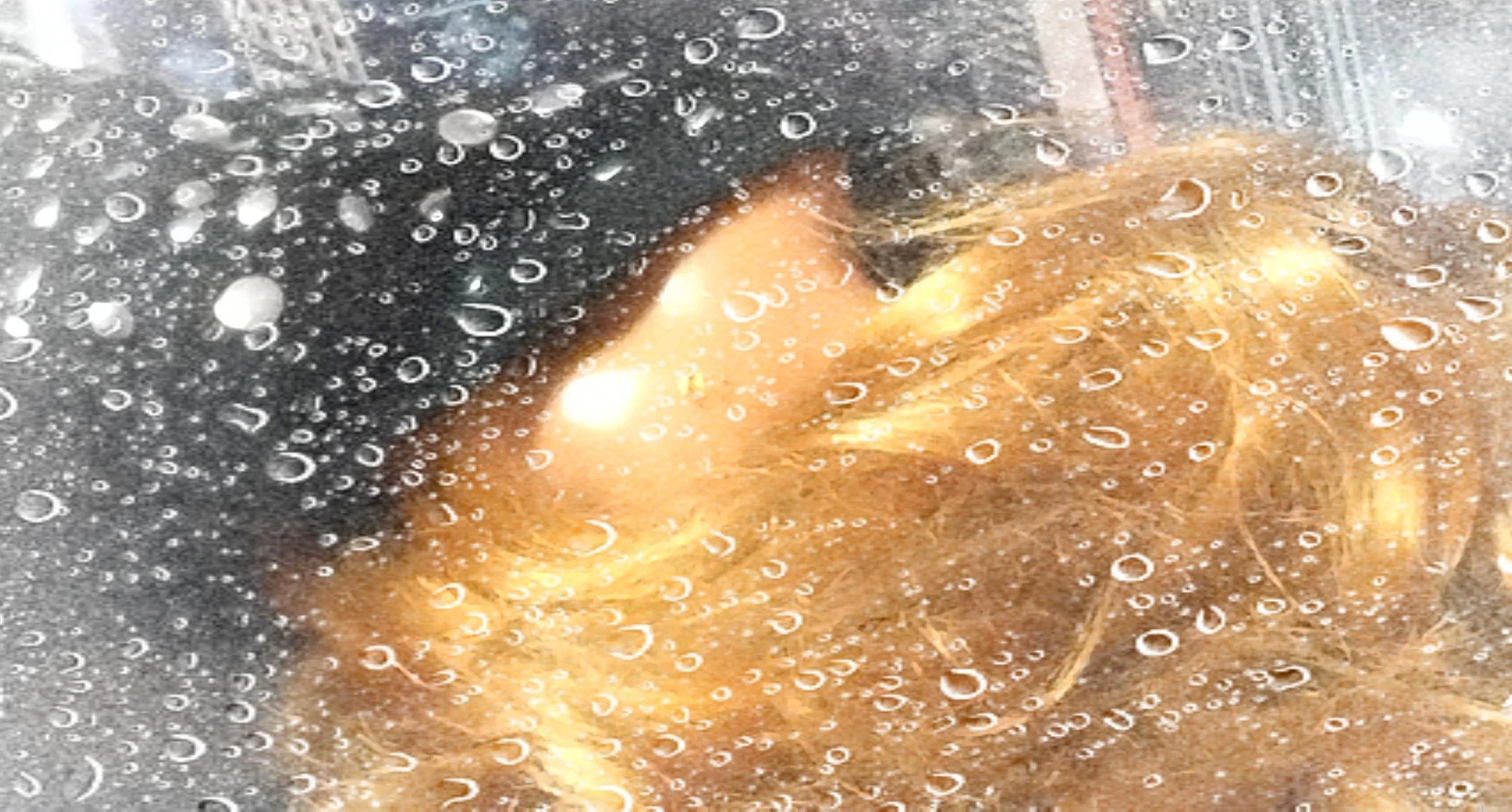
Without you 2024 photography 75 x 50 cms
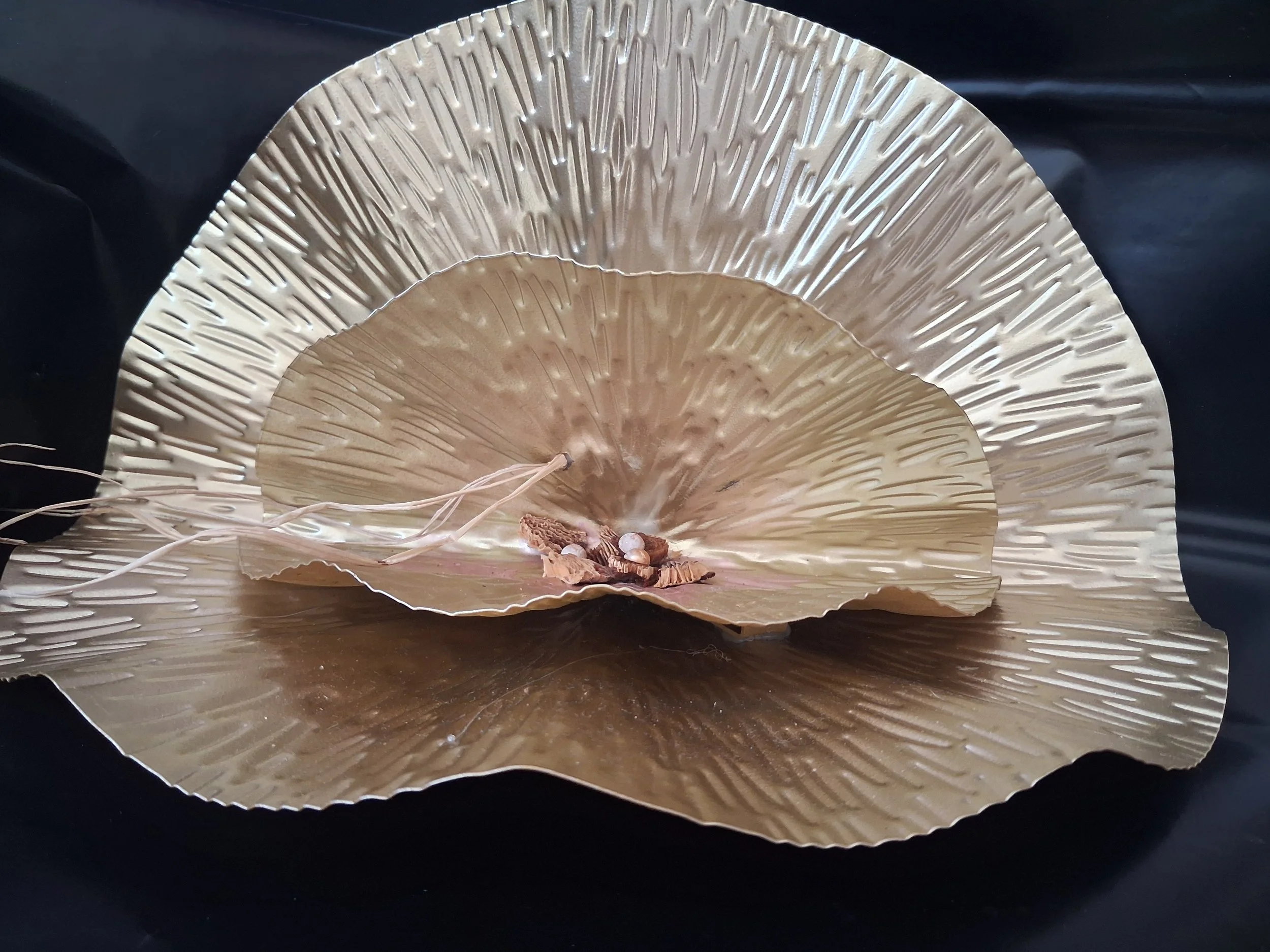
Gold 2026 Sculpture 30 x 20 cms
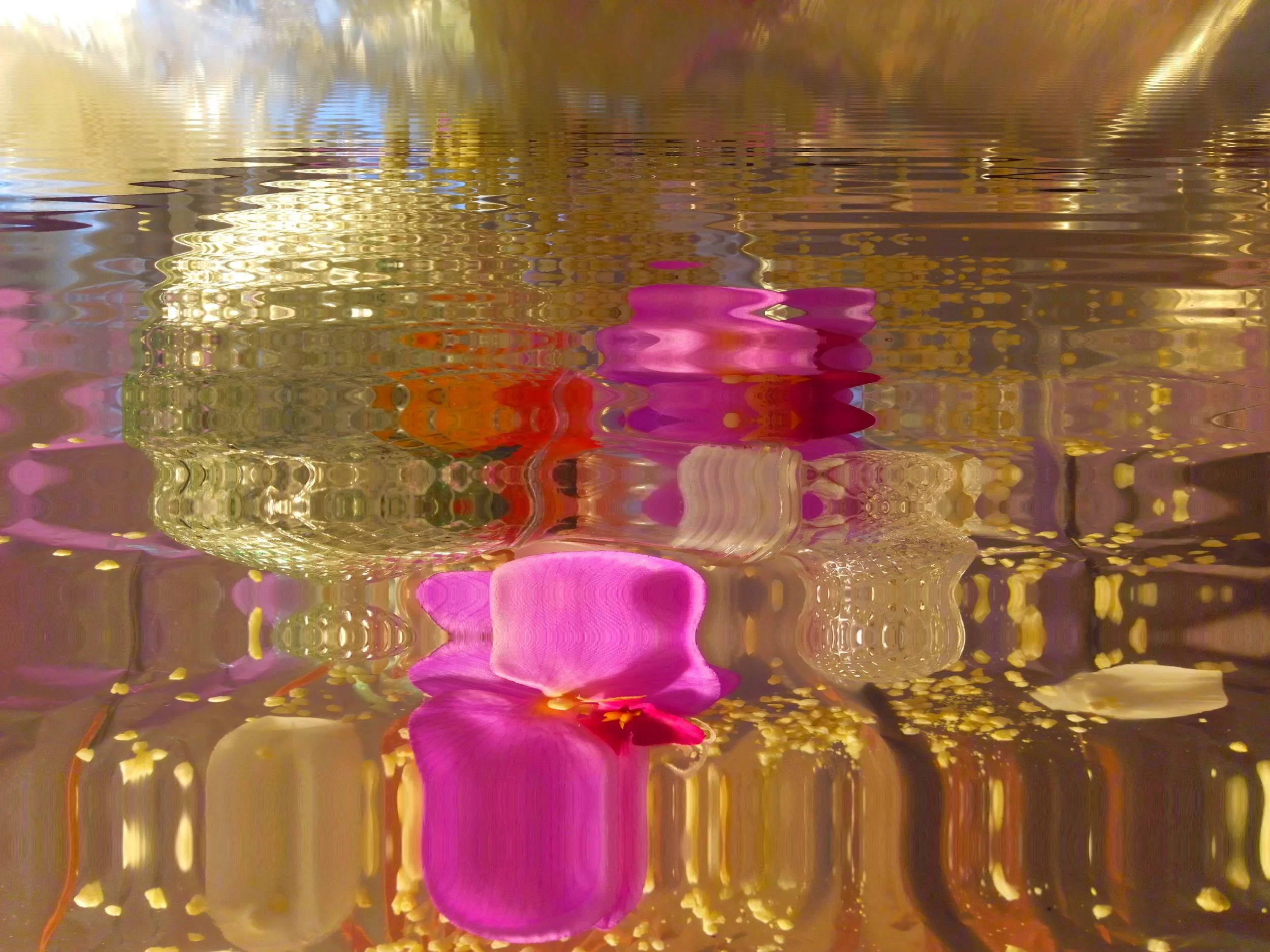
Ever 2024 Photography 75 x 50 cms
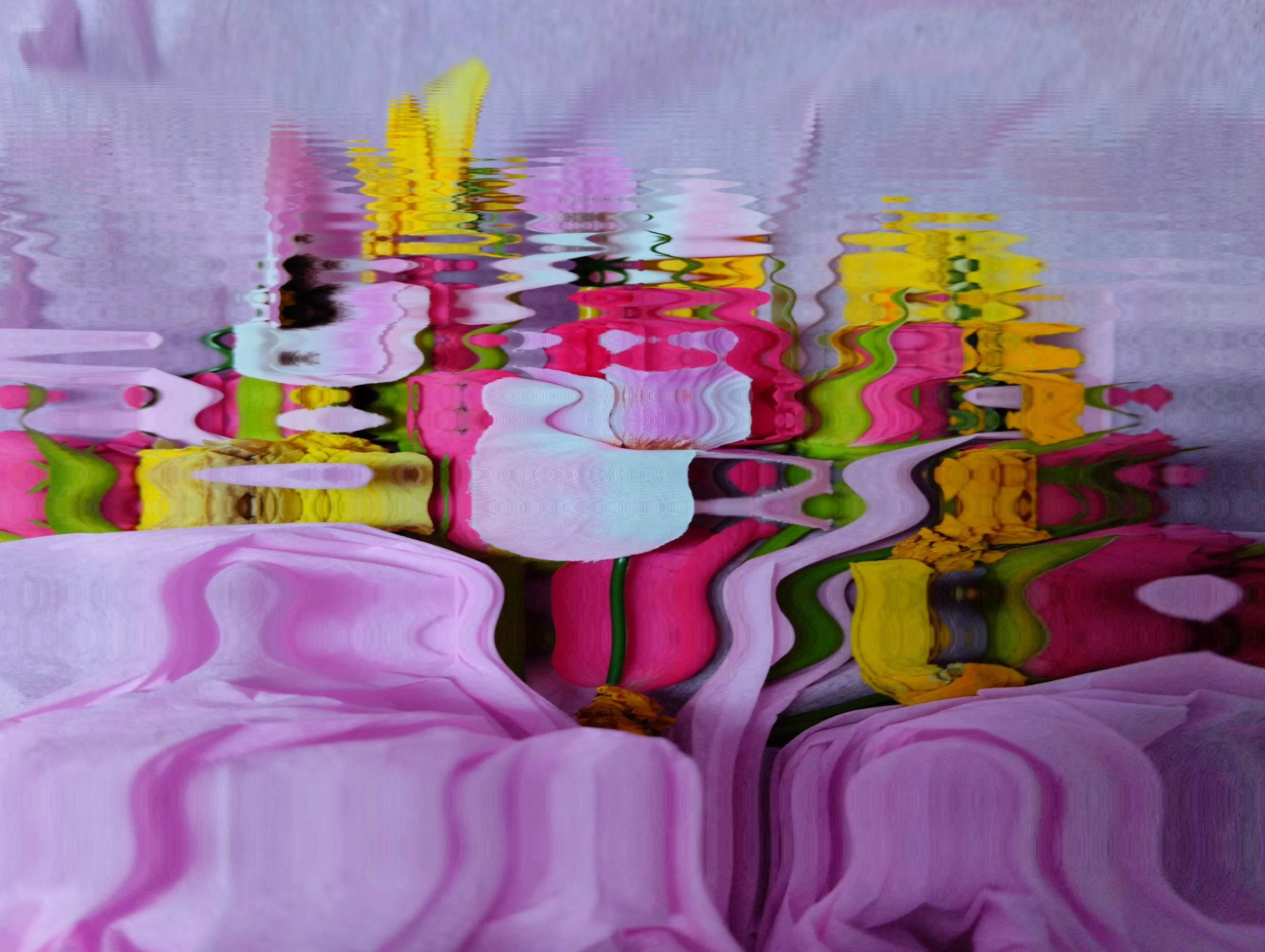
Just married 2024 Photography 75 x 50 cms
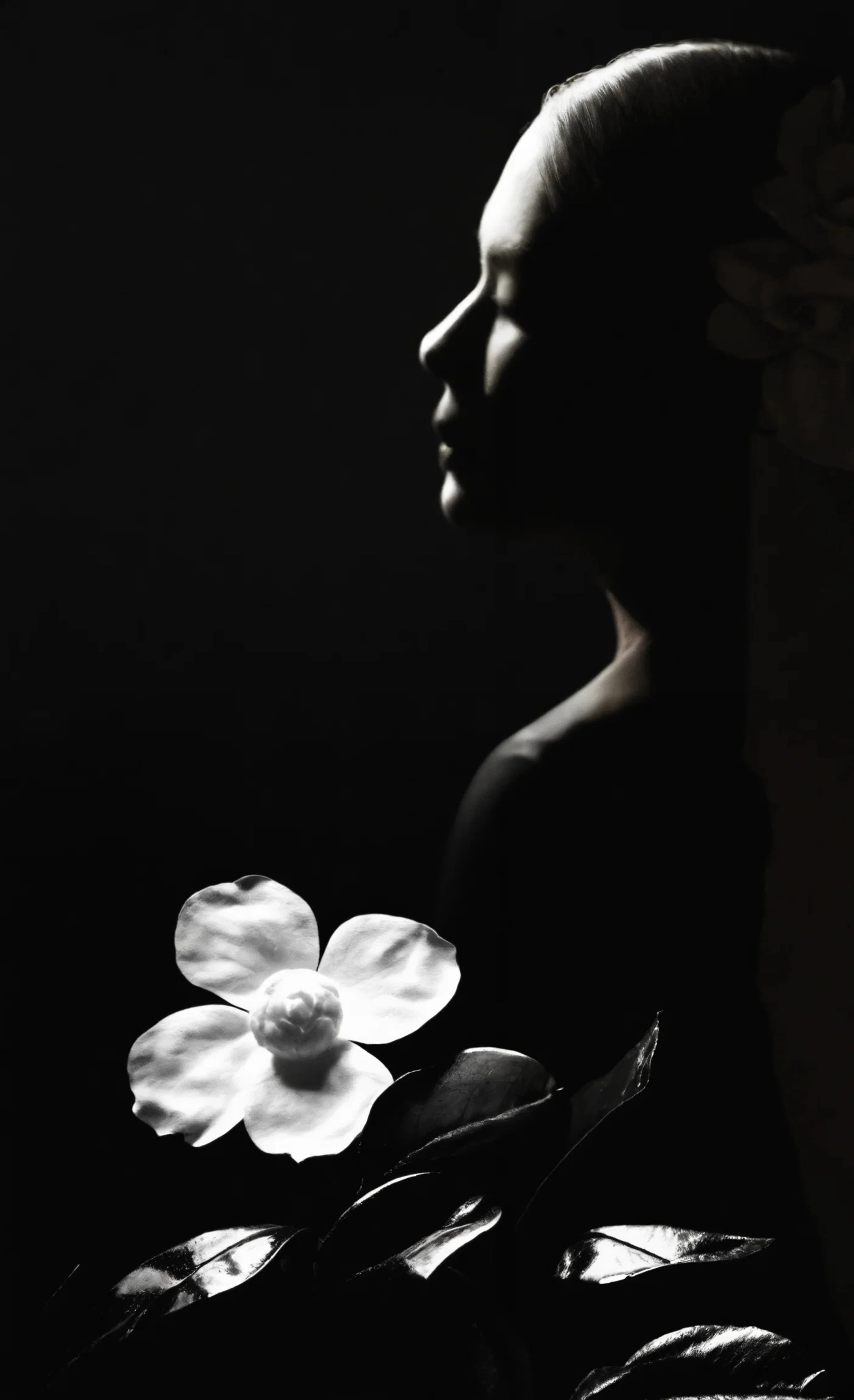
la dame aux camelias art digital 75 x 50 cms
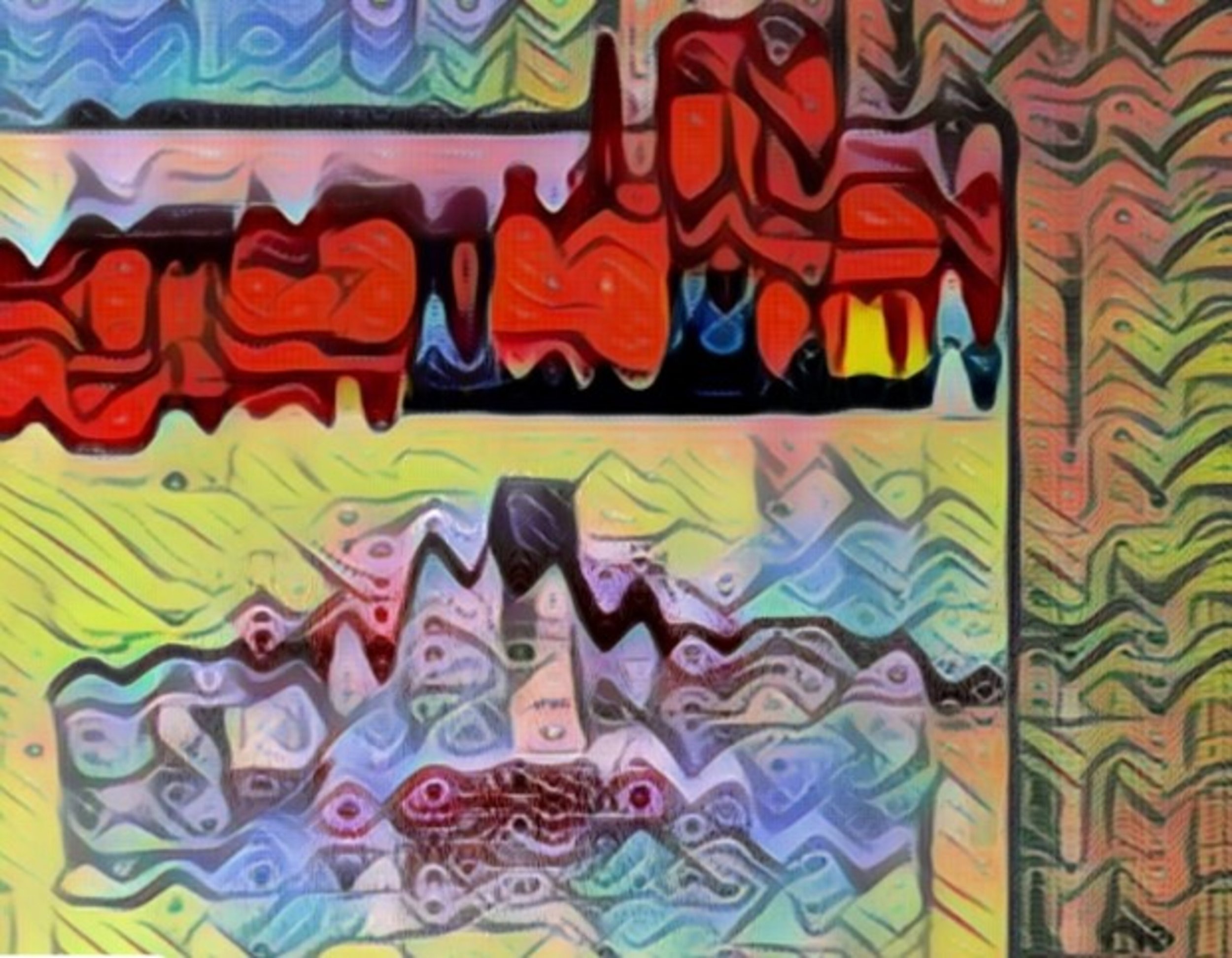
Letters 2024 Photography 75 x 50 cms
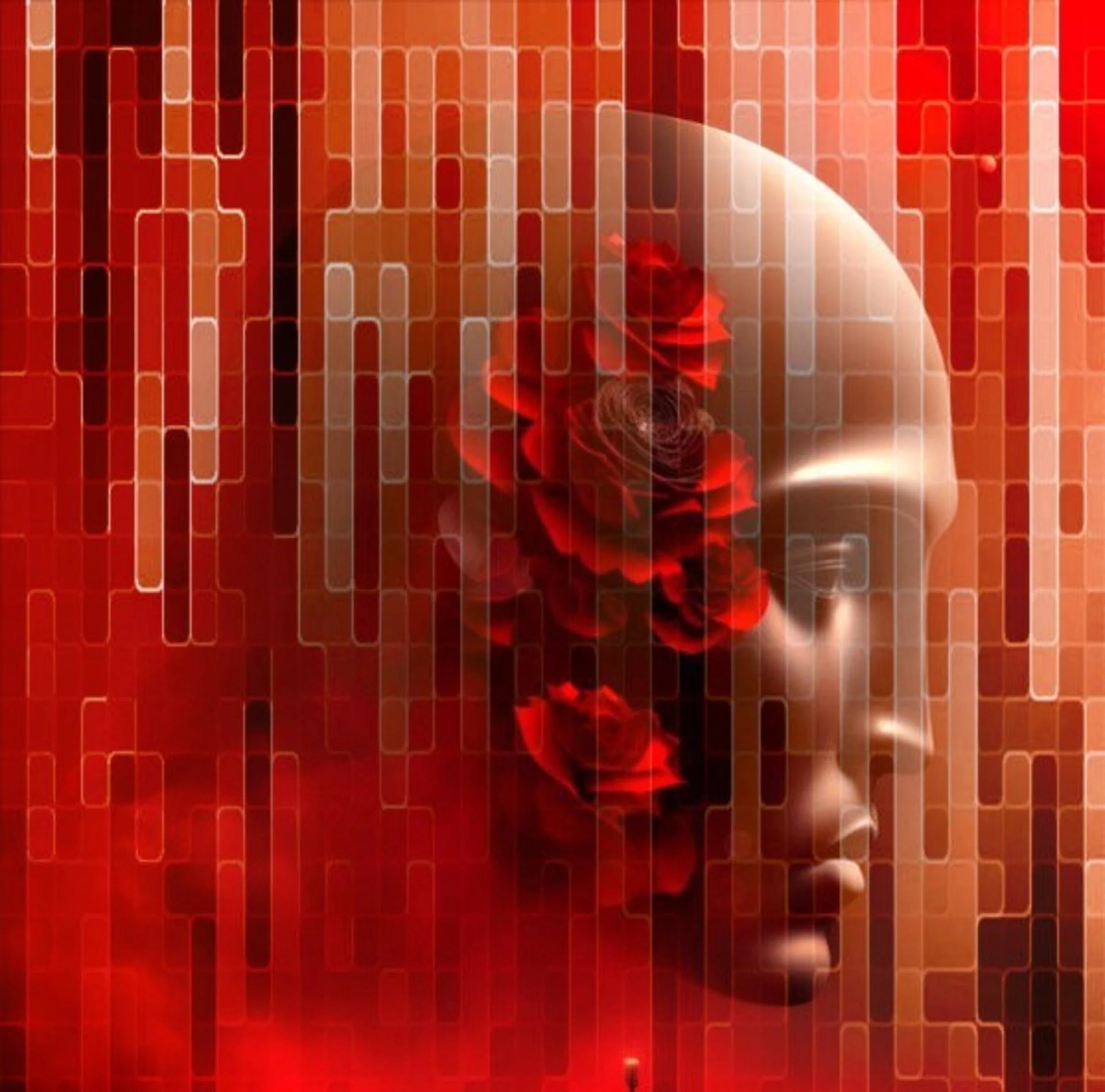
A man in love art numerique 2025 75 x 50 cms