
Tamara Jovandic-Everson
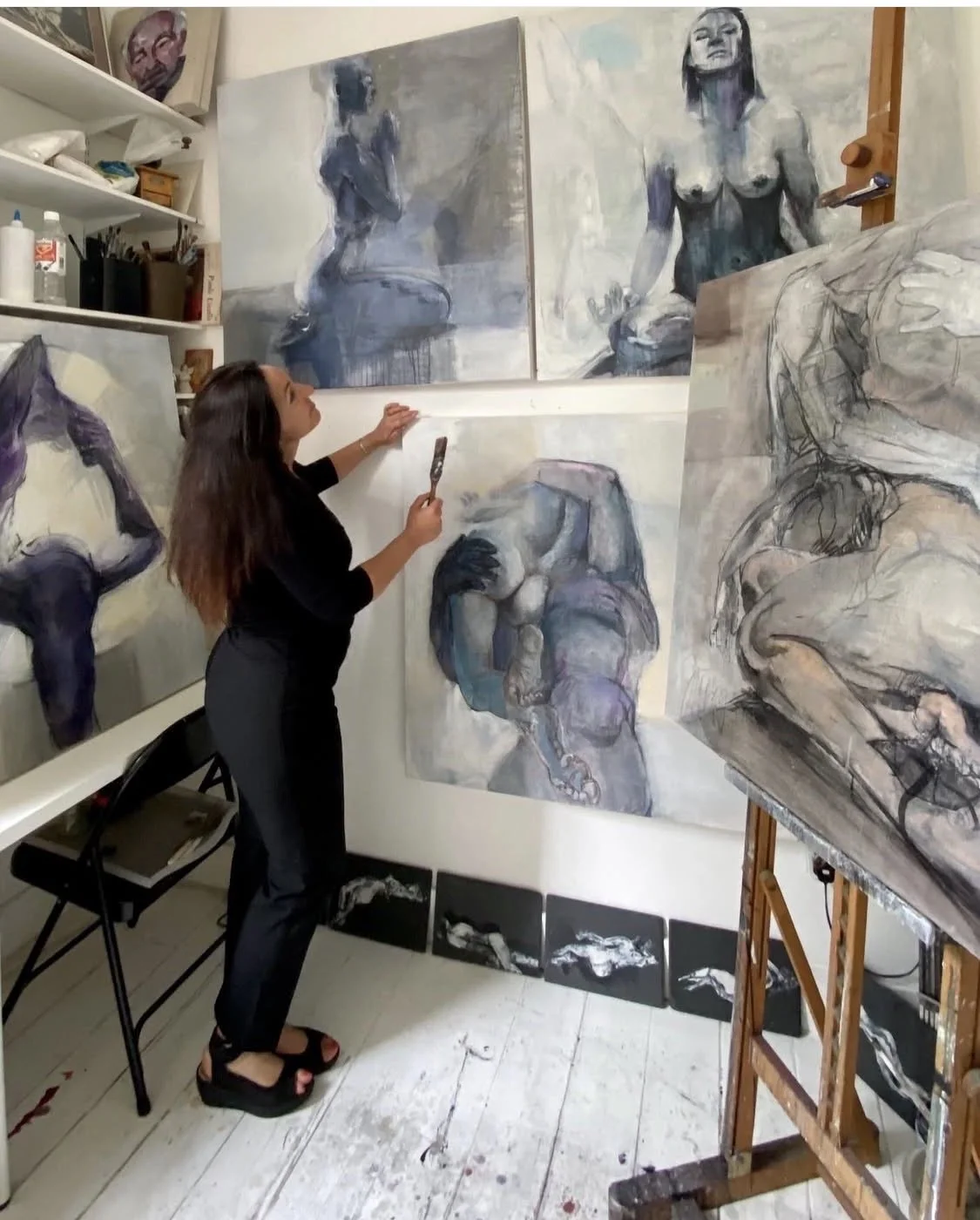
Tamara Jovandic-Everson is London based painter whose work explores the tension between figuration and abstraction, focusing on the psychological and emotional dimensions of the human body.
Through layered, textural surfaces and gestual approach to mark-making, Tamara's paintings investigate themes of memory, vulnerability, and the shifting nature of perception, but also misplacement caused by war in the country of origin, former Yugoslavia.
Recent works incorporate acrylic mediums, sand, plaster, textile and paper, creating tactile layers that both obscure and reveal figure. This process reflects an ongoing interest in painting as a site of excavation, where images are not fixed but continuously negotiated through acts of construction and erasure.
Tamara Jovandic received her Degree from Academy of Art in Sarajevo, and has exhibited in numerous group and solo exhibitions across the UK and internationally, such as presigious Mall Gallery, Royal College of Art, London Art Fair and many more. Her works has been featured in many Art Magazines and different publications, and sold to art collectors in UK, Europe and America.
Tamara, your paintings seem to exist in a charged space between figuration and dissolution, where the body appears both materially present and psychologically elusive. I wonder if you could reflect on how this tension operates within your practice. To what extent do you see the human figure in your work as an image of embodiment, and to what extent as a conceptual structure through which ideas of suffering, exile, and spiritual transcendence are negotiated?
For me, figure/body is topic that carry enormous psychological and spiritual weight.
Through it, I reflect how we/me actually experiance ourselves as both:
physical beings and something more fragile, emotional, even metaphisical.
Themes like missplacement, exile, or spiritual longing are explored via representing body: usualy in a void (black background) and alone, suggesting psycological or spiritual condition, power of loneliness, rather than narrative context.
I am interested in exploring body that carries memory, trauma or desire;
those forces that reshape how it appears on canvas: belonging, sense of selfe, identity...
"the figure in my paintings is not fixed image, but a place where vulnerability, displacement, and spiritual are met."
Much of your work appears to draw upon the dramatic visual rhetoric of the Italian Baroque, particularly the chiaroscuro of Caravaggio. Yet your paintings do not simply quote this tradition. Instead they seem to transform it into something psychologically contemporary. How do you understand this historical dialogue within your practice, and what does the Baroque offer you as a painter attempting to articulate modern emotional and existential conditions?
What interests me in that tradition is ability to stage emotion through light, gesture and tension. Chiaroscuro for me have dramatic but also pshychological effect:
it creates a space where figures emerge from darkness in very theatrical and intimate way.
In my works, I try to use this depicting light as a way of revealing the figure, and darkness that becomes a kind of mysterious, unknown, psychological element.
The Baroque painters were dealing with spiritual and metaphisical questions of their time.
I am interested how those same visual strategies can be redirected toward contemporary existential conditions.
The facelessness of your figures is striking and conceptually loaded. In many of your paintings the body is rendered with intense physicality while the face remains absent or obscured. Could you speak about this decision as both a formal and philosophical gesture? Does the removal of identity open the work toward universality, or is it instead a way of dislocating the viewer from the conventions of portraiture and narrative?
When the face dissapears, the figure becomes less about specific person, and more about universl truth, human condition or state of being.
At the same time, facelessness crates slight dislocation:
the viewer looks for recognition, but can"t fully find it. That tension between presence and anonymity is important to me because it mirrors how identity can feel fragmented in contemporary life.
So this facelessness does two things simultaneosly: it opens work towords a certain universality, but it also produces estrangement.
The viewer encounters a body that feels intensly present, yet strangely inaccessible, and that ambiguity is central to my work.
Your paintings frequently explore themes of female sexuality, vulnerability, and spiritual intensity, often within the same pictorial space. This convergence produces a paradoxical field in which the erotic and the sacred appear inseparable. How consciously do you cultivate this tension, and how do you situate your work within the broader historical discourse surrounding the representation of the female body in Western painting?
This tension between the erotic and sacred in my work is something that Im trying to keep open rather than to resolve.
In some of my paintings the erotic and sacred are overlaping. I am interested in the figure in which all different kinds of intensity intersect: sexual, emotional, and spiritual.
Erotic in my work is hiden and solitary and often is not about sexuality, but vulnerability itself.
It is a way of acknowledging the body as both: phisical and methaphisical.
As a result, body becomes a place where different kinds of intensity meet: sexual, emotional, spiritual. Those are often treated as separate categories, but in reality, they are deeply intertwined.
Having experienced displacement during the dissolution of the former Yugoslavia, your biography seems deeply interwoven with the emotional atmosphere of your paintings. Yet the works do not operate as straightforward narrative accounts. Instead they appear to transform personal memory into a more archetypal visual language. How does your experience of exile shape the psychological terrain of your work, and how do you navigate the boundary between autobiography and myth?
Although my art is very autobiographical, through the process of painting, it all becomes less about me and my story but more about shared, universal human conditions such as: vulnerability, loss or longing.
My paintings do transform memory rather than simply illustrate it. What interests me is more feelings and atmosphere of those experiances left behind, such as feelings of uncertainty, distance and missplacement.
Your process begins with studies from live models, which are then enlarged and translated into expansive canvases. I am curious about this movement from the immediacy of drawing to the scale and material presence of painting. How does the act of enlargement alter the emotional charge of the image, and what happens to the intimacy of the body when it becomes monumental?
Being classically trained, drawing for me represents the most important, essential part of my practice. Working from life with models, gives me important routine while keeping that observation and focus going. These drawings from life are very immediate, and quite direct.
Once enlarged to big scale canvas, small gestures become more powerful, so that suddenly larger scale transforms observation into experiance and emphisise emotional charge of it all, while monumentality introduces a new tension between closness and distance.
In your more recent work, you have introduced the idea of “painting within painting,” enlarging fragments of the figure while simultaneously disrupting the unity of the composition. This strategy almost suggests a kind of internal excavation of the image itself. Could you elaborate on how this method functions conceptually within your practice and what it allows you to reveal about the structure of painting as a medium?
The idea of "painting within painting" in my recent abstract works, comes from desire to slow down the act of looking (both for me and the viewer), where freeing and enlarging parts of figurative artworks, this becomes processs of growing out of narrative. These fragmnets, suddenly become sites of attention.
Conceptually, I think of this process as a kind of excavation: rather than building image from outside, I work into it, pulling certain elements forward while allowing others to recede or collapse. What is revealed as an outcome, is an abstract form. This is how my mysterious and urban landscapes are processed.
The "painting within painting" is like self-reflexive gesture_it points back to the act of painting itself.
What this ultimately revels for me is that painting isn't a fixed image, but a shifting structure-something that can hold multiple viewpoints at once.
By disrupting unity, I'm not trying to destroy image, but to open it up, to make internal logic more visible and more free.
The surfaces of your paintings have become increasingly tactile through the incorporation of sand, plaster, and resin. These materials introduce a physical density that seems to echo the emotional gravity of the subject matter. How do you think about texture in relation to meaning? Do these material interventions serve primarily as formal devices, or do they function as metaphors for the psychic weight embedded within the image?
I am interested in how emotional gravity can be felt through density of texure in my paintings. The texure, tactile quality of a surface, buid up of layers and gestures are important to me. Those, build up painting as an object, something with weight, friction and presence. It also mirror the emotional and psychic weight carried by image itself. The use of materials like texured mediums, sand, plaster or paper, is my way of pushing the surface of the painting beyond purely optical, to kind of physical resistance.
I am interested in how materials can carry meaning in different way making process more bodily. It is almost that this way, I feel more conected to the emotional weight that I carry into the work.
The build up of material, the scrapping back, the moments where things get buried od partially revealed, start to mirror how I experiance memory or emotion: not as something clean and linear, but more as layered, heavy, and sometimes difficult to access. It is almost about creating a space where feeling can exist.
The material choices come out as I'm working in a moment, expressing some of that internal pressure.
There is a palpable sense of urgency in the gestural language of your paintings, as though the image were arriving in a moment of heightened emotional intensity. Your brushwork appears both deliberate and instinctive. How do you negotiate this balance between control and spontaneity in the act of painting, and how important is speed or immediacy to the emotional authenticity of the work?
There is usually a kind of pressure I feel when I'm painting, like I need to catch something before it disappears. That's when the speed comes in: certain marks have to happen quickly, almost without thinking, otherwise they loose their energy.
Speed and immediacy matter to me, but more in an ajusting, backward-forward way. Yet, it is all about balance in the process: trying to stay open enough for something unexpected to happen, but
also present enough to recognise when it does.
For me, that's where the emotional authenticity comes from; not in gesture itself, but in the tension between instinct and reflection.
Your paintings often seem to invite the viewer into a psychological encounter rather than a purely visual experience. The viewer is confronted not simply with the body, but with a field of unresolved tension involving desire, isolation, sacrifice, and transcendence. What kind of relationship do you hope to establish between the viewer and the work, and do you see painting as a space where unconscious emotional states can be made visible?
In terms of a viewer, I am interested in what they feel when they stand in front of work, less what they understand. I like creating sence that something is present, but not fully accessible, so the viewer has to stay with it for a while.
I do hope that work invites kind of projection, so that people can bring their own experiances, their own associations, and emotional states into it, and maybe recognise something withouth being able to fully name it.
Also for myself: painting is not just about expressing something I already know, but also digging deep whithin my own soul and make space for something subconsious that I can't always fully explain entirly.
Web Site: www.tamarajovandic.com
Instagram: www.instagram.com/tamarajovandic
Facebook: https://www.facebook.com/Tamarajovandic/
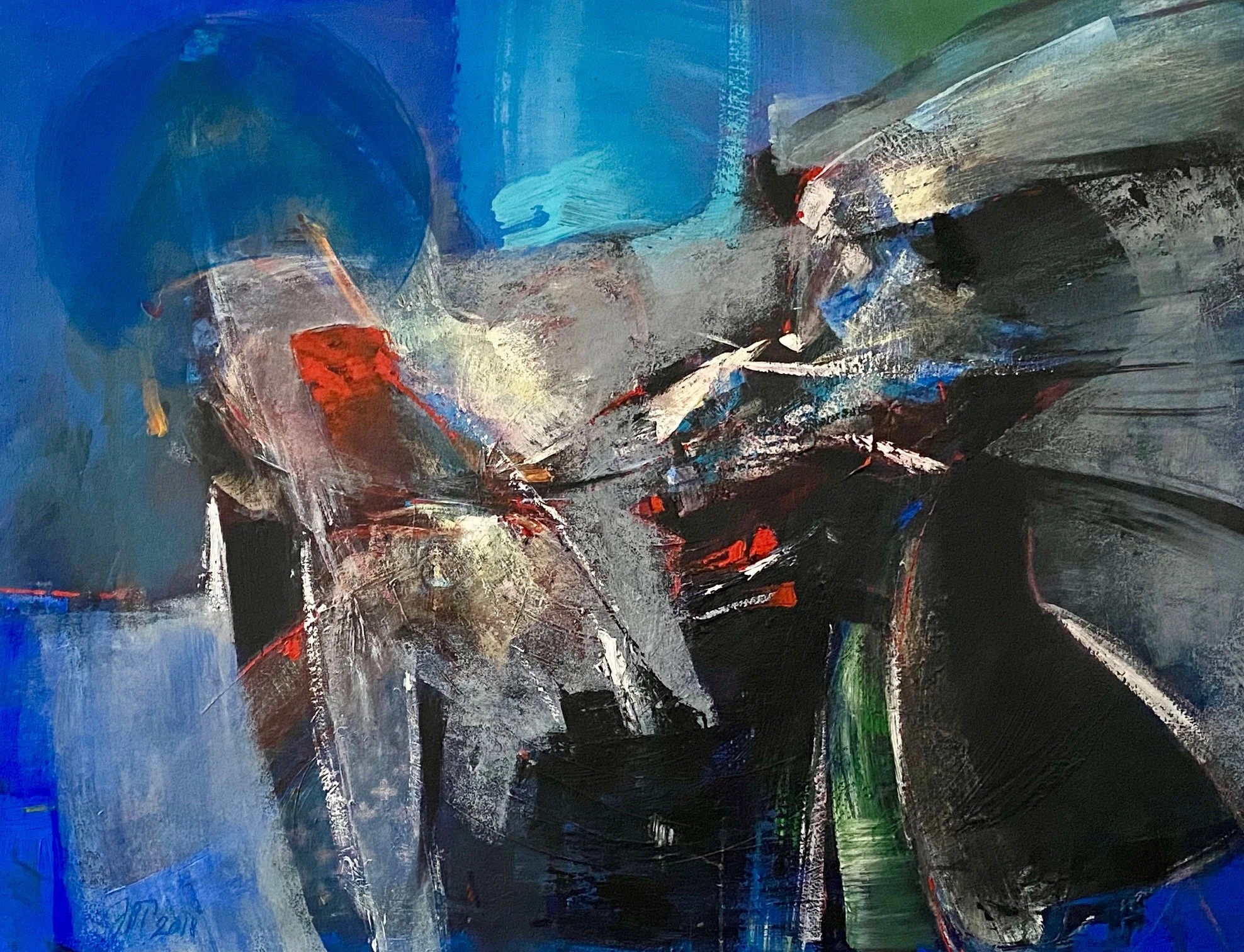
Blue Moon, Acrylic On Canvas, 135cm x 110cm
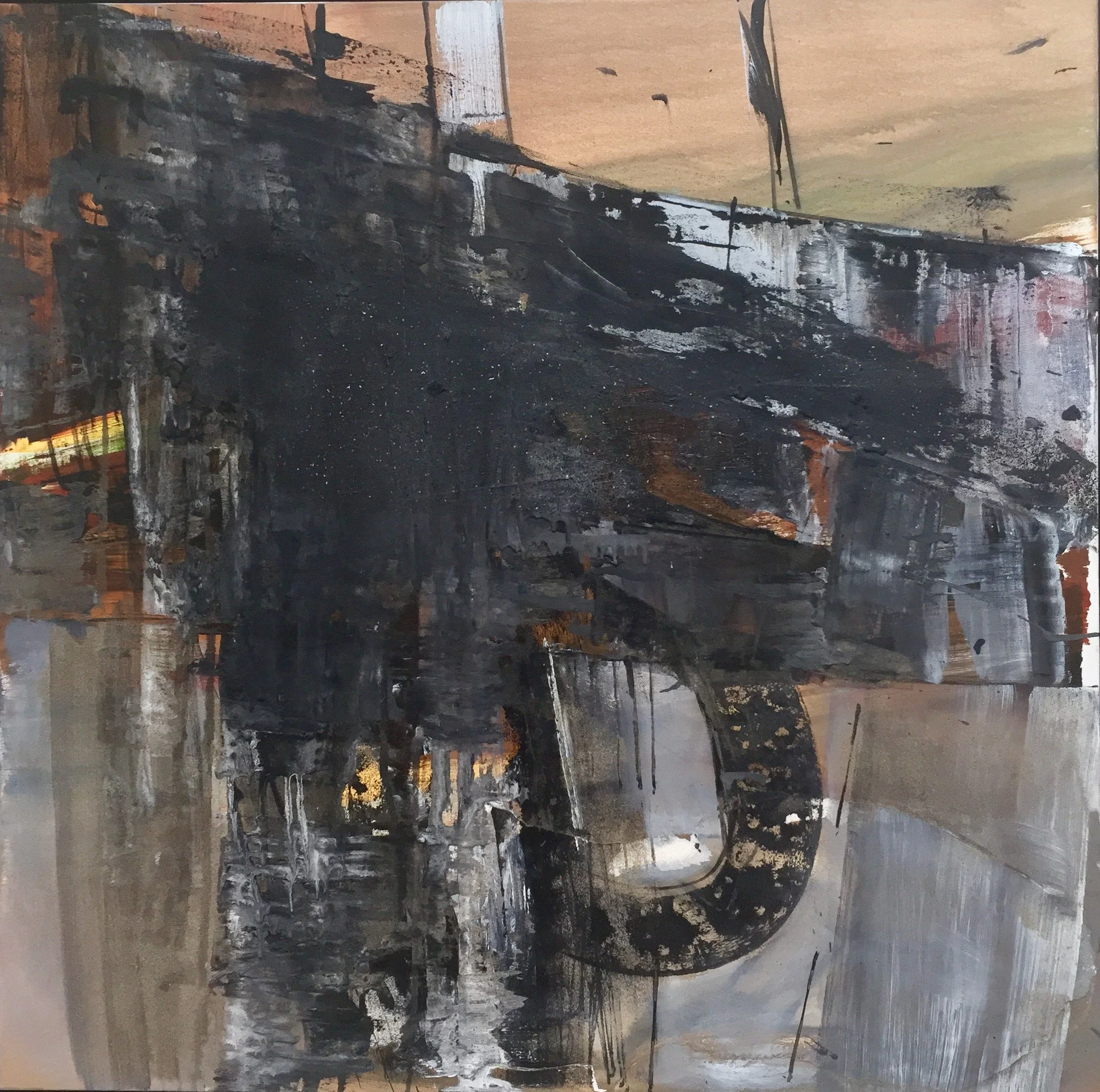
Urban Landscape, Acrylic On Canvas, 100cm x 100cm
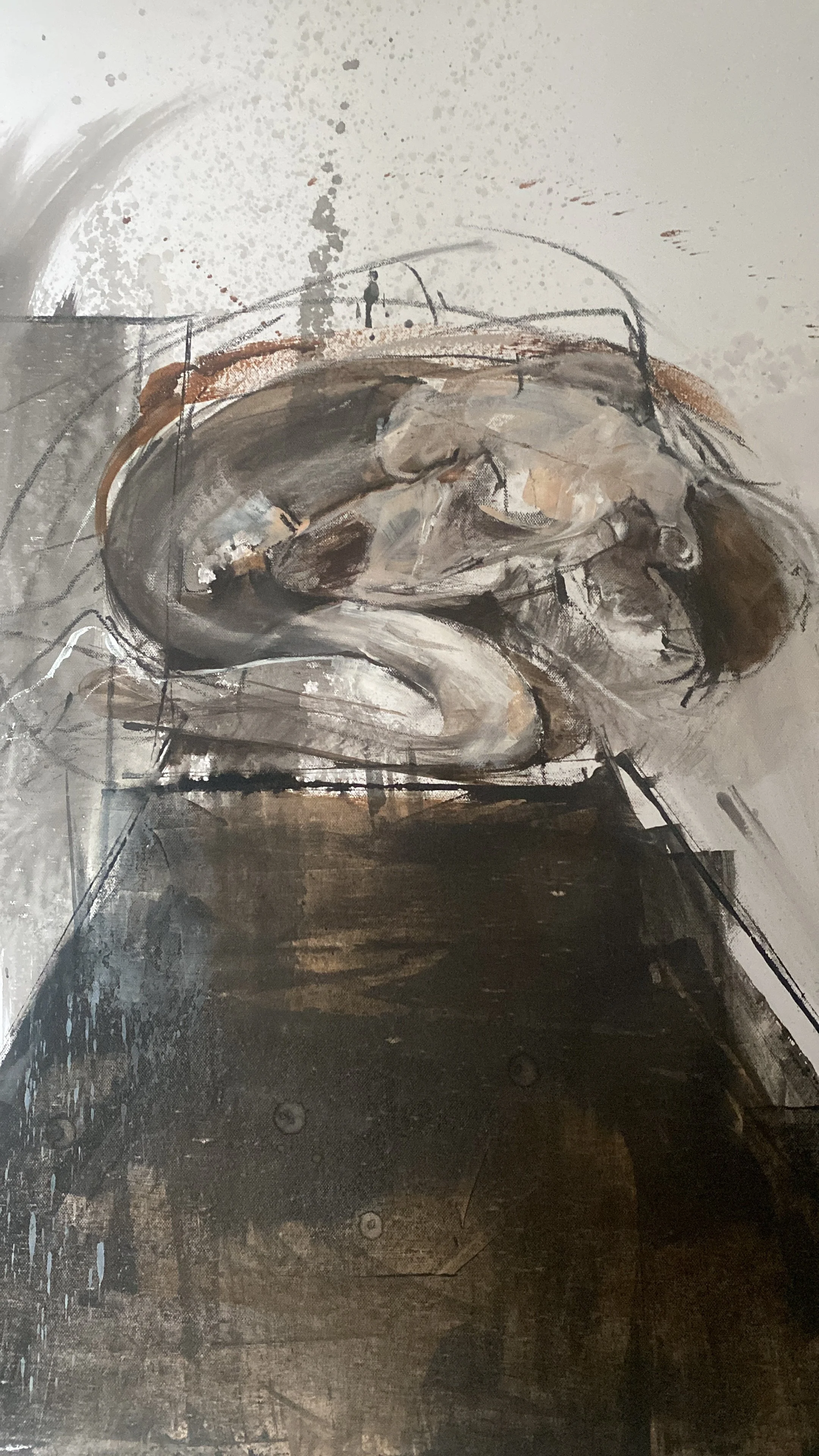
Betrayal, Acrylic and Ink on canvas, 70cm x 80cm
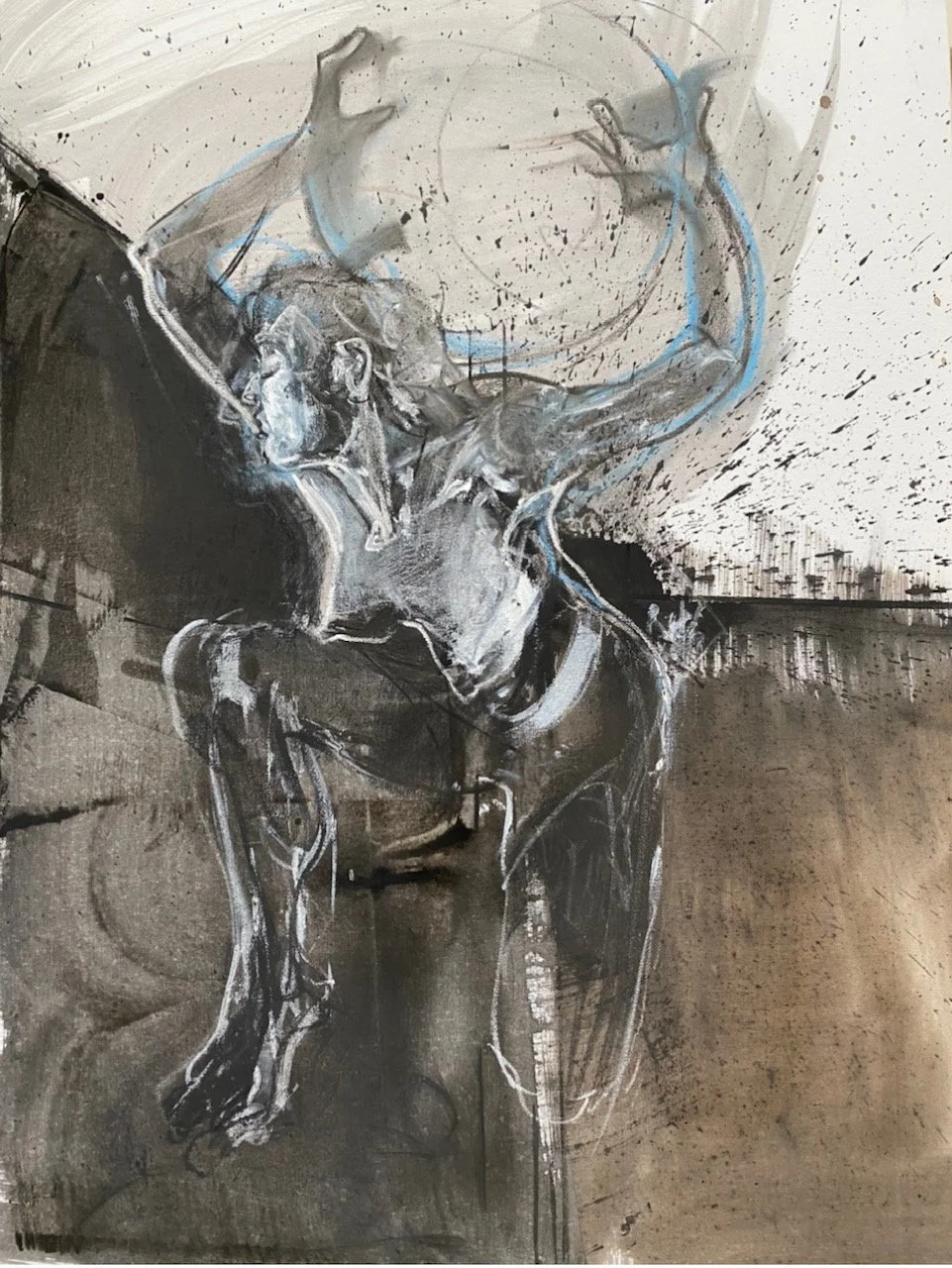
Burden, Acrylic and Ink on canvas, 70cm x 80cm
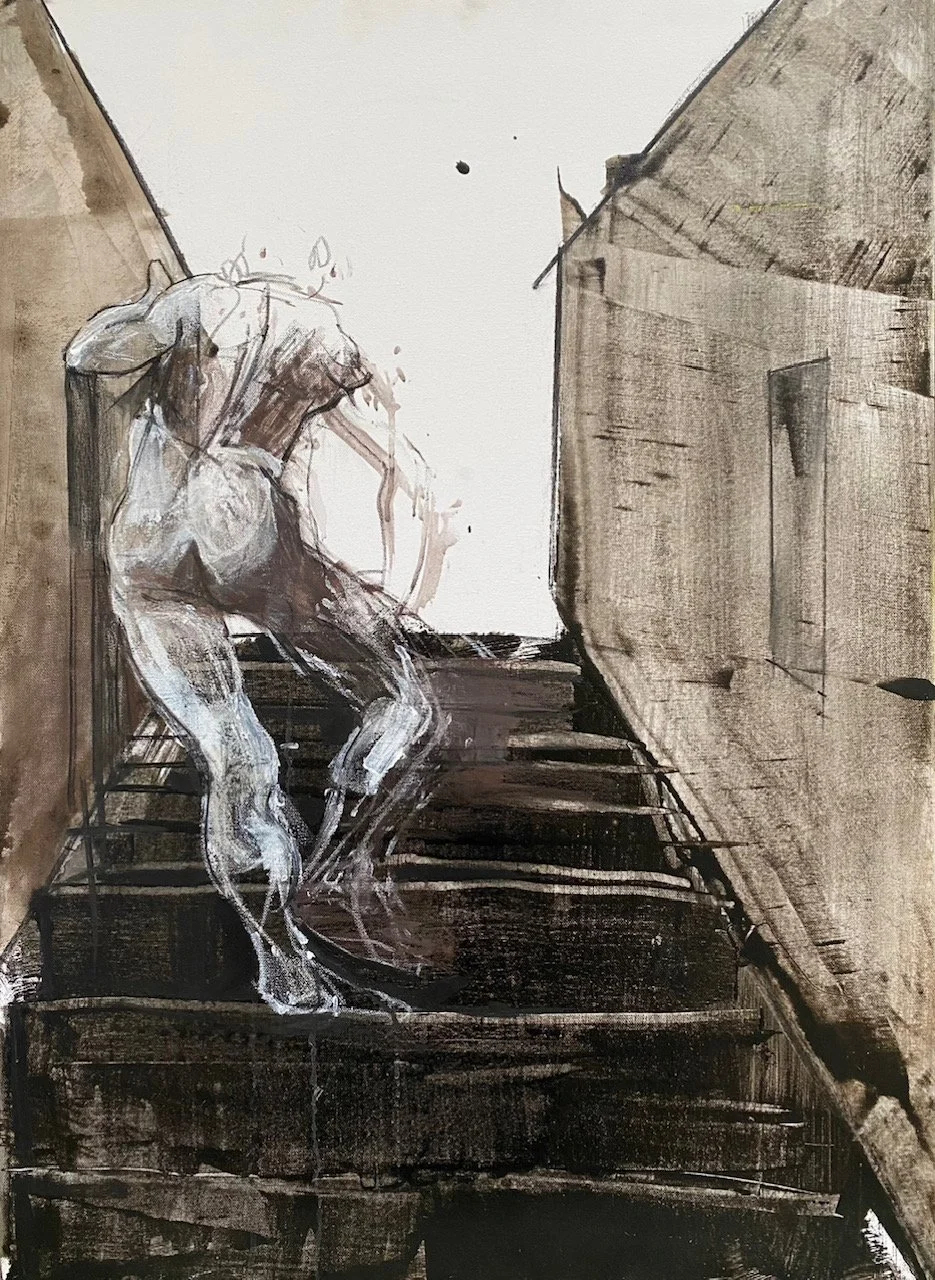
Life, Acrylic and Ink on canvas, 70cm x 80cm
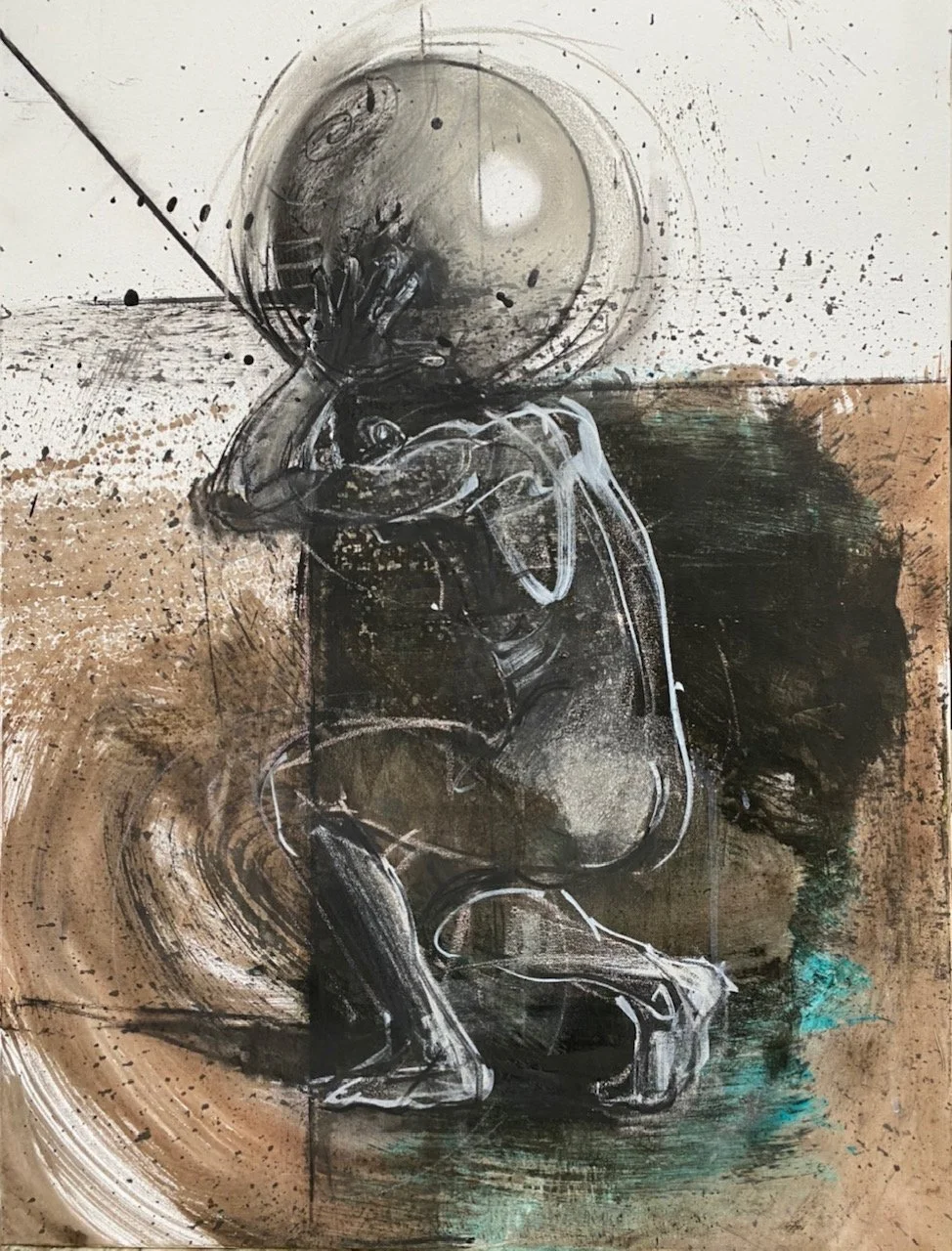
Sisyphus, Acrylic and Ink on canvas, 70cmx80cm
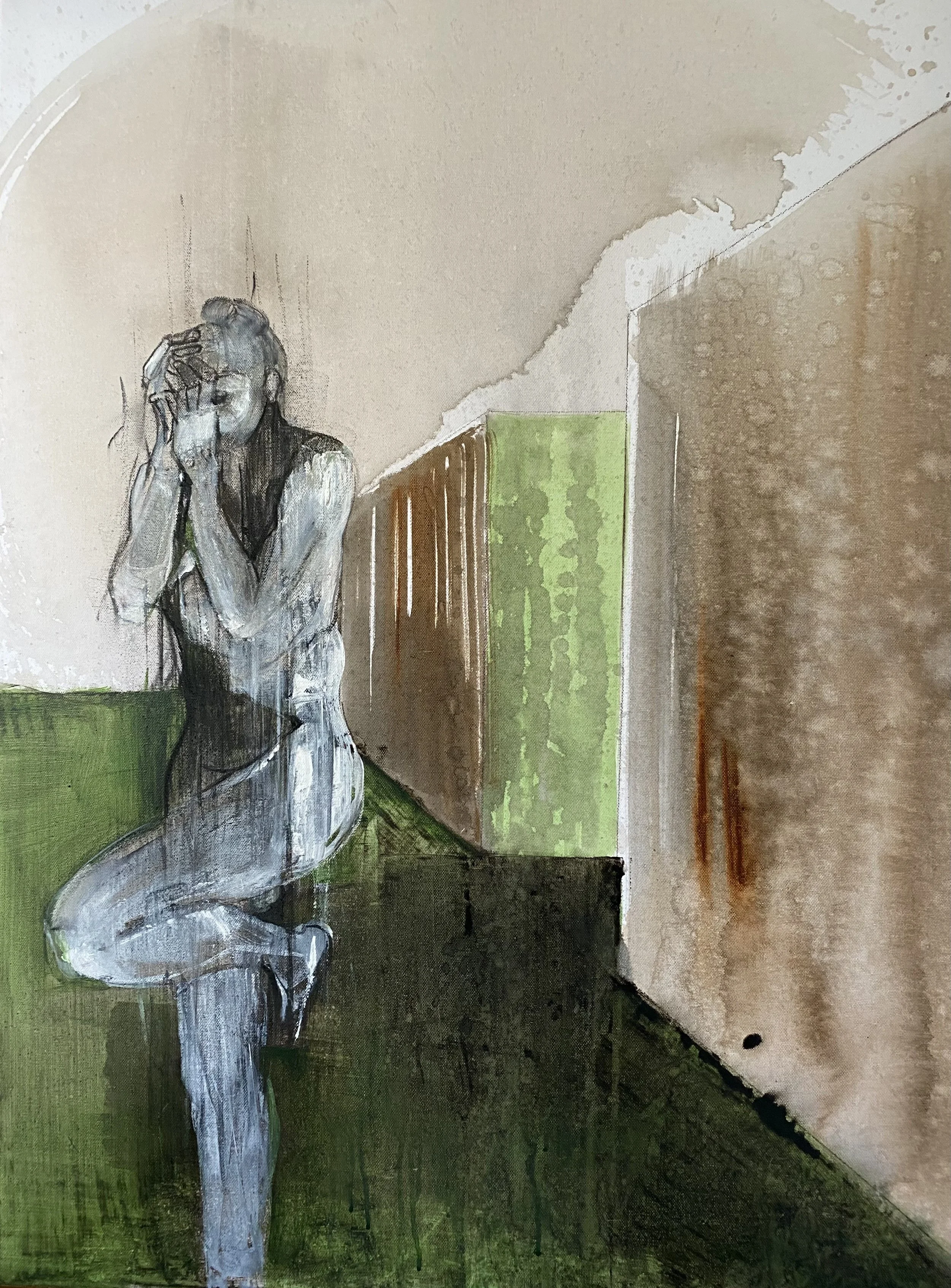
Naked Truth, Acrylic and Ink on canvas, 70cmx80cm
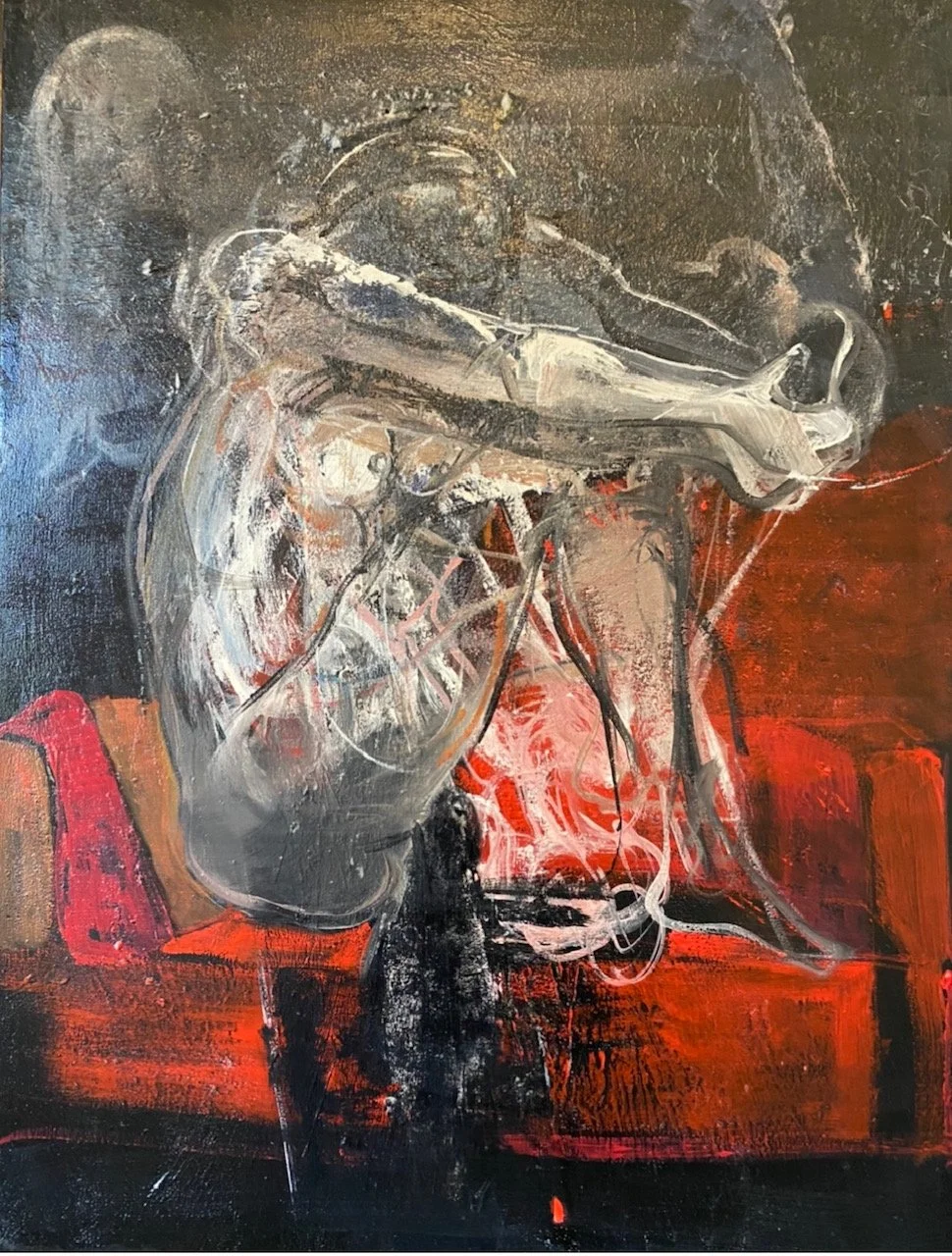
A la Rodin, Acrylic on canvas, 90cmx 100cm
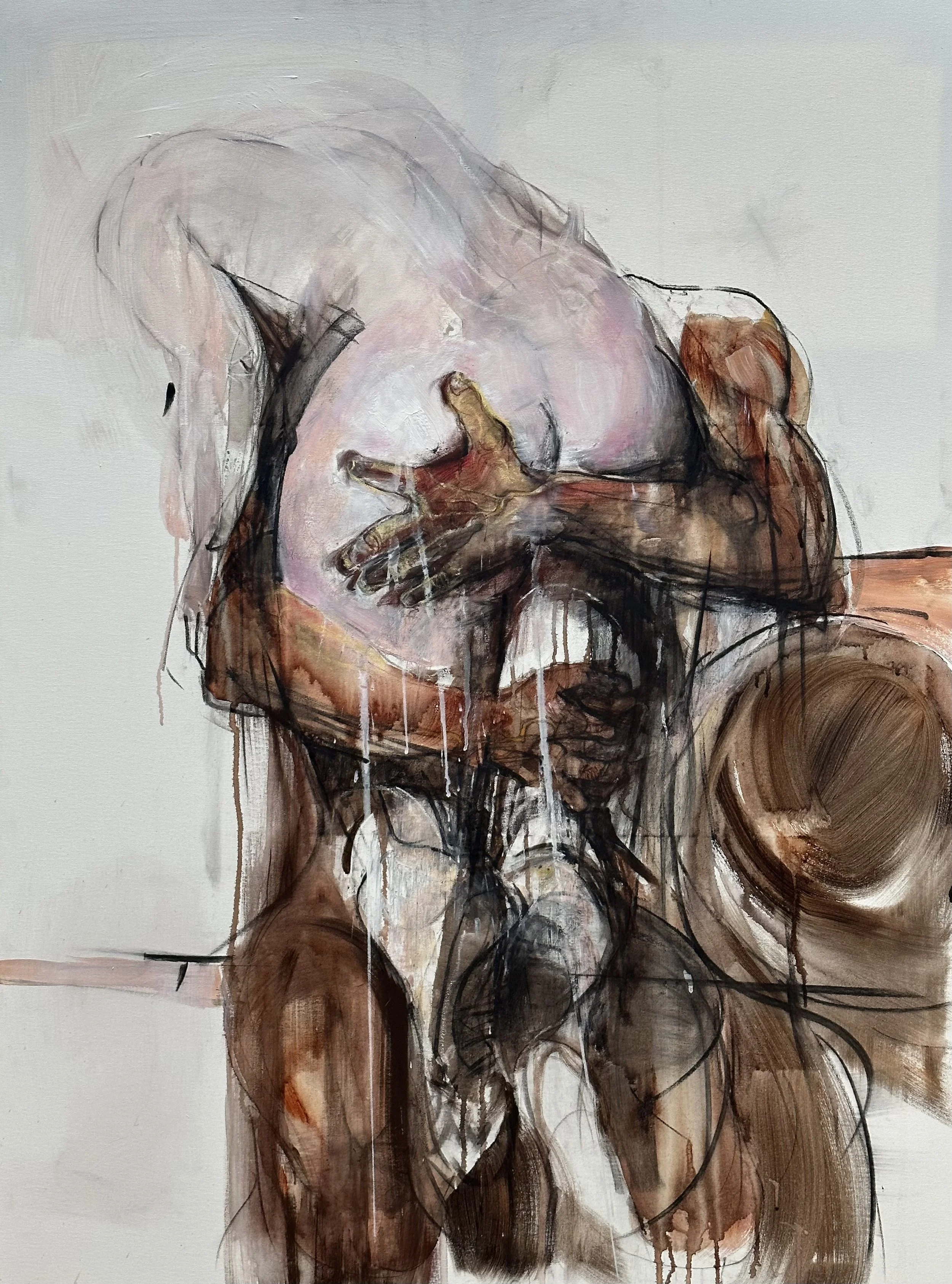
The Smell of Desire, Acrylic on canvas, 113cm x143cm
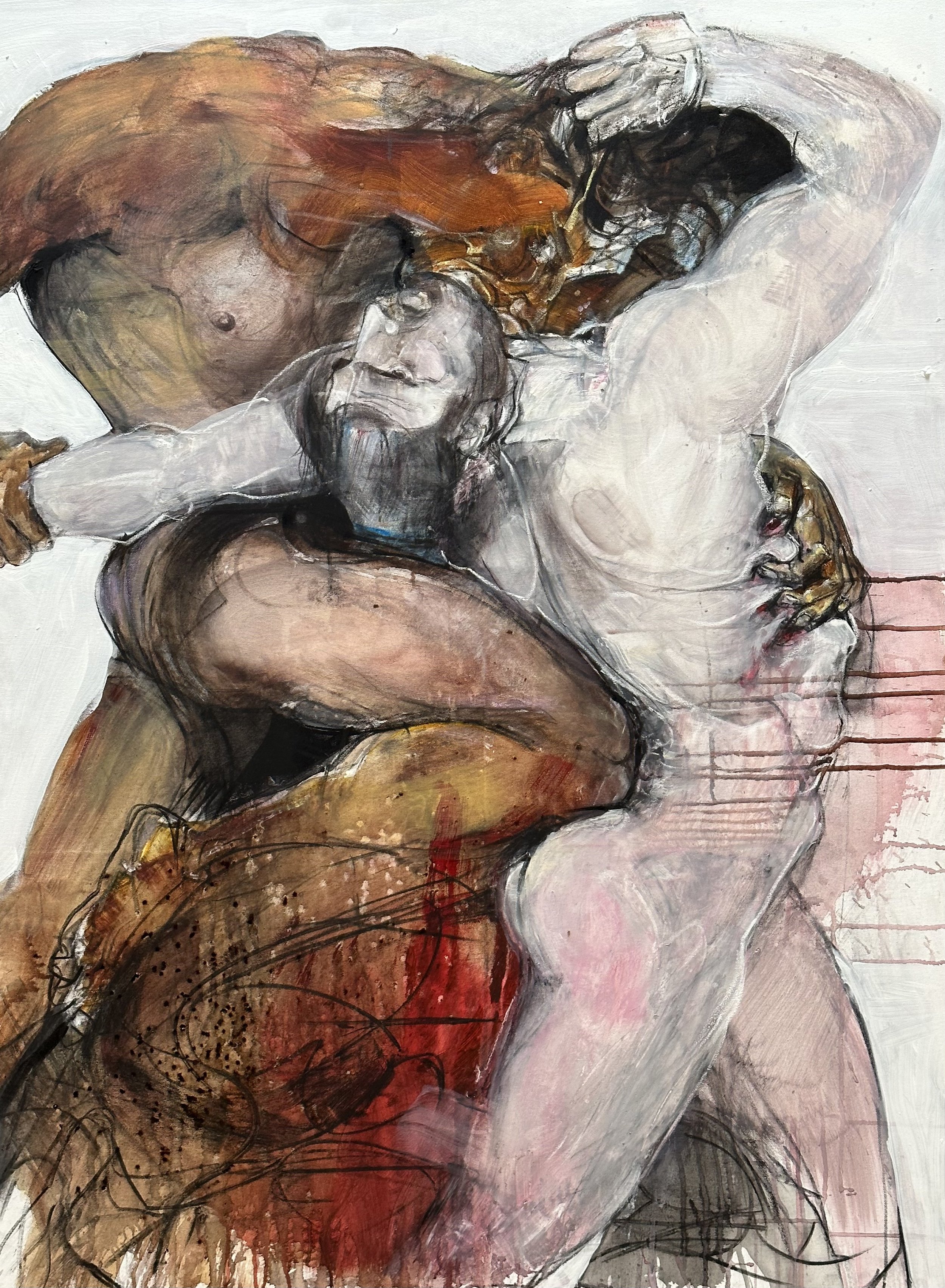
Dante's Journey through Hell, Acrylic on canvas, 113cm x143cm
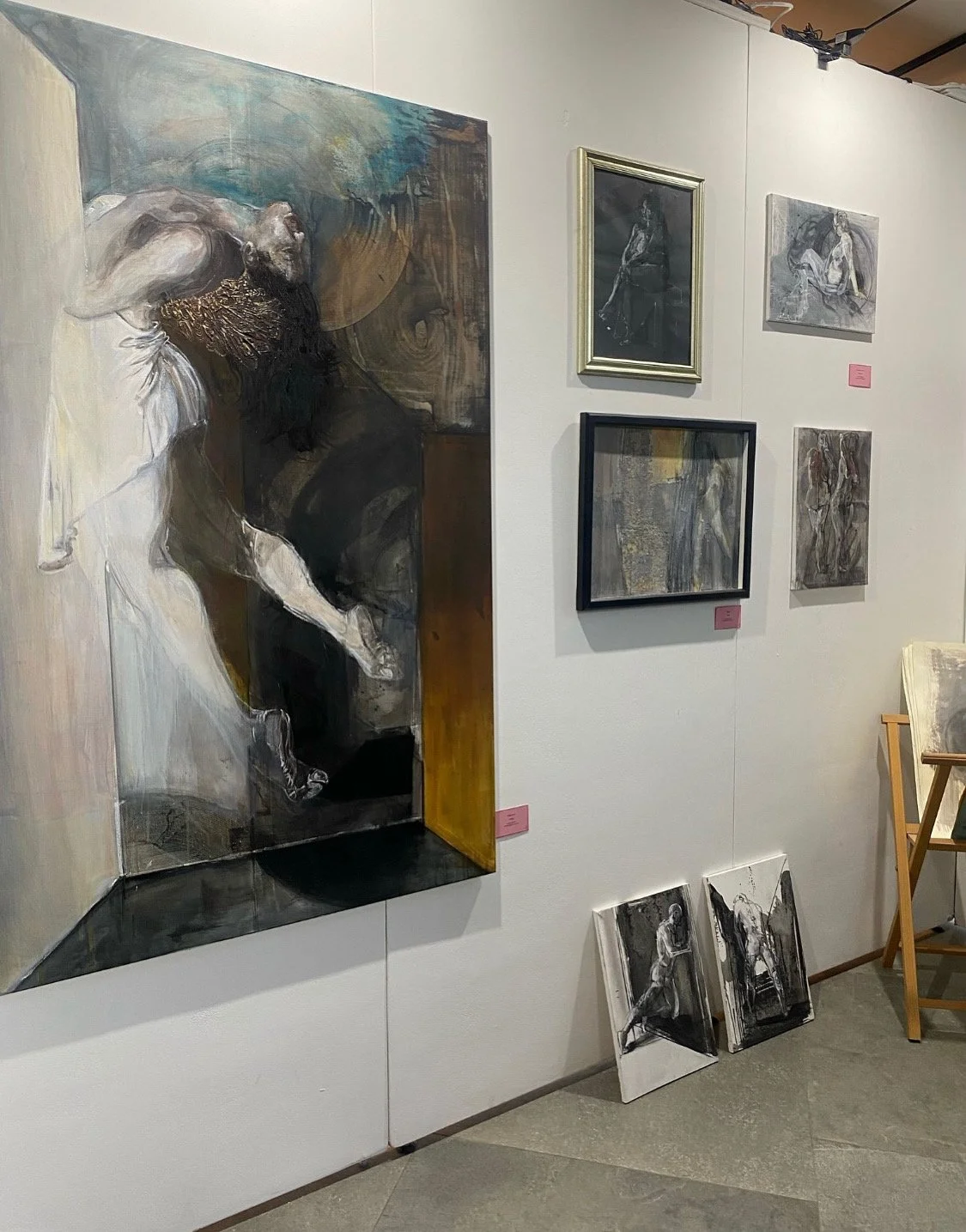
Flying Soul, Acrylic on canvas, 135cm x110cm
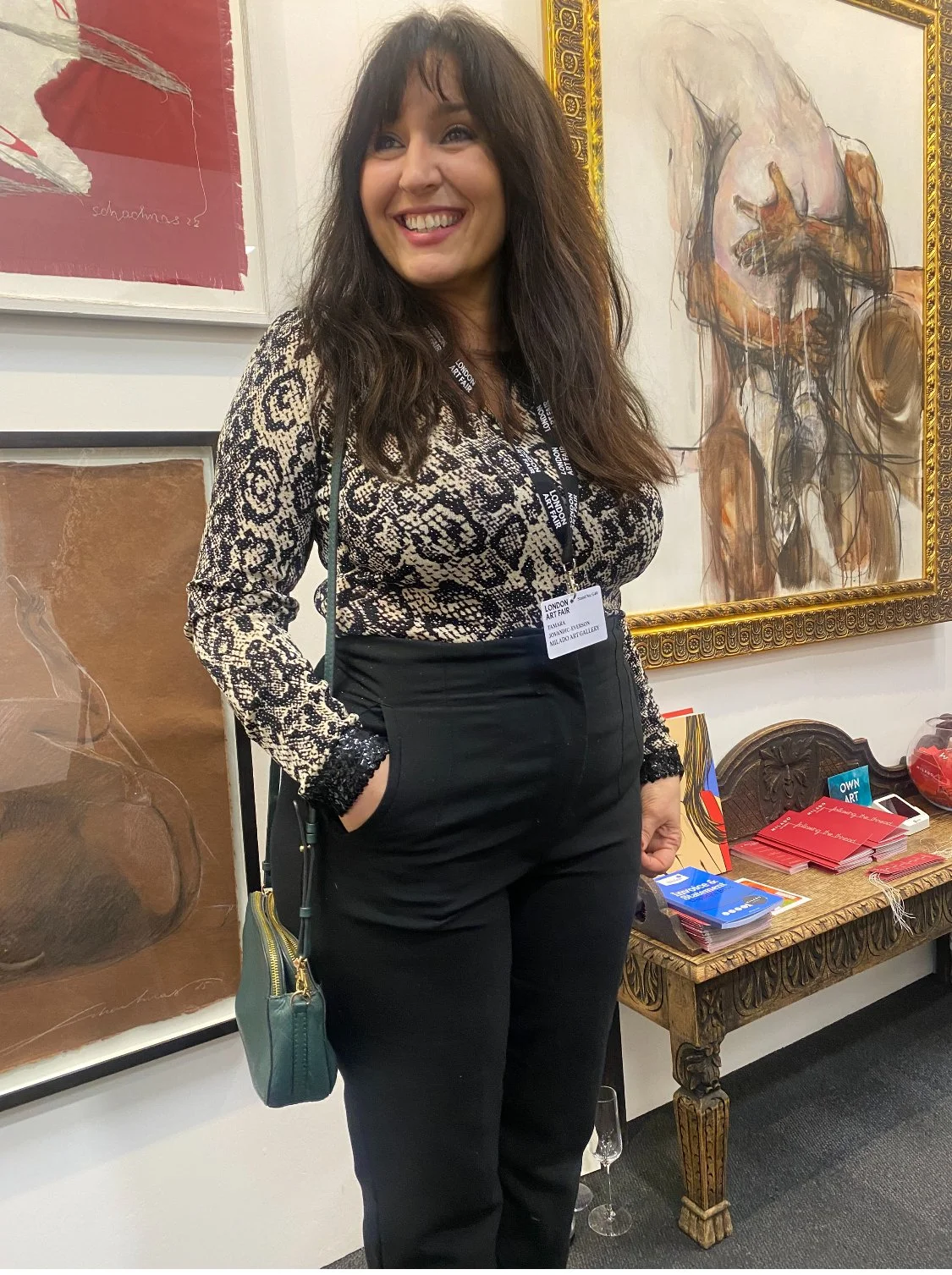
London Art Fair 2026
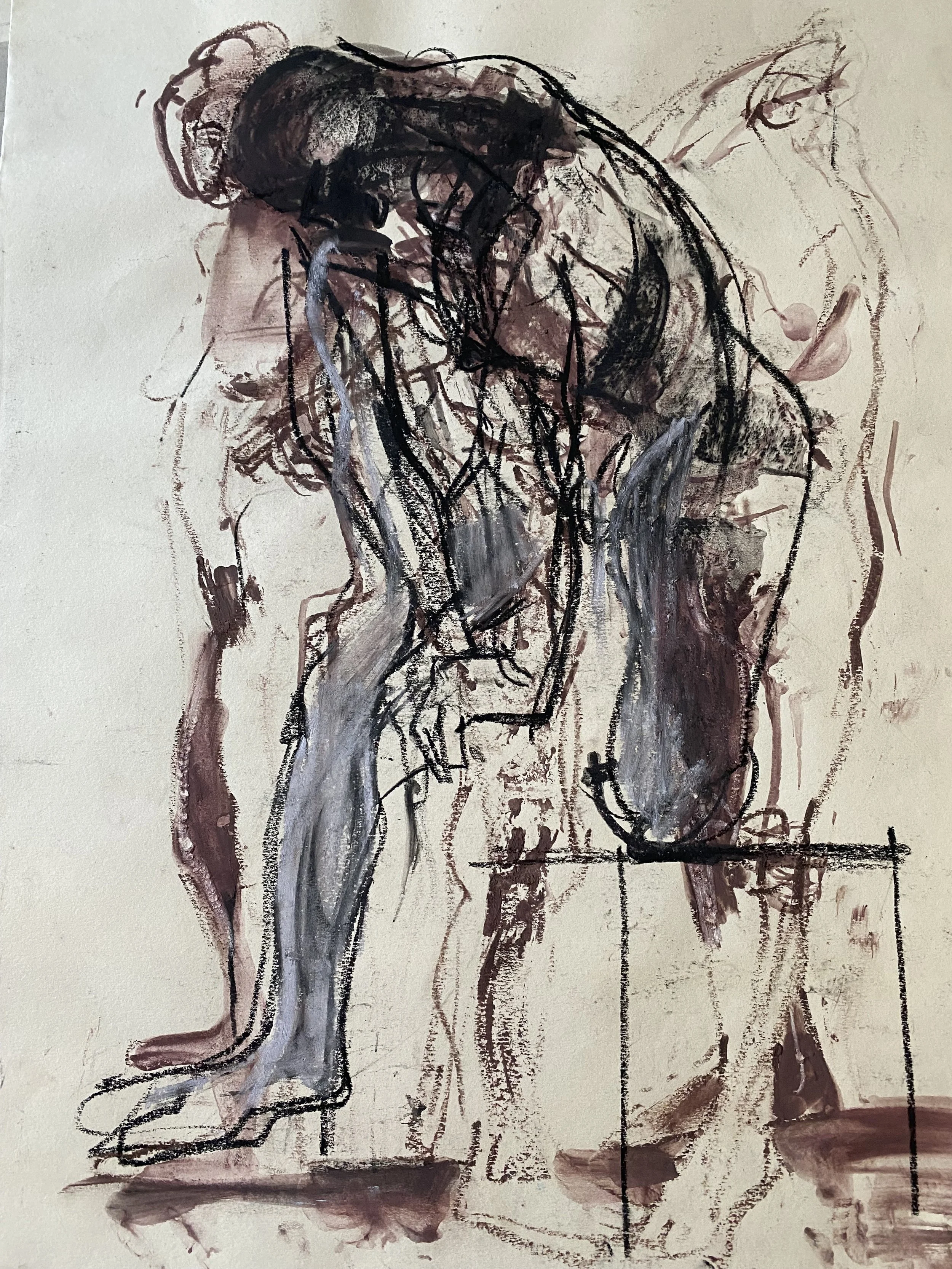
Life drawing I, Sepia and ink on paper,60cm x 40cm
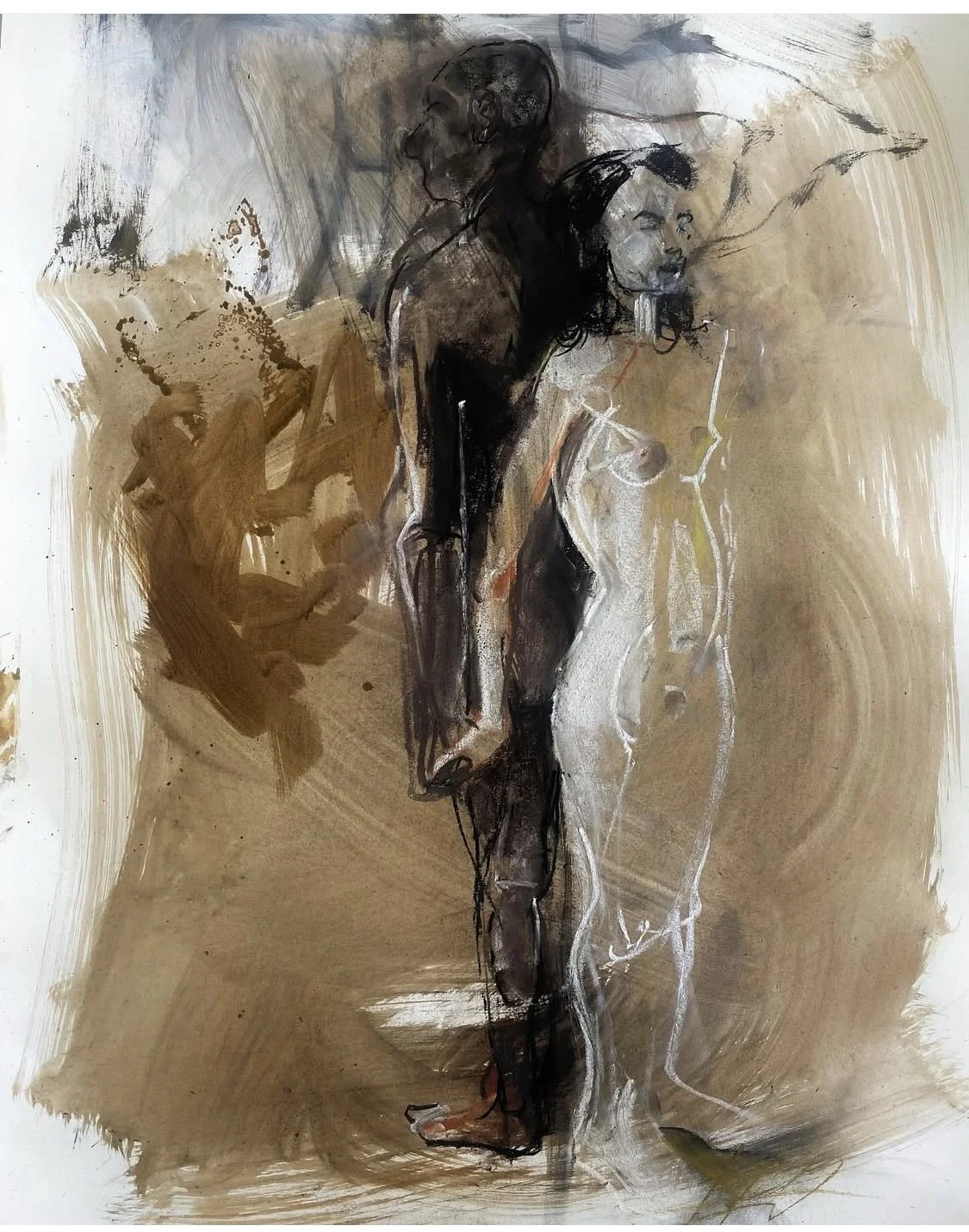
Life drawing II, Ink and charcoal on paper, 60cm x 40cm
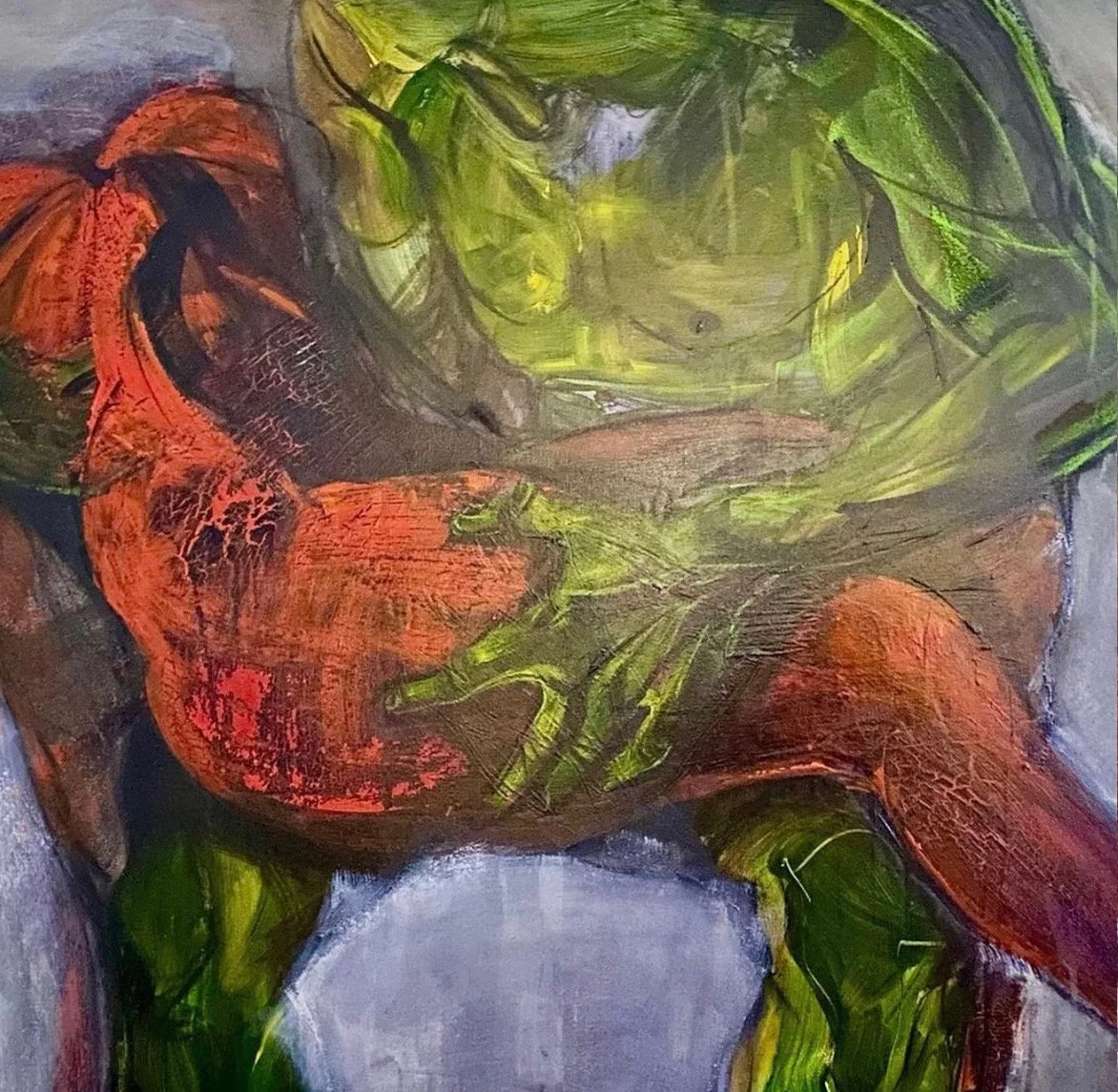
Passion, Acrylic on canvas, 130cm x 100cm
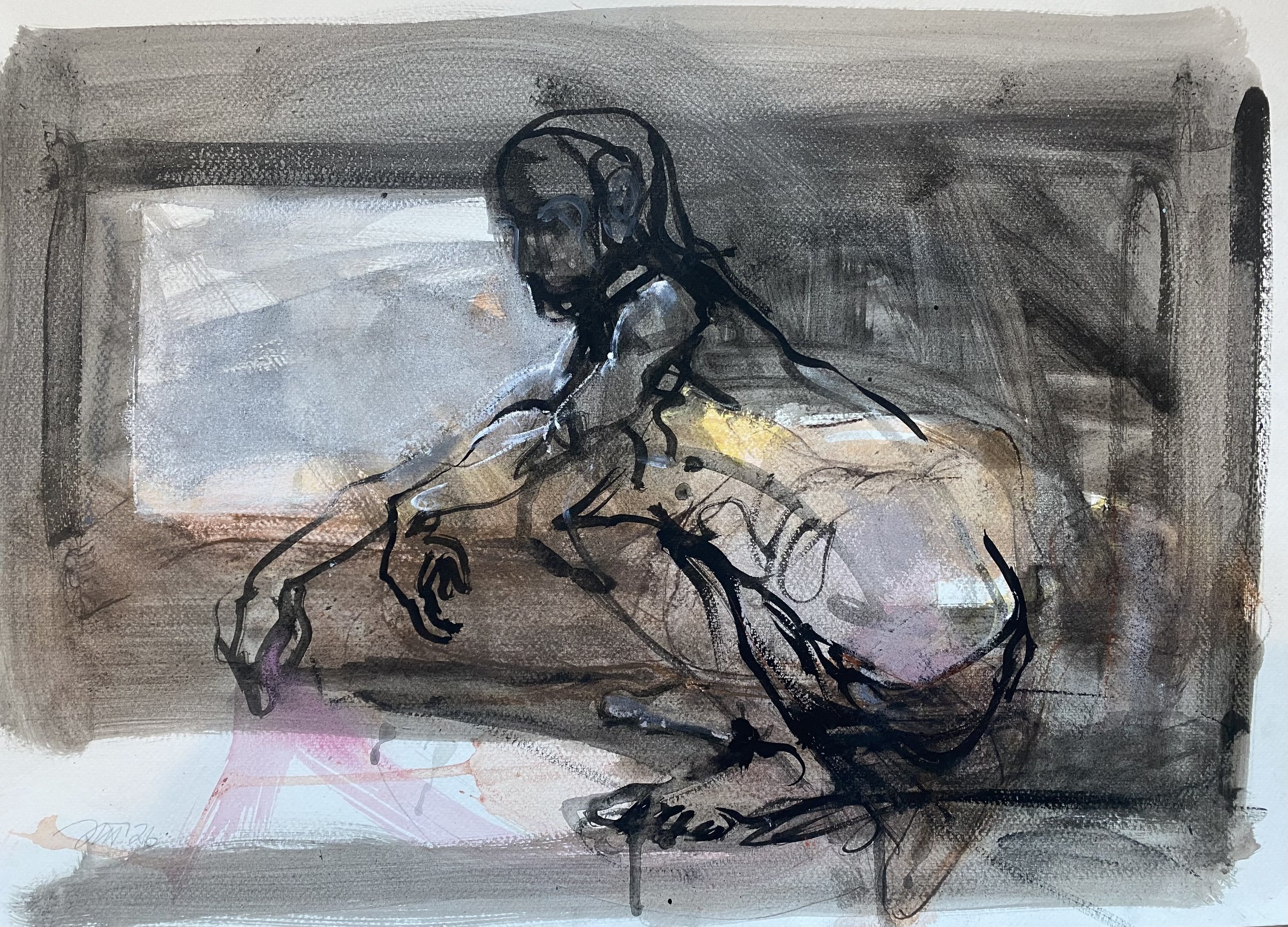
Nude I & Nude II, works on paper, 60cm x 40cm
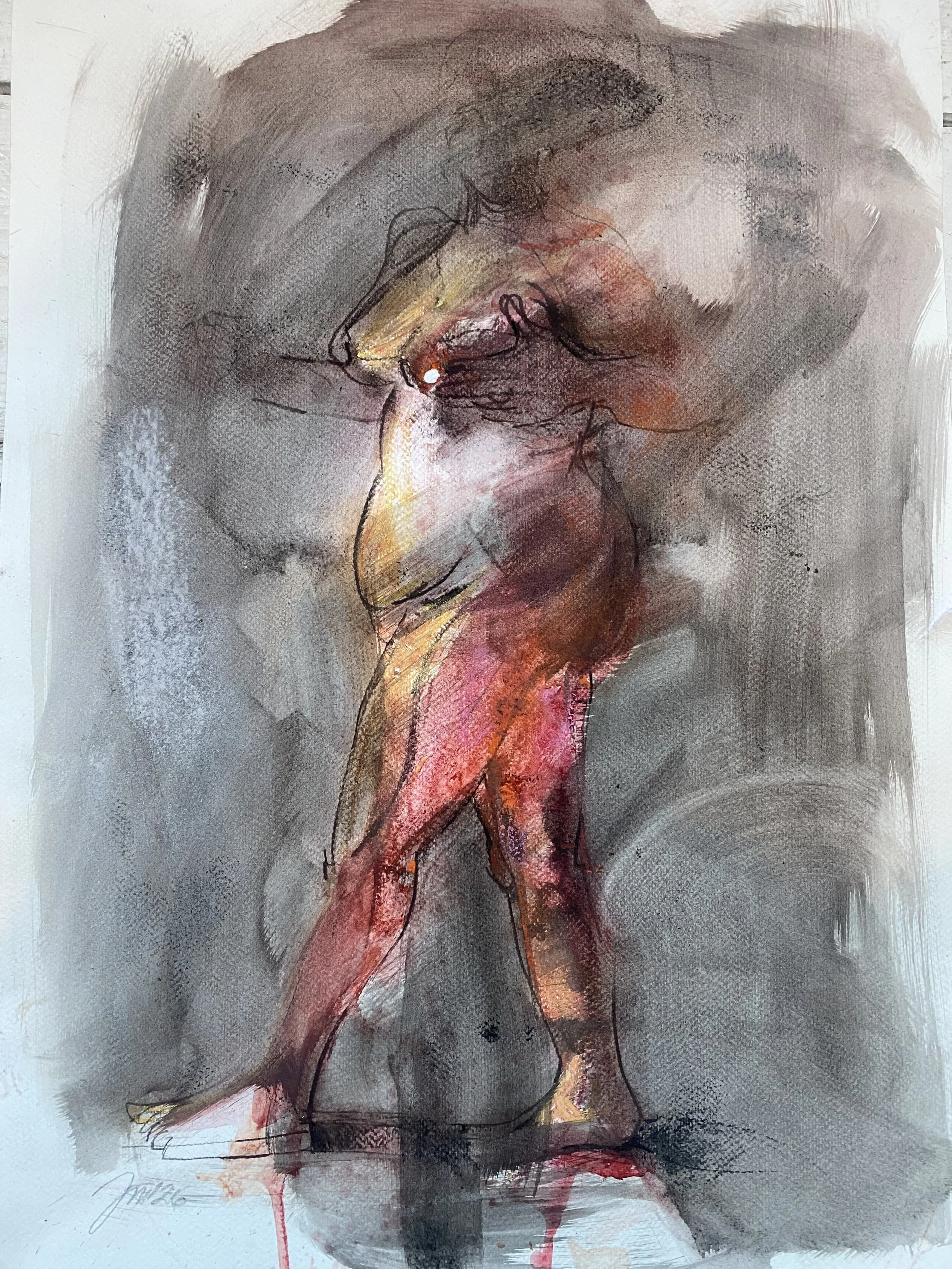
Nude I & Nude II, works on paper, 60cm x 40cm
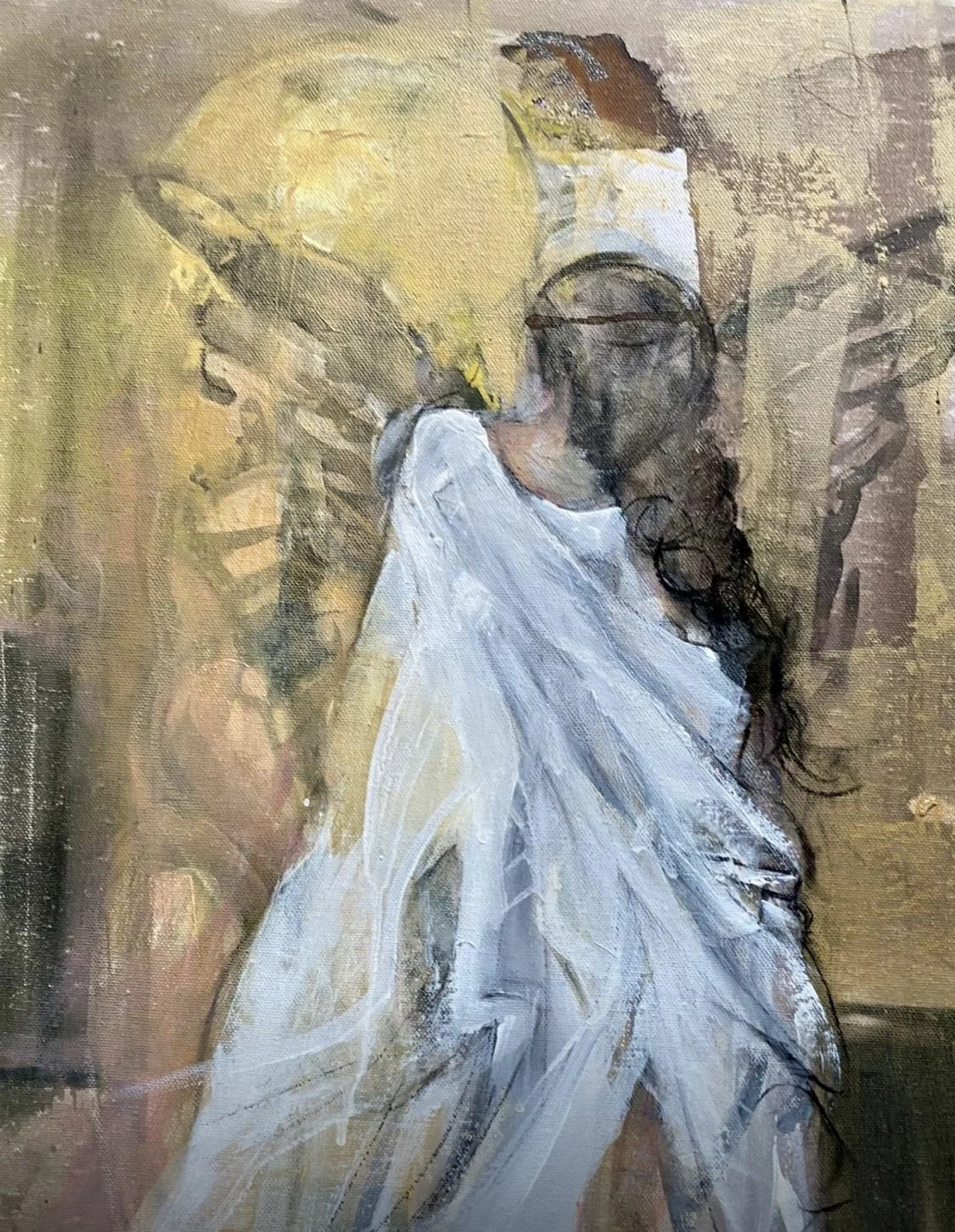
Golden Moon, Acrylic on canvas, 50cmx40cm
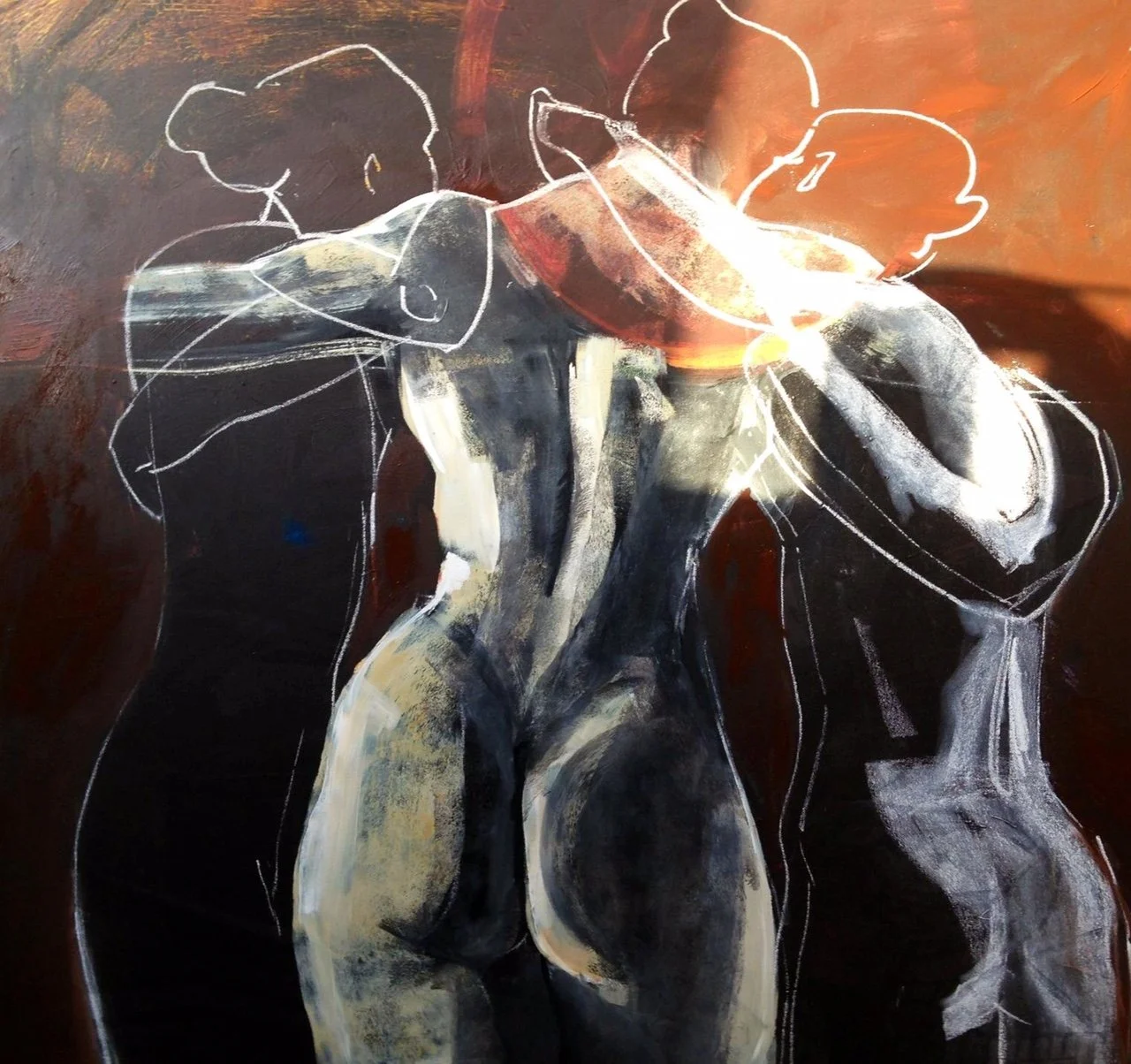
Charities of Graces, Acrylic on canvas, 100cm x 100cm
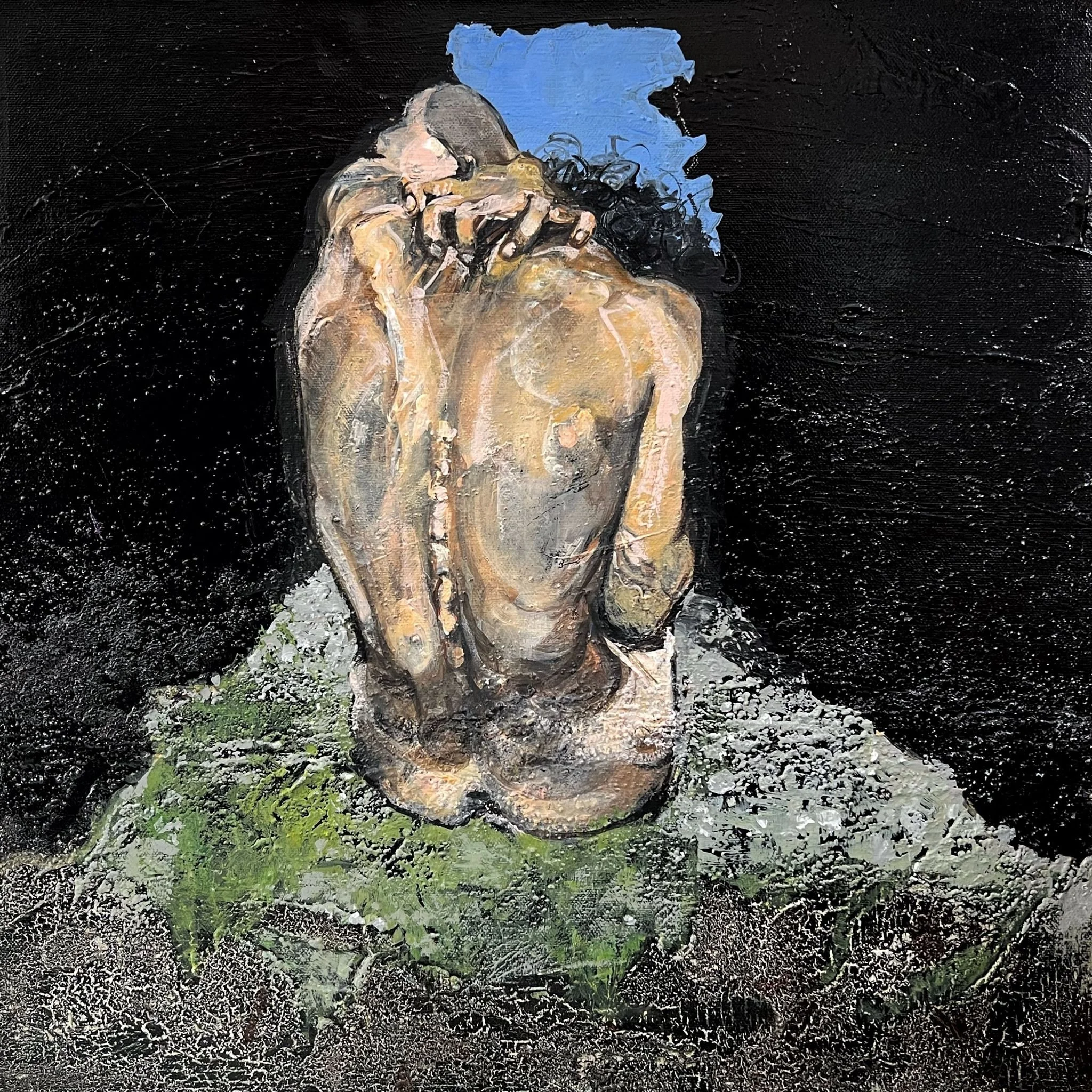
Place where Soul Sleep, Acrylic and sand on canvas, 40cm x 40cm
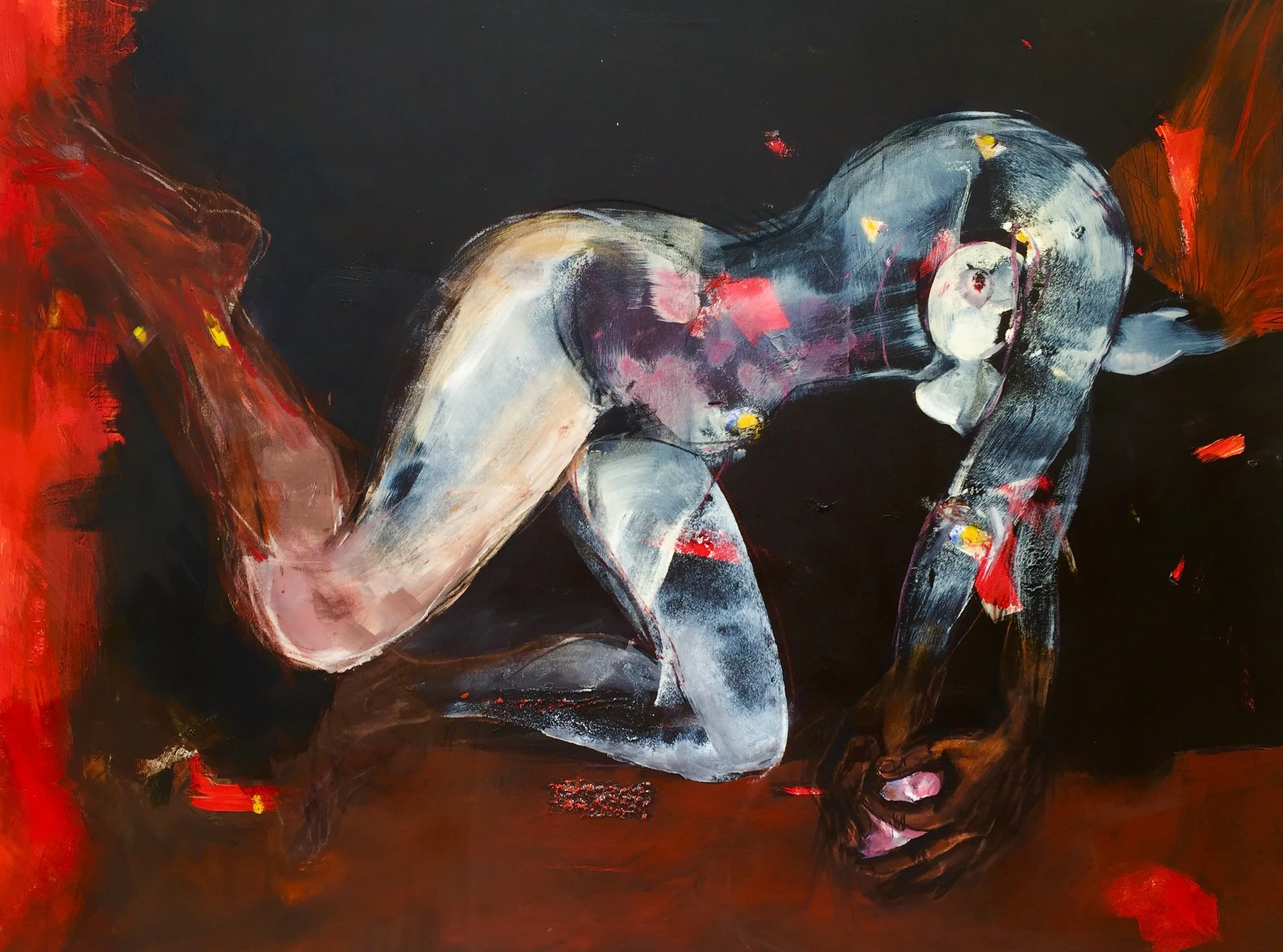
Beautiful Secret, Acrylic on canvas, 130cm x 100cm