
Brigitte Puschmann
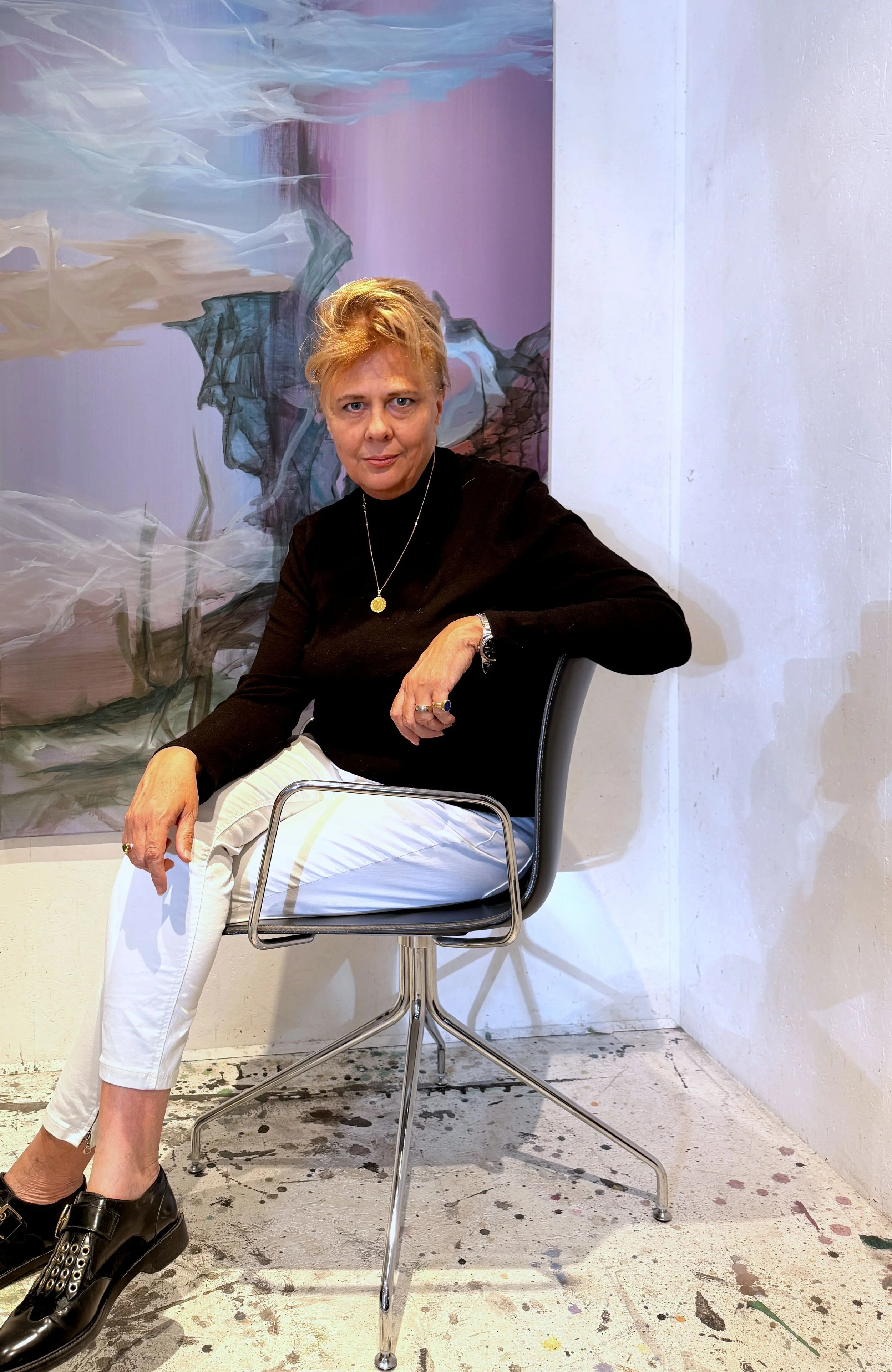
Brigitte Puschmann (b. 1969, Munich, Germany) is a contemporary artist working between Germany and Austria. Her practice investigates painting as a system of relations, unfolding through transformation, layered structures, and the dynamic interplay of color, form, and perception.
Rooted in an earlier engagement with complex transformation processes in the business context, her work approaches change not as subject matter but as a generative principle. Modular and serial structures form the basis of her visual language, producing constellations that remain contingent — shaped by light, spatial context, and the position of the viewer.
Positioned between painting and installation, her works extend beyond the fixed image into open, reconfigurable systems. Through large-scale acrylic paintings, modular wall pieces, and sculptural arrangements, she constructs perceptual fields in which order is continuously produced and destabilized.
Puschmann studied painting at the Academy of Fine Arts in Kolbermoor under Prof. Markus Lüpertz, where she continues as a master student. Her work has been presented in galleries, art associations, and international art fairs, including a solo exhibition at Samuelis Baumgarte Gallery, Bielefeld, and is held in the collection of the Copelouzos Family Art Museum, Athens.
Brigitte Puschmann – Transformation and Complex Reality
My work evolves from modular, serial structures grounded in repetition and variation. While these systems are clearly defined, they do not seek to establish fixed order; instead, they generate a state of visual instability and continuous movement.
Through the shifting of color fields, linear elements, and rhythmic sequences, I construct pictorial spaces that change in response to light, perspective, and the viewer’s position. Perception, in this context, is not static but unfolds over time — it becomes an active, experiential process.
A central aspect of my practice is the tension between control and openness. The underlying systems are precise, yet their outcomes remain fluid and resist definitive resolution. Each work responds to its environment and engages with the presence of the viewer.
Situated between painting and installation, my practice extends beyond the fixed image. Series such as Stripes and Infinity function as open systems — they can be expanded, rearranged, and reconfigured, rather than existing as closed compositions.
At its core, my work examines how visual order is constructed — and how it can be continuously shifted, destabilized, and redefined.
Brigitte, your work repeatedly returns to the notion of transformation as both a perceptual and existential condition. In your multi-layered panels and interactive acrylic tiles, transformation seems not only depicted but structurally embedded, almost enacted. Could you speak about how material decisions such as layering, transparency, and modularity become agents of change themselves, rather than merely vehicles for representation?
Transformation in my work is not an image or a theme — it is embedded in the structure of the work itself. When I build up layers, shift translucent surfaces, or construct modular systems like in the Infinity series, I am creating conditions in which change can continuously occur. The acrylic tiles, for example, are not fixed compositions but open constellations; each reconfiguration produces a different visual reality. Similarly, in works like Flora or the large-scale Next Level paintings, overlapping layers generate moments where forms appear and dissolve almost simultaneously. Material, in this sense, is not passive — it actively produces transformation. It allows the work to remain in a state of becoming
You describe your practice as a search for “the wonderful order that can be found even in chaos.” This recalls a long lineage of artists negotiating entropy and structure, from modernist grid systems to contemporary algorithmic aesthetics. How do you situate your geometric language in relation to this history, and where do you see your work resisting or extending those paradigms?
I am interested in geometric language as a system, but not as a stabilizing one. Historically, the grid promised clarity and order, from modernist abstraction to more recent algorithmic aesthetics. My approach begins within such systems but deliberately moves toward their limits. In the Stripes and Next Level series, linear sequences initially suggest structure, yet they begin to shift, overlap, and interfere with one another, producing instability rather than coherence. The system remains visible, but it no longer guarantees order. What interests me is precisely this moment of tension — when a structure is still present but no longer fully reliable. But it makes existing structures visible, which sometimes get overlooked within a caos. That is where perception becomes active.
Having taken what you call a “non-linear path” to art, through interior design, economics, and lived experience, your practice seems to carry an acute sensitivity to systems, both spatial and conceptual. How does this interdisciplinary background inform your understanding of composition as something that is not only visual, but also psychological, architectural, and even social?
My path into art was not linear, and I consider that an essential part of my practice. Working in business, particularly with large organizational transformations, gave me a deep understanding of how systems operate — and how they fail or evolve. At the same time, my background in interior design shaped my sensitivity to space, proportion, and the relationship between objects and their environment. These experiences inform how I think about composition today: not as a static arrangement, but as a dynamic system of relations. In works like the Infinity Cloud installations, this becomes very tangible — the spatial constellation changes perception as the viewer moves through it. Composition, for me, is always experiential, not just visual. This also is one theme of my research, as I do understand painting as a system of relations rather then representation.
The push–pull dynamic of color plays a central role in your work, often destabilizing the viewer’s perception of depth and figure-ground relationships. To what extent do you conceive of color as an autonomous force, one that operates beyond symbolic or emotional registers, and how do you negotiate its capacity to both reveal and obscure structure?
Color in my work operates beyond symbolism or expression; it functions as a structural force. Through push–pull dynamics, it creates spatial tensions that can both construct and dissolve depth. In the Wallpaper series, for instance, fragments of color appear to move between surface and illusion, destabilizing the boundary between foreground and background. Similarly, in the Next Level paintings, color fields interfere with linear structures, sometimes reinforcing them, sometimes undermining them. I am interested in how color can act almost independently — how it resists full control and introduces a certain unpredictability. It becomes a key agent in shaping how the work is perceived. An important finding of my research was also, that boundaries are the main key to influence how a set color is noticed.
In your statement, you suggest that recognizable forms, figures, landscapes, can dissolve with even the slightest shift in light or compositional element. This ephemerality introduces a temporal dimension into otherwise static works. Are you interested in cultivating a kind of perceptual instability in the viewer, and if so, what kind of awareness or consciousness do you hope this instability might produce?
A work may appear stable at first, but that stability is always provisional. In pieces like the Infinity Cloud sculptures, light plays a decisive role — reflections shift throughout the day, constantly altering the visual experience. Even in the paintings, small changes in viewpoint or lighting can cause forms to emerge or disappear. This introduces a temporal dimension that challenges the idea of the artwork as a fixed object. I am interested in what happens when perception becomes unstable — when the viewer becomes aware of their own act of seeing. This awareness is not meant to disorient, but to open up a more attentive, active way of engaging with the work.
Your recent engagement as a Master Student under Markus Lüpertz suggests an intensified dialogue with painterly tradition. Lüpertz’s own work often oscillates between figuration and abstraction, myth and structure. How has this mentorship challenged or sharpened your own approach to image-making, particularly in relation to your geometric vocabulary?
Working with Markus Lüpertz has intensified my understanding of painting as an act of assertion. His approach emphasizes the autonomy of the image — the idea that a painting establishes its own reality. While my work differs in its geometric and system-based language, this notion has been very influential. It has encouraged me to move beyond describing processes toward defining them more clearly within the work itself. The dialogue has also sharpened my awareness of tension — between structure and disruption, control and openness.
In that sense, the exchange has been less about influence in a stylistic sense, and more about strengthening a position. In Lüpertz’s understanding, the artist holds an almost sovereign, self-authorizing position. Embracing this idea, even to a small degree, has been deeply liberating for me — it allowed me to commit more fully to painting and to develop and strengthen my own painterly language – my Peinture.
The notion of “seeing the world with different eyes,” which you foreground in your practice, implies not just a shift in perception but perhaps an ethical or philosophical repositioning. Do you consider your work to carry a didactic or transformative potential for the viewer, or is the invitation more open-ended, an offering rather than a directive?
I do not see my work as didactic, nor do I aim to guide the viewer toward a specific interpretation. Instead, I create situations in which perception can shift. The idea of “seeing with different eyes” is not a prescription, but an invitation. In works like the modular Infinity panels, this becomes quite literal — each new arrangement produces a different reading. The transformation happens not only within the work, but in the act of viewing. If there is a transformative potential, it lies in this experience of instability and multiplicity. It allows different perspectives to coexist without resolving into a single meaning.
Your interactive acrylic tiles introduce a participatory dimension that destabilizes the authority of the fixed composition. In allowing viewers or curators to rearrange elements, you relinquish a degree of authorship. How do you reconcile this openness with the precision and intentionality evident in your formal language?
The interactive nature of works like the Infinity series introduces a deliberate shift in authorship. By allowing elements to be rearranged, I open the work to external input — from curators, collectors, or viewers. However, this openness operates within a clearly defined system. The parameters are set, even if the outcome is not fixed. I am interested in this balance: how much control is necessary for coherence, and how much openness allows for transformation. The work remains authored, but not closed. It becomes a shared field of possibilities rather than a singular statement.
Across your exhibitions, from early presentations to more recent appearances in international art fairs and institutional contexts, there appears to be a sustained inquiry into visibility and invisibility, as echoed in projects like “Sichtbar–Unsichtbar.” How do you understand the threshold between what is seen and what remains latent in your work, and how might this relate to broader cultural or epistemological questions?
Many of my works operate at the threshold between visibility and disappearance. Layers conceal as much as they reveal, and certain structures only become perceptible over time. In the Wallpaper series, for example, fragments seem to emerge from and dissolve back into the surface, creating a tension between presence and absence. This dynamics reflects a broader interest in how perception is always partial. What we see is never complete; it is conditioned by context, attention, and time. My work holds this ambiguity, make it visible rather than resolving it. It invites the viewer to remain within that space of uncertainty. But it also provides the confidence, that what ever the ambiguity cause, independent in which environment and/or cultural context, it relies on certain rules and structures.
Your practice seems to oscillate between control and surrender, the rigor of line and geometry on one hand, and the unpredictability of transformation on the other. In a moment marked by global instability, do you see this tension as reflective of a broader condition? And can art, in your view, offer not resolution, but a form of navigation through uncertainty, a kind of visual thinking that allows us to inhabit complexity more fully?
The oscillation between control and unpredictability is central to my work, but it also reflects a broader condition. We live within highly structured systems — economic, technological, and social — yet their outcomes remain fundamentally uncertain. My work engages with this tension without seeking to resolve it. In the Next Level series, for example, strict linear structures begin to destabilize through color and layering, producing a sense of instability within order itself. What appears controlled gradually shifts into something more fluid and contingent.
For me, art is not about providing answers, but about creating a space in which complexity can be experienced. It offers a form of visual thinking — a way of navigating uncertainty without simplifying it. We are currently living through a time in which many developments are unpredictable and can generate discomfort or unease. Ultimately, it depends on how we respond to these conditions. Art can play a role here: not by resolving uncertainty, but by helping us to engage with it more consciously and openly.
https://www.brigitte-puschmann.com/
https://www.instagram.com/brigitte_puschmann1/
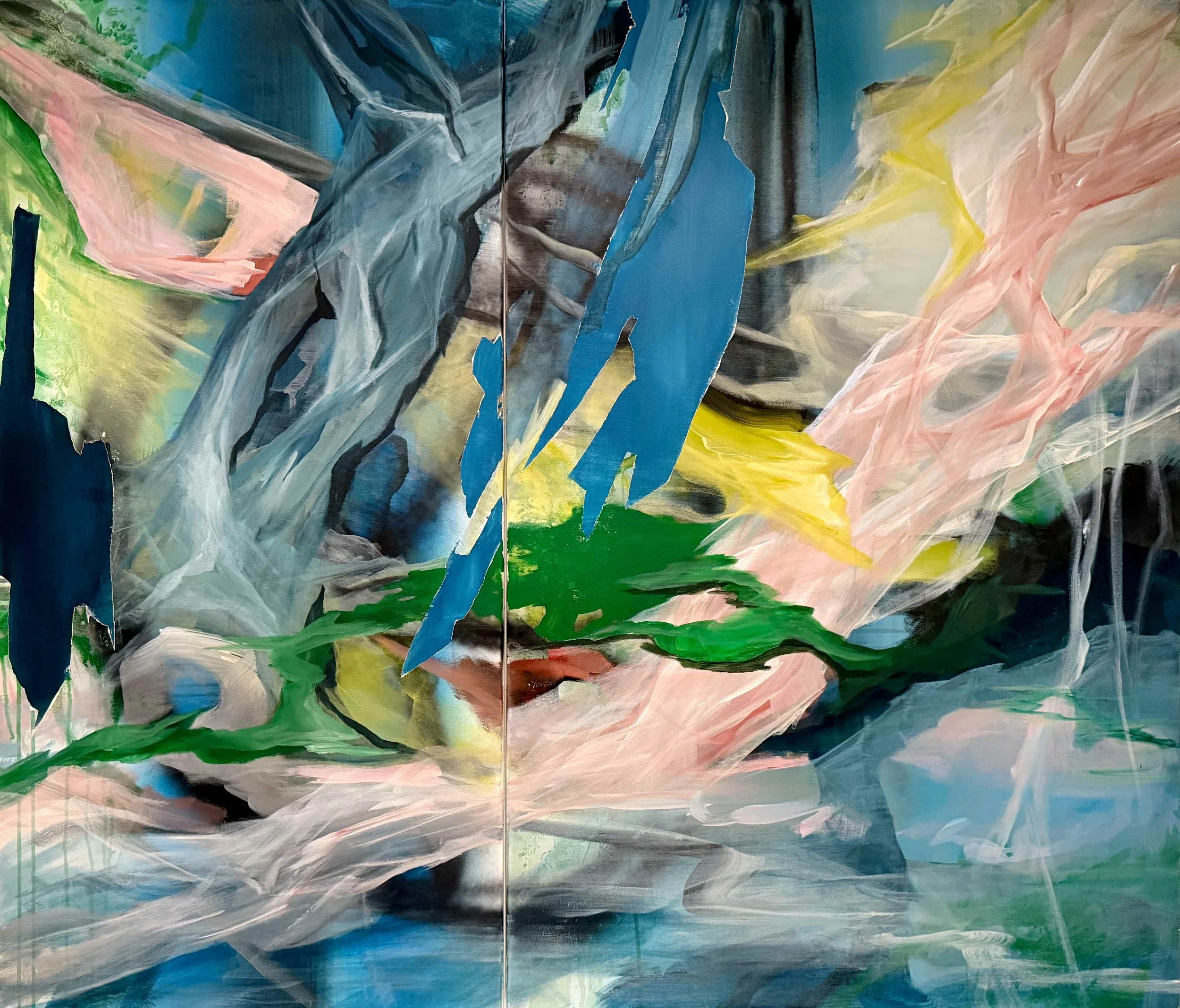
History Wallpaper 26-281081, 2026 Acrylic, Oil on canvas, 140x120cm
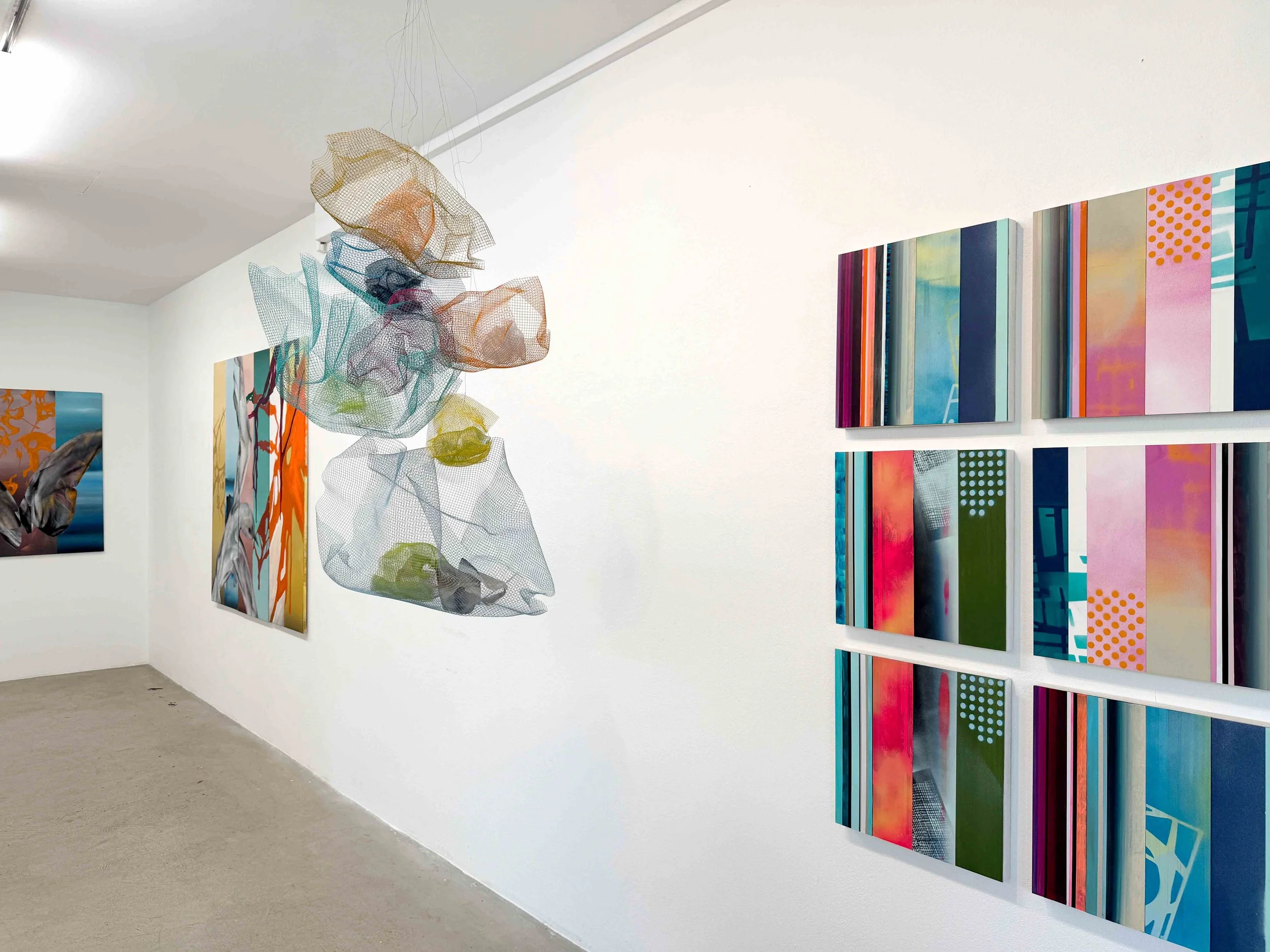
Installation of Infinity and Infinity cloud (small), 2025 in Gallery, Austria, Infinity Cloud: Wire Mesh, pigments; Infinity: wooden boards with mounted magnetized Alu Dibond boards, Acrylic
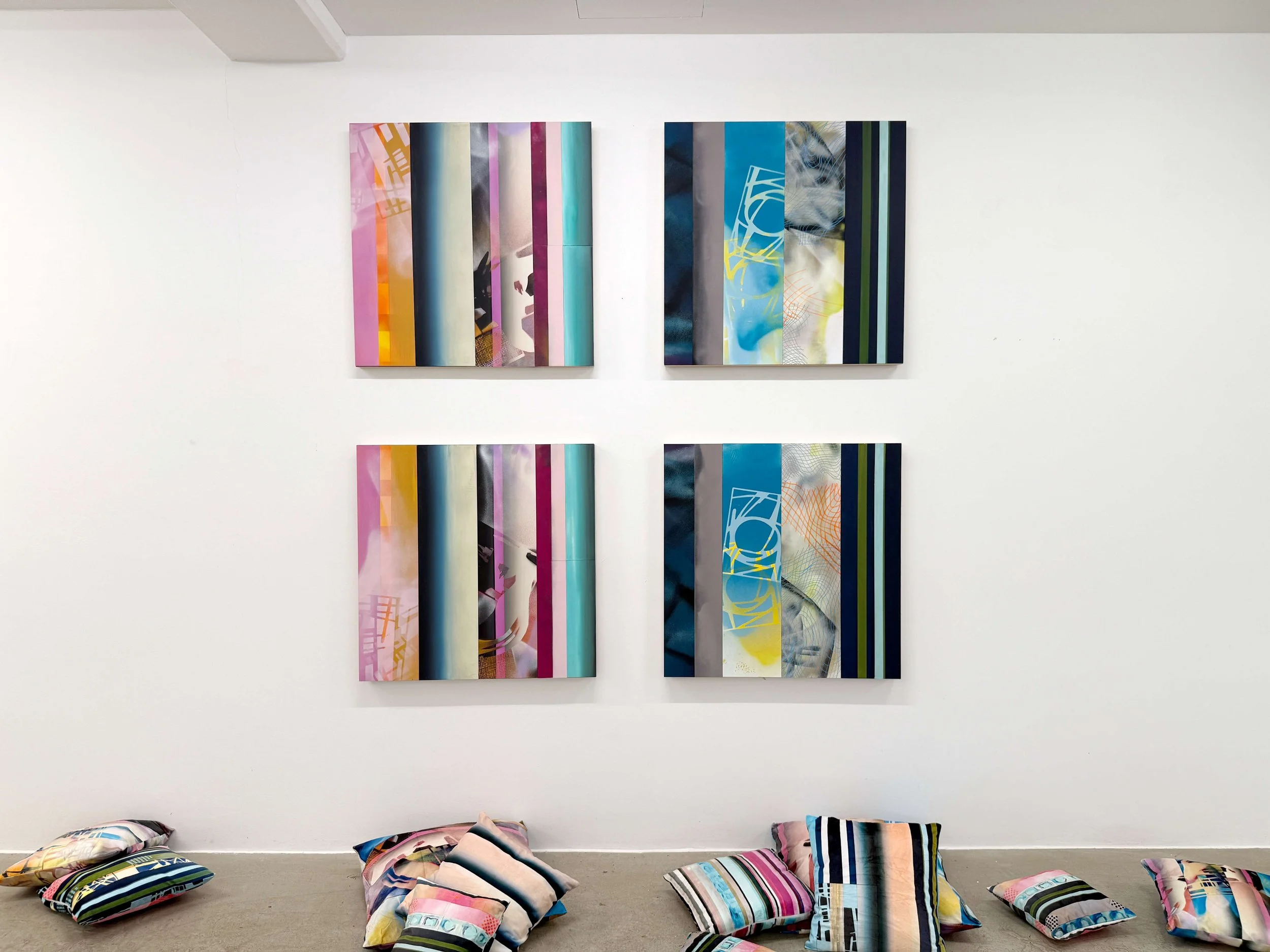
Installation of Infinity incl. its pillow drops, 2025, wooden boards with mounted magnetized Alu Dibond boards, Acrylic
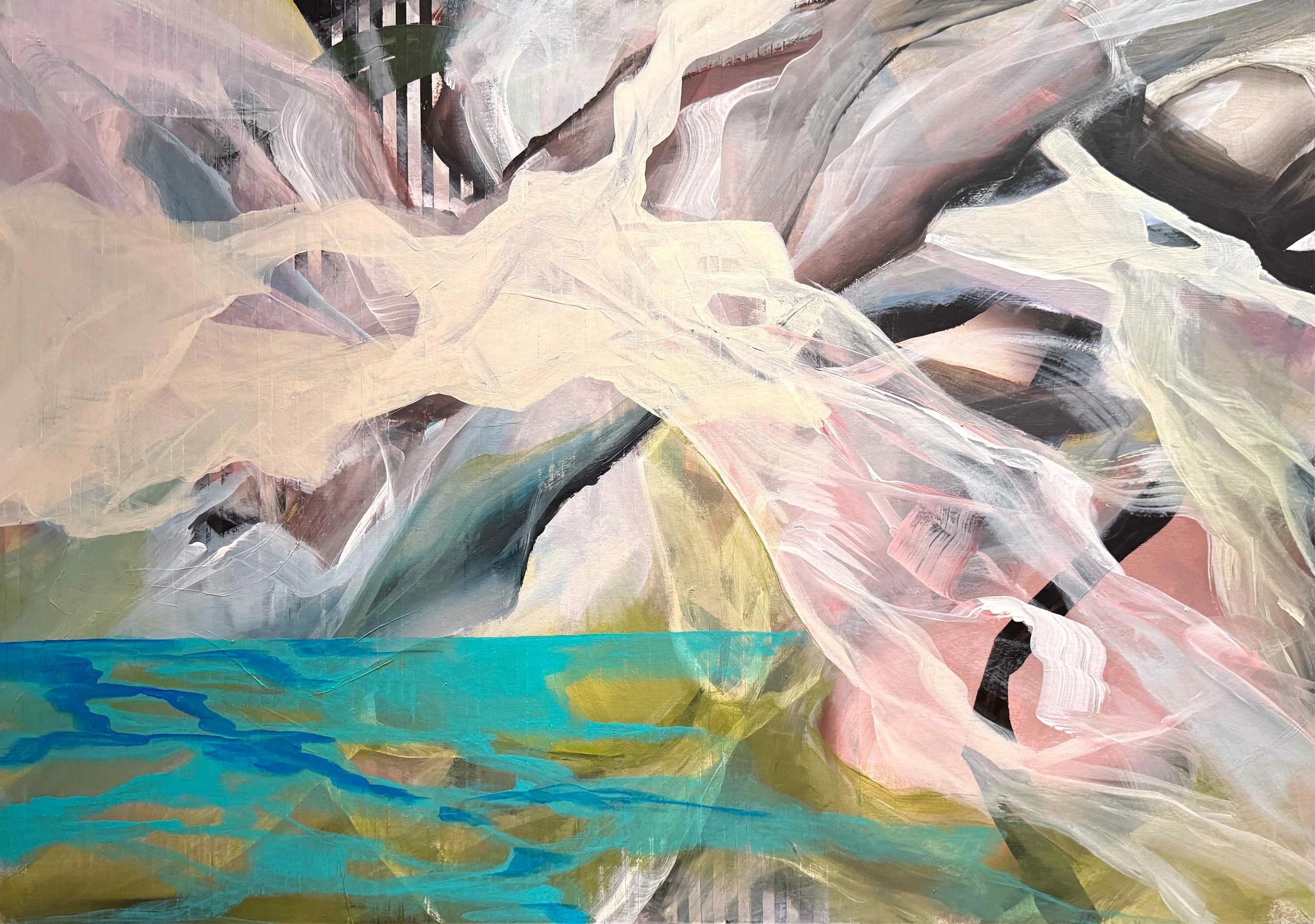
Next Level 26-31134, 2026, Acrylics on wooden board, 140x100cm
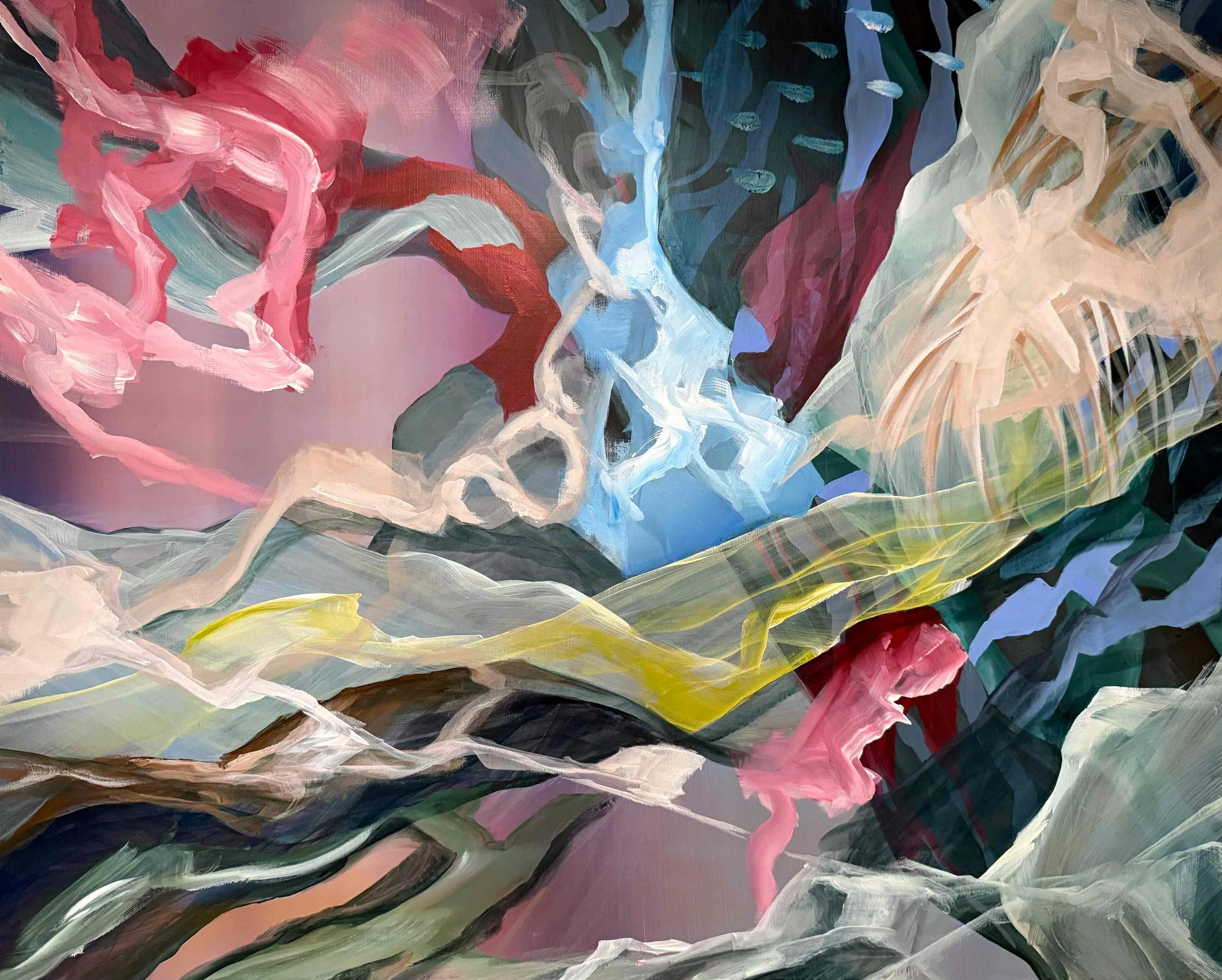
Jardin NL 26-21530, 2026, Acrylic on canvas, 100x80cm
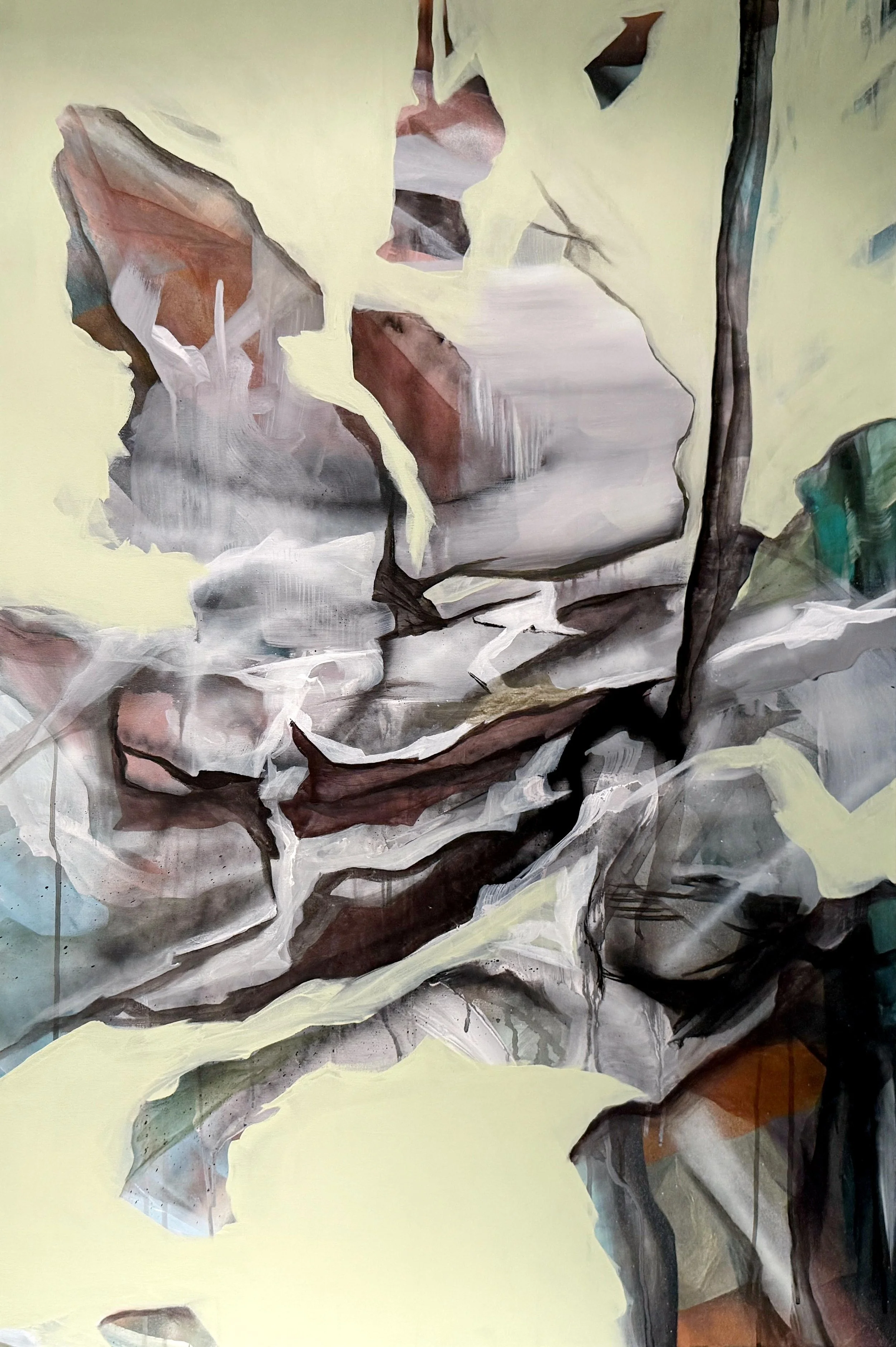
Transformation 26-45313, 2026, Acrylic on canvas, 80x120cm
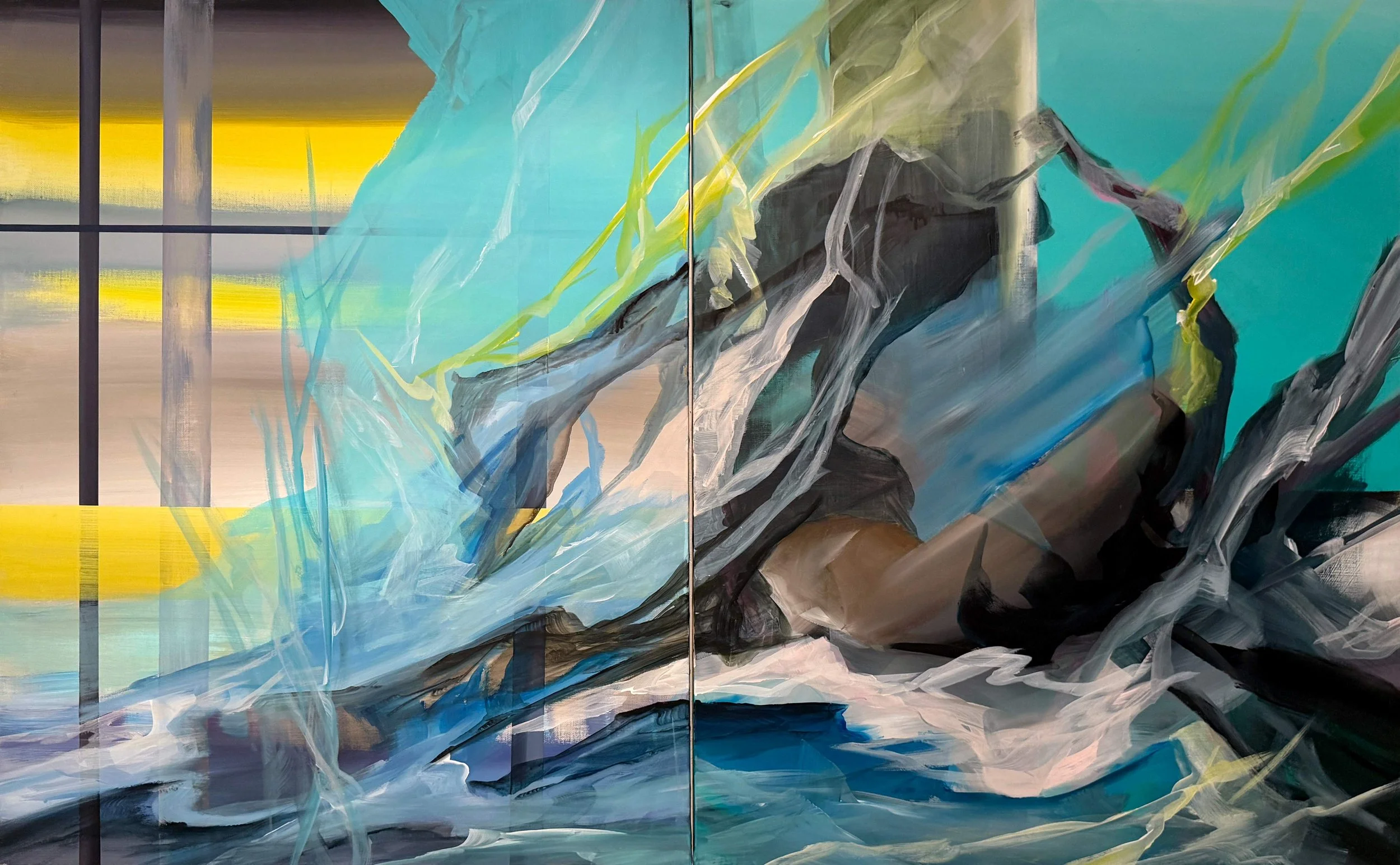
Disruption 26-41453, 2026,Dyptychon, Acrylic on canvas, 160x100cm
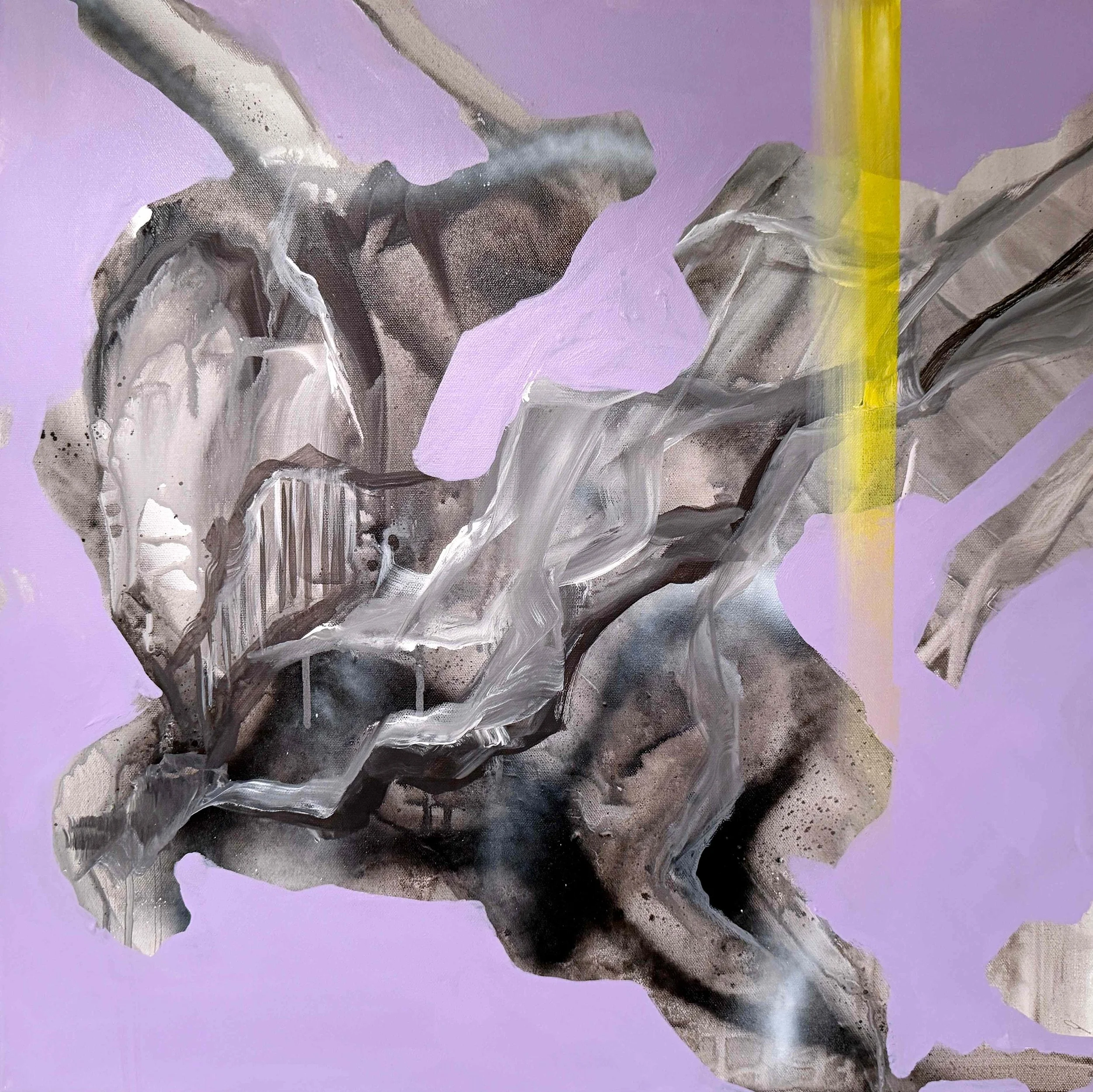
Colorfield 26-10737, 2026, Acrylic on canvas, 60x60cm
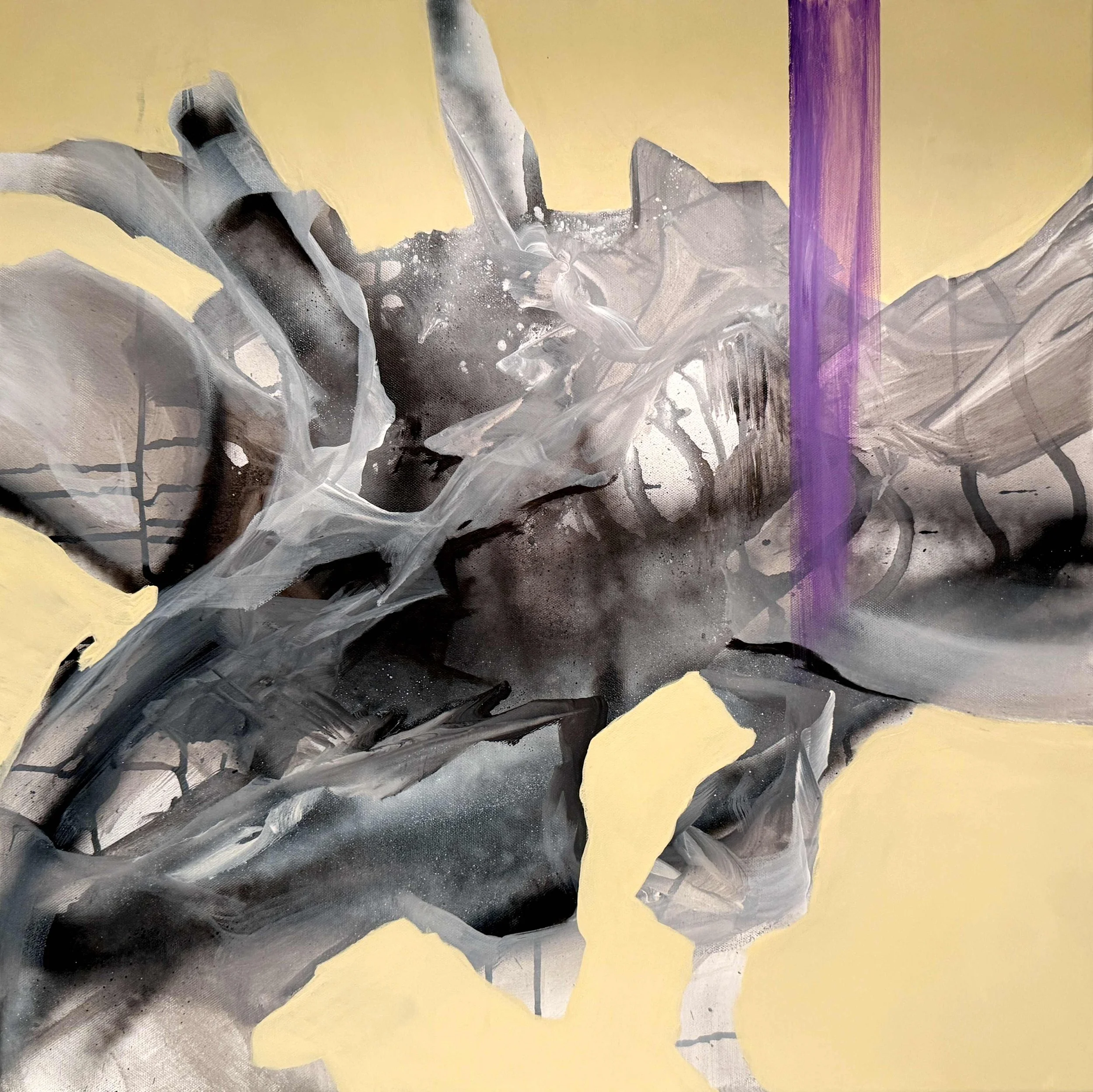
Colorfield 26-38326, 2026, Acrylic on canvas, 60x60cm
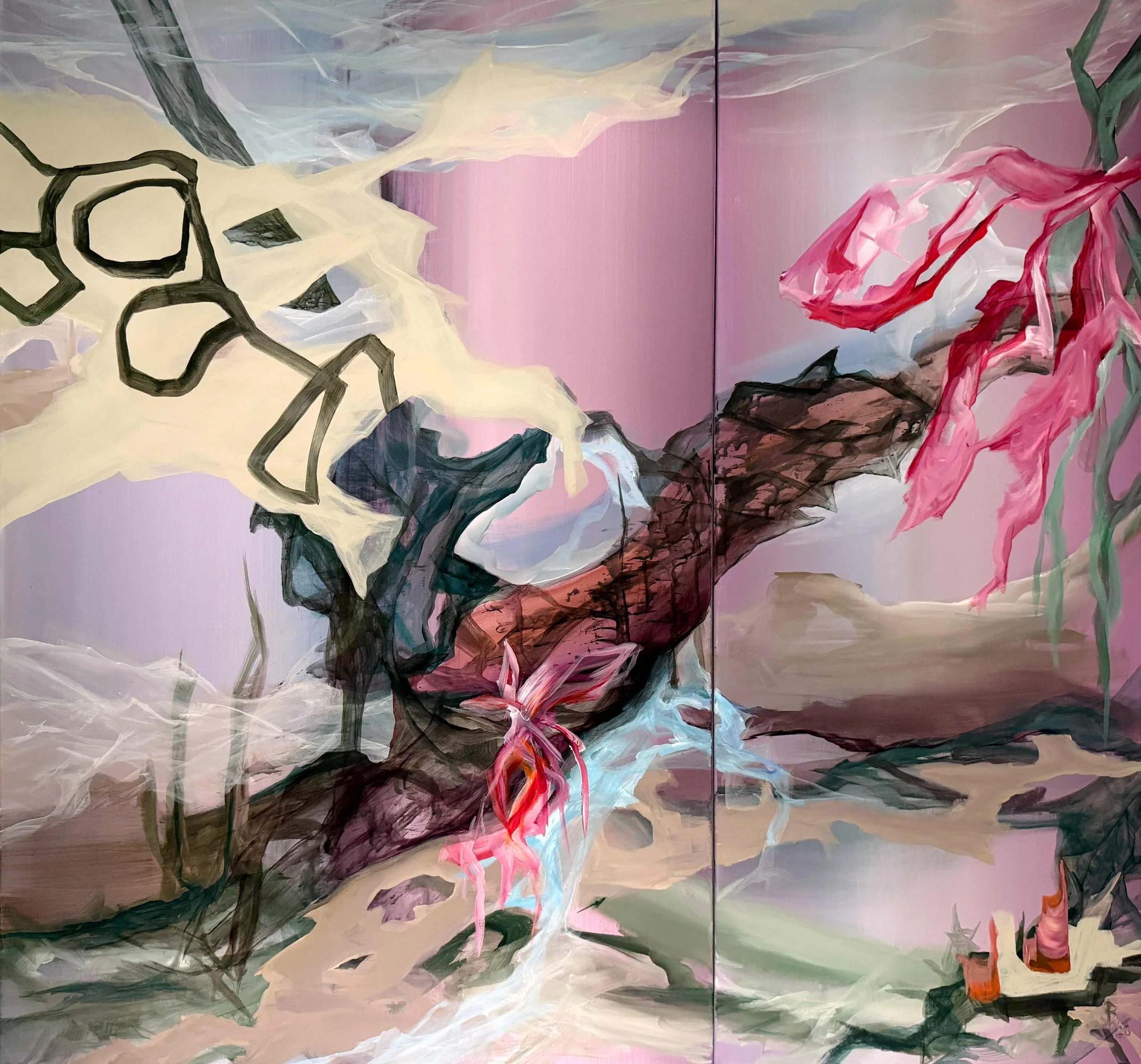
Timeless 26.35886, 2026, Diptychon, Acrylic on canvas, 160x150cm
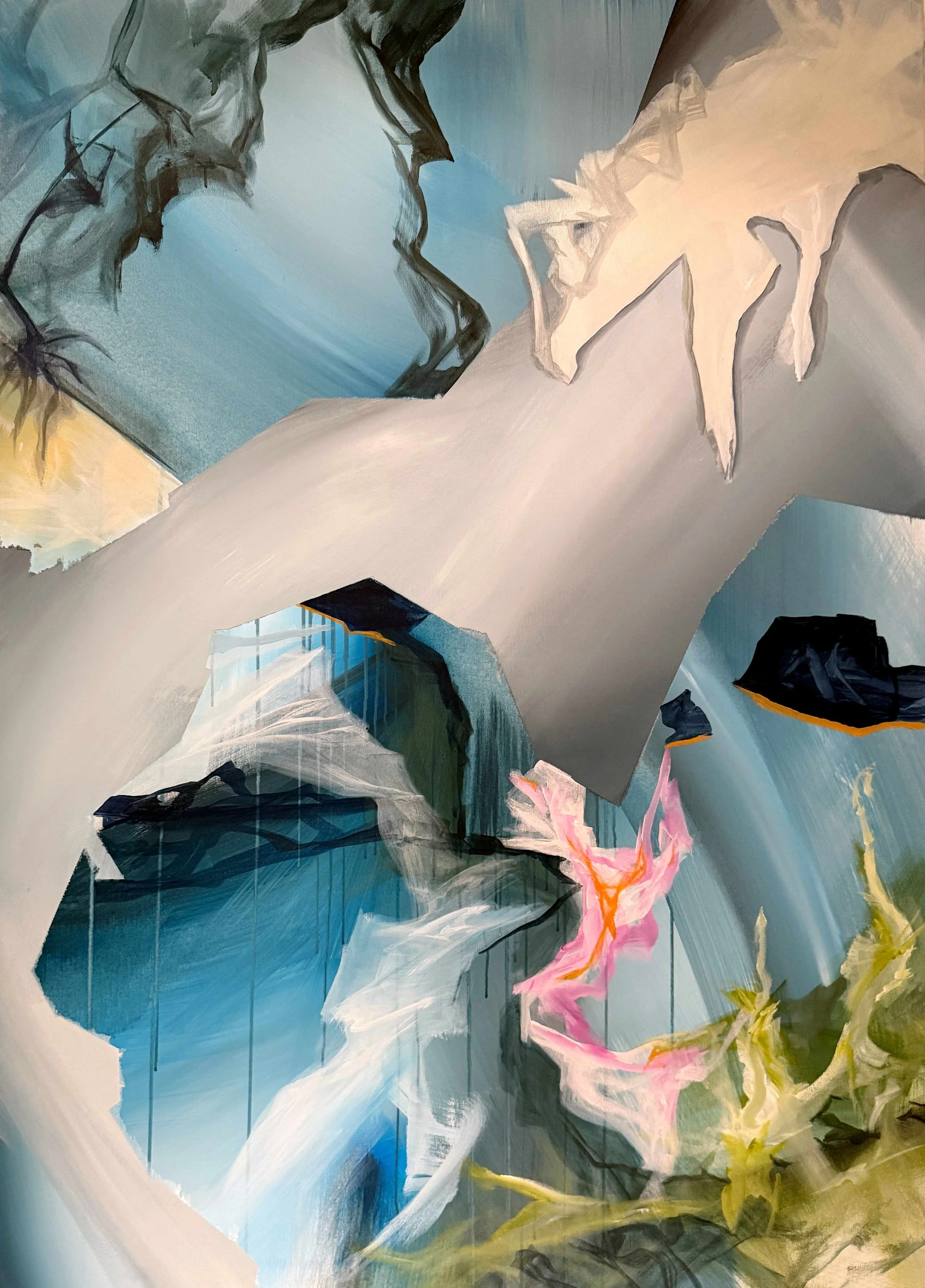
Next Level 26-02980, 2026, Acrylic on canvas, 100x140cm
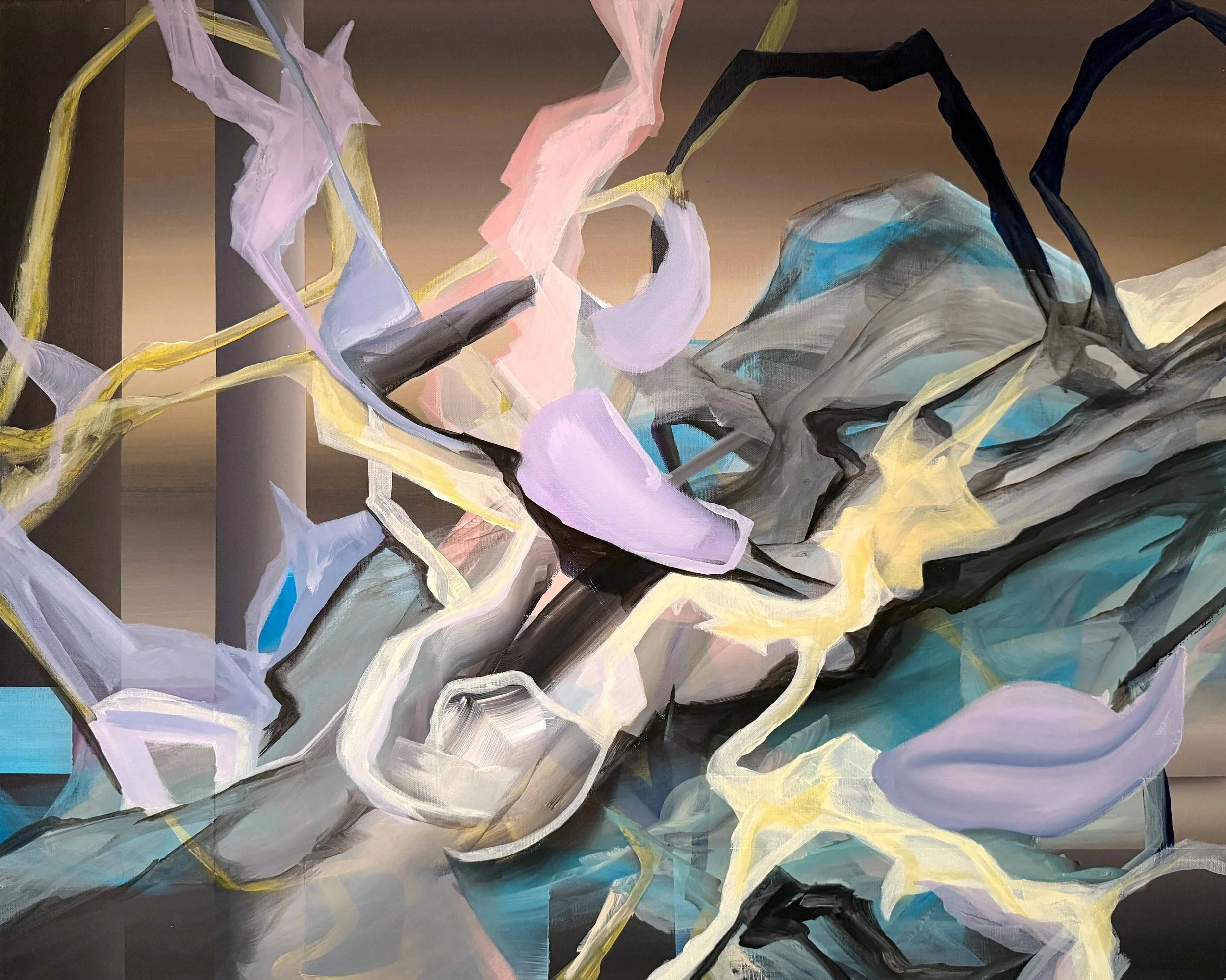
Next Level 26-17694, 2026, Acrylic on canvas, 100x80cm
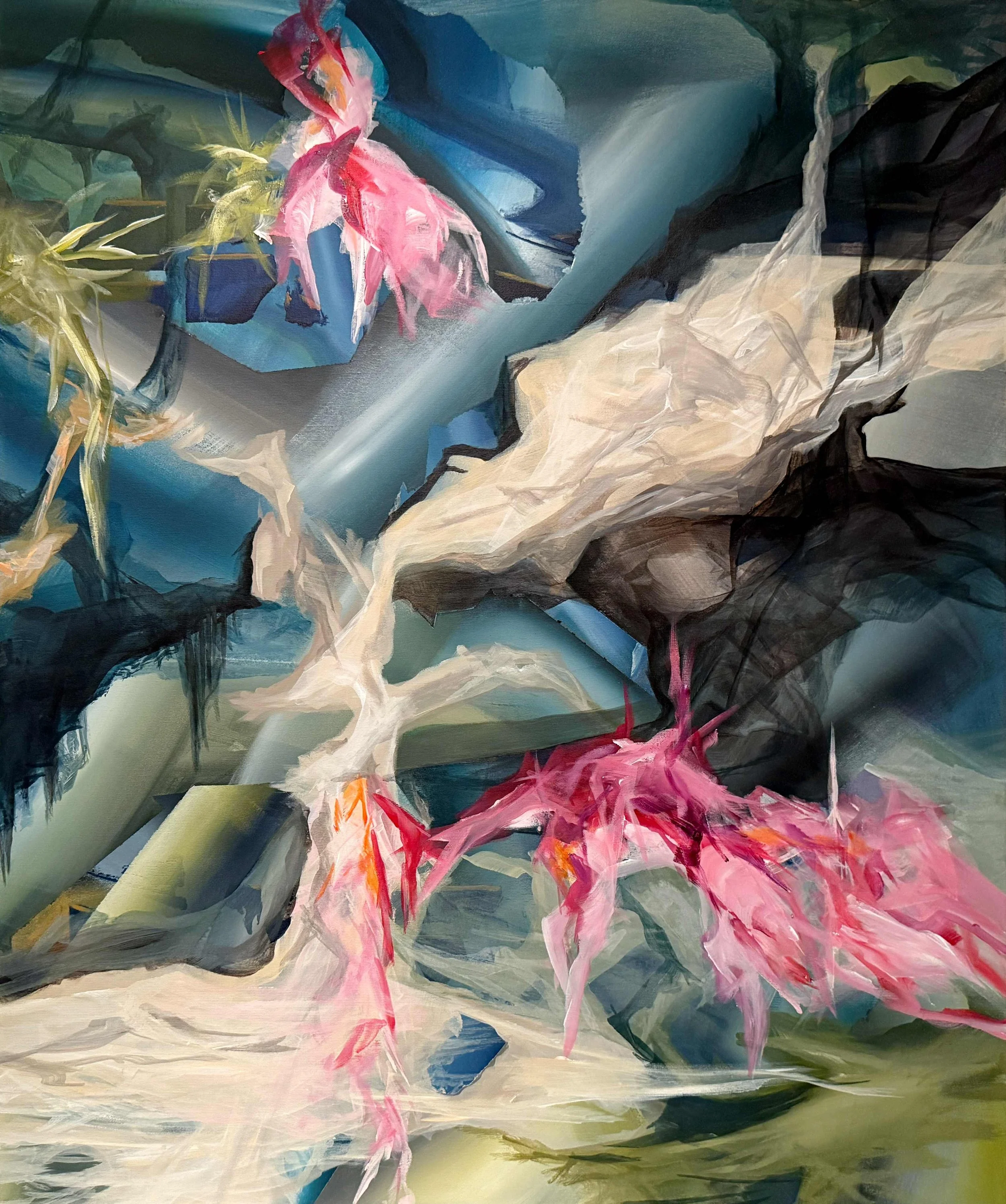
Next Level 26-24622, 2026, Acrylic on canvas, 100x120cm
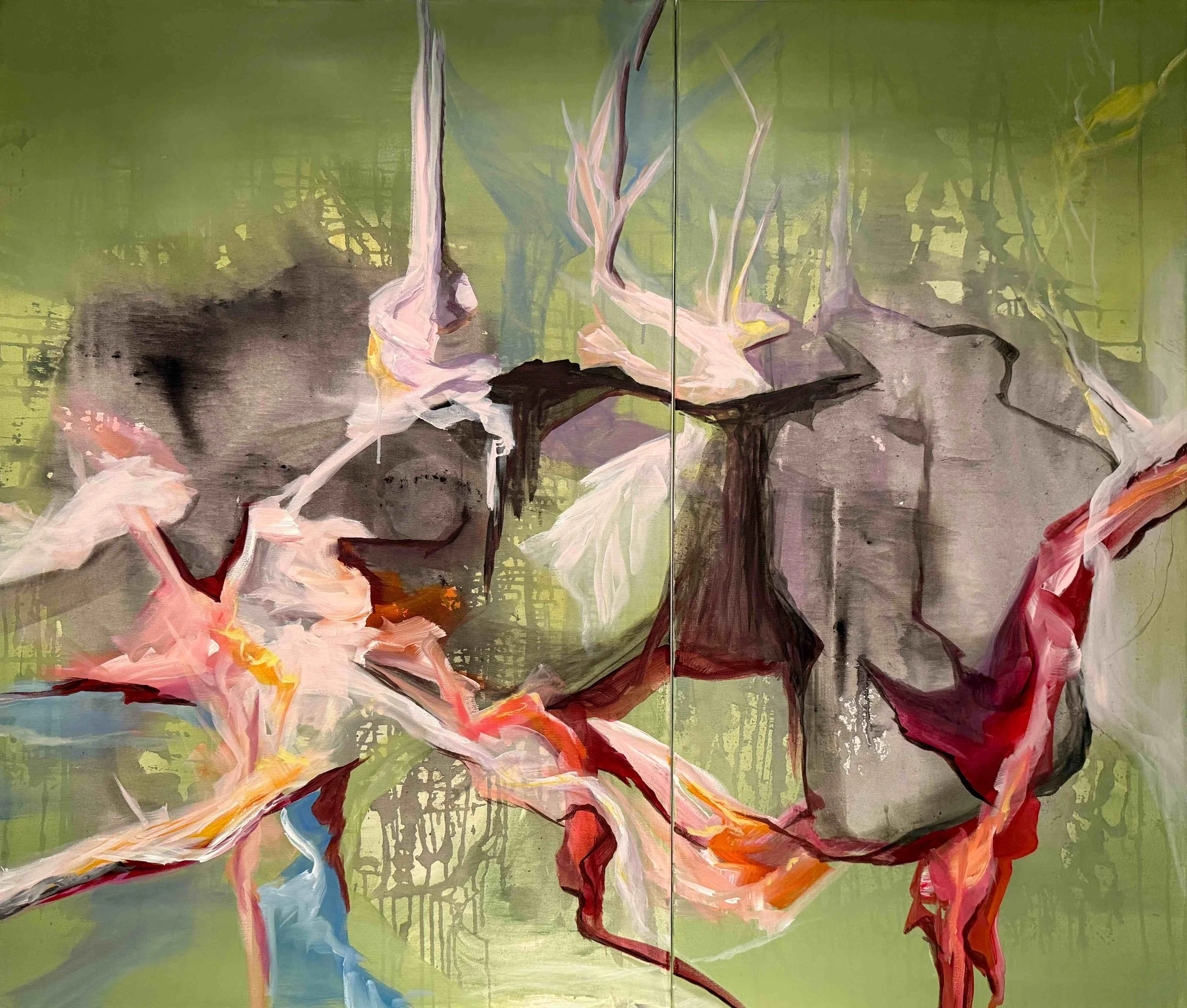
Headless 26-20468, 2026, Diptychon, Acrylic on canvas, 140x120cm; Detail of work Headless 26-20468
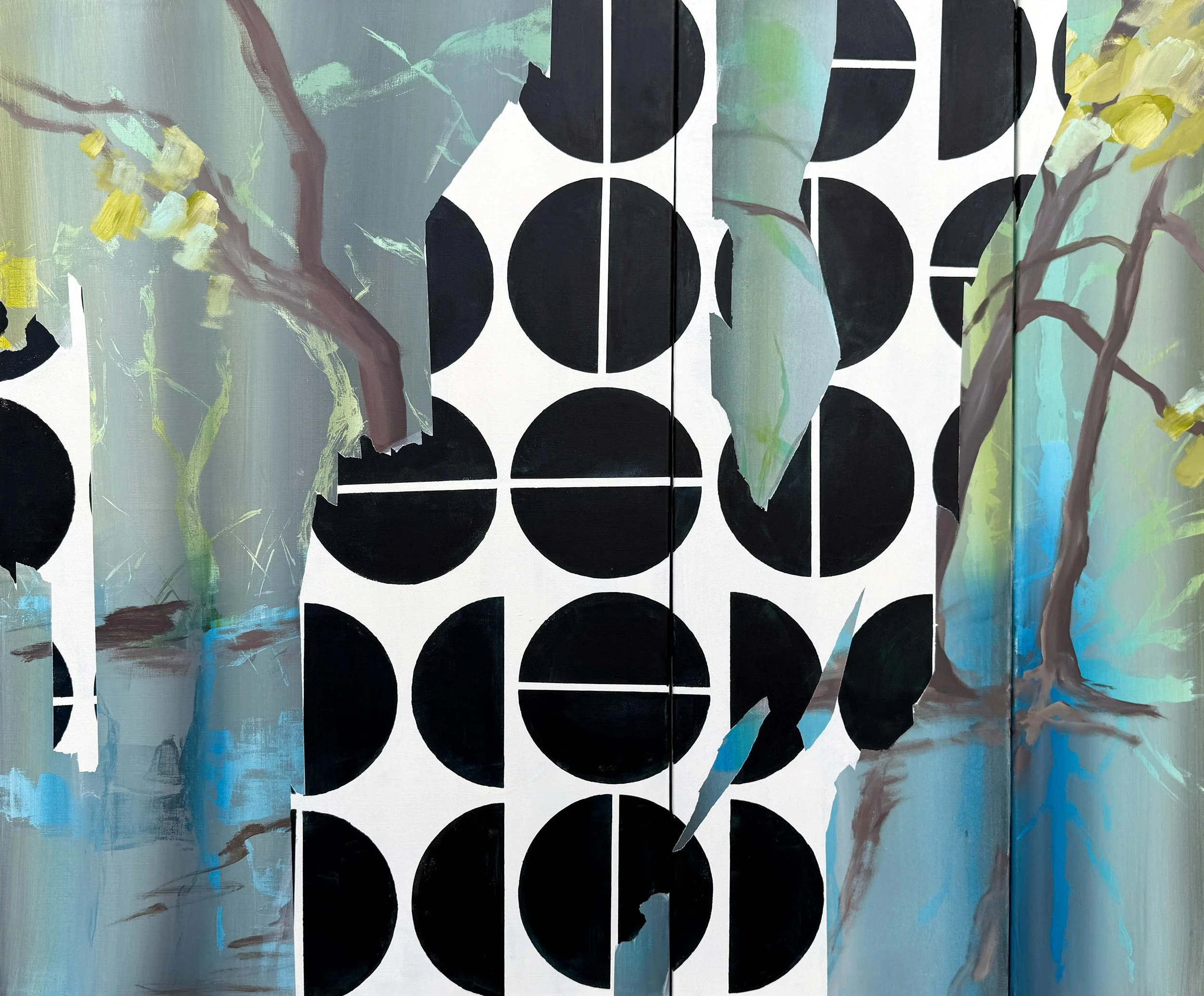
Wallpaper 25-39051, 2025, Acrylic on canvas, Triptychon, 180x150cmcm
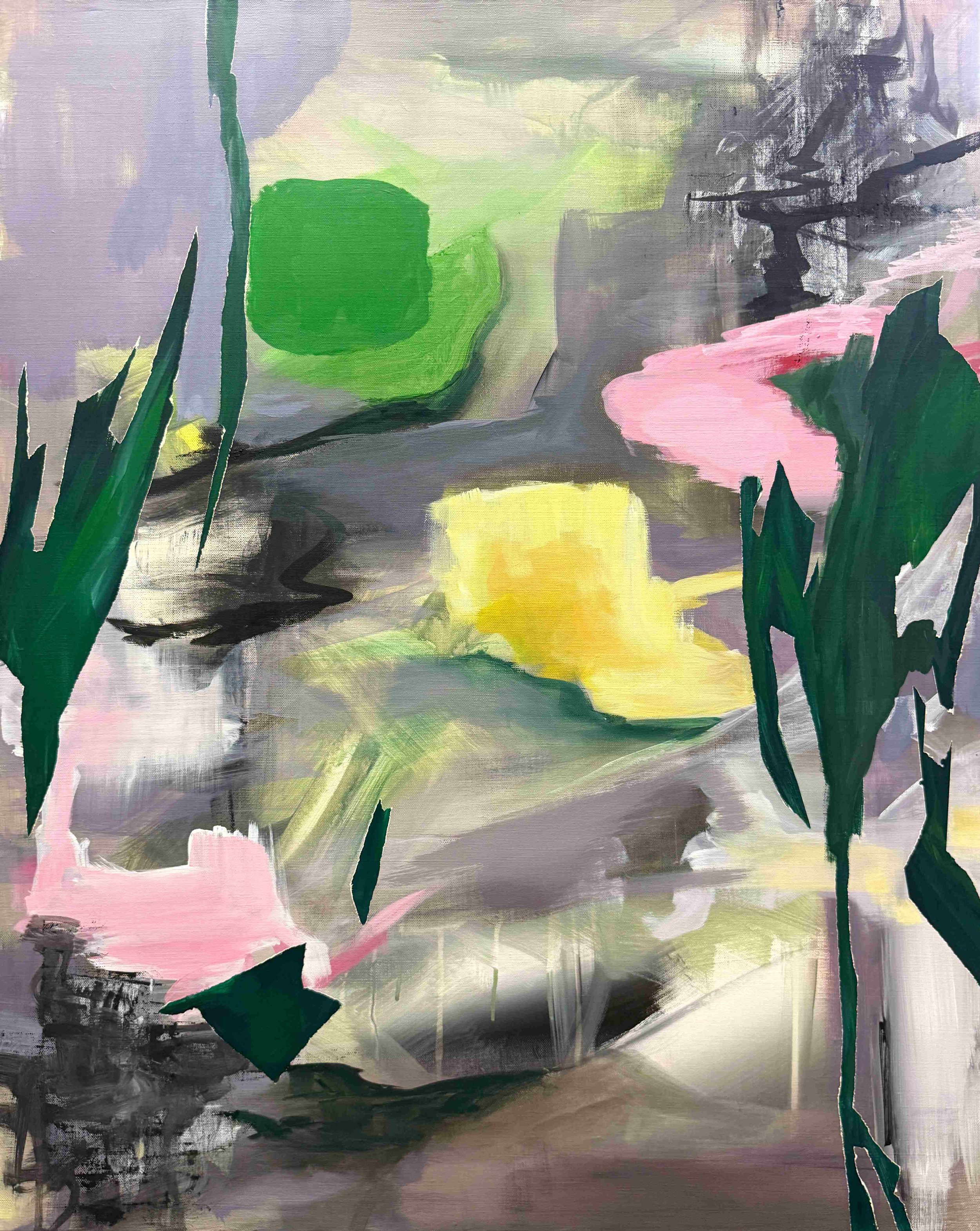
Wallpaper New Horizon 25-53891, 2025, Acrylic, Oil on canvas, 80x100cm
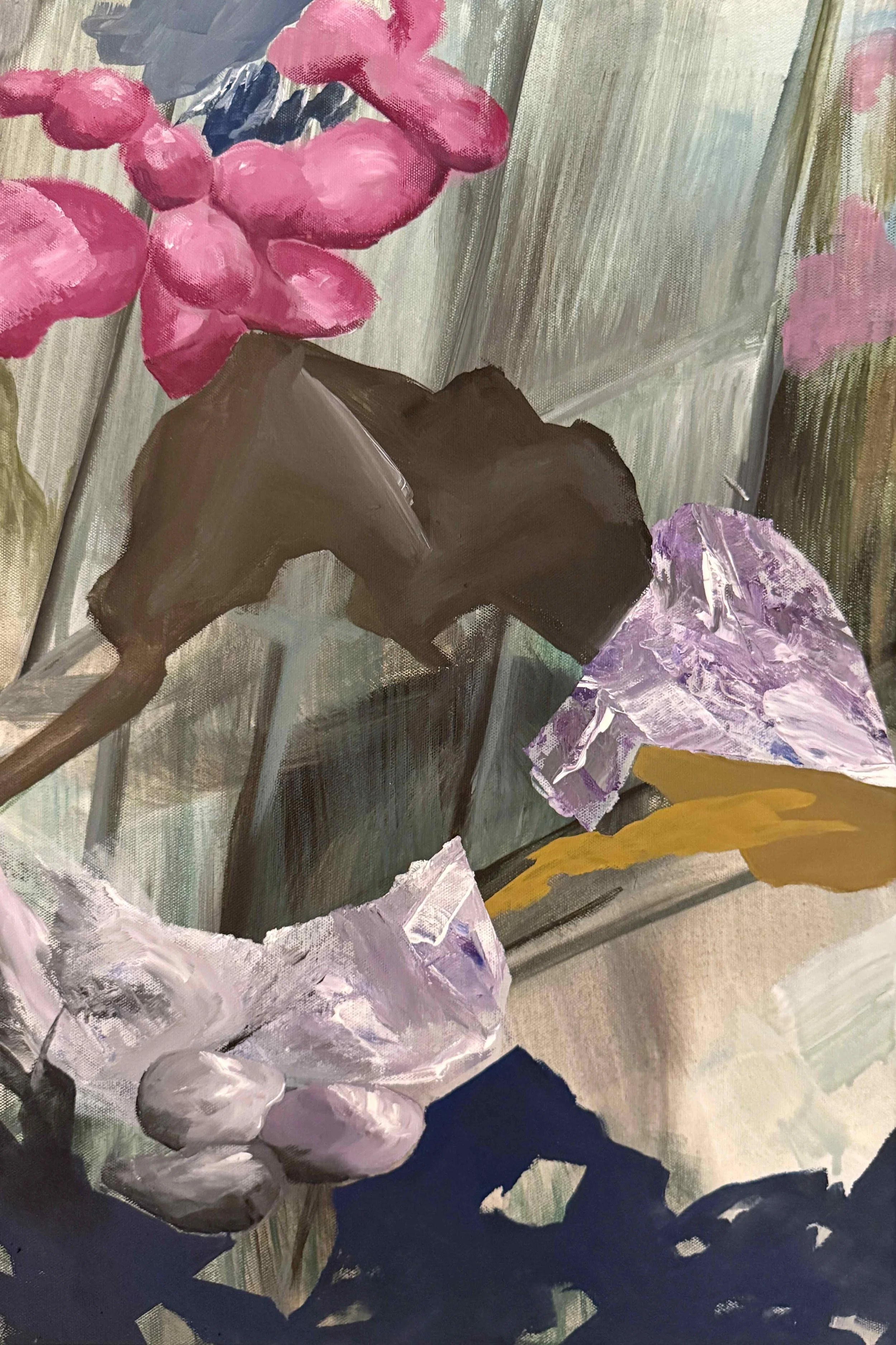
Timeless 25-75324, 2025, Acrylic on canvas, 40x60cm
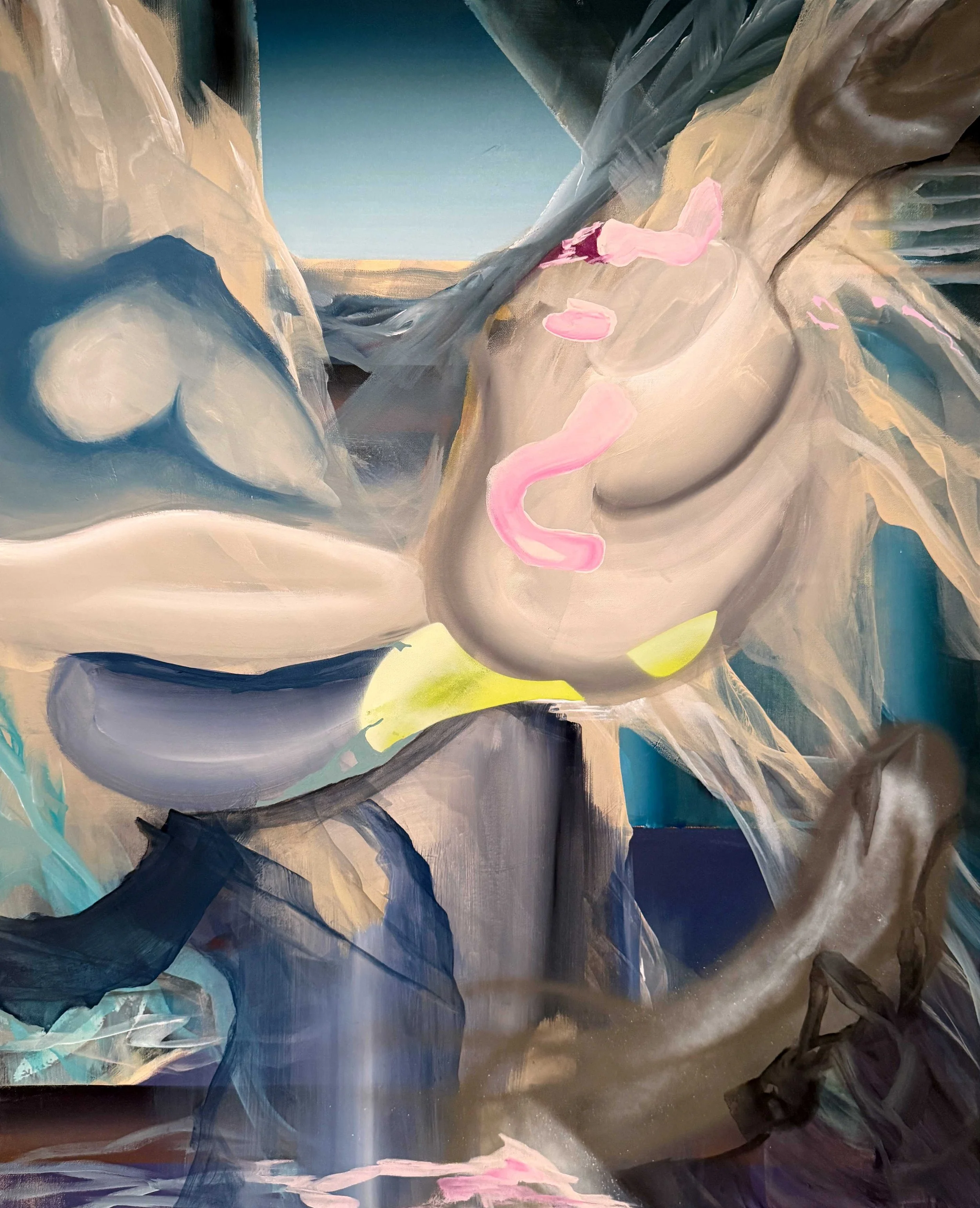
Transformation NL 26-17121, 2026, Acrylic on canvas, 85x105cm
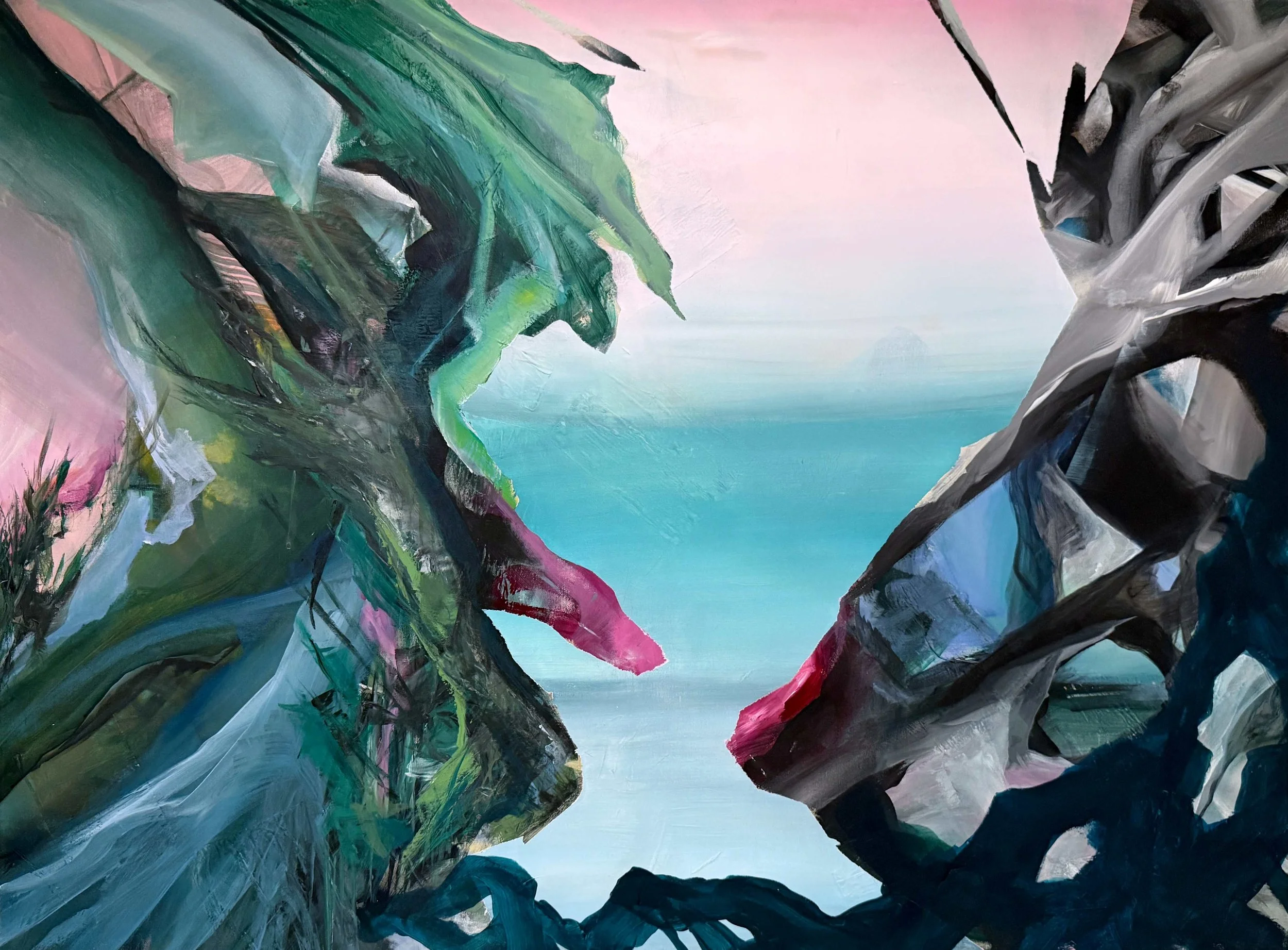
History 26-30707, 2026, Acrylic on Canvas, 132x100cm
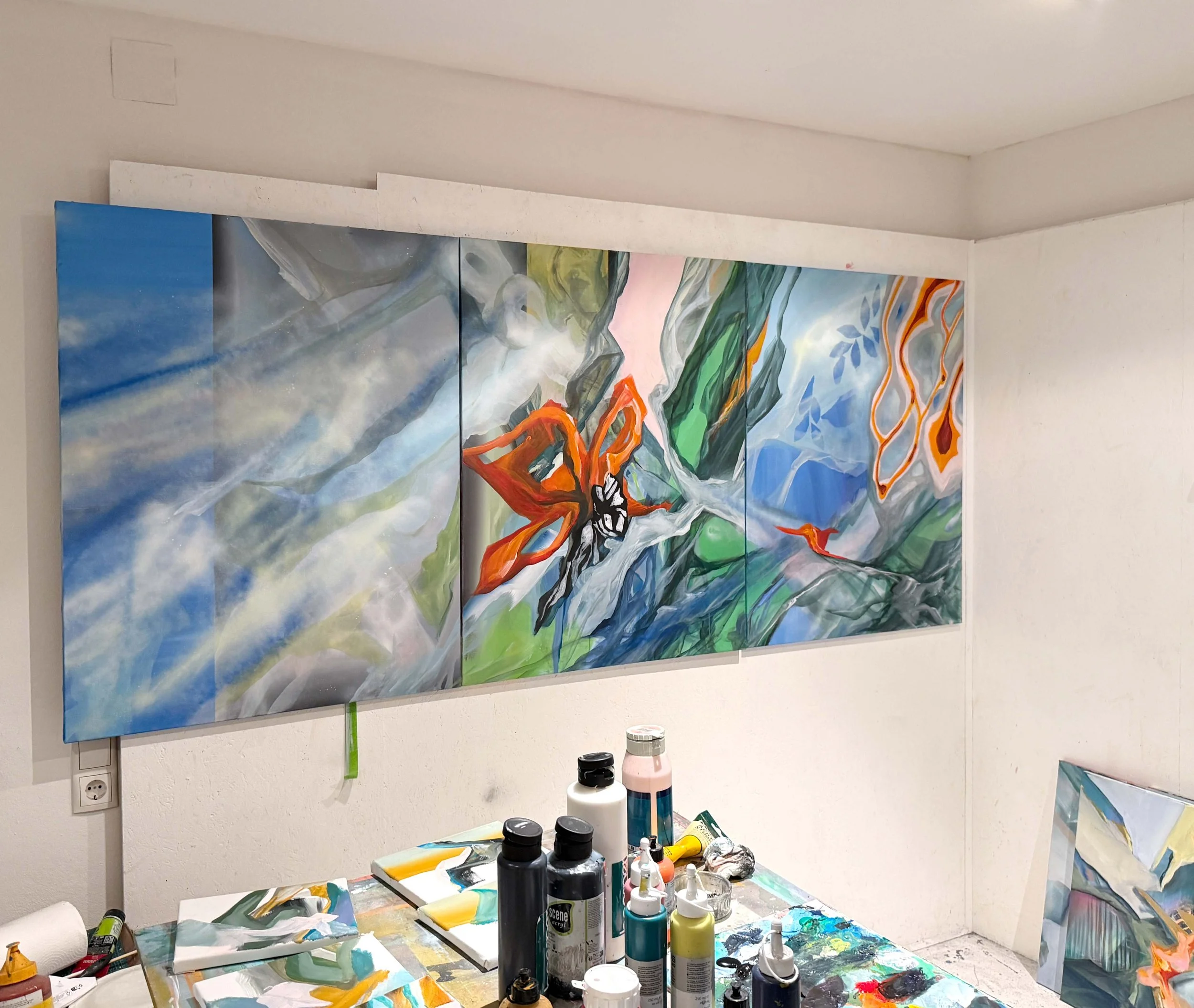
Work in Progress of Flora Triptychon, Acrylic, pigments on canvas, 2026, 240x100cm, Graduation work Fine Art Academy (ADBK-K), class: Markus Lüpertz