
Kevin Hu
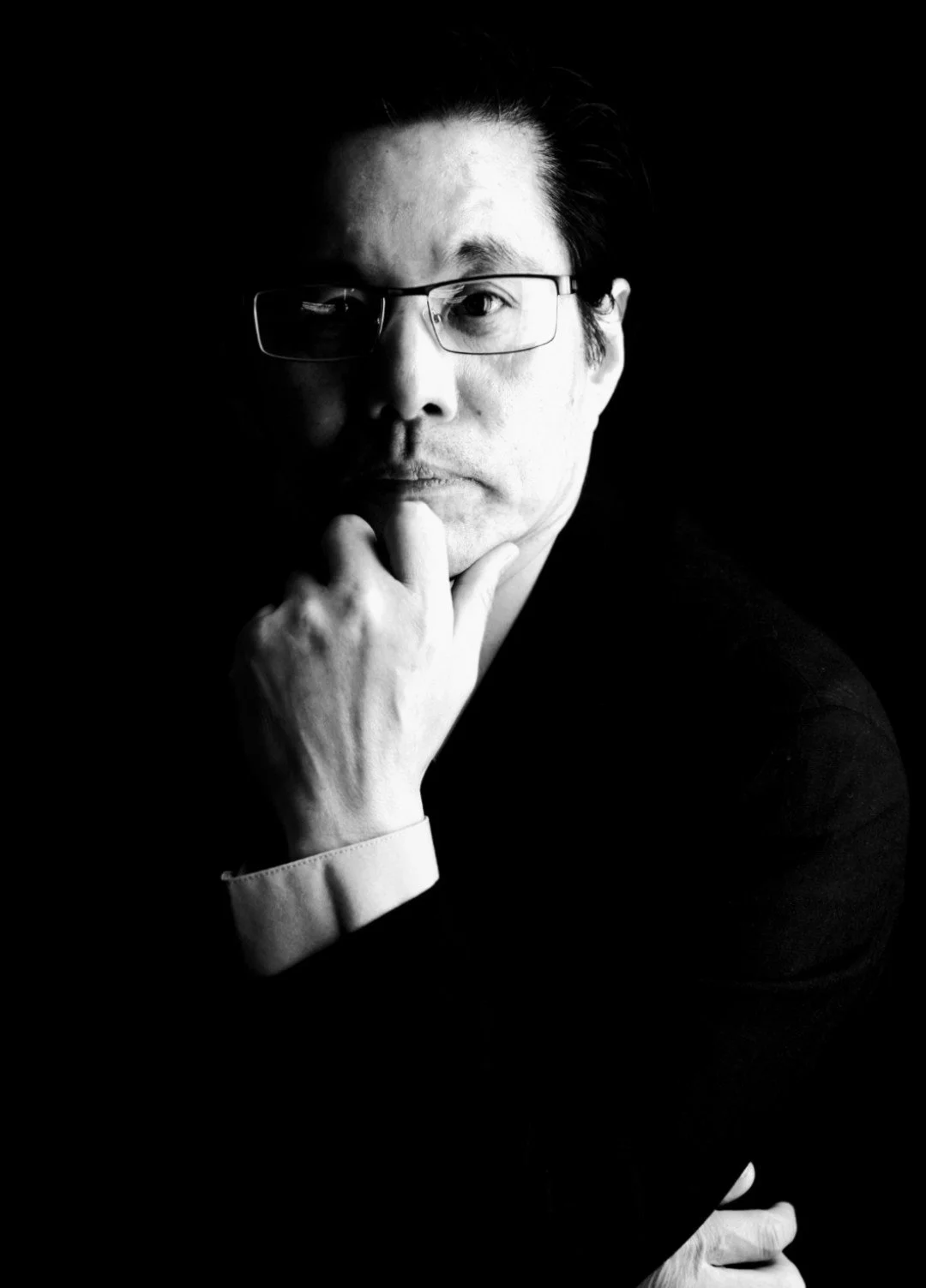
Kevin Hu is a New York–based artist whose work moves between precise observation and open-ended process—from the weighted stillness of his still lifes to the fluid, material urgency of his abstract paintings.
Before returning to art, Hu spent two decades in finance, running a gallery in the World Trade Center that was destroyed on September 11, 2001. That rupture—and the long return that followed—became the lived foundation of his current practice. His recent series, including Inner Grid, Code of Life, and Ocean Air, explore how systems of order break down under pressure, how memory accumulates in layers, and how painting can hold what other forms of knowledge cannot.
In reflecting on your return to painting after an extended engagement with the structures of global finance, I am compelled to consider how systems of valuation, abstraction, and exchange might have infiltrated your visual language; could you speak to how this lived experience has reshaped your understanding of authorship and meaning within the materially grounded yet conceptually charged surface of your recent works?
My years in finance gave me a visceral understanding of how value is constructed—not discovered, but made, and constantly remade through perception, context, and timing. When I returned to painting, I didn't leave that experience behind. It sharpened my sensitivity to tension, to the moment when structure begins to strain against itself.
What changed most profoundly for me is my relationship to authorship. In finance, value is never purely intrinsic—it lives in the space between the thing and the eye that appraises it. Painting began to feel the same way. I make decisions, I set forces in motion, but meaning doesn't fully belong to me. It completes itself somewhere between the surface and the person standing in front of it—and that gap is where I've learned to work.
In the "Inner Grid" series, this tension becomes the subject itself. The grid implies order, a kind of promise of legibility. But in practice it fractures, layers collapse into each other, and sometimes the structure simply disappears. In this particular work, that black diagonal doesn't organize the composition—it cuts through it. The red doesn't accent; it interrupts. What looks like control is always on the edge of coming apart.
For me, painting has become a way to make invisible systems inhabit a physical space—to give weight and texture to forces that usually operate without being seen or felt. I'm not trying to illustrate those systems. I want the paintings to be a kind of experience of them: unresolved, pressured, and still moving.
Your Code of Life series invokes the historical language of Vanitas, yet it does so within a distinctly contemporary framework marked by technological anxiety and existential compression; how do you navigate the tension between the symbolic stability of these classical motifs and their potential destabilization within a culture saturated by images and accelerated temporality?
The Vanitas tradition has always been a technology of attention—a way of forcing the eye to linger on what it would rather look past. What interests me is that this function feels more urgent now, not less. We're surrounded by images that move too fast to hold, and meaning becomes something we scroll through rather than inhabit.
In the "Code of Life" series, I return to those classical symbols not out of nostalgia, but because they carry a kind of weight that contemporary visual culture keeps trying to dissolve. The skull, the fruit on the verge of softening, the draped cloth—these aren't illustrations of mortality. They're objects that know something, and I want that knowledge to remain slightly out of reach.
What I'm working against is resolution. In this painting, the skull anchors the composition but doesn't explain it. The persimmons are luminous and full—but placed against that darkness, their ripeness reads differently. The celadon pitcher sits quietly between them, neither alive nor dead. Nothing in the arrangement fully settles. There's a stillness here that I'd describe as pressured rather than peaceful.
That compression is what I mean by contemporary anxiety—it's not dramatic or loud. It's the feeling that time is moving underneath a surface that appears calm. Painting slows that down just enough to make it visible, without pretending it can be stopped.
In the Ocean Air paintings, one encounters a striking dissolution of compositional hierarchy, where gesture and material seem to exceed the boundaries of intentional form; might this be understood as a deliberate resistance to systems of control, and how does this position your work within current discourses surrounding the sublime and ecological consciousness?
In the "Ocean Air" paintings, the process itself becomes the subject. I don't arrive at the canvas with a resolved composition—I arrive with a direction, and then I follow what the material wants to do. There's a moment in every painting where something happens that I didn't plan, and my job is to recognize it rather than correct it.
People ask whether this is resistance, but I think that framing is still too strategic. It's less about pushing against systems of control and more about practicing a different kind of attention—one that stays open to what's already moving. The ocean taught me that. It doesn't yield to hierarchy. There's no center, no stable foreground. Only force, and the constantly shifting relationships between forces.
The connection to the sublime feels accurate to me, but I'd locate it differently than the classical tradition does. The Romantic sublime was still about the human figure confronting vastness—there was always a witness, always a sense of scale measured against the self. What I'm after is something closer to submersion. In this painting, the green doesn't sit on the surface—it seeps through it. The pigment moves the way water moves when you're already inside it: without horizon, without the comfort of distance. There is no position from which to observe. You are simply within it.
The ecological dimension comes from the same place. We've spent a long time treating nature as a view—something framed, managed, kept at a certain remove. These paintings try to undo that distance. Not as a statement, but as a sensory fact: the air moves, the boundary between water and atmosphere dissolves, and the image refuses to hold still long enough to be possessed.
The barcode, as both image and concept in your work, appears to function as a condensed signifier of contemporary life, encompassing themes of commodification, surveillance, and identity; how do you situate this motif within the broader trajectory of conceptual art, and in what ways does your commitment to painterly materiality complicate its otherwise reductive logic?
The barcode came to me as a visual fact before it became a question. I was drawn to its structure—the repetition, the strict verticality, the way it exists everywhere and nowhere at once, passed over by the eye without ever really being seen. That invisibility was what interested me: a system so embedded it no longer registers as a choice.
It carries obvious associations—classification, consumption, the reduction of identity to a scannable surface. But I didn't want to treat it as a symbol to be decoded. I wanted to treat it as a material to be destabilized. The moment it enters a slow, physical process like painting, something shifts. It can no longer perform its function. It becomes uncertain.
In this work, what presses down from above isn't abstract—it has the texture of something geological, something organic, almost visceral. It doesn't illustrate resistance; it enacts it physically. The ink bleeds into the barcode's logic from the top, and the bars begin to lose their precision. The numbers at the bottom still hold, but they're already being overtaken. That sequence—legibility giving way to materiality—is the actual subject of the painting.
As for the conceptual art lineage: I understand why the question arises, but I think my position is genuinely different. Conceptual art often dematerializes the object in order to foreground the idea. What I'm doing is the reverse—I'm using a dematerialized sign and pulling it back into the body of painting, back into weight and accident and time. The barcode doesn't escape its meaning here. It carries it, and then the paint begins to exceed it.
The interruption of your early artistic career following the events of September 11 introduces a profound temporal rupture that seems to resonate with your ongoing exploration of memory and loss; do you conceive of your current practice as a continuation of an earlier trajectory, or as a reconstitution that fundamentally alters your relationship to time and artistic production?
At the time of September 11, I was running a gallery in the World Trade Center. The gallery was destroyed. That wasn't a turning point—it was a total erasure. The assumption that you could plan, that time moved in a direction you could follow, stopped being something I could take for granted. I didn't leave painting because I chose to. I left because the ground itself was gone.
What I returned to, years later, was not the same activity. The gestures might look similar from the outside, but the relationship to time is completely different. Before, I think I painted toward something—toward resolution, toward a finished image, toward the next work. Now I paint inside time rather than through it. The canvas holds duration. It holds what was started and interrupted and returned to. That structure of rupture and return is not a theme I impose—it's the actual condition I work from.
Memory, for me, is not something that surfaces in images or symbols. It's more like a pressure that changes how things are built. The layers in my paintings aren't decorative decisions. They're a record of time passing through a surface—some of it visible, some of it buried, some of it still pushing through from underneath.
So yes, it is both continuation and reconstitution—but I'd resist the idea that these are two separate things. The earlier self didn't disappear; it became sediment. And what I make now is built on top of it, shaped by it, and occasionally broken open by it.
There exists in your work a compelling dialogue between control and contingency, particularly when comparing the precision of your still lifes with the fluidity of your abstract compositions; how do you articulate this duality within your practice, and does it reflect a broader philosophical inquiry into the limits of rational systems in capturing human experience?
There has always been a dialogue between control and contingency in my work, but I've come to understand it differently over time. Early on, I thought of them as opposing forces—something to be balanced or resolved. Now I think they're asking the same question from different directions.
In the still lifes, the process is more deliberate. Structure, light, and proportion are things I attend to carefully. But even there, control is not the goal—it's more like a container. Something has to hold the image together so that what's inside it can breathe.
In the abstract works, that container becomes more permeable. I allow gesture and material to move beyond what I've planned, and I follow rather than direct. The painting develops through a kind of negotiation—between what I bring and what the process opens up.
What connects both approaches is a shared question: at what point does something begin to exceed the system that produced it? I've spent enough time in contexts where rational structures were treated as complete—where the model was assumed to capture the thing itself. Painting keeps reminding me that it doesn't. There is always something that the framework cannot hold, and that remainder is often where the most important things happen.
Your use of traditional oil painting techniques, including careful layering and modulation of light, recalls the discipline of classical training, yet your subject matter remains firmly rooted in contemporary concerns; how do you position this synthesis within current debates about the role of technical mastery in an increasingly digital and image driven art world?
The technical discipline I work with came from learning to truly see—to understand how light behaves across a surface, how a layer of paint changes what's beneath it, how time accumulates in an image. That kind of knowledge is physical. It lives in the hand and the eye before it becomes a decision.
I don't experience this as being in tension with the present. If anything, the world we live in now—saturated with images that arrive and disappear in seconds—makes that kind of slow, embodied attention feel more necessary, not less. Painting requires duration. It asks the viewer to stay, to adjust, to let the image develop. That's increasingly rare, and I think that rarity is part of what gives it meaning.
Technical mastery, for me, is not about demonstrating skill. It's about creating the conditions for something to happen that couldn't happen otherwise. The depth that comes from layering, the way light is built up rather than applied—these are not stylistic choices. They're the means by which the image earns its presence.
In a digital environment where any image can be generated instantly, the fact that a painting accumulates time in its surface becomes a different kind of statement. Not a nostalgic one. A physical one.
The absence of the human figure in much of your work is notable, particularly given your stated interest in the human condition; might this absence be read as a form of displacement or abstraction of subjectivity, and how does it engage with contemporary discussions around post humanist thought and the shifting status of the individual?
The absence of the human figure in my work is deliberate, but it's not an absence of the human. If anything, it's an attempt to locate the human somewhere other than where we usually look for it.
When a figure is present, it tends to organize meaning around itself—the eye goes there, the narrative follows. By removing it, I'm not removing subjectivity. I'm redistributing it. It becomes diffused across the whole surface: held in the quality of light, in the relationship between objects, in the atmosphere of the image. The viewer brings themselves into that space without being directed.
There's also something honest about it for me personally. We live in a moment where the status of the individual is genuinely uncertain—where identity is less fixed, where the boundary between self and system is harder to locate. Painting a figure would suggest a confidence about that boundary that I don't have. The objects, the spaces, the forces in my work exist in a state of relation rather than assertion. That feels more true to the condition I'm actually working from.
I don't approach post-humanist theory directly, but the question it raises is one I recognize: what remains of experience when the individual is no longer the stable center? My answer, in painting, is that quite a lot remains—it just takes a different form.
Your material processes, especially in the Ocean Air series, emphasize the physical behavior of paint and the role of chance in the formation of the image; to what extent do you view this as a redistribution of agency within the act of creation, and how does it relate to current theoretical considerations of materiality and non human forces?
In the "Ocean Air" series, my role shifts from author to respondent. I set conditions, I make initial moves, and then I watch what the material does—and I adjust to that. The paint has its own logic: how it flows when wet, how it resists when dry, how one layer changes the behavior of the next. These are not accidents I tolerate. They're information I work with.
So I'd describe it less as a redistribution of agency and more as an acknowledgment that agency was never entirely mine to begin with. Every material has properties that preexist my intention. Every gesture lands in a context that was already there. What I'm doing is making that relationship visible rather than concealing it behind a finished surface.
This feels very immediate and physical to me in practice. But I understand why it connects to broader questions about materiality and non-human forces. There is something in the process that exceeds the human side of it—not in a mystical sense, but in a plain, observable one. The paint moves. It settles in ways I didn't determine. The image that emerges is a record of that interaction, not just of my decisions.
What I'm interested in is that threshold—where intention ends and material response begins. In that zone, the painting becomes something neither fully planned nor fully accidental. It becomes its own thing.
Across your practice, there is a persistent negotiation between systems of measurement and experiences that resist quantification, between the coded and the ineffable; in the context of an increasingly data driven culture, do you see painting as a site of resistance, a mode of critical reflection, or as a space for articulating forms of knowledge that remain beyond the reach of technological mediation?
Painting, for me, is not primarily a site of resistance. Resistance implies a position taken against something, and I find that framing too reactive—too dependent on what it's opposing. What I'm more interested in is what painting can do that other forms of knowledge simply cannot.
Data captures patterns. It compresses experience into what can be measured, compared, and transmitted. That's genuinely powerful, and I don't dismiss it. But there are forms of knowledge that don't survive that compression—things that exist only in duration, in material presence, in the specific quality of light on a particular surface at a particular moment. Painting is one of the few spaces where that kind of knowledge can still be produced and encountered.
What I mean by this is not vague or mystical. It's quite concrete. When you stand in front of a painting, you are in a temporal relationship with it—your body, your history, your attention all enter the encounter. That can't be extracted into data without becoming something else entirely. The ineffable, in this sense, is not a weakness of painting. It's what painting protects.
So I'd say painting is neither resistance nor mere reflection. It's a different epistemic space—one where ambiguity is not a problem to be solved but a condition to be inhabited. In a culture that increasingly mistakes measurement for understanding, that space becomes harder to justify and more essential to defend.
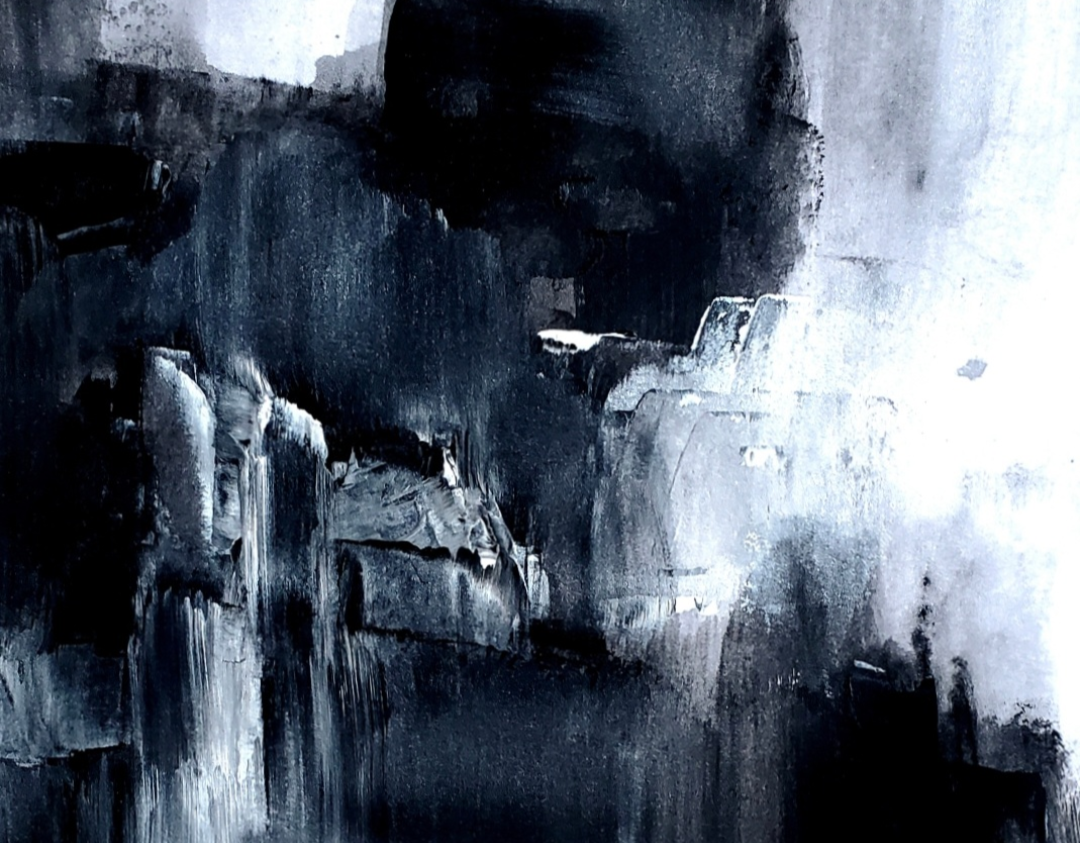
Inner Grid / 2025 / Acrylic / 76x100cm
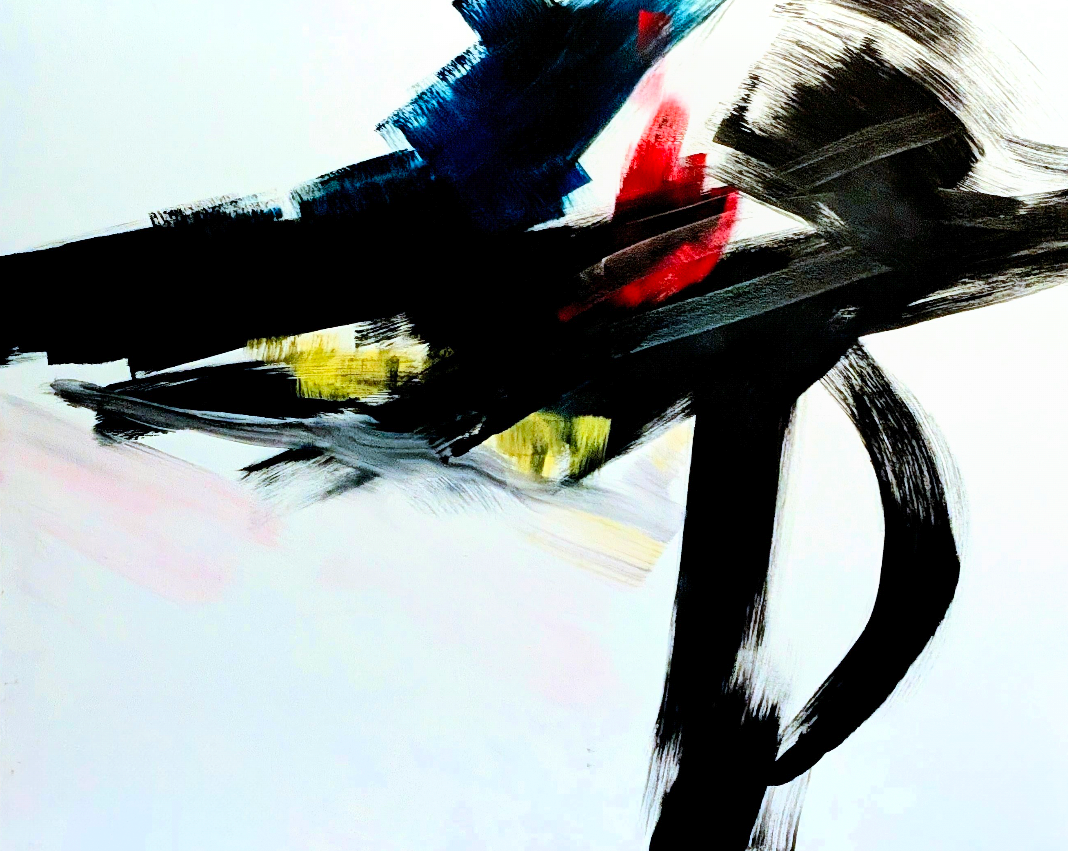
Inner Grid series /2025/ Acrylic / 76x100
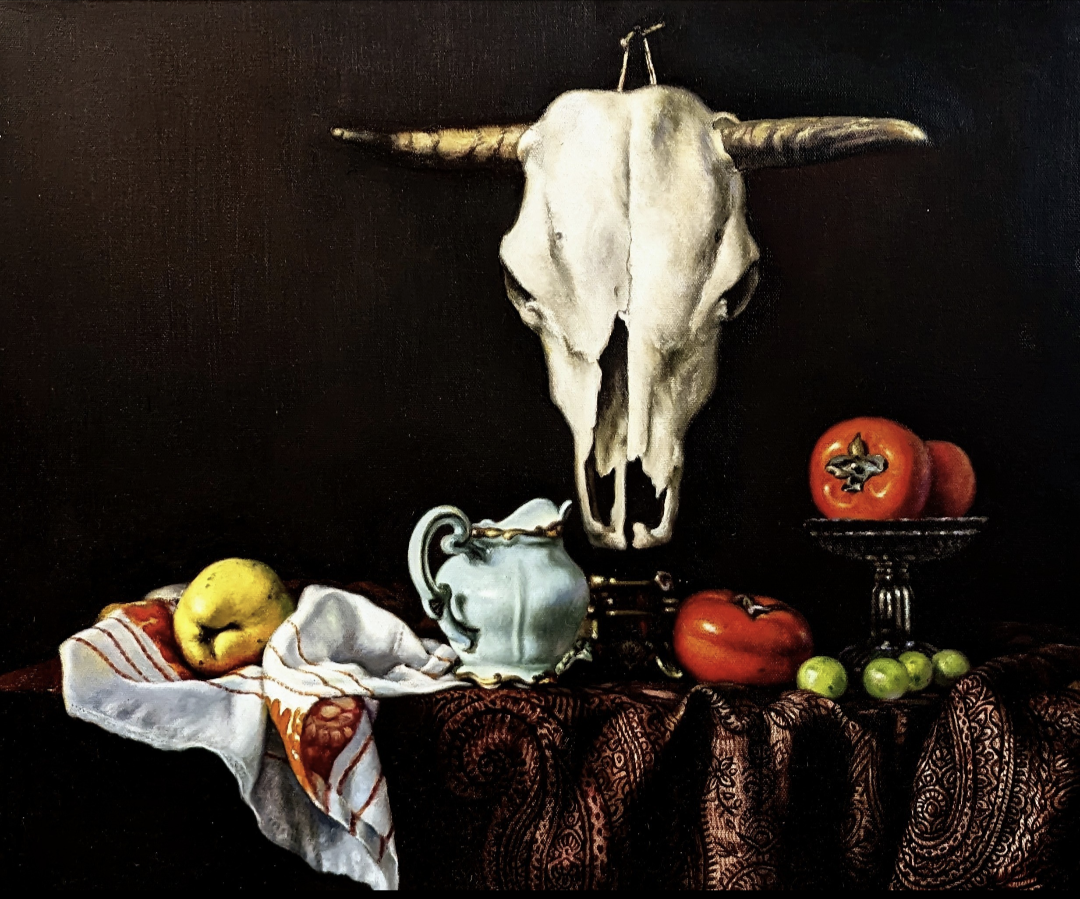
Code of Life / 2024/ Oil on canvas 60x76
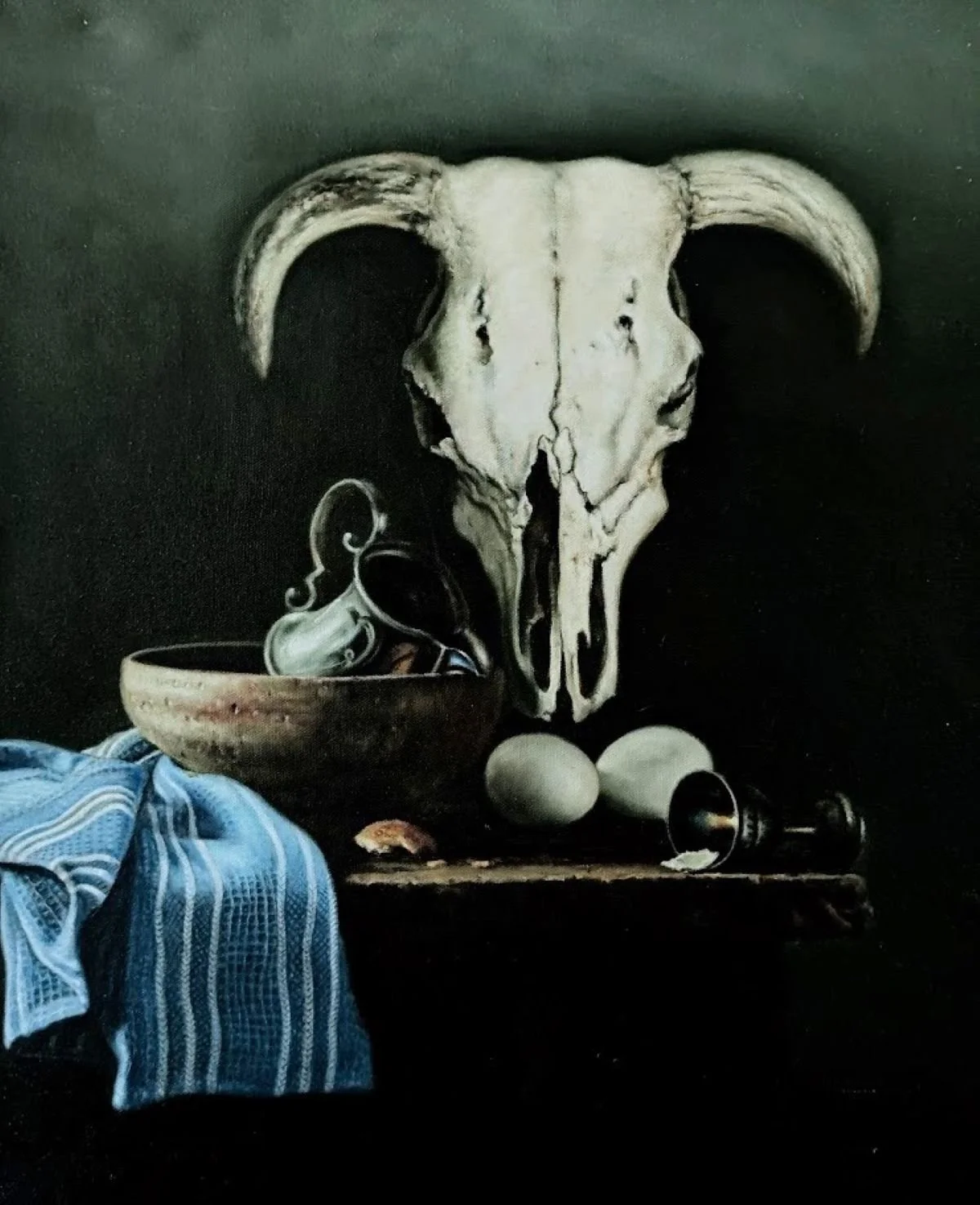
Code of life 2 / 2024/ oil on canvas/ 60x76
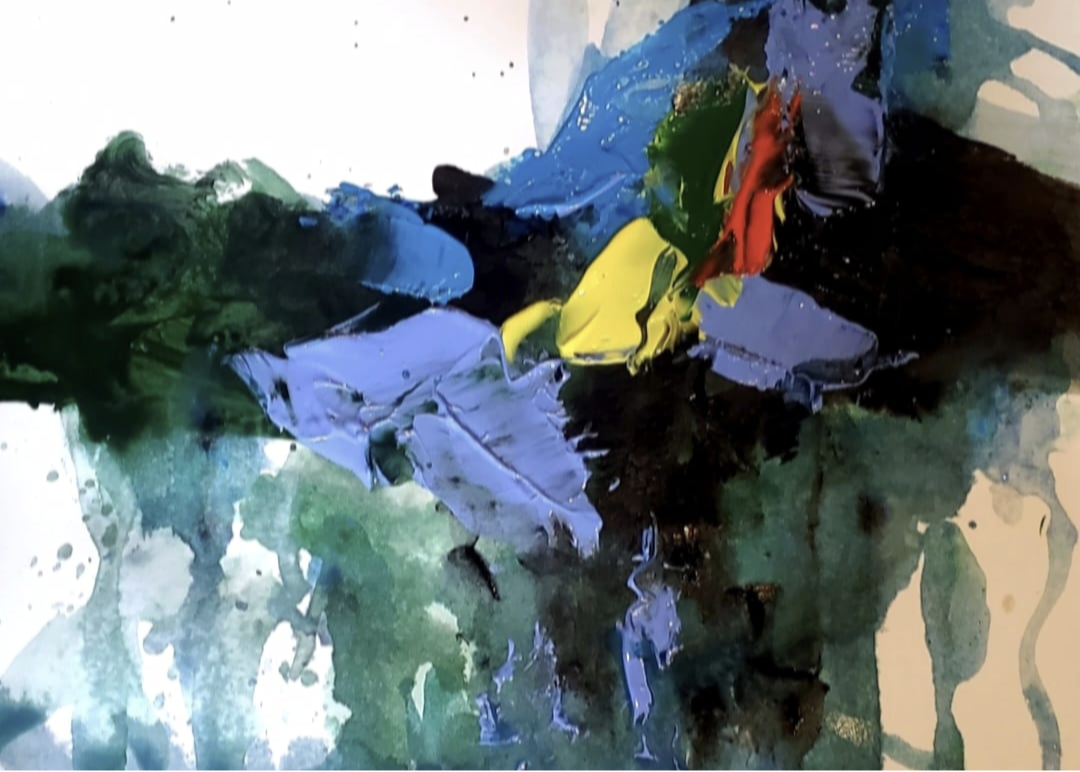
Ocean air /2025 / Acrylic/ 76x100cm
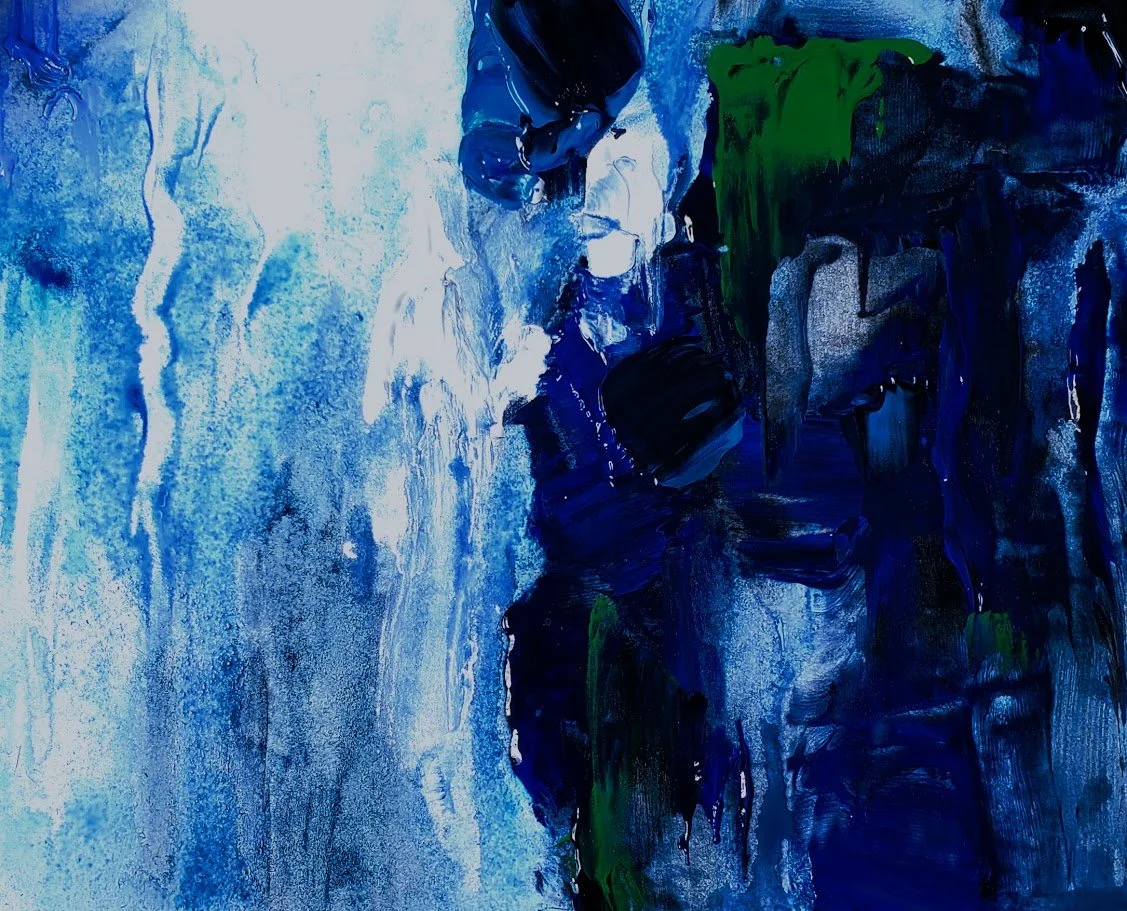
Ocean air / 2025/ Acrylic / 76x100cm
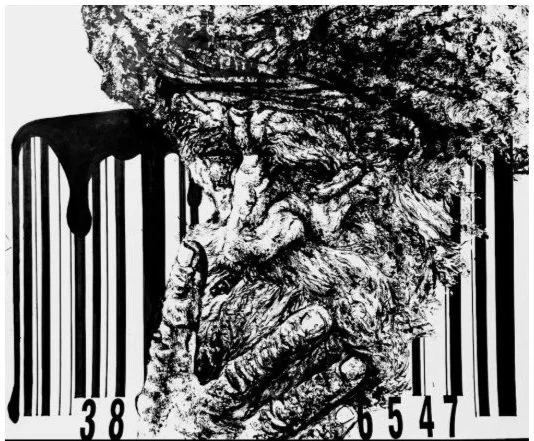
Era of the Barcode / 2024/ ink on paper board / 54x71
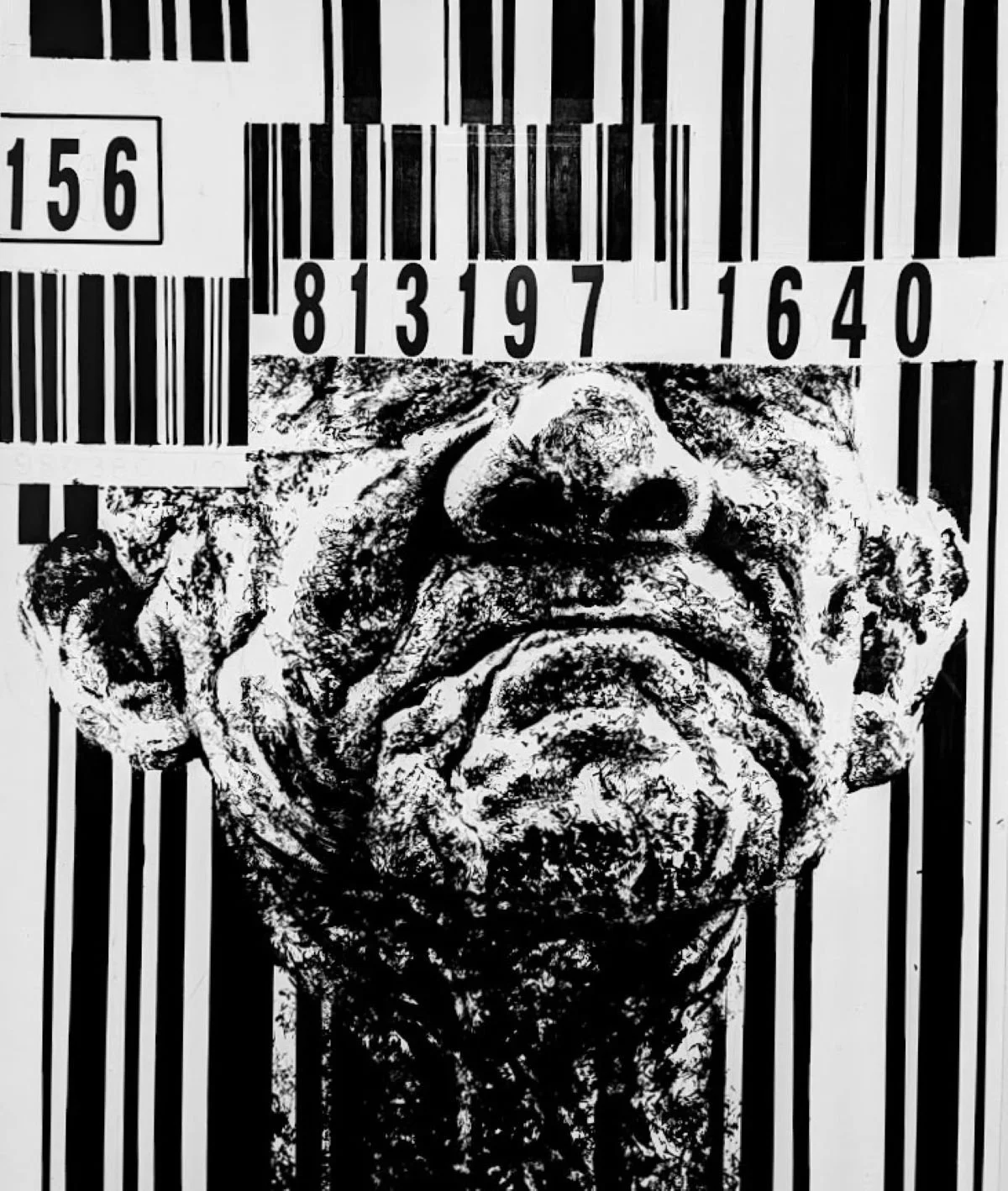
Era of Barcode/ 2024 Ink on paperboard / 54x71
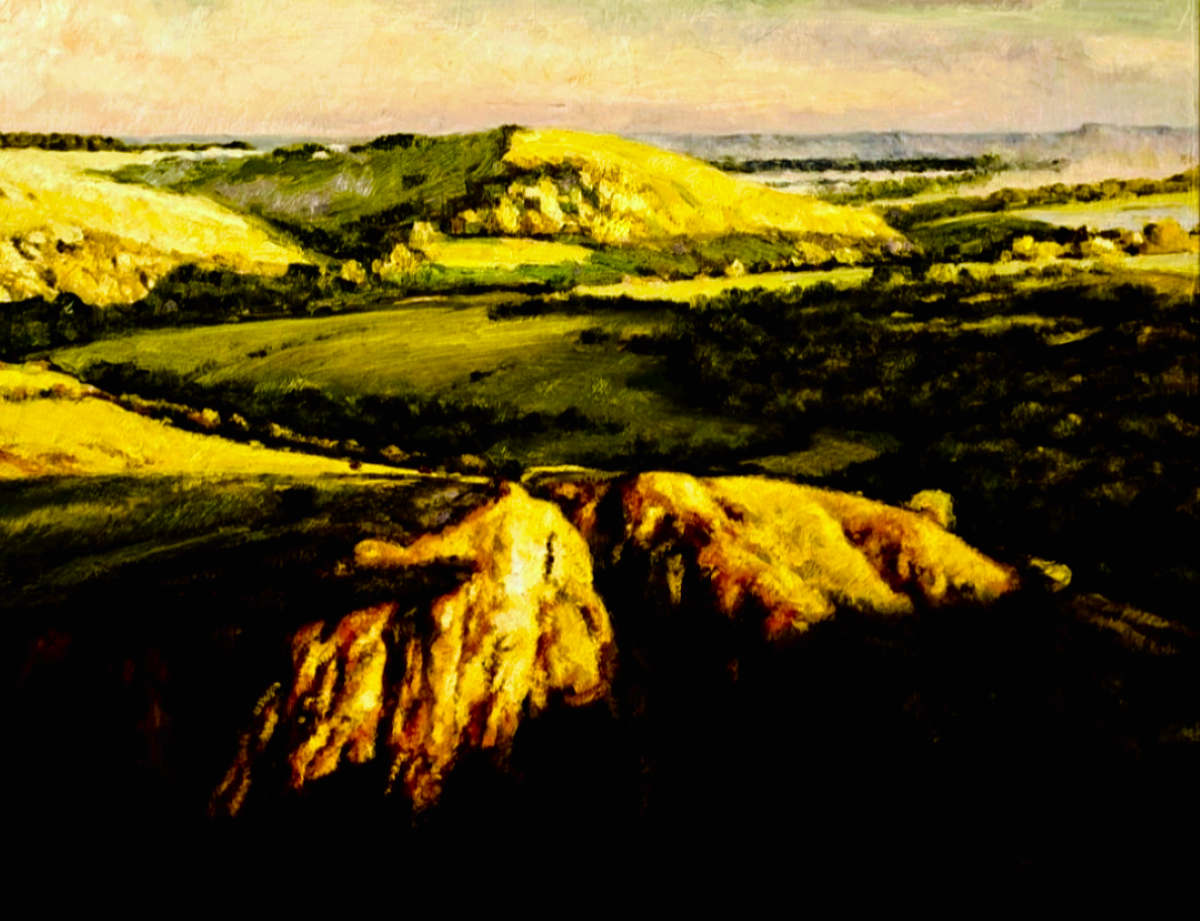
A ray of sunshine/ 2024/ oil on canvas/ 60x76cm
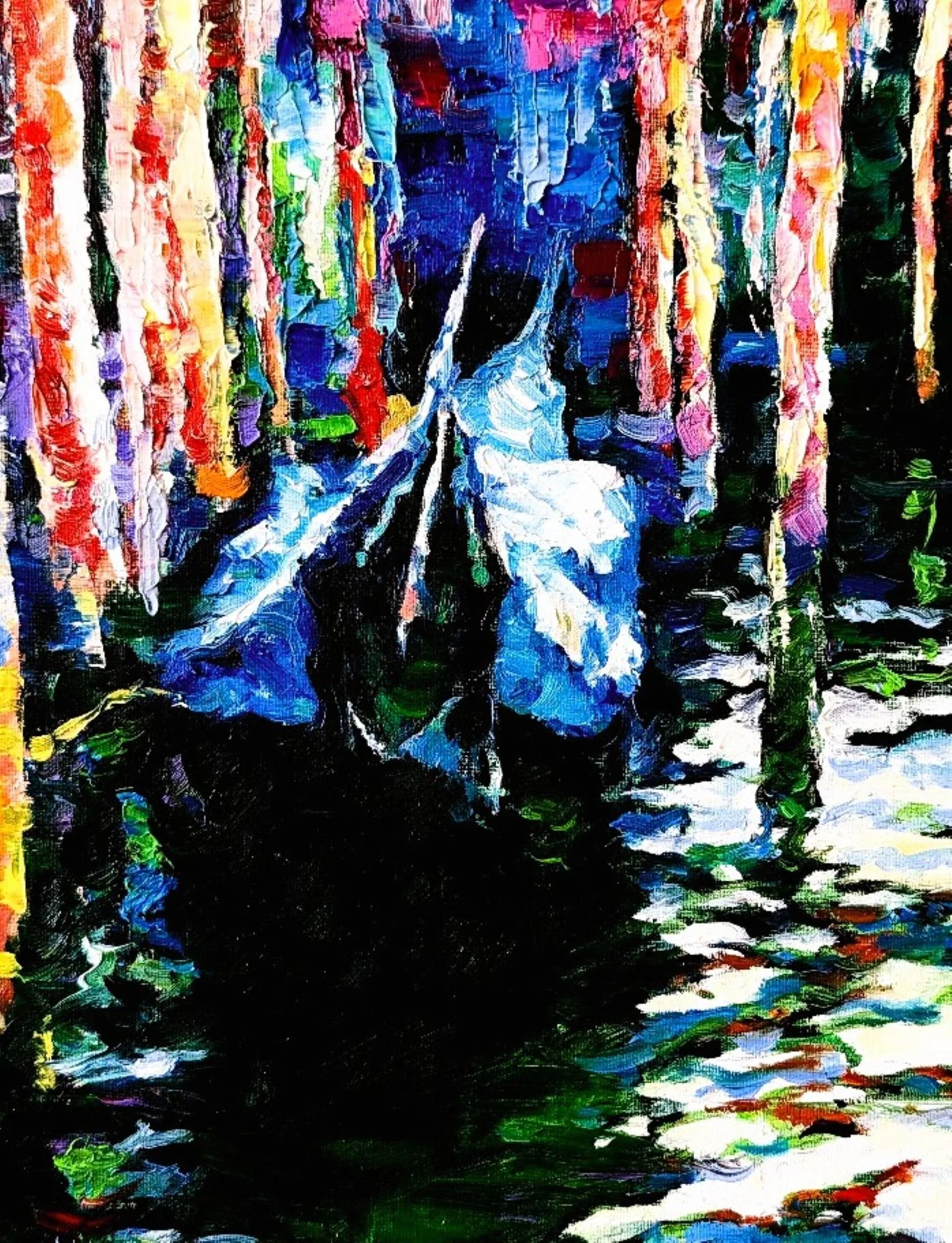
Venice 1/2026/ oil on canvas/ 40x71cm
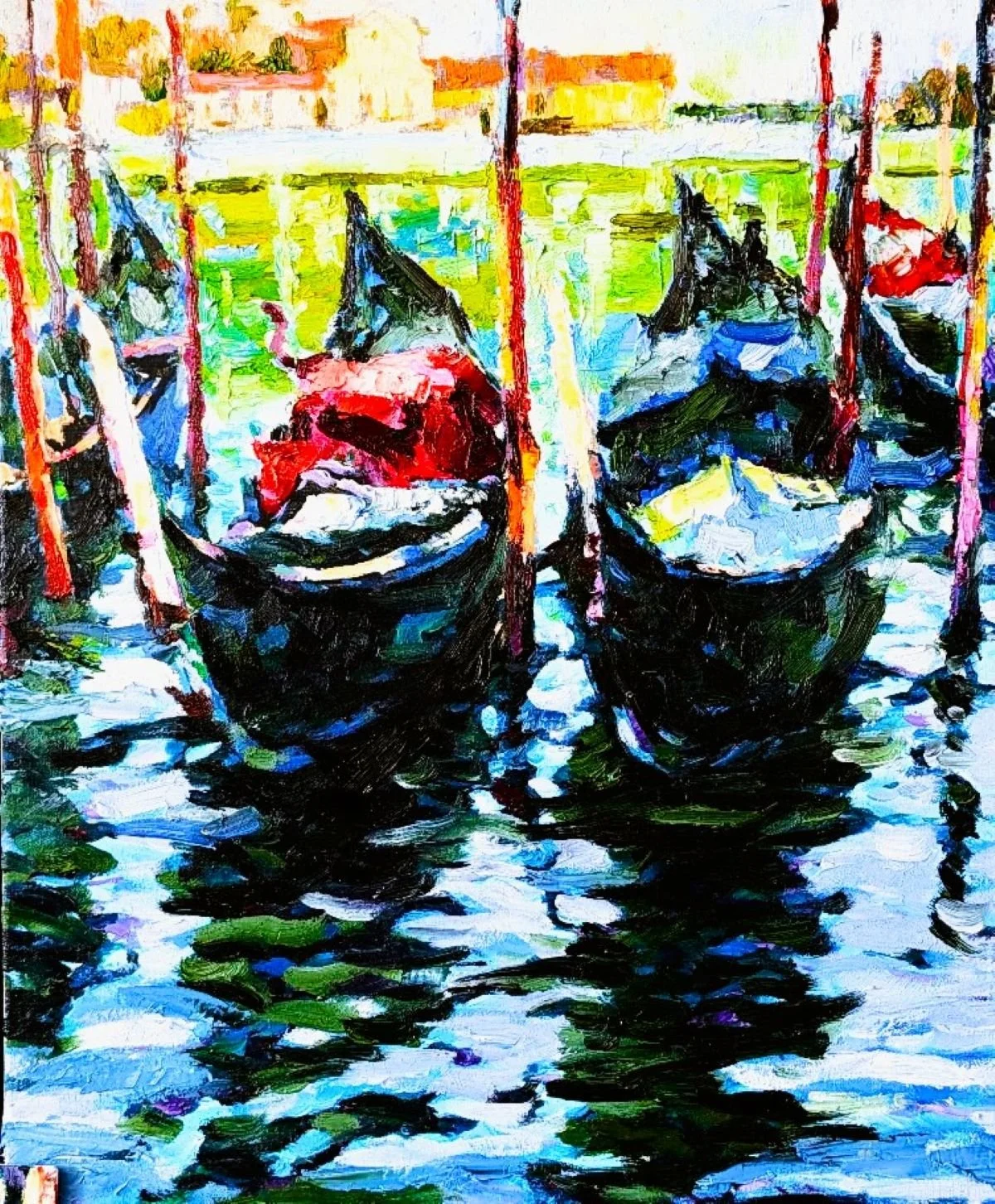
Venice series2/ 2026/oil on canvas/ 40x71cm
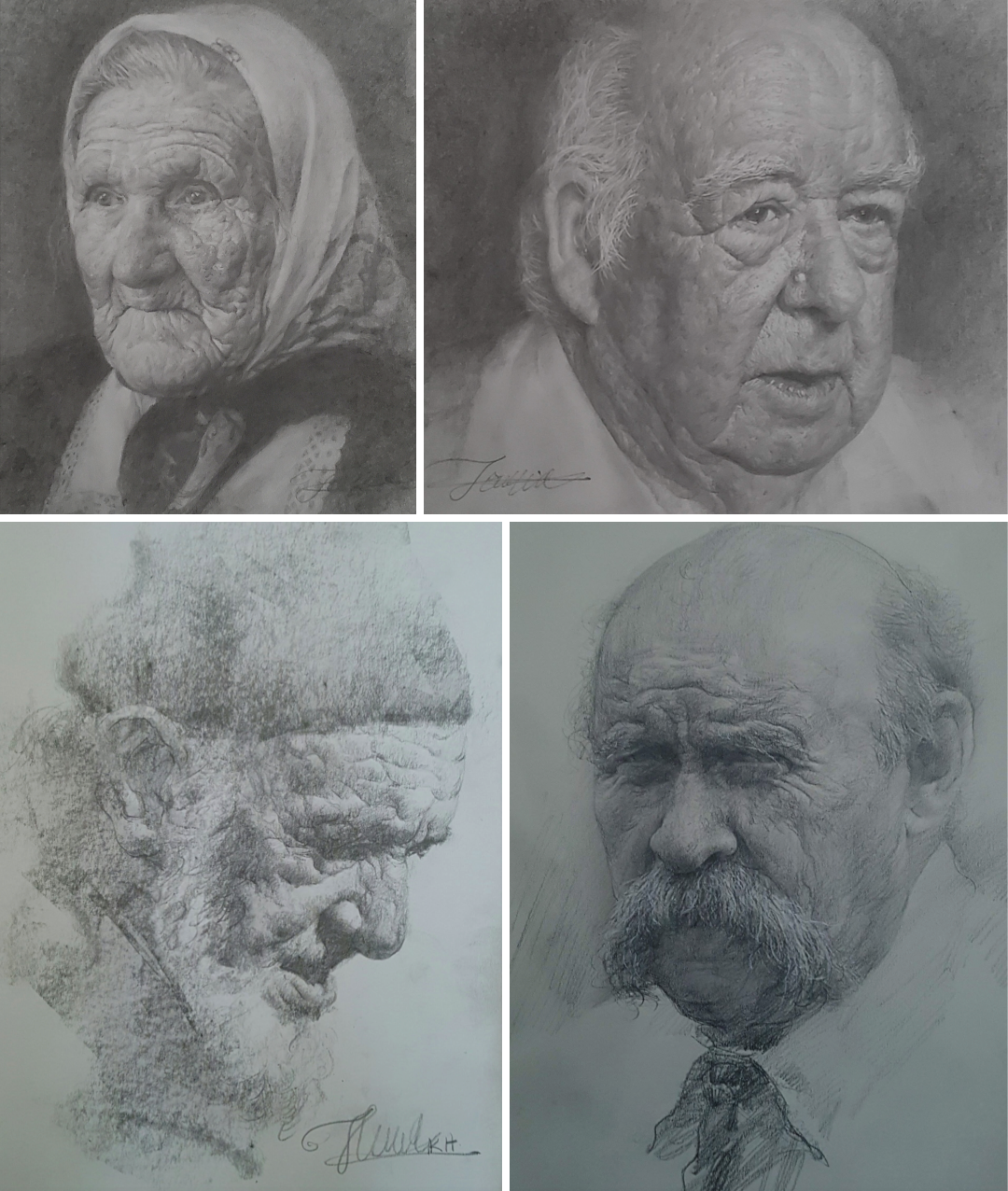
Portrait drawing/ 1998-2001
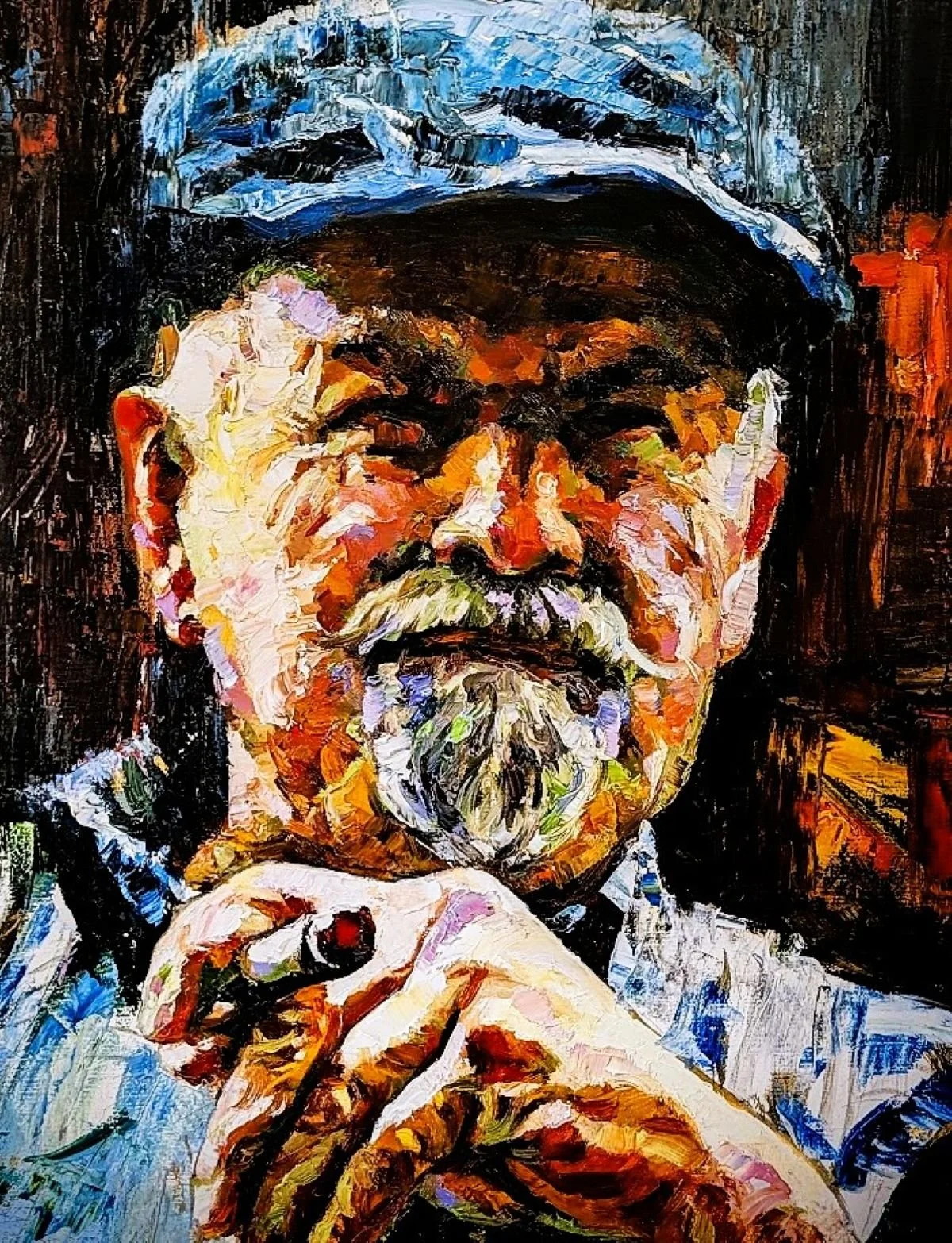
Quiet Authority/ oil on canvas ( palette knife)2026 / 40x71cm
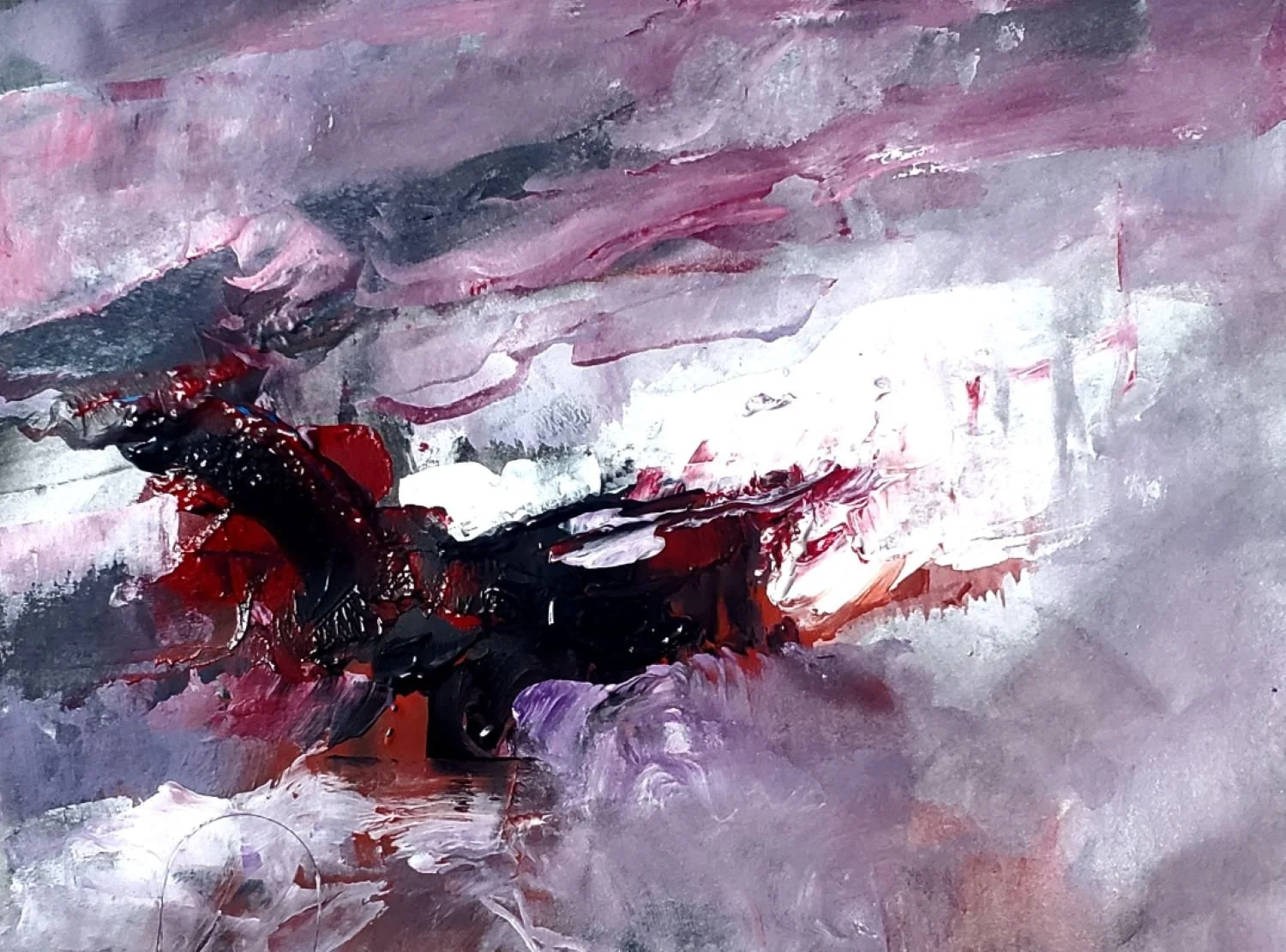
Pules/Grid series /2026 Acylic /76x100cm
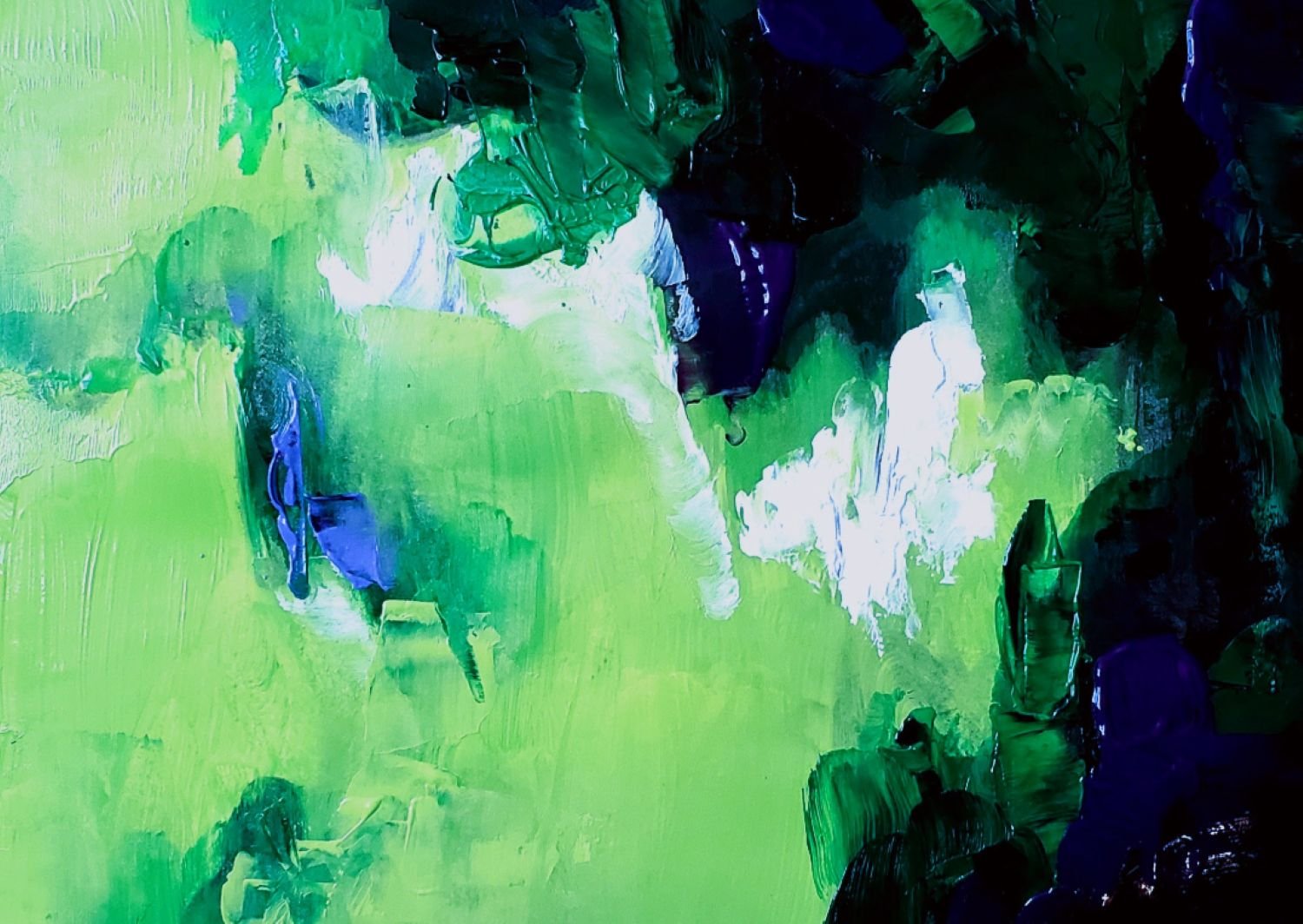
Pules.Grid series/ 2026/ Acylic/ 76x100cm
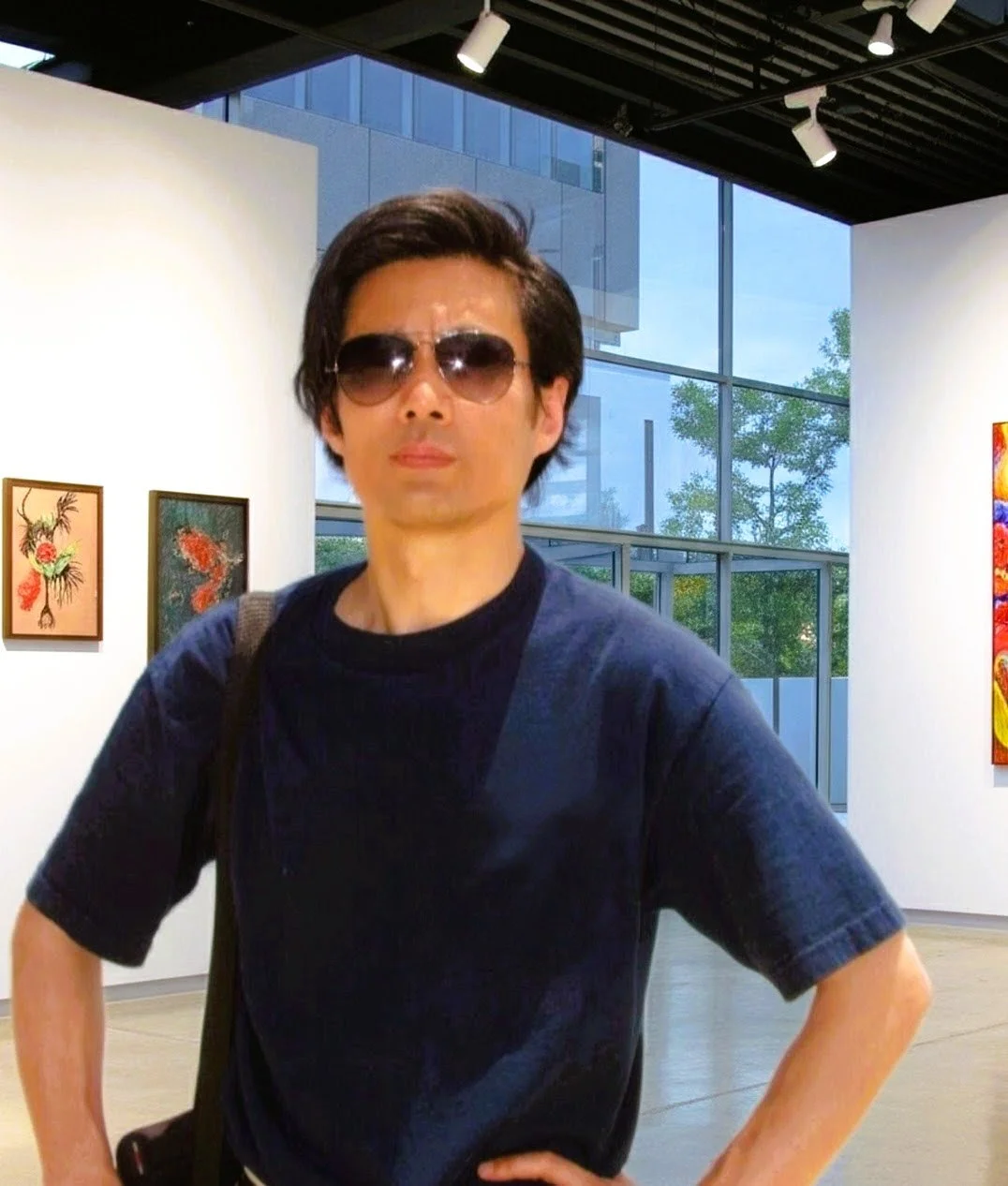
2025 in the London Art Biennale
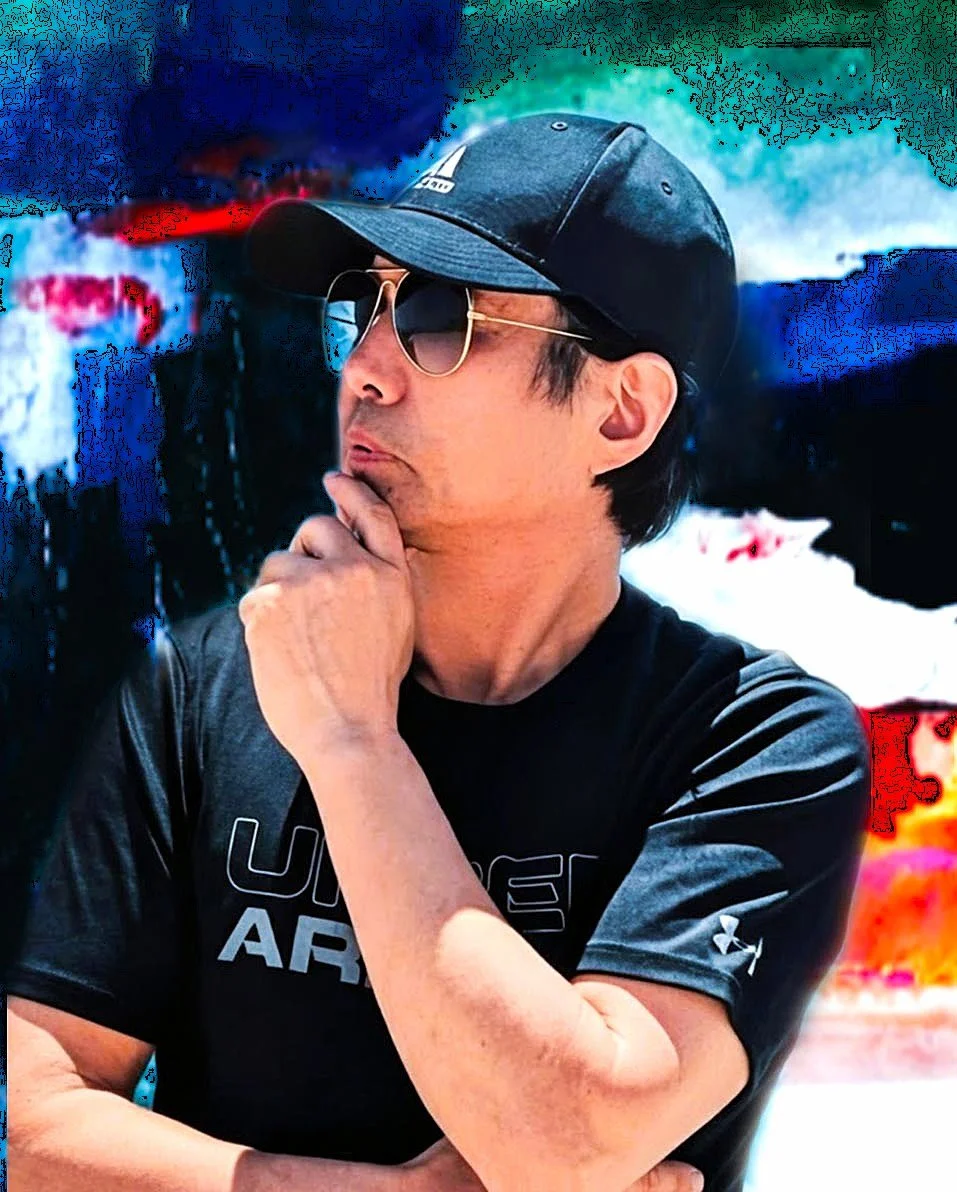
2024 New York
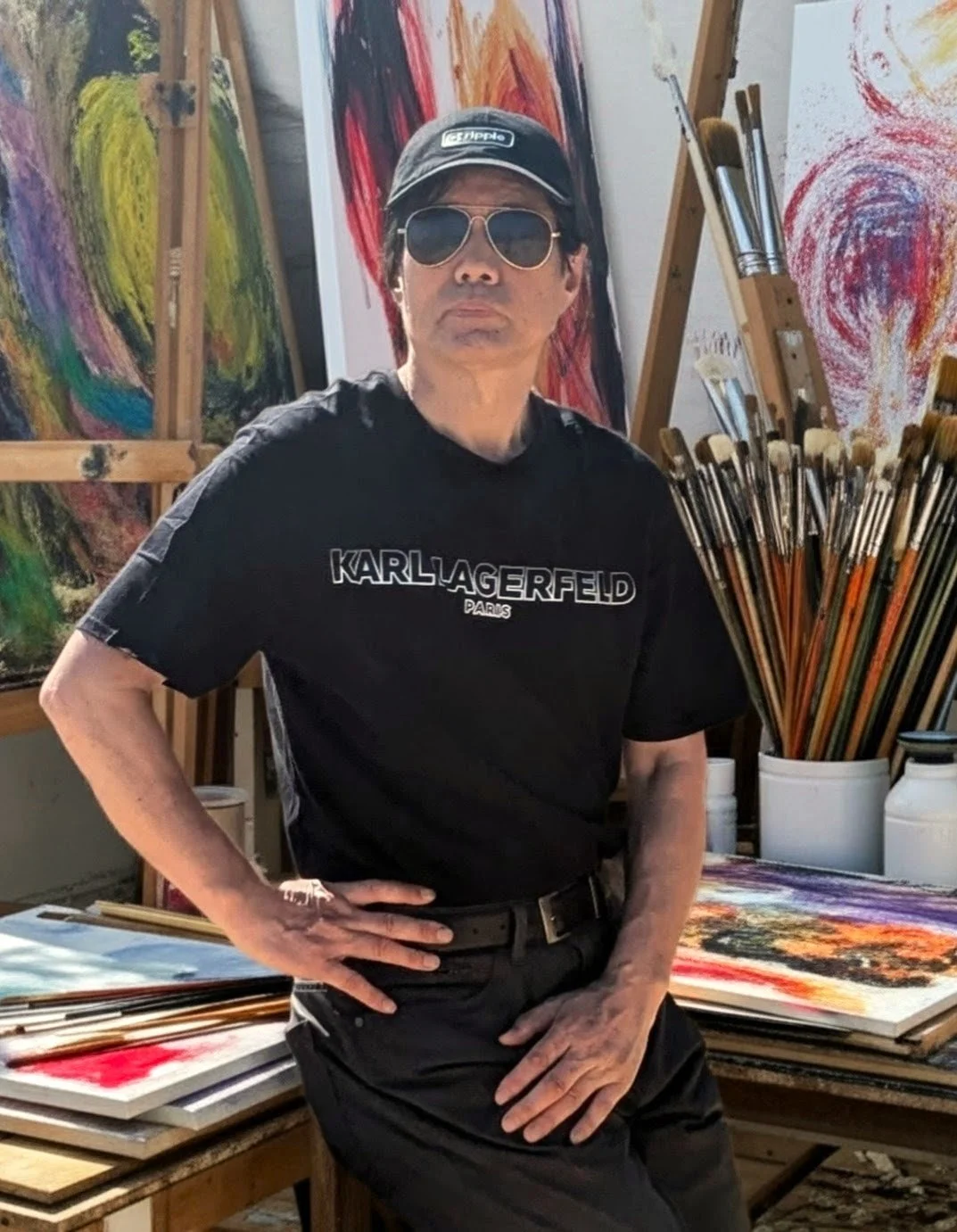
In my Studio
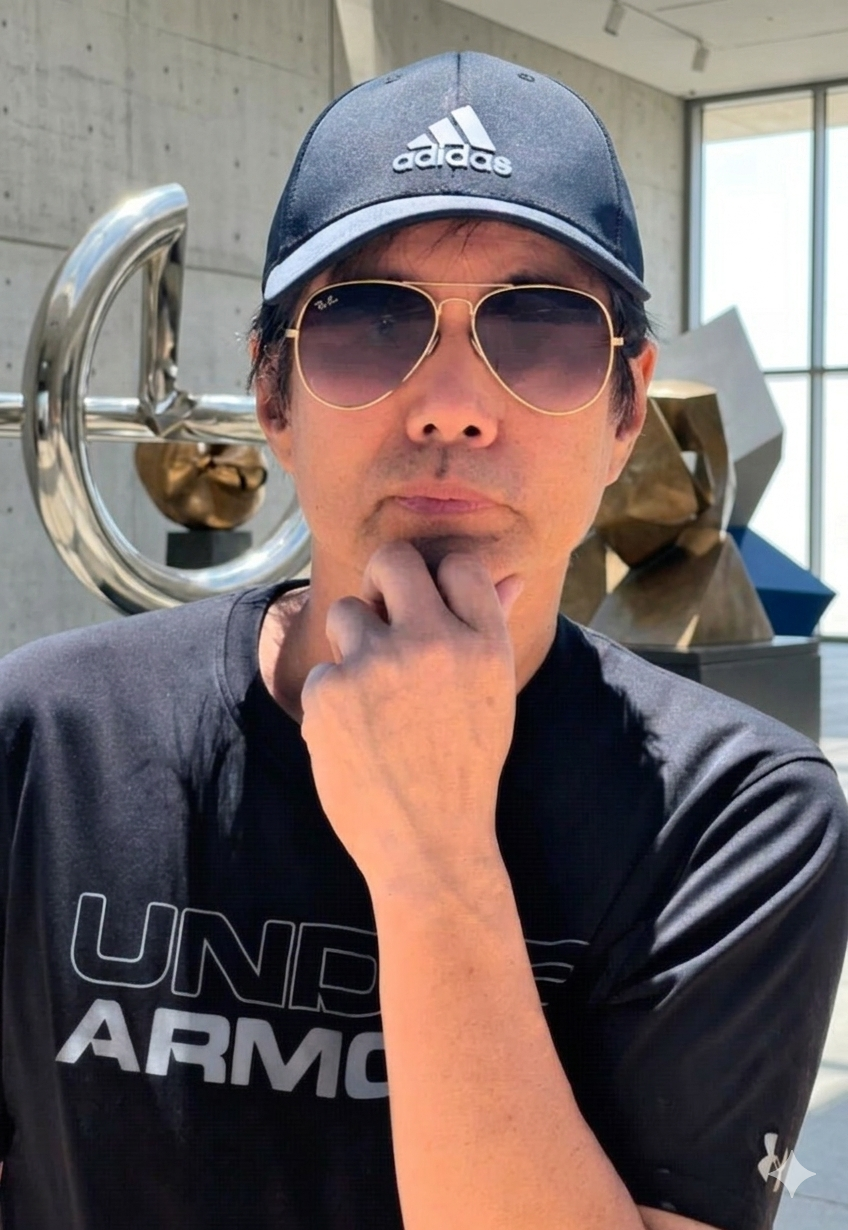
2025 Lisbon ,Portugal
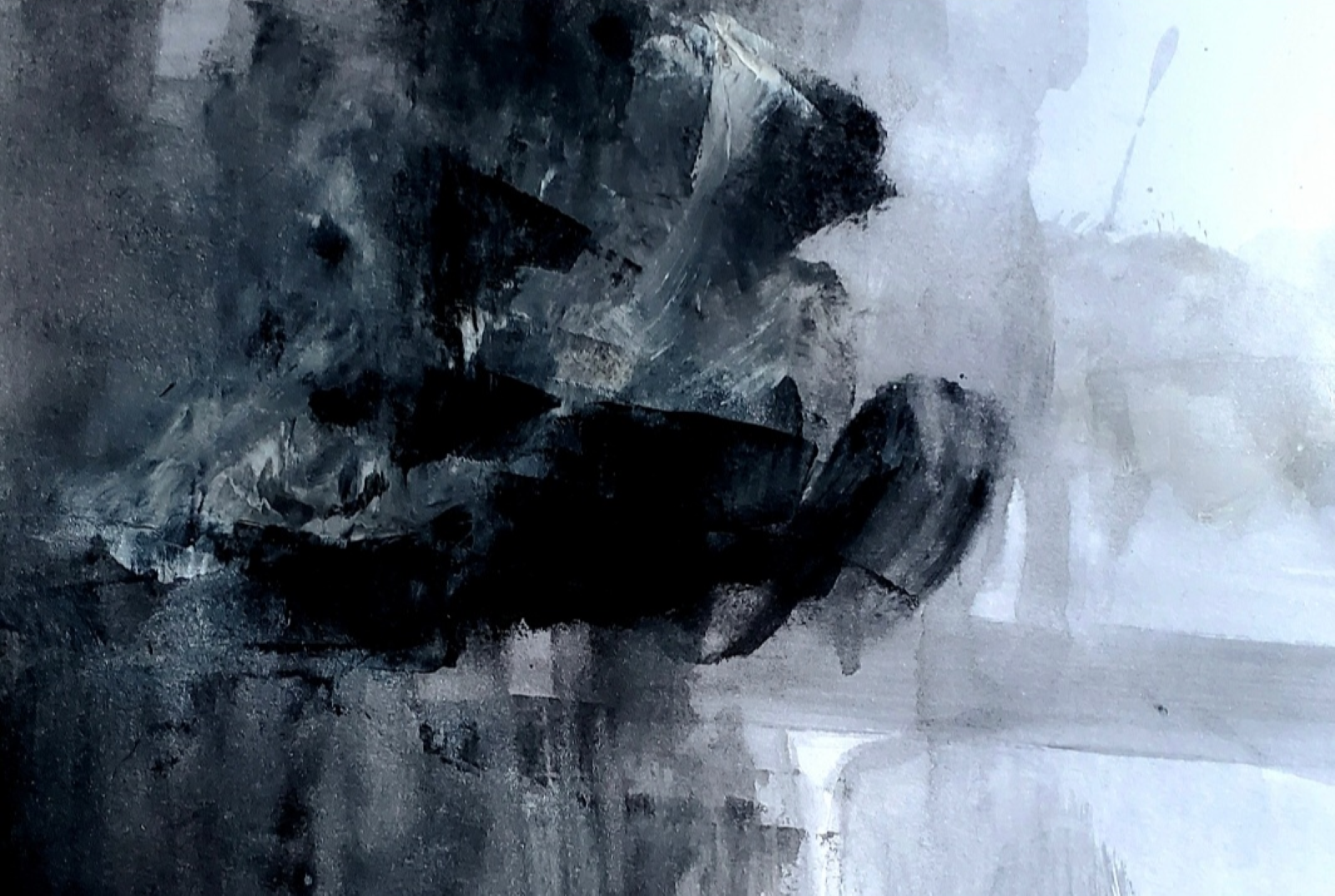
Pulse.Grid / Seeries / 2026/ Acrylic /120x180cm