
Andrés Lobato
Mentions:
2024 International Prize PHOENIX for the Arts, Venice
Global ART VIRTUOSO. ELITE ARTISTIC CAREER ACHIEVEMENT 2024 AWARD by Contemporary Art Collectors
Finalist at the Global Art Award 2017 Dubai, at the Armani Hotel, supported by The Wall Street Journal
ART IN AMERICA Annual 2016 Catalogue by ART UpCLOSE New York
France Artphabetic by the Association Concordia Patrimone & Culture
MUSA INTERNATIONAL ART SPACE 2015 Catalogue “The Faces Of Contemporary Art” presented in Milan, Kiev and Paris
Main Exhibitions:
Carrousel du Louvre, Paris – by Cavern Art Gallery
Art & Breakfast Malaga – by Art Cuestion Gallery, supported by Museo Carmen Thyssen Málaga and Museo Picasso Málaga
International Art Fair, Oxford -at the historic Oxford Town Hall & Museum
Expo Artifact, New York in the Lower East Side, by ART UpClose
Montecarlo Art Tentation, Monaco at the Porsche Grand Prize boxes
Bank Art Fair, Singapore – supported by Miami River and Bazaar Fashion
Palacete CasaClub, Madrid – by Luxury Up
Arte Padova, Italy
Zeller Gallery in Oporto, Portugal
Gallery 89, at Viaduc des Arts, Paris
El Barrio´s Art Space in Manhattan, New York
art3F in Chapiteau de Fontvieille, Montecarlo
In receiving distinctions such as the 2024 International Prize PHOENIX for the Arts in Venice and the Global ART VIRTUOSO Elite Artistic Career Achievement Award, your practice seems to be positioned within a narrative of rebirth and virtuosity; how do you negotiate the symbolic weight of such titles with the intimate, almost vulnerable interior journey you describe from “your interior to the canvas,” and in what ways does institutional recognition recalibrate, or perhaps intensify, your commitment to painting as a vital necessity rather than a career trajectory?
Distinctions and recognitions are, above all, gestures I deeply appreciate, especially in a time when art remains necessary. In that sense, they remind me — as the Spanish writer Antonio Machado said — that “today is always still today,” that creation continues to hold a place in the face of uncertainty.
However, such recognition does not alter the core of my practice, which emerges from a much more intimate and vulnerable space. For me, painting does not follow a career logic, but rather responds to an inner necessity that cannot be negotiated.
If anything, these awards do not recalibrate my work but intensify it: they reinforce the awareness that this impulse — however fragile — has meaning, and that, beyond being necessary, it is worth sustaining.
Your early encounter with Bosch’s The Garden of Earthly Delights at the Museo del Prado appears less as anecdote than as primal scene; could you elaborate on how that dense, cosmological space of excess and moral allegory continues to reverberate within your oscillation between the figurative and the ethereal, and whether you consider your own pictorial fields as contemporary triptychs of psychic, ethical, and aesthetic inquiry?
I believe that, in the mind of that child, encountering The Garden of Earthly Delights represented a silent rupture with certain limiting images. It was something difficult to fully grasp at the time, yet deeply transformative: an opening toward multiplicity, excess, and non-linear ways of seeing.
That sensation still resonates in my work. My paintings do not emerge from a single place. Some emerge in states close to dreaming — sometimes within lucid dreams — while others arise from what I refer to as the void: that space prior to the image, where everything is possible. It is like daring to look closely at the infinity contained within a blank canvas. In this process, emotion is not represented but transformed into painting. For that reason, I consider all my works to be abstract, even those that may appear figurative.
In this sense, there may indeed be a resonance with the structure of the triptych — not as a format, but as an expanded field in which different dimensions — psychic, sensory, even ethical — coexist without the need for resolution.
You often speak of intensity translated into passion, and of a search for beauty in its highest ethical and moral sense; in a contemporary art discourse that has frequently problematized beauty as suspect or retrograde, how do you theorize your insistence on beauty as both resistance and survival, and might we understand your chromatic balances as propositions for an ethics of form in a fractured global landscape?
When all the layers that surround art are stripped away, what remains for me is the search for beauty in its highest sense — ethical, aesthetic, even moral. Not as decoration, but as a form of balance. In a context where beauty is often questioned or dismissed, I understand it as a form of resistance. Precisely because of its fragility, it becomes something that must be sought, even defended. Sometimes I am drawn to it through harmony; other times, it is its absence that compels me to search for it — almost as an act of survival. This is where painting becomes a vital necessity. It is not a choice, but a way of restoring a certain order, or at least the possibility of it.
In that sense, my chromatic balances are not merely formal decisions, but attempts to construct a kind of ethics of form — spaces where tension and equilibrium coexist, and where the viewer can experience a moment of reconfiguration within a fragmented world.
As a finalist at the Global Art Award in Dubai, supported by The Wall Street Journal, and featured in international catalogues from New York to Milan and Paris, your work circulates across markedly different cultural economies; how does this transnational visibility shape your understanding of audience, and do you conceive of your paintings as possessing a mutable semiotic structure that adapts to each context, or as autonomous entities whose internal logic remains sovereign regardless of geography?
The experience of seeing the work circulate across different cultural contexts has made me more aware of the multiplicity of readings a painting can generate. Each place brings its own sensibility, its own rhythm of perception, and inevitably that affects how the work is received.
However, this does not mean that the work adapts itself. My paintings are not conceived as mutable structures designed to respond to specific contexts. They originate from an internal logic that remains autonomous — a kind of necessity that precedes interpretation.
What changes is not the work, but its activation. The viewer completes it from their own cultural and perceptual framework, and in that sense the painting remains open, but not flexible in its core. I am interested in that tension: a work that is internally coherent and self-contained, yet capable of generating different meanings without losing its identity. It is precisely this distance between origin and reception that keeps the work alive.
You describe the moment of completion as a state in which the work “wants to remain” in balance and no longer requires your intervention; could you unpack this notion of pictorial will, and how it relates to historical debates around artistic intention versus the autonomy of the artwork, particularly within the modernist lineage that stretches from Miró to Picasso and beyond?
There is a moment in the process when the painting reaches a state of balance and begins to resist further intervention. It is not something I decide intellectually — it is something I perceive. The work no longer needs to be pushed; in a way, it wants to remain where it is.
At that point, my role changes. I am no longer constructing the painting, but encountering it. I can only look, feel, and allow it to exist — almost as if it had acquired its own voice. This idea of a “pictorial will” is, for me, a way of describing that shift from control to listening. The work may begin with intention, but it becomes something else — something that exceeds it.
In that sense, I feel close to a certain modernist lineage where the painting is not merely an image, but an autonomous presence. However, what interests me is not autonomy as a fixed condition, but as a fragile moment of equilibrium — something that can only exist when the artist steps back.
The anecdote of kneeling beneath the tent in Monte Carlo, surrounded by canonical masters, suggests an almost devotional encounter with art history; how do you situate yourself within that lineage without succumbing to either reverence or rivalry, and does your practice aspire to dialogue with those figures through formal citation, spiritual kinship, or a more subtle absorption of their structural innovations?
That moment in Monte Carlo was not just an anecdote, but a kind of confrontation with art history. Encountering those works so directly produced a reaction that was almost physical — something closer to awe than to admiration. However, that experience did not position me in terms of reverence or rivalry. If anything, it clarified something essential: that those works exist because they responded to a necessity in their own time, just as any authentic practice must do today.
I do not approach that lineage through citation or imitation. My relationship to it is more indirect — perhaps closer to a form of structural memory or sensitivity. What remains is not the image, but a way of understanding painting: its intensity, its risks, its capacity to exist beyond explanation. In that sense, I am not trying to enter that history, but to continue working from the same condition that made it possible.
Your trajectory from pen ball drawings executed under artificial light on an ironing board to pigment mixtures responsive to natural light reads as a material evolution; might we interpret this shift as a movement from constraint to expansiveness, and how has your understanding of geometry as “an infinite alphabet” informed the way you construct space as both measurable order and metaphysical threshold?
That trajectory can indeed be understood as a movement from restriction to expansion, but for me both conditions are equally important. Working with limited means — a pen, a limited range of colors, artificial light, even an ironing board as a surface — forced me to develop a precise attention. It was within those constraints that I first understood geometry not as a system of control, but as a language with an infinite alphabet.
That understanding has remained constant, even as the material conditions have changed. Today, working with pigments and natural light has expanded the possibilities, but the underlying structure is still rooted in that same logic.
What interests me is how geometry allows space to be constructed simultaneously as something measurable and something open. It provides order, but also a threshold — a point where the visible begins to dissolve into something less defined. In that sense, the expansion is not only material, but perceptual. The scale of the work may still be contained within the canvas, but the space it suggests no longer is.
In speaking of art’s capacity to halt an accelerated world or to set a stagnant one back into motion, you attribute to painting a temporal agency; how do you conceive of duration within your works, not only in terms of production time but in the viewer’s phenomenological experience, and can the canvas function as a site where chronological time is suspended in favor of a more contemplative, kairotic temporality?
I have always felt that art has the capacity to interrupt the rhythm of the world — to slow it down when it accelerates, and to re-activate it when it becomes stagnant. In my work, this is not only an idea, but something that operates through the experience of time. The duration of a painting is not limited to the moment of its making, but extends into the way it is perceived.
I am interested in creating a space where the viewer can momentarily step outside of chronological time. Not in a literal sense, but in terms of attention — a shift from a linear, productive form of time to a more contemplative one. In that sense, the painting can function as a threshold. It does not impose a specific experience, but opens a possibility: a moment where perception slows down, intensifies, and becomes more present.
Of course, this experience is never fixed. Each viewer enters the work differently. I often think of paintings as windows, but not in the sense of representation — rather as openings, where time, emotion, and perception can briefly reorganize.
Your career, marked by catalogues such as Art in America Annual and exhibitions in historically resonant spaces in Madrid, unfolds alongside a persistent assertion that art gives meaning to life; how do you reconcile this existential claim with the contemporary art system’s market dynamics, and is your practice in any way a quiet critique of commodification through its emphasis on inner necessity and transcendence?
For me, the idea that art gives meaning to life does not belong to the market — it exists prior to it. The art system, with all its structures and dynamics, is a reality that one inevitably navigates. It allows the work to circulate, to be seen, to find its place in the world. But it cannot be the origin of the work itself.
My practice begins from a different place — from a necessity that is not negotiable. In that sense, I do not see it as a critique of the market, but as something that exists independently from it. If there is any tension, it lies there: between a system that assigns value, and a process that cannot be reduced to it. I am interested in maintaining that distance. Not as a form of rejection, but as a way of preserving the conditions that make the work possible in the first place.
Looking ahead, as you imagine worlds “that do not fit in a canvas,” do you foresee an expansion of scale, medium, or perhaps even a redefinition of what constitutes the pictorial field in your work, and how might this future trajectory challenge the very parameters of painting while remaining faithful to the passionate intensity that has defined your journey thus far?
When I speak about worlds that do not fit within a canvas, I am referring to something that exceeds not only scale, but also the idea of a single, fixed space.
In my recent work, I have become increasingly interested in the notion of dimensions — in structures that suggest fields of possibility rather than closed compositions. Geometry, which I have long understood as an infinite alphabet, now begins to operate more as a system for opening space than for defining it. The canvas is still present, but it no longer functions as a limit. It becomes almost as a kind of unit of measure within a larger, potentially infinite field.
What I am trying to approach are spaces that cannot be fully contained or resolved, where the visible is only one layer among others. In that sense, the work is less about representation and more about revealing the presence of something not yet fully known.
This may lead to an expansion in scale or form, but not as a deliberate shift of medium. It remains grounded in the same necessity — the same impulse to explore that tension between structure and the unknown.
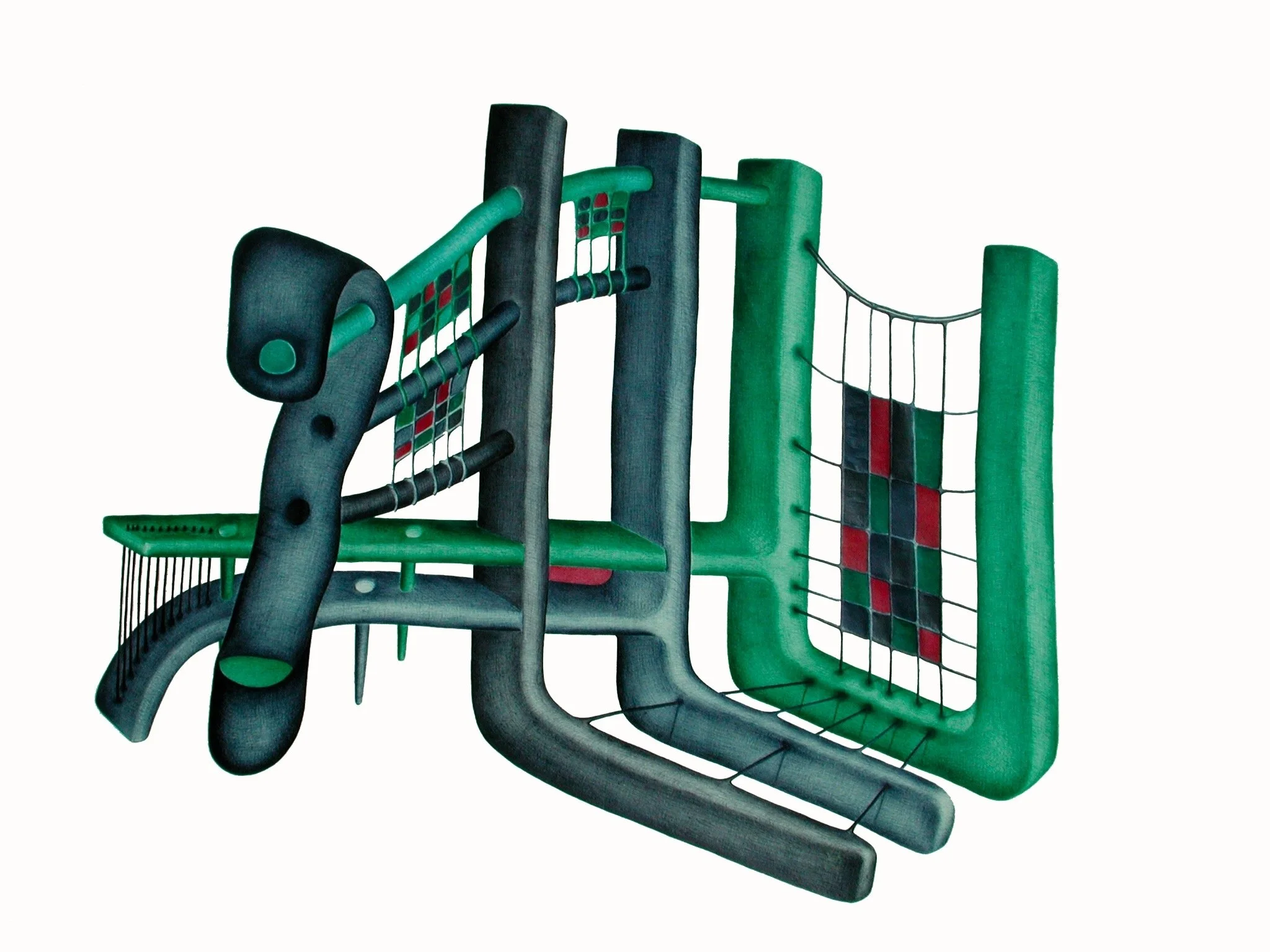
tribute to JS Bach, 1986. Pen ball on paper, 96 x 70 cm.
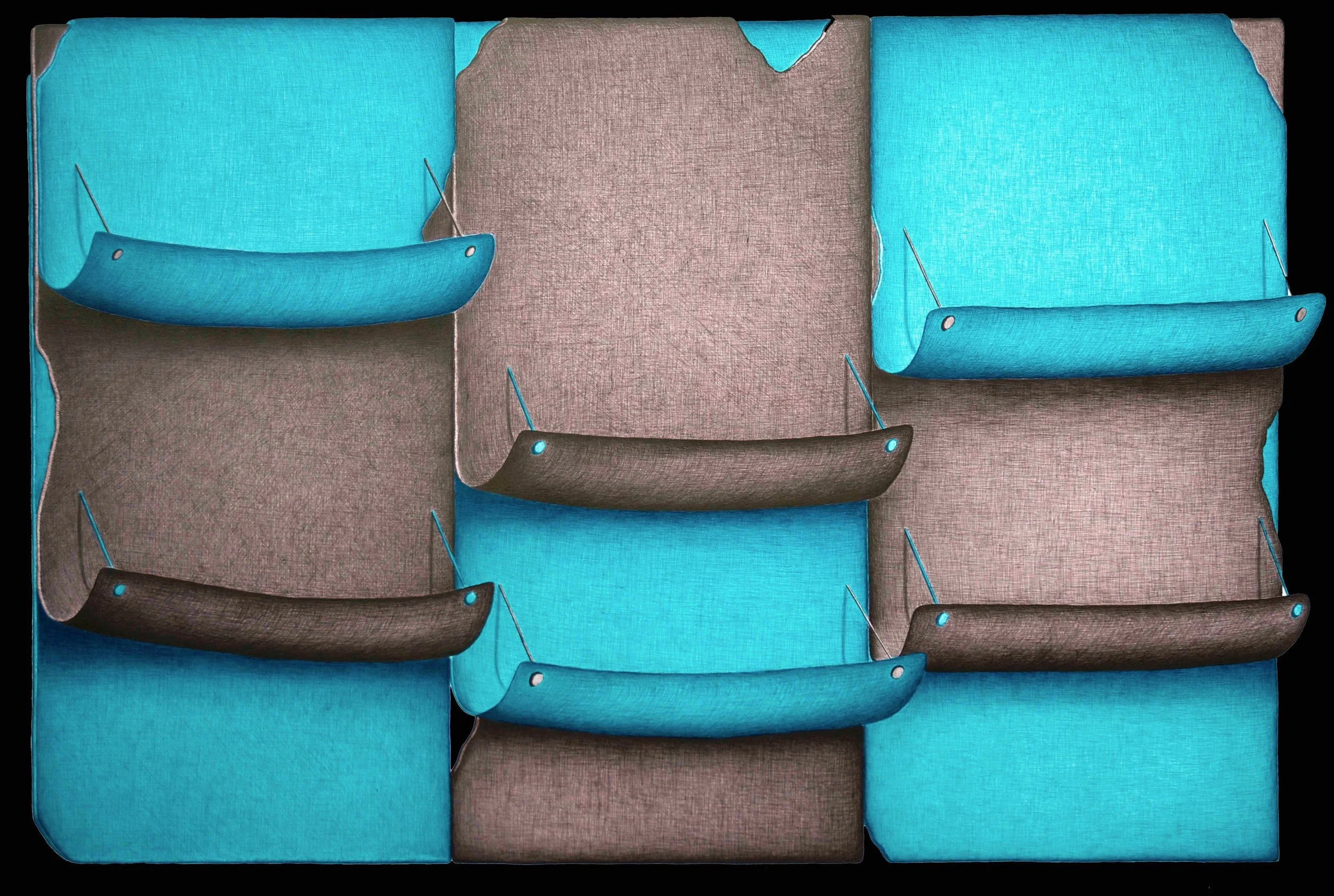
sailing de Ocean, 1996, Pen ball on paper, 110 x 80 cm..
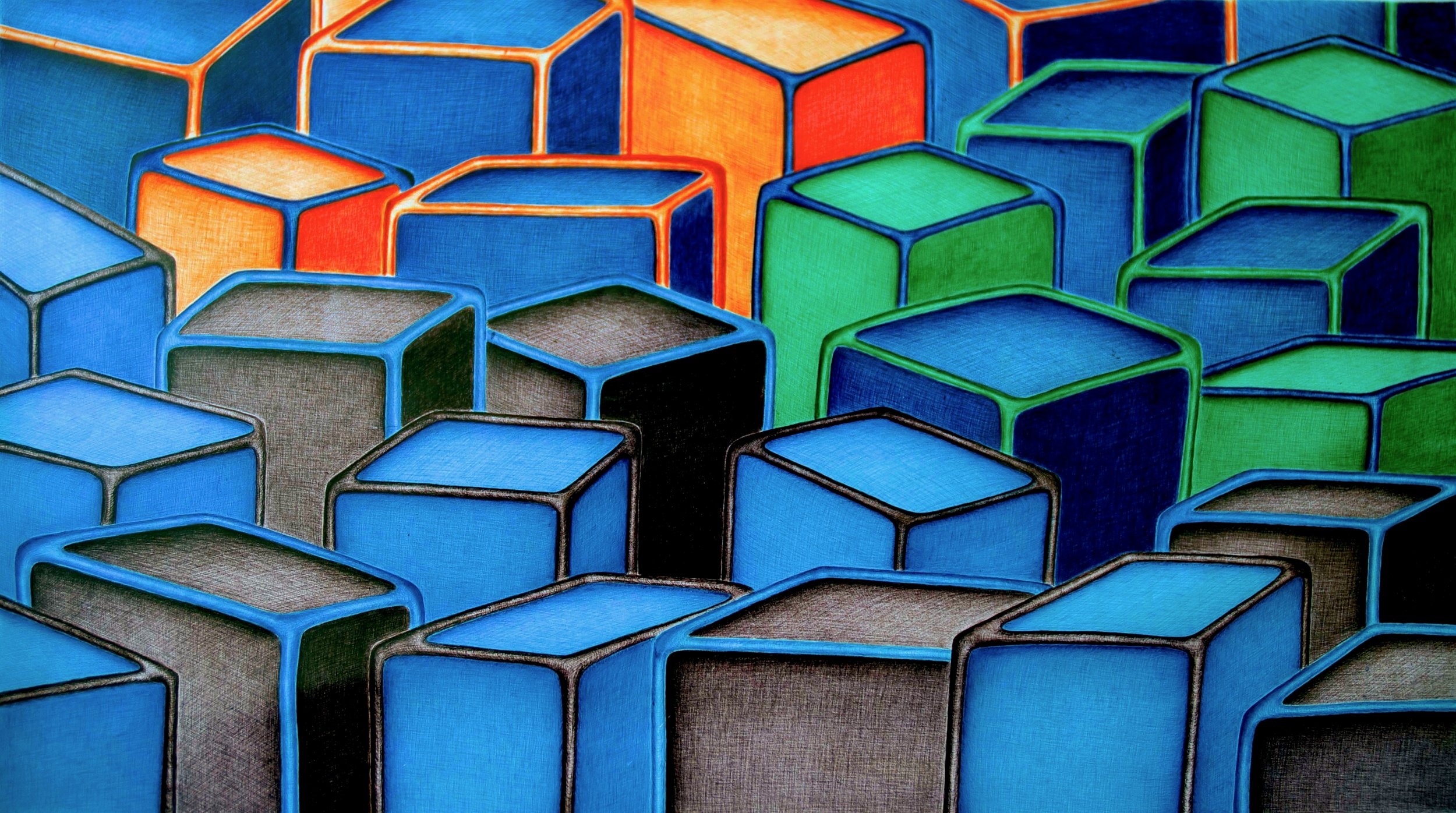
Madrid, 1996, Pen ball on paper, 1996, 110 x 80 cm.
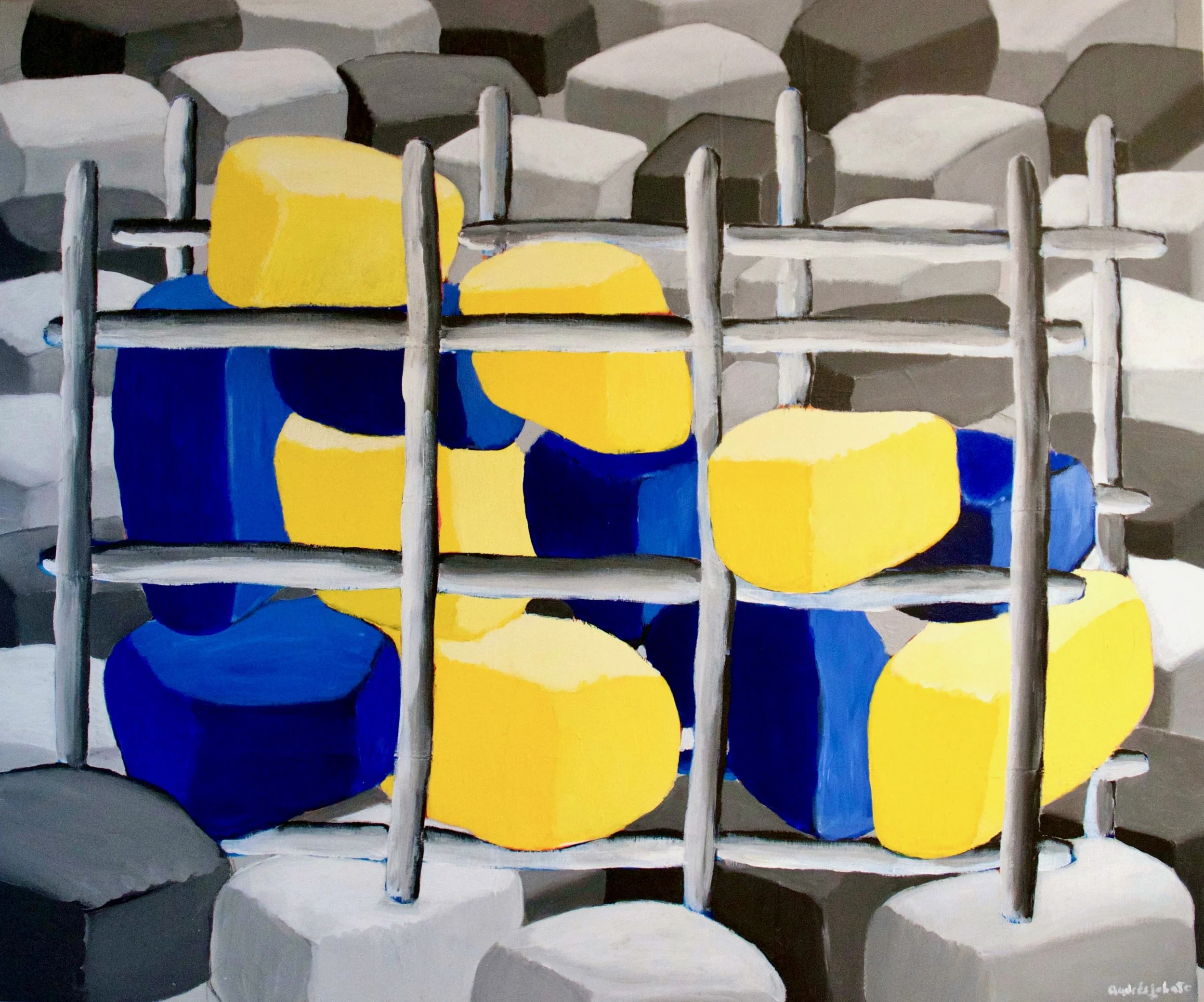
diamond ring, 2007, acrylic on canvas, 110 x 90 cm.Nice
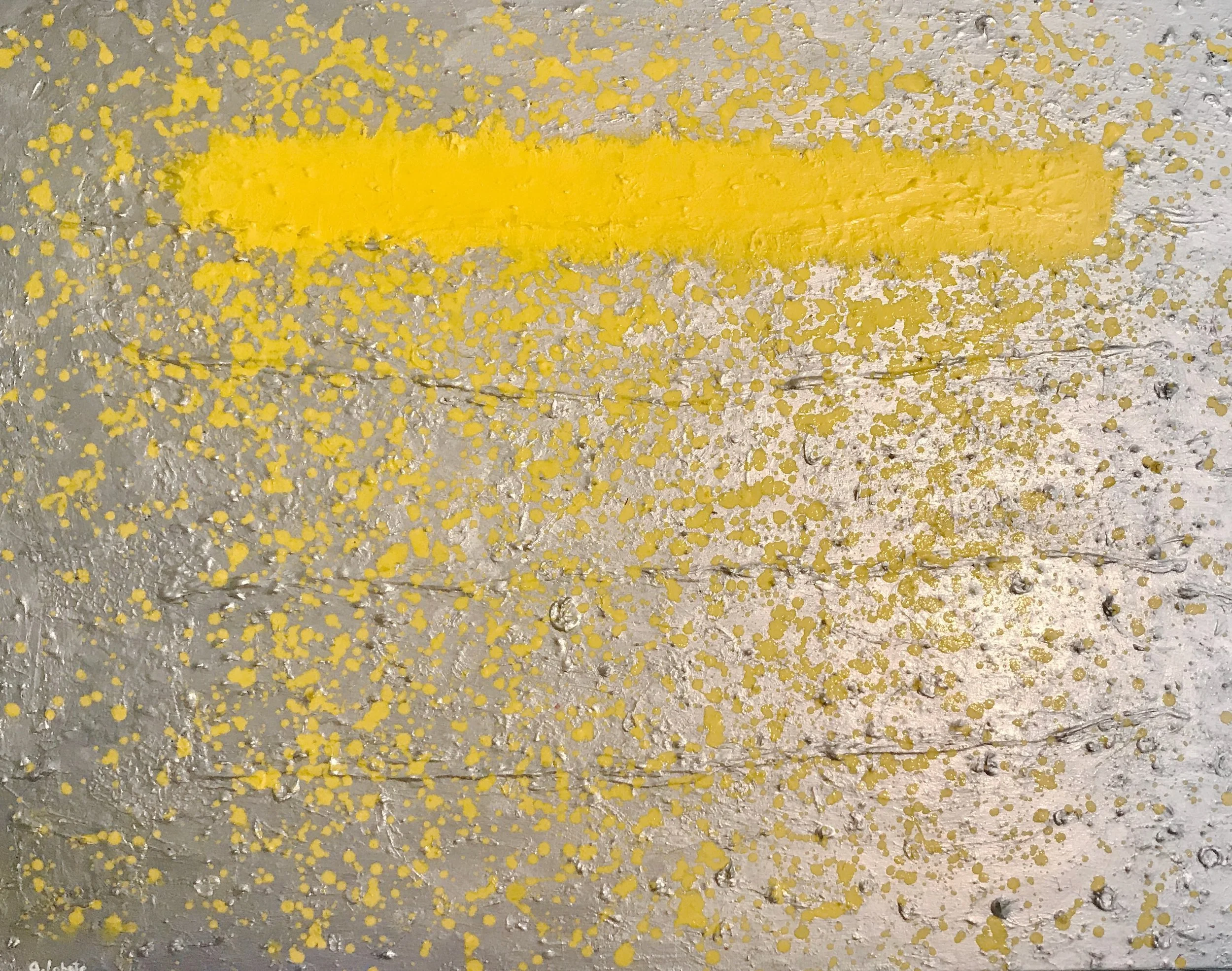
nice feeling, 2018, acrylic on canvas, 130 x 97 cm.
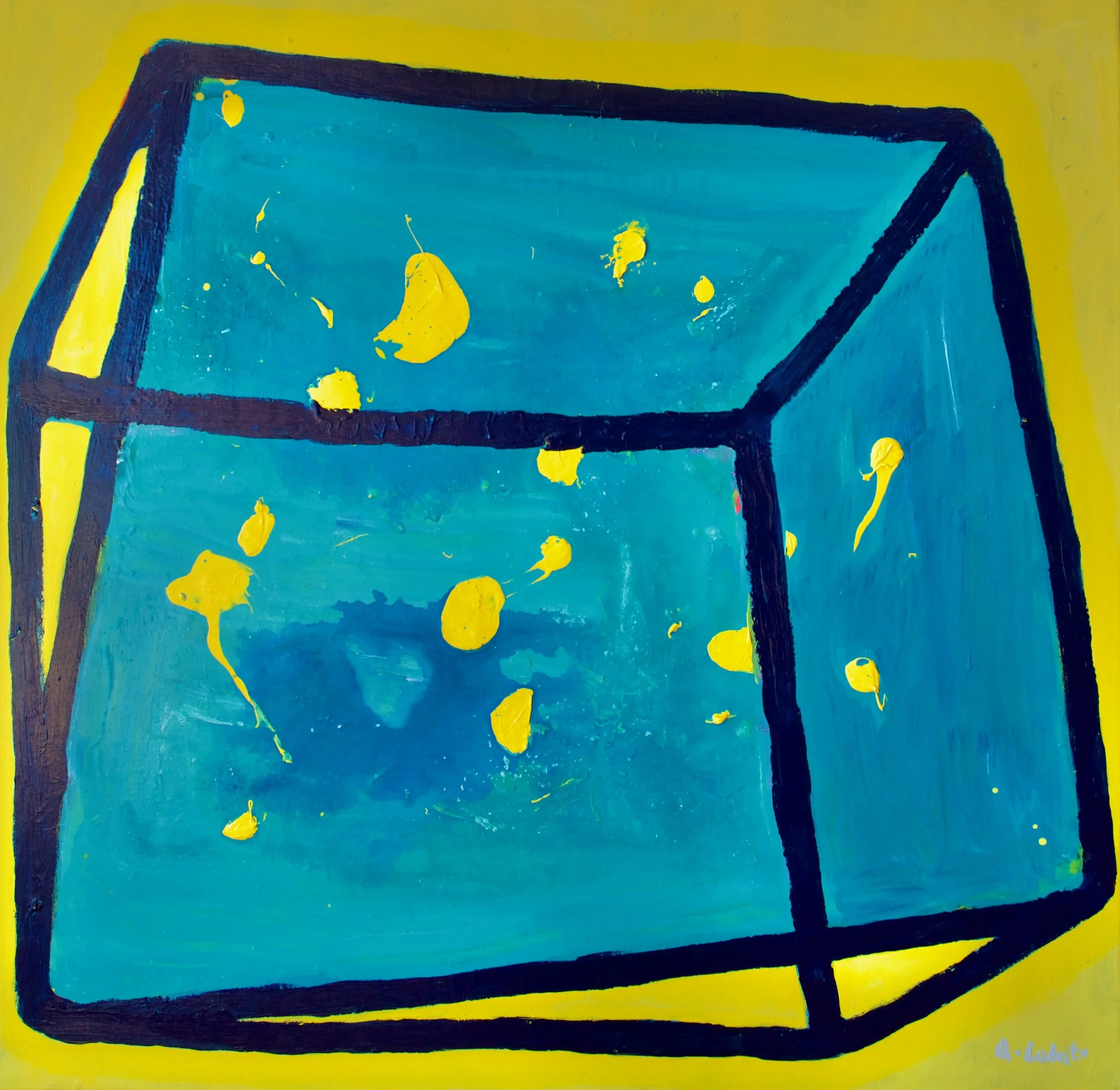
the birdcage, 2019, acrylic on canvas, 100 x 100 cm.
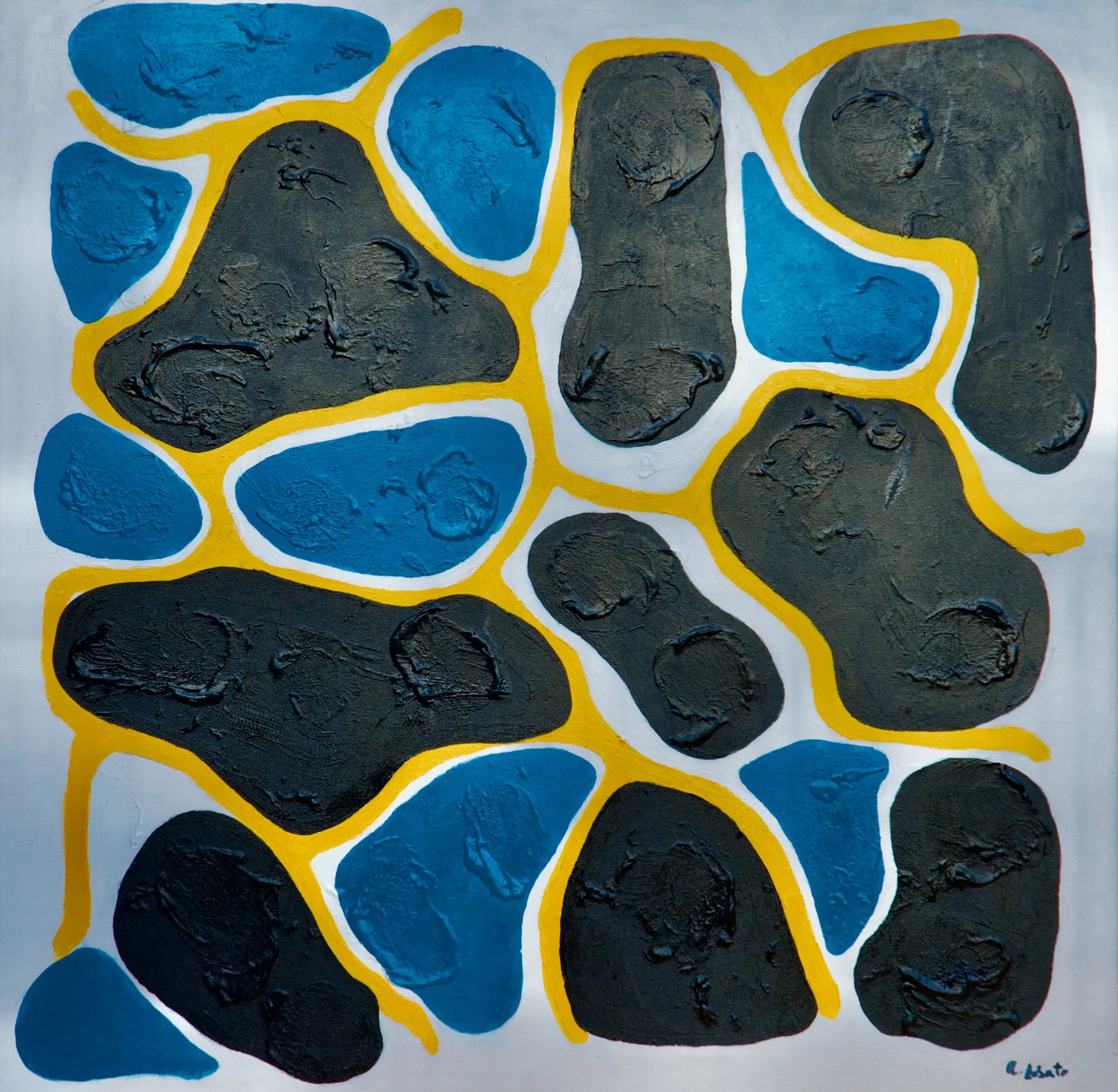
tribal black and blue, 2017, acrylic on canvas, 100 x 100 cm.
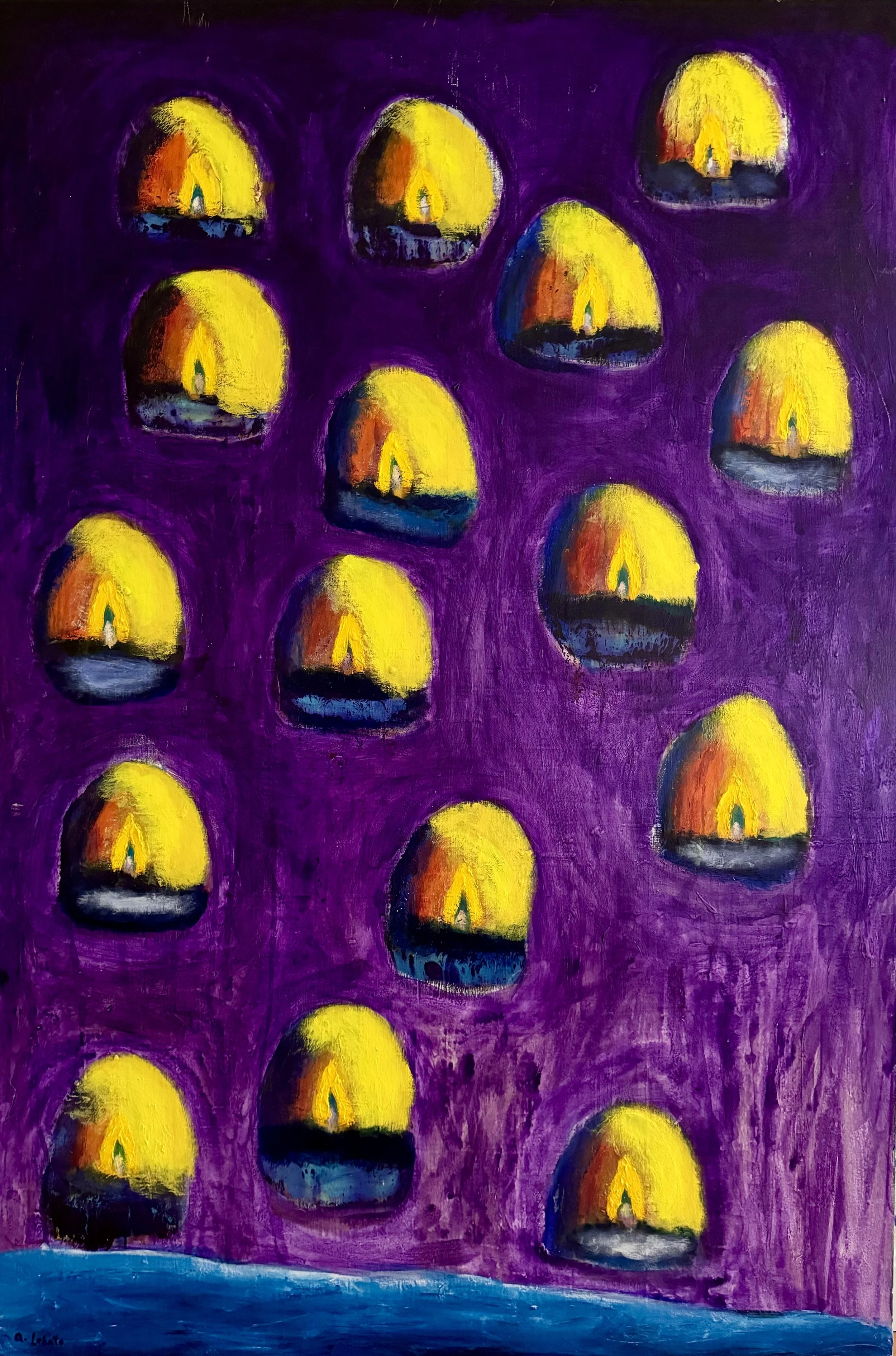
the lighthouse, 2018, acrylic on canvas, 95 x 130 cm.
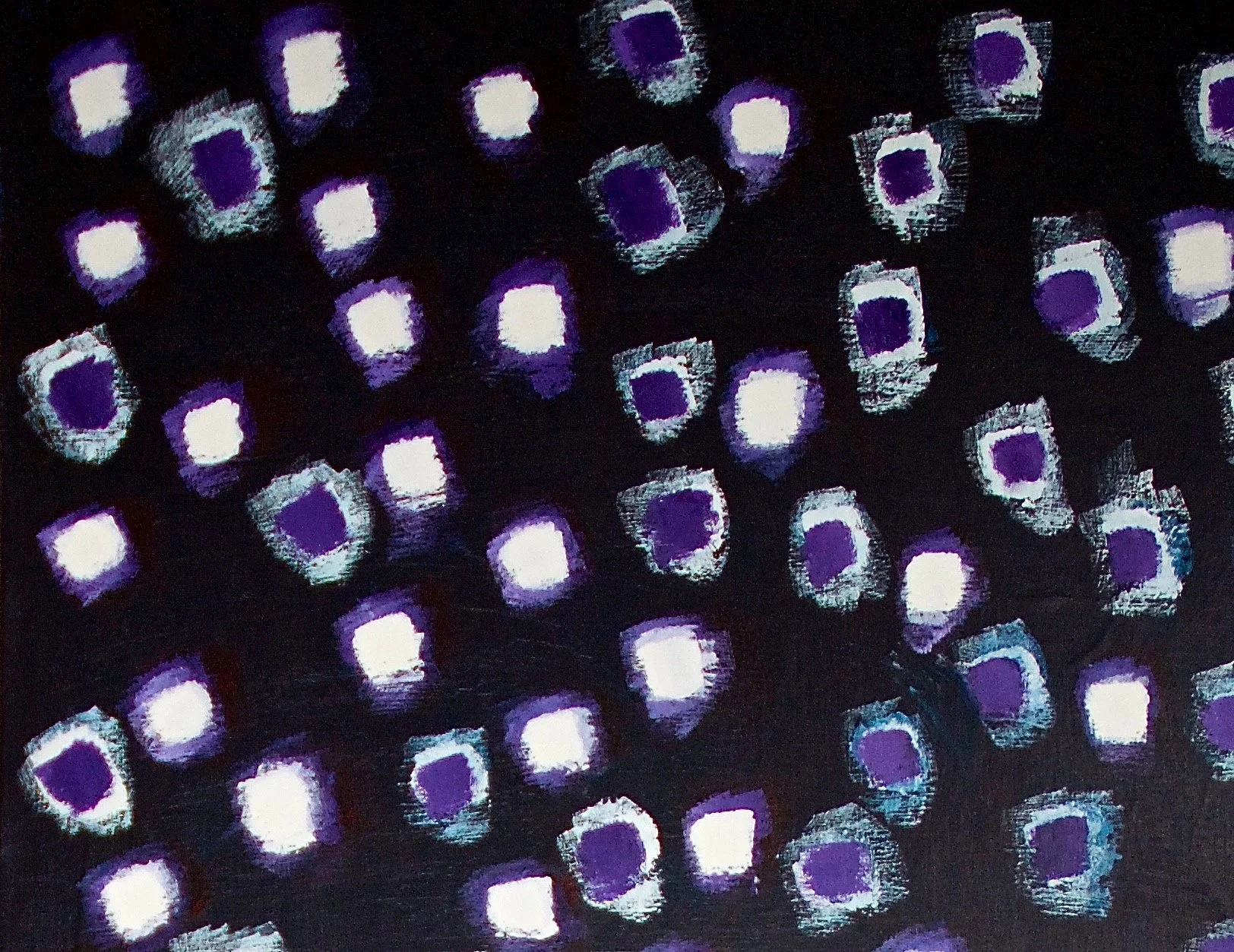
bubbles, 2015, acrylic on canvas, 80 x 80 cm.
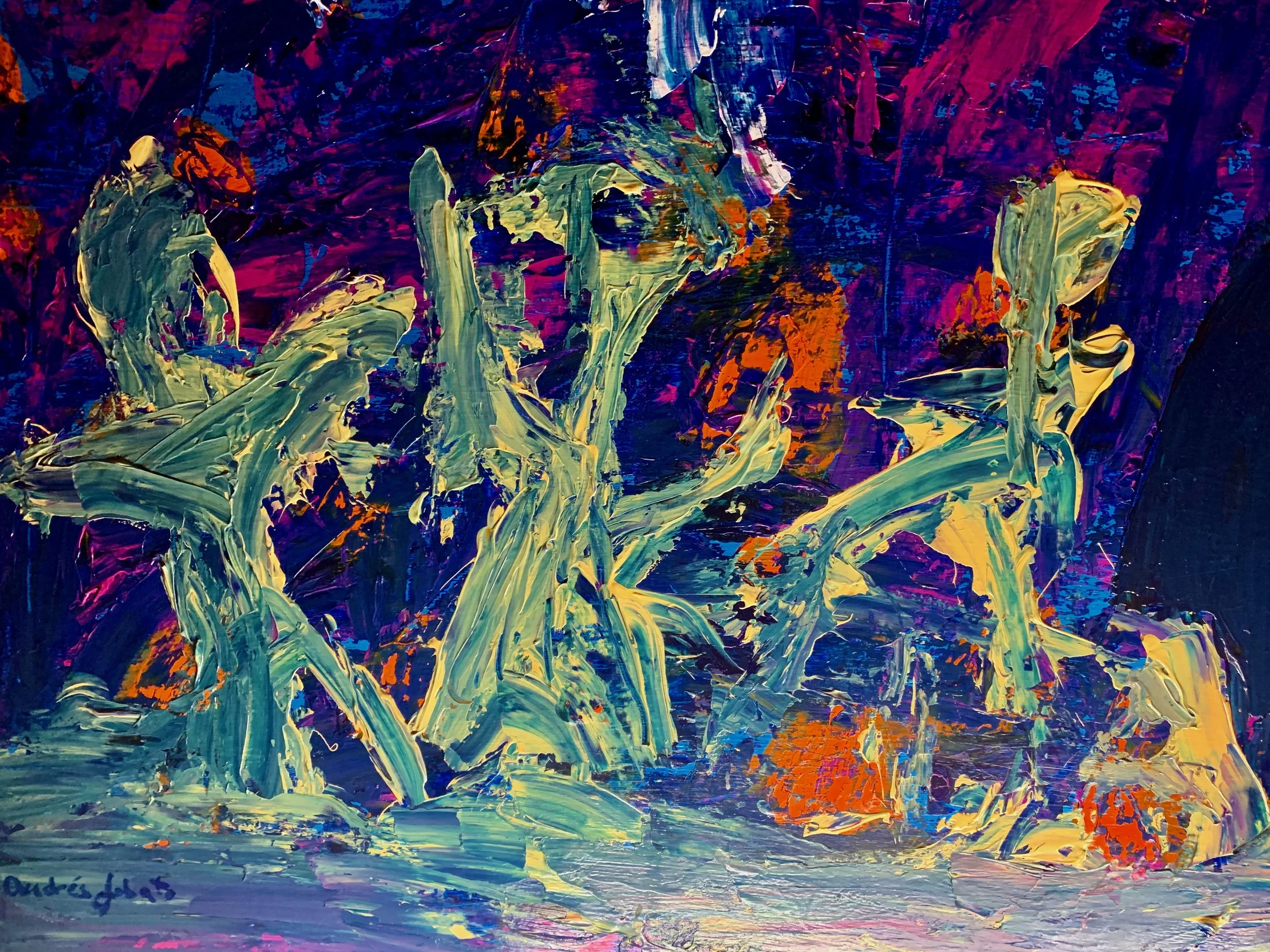
Samain (serial 1), 2010, acrylic on canvas, 100 x 100 cm.
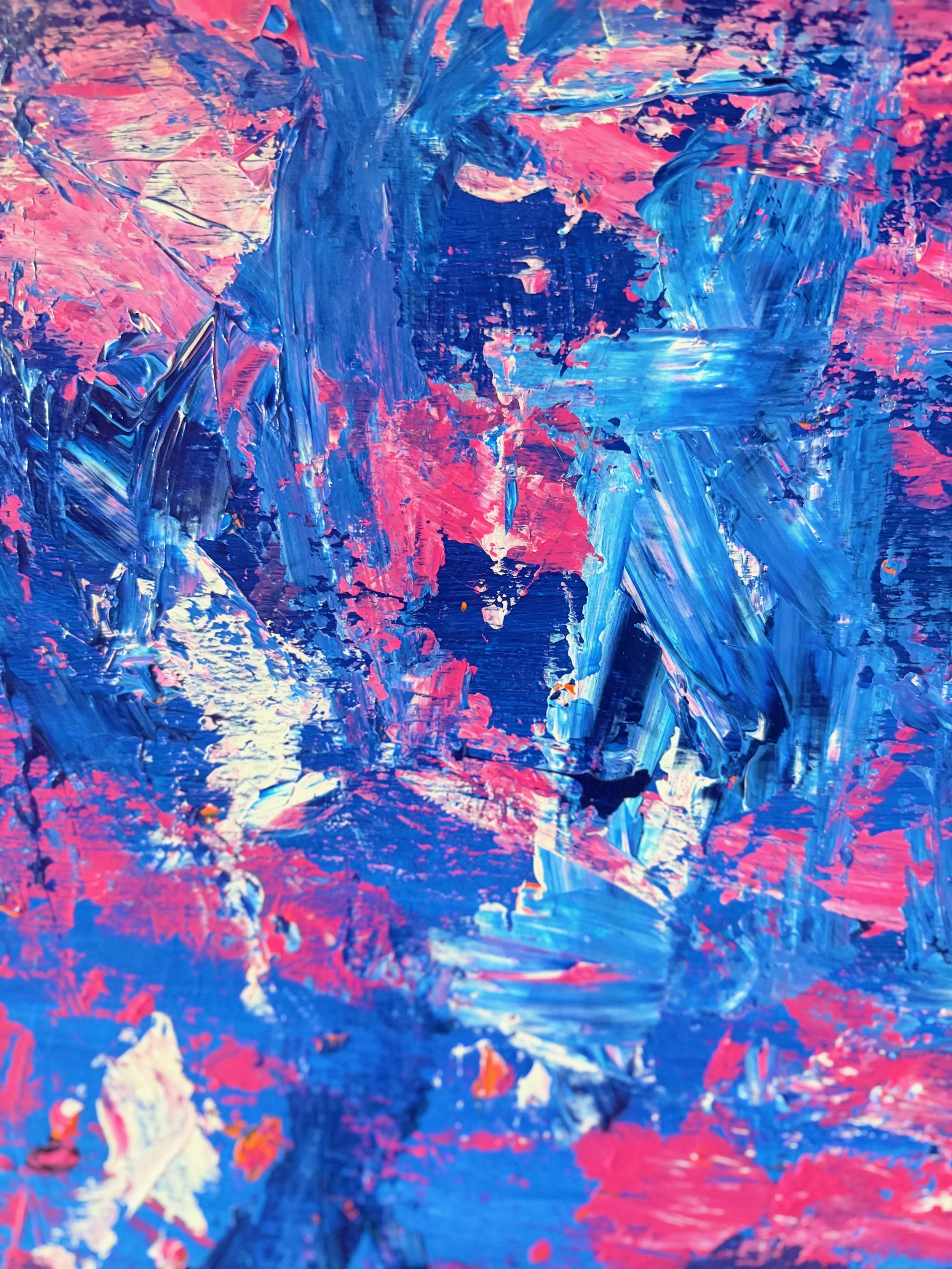
Samain (serial 2), 2010, acrylic on canvas, 100 x 100 cm.
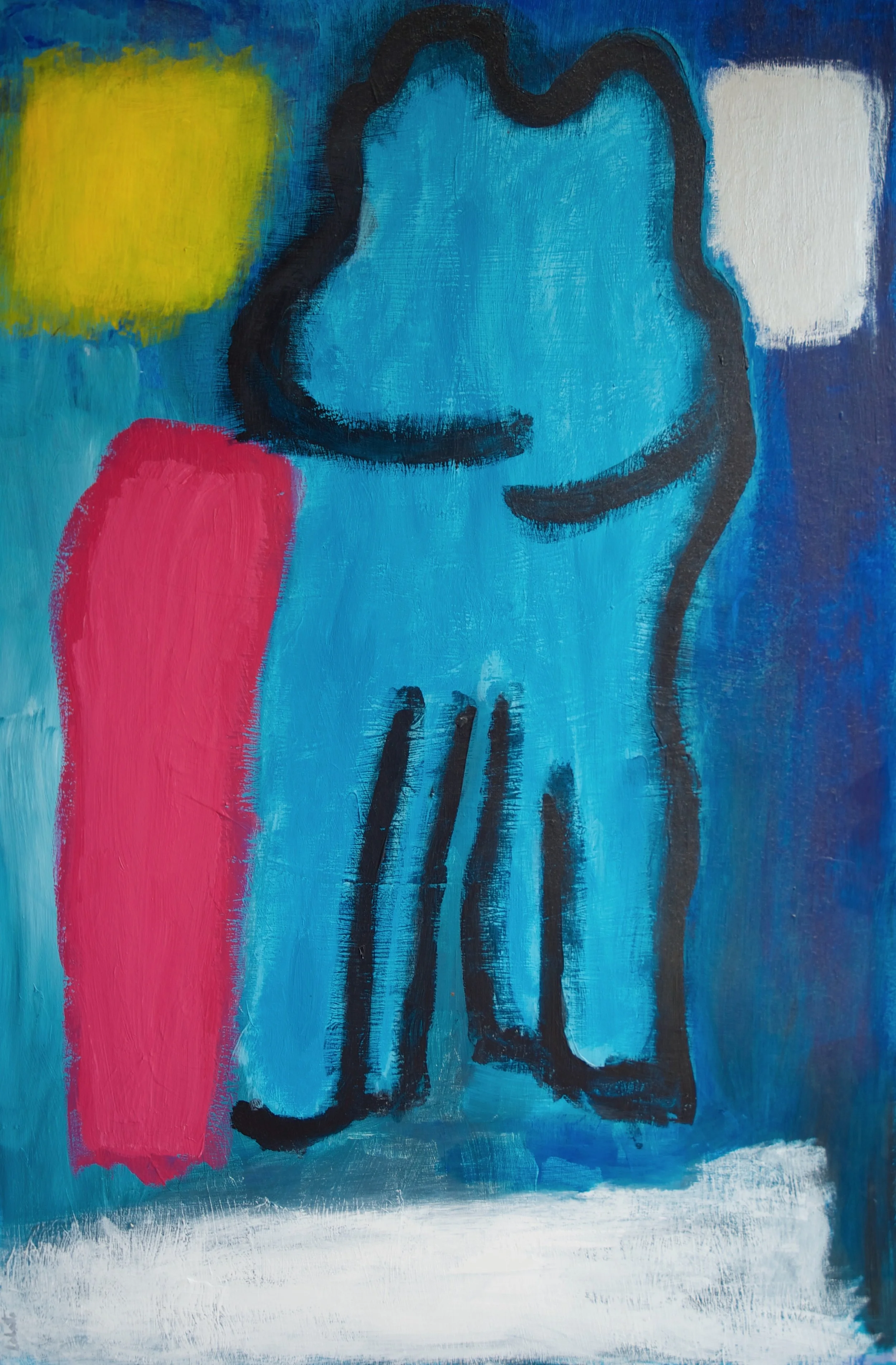
hugh, 2010, acrylic on canvas, 120 x 80 cm.
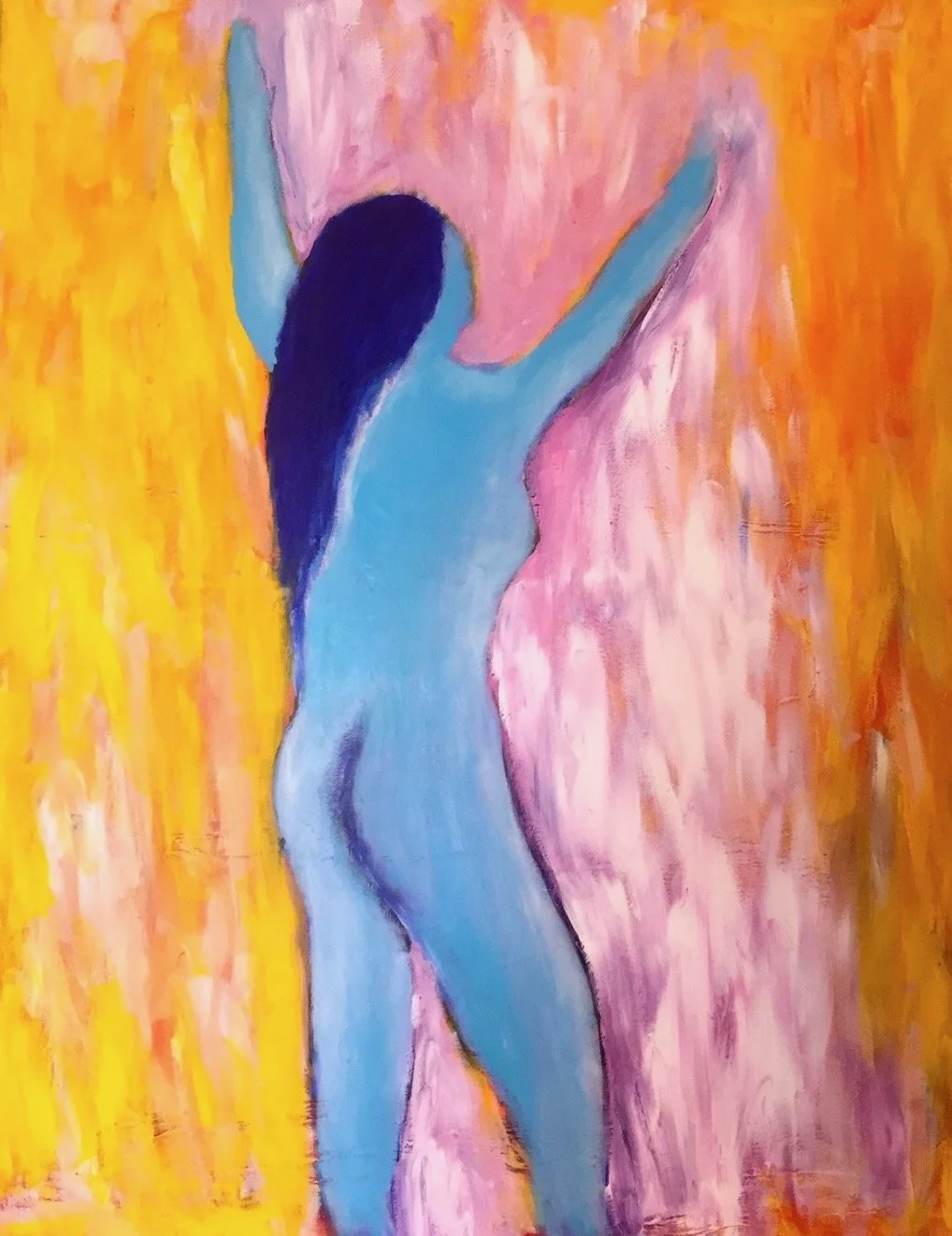
Tavira under the waterfall, 2015, acrylic on canvas, 130 x 97 cm.
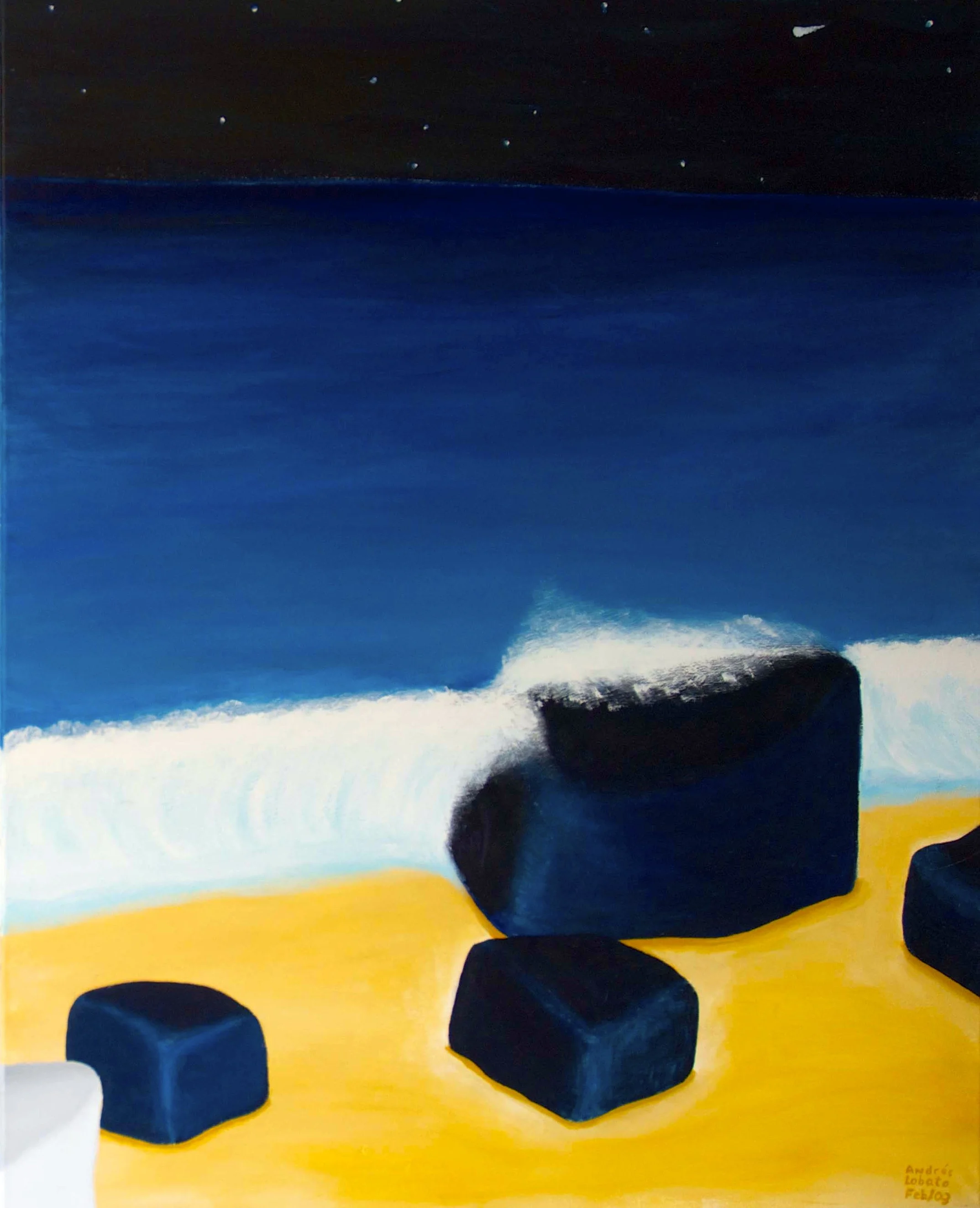
black stones beach, 2003, acrylic on canvas, 130 x 97 cm.
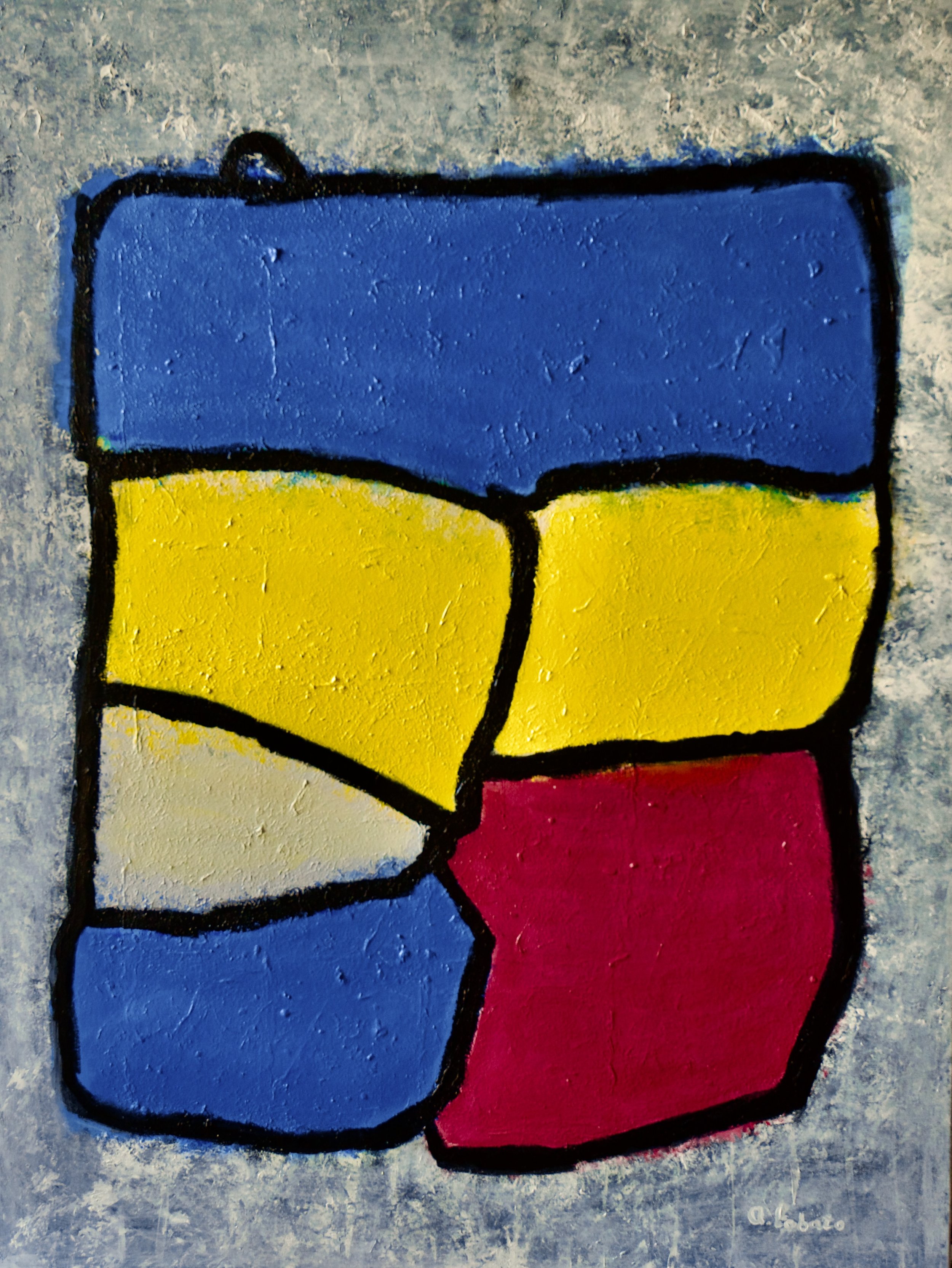
my suitcase, 2021, acrylic on canvas, 130 x 97 cm.
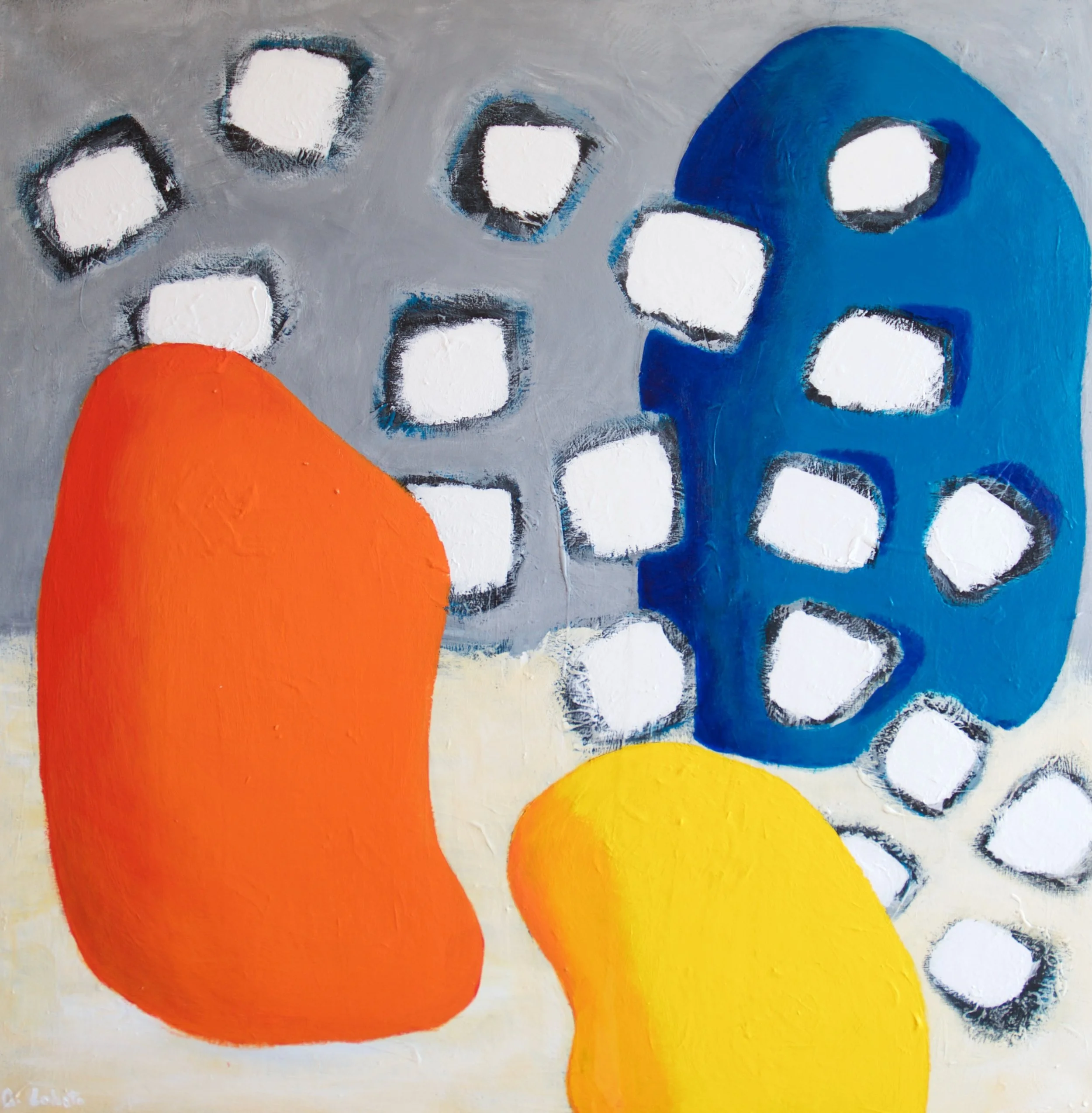
gravity, 2006, acrylic on canvas, 100 x 100 cm.
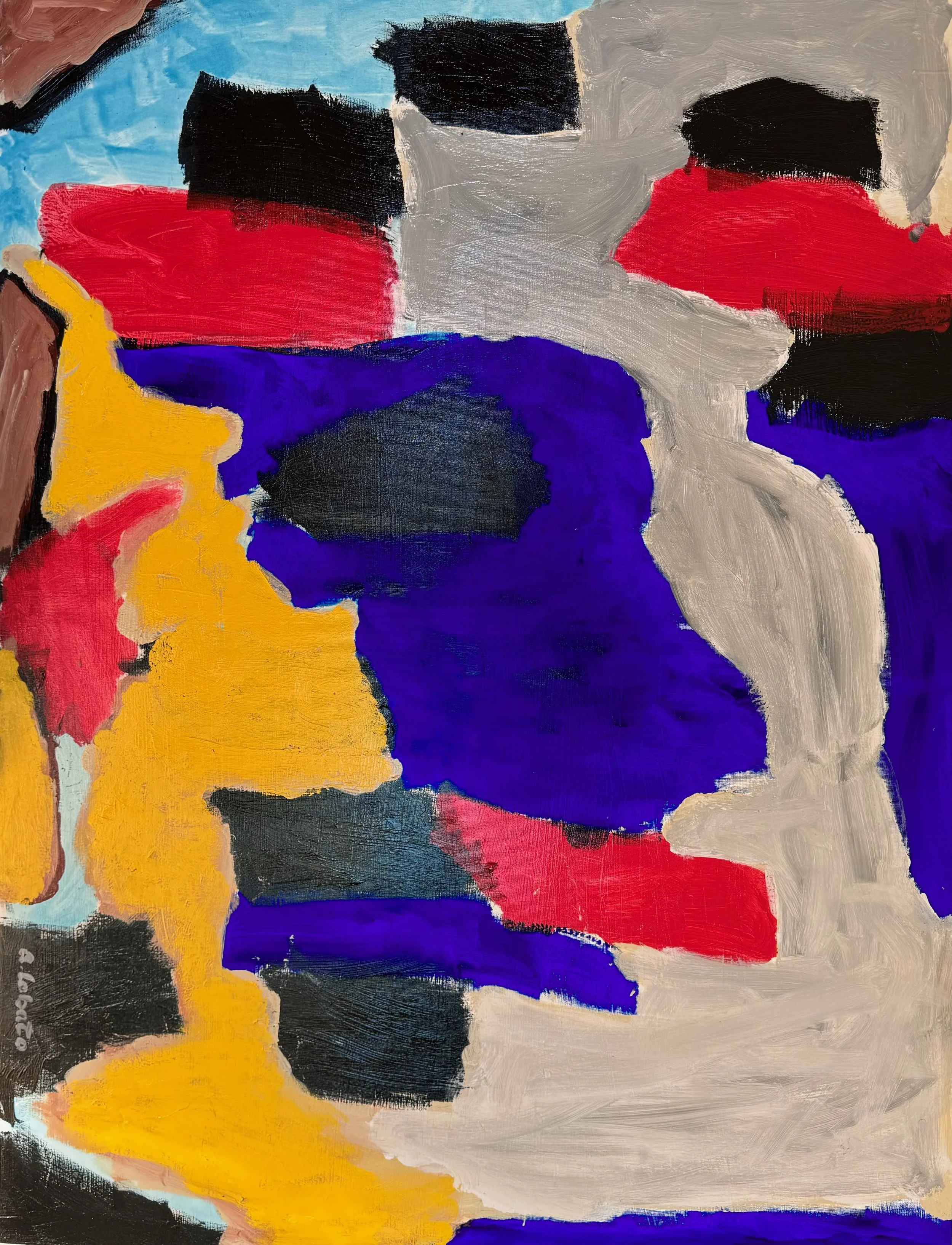
mosaic, 2022, acrylic on canvas, 130 x 97 cm.
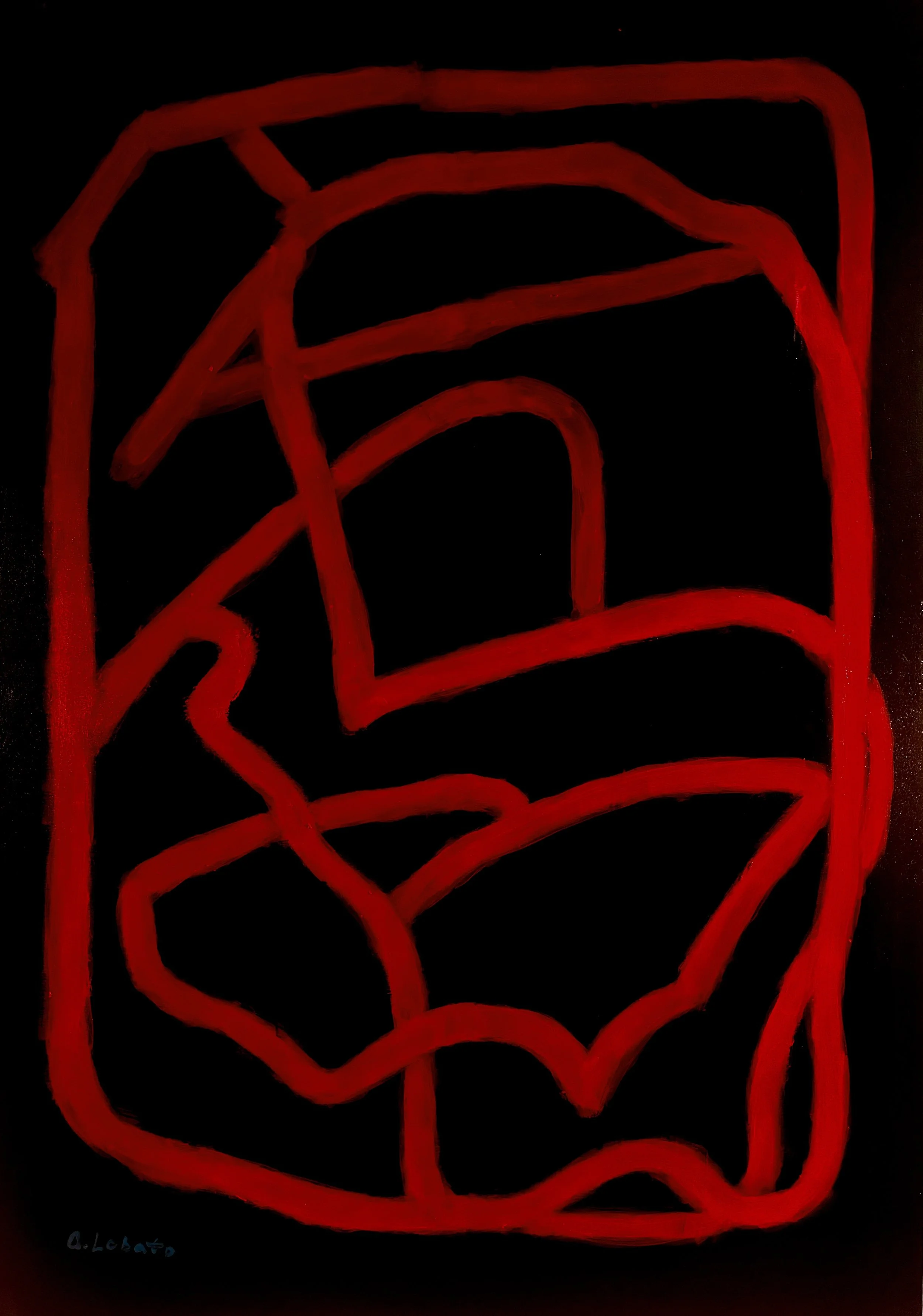
the red path, 2024, acrylic on canvas, 115 x 162 cm.
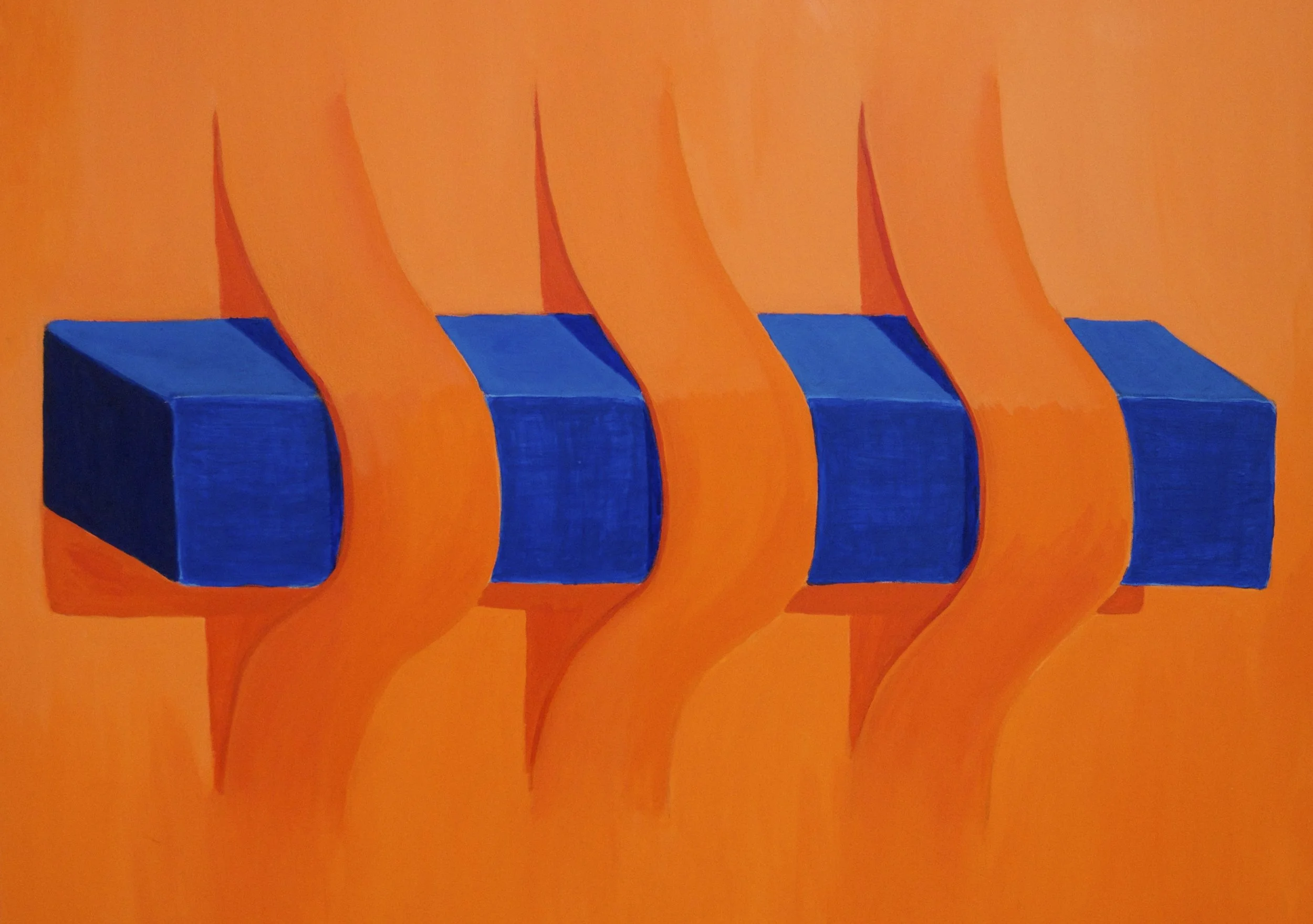
balance, 2001, acrylic on canvas, 100 x 81 cm.
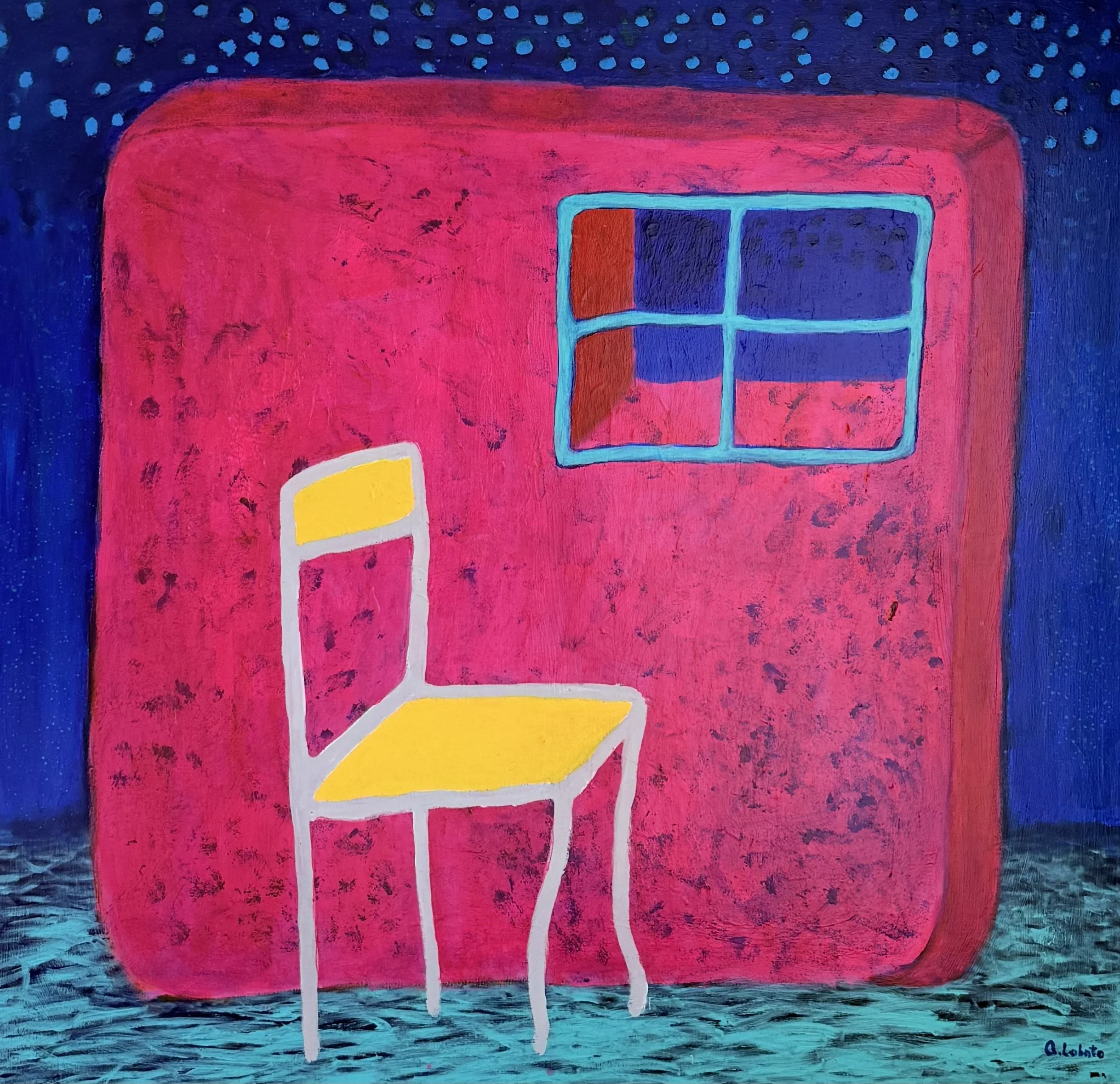
just imagine, 2025, acrylic on canvas, 160 x 150 cm.