
Martine Jansen
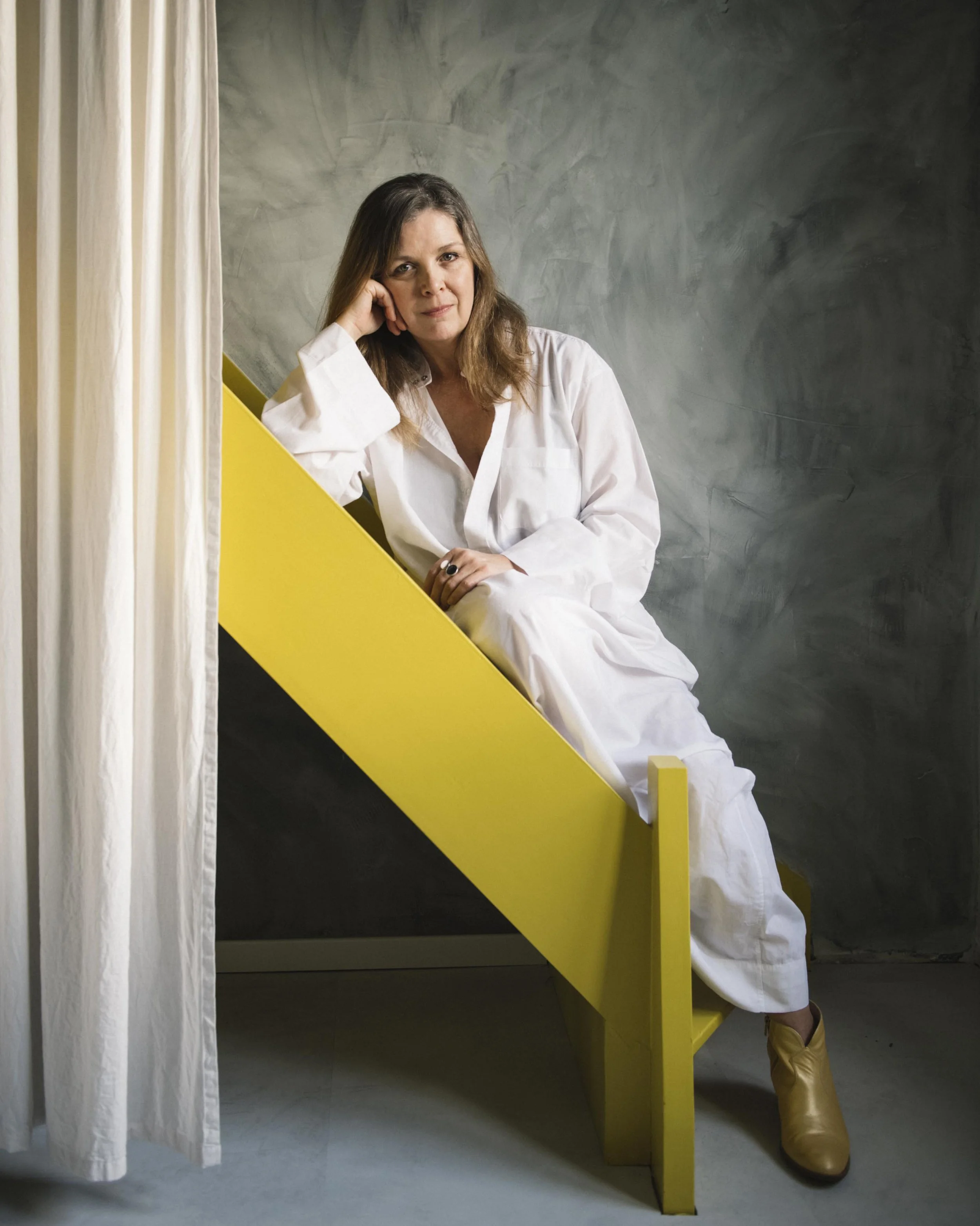
I am Martine Jansen (1969), living and working in Mechelen, Belgium. After studying graphic arts in Brussels, I began my career as a graphic designer. As an artist, I initially explored figurative visual art and gained recognition for my realistic porcelain artist dolls, which attracted worldwide interest and appreciation. Over the years, my work has gradually evolved towards abstraction, driven by my fascination with the balance between simplicity and layering. Each piece is a search for harmony and contrast, built up layer by layer to reveal both depth and complexity. I describe my work as a form of “poetic representation with an urge for repetition.” Repetition, for me, is a meditative force—a way to uncover patterns and rhythms that feel both universally recognizable and deeply personal. My background in graphic arts remains present in the precise lines, defined shapes, and carefully constructed compositions. My sculptures often arise from social themes that resonate with me. These are everyday events I read about in the news or things that disturb me in our current society. I translate the thoughts that occupy me around these topics into an image. Creating art is a natural process for me. I’m involved with it daily. If not in the studio, then in my mind. I never start with the intention of pleasing. Creating art is a deeply personal process, and I will never “produce” it simply to please. The artworks I create emerge from within myself and are therefore both strong and vulnerable. I describe my work as tranquil and poetic, with a certain layering. And the viewer often experiences it that way as well. My work invites the viewer to pause, observe, and form a personal interpretation. I strive to create images that are both powerful and understated, evoking a sense of poetry and timelessness.
Your practice moves between two seemingly opposing registers: the atmospheric restraint of your abstract paintings and the tangible corporeality of your sculptures. Do you experience these media as different semiotic systems, or as part of one structural language in which absence and embodiment are interchangeable?
I experience both practices as equally essential and compelling. It doesn’t feel right for me to limit myself to one form. Working across different media happens in a very natural and organic way. I don’t want to choose between painting or sculpture — they reinforce each other and give me a sense of freedom.
In my paintings, I work through reduction: I remove, soften, and build up layers until the image almost dissolves. In my sculptures, on the other hand, the body becomes more concrete and physically present, with a direct intensity. Although they may seem opposed at first glance, they are two approaches that are deeply connected and feed into each other. Together, they form my visual language.
Your paintings seem to insist on a paradoxical condition, where presence is articulated through erasure, through the gradual removal of visual information until only a residue of color and rhythm remains. Could you speak about the moment when reduction no longer clarifies but begins to undermine the legibility of the image?
There is always a fragile moment in the process where the work can tip in two directions. Reduction can clarify, but it can also erase too much. I don’t determine that boundary rationally — it’s something I feel while working. As long as the image still holds tension, it can carry meaning. The moment it becomes empty or merely decorative, it loses that necessity.
Sometimes I go too far. Then the work collapses, and I either rebuild it or destroy it completely. That risk is part of the process. It’s the only way to arrive at an image that feels balanced rather than constructed.
You began your career in graphic design, a discipline historically tied to clarity, structure, and visual economy. How does that background continue to inform the spatial logic of your paintings today, particularly in how layers accumulate without becoming visual noise?
My background in graphic design is still very present, even if the work looks different today. It informs my sense of structure, composition, and restraint. I am very aware of where a line begins or ends, how a surface is constructed, and how elements relate to one another.
Even when I work with many layers, there is always an underlying order. This prevents the image from becoming noise. The layering is intuitive, but the structure beneath it is precise. That combination allows for complexity without losing clarity.
The evolution from hyperrealistic porcelain dolls to more distilled sculptural forms is particularly compelling. Do you see this evolution as a move away from representation, or rather as a transformation in how representation is constructed and perceived?
I don’t see it as moving away from representation, but rather as a shift in how I engage with it.
In the beginning, it was very direct: in my porcelain dolls, the human body was clearly and realistically present. Over time, that became less literal, but it never fully disappeared.
Today, it is reduced to its essence. Sometimes it is only a hint, a suggestion. At times, I deliberately embrace figuration again, precisely because it remains such a clear and accessible language.
So it’s not about abandoning representation, but about a transformation — from something fully described and visible to something that is more felt than seen.
Much of your sculptural work emerges from social or political disturbances you encounter in daily life, yet the resulting works resist explicit narrative. How do you negotiate the tension between the specificity of the starting point and the quiet universality of the final form?
The starting point is often very concrete: a news article, an image, something that affects or disturbs me. But I don’t want to translate that into a literal narrative. I’m not interested in illustrating an event. What interests me is the underlying tension or emotion.
During the process, the work gradually distances itself from that specific situation. It becomes more open, more silent. That distance allows the viewer to enter the work with their own interpretation.
I don’t need to shout or loudly proclaim my opinion. I find it more powerful to create an image in which the viewer can find their own meaning. Silence can be overwhelming in itself.
Layering occupies a central place in your thinking and is described by you as both poetic and meditative. In art historical terms, repetition is often linked to minimalist seriality or ritual mark-making. How do you position your own approach within this context?
Layering, for me, is not a system or a method, but rather a way of working with attention. By building in layers, something begins to shift. Subtle differences become visible, and a sense of depth and tension emerges.
It slows down my process and allows the work to develop gradually. Each layer responds to the previous one, creating a dialogue within the work itself.
I feel a connection to approaches rooted in repetition or rhythm, but I don’t consciously place myself within a specific tradition. For me, it is primarily an intuitive necessity.
Layering creates depth. It allows an image to unfold slowly, without being forced.
Light, particularly the subtle tonal transitions of morning and evening, seems to function less as a subject than as a structural condition in your work. When translating these fleeting atmospheric shifts into pigment and surface, what do you try to preserve, and what is inevitably lost?
Light is not something I aim to represent literally. It is more a condition that influences everything.
What I try to preserve are the transitions — the subtle shifts in tone, the moment when one color almost becomes another. That instability interests me.
What is inevitably lost is the immediacy of the experience. A painting can never fully capture that fleeting moment. But it can hold a trace of it.
So I’m not trying to depict light itself, but to translate its effect into color and surface.
Your working method with pastels — grinding, layering, and sometimes destroying works — suggests a cyclical process of construction and erasure. How does this shape your understanding of authorship and control in the studio?
The process of building and destroying makes me very aware that control is always relative. You can guide a work, but you can never fully determine it. At a certain point, the work begins to resist — it asks for something else.
Destroying a work is not a failure. It’s part of the dialogue. It creates space to begin again, often with more clarity.
For me, authorship is not about imposing control, but about staying attentive. Knowing when to continue, when to stop, and when to let go.
You previously described a period of creative disorientation as being like a cocoon — a phase of suspension where direction was temporarily lost. Do you now see that period as a rupture, or as an invisible structural phase necessary for your current visual language?
No, it didn’t feel like a rupture. I lost direction, and that was difficult. It was a period where I lost my footing. Everyone goes through difficult phases, and for me, it became — in retrospect — a search for balance.
It was a necessary phase, even if it didn’t feel that way at the time. Something was shifting, but not yet visible.
Now I see it as a turning point, a process of transformation. Like a butterfly emerging from its cocoon. Today, I work again with renewed energy and a strong sense of fulfillment. Not a break, but a transformation that made my current visual language possible.
In an art world increasingly dominated by speed, visibility, and the pressure to maintain a recognizable style, your work insists on slowness, ambiguity, and transformation. Do you see this as a conscious form of resistance, or as the necessary rhythm of your practice?
It’s not a conscious form of resistance. It’s simply how I work. I can’t accelerate the process or fix a style just to remain recognizable. That would go against the nature of my work.
Slowness, doubt, and change are essential. Without them, the work loses its depth.
https://www.martinejansen.be/
https://www.instagram.com/martinejansen.art
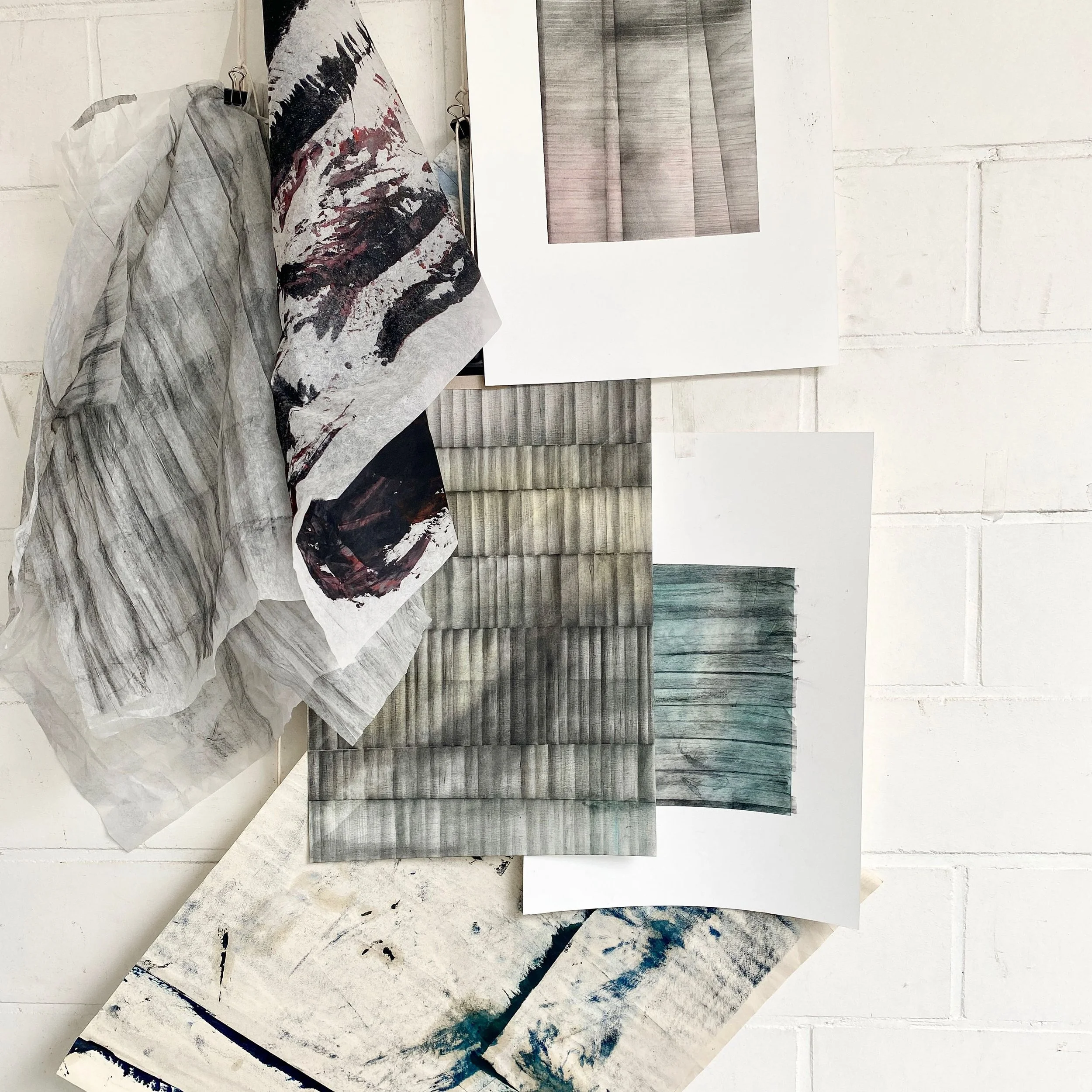
Studio, work in progress
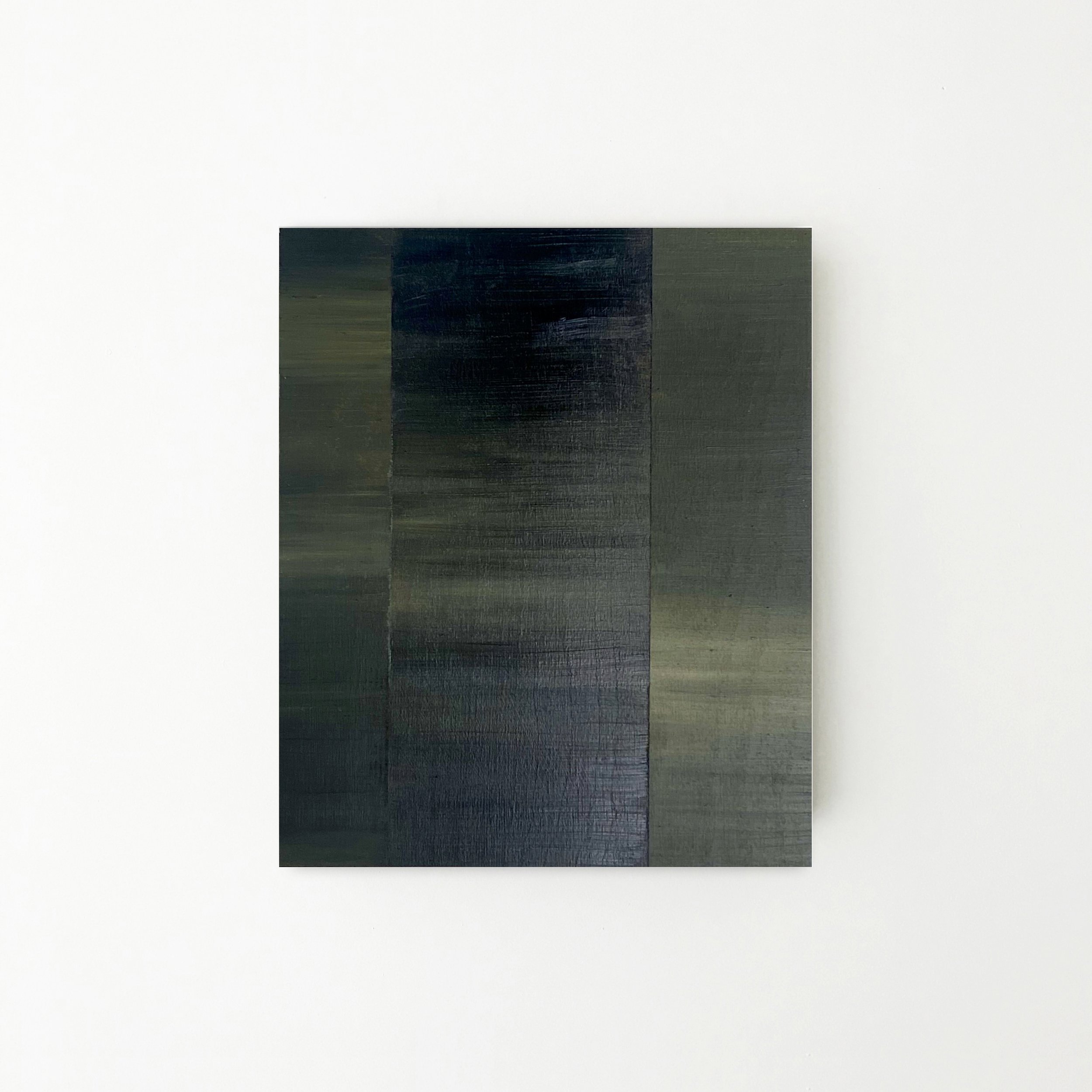
TRANSITION IN GREEN, 2024. Oil on wood, 25 x 30 cm
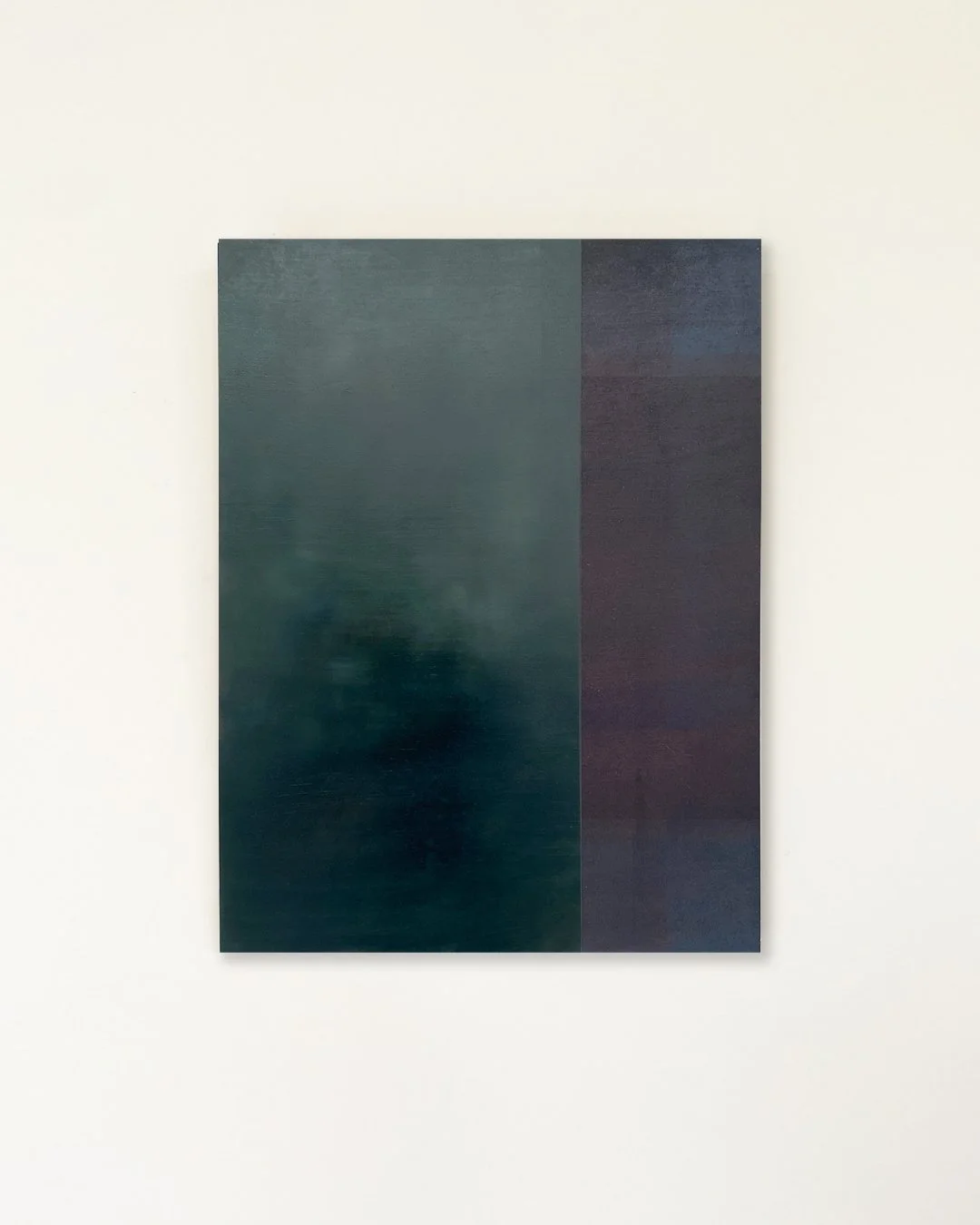
AGAPANTHUS, 2026. Oil on wood, 40 x 30 cm
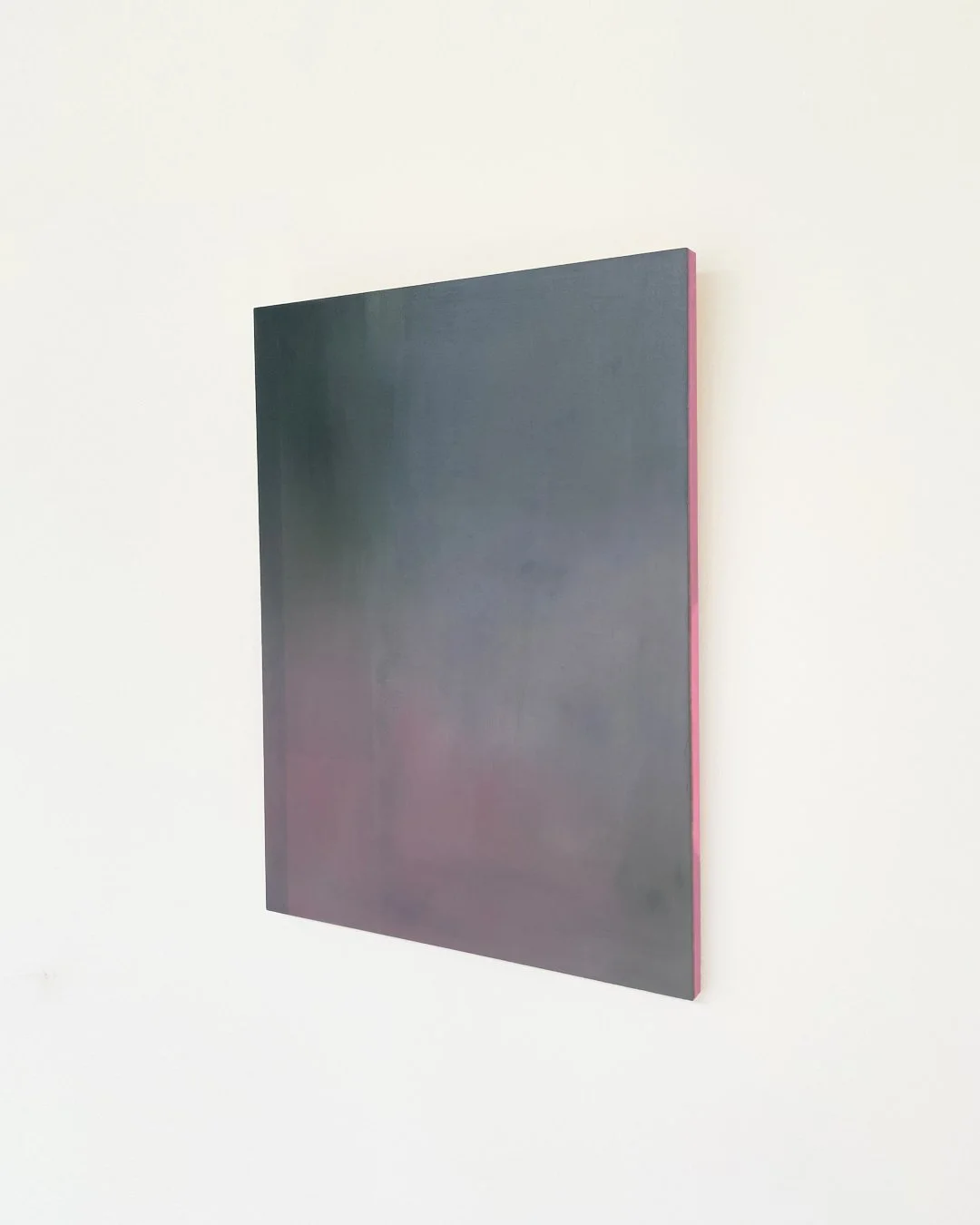
NYMPHAEA, 2026. Oil on wood, 40 x 30 cm
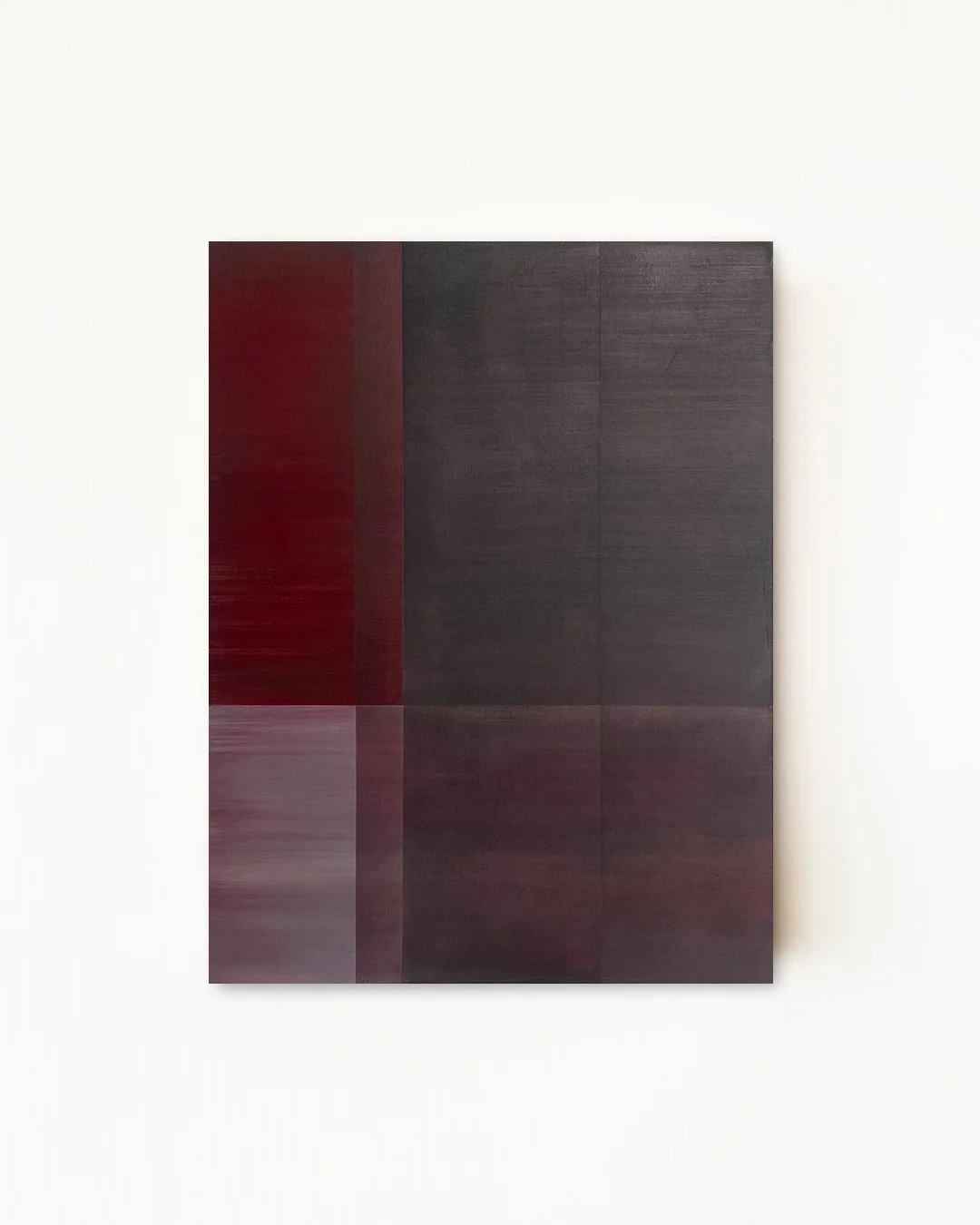
INTERVAL IN RED II, 2025. Oil on wood, 40 x 30 cm
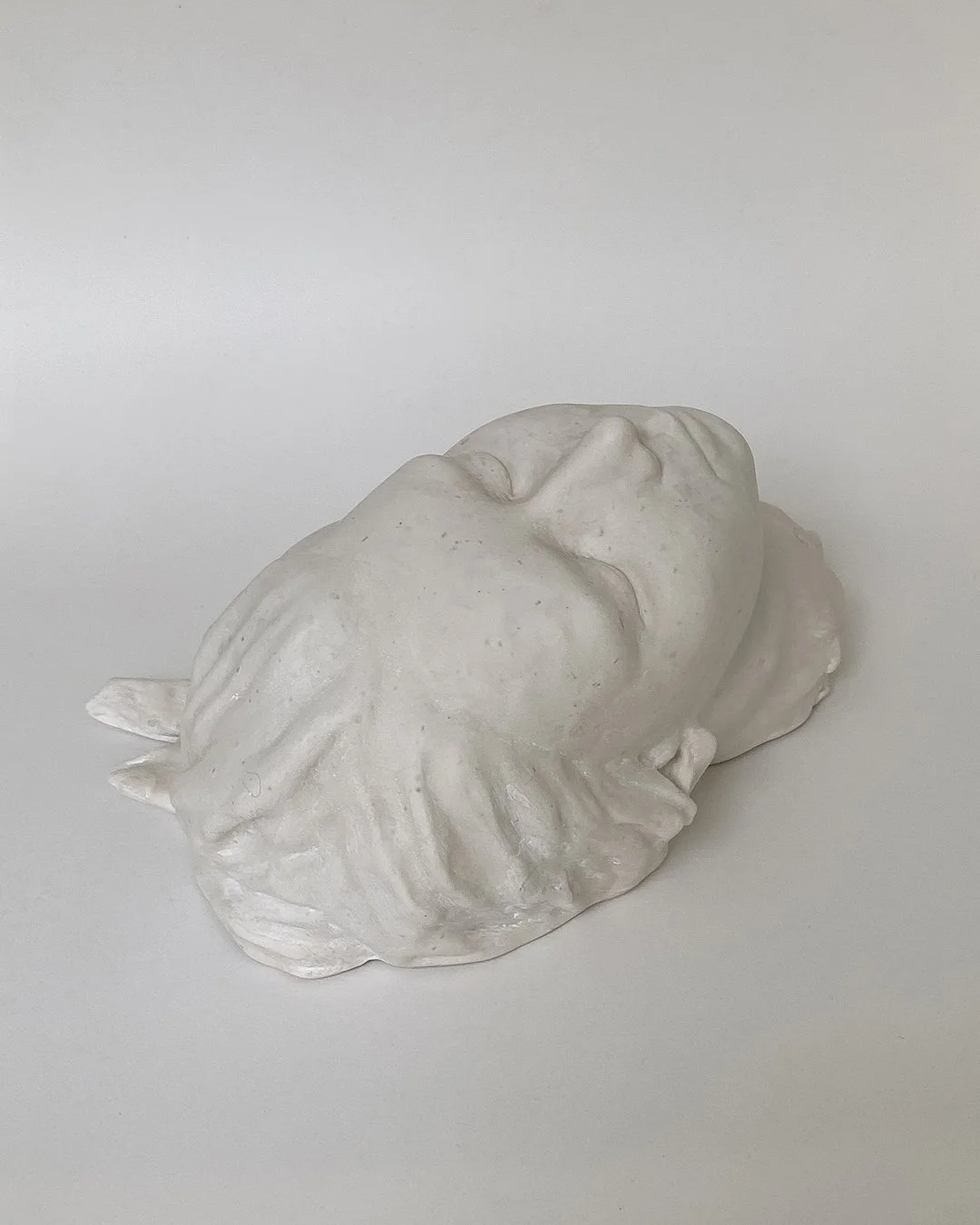
BEFORE THE DAWN, 2026. sculpture in mineral composite, 20 x 20 x 12 cm
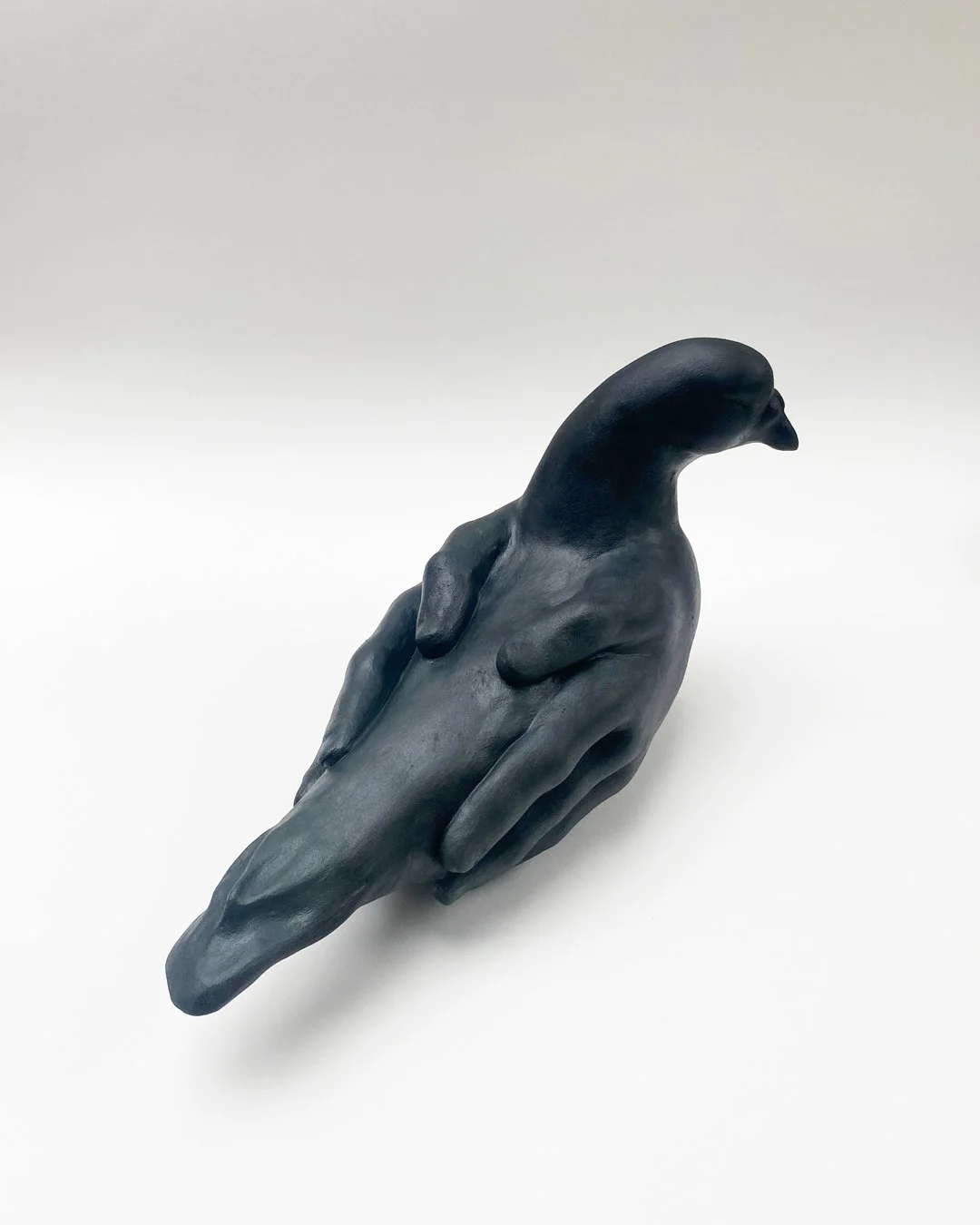
THE MESSAGE, 2025. sculpture in mineral composite, 27 x 11 x 15 cm
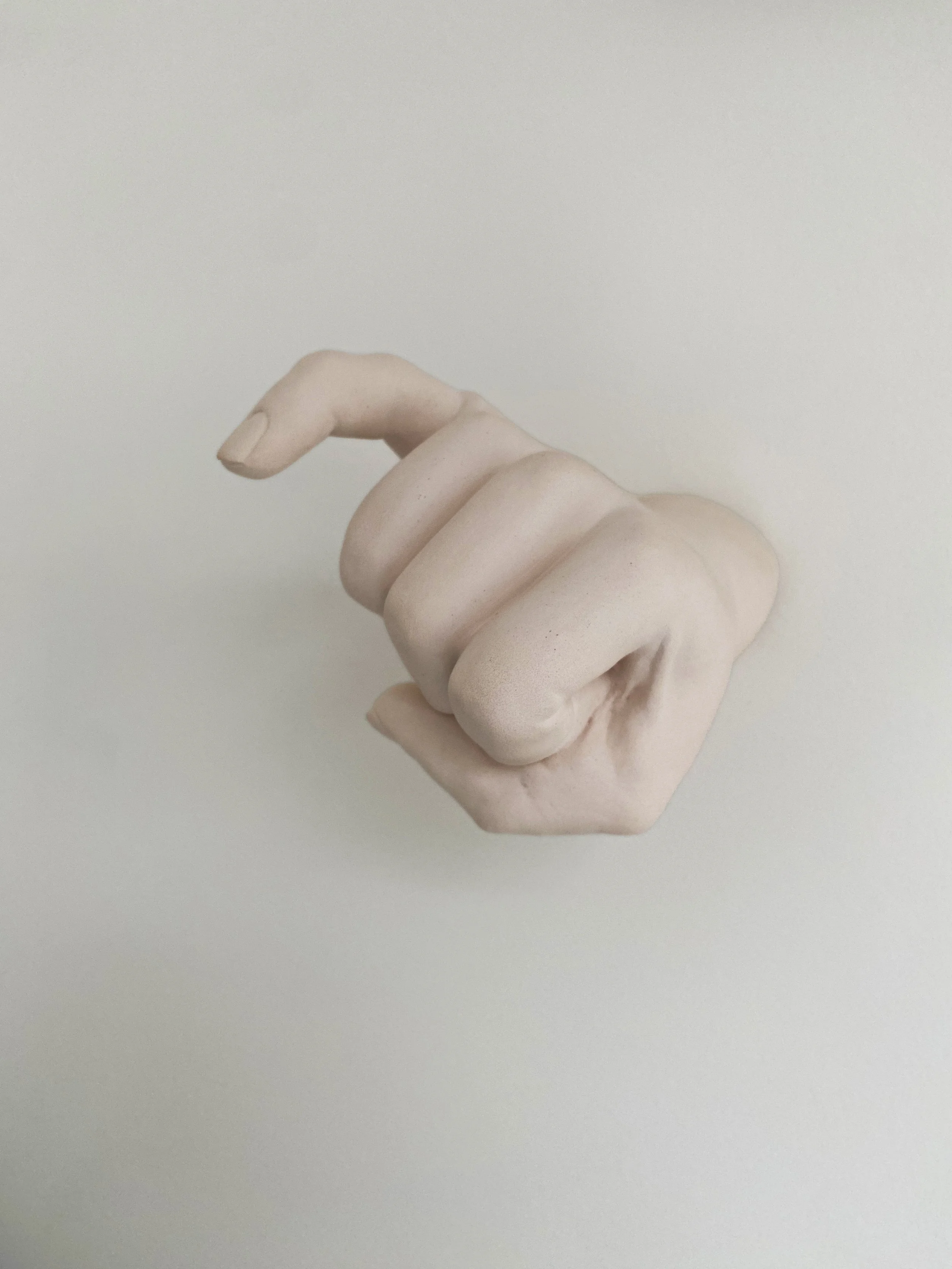
PINKY SWEAR, 2026. sculpture in ceramics, 15 x 10 x 10 cm
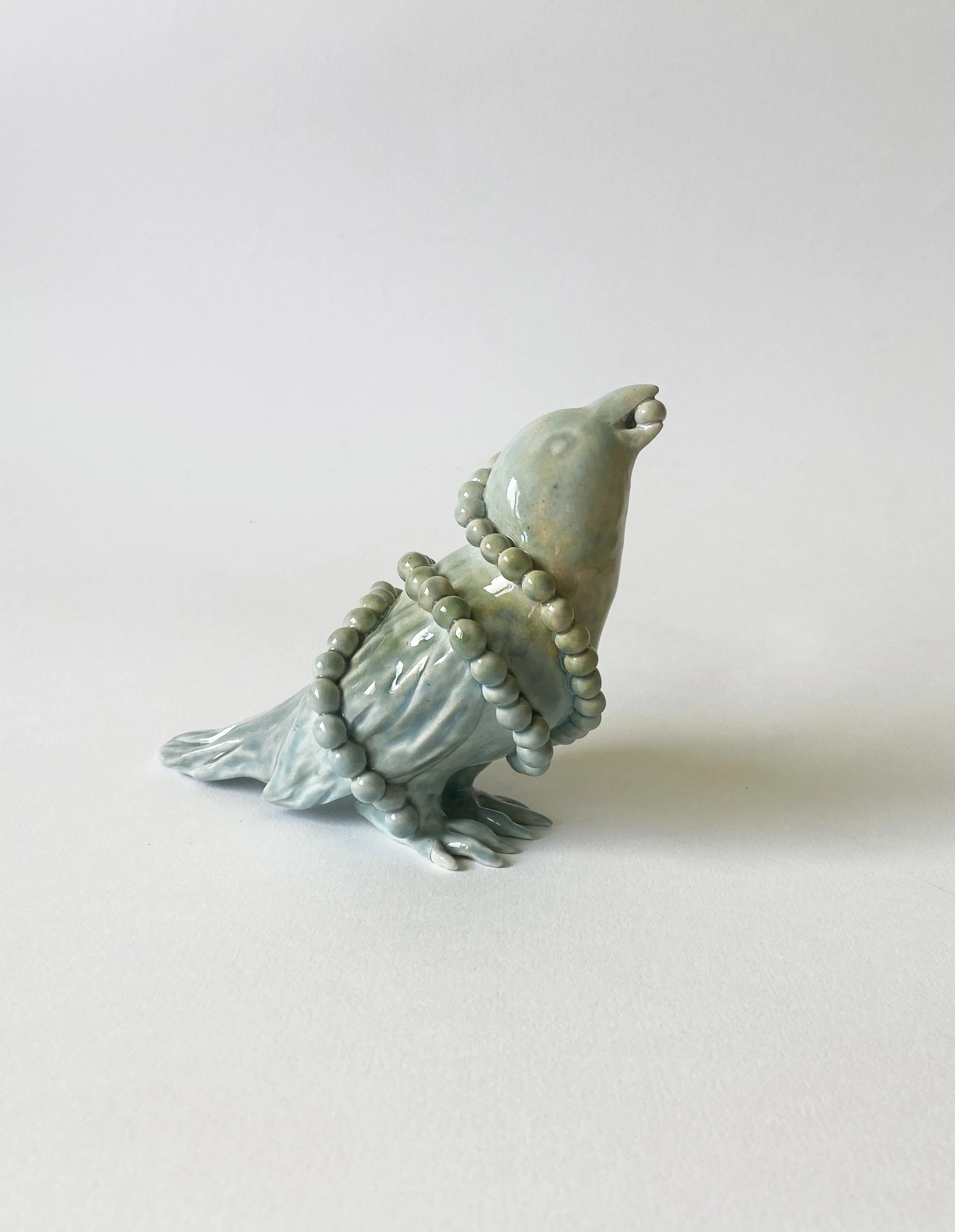
THE BRIDE, 2026. sculpture glazed ceramics, 15 x 20 x 12 cm
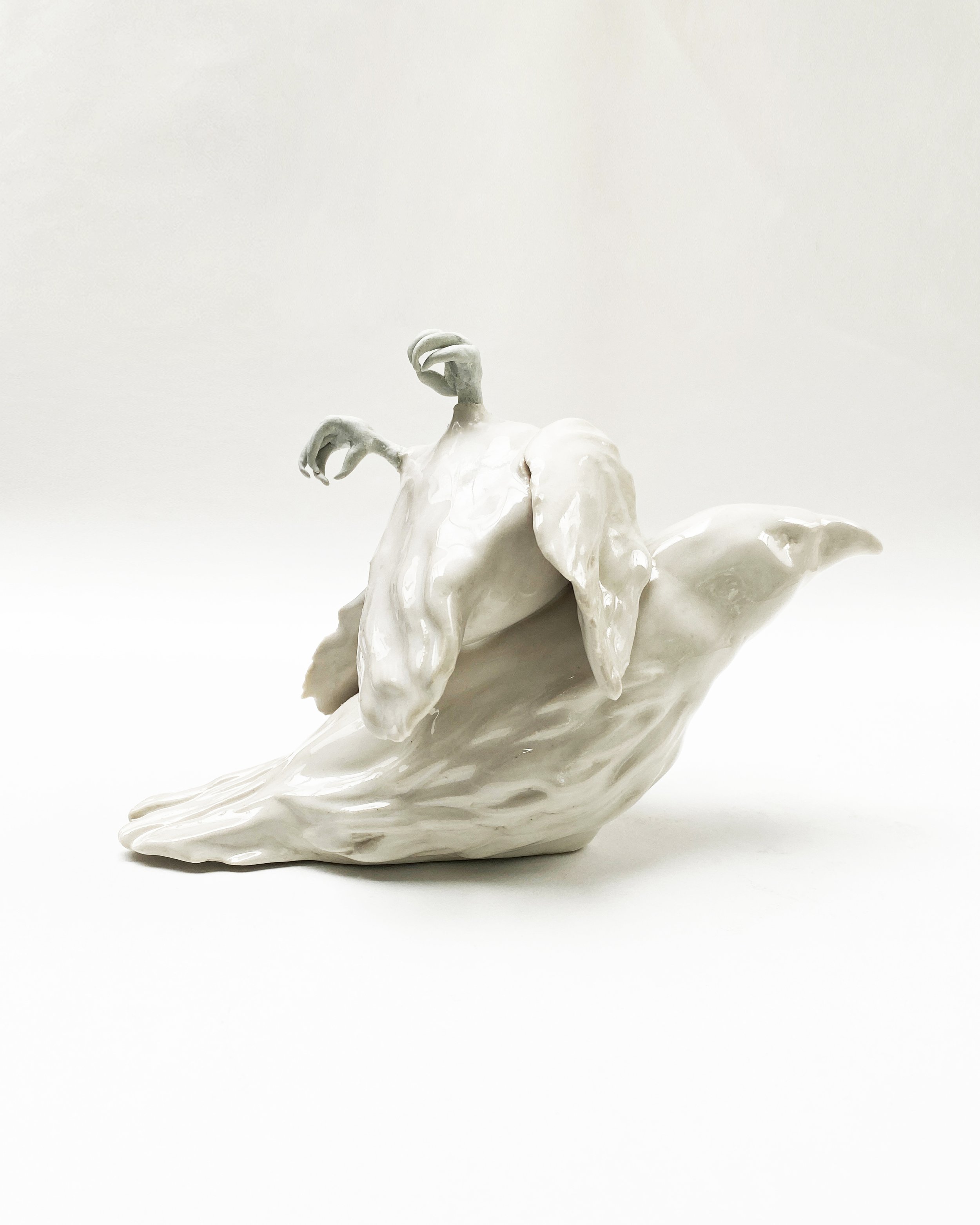
THE CARRIER, 2025. sculpture glazed ceramics, 15 x 11 x 10 cm
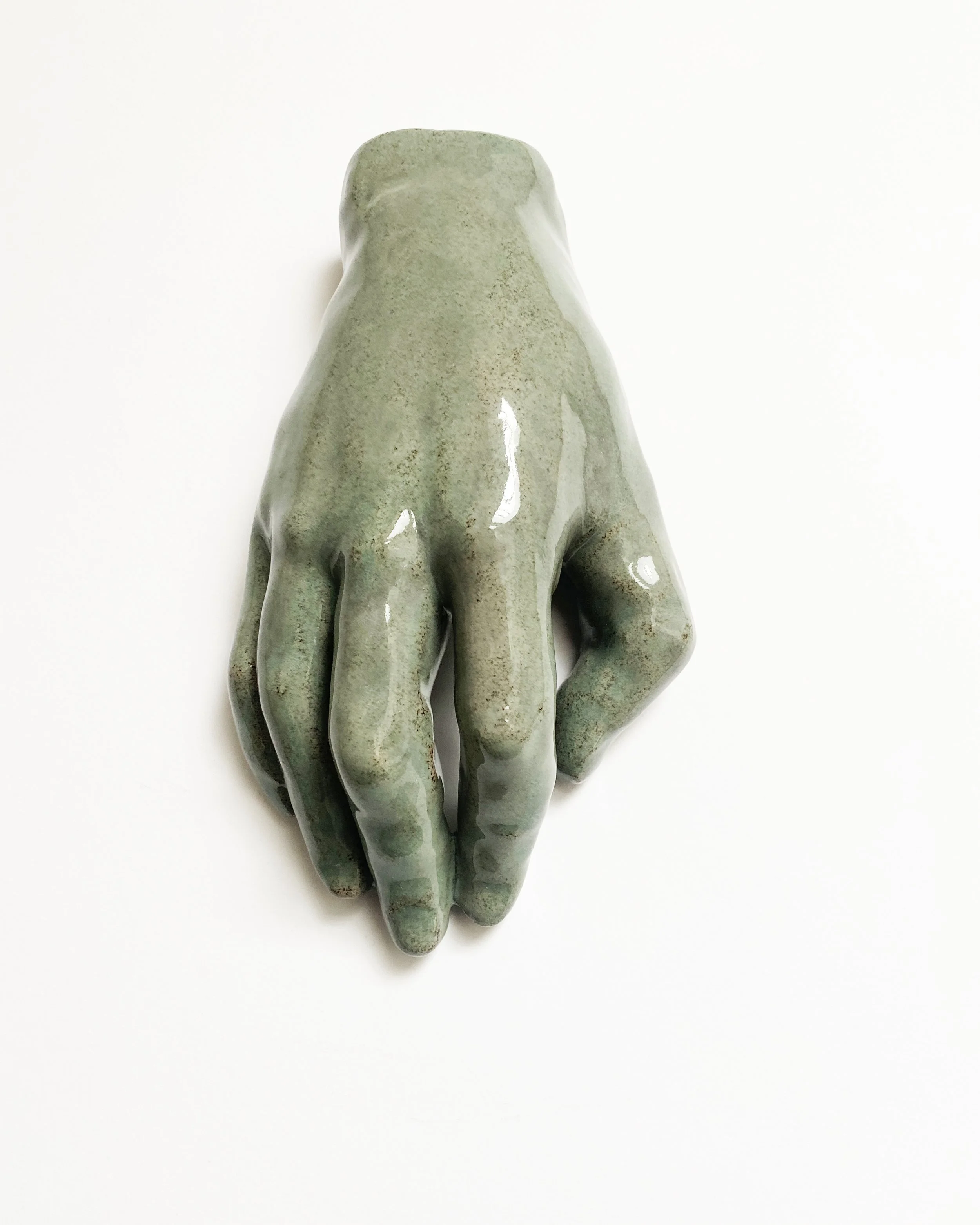
HAND, 2025. sculpture glazed ceramics, 18 x 8 x 4 cm
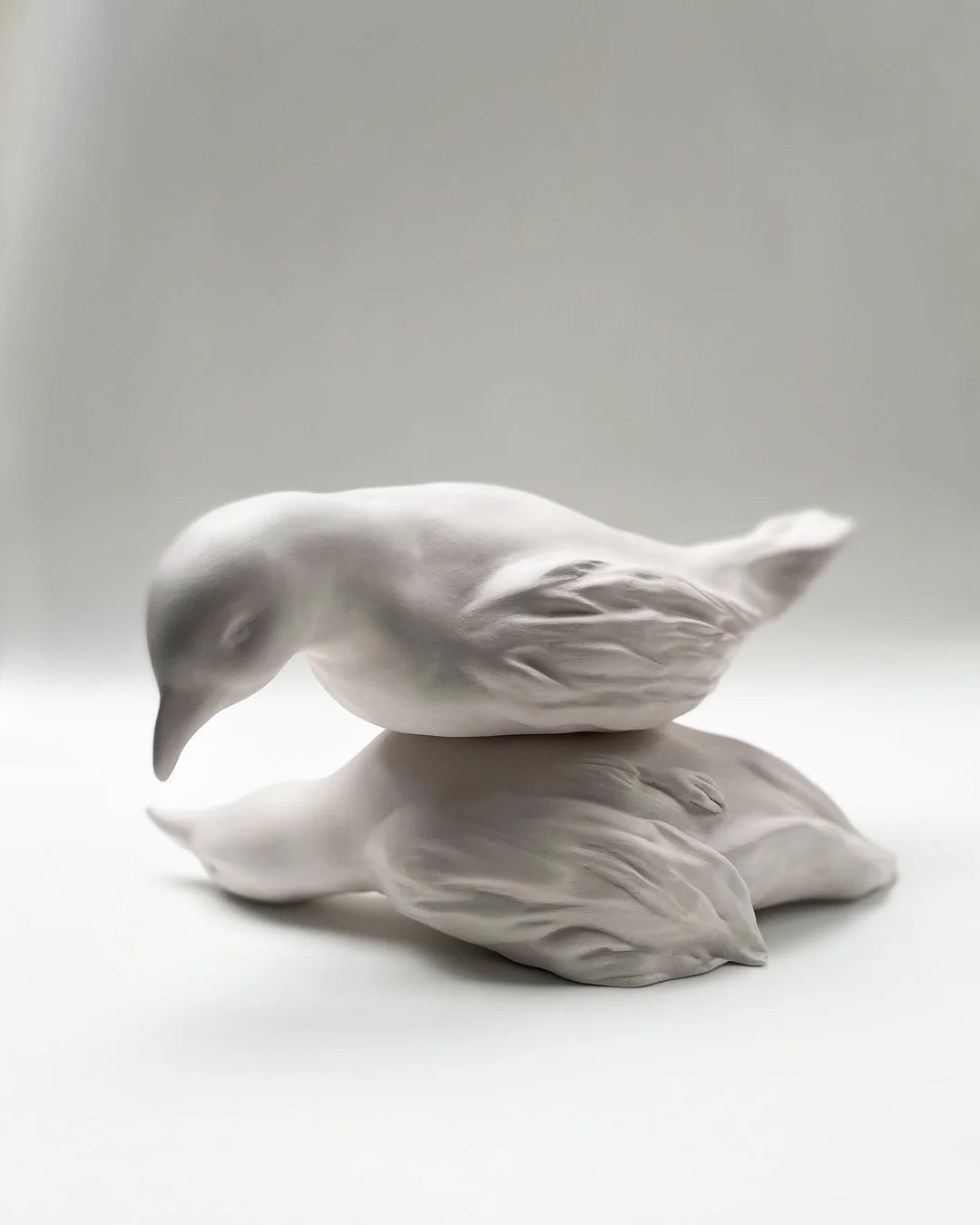
SILENT WATCH, 2025. sculpture painted ceramics, 30 x 17 x 17 cm
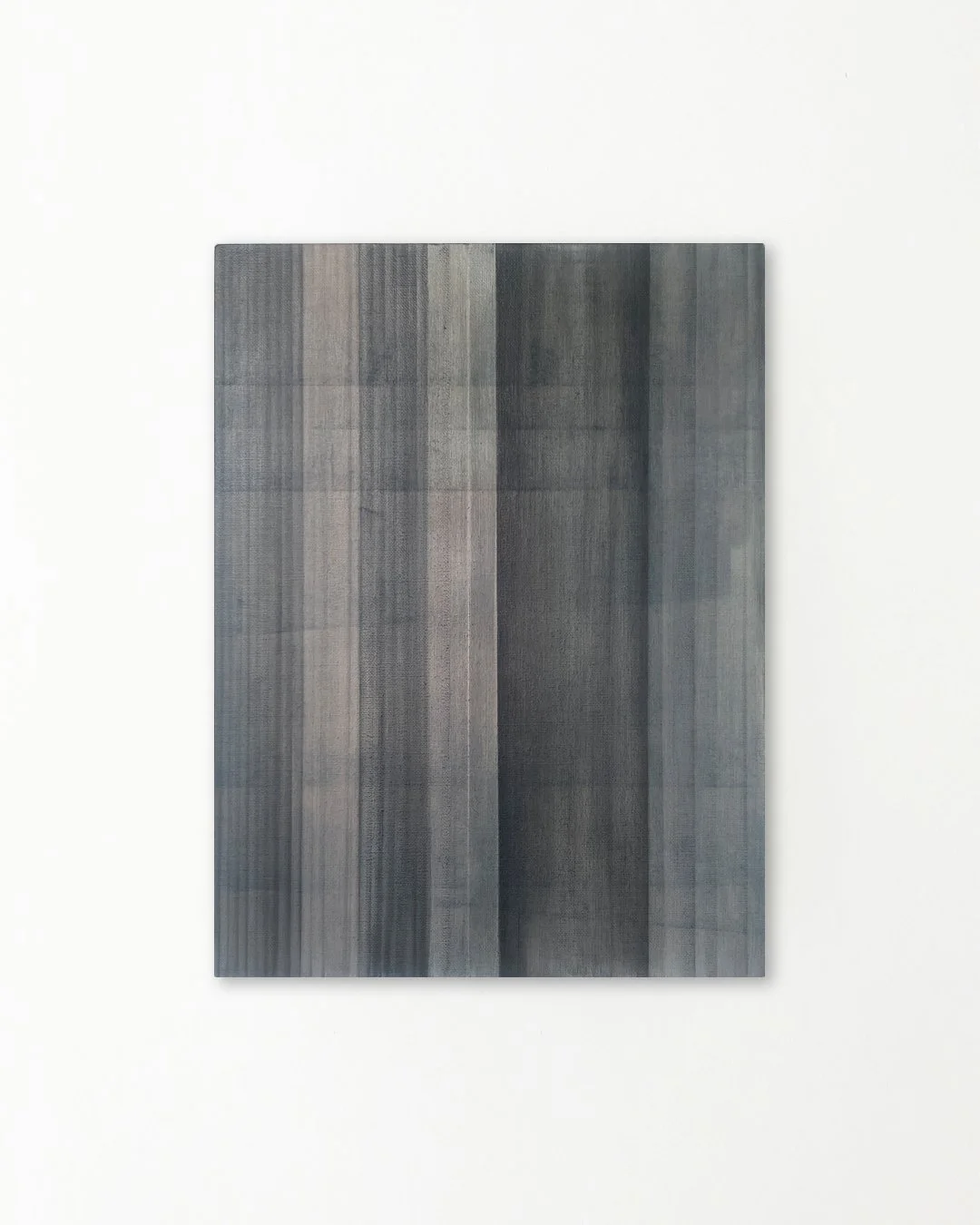
LINEAR DRIFT, 2025. Pastel & oil on wood, 40 x 30 cm
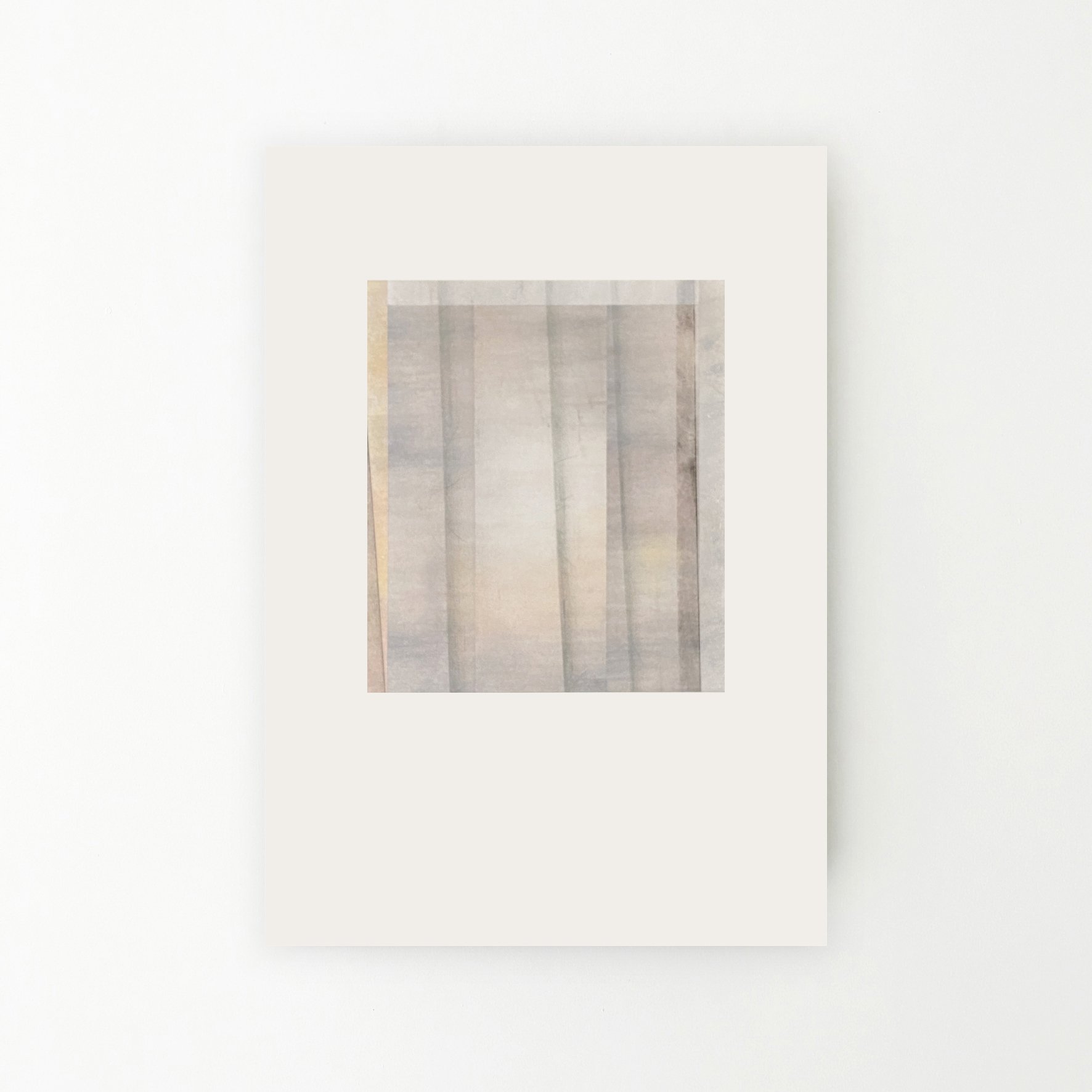
CURTAIN, 2025. Pastel on paper, 40 x 30 cm
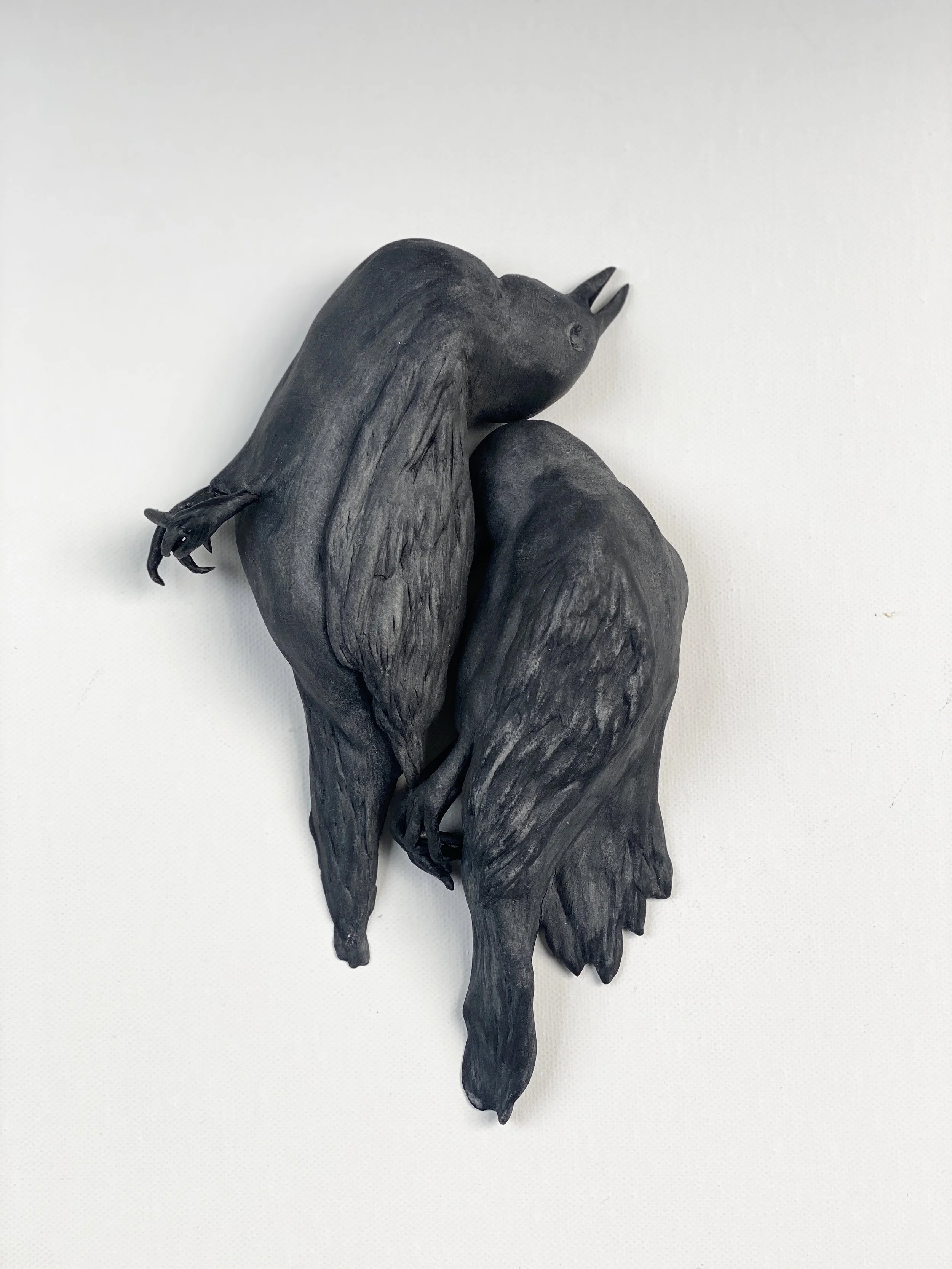
THE TRACE WE LEAVE, 2025. Sculpture, Ceramics, acryl, epoxy 24 x 14 x 5 cm
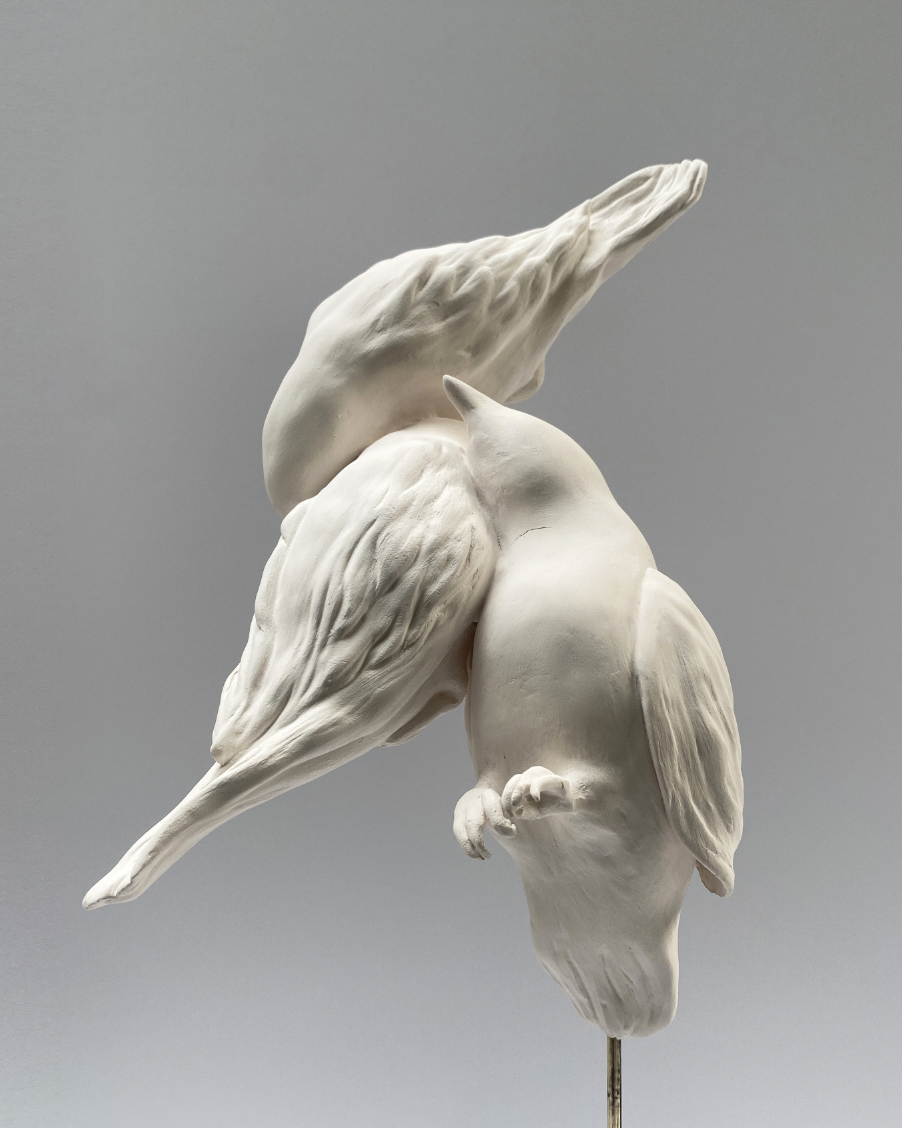
SYMBIOSIS, 2025. Ceramics 40 x 15 x 12 cm
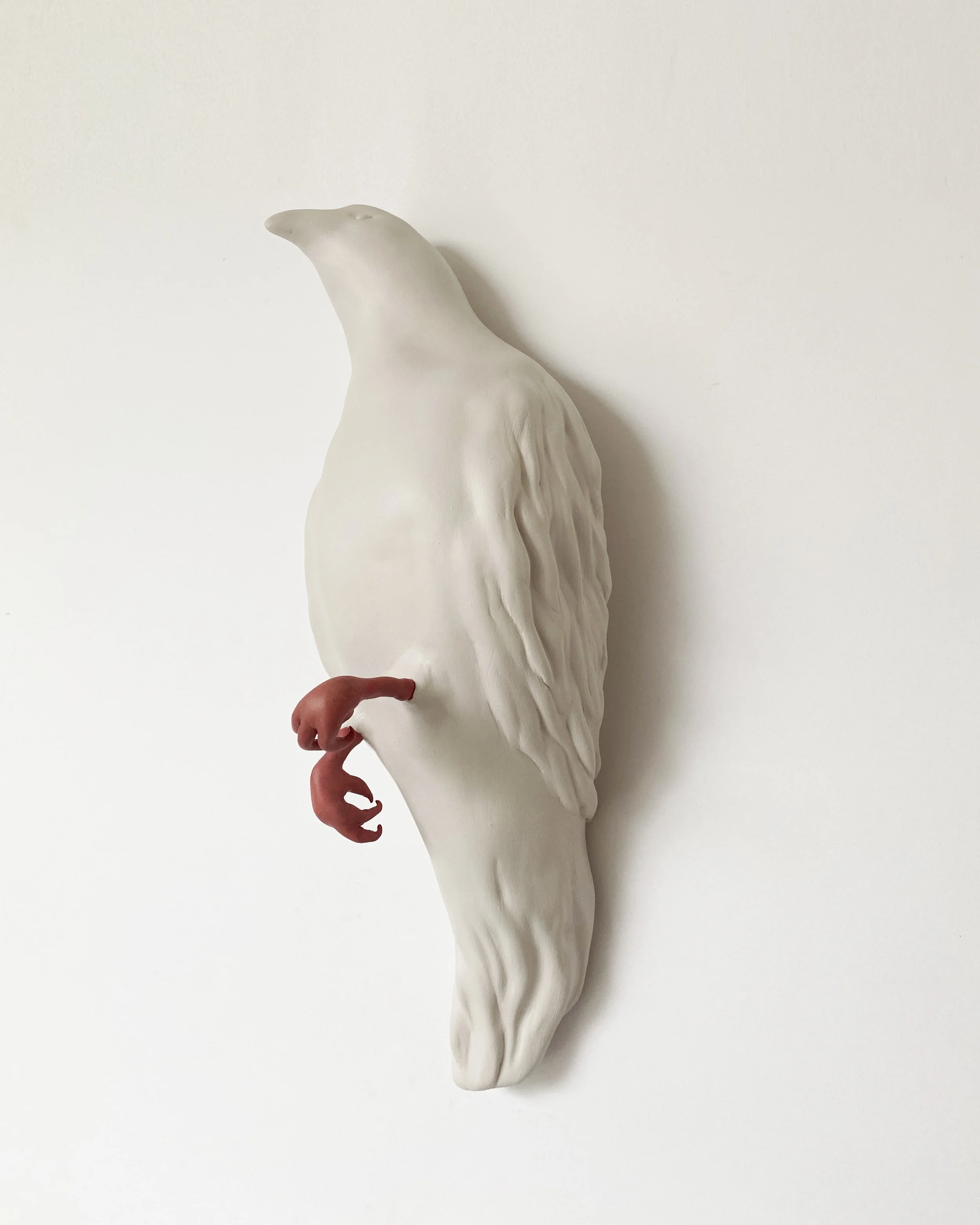
TROPHY, 2025. Stoneware ceramics, acryl 35 x 13 x 16 cm
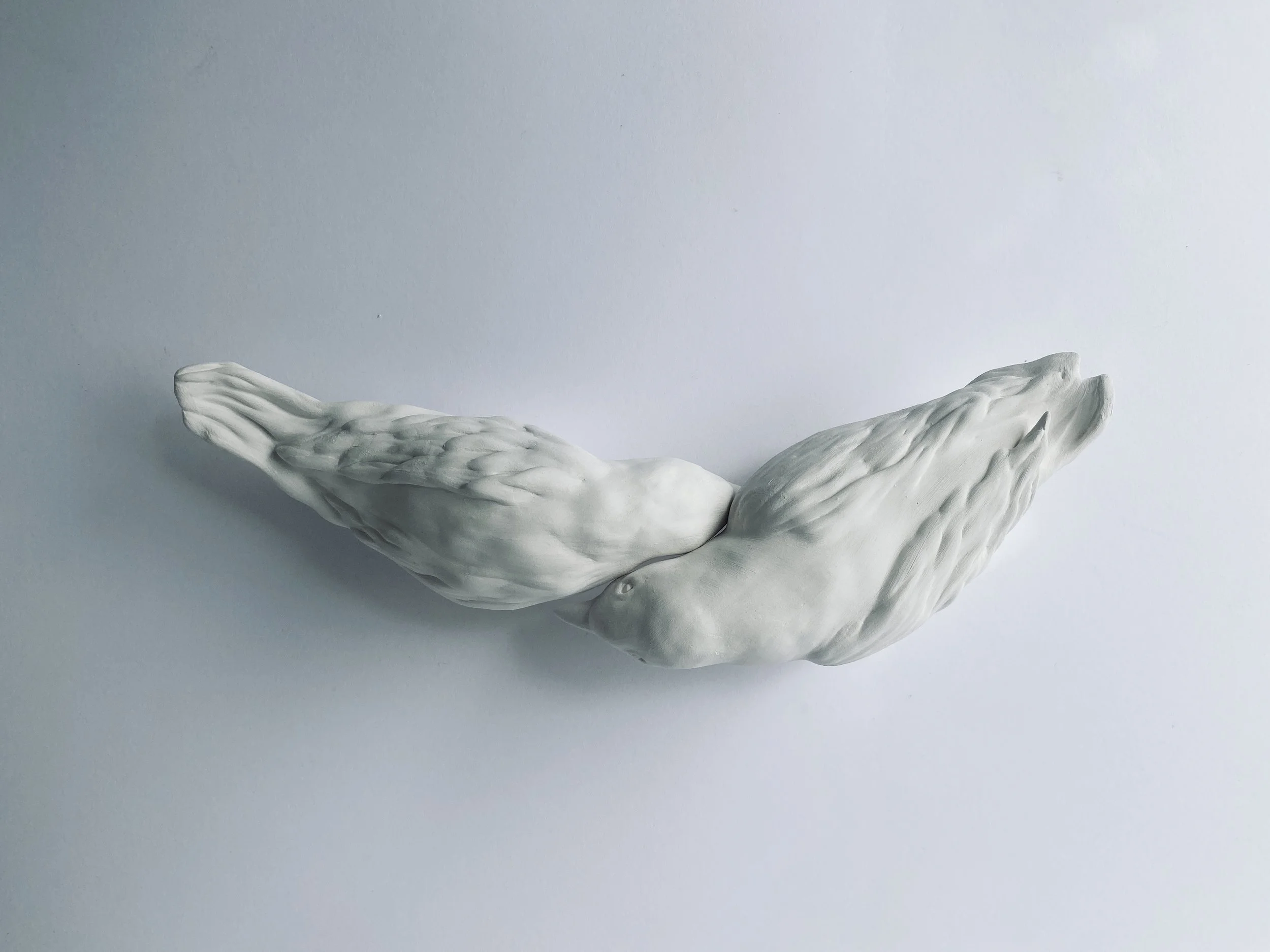
WINGS, 2025. Ceramics 32 x 11 x 7 cm
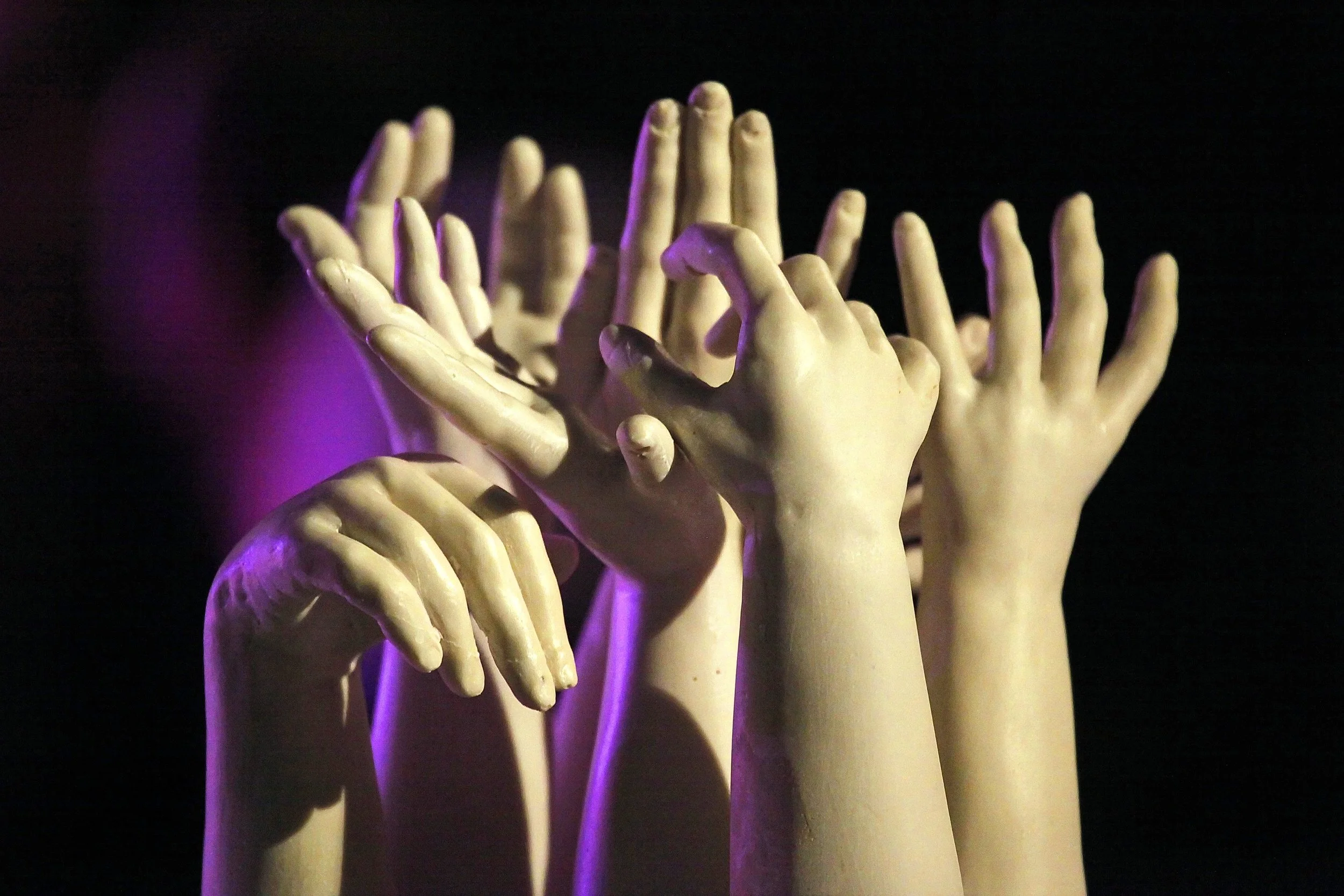
LITTLE FOREST, 2012. Resin, 40 x 40 x 40 cm
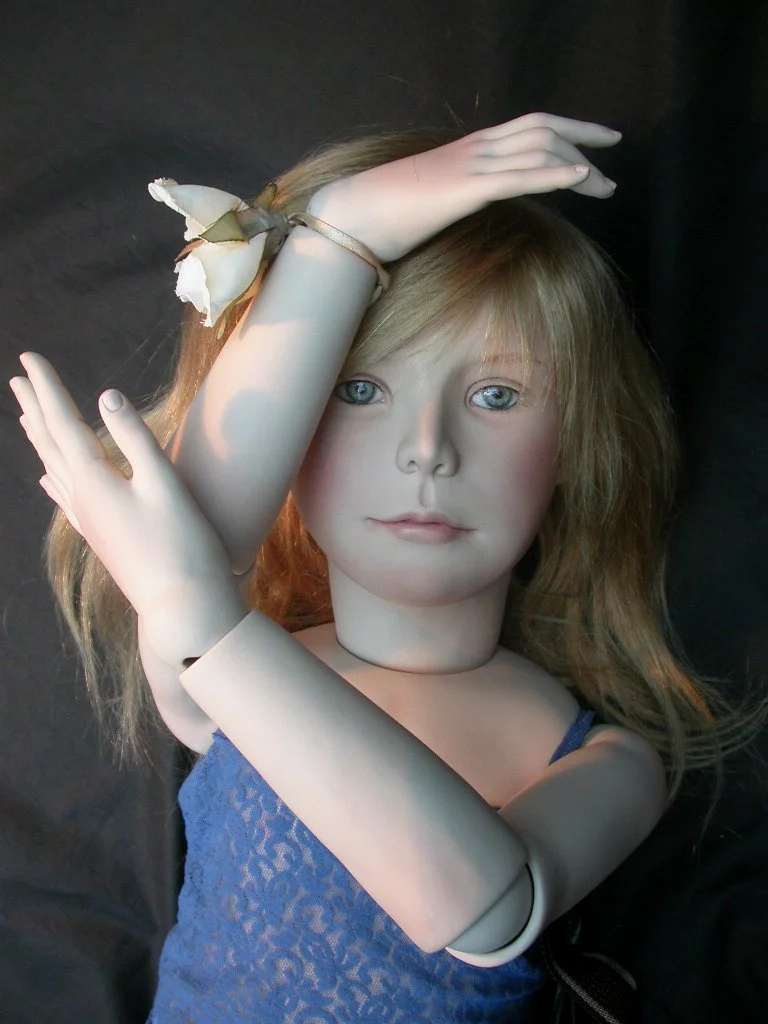
DOLL Ilona, 2010. Porcelain, clothing, human hair