
Alida Velea
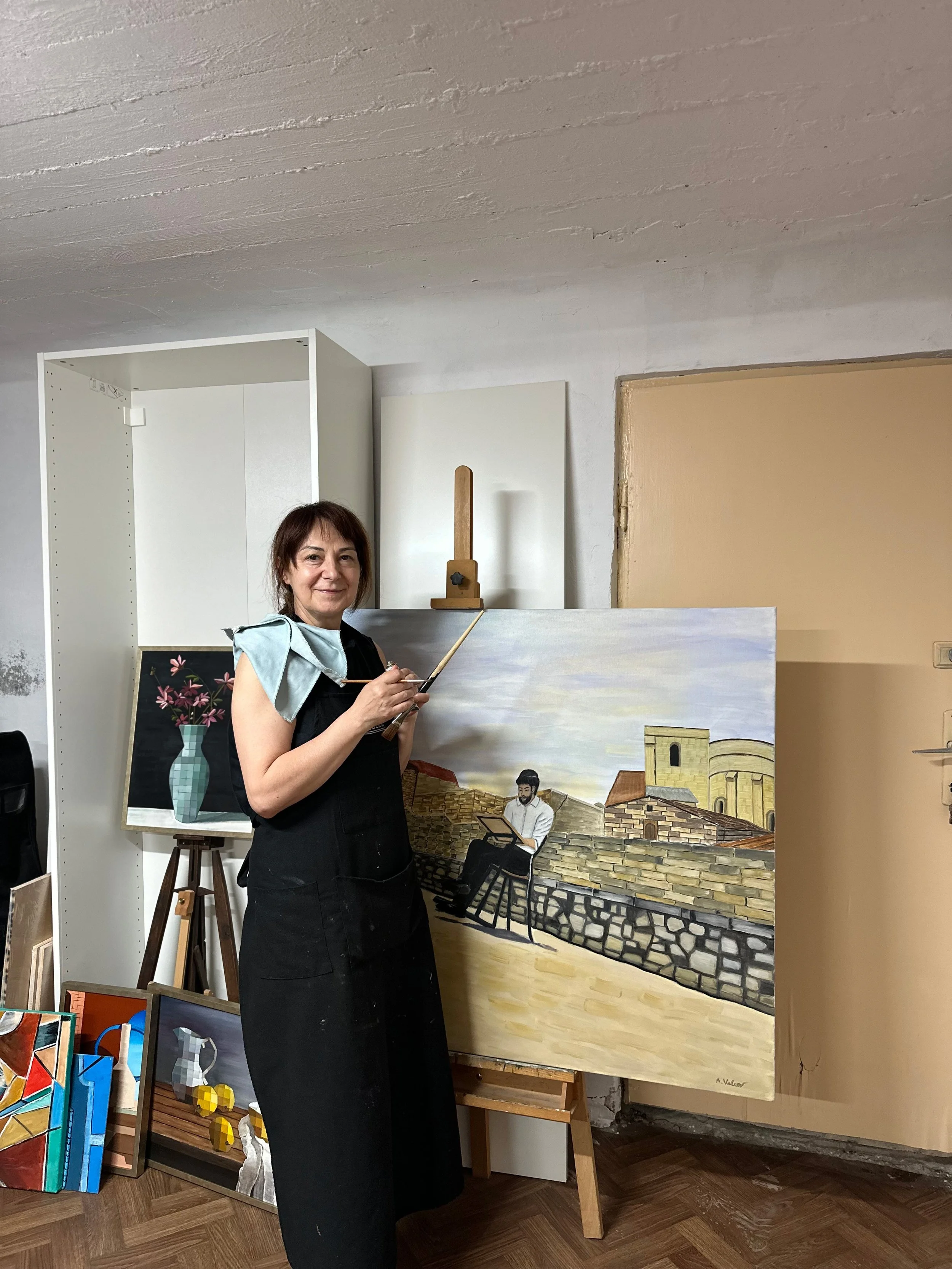
Alida Velea is a Romanian visual artist known for her diverse work across digital collage, mixed media, and painting. She currently lives and works in Bucharest. With a degree in engineering, the decision to transition to the field of fine arts came from a strong inner passion. Thus, in 2020, Alida obtained a First Class Honors Degree, in Fine Arts, from the University of Hertfordshire, United Kingdom.
Alida's artistic focus lies in the exploration of one's own cultural identity and its interaction with the personal and social events. Her artistic style often explores human identity, nature, and futuristic themes, frequently blending traditional techniques with modern digital media.
Her works have been included in various exhibitions, both personal and group. Last year, in addition to the personal exhibition "In Enigmata" in Brancovan Palaces, Bucharest (Romania) she exhibited at two biennials: in Basel (Switzerland) and Tulcea (Romania), at the Annual Salon of the Members of the Union of Visual Artists and many group exhibitions.
For this year, she already has scheduled three personal exhibitions (one of them currently underway, in Bucharest - “Fragments of an unstable body”) and several group exhibitions, both in Romania and abroad (among them to be mentioned, in: Budapest, Berlin, Rome).
In her artist statement, she describes herself: "I am part of a typology of artists interested in exploring emotions, people, places, and spaces. I constantly translate mental images, related to events and feelings, into different visual forms that carry messages; the used mediums represent a natural way of expressing and illustrating the worlds I perceive. My works tell stories in a figurative style that I integrate into a geometry with abstract or surrealist notes. “
Alida, in considering your trajectory from engineering into the field of fine arts, one is compelled to ask whether this shift might be understood not merely as a biographical turn, but as a structural reorientation of thought, from the logic of systems to the poetics of fragmentation. How does this dual formation continue to inform the epistemological framework of your practice, particularly in the construction of your figurative cubist visual language?
Yes, very nicely said, “the poetics of fragmentation”. Of course, the change meant much more than the field itself; it represented a resetting of values, if I may say so.
There is certainly an influence in what I work on, in the field of art, that comes from the years of studying technical drawing, in the faculty of engineering. Two aspects come to mind now: the first one is that I have a very good view of space and, the second one refers to the approach of a figurative-geometric style.
Your work seems to operate within a dialectic between memory and contemporaneity, where cultural identity is neither fixed nor nostalgically retrieved, but rather continuously rearticulated. Could you elaborate on how this negotiation unfolds within your studio process, and to what extent you conceive of painting as a site of temporal compression or even historical re-inscription?
My work in the studio is extremely demanding; especially everything related to the creation and composition.
I start from a theme that I choose, depending on the personal events but also on the social, economic, and political ones of the moment. I work a lot on sketches, I think about which elements are suitable for what I want to convey and how I can integrate them; I analyze which medium would be more suitable: painting, drawing, a physical collage or a digital one? Lately, painting has been the medium through which I have expressed myself more, so, I think that the brush strokes, the mixing of colors, the analysis of the elements that I want to highlight – all of these I think make me look at painting as a medium of temporal compression.
In your upcoming solo exhibition at the Brâncovenesc Palaces in Bucharest, a site itself laden with historical and architectural resonance, how have you approached the question of spatial dialogue? Do you see the exhibition as a form of institutional critique, a form of homage, or perhaps as a more subtle interweaving of past and present within a charged cultural locus?
The personal exhibition at the Brancovan Palaces ended at the end of March.
Regarding the spatial dialogue, I must say that the credit goes to the curator I have been working with for several years, Mihaela Pascu. She is also the one who encouraged me to exhibit at the palace and she is also the one who thought of distributing the works in the five large rooms that make up the Ground Floor Gallery. I have been working with Mihaela Pascu for some time and I believe that in all the projects we carry out together, she manages to empower me a lot.
The way Mihaela decided to display the works made the exhibition be seen as an interweaving of the past, present and future. My latest series, Fractals, contains several dystopian landscapes.
The integration of digital technologies into what is otherwise a materially grounded, painterly practice raises questions about mediation and authenticity. How do you conceptualize the threshold between the handmade and the technologically mediated image, and does this hybridization destabilize or reinforce the aura traditionally associated with painting?
I believe in the complementarity of the two fields and I also believe that a complete contemporary visual artist must master both.
Digital art fits very well in a minimalist environment. But a true collector of paintings will always want to see the rhythm of the paint strokes and will want to feel the thickness of the color layer, which digital art cannot reproduce.
But, again, I think they are complementary fields.
Your engagement with Romanian cultural motifs, particularly those embedded in folk traditions, suggests a sustained inquiry into symbolic language. Yet these symbols, once situated within your compositions, appear to resist fixed interpretation. How do you navigate the tension between preserving semantic integrity and allowing for a more open, perhaps even indeterminate, field of meaning?
Yes, I really like using cultural motifs and, normally, I try to use those related to the Romanian tradition. I believe that all symbols are alive, even if not always consciously accepted as such: from the Cucuteni culture to Brancusi’s influence, we all float on these wings…
In general, in my works, they function as a series identifier but the symbolism of each one helps me express the theme. Most often, they have the role of dialogue with the viewers and of determining them to a deeper analysis of the works through the questions they can raise.
The figure in your work is often fragmented, reassembled, and situated within ambiguous spatial constructs. Might this be understood as a reflection of a broader psychosocial condition, or is it more closely tied to a formal investigation of perception and representation? In other words, where do you locate the primary impetus for this recurring visual strategy?
This is a good question and, I would say, quite personal!
A simple answer would be: this is my artistic style that I have developed over time.
The truth, however, is deeper; it has to do with education, with faith, with the way I perceive people, with the way I see myself. I think the main impulse came to me, at some point, in the researches related to the transactional analysis and which revealed to me the three main states of the ego, their interconnectedness but also the changes that we can have, at a given moment, in life.
In discussing your creative process, you have emphasized the role of intuition as an initiating force. Yet your work also evidences a high degree of research and conceptual layering. How do you reconcile these two modes, intuition and intellectual rigor, within the evolution of a single body of work?
Intuition is what helps me choose a subject, a theme (be it social, be it contemporary, be it political, be it personal...).
I learned the research and development part of a topic in the faculty of fine arts; nothing was worked on by chance and that seemed extremely instructive to me.
When approaching a theme, the artist must know it well before trying to present it. This helps me a lot because in this way, my series can continue - I will always have something to say, regarding a theme, if I have studied it well.
As a member of the artist collective “I Generation,” how do you perceive the role of collective identity in relation to your otherwise deeply personal exploration of self and culture? Does participation in a group dynamic introduce productive friction, or does it risk diluting the singularity of your artistic voice?
The "I Generation" group has three curators (Mihaela Pascu, Bernadett Simon, Ioana Capraru), which creates different perspectives and brings great added value to the group. The leader around whom the group was created is Mihaela (the curator Mihaela Pascu, with whom, as I wrote above, I also have many personal projects) who is extremely sensitive, but who also has the power to mobilize 25 people (the artists of the group).
Belonging to the group has not only created friends for me but also stimulated me from an artistic point of view and I think this is true for everyone; not to mention the fact that the group includes several extremely talented artists, with whom I would exhibit at any moment of my career.
Your practice appears to oscillate between the intimate scale of personal memory and the broader scope of socio-political history. In works such as your projects addressing Romania’s past, how do you determine the ethical boundaries of representation, particularly when dealing with collective trauma or contested narratives?
Referring to a historical project, such as “Romanian stamp collection: 1967 – 1985” I would say that I tried to present a collective trauma. The fact that, currently, there are people who do not know what a communist regime or a totalitarian regime means, revolts me. I try to understand them but I revolt and then I want to present everything that was more disturbing and everything that the regime had more punitive.
We are living in a very strange era (I do not want to develop the topic too much!) but, when you assume the role of an activist artist and want to present a sensitive subject, so that it is better understood, you must not impose limits on yourself.
In light of your recent and forthcoming exhibitions, one might ask how you situate your work within the broader discourse of contemporary European painting. Do you see your practice as aligned with any particular lineage or movement, or are you more invested in constructing a visual language that resists categorization and instead insists on its own internal logic?
Of course, each artist tries to individualize themselves and I think this is given by their personal style but also by the themes they address.
I am a little part of the “Feminist” movement (who isn’t, right?), but I am also an activist artist (if I know, I have to say!), I also have something from the English school (I studied at the Harts Uni) but, I have something from the Romanian school (my study foundation was laid here).
I think this blend creates a uniqueness where I feel I can express myself and where my audience can try to find themselves; because, I strongly believe that when you look at a work of art, I believe the most important thing is for it to convey a message to you, for you to find in it a certain beauty or ugliness, a memory or, why not, yourself!
https://alidavelea.com/
https://www.instagram.com/alicevelea/
https://www.facebook.com/alice.velea/
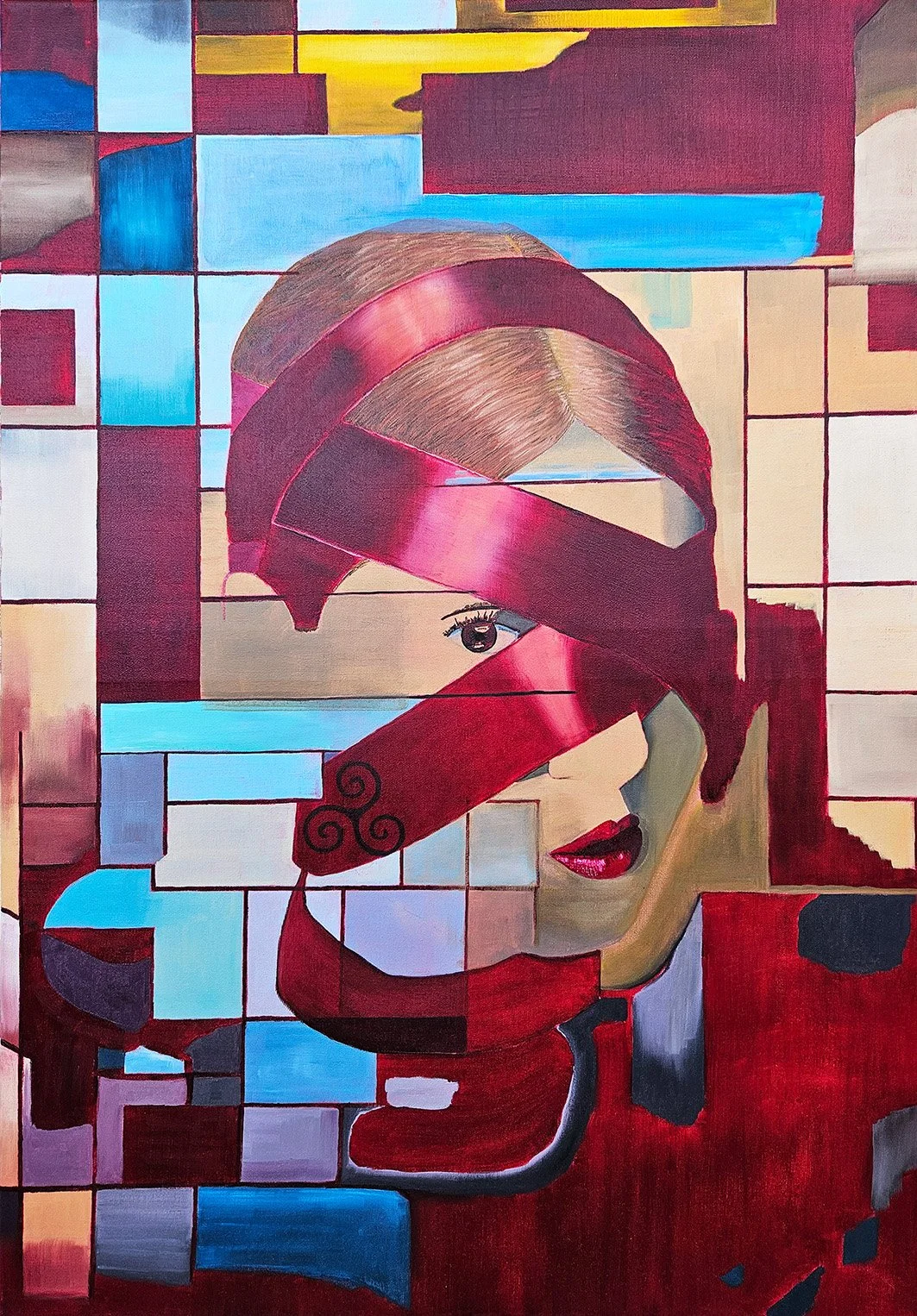
Catharsis 8 (Sofia), 2025, oil on canvas, 70x100 cm
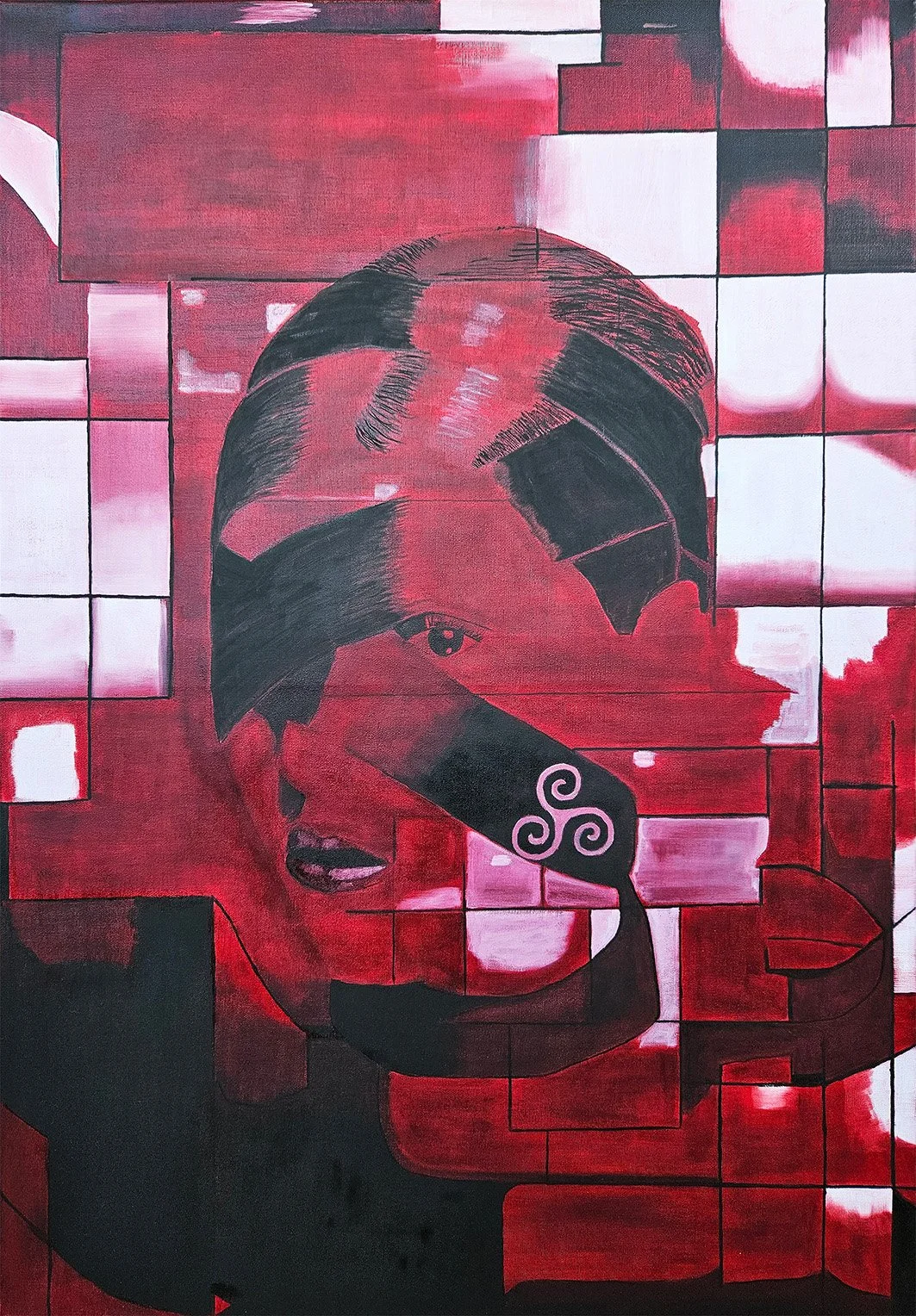
Catharsis 9 (mirroring Sofia), 2025, oil on canvas, 70x100 cm
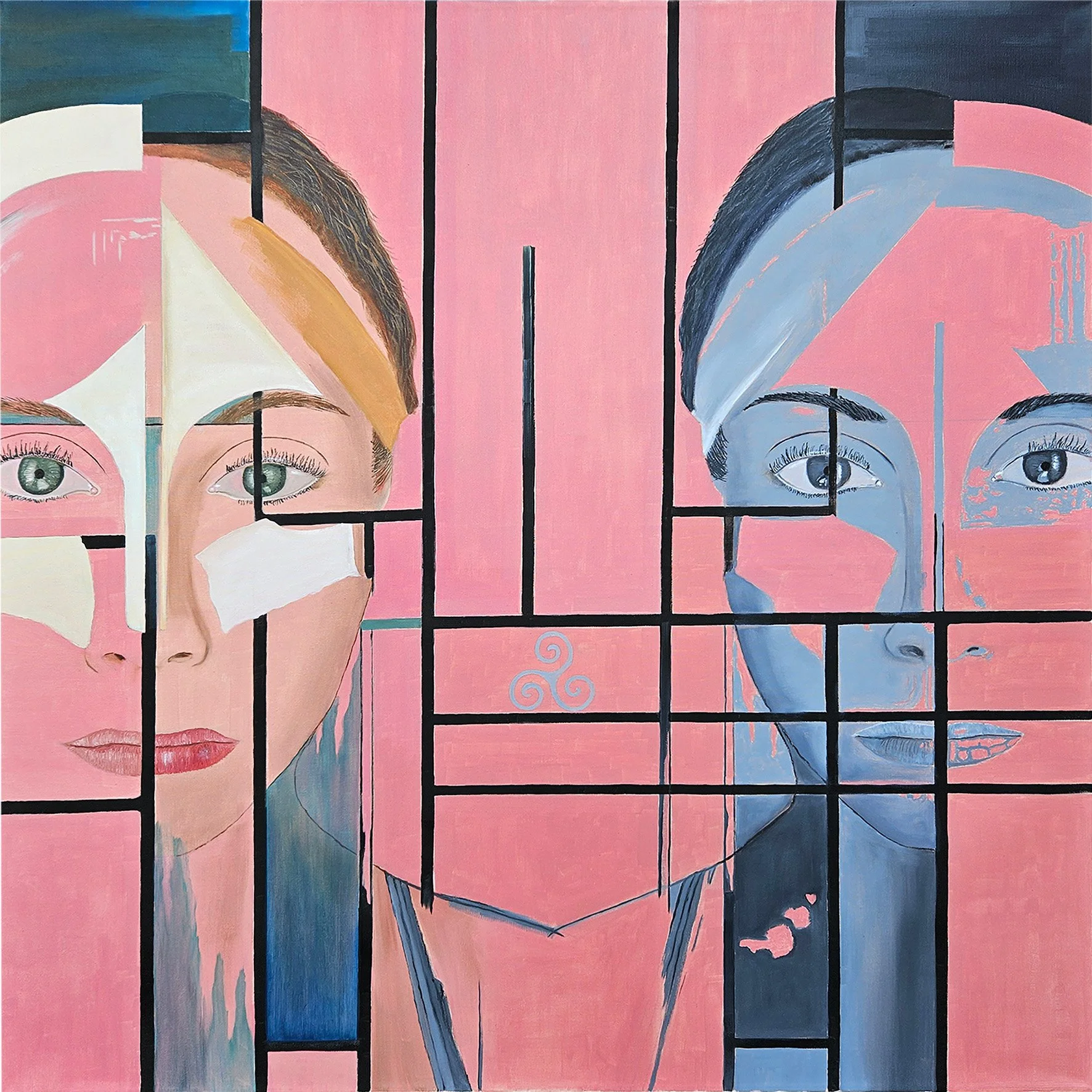
Catharsis 10 (Ella), 2025, oil on canvas, 100x100 cm.
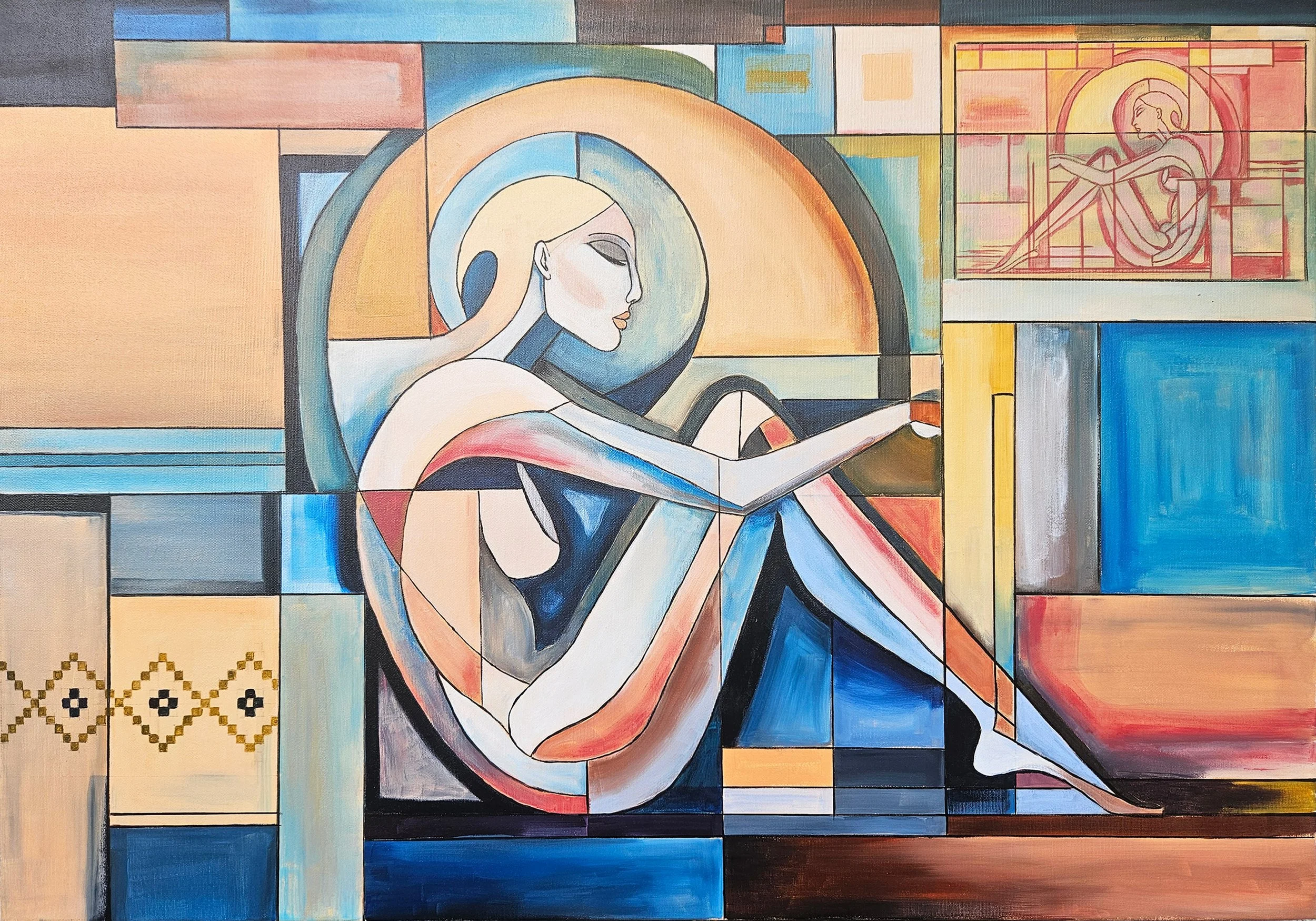
Loneliness, 2025, acrylic on canvas, 100 x 70 cm
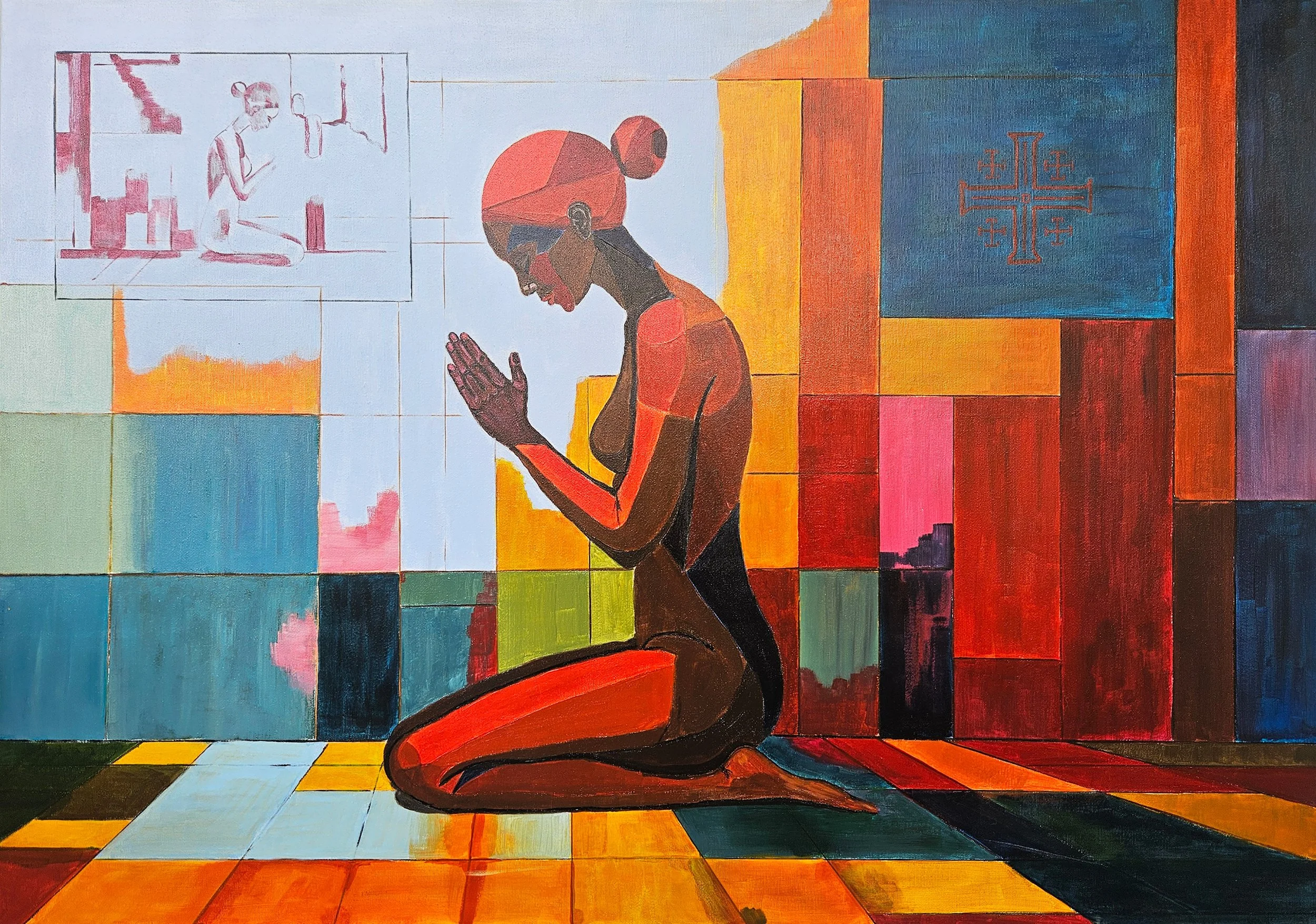
Serenity, 2025, acrylic on canvas, 100 x 70 cm
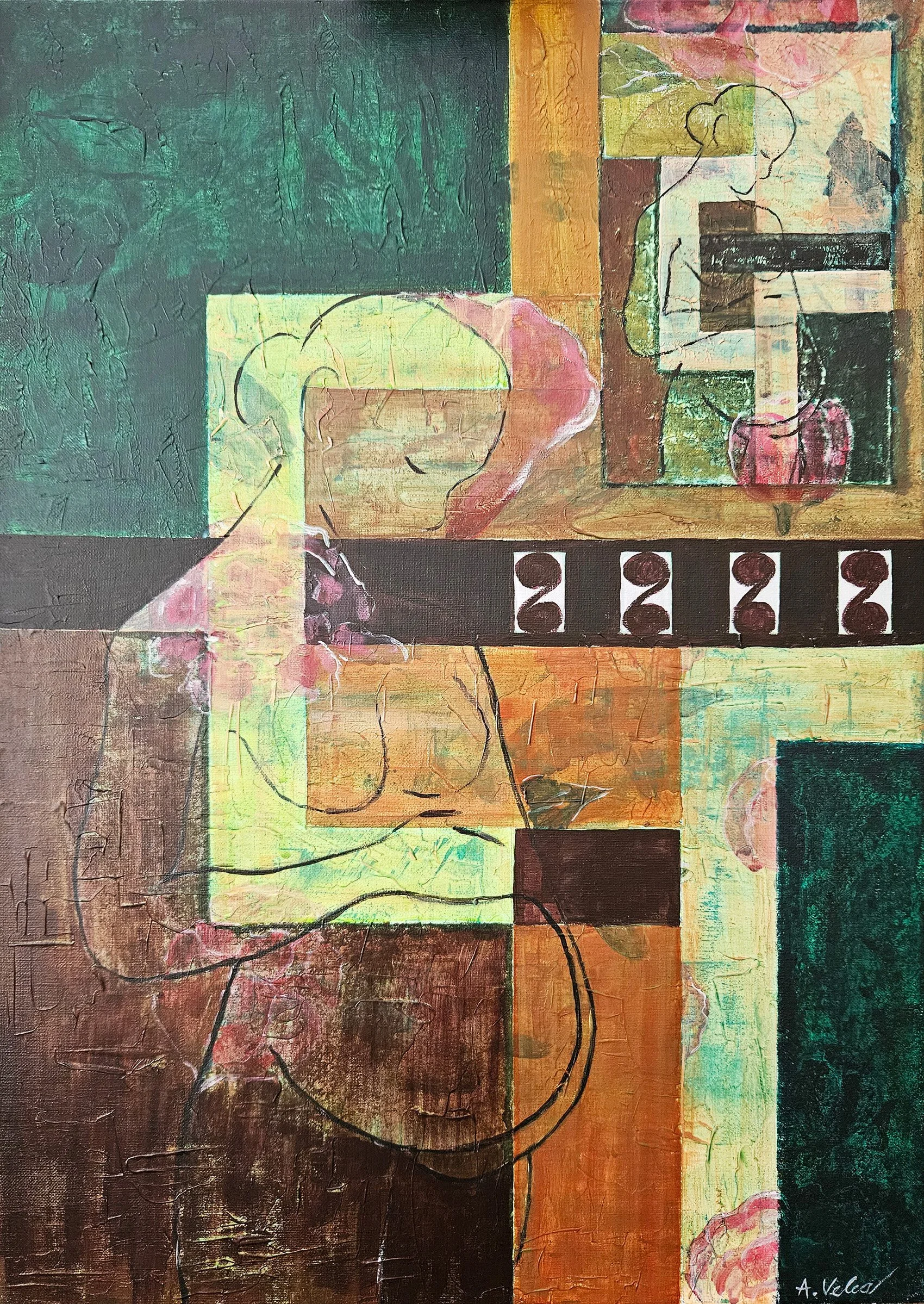
Tenderness, 2023, mixed medium (matt gel, ink and acrylic) on canvas, 50x70cm
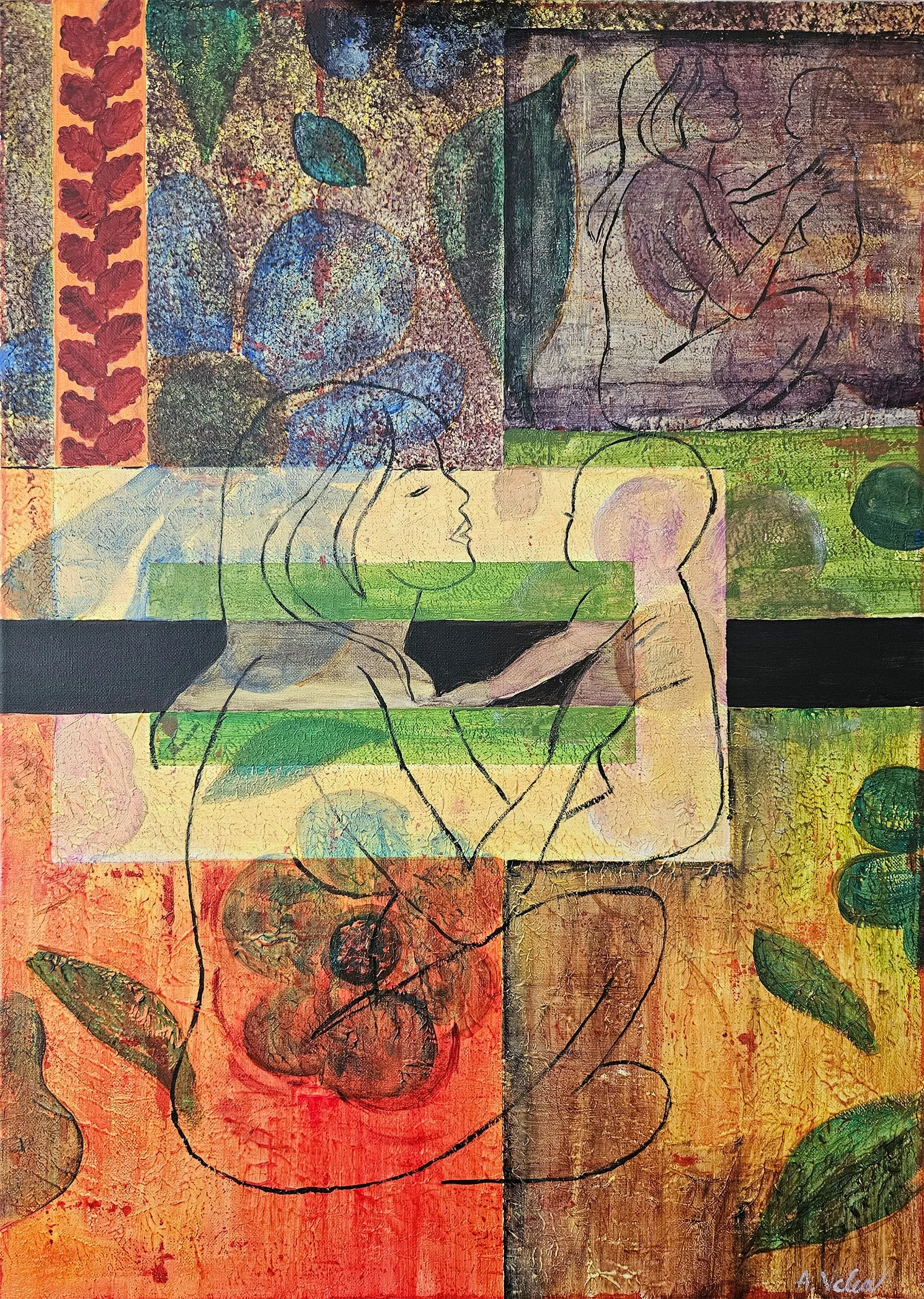
Blessedness, 2023, mixed medium (matt gel, ink and acrylic) on canvas, 50x70cm
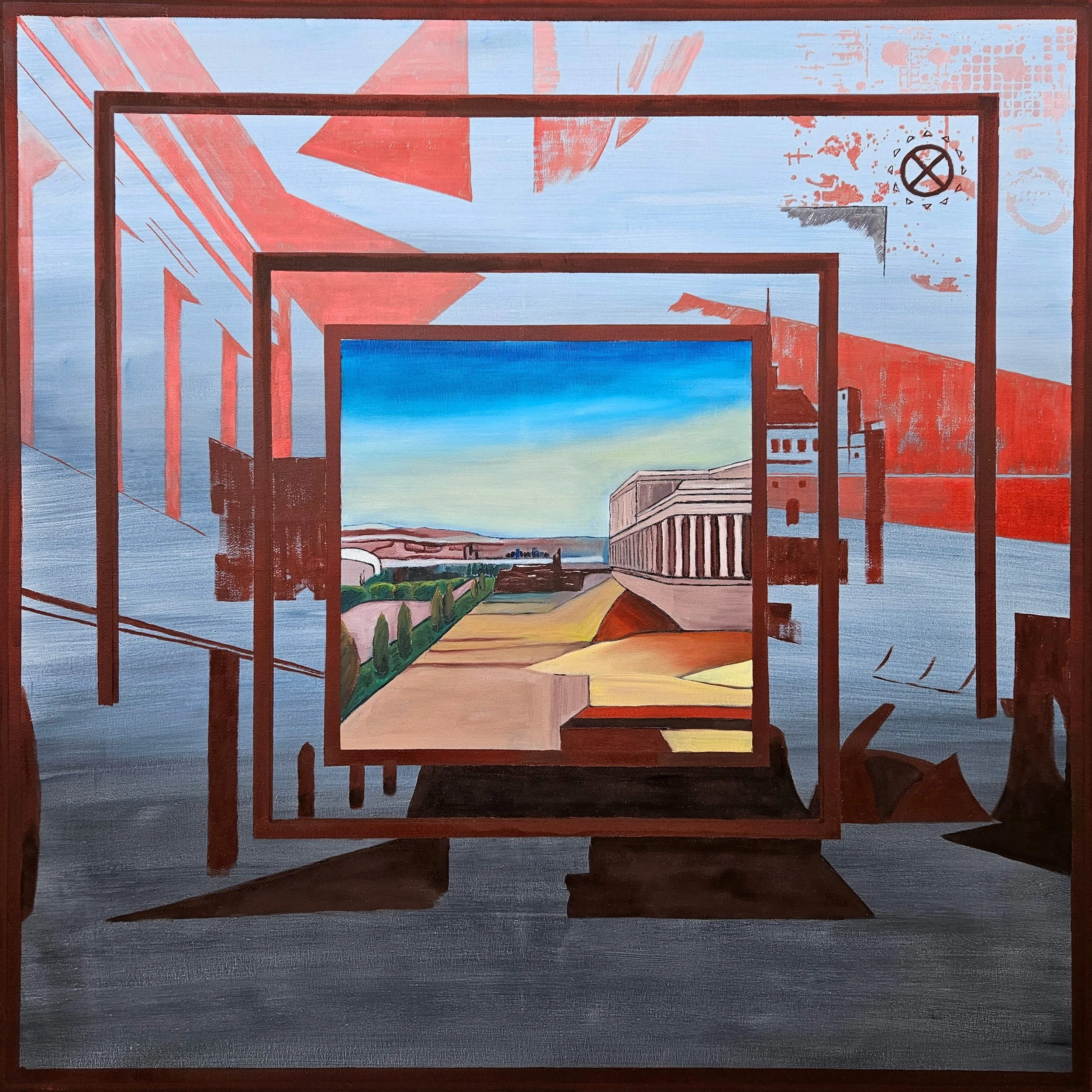
The veil of memory (Fractals series), 2026, oil on canvas, 90x90cm
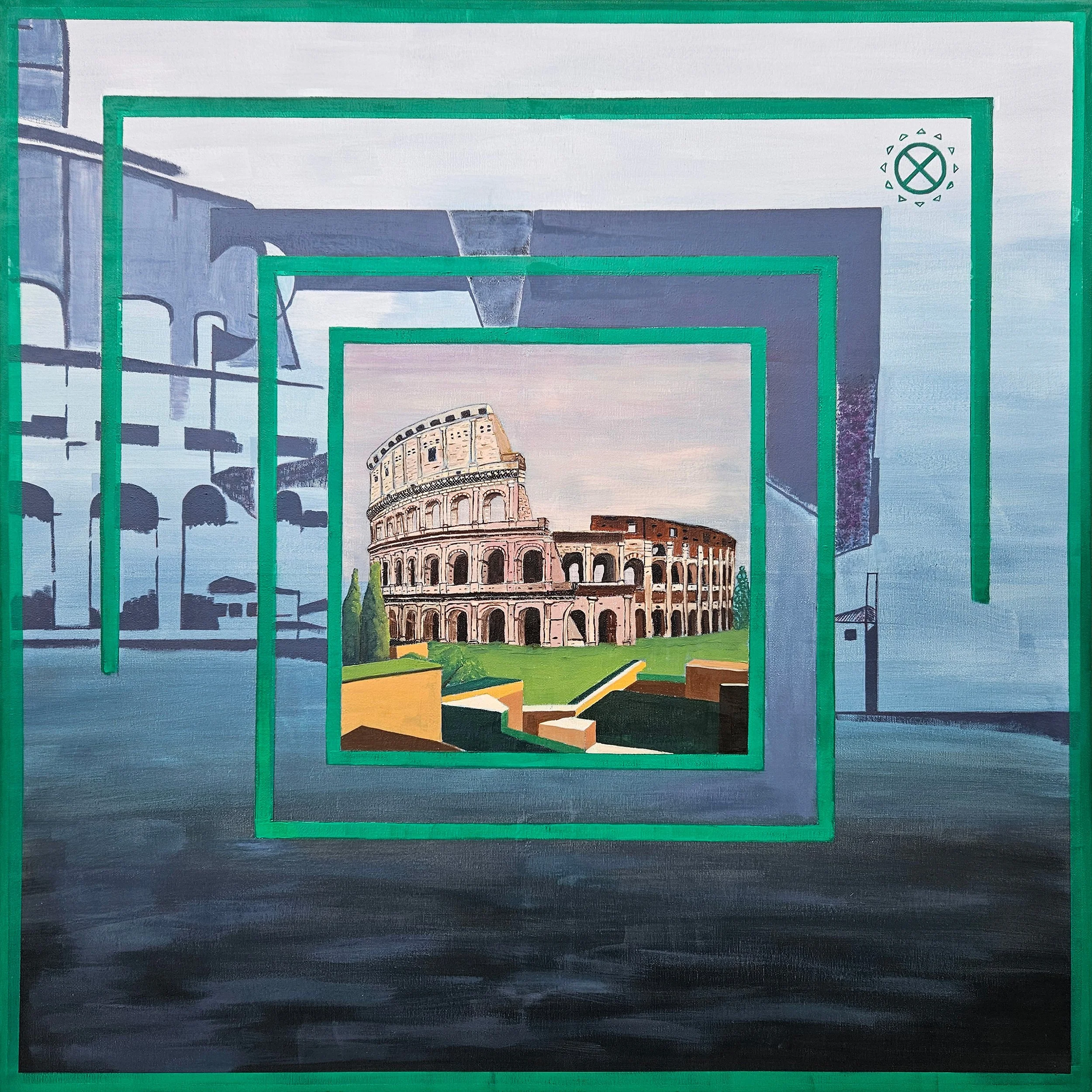
The eternal amphitheater (Fractals series), 2026, oil on canvas, 90x90cm
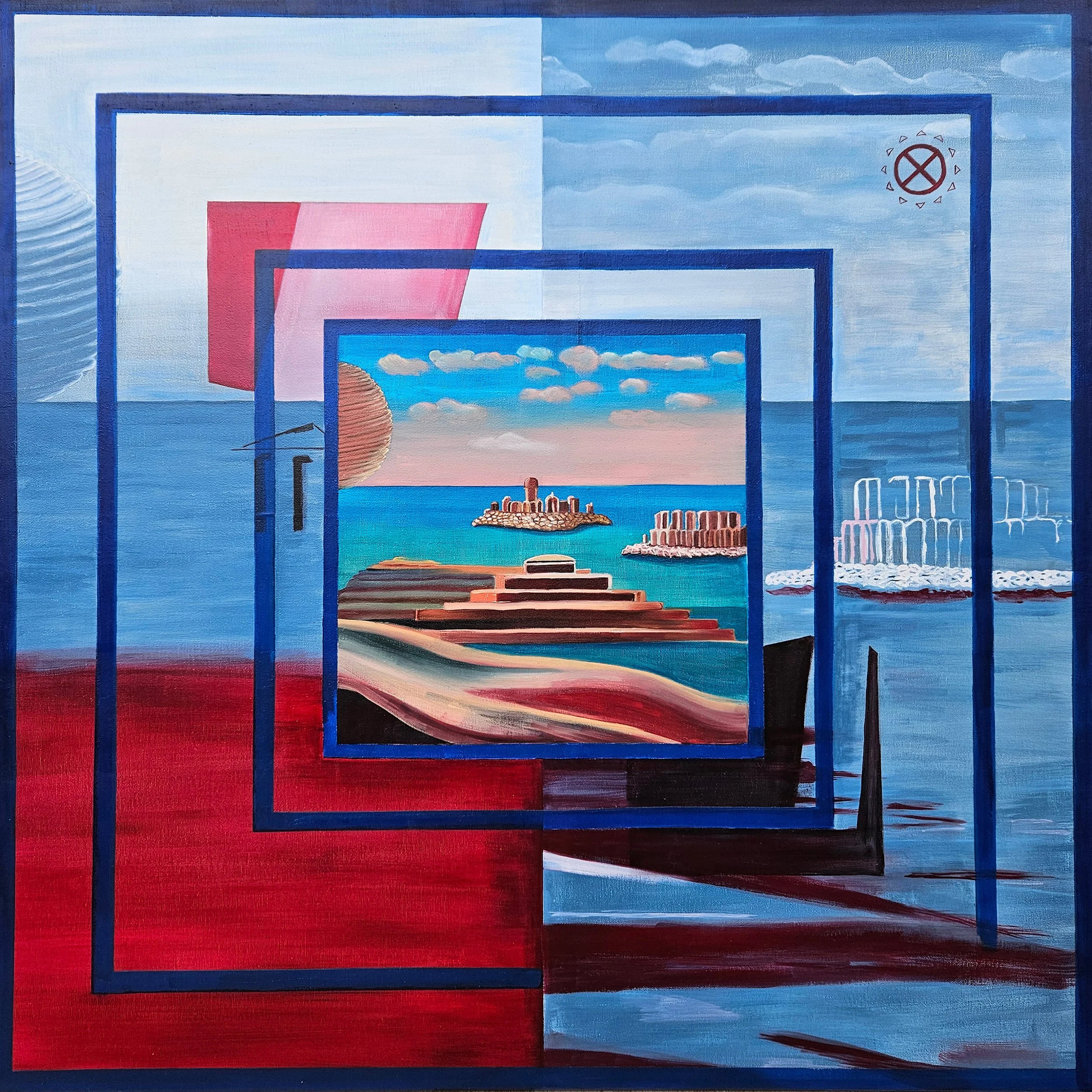
The last Acropolis (Fractals series), 2026, oil on canvas, 90x90cm
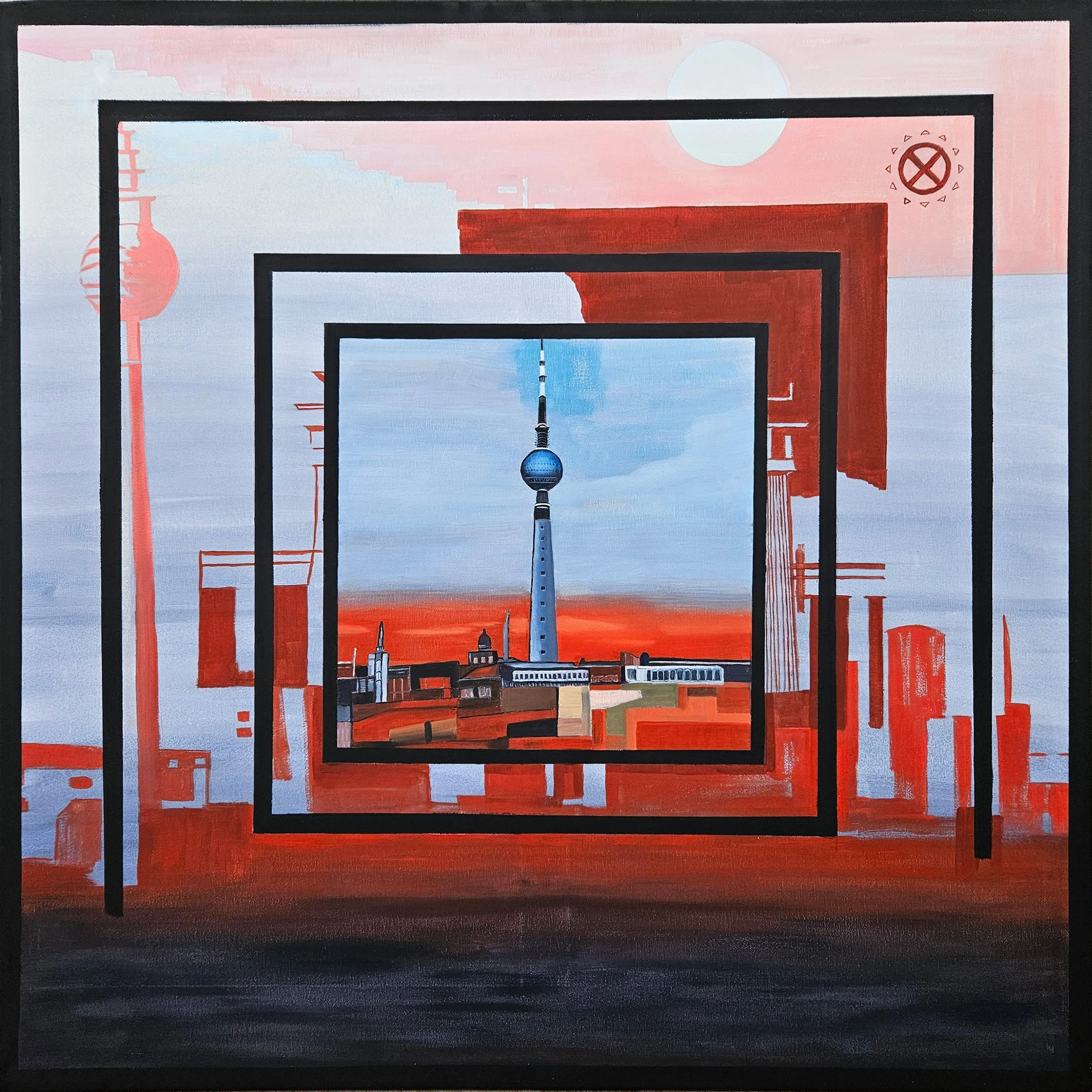
The shadows of time (Fractals series), 2025, oil on canvas, 90x90cm
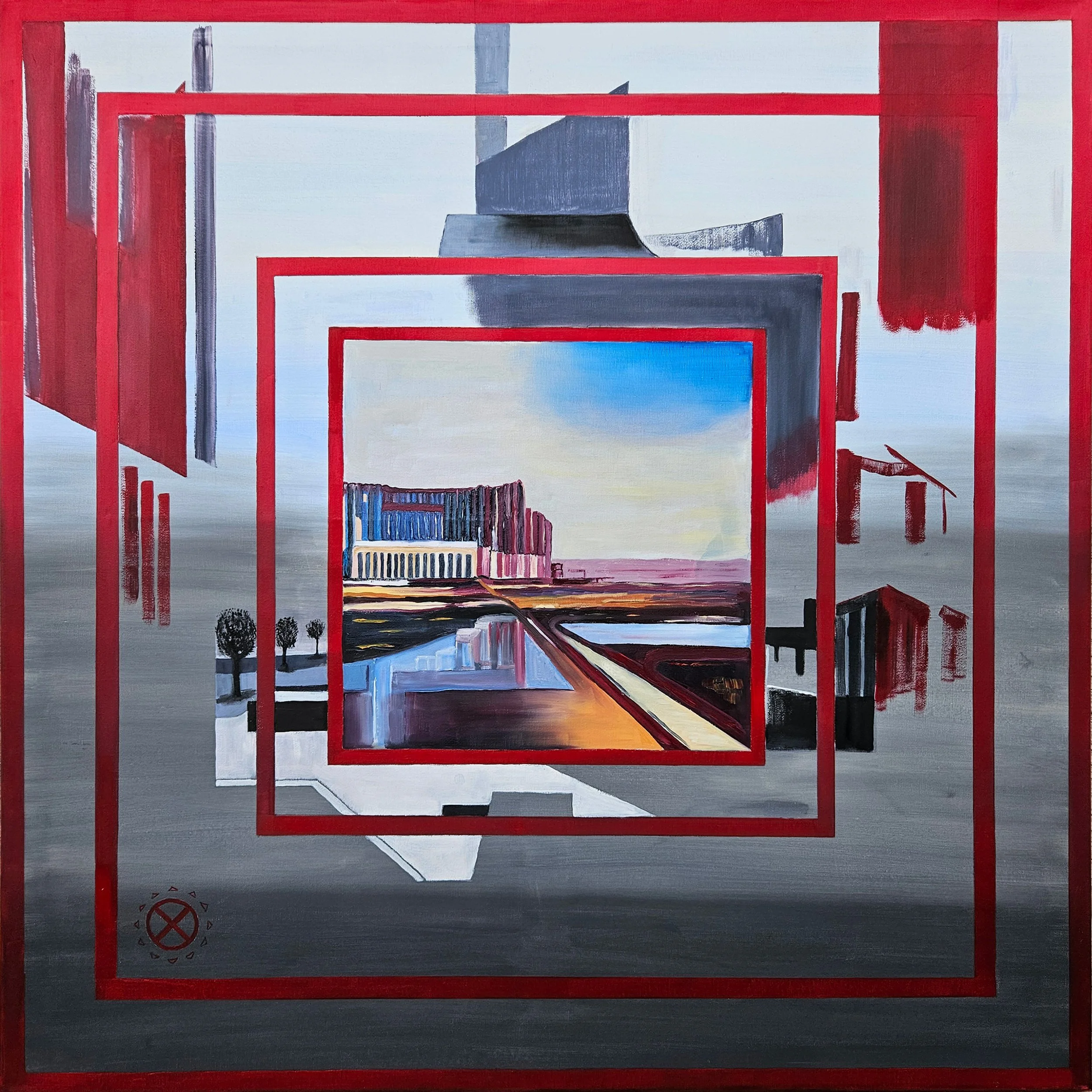
The timeless reflections (Fractals series), 2026, oil on canvas, 90x90cm
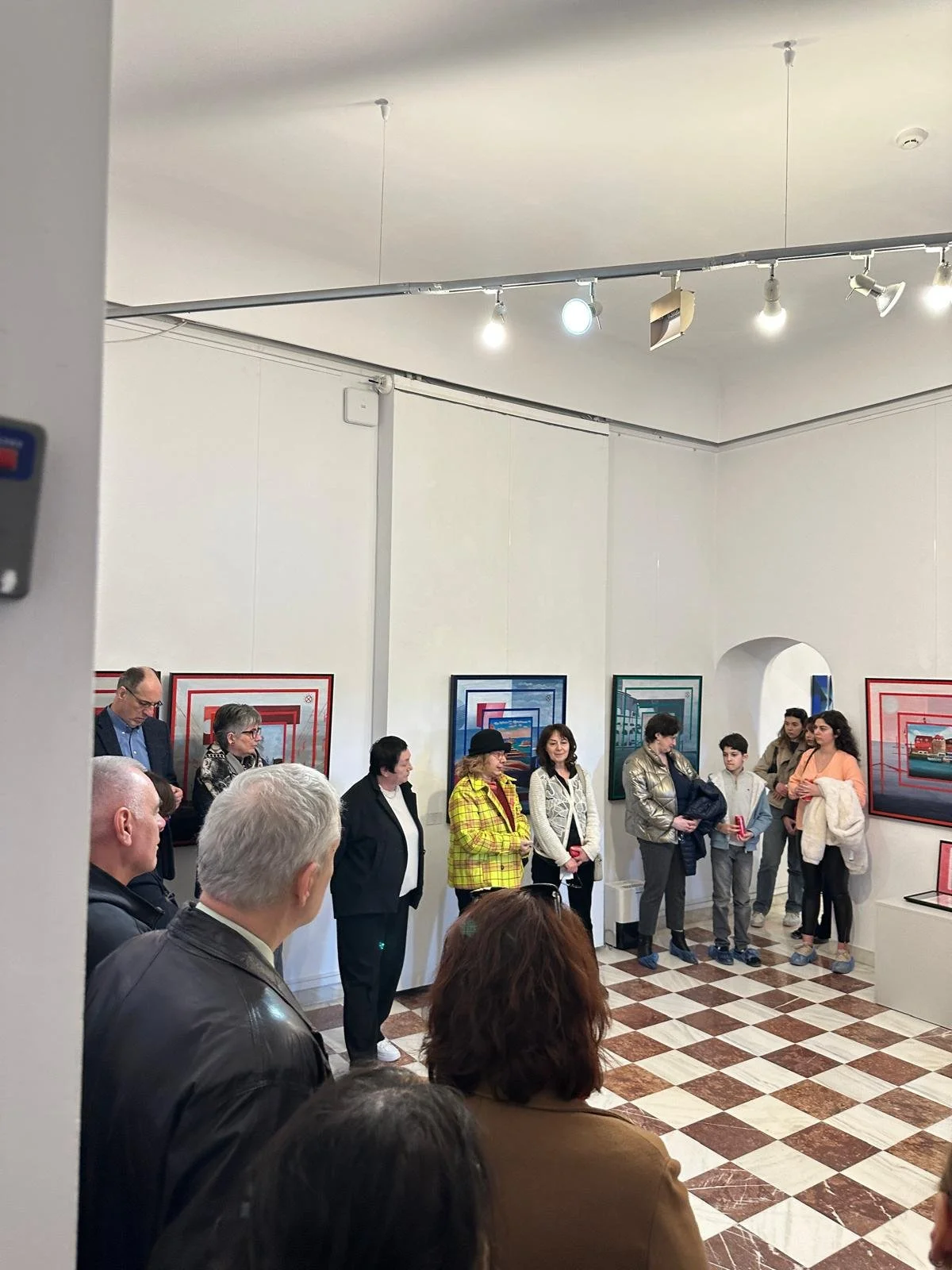
picture from the opening solo exhibition, March 2026
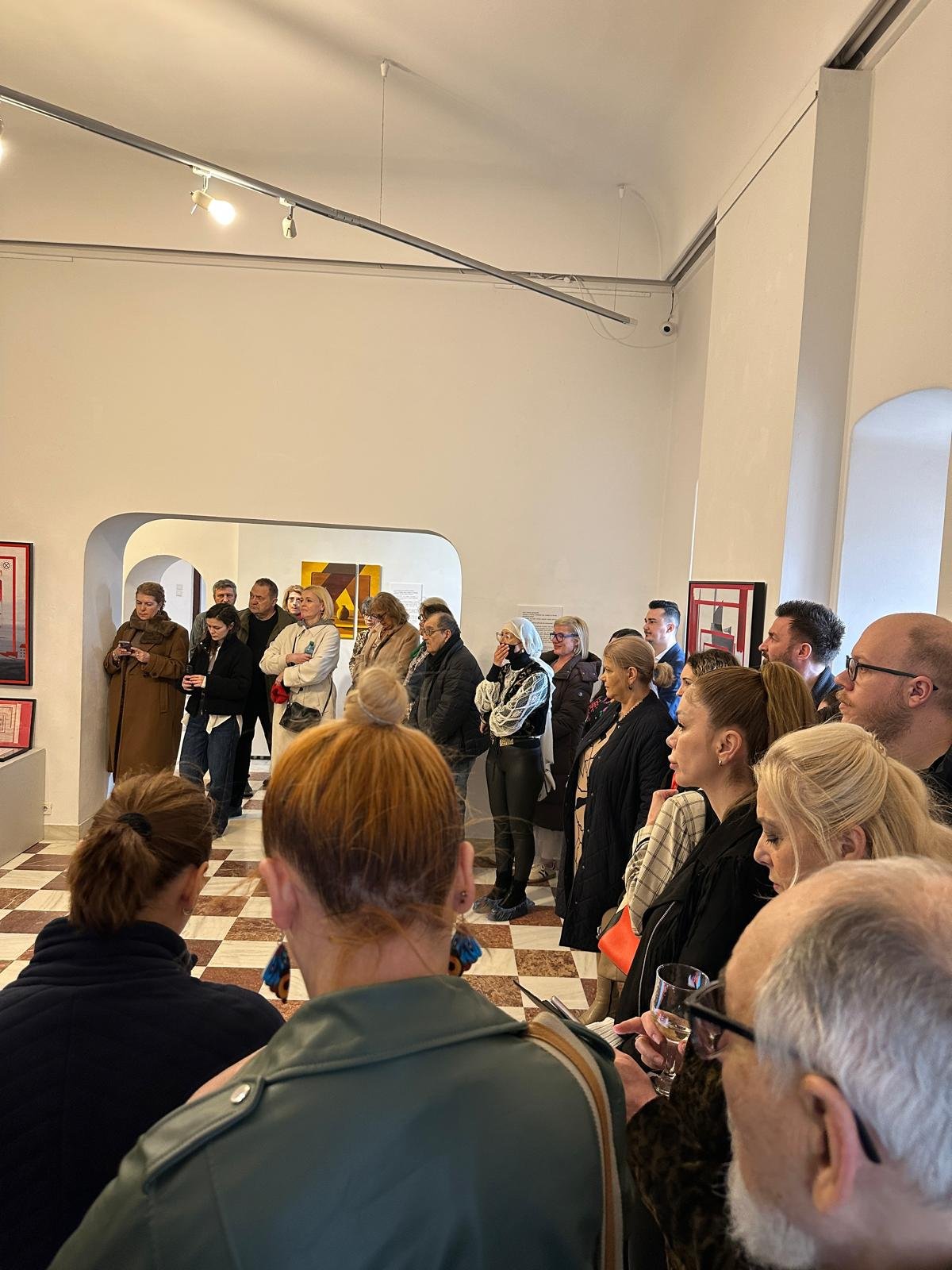
picture from the opening solo exhibition, March 2026
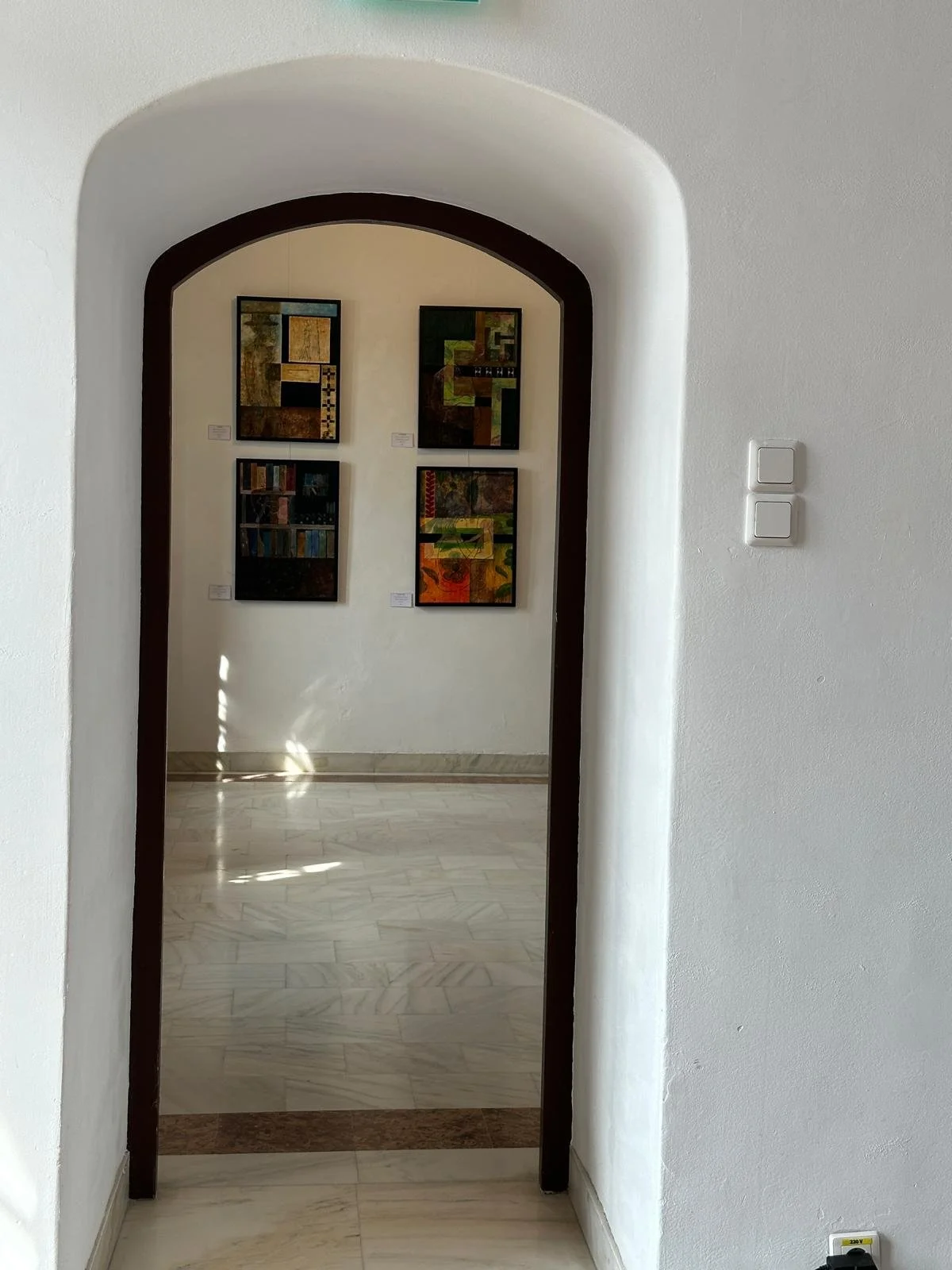
picture from the solo exhibition (before opening), March 2026
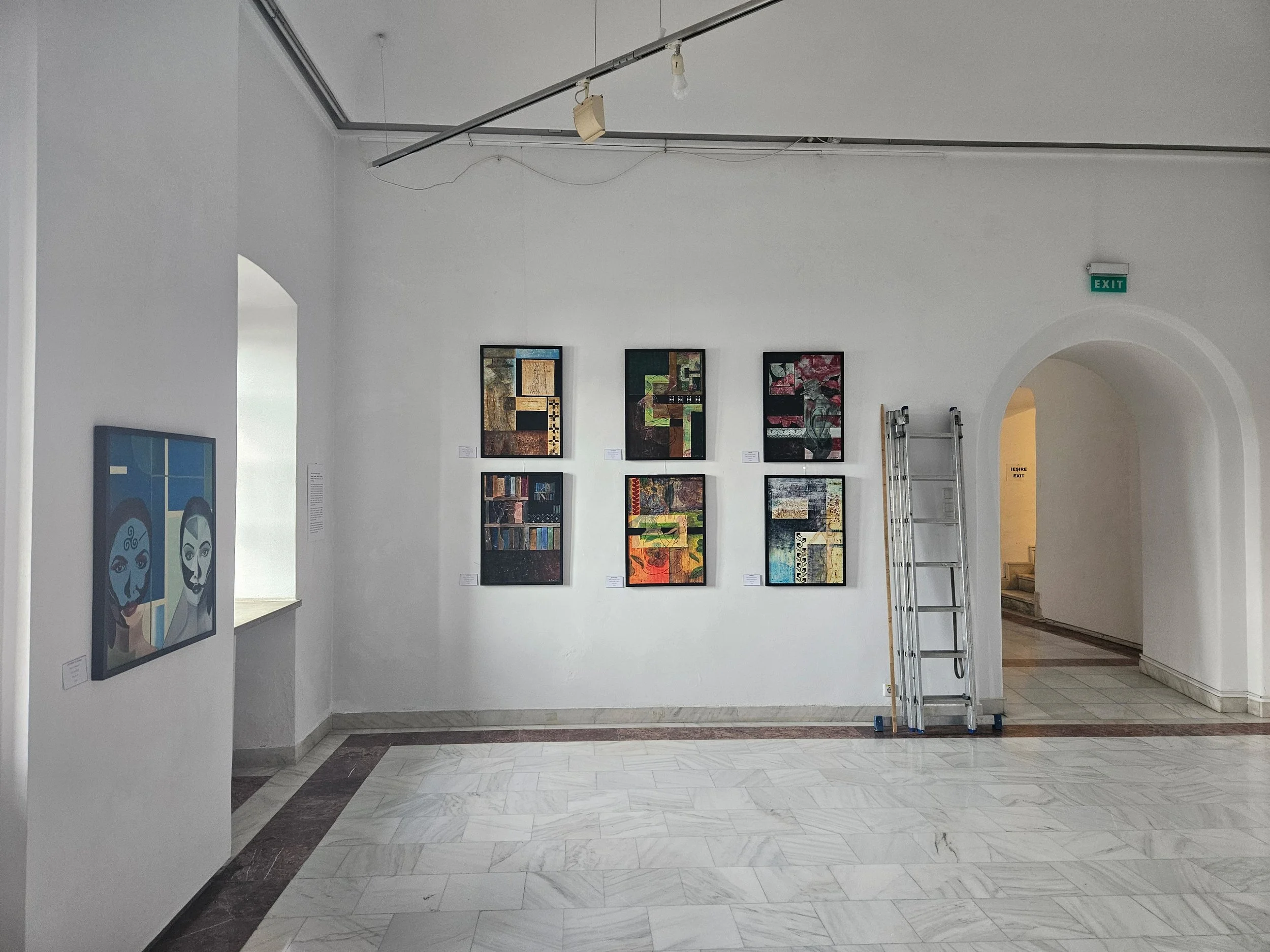
picture from the solo exhibition (before opening), March 2026
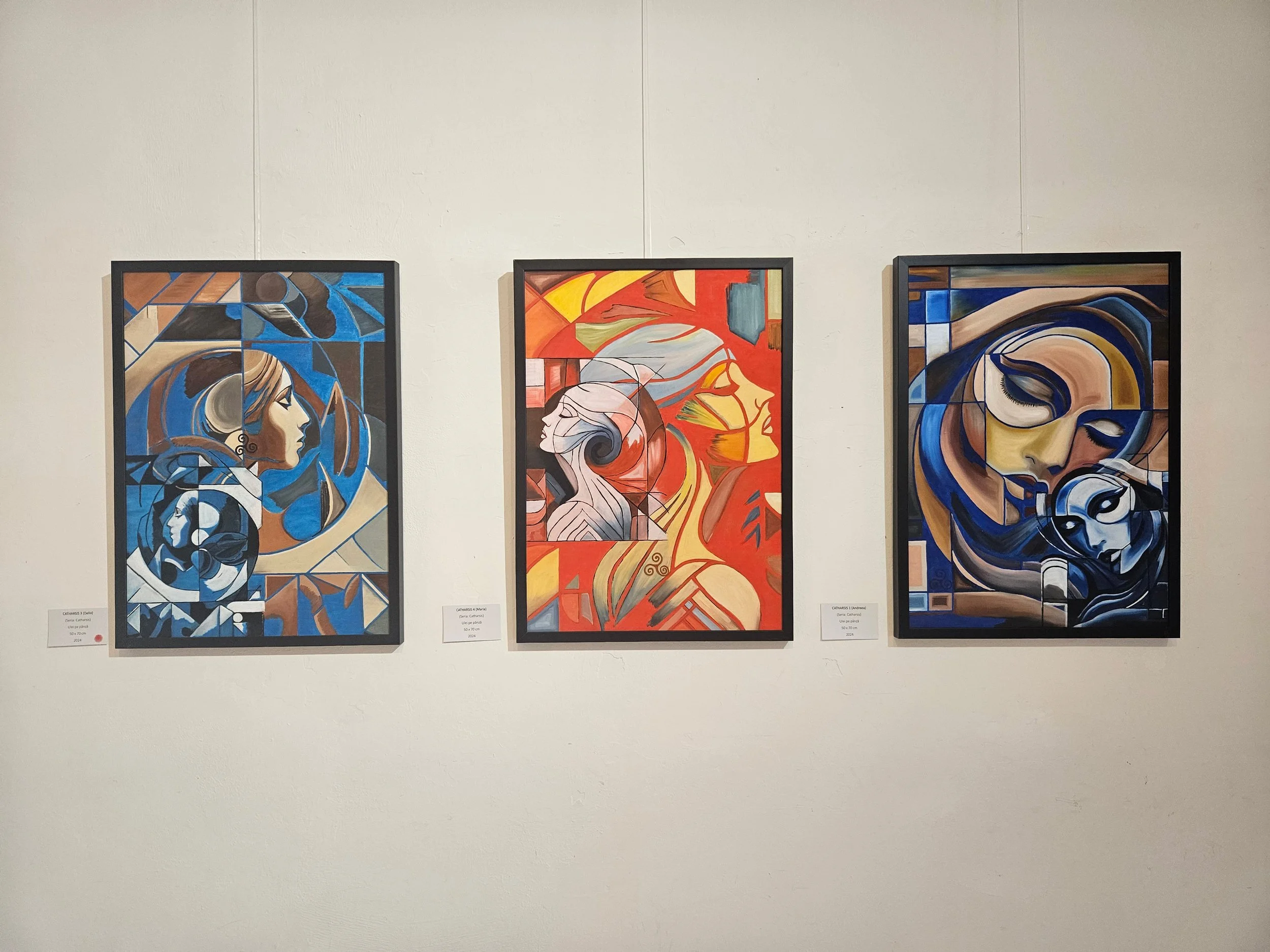
picture from the solo exhibition (before opening), March 2026
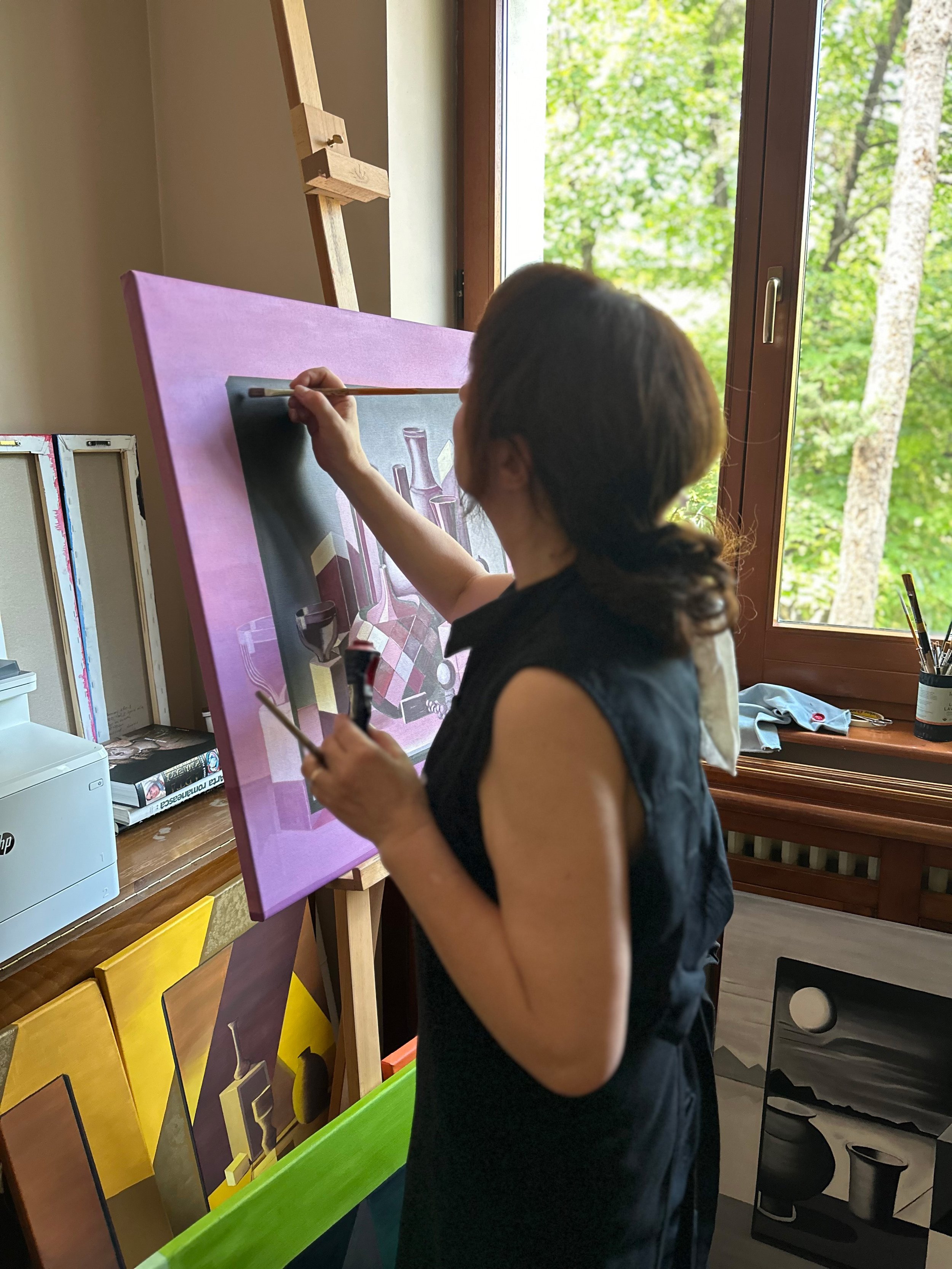
working in studio
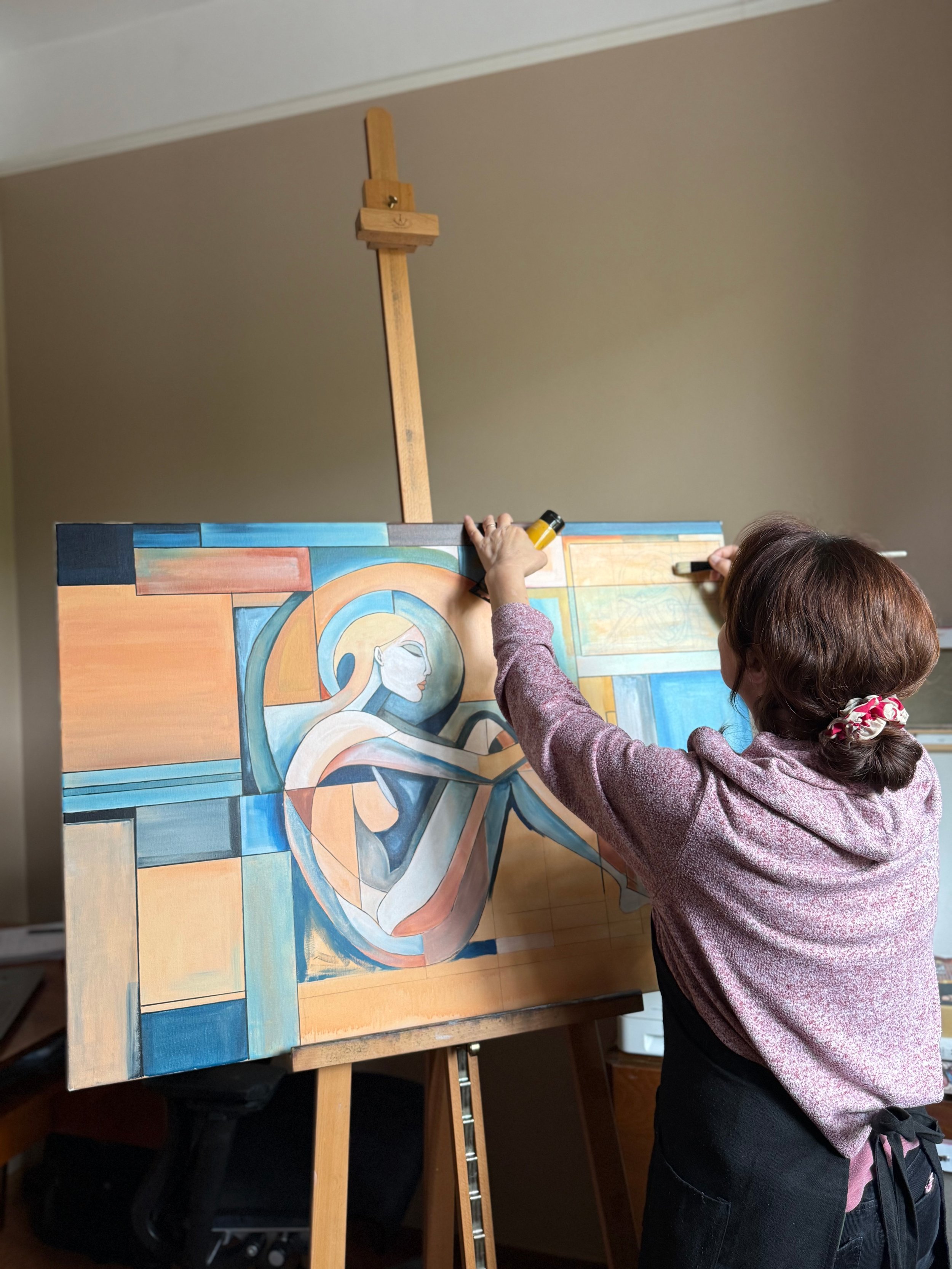
working in studio
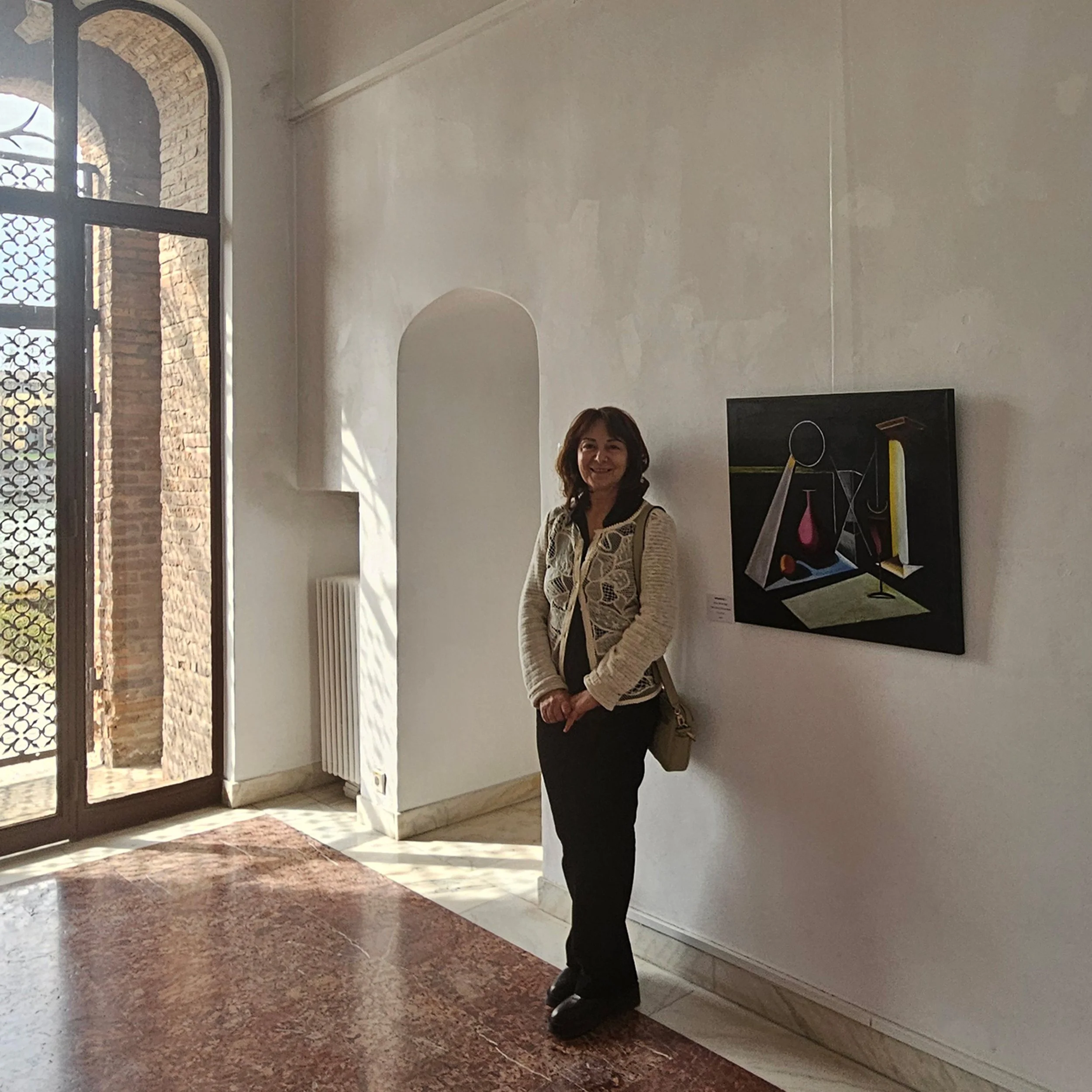
next to one of my work, exhibition, 2026