
Sophie Huysentruyt
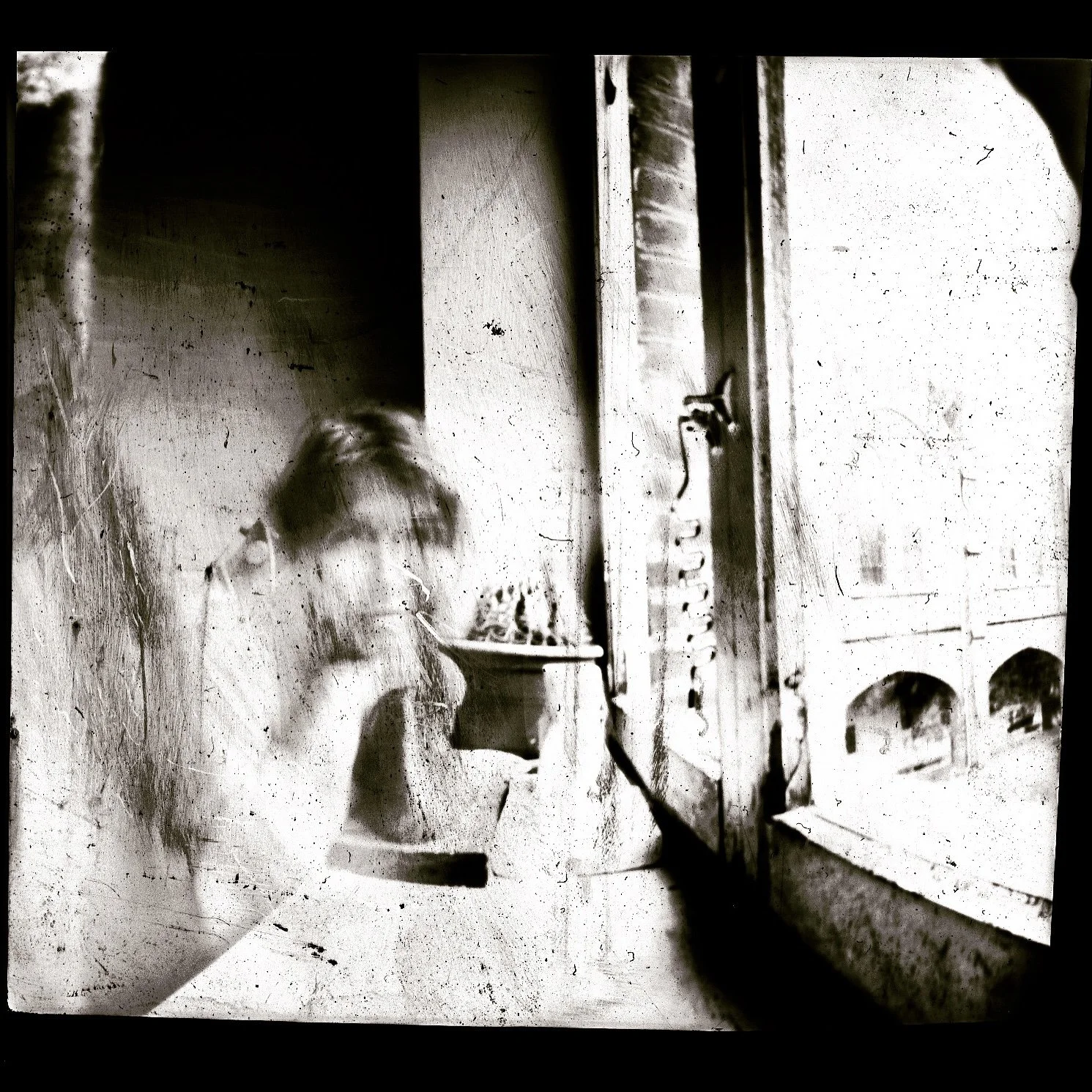
I was born in Kortrijk, Belgium, where my father introduced me to painting before his death when I was ten. What disappeared afterwards — his work, his presence, even his name — left behind questions about identity that would follow me for decades.
I left Belgium young. Brazil, Australia, then eleven years in Botswana — first as a commercial pilot, later running a safari company in the Okavango Delta. It was there that I returned to painting.
My work moves between painting and photography, each shaping the other through an intuitive process. I work instinctively, guided by fleeting moments, passing landscapes, and sudden shifts in feeling. Mixed media paintings built from acrylic, pastel, ink, chalk, charcoal and oil often reappear as fragments within my photographs.
I stop when a work feels finished, not when it feels perfect. Sometimes, when something becomes too perfect, I destroy it.
My work has been exhibited in Botswana, Brazil, Italy and Belgium, and published internationally, including selections by LensCulture Editors' Picks and Saatchi Art's This Week 100 Artists collection. I am based near Brussels.
Your practice moves fluidly between painting and photography, two mediums that historically propose very different relationships to time, truth, and representation. How do you navigate this tension, and in what ways does each medium allow you to approach psychological presence from a distinct angle?
I don't experience them as separate practices. When I paint, I take snapshots as I go — and those images find their way into my photographs. Even at a Roger Ballen masterclass in Venice, where we were taught to construct scenes, I ended up digitally weaving in pieces of my own paintings to finish the work. I simply can't keep them apart.
In both your photographs and your paintings, the image often seems to hover between appearance and disappearance. Do you see this instability as a shared conceptual ground between the two mediums, or does it arise from entirely different processes and concerns?
It is the same question asked in two different rooms. Not a stylistic choice — it's closer to a conviction. I'm not interested in images that arrive fully formed and announce themselves. What moves me is the threshold: the moment before something resolves into meaning, or just after it has begun to dissolve. In photography, I find that quality already present in the world. In painting, I have to construct it, sometimes destroy it, sometimes let the medium do its own forgetting. The concern is the same. The process is entirely different.
Your artist statement speaks of resisting clarity and embracing imperfection. How does this philosophy manifest differently when you are working with the immediacy of the camera compared to the slower, more layered construction of a painting?
I hate perfection. Nothing is perfect anyway — and your perfection is different to mine. I stop when it feels finished to me.
Many artists treat photography as documentation and painting as interpretation, yet your work seems to blur these roles. Do your photographs ever function as sources or catalysts for your paintings, or do they remain independent visual investigations?
A photograph can trigger a painting, but it will always evolve into something else — I never paint what I photographed. And fragments of those evolving paintings find their way into my photo collages. They inform each other constantly, but neither one is a copy of the other.
In your paintings, the surface carries traces of erosion and revision, while in your photography the world itself appears worn, fragile, or suspended. How do you think about the idea of time as a material, and how does it operate across both mediums?
Not really — the surfaces are layered and transparent. What might read as erosion is actually depth. It's just not always visible in photographs.
Your images, whether painted or photographed, often evoke a quiet psychological intensity rather than overt narrative. How do you construct this emotional atmosphere, and what role does ambiguity play in sustaining it?
I don't think about anything — not even the work. That's the beauty of creating. You let go and discover what comes out. I only really look at it when it feels good — that's when I know it's finished, and that's when I start questioning it.
The body and the landscape appear as recurring motifs throughout your work. Do you approach these subjects differently when you paint versus when you photograph, or do they function as parallel metaphors within a unified visual language?
I'm attracted to people, to space, to beauty, to love — and so many more things. Not conscious choices so much as natural ones. Though it's funny — I lived eleven years in Africa, surrounded by the wildlife of the Okavango. I photographed animals, of course, but they never really spoke to me. It was always the human, the emotional, the felt.
Your surfaces, both in paint and in the photographic image, often seem to carry the memory of touch, weather, or decay. Is this sense of erosion something you actively seek out in the world, or does it emerge more intuitively during the act of making?
Both — and I'm not sure I can always separate them. I'm drawn to surfaces that show what has happened to them. Peeling paint, worn thresholds, skin that has lived in weather and light. I notice these things before I decide to photograph them. In painting, erosion happens through the process itself — sanding back, layering transparencies, letting accidental marks survive. It feels honest. A refusal to present things as if nothing has passed.
In photography, the moment of capture is often decisive and instantaneous, while painting unfolds over time. How does this contrast affect your sense of control, chance, and discovery in each medium?
There is no control — in either. It's about letting go and feeling what's inside. Most of my photographs are volatile: people on the move, or I'm on the move — driving, seeing a moment I can only capture in a second. I recently did a workshop with Roger Ballen in Venice where we were taught to stage a scene. I found that hard — it pushed me beyond my own boundaries and forced me to apply some kind of structure. But that was exactly its value. Painting is the same — you add a line, and that line can determine a whole new direction. You can nudge it, add or subtract, but the initial work is always intuitive. Control is not really the point.
There is a strong sense of intimacy in your work, yet it is never literal or confessional. How do you balance personal psychological content with a more universal, open-ended visual language?
My life is complex and not for everyone to understand. Viewers often describe my work as dark — and yes, that's my history coming through. But do we need to talk about it? I don't think so. I did years of therapy. I spoke enough. I went to see an exhibition recently — beautiful work — but the explanation was too much for me. The story of trauma, laid out in full. To me, those stories were so common within our generation that I feel we've spoken about them enough. Things have changed. Let's move on. If you can still sense something
personal in my work, that's good — it's part of me, it shaped me, but I don't need to linger on it. Look at the work. If it touches you, resolve your own story. If my work provokes that sentiment, I've done my bit.
Your artistic training spans different academies and cultural contexts, from Belgium to Botswana. How have these environments shaped your approach to both painting and photography, and did they influence the dialogue between the two practices?
My father was a painter, and I think a lot of what I do comes from him — though it's hard to remember clearly. I was ten when he died, and shortly after, everything that belonged to him was erased. My mother started a new relationship, and even the paternal link disappeared. She told me at a traffic light one day — pointing to a man who had stopped to say hello — that he was my father. Identity has been one of my crises for years.
Only recently was I contacted by a cousin on my father's side. Fifty years later. But it feels good to belong somewhere again.
The image I carry of my father is this: he would put tracing paper over drawings and have me trace them as a toddler, then colour them in. Not long ago I found a large pack of tracing paper in a charity shop — I spend a lot of time in those, looking for pre-used canvases and materials. Since I started incorporating that tracing paper into my paintings, something shifted visibly in the work. Call it coincidence.
The materiality of your paintings contrasts with the apparent immateriality of photographic light. Do you see these mediums as opposites, or as complementary ways of exploring the same questions about presence and absence?
With photography you have a single moment of capturing the light. Painting is adding layer after layer. But I also add to my photos afterwards — so it's fundamentally the same: areas of colour, form, light. The medium changes. The seeing doesn't. It's all about the feeling in both.
Many of your works seem to exist in a state of suspension, as if time has slowed or thickened. How do you cultivate this temporal ambiguity in both a still photograph and a layered painting?
In photography I look for it in the light, in a figure caught mid-movement, in a reflection that doubles things slightly. In painting it comes through accumulation — the layers underneath create a kind of weight, a sense that time has been pressed into the surface. I'm also drawn to compositions that slow the eye down. A figure seen from behind. Near-monochrome. No obvious focal point. Ways of asking someone to stay a little longer.
In an era dominated by high-resolution images and instant digital consumption, your work appears to resist visual immediacy. Is this resistance a conscious position, and how does it shape your decisions in both mediums?
I use Instagram and Facebook and I have no problem showing my work. I know it's not for everyone — many friends prefer not to comment because it's simply not their thing — and I've never been mainstream, so that doesn't touch me. But it's hard to find the right niche, the right gallery, the right audience. My dream is to be represented by someone who truly
understands my work and has a strong connection to it. I have Jerry Saltz following me and giving me a thumbs up on many posts, so I know the work is good enough. The marketing part is just not me — and that's why representation has been a struggle. It's the one thing I haven't figured out yet.
The notion of the fragment appears throughout your practice, whether in a partially revealed body or a cropped photographic landscape. What draws you to fragmentation, and how does it function conceptually in your work?
I represent the part that I see, feel and want to show. Nothing more than that.
Your photographs have received international recognition, while your paintings carry a deeply tactile, studio-based sensibility. How do these two modes of working — one outward-looking and one inward — inform and challenge each other?
I don't feel like a different person in either. Both are about a feeling. Even a millisecond shot of people running, taken from a fast moving car, gives me a thrill — the same thrill I get when I feel a painting is moving in the right direction. The speed is different. The feeling is the same.
Do you find that photography changes the way you look at the world when you return to painting, perhaps influencing your sense of composition, light, or spatial ambiguity?
Of course. You look differently as a photographer — you become aware of empty spaces, of background, of composition in a very specific way. The frame matters. What you leave out matters as much as what you include. That instinct comes back with me into the studio. And the reverse is true too — painting has taught me to see in layers, to look for what is underneath the surface of things, not just what is immediately visible. They have been teaching each other for years now.
The emotional tone of your work often feels quiet, restrained, and introspective. How important is silence, both as a visual and psychological condition, within your creative process?
Essential. I retreat into my own world completely — even if there is noise around me, I switch off. When I'm with other people I can come across as arrogant at first, until they get to know me and realise I'm simply not there. I'm somewhere else entirely.
As an artist working across multiple countries and exhibition contexts, how do you maintain a coherent voice while adapting to different audiences, spaces, and cultural expectations?
It grows, fortunately. Botswana was when I lived there — I've been back in Europe for almost seventeen years now, with a detour through Brazil. So between then and now there is growth, and the subjects change too. One of my first group shows in Botswana was a series about Africans suffering from albinism who were being persecuted in Tanzania at the time — limbs, tongues and other body parts were cut off and sold to witchdoctors, with the belief that their presence would increase a fisherman's catch. That work was about raising awareness.
Nothing personal. These last years my work has become much more personal. When I first picked up my brushes again I painted a lot of pregnant women — not because I wanted another baby, but to say goodbye to my daughters who were becoming adults. It was my way of cutting the umbilical cord. And now I'm in a new period — I'm not yet sure what it's about. Sometimes it only reveals itself later.
Looking at your practice as a whole, do you think of painting and photography as two separate languages you speak, or as different dialects of the same visual and psychological inquiry?
It depends how you approach them. To me, they speak the same language.
www.sophiehuysentruyt.com
https://www.instagram.com/sophie_huysentruyt
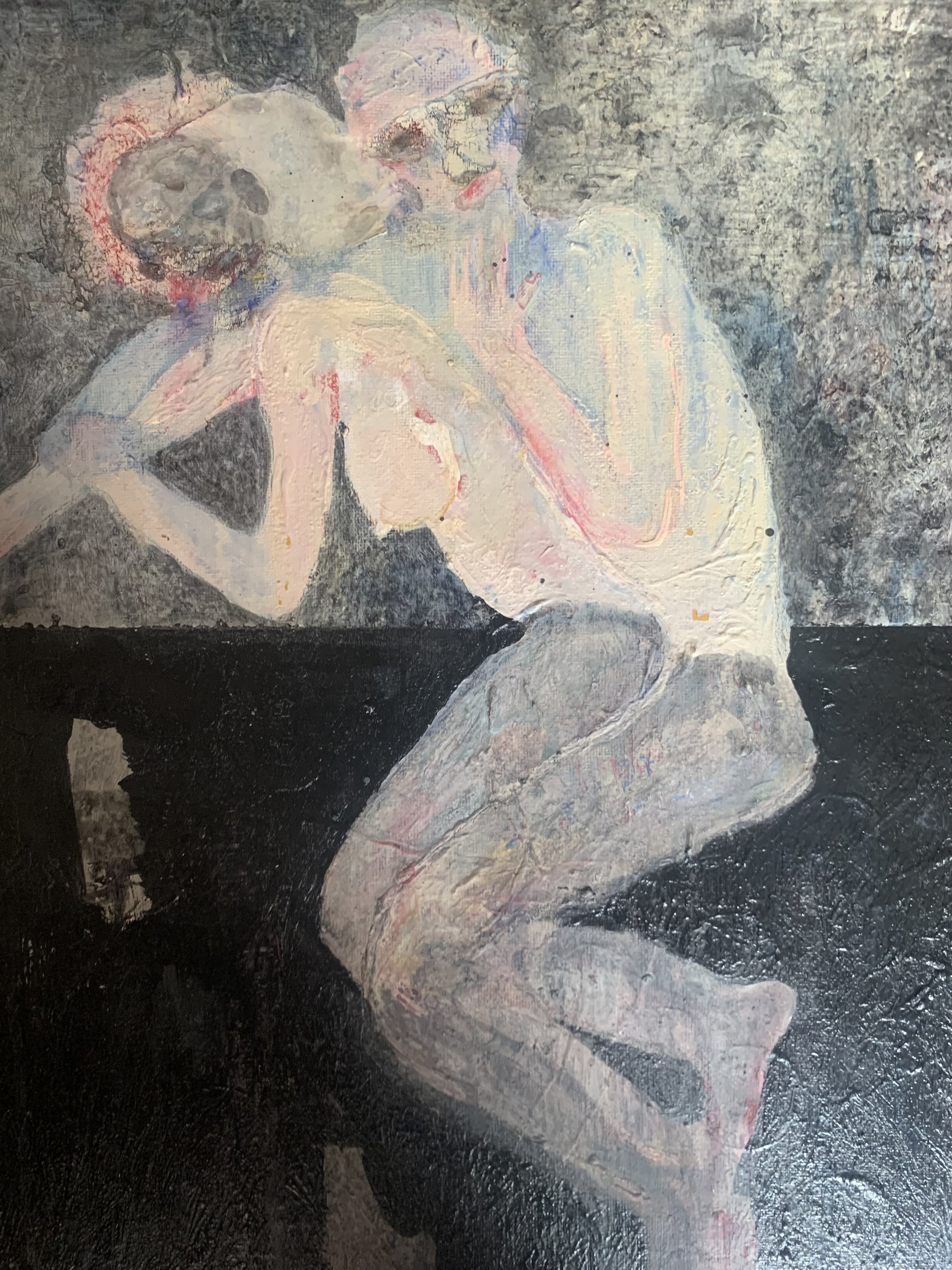
Suspended Becoming, 2025
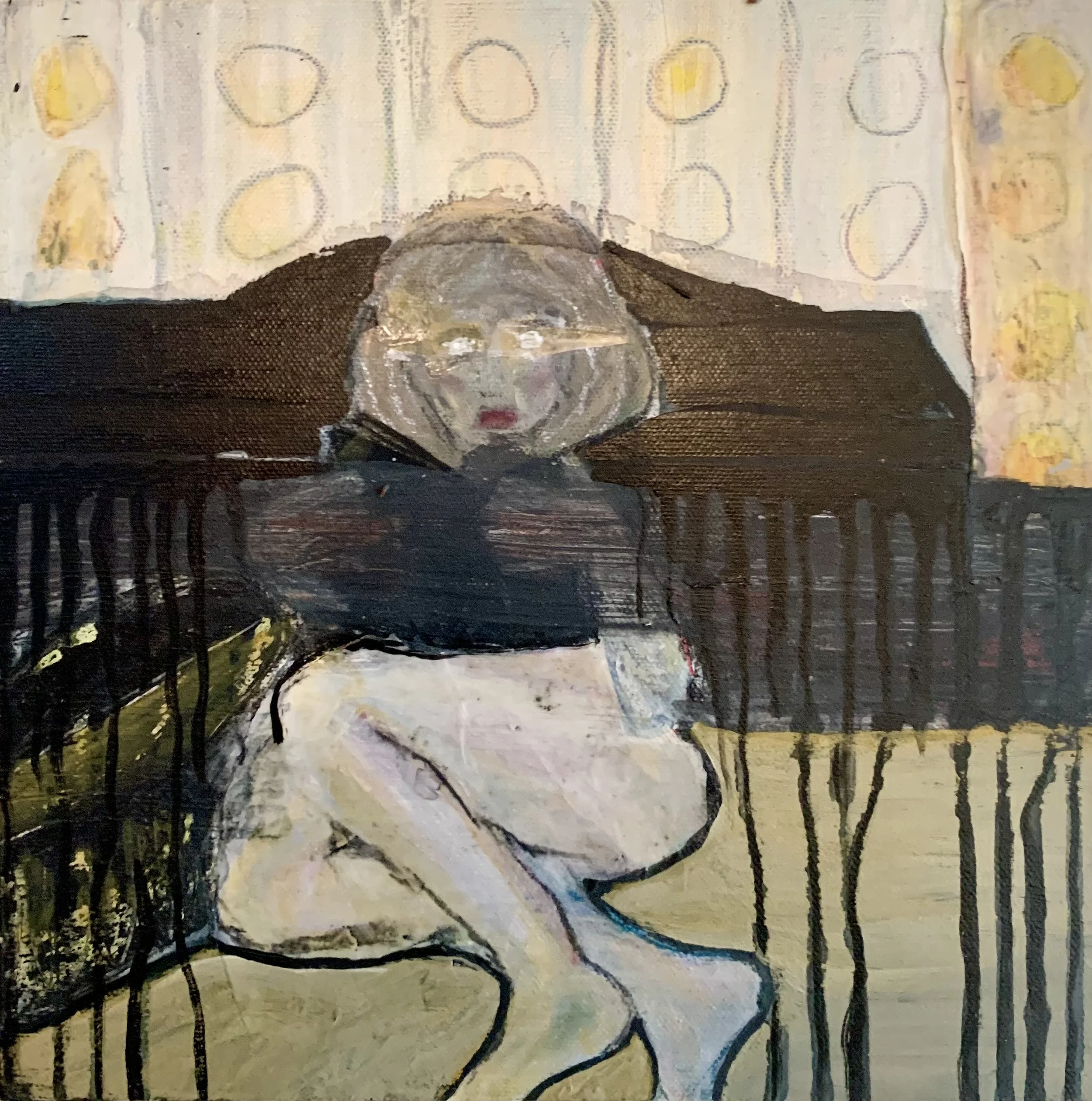
Book, 2025
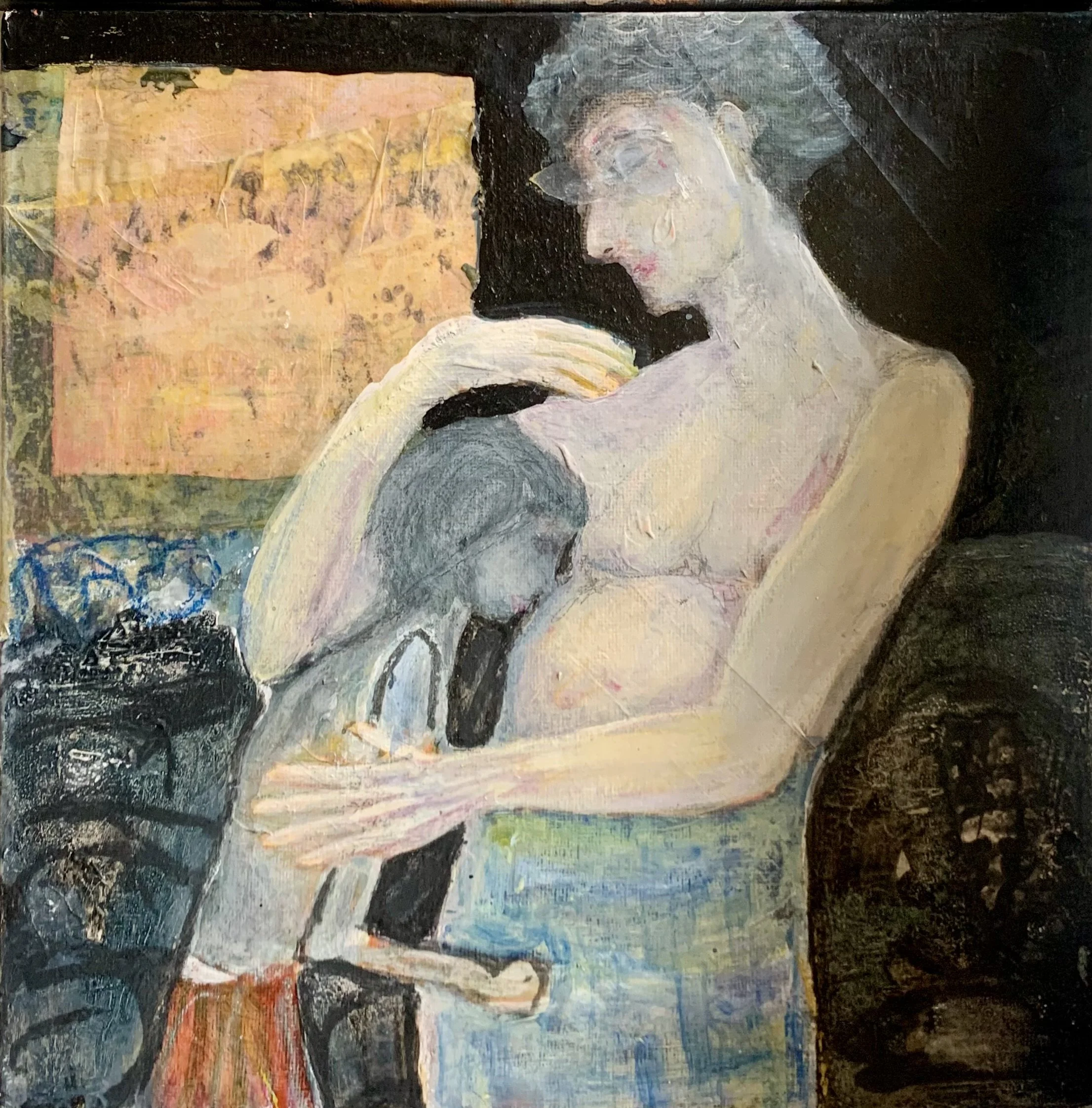
Safety, 2025
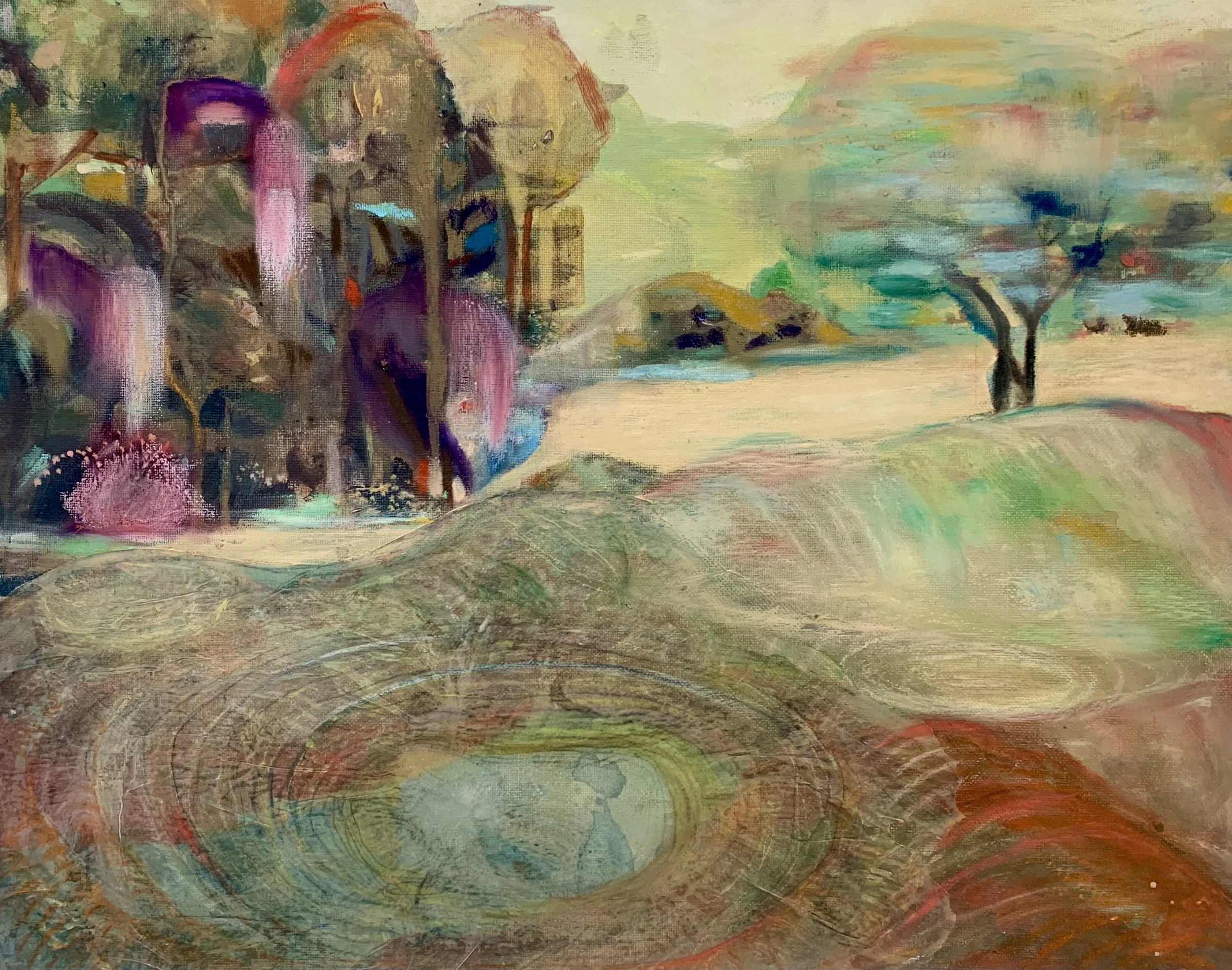
She who sits in the ground, 2025
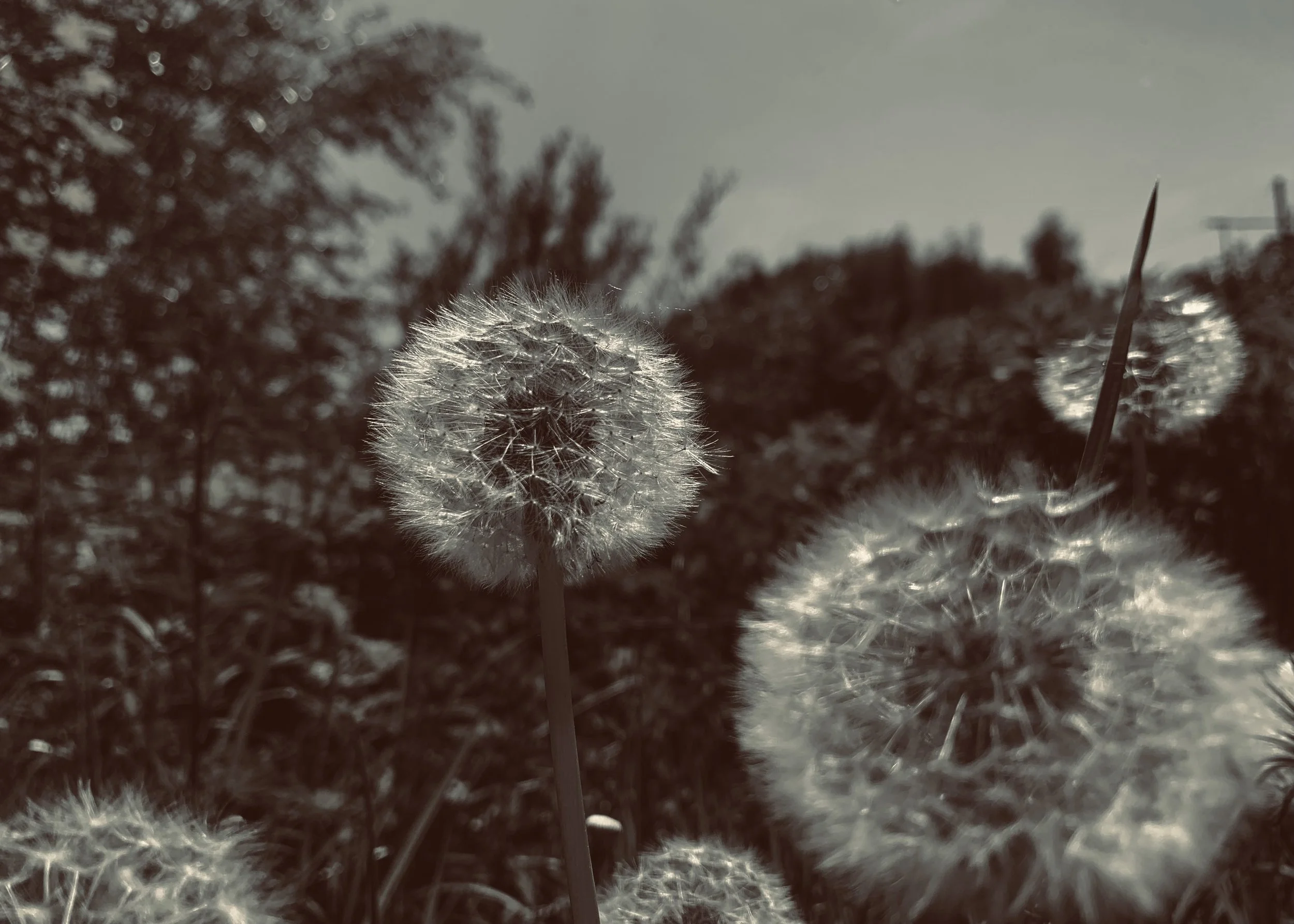
Untitled, 2026
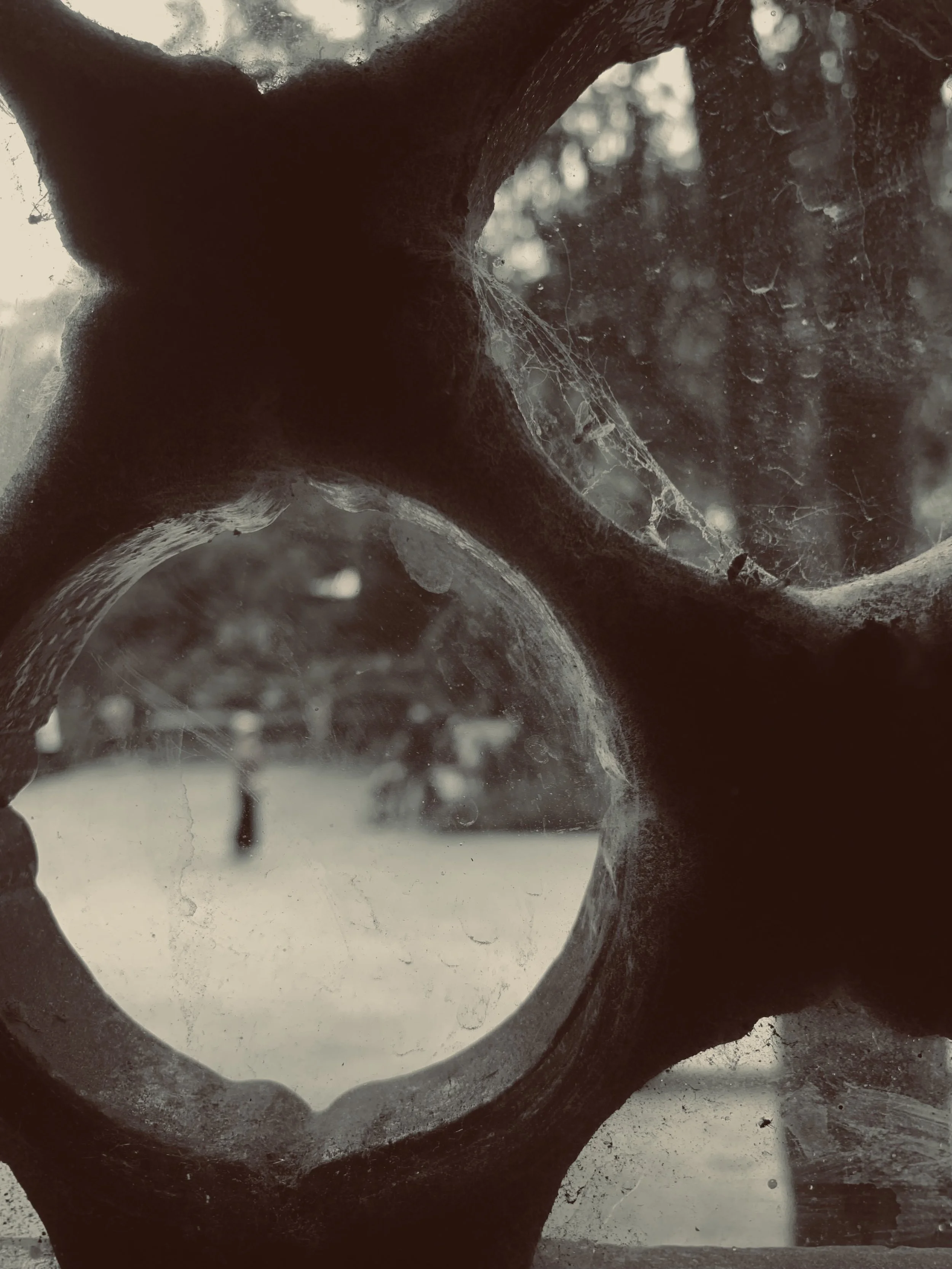
Untitled, 2026
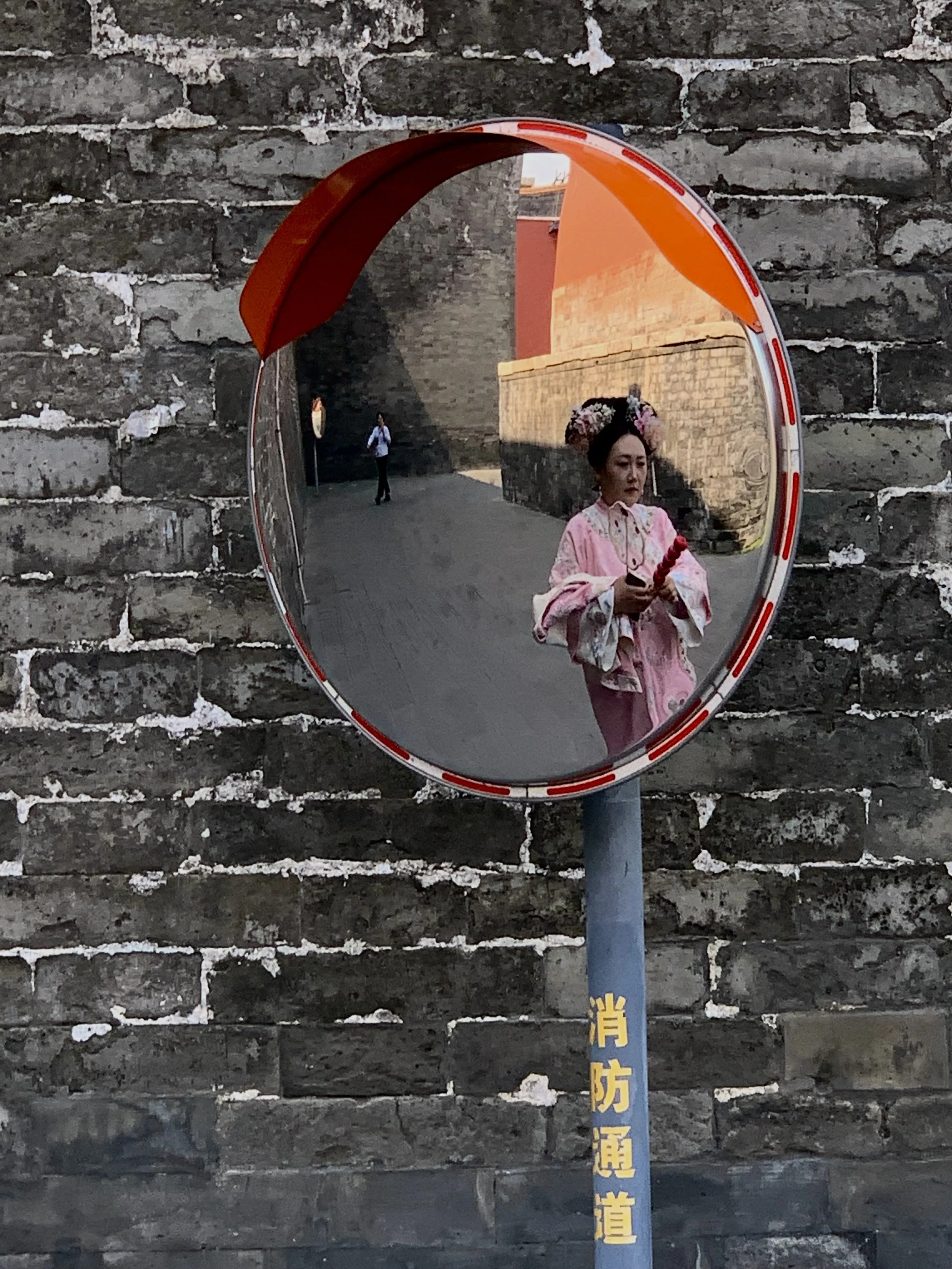
Untitled, 2025
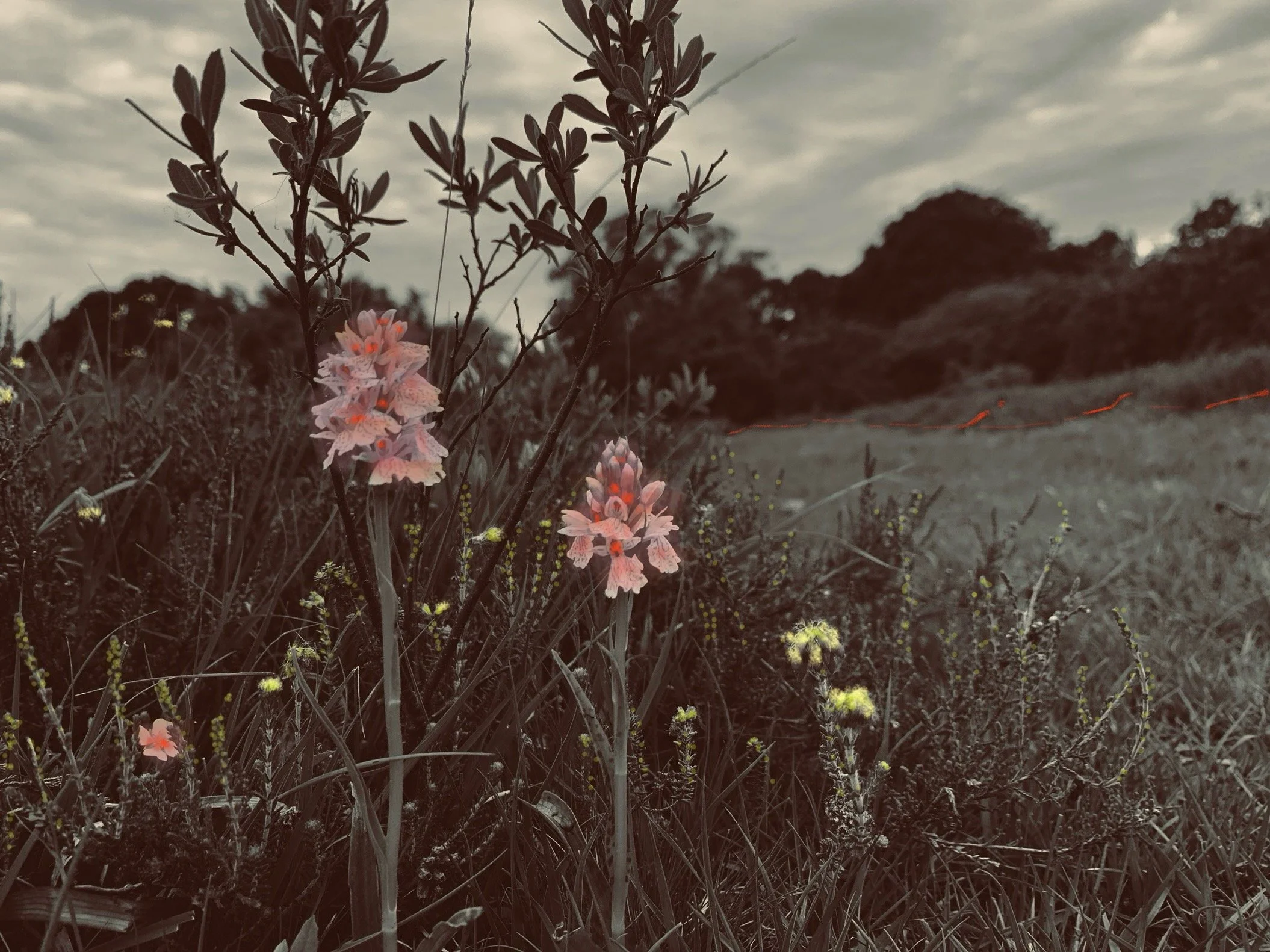
Lymington, 2026
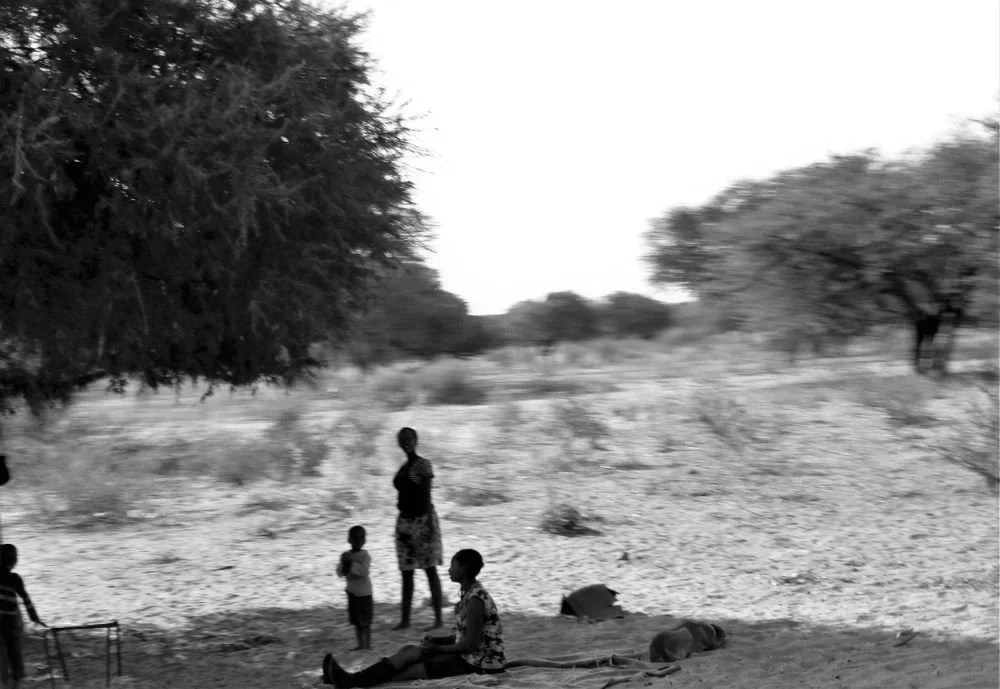
Street, 2018
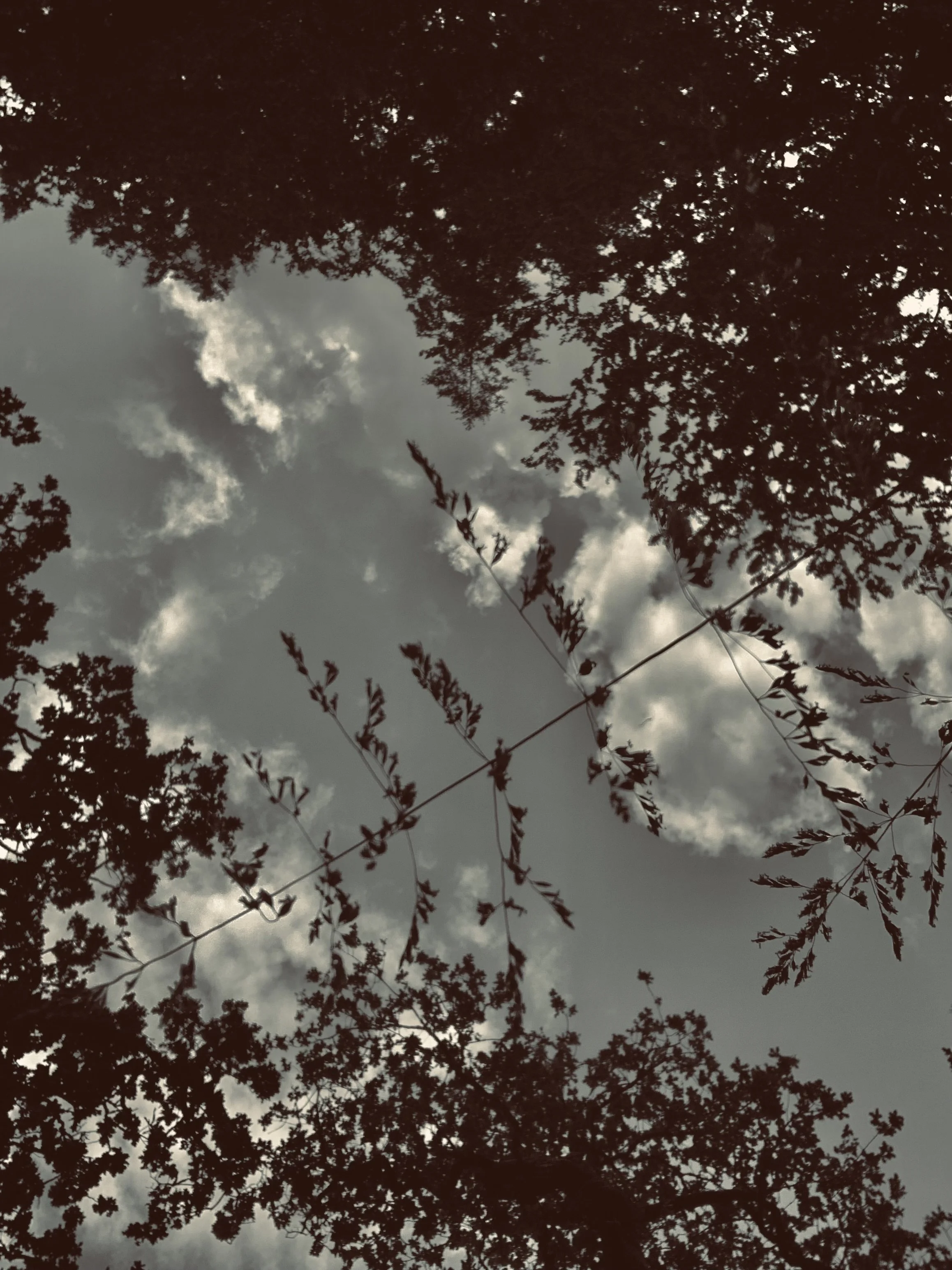
Untitled, 2026
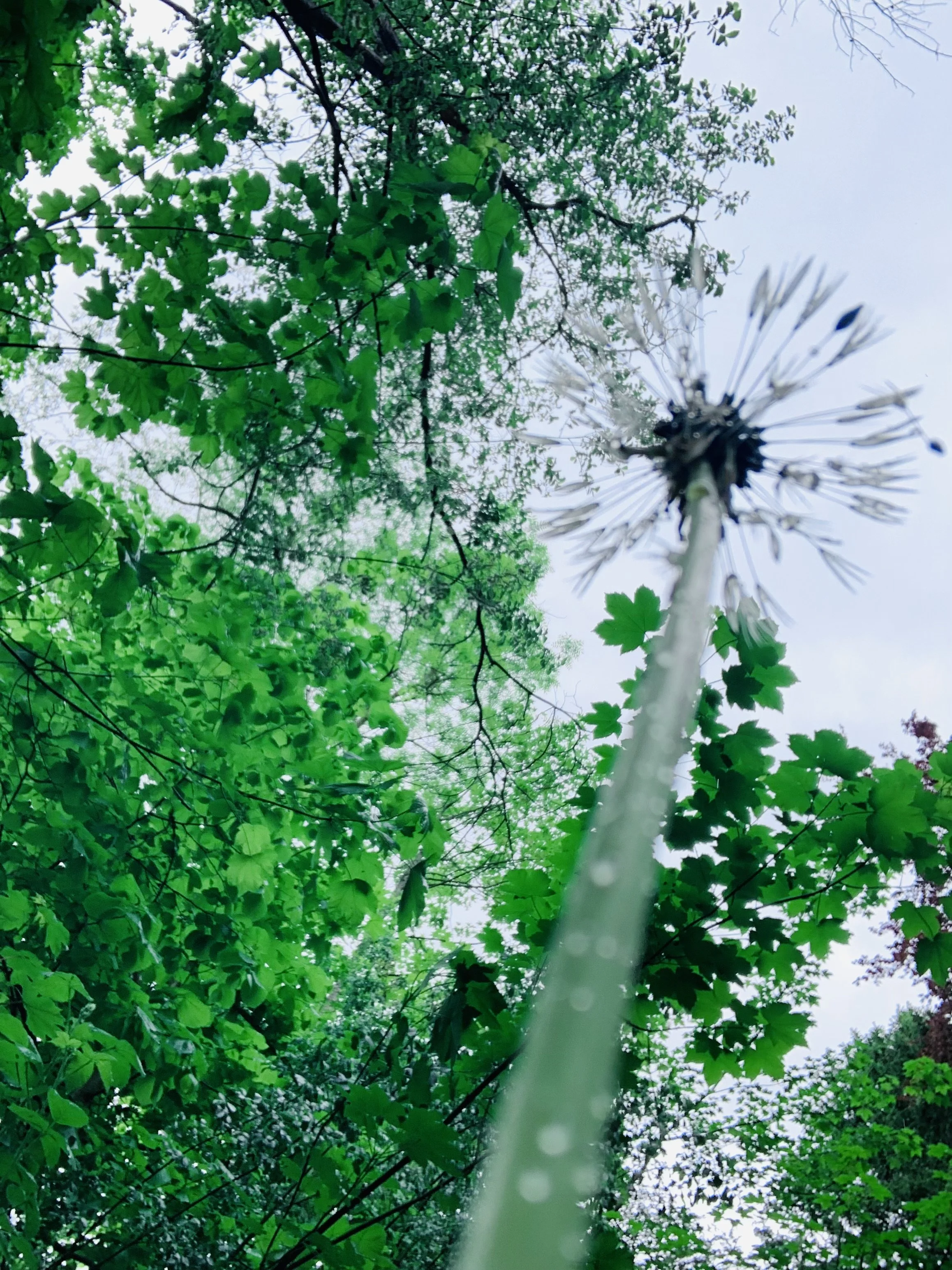
Green, 2026
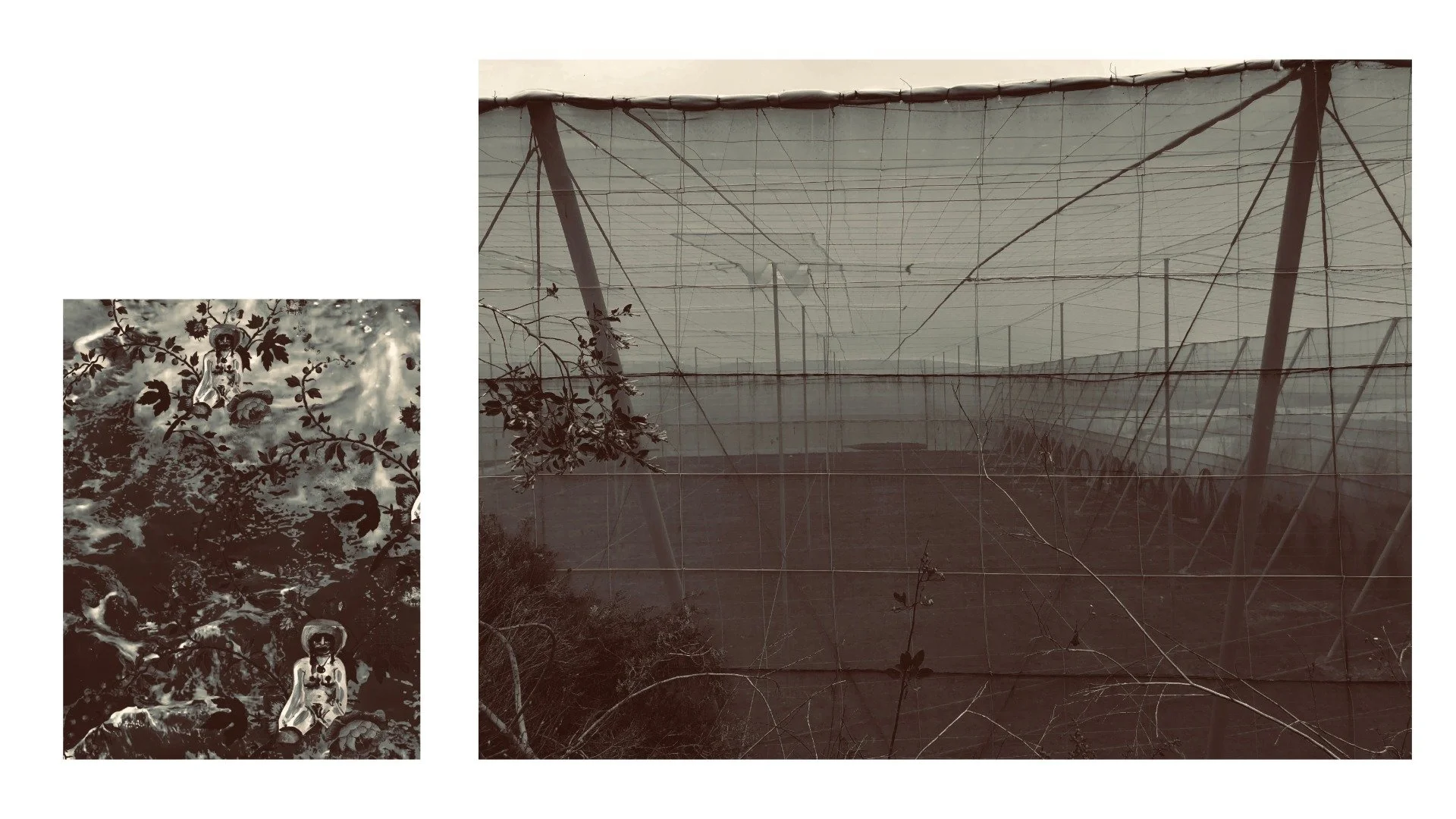
Untitled, 2026
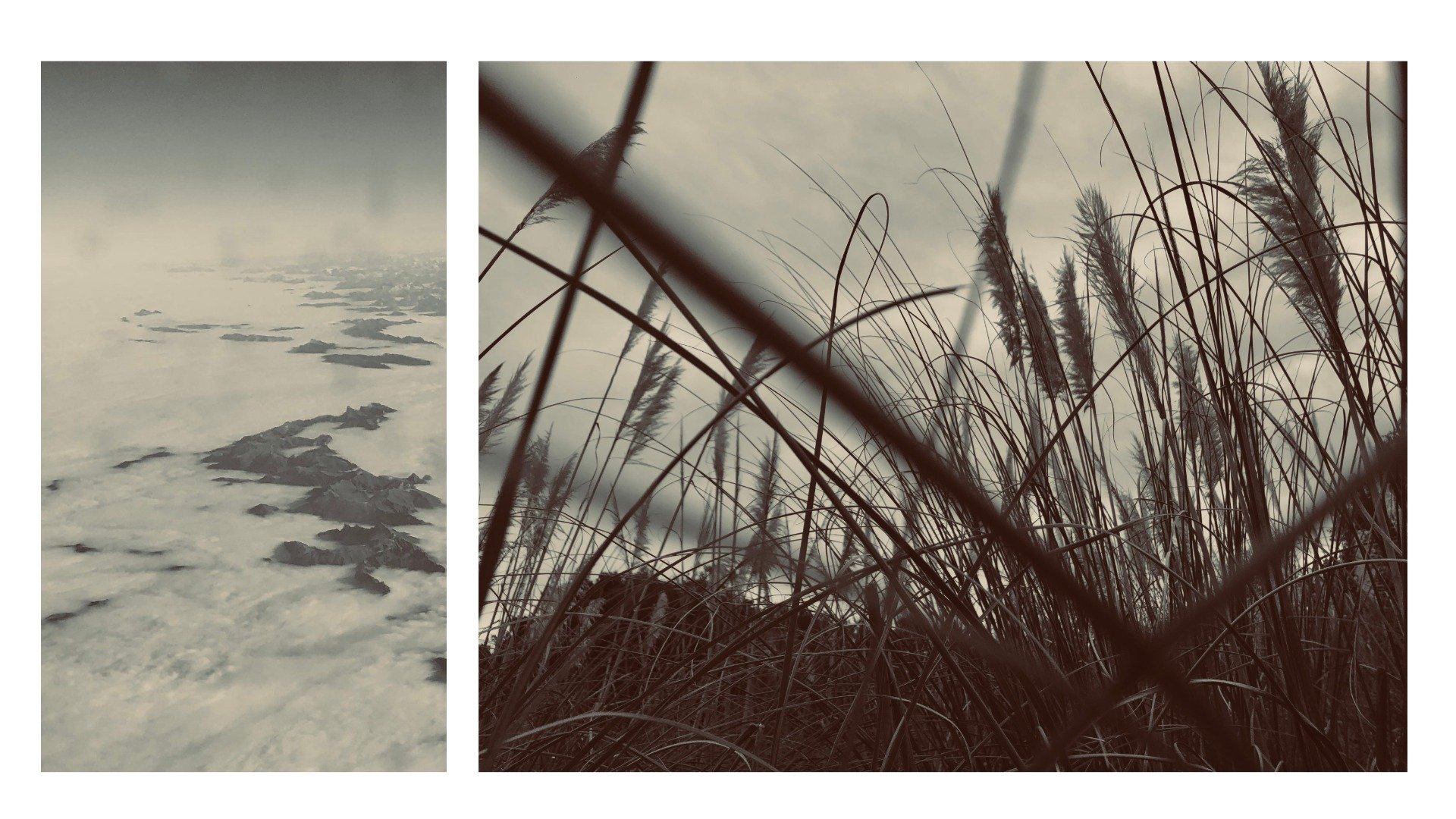
Untitled, 2026
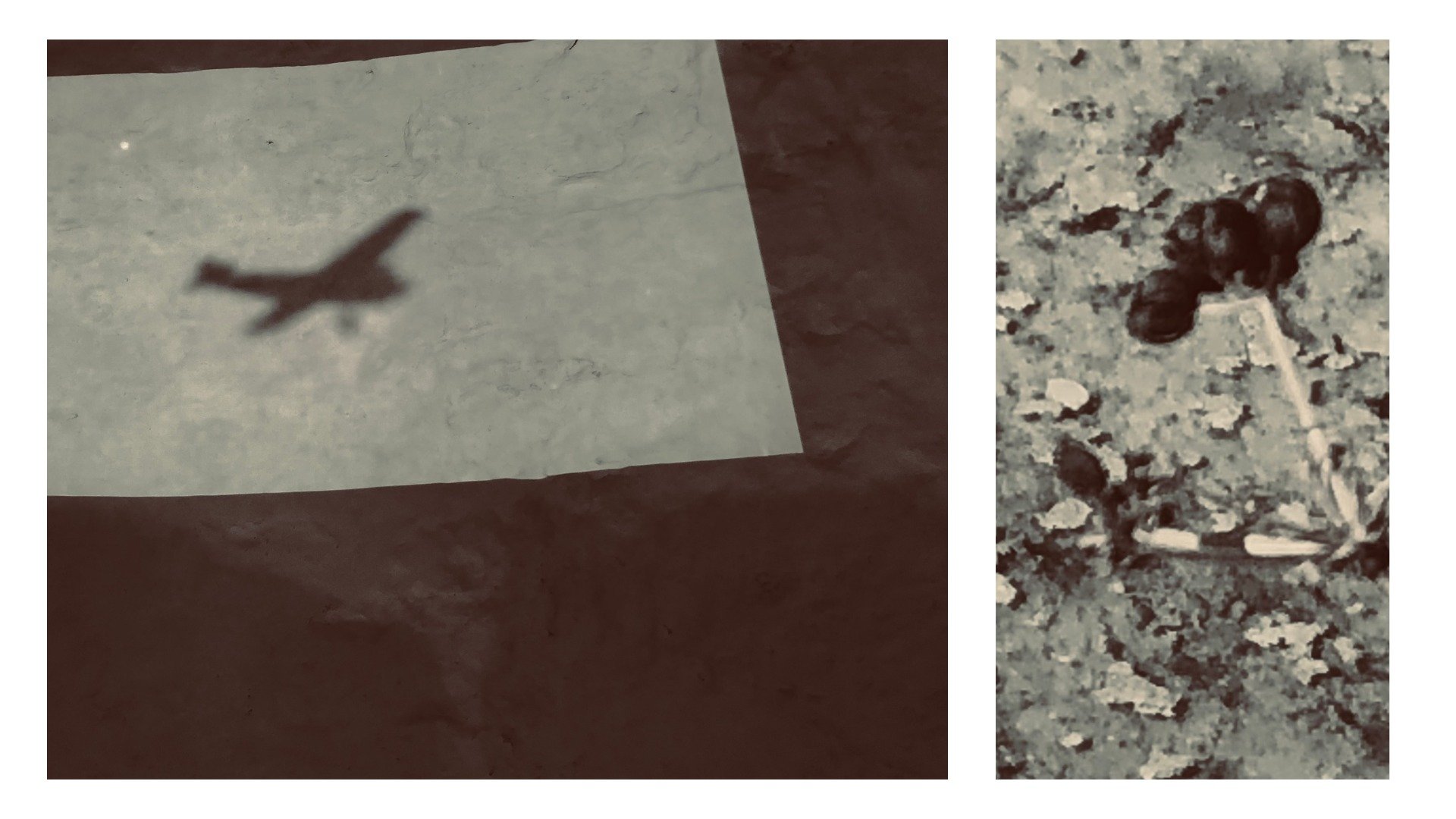
Untitled 2026
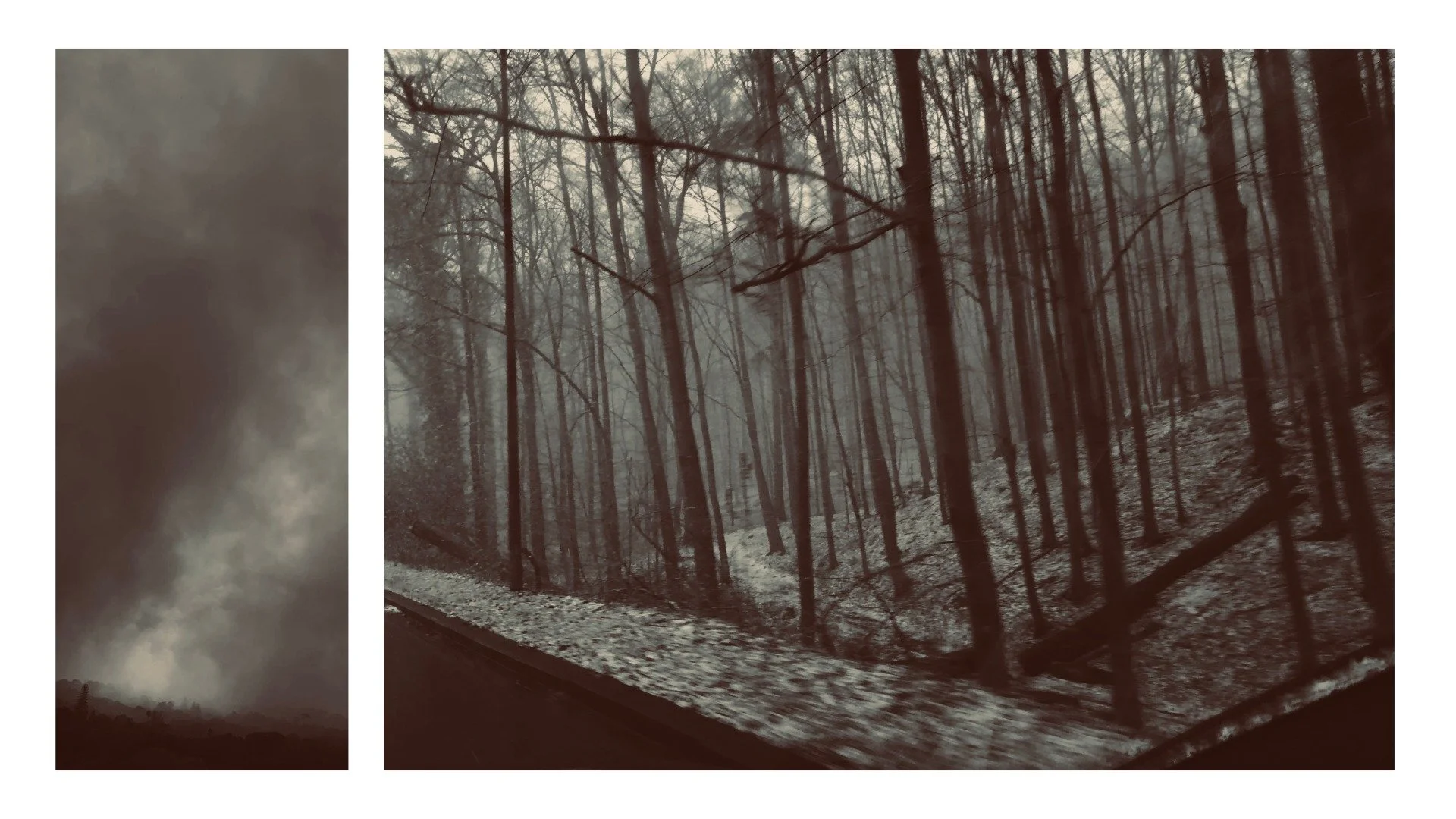
Untitled, 2026
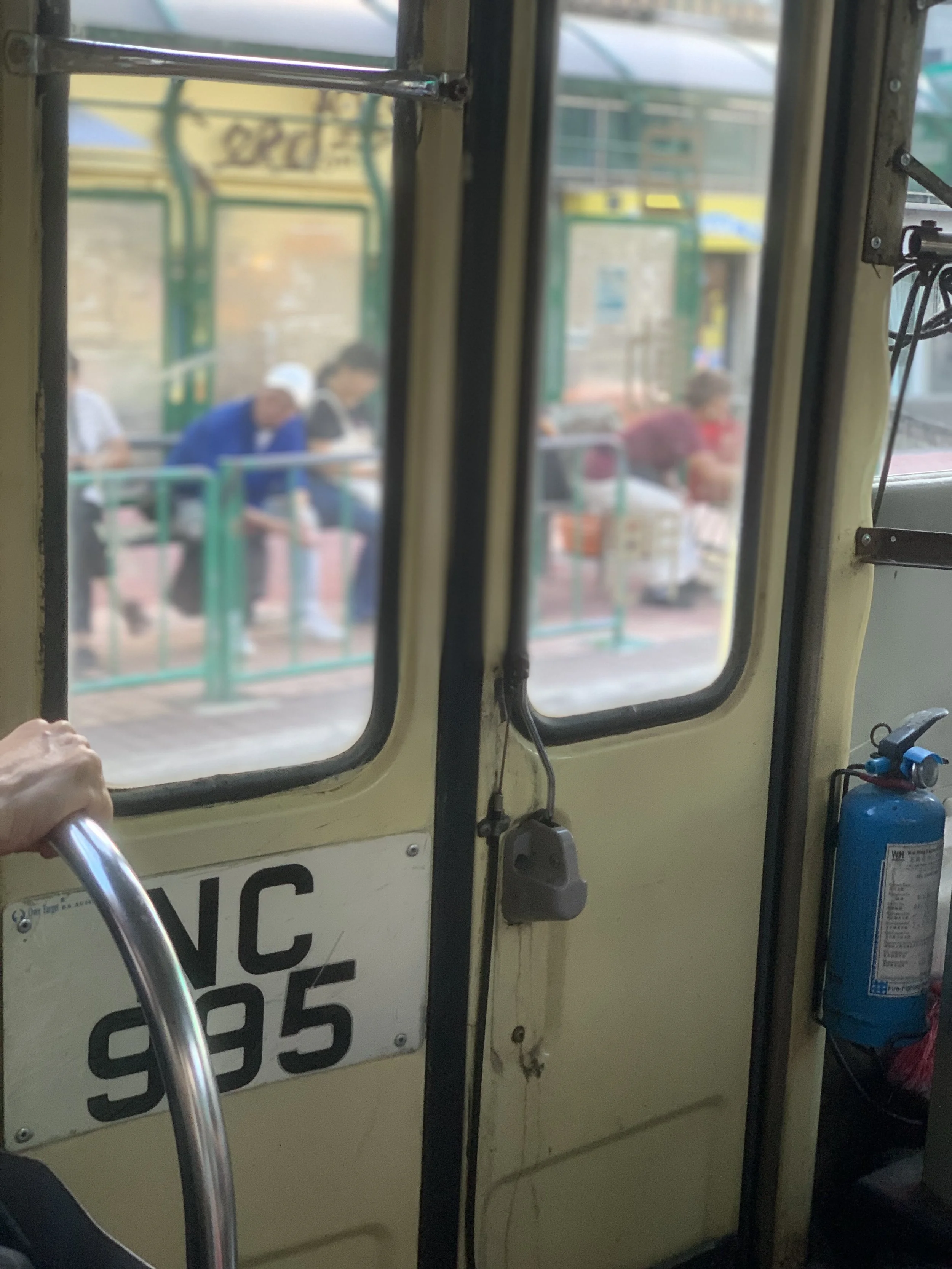
Street, 2025
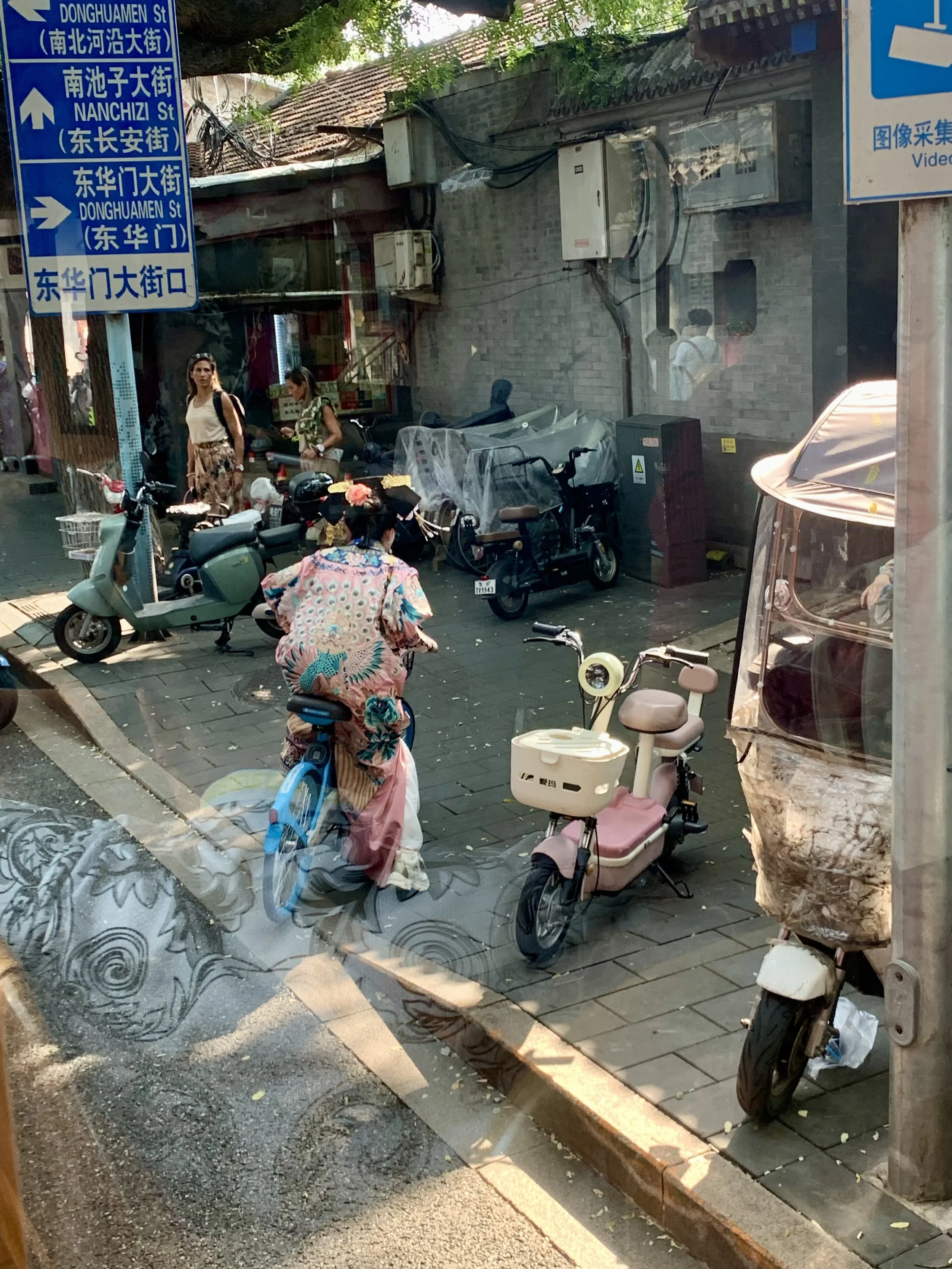
Street, 2025
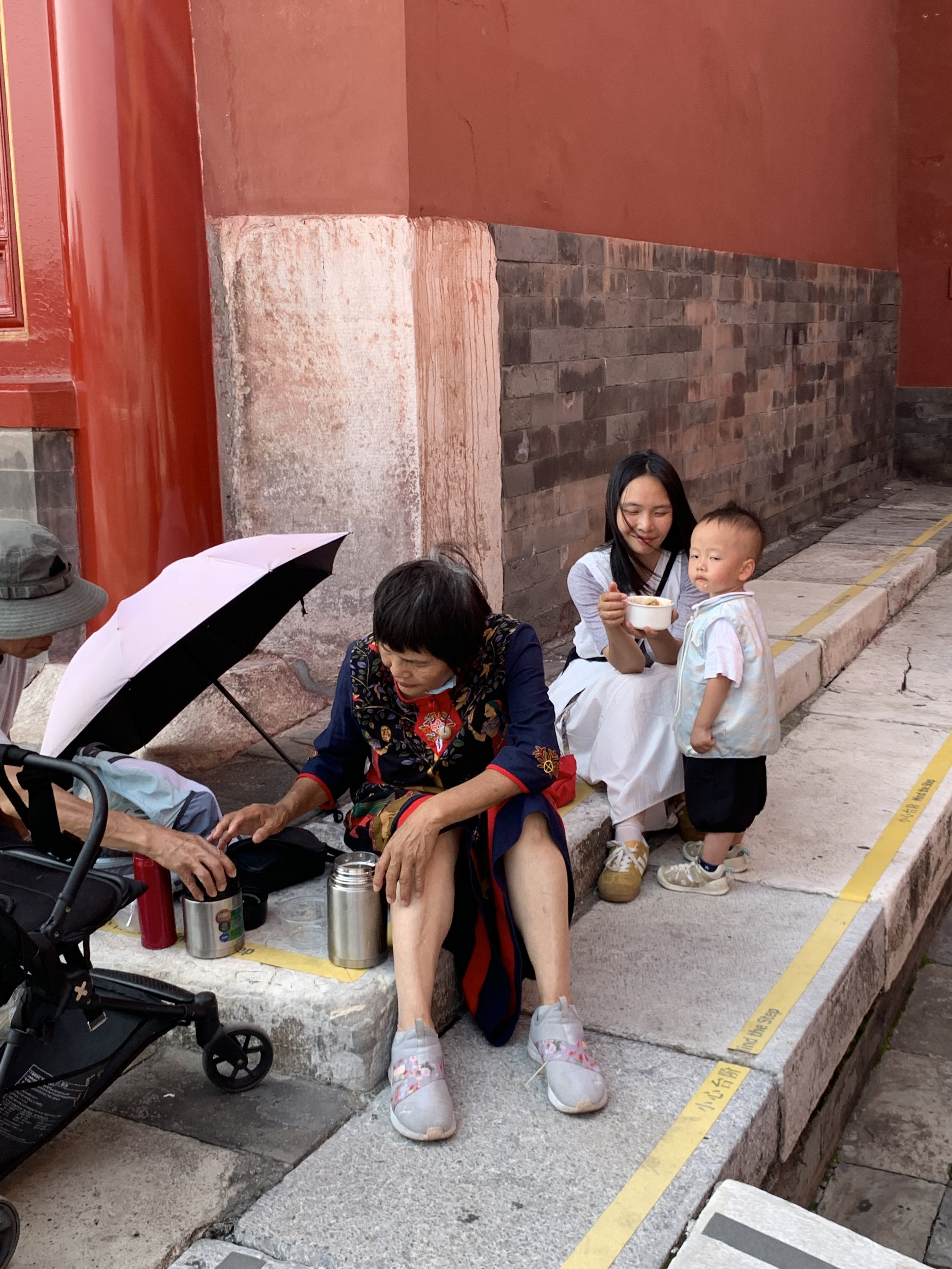
Street, 2025
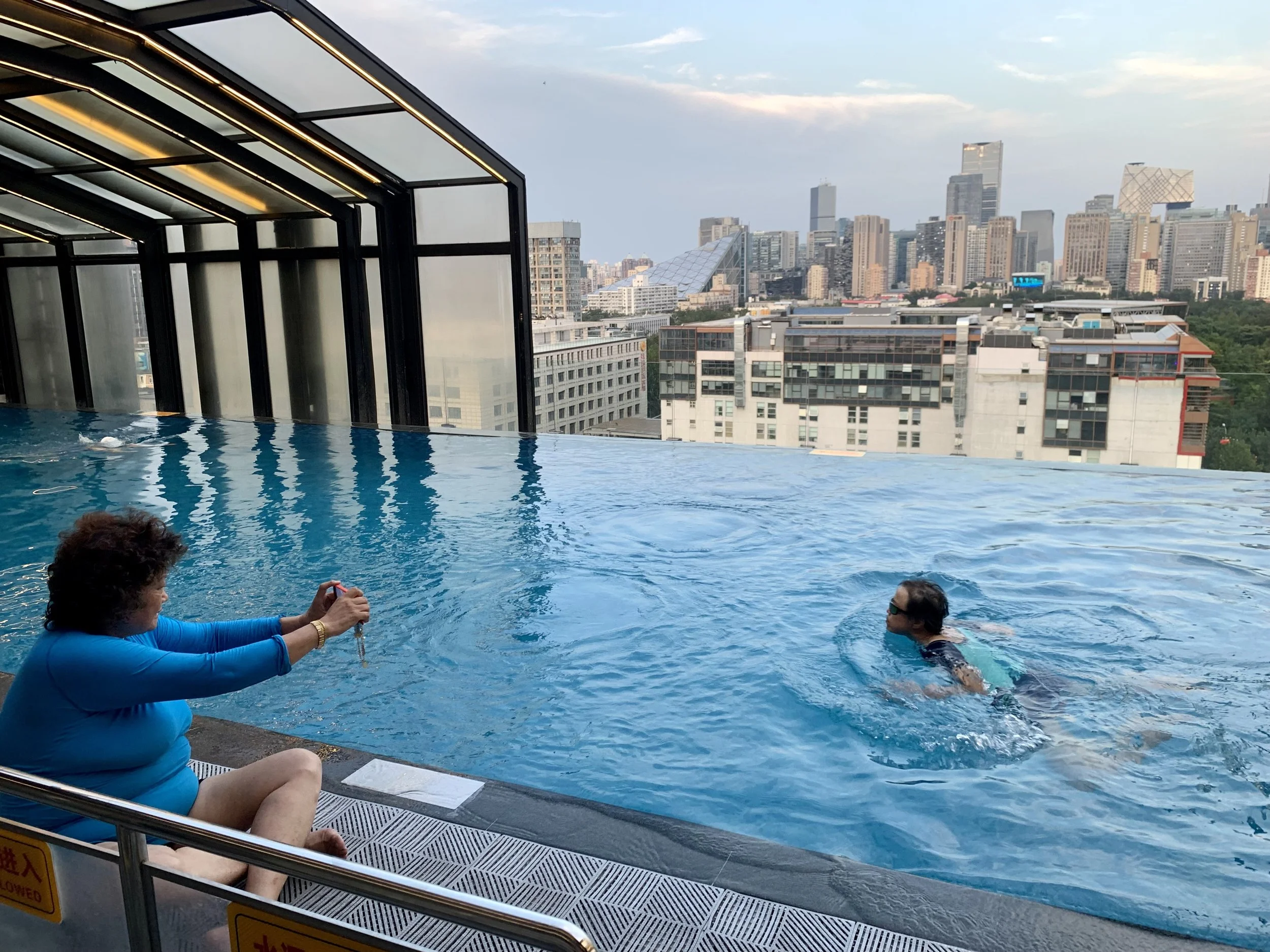
Street, 2025
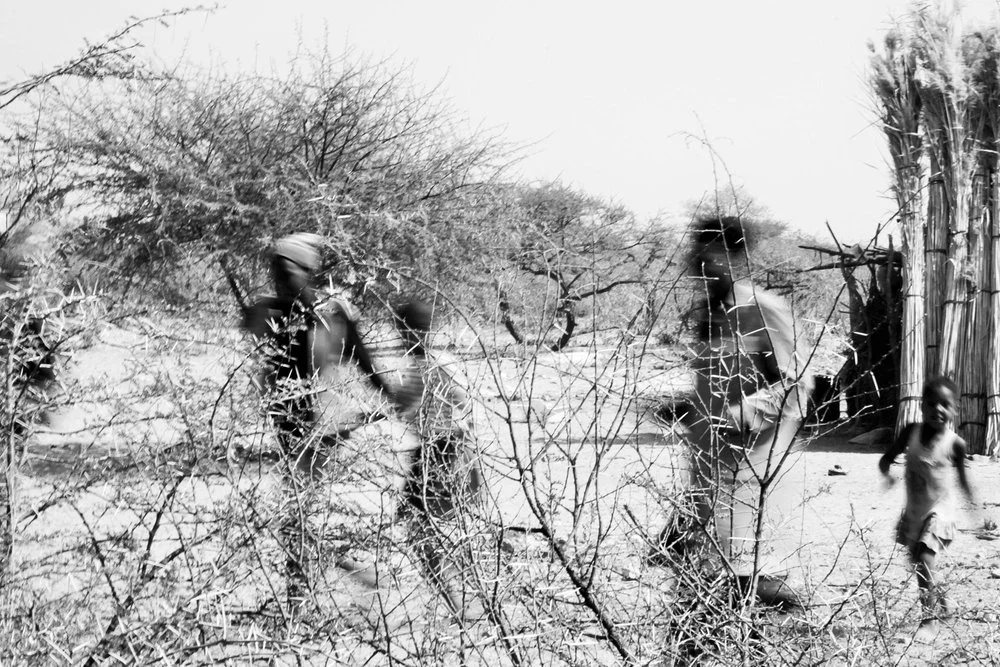
Street, 2018