
Mio Tahara
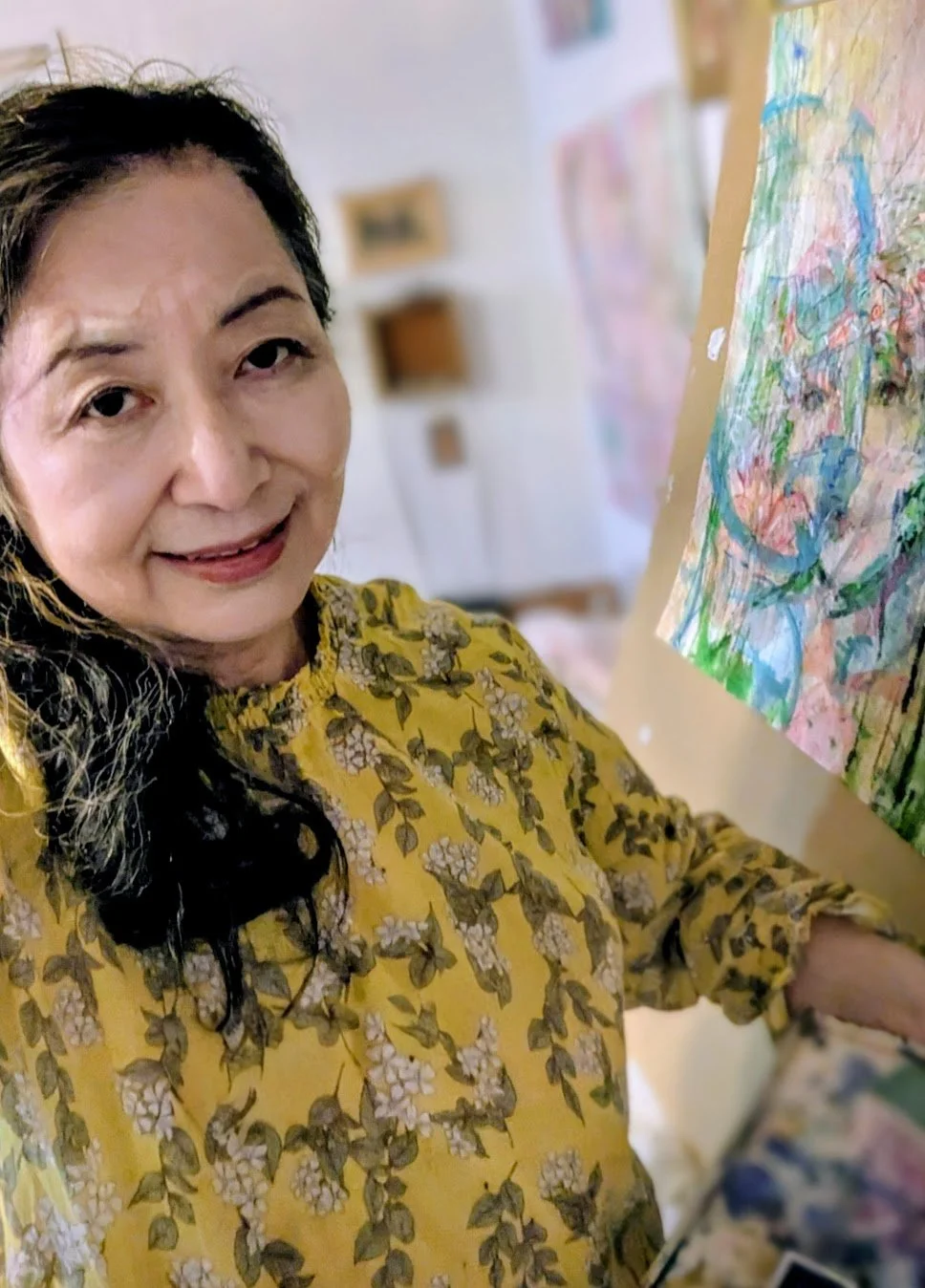
I'm from Tokyo. I majored in oil painting and graduated from Musashino Art University in Kodaira City.
I'm influenced by the university's modernist building.
The first floor of the building is intentionally designed with open spaces, creating a hideaway-like atmosphere. My paintings also feature hideaways.
I'm strongly influenced by my grandmother. She dedicated her life to helping others and always said, "God is watching over us." After retiring, she began studying Japanese painting on her own and exhibited at the "Women Painters Exhibition" every year from the age of 70. I was deeply impressed by her.
I returned to my hometown alone for my mother's university entrance exam.
Animals and plants were my dear friends, so they often appear in my paintings.
Recently, I've been incorporating elements of handicrafts.
I consider myself a feminist.
I like Renoir's bright paintings.
I also like Moreau's vibrant watercolors and small works depicting makeup.
I'm fascinated by Chagall's surreal and dreamlike world.
I sometimes apply a transparent undercoat to my watercolors to give them an oil painting-like finish. Discovered by madsartgallery in Italy, and with the support of Artavita.com and the Circle Foundation in the United States, I was able to exhibit at Art Expo New York, held at Redwood.com.
In your reflections on Taro Okamoto and Pablo Picasso, one senses not an anxiety of influence but rather a selective resistance, could you elaborate on how your disidentification with what you term “beauty” operates as a generative constraint within your practice, perhaps even as a kind of ethical refusal embedded in form?
That's a sharp question.
I feel like I need to change my personality.
That's because during a critique session in college, my paintings were described as "cute."
I actually prefer fantasy paintings like those of Chagall.
I want to learn more about the works of Picasso and Taro Okamoto.
I want to try something new.
I used to like Renoir's bright depictions of everyday life, but now I feel a little unsatisfied with them.
You distinguish quite sharply between the “cute” and the “beautiful,” a dichotomy that feels culturally situated yet philosophically expansive, how might this distinction function as a critique of aesthetic consumption within contemporary Japan, and how does it reconfigure the viewer’s expectations of affect and visual pleasure?
Kitty is a Japanese cat character design.
Kitty is cute. Probably no one would call Kitty beautiful.
Kitty is used in various products and is bought because she's cute.
A cute wife. Everyone has different preferences when choosing a wife, right?
Cuteness varies from person to person.
A beautiful actress. Beauty feels more universal.
Your invocation of Okamoto’s assertion that “beauty lies in denying oneself” suggests an almost ascetic dimension to artistic production, do you consider your work to participate in a lineage of self-negation, or does it instead transform that negation into a form of affirmative excess?
At a university critique session, my paintings were described as "cute
At that time, there were no female professors. Even if they commented on my personality...
Paintings that conveyed femininity wouldn't be accepted. I was troubled.
I was such a quiet girl that I couldn't even talk to my teacher about it.
That's why I thought that handicrafts would be fine instead of painting.
I didn't realize it myself, but I might be a feminist.
I should just accept myself as I am, but I struggled to do so.
That's something of the past for me now. However, it still appears in my work.
That's because I want to encourage others who are struggling with similar issues.
In your reading of Picasso, particularly your awareness that certain works were historically rejected, even by figures such as Henri Matisse, you seem to seek out a Picasso that precedes canonization, how does this temporal displacement inform your own desire to create works that may resist immediate acceptance?
Even Van Gogh, who is popular now, didn't sell a single painting during his lifetime. Modigliani didn't sell any either. I think that's just how painting is. I feel bad for the people who pay for my paintings if they're superficial. I don't want to cause people to lose money. I can't just accept that anything that sells is fine. That's why, like my grandmother's way of life, I've decided to resume painting in my old age.
You speak of an “African sensibility” within Picasso’s paintings as something intuitive and vital, how do you negotiate the complexities of cross-cultural reference without collapsing into appropriation, and what does this sensibility offer your own pictorial language?
I've never considered learning by copying. Oh, I thought that a painting from 100 years ago resembled my own.
I'm drawn to clay figurines, Jomon pottery, and pyramids.
People in ancient times, without tools, ingeniously tried to express something.
African masks. Japanese lion dance costumes. Japanese lion dances are for warding off evil, eradicating disease, and praying for good fortune. They are auspicious.
Unadorned materials, imbuing them with sincerity.
A painting reveals everything about the artist. My art teacher in middle school was worried about me when he saw a painting I had done.
I've learned that a painting conveys the artist's entire personality to the viewer. It's something you can't fake.
Your insistence on creating “interesting paintings” rather than commercially viable ones recalls a modernist commitment to autonomy, yet in today’s global art economy, how do you sustain this position without it becoming a romanticized stance?
I've never considered making a living from painting.
Through this project, I learned that the university building had been recognized as a modernist architectural masterpiece.
And I understood why I disliked the building of the company I worked for. Rectangular buildings just feel oppressive.
Building No. 4 at Musashino Art University has no classrooms on the first floor.
There's a space where the wind blows through.
Climbing the spiral staircase leads to a piloti, which was a place of relaxation for students.
It seems to be described as a secluded space.
I used a slanted wall to make a deliberately narrow space leading to a tea room appear larger.
I tend to incorporate past and future spaces into my paintings.
I wasn't consciously aware of it, but I've been influenced by it.
There is a striking tension in your work between material heterogeneity and spiritual aspiration, when you combine disparate materials to generate “energy,” do you conceive of this process in terms aligned with Alfred North Whitehead’s notion of becoming, where each element retains its agency within a larger relational field?
Buddhist teachings are difficult for Westerners to understand. That's why I simply mentioned the names of Western philosophers whose teachings I felt were similar.
Your belief that plants possess communicative capacities introduces a non-human epistemology into your practice, how does this expanded field of perception alter your compositional decisions, and does it challenge the anthropocentric tradition of painting?
A research paper on plant communication was published at Kyoto University.
My creative process is entirely within my consciousness. Don't you think the vitality of plants is amazing? If you leave cracks in the asphalt, the wind carries soil and seeds. And then weeds grow. Thinking about such things, I begin to paint haphazardly, like a child. I only consider balance and harmony.
I intend to paint with the childlike heart that Picasso spoke of. I paint without calculating everything like an adult.
Along the way, I think about what to emphasize or what to abstract. I incorporate the scent of plants and colors that birds can easily spot.
When I paint plants, I envision their life cycle.
Pollen is dispersed, attaches to the pistil, and becomes fruit.
Some wither as a sign of respect. Plants don't compete; they yield to one another. Plants don't wage war.
How do plants communicate?
I scrape away the paper and the paint I've applied.
In that process, I sometimes imagine the effects of wind, insects, and rain. It takes years.
I check it again and again, and when I realize there's nothing left to erase or add, the work is complete.
I don't think I can break through my limits just by thinking about it in my head.
It takes a year for a plant to grow from a seed, flower, and bear fruit. Along the way, it might be eaten by insects or suffer from lack of water. It's the same principle; we take our time and think things through carefully.
Tahara Mio 太原澪 (日本), 現代画家アーティスト | ArtMajeur:
https://www.artmajeur.com › tahara-mio-tai-yuan-ling
Artist Spotlight - Mio Tahara — Contemporary Art Curator Magazine:
https://www.contemporaryartcuratormagazine.com/home-2/mio-tahara-spotlight
M.A.D.S. ART GALLERY | artist. | Tahara Mio
Tahara Mio: Weaving Life, Tradition, and Nature into Art - AATONAU
https://www.instagram.com/m.21yume/
https://www.instagram.com/m.yume21/
Explore the ultimate guide for art investors, featuring the most investable artists of 2025 and trending artists in the art market in 2025. Access an exclusive list of art investors and top collectors driving the industry. Stay ahead with art market research, investment opportunities, and Art Basel sales insights. Uncover art market trends with expert art advisors:
https://www.artmarketexperts.com/investable-artists-2026/mio-tahara
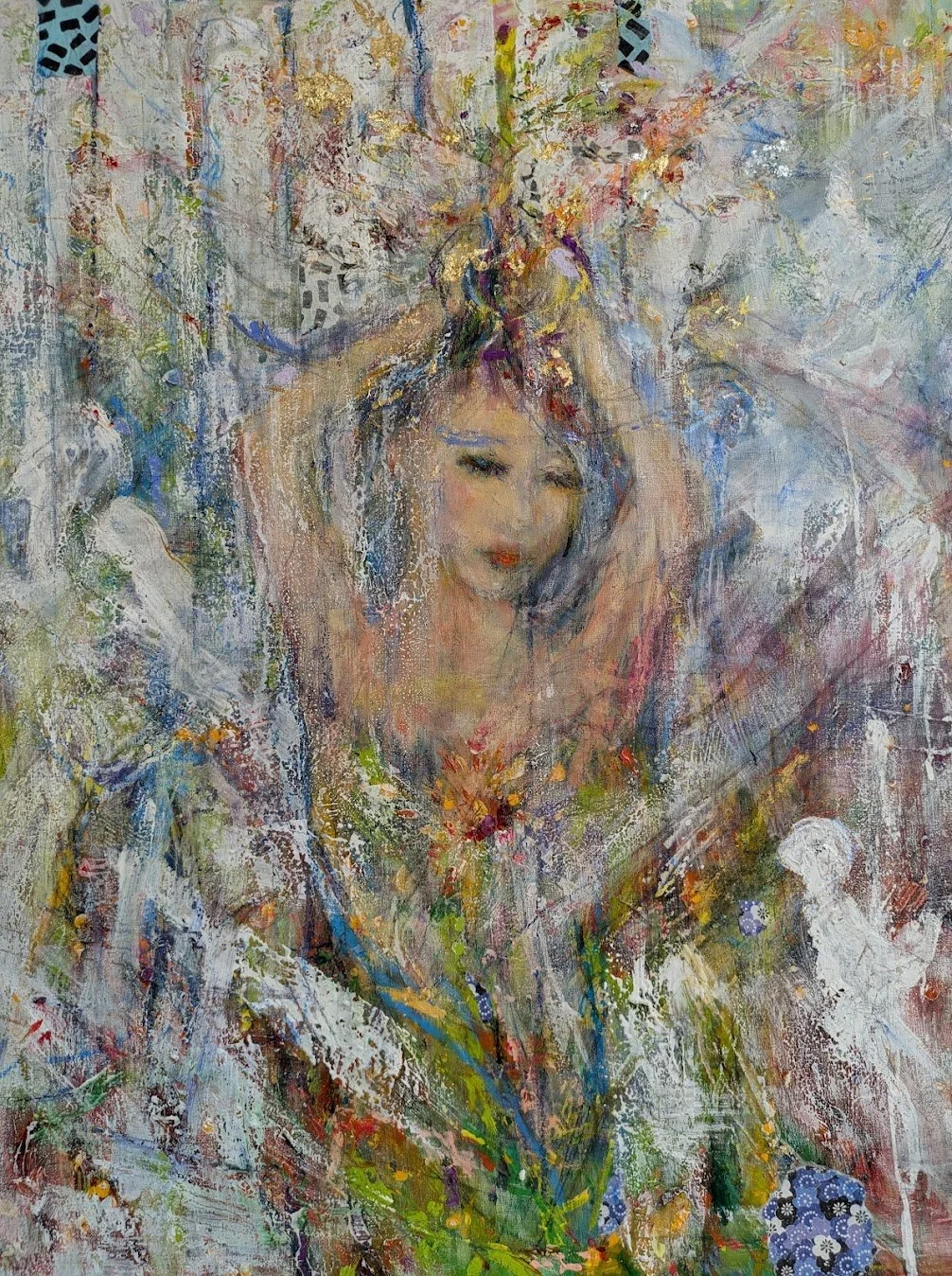
Growing Heaven, Tahara Mio, 2026,canvas,oil mix,76cm ×60.5cm×2c
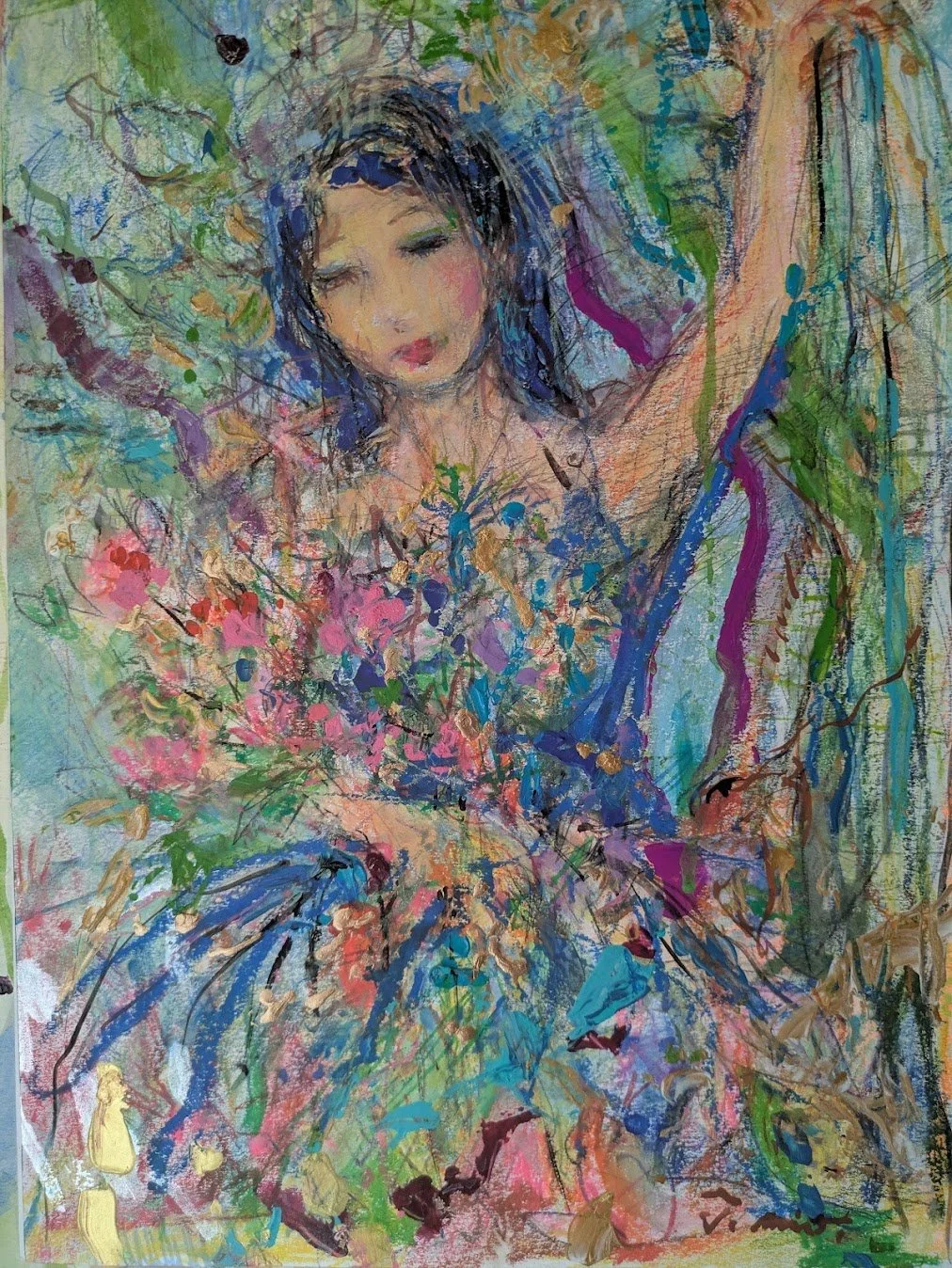
Wedding bouguet,Tahara Mio, 2020, water paper, 38×27㎝
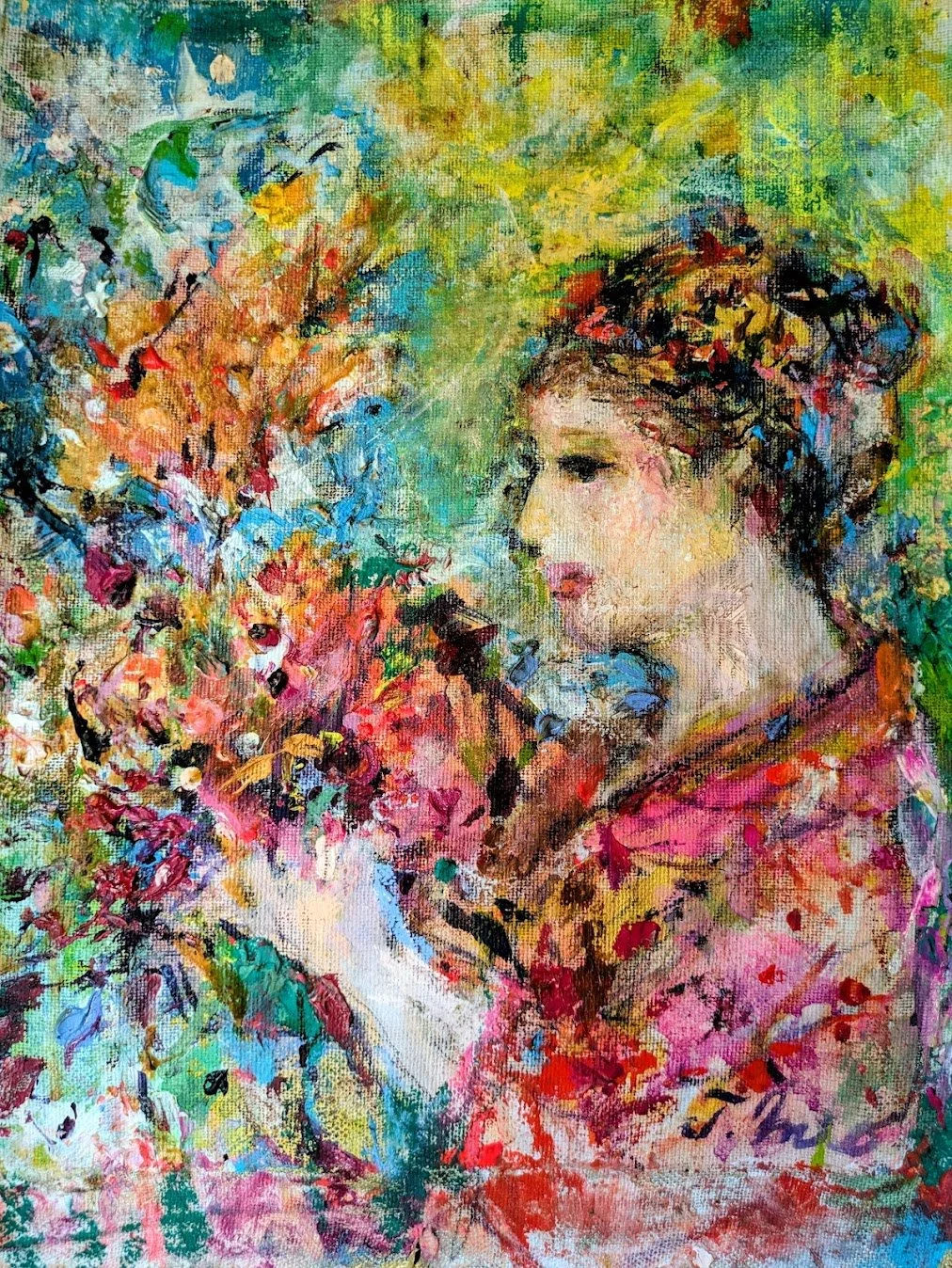
Prezent Mam, Tahara Mio, 2020, Oil linen, 32.5×24.7㎝
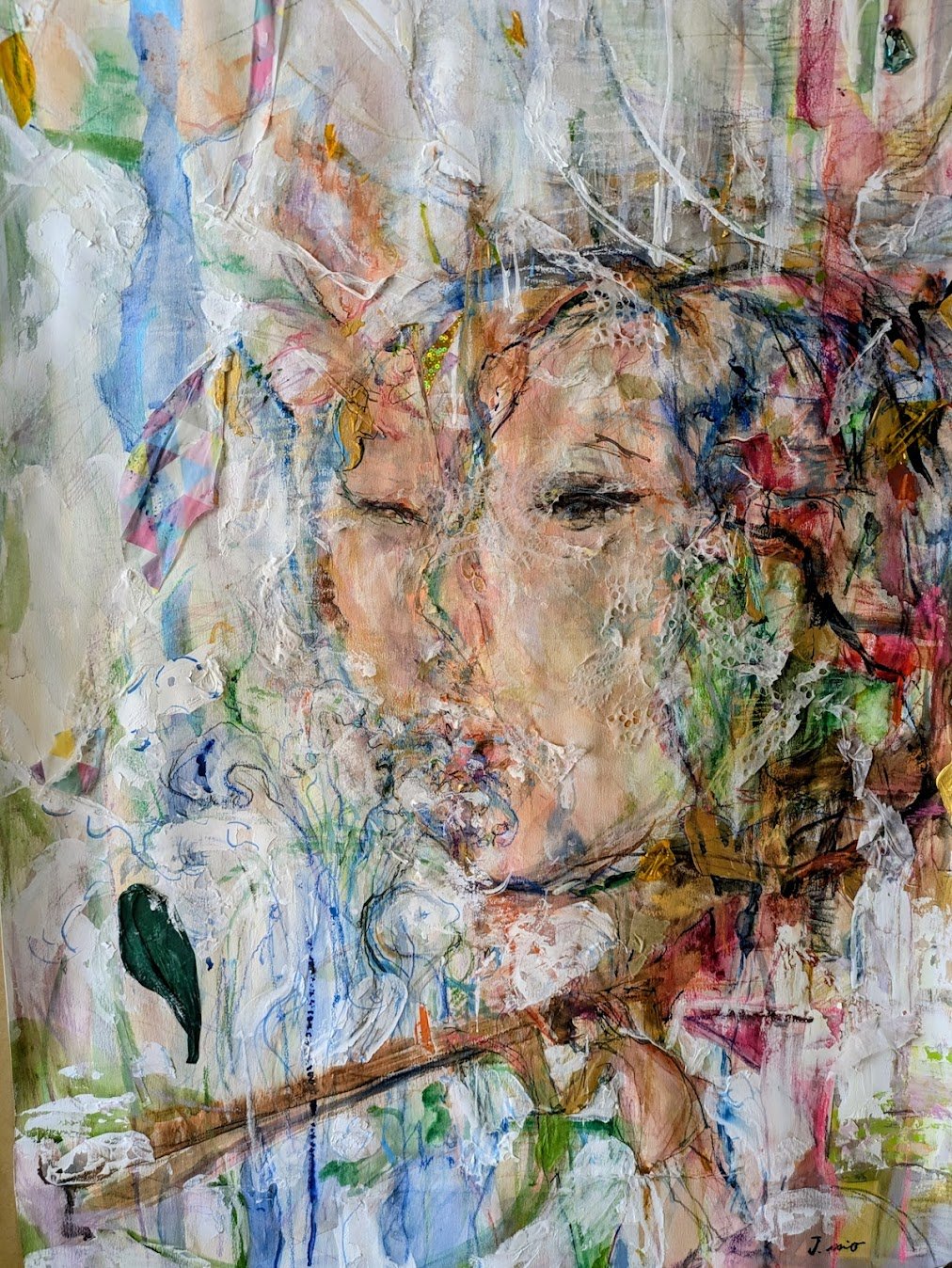
Water is life line, Tahara Mio,2026,72.8×51.5㎝,Water mix on paper,
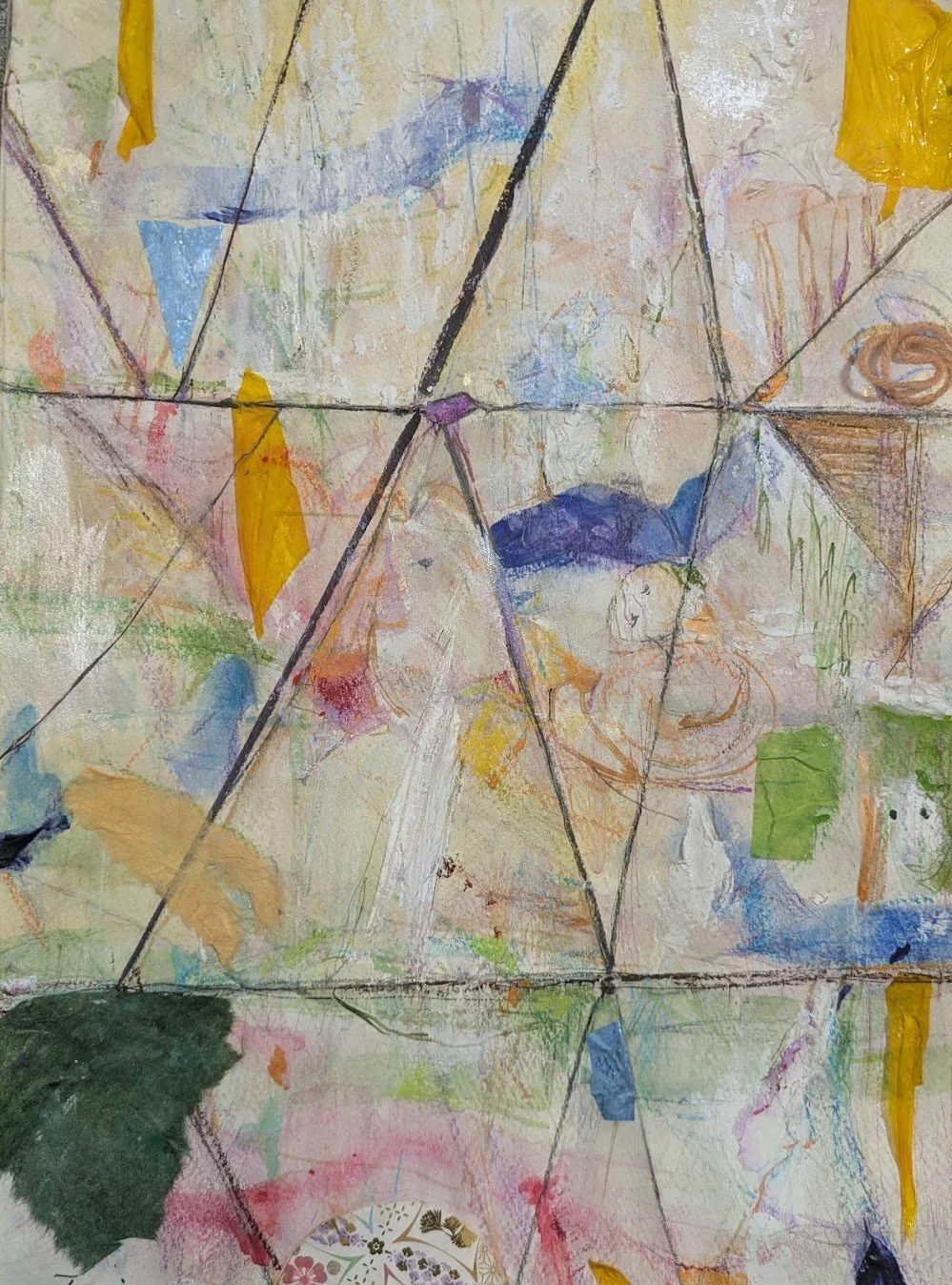
Earthquake, Tahara Mio, 2026, water mix, paper, A4 size
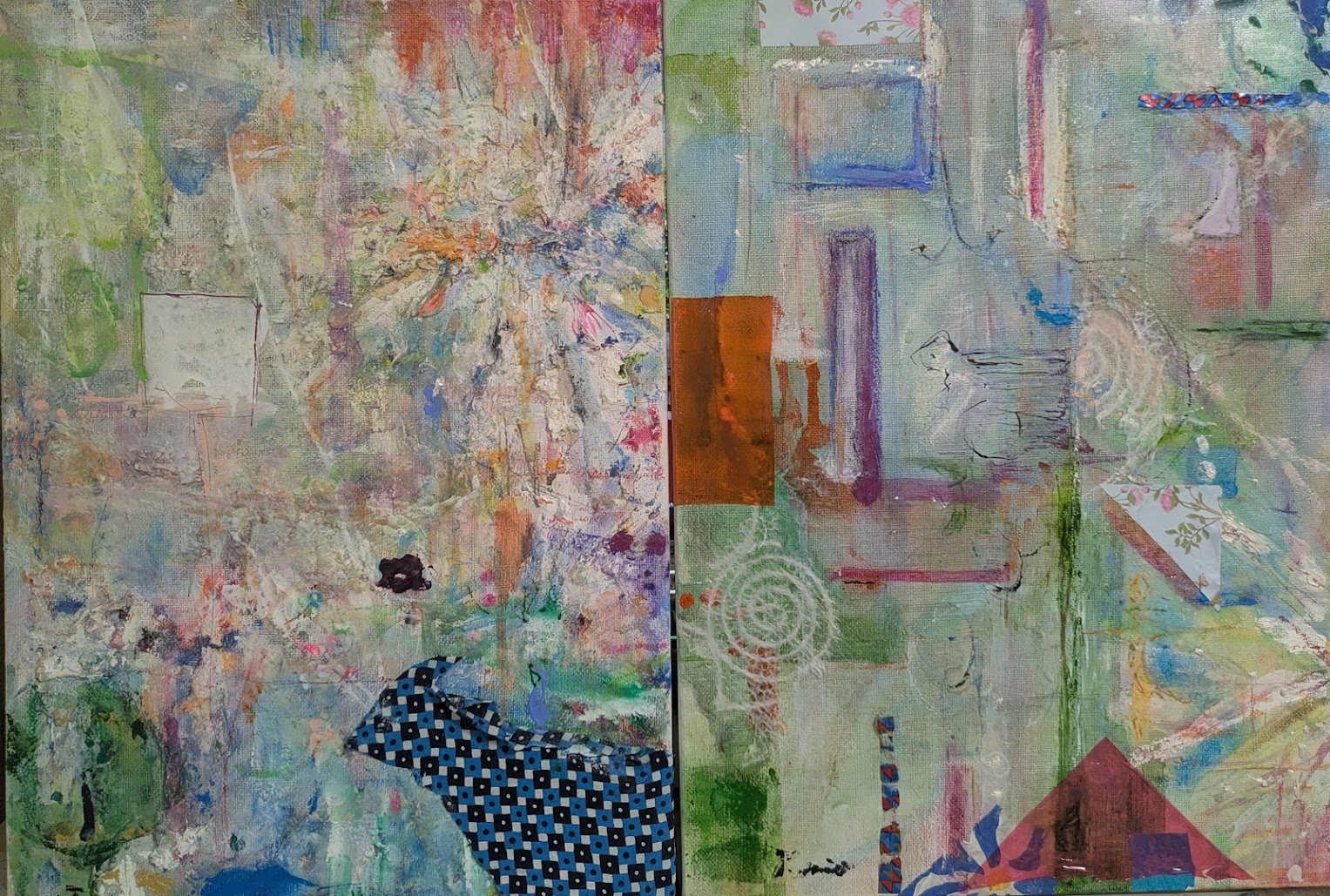
Birds from a ancient times, Tahara mio, 2025, water mix, canvas
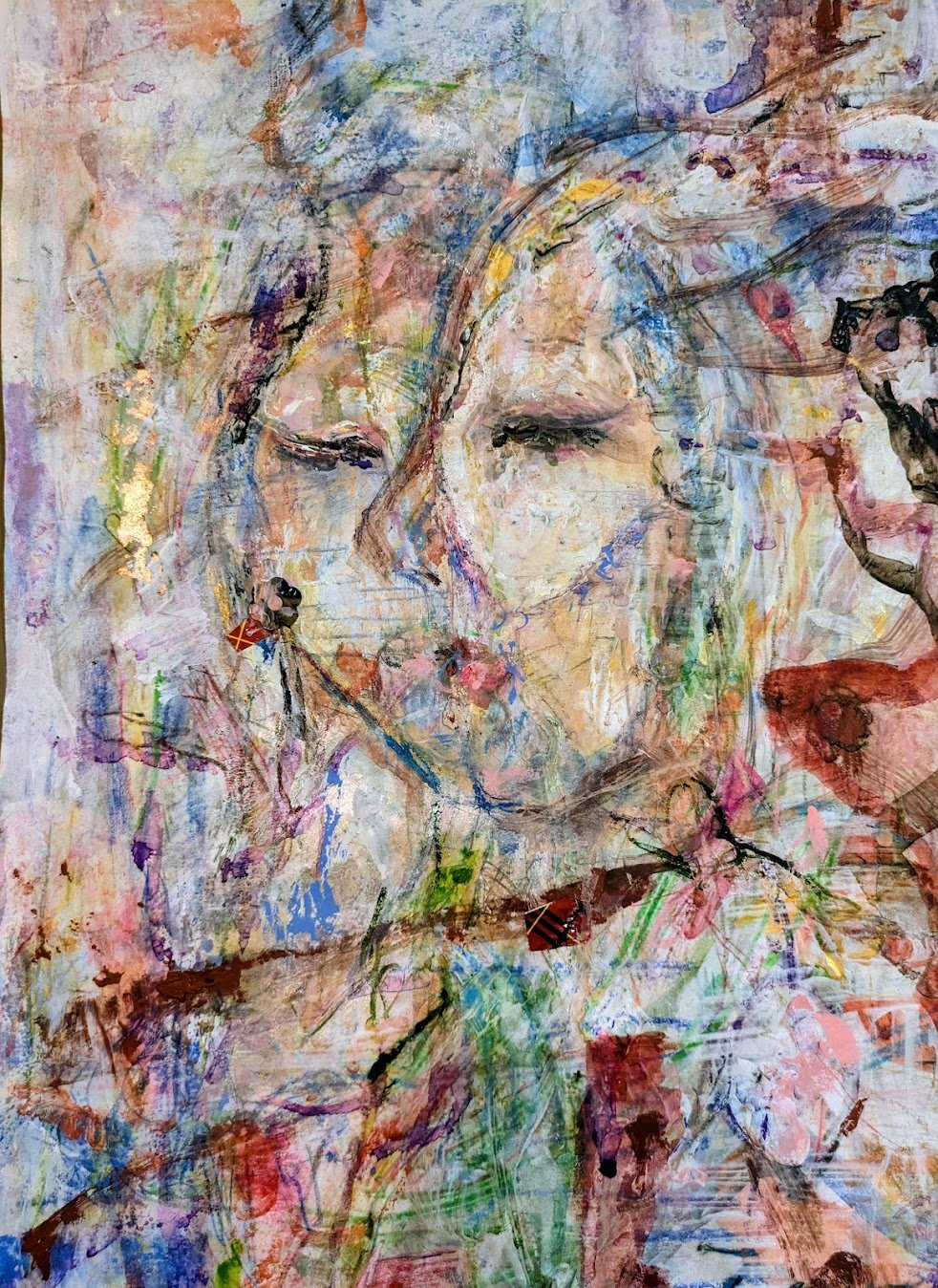
Get nervos 2024,water paper,37×26.8cm
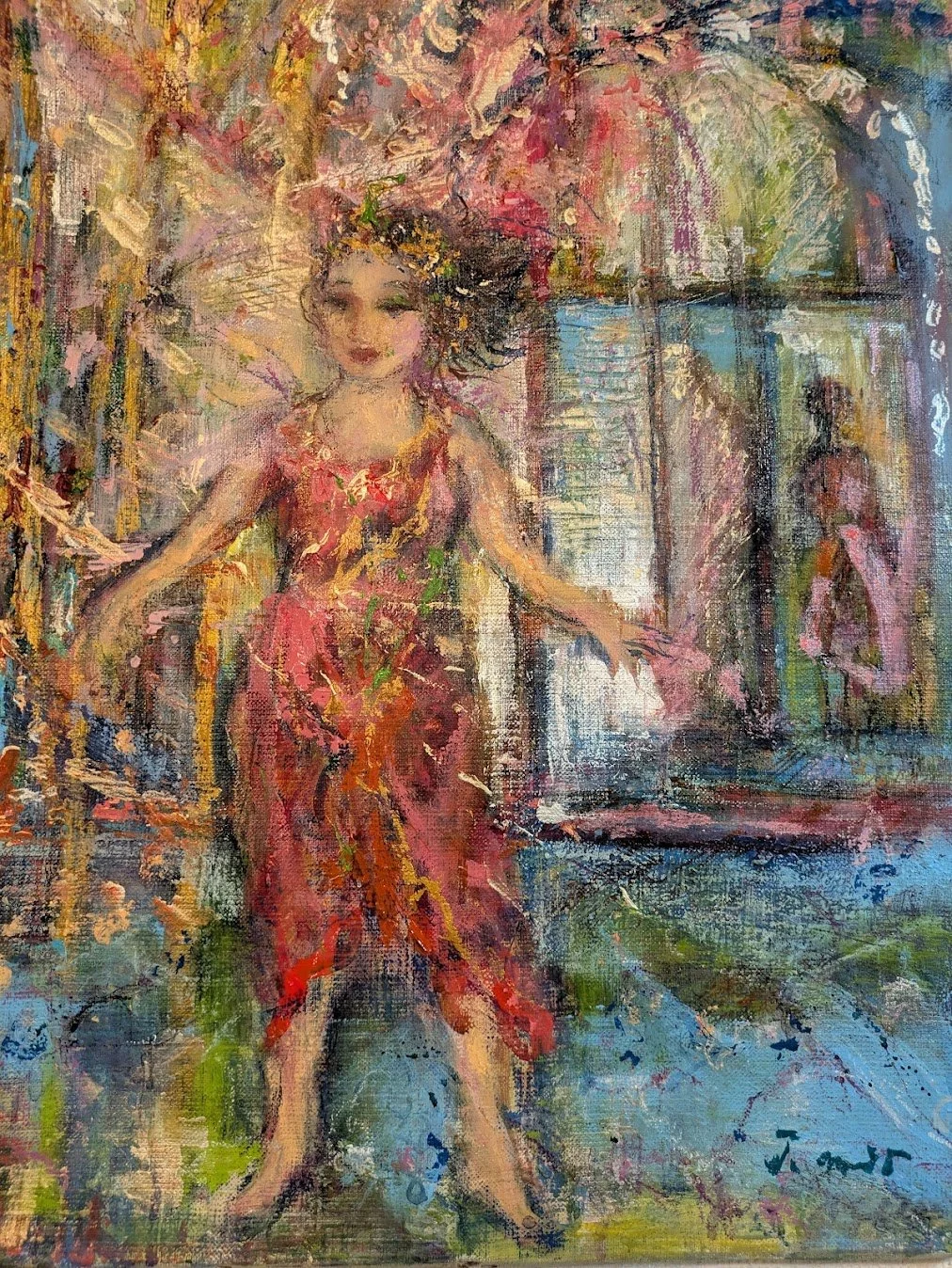
If I went back in time, 2022,oil canvas, 4×2㎝
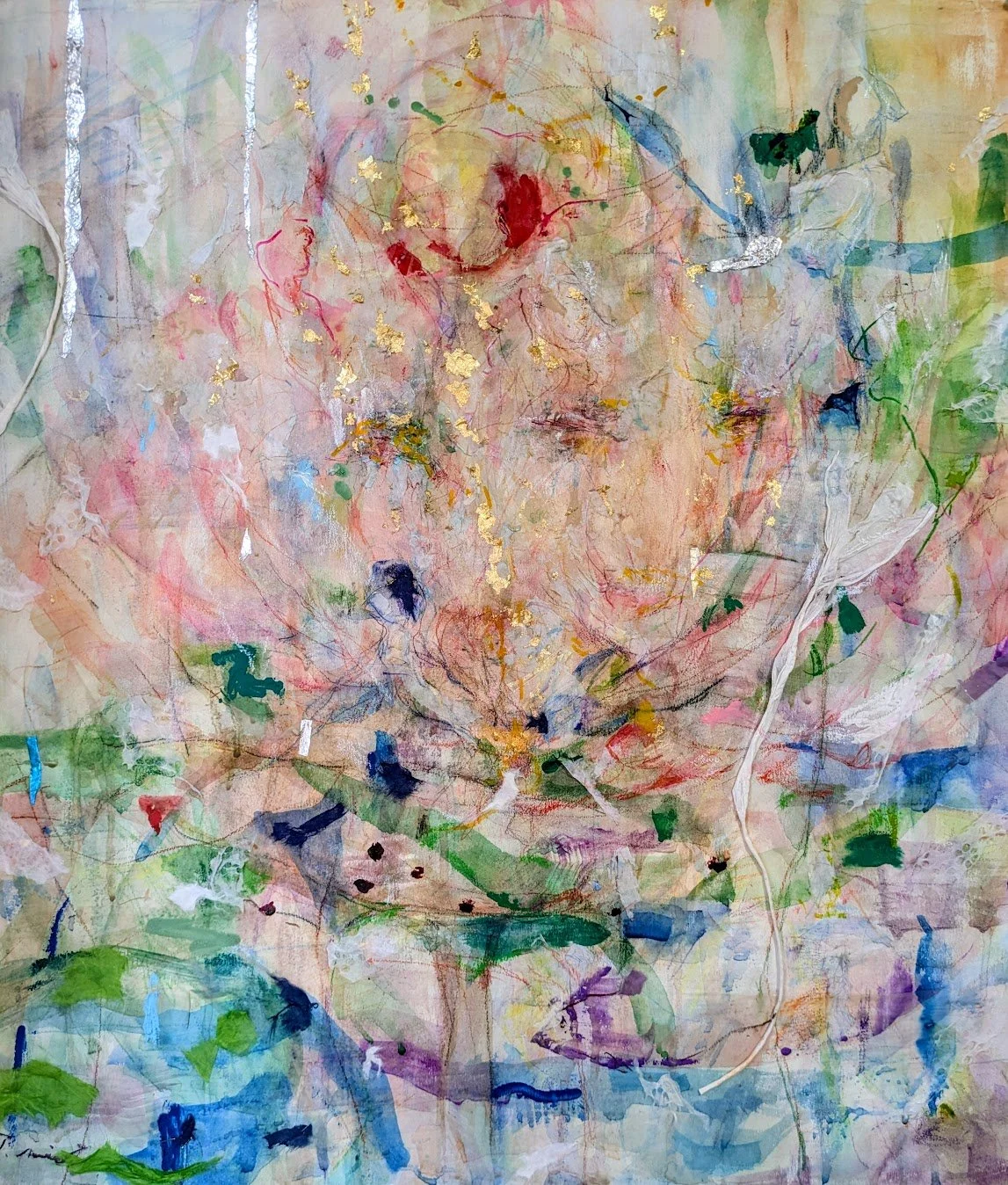
Bloom, Tahara Mio, 2026, water paper mix, 58×64㎝
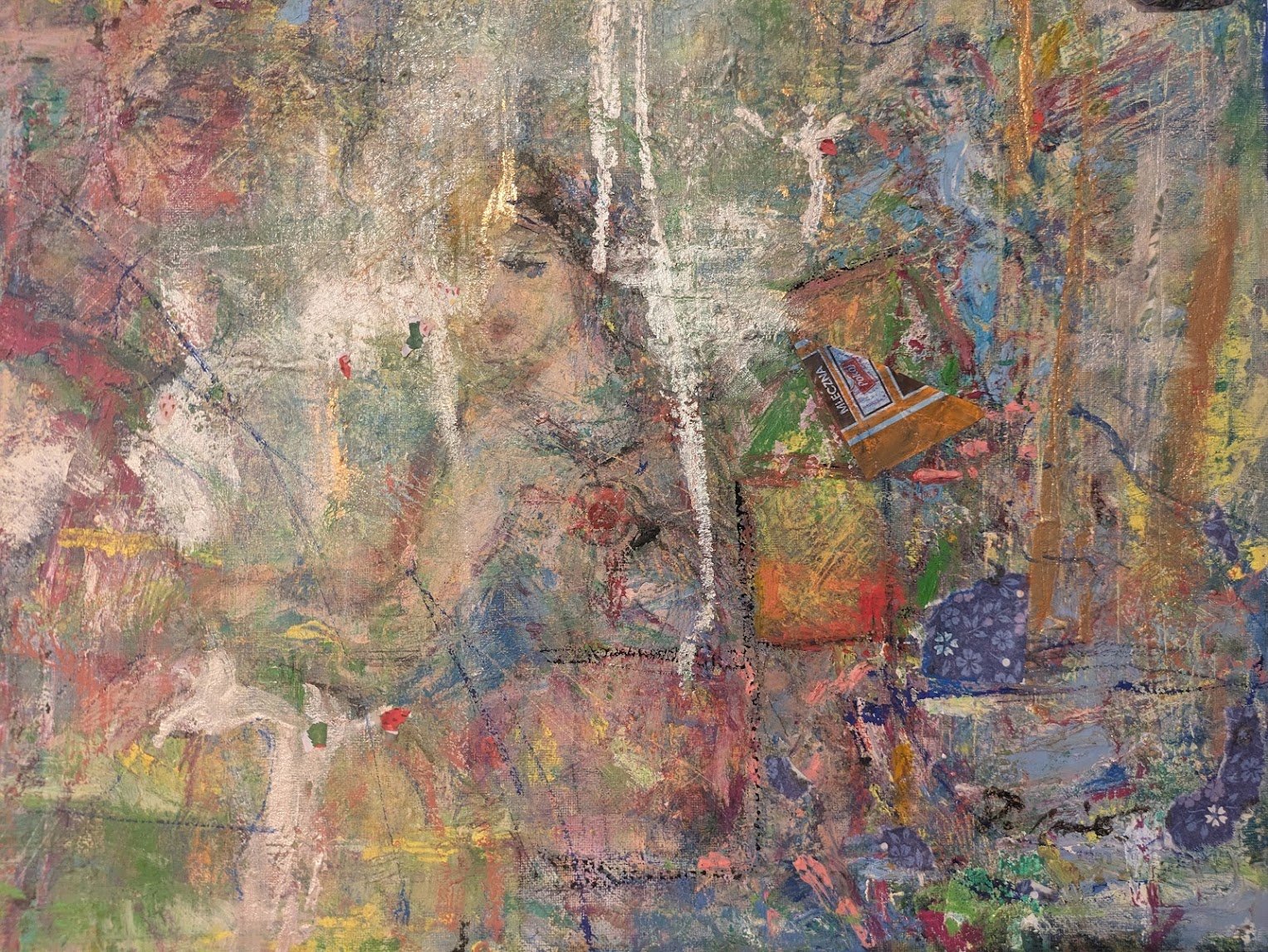
Blessed Rain, 48×38㎝×2㎝,water mix canvas, 48×38㎝×2㎝,
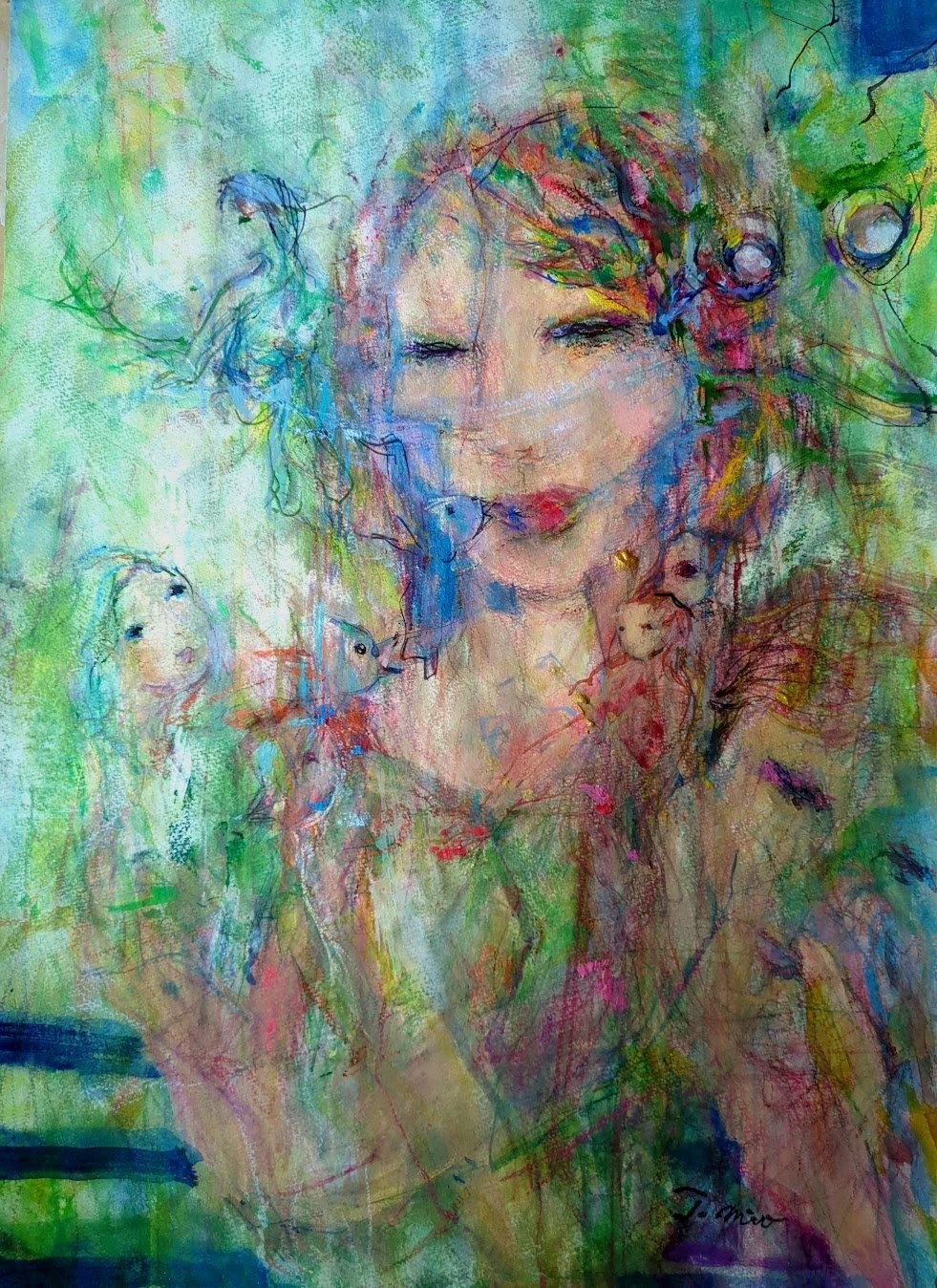
Goodness bounce, 2024, water paper, 65×49.2×㎝
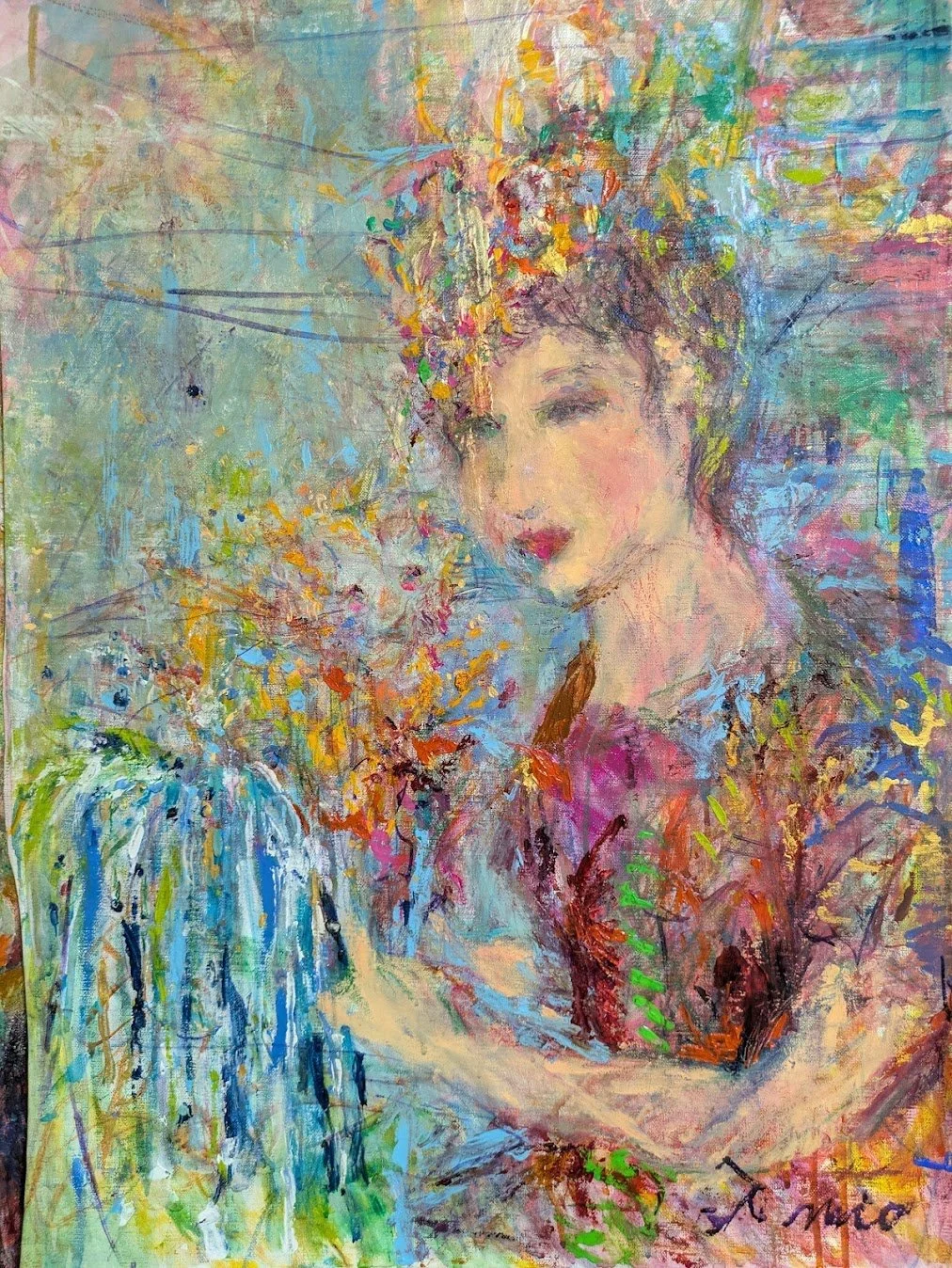
Hand in Goodness, 2024, Tahara mio,oil linen, 60×49.5㎝,
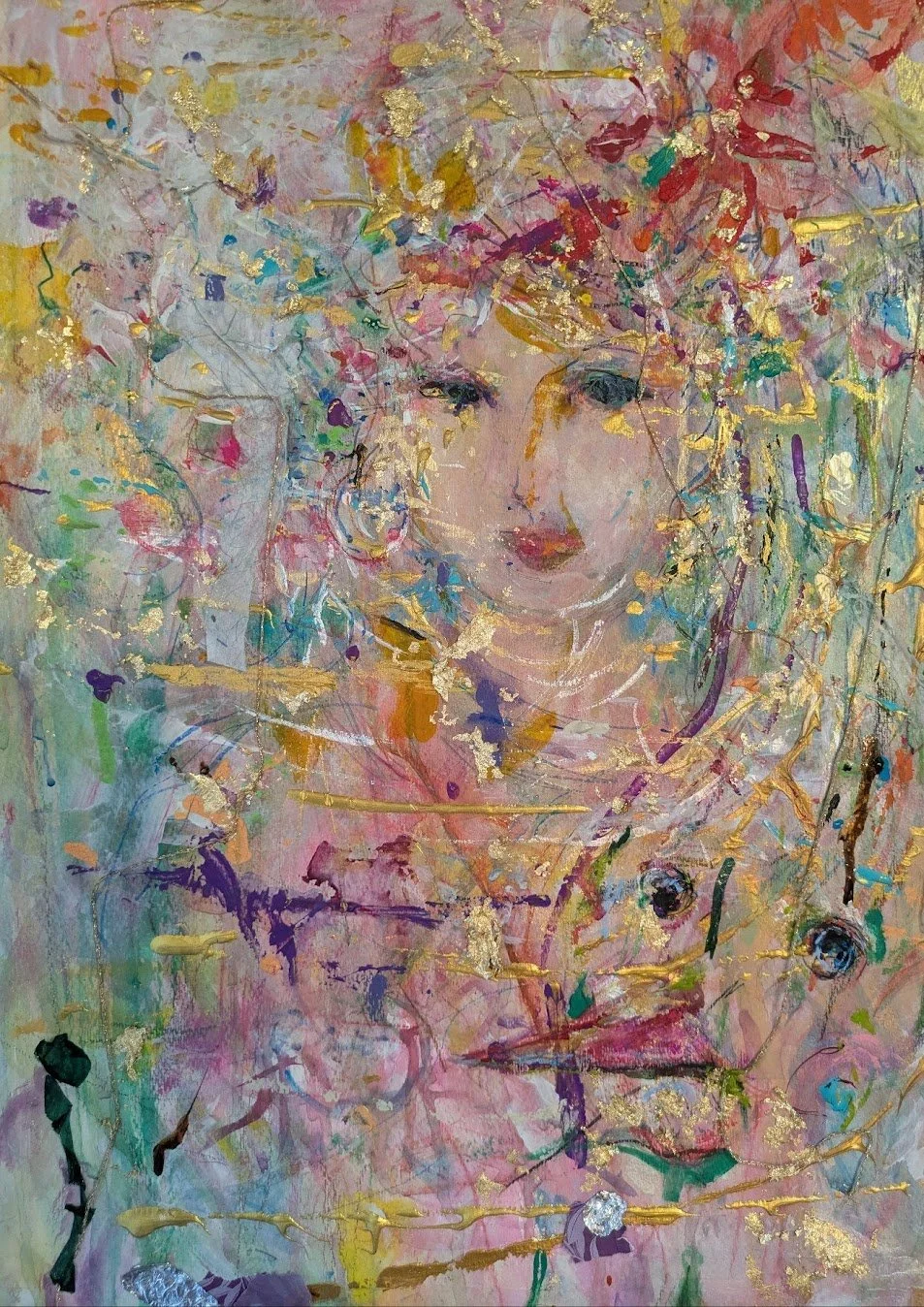
Douge 童子,Tahara Mio, 2023, water paper, 54×38㎝
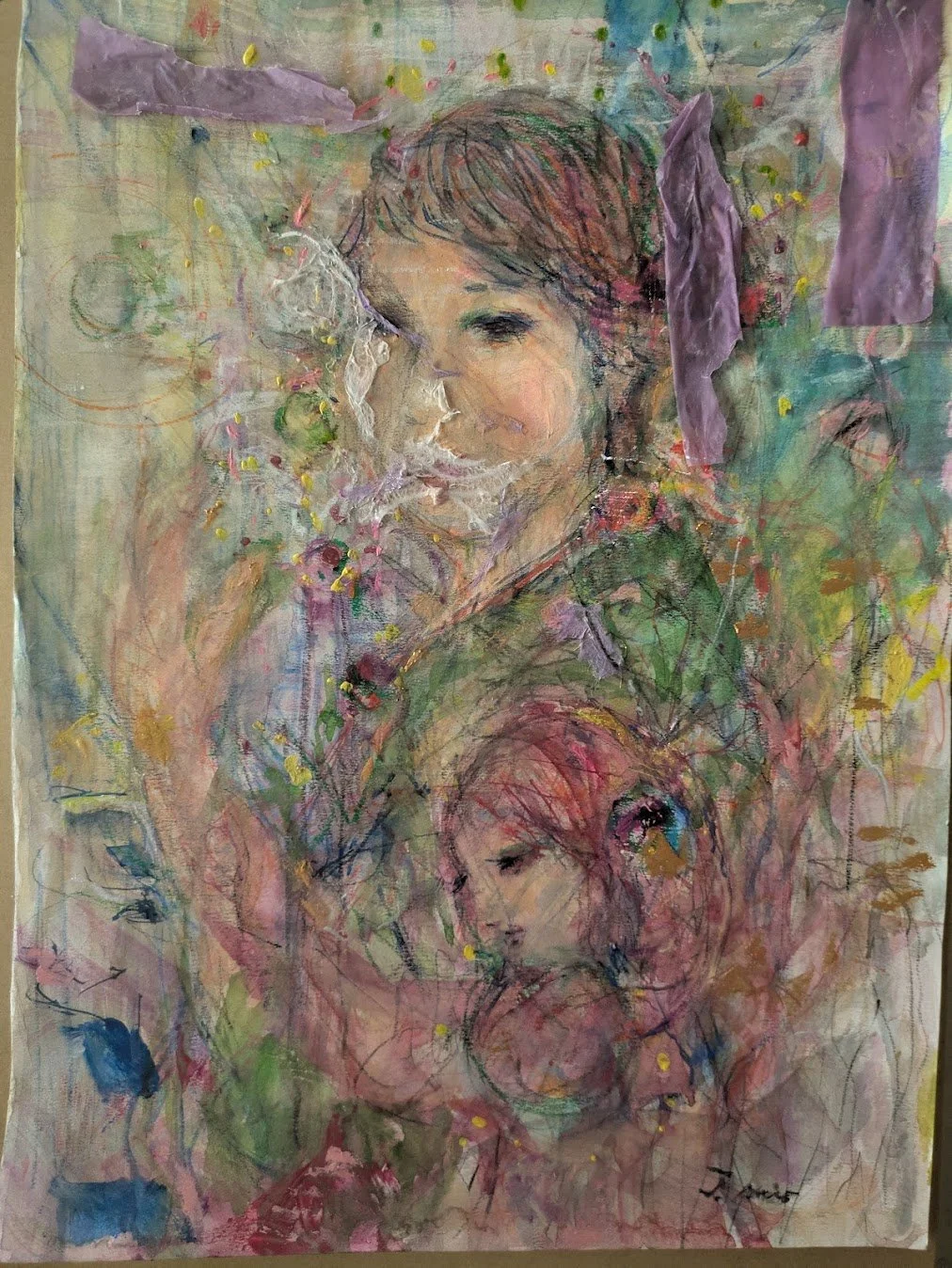
Mom! , 2026, water mix paper, 54㎝×38㎝
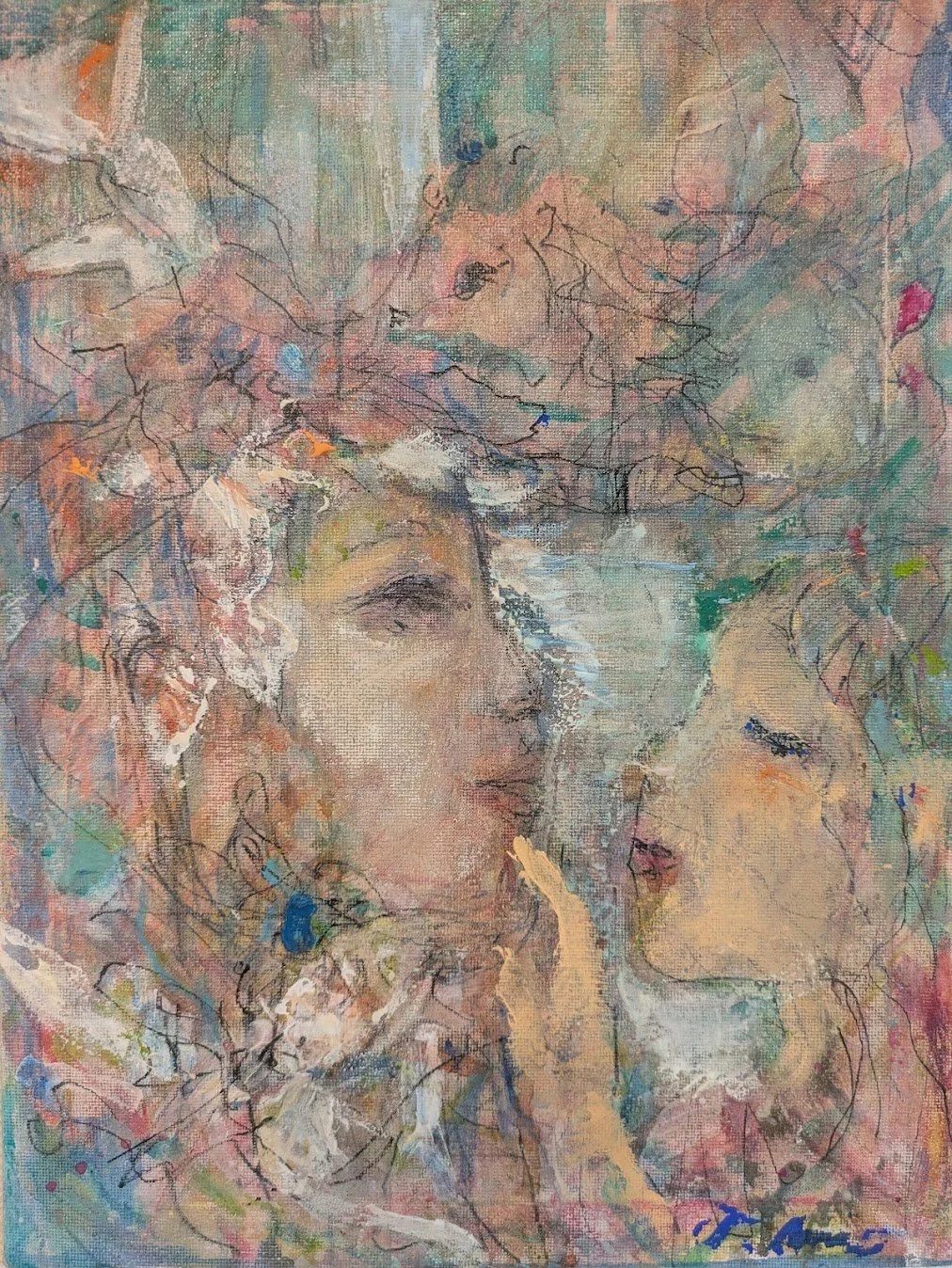
Spring breeze, 2022, water canvas, 33.4×24.2㎝×2㎝
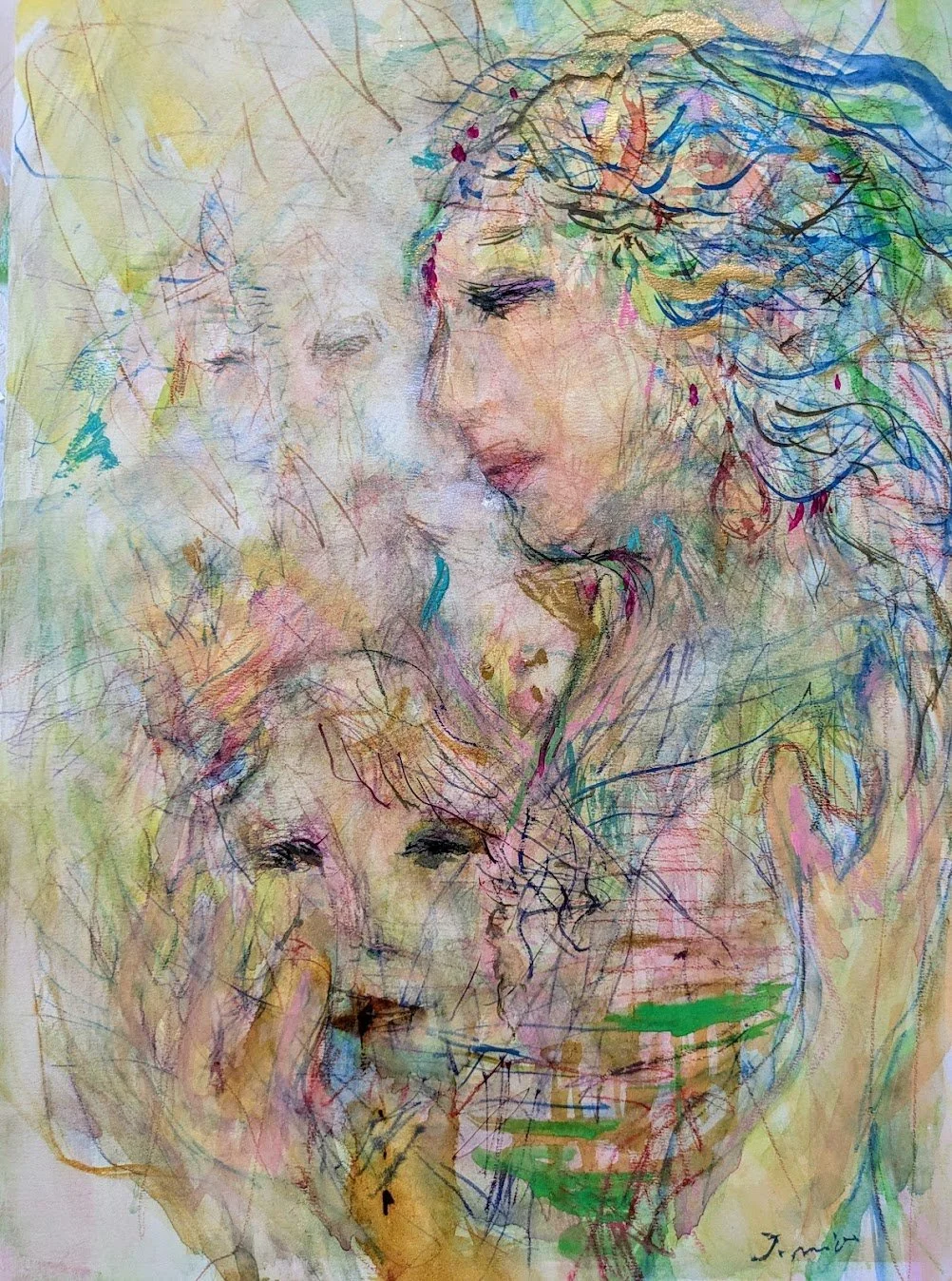
Fear, Tahara Mio, 2021, water paper, 54×38㎝
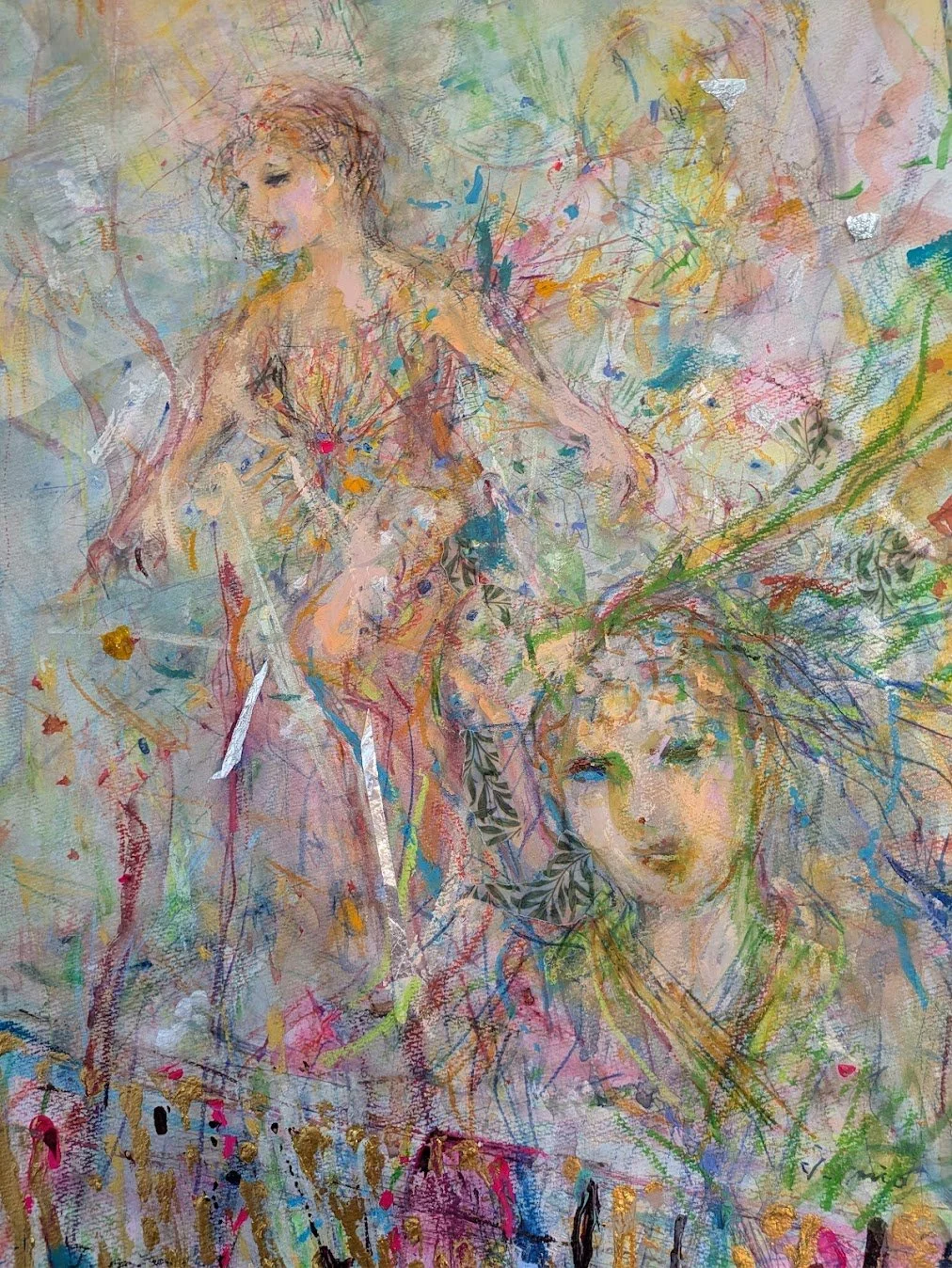
Departure, Tahara Mio, 2022,water paer, 54×32㎝
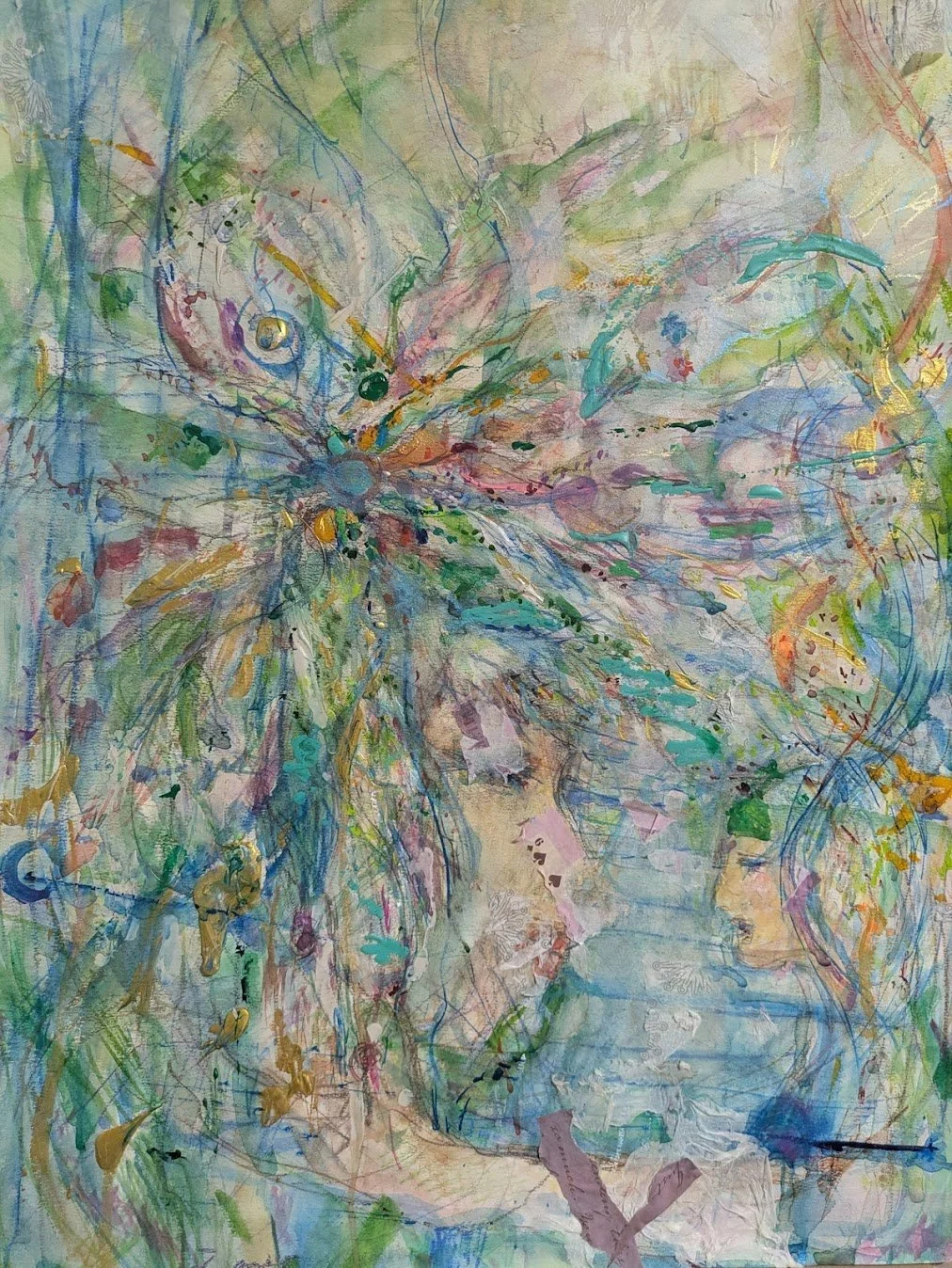
Plant division, 2025, Tahara Mio, water mix paper, 21.5×15.3"
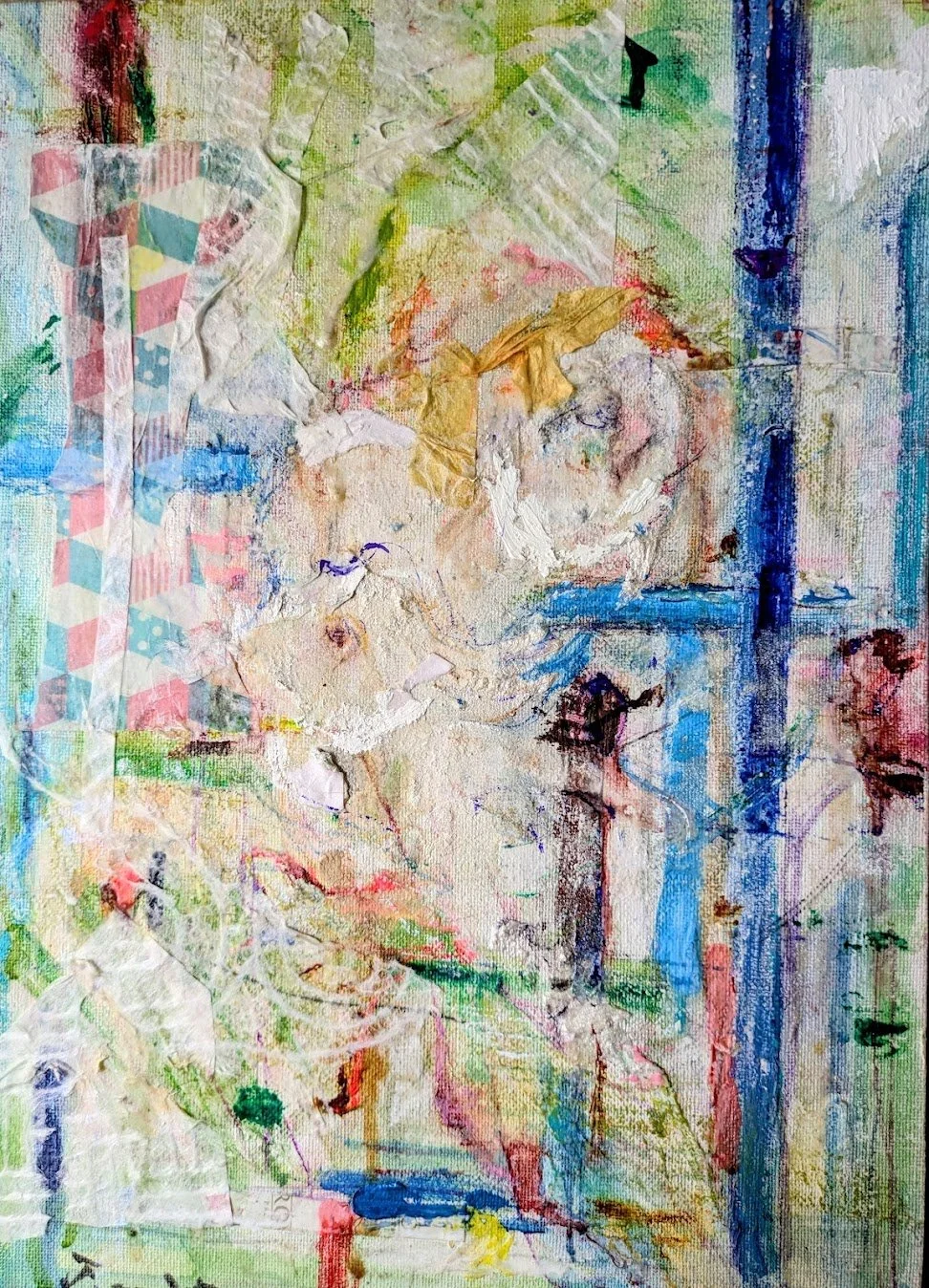
Heartbeat, 2024, Tahara Mio, watmi mix cabvas, 33.3×24.2㎝
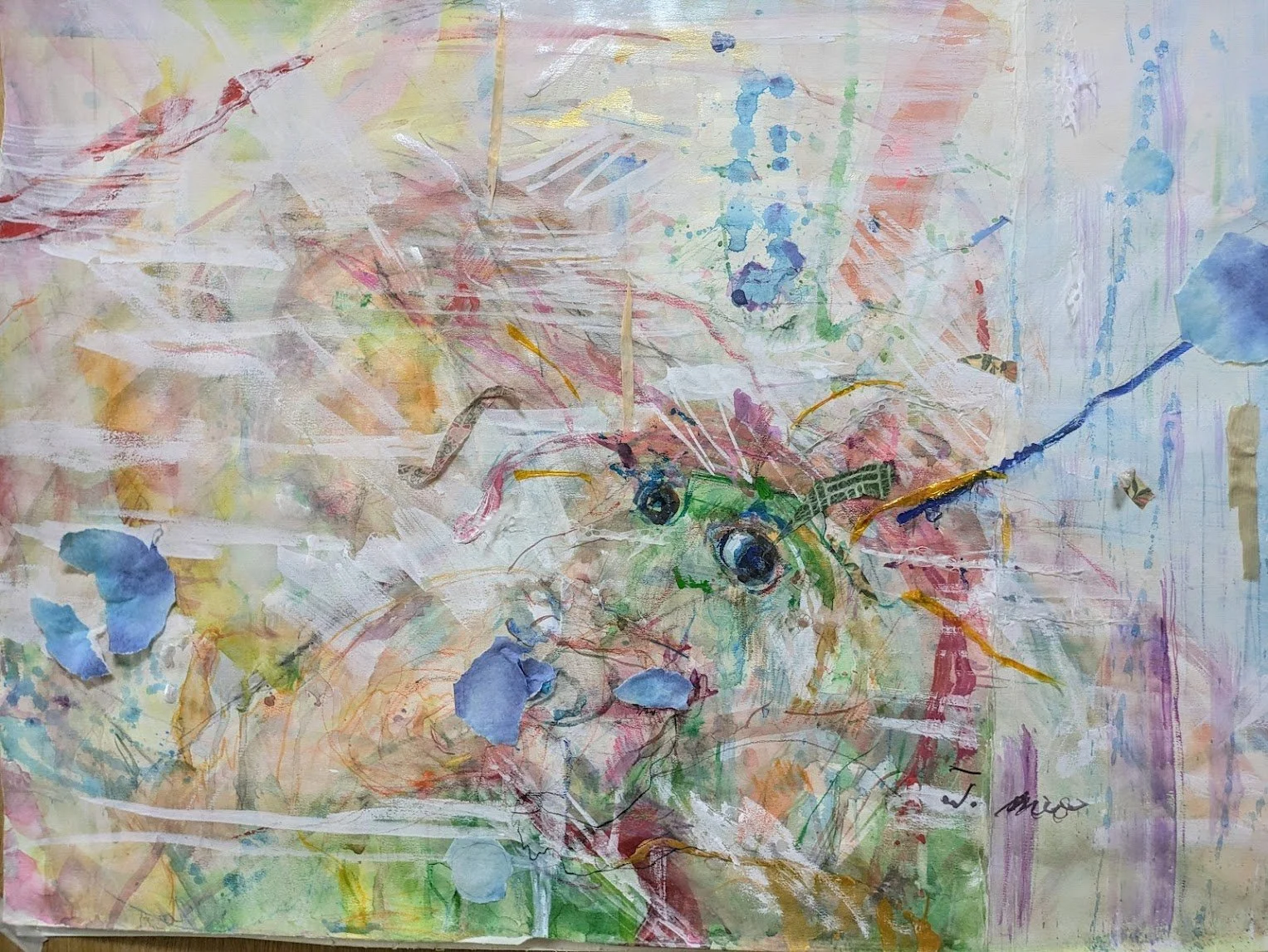
Happy beans, Tahara Mio, 2026, water mix paper, 53×76㎝