
Caroline Kampfraath
Website: carolinekampfraath.nl
Instagram: carolinekampfraathsculptor
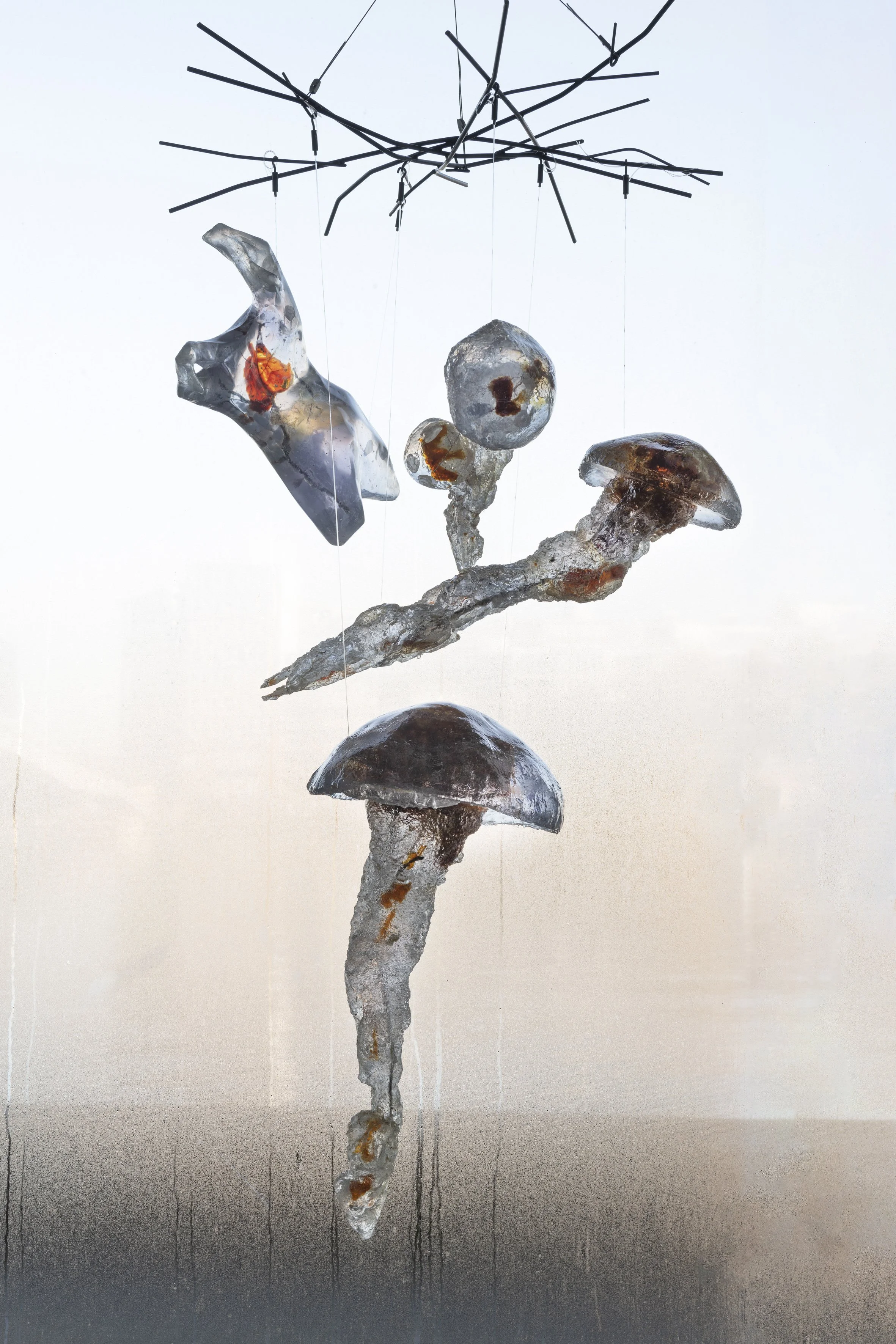
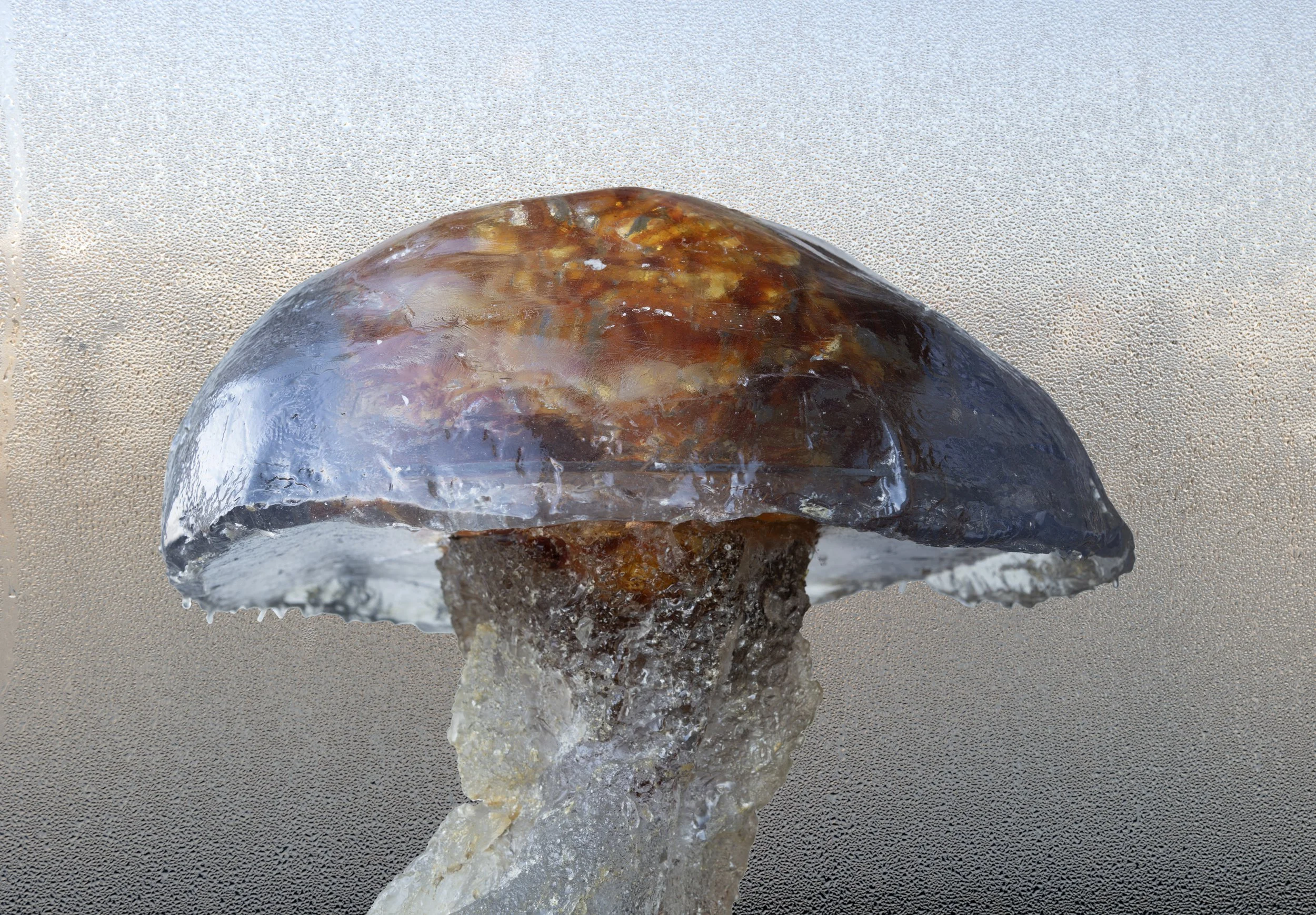
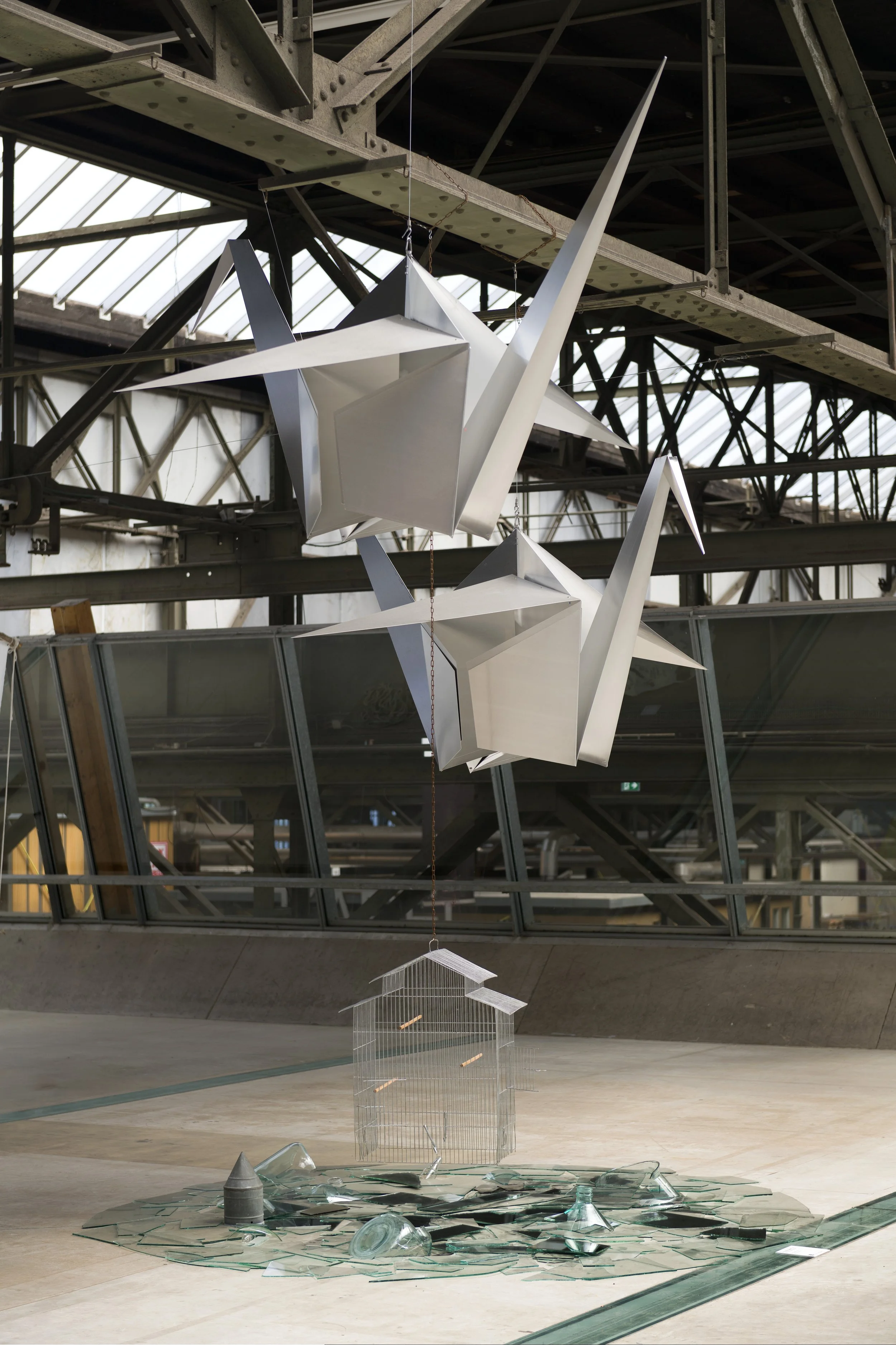
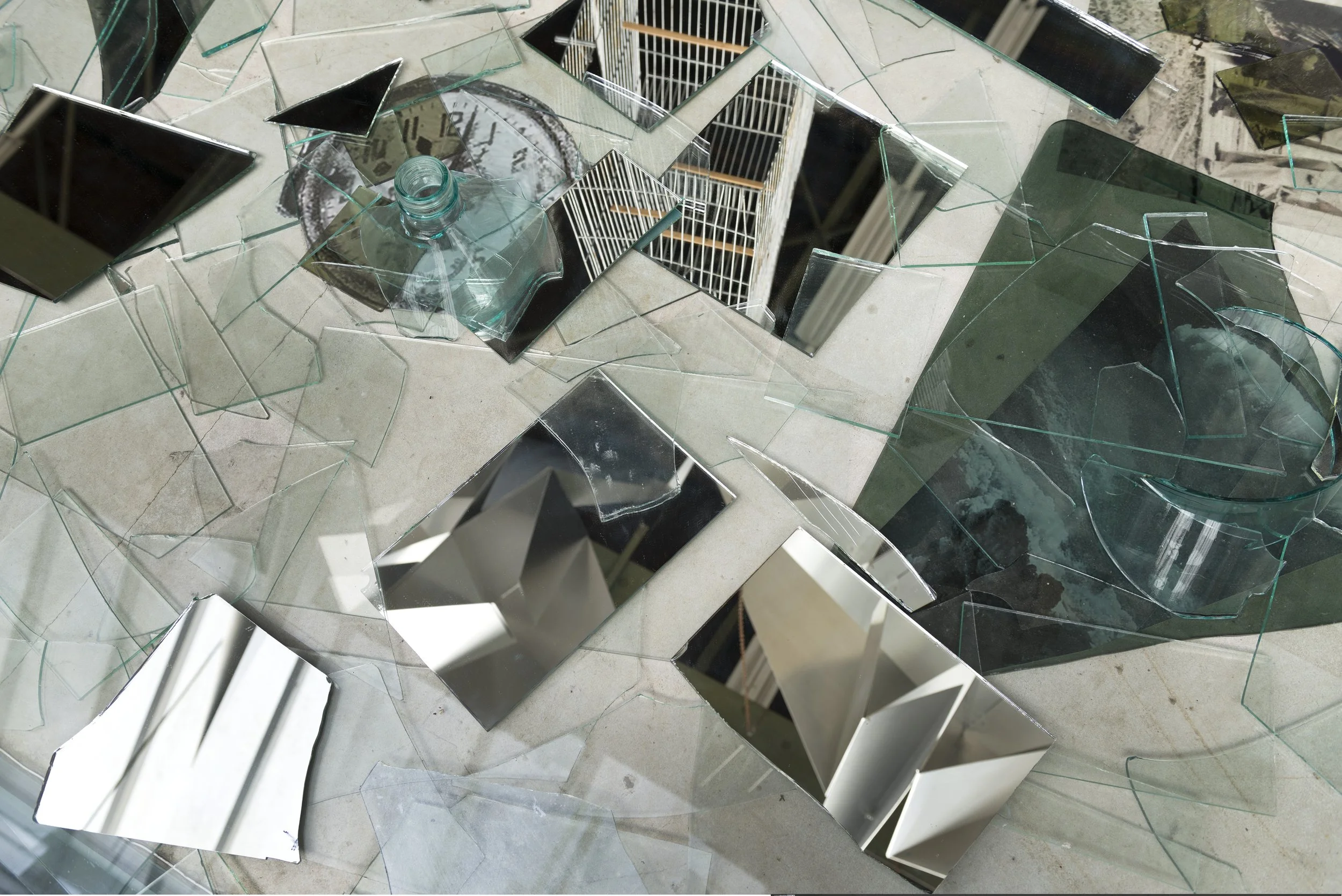
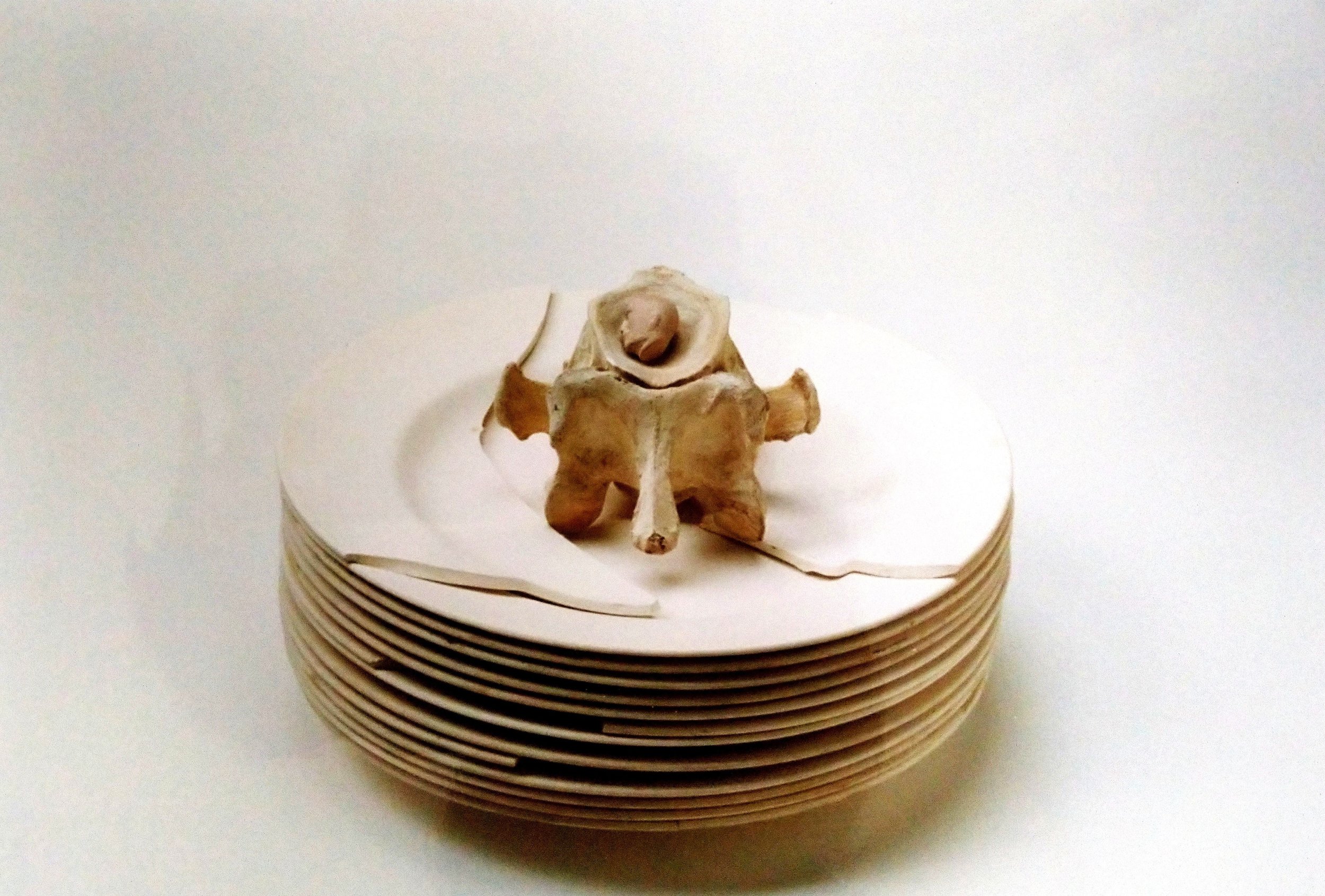
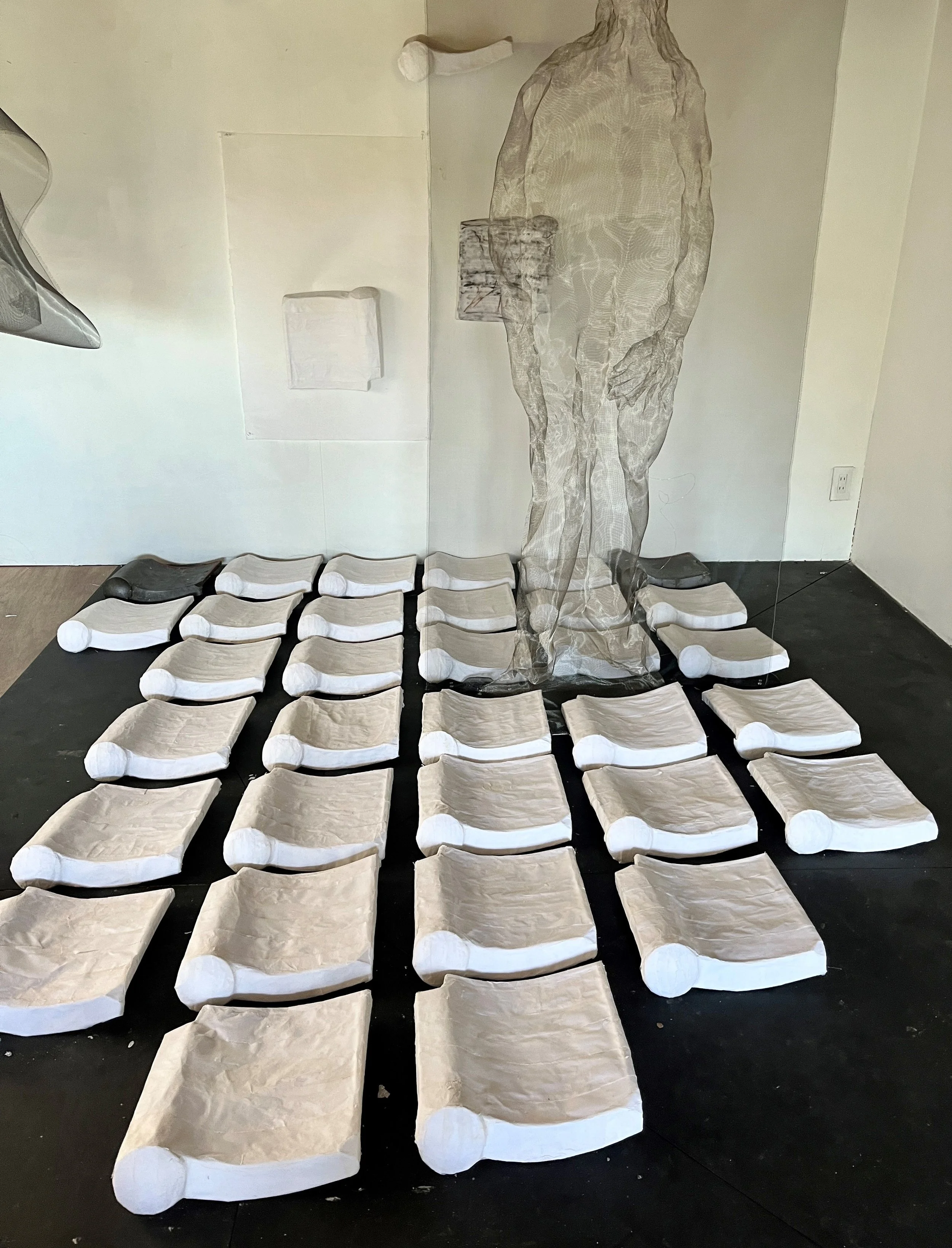
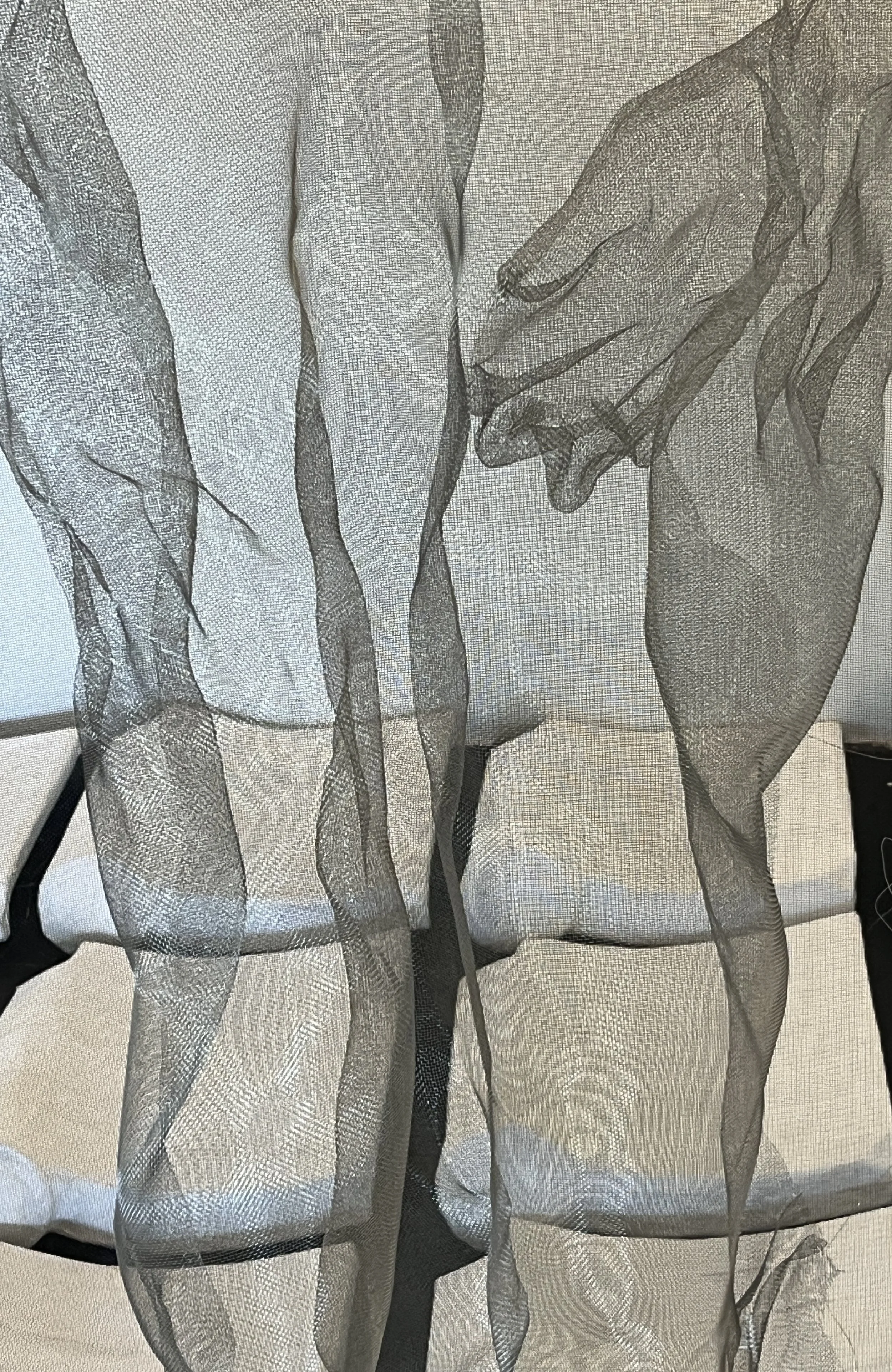
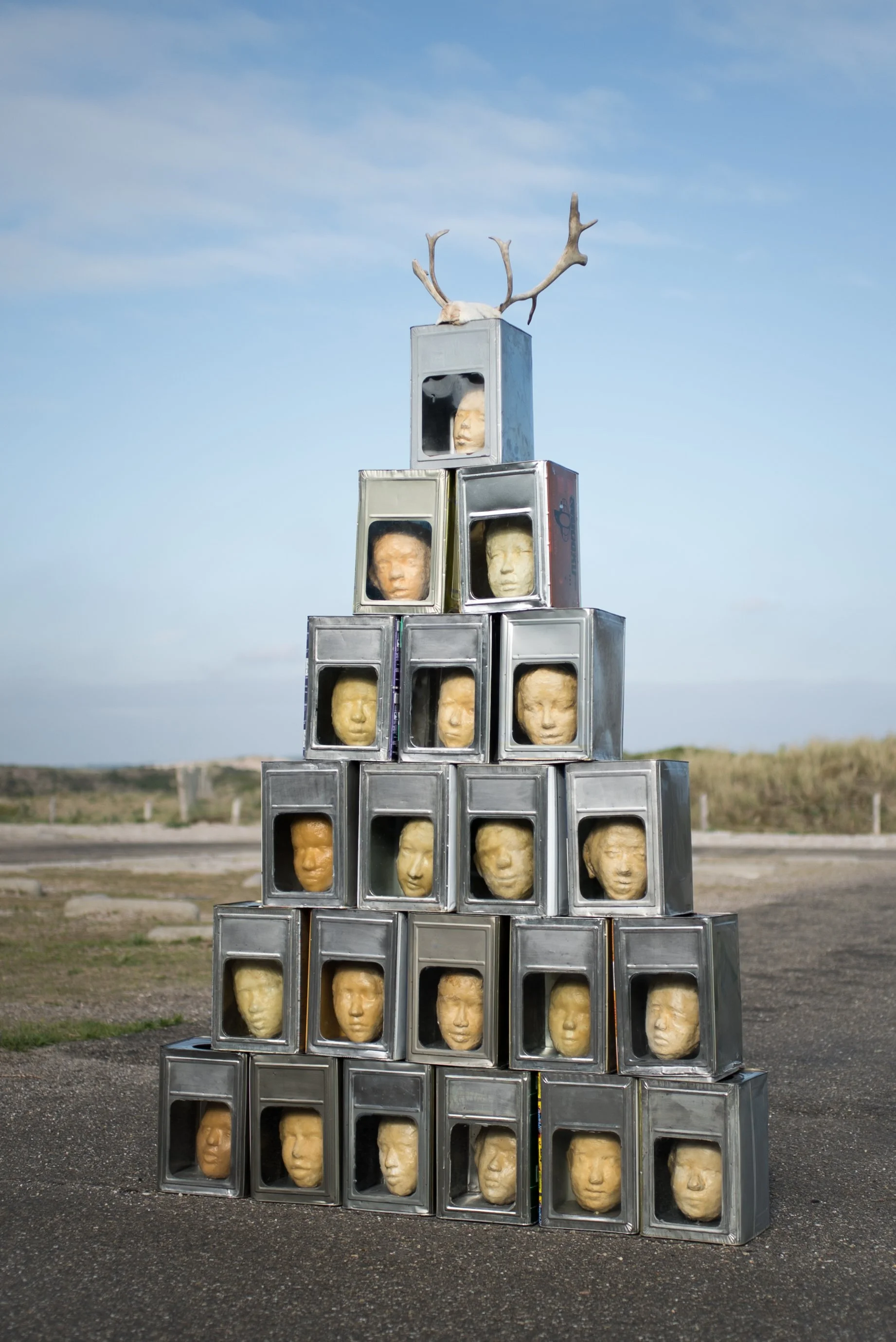
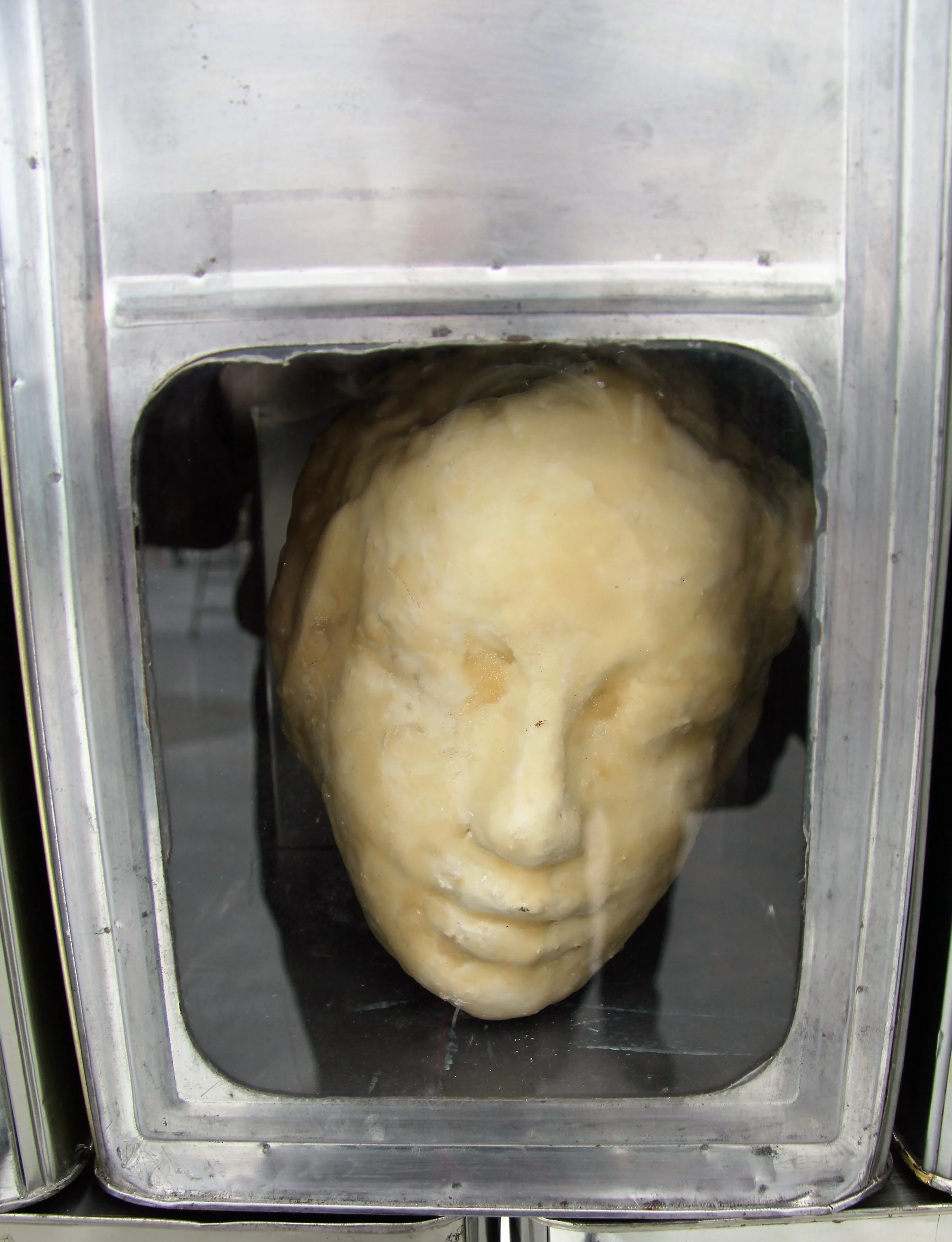
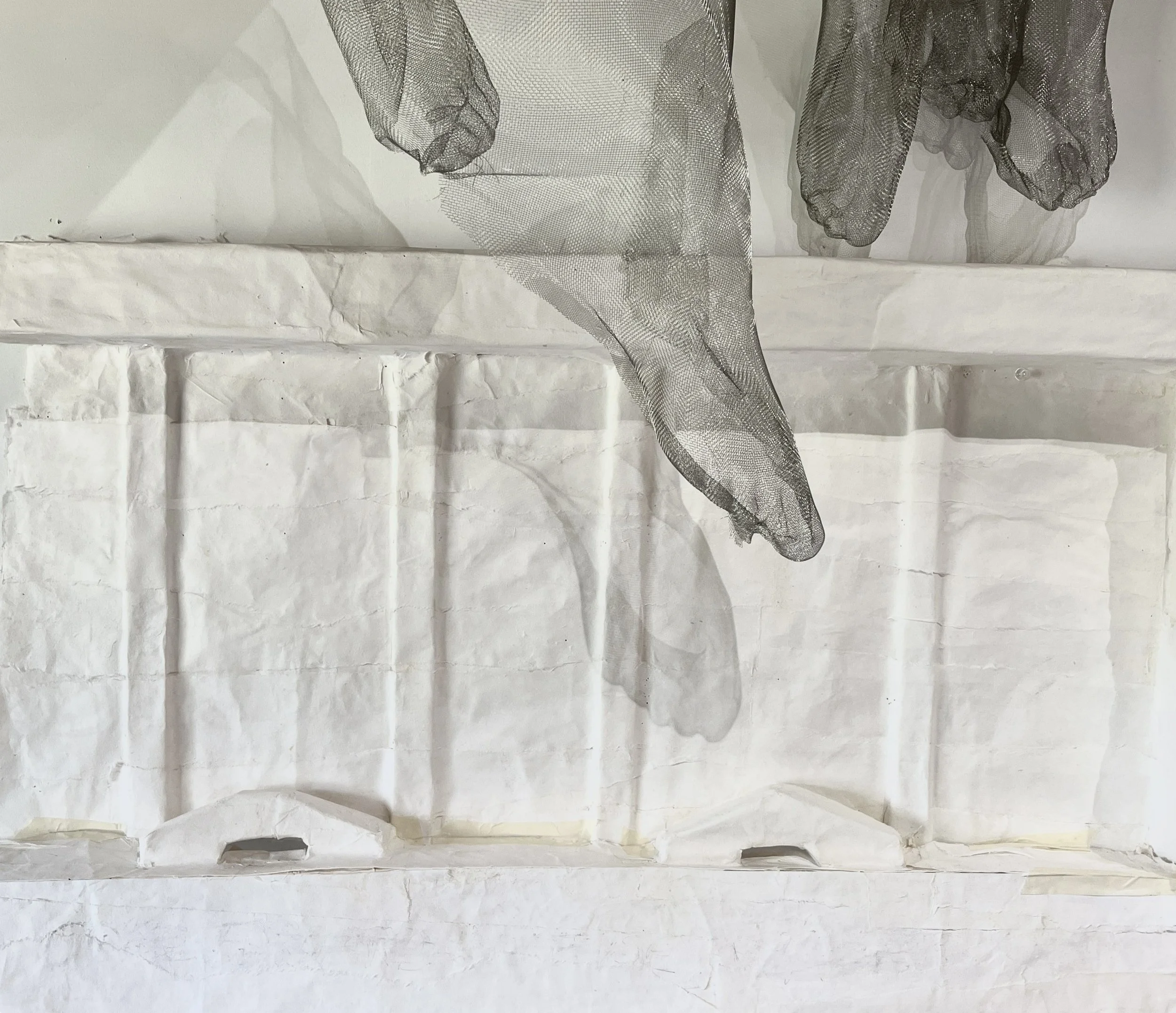
Caroline Kampfraath is a Dutch artist who,s visual language is characterized by a surreal and sometimes puzzling atmosphere, where symbols like engorged veins, deceased canines, or kidney-shaped dishes take center stage. These seemingly disparate elements weave together to form thematic pieces and installations that defy immediate interpretation. The observer is left to navigate the intricate tapestry of Caroline’s imagination, where meaning is often veiled and requires a more profound engagement.
The choice of materials in Caroline’s oeuvre is as eclectic as the symbols she employs. From natural resin to clay, flax to artificial resin, wool to lead, plaster to glass, and bronze to stone — her palette encompasses a diverse array. The seemingly incompatible nature of these materials is what captivates the viewer, as their contrasting properties create a visual tension that resonates with the overall ambiance of her work.
Caroline, your sculptures often juxtapose materials that, at first glance, appear irreconcilable: plaster and flax, resin and glass, stainless steel and wax, yet you allow them to converse in ways that feel both fragile and monumental. How do you approach the material dialogue in your practice, and what does the tension between incompatibility and cohesion reveal about the human condition?
The different materials give different emotional value to the aspects I deal with, to the dualism within human themes and human emotions. I want to show that matters are not unambiguous. Materials can be hard and soft at the same time, transparent and opaque, flexible and unbreakable, fragile and strong. Much of my work has to do with interpreting things around me; the materials indicate the dualism in things.
I enjoy working with materials that I am not familiar with. Their characteristics and their imperfections give me the opportunity to experience the different sides in my themes. I strive to explore materials, in which I recognise the things around me. That is why I always work with different materials. Once I understand them, they no longer surprise me or force me. The exploration is about discovering things. That is why I work with contrasting materials that do not logically combine, so that together they tell one single story.
In works such as Dead Dogs Envelope and A Day in the Woods, you explore the suffocating effects of modern communication and the erosion of childhood innocence. How do you balance the raw emotional weight of these themes with the conceptual rigor of sculptural form, ensuring that the works remain both visceral and intellectually charged?
Through my use of materials. Materials that, at first glance, seem contradictory to the subject matter. In A Day in the Woods, aluminium cans are hard and clear, the wax faces almost transparent. The contrast between the materials, the translucency of the glass and the highlighting of elements such as the skull give the conceptual a tangible emotion. In Dead Dogs Envelope, this becomes tangible through the subject matter and also through the materials: fragile porcelain plaster casts of otherwise cuddly dogs, an aluminium envelope. The envelope is no longer a personal gesture; its form has now been imposed from outside. The fragile trust is gone.
Many of your pieces oscillate between the intimate and the monumental, from carved bark stumps inscribed with lovers’ initials to baroque installations like The Trees Weep upon Us, We’ll be Fossils by Then. Could you speak about scale as an expressive tool in your practice, how the shift from small, intimate gestures to immersive environments changes the register of meaning for the viewer?
Soldiers and Lovers is a small work because it is an intimate theme. Soldiers on their way to the battle field carved in trees what might be lost. Their messages were personal and intimate. The intimate theme asked for an intimate form. With The Trees Weep upon Us, We’ll be Fossils by Then the request was to exhibit at the Venice Biennale. I wanted to use natural tree resin in a large way so it would have the right impact, the theme of environmental neglect asked for a bigger scale. The Trees gave me the opportunity to show multiple facets of one story. The intact city opposed to human decay. The story of The Trees is bigger and more universal.
Your use of discarded or commonplace objects, bottles, cans, wax heads, transforms them into potent metaphors for loss, memory, or societal pressure. To which extent is this process an act of re-enchantment of the everyday, and do you see yourself as retrieving something sacred from the overlooked debris of contemporary life?
This is exactly what I am looking for. To my idea we in our consumerist world have lost the relationship between objects and spiritual value. You would obtain objects from earlier generations that referred to a collective or personal past. That connection has got lost. By using such objects in my work I charge the viewer with emotional value. Or at least, I hope they experience that. In The Trees, the bottles stand for cities; they survive us, they may carry value for the next generations.
How do you envision sculpture as a medium uniquely capable of embodying illusion and rupture, and which role does physicality play in making these philosophical tensions tangible?
Sculpture takes physical space. Though it is a challenge to portray vulnerability, illusions or expectations with an object taking physical space, sculpture is suitable because it can concretise the elusive very well. A painting is delineated, video forces an image upon you; you can only enter it and exit it. Sculpture always resonates with the space and in each space it works differently. You need to play with the tangible presence of the work within the given space to convey the intangible message. That is the beauty of sculpture. You can touch it and it can confuse you or make you think. It fills space and becomes unavoidable.
In Inescapable you stage a metaphorical pursuit of hidden talents, likened to the hunt of a fox. This narrative suggests both playfulness and struggle, a chase that is perpetually unresolved. Could you elaborate on how metaphor and storytelling function in your sculptures, and how you translate abstract inner journeys into corporeal forms?
I think in inner journies. It is the way I think. At a given point I would like to portray rather literally what is in my head. Then follows a struggle to match the thoughts and images in my mind with the real world, to translate them in the right form. Traditional materials often fall short and I encounter obstacles in finding and processing unusual materials. In the making process, while overcoming the obstacles it gets clearer what I want say. I recognise stories, metaphores, the ambiguity, the different sides. In my mind I see a fox and see the many values it carries in diffent cultures. I am looking for recognisable emotions. I use them to create the work and hope the spectator experiences the different layers I experience, such as, indeed, playfulness and struggle.
Your work often speaks to the fragility of our relationship with nature, forests, trees, resins, fossils, all bearing witness to time’s passage. How do you see sculpture participating in the larger ecological discourse, not merely as representation, but as an active material engagement with the cycles of decay, preservation, and transformation?
I rather originate with a metaphore and use the right materials and space with it. For example, The Tentacles of The River work symbolises our human thinking and interaction with the environment. I expressed the visual result of our carelessness in another than the natural material and by lifting it out of its context, the invisible becomes tangible. I think whatever form you use, sculpture lends itself very well to make the audience feel the urgency of ecological themes.
Having studied marble in Pietrasanta and later embracing an eclectic palette of synthetic and organic substances, your trajectory suggests a movement from the classical to the experimental. How do you reconcile tradition and innovation in your practice, and what does this evolution say about the shifting role of sculpture in the 21st century?
I started with a classical education but was soon looking for the broader possibilities of our time and how these could enrich my visual language. I discovered innovations such as artifical resins, molding materials, 3D printing and so on. In parallel I started to employ existing materials in a way never used before. I use them to match idea and form while developing both. My classical education is not so much a base as it is an element of my palette that I can chose to utilise.
Quite early in my work I embarked on the greater societal themes since I cannot do without depth and meaning; I see sculpture more recently making a substantial move in that direction. The second shift I see is from merely presenting a work to the audience experiencing a work. Thirdly, the new materials and methods will enrich sculpture as a whole enormously.
Your installations, particularly those conceived for contexts such as the Venice Biennale, create environments where the viewer’s body is implicated, sometimes dwarfed, sometimes mirrored, sometimes confronted by repetition. How do you consider the role of the spectator in your work, and to what degree is audience participation an essential part of completing the sculptural narrative?
I want to invite the audience to undergo my story. I try to appeal to different senses with shape, material, space, sounds, smells. The audience should get close to a feeling of participation, vulnaribility, urgency or being overwhelmed. That they sense the scope. Such experience goes beyond merely absorbing a story.
My work has been changing in this context. Where I started to content myself with a distantly watching audience, in my recent work Come Forward in Dense Waves created in Japan I invited the audience to move between the different elements and thus have them experience different stories in the work.
Connection, between people, between humans and nature, between illusion and reality, seems to underpin much of your oeuvre. Looking back across three decades of practice, how has your understanding of connection evolved, and in which ways do you envision your future works continuing to challenge or expand our notions of interdependence in an increasingly fractured world?
I would like to give a counterpush to the 21st century fragmentation by the direct confrontation with tangibility, with tangible work. There will always be a need for that. AI can virtually distort anything and make everything possible. I tell the story of what I see around me and want to invite the audience to continue to look at the world around them. And give them the feeling that they are part of it.
In my work, connection has evolved from showing work to the audience to have them experience my work. I would like to expand that and especially in the role of smell in human interaction and by taking up more space. The other point is to integrate sound, both music and sound design, and movement. I a