
Daniel Josef Maier
danieljosefmaier.art
Instagram: @danieljosefmaier.art
tiktok: danieljosefmaier.art
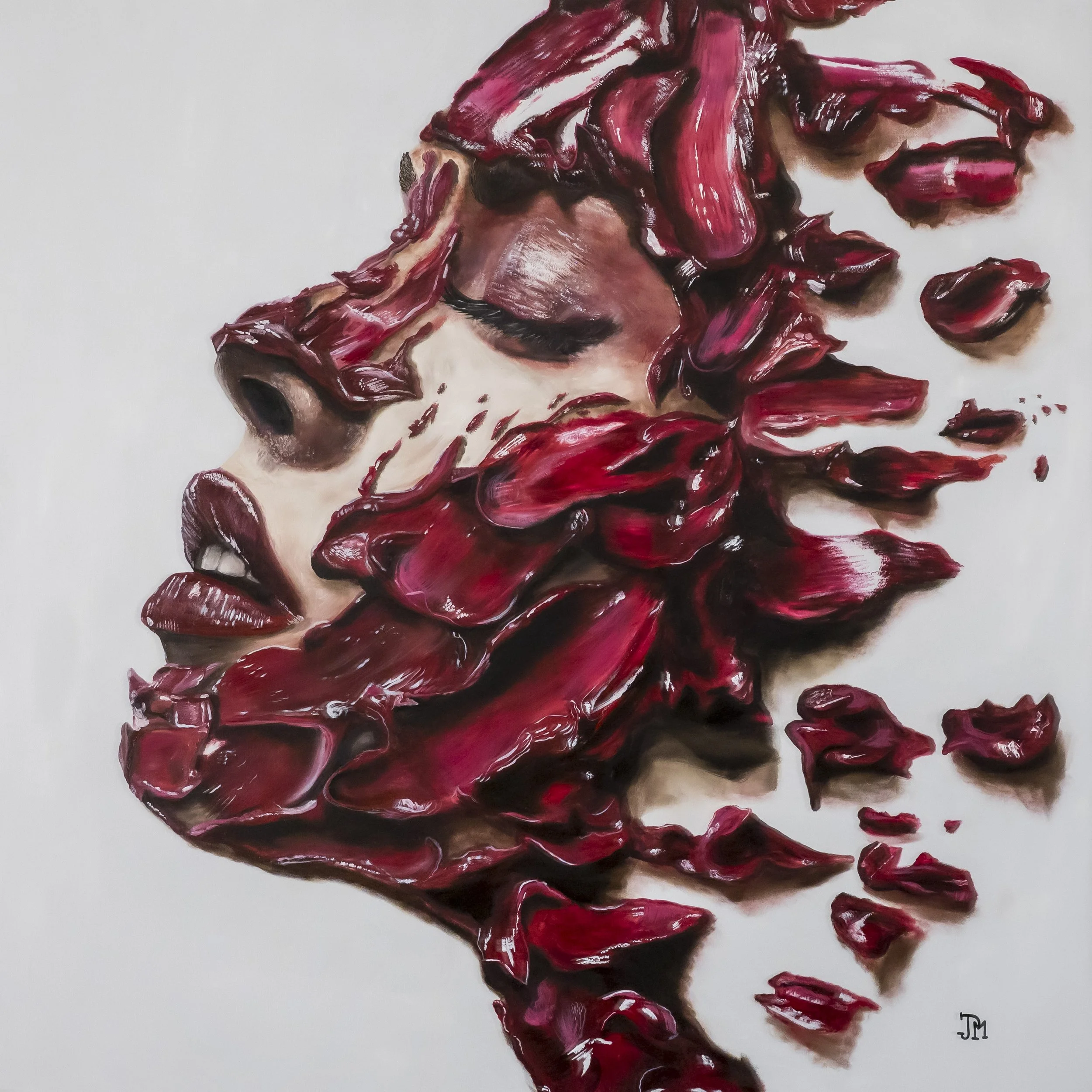
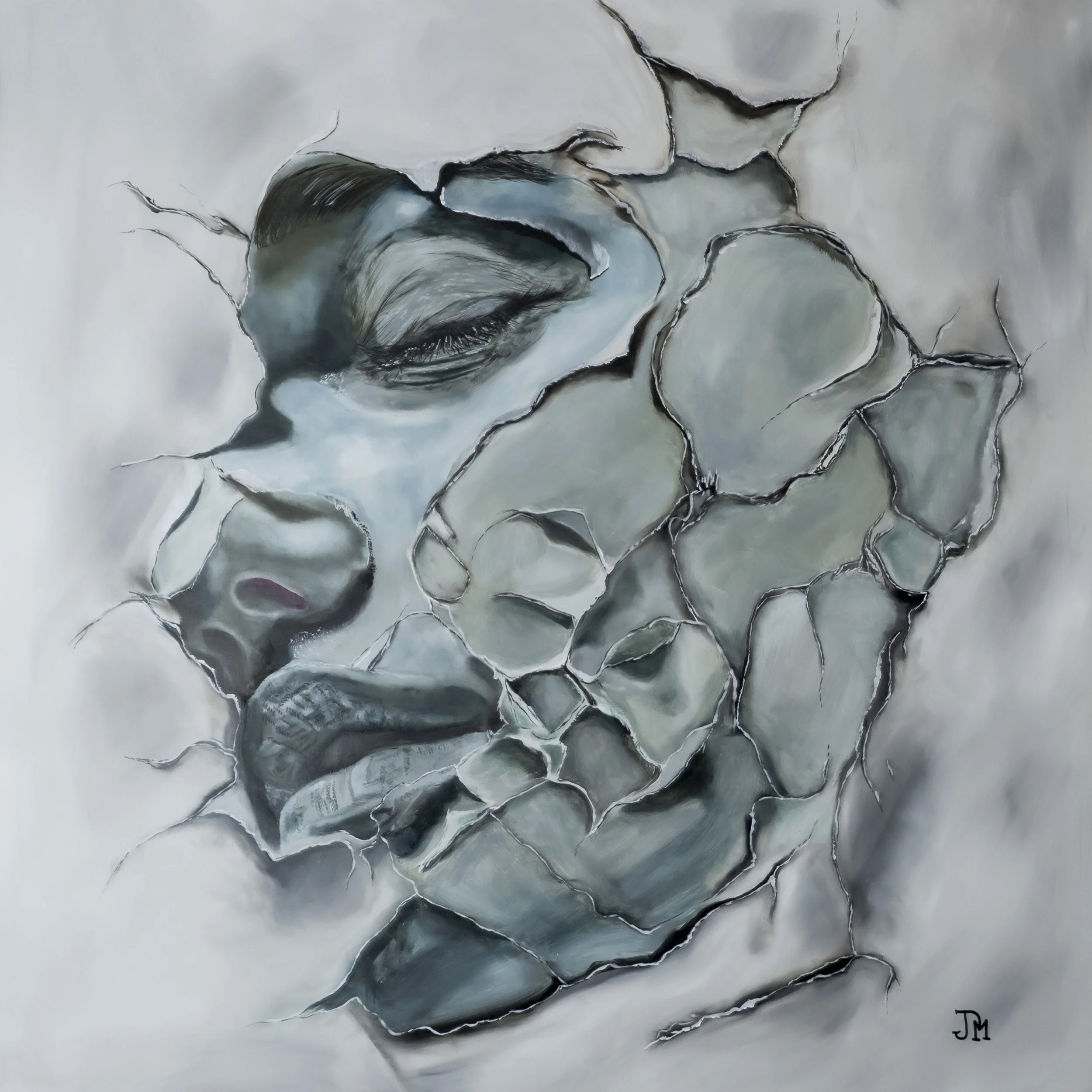
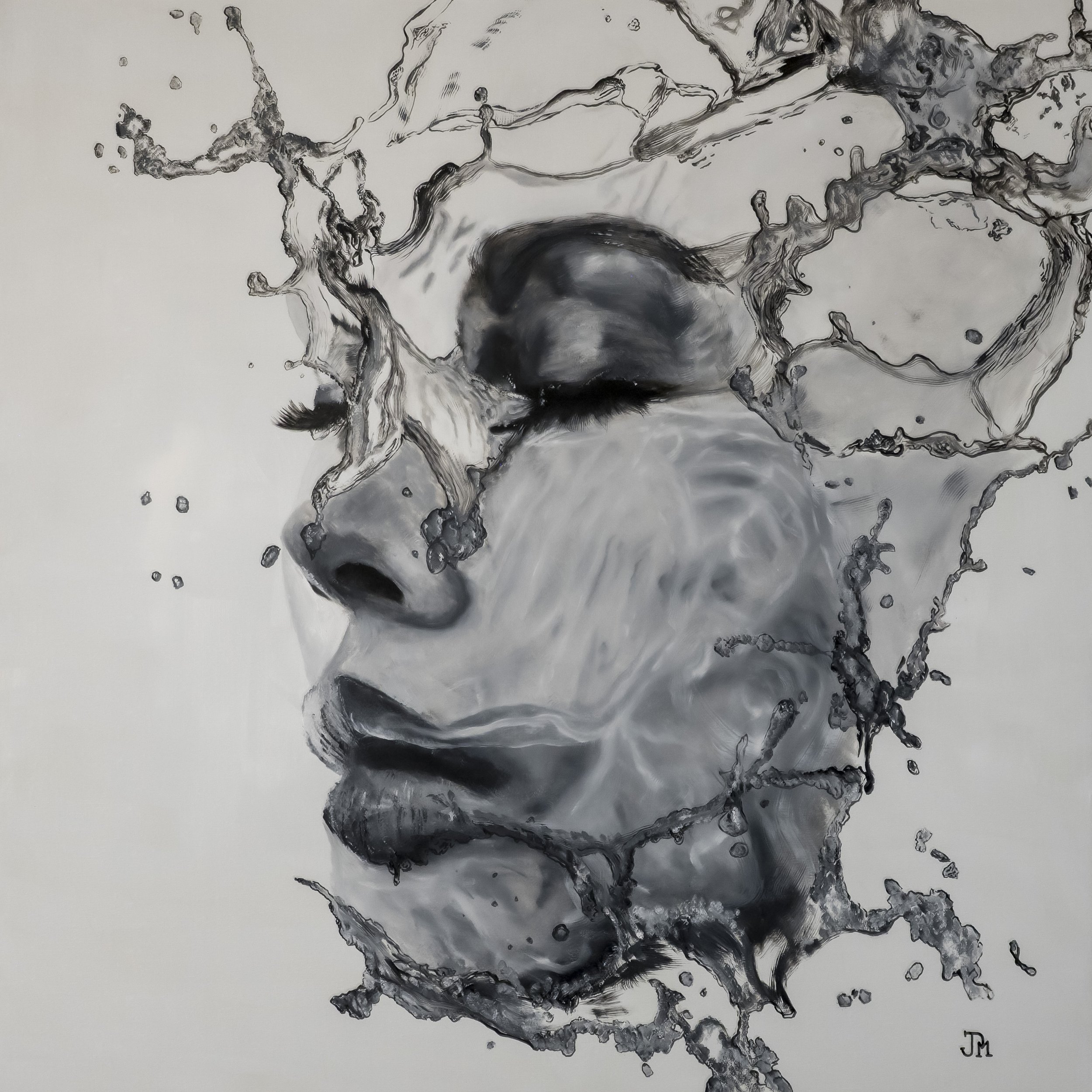
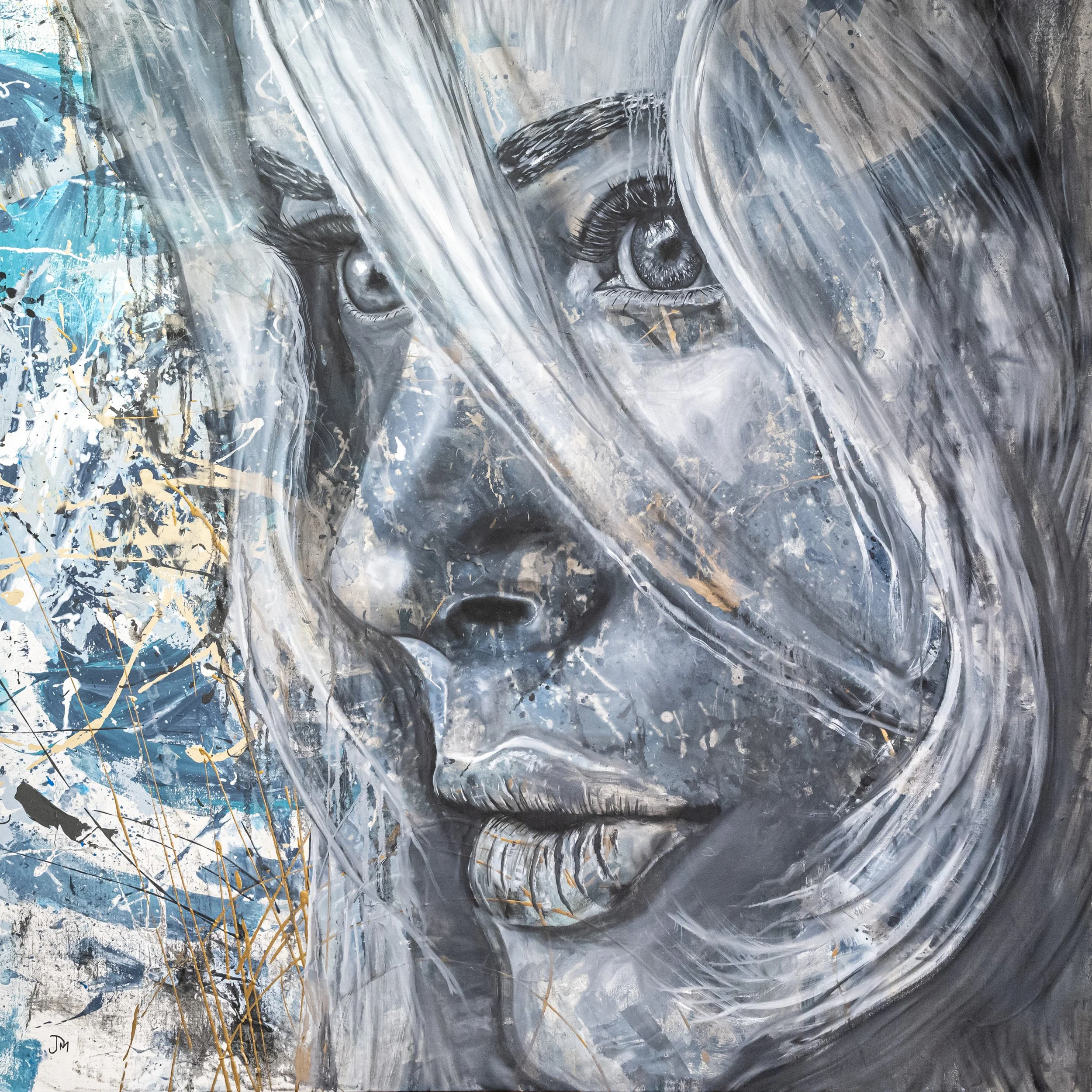
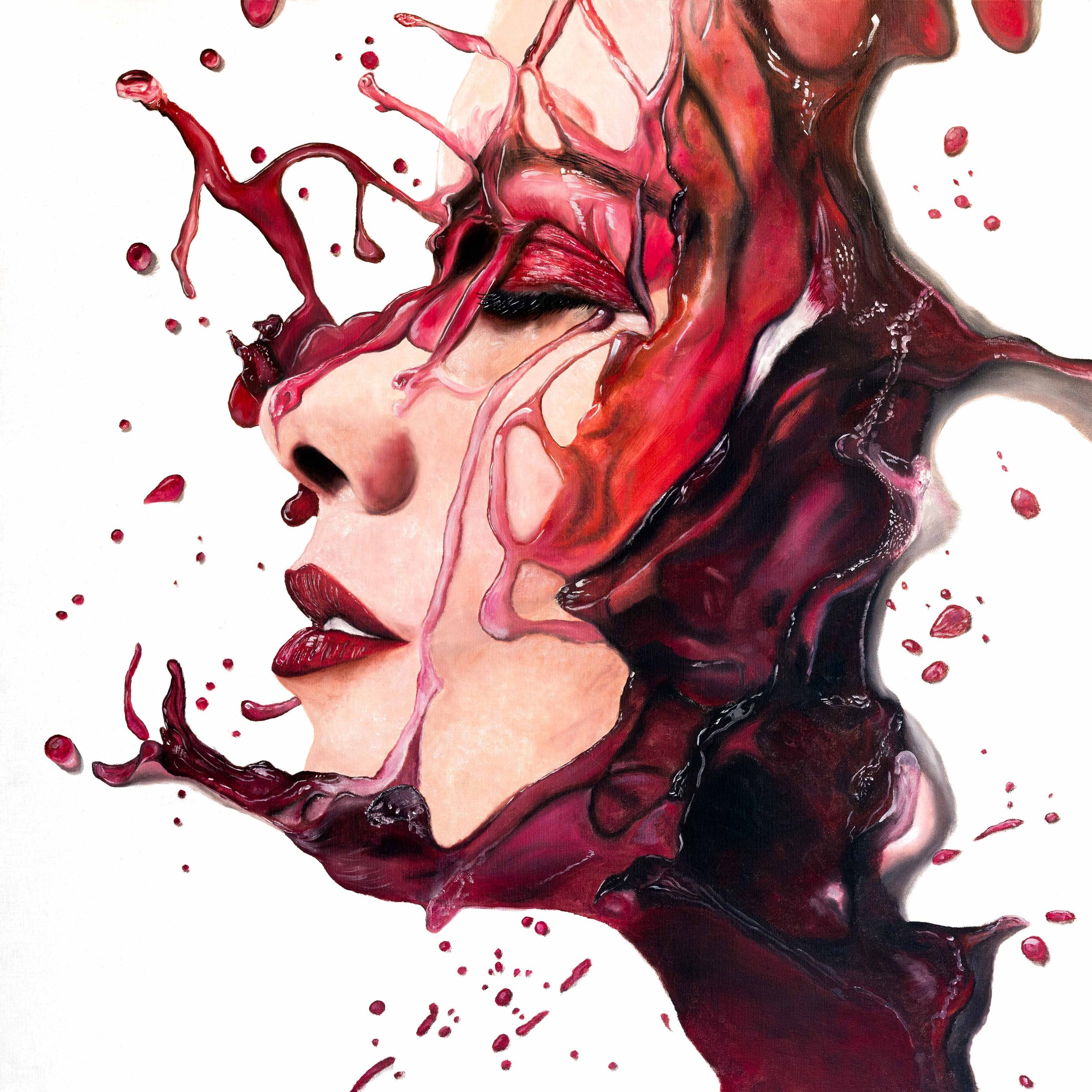
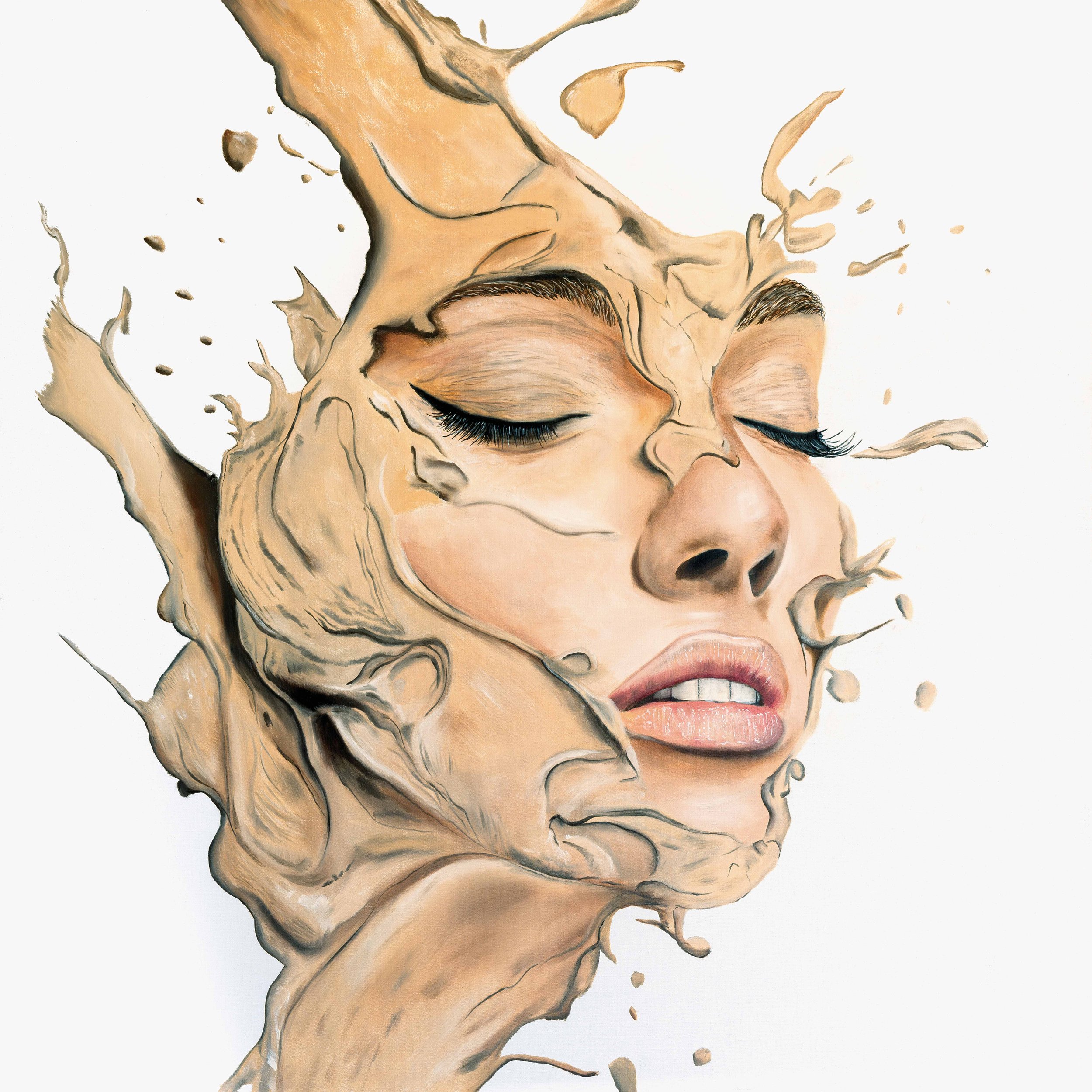
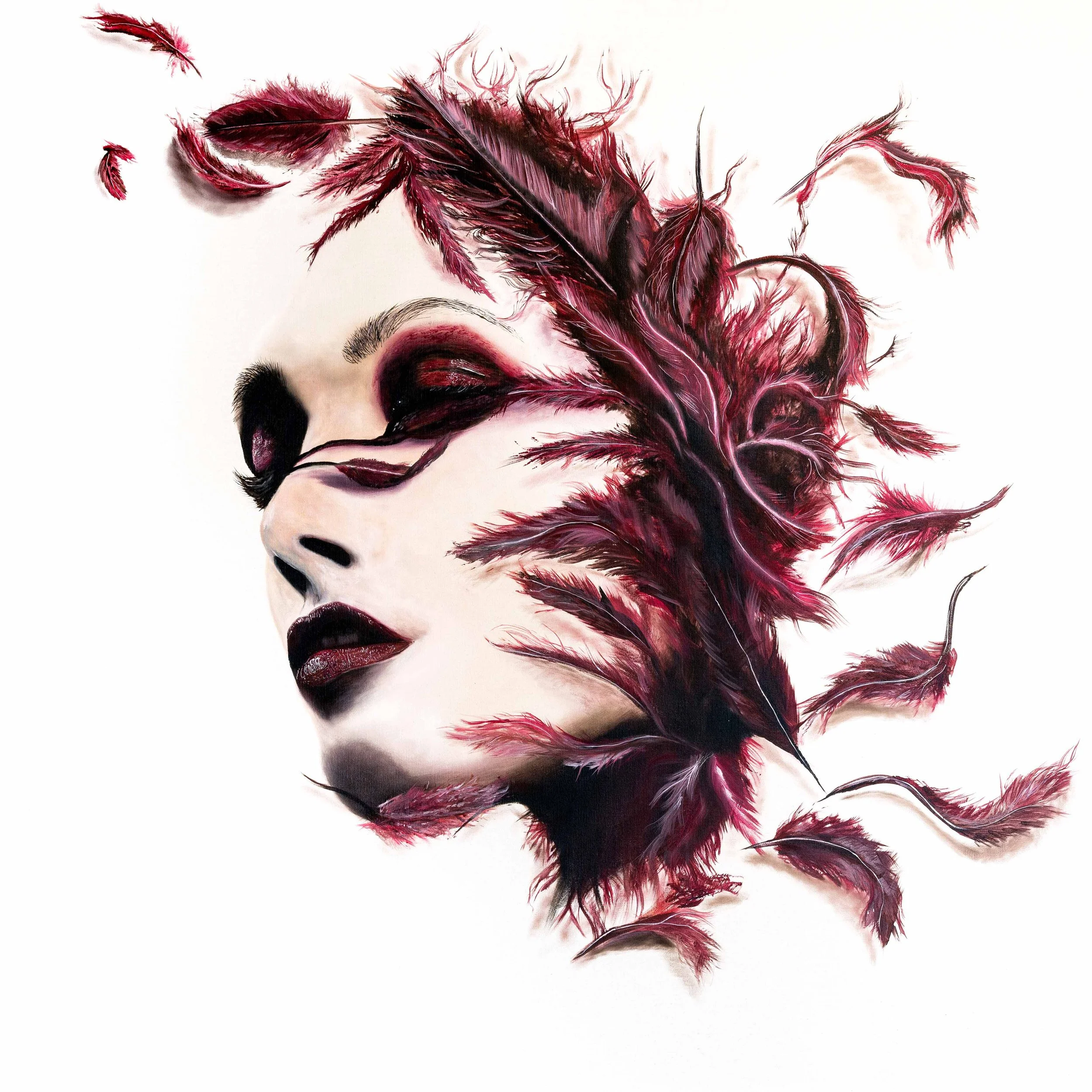
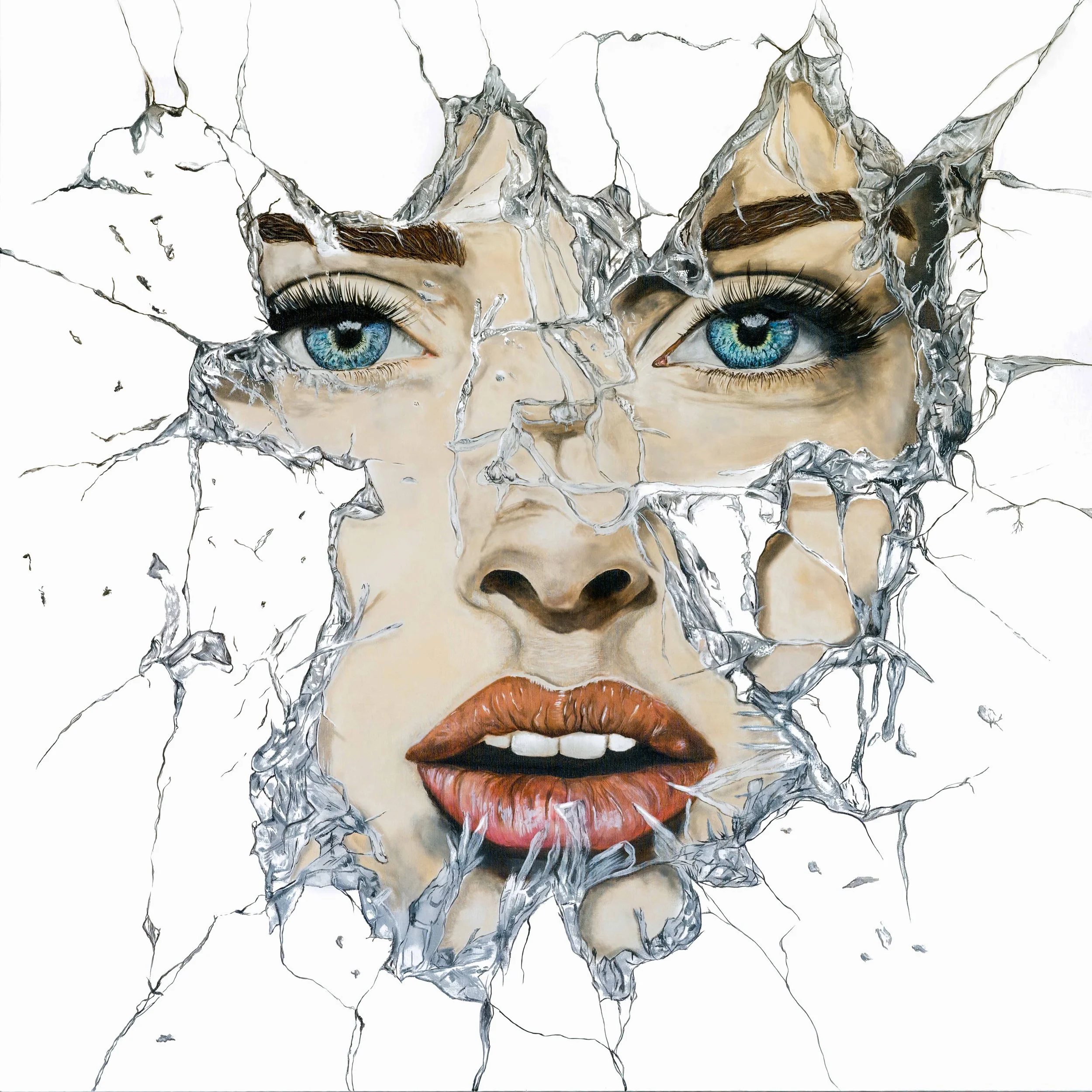
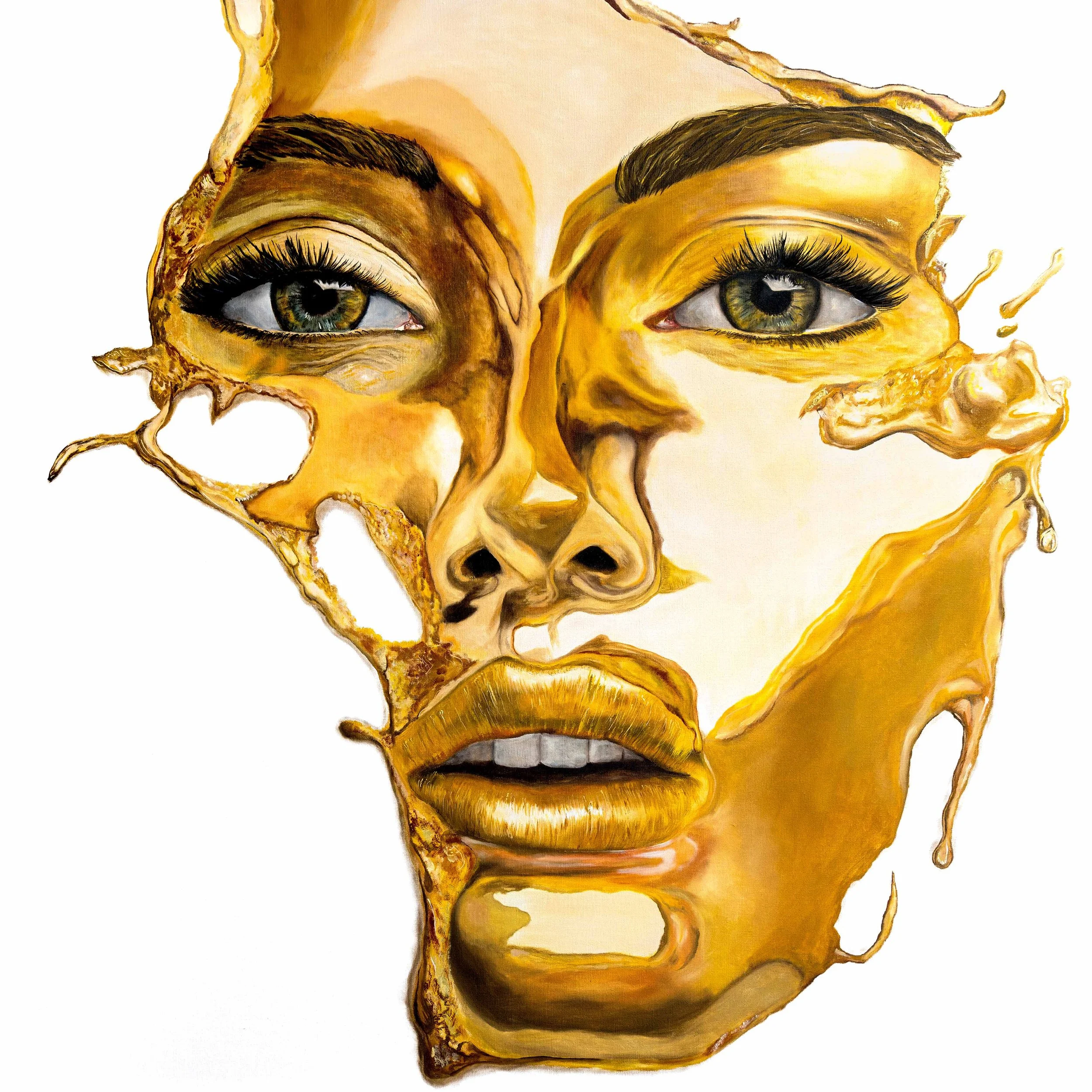
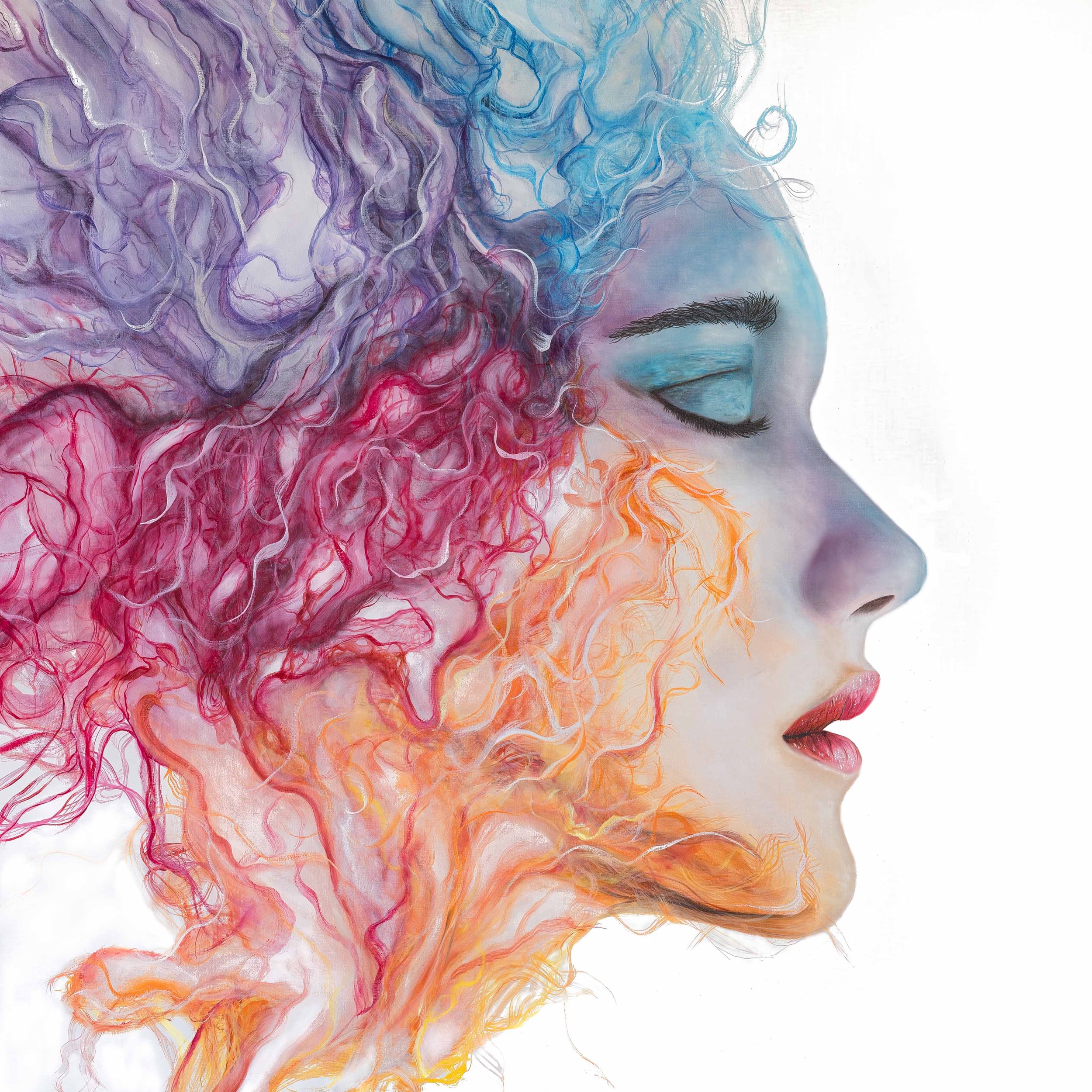
Dr. Daniel Josef Maier (*1995) is a visual artist who shifted from medicine to art, discovering his true vocation in creative expression. Since 2020 he has built an independent practice rooted in discipline, psychological depth, and authenticity. His works invite viewers to look closely, question assumptions, and imagine beyond the ordinary.
Maier has exhibited internationally, including in New York and Munich, with upcoming shows in Barcelona (MEAM), Paris (Carrousel du Louvre), Florence (Biennale), and Miami (Art Miami). Over 100 of his works are held in private collections. He is represented by galleries in Colombia, Vienna, and Toronto.
Background
Beginning to paint in 2020, he quickly established himself as an internationally connected mid-career artist, building his career largely independently.
Daniel, your biography reveals a fascinating transition from medicine to art, from analyzing the human psyche in a clinical context to exposing it visually on canvas. How has this scientific training, particularly in psychology and medicine, reshaped the way you approach painting as both an act of creation and as a diagnostic mirror of the human condition?
My medical and psychological training taught me one core truth:
the human condition is a matter of perspective.
In medicine you learn to analyze people through many lenses – biology, psyche, behavior.
That variety shaped how I create art. It showed me that life isn’t something you dissect.
It’s something you interpret.
When I started painting, I realized something unexpected: a work reveals far more about the viewer than about the artist.
Their reaction is the real diagnosis.
So my background gave me the structure to create – but it also shifted my focus.
I paint, yes. But the viewer completes the work.
In your Mosaic of Souls series, faces fragment and dissolve, yet simultaneously coalesce into unified wholes. Could you reflect on how fragmentation functions in your work, not as a sign of destruction, but as a mode of transformation and renewal, and what this reveals about the way we experience identity in the 21st century?
In Mosaic of Souls fragmentation isn’t destruction — it’s transformation.
People and identities are fluid; nothing stays fixed. Our values, beliefs, emotions constantly shift.
By destructing the face and interfering with matter, I show this inner movement.
The fragments aren’t broken parts but moments of becoming.
That’s what identity looks like today: a mosaic in permanent change.
Many critics describe your practice as balancing between intuition and analytical precision, chaos and order. When you stand before the canvas, how do you navigate this duality? Do you allow chaos to lead you, or do you impose a scientific rigor that reins it in, and how does this tension ultimately define the final work?
For me, creation moves in a circle.
It starts with a clear, analytical phase — sketches, notes, structure.
But the moment I touch the canvas, intuition takes over. Chaos opens the door to the unexpected, and I follow it without knowing the outcome.
When the energy settles, I switch back into analysis and refine the work.
This tension — structure, release, structure — is what shapes the final piece.
Your works, such as the Healthy Anger series, embody emotional states that are often considered destabilizing, yet you frame them as constructive and even vital energies. Could you speak about how painting becomes a form of sublimation, transforming psychological turbulence into something cathartic, meaningful, and perhaps even socially necessary?
We’re taught to label emotions as “good” or “bad.”
Anger especially — something to suppress, something dangerous.
But anger is just an emotion before it becomes an action.
When you push it down, it builds pressure. And when it finally breaks out, it usually hurts you or others.
In Healthy Anger I show the opposite: release with clarity.
Painting becomes a form of sublimation — taking raw psychological energy and giving it direction.
When an emotion is expressed with purpose, it becomes constructive.
That purpose is everything.
Self-taught and uncompromising, you consciously positioned yourself outside the traditional art academy. What do you see as the strengths and risks of this path, and how has it allowed you to preserve what you call “expression, depth, and independence” in your artistic voice?
Stepping outside the academy was intentional. A lot of the art world talks about purity and ideology, but behind the scenes it’s driven by money — while pretending it isn’t. That lack of congruence never felt right to me.
I want my work and my actions to match.
The strength of my path is simple:
total freedom, authenticity, and full control over my voice.
I don’t have to shape my work to fit a system.
The risks?
Some “real artists” or critics might not see it as legitimate.
But their approval isn’t my focus.
I care about my collectors, the people who resonate with the work, and the ones who see value without needing a stamp from an institution.
And yes — I’m open about being commercial.
In the traditional art world that’s almost a sin.
For me, it’s honesty.
Selling isn’t something to hide. Money is energy, and it creates opportunities.
Collectors appreciate that clarity — because it’s real, and it aligns with the depth and independence I want to protect.
The Primates of Art series juxtaposes raw, almost playful figuration with a deep undercurrent of commentary on humanity, instinct, and culture. What role does humor, irony, or primal energy play in your work, and how do these elements connect back to your larger depth-psychological concerns?
Humor is a psychological opener.
In any stiff situation — a job interview, a tense conversation — one ironic comment changes everything.
People relax, defenses drop, and you can finally go deeper.
In Primates of Art I use that same effect.
The playful, primal energy pulls you in, but it’s a doorway to something deeper: instinct, contradiction, and the masks we wear.
You often speak about art not simply as a luxury object but as truth, something alive, authentic, and uncompromising. How do you reconcile this conviction with the realities of the art market, collectors, and institutions, where art is inevitably subjected to forces of commerce, prestige, and trend?
For me, being commercial isn’t a compromise — it’s reach.
The more people see the work, the more impact art can have. That’s my goal: to show how essential art is, far beyond painting alone.
The market, prestige, institutions — they’re not the issue.
The problem is the fakeness around them: artificial hype, staged luxury, pretending.
Authentic recognition is fine. Manufactured prestige isn’t.
So I stay true to the work, and I’m honest about the business.
That honesty keeps art alive, not diluted.
Your exhibitions span cities like New York, Miami, Paris, and Barcelona, and you are entering major global stages such as the Florence Biennale. How do you see your work dialoguing with different cultural contexts? Does its psychological universality transcend borders, or do viewers in different regions resonate with distinct aspects of your visual language?
Right now I’m in a phase of learning.
Every culture carries its own collective beliefs, dogmas, and emotional codes — and when I show my work internationally, I see how these shape the way people read a painting.
Some react more to the psychological layer, others to the emotional energy, others to the structure.
But beneath those differences, the same human values appear again and again.
That’s what interests me: the core we all share — and how each culture reveals a different angle of it.
In an era where contemporary art increasingly intersects with neuroscience, psychology, and even artificial intelligence, do you envision your practice as part of this broader movement of art-science synthesis? How do you imagine the role of the artist evolving in a world where emotional truth and scientific analysis are increasingly interwoven?
Yes, absolutely — my work sits inside that art-science dialogue.
But I’m not at a point where I can fully articulate the results.
In that sense, I feel a bit like a mad scientist.
The studio becomes a lab, and the process becomes an experiment without full language for it.
We don’t yet have the tools to describe everything that happens between emotional truth and analysis.
Maybe that’s the beauty of it:
some parts stay magic, and maybe they’re meant to stay unresolved for a lifetime.
Do you emphasize that art must inspire people to “see deeper, dream bigger, and want more.” Looking ahead, what do you hope your legacy will be, both for your collectors and for society at large, and how do you envision your works continuing to act as spaces for reflection, healing, and transformation in years to come?
Big goals matter.
We’re here to experience life — whatever that means for each person.
For me, it means creating art. That stands above everything, and it always will. Not everyone understands that, but the studio is the place where I feel most alive. That’s where I can create and inspire.
My legacy for collectors is simple:
to give them lasting value — emotionally, personally, and yes, also financially.
A work that grows with them, challenges them, and represents something about who they are.
For society, I want the same on a larger scale.
I want my work to push people to start living their own dreams, to show up as who they really are, and to stay consistent with that truth.
If my art can continue to be a space for reflection, healing, and transformation, then it’s doing exactly what it was meant to do.