
Christy Chor
Website: www.christychor.com
Instagram: christychor.ceramics
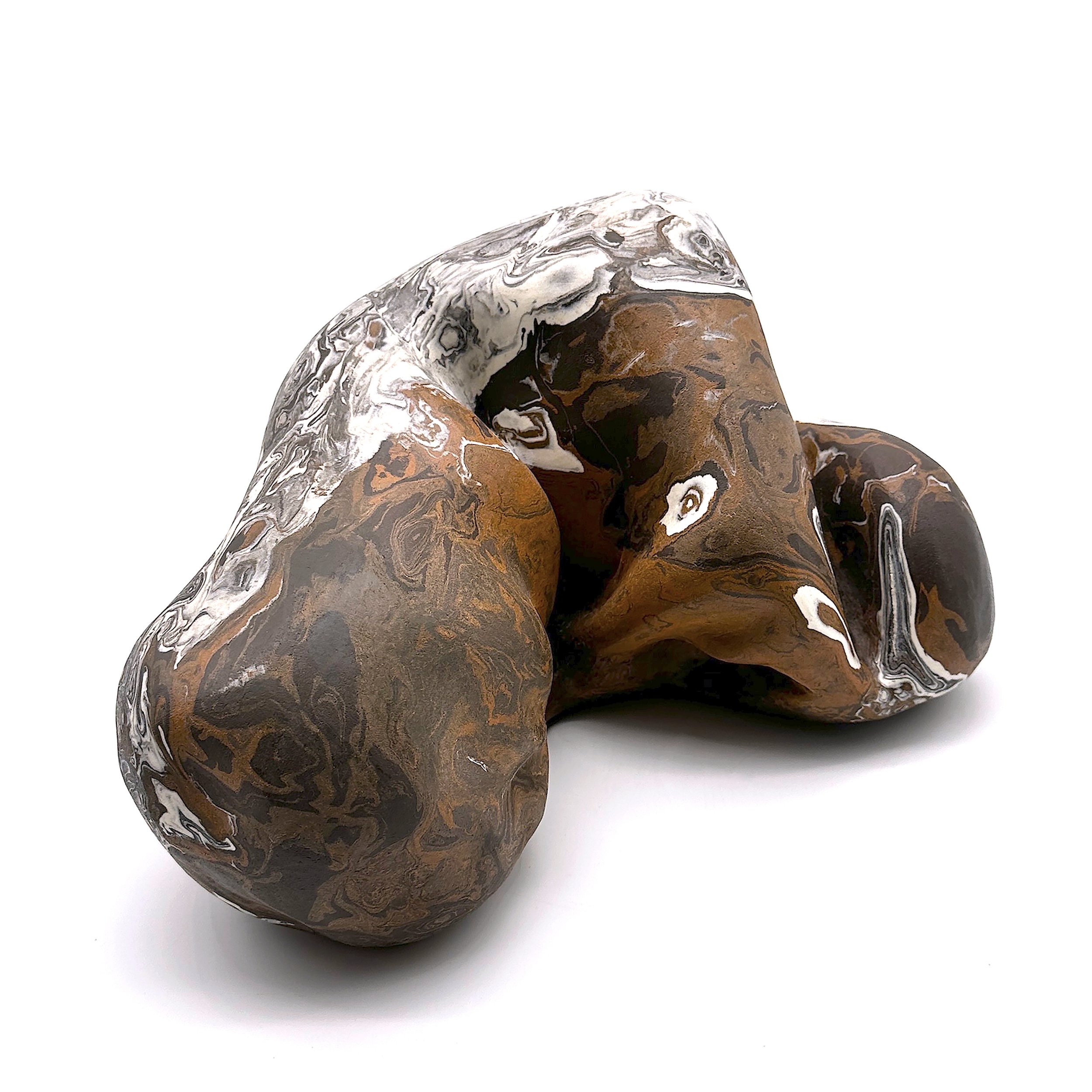

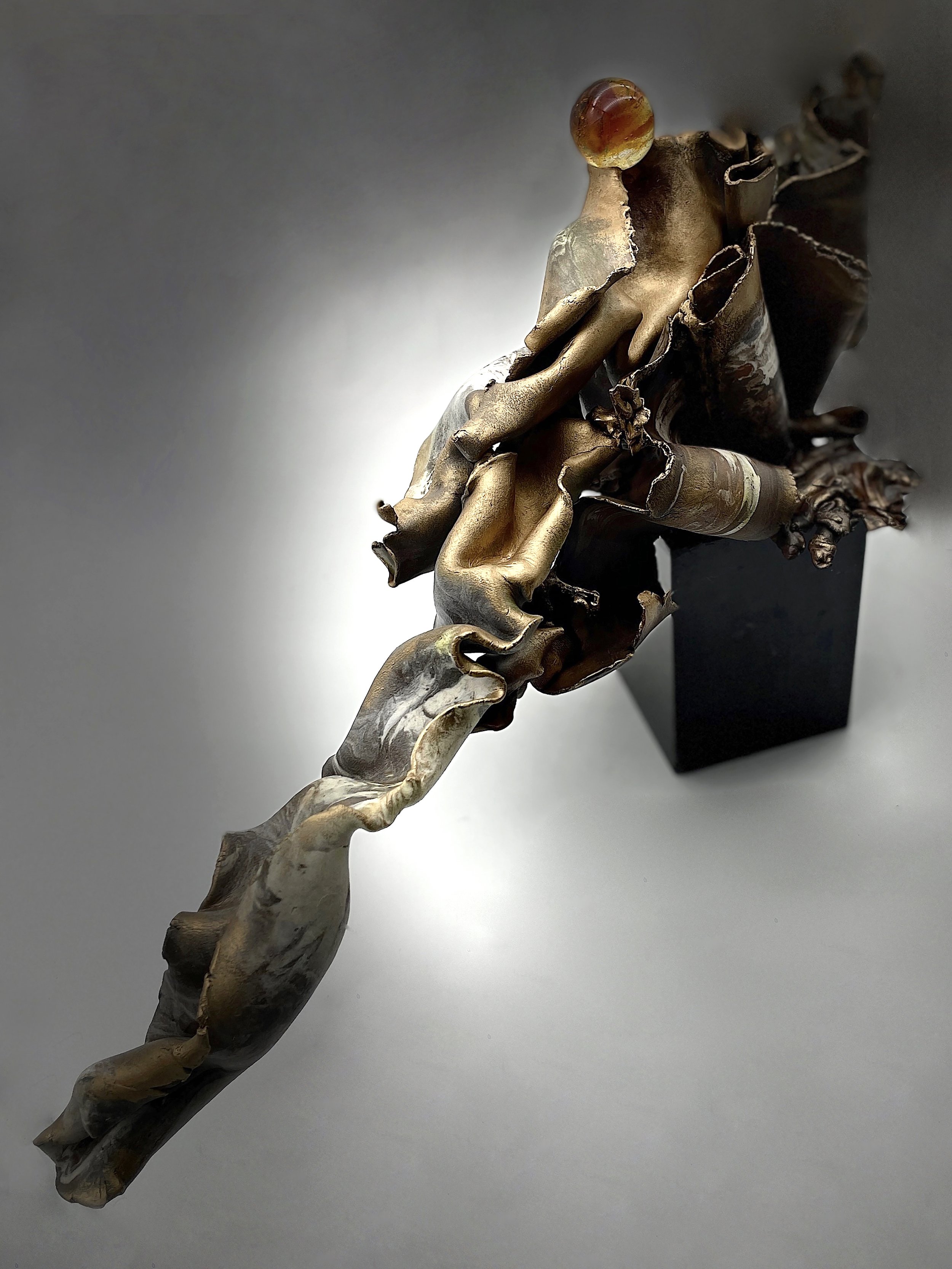
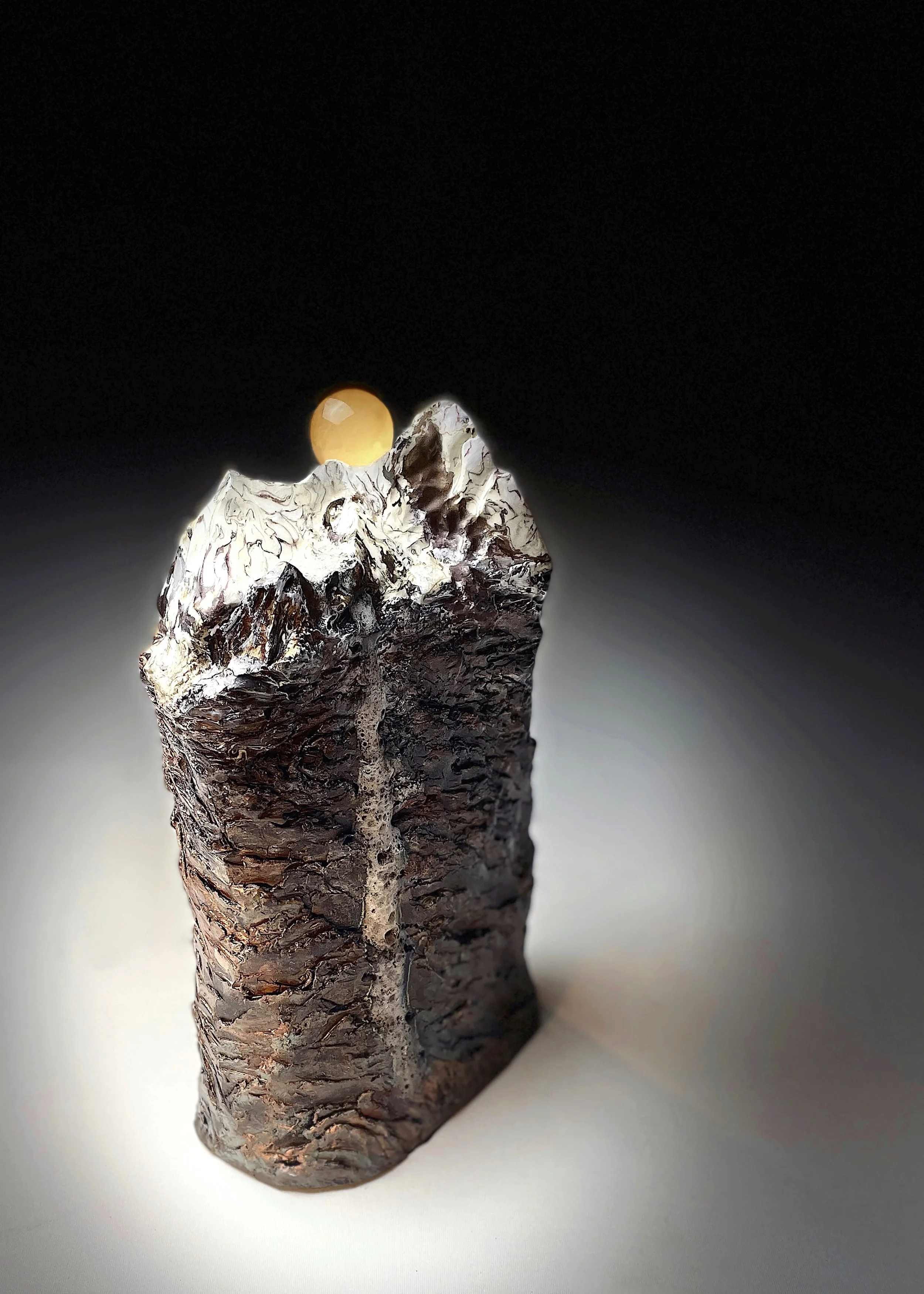
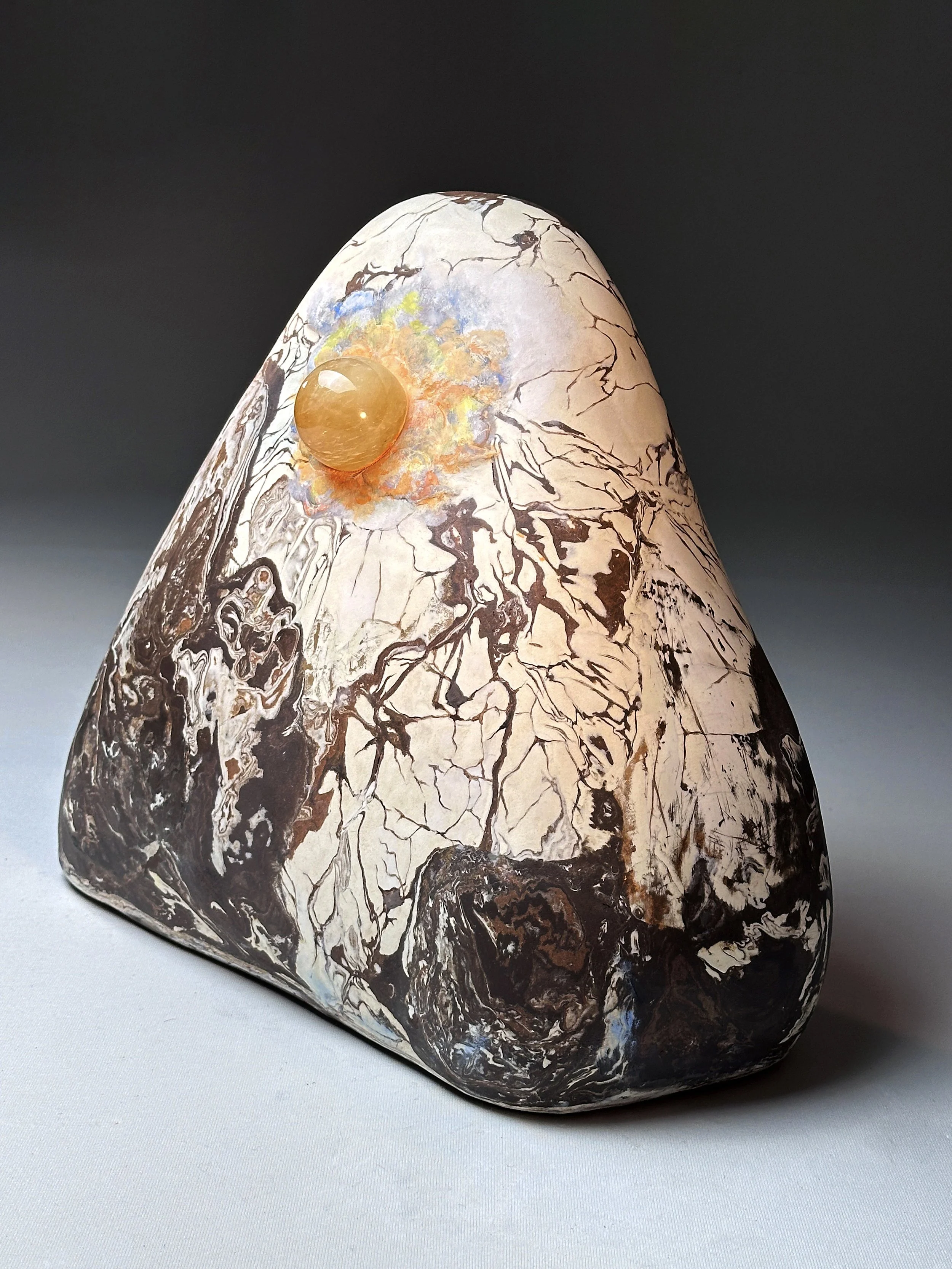
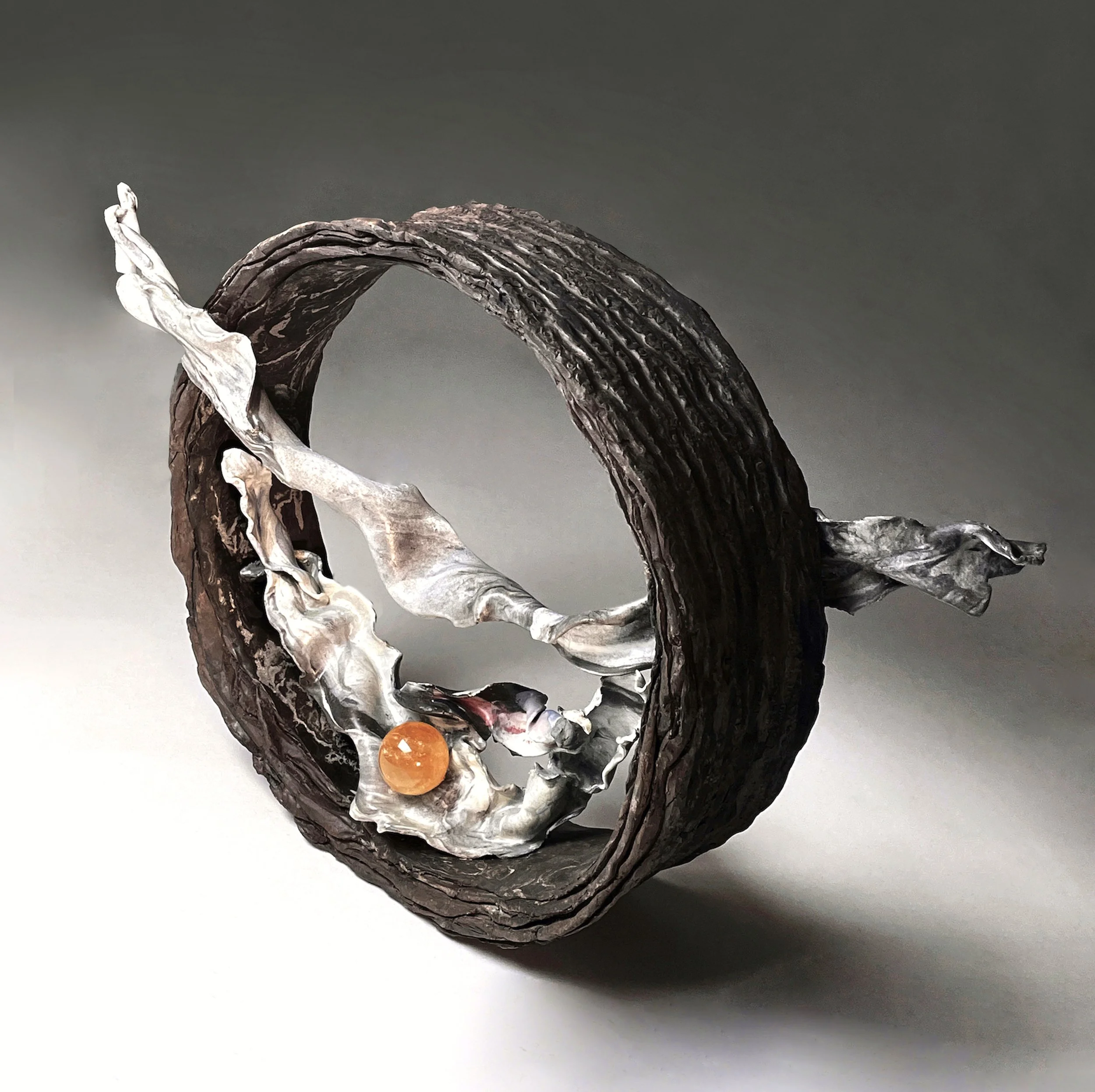
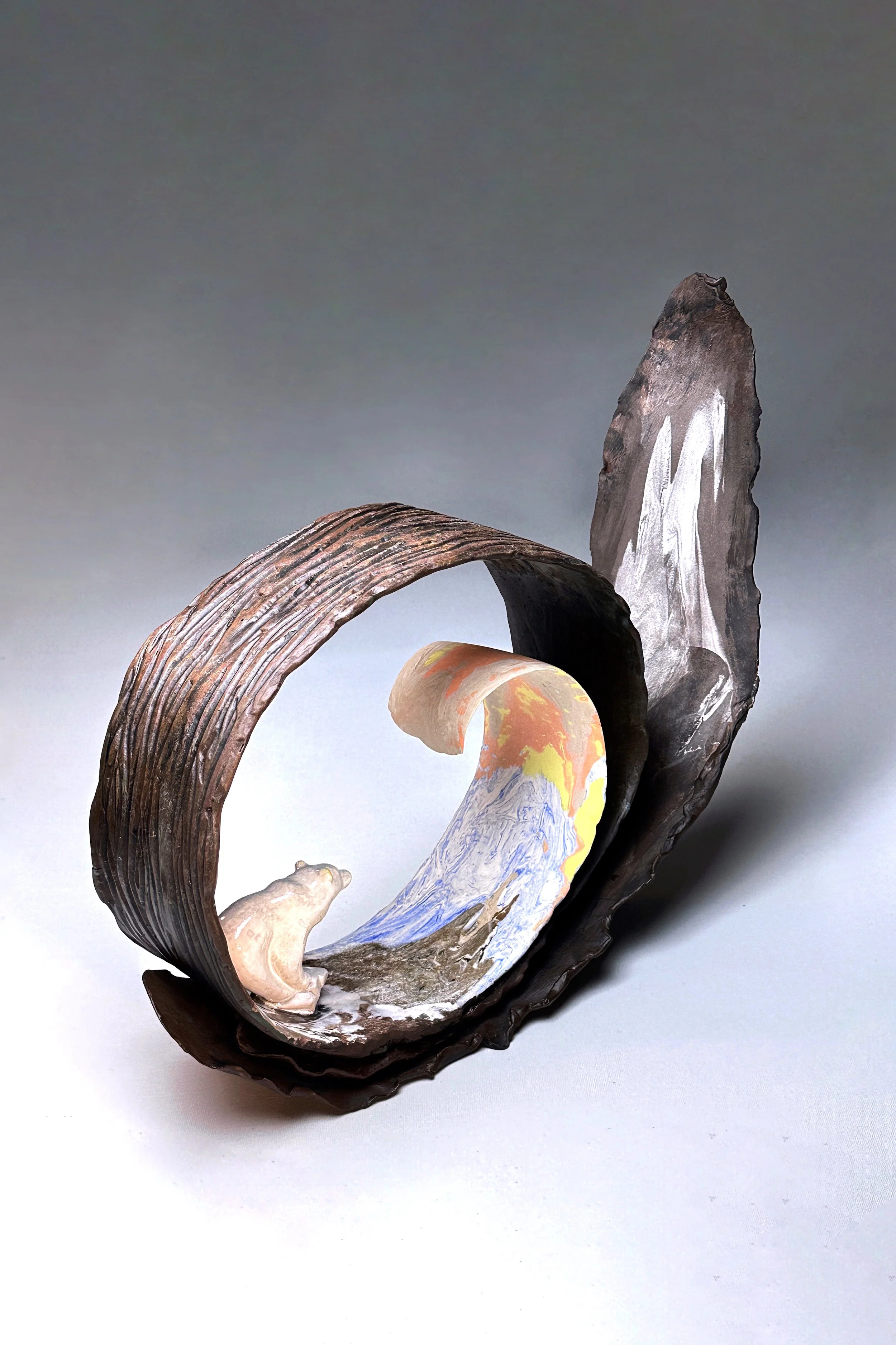
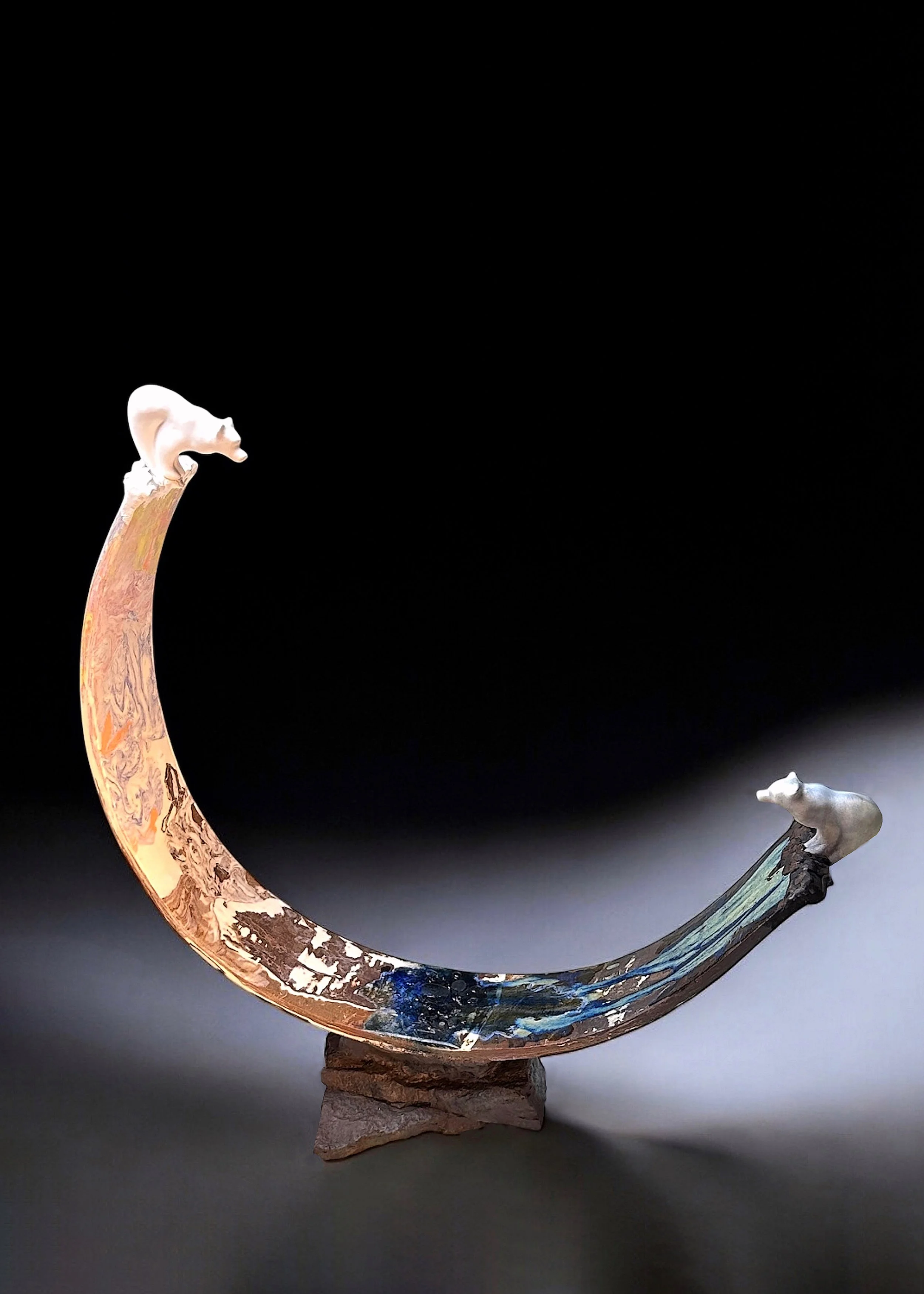
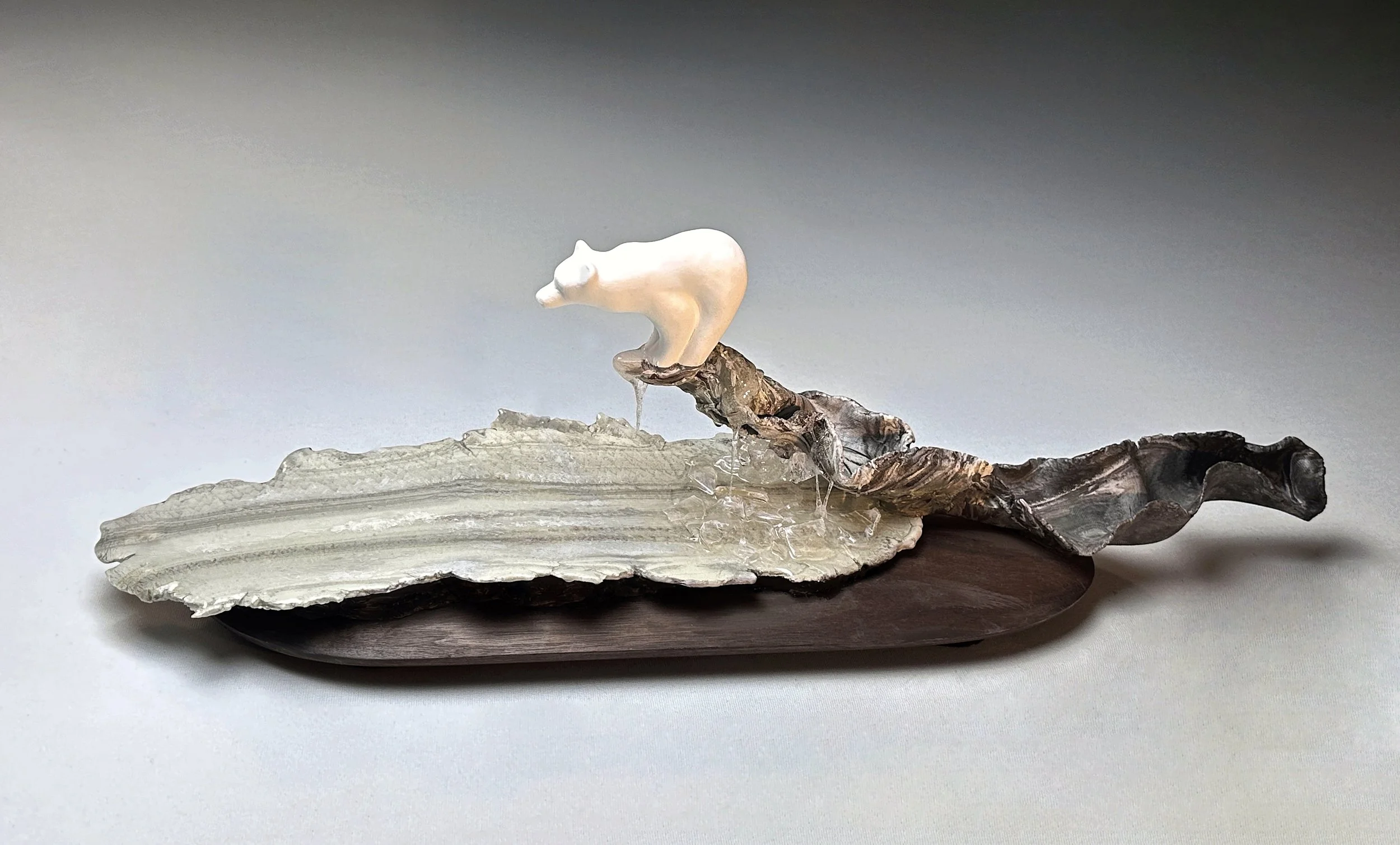
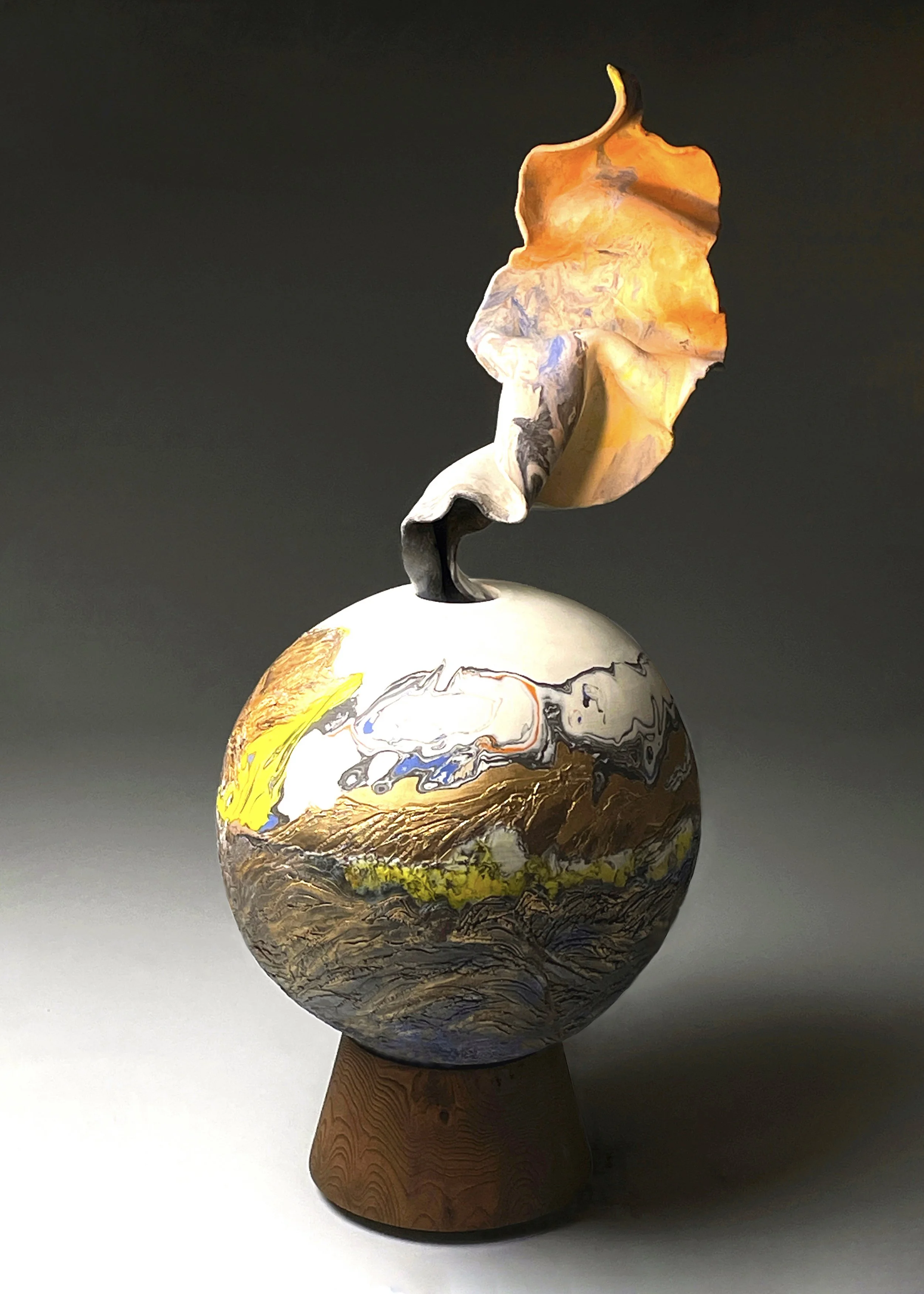
Christy Chor is a Canadian ceramic artist who creates a body of narrative-driven sculptural work exploring the sensory dialogue between humanity and the natural world. Her master theme, BACK TO NATURE, unfolds through successive series including Bird, Bear, and her current Mountain works, serving as tactile meditations on wonder, imbalance, and rebirth. An internationally recognized and award-winning artist, Christy's practice merges cross-cultural perspectives, uniting her ceramics education from Sheridan College in Canada with professional experience in Asia's design industry. Through this unique lens, she creates sculptures that are both communicative and masterfully composed.
Christy, your practice, rooted in the profound theme Back to Nature, unfolds through the poetic chapters of Bird, Bear, and Mountain. Each series feels like a meditation on timeless archetypes while simultaneously addressing urgent ecological realities. How do you envision these chapters as a larger symphony of ideas that illuminate humanity’s enduring yet fragile bond with the natural world?
My "Back to Nature" practice unfolds as a living symphony of metaphors through its chapters. Bird embodies atmospheric connection—its flight tracing a covenant between spirit and earth, while serving as a vital indicator of planetary health. Bear grounds us in primal connection, its spirit a chorus of survival and kinship. Mountain reveals the dual nature of existence—its majestic peaks speaking to nature's magnificence, while its melting glaciers whisper of profound vulnerability.
This symphony is ever-evolving. Future movements will give voice to other essential elements—perhaps Forest for rooted interdependence, River for relentless flow and change, or Ocean for the vast, unknown depths of life and memory.
Together, this expanding work calls for a fundamental shift from living “on” the world to living “within” it—a recognition that inspires both awe for nature's grandeur and responsibility for its fragile resilience.
Clay, in its elemental essence, carries the memory of the Earth formed through time, transformed through fire, and reborn as a vessel or sculpture. In your process of hand-building, marbling, and slip-casting, you seem to enter into a dialogue with clay’s own voice, allowing gravity, fissures, and natural chance to guide the work. How do you embrace this collaboration with the Earth itself, where your artistic intention becomes inseparable from the material’s ancient wisdom?
To work with clay is to enter a sacred dialogue—a collaboration between human intention and the earth's ancient memory.
My hands do not command; they converse. Each piece begins as a concept that evolves through attentive listening. In the processes of hand-building, marbling, and slip-casting, I navigate a delicate balance: guiding with purpose while surrendering to the material's inherent wisdom. Gravity becomes my co-artist, fissures transform into distinctive features, and rising textures emerge like memories from the earth itself.
Then comes the firing—this extraordinary alchemy. It does not merely set our work; it fundamentally transmutes it. In the kiln's intense heat, a profound transformation occurs: the clay's inherent fragility becomes enduring strength, its temporary form committed to a kind of eternity. The material reveals its final character through subtle glazes, intricate crackle networks, and surfaces that whisper of profound metamorphosis.
What emerges carries both our stories. These are not merely objects, but preserved dialogues—enduring testaments to the wisdom that flows when we create in partnership with the earth, transforming raw material into narratives that transcend time.
The mountain in your work emerges as both monument and oracle, embodying permanence while also revealing fragility. It is majestic in its stillness, yet vulnerable to erosion and human disruption. How do you conceive of the mountain as more than landscape, as a sacred body that remembers, heals, and teaches resilience?
The mountain in my work is both monument and oracle—a form that embodies permanence yet reveals its inherent fragility. I conceive of it not as a passive landscape, but as a sacred body: the earth's oldest witness, a keeper of deep time.
This sacred body is defined by its contradictions. It is immense yet vulnerable, eternal yet continually shaped by change. It remembers every storm and every scar, carrying these marks not as wounds, but as testimony. Its wisdom lies in a stillness that is not passive. The mountain yields to wind and rain, teaching that resilience is not rigidity, but a slow, graceful adaptation. It shows how erosion can be a process of revelation, uncovering new forms and deeper strengths.
My artistic practice is an act of listening to this teaching. When I form a mountain out of clay, I am not depicting a shape, but tracing a presence. I allow the material—its fissures, textures, and mineral variations—to speak as a record of resilience.
The mountain’s ultimate lesson is this: permanence is not the absence of change, but the capacity to hold change within one's form. It serves as a mirror to our own spirit, reminding us that we, too, are built of time, marked by experience, and capable of profound transformation.
You have described ceramics as your “voice beyond language,” a means of storytelling that surpasses words and speaks directly to the imagination and the senses. In what ways do you see your sculptures as narrative vessels, silent yet eloquent storytellers that invite audiences to enter into dialogue with mystery, wonder, and renewal?
My sculptures are presences to be felt, not objects to be viewed. They speak a universal language that bypasses words, awakening forgotten senses and stirring dormant emotions. In a world adrift from nature, they serve as silent anchors—invitations to reconnect not just with the wild outside, but with the quiet wilderness within.
This intention unfolds through three distinct dialogues confronting the fragility of our ecosystems. The Black Bear Series meditates on persistence, capturing the grounded tenacity required to navigate a fractured world. The Polar Bear Series embodies the poetry of survival within ecological crisis, witnessing fragility to uncover a spirit of resilient hope. Finally, the Stratified Mountain Series frames geological time through the "Wheel of Years," where layered clay becomes a testament to human disruption, charting an evolution of both deep time and urgent transformation.
Ultimately, this body of work posits rebirth as the hope for resilience—a rebirth activated only through humankind’s profound respect and deliberate action.
The surfaces of your works echo geology itself: layers of marbled clay like strata of stone, fissures that recall glaciers, textures that embody time’s erosion. They seem to hover between relics of an ancient past and visions of a possible future. How do you see your work inhabiting this continuum of time, as both memory and prophecy, as witness and guide?
My work inhabits the space between memory and prophecy—a single form holding the echo of deep time and the whisper of a possible future.
Its surfaces are built like geological diaries. Each layer of clay is a page in the earth’s story; each fissure, a sentence carved by pressure and time. This is not mere decoration, but a physical language of endurance—speaking of retreating glaciers, persistent rivers, and stone that remembers.
As memory, the work is a witness to ancient lands: the slow rise of mountains, the resilience of bedrock, the dignified surrender of erosion. It reminds us we are creatures of this same earth.
As prophecy, it becomes a guide. Its stratified form envisions a future in which nature is cherished and human creativity is woven back into the fabric of the earth's rhythms.
Ultimately, it is a bridge across time: a relic of a past we must remember, and a vision of a future we must shape. It offers an invitation: to listen to the stories held in stone, and to write the next chapter with reverence.
Your works emanate a meditative stillness, yet beneath this calm is an unmistakable urgency, a call to realign with the rhythms of nature and to resist the disruption humanity has wrought. How do you balance this duality, where contemplation becomes inseparable from activism, and beauty itself carries the power of a gentle but insistent protest?
The stillness in the work is an invitation to remember—to rediscover the magnificence of nature we have forgotten in the rush of modern life. It is not meant to convey nature’s anger, but rather its profound dignity, its enduring presence, and its deep, quiet intelligence that exists beyond human timelines.
This tranquillity is a form of remembrance: a call to appreciate what has been neglected, to reconnect with the elegance of natural systems, and to realign our rhythms with those of the earth. The bear, the mountain, the layered clay—each element serves as a mirror reflecting a relationship that once was, and could be again: one based not on domination, but on reverence.
The stillness isn’t passive; it’s an active space of recalibration—where we are reminded that true harmony begins not with control, but with respect. It carries a quiet protest only in the sense that it insists: there is still time to listen, to adapt, and to move once more in rhythm with the world.
For once, there is respect; you will protect. And once you protect, you will treasure. And in treasuring, we endure the harmony of coexistence.
Your earlier career in design and brand communication gave you a unique fluency in narrative, symbolism, and cultural storytelling. Now, in ceramics, you create forms that are both intimate and monumental, carrying profound ecological and philosophical messages. How does your background in visual culture enrich the way you shape clay into experiences that audiences not only see but inhabit with their whole being?
My training in design and branding taught me the power of visual language—how symbols and forms can convey emotion and forge deep connections. I now apply this narrative craft to clay, working in a more elemental, more honest way. This fluency allows me to shape not merely objects, but profound encounters. I translate universal themes—time, fragility, and coexistence—into tangible forms that feel both immediate and intimate, using clay as a medium for philosophical metaphors.
My goal is to create for the whole self—for the hand, the mind, and the memory. Because clay records every touch and carries the memory of its making, it invites the viewer to slow down and engage on a deeper, more sensory level. In this way, visual storytelling becomes a fully embodied experience. The message is not told; it is felt.
My work is, therefore, art formed from nature, speaking for nature—a silent, stimulating reminder of what we have long forgotten how to echo and align with.
Your practice moves fluidly between traditions of craft, the conceptual ambitions of contemporary art, and the urgency of ecological philosophy. Rather than being confined to one category, your work inhabits a fertile in-between space. Do you see this hybridity as an act of expansion, an opening of ceramics toward a more encompassing role in cultural and ecological discourse?
Clay is the earth’s quiet chronicler—transformed by water, weathered by wind, forged by fire, and gifted with memory. It has never been a passive medium, but a keeper of human moments and a witness to ritual.
Today, its role deepens beyond the decorative into the realm of awakening. In its fluidity, we see adaptability; in its transformation by fire, resilience. Its longevity humbles us, reminding us that we survived with earth and water, shaped by time.
When I shape clay into abstract mountains or creatures, I am not simply creating art—I am collaborating with history. I invite the material to speak its own language: cracks that recall drought, textures that echo erosion, forms that embody the patience of stone.
This collaboration stirs the senses, awakening the hand with texture, the mind with depth, and the spirit with a rhythm older than haste.
Clay thus becomes more than a storyteller; it is a quiet teacher of coexistence. It does not shout the ecological crisis—it embodies it. It does not plead for reverence—it inspires it.
We need this language now more than ever. Not as an artifact, but as an awakening. Not as an object, but as a reflection.
In your Beyond and Within explorations, you invite us into nature’s dualities: wonder and mystery, harmony and imbalance, survival and rebirth. These are not simply artistic themes but truths woven into existence itself. How do you understand duality as a universal rhythm that guides your art and, perhaps, your way of being in the world?
Duality is the essential rhythm of the natural world—the unspoken dialogue between inseparable forces: positivity and negativity. It is a primal balance: there is no light without shadow, no growth without decay. These are not contradictions to be resolved, but truths to be honoured.
In my work, I give form to this balance. The bear holds both fierceness and gentleness; the mountain embodies endurance and fragility; the crack in the glaze speaks of rupture and resilience. I let these tensions coexist in a single form.
This understanding shapes my way of being. To accept duality is to embrace life as it is—to live with positivity, accepting both challenge and peace as essential. We overcome not by resisting life's rhythms, but by moving through them with adaptation.
My art is an invitation to remember this balance—to see that we, too, are part of this exchange. We are both fragile and enduring. And it is in honouring these dualities that we truly learn to belong, not as masters of nature, but as allies in its quiet, enduring grace.
You often describe your work as an invitation to listen more deeply, to realign with nature, and to dwell in meditative spaces of reverence and respect. In a world dominated by acceleration, distraction, and distance from the Earth, what role do you believe the slow, tactile, and elemental language of ceramics can play in restoring a culture of care, wonder, and belonging?
As a ceramic artist, I embrace this humble yet profound mission: to restore a culture of sensory presence. Through the elemental language of clay, I create works that awaken our long-lost senses, offering a quiet counterweight to a disembodied world of relentless acceleration, greed, and emotional isolation. My practice stands in direct opposition to a system that prioritizes acquisition over connection.
My work makes no grand declarations. I form vessels that ally with the Earth, drawn from the very ground we walk upon. Each piece emerges from dialogue with the material—a conversation that honours this bond and invites deeper awareness of life's fragile, sacred balance.
My purpose is to breathe soul into each creation, transforming clay into a tangible language of respect: for the land, for the body, for the harmony we must restore.
I hope that these works will move the spirit not through rhetoric, but by planting seeds in the heart—where they may take root and grow into a lived ethic of care, reverence and belonging.