
Gisela Engeln-Müllges
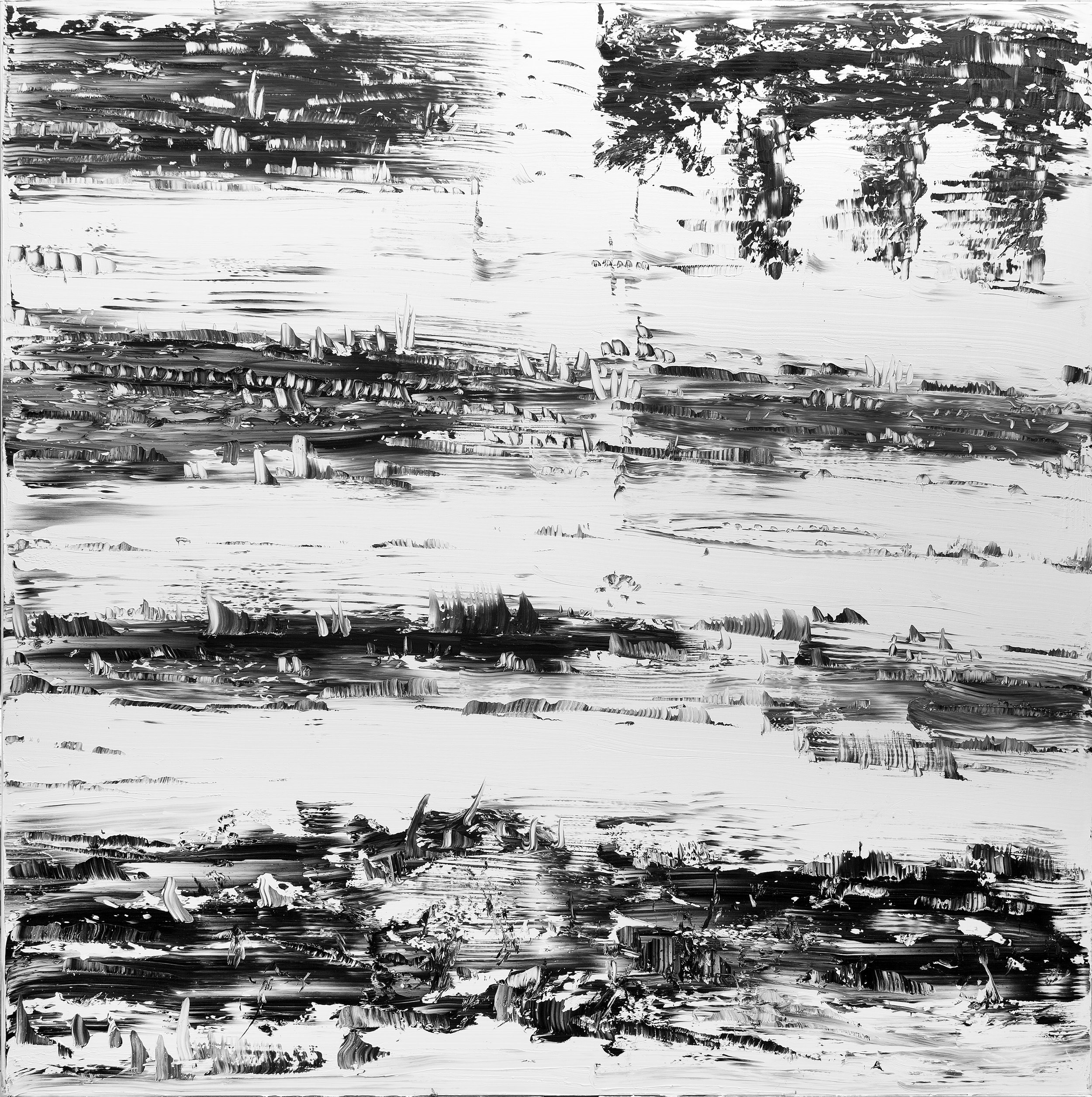
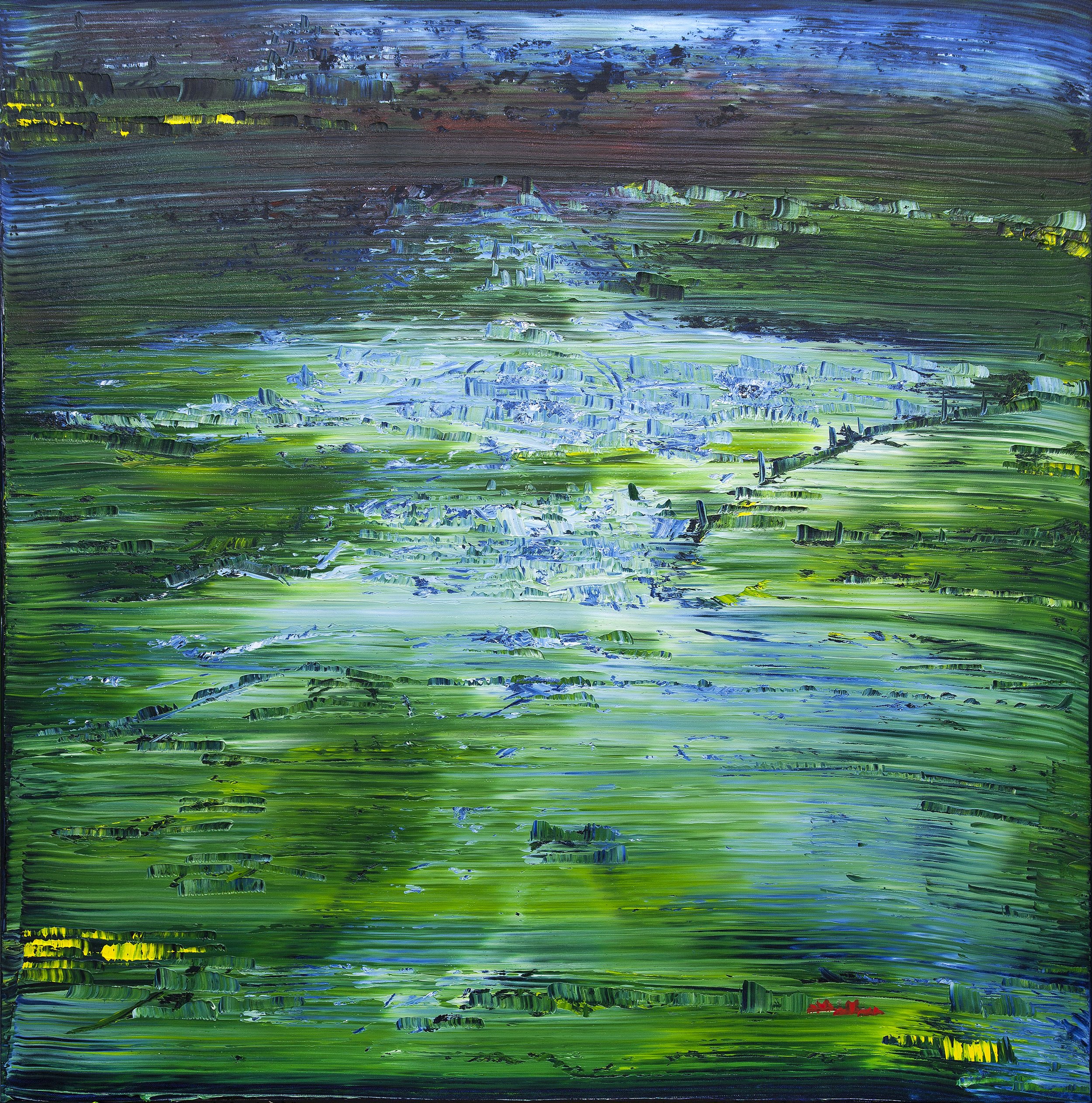
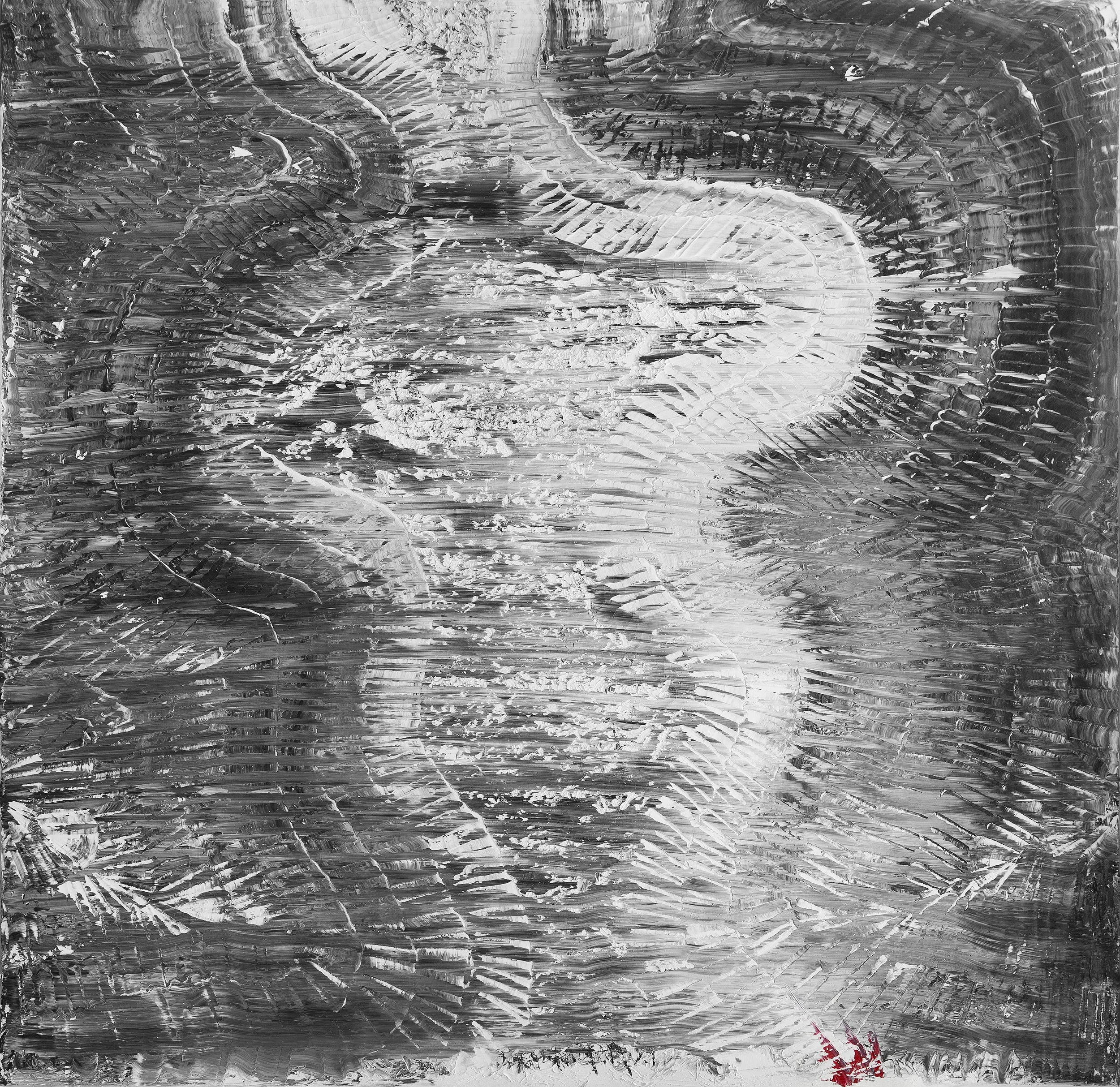

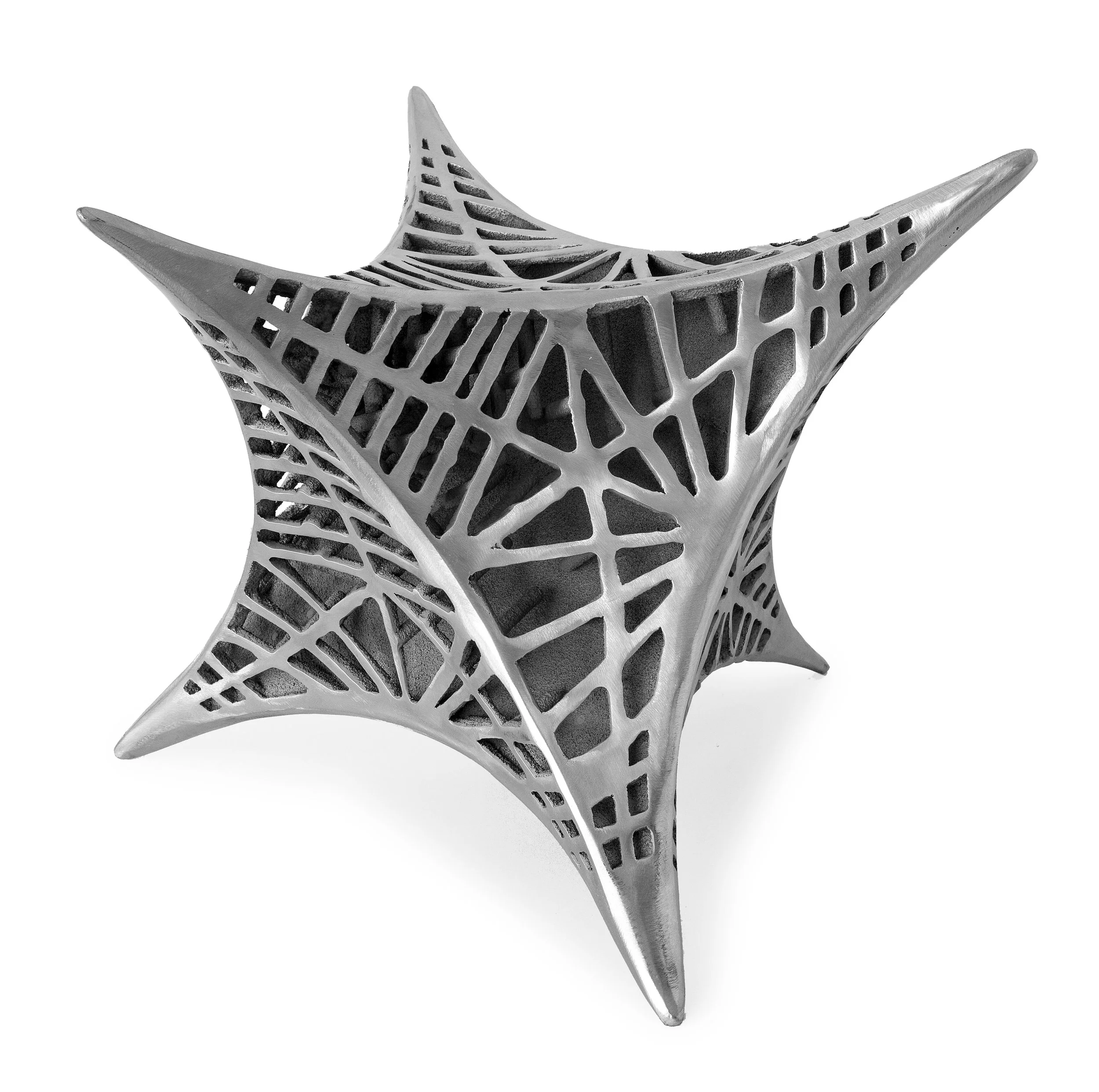
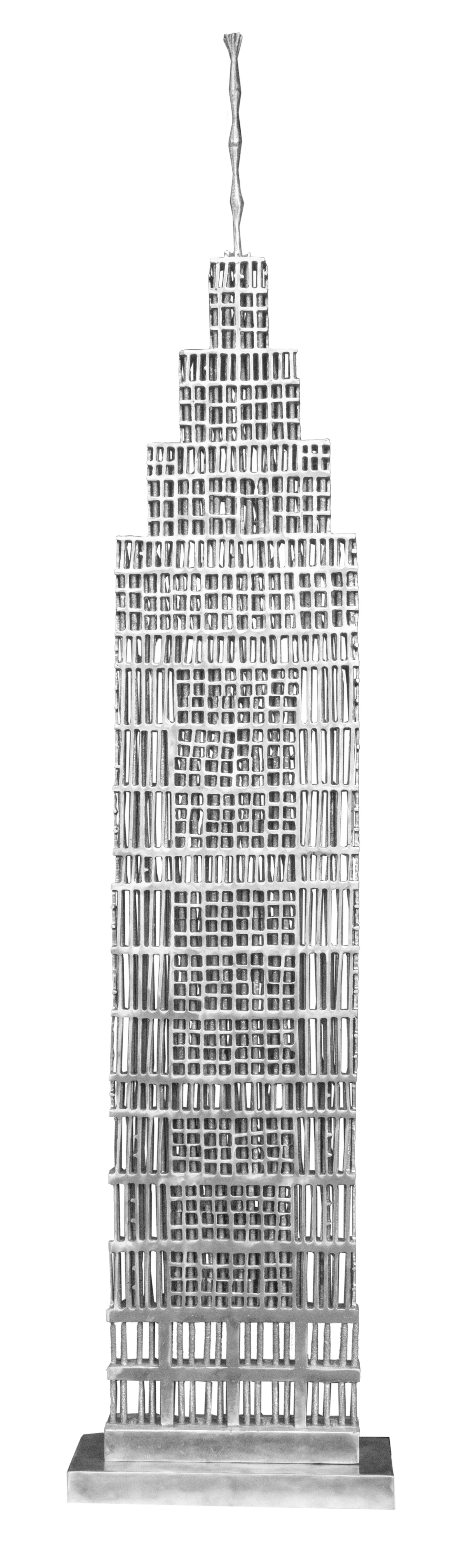
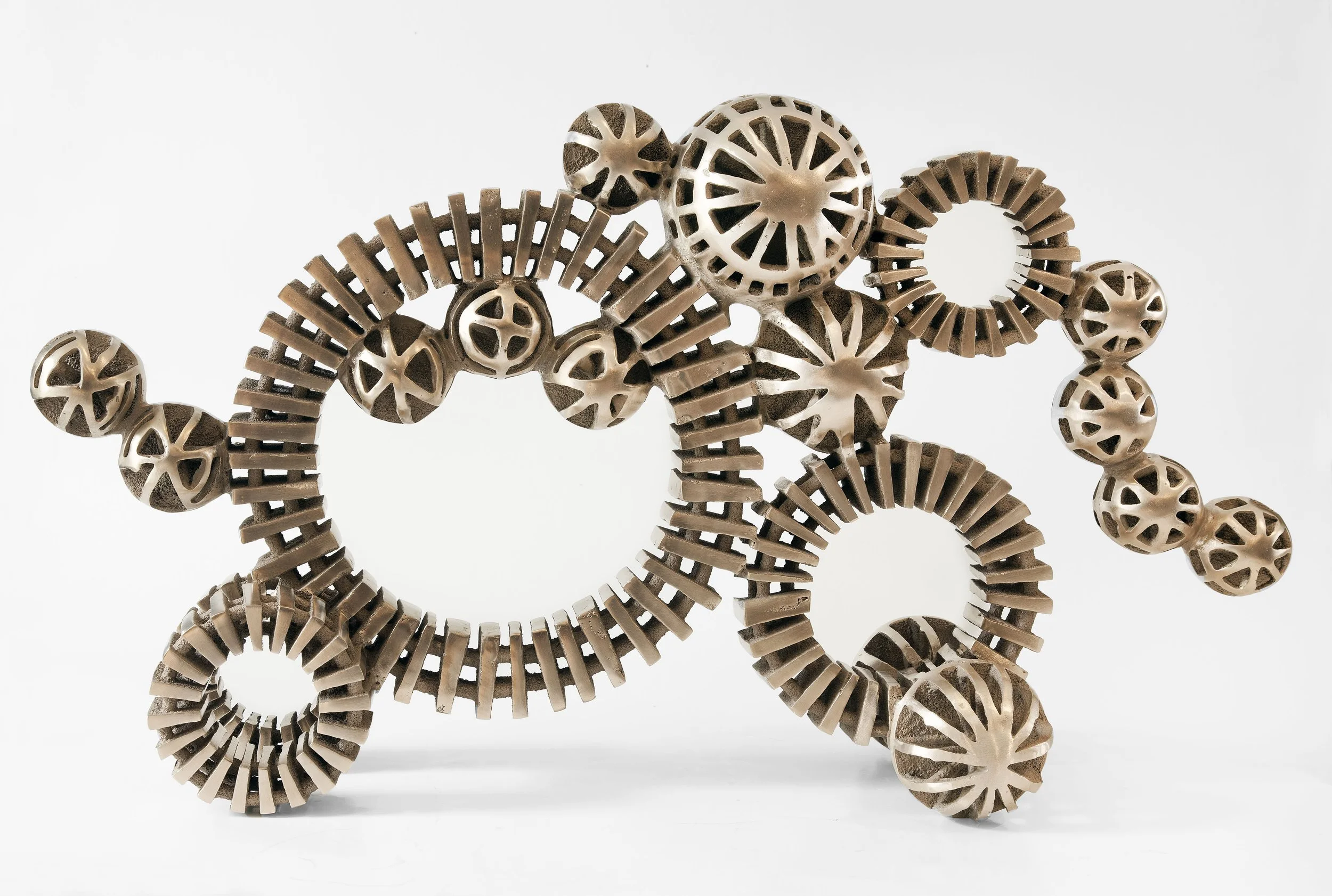
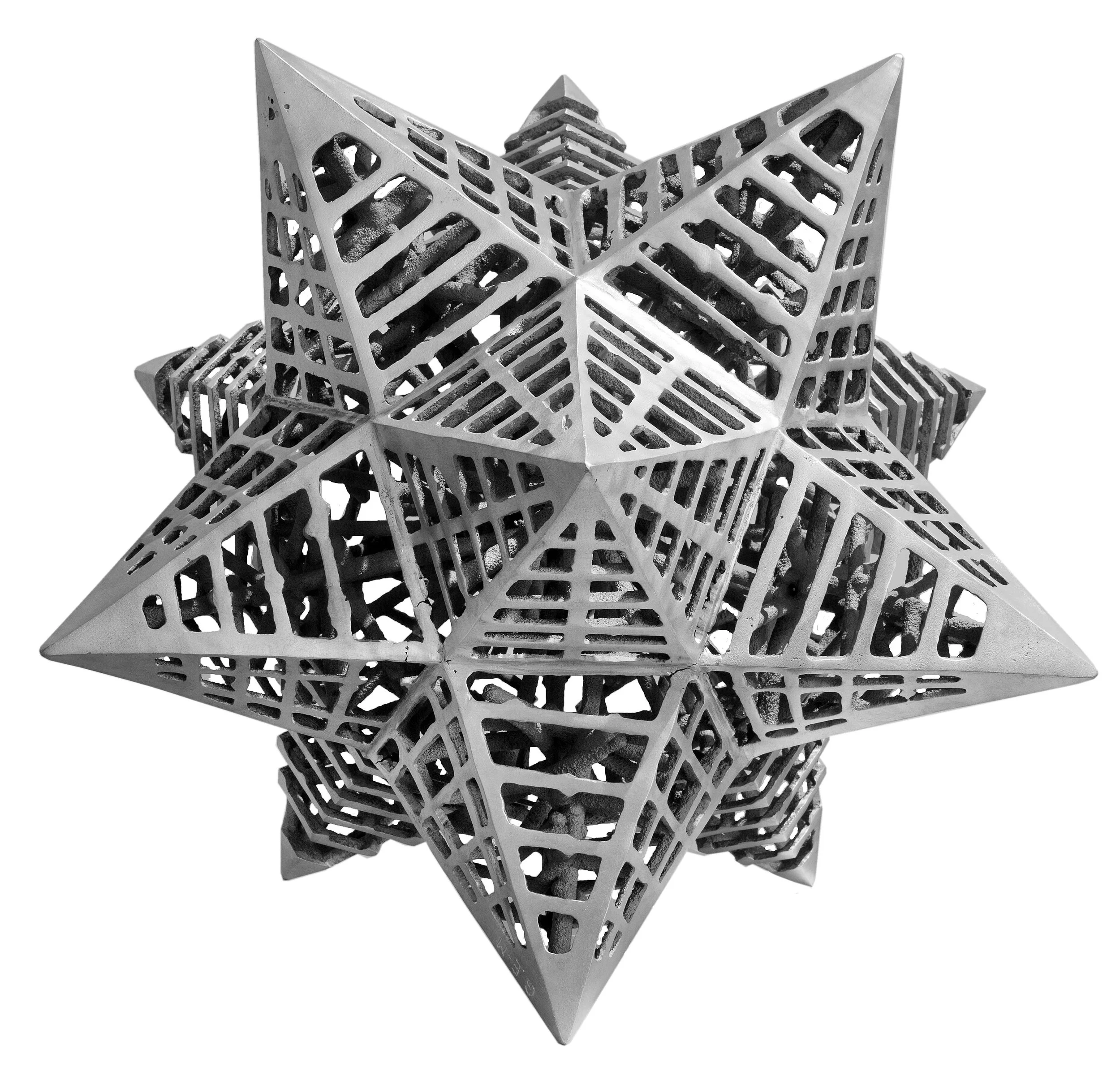
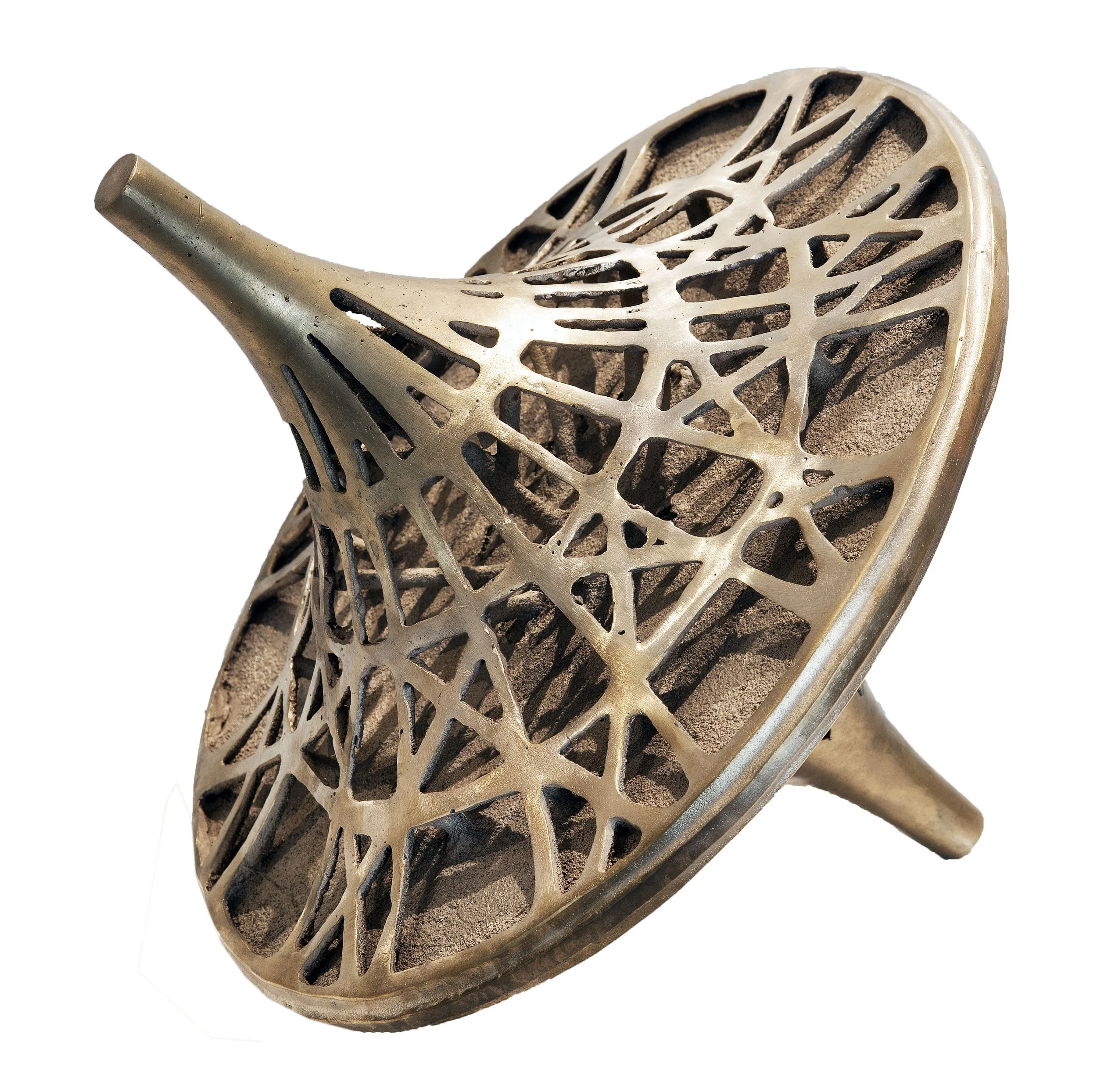
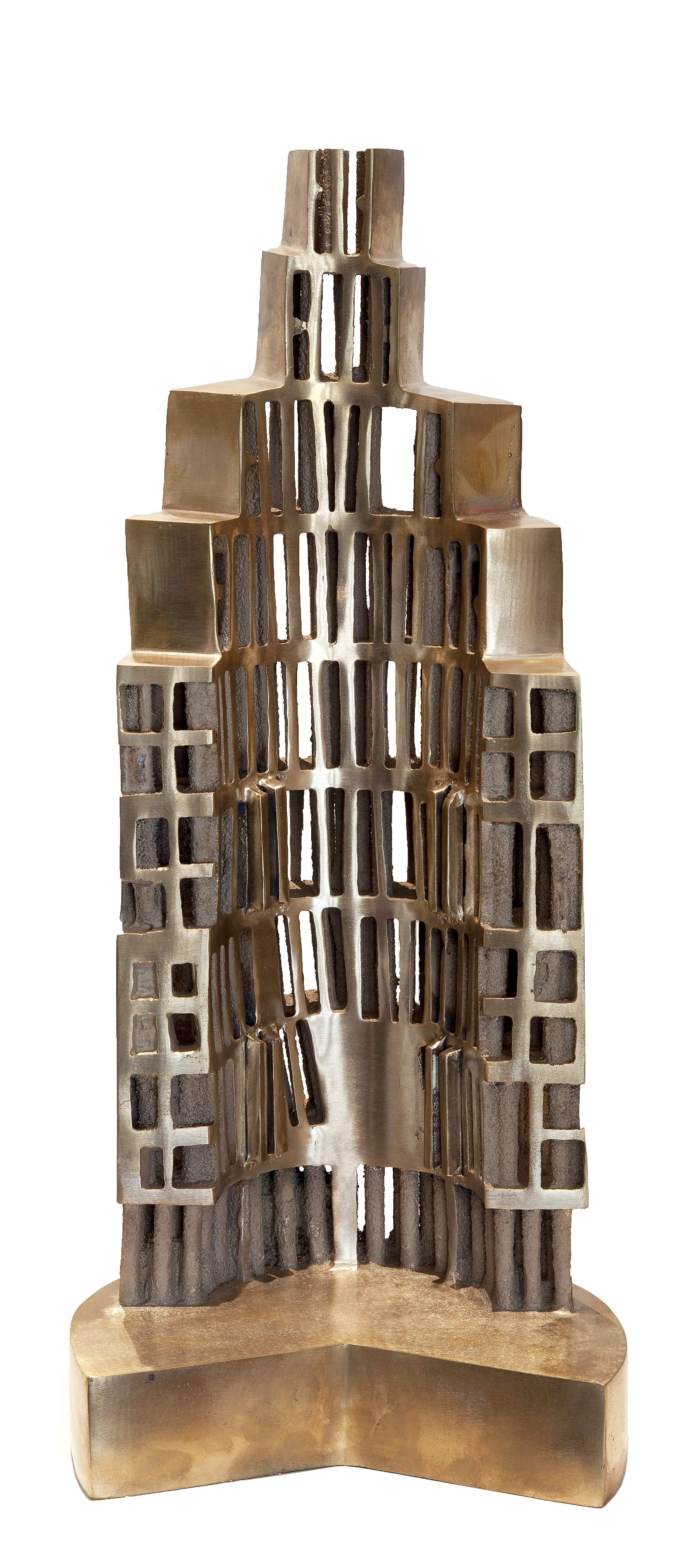
Gisela Engeln-Muellges is a mathematician, sculptor, and painter. She began actively working as an artist in 2005. For 20 years, she was the assistant and partner of the sculptor and painter Prof. Benno Werth (1929–2015), who invented the negative molding and casting process for metals. Gisela Engeln-Müllges has expanded its applications and creates sculptures in bronze and aluminum with complex undercuts. Her works are characterized by the correspondence between the energetic effect of painting and the rational expression of sculpture, combining the revolutionary spirit of Art Informel with the rationalism of a mathematician. She has participated in numerous solo and group exhibitions throughout Europe, including major European art fairs, as well as in New York and Tokyo. She received awards at the London Art Biennale in 2019 and 2021, and the prize for Best Sculpture at the world's largest art fair, ArtExpo New York, in 2024. Her works are featured in the Riesa City Museum with the Benno Werth Collection and in the collection of the Glaskasten Sculpture Museum in Marl.
Prof. Dr. Gisela, your career spans highly technical domains of numerical mathematics and abstract sculptural practices rooted in a unique casting process. In a world that often imposes binaries between science and art, how do you conceptually reconcile the algorithmic logic of numerical analysis with the intuitive spontaneity of artistic creation and has this interplay evolved with your deepening engagement in both over the decades?
I don't see the contrast between science and art that you've outlined. On the contrary, I consider my art to be an ideal fusion of both. In their wonderful complementarity of logic and emotion, of rigor and improvisation, art and science represent an ideal symbiosis in the creation of a true Gesamtkunstwerk (total work of art). This, in my view, is what gives my work its distinctive character, individuality, and originality. Spontaneity is, so to speak, the creative sister of logic, which in turn is the indispensable foundation of my work.
Having been entrusted by Benno Werth to safeguard and advance his subtractive casting process, your work not only perpetuates a legacy but also transmutes it. To what extent do you see your sculptural practice as an act of scientific inquiry probing spatial complexity, material behavior, and perceptual uncertainty and in what ways does your reinterpretation of his technique introduce epistemological disruptions to traditional understandings of form and structure in sculpture?
The traditional understanding of form and sculpture always requires interpretation, which depends on the respective perspective of the artist, but also on the individual perception of the viewer. Benno Werth was not only a wonderful life partner for me, but also a teacher who motivated and continually encouraged me, even posthumously, in his presence, to pursue the path of the connection described above between the fascinating diversity of geometry and the equally fascinating diversity of art. The fact that I have further developed his method in my own way, and had to further develop it for my sculptures, is both a challenge and a gift, because—supported, so to speak, by Benno's experiences and insights—I have been able to add my own distinctive touches. In everything I develop and create in my studio, Benno is, of course, always with me; this still brings me joy more than ten years after his death.
The concept of "deep structure," whether in mathematical theory, artistic composition, or philosophical ontology seems to pervade your work. How do your background in algorithmic thinking and your experience with structural modeling inform your visual language, particularly in your exploration of multidimensionality, recursion, and the viewer's perspectival experience in your stelae and skyline works?
Of course, algorithmic thinking influences the structure and composition of a work. But it's also a matter of intuition and sometimes of experimentation, of trying things out, of taking risks, of discovering and structuring new things, and thus of presenting something surprising time and again. My experiences, encounters, and conversations from numerous travels and international exhibitions all contribute to this process. They are a true treasure trove of inspiration for me, and I am very happy and grateful for them. They are an enormous enrichment of my life.
Your paintings exhibit an almost archaeological layering of pigment, where removal becomes as significant as application. Given your background in numerical deconstruction and iterative refinement, is there a philosophical or procedural parallel between computational methods (e.g., gradient descent, finite element analysis) and your painterly approach to erosion, exposure, and visual depth?
Mathematical methods are, of course, necessary to solve optimization problems. Here, the logic of mathematics is undoubtedly of great value, and this applies, incidentally, to almost every everyday situation when solving difficult problems. However, I don't see any real connection to deconstruction here, since that term aims to unlayer what has been layered together. For me, this process has more of a craft-like dimension, which, however, leads precisely to the "togetherness" I intend – to a work of art in symbiosis, as described above.
As someone who held influential roles in science policy and institutional strategy, how do you critically reflect on the state of cross-disciplinary education today, especially in terms of how institutions nurture or inhibit polymathic identities like yours that defy compartmentalization? What systemic reforms do you believe are necessary to foster transdisciplinary fluency at both academic and societal levels?
Interdisciplinary and transdisciplinary education continues to lead a truly lamentable existence. We see far too few connections between technology and philosophy, between culture and society, between theory and practice. Engineering and the natural sciences still isolate themselves too much from the humanities, and vice versa. Here, politics, universities, and social institutions—such as chambers of commerce and industry and chambers of skilled crafts—but above all, the media and academies, are urgently needed. It is truly time to replace populist waves of outrage from both the right and the left with solution-oriented expertise. Science could make an outstanding contribution to this, but it does not do so sufficiently. This is due to a lack of transparency and communication.
In your decades of public service from the German Science Council to chairing university boards you’ve helped shape research and innovation policy. How do you assess the evolving role of aesthetic thinking and artistic research in these policy domains, particularly regarding the often-overlooked capacity of art to generate new forms of knowledge, challenge dominant paradigms, and catalyze socio-technical transformation?
Excuse me, but the question is too general. There are scientists, researchers, and entrepreneurs who are constantly generating new forms of knowledge, for example in 5G research and its practical application, in medicine, mobility, climate, the analysis of psychology, history, leadership, creative knowledge transfer, and so on and so forth. There are certainly significant differences in quality, depending on individual skills, political guidelines, structural frameworks, countries and forms of government, and, not least, financial support.
Much like splines and adaptive algorithms seek to optimize and interpolate data across discontinuities, your sculptural works operate through contrasts opacity vs. transparency, mass vs. void, rigidity vs. rhythm. Is there an aesthetic logic at play in your work that consciously echoes mathematical elegance, and how do you navigate the tension between analytical precision and sensual unpredictability in your material choices and visual outcomes?
Here too, the contrasts you've outlined seem too rigid to me. Take your example of opacity: I don't perceive my artworks as being characterized by a lack of transparency. I see the overall impression, the result that affects the viewer. I would rather encourage people to embark on a kind of artistic journey when viewing my paintings and sculptures, to discover and interpret them individually, or—quite simply—to find them beautiful and stimulating, or less interesting, depending on their own perspective; that's entirely up to each individual. It's true that my works are meant to evoke mathematical elegance; that's their main message!
You’ve been recognized internationally from ArtExpo New York to the London Art Biennale for sculptures that resist easy interpretation. How do you understand the role of ambiguity in your art, particularly in light of your scientific training, which privileges clarity, reproducibility, and proof? Is ambiguity for you a failure of resolution, or a generative space of resistance and emergence?
Ambiguity is also a kind of invitation. What means something special to you may be completely meaningless to me. My art doesn't prescribe anything one-dimensional; it's an invitation to engage with it. My art aims to inspire as art, as aesthetics, as logic cast in form, as improvisation applied in color; it has no didactic tone.
Your long collaboration with Benno Werth not only resulted in technical transmission but also in the evolution of a shared visual and conceptual ethos. Looking back, how did the emotional, intellectual, and artistic dimensions of your partnership shape your development as an artist? And now, working solo, how do you negotiate continuity with transformation, honoring a legacy while resisting its entrapment?
Benno's "legacy," as they call it, I perceive more as the legacy of a great artist and a remarkable human being. This has profoundly shaped me over 21 years, and it is certainly one of the most beautiful experiences of my life so far. Continuity, as I said, is the foundation; transformation is its life-sustaining, constant renewal. Therefore: not "captivity," but perpetual inspiration, the spirit and essence of my life.
In your view, what does it mean to “innovate” in the 21st century when boundaries between disciplines are increasingly fluid but institutional structures remain rigid? Drawing from your experience across mathematics, pedagogy, technology transfer, and art, how can creators and thinkers learn to inhabit these liminal spaces without diluting their rigor, and how should society reimagine excellence to better recognize polymathic contributions like yours?
If I had a solution to the dilemma, you so precisely and accurately describe, I would indeed look to the future with less anxiety. A redefinition of societal excellence is of enormous importance for the survival of intelligent and, above all, democratic societies. I miss the incisive voice of science, but also of literature and intellectuals. One often feels, far too often, alone. Changing this should be everyone's responsibility, and everyone can make their own contribution. Let's finally get started – especially with regard to young people and future generations, who deserve more than just a mindless "business as usual"!