
Jennifer Bain
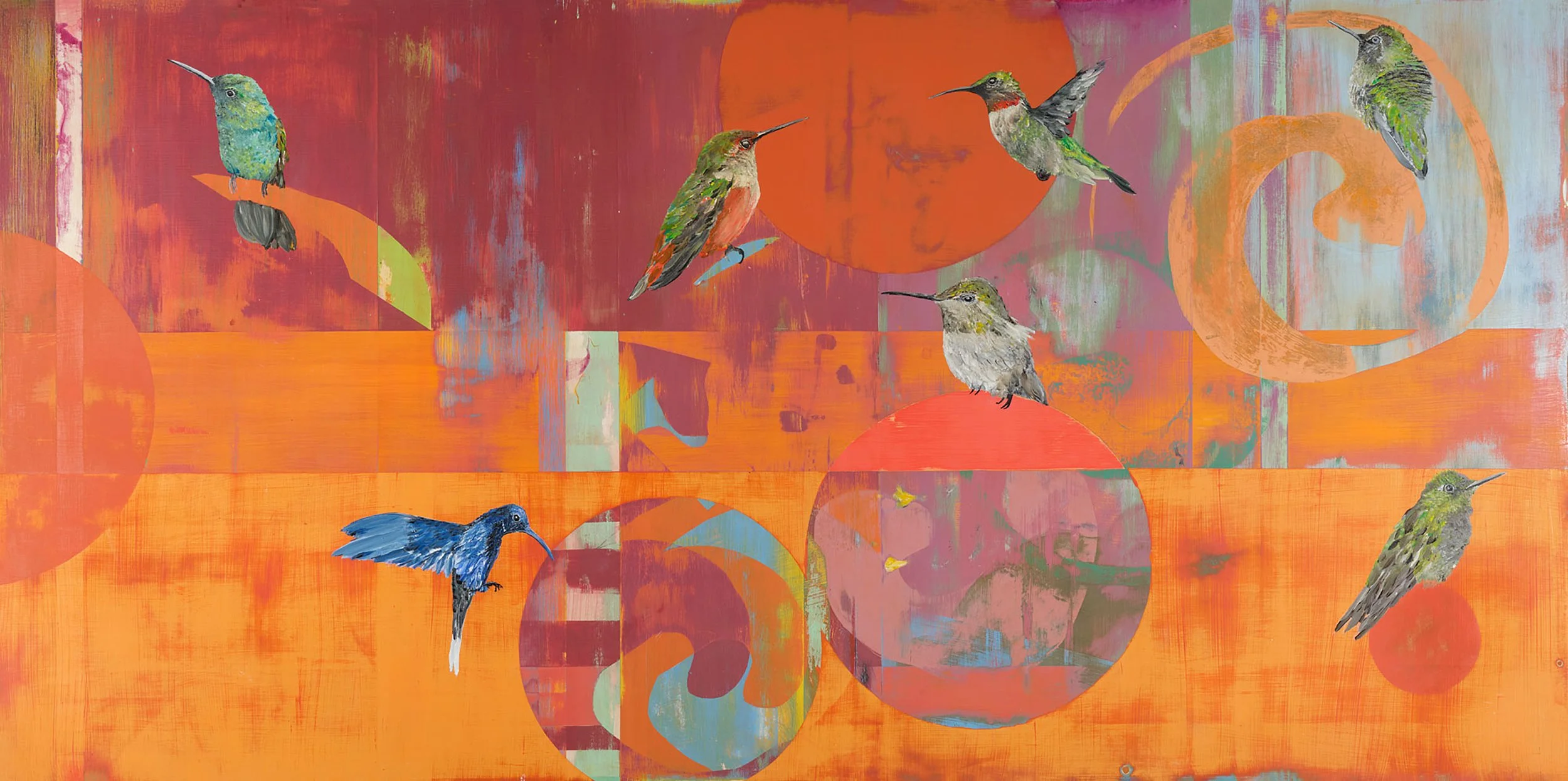
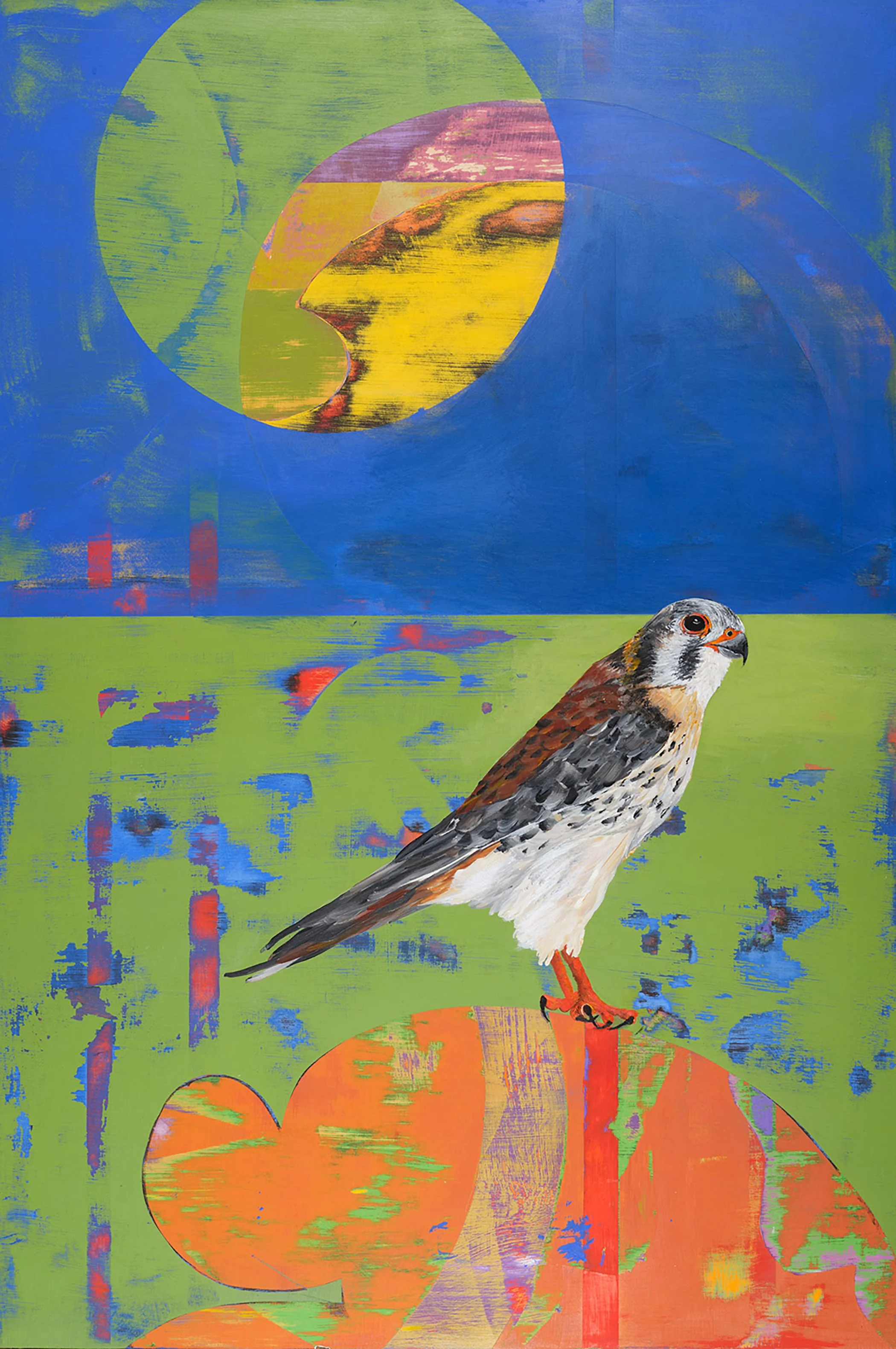
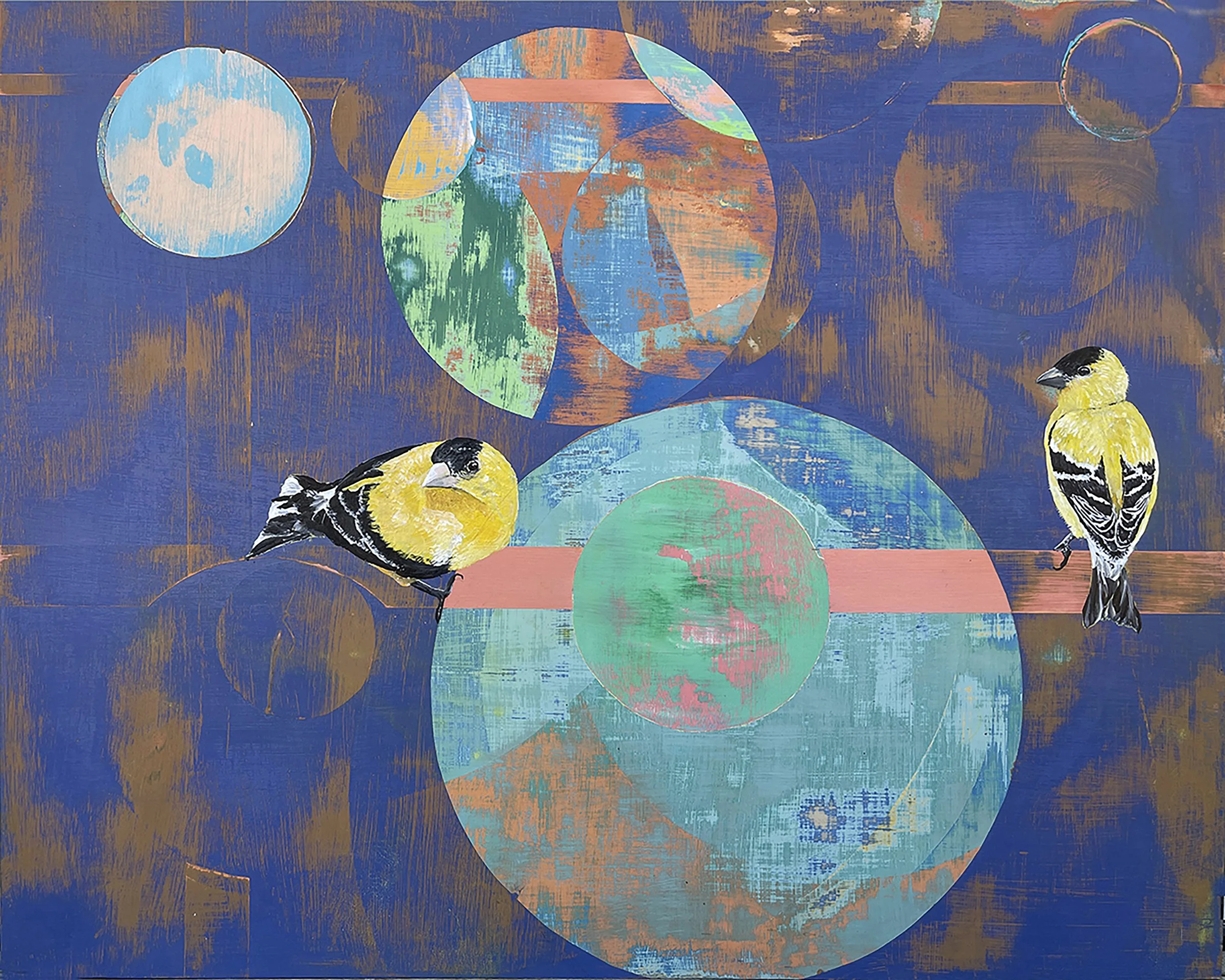
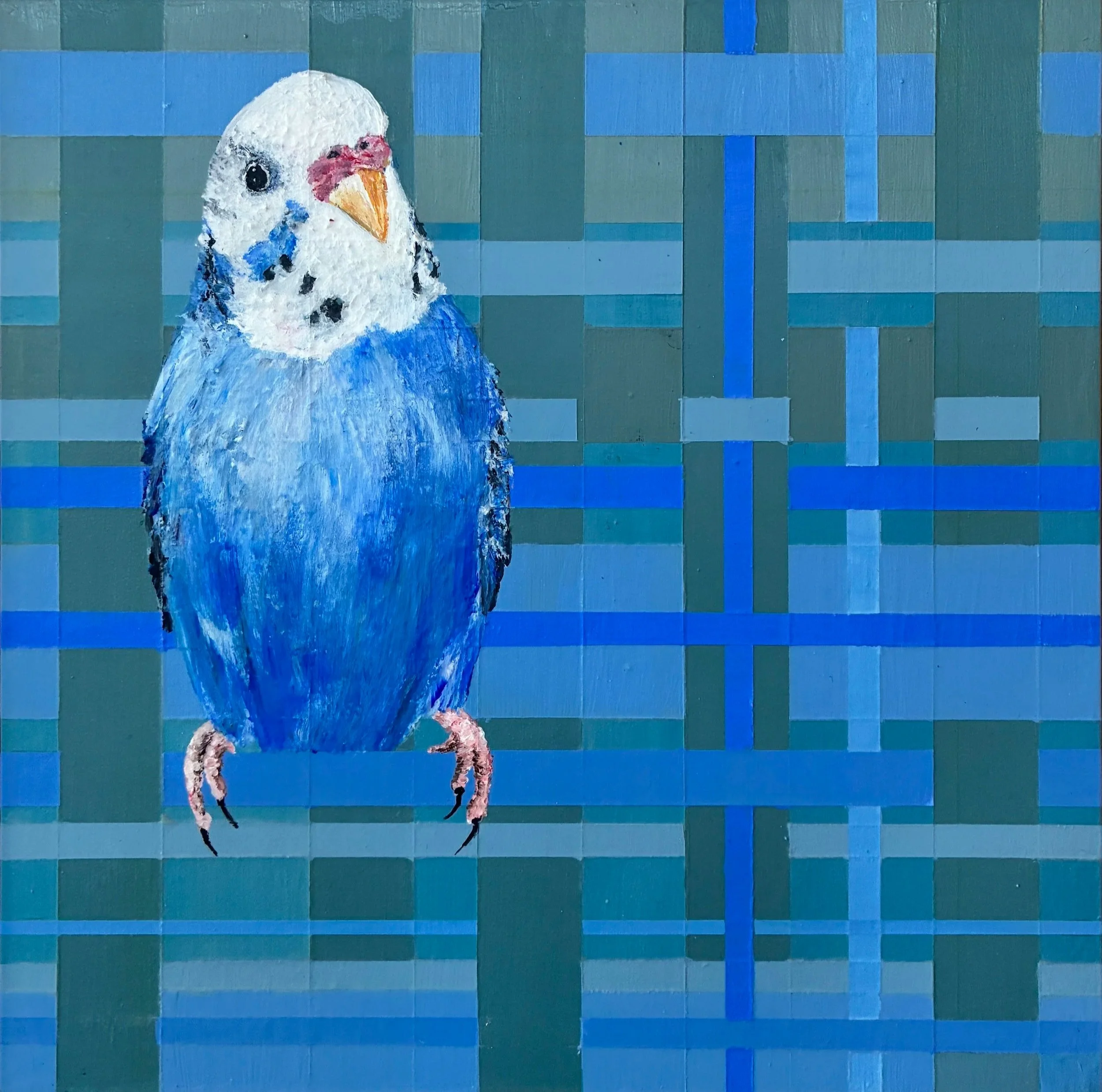
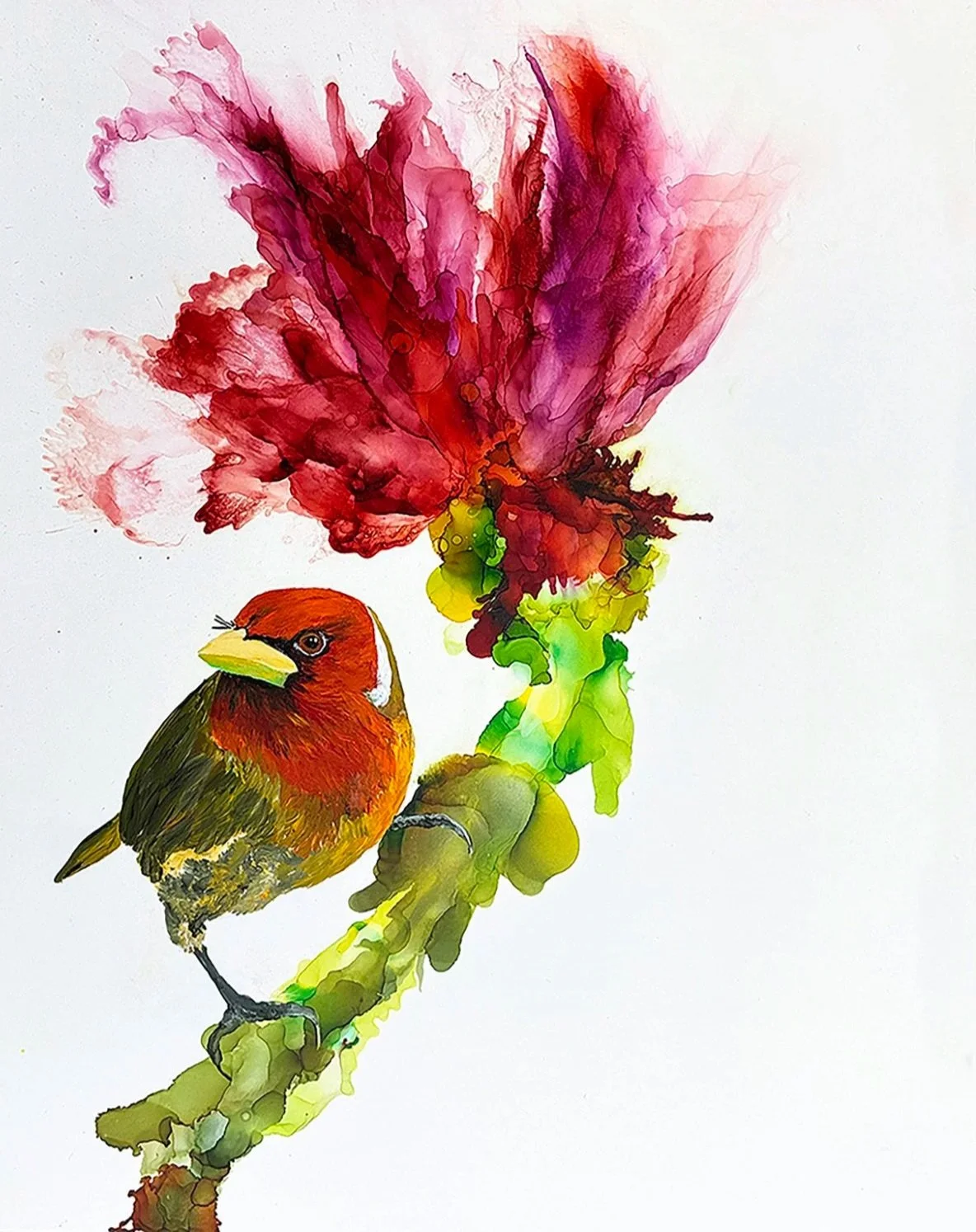
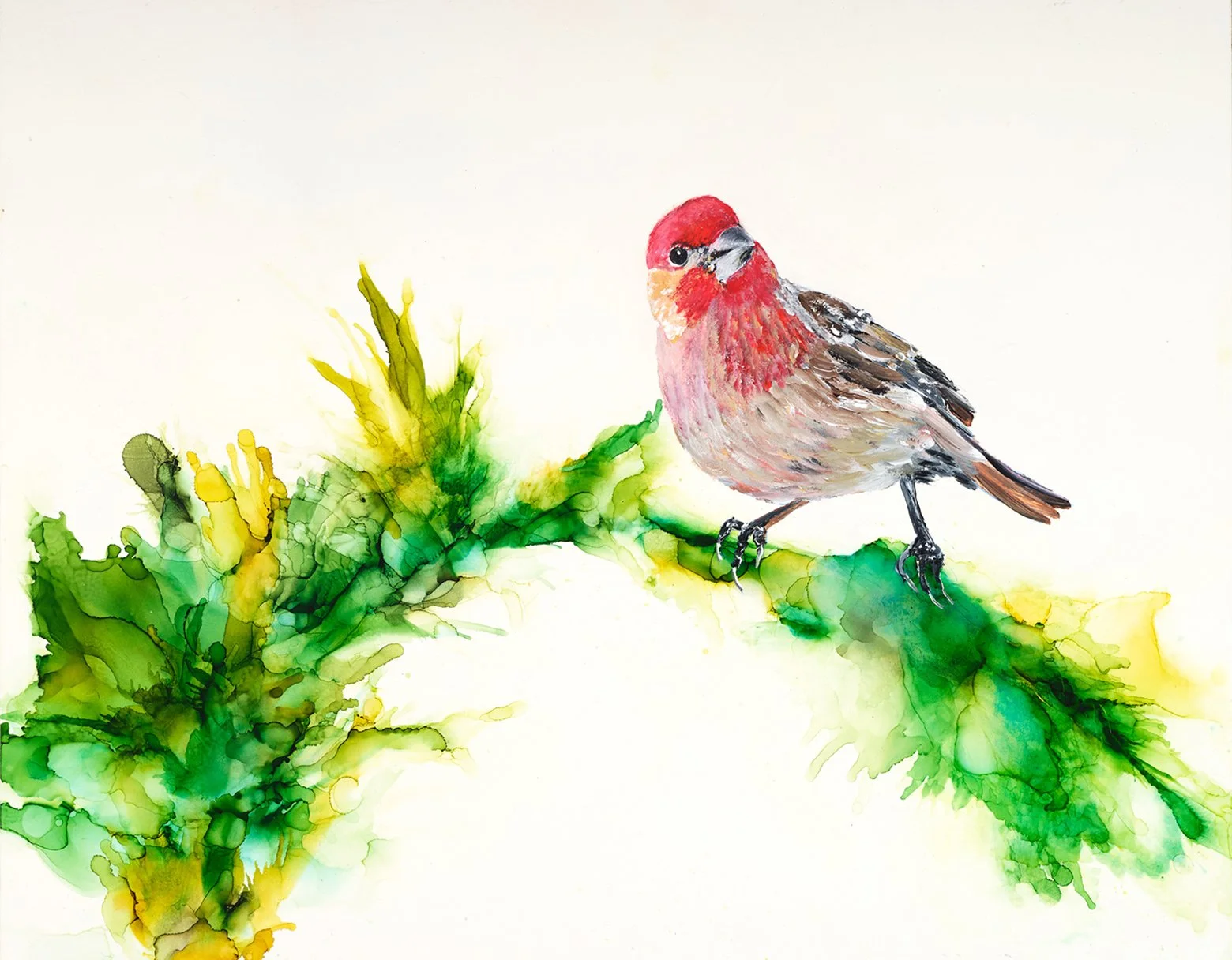
Jennifer Bain is a painter whose work is profoundly influenced by spirituality, nature, and their interplay with contemporary art. Her journey into the concept of art as a spiritual pursuit began at The Rudolph Steiner School in New York City, a renowned institution celebrated for its arts-focused curriculum and mystical philosophies.
Initially, Bain sought a blend of creativity and practicality, earning an A.A. degree in Fashion Design and achieving success in that sector. Nevertheless, her yearning for deeper artistic exploration prompted her to return to academia, culminating in a B.F.A. from The California College of the Arts in 1982, followed by an M.F.A. in painting from the San Francisco Art Institute in 1985.
For a decade, Bain resided in a former paint factory, fostering connections with a vibrant community of artists, musicians, dancers, playwrights, and street performers. This environment encouraged her active participation in numerous group exhibitions in nonprofit spaces.
Since becoming a full-time artist in 1994, Bain has dedicated her practice to creating art in series, delving into diverse painting styles that encompass both abstract and narrative forms.
Her artwork has been exhibited in prestigious contemporary galleries across the U.S., Asia, and the Middle East. Her pieces are part of private and corporate collections, as well as being featured in healing environments such as The Mayo Clinic, Kaiser Permanente, Sutter Health, UCLA, San Francisco General, and Stanford University Hospitals. Additionally, Bain represented the U.S. in the Art in Embassies program in 2005 and 2009.
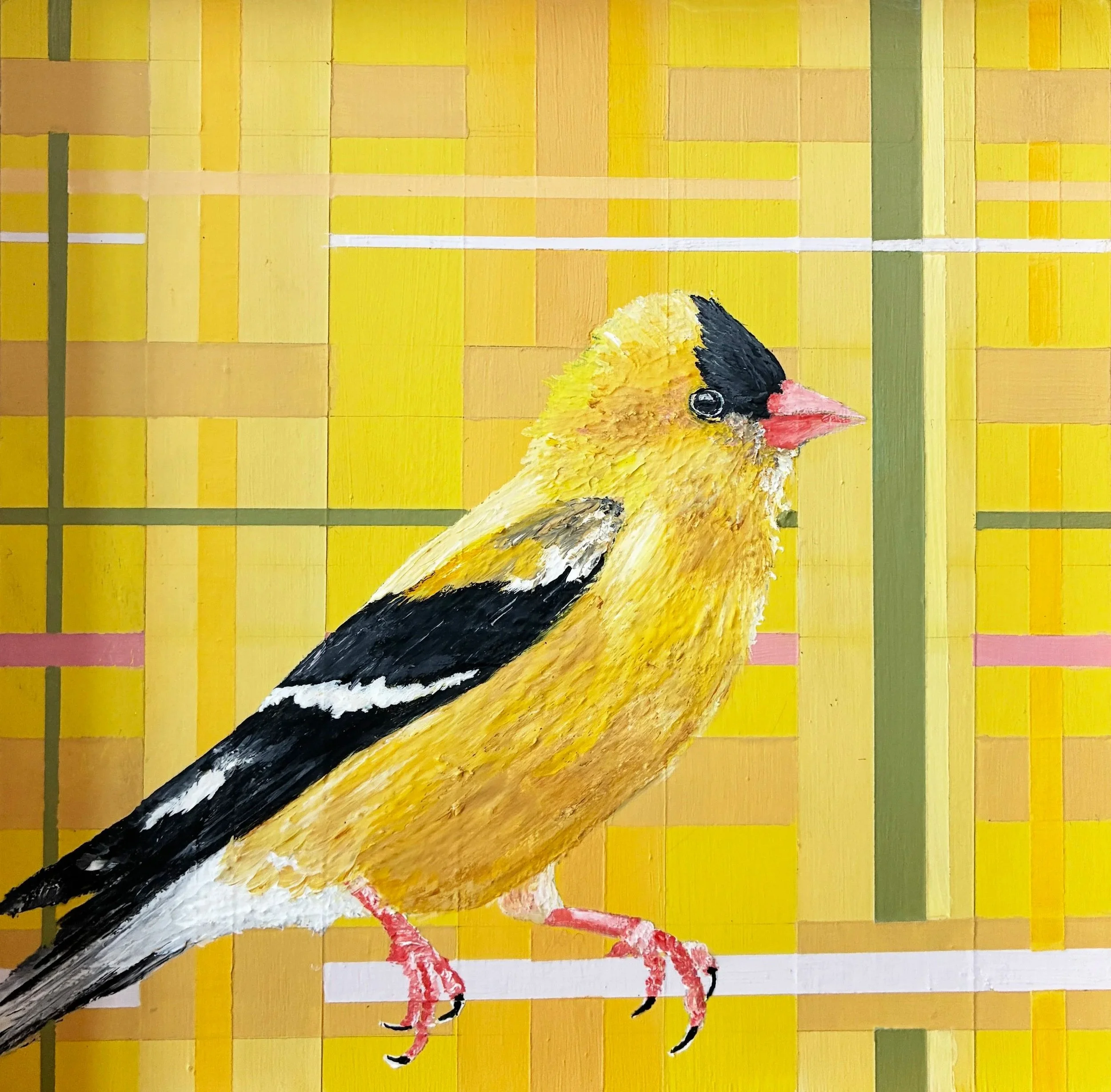
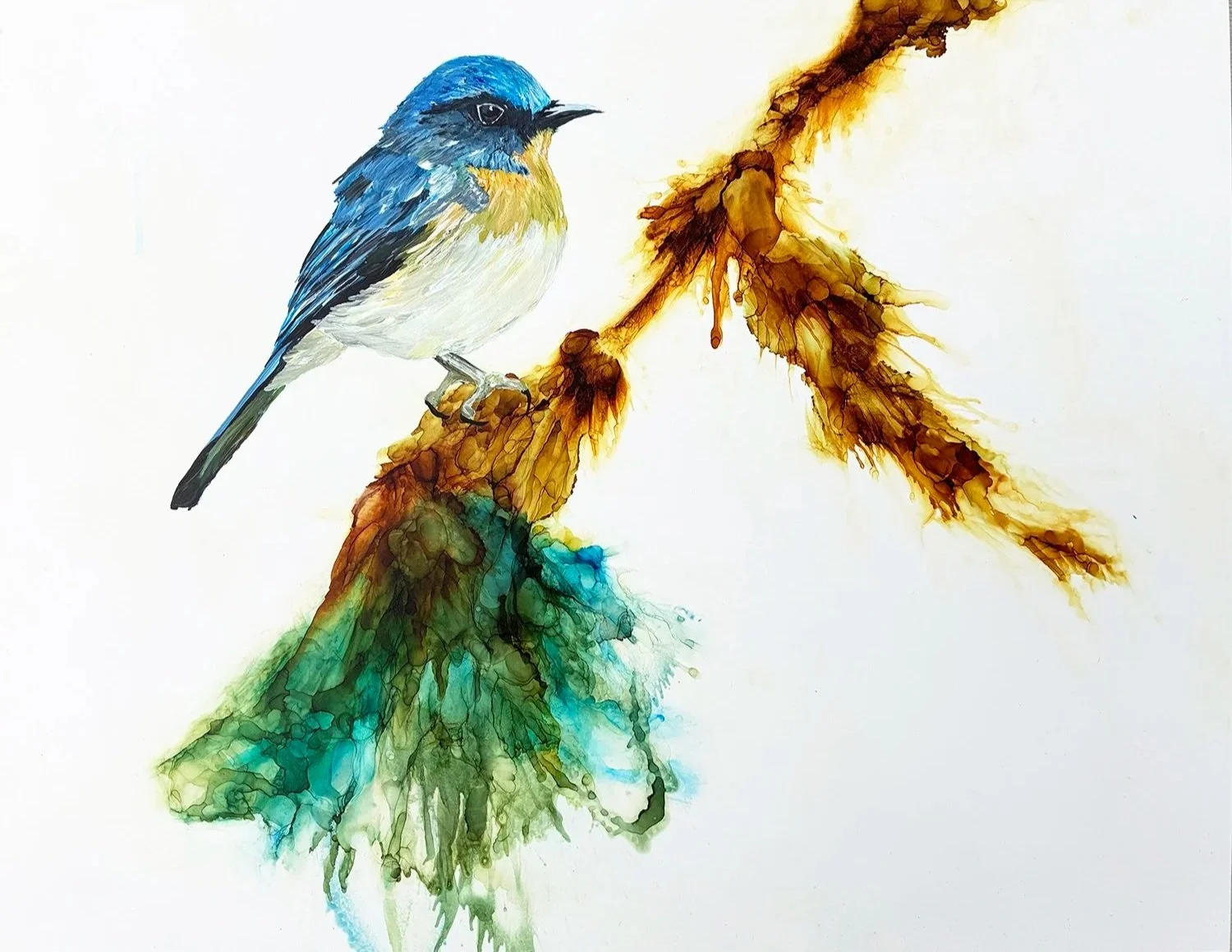
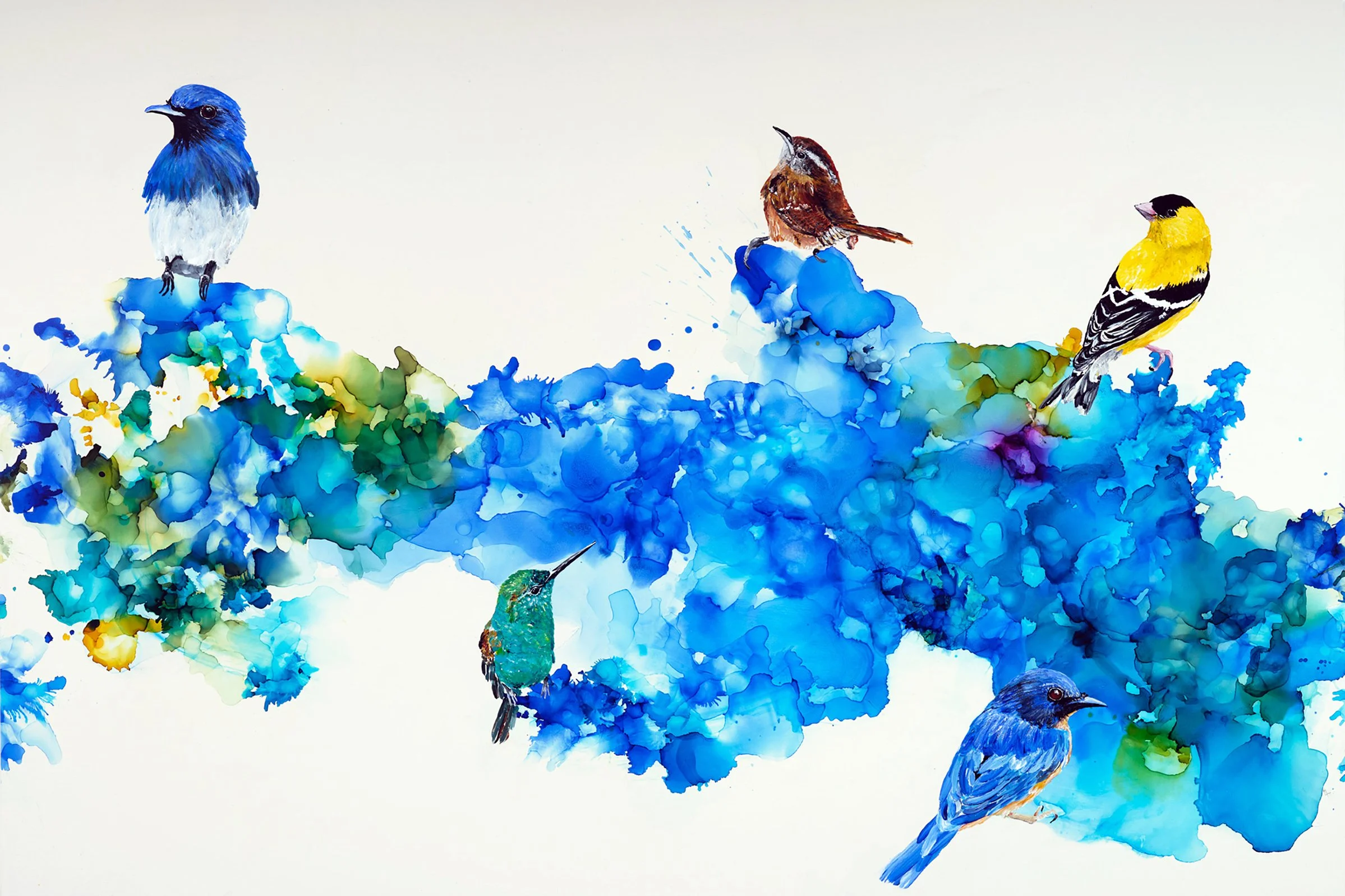
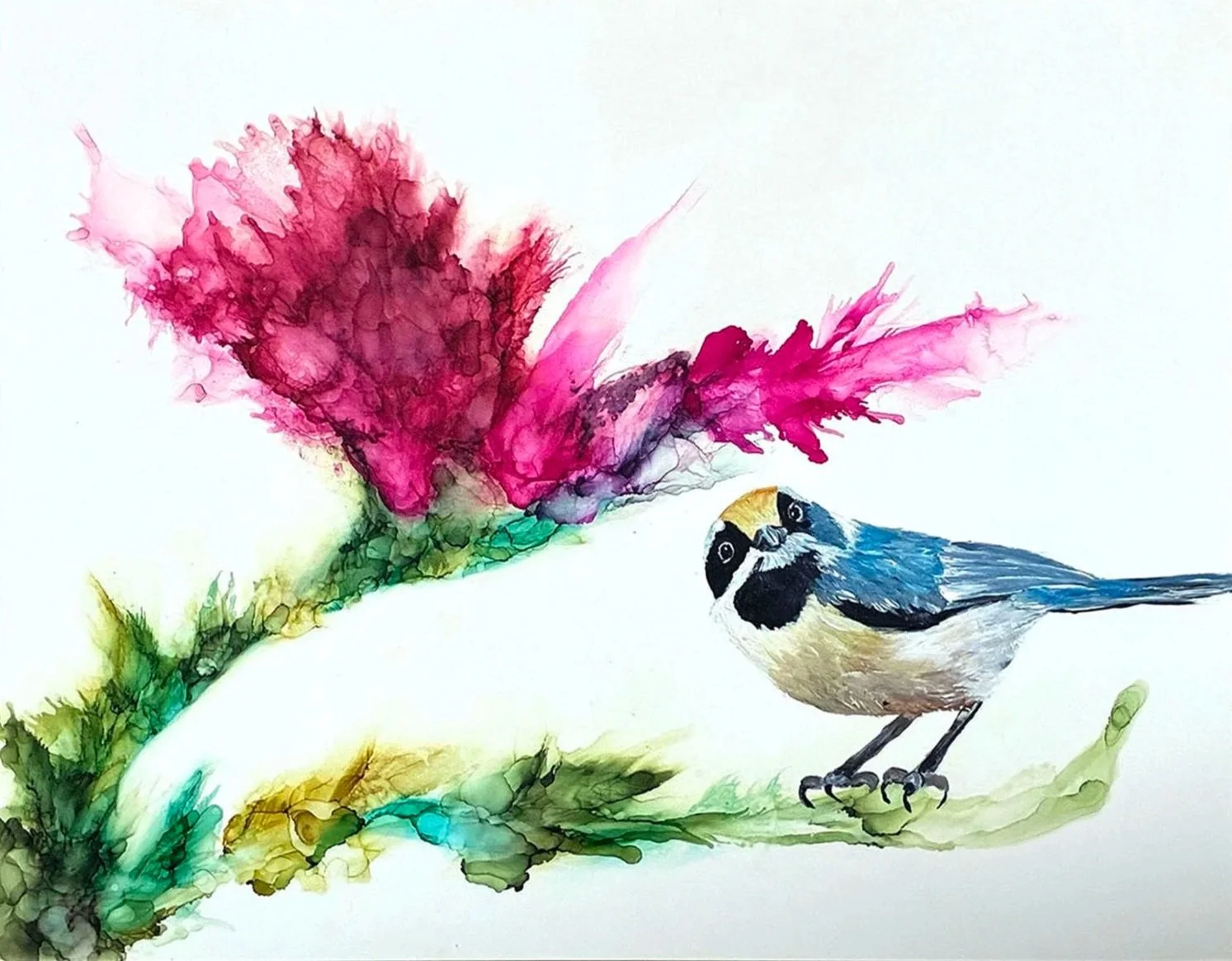
Jennifer, your paintings seamlessly intertwine abstraction and figuration, particularly through the recurring motif of birds, which carry profound historical and spiritual symbolism. How do you see your avian imagery operating within this dialogue between freedom and structure, and in what ways does it reflect your personal negotiation between spontaneity and discipline in the studio?
I am captivated by the concept of creating tension through the contrast of incongruous images in my artwork. In every creative endeavor, there's a choice to be made: Should I adhere to traditional approaches and deliver something familiar, or should I venture into the unconventional and embrace the unknown? For me, it’s the unconventional that intrigues and challenges me, adding depth and complexity to my artistic journey.
I often reflect on my fascination with duality and the challenge of navigating it successfully. This intrigue finds expression in my art, where I depict birds in unexpected settings, symbolizing nature's resilience and allowing for a deeper exploration of visual curiosity. My bond with birds runs deep; I maintain numerous feeders and water sources in my garden, dedicating countless hours to their observation. They have woven themselves into the fabric of my psyche.
When I paint birds, I feel as though I am entering their realm. I aim to instill a sense of imbalance and uncertainty, only to find a way to restore balance by the end of the piece, culminating in a satisfying conclusion. A vital part of my process involves teetering on the edge of losing the artwork, only to pull it back from the brink. This notion of risk-taking stems from my desire to innovate and delve into unexpected ideas. I recall a graduate school instructor, Robert Hudson, who underscored the significance of risk in art. He often stated that true creativity requires a willingness to potentially ruin a piece. Embracing this challenge keeps my artistic practice vibrant and spontaneous, while the foundational rules of painting provide the framework within which I can explore and push boundaries.
The layered chromatic surfaces in your work evoke both geological time and urban palimpsests, walls weathered by history, posters, or graffiti. Could you expand on how your layering process functions not only as a painterly strategy but also as a metaphor for memory, transformation, and the simultaneous accumulation and erasure inherent in lived experience?
I've spent most of my life in vibrant urban centers at the forefront of culture and contemporary art, but all that changed when I moved to New Mexico. The landscape of New Mexico influences my painterly space and forms. This is an ancient place that shows marks of the past, demonstrated by weathered surfaces everywhere. The land itself is full of mysterious formations, a vast place that holds small traces of human interaction.
The paintings aim to reveal the layers I perceive in the earth, rocks, and landscapes around me. The distant mountain ranges read as flat shapes with hard and soft edges. They present unfathomable illusions of depth and lack of depth: a constant shifting of space due to the altitude and changing light. Shifting light sources from clouds and thin air create implausible colors and odd, almost indiscernible focal points.
In my geometric series, I build layers in paint mimicking the way the earth builds up layers of sediments. They are then sanded away to reveal the marks laid down previously, underneath. Buried forms and deep scruffy lines compete for dominance on the surface, while multiple layers of underpainting and sgraffito create the platform for my translation of experience. The act of erasing creates a window into the layers below, the way wind and water erode land, revealing layers of history.
My ink wash series is informed by the material itself but also by my observations of the high altitude skies of New Mexico, which behave much like the aqueous inks.
The layers, marks, forms, and textures suggest time. Like the forms hidden in layers, the emotional content of the work can be fleetingly glimpsed: like obscured experiences, illuminating the process of being in the present while gazing back into the past.
Having studied at the Rudolph Steiner School, with its Anthroposophical emphasis on spirituality and artistic practice, how has that early exposure to art as a spiritual pursuit continued to shape your studio philosophy today? Do you see your canvases as sites of contemplation, healing, or transcendence, and how do you consciously build that dimension into your work?
During my childhood education, I was introduced to nontraditional concepts of perceiving the world, emphasizing the existence of elements beyond ourselves. These abstract ideas laid the foundation for nurturing curiosity, expansive thinking, and an openness to observation and inquiry.
My inner life infuses all my creations—not literally, but in the essence of their content. I view art as a therapeutic and uplifting way to navigate the challenges of the mind and spirit. It serves as a tool for personal healing, and I hope it inspires others as well.
Throughout your career, you have worked in series, often spanning five to ten years, each exploring distinct conceptual and visual territories. Could you discuss how this cyclical rhythm of inquiry has structured your artistic evolution, and what it affords you in terms of depth, discipline, and renewal?
The evolution of my work has been largely organic, with each idea naturally leading to the next, and the technical and procedural aspects following suit. Series provide a framework to explore interconnected ideas and methods. I don't start with a fixed plan; instead, I begin with an idea and discover ways to bring it to life as I progress. This approach allows for failure, which is essential to the creative process, as development cannot occur without it. Embracing this method cultivates intensity and discipline, enabling new forms of renewal to emerge. The process of experimentation itself is the true teacher, rather than the final outcome. Often, past ideas or techniques reappear, like recurring motifs such as grids. It's akin to a personal library I've amassed, filled with a wealth of diverse source materials ready for use.
Your paintings inhabit a space between the intensely personal, marked by profound life events such as your illness in early adulthood and the loss of your husband, and the universal, engaging symbols like birds, water, and abstract rhythms. How do you navigate the translation of intimate personal transformation into imagery that resonates collectively and transculturally?
A life-threatening encounter with Legionnaires' disease resulted in a 21-day stay in the hospital's intensive care unit. During this time, I drifted in and out of consciousness, experiencing an altered reality where time felt suspended, and I observed myself from above, unaware of the present. This pivotal experience transformed my understanding of existence and consciousness. The idea of bird flight symbolizes breaking free from what binds us to negative patterns; escaping these patterns is akin to soaring through the skies. The birds in my work represent the metaphor of rising above my entrenched ideas of self, the world, and the "other," transcending fixed perceptions of consciousness. In dealing with my late husband's illness and eventual death, this notion provided me with additional compassion for the ebb and flow of unknown circumstances. Desiring a known outcome is impossible in life and in the studio.
The presence of your work in healing institutions such as the Mayo Clinic and Stanford University Hospitals introduces your paintings into contexts where art becomes not just aesthetic but therapeutic. How do you think about the role of your work within these spaces, and does the knowledge of such settings influence your creative process?
I am truly honored that my artwork is displayed in spaces dedicated to healing. Just last month, I received an email from a former colleague in California who had undergone major heart surgery. She shared her joy in seeing my work in the hospital during her recovery. My pieces are also showcased in a breast cancer facility, and I've received several letters from patients who have connected with my art and expressed their gratitude. Personally, I've found comfort in knowing that my work can provide solace to others.
Having transitioned from oil to acrylics due to necessity, and later revisiting sculpture and printmaking, your career illustrates a remarkable adaptability of medium. How do these shifts in material not only alter your technical approach but also recalibrate your conceptual framework and sense of artistic possibility?
The materials used in art-making are so integral to the process that they can become the content of the work. Having curiosity without intimidation comes naturally to me. I believe it ties back to the idea of releasing expectations to freely experiment without fear. In this way, techniques and materials become assets rather than hindrances. Both the technical and conceptual aspects must be embraced, creating an exciting working environment.
Birds, in art history, often appear as divine messengers, symbols of transcendence, or embodiments of human longing. In your paintings, however, they exist within and against abstracted grounds that resist literal narrative. Could you elaborate on how you balance their symbolic.
Reflecting on my decades of work, it seems I strive to convey the interplay between the man-made world and the natural world. At times, this message is subtly woven in, as I steer clear of being didactic. My passion for art history, painting, and experimenting with composition, styles, and even genres brings me to the brink of combining these elements to see if I can succeed. Abstraction fulfills the painter in me, while narrative satisfies the storyteller.
Your journey through different cultural and geographic landscapes, New York, Los Angeles, Oakland, and now Santa Fe, parallels shifts in your artistic vision. How have these places, with their unique artistic communities and natural environments, imprinted themselves upon your practice, and do you see your current Santa Fe chapter as a culmination, a reinvention, or both?
I spent most of my life in vibrant urban centers at the forefront of culture and contemporary art, but everything changed when I moved to New Mexico. The cultural landscape here is distinctly different, deeply rooted in rich histories and indigenous traditions. While there is much cultural significance, it feels alien to my life experiences. The visual language is strikingly unique, almost a departure from what I knew before. The region's aesthetics profoundly influence its art, creating a fascinating and educational environment. I believe the land and skies have influenced my work more than the aesthetics here in New Mexico.
You have described art as a lifelong exploration rooted in trust, instinct, and vision. Looking ahead, particularly with your interest in large-scale digital painting projections, how do you envision your practice expanding into new territories? Do you see this as a continuation of your spiritual inquiry into freedom and structure, or as a leap into an entirely new aesthetic and philosophical terrain?
My concern with transitioning to a more technical practice arises from observing how humans interact with projected images versus painted ones. We need to resist the rapid observance that film demands. The more I contemplate this, the more I sense a warning. It's seductive, but is it productive and holistic enough to commit to? The experiences of these two mediums are vastly different, and I'm not convinced painting should be replaced by technology. Digital mediums convey very different emotional content and messages. There's something about paint itself that possesses strong history.