
Kathy Stanley
Website: https://www.sacredartjourneys.com/
Instagram: @kstanleyart
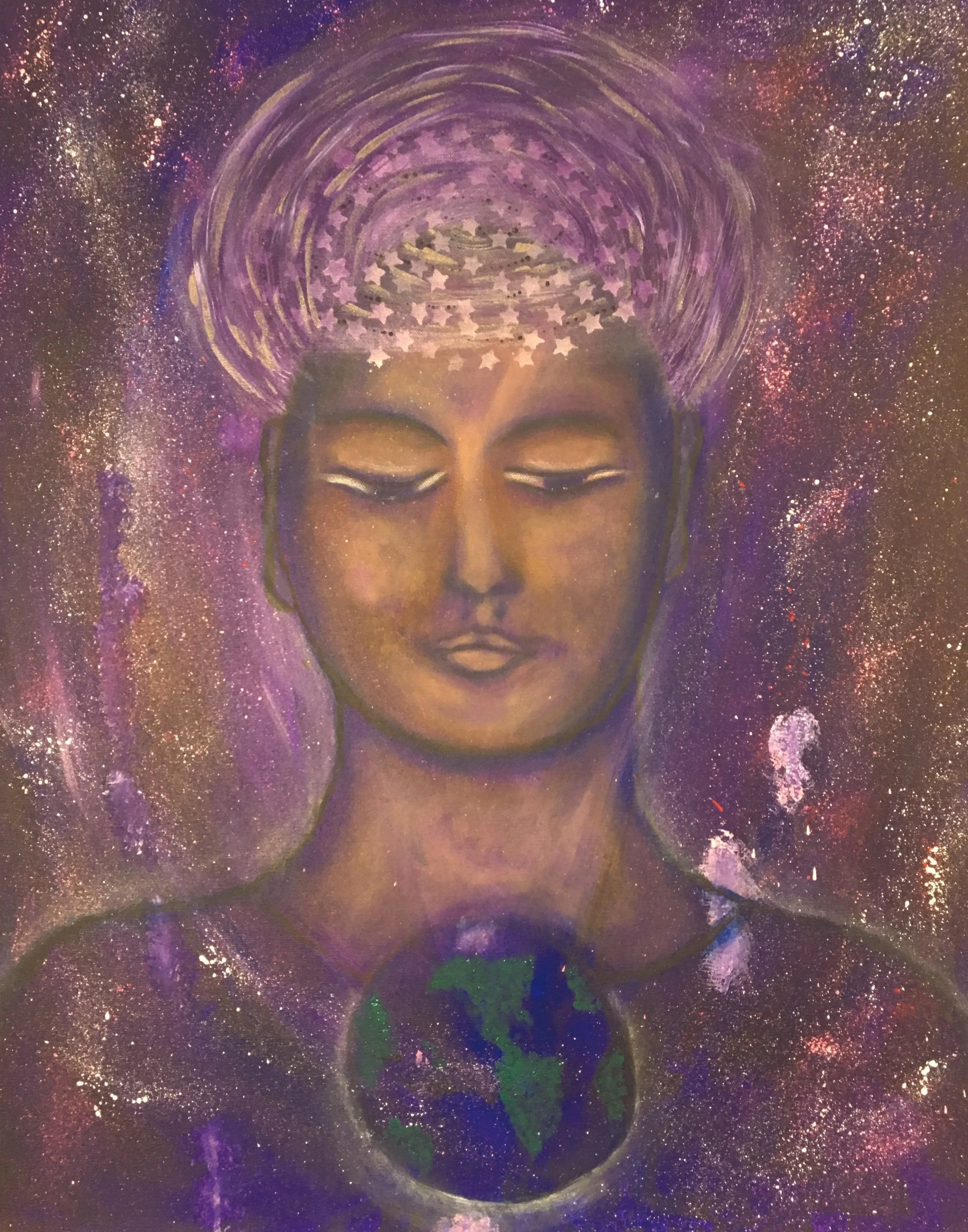
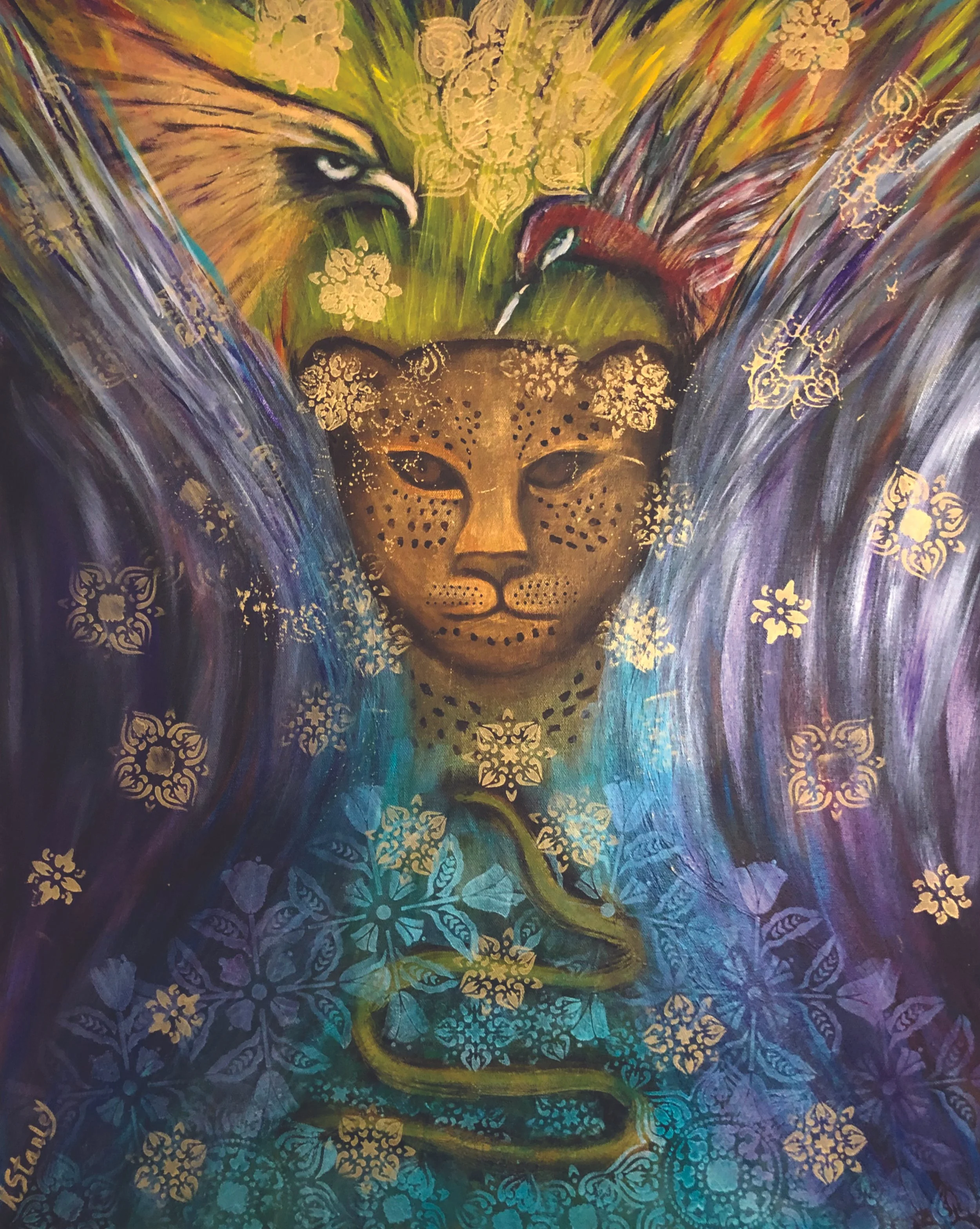

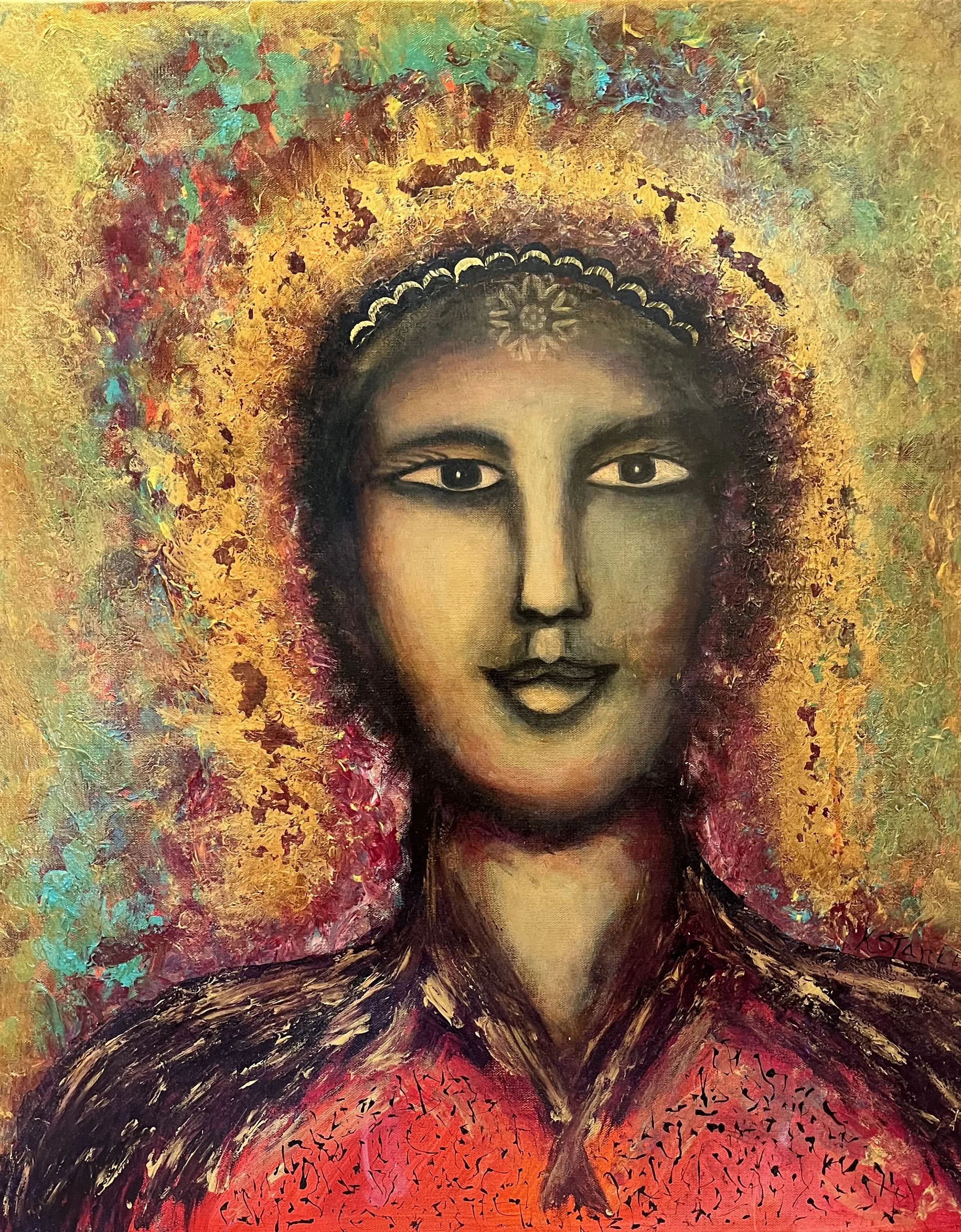
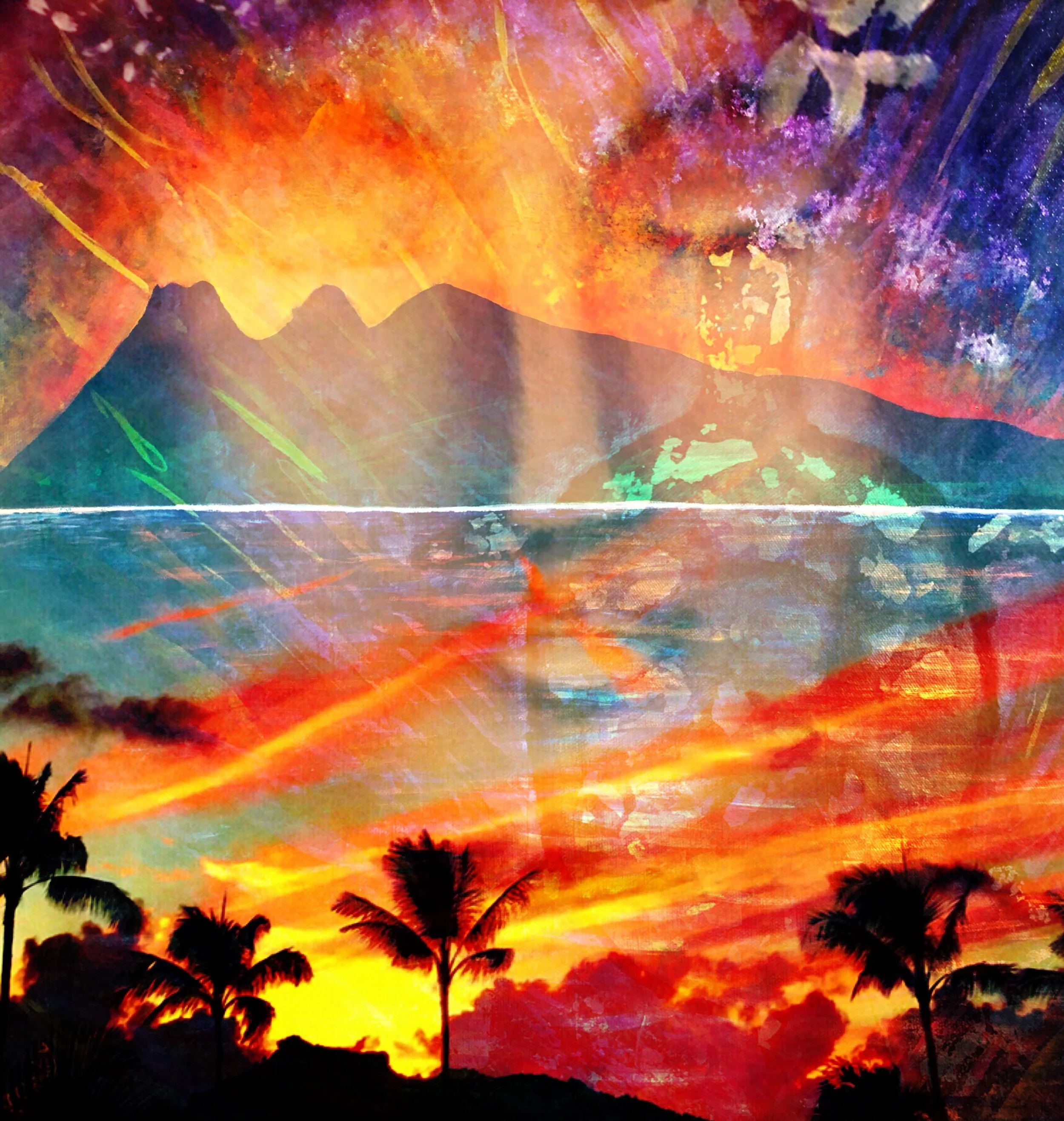
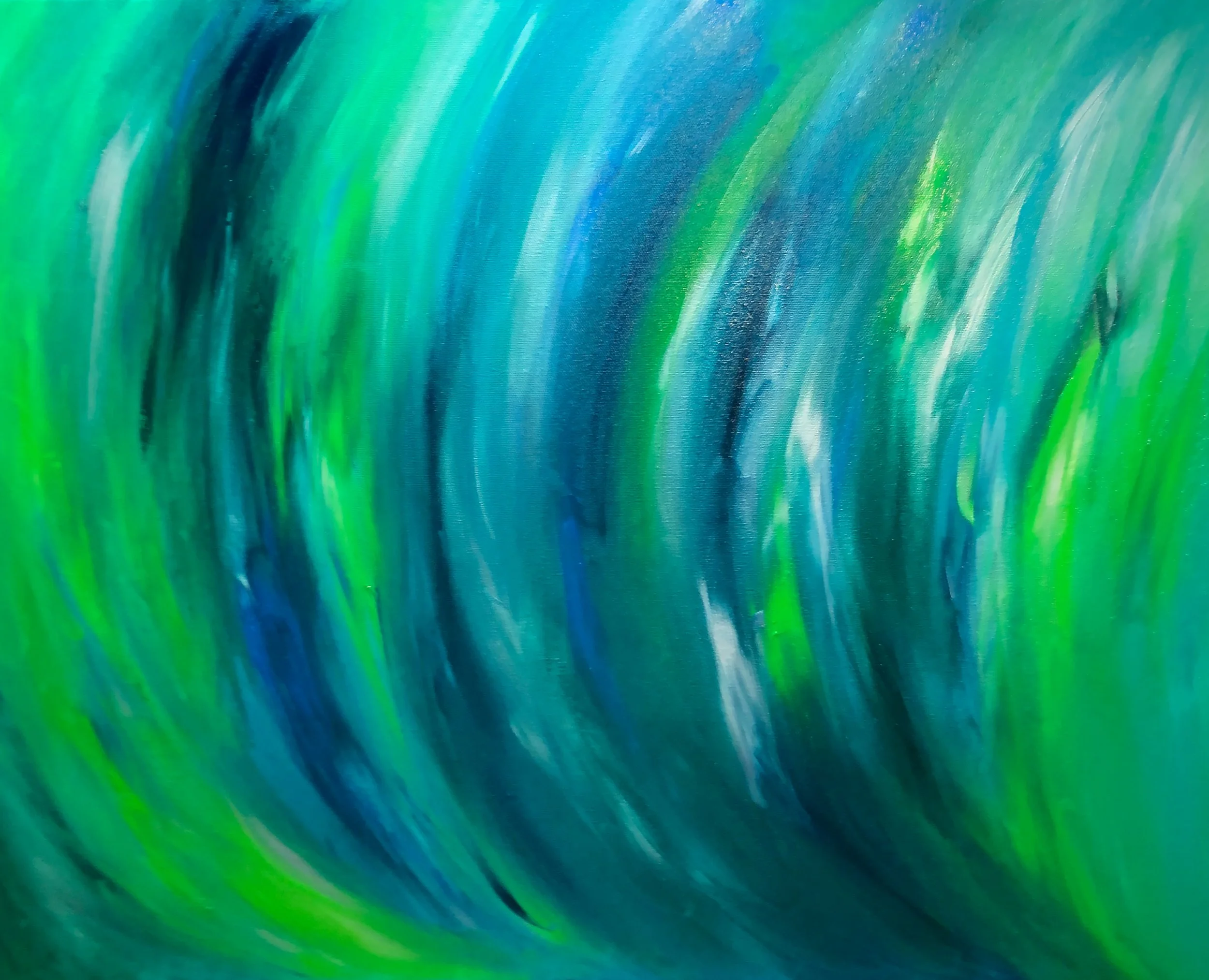
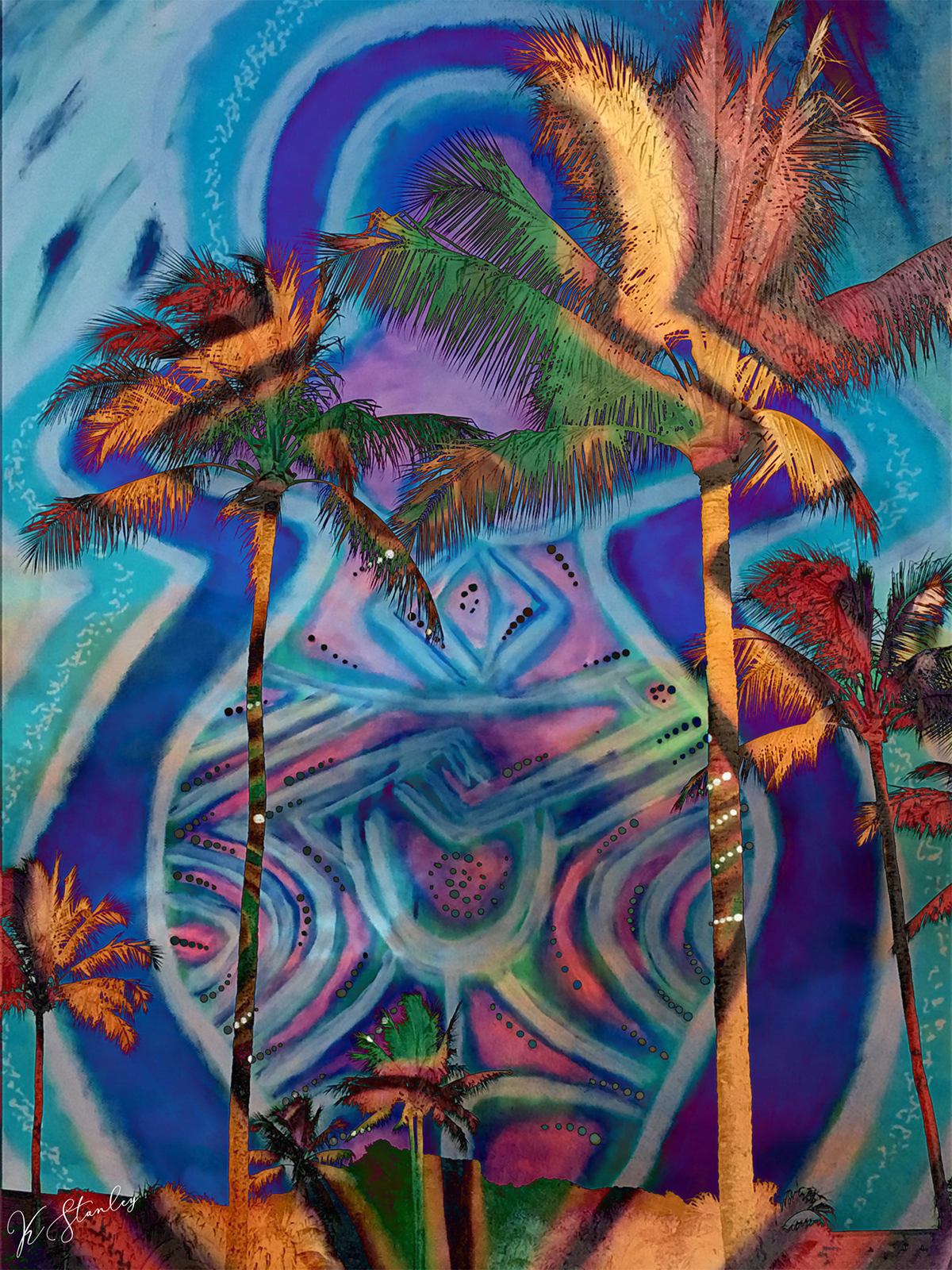
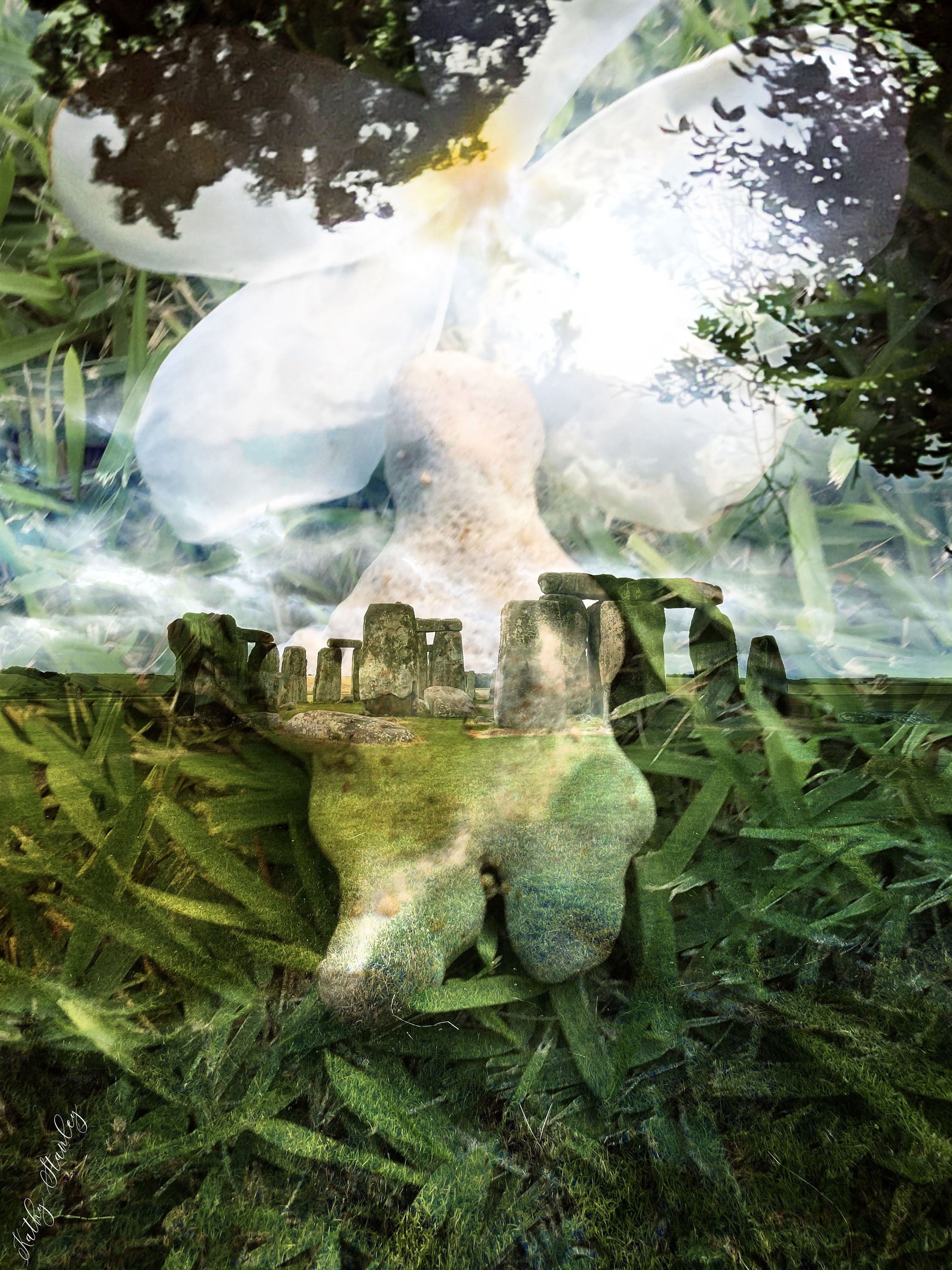
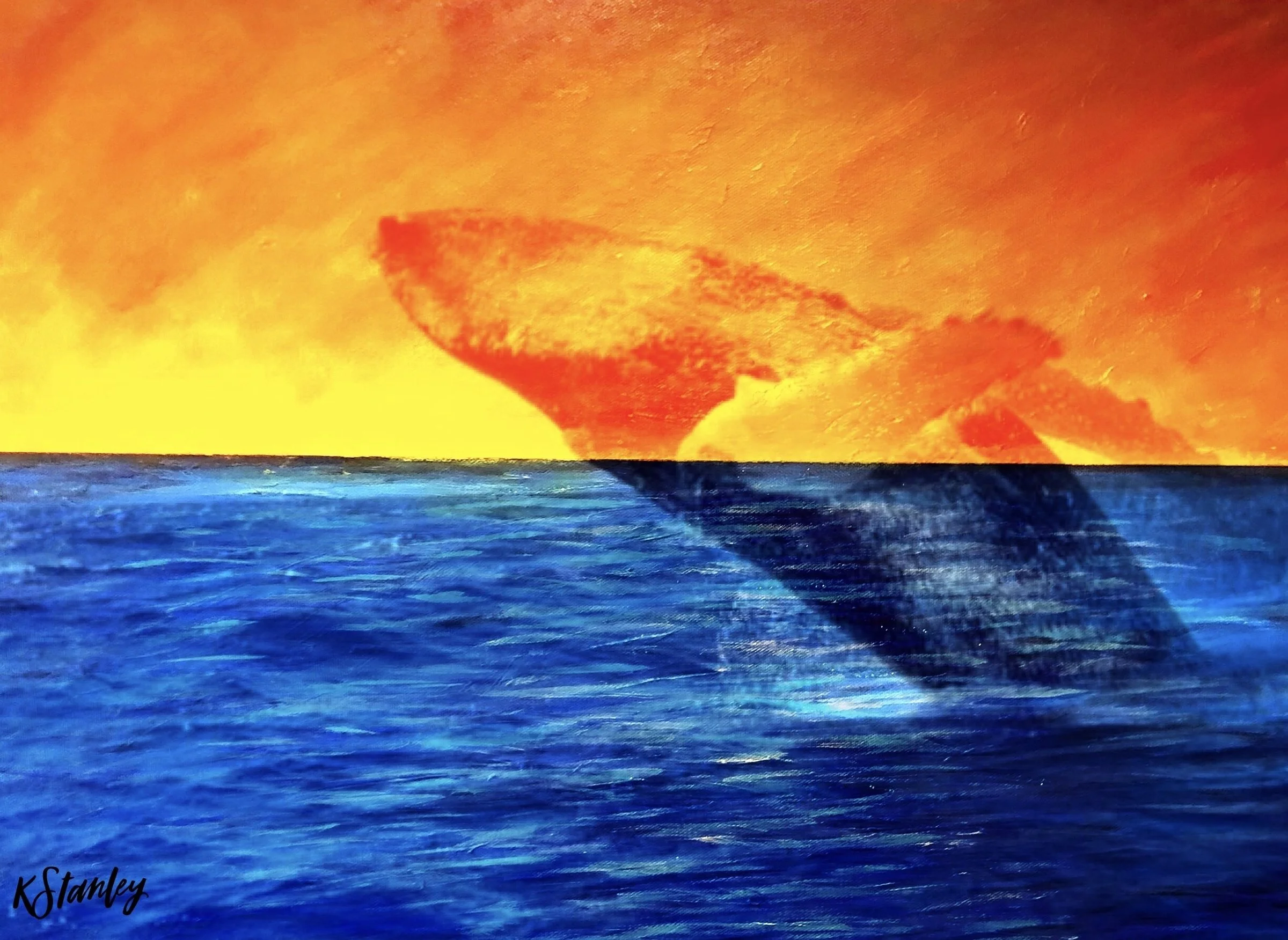
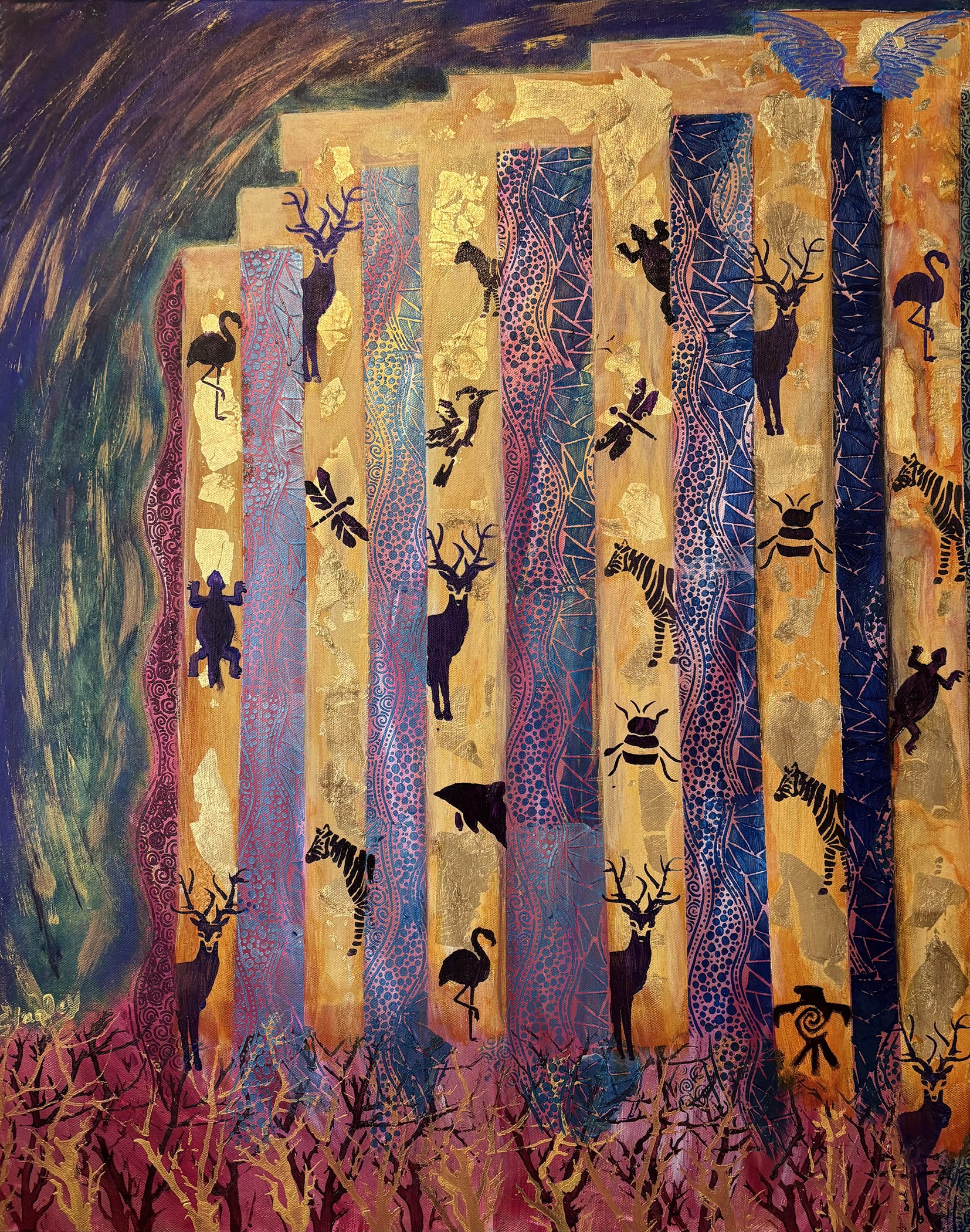
Kathy Stanley is a Jamaican-born artist living on the US West Coast. An intuitive artist and ecopsychology educator, her visionary art acrylic paintings and mixed media artworks center around images that celebrate earth, the rising feminine spirit and invoke wholeness, joy and aliveness. Kathy is a Senior Adjunct Lecturer in the School of Undergraduate Studies at the California Institute of Integral Studies and has taught classes in ecopsychology and spiritual ecology at the undergraduate level for two universities and several non-profit organizations since 2014. Her art has been seen in exhibitions in New York City, Paris, Madrid, Luxembourg and Monaco and is seen in several Condé Nast Magazines. Kathy is a Ph.D. Candidate in the Department of East-West Psychology at the California Institute of Integral Studies under the mentorship of Dr. Debashish Banerji. Kathy holds a Master’s degree in Women’s Spirituality with Specializations in Spiritual Guidance and Creative Expression and is published in the Ecopsychology Journal.
Kathy, your work is profoundly rooted in the interweaving of ecopsychology, spirituality, and visual art, offering portals into the sacred feminine and the wisdom of the earth. How do you see your paintings functioning not only as aesthetic experiences but also as catalysts for ecological consciousness and spiritual awakening in those who encounter them?
I can’t speak to how they function for others. Perhaps what some people might sense is the long engagement with cultivating the ecological self, the planetary intelligence and connectedness with the more than human self which is what my art emerges from – each painting and artwork a multi-layered journey that for me has been healing for body, spirit and psyche and which has brought me hope, joy and resilience.
Much of your art celebrates the feminine principle and the reemergence of goddess imagery in contemporary visual culture. How do you navigate the tension between reinterpreting ancient archetypes and responding to the urgent spiritual and ecological crises of our present moment, ensuring that your imagery resonates both historically and contemporarily?
I just stay foremost devoted to my relationship with the Earth, to what draws my attention, what inspires me and what gives me hope for the future. This involves immersion in the texts of ecopsychology, earth-based spirituality, women’s spirituality, history, pilgrimage and east-west psychology.
Your path from Jamaica to the Pacific Northwest traverses cultural, ecological, and spiritual landscapes. How has your Jamaican heritage, with its ancestral rhythms and mythic resonances, informed your evolving artistic vocabulary in dialogue with the bioregion of Cascadia, and how do these dual roots converge in your canvases?
Coincidentally, there are places in this bioregion of Cascadia that remind me deeply of places I grew up in Jamaica and this brings me joy, amazement and a sense of continuity and recognition that I am a student and citizen of planet Earth fortunate to be learning things from different places. Jamaica’s motto as a country is “Out of Many, One People” which also resonates very much with the culture of the city where I now live. Maybe some of this is reflected in my artistic vocabulary.
In your biography, you describe painting as a journey toward wholeness, a kind of pilgrimage into the self and into communion with the living earth. Can you speak about the rituals or inner processes you undertake before or during the act of painting, and how these practices shape the final visual form that emerges on the canvas?
Every painting is a prayer, anchored first in my practice of connecting with the Earth. Every painting is a soul retrieval journey. I am not a studio trained artist. What I do is process painting, following my intuition in moving paint around the canvas without any real idea of what a painting is going to look like. It emerges slowly, sometimes over months. My paintings surprise me, bring me joy and healing and teach me long after they are complete.
Your academic background in Women’s Spirituality and East-West Psychology, coupled with certifications in Shamanic Energy Medicine and the Art of Allowing, suggests an unusually rich synthesis of scholarly rigor and embodied practice. How does this synthesis manifest in your creative process, and do you perceive your artworks as pedagogical in themselves, teaching or transmitting wisdom beyond the written word?
Sometimes images can portray more than just words alone. My long engagement with all of these traditions and disciplines does come together, inspiring my creative practice. I am working on a book where I will be sharing more about my art and my sacred art journeys.
Having exhibited in such diverse contexts, from Monaco and Paris to Portland and Seattle, you have witnessed your paintings circulating within both global art fairs and intimate local communities. How does the meaning of your work shift depending on the cultural and geographic space of exhibition, and do you adapt your visual language to particular audiences or allow the work to speak universally?
I am honored by the requests I have had to show my work in diverse places and the response to the art by professionals such as yourself. I see myself as a citizen of the planet, a student of Mother Earth, learning what it is to listen to Earth, think like a mountain… My art is borne out of this context. I think maybe some people can sense this long engagement with creative ecopsychology I have been focused on for decades and perhaps there is a longing to connect more deeply with the Earth that needs more of us to engage more deeply and consciously with her.
Many of your paintings invite viewers into mythic encounters with the Goddess, Gaia, or archetypal feminine energies. In today’s art world, often dominated by materialist and market-driven narratives, how do you sustain the sacred dimension of your practice without it being diluted, commodified, or misinterpreted by audiences unfamiliar with spiritual traditions?
I sustain the sacred dimension of my work by staying closely committed to my relationship with the Earth which inspires and feeds and nourishes my creativity. People who encounter my work are free to make whatever interpretations they want. The fact I am being asked to show the work out in the world tells me there is something worthwhile to be shared about the process.
Your teaching in ecopsychology emphasizes eco-literacy and cultivating engaged participation in the global effort towards sustainability. How do you envision the role of artists, and particularly visionary or spiritually aligned artists such as yourself, in shaping not just awareness but concrete cultural shifts towards ecological balance?
I believe there is a shift taking place on the planet and Earth is calling out to us to connect more deeply with it. Anyone can connect with the Earth, write a prayer to the Universe. Everyone is an artist and can engage in creative acts that may bring about healing or paths towards wholeness. Connect with Earth and create hope for the future.
Pilgrimage seems to be a recurring motif in your life, whether through journeys to Kauai, Sedona, Egypt, or the Serengeti. How do these physical pilgrimages across sacred geographies influence your internal creative pilgrimages in the studio, and can you recall a particular journey that irrevocably transformed the imagery or themes of your work?
Every place I’ve had the honor of visiting has brought inspiration in different ways. Kauai in particular has had a profound influence on me, inspired many of my sacred art journeys on the canvas and taught me about connecting with the transpersonal ecological self.
In reflecting on your trajectory, from early inspirations like Georgia O’Keeffe to your recognition as an internationally exhibited and awarded artist, what inner transformations have paralleled your external achievements, and how do you envision the next evolution of your art as both a personal practice and a collective offering to a world in profound need of healing and re-enchantment?
It’s one thing to do this sacred art journey work for oneself and another thing altogether to have it seen out in the world and try and explain it to people who want to hear how the paintings are arrived at… I will be glad to share more about my creative ecopsychology practice in the future. Earth is calling out to each of us. As I have said for years, in my opinion, nature plus art equals joy plus resilience.