
David Poyant
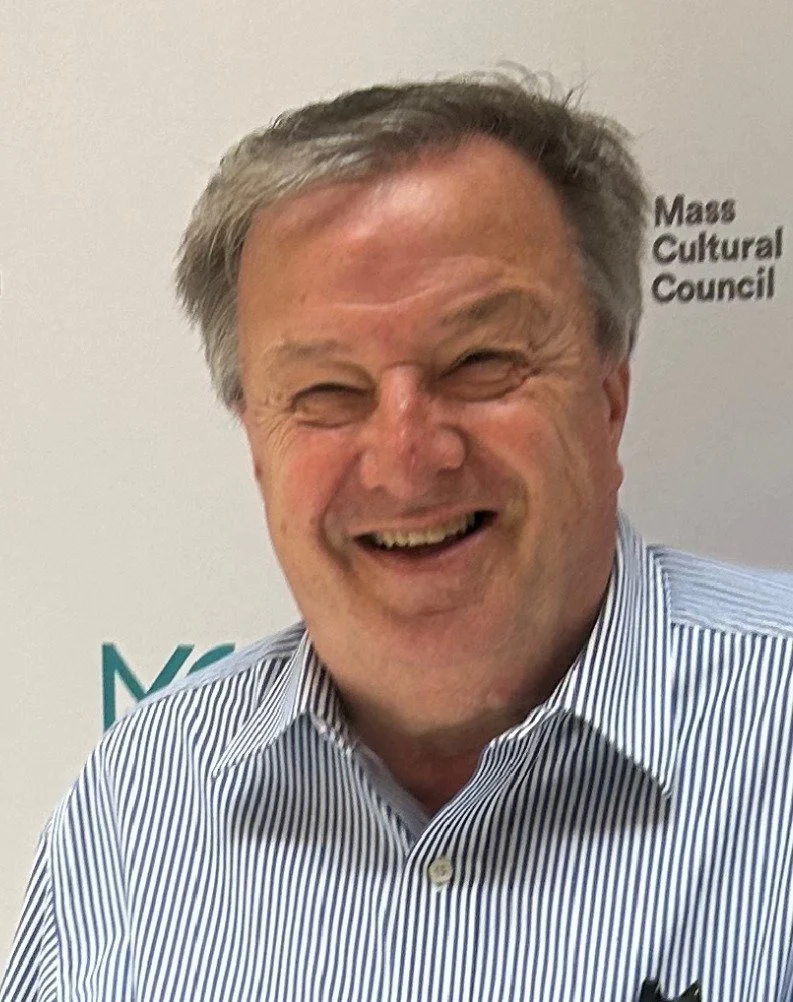
David Poyant – Contemporary Embroidery Artist
David Poyant is a contemporary embroidery artist whose work redefines the boundaries between traditional craft and fine art. Based in Massachusetts, Poyant came to embroidery later in life following a career in craftsmanship and retail, bringing with him decades of hands-on experience, discipline, and a deep respect for material and process. This nontraditional path informs a practice that is both intuitive and deliberate—rooted in patience, memory, and the quiet accumulation of time.
Working primarily on canvas, Poyant creates what can best be described as “thread paintings”—highly detailed, hand-stitched compositions that merge painterly sensibility with the tactile richness of fiber. Each piece is developed through a unique process that often begins with AI-assisted imagery, which he then transforms through thousands of individual stitches into something entirely human and tangible. In this way, his work exists at the intersection of innovation and tradition, where technology becomes a starting point, but the final voice remains unmistakably handmade.
Central to Poyant’s practice is the belief that every stitch carries time. His work resists the speed of contemporary image culture, offering instead a slower, more contemplative visual experience. Themes of nature, memory, and human connection recur throughout his portfolio—from coastal narratives and wildlife to deeply personal, symbolic scenes—inviting viewers to pause and engage with both the image and the labor behind it.
Poyant’s work has been exhibited in the United States and internationally, with presentations in venues including the New Bedford Art Museum, Gallery X, and exhibitions in Venice, Italy. His embroidery The Veil Nebula holds a permanent place at the New Bedford Art Museum, further establishing his presence within contemporary textile discourse. His work has also been featured in multiple art publications across the U.S. and Europe, reflecting growing recognition of his distinctive approach to embroidery as a contemporary medium.
Recent accolades include the International Prize Poseidon – The King of Launa for the Arts (Venice, 2025) and inclusion in global exhibitions such as Existence 2025: Exploring the Essence of Being.
Through his work, David Poyant demonstrates that embroidery is not simply a craft of the past but a vital, evolving language within contemporary art—one stitch at a time.
David, how do you understand the act of stitching as a temporal structure within your practice, where each thread becomes not merely a material gesture but a unit of lived time, and how does this slow, accumulative process challenge the accelerated visual culture of contemporary image production?
For me, each stitch represents a moment in time. When I work, I’m not thinking in hours—I’m thinking in presence. The piece grows slowly, one thread at a time, and that pace stands in contrast to how quickly images are created and consumed today. My work asks both me and the viewer to slow down and stay with something longer.
In a moment when contemporary art often privileges immediacy and conceptual dematerialization, your work insists on the physicality of labor and the persistence of the handmade; how do you situate this commitment to patience and manual repetition within the broader discourse of contemporary art’s negotiation between craft, labor, and artistic authorship?
I see my work as a quiet reminder that labor still matters. In a world that often favors speed and concept over process, I lean into the physical act of making. The repetition, the patience—it’s all part of the meaning. The hand is still essential, and I believe that carries weight in contemporary art.
Your practice emerges from a life trajectory outside the traditional academic art system, and one might ask whether this distance from institutional formation allows you to approach embroidery less as a historical craft discipline and more as an open conceptual field—how has this unconventional entry shaped your understanding of artistic legitimacy and creative freedom?
Coming to art later in life gave me freedom. I didn’t have to follow rules or fit into expectations. I approached embroidery as something open—something I could shape in my own way. That helped me focus less on legitimacy and more on authenticity.
The language you often use to describe your work evokes memory, nostalgia, and personal narrative; how do these themes operate within the visual structure of your compositions, and in what ways does embroidery become a medium uniquely capable of embodying the emotional texture of remembrance?
Memory plays a big role in my work. Many of my pieces come from moments, feelings, or reflections on life. Embroidery, because of its slowness and texture, allows me to build those emotions into the surface. It holds memory in a way that feels personal and lasting.
There is a compelling dialogue in your process between digital generation and hand-executed embroidery, a meeting point between algorithmic image culture and centuries-old textile techniques; how do you conceptualize this encounter between artificial intelligence and the intimate gesture of the human hand?
I see AI as a tool for exploration, but the soul of the work is still in the hand stitching. The combination allows me to imagine more freely while still honoring the discipline of the craft. It’s where technology meets tradition in a very human way.
Many artists working with textile media confront the historical marginalization of fiber arts within the hierarchy of fine art; how do you see your work contributing to the ongoing redefinition of embroidery not simply as decorative craft but as a rigorous contemporary visual language?
Embroidery has often been overlooked, but I believe it deserves a place in contemporary art. My goal is to show that it can carry depth, narrative, and complexity—not just decoration. It’s a serious medium when given the space to be.
Your approach to thread painting suggests an almost painterly engagement with color, texture, and depth, yet the logic of embroidery fundamentally differs from the fluidity of brushwork; how does the structural constraint of the stitch influence the way you construct space, light, and atmosphere?
Unlike painting, embroidery builds from structure. Every stitch has direction and purpose. That constraint forces me to think differently about light and depth. It’s slower, but it creates a richness that’s hard to replicate.
There is an undeniable sense of contemplation embedded in your working rhythm, where repetition becomes a form of meditation; to what extent does the act of stitching function as a philosophical practice, one that reorients the artist’s relationship to time, attention, and presence?
There’s definitely a meditative aspect to stitching. The repetition clears your mind and brings focus. Over time, it changes how you think about time itself—not as something to rush through, but something to experience.
In your reflections on the process, you often speak of connection between the creator and the creation; could you elaborate on how this intimacy manifests during the long hours of hand stitching, and whether the physical proximity to the work alters the emotional dimension of the final image?
You develop a close relationship with the piece. You’re physically connected to it for hours, sometimes days. That connection stays in the work. I believe people can feel that when they see it.
The narrative of discovering artistic vocation later in life introduces a compelling question about creativity and temporality; how has beginning your artistic practice after retirement shaped your understanding of artistic urgency, experimentation, and the freedom to reinvent oneself?
Starting later gave me urgency, but also freedom. I wasn’t trying to build a career—I was trying to create something meaningful. That mindset allowed me to take risks and grow quickly.
Embroidery historically carries associations with domestic space and inherited tradition; how do you navigate this lineage while simultaneously expanding the medium into territories of contemporary narrative, imagination, and visual storytelling?
I respect the history of embroidery, but I also want to expand it. I use it to tell stories that go beyond tradition—personal stories, imagined scenes, even cosmic ideas. It’s about pushing the medium forward.
In many ways, your practice transforms thread into a kind of visual language—one where color, direction, and density function almost like syntax; how conscious are you of constructing meaning through these structural decisions, and how do they guide the viewer’s reading of the work?
I think a lot about how stitches guide the eye. Direction, density, and color all work together like a language. Even if the viewer doesn’t realize it, those choices shape how the piece is experienced.
The tactile surface of embroidery creates a physical encounter between viewer and object that differs markedly from flat imagery; how important is this material presence in shaping the emotional and perceptual experience of your work?
The texture is essential. You don’t just see the work—you feel it, even from a distance. That physical presence adds another layer to the experience that flat images don’t have.
As an artist who came to embroidery through personal memory and familial influence, how does the legacy of your mother’s sewing resonate within your practice today, and do you see your work as continuing a generational dialogue through the medium of thread?
My mother sewing is one of my earliest memories. I didn’t realize it at the time, but it stayed with me. In a way, my work continues that thread—just in a different form.
There is something profoundly poetic in the idea that an image composed of thousands of individual stitches mirrors the complexity of human experience; how do you think about fragmentation and accumulation as conceptual frameworks within your artistic process?
Each piece is built from thousands of small decisions. That accumulation mirrors life itself. It’s not one moment—it’s all the moments together that create meaning.
Your work invites viewers to slow down and examine the intricacy of each stitch, almost reversing the typical rhythm of contemporary spectatorship; do you see this invitation to pause as a form of quiet resistance against the speed of modern visual culture?
Yes, I do see it as a form of resistance. The work asks people to pause, to look closer, to spend time. That’s something we don’t do enough of today.
Embroidery involves an inherent tension between precision and improvisation, where the artist must constantly negotiate control and responsiveness; how does this balance between planning and intuitive adjustment unfold during the creation of a piece?
I usually start with a plan, but the piece evolves as I go. The thread has its own way of responding. It’s a balance between control and letting the work guide you.
The relationship between surface and illusion in embroidery is particularly fascinating, as threads both construct an image and reveal their own materiality; how do you approach this duality between representation and the visible structure of the stitch?
I like that the stitches are visible. They create the image, but they also reveal how it was made. That duality is part of what makes embroidery unique.
Your journey from cobbler and orthotics craftsman to internationally recognized embroidery artist suggests a continuity of manual knowledge and tactile sensitivity; how have these earlier experiences with handcrafted work informed the discipline and attention present in your current practice?
My background in working with my hands taught me discipline and attention to detail. Those skills carried over naturally. It’s all about understanding materials and respecting the process.
When viewers encounter your work and realize that what initially appears to be painting is in fact composed entirely of thread, they often experience a moment of perceptual surprise; how important is this moment of recognition in shaping the conceptual and emotional impact of your art?
That moment of realization is important. When someone sees the work as a painting and then realizes it’s thread, it changes how they experience it. It creates a deeper appreciation for the time and effort behind it.
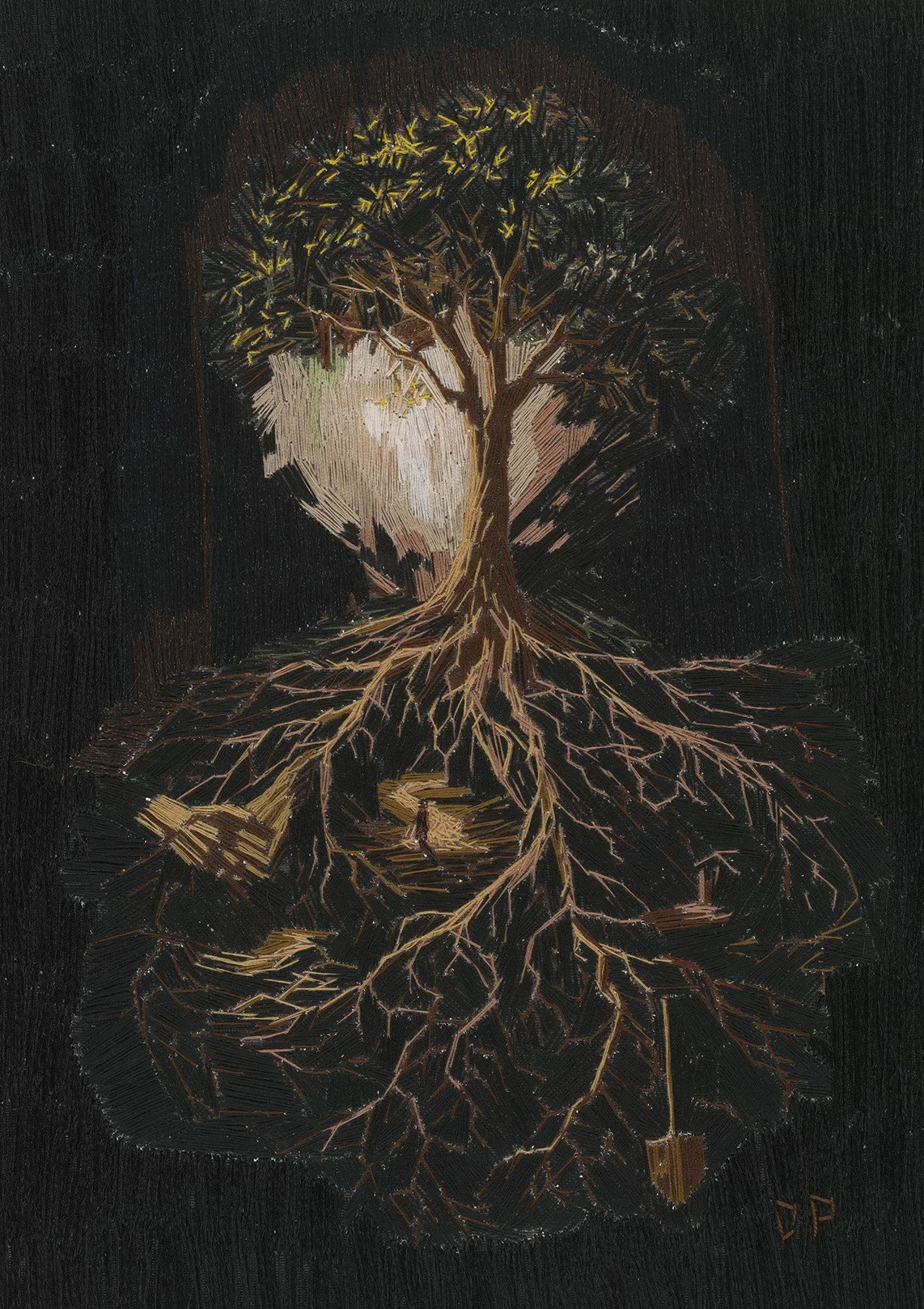
Roots of What Remains 30.48 × 40.64 centimeters Embroidery on Canvas 2026
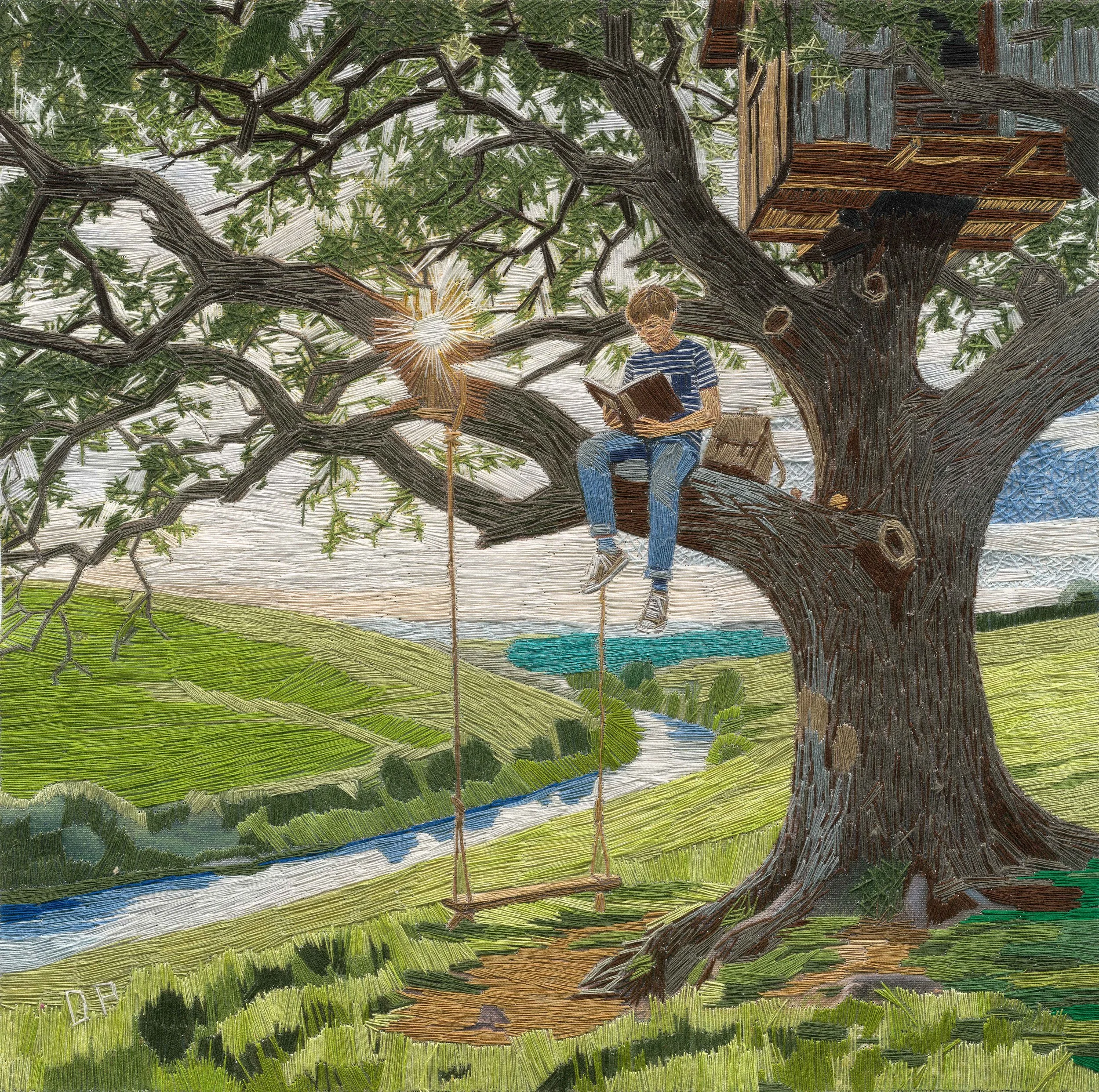
Tree Swing 2026 45.72 x 45.72 centimeters Embroidery on canvas
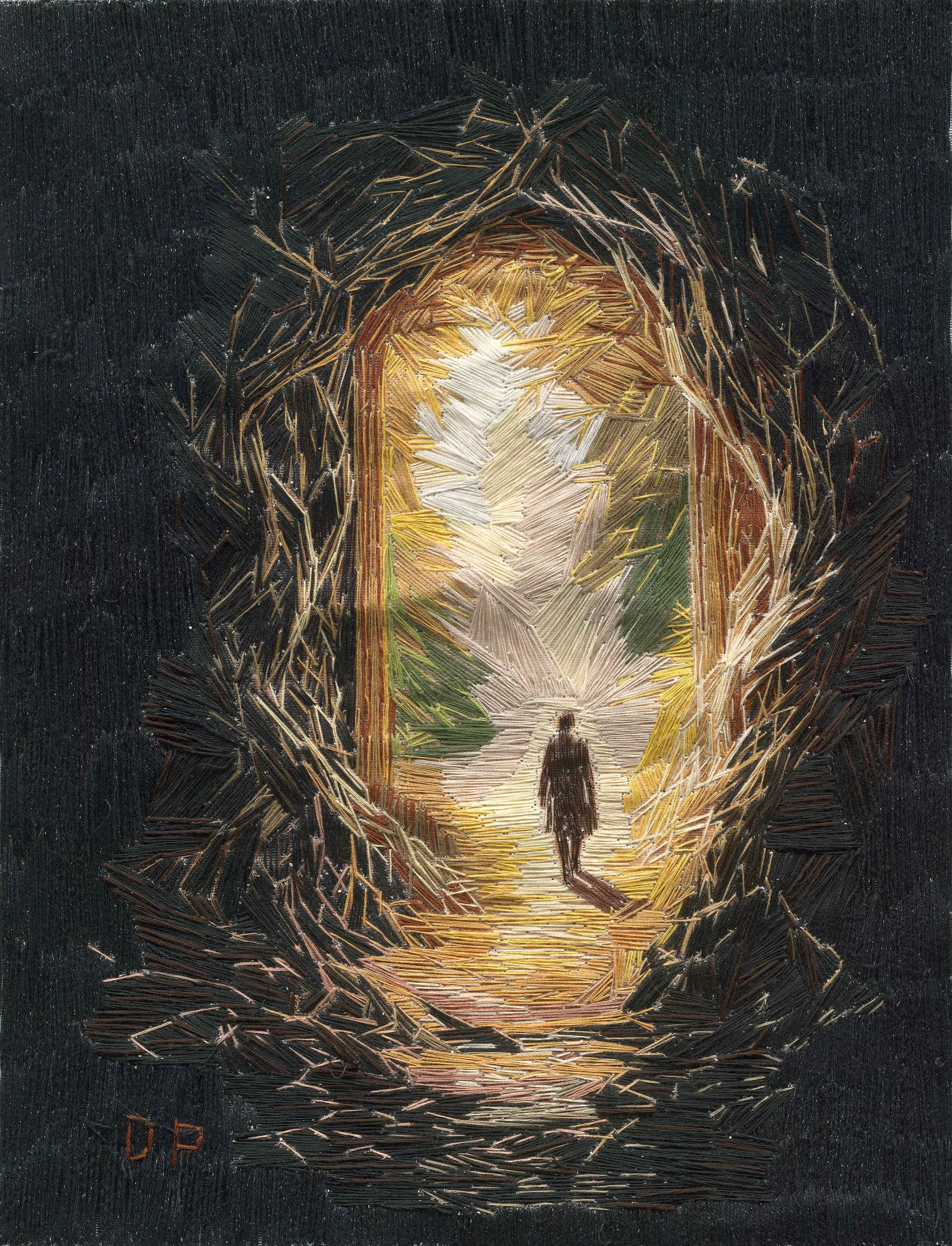
Where the Light Begins 2026 30.48 × 40.64 centimeters Embroidery on Canvas
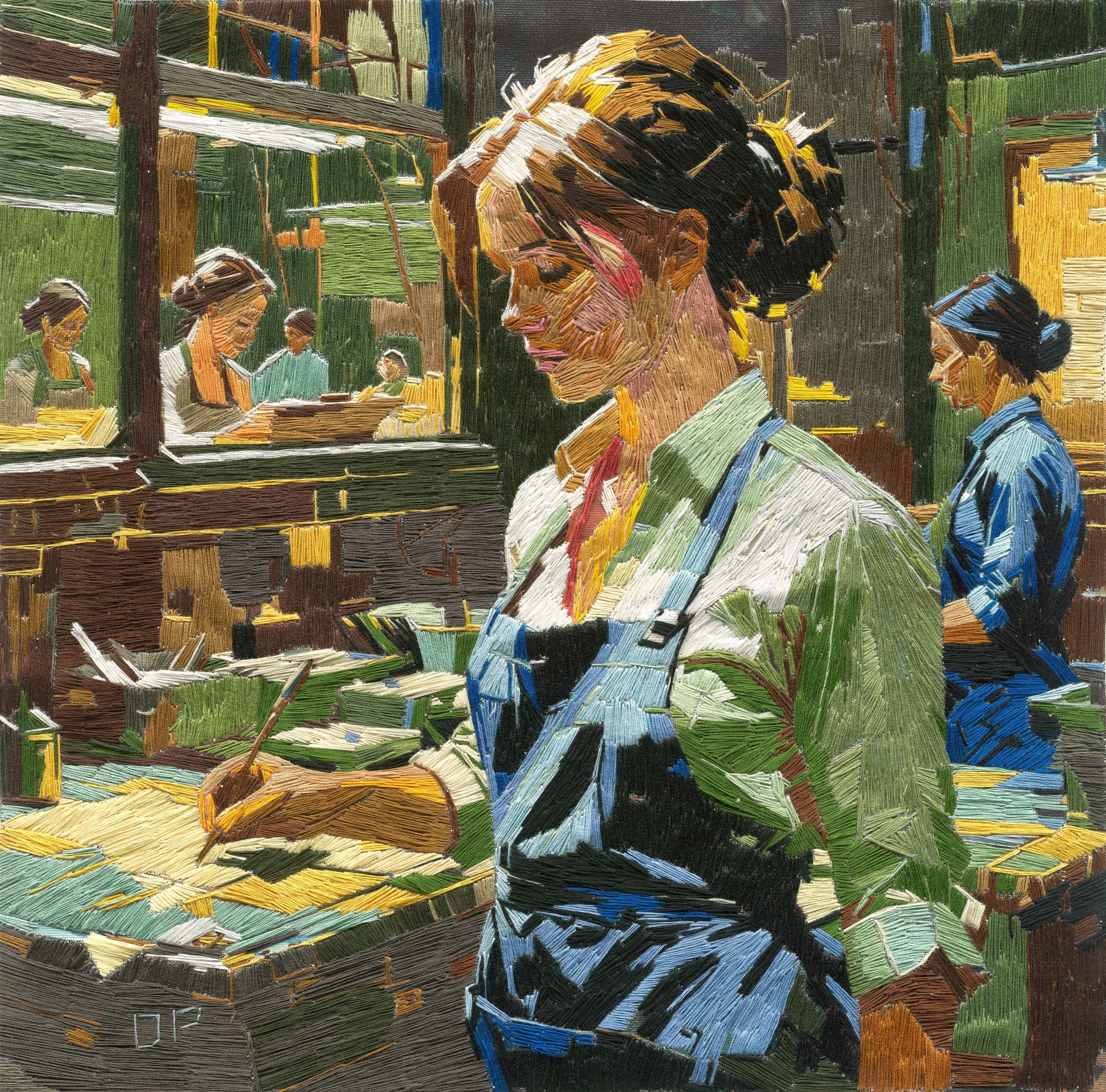
Lady Worker 2025 45.72 x 45.72 centimeters Embroidery on canvas
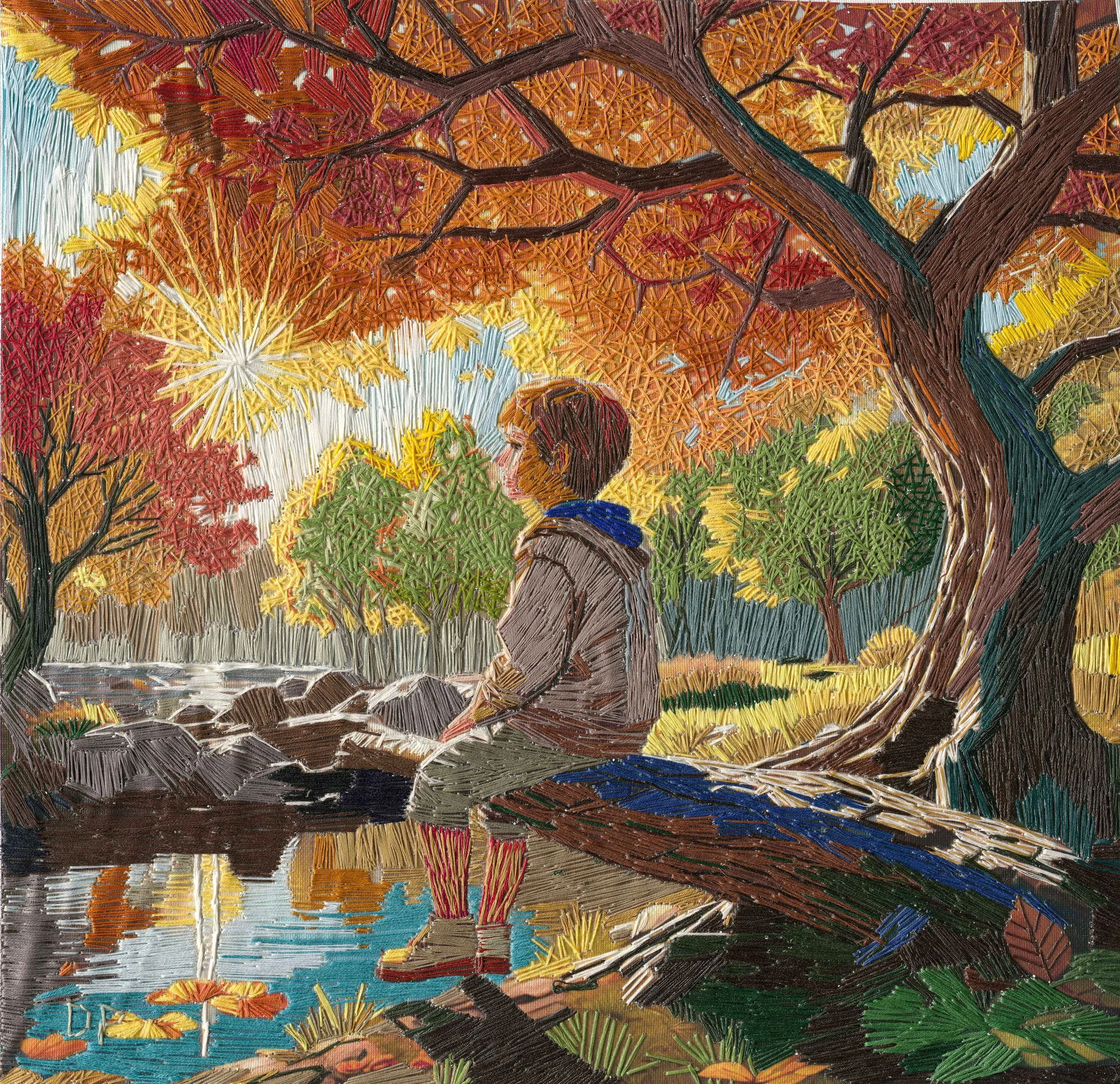
Listening Tree 2025 45.72 x 45.72 centimeters Embroidery on canvas

Tree That Held His Secrets 2025 45.72 x 45.72 centimeters Embroidery on canvas
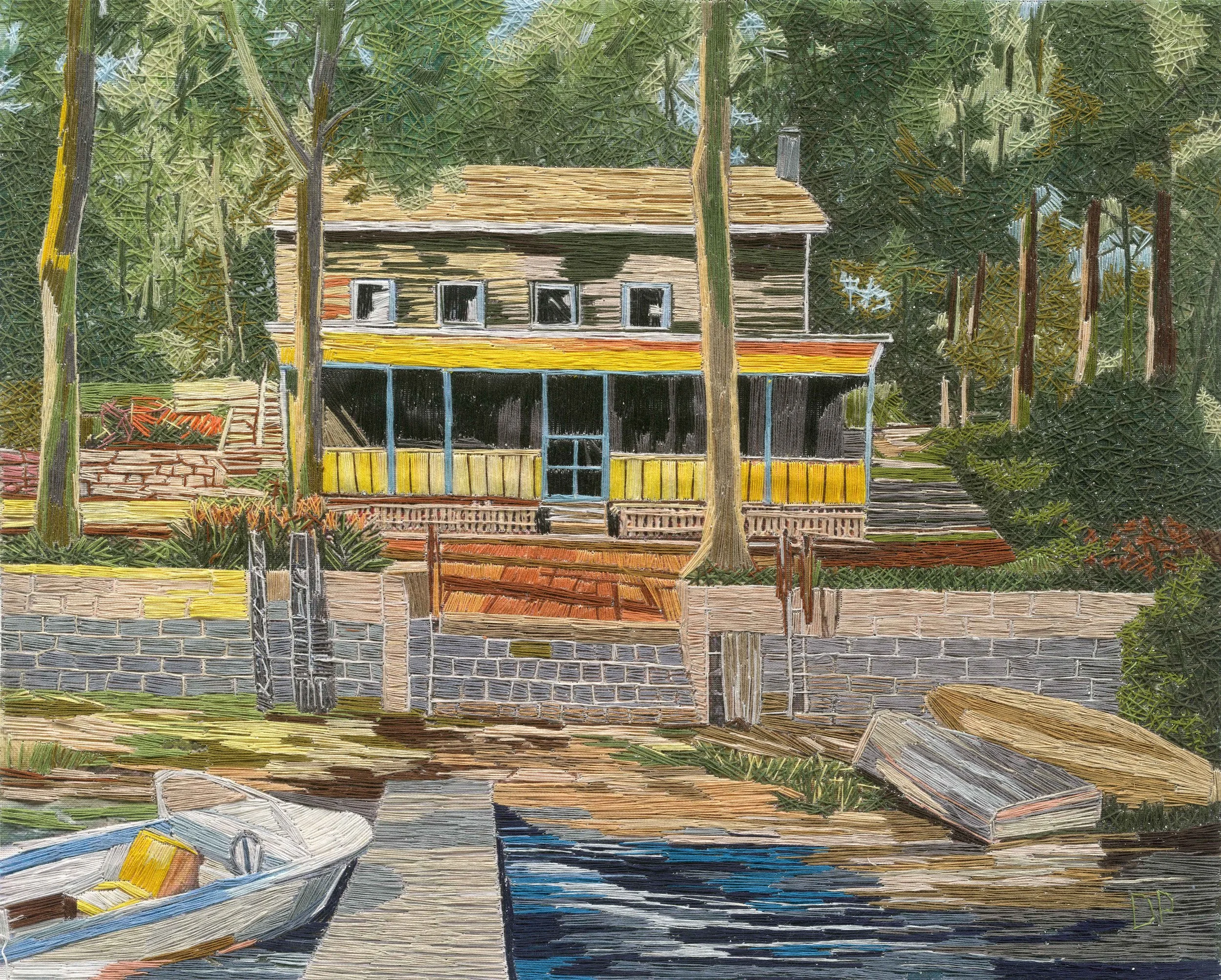
Summer Cottage 2025 45.72 x 45.72 centimeters Embroidery on canvas
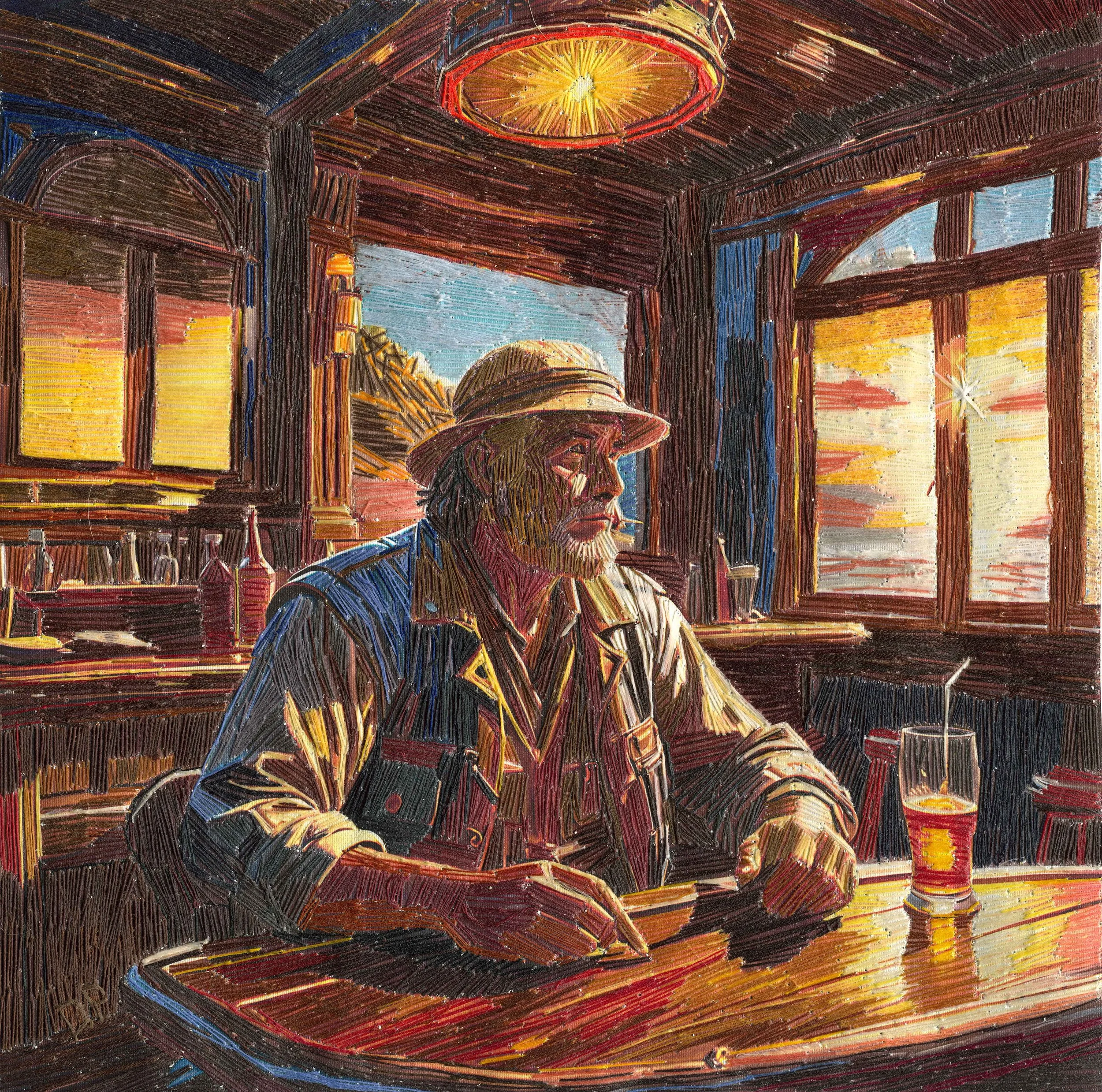
Fisherman at the Bar 45.72 x 45.72 centimeters Embroidery on canvas
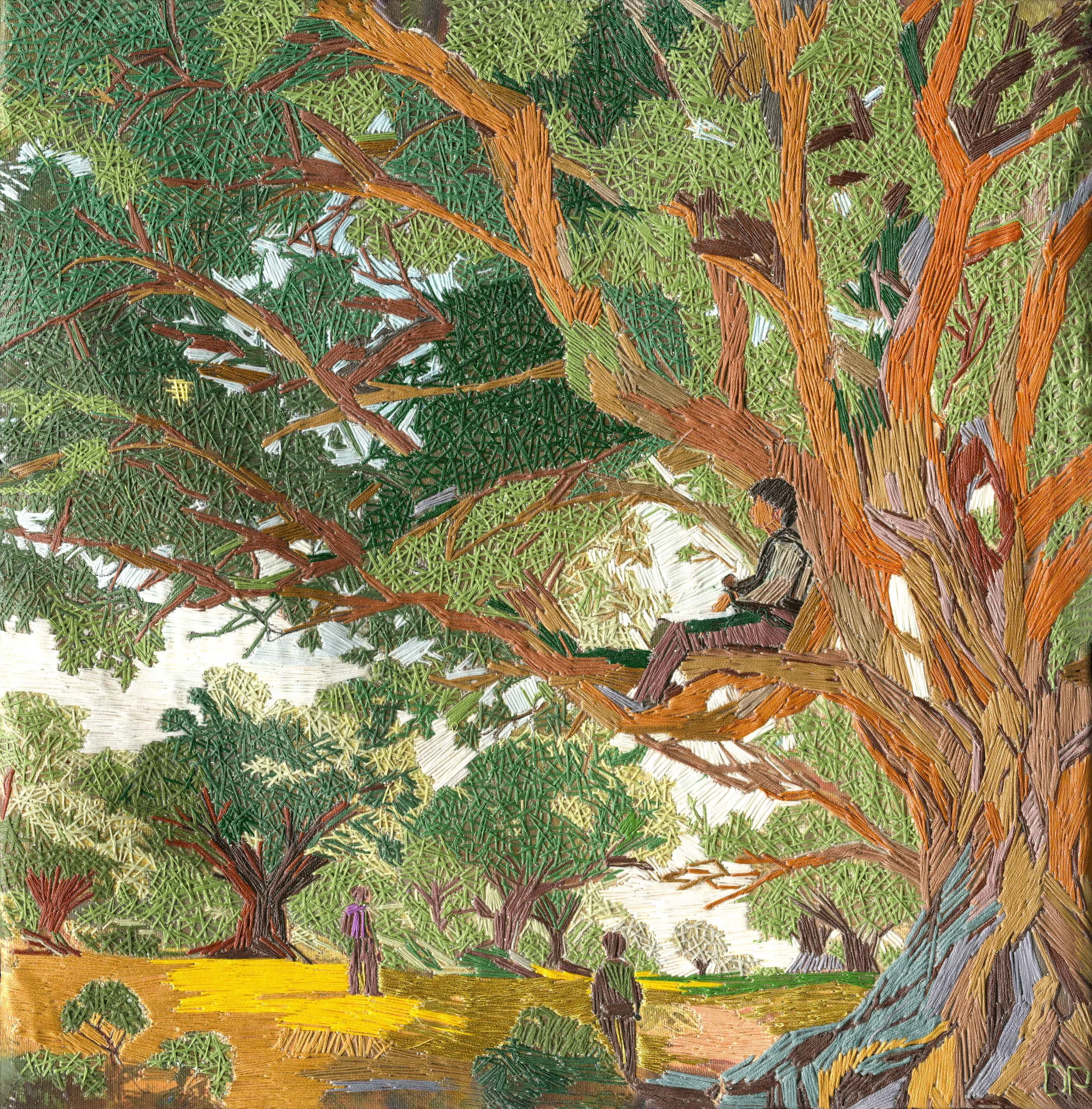
Boy in the Tree 2025 45.72 x 45.72 centimeters Embroidery on canvas
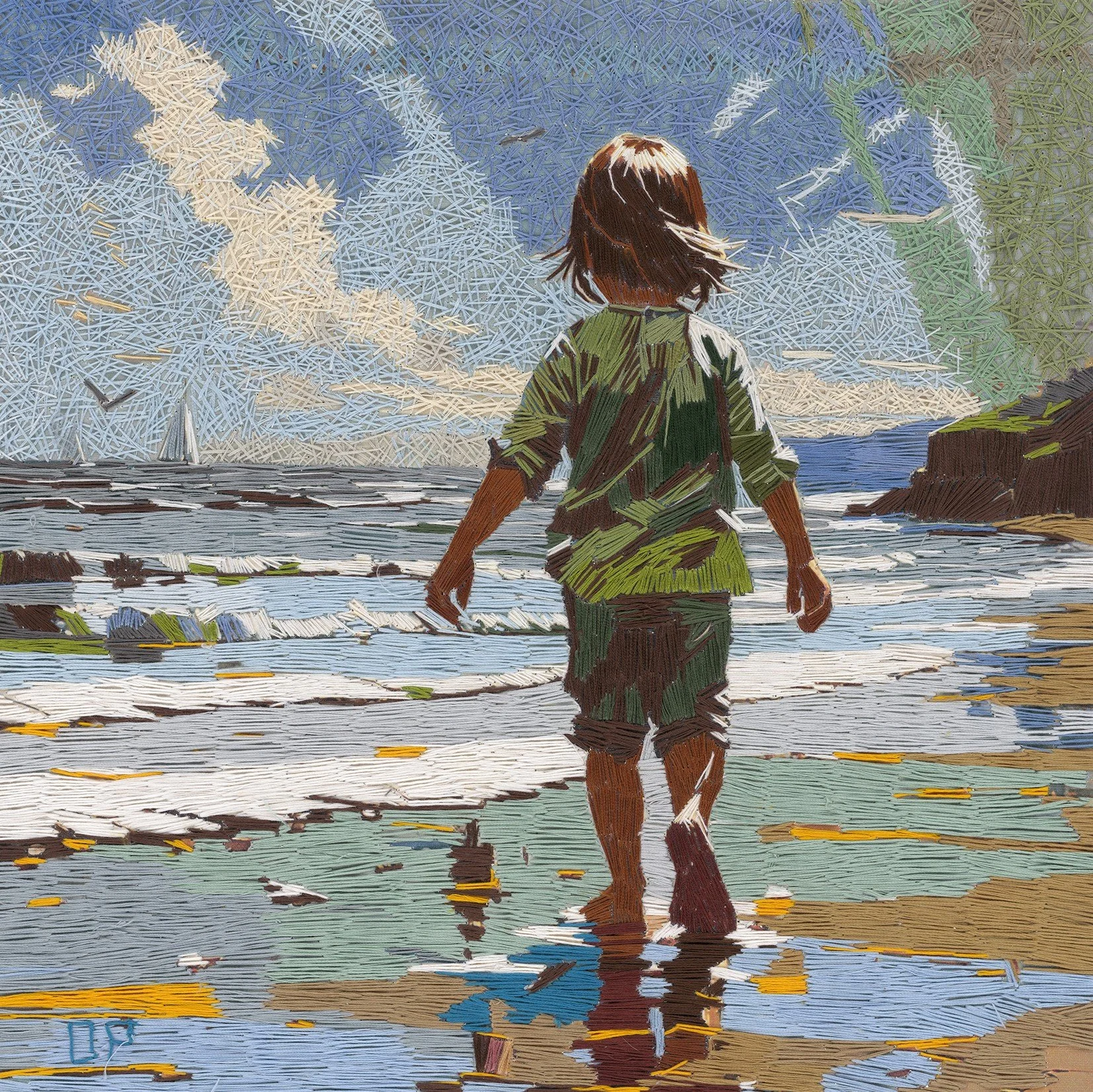
Child of the Sea Breeze 2025 45.72 x 45.72 centimeters Embroidery on canvas
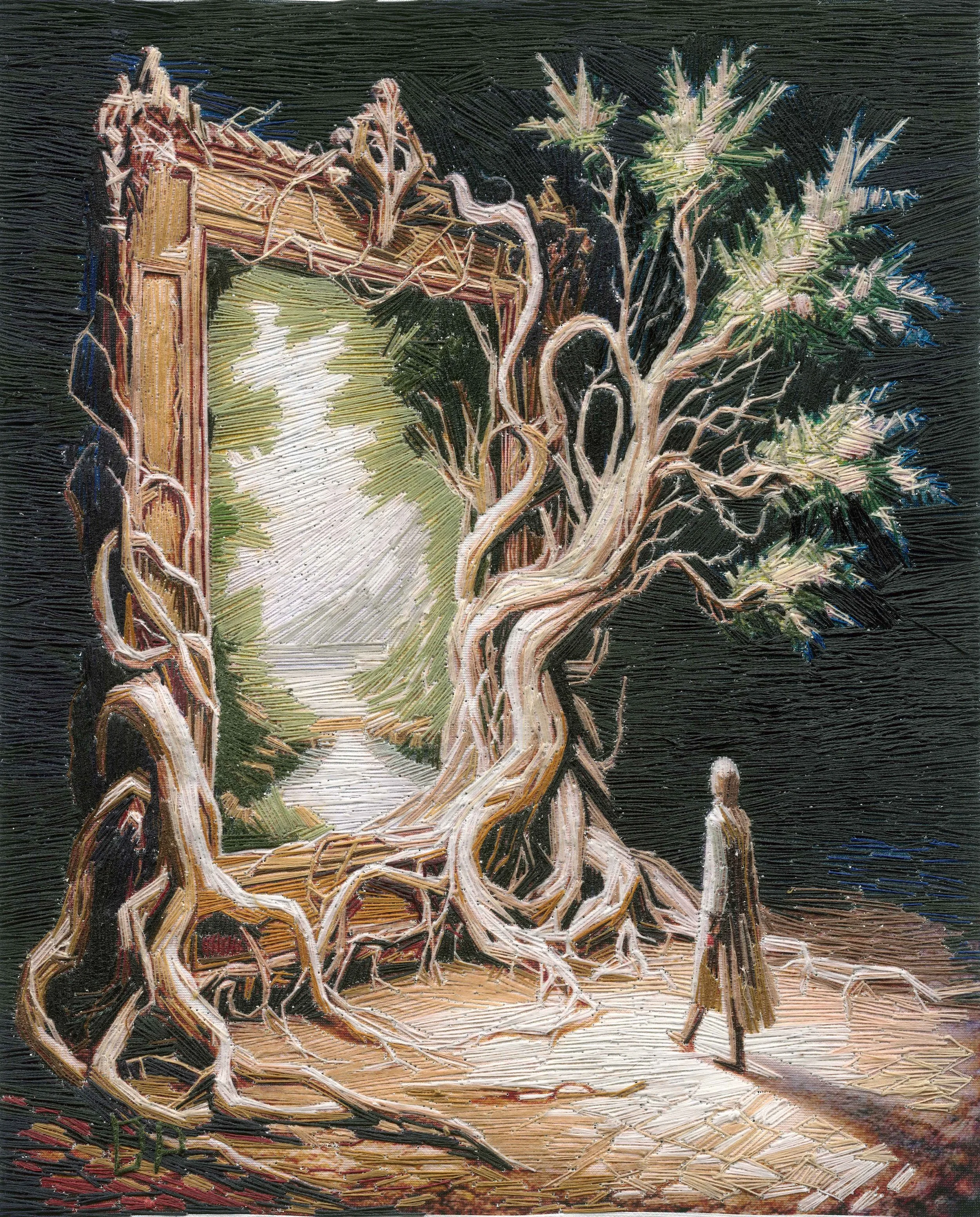
Walking into the Future 2025 30.48 × 40.64 centimeters Embroidery on Canvas
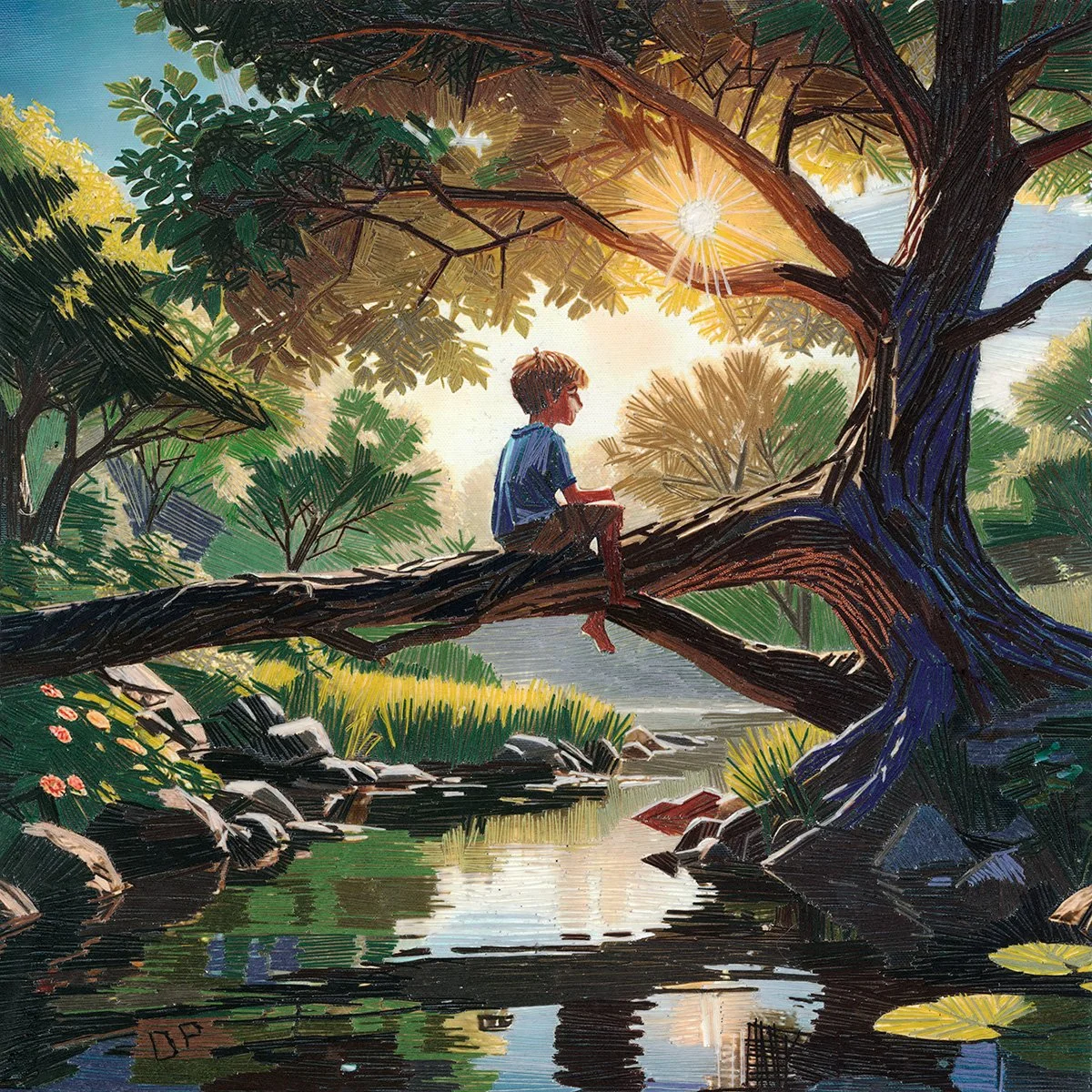
Christopher Robin 2025 45.72 x 45.72 centimeters Embroidery on canvas
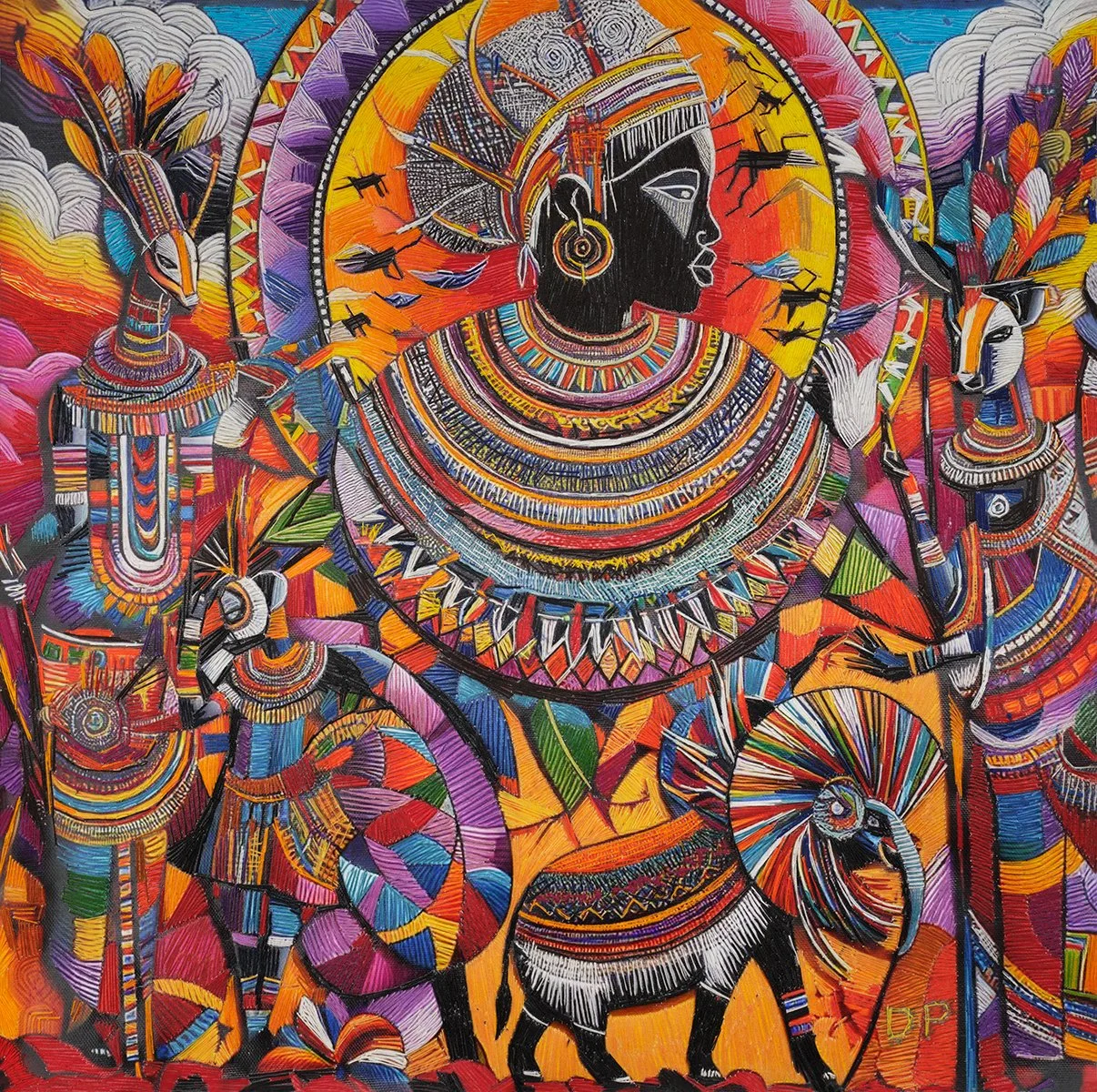
Queen of the Maasai 2024 45.72 x 45.72 centimeters Embroidery on canvas
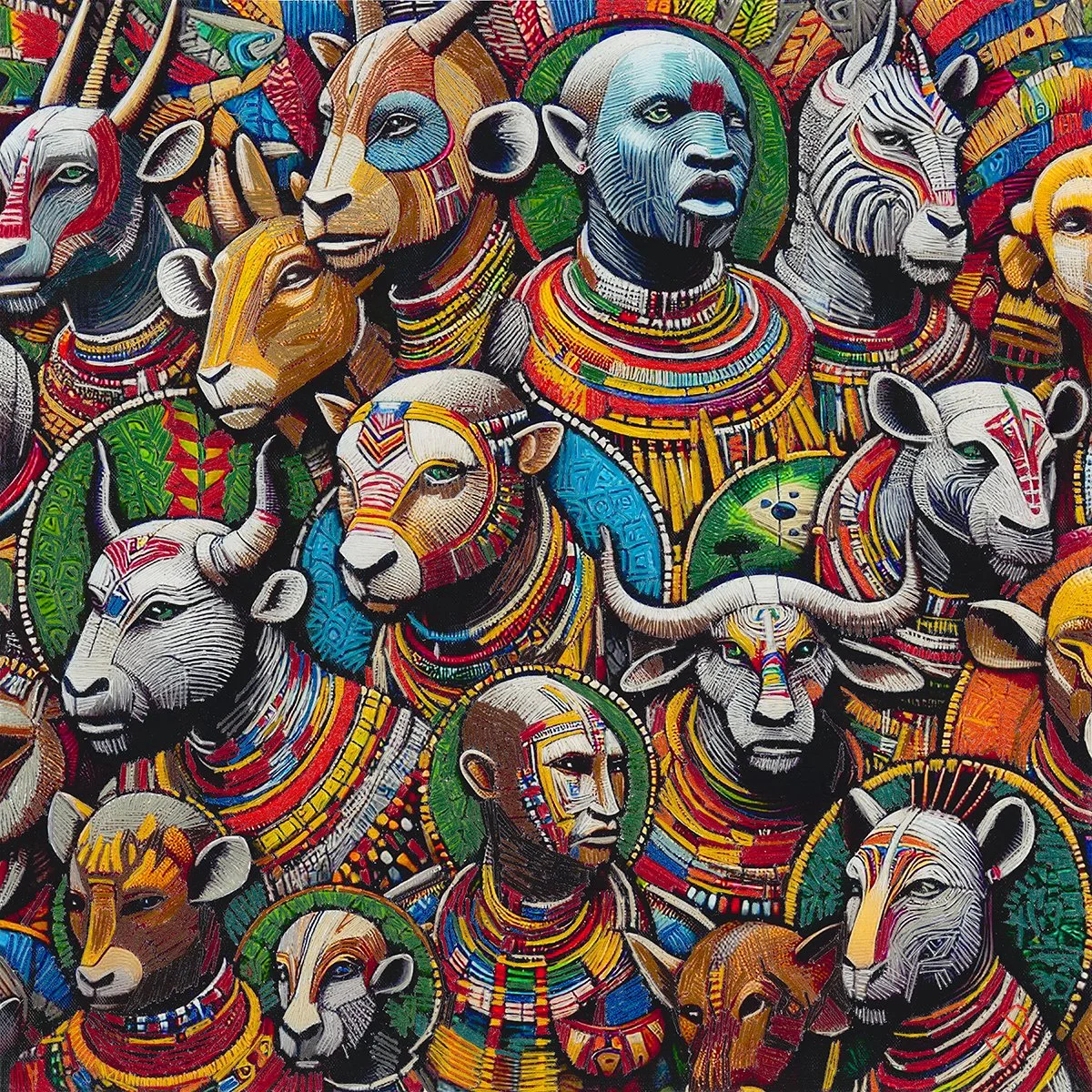
Massai Tribe 2024 45.72 x 45.72 centimeters Embroidery on canvas
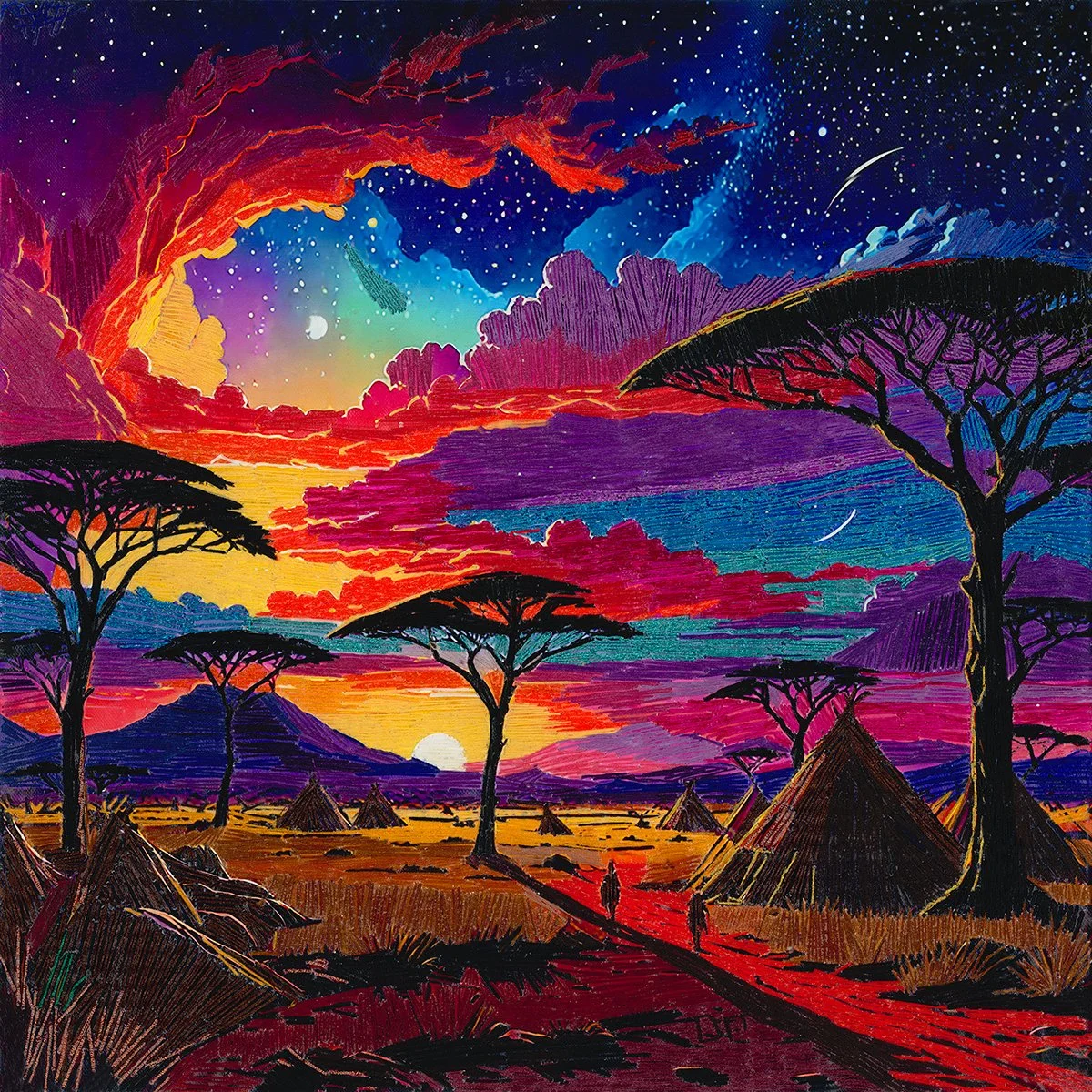
Maasai Village 2024 45.72 x 45.72 centimeters Embroidery on canvas
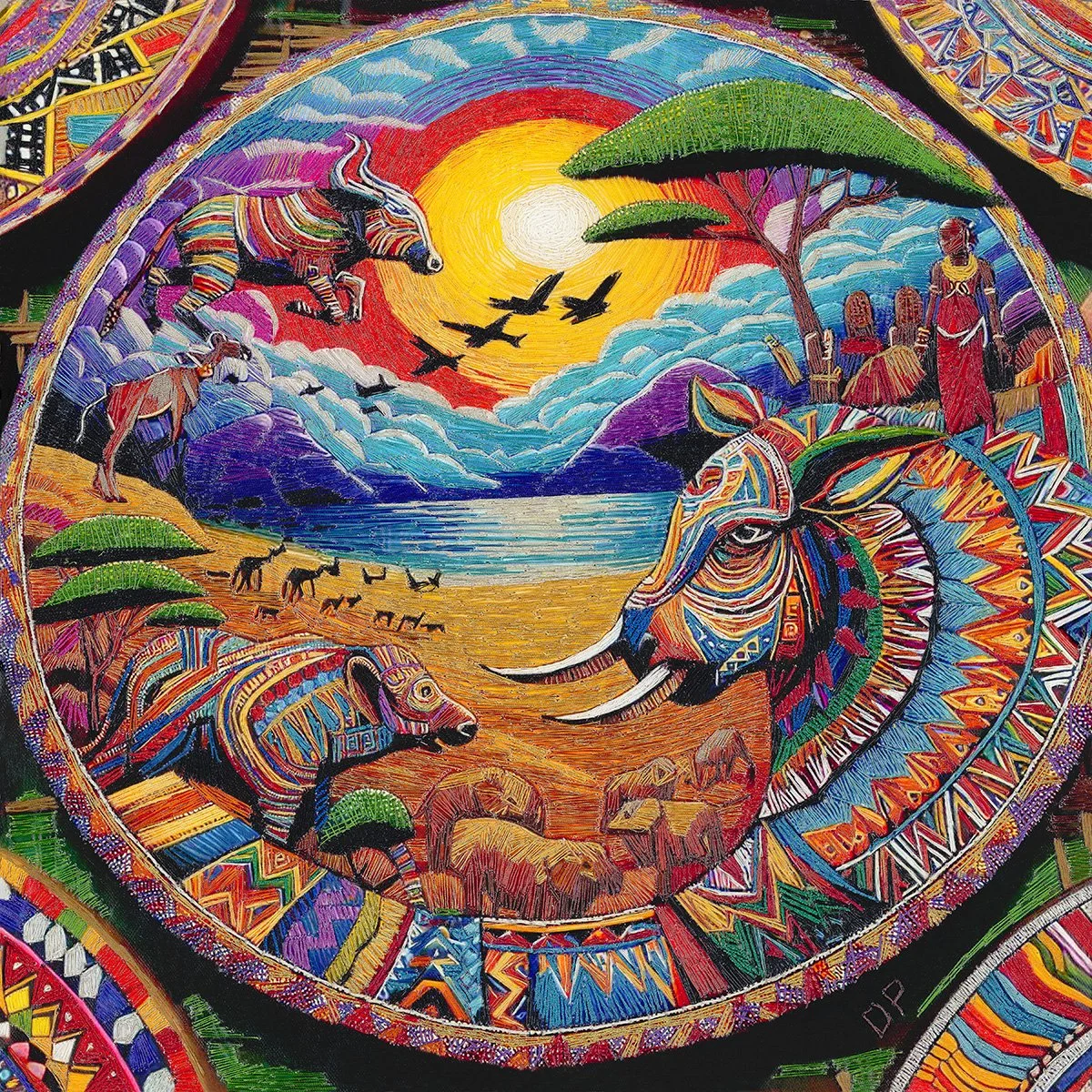
Maasai Sunrise 2024 45.72 x 45.72 centimeters Embroidery on canvas
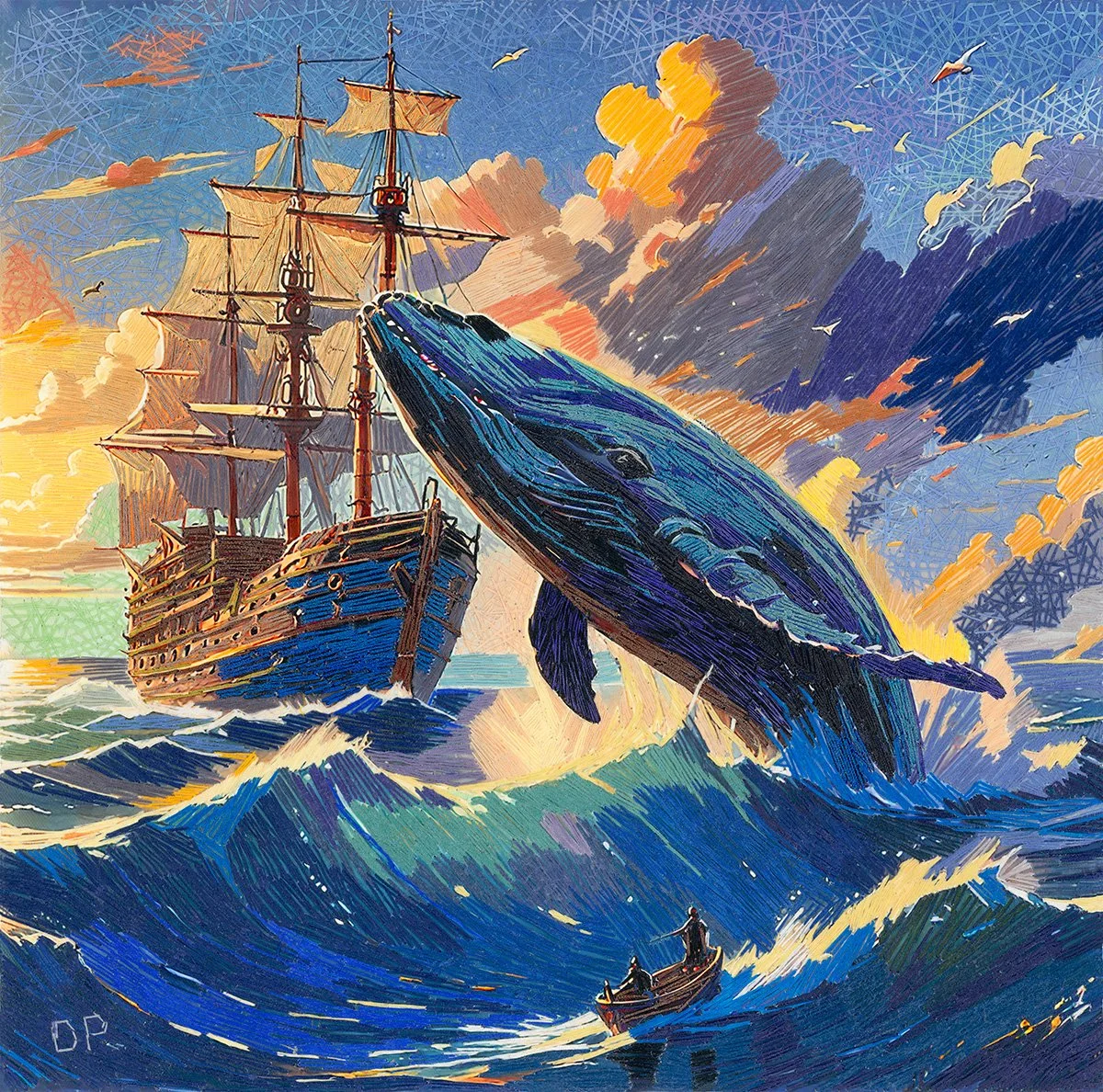
Breaching Titan 2024 45.72 x 45.72 centimeters Embroidery on canvas
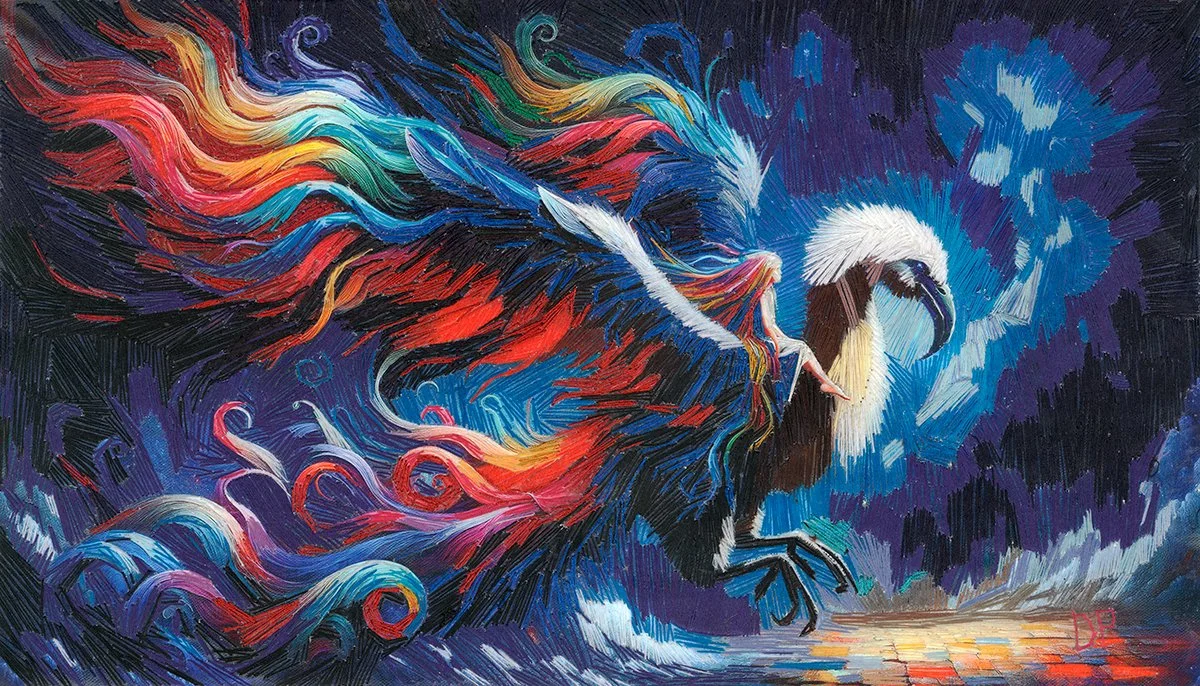
Along for the Ride 2024 30.48 × 40.64 centimeters Embroidery on Canvas
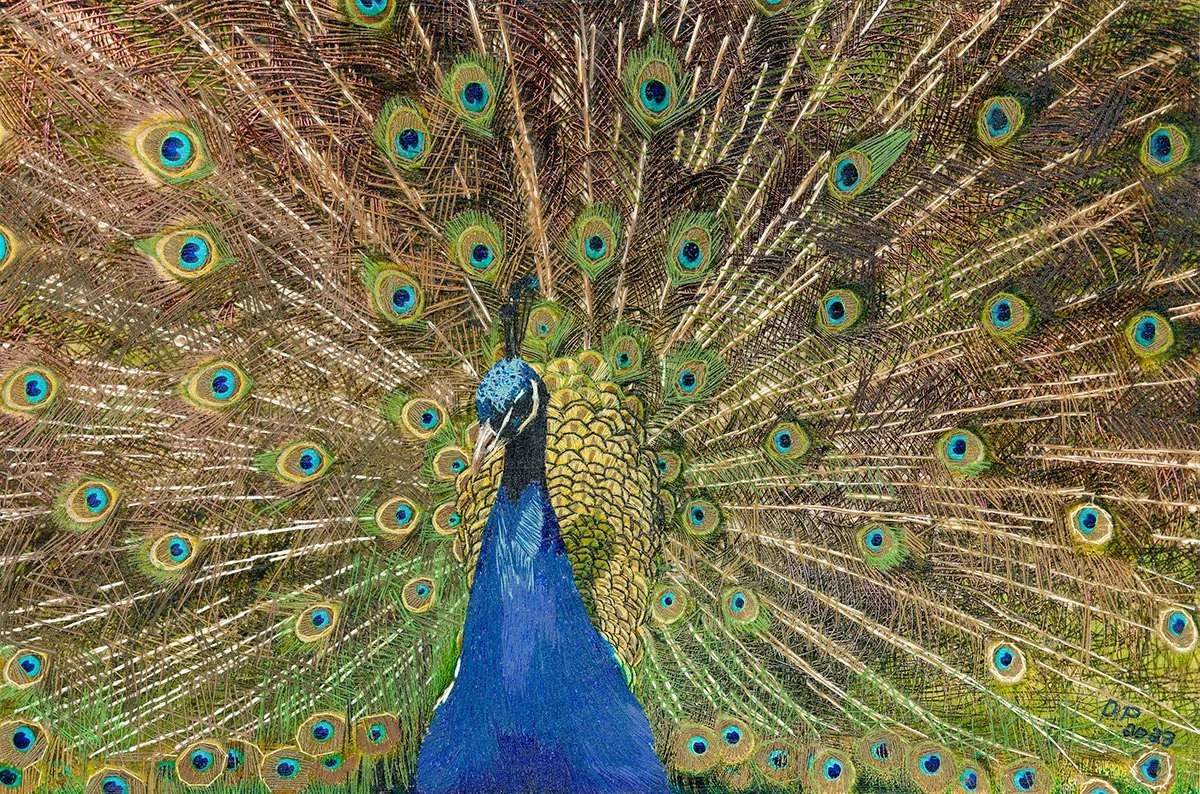
Peacock 2023 30.48 × 40.64 centimeters Embroidery on Canvas
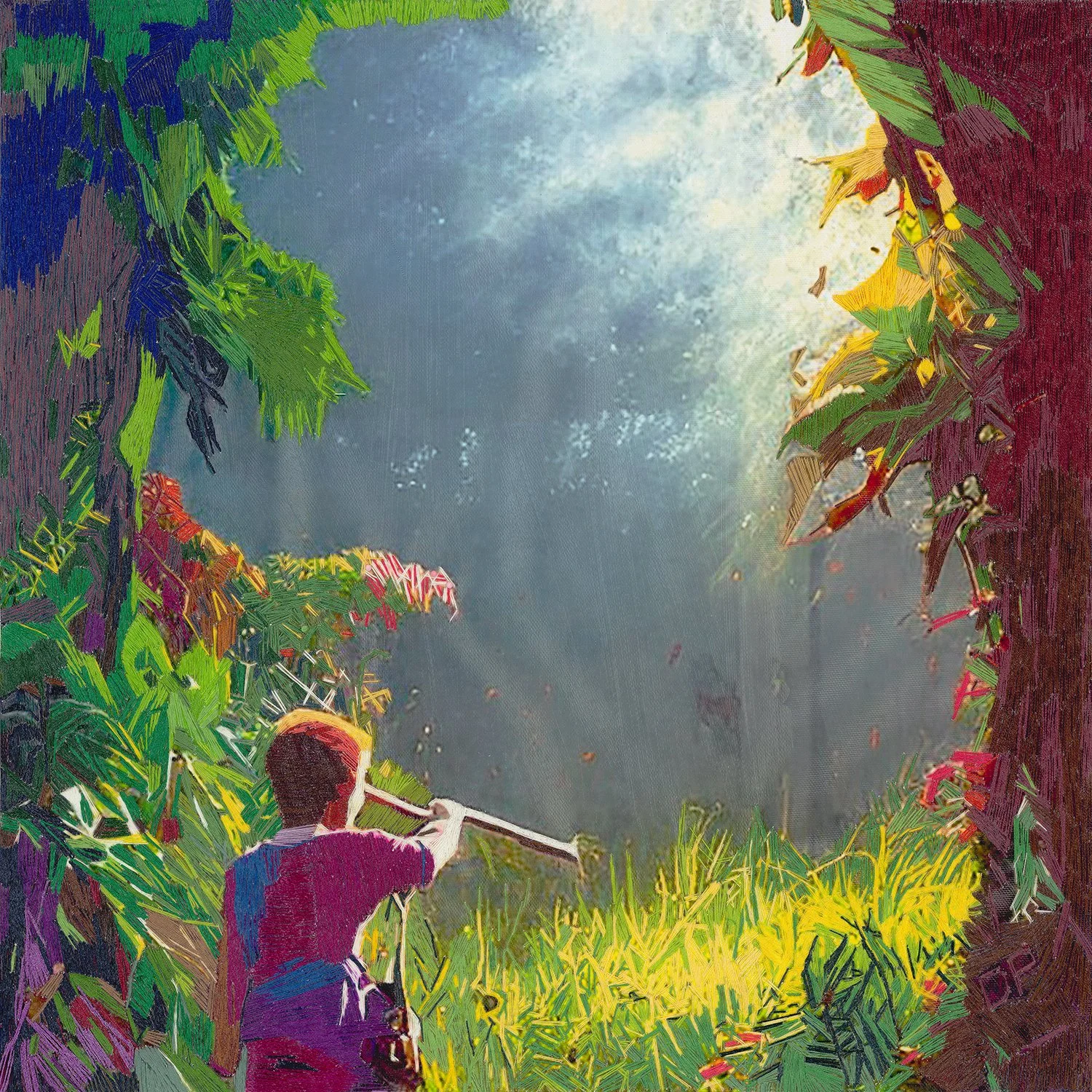
Forest Adventure 2024 45.72 x 45.72 centimeters Embroidery on canvas