
Edita Åbrink
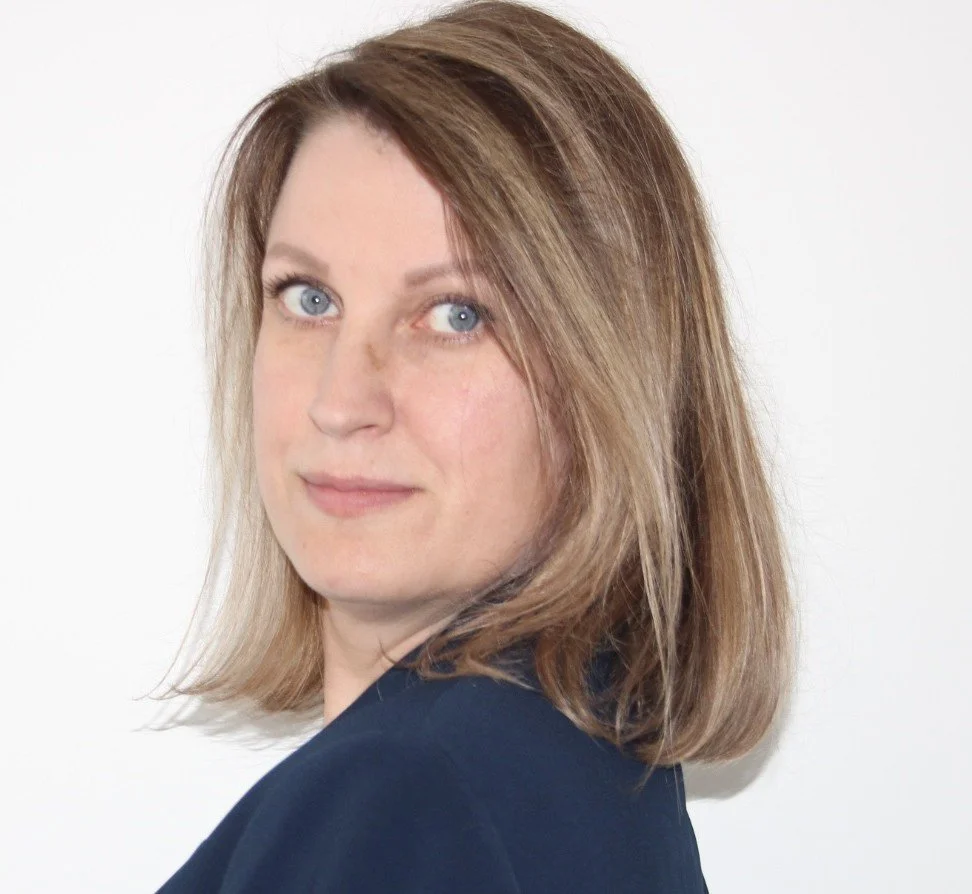
Edita is a Sweden-based abstract artist working with intuitive fluid painting to explore emotional truth, inner freedom, and the essential conditions of human life. Her practice unfolds without premeditated composition, allowing gravity, movement, and material interaction to guide the emergence of form. Through this process, lived experience is translated into color, flow, and organic structure, creating contemplative spaces that invite reflection and emotional connection.
Born in Lithuania and now living in Sweden, Edita’s work is shaped by migration, adaptation, and resilience. Experiences of displacement and cultural transition inform the emotional depth of her abstraction, where tension, transformation, and searching presence remain visible without direct representation. Beginning her artistic practice in adulthood after years of labor and responsibility, she approaches painting with urgency and attentiveness, valuing authenticity, presence, and depth over convention or speed.
Edita’s paintings are rooted in the belief that art can reconnect viewers with what is most fundamental yet often overlooked in contemporary life. At the core of her philosophy are three inseparable values that cannot be bought or replaced: health, time, and love. Awareness of life’s fragility, the irreversibility of passing time, and the necessity of human connection form the quiet ethical ground of her work. Through fluid abstraction, fleeting gestures and unstable material movements are held in lasting form, mirroring the way lived moments become memory.
Her paintings invite viewers into open, non-narrative fields where personal experience and shared humanity meet. Rather than declaring meaning, the work offers stillness, slowness, and emotional presence — a space to pause, feel, and return to what truly matters. Edita’s practice continues to evolve through sincerity, sensitivity, and trust in intuitive process, positioning abstraction as a language of lived experience and human value in an accelerated world.
Your practice emerges from a space of intuitive action rather than premeditated composition. How do you understand your role within the work – as originator, mediator, or participant?
For me, painting begins in a space of inner freedom rather than control. I do not approach the canvas with a fixed image or predetermined composition. The work emerges from emotion, memory, and lived experience, unfolding through movement, gravity, and the interaction of materials.
In this process, I do not see myself as someone directing the work from above, yet neither am I passive. I collaborate with the material while also surrendering to it. Paint has its own weight, flow, and rhythm, and I remain present and attentive to what it wants to become. The painting unfolds as an event where inner feeling and material force meet. My role is to initiate, witness, and respond with honesty.
Fluid abstraction has often been read as oscillating between control and accident. How do you conceptualize this tension?
The tension between control and accident is not something I try to resolve. It is essential to the vitality of the work. Life itself moves between intention and unpredictability, and fluid painting mirrors this condition.
I begin with an emotional impulse and an intuitive gesture, but once the paint begins to move it enters a field of forces beyond full control. I listen and respond rather than impose. Structure appears through sensitivity rather than planning. In this way, the work sustains the coexistence of intention and contingency, allowing both to remain present without hierarchy.
You frequently describe painting as a space in which you can fully inhabit yourself. How does this interior freedom translate into visual form?
Painting is the one place where I exist without roles, expectations, or external pressure. This inner freedom translates visually through openness, movement, and organic flow. I allow color and form to arise without forcing them into representation or narrative.
The risk in translating inner states into abstraction is sentimentality or self-projection. I try to avoid this by remaining honest and present in the physical process. The material resists illusion. When emotion passes through movement and matter, it becomes grounded rather than decorative. The painting then carries emotional truth rather than personal confession.
Fluid art foregrounds materiality. How conscious are you of paint as an active agent?
I am deeply conscious of paint as an active substance rather than a passive medium. Each color has its own density, movement, and energy. When I pour, I am not only expressing something inward; I am entering into dialogue with a physical force.
This awareness changes my decisions. I do not force outcomes. I observe how materials interact, collide, expand, or dissolve. My gestures become responses rather than commands. Respecting material agency is, for me, also an ethical attitude, listening instead of controlling.
Beginning your artistic practice in adulthood — how has this shaped ambition and urgency?
Beginning in adulthood gave me clarity about what truly matters. I did not enter art through competition or academic progression but through an existential need to create. This removed comparison and replaced it with sincerity.
There is urgency, but not in the sense of speed or career ambition. The urgency comes from an awareness of life’s fragility and the limits of time. I often return to the understanding that health, time, and love are the only things that cannot be bought or replaced. When one of them is lost, everything changes. This awareness gives creation depth and necessity. Growth is measured in authenticity and presence rather than external milestones.
Many of your paintings are produced in the margins of daily life. How does scarcity shape the work?
Working within limited time makes each moment of painting precious. It is time that must be claimed rather than given. This condition intensifies presence and concentration.
Because the work is created within scarcity, it carries emotional density. I bring the full weight of lived experience into the act. I am deeply aware that time once passed never returns, and this awareness lives inside the paintings. They hold the value of time itself, something fragile, finite, and deeply human.
Your paintings often appear formally resolved despite their improvisational origins. When do you recognize completion?
Structure emerges when I remain fully present in the process. I do not seek balance in advance, but I sense when the painting reaches an internal coherence. This recognition is intuitive rather than analytical.
Completion occurs at the moment when further intervention would diminish rather than deepen the work. The painting begins to feel inevitable, as if it has arrived at its own necessity. At that point, I stop. Resolution, for me, is not perfection but wholeness.
Having lived across Lithuania and Sweden, how do migration and adaptation register in your abstraction?
Migration exists in my work not as imagery but as an emotional undercurrent. Living between cultures shapes sensitivity, resilience, and perception. There is a constant movement between belonging and distance.
This condition enters the paintings as tension, transformation, and layered depth. Displacement becomes a quiet force within abstraction, a sense of searching, adapting, and continually re-forming identity. Even without representation, lived transition remains present.
Abstraction has often been framed as transcendental or purely formal. Where do you situate your work?
My work does not seek transcendence away from life, nor does it pursue formal reduction. It is grounded in lived experience, emotional endurance, and resilience. Abstraction becomes a language capable of holding complexity without depiction.
I situate the work in a space where inner life and material reality meet. It is neither purely spiritual nor purely formal, but experiential, shaped by memory, struggle, and presence.
The viewer plays a central role. How do you imagine participation?
I imagine the viewer as completing the work through perception and feeling. My paintings are open fields rather than closed statements. They do not dictate meaning.
I hope the work invites attentiveness and quiet vulnerability. When viewers pause and allow their own associations to emerge, the painting becomes alive again. Participation occurs through inner response rather than interpretation.
Your practice embraces uncertainty. Strategy, philosophy, or ethics?
It is all three, but it begins as a way of being. Life itself cannot be fully planned or controlled. Accepting uncertainty becomes necessary for survival and growth. Painting mirrors this stance.
Allowing unpredictability is both philosophical and ethical. It resists domination and values openness. In practice, this means trusting the process, accepting change, and remaining responsive rather than prescriptive.
You describe your work as carrying emotional truth rather than narrative content. Expression versus projection?
Emotional truth arises when feeling moves through process rather than remaining purely personal. Projection occurs when emotion is imposed without transformation. I try to allow experience to pass through material action so that it becomes shared rather than private.
Much of what I carry emotionally relates to the fundamental realities of being human, vulnerability, love, loss, and care. I believe people often forget the value of what cannot be bought: health, time, and love. When abstraction holds space rather than statement, viewers can reconnect with these essential truths through their own experience.
Looking forward, what questions feel most urgent in your practice now?
The most urgent questions in my practice return to what I see as the essential foundations of life: health, time, and love. These are the only things that cannot be bought, replaced, or controlled, yet they are often overlooked in contemporary life.
If health is lost, everything changes. Time once passed never returns. Love cannot be substituted by anything material. Through my work, I want to gently invite reflection on these truths. Painting becomes a space that slows perception and brings attention back to what is fundamental and human.
I am interested in how abstraction can sustain this awareness, not through message or instruction, but through presence and emotional resonance. The work will continue to evolve as a quiet reminder to return to what truly matters.
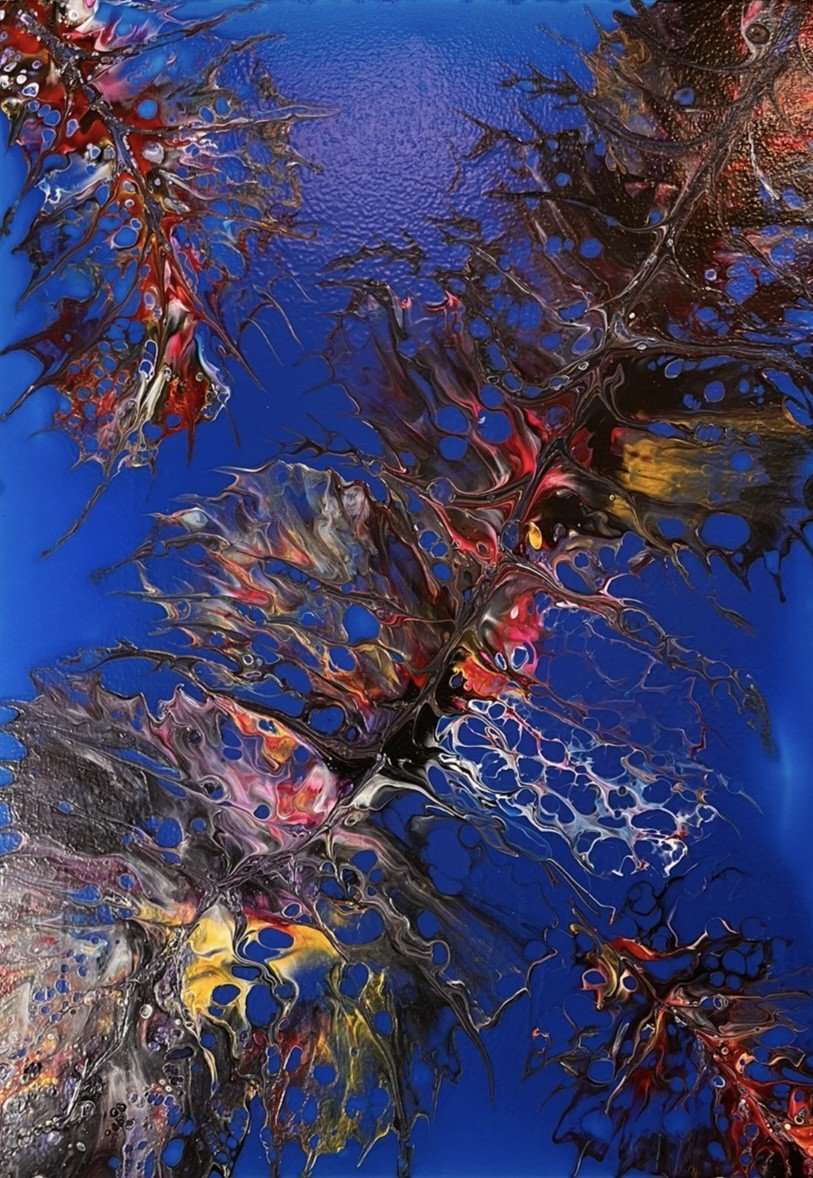
Coral, 2023. Mixed media, 50x70x1,5cm
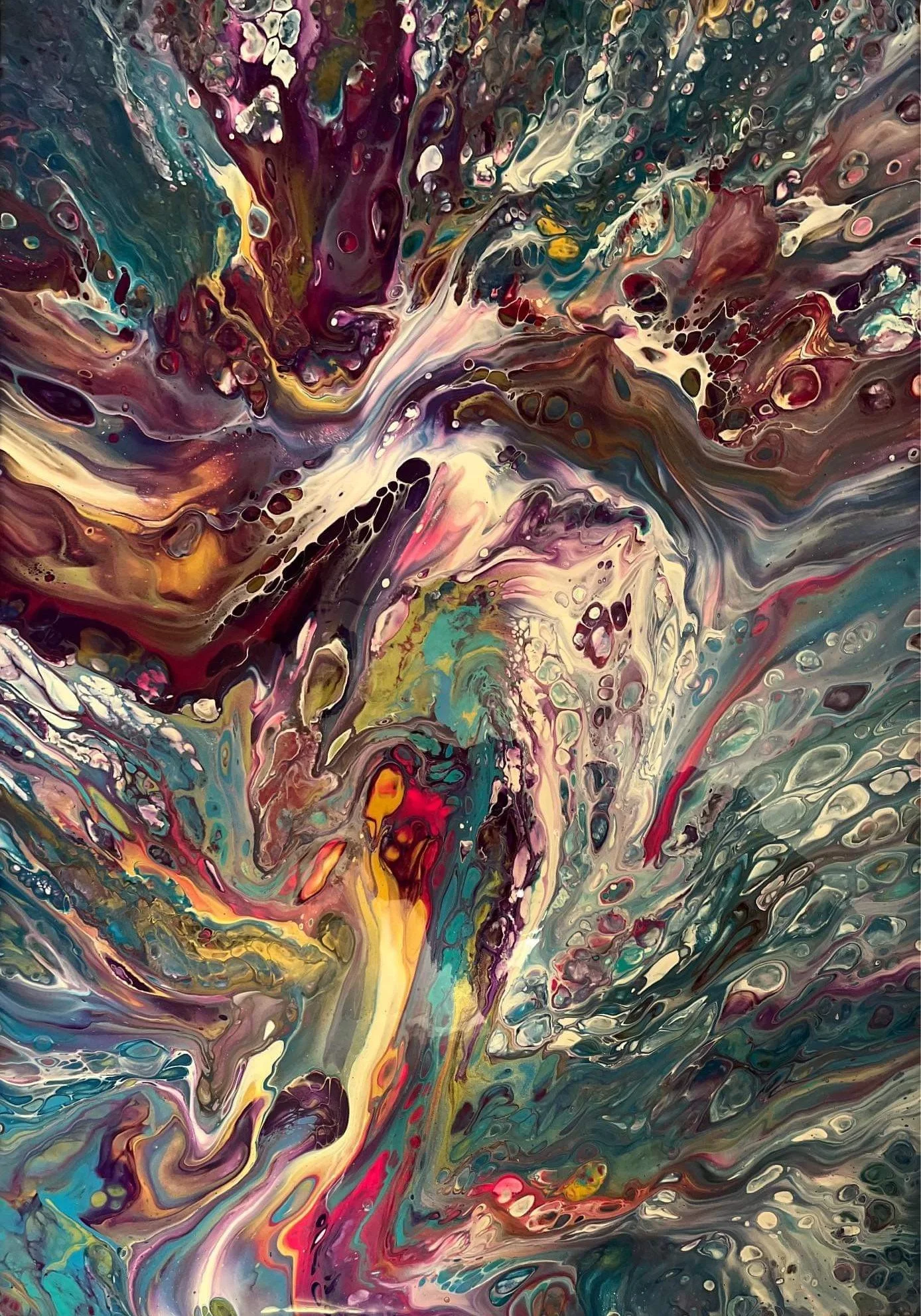
Dragon on Fire, 2023. Mixed media, 50x70x1,5cm
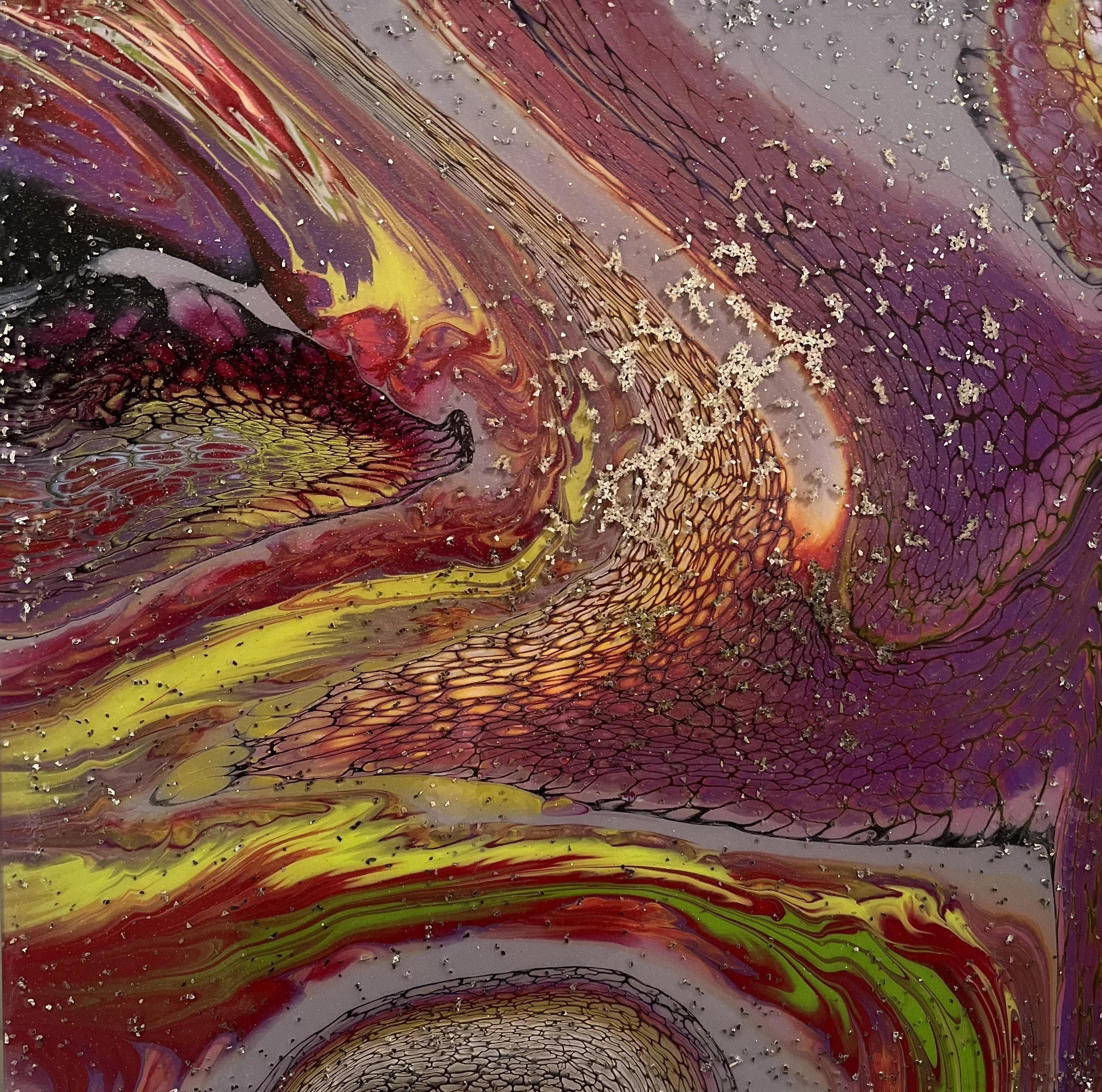
Energy Vibes, 2025. Mixed media, 50x50x3,5cm
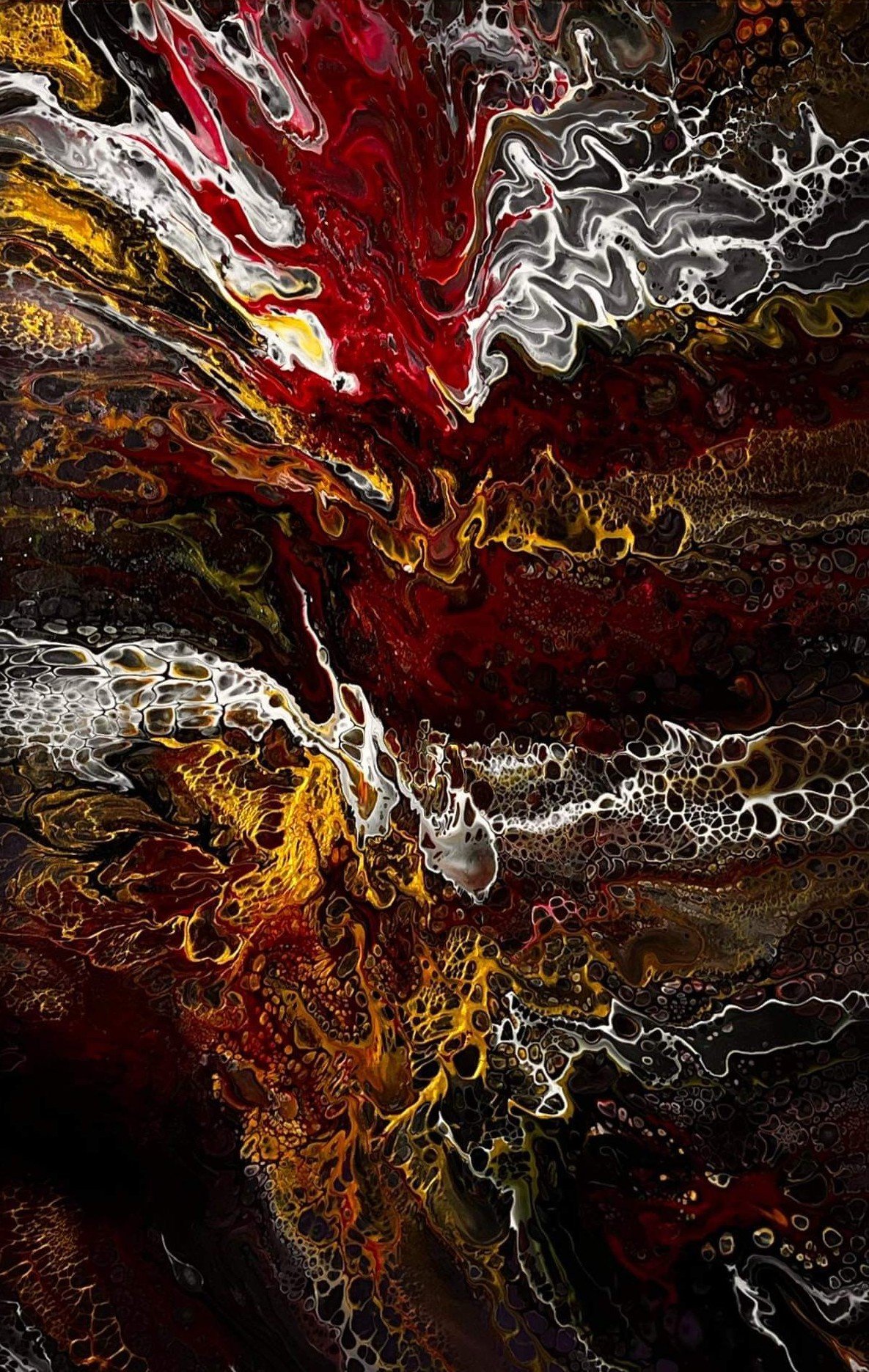
Explosion, 2023. Mixed media, 40x60x1,5cm
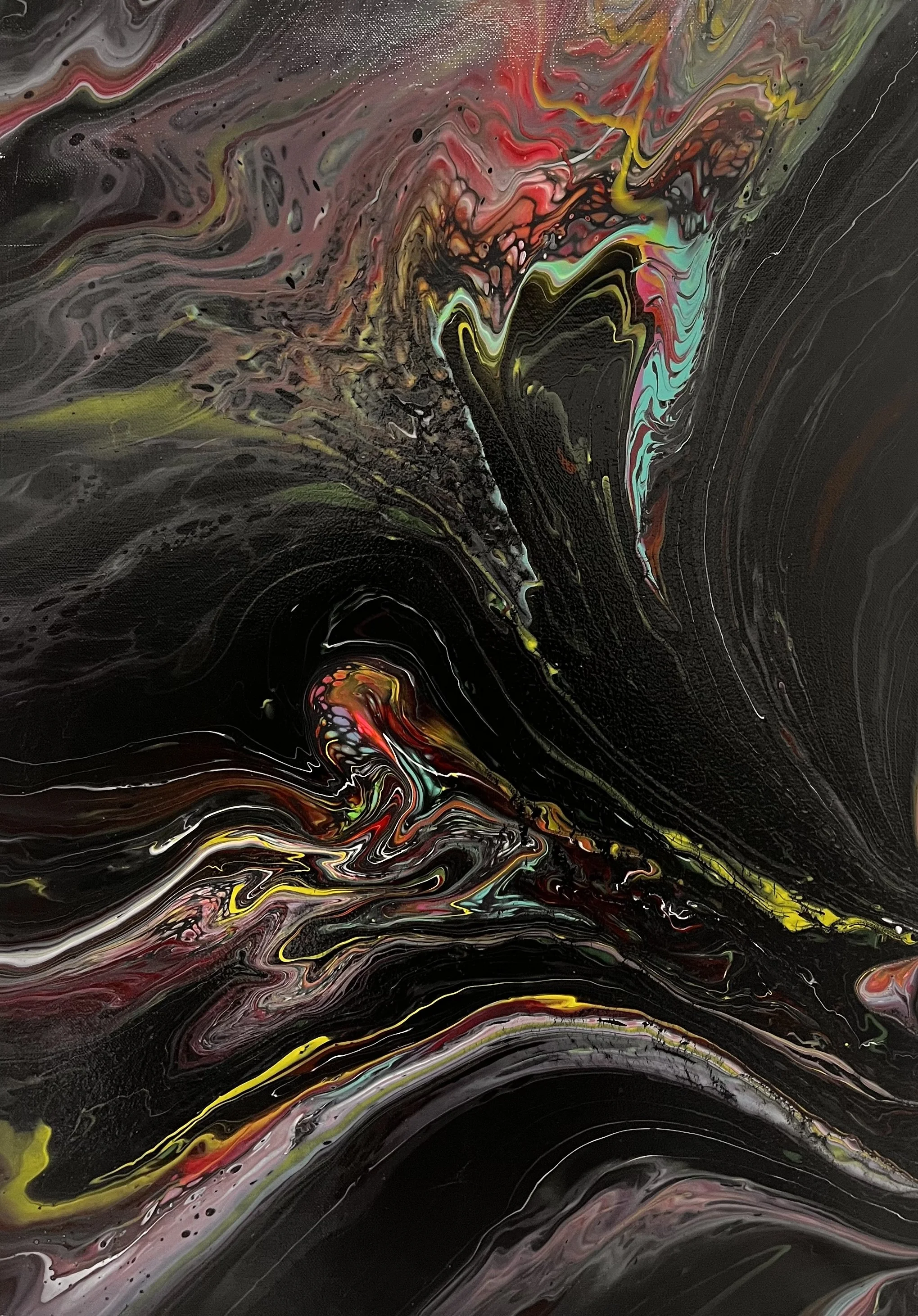
Light in the Darkness, 2023. Mixed media, 50x70x1,5cm
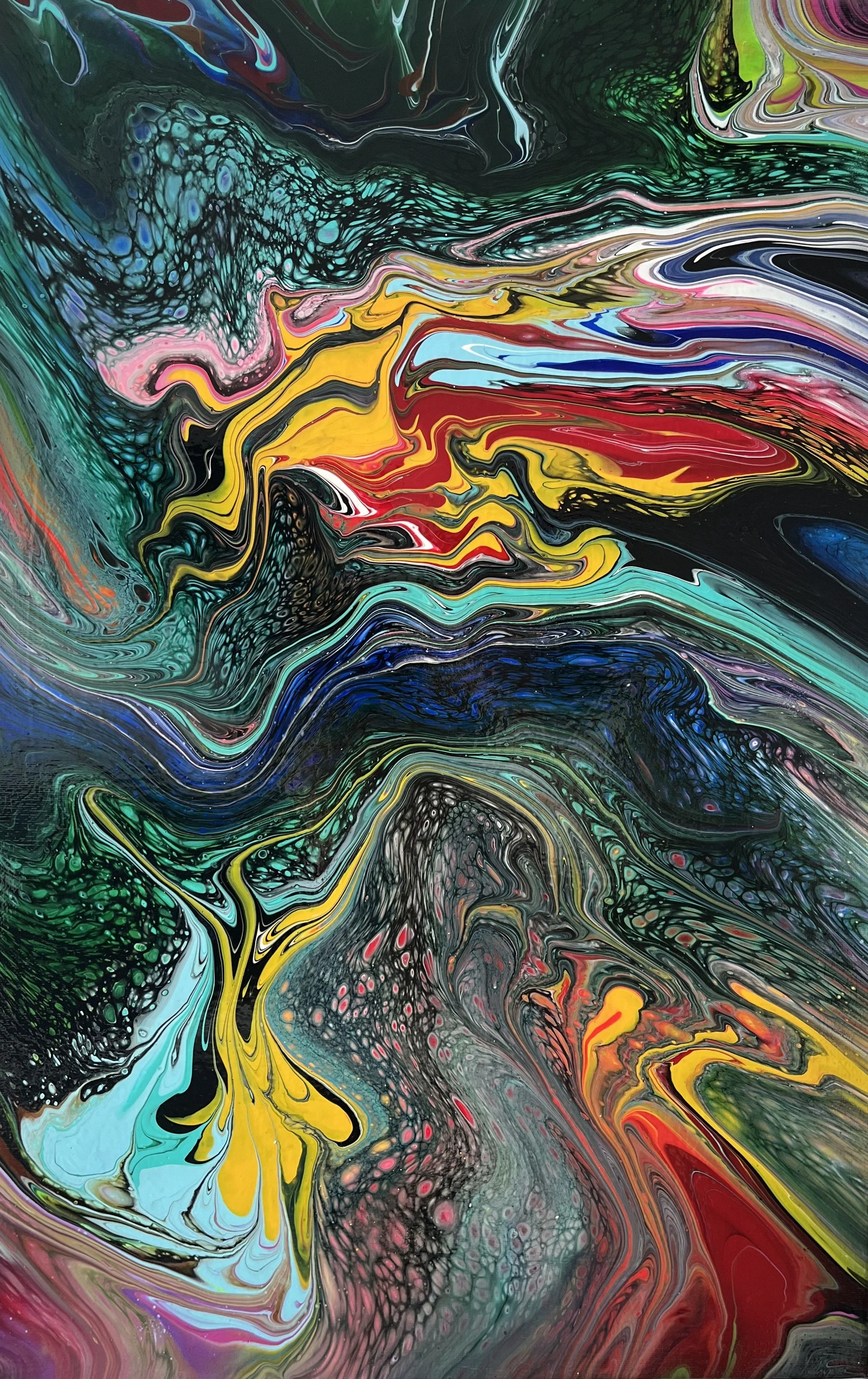
New Beginnings, 2025. Mixed media, 40x60x1,5cm
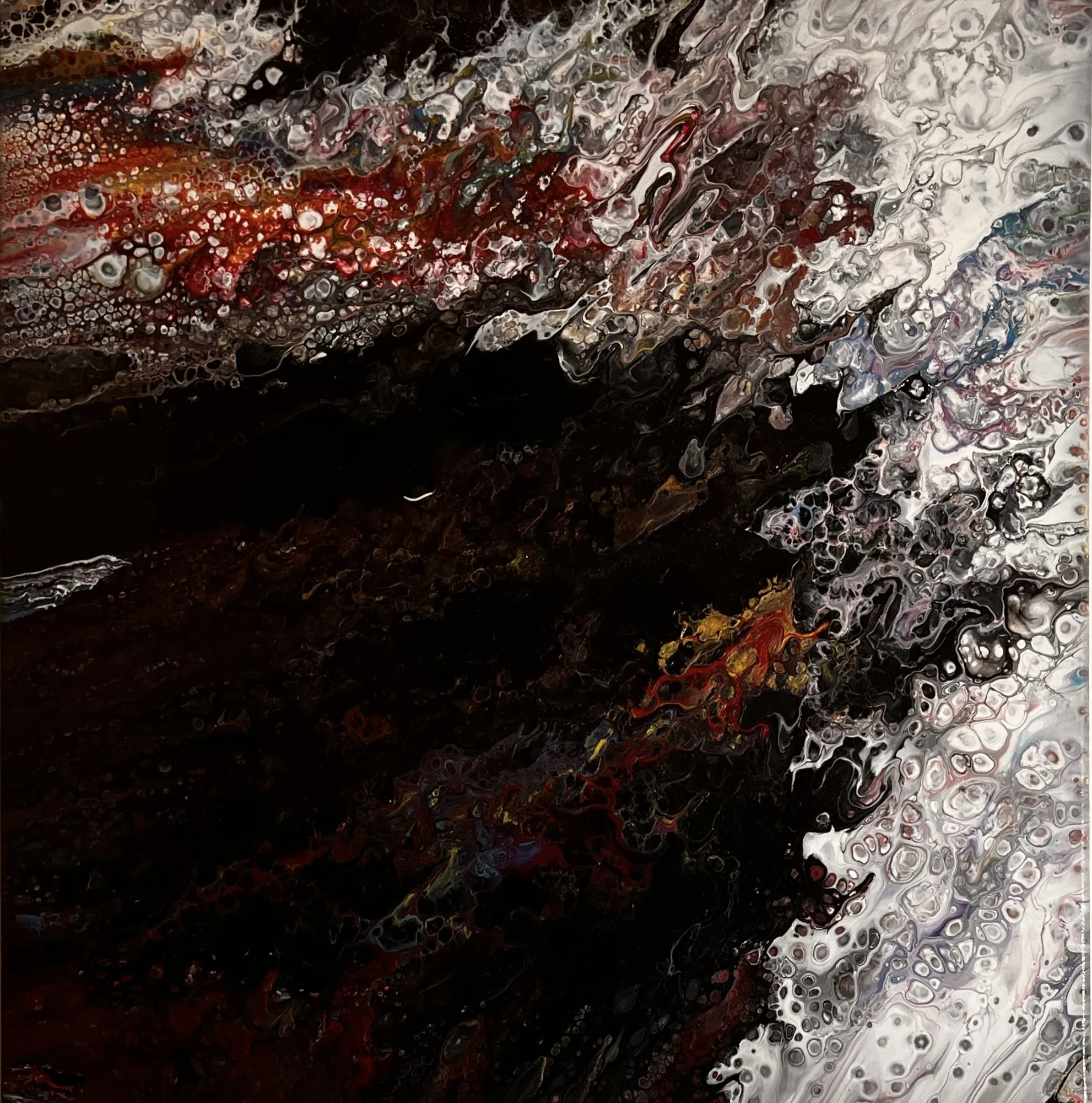
Ocean after Darkness,2023. Mixed media, 80x80x3,5cm
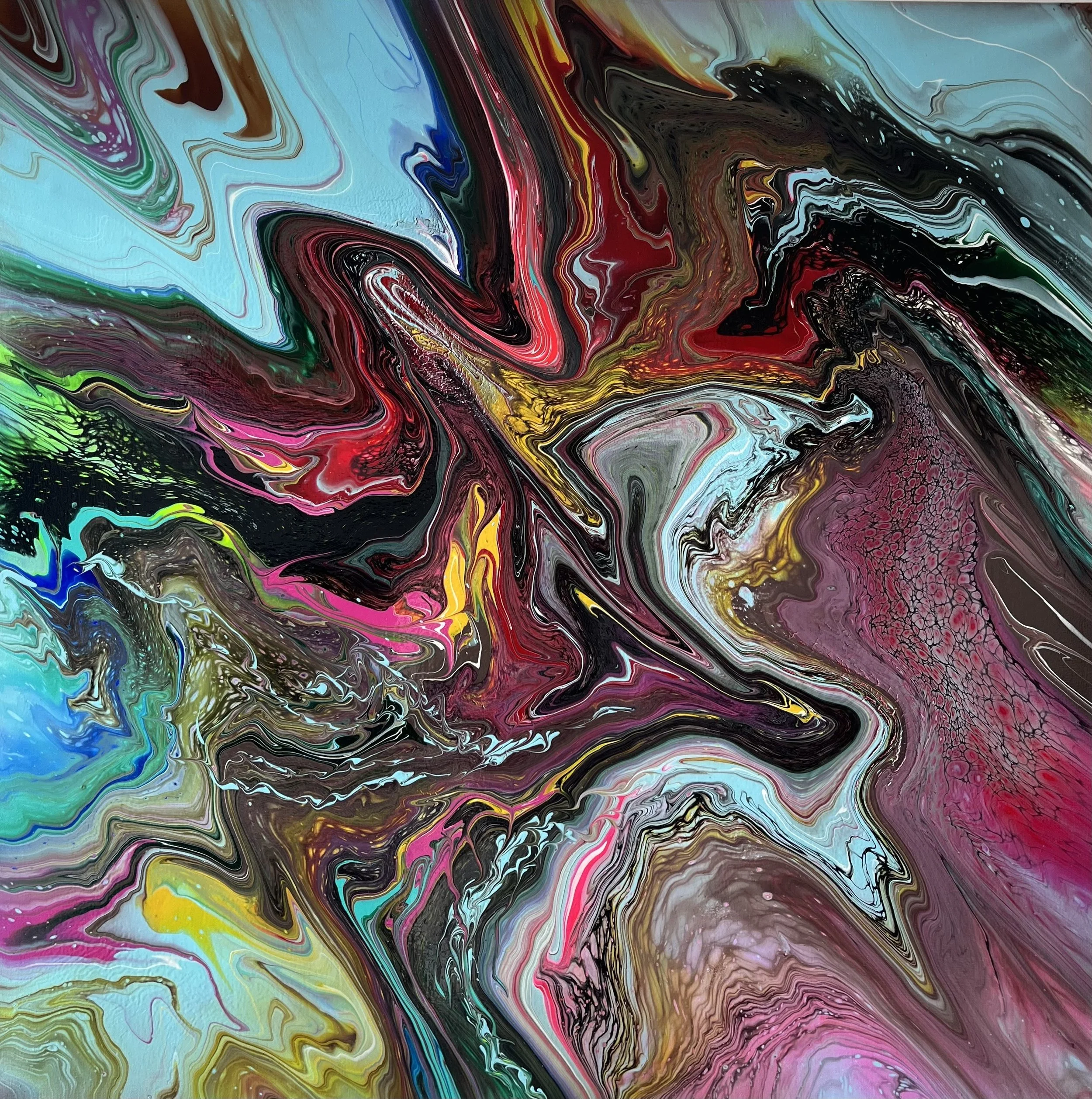
Persevere, 2025. Mixed media, 80x80x1,5cm
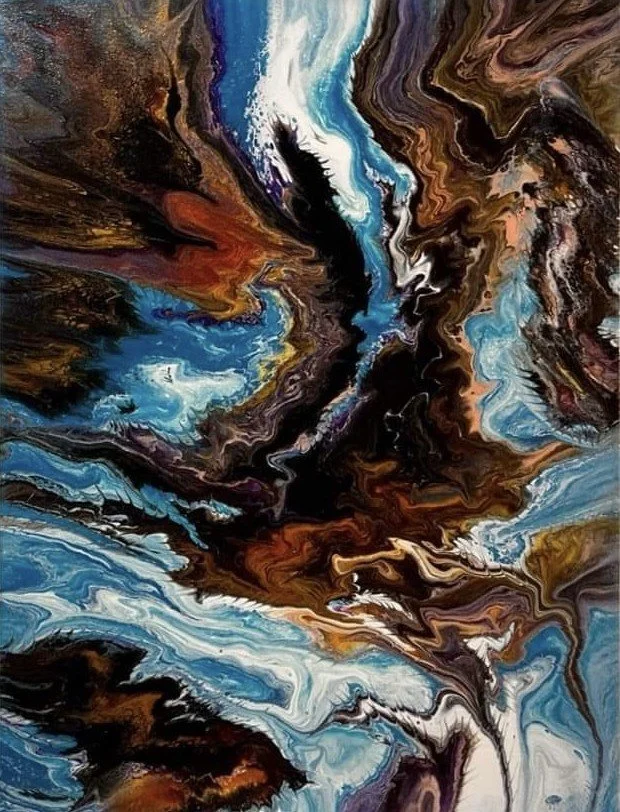
River Through Canyon, 2023. Mixed media, 60x80x1,5cm
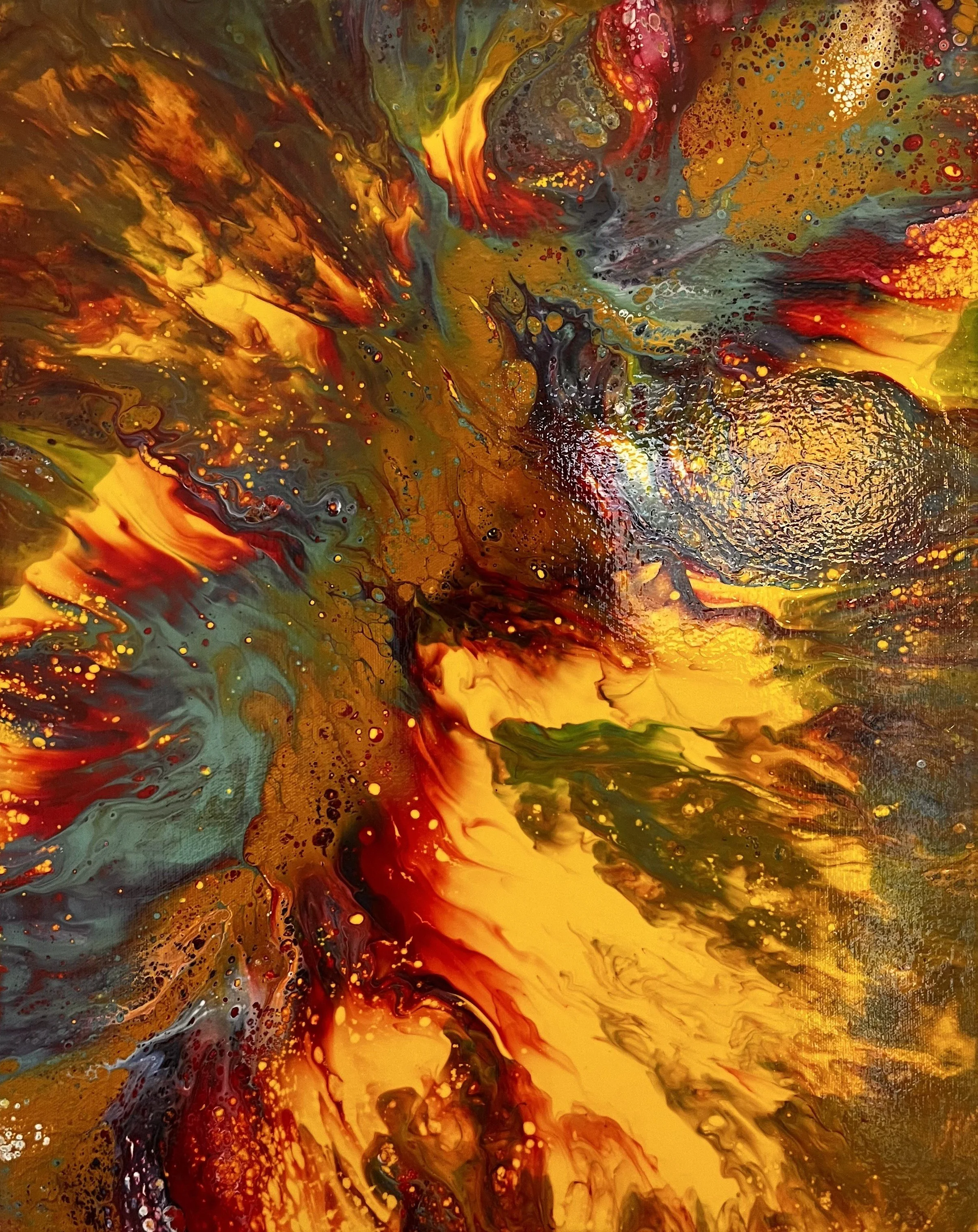
Solar Storm, 2023. Mixed media, 40x50x4cm
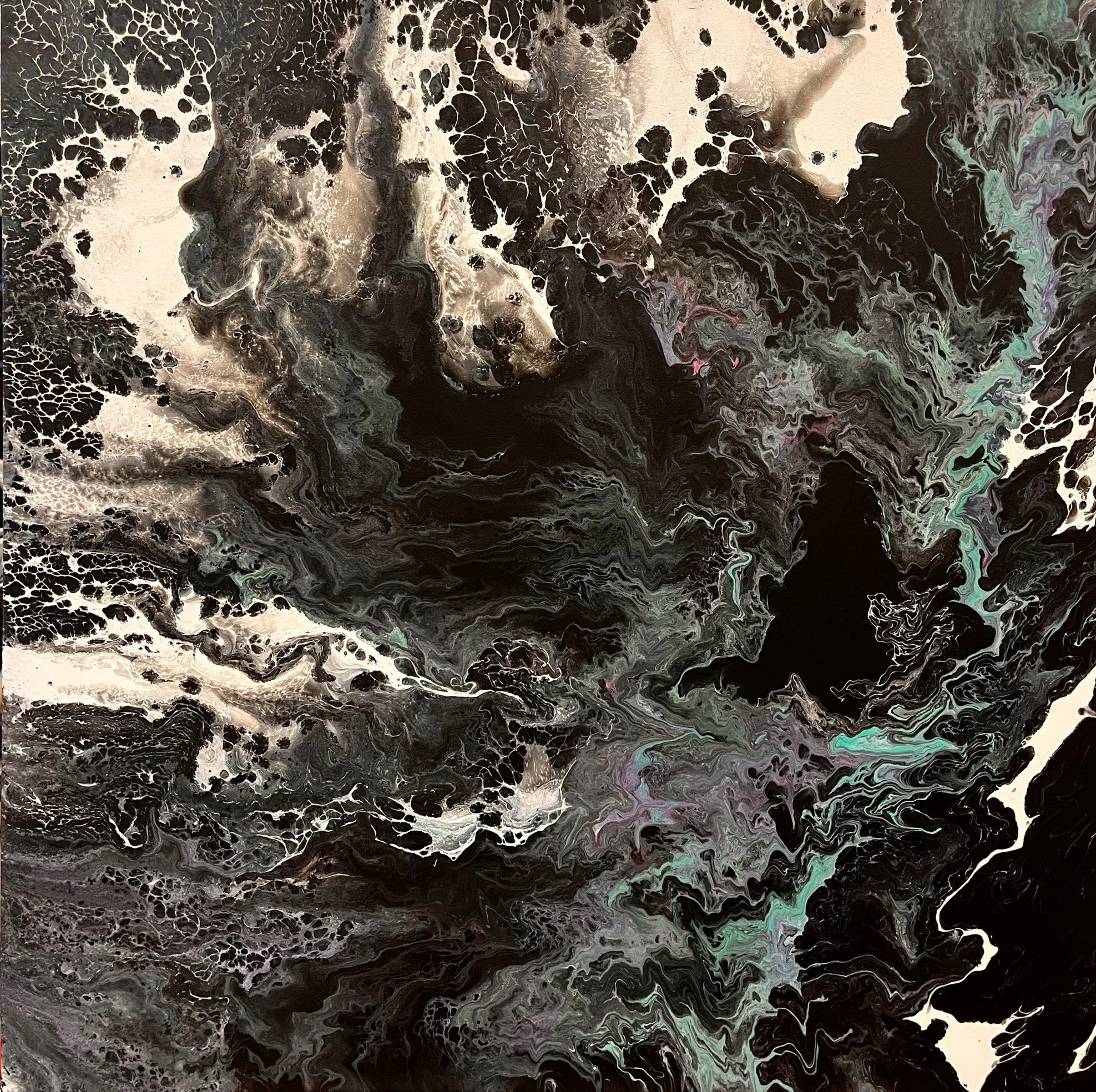
Storm in the Ocean, 2023. Mixed media, 80x80x3,5cm

Take Your Time, 2025. Mixed media, 30x60x1,5cm
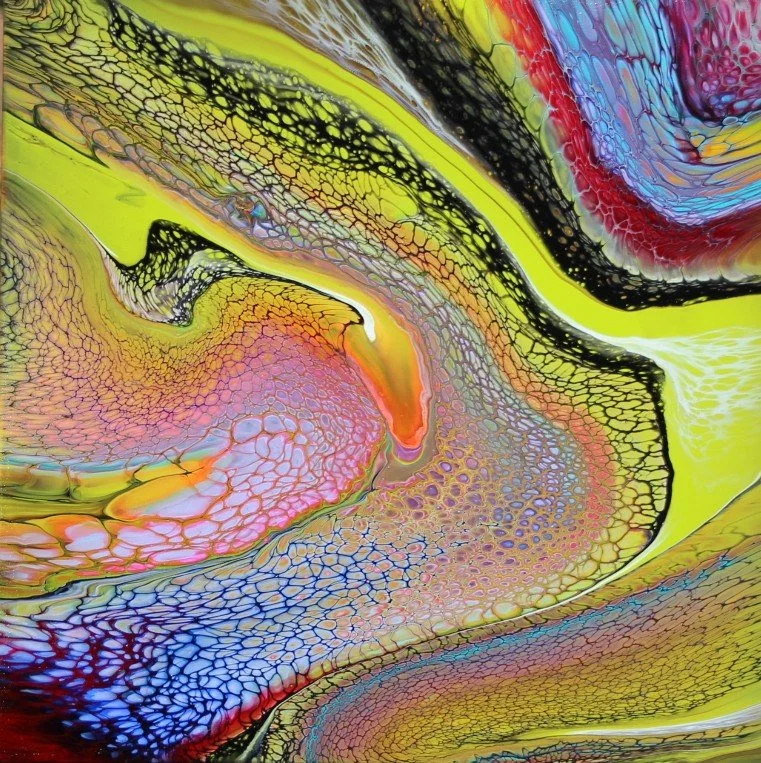
The Beauty of Summer Vibes, 2025. Mixed media, 50x50x3,5cm
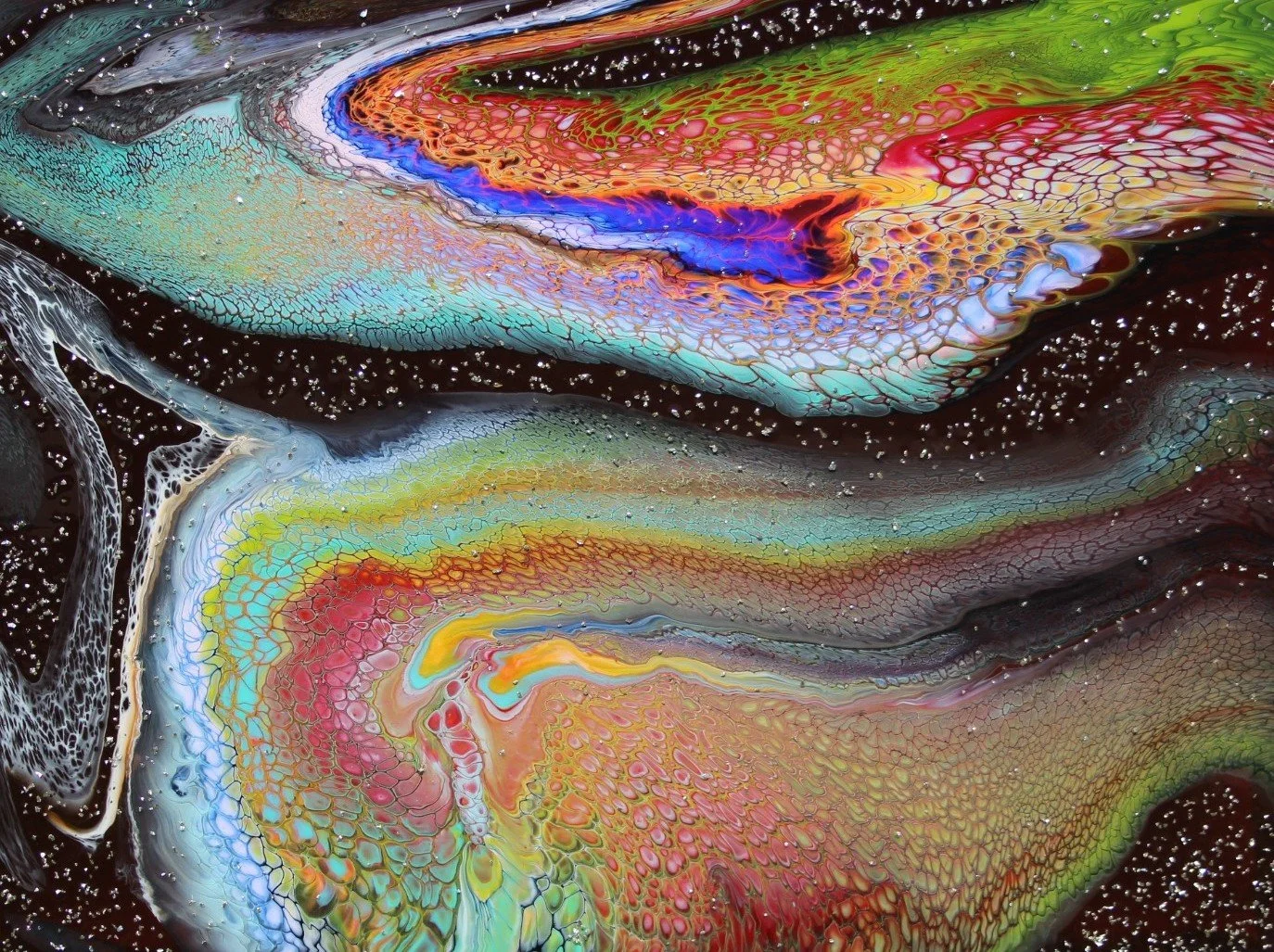
The Beauty of Universe, 2025. Mixed media, 60x80x4cm
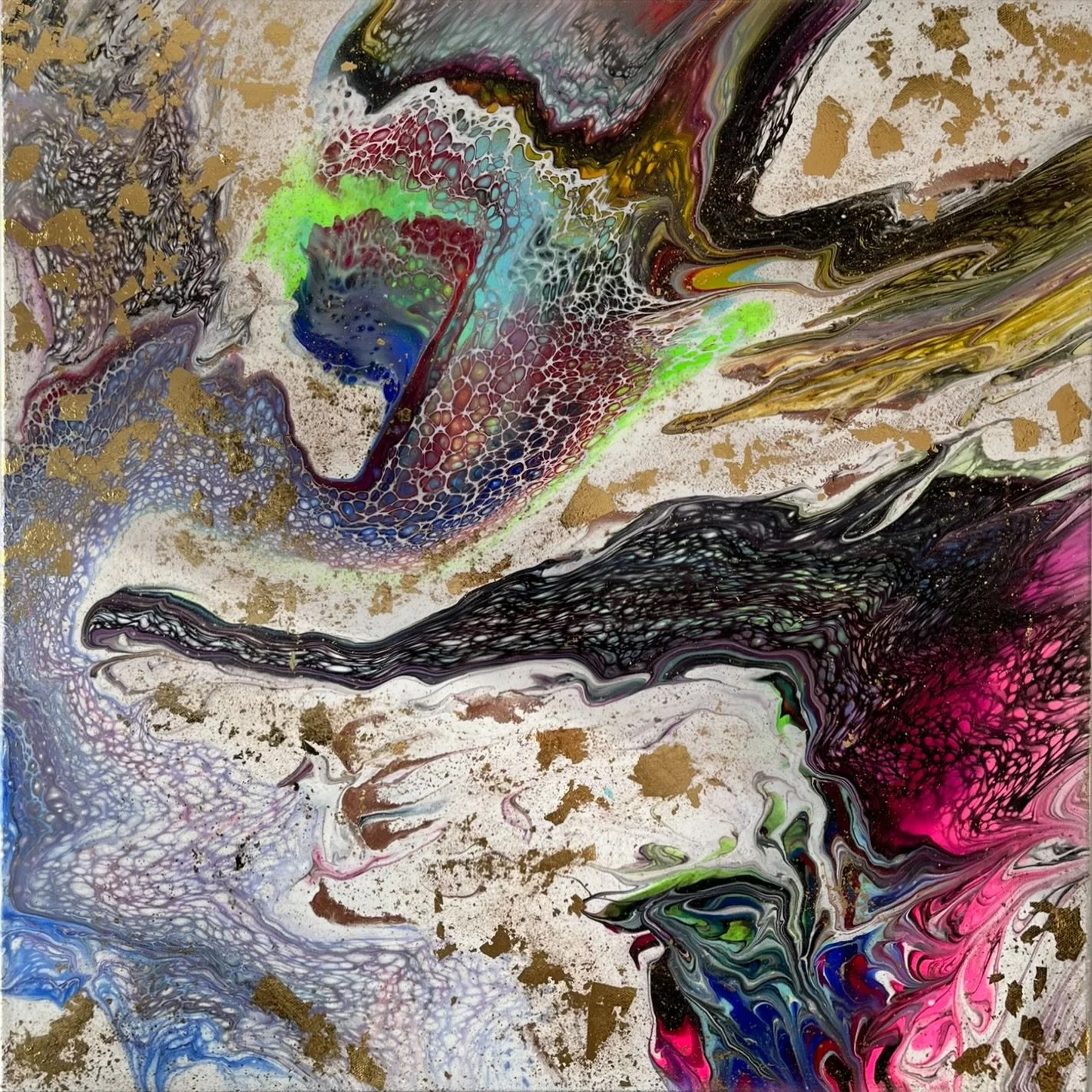
Take Your Power, Shine Like Gold, 2025. Mixed media, 60x60x3cm
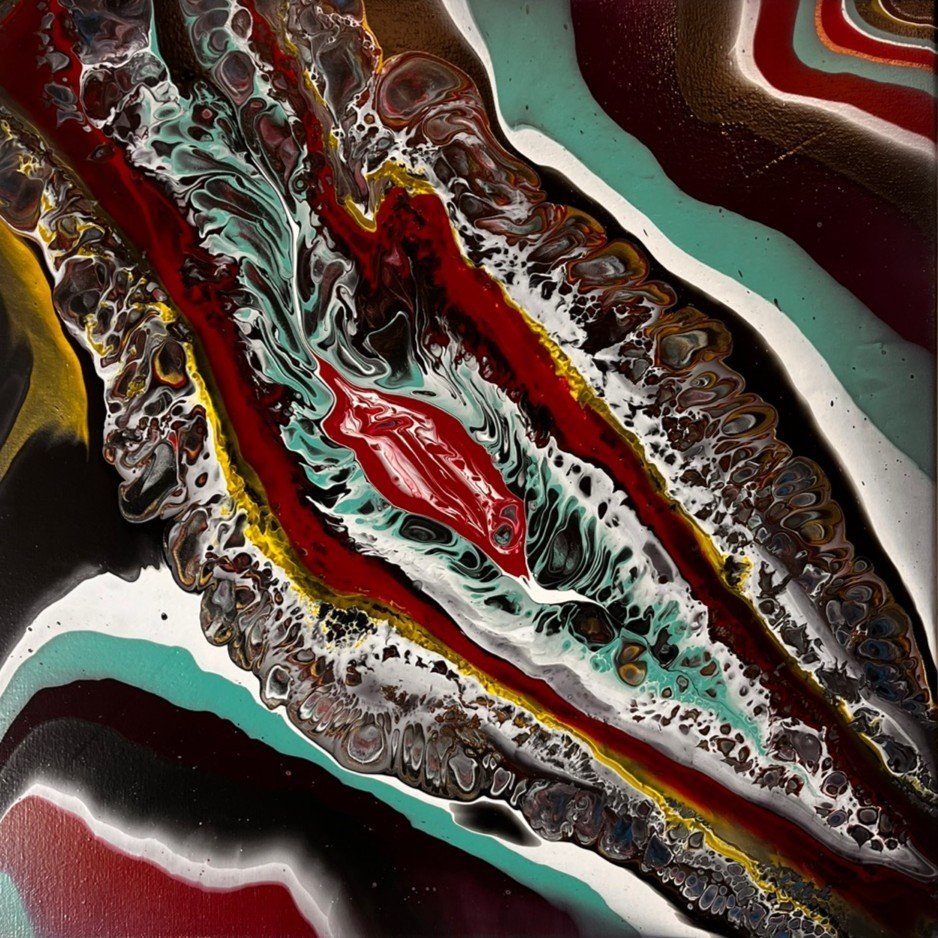
Lips, 2023. Mixed media, 50x50x1,5cm
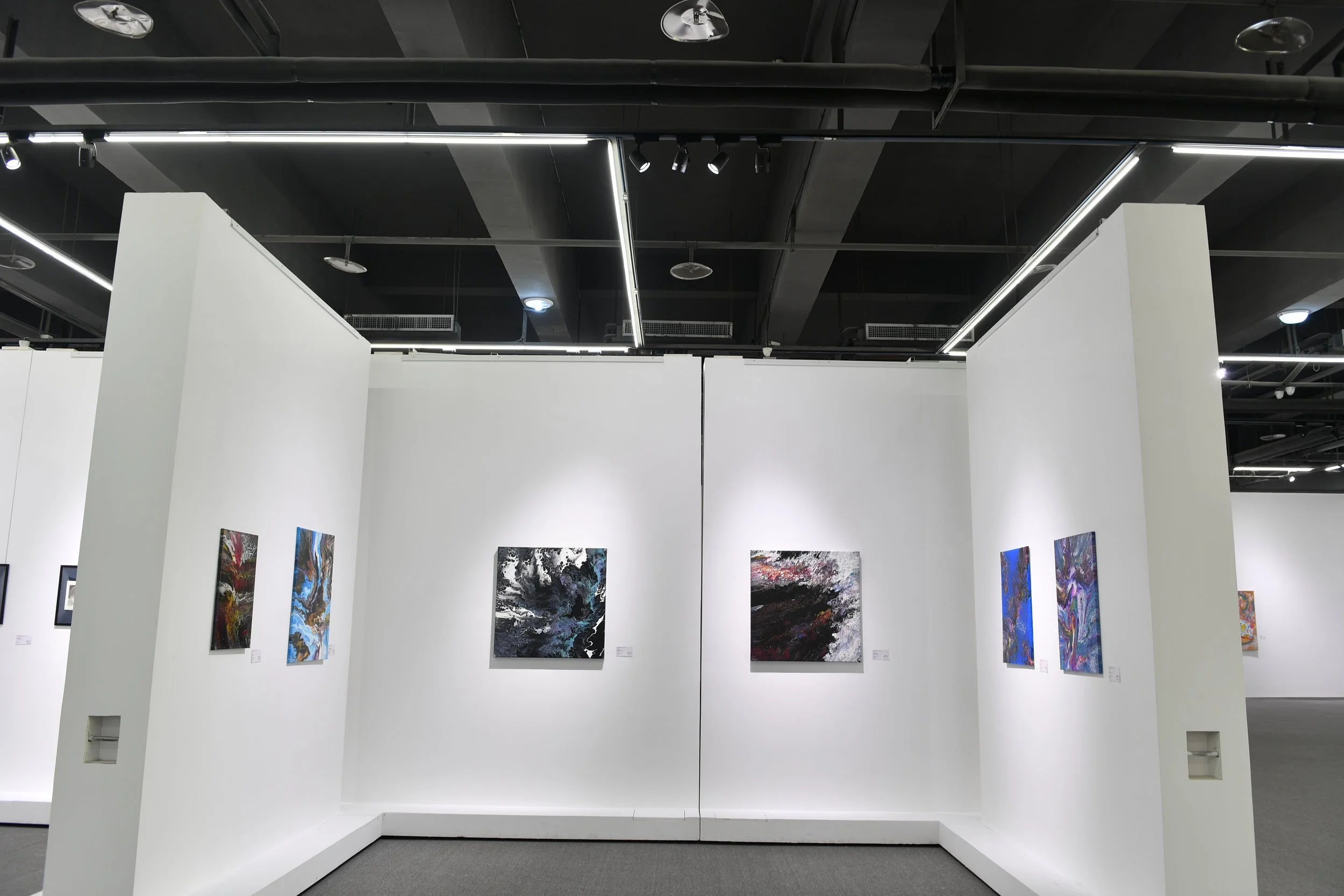
Exhibition at Chongqing Hong Art Museum 2023, China - International Group Exhibition (Presented by Pashmin Art Consortia copyright)
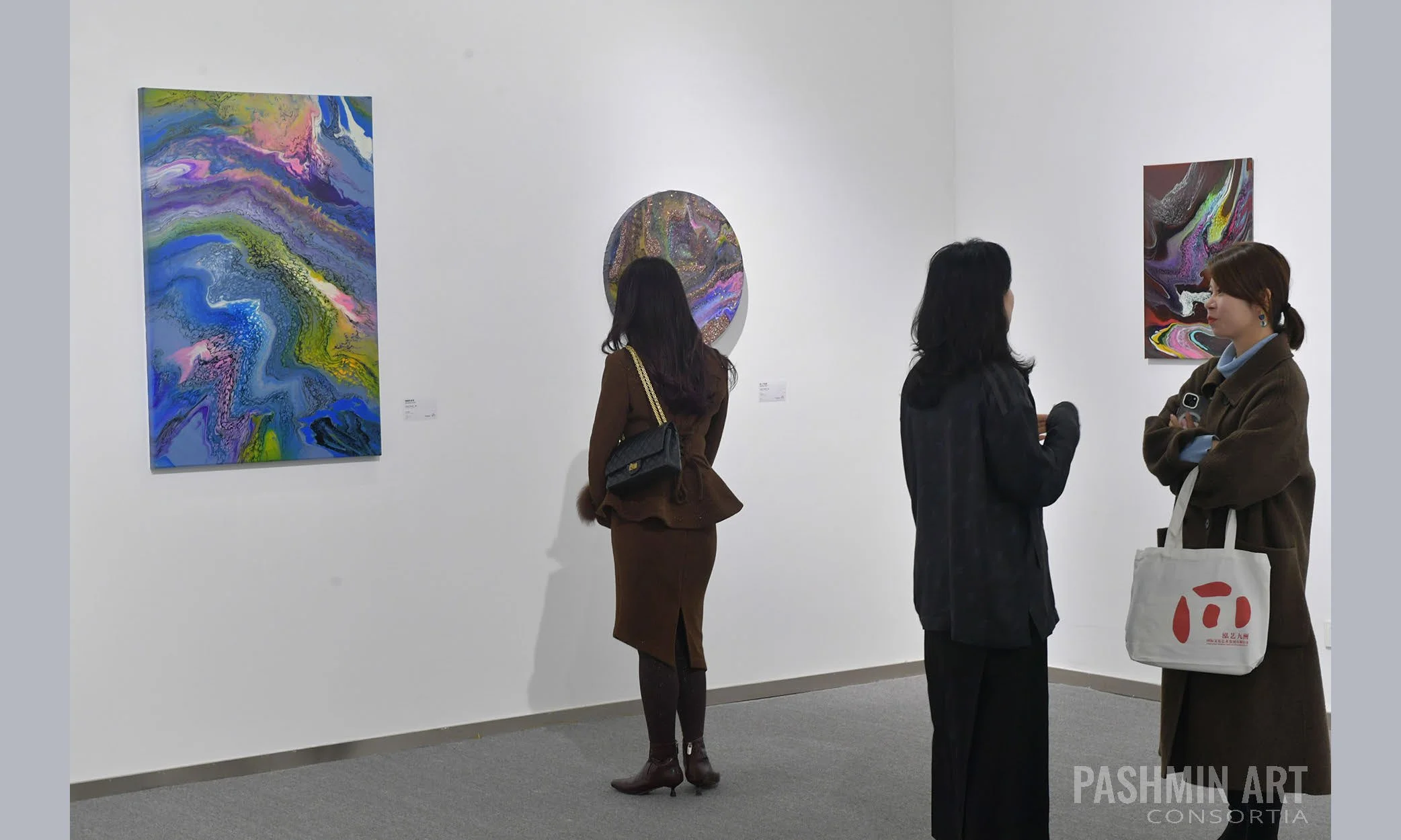
Exhibition at Chongqing Hong Art Museum 2025/2026, China - International Group Exhibition (Presented by Pashmin Art Consortia copyright)
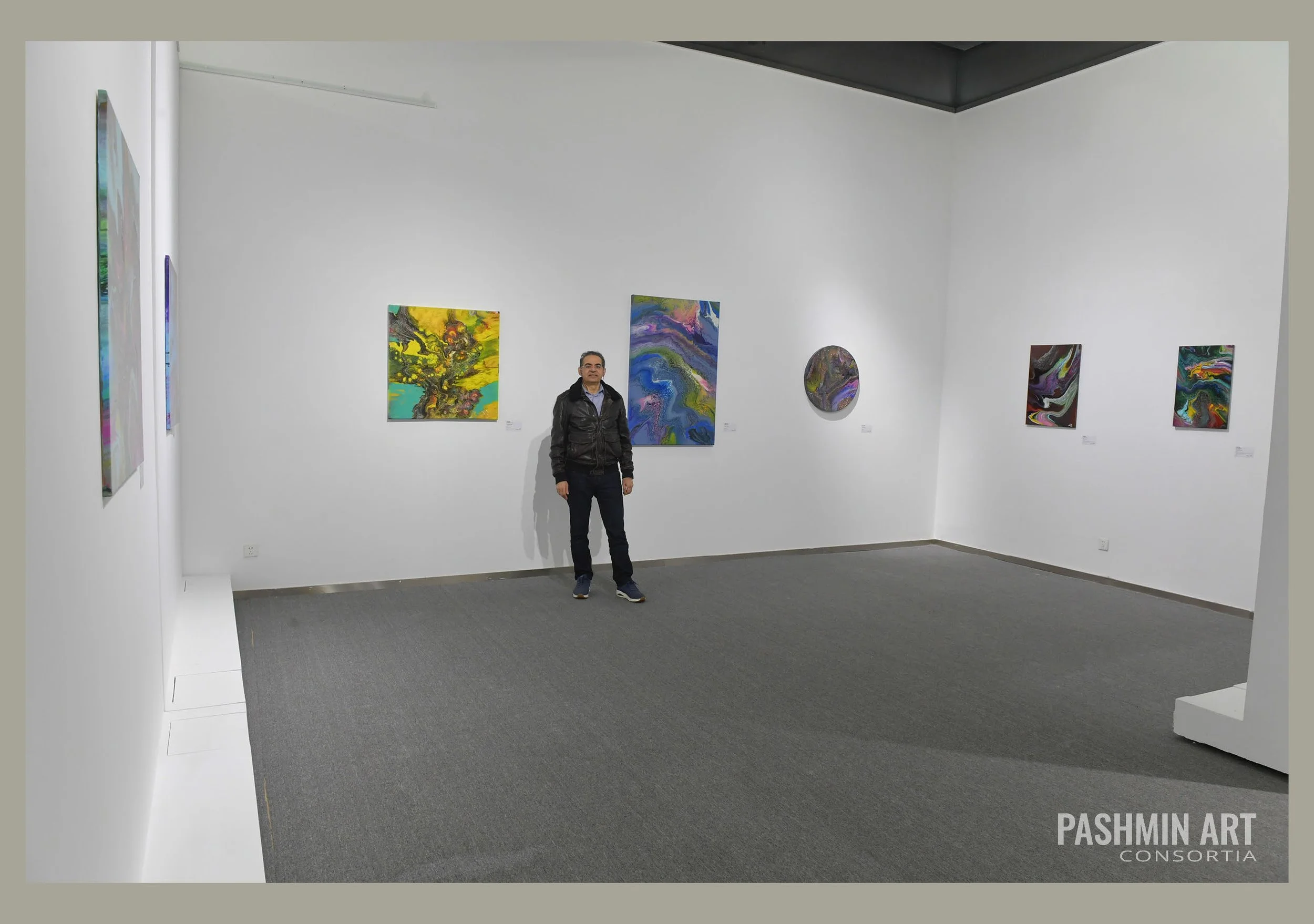
Exhibition at Chongqing Hong Art Museum 2025/2026, China - International Group Exhibition (Presented by Pashmin Art Consortia copyright)
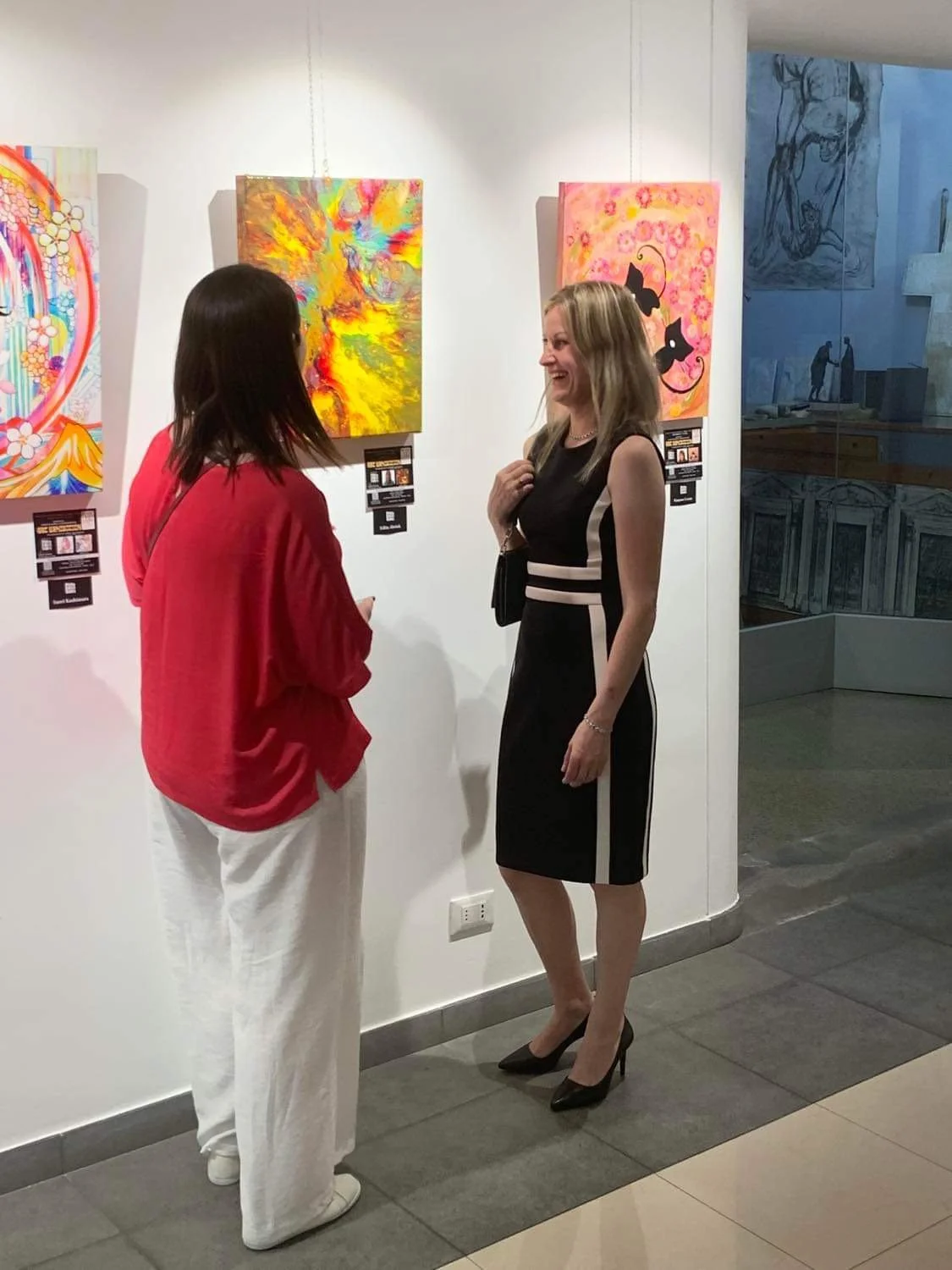
Exhibition at Venanzo Crocetti Museum Rome, Italy - Group Exhibition (Presented by First Wish Art Gallery copyright)