
Harry Bauer
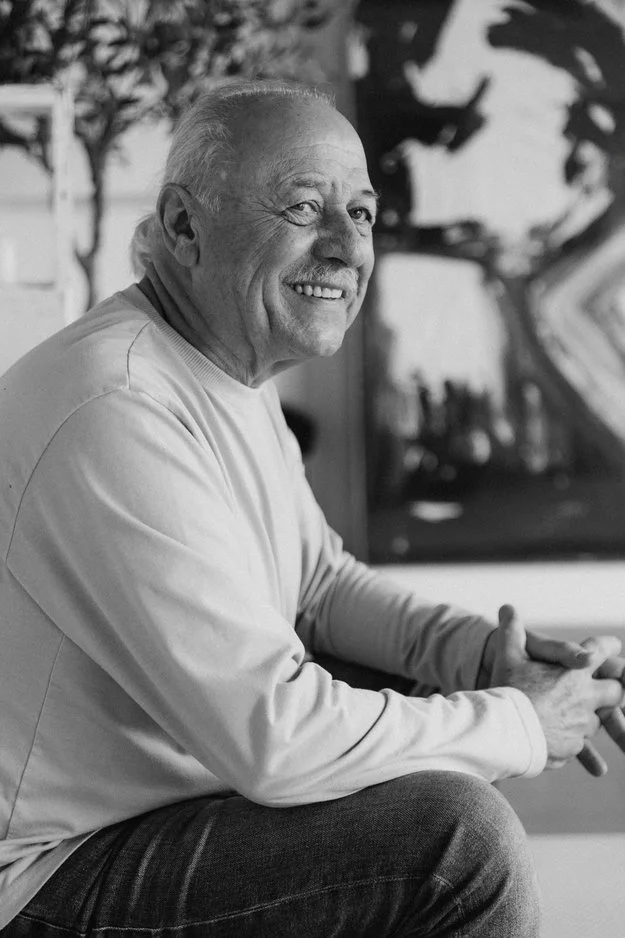
Harry Bauer – Contemporary Gestural Painting
Harry Bauer lives in a picturesque region not far from Munich. From there, his artistic sphere of influence has expanded far beyond the region to an international audience. In 2025, he presented his works at the MEAM in Barcelona at the invitation of Canadian artist and gallerist Bisa Bennett, and in Bologna at the invitation of curator and art expert Paola Trevisan, also at the Swissartexpo in Zurich and at the One Gallery in New York (online).
Harry Bauer works in the tradition of gestural abstraction and Art Informel – inspired by Jean Dubuffet, Antoni Tàpies, and Art Brut. For more than thirty years, he has combined expressive color application with materials such as bitumen, packing paper, and rust in his large-scale works, experimenting with unconventional techniques. The result is a densely tactile visual language in which emotion and structure collide with powerful intensity and vibrant color.
Harry Bauer has participated in numerous solo and group exhibitions. His works are represented in public spaces and institutional collections.
Through the radical interplay of material, gesture, and structure, Harry Bauer shapes a distinctive visual language that convincingly translates the legacy of Informel into the present. His painting is both statement and counter-world — decidedly analog, physically present, and rooted in the gestural discourse of the 21st century.
The selection of works reflects Harry Bauer’s artistic stance: deceleration, presence, and materiality as a sovereign resistance to digital ephemerality. In his most recent works, fragmented, abstract traces of the human figure appear inscribed into the pictorial ground without relinquishing abstraction.
Steffi Weiss, Curator, Juror, Art Manager, Berlin
Harry Bauer – Material, Gesture, and the Language of Abstraction
Beyond color, Harry Bauer creates in his painting a dialogue between material, gesture, and emotion. His work is rooted in the teachings of Art Informel and gestural abstraction, as well as in the insights of masters such as Jean Dubuffet and Antoni Tàpies. Yet his practice remains unmistakably independent. Within it, we encounter a raw, tactile energy that invites us to move beyond mere seeing — and to feel.
Strongly material-oriented, Bauer’s paintings emerge from corrugated cardboard, rust, bitumen, and packing paper, combined with pigment, acrylic, and charcoal. These highly textural materials are an essential component of his visual language. Through layering, scratching, and assembling, he generates surfaces of dense, tangible energy. Each canvas becomes a field in which emotion meets structure, where improvisation confronts compositional clarity.
Within his visual language, Harry Bauer’s expression has evolved from the impulsive energy of large-scale, materially rich works toward a quieter, more condensed form. Over time, forms become discernible that lend his compositions a clear and calming structure.
Yet at the core of his practice remains a tension between spontaneity and structure — refined into compositions of striking clarity.
Ana Bambić Kostov, Author, Art Historian, Belgrade, Berlin
Growing up amid the Roaring Sixties, with the Rolling Stones, the Beatles, Woodstock and Vietnam forming a global backdrop, how did this era of cultural upheaval inflect your sense of painting as an existential act? Do you see your material intensity as a transposition of that historical vibration into a nonrepresentational register?
It was a time of rebellion against a society still heavily marked by wars and struggling to replace crude structures with humane ones—worldwide. My painting reflects this confrontation with society and politics. The colors and structures represent chaos that nonetheless rests within itself. Out of tension comes release.
You entered painting intensively in 1990 and presented your first solo exhibition shortly thereafter. Was this turn less a beginning than a condensation of prior experiences? How do you narrate that threshold between professional life and the decision to inhabit the studio as a primary site of inquiry?
Alongside journalism, painting became my second existential passion starting in 1990. I believe it was a condensation of earlier experiences that now forced their way forward. The step toward solo exhibitions influenced and changed my life as a painter. I myself became the subject of art, examined from the outside—understood by many, misunderstood by many. That is both the appeal and the incentive to create art.
Your practice is deeply indebted to Informel and gestural abstraction, yet it resists mere citation. When we think of Jean Dubuffet and Antoni Tàpies, we encounter artists who destabilized hierarchies between high and low material. How do you situate yourself within this lineage without succumbing to stylistic homage? Where does your divergence become most pronounced?
When I stood in front of the Antoni Tàpies Museum in Barcelona and saw the chair on the roof entangled in wire, I understood what Informel truly means. It stands for freedom, spontaneity, and the rejection of geometric forms and predetermined structures. The value of a material is irrelevant to me; I am interested only in its surface and its experimental effect in combination with my use of color. Antoni Tàpies and Jean Dubuffet are sources of inspiration for me. But stylistically and gesturally, I always go my own way.
The materiality of your work, corrugated cardboard, rust, bitumen, packing paper, pigment, acrylic, charcoal, operates not as supplement but as ontology. What draws you to these unconventional materials, and how do they function as carriers of memory, entropy, or resistance within the pictorial field?
Natural materials have always fascinated me. They inspire the viewer to engage with the work. Often they are not merely additions but play an essential role, sometimes as carriers of resistance—how does a material fit into my idea, how does it respond to my brushstroke and application of color? I often accept the stubbornness of a material, and precisely that creates profound tension.
Your surfaces are layered, scratched, assembled, sometimes scarified to the point of rupture. Could you speak about this process of building and wounding the canvas? Is destruction a necessary precondition for emergence in your studio practice?
An unusual question. I do not destroy. What I seek is the emergence of a new surface through the intense working of structural pastes and impasto layers. Through scratching, structural buildup, inclusions, and assemblage, I aim to draw the viewer in—as if by a magnet.
You often describe your working method as a flow until exhaustion, a sustained immersion in contradiction and harmony, aggression and serenity. How does this corporeal endurance shape the final image? Is the viewer, in your view, meant to sense the residue of that physical struggle?
I often work on two or three pieces simultaneously. You forget time; you are unaware of what happens outside. You listen inward and hear yourself. It is hard work that makes you sweat—the work of a laborer. Space and time disappear and leave no trace. Only the image remains in its lightness, and the viewer senses nothing of the physical struggle for color and effect.
Over the decades, one observes a movement from expansive, materially dense compositions toward a more condensed and clarified structure. How do you interpret this evolution? Is it a maturation, a distillation, or perhaps a quieting of the earlier storm without relinquishing its internal charge?
Beautifully analyzed. It is indeed a storm that calms over time, but never becomes a dull calm. It continues to convey tension—not to wound, but to stimulate and invite looking and listening.
The square format recurs with insistence in your oeuvre. Historically, the square has been associated with notions of autonomy and equilibrium. What significance does the square hold for you? Does it function as a neutral ground against which your material turbulence can unfold, or as a metaphysical container that stabilizes gesture?
The square in its perfect, harmonious form fascinates me. Its symbolism conveys order, strength, and permanence. I enjoy dissolving this order through my painting, bringing it into disorder—yet one that is still held by the perfect square frame. Jean Dubuffet was right: “A painting does not have to depict the world; it can be a square that contains an entire world.”
You frequently leave your works untitled, declining to guide interpretation. In an art world saturated with discursive framing, this gesture reads as both humble and radical. Is your refusal of titles an ethical position, a phenomenological one, or a strategy to protect the work’s indeterminacy?
Why “Untitled”? I do not want to direct the viewers. They should have immediate access to the work and subjectively experience what unfolds before their eyes. I do not want to provide a finished program. Their imagination should be activated. And often, viewers discover—unintentionally on my part—interesting, very personal forms and figures, images within the image.
At the same time, you write short stories to accompany many works, accessible via QR codes. This literary extension introduces narrative without fixing meaning. How do you negotiate the paradox between withholding titles and offering texts? Are these stories parallel works, afterimages, or provocations?
The key lies in the sequence. “Untitled” means no preconceived idea, no influence on the viewer. The work must arrive first. Only afterward do I occasionally offer, in poetic form, “The Story Behind the Image”—a reminiscence of my journalistic work and my poetry. I then see how a viewer, touched by the small story, expands or perhaps rounds off their perception of the image.
Your paintings stand in deliberate opposition to digital ephemerality. They are analog, tactile, insistently physical. In our era of screens and immaterial circulation, do you conceive of your practice as a form of resistance? Or is it less oppositional and more a reaffirmation of the body as the primary site of perception?
Of course my painting is a counterpoint to digital ephemerality. The experience of the tactile, the multilayered, the three-dimensional structures cannot be offered by digital viewing. Digital art is a vast field that is being cultivated. For how long?
From monotypes and linocuts to reliefs, material paintings and installations, your trajectory reveals a persistent testing of boundaries. What remains constant across these shifts? Is there a core question that has accompanied you for more than thirty years?
Curiosity—the question of the limits of what is possible drives me. It is the constant struggle not to stand still, not to rest, but to discover, process, and work through new things again and again. That has always been my goal. And if one day nothing new occurs to me, then it is over.
You speak of painting as something that should not dictate meaning but ignite curiosity. In your view, what is the ethical responsibility of abstraction today? Can it still function as a site of genuine encounter rather than as a stylistic echo?
Of course. When you look at an abstract painting, you can see, sense, and interpret many things—also things that go beyond the artist’s idea. Abstraction becomes a playground for imagination or confrontation, a struggle between reality and sometimes the absurd. It can become a mediator between artist and viewer—a “fantastic echo,” if you will—and precisely for that reason, a site of genuine encounter.
Looking back from the vantage point of decades, from Deggendorf in 1947 to your mature practice today, how do you understand continuity within your life and work? Is your abstraction a form of autobiography transposed into matter, or does it aim at something beyond the personal, toward a more universal field of experience?
I never want to create an autobiography in images—letters can do that better. What I do not want is monotonous art, no recurring pictorial language. I want art that continually recreates itself through interplay of strength and self-developed modes of expression with color and material. Art that surprises and is free from constraints—whether of time, mainstream trends, or banalities that do not endure.
Website: https://harrybauer.com/
Instagram: https://www.instagram.com/harrybauer.art
Facebook: https://www.instagram.com/harrybauer.art
LinkedIn: https://www.linkedin.com/in/harry-bauer-1430153b/
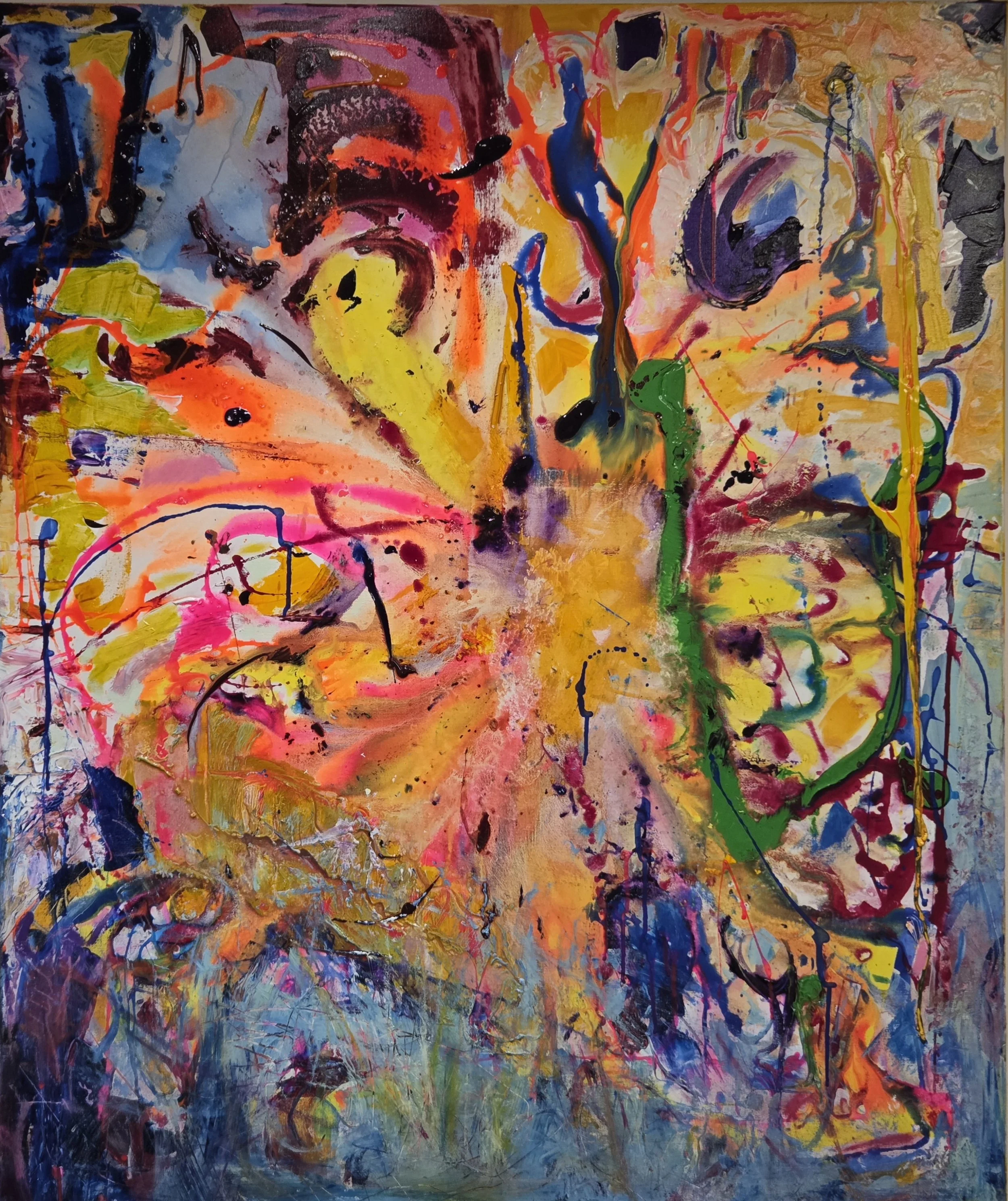
Untitled, 2026, acrylic on canvas, 120 x 100 cm
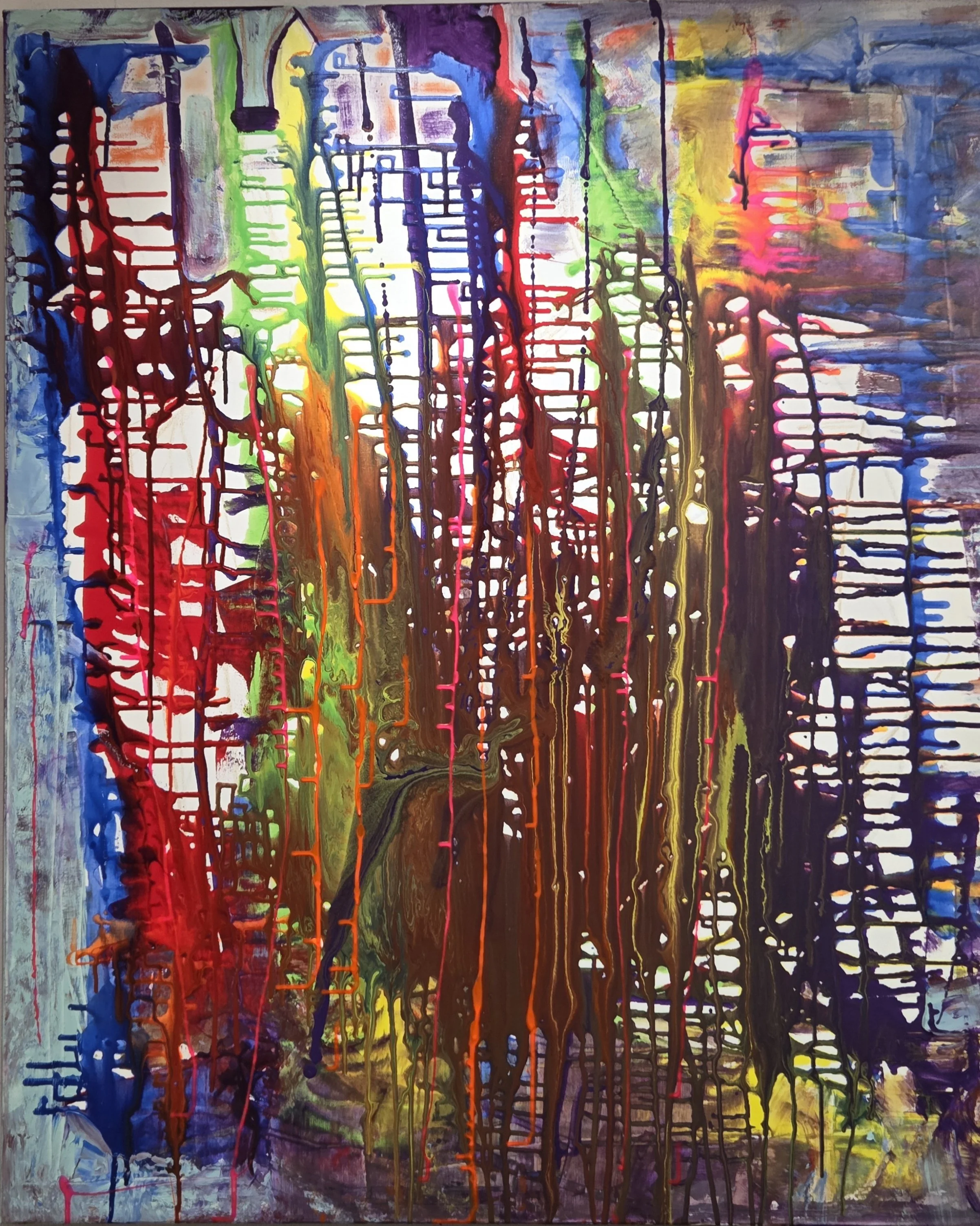
Untitled, 2026, acrylic on canvas, 120 x 100 cm.

Untitled, 2026, acrylic on canvas, felt, grid, 120 x 100 cm..jpg
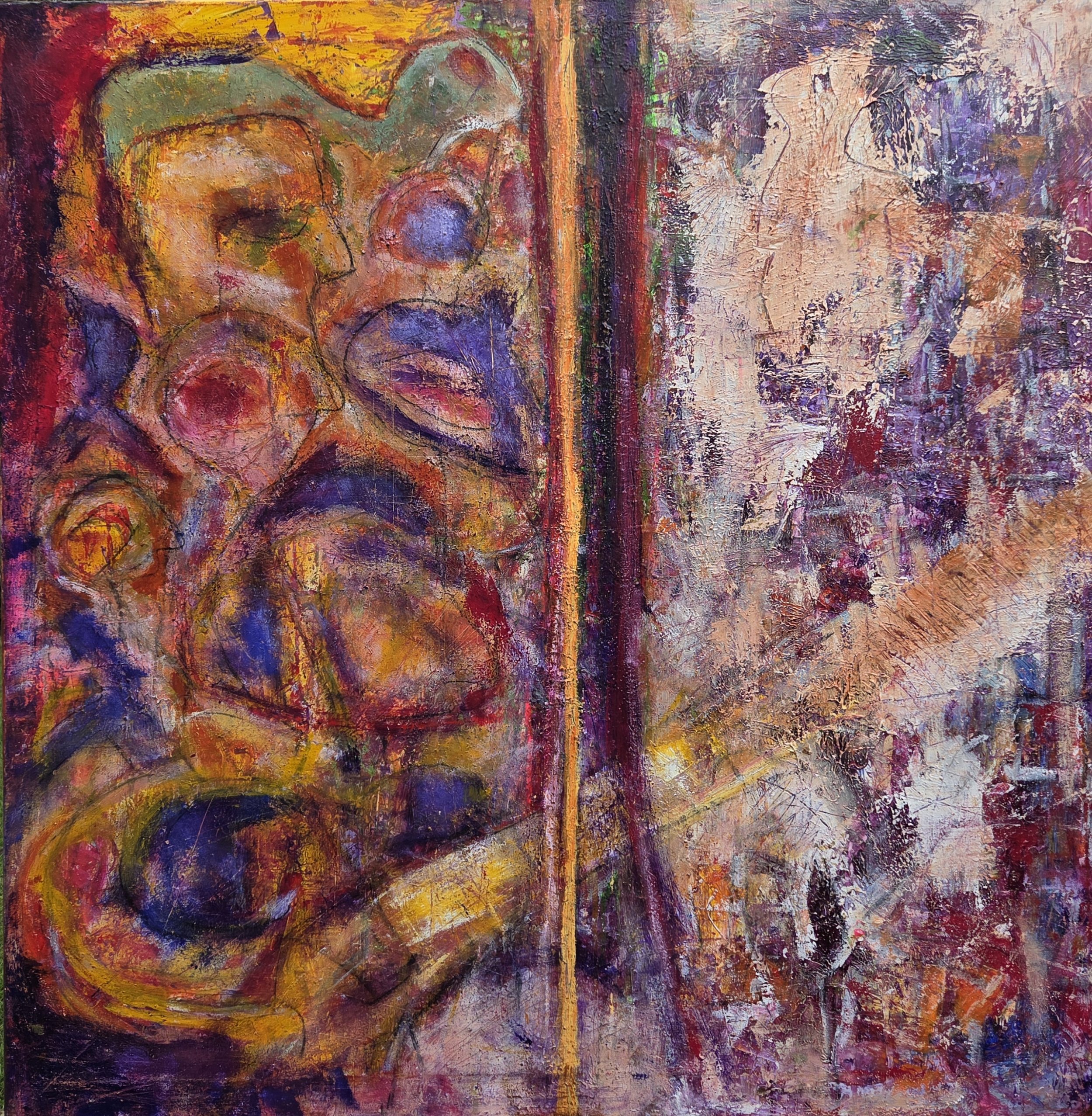
Untitled, 2026, acrylic on canvas, 100 x 100 cm.
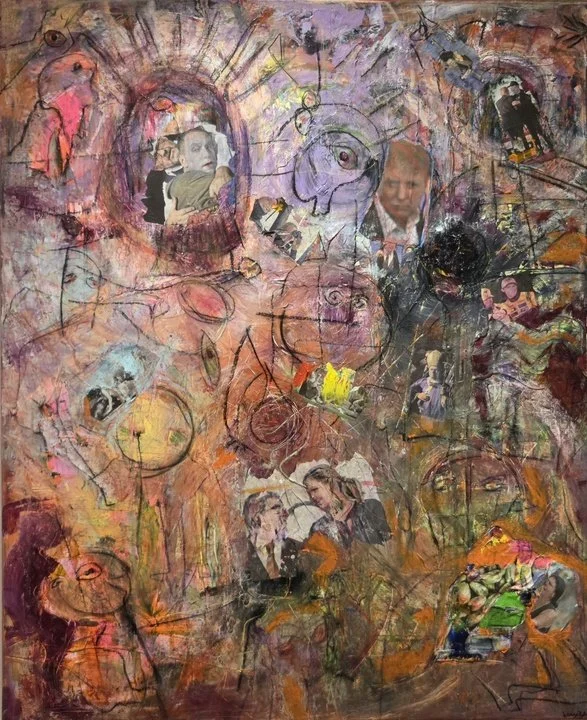
Untitled, 2026, acrylic on canvas, collage, 120 x 100 cm.
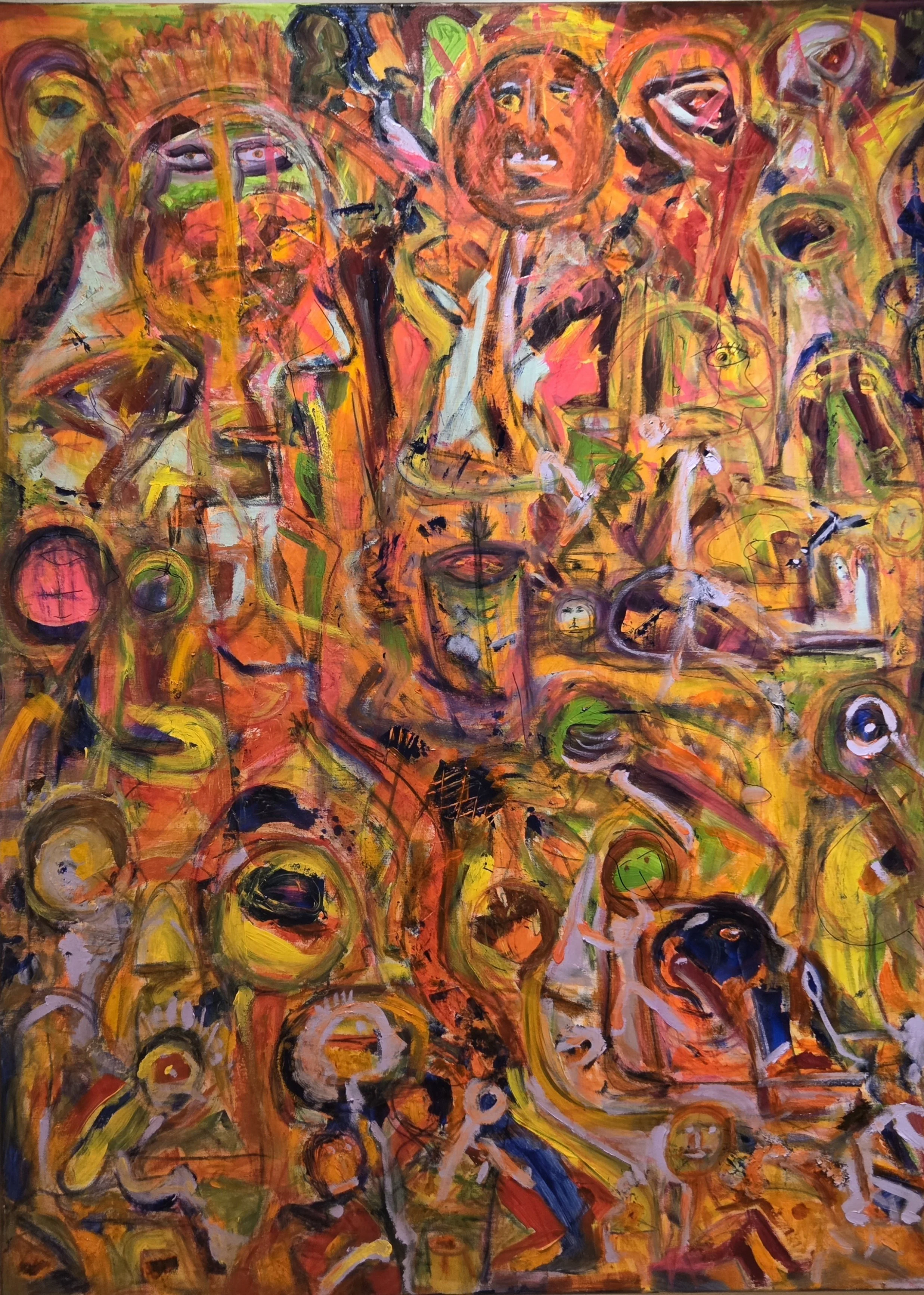
Untitled, 2026, acrylic on canvas, 160 x 120 cm.

Untitled, 2025, acrylic on canvas, cardboard, paper, 200 x 100 cm.
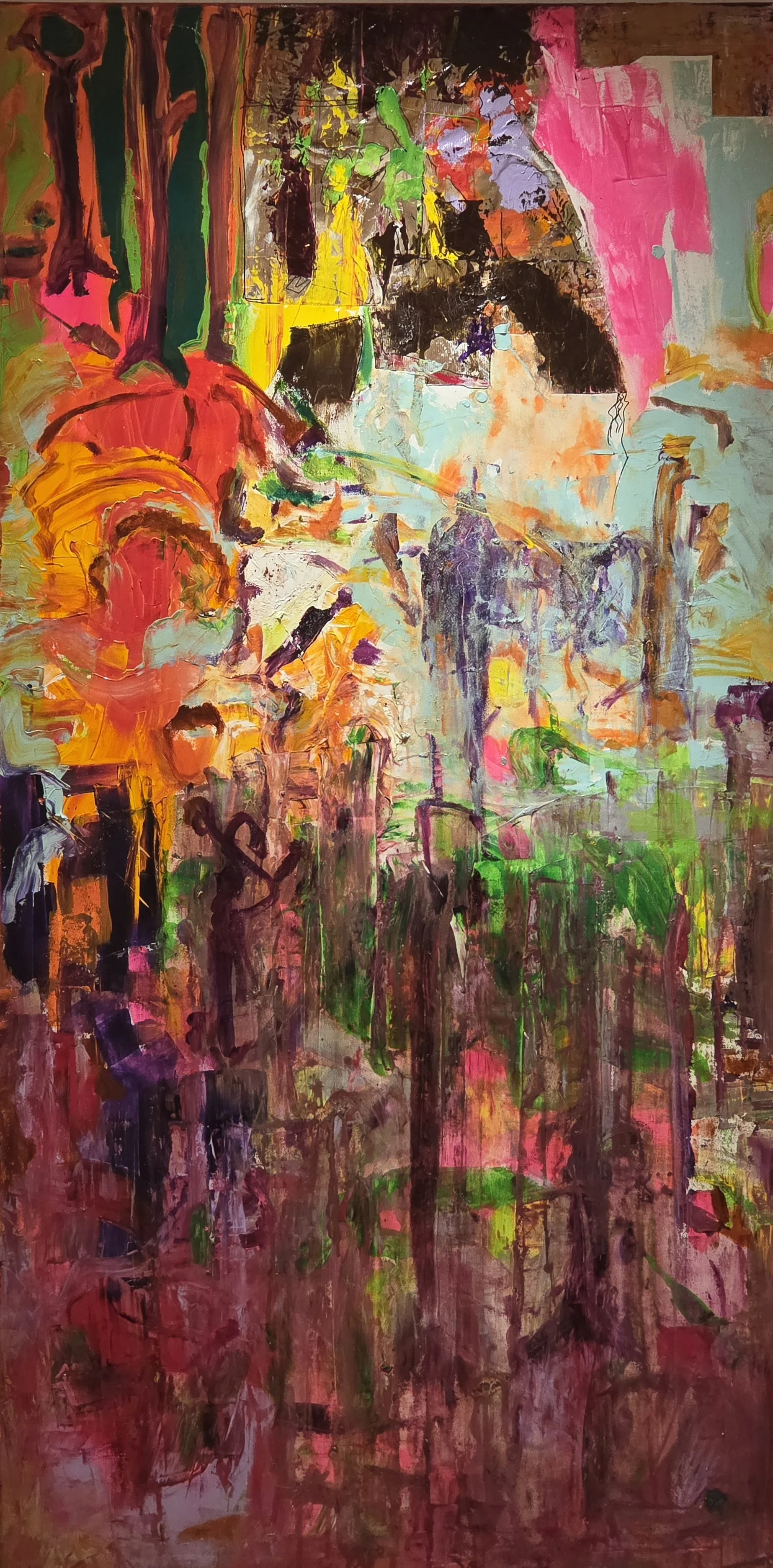
Untitled, 2025, acrylic on canvas, charcoal, felt-tip pen, paper, 200 x 100 cm.
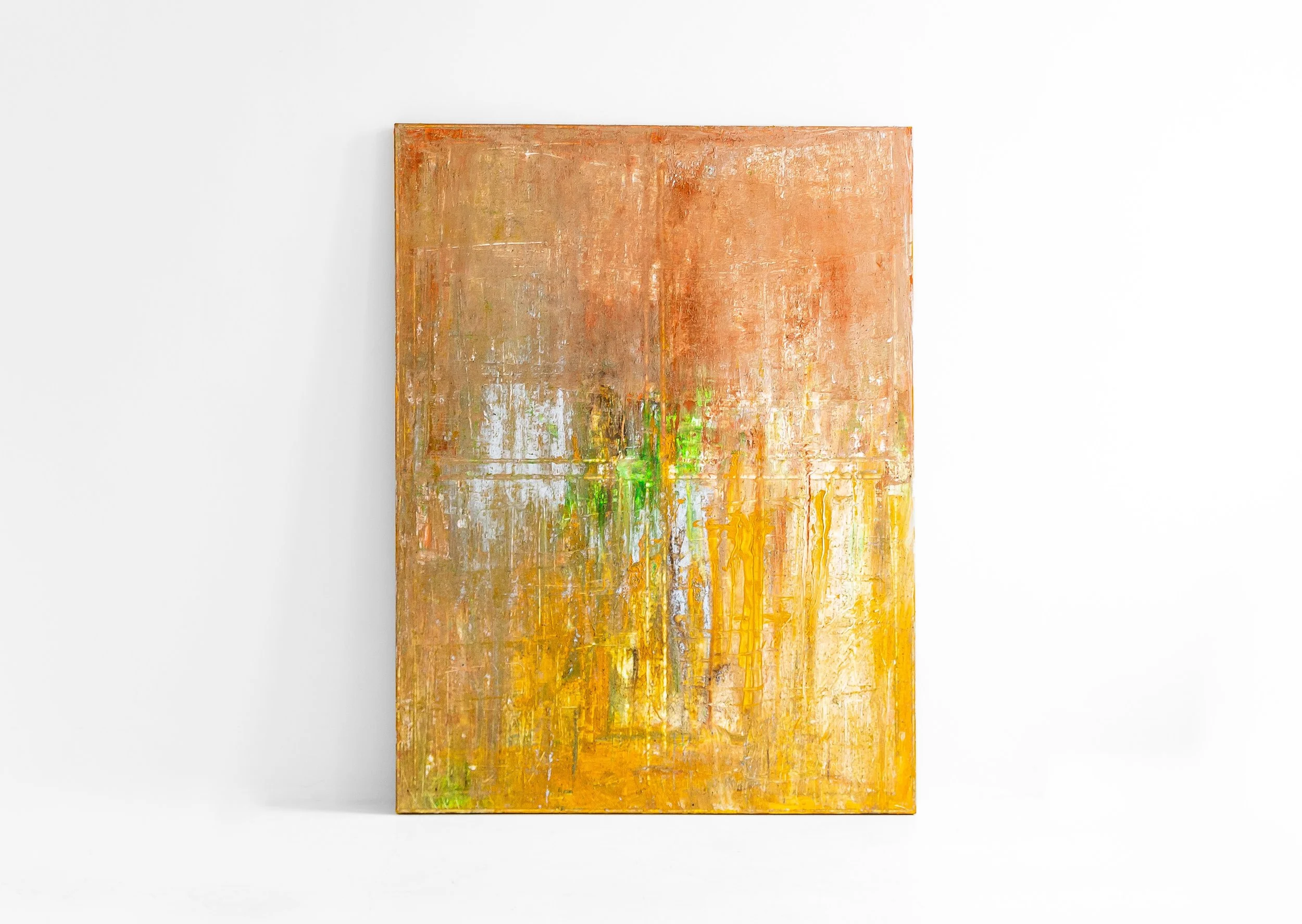
Untitled, 2023, acrylic on canvas, sand, rolled and pressed, 160 x 120 cm.
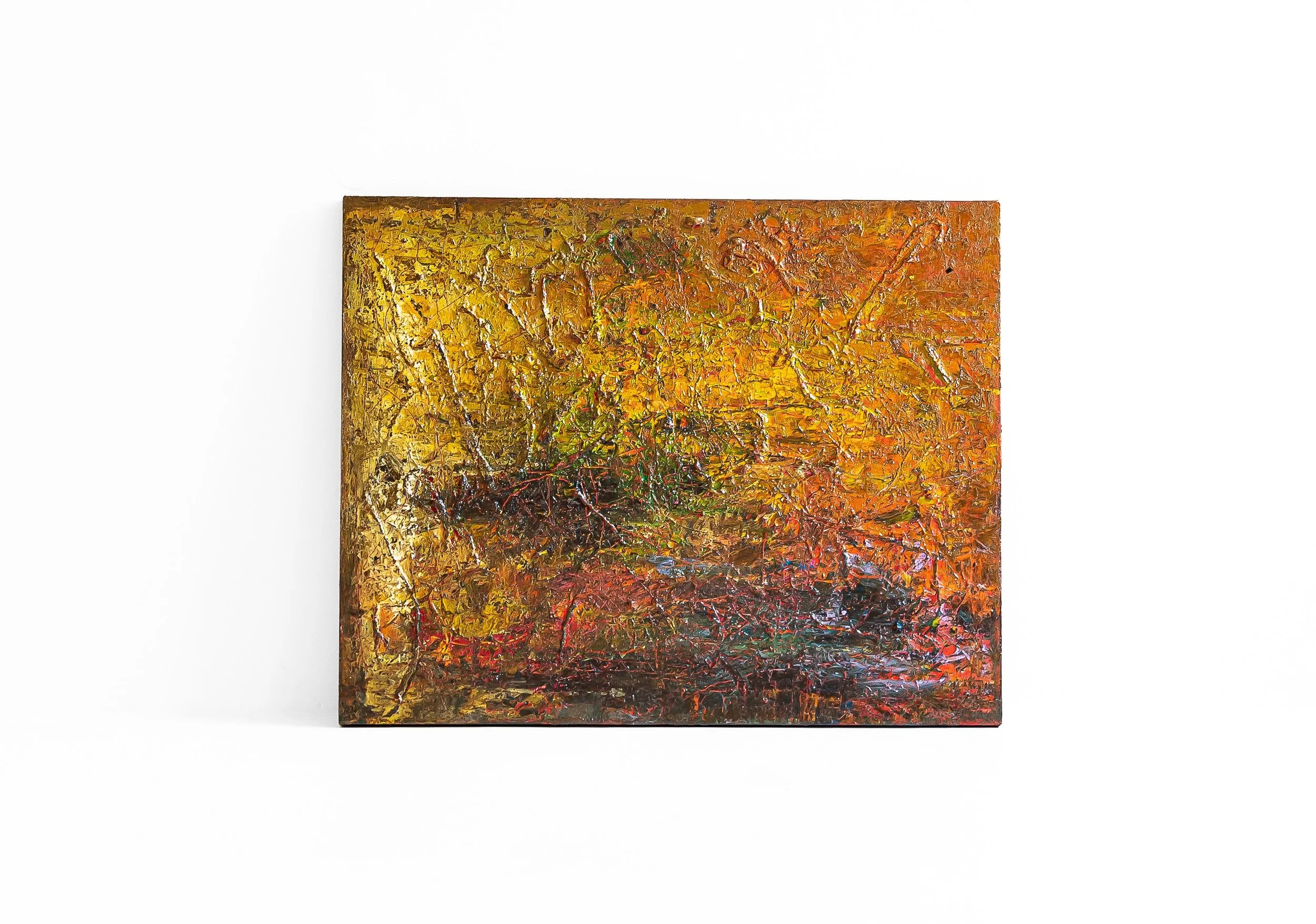
Untitled, 2023, acrylic on canvas, texture paste, 80 x 100 cm.
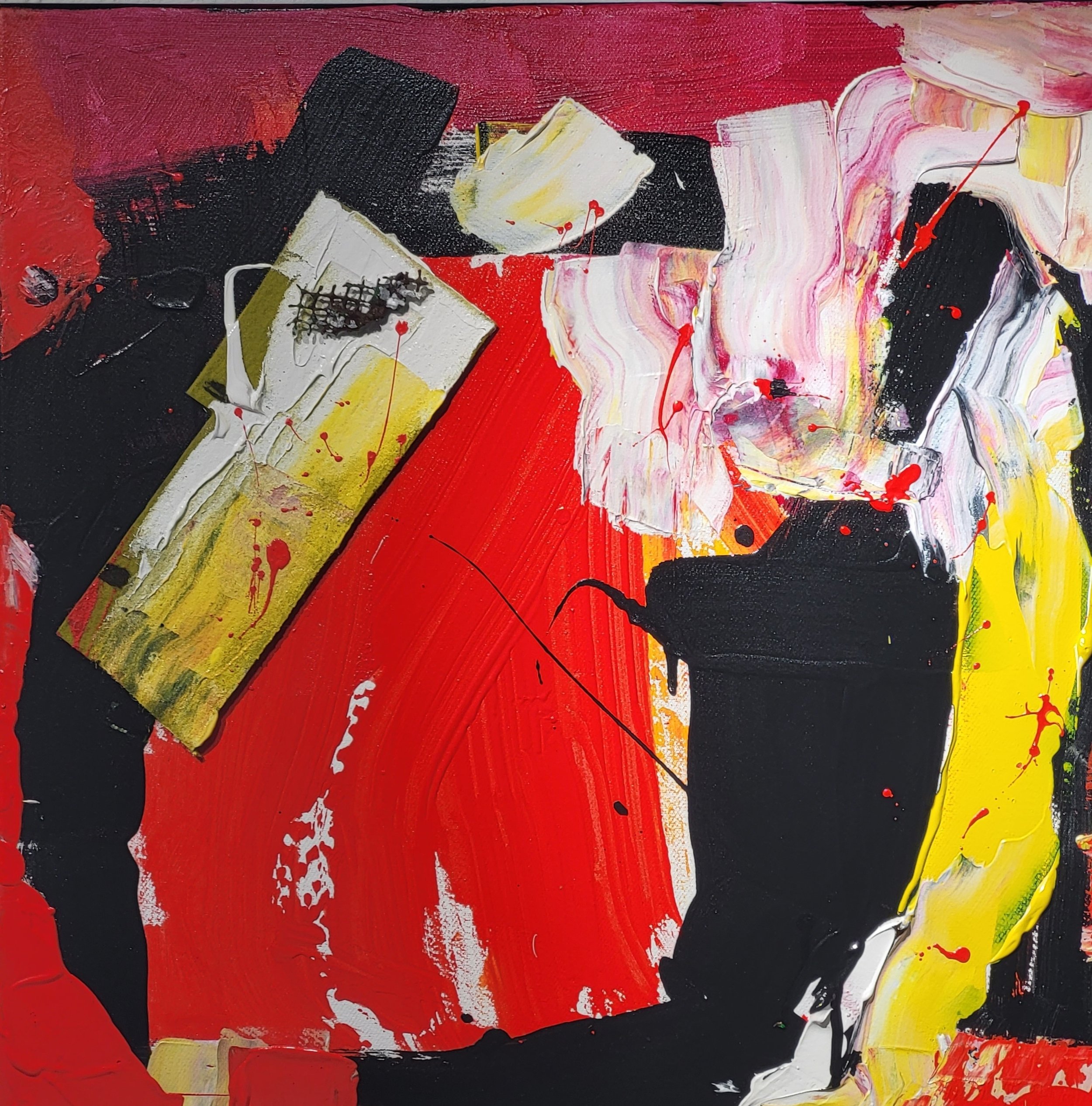
Untitled, 2025, acrylic on canvas, felt, wire, 50 x 50 cm.

Untitled, 2025, acrylic on canvas, paper, cardboard, 50 x 50 cm.
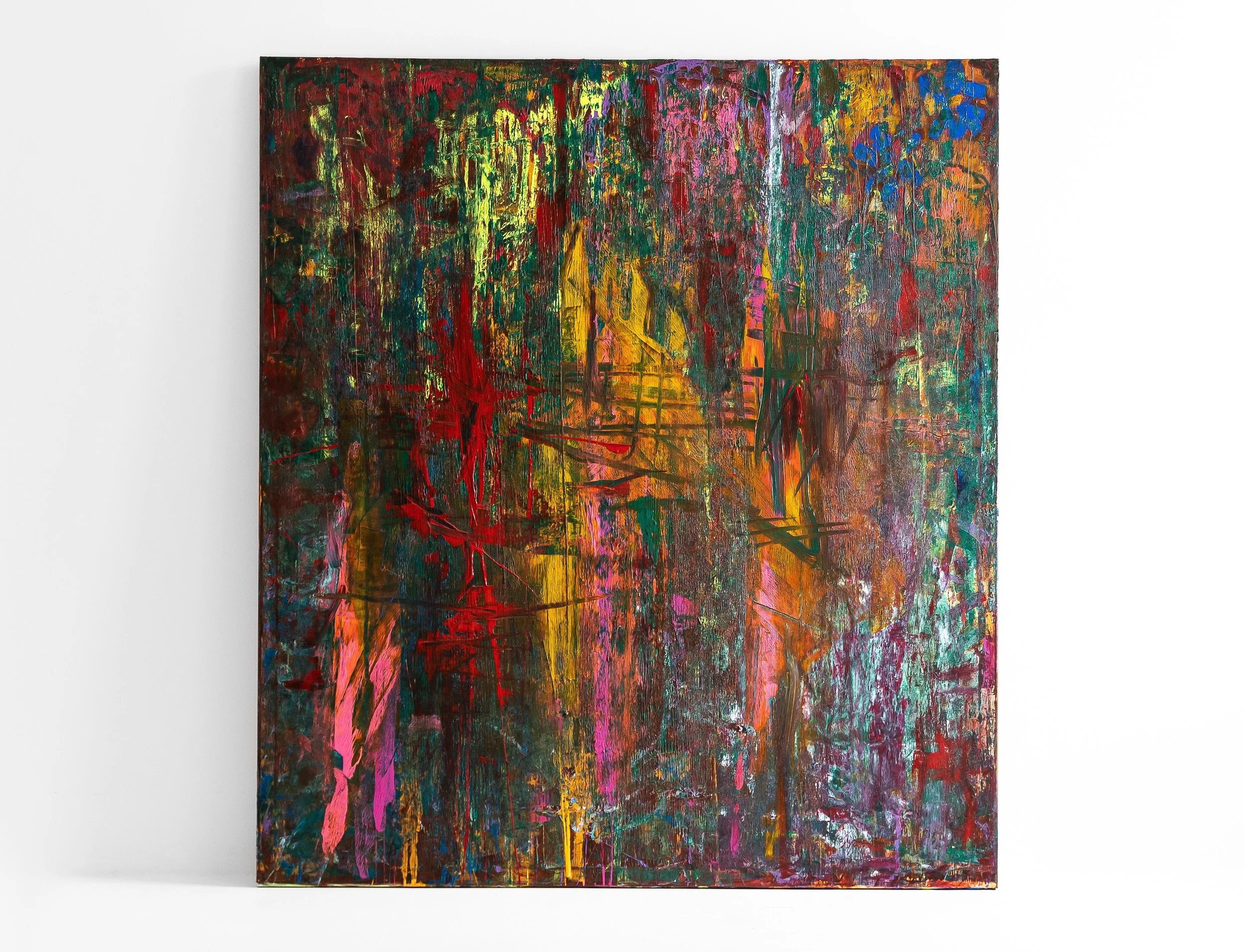
Untitled, 2023, acrylic on canvas, palette knife, rollers, 180 x 160 cm.

Untitled, 2022, bitumen on canvas, iron frame and gutter, 124 x 80 cm.
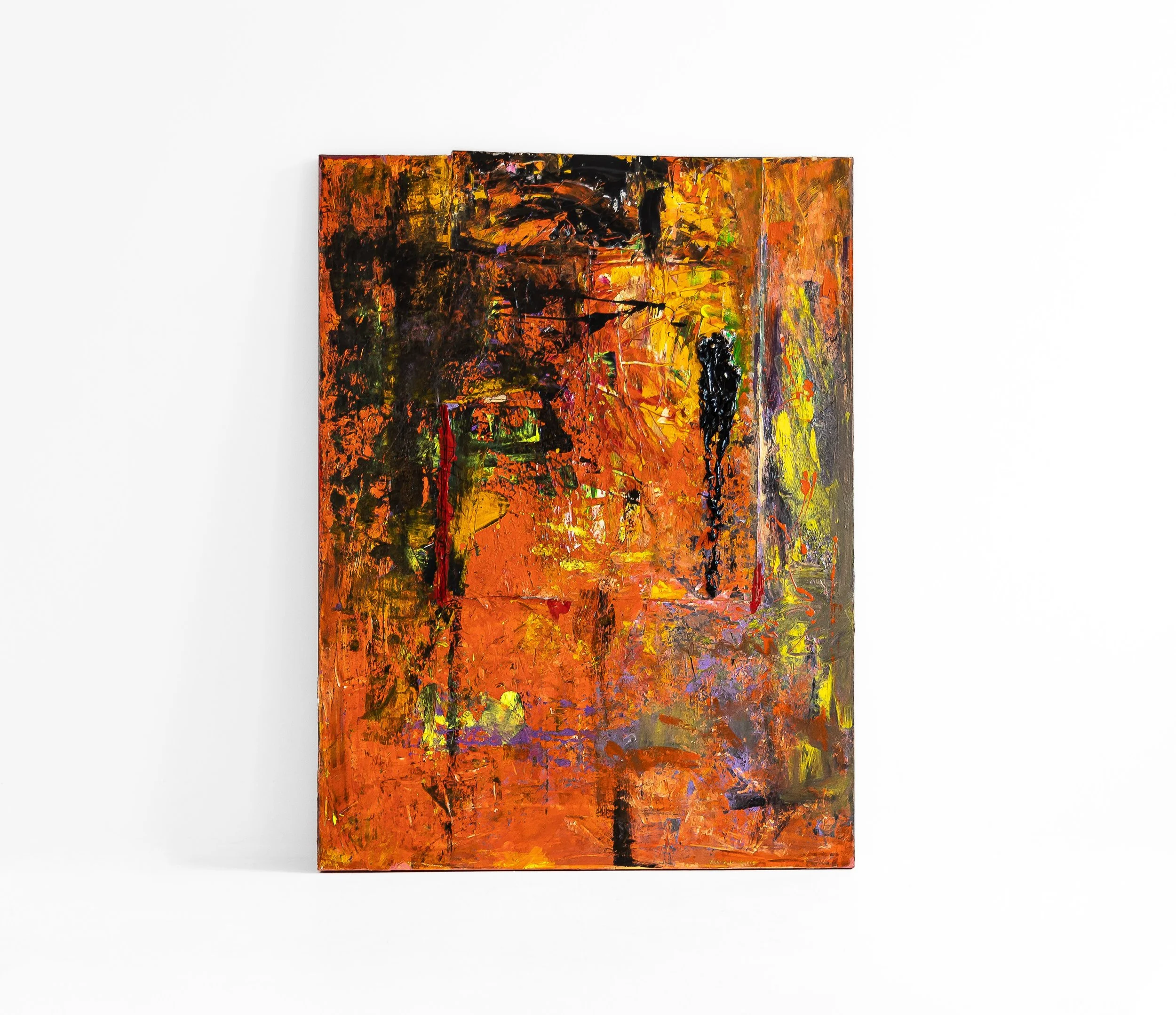
Untitled, 2024, acrylic on canvas, bitumen, gravel, sand, cardboard, 160 x 120 cm.
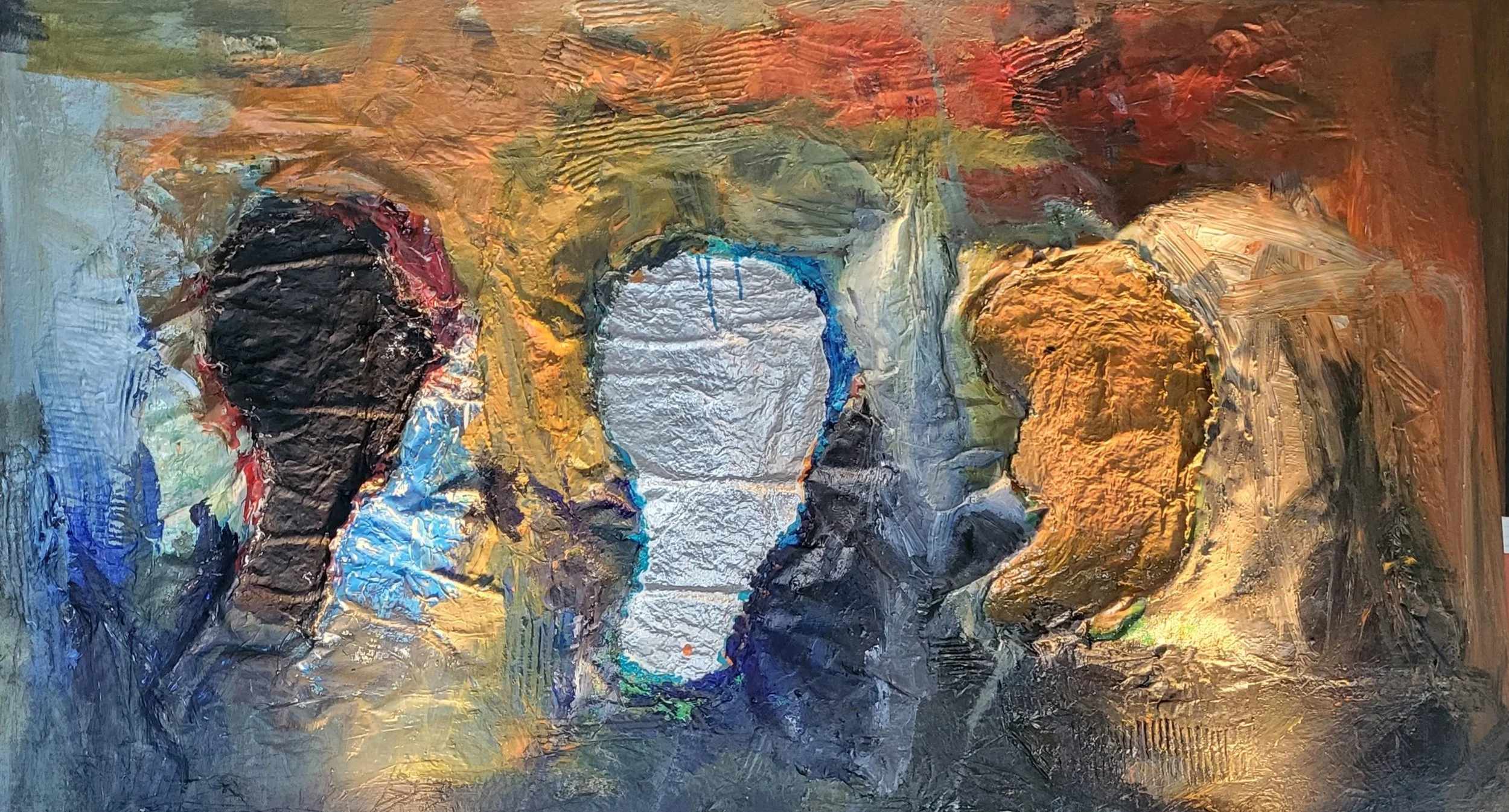
Untitled, 2022, acrylic, relief on canvas, silver bronze, paper, cardboard, 100 x 160 cm.
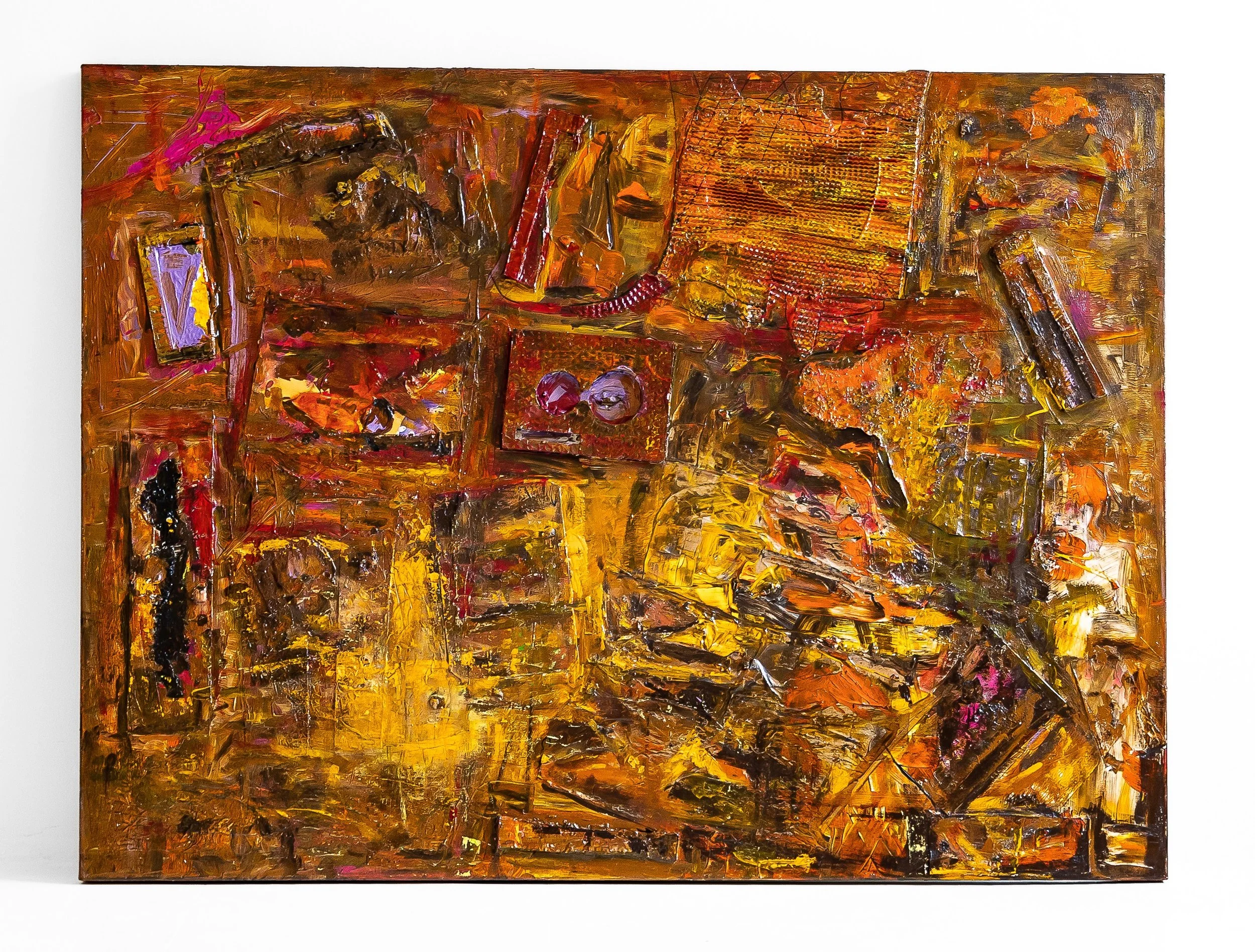
Untitled, 2024, acrylic on canvas, paper, cardboard packaging, 120 x 160 cm.

Untitled, 2024, acrylic on canvas, permanent marker, 180 x 160 cm.

Untitled, 2023, acrylic on canvas, ink, sand, cardboard, string, 150 x 100 cm.
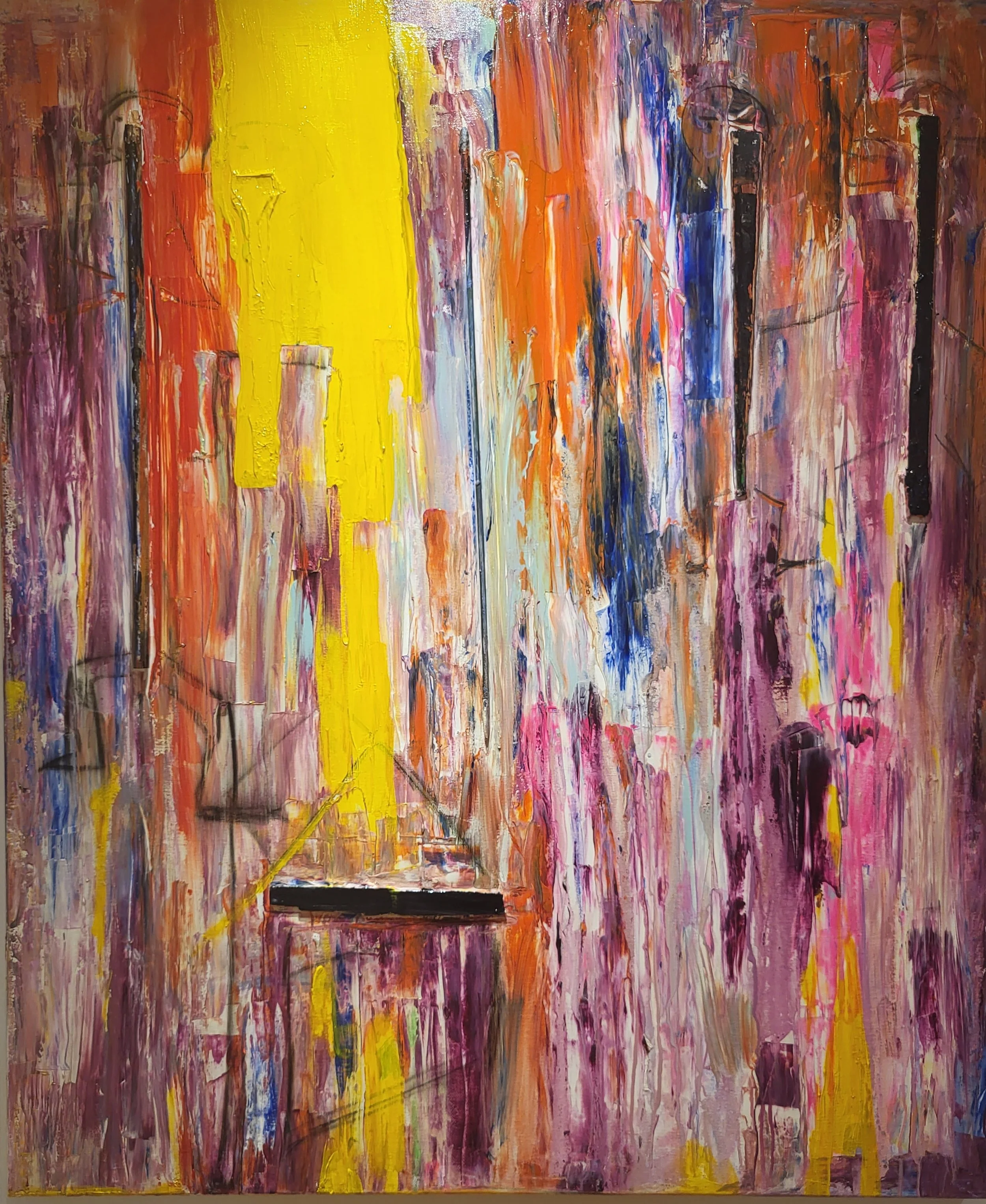
Untitled, 2025, acrylic on canvas, wood, charcoal, 120 x 100 cm.