
Francesco Ruspoli
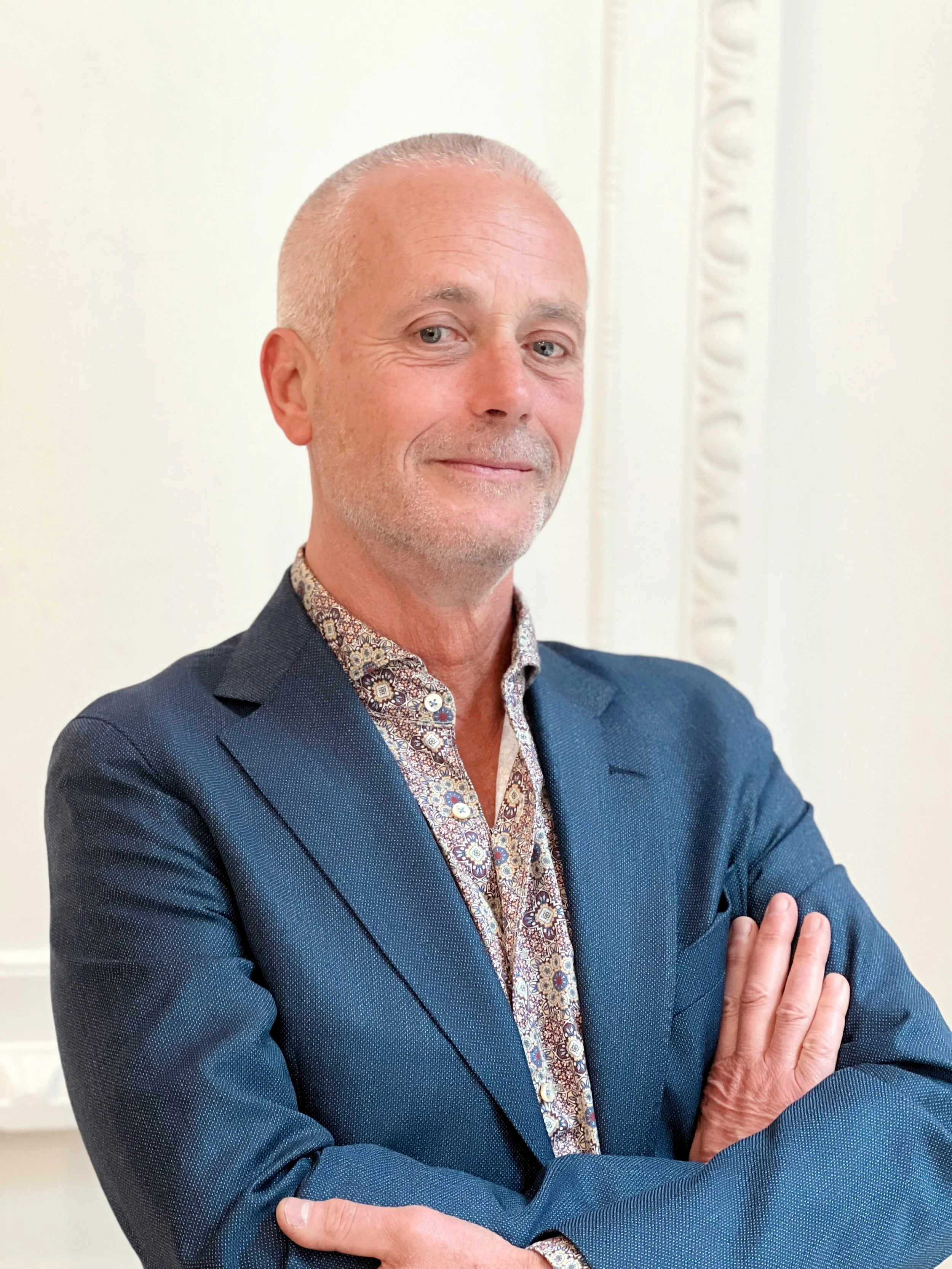
Ruspoli has presented his work in international art fairs and international galleries increasing worldwide exposure.
He has been recipient of a number of important international awards and medals such as to mention a few: Eugene Fromentin Award and Gold Medal in France, Masters Award, Collectors Choice Award, Honorable Mention Award and Honorable Award in USA, Gold Medal in China, Honorary Award of Distinction, Power of Creativity Art Prize, Honorary Master Award and Honorable Award in UK, Silver Medal in Italy.
Inspired by his surrounding Ruspoli moved towards a new way of working stimulated by the influences of artists such as Chaim Soutine, Georges Rouault, Henri Matisse, Edward Munch and Egon Schiele.
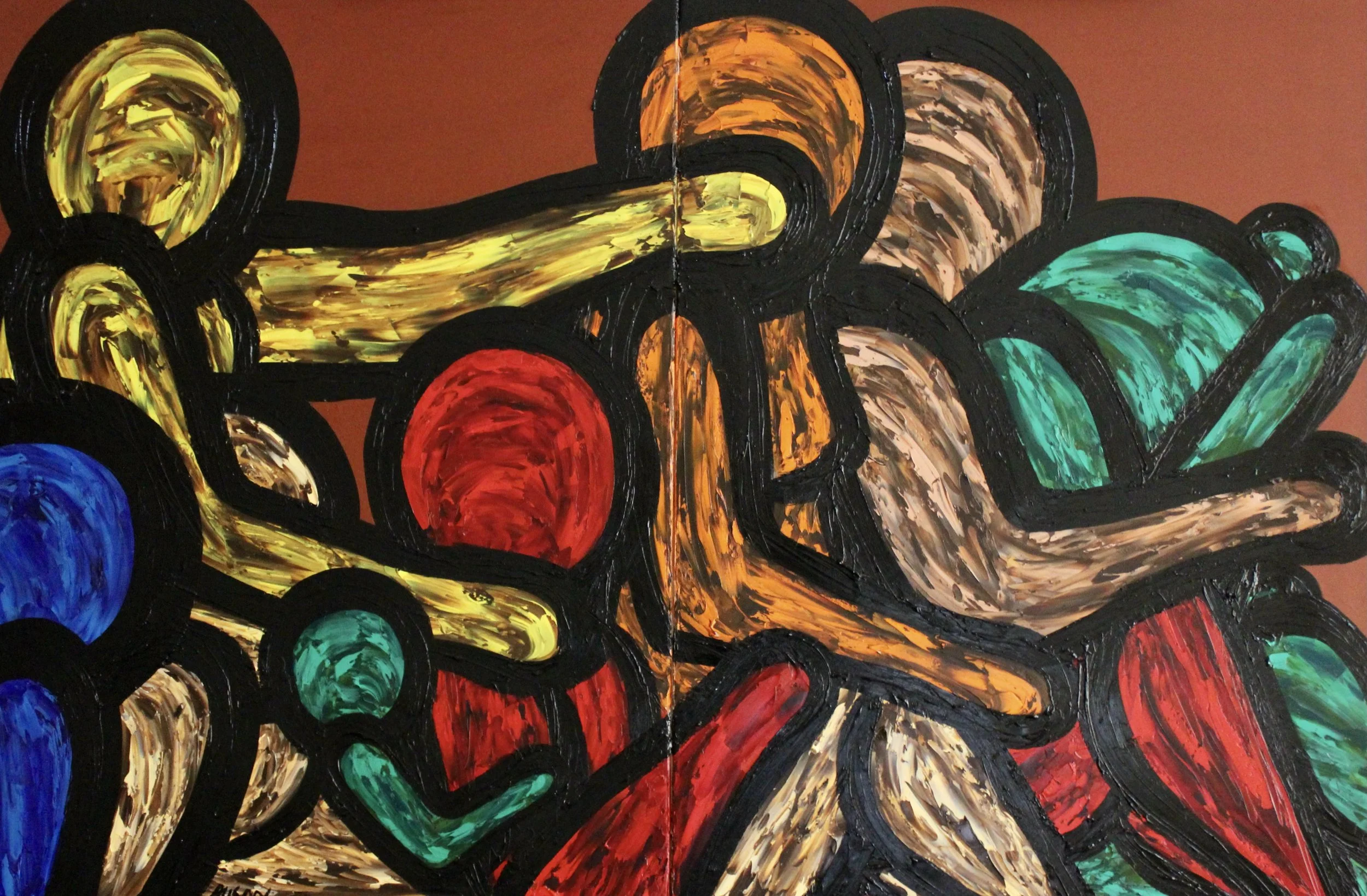
Ruspoli art work places the human figures in an abstract environment supported by a vivid use of colours where subtle gradation and dramatic contrast express nuance of emotion and sensuous physicality. The work also expresses the direct sensation of lived experience through organic shapes and forms woven from flowing lines and the gaze of the viewer. You are invited to participate in a creative encounter with these elements constructing your own visual languages and meanings.
Ruspoli has his paintings in Museum’s permanent collections in Italy, Denmark, South Korea and French Polynesia and in private collections in Europe, USA, China.
“Art is about sharing visual ideas. My canvas may not have a front or a back cover but I try with each study, each painting to represent a work to be read rather than stared at. If through my work as an artist I am able to stimulate thoughts and feelings then I have achieved my goal.”
Francesco, you have stated that your paintings are to be read rather than merely looked at, as though the canvas were a textual field without frontispiece or closure. I am curious how you conceive this readability within the space of painting itself. Do you imagine your figures as signifiers within a semiotic structure of relation, or does the act of reading emerge instead through the embodied temporality of viewing, through duration, hesitation, and return?
When I speak of “reading” a painting, I am referring to duration rather than decoding. A text unfolds through time, and so does one of my canvases. In Scale of Love, for example, the eye cannot absorb the relational dynamic in a single glance. The chromatic gradations require lingering. The slight angular tilt of one torso toward another alters meaning depending on how long one remains with it.
The figures are not fixed signifiers in a structuralist system. Their facelessness resists literal narrative assignment. Instead, meaning arises in the oscillation between proximity and distance — between one figure’s outstretched limb and another’s partial withdrawal. The act of reading emerges through embodied temporality: hesitation, return, reconfiguration.
Each viewer’s emotional memory activates the work differently. In that sense, the painting has no definitive frontispiece or conclusion. It remains open.
Your work persistently stages the human figure within an abstract environment that is neither backdrop nor ground in the traditional sense, but something more atmospheric and indeterminate. How do you negotiate this threshold between figuration and abstraction so that neither becomes illustrative of the other, but instead coexists in a dynamic frontier that seems to suspend resolution?
The environment in my paintings is not scenery. It is atmosphere — an energetic field. In Refuge, for example, the background is composed of layered chromatic planes that both support and destabilise the figures. They appear suspended rather than anchored.
Figuration prevents total dissolution into abstraction, while abstraction prevents the figures from becoming anecdotal. This frontier is deliberate. I want neither narrative illustration nor formalist purity. Instead, I seek a suspended state — a pictorial condition analogous to the instability of contemporary relational life.
This negotiation between abstraction and figuration is where tension lives. It is a structural metaphor for being human in uncertain times.
There is in your palette a remarkable oscillation between chromatic lyricism and emotional intensity, where subtle gradations are abruptly countered by dramatic contrast. To what extent do you consider color as an autonomous force, capable of generating affect prior to representation, and how does this chromatic structure participate in the relational drama enacted by your figures?
Colour, for me, precedes representation. It generates affect before it signifies anything recognisable. In Sleeping Mother, the warm tonal transitions between crimson, ochre, and muted violet create an atmosphere of tenderness even before one recognises the relational configuration.
Yet colour is not arbitrary. A sharp chromatic contrast — a sudden intrusion of acidic green against saturated red — can signal emotional fracture. In the Embodied Encounters works, dramatic tonal juxtapositions heighten psychological tension between bodies placed in precarious balance.
Colour becomes relational architecture. It binds figures or separates them. It is not decorative; it is structural.
Much has been said about the influence of artists such as Chaim Soutine, Georges Rouault, Henri Matisse, Edward Munch, and Egon Schiele on your development. Yet influence in painting is rarely linear. How do you metabolize these historical presences without allowing them to congeal into quotation or stylistic homage, and how do you situate yourself within the longer genealogy of expressionist figuration?
Influence must be digested, not imitated. Henri Matisse taught me that colour can sing like music. Egon Schiele revealed the expressive power of distortion. Chaim Soutine demonstrated how flesh and paint could collapse into emotional turbulence.
But I do not quote them. Their presences are absorbed into my own concerns — relational space, spiritual luminosity, contemporary fragmentation. I situate myself within expressionist figuration not as continuation of style but as continuation of urgency. Expressionism, at its core, is about lived intensity. That remains relevant.
Your biography, spanning Parisian origins and a richly layered European heritage, intersects with a career that has unfolded across international contexts. Do you experience this cultural multiplicity as a structural element within your paintings, perhaps as a dispersed identity that manifests in the tension and embrace between figures?
Born in Paris to a British mother and Belgian-Italian father, raised in Antibes near Vallauris where Pablo Picasso worked, I carry multiplicity as lived condition.
This dispersed identity manifests visually as chromatic diversity and bodily differentiation. Figures in my paintings often appear distinct yet interdependent — separate yet structurally entwined. Cultural hybridity becomes relational hybridity.
The notion of relational space appears central to your work. In an era saturated by technological interactivity, you insist upon the primacy of emotional and spiritual connection. How do you envision painting as a counter space to digital mediation, and can the canvas function as a site of resistance against the commodified spectacle of contemporary visual culture?
Painting demands physical presence. Oil paint has weight, texture, resistance. In contrast to instantaneous digital consumption, the canvas insists upon slowness., the figures confront each other — and by extension the viewer — in a space that cannot be scrolled past. This slowness becomes resistance. The canvas becomes a counter-space where emotional depth challenges spectacle.
Your compositions often suggest an intimate choreography, a reaching and withdrawing, an embrace that is never entirely secure. Would you describe this as an ethics of proximity? And how do you balance the desire for communion with the inevitability of separation that structures human experience?
Yes, there is an ethics of proximity. In Scale of Love, bodies lean toward each other but never fully fuse. The slight gap between forms holds tension.
Communion is always shadowed by vulnerability. I balance these forces by maintaining visible separations even within embrace. This structural hesitation mirrors relational reality.
In your statement, you speak of art as a means of bringing conflicts to the surface and placing them into new relations. Could you elaborate on how conflict is formally inscribed in your work?
Conflict appears in angular distortions, compressed spatial arrangements, and abrupt colour juxtapositions. A tilted torso suggests imbalance. A sudden chromatic fracture signals emotional rupture.
Conflict is not narrative; it is formal tension.
Your figures seem to hover within an ambiguous ground. How do you conceive of gravity within your pictorial universe?
The hovering bodies reflect instability. They are neither fully grounded nor entirely transcendent. This ambiguity reflects contemporary uncertainty while also suggesting spiritual suspension.
Do audiences from varied cultural contexts interpret your exploration of connection differently?
Yes, but the emotional core remains legible. Exhibitions across Europe, Asia and North America
EXHIBITIONS demonstrate that relational vulnerability transcends cultural boundaries. Interpretation varies; affect persists.
There is a palpable sensuousness in your treatment of the human form, yet it resists objectification. How do you maintain this balance?
Facelessness removes spectacle. Emotion resides in posture rather than physiognomy. The body becomes site of lived experience, not consumption.
You speak of defiant romanticism. How do you defend emotion within contemporary discourse?
Emotion is not nostalgia. It is resistance to cynicism. To insist that compassion matters is, today, radical.
Do you see interpretation as co-authored?
Yes. The viewer completes the relational circuit. Yet compositional structure guides emotional trajectory. There is dialogue, not abdication.
How does nature function in your work?
Raised in the luminosity of the Côte d’Azur, light remains structural. Organic lines suggest continuity between psyche and environment.
Does theatricality inform your staging?
There is choreography in my compositions. Bodies are positioned as if on stage, yet the drama is intimate rather than spectacular.
How did conceptual training shape your commitment to painting?
Critical education sharpened my awareness of painting’s vulnerability. It strengthened my commitment to its vitality.
How do you theorise the gaze?
The gaze is reciprocal. Figures look at each other; the viewer is implicated. It becomes a conduit of empathy rather than dominance.
Do porous boundaries between figures propose a philosophy of subjectivity?
Yes. Identity is relational. Bodies overlap visually to challenge notions of autonomous individuality.
How does institutional space affect the work?
Museum contexts — including collections in South Korea and Denmark
Artist CV — situate the work historically. Yet intimacy remains activated through encounter.
Can painting still be transformative?
Yes. Transformation occurs in the moment of recognition — when colour, form, and vulnerability converge. Hope emerges from encounter itself.
www.instagram.com/francesco.ruspoli
www.linkedin.com/in/francescoruspoli
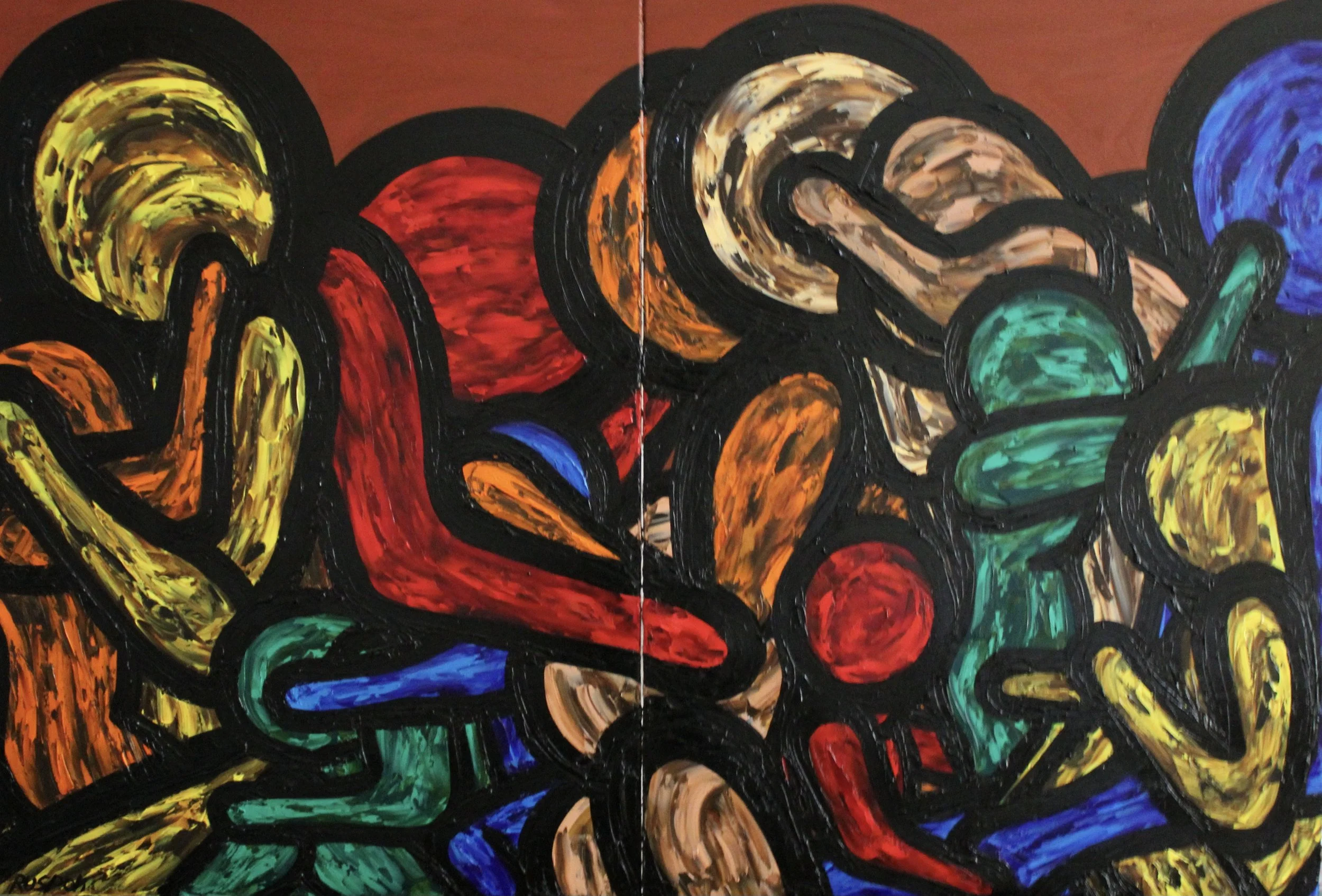
DESIRE WITH ANTICIPATION - 2022
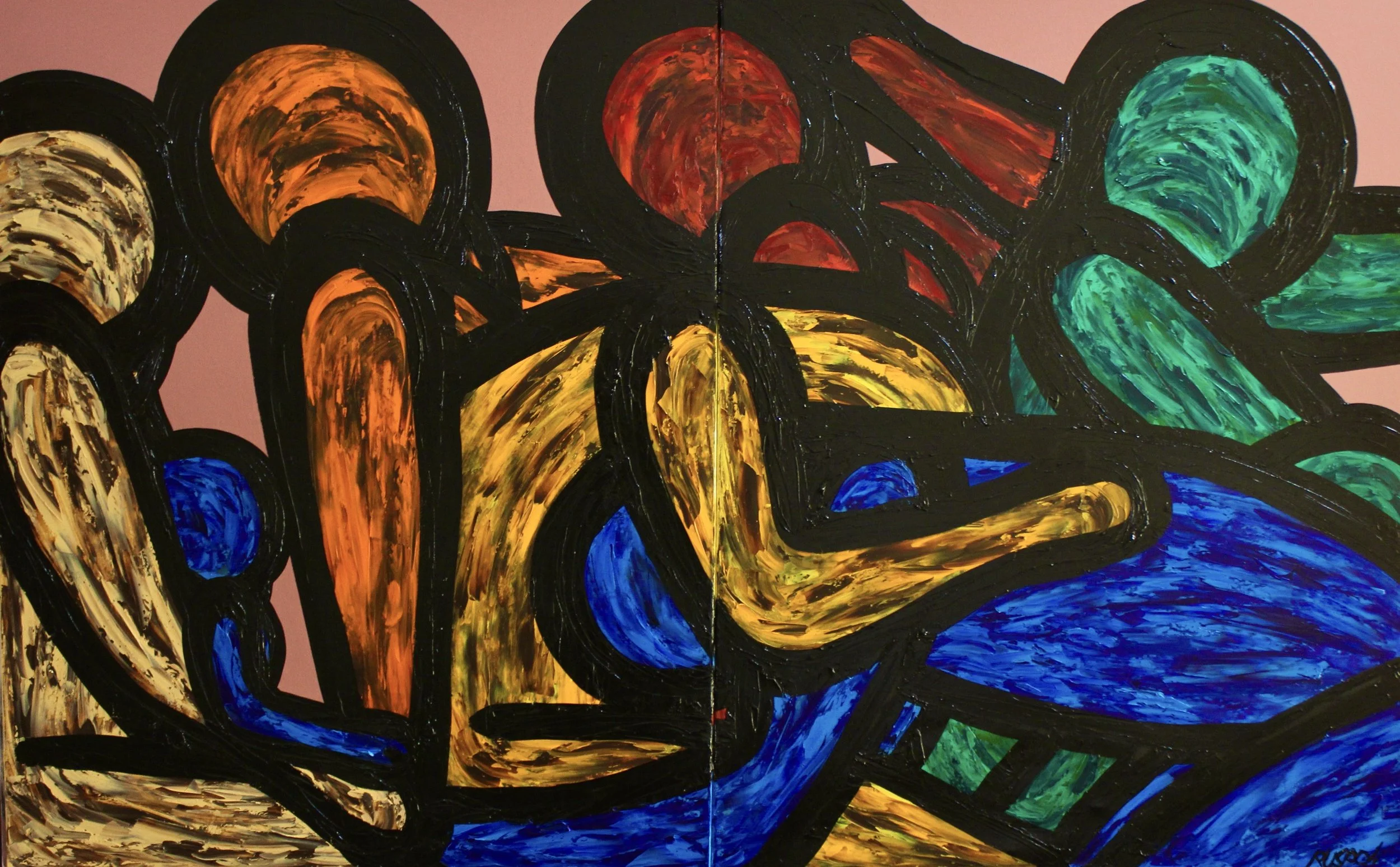
THE PATH OF SALVATION- 2023
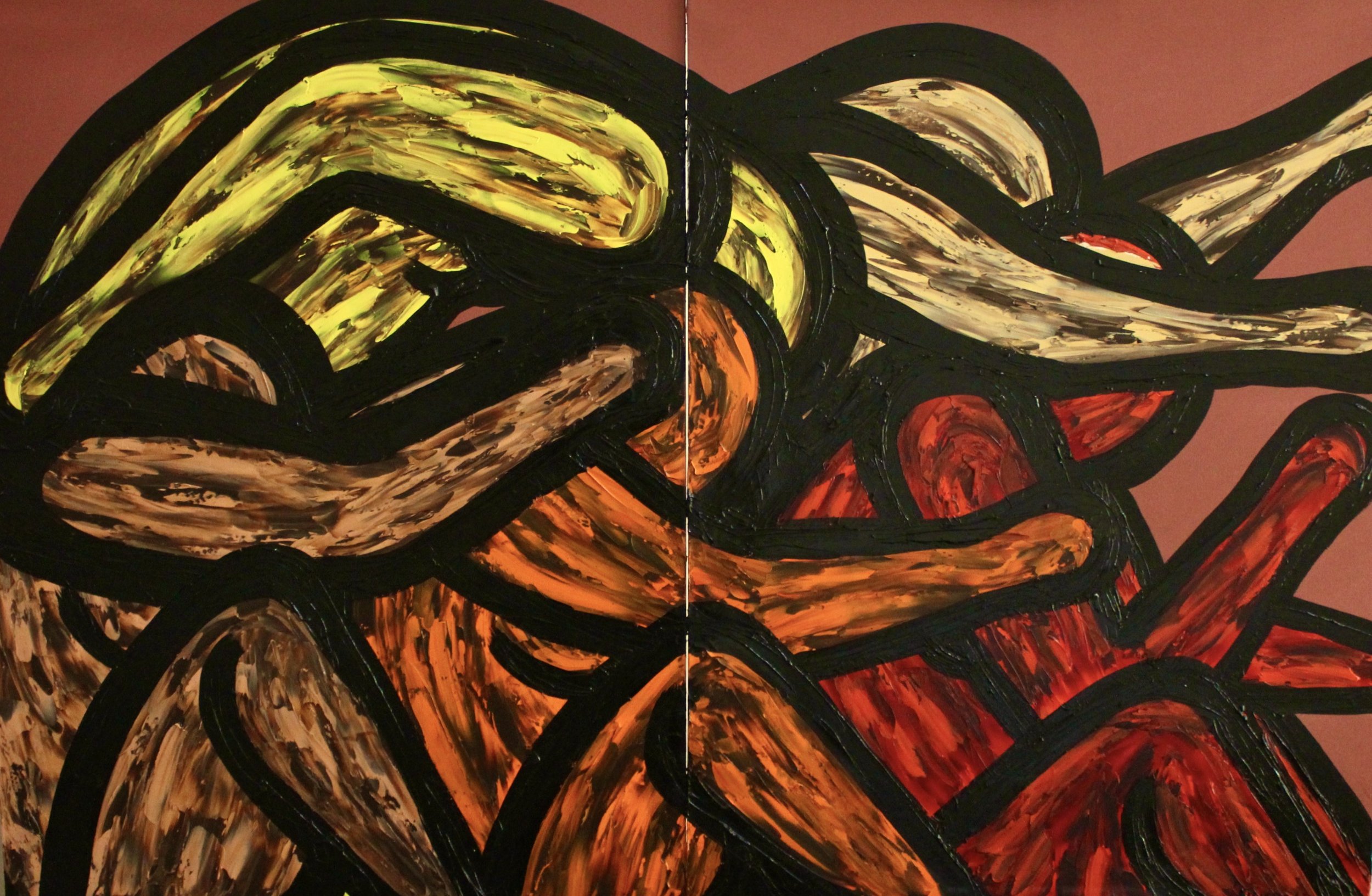
LEADING THE WAY - 2024
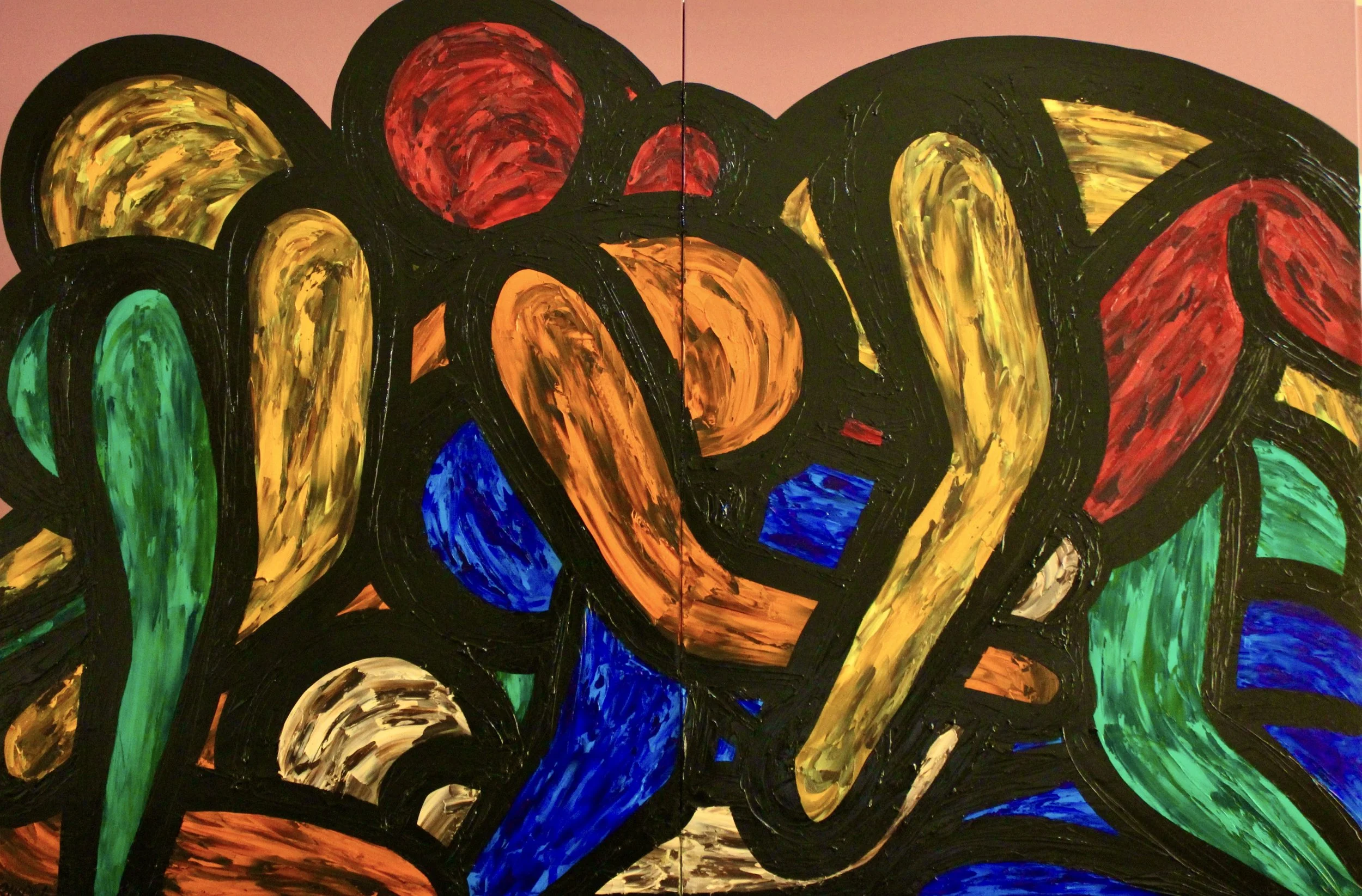
THE AFTERMATH - 2025PE
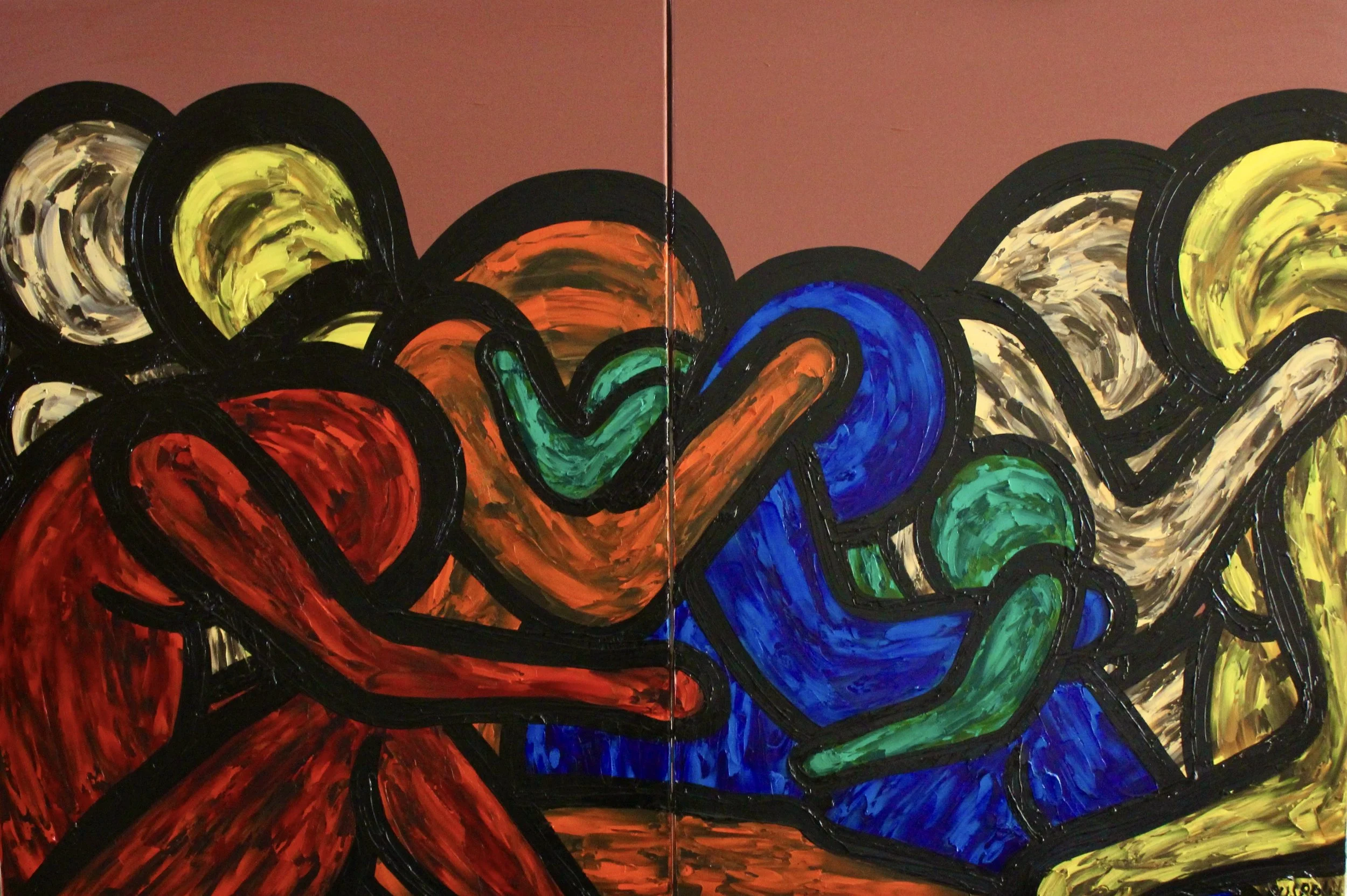
PEACEFULL REUNION -2024
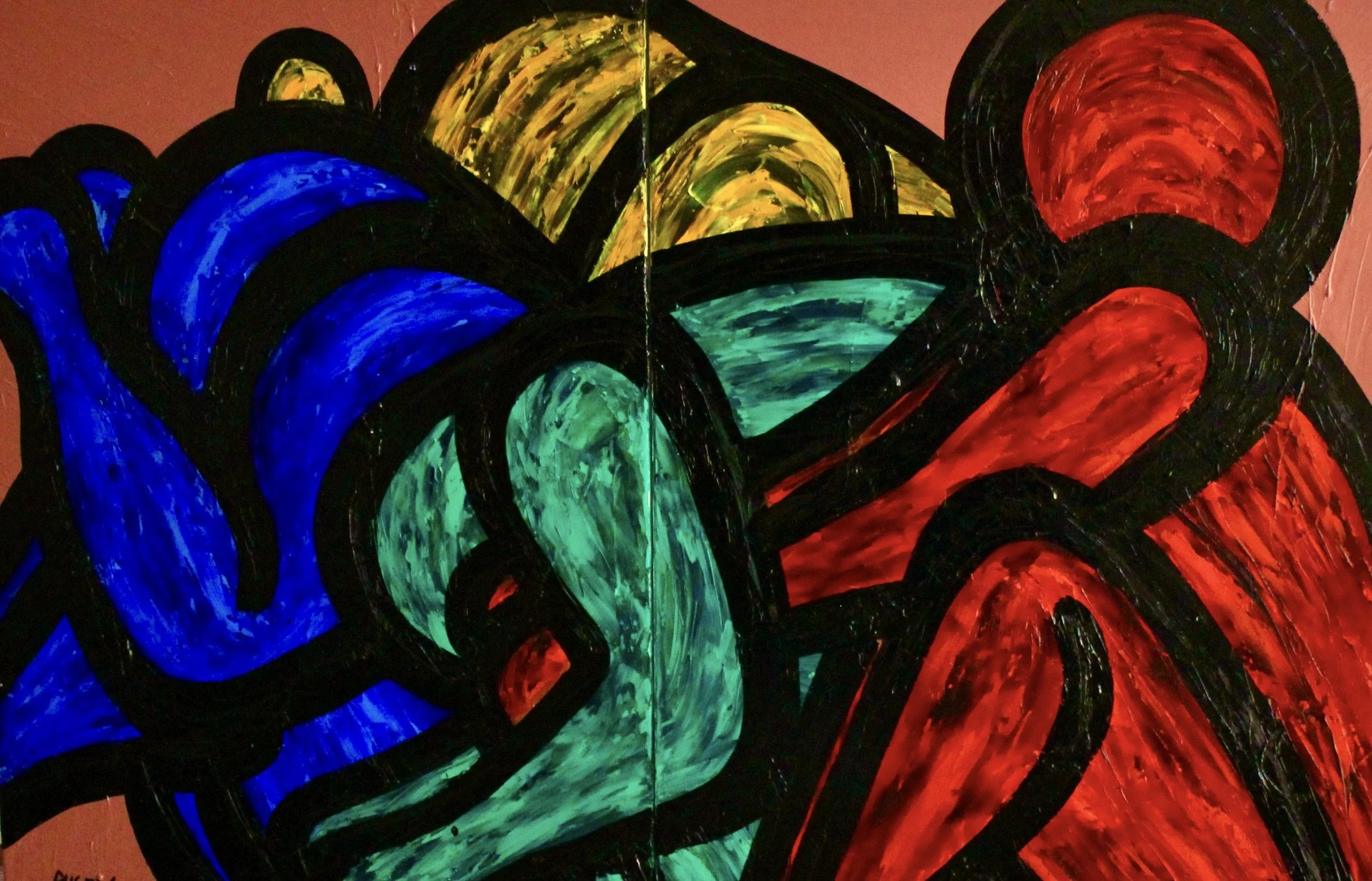
UPHEAVAL - 2024
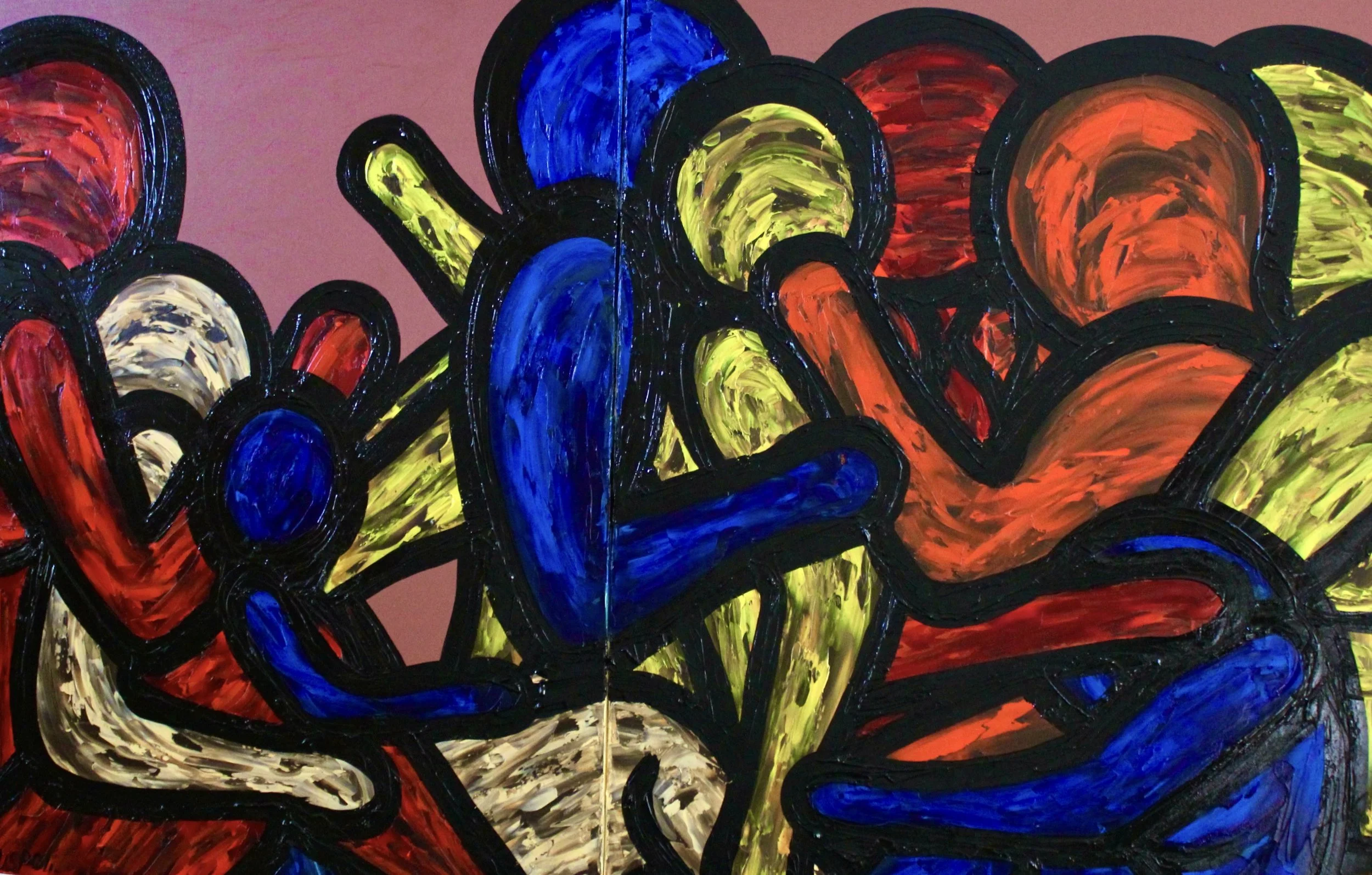
SYMPATHY PAINS - 2023
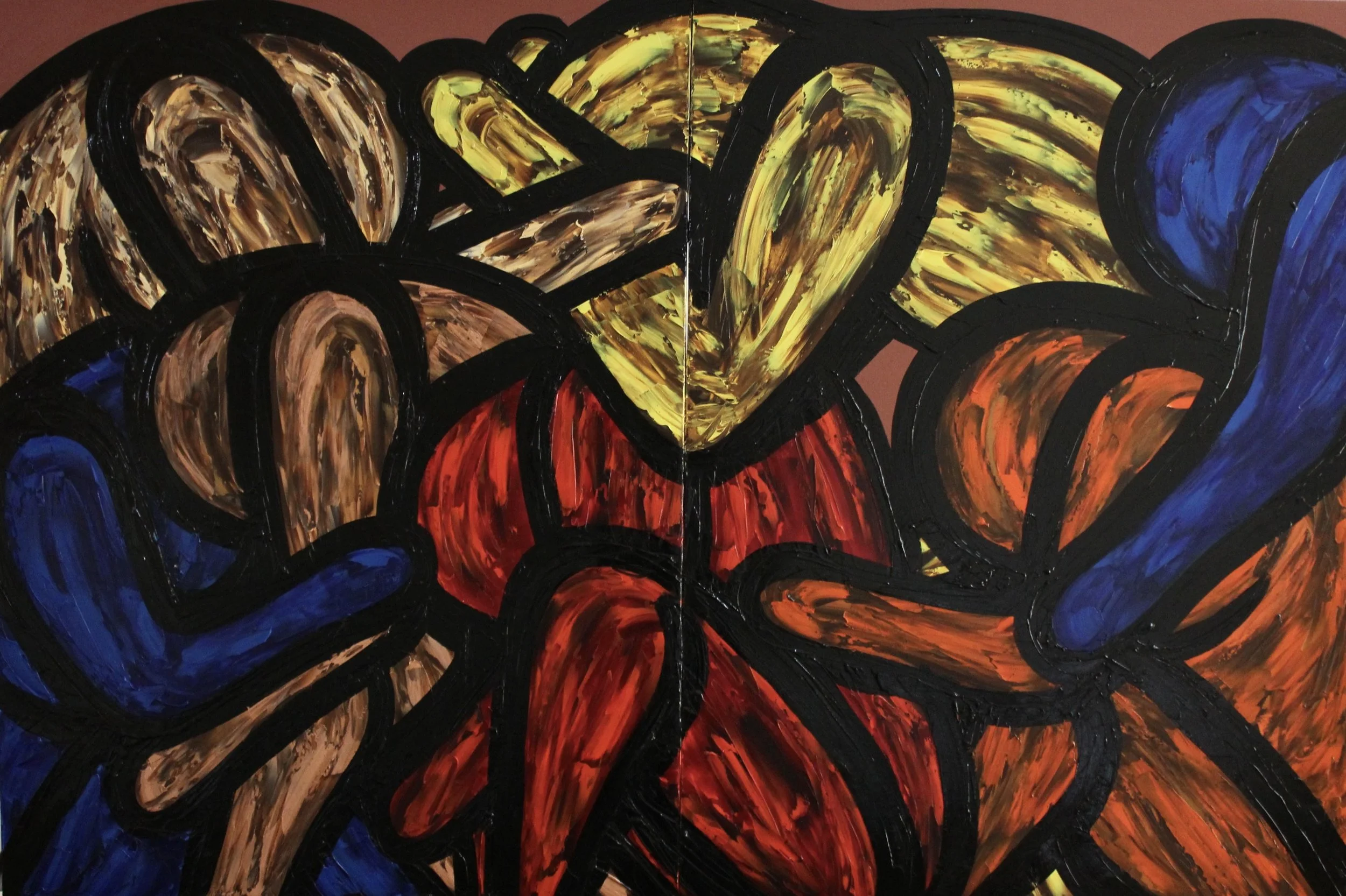
GRIEF - 2024
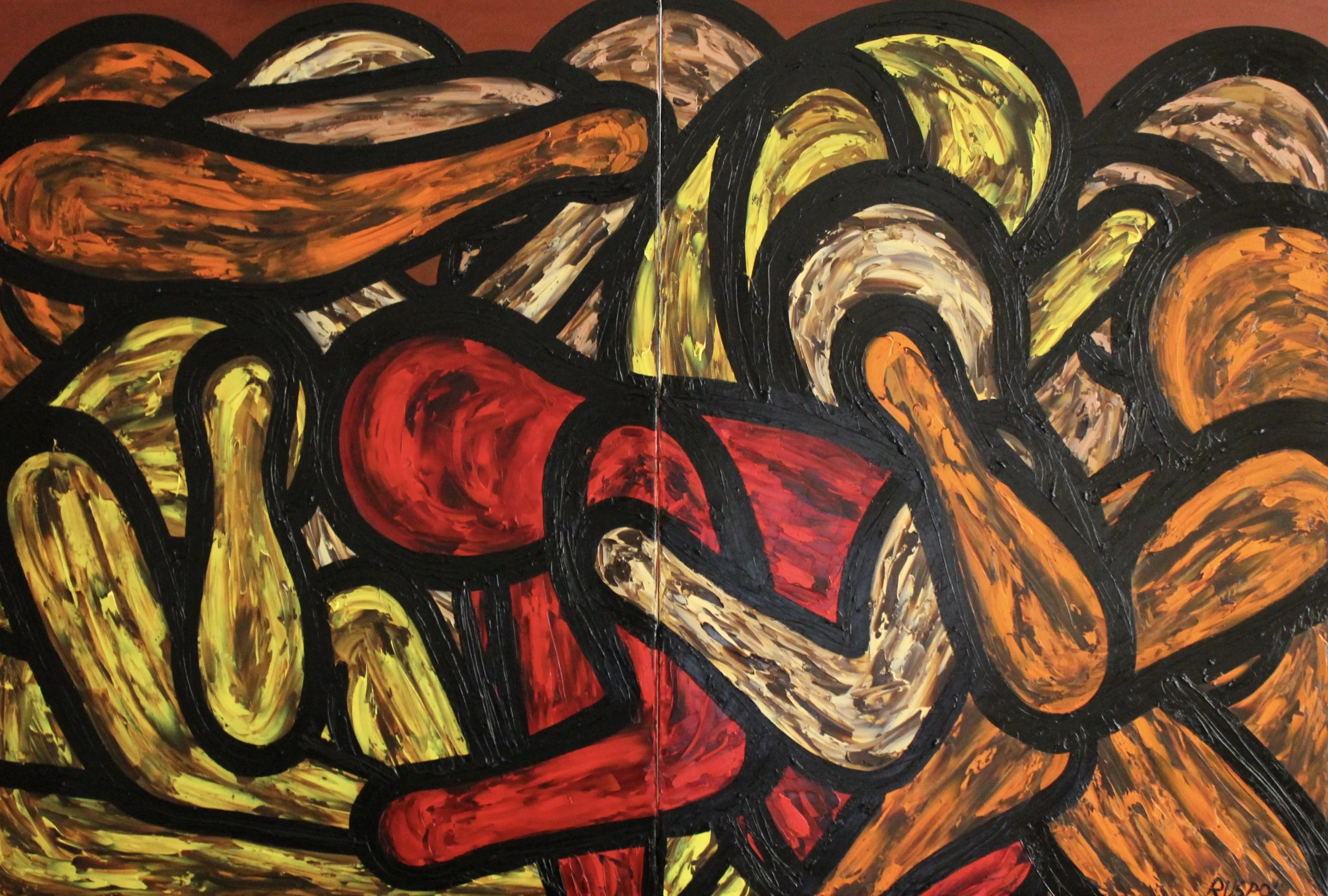
LAMENTATION- 2022
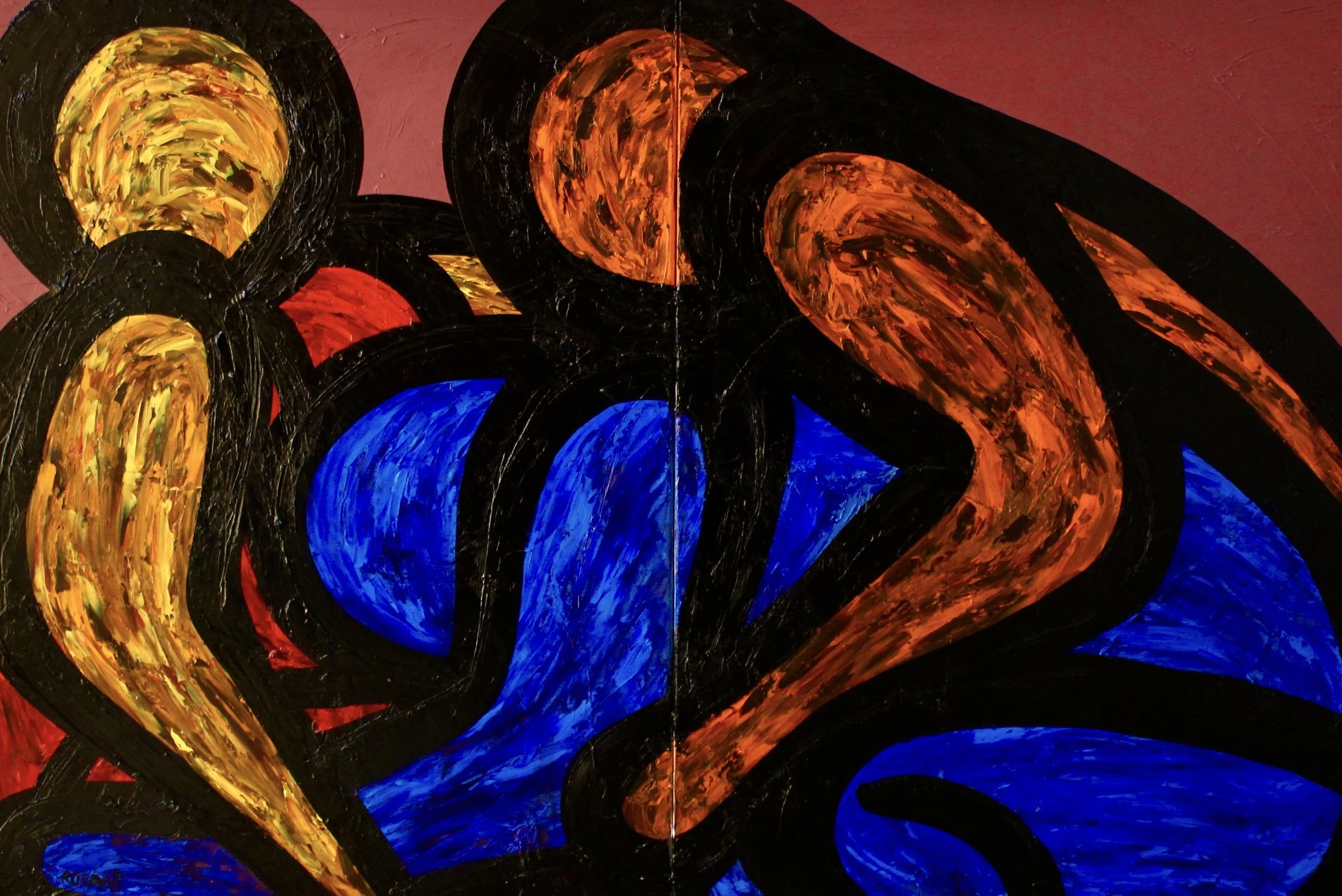
MINDER - 2025
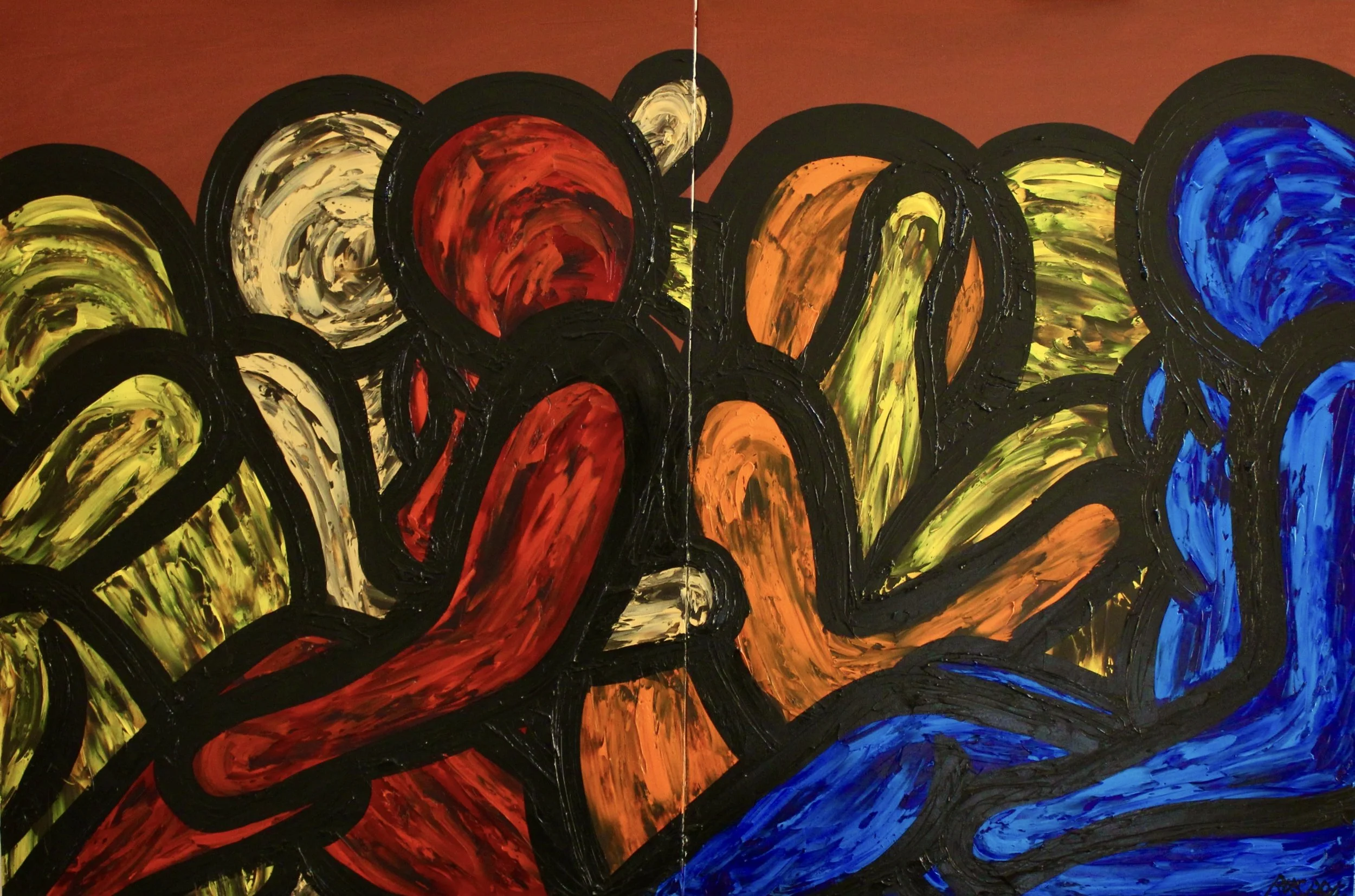
SYMBIOTIC RELATIONS - 2025
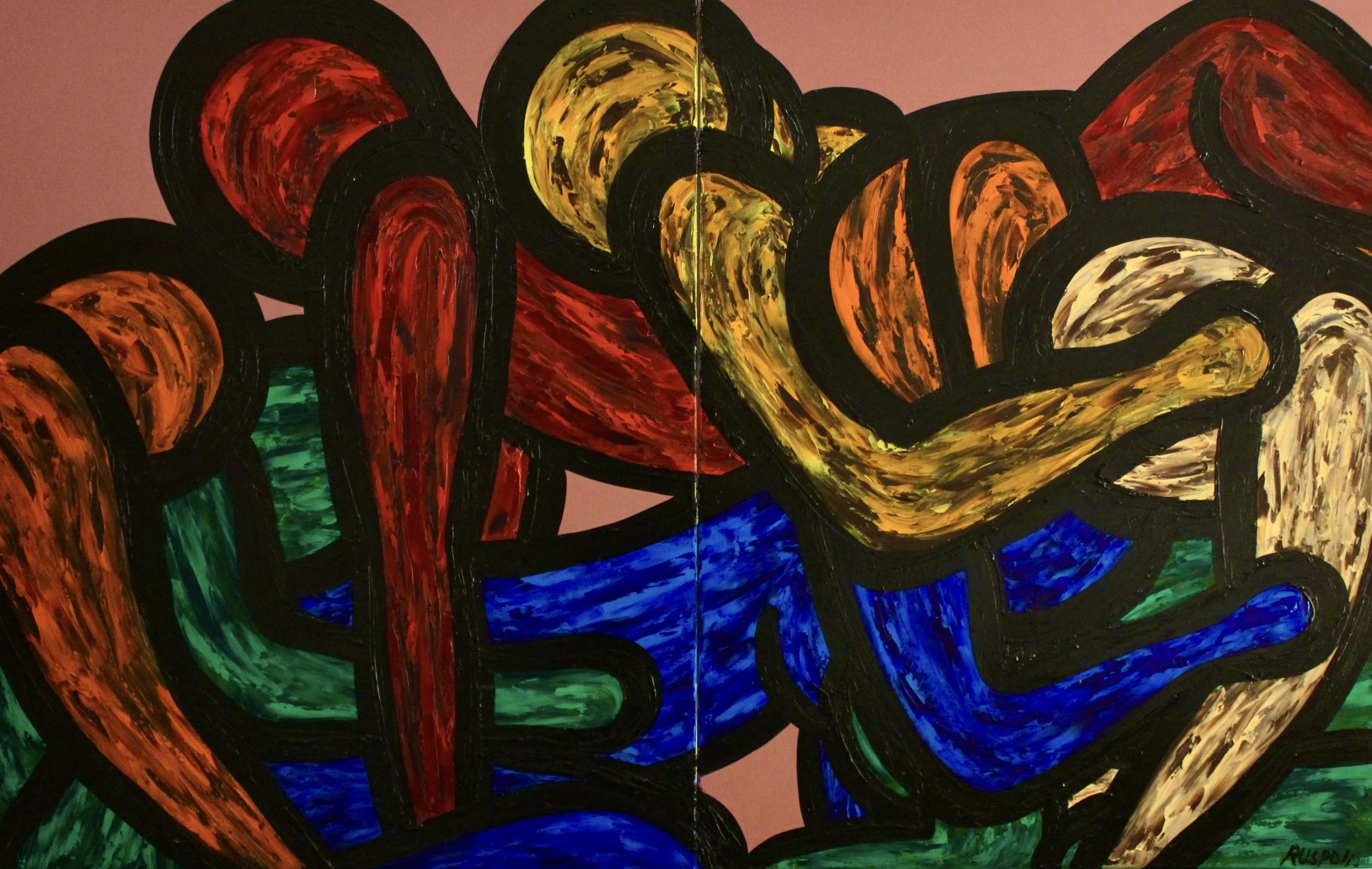
AN EXPECTED WAY - 2025
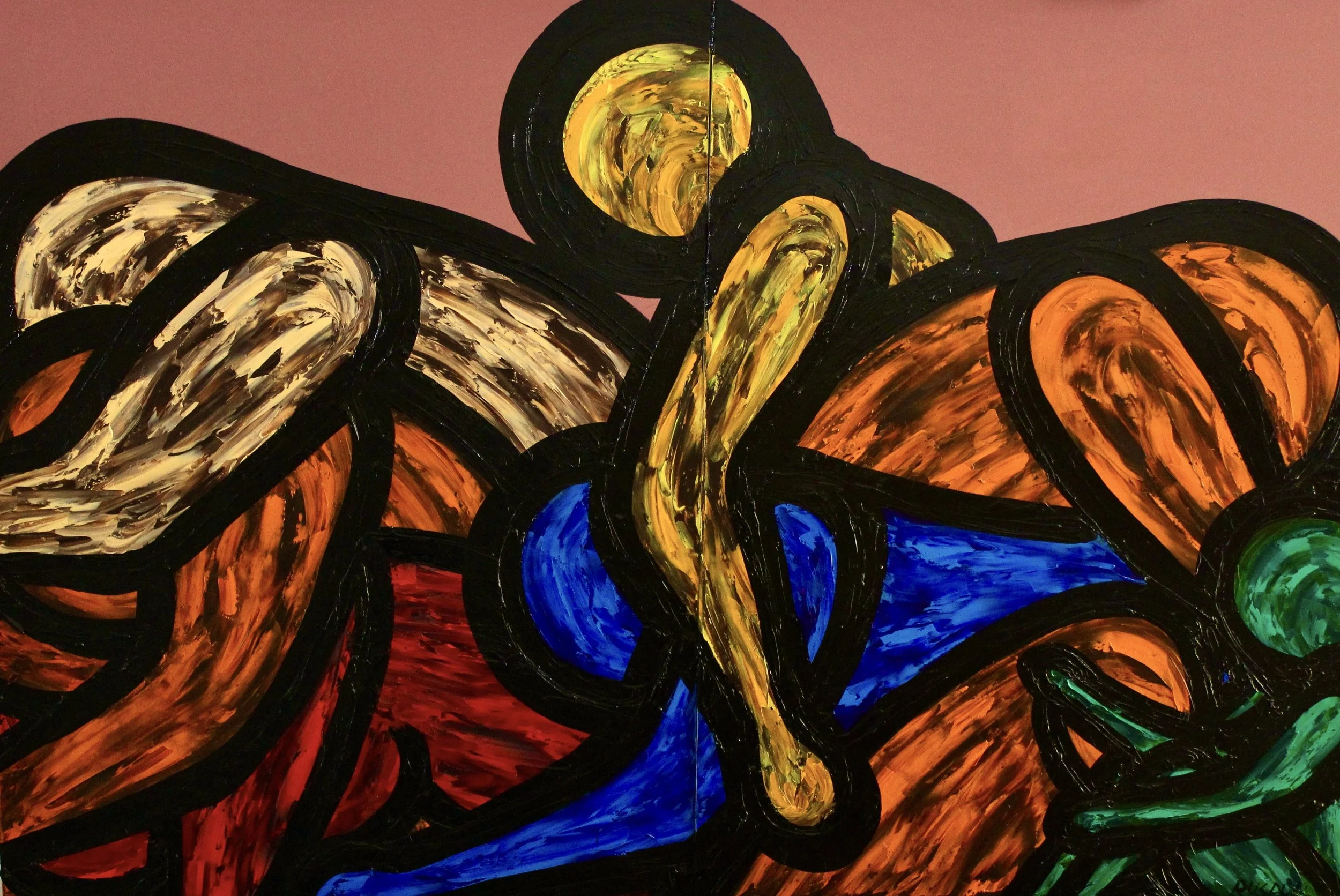
THE QUEST - 2024
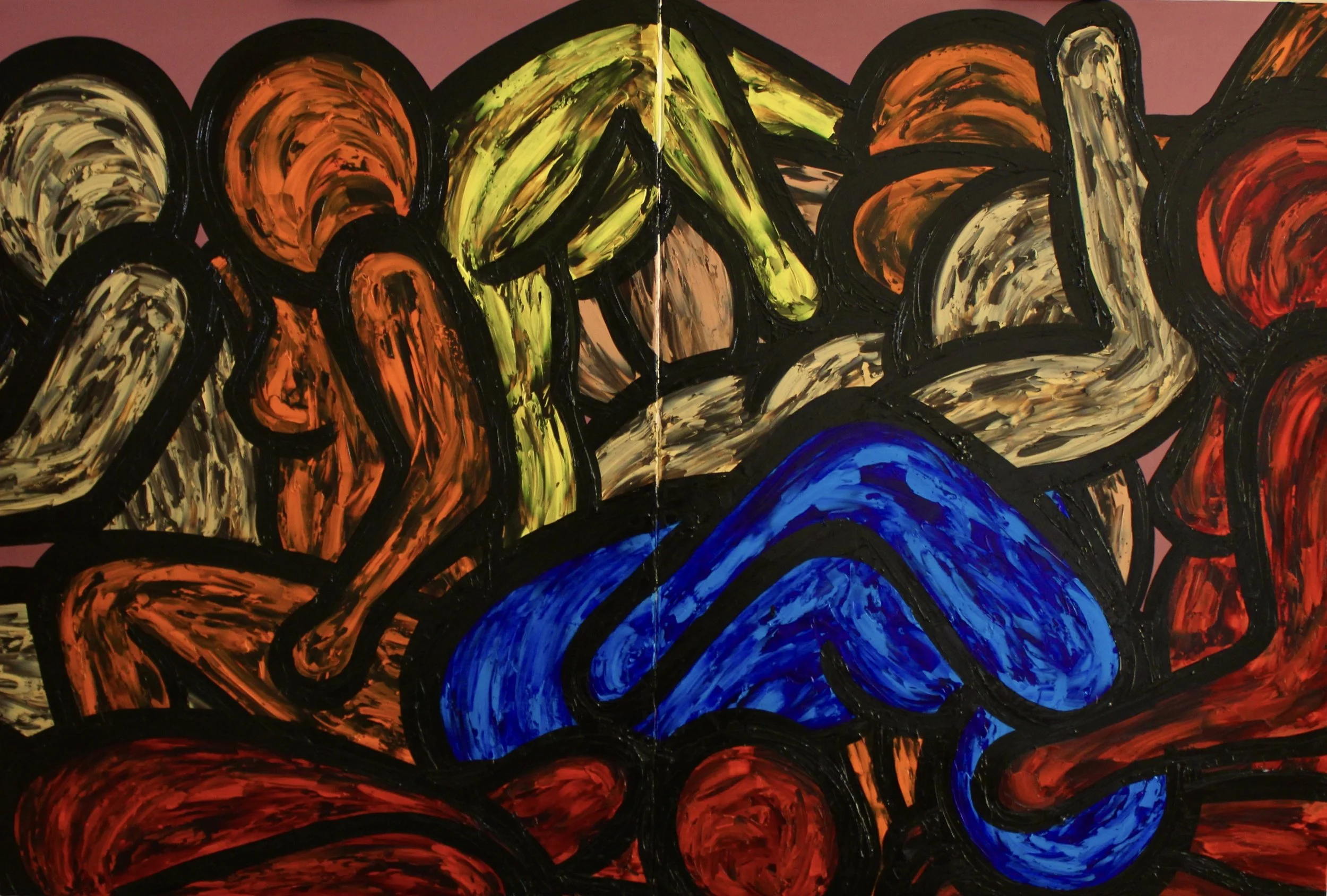
ACCEPTANCE - 2026
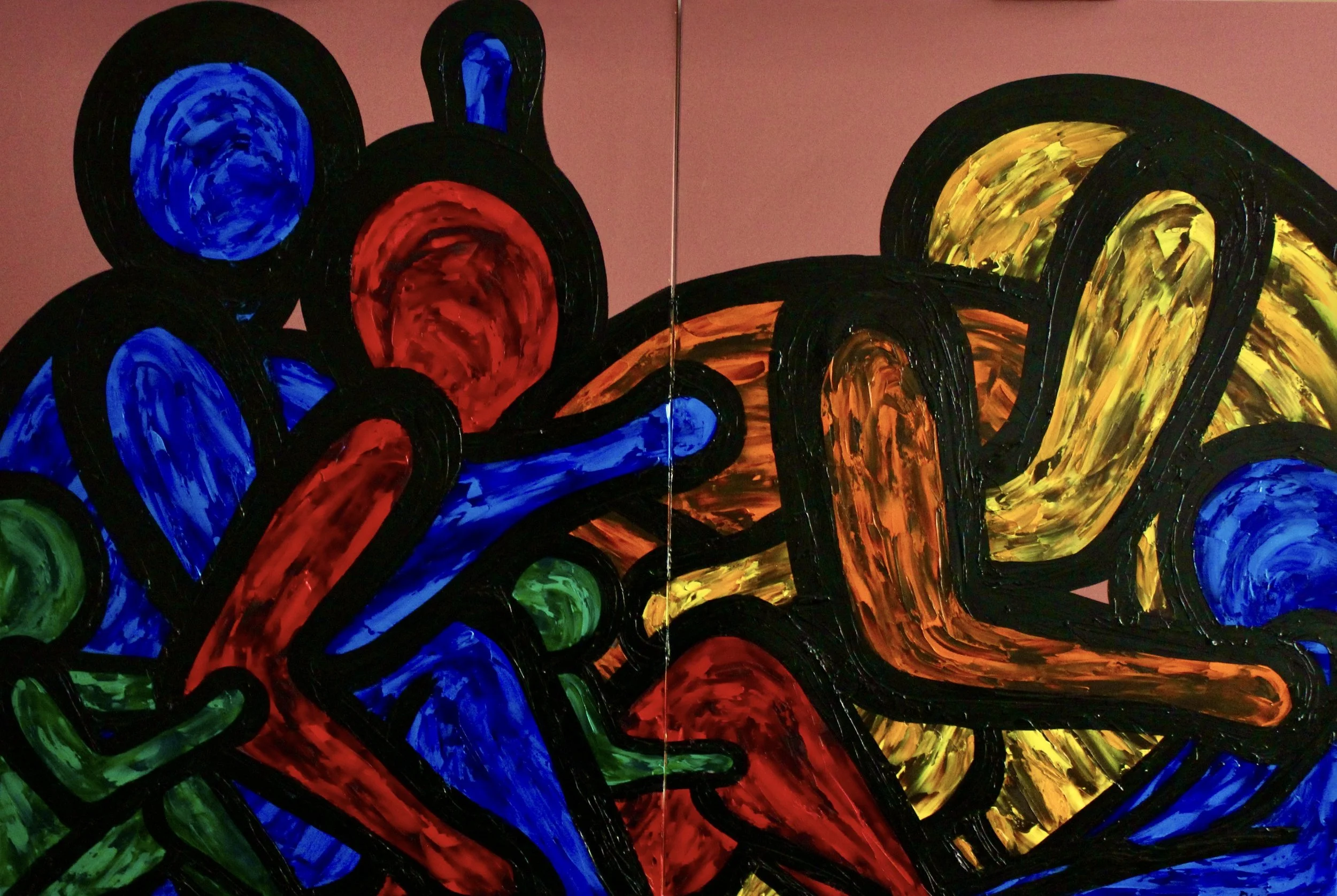
PARENTHOOD - 2024
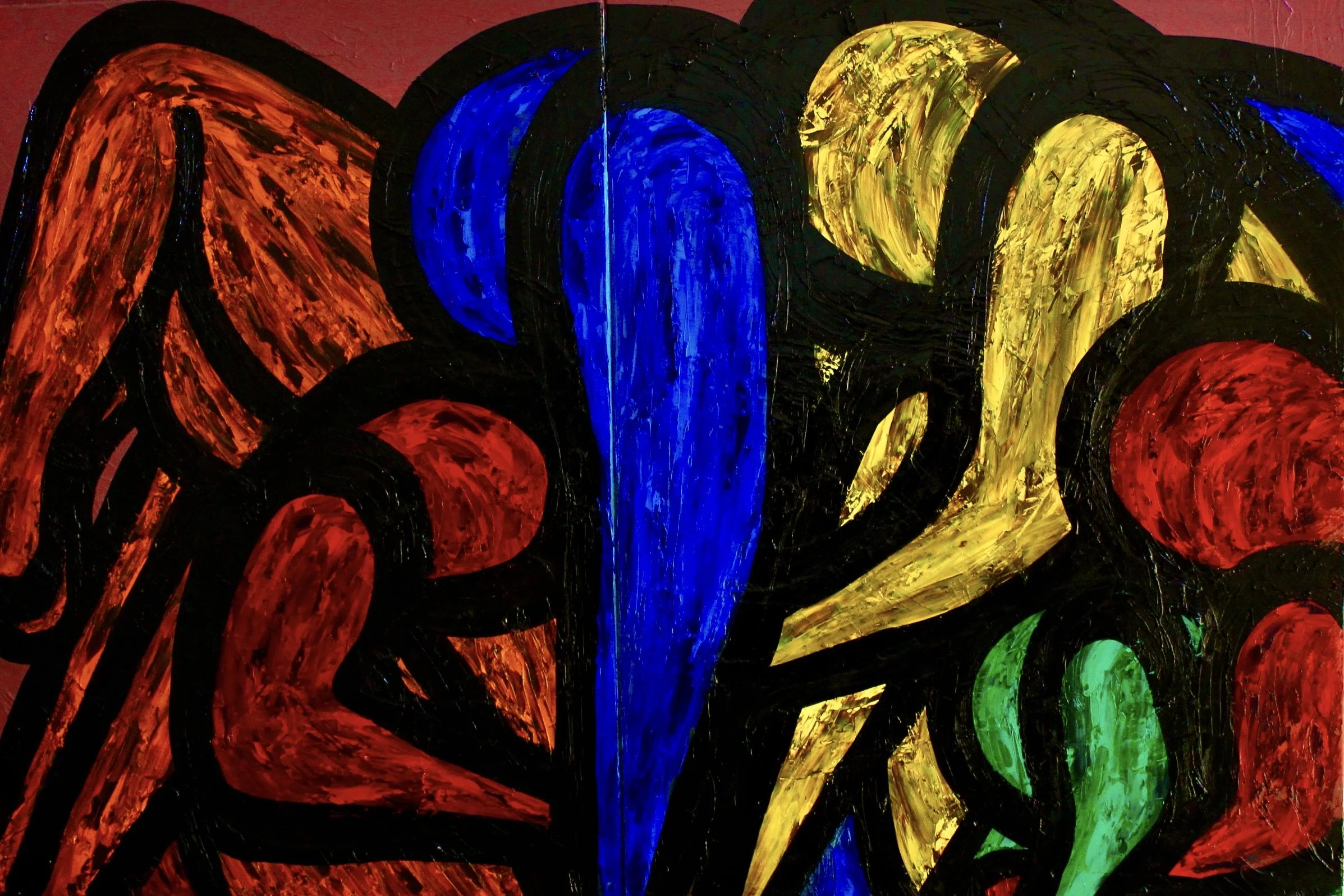
GATHERING - 2026
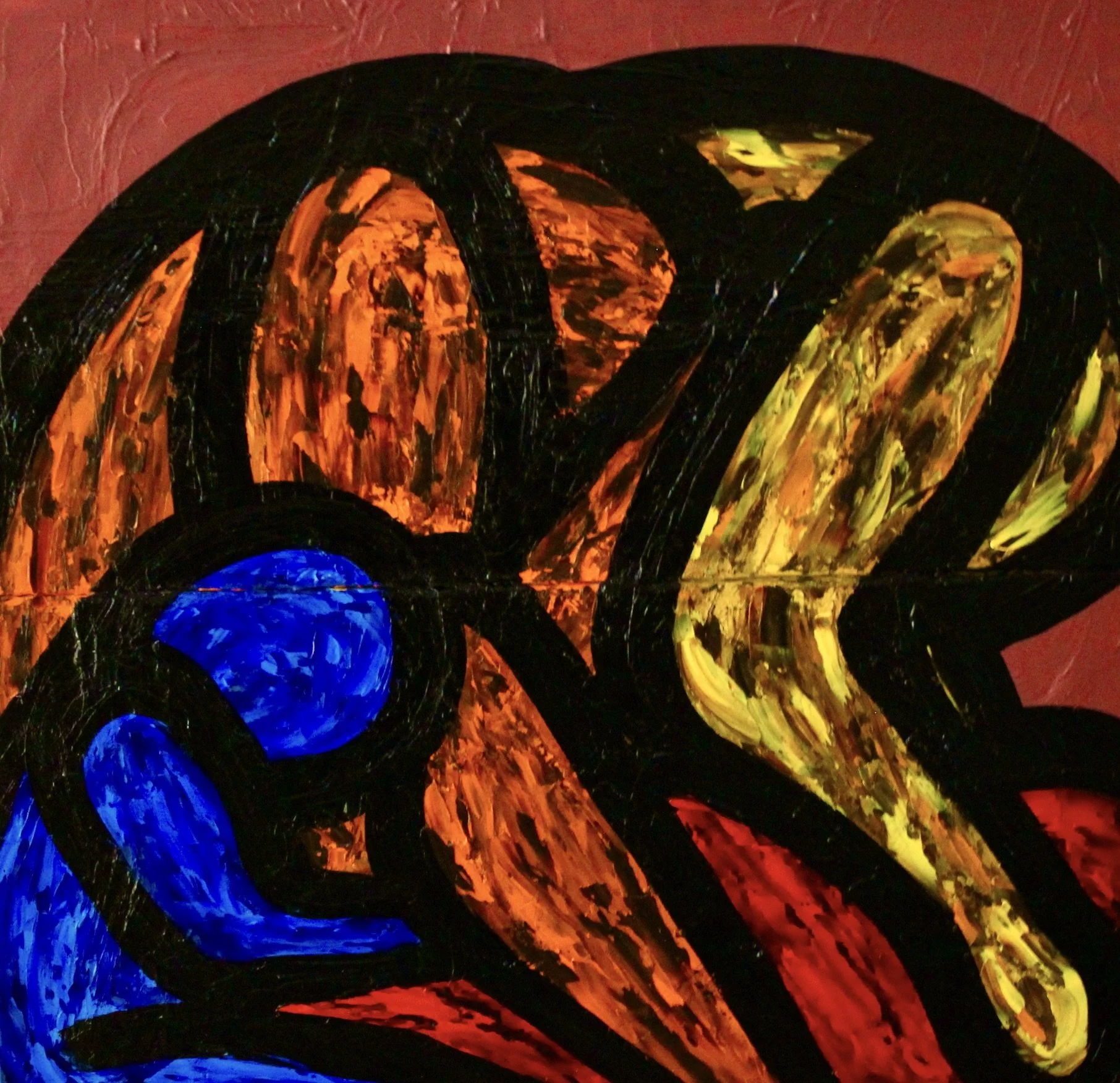
CAREGIVERS- 2026
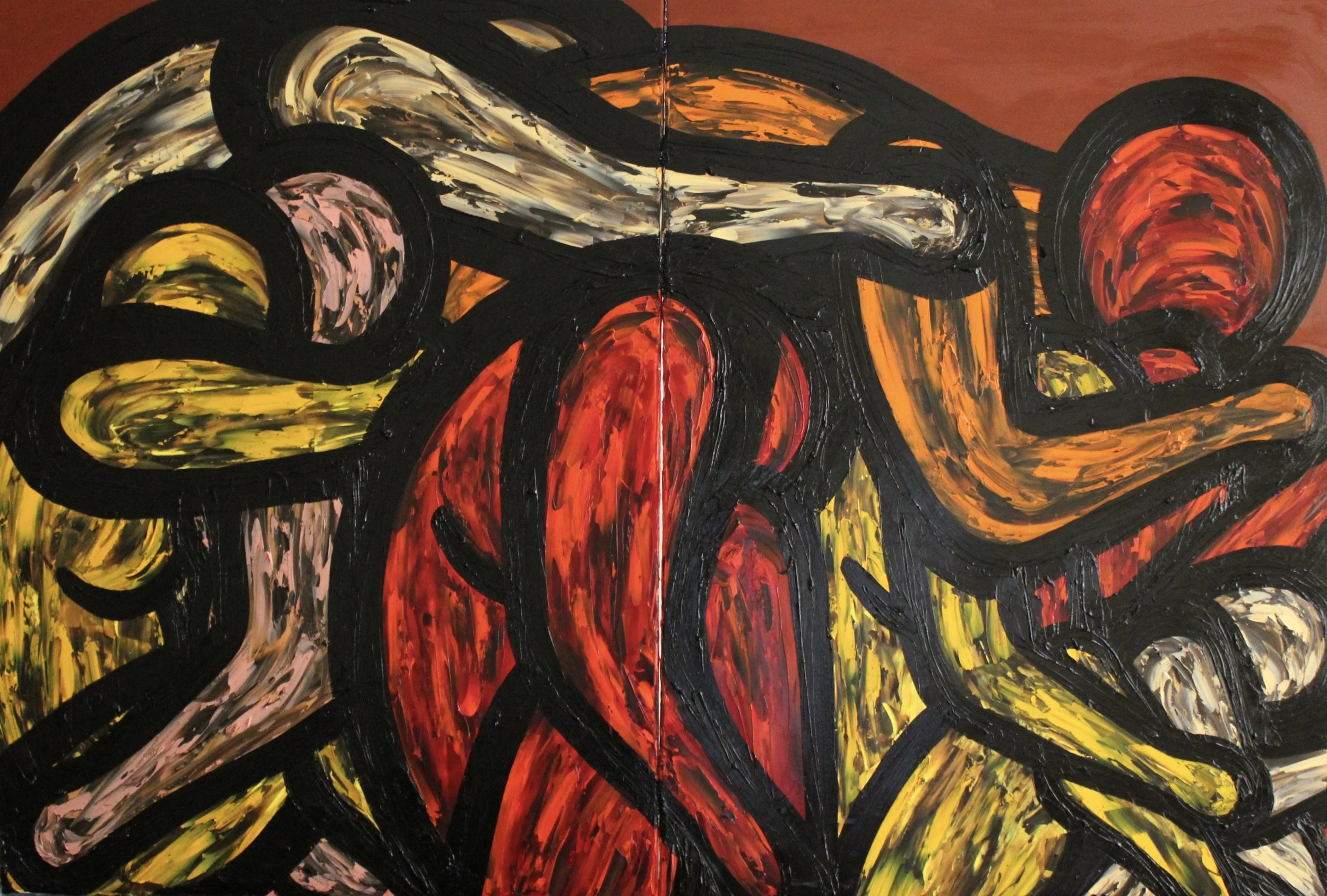
CLOSE BONDS - 2024
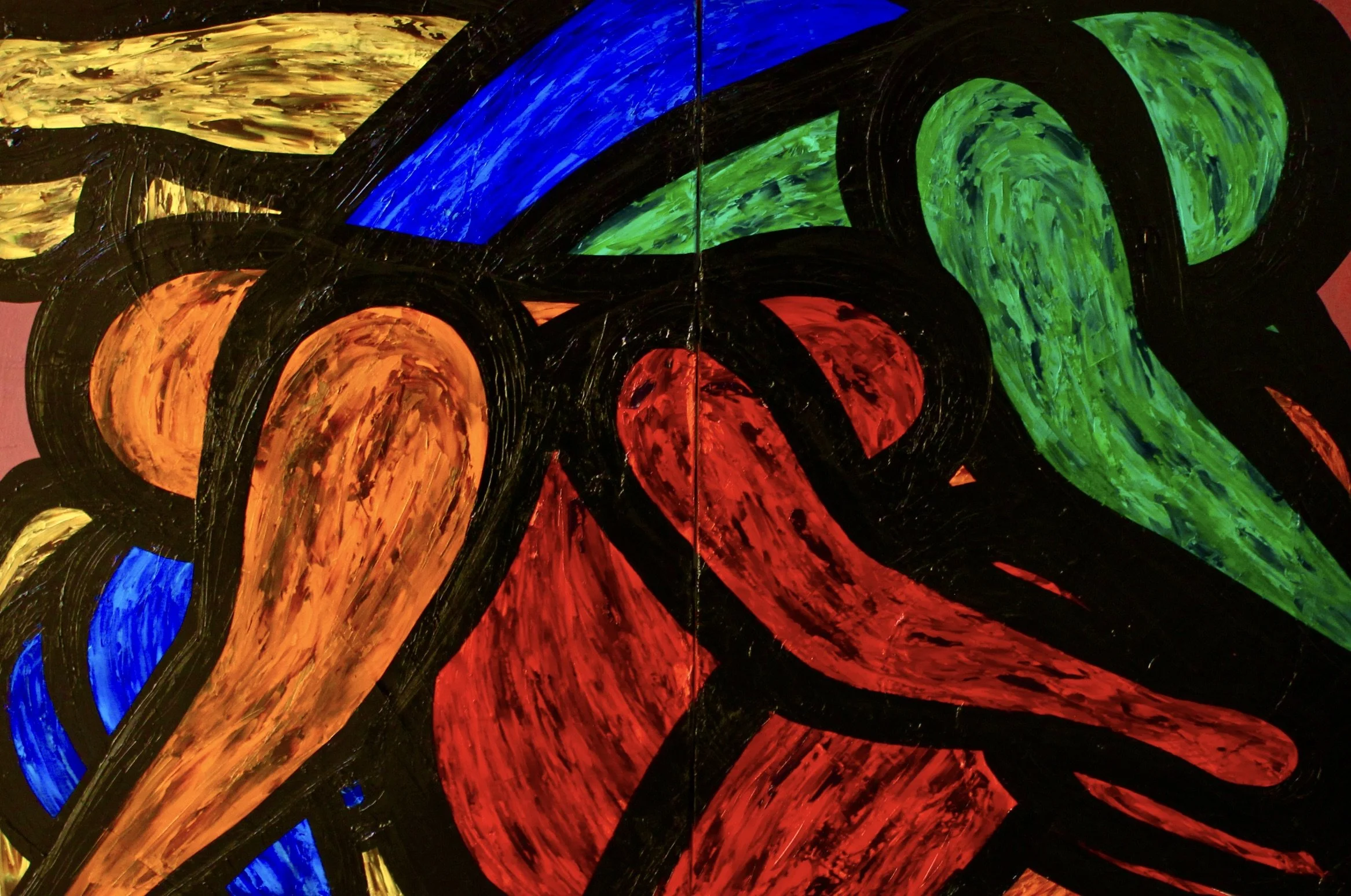
SOLDIERS- 2025
HOPE - 2024